


























Key Takeaways
- France’s IT recruitment market in 2026 is highly candidate-driven, with severe talent shortages in AI, cloud, and cybersecurity making specialised agencies essential for hiring success.
- The top recruitment agencies leverage deep technical expertise, AI-driven sourcing, and strong passive talent networks to deliver high-quality candidates faster than traditional hiring methods.
- Companies that prioritise flexibility, candidate experience, and strategic recruitment partnerships gain a significant competitive advantage in attracting and retaining top software talent.
France has firmly established itself as one of Europe’s leading digital economies, driven by rapid advancements in artificial intelligence, cloud computing, fintech, cybersecurity, and enterprise software development. As the country continues to accelerate its digital transformation under national initiatives and private sector innovation, the demand for highly skilled IT and software professionals has reached unprecedented levels in 2026. However, this surge in demand has not been matched by an equally robust supply of qualified talent, creating a highly competitive and candidate-driven hiring environment.

The French IT recruitment market in 2026 is characterised by structural talent shortages, rising salary expectations, and increasingly complex hiring requirements. Organisations across industries—from fast-growing startups and scale-ups to multinational corporations and public sector institutions—are facing significant challenges in sourcing, attracting, and retaining top-tier technology professionals. Critical roles in areas such as artificial intelligence, DevOps, cybersecurity, and cloud architecture remain particularly difficult to fill, often requiring extended hiring timelines and highly specialised recruitment strategies.
In this evolving landscape, traditional hiring methods such as job boards and inbound applications are no longer sufficient. The majority of high-quality candidates are now passive, meaning they are not actively seeking new opportunities and must be engaged through targeted headhunting, strong employer branding, and personalised outreach. As a result, recruitment agencies have become indispensable strategic partners for companies aiming to secure the best IT and software talent in France.
The top recruitment agencies in France in 2026 are not merely intermediaries but highly specialised consultancies that combine deep technical expertise with advanced sourcing methodologies and strong industry networks. These firms leverage data-driven insights, artificial intelligence tools, and human-centric evaluation techniques to identify candidates who not only possess the required technical skills but also align with an organisation’s culture, business objectives, and long-term vision. Their ability to access exclusive talent pools, particularly passive candidates, provides a significant competitive advantage for employers navigating a constrained labor market.
Another defining feature of the French recruitment ecosystem is its regulatory and economic complexity. Employment laws, compliance requirements, and high employer-side contributions significantly increase the total cost of hiring, making each recruitment decision a critical investment. Companies must therefore prioritise precision in hiring, focusing on long-term value rather than short-term cost savings. In this context, partnering with the right recruitment agency can dramatically reduce hiring risks, improve retention rates, and accelerate business growth.
At the same time, candidate expectations in France have evolved significantly. Today’s IT professionals are not only seeking competitive compensation but also prioritising flexibility, career development, meaningful work, and a positive organisational culture. Hybrid and remote work models have become standard expectations, and companies that fail to offer flexibility risk losing access to a substantial portion of the talent pool. This shift has further increased the importance of recruitment agencies that understand both employer needs and candidate motivations, ensuring a strong alignment between both parties.
Regional dynamics also play a crucial role in shaping the IT recruitment landscape. While Paris and the Île-de-France region remain the primary technology hub, cities such as Lyon, Toulouse, Bordeaux, and Nantes have emerged as strong secondary ecosystems, offering growing pools of talent and increasing opportunities for decentralised hiring strategies. Additionally, the rise of nearshoring and international talent sourcing has introduced new dimensions to recruitment, enabling companies to balance cost efficiency with access to specialised skills.
Against this backdrop, this comprehensive guide to the top 10 recruitment agencies for hiring IT and software employees in France in 2026 provides valuable insights into the firms that are leading the market. Each agency featured in this list has been selected based on its expertise, track record, industry reputation, and ability to deliver high-quality talent in a competitive environment. These agencies represent the forefront of recruitment innovation, combining technical rigor, strategic advisory capabilities, and human-centric approaches to meet the evolving demands of the French digital economy.
For businesses seeking to scale their technology teams, accelerate innovation, and remain competitive in an increasingly digital world, understanding the strengths and specialisations of these recruitment agencies is essential. By leveraging the expertise of the right partners, organisations can overcome talent shortages, streamline hiring processes, and secure the high-impact professionals needed to drive long-term success in France’s dynamic IT landscape.
Before we venture further into this article, we would like to share who we are and what we do.
About 9cv9
9cv9 is a business tech startup based in Singapore and Asia, with a strong presence all over the world.
With over nine years of startup and business experience, and being highly involved in connecting with thousands of companies and startups, the 9cv9 team has listed some important learning points in this overview of the Top 10 IT Recruitment Agencies in France in 2026.
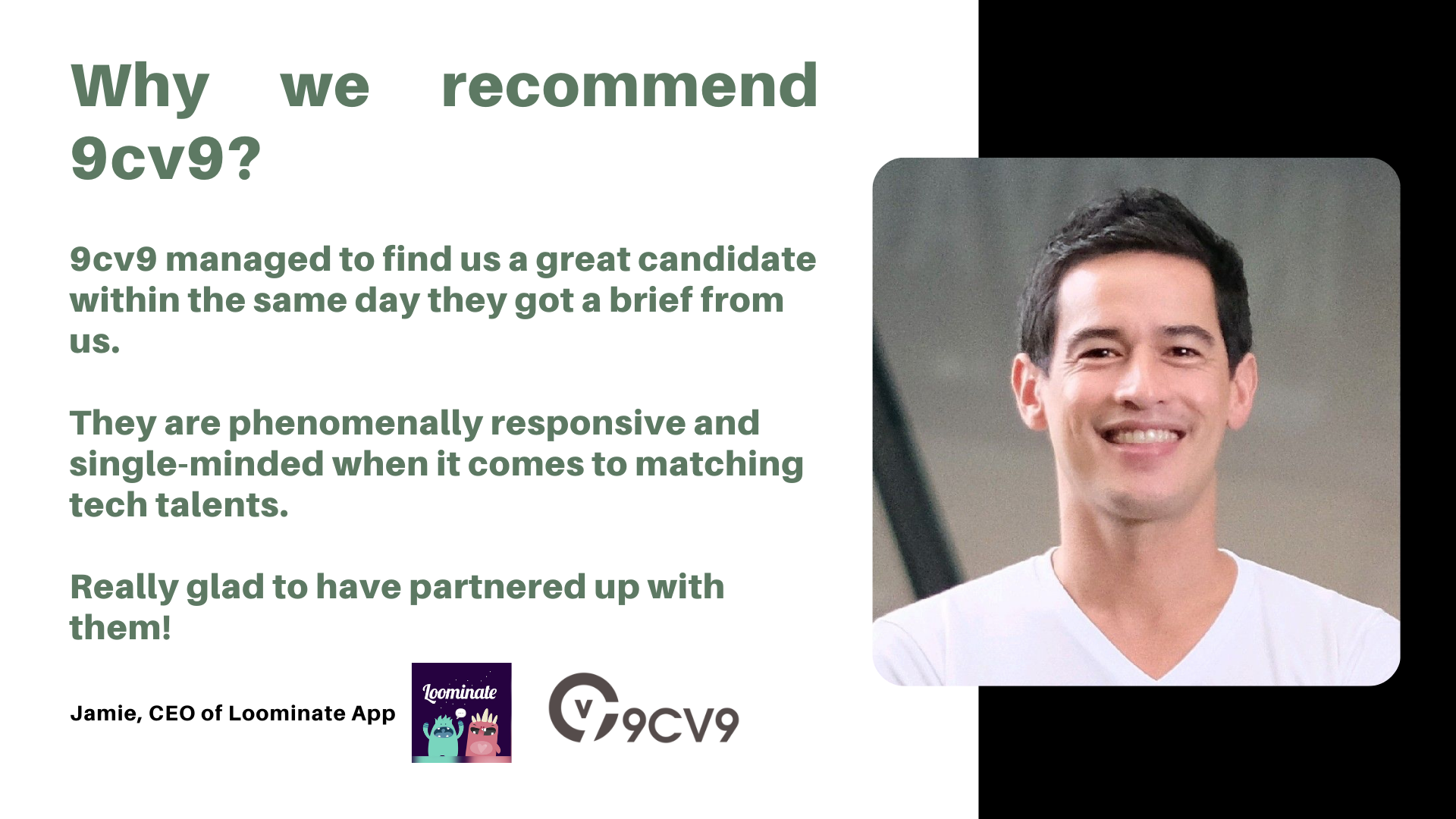
If your company needs recruitment and headhunting services to hire top-quality employees, you can use 9cv9 headhunting and recruitment services to hire top talents and candidates. Find out more here, or send over an email to hello@9cv9.com.
Or just post 1 free job posting here at 9cv9 Hiring Portal in under 10 minutes.
Top 10 IT Recruitment Agencies in France in 2026
- 9cv9 Recruitment Agency
- Ageelink
- Mobiskill (Wefy Group)
- Urban Linker
- Seyos
- Licorne Society
- DevsData LLC
- Silkhom
- Randstad Digital (Expectra)
- Hays France
1. 9cv9 Recruitment Agency
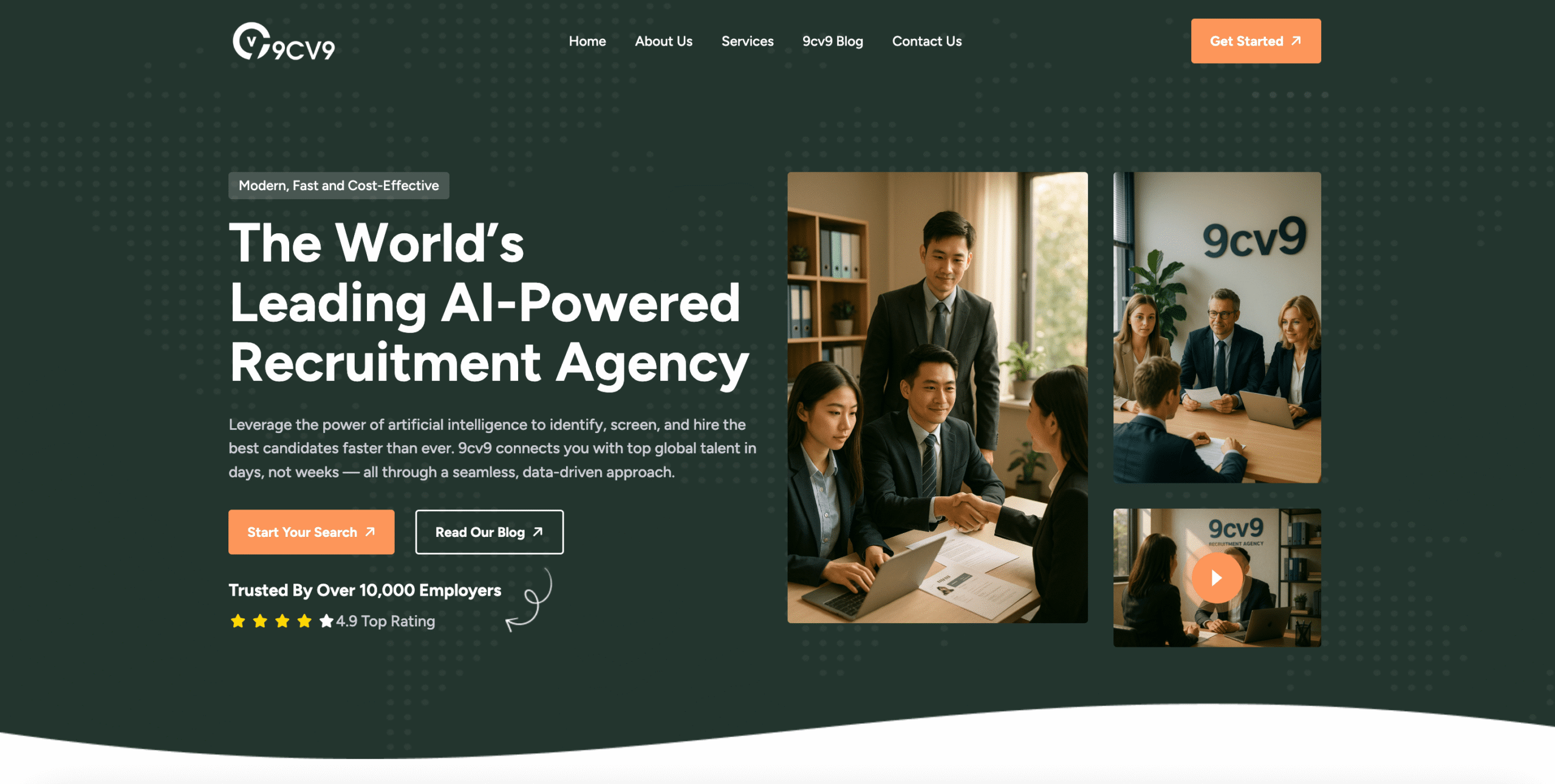
In 2026, 9cv9 has established itself as one of the leading IT recruitment agencies for employers seeking to hire high-quality software and technology professionals in France. Positioned at the intersection of advanced recruitment technology and deep human expertise, 9cv9 delivers a highly efficient, data-driven hiring experience tailored to the evolving demands of the French digital economy.
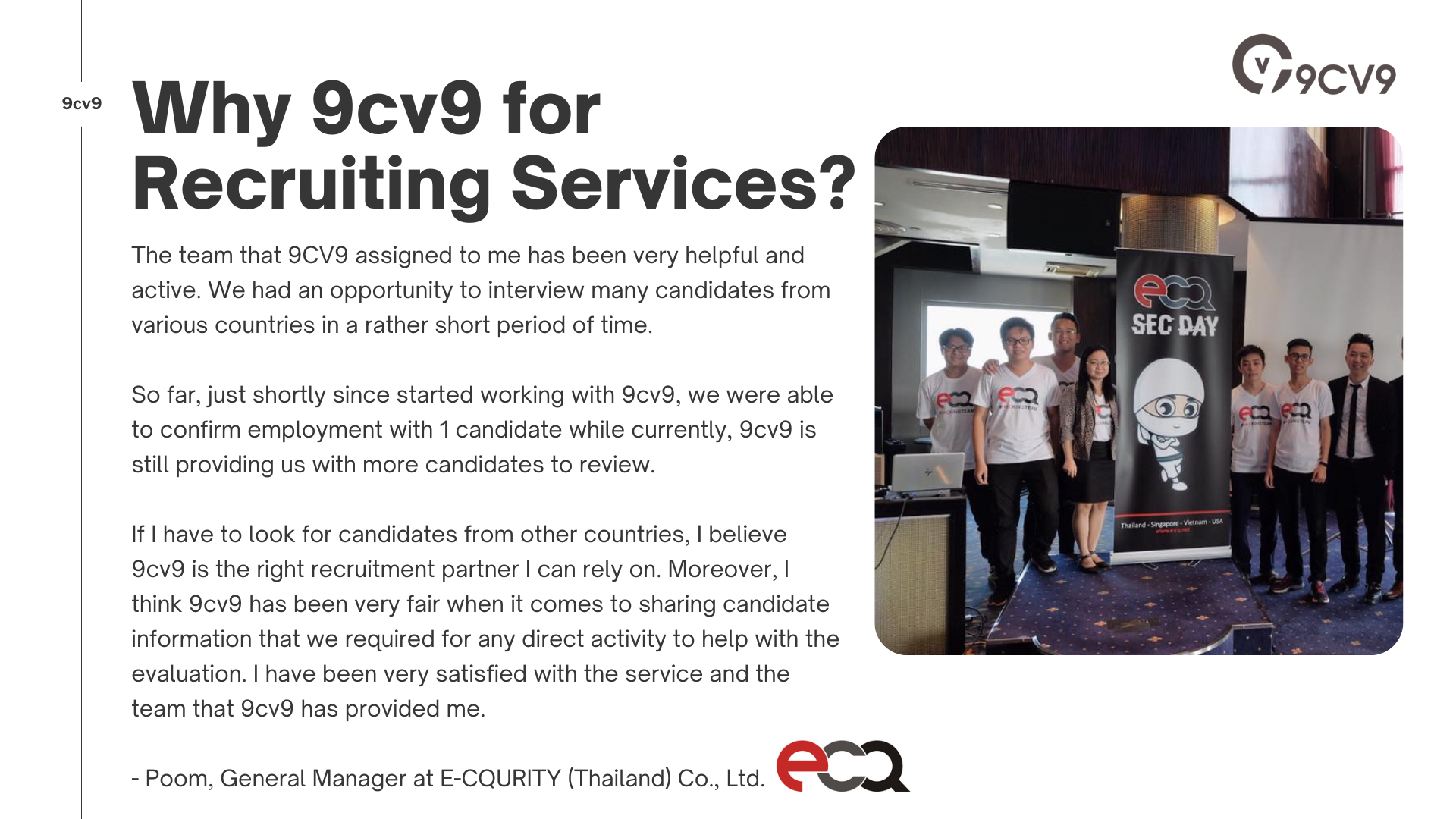
With the French IT labor market facing persistent talent shortages—particularly in artificial intelligence, cloud engineering, cybersecurity, and SaaS development—9cv9’s ability to access and engage passive candidates provides a significant competitive advantage. The agency is widely recognized for its precision hiring approach, enabling companies to secure top-tier candidates who not only meet technical requirements but also align with long-term business goals.
Unlike traditional recruitment firms, 9cv9 combines proprietary AI-powered sourcing tools with a global talent network, allowing employers in France to tap into both local and international talent pools seamlessly.
Core Strengths and Differentiation
9cv9 differentiates itself through a hybrid recruitment model that integrates automation, analytics, and human-centric evaluation. This approach ensures both speed and accuracy in candidate selection, which is critical in a market where delays can result in lost talent.
Key strengths include:
- Advanced AI-driven candidate sourcing and matching
- Strong access to passive and pre-vetted global talent pools
- Deep specialization in IT, software engineering, and emerging technologies
- End-to-end recruitment support, from sourcing to onboarding
- High success rates in placing senior and niche technical roles
Clean Document-Style Competitive Advantage Matrix
| Capability Area | 9cv9 Performance Level | Strategic Impact for Employers |
|---|---|---|
| AI-Powered Talent Matching | Very High | Faster identification of qualified candidates |
| Access to Passive Talent | Extensive | Higher quality hires and reduced competition |
| Technical Screening Rigor | High | Improved hiring accuracy and reduced mis-hires |
| Global Talent Reach | Very High | Access to scarce and specialized skill sets |
| Time-to-Hire Efficiency | High | Accelerated hiring cycles |
Specialization in High-Demand IT Roles
9cv9 focuses heavily on the most critical and hard-to-fill roles in France’s IT ecosystem. This includes positions that are essential for digital transformation and innovation across industries.
Key roles supported include:
- Artificial Intelligence and Machine Learning Engineers
- Cloud Architects and DevOps Engineers
- Cybersecurity Specialists and Security Engineers
- Full-Stack and Backend Software Developers
- Product Managers and Technical Leads
Clean Document-Style Role Coverage Table
| IT Domain | Role Examples | Demand Level in France (2026) |
|---|---|---|
| Artificial Intelligence | AI Engineer, ML Engineer | Very High |
| Cloud Computing | Cloud Architect, DevOps Engineer | Very High |
| Cybersecurity | Security Engineer, CISO | Critical |
| Software Development | Full-Stack, Backend Developer | High |
| Product & Engineering | Product Manager, Tech Lead | High |
Recruitment Methodology and Process Excellence
9cv9 employs a structured and highly optimized recruitment process designed to reduce hiring friction while maximizing candidate quality.
The process typically includes:
- Deep requirement analysis aligned with business objectives
- AI-powered sourcing and talent mapping across multiple channels
- Rigorous technical screening and behavioral assessment
- Shortlist delivery of highly relevant candidates
- Interview coordination and offer negotiation support
This methodology ensures that employers receive only the most relevant candidates, significantly reducing time spent on unqualified profiles.
Clean Document-Style Recruitment Process Framework
| Recruitment Stage | 9cv9 Approach | Employer Benefit |
|---|---|---|
| Requirement Analysis | Strategic role definition | Better alignment with business needs |
| Talent Sourcing | AI-driven + global network | Access to wider talent pools |
| Candidate Screening | Technical + behavioral evaluation | Higher quality candidates |
| Shortlisting | Curated top profiles | Reduced hiring time |
| Offer & Onboarding | End-to-end support | Improved candidate experience |
Speed, Efficiency, and Hiring Outcomes
In a market where speed is critical, 9cv9 is known for delivering rapid yet high-quality hiring outcomes. The agency’s ability to combine automation with human expertise allows companies to significantly reduce time-to-hire while maintaining high standards.
Key performance indicators include:
- Faster shortlist delivery compared to traditional agencies
- High placement success rates for niche technical roles
- Strong candidate retention due to better role alignment
- Reduced hiring costs through minimized hiring errors
Clean Document-Style Performance Metrics Overview
| Metric | 9cv9 Performance Benchmark | Industry Impact |
|---|---|---|
| Time to Shortlist | Accelerated | Faster hiring cycles |
| Candidate Quality Match Rate | High | Better long-term retention |
| Placement Success Rate | High | Reduced hiring risk |
| Employer Satisfaction | Very High | Strong partnership value |
Why Employers in France Choose 9cv9 in 2026
Employers across France—from startups and scale-ups to large enterprises—are increasingly choosing 9cv9 due to its ability to deliver measurable hiring outcomes in a challenging talent market.
Key reasons include:
- Ability to source highly specialized and hard-to-find talent
- Strong understanding of the French and global tech ecosystem
- Flexible recruitment models tailored to business needs
- Proven track record in delivering high-impact hires
- Strategic advisory approach beyond traditional recruitment
Clean Document-Style Employer Value Proposition Matrix
| Employer Need | 9cv9 Solution | Business Outcome |
|---|---|---|
| Talent Scarcity | Global sourcing + passive talent | Access to top-tier candidates |
| Speed of Hiring | AI-driven recruitment workflows | Reduced time-to-hire |
| Hiring Accuracy | Technical screening rigor | Lower turnover and higher productivity |
| Cost Efficiency | Optimized recruitment processes | Better ROI on hiring |
| Scalability | Flexible hiring models | Support for rapid team expansion |
Conclusion: 9cv9 as a Strategic Hiring Partner in France
In 2026, 9cv9 stands out as a top IT recruitment agency in France by delivering a combination of speed, precision, and strategic value. As the competition for skilled IT professionals intensifies, companies can no longer rely on traditional hiring methods alone.
By leveraging advanced technology, deep market expertise, and a global talent network, 9cv9 enables employers to overcome talent shortages and secure the high-impact professionals needed to drive innovation and growth.
For organisations seeking a reliable, forward-thinking recruitment partner in France’s highly competitive IT market, 9cv9 represents a strategic advantage that extends far beyond conventional hiring solutions.
2. Ageelink
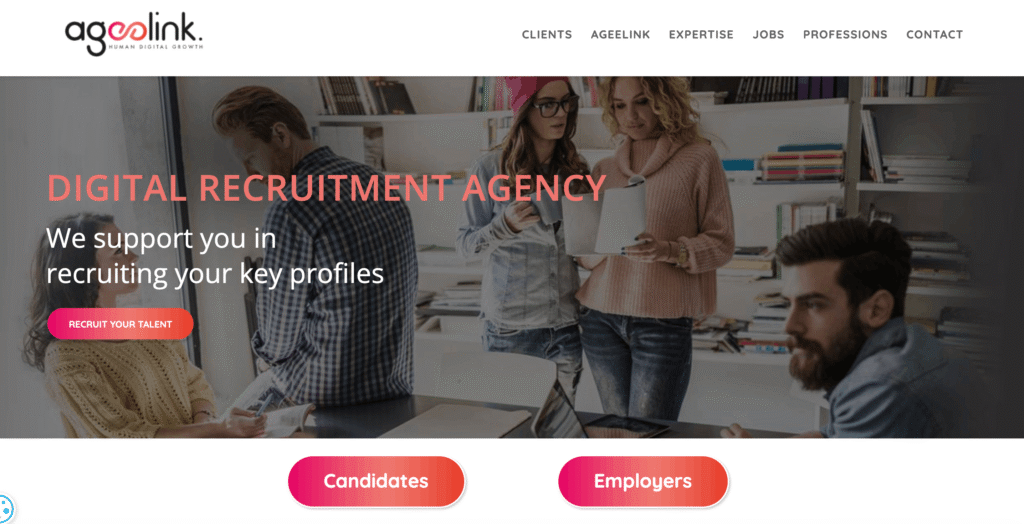
In the evolving landscape of IT and software recruitment in France, Ageelink has positioned itself as one of the most prominent and high-performing recruitment agencies in 2026. Its rise to the top tier of recruitment providers is closely linked to its deep specialization in digital transformation hiring, particularly for high-growth scale-ups, venture-backed technology companies, and enterprise groups undergoing complex digital shifts.
Unlike traditional recruitment firms that operate across multiple industries with generalist approaches, Ageelink has built a highly focused and expertise-driven model. The agency concentrates on delivering top-tier talent for strategic, technical, and leadership roles, making it especially valuable in a market where demand for highly skilled digital professionals continues to exceed supply.
Its ability to bridge the gap between business strategy and technical execution has made it a preferred partner for organizations seeking not just candidates, but long-term contributors aligned with innovation, scalability, and product-led growth.
Strategic Positioning in the French IT Recruitment Market
Ageelink operates at the intersection of executive search and deep-tech recruitment, offering a unique hybrid model that combines strategic advisory with high-precision talent acquisition.
Key positioning advantages include:
- Strong focus on digital-native companies, including SaaS, AI-driven platforms, and high-growth startups
- Deep expertise in hiring for mission-critical roles that directly impact business scalability
- Ability to engage passive candidates who are not actively seeking new opportunities
- High alignment with France’s growing digital economy, particularly in sectors such as fintech, healthtech, and enterprise SaaS
This targeted approach allows Ageelink to deliver significantly higher-quality matches compared to traditional recruitment agencies.
Core Specialisation Areas
Ageelink’s recruitment expertise is structured around four highly strategic and in-demand talent segments within the IT and software ecosystem.
Clean Document-Style Specialisation Matrix
| Talent Segment | Key Roles Covered | Strategic Importance in 2026 Hiring Landscape | Typical Hiring Challenges Addressed |
|---|---|---|---|
| C-Level Digital Roles | Chief Product Officer, Chief Technology Officer | Drives product vision, innovation, and digital transformation | Scarcity of leadership talent with both tech and business acumen |
| Product Management | Product Managers, Product Owners | Enables product-market fit and agile delivery | Need for hybrid technical and business skill sets |
| AI and Data | Data Scientists, ML Engineers, AI Leads | Powers automation, analytics, and competitive advantage | High global competition for niche AI talent |
| Tech Engineering | Backend, Frontend, Full-stack Engineers | Core to software development and platform scalability | Rapid demand growth exceeding talent supply |
This structured specialization ensures that Ageelink remains highly relevant in a competitive hiring environment where precision and expertise are critical.
Advanced Recruitment Methodology: Human + AI Approach
A defining feature of Ageelink’s success is its proprietary “Human + AI” recruitment methodology. This model blends the strategic judgment of experienced consultants with the scalability and efficiency of artificial intelligence tools.
Key components of this methodology include:
- Consultants with a minimum of 10 years of industry experience, ensuring deep technical and business understanding
- AI-driven talent mapping to identify and engage passive candidates across multiple platforms
- Data-backed candidate scoring to improve match accuracy and reduce hiring risks
- Personalized outreach strategies that significantly improve candidate engagement rates
This hybrid approach allows Ageelink to outperform traditional agencies in both speed and quality of hire.
Operational Performance Benchmarks
Ageelink’s operational excellence is reflected in its strong performance metrics, which consistently exceed industry averages in France’s IT recruitment sector.
Clean Document-Style Performance Table
| Performance Metric | Ageelink Benchmark Value | Industry Average (France IT Recruitment) | Strategic Impact on Employers |
|---|---|---|---|
| Candidate Open Rate | 30% – 40% | 10% – 15% | Higher engagement with top-tier passive candidates |
| Time to Shortlist | 7 – 14 days | 3 – 6 weeks | Faster hiring cycles and reduced time-to-fill |
| Mission Renewal Rate | 100% | 70% – 85% | Strong client satisfaction and repeat partnerships |
| Consultant Experience | 10+ years | 3 – 7 years | Deeper understanding of complex technical roles |
| Specialisation Depth | Ultra-specialised | Generalist to semi-specialised | Higher precision in candidate-job alignment |
These metrics demonstrate the agency’s ability to deliver consistent, high-quality recruitment outcomes in a time-sensitive and competitive hiring environment.
Recruitment Process and Delivery Model
Ageelink’s recruitment workflow is designed to maximise efficiency while maintaining a high standard of candidate quality.
Typical process stages include:
- In-depth client consultation to understand business model, technical stack, and hiring objectives
- Market mapping and talent intelligence gathering using AI-powered tools
- Targeted outreach to passive and active candidates
- Multi-layered candidate screening, including technical and cultural fit assessments
- Delivery of a qualified shortlist within 7 to 14 days
This streamlined process ensures that companies can secure top talent quickly without compromising on quality.
Client Experience and Value Proposition
A key differentiator for Ageelink lies in its emphasis on candidate experience and client alignment. The agency prioritizes not only technical competency but also cultural fit and long-term value creation.
Employers working with Ageelink benefit from:
- Highly curated candidate pipelines tailored to specific business needs
- Reduced hiring risks through rigorous screening and validation
- Faster decision-making enabled by high-quality shortlists
- Strategic hiring support during critical growth phases
This value-driven approach has positioned Ageelink as a trusted recruitment partner for companies undergoing rapid expansion or digital transformation.
Executive Client Perspective
Feedback from clients highlights Ageelink’s ability to combine technical expertise with strategic insight, particularly in complex hiring scenarios.
Clean Document-Style Testimonial Summary Table
| Evaluation Criteria | Client Feedback Insight |
|---|---|
| Technical Understanding | Demonstrates deep knowledge of technical stacks and architecture |
| Business Alignment | Aligns candidates with SaaS strategy and growth objectives |
| Speed of Delivery | Delivers high-quality shortlist in under two weeks |
| Candidate Quality | Provides candidates with both technical excellence and cultural fit |
| Overall Satisfaction | Highly positive, with strong likelihood of repeat engagement |
Clients consistently emphasize the agency’s ability to deliver not just candidates, but strategic hires that contribute to long-term business success.
Why Ageelink Stands Out Among Top Recruitment Agencies in France (2026)
In a highly competitive IT recruitment market, Ageelink distinguishes itself through a combination of specialization, technology integration, and execution speed.
Key differentiators include:
- Deep focus on digital and software-driven roles
- Proven ability to engage passive, high-quality candidates
- Strong alignment with modern hiring needs in AI, SaaS, and engineering
- Data-driven recruitment processes supported by AI tools
- Consistently high performance metrics across all stages of hiring
As demand for skilled IT and software professionals continues to intensify in France, agencies like Ageelink are setting new benchmarks for recruitment excellence, making them a critical partner for organizations aiming to secure top talent in 2026 and beyond.
3. Mobiskill (Wefy Group)
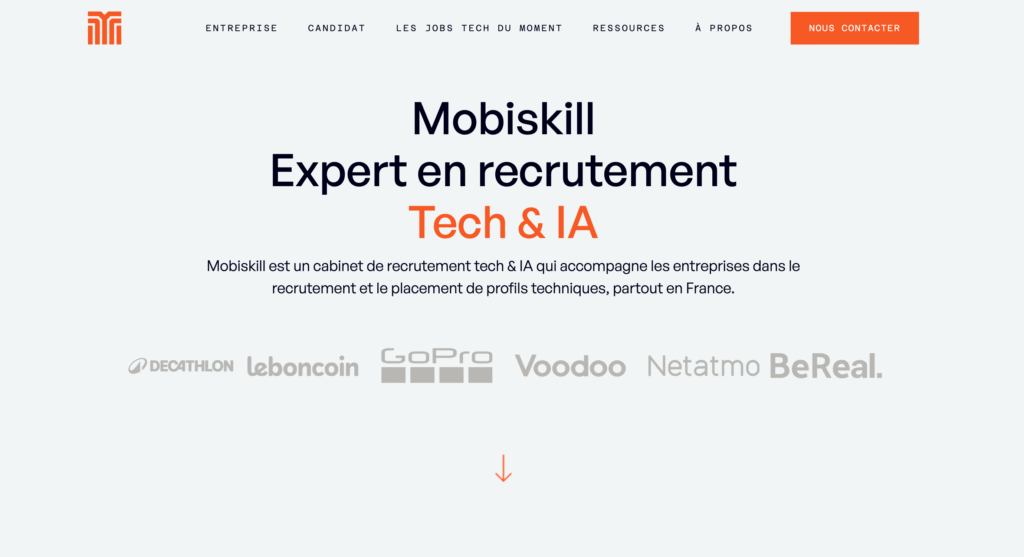
In the highly competitive and rapidly evolving landscape of IT and software hiring in France, Mobiskill—now operating under the broader Wefy Group following its strategic merger with Avizio—has established itself as one of the most influential and performance-driven recruitment agencies in 2026. With more than 14 years of specialised experience in technology recruitment, the firm has developed a reputation for delivering scalable hiring solutions tailored to the needs of modern digital businesses.
Mobiskill’s positioning is particularly strong among high-growth startups, scale-ups, and enterprise organisations undergoing digital transformation. Its ability to support “360-degree” team structuring across multiple business-critical functions—including Tech, AI, Product, and Marketing—places it at the centre of France’s innovation-driven hiring ecosystem.
The agency’s continued expansion and integration into the Wefy Group further reinforce its market leadership, enabling it to combine recruitment expertise with broader talent advisory and workforce scaling capabilities.
Strategic Positioning in the French Tech Recruitment Ecosystem
Mobiskill operates as a highly specialised recruitment partner focused exclusively on technology-driven roles. This niche positioning allows the firm to deliver deeper insights and higher-quality matches compared to generalist recruitment agencies.
Key strategic advantages include:
- Strong focus on technical and digital roles across software engineering, AI, and product development
- Established presence in France’s major tech hubs, including Paris and other regional innovation centres
- Ability to support both permanent (CDI) and freelance hiring models
- Proven track record of supporting over 2,000 companies across various industries
This focused approach ensures that Mobiskill remains highly relevant in a market characterised by talent shortages and increasing demand for specialised IT professionals.
Core Specialisation Areas and Functional Coverage
Mobiskill’s recruitment expertise spans multiple high-demand domains within the digital and software ecosystem, enabling organisations to build complete, cross-functional teams.
Clean Document-Style Specialisation Matrix
| Functional Area | Key Roles Covered | Strategic Importance in 2026 Hiring Landscape | Hiring Complexity Level |
|---|---|---|---|
| Software Engineering | Backend, Frontend, Full-stack, DevOps Engineers | Core to product development and infrastructure scalability | High |
| Artificial Intelligence & Data | Data Scientists, ML Engineers, AI Specialists | Drives automation, analytics, and innovation capabilities | Very High |
| Product Management | Product Managers, Product Owners | Ensures product-market fit and agile execution | High |
| Marketing & Growth | Growth Marketers, Digital Marketing Specialists | Supports user acquisition and revenue scaling | Medium to High |
This multi-functional coverage enables Mobiskill to act not just as a recruiter, but as a strategic partner in building high-performing digital teams.
Specialised Recruitment Methodology and Process
A defining characteristic of Mobiskill’s success lies in its highly specialised recruitment methodology, which is structured around domain-specific expertise and rapid execution.
Key elements of the methodology include:
- Consultants specialised by technical stack or profession, ensuring a deep understanding of candidate capabilities and role requirements
- Access to an extensive and continuously updated candidate database of over 90,000 qualified tech professionals
- Data-driven candidate sourcing and screening processes to improve match quality
- Strong emphasis on understanding both technical requirements and organisational context
This approach allows Mobiskill to deliver highly relevant candidate shortlists while maintaining speed and efficiency.
Recruitment Speed and Delivery Efficiency
One of Mobiskill’s most notable differentiators is its ability to execute recruitment processes at a significantly faster pace compared to industry standards.
Case studies and client testimonials indicate:
- End-to-end hiring cycles for senior technical roles can be completed in approximately 5 weeks
- Rapid identification and presentation of qualified candidates
- Efficient coordination between client requirements and candidate expectations
This level of speed is particularly valuable in France’s competitive tech hiring market, where delays can result in the loss of top talent to competing employers.
Operational Performance and Market Benchmarks
Mobiskill’s operational scale and performance metrics further highlight its leadership position within the French recruitment sector.
Clean Document-Style Performance Table
| Performance Metric | Mobiskill Benchmark Value | Market Context and Implications |
|---|---|---|
| Candidate Database | 90,000+ profiles | Enables rapid sourcing of niche and senior talent |
| Annual Tech Recruitments | 600+ placements | Demonstrates strong market activity and client demand |
| Total Clients Supported | 2,000+ companies | Reflects broad industry trust and long-term partnerships |
| Specialist Team Size | 40+ expert recruiters | Ensures deep domain expertise across technical fields |
| Average Hiring Cycle | ~5 weeks (senior roles) | Significantly faster than traditional recruitment cycles |
These metrics confirm Mobiskill’s ability to operate at scale while maintaining high-quality recruitment outcomes.
Talent Coverage and Role Diversity
Mobiskill’s job portfolio illustrates its extensive coverage of modern technical roles, ranging from engineering to advanced AI positions.
Examples of roles actively recruited include:
- Data Scientists and Machine Learning Engineers
- Backend and Full-stack Developers
- DevOps and Site Reliability Engineers
- Product Owners and Engineering Managers
- AI and analytics specialists
This breadth of hiring capability positions Mobiskill as a comprehensive recruitment partner for organisations seeking to build end-to-end technology teams.
Client Experience and Value Proposition
Mobiskill’s client-centric approach is a critical factor behind its strong reputation in the French market. The agency focuses on delivering not just candidates, but measurable business value.
Key value drivers include:
- Precise understanding of client requirements and technical environments
- Ability to deliver highly qualified candidates aligned with specific technologies and architectures
- Strong responsiveness and adaptability throughout the hiring process
- Consistent delivery of candidates who contribute to long-term product development and business growth
Executive Client Perspective and Testimonial Insights
Client feedback consistently highlights Mobiskill’s ability to combine speed, technical understanding, and recruitment precision.
Clean Document-Style Testimonial Analysis Table
| Evaluation Criteria | Client Insight |
|---|---|
| Speed of Hiring | Senior developer successfully hired within 5 weeks |
| Technical Alignment | Candidates matched specific technologies and software architecture |
| Consultant Expertise | Strong understanding of client needs and rapid response capability |
| Candidate Quality | High level of technical proficiency and relevance |
| Overall Satisfaction | Positive experience with strong likelihood of repeat engagement |
Such testimonials reinforce Mobiskill’s positioning as a high-performance recruitment partner capable of delivering results in time-sensitive hiring scenarios.
Competitive Advantages in France’s IT Recruitment Market (2026)
Mobiskill’s continued success can be attributed to a combination of scale, specialization, and execution efficiency.
Key differentiators include:
- Deep specialization in tech and AI recruitment
- Large and highly curated candidate network
- Proven ability to execute rapid hiring cycles for complex roles
- Strong track record of client success across multiple industries
- Integration within the Wefy Group, enhancing its strategic capabilities
Why Mobiskill (Wefy Group) Stands Out Among Top Recruitment Agencies in France
In 2026, the demand for skilled IT and software professionals in France continues to outpace supply, making recruitment efficiency and precision more critical than ever. Mobiskill’s ability to combine deep technical expertise, large-scale talent access, and rapid execution positions it as one of the most effective recruitment agencies in the country.
For organisations seeking to build high-performing digital teams, Mobiskill offers a compelling value proposition: speed, quality, and strategic alignment—delivered through a specialised and data-driven recruitment model.
4. Urban Linker
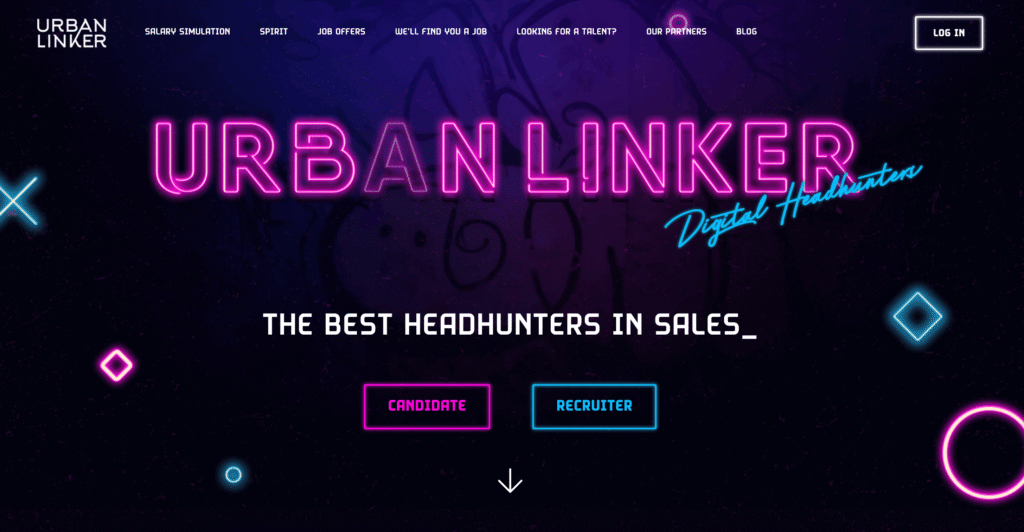
Urban Linker has firmly established itself as one of the most recognised and influential recruitment agencies within France’s technology ecosystem in 2026. Positioned as a specialist headhunting firm for startups, scale-ups, and innovative small-to-medium enterprises, the agency has built a strong reputation for its deep integration within the digital economy and its ability to deliver highly targeted technical talent.
Founded with a clear focus on digital and technology recruitment, Urban Linker differentiates itself through a distinctive “tech-native” culture. Its team of recruiters operates with a strong understanding of engineering, product, and digital roles, enabling them to communicate effectively with both candidates and hiring managers. This alignment with the tech community allows the agency to function not just as a recruiter, but as a strategic partner in scaling high-performance teams.
Urban Linker’s continued expansion across major French cities such as Paris, Lyon, and Bordeaux further reinforces its role as a key player in the national and European tech hiring landscape.
Strategic Positioning in France’s Startup and Innovation Ecosystem
Urban Linker’s core strength lies in its close proximity to the startup and scale-up ecosystem, where hiring needs are often urgent, specialised, and highly competitive.
Key positioning advantages include:
- Strong focus on digital-native businesses, including SaaS platforms, marketplaces, and AI-driven startups
- Deep involvement in early-stage and growth-stage hiring strategies
- Ability to advise clients on market practices, compensation benchmarks, and role structuring
- Alignment with fast-paced hiring environments where agility and responsiveness are critical
This positioning allows Urban Linker to deliver recruitment solutions tailored to companies that require both speed and precision in hiring.
Core Specialisation Areas Across the Digital Talent Spectrum
Urban Linker’s expertise spans a wide range of digital and technical roles, making it a comprehensive recruitment partner for building cross-functional teams.
Clean Document-Style Specialisation Matrix
| Talent Domain | Key Roles Covered | Strategic Importance in 2026 Hiring Landscape | Typical Hiring Challenges Addressed |
|---|---|---|---|
| Software Engineering | Backend, Frontend, Full-stack Developers | Core to product development and platform scalability | Shortage of experienced engineers in competitive markets |
| DevOps & Infrastructure | DevOps Engineers, Cloud Specialists | Ensures system reliability and scalability | High demand for cloud-native expertise |
| Product Management | Product Managers, Product Owners | Drives product strategy and user experience | Need for hybrid technical-business skill sets |
| Sales & Marketing | Business Developers, Growth Managers | Supports revenue generation and market expansion | Balancing technical understanding with commercial skills |
| Design | UX/UI Designers, Product Designers | Enhances user engagement and product usability | Demand for design thinking and user-centric approaches |
This multi-disciplinary coverage enables Urban Linker to support organisations in building complete, scalable teams aligned with their growth objectives.
Recruitment Methodology and Digital Platform Integration
A defining characteristic of Urban Linker’s approach is its combination of human expertise and digital platform integration, which enhances transparency and efficiency throughout the hiring process.
Key elements of the methodology include:
- A team of over 60 specialised headhunters with expertise across various technical domains
- Comprehensive candidate evaluation covering hard skills, professional experience, career motivations, and personality traits
- A proprietary digital recruitment platform that allows clients to track progress in real time
- Access to a curated pool of pre-qualified “top profiles” ready for immediate engagement
- Continuous communication and feedback loops to refine candidate selection
This structured and technology-enabled approach ensures that recruitment processes are both efficient and highly tailored to client needs.
Client Dashboard and Process Transparency
Urban Linker enhances the recruitment experience by offering clients access to a personalised dashboard, which provides full visibility into the hiring pipeline.
Key functionalities include:
- Real-time tracking of candidate progress
- Interview scheduling and management tools
- Access to shortlisted candidates and evaluation notes
- Centralised communication between recruiters and hiring teams
This level of transparency is particularly valuable for startups and SMEs, where hiring decisions often involve multiple stakeholders and require rapid coordination.
Operational Performance and Market Benchmarks
Urban Linker’s scale, expertise, and client satisfaction metrics reflect its strong performance within the French tech recruitment market.
Clean Document-Style Performance Table
| Performance Metric | Urban Linker Benchmark Value | Market Implications and Strategic Value |
|---|---|---|
| Headhunter Team Size | 60+ specialists | Enables deep expertise across multiple tech domains |
| Sector Coverage | Tech, Product, Sales, Design | Supports full digital team structuring |
| Client Rating | 4.8 / 5 (verified reviews) | High client satisfaction and service quality |
| Core Market Focus | Startups and Scale-ups | Strong alignment with high-growth companies |
| Regional Presence | Paris, Lyon, Bordeaux | Access to major French tech talent hubs |
These metrics highlight Urban Linker’s ability to combine scale with specialised expertise, making it a reliable partner for complex hiring needs.
Recruitment Process Efficiency and Candidate Quality
Urban Linker’s recruitment process is designed to deliver high-quality candidates within competitive timeframes, while maintaining a strong focus on alignment and long-term fit.
Key process strengths include:
- Detailed initial consultation to define role requirements and market positioning
- Rigorous candidate screening across both technical and behavioural dimensions
- Continuous refinement of candidate profiles based on client feedback
- Strong emphasis on cultural fit and long-term compatibility
This approach ensures that candidates are not only technically qualified but also aligned with the organisation’s vision and working environment.
Client Experience and Testimonial Insights
Client feedback consistently highlights Urban Linker’s responsiveness, adaptability, and ability to deliver results in fast-paced hiring environments.
Clean Document-Style Testimonial Analysis Table
| Evaluation Criteria | Client Insight |
|---|---|
| Understanding of Needs | Strong ability to listen and define precise recruitment requirements |
| Advisory Capability | Provides guidance on market practices and role structuring |
| Speed and Responsiveness | Delivers qualified candidates within reasonable timelines |
| Communication Quality | Maintains fluid and consistent communication with daily updates |
| Flexibility | Adapts candidate profiles based on evolving client feedback |
| Overall Satisfaction | High satisfaction with end-to-end recruitment support |
Clients particularly value Urban Linker’s proactive communication and its ability to act as a facilitator throughout the entire recruitment lifecycle.
Competitive Advantages in France’s IT Recruitment Market (2026)
Urban Linker’s continued success is driven by a combination of cultural alignment, technological integration, and specialised expertise.
Key differentiators include:
- Deep integration within the startup and scale-up ecosystem
- Strong “tech-native” recruitment culture that resonates with candidates
- Use of digital tools to enhance transparency and efficiency
- Large team of specialised headhunters covering multiple domains
- Proven ability to deliver high-quality candidates in competitive timelines
Why Urban Linker Stands Out Among Top Recruitment Agencies in France
As demand for IT and software professionals continues to intensify in France, Urban Linker has positioned itself as a critical partner for companies seeking to scale rapidly and efficiently. Its combination of specialised expertise, digital innovation, and client-centric processes enables it to deliver consistent and high-impact recruitment outcomes.
For startups and innovative SMEs in particular, Urban Linker offers a compelling value proposition: access to top-tier talent, supported by a recruitment process that is transparent, responsive, and deeply aligned with the realities of the modern tech ecosystem.
5. Seyos
Seyos has emerged as one of the most trusted and performance-driven recruitment agencies in France’s IT and software hiring landscape in 2026. As a national recruitment firm specialising in digital and technology roles, Seyos has built its reputation on delivering highly accurate candidate matches through a structured, data-driven, and human-centric recruitment approach.
Operating across key French technology hubs such as Paris, Nantes, and Sophia Antipolis, Seyos plays a critical role in connecting companies with high-quality IT talent in a market characterised by talent shortages and increasing demand for specialised skills. Its strong emphasis on “matchmaking” — aligning technical capabilities with organisational culture — has enabled the firm to consistently deliver high success rates and long-term hiring outcomes.
The agency’s ability to combine advanced sourcing techniques, rigorous technical validation, and behavioural assessment frameworks makes it particularly effective for companies seeking both technical excellence and cultural fit in their hires.
Strategic Positioning in France’s IT Recruitment Market
Seyos positions itself as a specialist recruitment partner focused on long-term hiring success rather than short-term placements. This approach is especially valuable in the French IT market, where employee retention and cultural alignment are becoming increasingly important.
Key strategic advantages include:
- Nationwide presence across major tech and innovation hubs
- Deep specialisation in IT, digital, and engineering roles
- Strong focus on permanent hiring models, particularly CDI contracts
- Expertise in executive search and Recruitment Process Outsourcing (RPO) solutions
- Proven ability to support both startups and large enterprises
This positioning enables Seyos to address complex hiring challenges while maintaining a strong focus on quality and sustainability.
Core Specialisation Areas and Talent Coverage
Seyos offers broad yet highly specialised recruitment capabilities across the IT and digital ecosystem, allowing companies to build complete and scalable teams.
Clean Document-Style Specialisation Matrix
| Talent Domain | Key Roles Covered | Strategic Importance in 2026 Hiring Landscape | Hiring Complexity Level |
|---|---|---|---|
| Software Development | Backend, Frontend, Full-stack Developers | Core to product and platform development | High |
| Data and AI | Data Engineers, Data Scientists, AI Specialists | Drives analytics, automation, and competitive advantage | Very High |
| Cybersecurity & Cloud | Security Engineers, Cloud Architects | Ensures infrastructure resilience and compliance | High |
| Product & Project | Product Managers, Project Managers | Aligns technical delivery with business strategy | High |
| IT Leadership | CTOs, IT Directors, Engineering Managers | Drives digital transformation and organisational growth | Very High |
This diversified coverage allows Seyos to support hiring across both operational and strategic levels within organisations.
Advanced Recruitment Methodology: The “Matchmaking” Model
A defining feature of Seyos is its structured 10-step recruitment methodology, which is designed to optimise both technical accuracy and cultural alignment.
Key components of the process include:
- Proactive headhunting strategies targeting passive candidates
- Advanced sourcing techniques leveraging digital platforms and internal talent pools
- A strong focus on understanding both client needs and candidate motivations
- Dedicated consultants assigned to each client for personalised service
The firm’s philosophy centres on creating a “successful match” between candidate and company, rather than simply filling vacancies.
Technical and Behavioural Assessment Framework
Seyos enhances recruitment precision through the integration of standardised testing tools and structured evaluation frameworks.
Key assessment tools include:
- CodinGame for technical skill validation
- Central Test for behavioural and personality assessment
- Customised evaluation processes aligned with role-specific requirements
These tools enable employers to make more informed hiring decisions by objectively assessing both technical proficiency and cultural fit.
Recruitment Speed and Efficiency
Seyos combines rigorous evaluation with efficient delivery timelines, making it highly competitive in fast-paced hiring environments.
Key performance insights include:
- Average recruitment completion time between 14 to 27 days
- Strong ability to identify and qualify candidates rapidly
- Efficient coordination between sourcing, screening, and placement stages
This balance between speed and quality is a critical differentiator in France’s competitive IT recruitment market.
Operational Performance and Market Benchmarks
Seyos demonstrates strong operational performance across multiple key metrics, reinforcing its position as a leading recruitment agency in France.
Clean Document-Style Performance Table
| Performance Metric | Seyos Benchmark Value | Market Implications and Strategic Value |
|---|---|---|
| Total Recruitments | 2,700+ placements | Demonstrates strong market experience and execution scale |
| Trial Period Validation Rate | 94% | High success rate and strong candidate-company alignment |
| Google Review Rating | 4.9 / 5 (200+ reviews) | Reflects high client and candidate satisfaction |
| Clients Served | 900+ companies | Broad industry trust and long-term partnerships |
| Market Experience | 12 years | Established expertise in IT and digital recruitment |
These metrics highlight Seyos’s ability to consistently deliver high-quality recruitment outcomes with measurable success.
Recruitment Services and Delivery Models
Seyos offers a comprehensive range of recruitment services tailored to different organisational needs.
Key service offerings include:
- Permanent recruitment (CDI) for long-term hires
- Executive search for senior and leadership roles
- Recruitment Process Outsourcing (RPO) for scalable hiring needs
- Advisory services on hiring strategy and market positioning
This flexibility allows Seyos to support organisations at different stages of growth and complexity.
Client Experience and Candidate Support
Seyos places strong emphasis on both client and candidate experience, ensuring a smooth and supportive recruitment journey.
Key value drivers include:
- Dedicated consultant support throughout the hiring process
- Personalised guidance for candidates, including interview preparation
- Continuous follow-up and communication
- Strong alignment between candidate expectations and employer requirements
This dual focus on both sides of the hiring equation contributes to higher satisfaction rates and successful placements.
Client Testimonial Insights and Feedback Analysis
Feedback from candidates and clients consistently highlights Seyos’s professionalism, responsiveness, and effectiveness.
Clean Document-Style Testimonial Analysis Table
| Evaluation Criteria | Client and Candidate Insight |
|---|---|
| Professionalism | Highly professional and structured recruitment approach |
| Responsiveness | Quick reactions and efficient communication throughout the process |
| Candidate Matching | Strong alignment between job roles and candidate expectations |
| Support Quality | Comprehensive guidance during interviews and hiring stages |
| Outcome Effectiveness | Successful placement into permanent roles with long-term fit |
Additionally, independent reviews indicate strong satisfaction levels, with high recommendation rates and positive business outlook among employees and stakeholders .
Competitive Advantages in France’s IT Recruitment Market (2026)
Seyos stands out in a crowded recruitment landscape due to its emphasis on precision, structure, and long-term success.
Key differentiators include:
- Rigorous 10-step recruitment methodology
- Integration of technical and behavioural assessment tools
- High validation rate of placements, indicating strong match quality
- Nationwide presence with local market expertise
- Strong focus on both client and candidate experience
Why Seyos Stands Out Among Top Recruitment Agencies in France
In 2026, as companies across France continue to compete for scarce IT and software talent, the importance of accurate and sustainable hiring decisions has never been greater. Seyos addresses this challenge through a highly structured and data-driven recruitment model that prioritises long-term alignment over short-term placements.
Its combination of technical expertise, advanced assessment tools, and personalised service makes it a highly effective partner for organisations seeking to build resilient and high-performing technology teams. For employers aiming to secure top-tier talent while minimising hiring risks, Seyos represents a compelling and strategically valuable recruitment partner in the French market.
6. Licorne Society
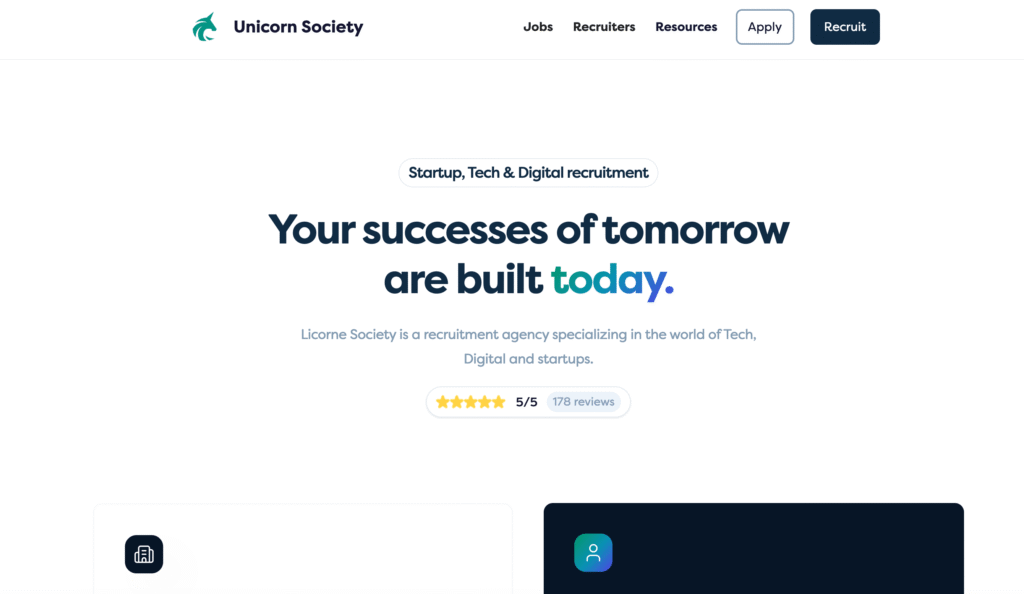
Licorne Society has rapidly emerged as one of the most specialised and high-performing recruitment agencies within France’s “French Tech” ecosystem in 2026. Focused exclusively on startups, scale-ups, and digital-first companies, the firm has built a strong reputation for delivering highly relevant candidates in fast-paced, high-growth environments.
Unlike traditional recruitment firms, Licorne Society operates as a modern “recruitment-as-a-service” partner, combining deep market expertise with a results-driven commercial model. Its positioning is particularly compelling for venture-backed startups and scaling organisations that require speed, precision, and cultural alignment in their hiring strategies.
The firm’s strong integration within the startup ecosystem, combined with its proprietary sourcing tools and curated talent community, allows it to effectively address one of the most pressing challenges in France’s tech market: identifying and securing top-tier talent in highly competitive and time-sensitive hiring conditions.
Licorne Society has supported over 200 startups and digital companies, reinforcing its role as a trusted recruitment partner for organisations at various stages of growth.
Strategic Positioning in the French Tech and Startup Landscape
Licorne Society’s competitive advantage lies in its deep alignment with the needs and dynamics of startup and scale-up environments.
Key positioning strengths include:
- Exclusive focus on tech, digital, and startup hiring
- Strong presence within France’s “French Tech” innovation ecosystem
- Ability to recruit across all organisational levels, from junior hires to C-level executives
- Expertise in high-growth environments requiring rapid team scaling
- Results-only pricing model, reducing financial risk for hiring companies
This strategic positioning enables Licorne Society to deliver highly targeted recruitment outcomes that align with both business growth objectives and organisational culture.
Core Recruitment Coverage Across Digital and Tech Functions
Licorne Society provides comprehensive recruitment coverage across multiple high-demand domains within the IT and software ecosystem, enabling companies to build complete, cross-functional teams.
Clean Document-Style Specialisation Matrix
| Talent Domain | Key Roles Covered | Strategic Importance in 2026 Hiring Landscape | Hiring Complexity Level |
|---|---|---|---|
| Software Engineering | Backend, Frontend, Full-stack Developers | Core to product development and platform scalability | Very High |
| Data and AI | Data Scientists, Data Engineers, AI Specialists | Drives automation, analytics, and competitive advantage | Very High |
| Product Management | Product Managers, Product Owners, CPO | Ensures product-market fit and roadmap execution | High |
| Sales and Growth | Business Developers, Growth Managers, Account Executives | Enables revenue expansion and market penetration | Medium to High |
| Executive Leadership | CTO, COO, CEO, Head of Engineering | Drives strategic direction and organisational scaling | Extremely High |
This wide-ranging expertise allows Licorne Society to support both technical hiring and broader organisational structuring for startups.
Proprietary Recruitment Methodology and Process
Licorne Society’s recruitment model is structured around a streamlined and highly efficient four-step process designed to maximise speed and candidate relevance.
Key stages of the process include:
- Requirement scoping: In-depth understanding of the company’s hiring needs, culture, and growth objectives
- Targeted sourcing: Identification of relevant candidates within a curated network of over 50,000 tech professionals
- Candidate qualification: Direct engagement with candidates to assess experience, motivations, and alignment
- Shortlist delivery: Presentation of pre-qualified candidates within a guaranteed 7-day timeframe
This structured approach ensures both efficiency and quality, allowing companies to move quickly in competitive hiring scenarios.
Technology-Driven Sourcing and Talent Intelligence
A defining feature of Licorne Society’s success is its use of advanced sourcing technology tailored specifically to the startup ecosystem.
Key technological capabilities include:
- Proprietary sourcing tools developed internally to identify high-potential candidates
- Integration of artificial intelligence and automation to enhance candidate discovery
- Continuous expansion of a highly engaged talent community, with thousands of new candidates joining regularly
- Access to over 4,500 candidates actively seeking opportunities within the platform
This technology-enabled approach significantly improves the speed and precision of candidate matching.
Operational Performance and Market Benchmarks
Licorne Society’s performance metrics highlight its ability to deliver high-quality recruitment outcomes at scale.
Clean Document-Style Performance Table
| Performance Metric | Licorne Society Benchmark Value | Market Implications and Strategic Value |
|---|---|---|
| Active Talent Network | 50,000+ candidates | Strong sourcing capability across tech and digital roles |
| Candidates in Active Search | 4,500+ | High availability of immediately deployable talent |
| Shortlist Delivery Time | 7 days | Significantly faster than traditional recruitment cycles |
| Client Base | 200+ startups and scale-ups | Strong ecosystem credibility and trust |
| User Satisfaction Rating | 5 / 5 (verified reviews) | High client satisfaction and service reliability |
These metrics demonstrate Licorne Society’s ability to operate efficiently while maintaining a high level of candidate quality and client satisfaction.
Results-Driven Pricing Model and Client Value
One of Licorne Society’s most distinctive features is its results-only pricing model, which aligns its incentives directly with client success.
Key benefits of this model include:
- No upfront costs for recruitment services
- Payment only upon successful hire
- Reduced financial risk for startups and scaling companies
- Strong incentive for the agency to deliver high-quality candidates
This approach is particularly attractive for early-stage and high-growth companies with limited hiring budgets.
Recruitment Efficiency and Speed in High-Growth Environments
Licorne Society is specifically designed to operate within fast-moving startup environments where hiring speed is critical.
Key efficiency drivers include:
- Rapid identification of candidates within a highly curated network
- Pre-qualified talent pools ready for immediate engagement
- Streamlined communication and decision-making processes
- Ability to deliver shortlists within one week
This level of speed provides a significant competitive advantage for companies competing for scarce tech talent.
Client Experience and Testimonial Insights
Client feedback consistently highlights Licorne Society’s responsiveness, precision, and ability to deliver highly relevant candidates.
Clean Document-Style Testimonial Analysis Table
| Evaluation Criteria | Client Insight |
|---|---|
| Responsiveness | Highly reactive and quick to deliver candidate profiles |
| Candidate Relevance | Strong alignment with job requirements and company culture |
| Success Rate | Higher success compared to competing recruitment providers |
| Understanding of Needs | Deep comprehension of client expectations and organisational mindset |
| Operational Impact | Significant time savings and reduced hiring workload |
| Overall Satisfaction | Strong positive feedback and repeat engagement likelihood |
Clients particularly emphasise the agency’s ability to reduce hiring friction and deliver high-quality candidates with minimal effort required from internal teams.
Competitive Advantages in France’s IT Recruitment Market (2026)
Licorne Society’s continued growth and success are driven by a combination of specialisation, technology, and commercial innovation.
Key differentiators include:
- Exclusive focus on startups, scale-ups, and digital companies
- Proprietary AI-driven sourcing tools and talent platforms
- Large and highly engaged candidate community
- Rapid shortlist delivery within 7 days
- Results-based pricing model aligned with client success
Why Licorne Society Stands Out Among Top Recruitment Agencies in France
As the demand for IT and software professionals continues to intensify in France, recruitment agencies must evolve to meet the needs of high-growth, innovation-driven companies. Licorne Society has successfully positioned itself at the forefront of this transformation by combining speed, precision, and deep ecosystem integration.
For startups and digital companies seeking to scale efficiently, Licorne Society offers a compelling value proposition: fast access to highly relevant talent, supported by a transparent, results-driven recruitment model designed for the realities of modern tech hiring in 2026.
7. DevsData LLC

DevsData LLC has positioned itself as a highly specialised, premium-tier recruitment agency within the global IT and software hiring landscape, with a strong and growing footprint in France—particularly in Paris and other major innovation hubs. In 2026, the firm is widely recognised for its ability to source and vet exceptionally high-calibre engineering talent for complex, technically demanding projects across industries such as Fintech, Artificial Intelligence, and advanced software development.
Unlike conventional recruitment firms that prioritise volume, DevsData operates with a quality-first philosophy, focusing exclusively on delivering senior, top-tier engineering professionals. Its boutique positioning allows the agency to provide highly tailored recruitment solutions, making it a preferred partner for organisations that require deep technical expertise and precision hiring.
The agency’s global reach, combined with its strong technical screening processes and extensive candidate network, enables it to support companies ranging from venture-backed startups to large enterprises with sophisticated engineering needs.
Strategic Positioning in France’s High-End Tech Recruitment Market
DevsData occupies a niche segment within the recruitment ecosystem, targeting organisations that require elite-level technical talent rather than generalist hires.
Key strategic positioning advantages include:
- Strong focus on senior and highly specialised engineering roles
- Significant presence in Paris, supporting Fintech, AI, and enterprise software companies
- Global recruitment capabilities across Europe, North America, and other major tech regions
- Proven ability to support complex and high-stakes technical hiring projects
- Boutique agency model ensuring personalised and high-touch recruitment services
This positioning allows DevsData to stand out in a competitive market where demand for top-tier engineers significantly exceeds supply.
Core Specialisation Areas and Technical Talent Coverage
DevsData’s recruitment capabilities are centred around advanced engineering and technology domains, enabling organisations to build high-performance technical teams.
Clean Document-Style Specialisation Matrix
| Talent Domain | Key Roles Covered | Strategic Importance in 2026 Hiring Landscape | Hiring Complexity Level |
|---|---|---|---|
| Software Engineering | Backend, Frontend, Full-stack Engineers | Core to digital product development and scalability | Very High |
| Fintech & Financial Systems | Quant Engineers, Backend Engineers, Platform Developers | Critical for secure, high-performance financial platforms | Extremely High |
| Artificial Intelligence & Data | Machine Learning Engineers, Data Scientists | Drives automation, predictive analytics, and innovation | Extremely High |
| DevOps & Infrastructure | DevOps Engineers, Cloud Architects | Ensures system reliability, scalability, and deployment speed | Very High |
| Product & Technical Leadership | Engineering Managers, Tech Leads | Aligns engineering execution with business strategy | Extremely High |
This deep technical specialisation enables DevsData to address some of the most challenging hiring needs in the French IT market.
Advanced Recruitment Methodology: Extreme Technical Vetting
A defining feature of DevsData’s success is its rigorous and multi-layered technical vetting process, which ensures that only the highest-quality candidates are presented to clients.
Key elements of this methodology include:
- Access to a large database of over 95,000 vetted technical professionals globally
- Multi-stage recruitment process combining technical assessments, behavioural interviews, and cultural fit evaluation
- Custom-designed programming tasks tailored to specific client requirements
- Deep technical interviews conducted by experienced engineers and recruiters
- Verification of candidate backgrounds, references, and past project experience
This intensive screening process significantly reduces hiring risk and ensures a high level of candidate quality.
Holistic Recruitment Pipeline Design
DevsData differentiates itself by not only sourcing candidates but also helping clients design and optimise their recruitment pipelines.
Key process capabilities include:
- Structuring multi-stage hiring workflows aligned with technical complexity
- Advising on interview frameworks and evaluation criteria
- Supporting clients in implementing coding tests and technical challenges
- Managing end-to-end recruitment processes, from sourcing to offer negotiation
This consultative approach positions DevsData as a strategic hiring partner rather than a transactional recruitment provider.
Operational Performance and Market Benchmarks
DevsData’s operational metrics highlight its focus on quality, efficiency, and client satisfaction.
Clean Document-Style Performance Table
| Performance Metric | DevsData Benchmark Value | Market Implications and Strategic Value |
|---|---|---|
| Pre-vetted Candidate Database | 95,000+ engineers | Extensive access to high-quality global talent |
| Market Experience | 9+ years | Established expertise in complex tech recruitment |
| Client Rating (Clutch) | 5 / 5 | Exceptional client satisfaction and service quality |
| Project Delivery Scope | 100+ projects completed | Proven ability to deliver across diverse industries |
| Selection Rigor | Top-tier candidates only | High precision and reduced hiring risk |
These benchmarks demonstrate DevsData’s ability to consistently deliver high-quality recruitment outcomes in demanding environments.
Recruitment Efficiency and Speed
Despite its rigorous screening processes, DevsData maintains strong efficiency in delivering candidate recommendations.
Key efficiency insights include:
- First candidate recommendations typically delivered within 1 to 2 weeks
- Approximately 50% of recruitment processes completed in under 10 days for certain roles
- Rapid multi-channel sourcing strategies to identify both active and passive candidates
This balance between speed and quality is a key differentiator in the competitive IT hiring landscape.
Risk Mitigation and Placement Assurance
DevsData reinforces client confidence through structured guarantees and quality assurance mechanisms.
Key features include:
- A 3-month warranty on placements, offering replacement or refund if a candidate does not meet expectations
- Strong emphasis on long-term candidate retention and performance
- Transparent, success-based pricing models aligned with hiring outcomes
These measures reduce hiring risk and enhance trust between the agency and its clients.
Client Experience and Testimonial Insights
Client feedback consistently highlights DevsData’s technical expertise, professionalism, and ability to deliver high-quality candidates.
Clean Document-Style Testimonial Analysis Table
| Evaluation Criteria | Client Insight |
|---|---|
| Technical Quality | Candidates described as exceptionally strong from a technical perspective |
| Recruitment Efficiency | Rapid sourcing and delivery of high-quality profiles |
| Communication | Professional, structured, and highly responsive |
| Understanding of Needs | Strong grasp of complex recruitment challenges |
| Overall Satisfaction | Consistently high satisfaction and strong recommendations |
Clients frequently emphasise the agency’s ability to deliver engineers who meet both technical and organisational requirements, making it a valuable partner for complex hiring needs .
Competitive Advantages in France’s IT Recruitment Market (2026)
DevsData’s continued success is driven by a combination of technical depth, global reach, and quality-focused execution.
Key differentiators include:
- Extreme focus on senior and high-end engineering talent
- Rigorous and multi-stage technical vetting processes
- Large global database of pre-qualified candidates
- Strong presence in high-demand sectors such as Fintech and AI
- Risk mitigation through placement guarantees and quality assurance
Why DevsData LLC Stands Out Among Top Recruitment Agencies in France
In 2026, as companies in France increasingly compete for scarce and highly specialised IT talent, recruitment agencies must deliver not only speed but also precision and reliability. DevsData LLC addresses this challenge through a highly structured, quality-driven recruitment model that prioritises technical excellence above all else.
Its ability to consistently deliver elite engineering talent, combined with its consultative approach and strong performance metrics, positions DevsData as one of the most effective recruitment partners for organisations tackling complex technical projects.
For companies seeking top-tier software engineers and technology specialists, DevsData offers a compelling value proposition: unmatched technical scrutiny, global talent access, and a proven track record of delivering exceptional hiring outcomes in the most demanding environments.
8. Silkhom
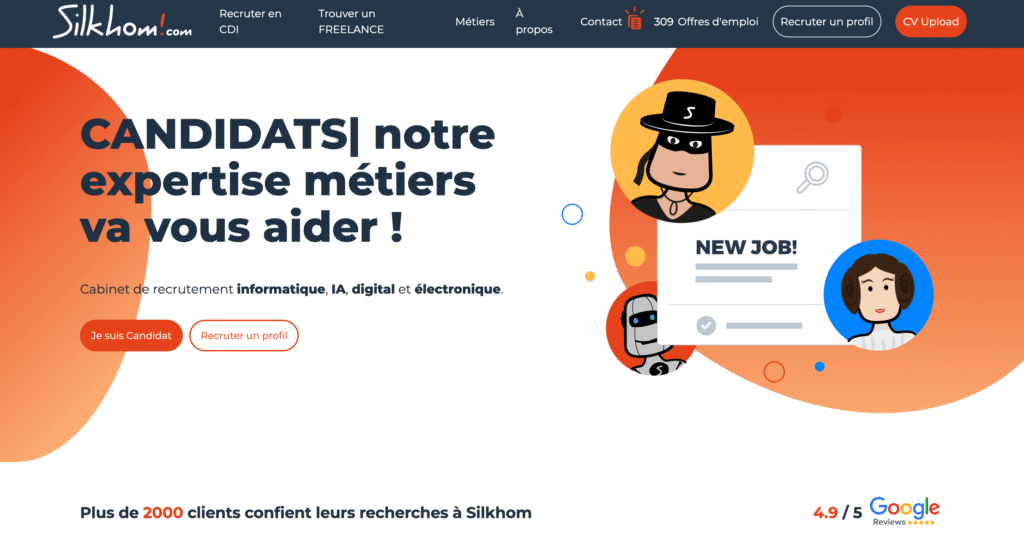
Silkhom has established itself as one of the most technically specialised recruitment agencies in France’s IT and software hiring landscape in 2026. Headquartered in Lyon and operating across major cities such as Paris, Nantes, and Marseille, the firm focuses exclusively on IT, digital, and electronics recruitment, with a distinctive niche in embedded systems and industrial technologies.
This positioning makes Silkhom particularly valuable for companies operating in highly technical sectors such as aerospace, automotive, industrial engineering, robotics, and energy systems—industries where traditional recruitment agencies often lack the technical depth required to accurately assess candidates.
By concentrating on complex engineering domains and combining this with a structured recruitment methodology, Silkhom has become a trusted partner for organisations seeking highly specialised and hard-to-find technical talent in France.
Strategic Positioning in France’s Engineering and Deep-Tech Recruitment Market
Silkhom differentiates itself by focusing not only on software and digital roles but also on hardware, embedded systems, and electronics—areas that are increasingly critical in 2026 as industries adopt automation, IoT, and AI-driven technologies.
Key positioning strengths include:
- Exclusive specialisation in IT, digital, and electronics recruitment
- Strong presence across France with offices in multiple major cities
- Deep expertise in embedded software, industrial systems, and connected technologies
- Ability to recruit for both permanent (CDI) and freelance roles
- Strong alignment with engineering-heavy industries requiring niche technical skills
This unique positioning enables Silkhom to address talent shortages in complex technical domains where demand continues to outpace supply.
Core Specialisation Areas and Technical Coverage
Silkhom offers one of the most diverse and technically advanced recruitment portfolios among French IT recruitment agencies, covering both software and hardware ecosystems.
Clean Document-Style Specialisation Matrix
| Talent Domain | Key Roles Covered | Strategic Importance in 2026 Hiring Landscape | Hiring Complexity Level |
|---|---|---|---|
| Software Engineering | Backend, Frontend, Full-stack Developers | Core to digital platforms and enterprise systems | High |
| Embedded Software | C/C++, Embedded Linux Engineers, Firmware Developers | Critical for IoT, automotive, and industrial systems | Very High |
| Electronics & Hardware | FPGA Engineers, Electronics Engineers, Validation Engineers | Enables innovation in aerospace, robotics, and energy systems | Extremely High |
| Data & Artificial Intelligence | Data Scientists, AI Engineers, Computer Vision Specialists | Drives automation and advanced analytics | Very High |
| Infrastructure & Cloud | DevOps Engineers, Cloud Architects, System Engineers | Ensures scalability and system reliability | High |
This dual focus on software and hardware positions Silkhom as a highly specialised partner for deep-tech and industrial organisations.
Recruitment Methodology: Dual-Team Delivery Model
A defining feature of Silkhom’s recruitment approach is its structured dual-team delivery model, which ensures both strategic alignment and execution efficiency.
Key elements of the methodology include:
- Each recruitment assignment is handled by two dedicated professionals:
- A sector-specialised consultant focused on client needs
- A dedicated talent sourcer responsible for candidate identification
- Detailed analysis of client requirements to ensure precise role definition
- Custom sourcing strategies tailored to specific technologies and industries
- Rigorous candidate evaluation, including technical testing and validation
This collaborative approach enhances both the speed and quality of recruitment outcomes.
Advanced Technical Vetting and Candidate Qualification
Silkhom places strong emphasis on technical accuracy and candidate quality through a structured evaluation process.
Key assessment components include:
- Technical testing aligned with role-specific requirements
- In-depth evaluation of candidate experience and project history
- Validation of technical competencies across specialised domains such as embedded systems and electronics
- Continuous feedback loops between clients and recruiters
This rigorous vetting process ensures that candidates are not only qualified but also capable of contributing effectively to complex technical projects.
Operational Scale and Market Performance
Silkhom’s operational metrics reflect its strong presence and sustained growth within the French recruitment market.
Clean Document-Style Performance Table
| Performance Metric | Silkhom Benchmark Value | Market Implications and Strategic Value |
|---|---|---|
| Total IT Recruitments | 5,000+ placements | Demonstrates extensive experience in technical hiring |
| Candidate Network | 350,000+ professionals | Large talent pool for niche and specialised roles |
| Client Base | 2,000+ organisations | Strong market trust and long-term partnerships |
| Specialist Headcount | 60+ recruiters | Deep expertise across multiple technical domains |
| Google Review Rating | 4.9 / 5 | High satisfaction among clients and candidates |
These metrics highlight Silkhom’s ability to operate at scale while maintaining high-quality recruitment standards.
Recruitment Services and Delivery Models
Silkhom offers a flexible and results-driven service model designed to align with client success.
Key service features include:
- Success-fee pricing model, ensuring payment only upon successful hire
- Three-month replacement guarantee, reducing hiring risk
- Support for both permanent and freelance recruitment needs
- Advisory services for structuring recruitment strategies and technical teams
This model aligns the agency’s incentives directly with successful hiring outcomes.
Recruitment Efficiency and Industry Relevance
Silkhom’s relevance in 2026 is further reinforced by its insights into evolving IT market trends.
For example:
- Strong demand for mobile and software development roles continues to drive hiring activity
- Increasing salary levels for developers reflect ongoing talent shortages
- High demand for technologies such as Java, Python, React, and Node.js
These trends highlight the importance of specialised recruitment agencies like Silkhom in navigating complex hiring environments.
Client Experience and Testimonial Insights
Feedback from candidates and clients consistently highlights Silkhom’s personalised approach and strong support throughout the recruitment process.
Clean Document-Style Testimonial Analysis Table
| Evaluation Criteria | Client Insight |
|---|---|
| Candidate Support | Strong guidance in interview preparation and follow-up |
| Personalisation | Tailored approach based on candidate preferences and career goals |
| Transparency | Honest and clear communication throughout the process |
| Outcome Effectiveness | Successful placement into long-term permanent roles |
| Long-Term Impact | Positive career progression even months after placement |
Clients particularly value the agency’s ability to combine technical expertise with a human-centric approach.
Competitive Advantages in France’s IT Recruitment Market (2026)
Silkhom’s continued success is driven by its deep technical expertise and structured recruitment processes.
Key differentiators include:
- Unique focus on both software and hardware recruitment
- Strong expertise in embedded systems and industrial electronics
- Dual-team recruitment model ensuring precision and efficiency
- Large and highly specialised candidate network
- Proven track record across complex engineering sectors
Why Silkhom Stands Out Among Top Recruitment Agencies in France
In 2026, as industries across France increasingly rely on advanced technologies such as IoT, AI, and embedded systems, the demand for specialised engineering talent continues to rise. Silkhom addresses this demand through a highly focused and technically rigorous recruitment model.
Its ability to combine deep domain expertise, structured processes, and a strong understanding of industrial and digital ecosystems makes it one of the most valuable recruitment partners for companies operating in complex technical environments.
For organisations seeking highly specialised IT, software, and electronics talent, Silkhom offers a compelling value proposition: precision, expertise, and consistent delivery of high-quality candidates tailored to the most demanding technological challenges.
9. Randstad Digital (Expectra)
Randstad Digital represents one of the most powerful and large-scale recruitment solutions in France’s IT and software hiring ecosystem in 2026. As the digital-first division of the global Randstad Group, it combines enterprise-grade recruitment infrastructure with advanced technology-driven talent solutions. Its subsidiary, Expectra, plays a critical role in sourcing highly qualified professionals for technical, engineering, and mid-management roles across the French market.
Unlike boutique recruitment agencies that focus on niche hiring, Randstad Digital operates at industrial scale—making it particularly suitable for large enterprises, multinational corporations, and organisations undergoing complex digital transformation initiatives.
With a presence in 39 global markets and a workforce that connects millions of professionals to employers, Randstad has built one of the most extensive talent ecosystems in the world, enabling companies in France to access both local and international IT talent pools.
Strategic Positioning in France’s Enterprise IT Recruitment Landscape
Randstad Digital is uniquely positioned as a “digital enablement partner,” going beyond traditional recruitment to support full-scale workforce transformation.
Key strategic advantages include:
- Access to a vast global talent network spanning millions of STEM professionals
- Strong capability to support enterprise-level hiring and large-scale digital projects
- Integration of recruitment with consulting, engineering, and digital transformation services
- Deep expertise in high-demand domains such as AI, cloud, cybersecurity, and product engineering
- Dedicated subsidiary (Expectra) focused on high-skilled professionals across IT, engineering, and business functions
This positioning allows Randstad Digital to address complex workforce challenges at both strategic and operational levels.
Core Specialisation Areas and Enterprise Talent Coverage
Randstad Digital and Expectra provide extensive coverage across the IT, engineering, and digital ecosystem, enabling organisations to build large, cross-functional teams.
Clean Document-Style Specialisation Matrix
| Talent Domain | Key Roles Covered | Strategic Importance in 2026 Hiring Landscape | Hiring Complexity Level |
|---|---|---|---|
| Software & Product Engineering | Backend, Frontend, Full-stack Engineers, Product Developers | Core to digital product innovation and scalability | High |
| Cloud & Infrastructure | Cloud Engineers, DevOps, Platform Engineers | Enables scalable and resilient IT systems | Very High |
| Data & Artificial Intelligence | Data Scientists, AI Engineers, Analytics Specialists | Drives automation, predictive insights, and competitive edge | Very High |
| Enterprise Platforms | Salesforce, ServiceNow, ERP Specialists | Supports enterprise digital transformation initiatives | Extremely High |
| Engineering & Industry | Mechanical, Electrical, Systems Engineers | Critical for industrial and manufacturing innovation | High |
| Middle Management & Leadership | Project Managers, IT Managers, Team Leads | Ensures execution of large-scale transformation projects | High |
This broad capability allows Randstad Digital to support both technical execution and organisational leadership hiring.
Advanced Recruitment Methodology and AI-Powered Matching
A defining strength of Randstad Digital lies in its integration of advanced technology into the recruitment process.
Key elements of its methodology include:
- AI-powered talent sourcing platforms that go beyond traditional resume matching by incorporating skill validation and assessment frameworks
- Use of proprietary tools such as “Cyrus” (originating from CyberCoders integration) to identify suitable candidates within days
- Access to ready-built teams and global delivery centres for rapid deployment
- Data-driven talent matching aligned with specific technologies and project requirements
This technology-enabled approach significantly enhances recruitment speed, accuracy, and scalability.
Expectra: Specialised Unit for High-Skilled Technical Recruitment
Expectra serves as a key operational arm within Randstad’s ecosystem, focusing specifically on high-skilled and technical recruitment.
Key capabilities include:
- Recruitment of permanent and temporary professionals in IT, engineering, finance, and business roles
- Presence in over 25 major French cities with specialised teams organised by industry expertise
- Dedicated consultants providing continuous support throughout the hiring lifecycle
- Strong focus on mid-management and technical roles critical to organisational performance
This specialised structure allows Expectra to deliver targeted recruitment solutions within a large-scale framework.
Operational Scale and Global Performance Metrics
Randstad Digital’s scale and operational capabilities distinguish it from most recruitment agencies in France.
Clean Document-Style Performance Table
| Performance Metric | Randstad Digital Benchmark Value | Market Implications and Strategic Value |
|---|---|---|
| Global Talent Pool | 6 million+ STEM professionals | Extensive access to global technical talent |
| Global Presence | 39 countries | Ability to support international hiring and mobility |
| Parent Company Revenue | €26+ billion | Strong financial backing and operational scale |
| Annual Talent Placements | Millions globally | Proven ability to operate at enterprise scale |
| Delivery Models | Managed solutions, contract, direct hire | Flexible hiring strategies for different business needs |
These metrics highlight Randstad Digital’s ability to deliver recruitment solutions at scale while maintaining operational efficiency.
Recruitment Delivery Models and Enterprise Solutions
Randstad Digital offers multiple engagement models tailored to different organisational requirements.
Key delivery models include:
- Managed solutions for large-scale workforce transformation
- Contract staffing for project-based hiring needs
- Direct hire recruitment for permanent positions
- Skills centres and packaged solutions for specialised technical teams
This flexibility allows organisations to adapt their hiring strategies based on project scope, budget, and timelines.
Recruitment Efficiency and Enterprise Readiness
Randstad Digital is particularly effective in scenarios requiring:
- Rapid deployment of large technical teams
- Cross-border talent sourcing and workforce mobility
- Integration of recruitment with digital transformation initiatives
- Hiring for enterprise platforms such as Salesforce and ServiceNow
Its ability to deliver both individual specialists and entire teams makes it a preferred partner for complex, large-scale projects.
Client Experience and Testimonial Insights
Feedback from professionals working with Expectra highlights the agency’s responsiveness, support, and overall work environment.
Clean Document-Style Testimonial Analysis Table
| Evaluation Criteria | Client and Candidate Insight |
|---|---|
| Responsiveness | Consultants are reactive and responsive to queries |
| Support Quality | Continuous support provided throughout assignments |
| Work Environment | Dynamic and engaging professional experience |
| Opportunity Matching | Ability to secure relevant and interesting roles |
| Monitoring and Follow-up | Strong tracking and support during employment missions |
These insights reinforce the agency’s reputation for delivering both strong candidate experiences and reliable recruitment outcomes.
Competitive Advantages in France’s IT Recruitment Market (2026)
Randstad Digital’s leadership position is driven by its ability to combine scale, technology, and expertise.
Key differentiators include:
- Unmatched global talent pool and international reach
- Advanced AI-driven recruitment and talent matching systems
- Strong integration between recruitment and digital transformation services
- Dedicated specialised units such as Expectra for targeted hiring
- Flexible delivery models suitable for enterprises and large organisations
Why Randstad Digital (Expectra) Stands Out Among Top Recruitment Agencies in France
In 2026, as organisations across France accelerate their digital transformation efforts, the demand for scalable, reliable, and high-quality recruitment solutions continues to grow. Randstad Digital addresses this need through a powerful combination of global reach, advanced technology, and specialised expertise.
Its ability to deliver both individual talent and entire technical teams—supported by AI-driven matching and enterprise-grade infrastructure—positions it as one of the most effective recruitment partners for large organisations.
For companies seeking to execute complex IT projects, scale digital teams rapidly, or access global talent pools, Randstad Digital (through Expectra) offers a compelling value proposition: scale, speed, and strategic workforce transformation delivered at an industrial level.
10. Hays France

Hays France has established itself as one of the most influential and globally integrated recruitment consultancies operating within the French IT and software hiring landscape in 2026. As part of the broader Hays Group—widely recognised as a global leader in specialist recruitment and workforce solutions—the firm combines international scale with deep local market expertise.
With a strong focus on mid-to-senior level placements, Hays France plays a critical role in supporting organisations that require not only technical expertise but also strategic leadership capabilities. Its consultative approach, underpinned by data-driven insights and salary benchmarking, positions it as more than a recruitment provider—it functions as a long-term talent advisory partner.
In a market increasingly shaped by digital transformation, AI adoption, and evolving workforce dynamics, Hays France has aligned its strategy to address the growing demand for hybrid professionals who can bridge the gap between technical infrastructure and business outcomes.
Strategic Positioning in France’s IT and Professional Recruitment Market
Hays France operates at the intersection of recruitment, advisory, and workforce strategy, enabling organisations to navigate complex hiring environments with greater precision.
Key positioning advantages include:
- Strong focus on mid-to-senior level IT, digital, and professional roles
- Deep expertise across multiple sectors, including technology, engineering, finance, and business operations
- Global presence across more than 30 countries, enabling cross-border talent access
- Proven ability to place hundreds of thousands of professionals annually across permanent and contract roles
- Integration of recruitment services with broader workforce solutions such as RPO and MSP
This positioning allows Hays France to support both local hiring needs and global talent strategies.
Core Specialisation Areas and Talent Coverage
Hays France offers extensive coverage across technical and professional domains, with a strong emphasis on roles that combine technical expertise with business impact.
Clean Document-Style Specialisation Matrix
| Talent Domain | Key Roles Covered | Strategic Importance in 2026 Hiring Landscape | Hiring Complexity Level |
|---|---|---|---|
| Software & IT Engineering | Backend, Frontend, Full-stack Developers | Core to digital transformation and platform scalability | High |
| Data & Artificial Intelligence | Data Analysts, AI Specialists, Data Engineers | Drives business intelligence and automation | Very High |
| Cybersecurity & Cloud | Security Engineers, Cloud Architects | Ensures compliance, resilience, and infrastructure security | Very High |
| Business & IT Integration | Business Analysts, IT Consultants | Bridges gap between technical systems and business outcomes | High |
| Leadership & Management | IT Directors, Project Managers, Team Leads | Drives execution of digital and organisational strategies | Extremely High |
This cross-functional expertise allows Hays France to support organisations in building both technical capability and strategic leadership.
Consultative Recruitment Methodology and High-Touch Approach
A defining characteristic of Hays France is its consultative and relationship-driven recruitment model, which emphasises long-term value creation over transactional hiring.
Key elements of this methodology include:
- Industry-focused recruitment teams with deep domain expertise
- High-touch engagement with both clients and candidates
- Tailored recruitment strategies aligned with business objectives
- Strong emphasis on building long-term partnerships
Hays combines the “science” of data-driven recruitment with the “art” of human judgment, ensuring both efficiency and alignment in hiring decisions .
Focus on AI-Enabled Talent and Future-Ready Hiring
In 2026, Hays France has placed significant emphasis on identifying and recruiting “AI-enabled talent”—professionals who can integrate artificial intelligence into business processes and decision-making.
Key trends shaping this focus include:
- Rising demand for AI-adjacent roles such as AI specialists, data engineers, and prompt engineers
- Increasing need for professionals who can translate AI outputs into actionable business insights
- Growing importance of digital fluency across traditionally non-technical roles
Additionally, research indicates that a significant proportion of organisations are experiencing AI skills shortages, highlighting the strategic importance of sourcing and developing such talent .
This forward-looking approach ensures that Hays France remains aligned with the evolving demands of the digital economy.
Data-Driven Recruitment and Market Intelligence
Hays differentiates itself through its extensive use of market intelligence and data analytics to inform hiring decisions.
Key capabilities include:
- Salary benchmarking and compensation analysis
- Access to global talent insights and labour market data
- Use of recruitment reports and workforce analytics to guide hiring strategies
- Continuous monitoring of talent trends across industries
This data-driven approach enables organisations to make informed decisions regarding hiring, retention, and workforce planning.
Operational Scale and Global Performance Metrics
Hays France benefits from the scale and infrastructure of the global Hays Group, which significantly enhances its recruitment capabilities.
Clean Document-Style Performance Table
| Performance Metric | Hays Benchmark Value | Market Implications and Strategic Value |
|---|---|---|
| Global Presence | 30+ countries | Enables international talent sourcing and mobility |
| Annual Placements | 255,000+ professionals | Demonstrates large-scale recruitment capability |
| Permanent Placements | 43,000+ annually | Strong focus on long-term hiring solutions |
| Contract Placements | 200,000+ annually | Supports flexible and project-based hiring needs |
| Sector Expertise | 20+ specialisations | Deep domain knowledge across industries |
These metrics highlight Hays’ ability to operate at scale while maintaining a high level of service quality and expertise.
Recruitment Services and Delivery Models
Hays France offers a comprehensive range of recruitment and workforce solutions tailored to different organisational needs.
Key service offerings include:
- Permanent recruitment for long-term talent acquisition
- Contract staffing for flexible and project-based hiring
- Recruitment Process Outsourcing (RPO) for scalable hiring operations
- Managed Service Provider (MSP) solutions for workforce management
- Advisory services including salary benchmarking and hiring strategy development
This diversified service portfolio enables organisations to adapt their hiring strategies to evolving business requirements.
Recruitment Efficiency and AI Integration
Hays leverages technology and AI to enhance recruitment efficiency while maintaining a strong human element.
Key process enhancements include:
- AI-driven candidate screening and matching to reduce manual workload
- Automated communication tools for improved candidate engagement
- Data analytics to optimise hiring decisions and reduce time-to-hire
- Continued emphasis on human interaction for final decision-making
AI is increasingly used to streamline administrative tasks and improve candidate identification, allowing recruiters to focus on strategic and interpersonal aspects of hiring .
Client Experience and Testimonial Insights
Feedback from professionals and clients highlights Hays France’s strong organisational culture, support systems, and collaborative environment.
Clean Document-Style Testimonial Analysis Table
| Evaluation Criteria | Client and Candidate Insight |
|---|---|
| Learning Opportunities | Continuous skill development and exposure to diverse projects |
| Relationship Building | Strong focus on professional connections and long-term partnerships |
| Work Environment | Stimulating, collaborative, and culturally diverse |
| Management Support | Attentive leadership with emphasis on employee growth |
| Overall Satisfaction | High satisfaction with career progression and organisational culture |
These insights reinforce Hays France’s reputation as both a reliable recruitment partner and an attractive employer within the industry.
Competitive Advantages in France’s IT Recruitment Market (2026)
Hays France’s continued leadership is driven by its ability to combine global scale with local expertise and strategic insight.
Key differentiators include:
- Strong consultative and advisory-driven recruitment approach
- Deep focus on mid-to-senior level talent
- Advanced use of data, analytics, and market intelligence
- Early adoption of AI-driven recruitment strategies
- Extensive global network and cross-border hiring capabilities
Why Hays France Stands Out Among Top Recruitment Agencies in France
In 2026, as organisations face increasing pressure to secure highly skilled IT and digital professionals, the need for strategic recruitment partners has become more critical than ever. Hays France addresses this demand through a combination of global reach, deep market insight, and a consultative approach that prioritises long-term success.
Its focus on AI-enabled talent, combined with its ability to provide actionable workforce insights and scalable recruitment solutions, positions it as a leading choice for organisations seeking to build resilient, future-ready teams.
For companies aiming to align technical hiring with broader business objectives, Hays France offers a compelling value proposition: strategic expertise, global capability, and consistent delivery of high-quality talent in an increasingly complex hiring landscape.
The Macroeconomic Framework of French IT Recruitment in 2026
France’s IT recruitment landscape in 2026 is shaped by a powerful combination of economic scale, regulatory complexity, and accelerating digital transformation. The country remains one of the most mature and structured recruitment markets globally, ranking among the largest staffing ecosystems worldwide and firmly positioned as the second-largest market in Europe.
The French staffing market is projected to reach approximately USD 38.17 billion in 2026, reflecting both the scale of workforce demand and the structural costs associated with employment in the country.
This economic weight is not merely a function of demand but also of the institutional framework governing employment. France’s labor market is characterized by:
- Strict employment regulations governing contracts, termination, and worker protections
- High employer social contributions, significantly increasing total hiring costs
- Strong compliance requirements tied to labor laws and EU-level regulations
These structural factors elevate the importance of recruitment agencies, which increasingly act as strategic intermediaries navigating compliance, cost optimization, and talent acquisition simultaneously.
In 2026, the recruitment paradigm has shifted into what can be defined as the “smart hire” era. Employers are no longer prioritizing technical expertise alone but are focusing on candidates who can:
- Adapt to evolving digital business models
- Integrate artificial intelligence into workflows
- Translate technical capabilities into measurable business outcomes
This shift reflects a broader transformation of the French economy toward knowledge-driven and innovation-led growth.
Market Segmentation and Sector Growth Dynamics
France’s IT services and recruitment ecosystem is underpinned by sustained investment in digital infrastructure and enterprise technology adoption. Despite macroeconomic uncertainties across Europe, the French IT market continues to demonstrate strong resilience and long-term growth.
The IT services market in France is estimated at approximately USD 44.06 billion in 2026 and is projected to expand significantly over the coming years, driven by cloud adoption, cybersecurity demand, and AI integration.
Key Structural Market Insights
- IT outsourcing (ITO) remains a dominant segment, accounting for approximately 29.78% of the market
- Managed security services are among the fastest-growing segments, with projected growth exceeding 19% CAGR
- Healthcare and life sciences sectors are expanding rapidly due to digital health investments
- BFSI (Banking, Financial Services, and Insurance) continues to dominate IT spending
Clean Document-Style Market Segmentation Table
| Segment | 2025 Market Share | Projected CAGR (2026–2031) | Key Growth Drivers |
|---|---|---|---|
| Large Enterprises | 67.74% | 14.5% | Cloud migration, legacy system modernization |
| SMEs | 32.26% | 18.12% | Digital subsidies, SaaS adoption, agile transformation |
| IT Outsourcing (ITO) | 29.78% | 15.2% | Managed services, AI-driven operations |
| Managed Security | 12.4% | 19.05% | Regulatory compliance, cybersecurity threats |
| Digital Health | 7.1% | 18.66% | Telemedicine, government-backed innovation programs |
| BFSI | 24.28% | 13.8% | Fintech growth, digital banking transformation |
A critical structural shift in 2026 is the acceleration of SMEs as a growth engine. While large enterprises still dominate total spending, SMEs are expanding at a significantly higher growth rate due to:
- Government-backed digital initiatives
- Increased accessibility of SaaS and cloud technologies
- Lower barriers to digital transformation
This transition is reshaping recruitment demand, particularly for flexible, cross-functional talent capable of operating in fast-moving environments.
Sectoral Demand and Talent Scarcity Patterns
The distribution of IT investment across industries has created highly localized talent shortages, particularly in roles requiring both technical expertise and domain-specific knowledge.
Key high-demand sectors include:
- BFSI: Continued dominance driven by fintech innovation and regulatory compliance
- Healthcare and Life Sciences: Rapid expansion fueled by national innovation strategies
- Manufacturing and Industrial Tech: Increasing adoption of automation and IoT
- Cybersecurity: Rising demand due to regulatory frameworks and threat escalation
The challenge for employers lies in sourcing professionals who possess both:
- Advanced technical capabilities (AI, cloud, cybersecurity)
- Industry-specific regulatory and operational understanding
This dual requirement significantly narrows the talent pool and intensifies competition for qualified candidates.
Regional Dynamics and the Evolution of Tech Hubs
France’s IT recruitment landscape remains geographically concentrated, but regional diversification is accelerating.
Key Regional Insights
- Paris and the Île-de-France region remain the dominant technology hub
- Secondary cities such as Lyon, Toulouse, Bordeaux, and Nantes are emerging as strong innovation ecosystems
- Regional tech clusters are increasingly specialised (e.g., aerospace in Toulouse, fintech in Paris)
Salary and Workforce Distribution Trends
- Paris-based IT professionals command a salary premium of approximately 10% to 25%
- The gap between Paris and regional cities is gradually narrowing due to hybrid work models
- Remote and distributed work is enabling companies to access talent beyond traditional hubs
This decentralisation is reshaping recruitment strategies, allowing companies to balance cost and talent access more effectively.
The Nearshoring Paradox and Hybrid Talent Models
One of the defining dynamics of the French IT recruitment market in 2026 is the tension between high domestic labor costs and the availability of nearshore talent.
Key Market Dynamics
- Onshore delivery accounted for approximately 54.62% of market revenue in 2025
- Nearshore locations in Eastern Europe and North Africa offer cost savings of 50% to 75%
- Morocco has emerged as a key nearshore hub due to linguistic and cultural alignment
Clean Document-Style Delivery Model Comparison
| Delivery Model | Cost Efficiency | Regulatory Alignment | Talent Availability | Strategic Use Case |
|---|---|---|---|---|
| Onshore (France) | Low | Very High | Limited | Core architecture, compliance-heavy roles |
| Nearshore | High | Moderate | High | Development, support, scalable operations |
| Hybrid Model | Balanced | High | High | Combined strategic and cost-efficient model |
This has led to the widespread adoption of hybrid delivery models, where:
- French agencies provide local expertise, compliance, and strategic oversight
- Distributed teams handle technical execution at lower cost
Such models are increasingly essential for maintaining competitiveness in a high-cost labor environment.
Structural Challenges and Future Outlook
Despite strong growth, the French IT recruitment market faces persistent structural challenges.
Key challenges include:
- Widening skills gap, particularly in STEM and advanced technologies
- High competition for top-tier talent across industries
- Complex regulatory environment increasing hiring friction
- Demographic pressures reducing available workforce supply
Approximately 72% of companies report talent shortages as a major constraint, highlighting the structural imbalance between supply and demand.
Conclusion: A High-Value, High-Complexity Recruitment Ecosystem
The French IT recruitment market in 2026 represents a high-value but highly complex ecosystem shaped by:
- Strong economic scale and sustained digital investment
- Regulatory intensity and high labor costs
- Rapid technological transformation driven by AI and cloud adoption
- Increasing reliance on hybrid and global talent models
As the market continues to evolve, recruitment agencies are no longer just talent providers—they are becoming strategic partners in workforce planning, digital transformation, and competitive positioning.
The shift toward “smart hiring” signals a long-term transformation where success will depend not only on accessing talent but on identifying professionals capable of driving innovation, adapting to change, and delivering measurable business impact.
Labor Market Indicators and the Scarcity of IT Talent in France (2026)
France’s labor market in 2026 presents a structural paradox: relatively moderate national unemployment coexists with acute talent shortages in highly specialised sectors—most notably IT, engineering, and digital technologies. This imbalance has fundamentally reshaped recruitment dynamics, increasing competition for skilled professionals and elevating hiring complexity across the country.
As of late 2025, France’s unemployment rate stands at approximately 7.7%, reflecting a stable but tight labor market environment.
However, this macro-level figure masks a critical reality: the IT sector is effectively operating at or near full employment, with demand for specialised skills significantly outpacing supply.
Labor market data indicates that:
- Job vacancy levels remain approximately 22% above pre-crisis norms, signalling persistent labor shortages
- Around 79% of employers report difficulties in hiring qualified candidates
- The IT, cybersecurity, and engineering sectors are among the most affected
This structural mismatch between supply and demand has elevated France to one of the most talent-constrained labor markets in Europe for technical roles.
Structural Talent Shortage and Skills Gap
The scarcity of IT talent in France is not cyclical but structural, driven by long-term gaps in education pipelines, demographic shifts, and rapid technological evolution.
Key structural pressures include:
- A widening STEM skills gap, with enrolment rates below EU averages
- Increasing retirement of experienced professionals
- Rapid emergence of new roles in AI, cloud, and cybersecurity
- Limited availability of candidates with hybrid technical-business skill sets
Approximately 72% of French companies cite skilled worker shortages as a major barrier to growth, reinforcing the severity of the issue.
At the European level, the challenge is even more pronounced. The European Union aims to reach 20 million IT specialists by 2030, requiring the creation of approximately 10 million additional roles within a short timeframe.
This ambitious target highlights the scale of the talent deficit and its long-term implications for recruitment strategies across France.
Critical Vacancies and Time-to-Hire Benchmarks
The shortage of qualified IT professionals has significantly extended hiring timelines, particularly for specialised and leadership roles. Companies are facing longer recruitment cycles due to:
- Limited availability of qualified candidates
- Increased competition among employers
- More rigorous evaluation processes for high-impact roles
Additionally, the average hiring cycle in France already exceeds many European counterparts, with estimates around 38 days or more for standard roles.
For specialised IT roles, timelines are considerably longer.
Clean Document-Style Hiring Benchmarks Table
| Role | Average Hiring Time (2026) | Difficulty Level | Indicative Salary (Gross Annual) |
|---|---|---|---|
| Cloud Architect | 8 – 12 weeks | Critical | €75,000 – €95,000 |
| DevOps Engineer | 10 – 14 weeks | Critical | €60,000 – €85,000 |
| Security Engineer | 12 – 16 weeks | Very High | €70,000 – €95,000 |
| Data / Machine Learning Engineer | 8 – 12 weeks | Very High | €65,000 – €90,000 |
| CISO / Security Director | 16 – 24 weeks | Critical | €100,000 – €150,000+ |
| Full-Stack Developer | 6 – 10 weeks | High | €50,000 – €70,000 |
| Backend Lead | 8 – 12 weeks | High | €55,000 – €75,000 |
These extended hiring cycles create operational risks for businesses, including delayed product launches, reduced innovation capacity, and increased project costs.
Compensation Trends and Salary Inflation
The imbalance between talent supply and demand has triggered sustained salary growth across the French IT sector.
Key compensation trends in 2026 include:
- Annual salary increases ranging between 4% and 7% for IT roles
- Premium salary growth in high-demand domains such as AI, cybersecurity, and cloud engineering
- Intensified salary competition among startups, scale-ups, and large enterprises
Clean Document-Style Salary Benchmark Table
| Role Category | Average Salary (2026) | Senior-Level Median | Growth Trend |
|---|---|---|---|
| Software Developer | €40,348 | €55,628 | Moderate |
| AI / Data Specialist | €65,000 – €90,000 | €90,000+ | High |
| Cybersecurity Specialist | €70,000 – €95,000 | €100,000+ | Very High |
| Cloud / DevOps Engineer | €60,000 – €85,000 | €90,000+ | High |
These compensation increases reflect both market scarcity and the strategic importance of digital capabilities across industries.
The Rise of Non-Monetary Expectations
While salary remains a critical factor, the French IT talent market in 2026 is increasingly shaped by non-monetary considerations. Candidates are evaluating job opportunities based on a broader set of criteria that reflect evolving workforce expectations.
Key decision factors include:
- Benefits packages (healthcare, bonuses, flexibility): cited by over half of professionals
- Career development and growth opportunities
- Workplace culture and organisational environment
- Work-life balance and flexibility
One of the most transformative shifts is the normalization of remote and hybrid work models.
Clean Document-Style Workforce Preference Matrix
| Factor | Importance Level | Impact on Hiring Outcomes |
|---|---|---|
| Compensation | High | Remains baseline expectation |
| Benefits Package | Very High | Influences employer selection significantly |
| Career Growth Opportunities | High | Key driver of long-term retention |
| Work Environment | Medium to High | Affects engagement and productivity |
| Remote Work Flexibility | Critical | Strong determinant of candidate acceptance |
Hybrid work has become a standard expectation, with a significant portion of candidates prioritizing roles offering at least partial remote flexibility. Employers requiring full-time office presence are experiencing a substantial reduction in available talent pools.
Strategic Implications for Employers
The scarcity of IT talent in France is reshaping how organisations approach recruitment, workforce planning, and talent retention.
Key strategic implications include:
- Recruitment speed has become a competitive advantage
- Employer branding plays a critical role in attracting top talent
- Flexible work policies are essential for maintaining candidate pipelines
- Investment in upskilling and internal mobility is increasing
- Greater reliance on recruitment agencies and global talent sourcing
Additionally, government initiatives such as fast-track visa programs for shortage occupations are being introduced to alleviate talent shortages and improve access to international candidates.
Conclusion: A Candidate-Driven IT Labor Market
In 2026, France’s IT recruitment market is firmly candidate-driven. The combination of structural talent shortages, rapid technological change, and evolving workforce expectations has shifted the balance of power toward skilled professionals.
Companies that succeed in this environment are those that:
- Move quickly and efficiently in hiring processes
- Offer competitive and transparent compensation packages
- Provide flexible and attractive work environments
- Align technical roles with meaningful business impact
As the demand for IT talent continues to grow, the ability to attract, engage, and retain skilled professionals will remain a defining factor of organisational success in France’s digital economy.
Economic Analysis of Recruitment Fees and Process Costs in France (2026)
In 2026, the economics of IT recruitment in France have evolved into a more structured, transparent, and risk-adjusted system. Employers are no longer evaluating recruitment costs solely based on agency fees as a percentage of salary. Instead, organisations are adopting a broader financial framework that incorporates total hiring risk, long-term productivity, and the cost of hiring errors.
A critical concept shaping recruitment strategy is the “cost of a bad hire,” which can reach two to three times the employee’s annual salary when factoring in lost productivity, rehiring costs, onboarding expenses, and business disruption. This has driven a shift toward higher-quality, data-driven recruitment models where accuracy and retention are prioritised over speed alone.
Evolution of Recruitment Fee Structures
The French IT recruitment market in 2026 is characterised by a diversification of pricing models, reflecting the varying needs of companies across hiring complexity, volume, and seniority.
While the contingency model remains dominant, there is a clear transition toward retained, hybrid, and subscription-based models—particularly for senior and highly specialised roles.
Clean Document-Style Recruitment Fee Model Comparison
| Model Type | Fee % of Annual Salary | Payment Structure | Best Use Case |
|---|---|---|---|
| Contingency | 15% – 25% | 100% payable upon successful hire | Mid-level and standard roles |
| Retained | 20% – 35% | 30% upfront / 30% shortlist / 40% hire | Executive search and niche technical roles |
| Hybrid | 15% – 20% | Fixed retainer + success-based fee | Senior roles with longer hiring timelines |
| RPO | 5% – 10% | Monthly management fee + success component | High-volume hiring (20+ roles annually) |
| Subscription | Fixed monthly | €500 – €2,500 per month | Scale-ups with continuous hiring needs |
Key Market Insights
- Contingency recruitment accounts for approximately 60% of hiring engagements, but is increasingly criticised for incentivising speed over quality
- Retained and hybrid models now represent around 20% of the market, particularly for leadership and specialised technical roles
- RPO and subscription models are gaining traction among high-growth companies seeking predictable and scalable hiring solutions
This shift reflects a growing emphasis on outcome-based hiring, where agencies are expected to deliver not just candidates, but long-term value.
Cost Efficiency vs Hiring Quality Trade-Off
Each recruitment model carries distinct trade-offs between cost, speed, and quality.
Clean Document-Style Model Evaluation Matrix
| Model Type | Speed of Hiring | Candidate Quality | Cost Predictability | Risk Level |
|---|---|---|---|---|
| Contingency | High | Medium | Low | Higher |
| Retained | Medium | Very High | High | Low |
| Hybrid | Medium | High | Medium | Medium |
| RPO | High | High | Very High | Low |
| Subscription | Medium | Medium | Very High | Medium |
As hiring complexity increases, companies are increasingly willing to pay higher upfront fees in exchange for:
- Better candidate quality
- Higher retention rates
- Reduced risk of mis-hires
Total Cost of Employment (TCOE) in France
Recruitment fees represent only one component of the overall cost of hiring in France. The country’s labor system is characterised by significant employer-side contributions and statutory obligations, which substantially increase the total cost of employment.
Employer social contributions alone typically add approximately 40% to 45% on top of gross salary for white-collar employees.
These contributions fund:
- Healthcare and social security systems
- Pension and retirement schemes
- Unemployment insurance
- Workplace insurance and other statutory benefits
As a result, the “true cost” of hiring an employee in France is significantly higher than the base salary.
Clean Document-Style Total Cost of Employment Table
| Role Level | Gross Annual Salary | Recruitment Fee (Avg 20%) | Estimated Total Employer Cost |
|---|---|---|---|
| Junior Developer | €38,000 | €7,600 | ~€58,000 |
| Mid-Level Developer | €55,000 | €11,000 | ~€84,000 |
| Senior / Lead Developer | €75,000 | €15,000 | ~€114,000 |
| Cloud Architect | €90,000 | €18,000 | ~€137,000 |
| CTO / VP Engineering | €130,000 | €26,000 | ~€198,000 |
Key Observations
- Employer costs can exceed salary by 50% to 70% when combining recruitment fees and social contributions
- Senior and executive roles carry disproportionately higher financial risk due to longer hiring cycles and higher salaries
- Recruitment fees, while significant, are often outweighed by statutory employment costs
Hidden Costs Beyond Salary and Recruitment Fees
In addition to direct compensation and agency fees, employers must account for several indirect and often underestimated costs.
Clean Document-Style Hidden Cost Breakdown
| Cost Category | Description | Impact Level |
|---|---|---|
| Onboarding & Training | Time and resources required to integrate new hires | Medium |
| Productivity Ramp-Up | Reduced output during initial months | High |
| Equipment & Infrastructure | Hardware, software, and workspace setup | Medium |
| Compliance & Administration | Payroll processing, legal compliance, HR management | Medium |
| Turnover Risk | Costs associated with replacement hiring | Very High |
These hidden costs reinforce the importance of accurate hiring decisions and further justify the shift toward quality-focused recruitment models.
The Strategic Shift Toward Risk-Sharing Models
The French recruitment market is increasingly adopting risk-sharing mechanisms between agencies and employers.
Examples include:
- Replacement guarantees (typically 3 months)
- Milestone-based payments in retained models
- Performance-linked recruitment fees
- Subscription-based hiring models for continuous talent needs
This evolution reflects a broader trend toward aligning incentives between recruiters and employers, ensuring that both parties are invested in long-term hiring success.
Financial Implications for Different Business Segments
Different types of organisations adopt distinct recruitment strategies based on cost sensitivity and hiring needs.
Clean Document-Style Strategic Cost Allocation Matrix
| Company Type | Preferred Model | Cost Strategy Focus |
|---|---|---|
| Startups | Subscription / Hybrid | Cost predictability and rapid scaling |
| Scale-ups | Hybrid / RPO | Balancing speed and candidate quality |
| SMEs | Contingency | Minimising upfront financial risk |
| Enterprises | Retained / RPO | Ensuring quality and managing large volumes |
This segmentation highlights how recruitment strategy is closely tied to financial planning and organisational maturity.
Conclusion: A High-Cost, High-Precision Recruitment Economy
In 2026, the economics of IT recruitment in France are defined by a combination of high labor costs, increasing hiring complexity, and a growing emphasis on quality and retention.
Key structural realities include:
- Recruitment fees are only one component of total hiring costs
- Employer contributions significantly increase overall employment expenditure
- The cost of hiring errors has elevated the importance of precision recruitment
- Market trends are shifting toward risk-sharing and performance-based models
As a result, companies are moving away from transactional hiring toward strategic workforce investment, where recruitment decisions are evaluated not just on cost, but on long-term value creation, productivity, and business impact.
Technical and Cultural Trends Shaping IT Recruitment in France (2026)
The French IT recruitment landscape in 2026 is undergoing a profound transformation driven by artificial intelligence, evolving workforce expectations, and structural changes in how talent is evaluated and developed. These shifts are redefining not only the technical competencies required but also the cultural and psychological dimensions of hiring.
The result is a more complex, multi-dimensional recruitment environment where technical expertise alone is no longer sufficient. Employers are increasingly seeking professionals who can operate effectively within AI-augmented systems, adapt to rapid change, and demonstrate strong human-centric capabilities.
The Shift Toward AI-Centric Software Development
Artificial intelligence has transitioned from a supporting tool to a foundational component of software engineering workflows in 2026. AI-assisted coding tools are now widely adopted across the developer ecosystem, with approximately 76% to 85% of developers having used such tools and around half integrating them into daily workflows.
This widespread adoption has fundamentally altered the role of software engineers.
Key Structural Changes
- AI tools now handle repetitive tasks such as code generation, debugging, and documentation
- Developers increasingly act as orchestrators of AI systems rather than manual coders
- Software development cycles have accelerated significantly, reducing delivery timelines
Industry analysis indicates that engineering roles are shifting toward higher-level responsibilities such as:
- System architecture and design
- Validation and supervision of AI-generated code
- Strategic decision-making on product development
Clean Document-Style Role Evolution Matrix
| Traditional Role Focus | 2026 AI-Augmented Role Focus | Strategic Impact on Recruitment |
|---|---|---|
| Manual coding | AI-assisted coding orchestration | Reduced demand for routine coding skills |
| Debugging and testing | AI validation and quality control | Increased need for oversight expertise |
| Task execution | System design and architecture | Higher demand for senior engineers |
| Individual contribution | Human-AI collaboration | Emphasis on adaptability and AI literacy |
This transformation has led to a decline in demand for entry-level generalist developers while significantly increasing demand for senior engineers, architects, and technical leaders.
The Rise of Skills-Based Hiring Over Credentials
In 2026, the traditional reliance on elite academic credentials is being progressively replaced by a skills-first hiring approach. Employers are prioritizing demonstrable capabilities over formal qualifications, driven by persistent talent shortages and the need for practical expertise.
Key market shifts include:
- Increased acceptance of non-traditional talent sources such as bootcamps and self-taught developers
- Greater emphasis on portfolios, GitHub contributions, and real-world project experience
- Recognition that AI skills can significantly enhance employability
Research shows that AI-related skills can increase interview selection rates by 8% to 15%, even offsetting traditional disadvantages such as lower formal education.
Clean Document-Style Hiring Criteria Shift
| Traditional Hiring Criteria | 2026 Hiring Criteria | Employer Priority Level |
|---|---|---|
| Academic pedigree | Demonstrable technical skills | Very High |
| Years of experience | Portfolio and project outcomes | High |
| Formal certifications | AI literacy and practical application | Very High |
| Static skill sets | Continuous learning and adaptability | Critical |
This shift reflects a broader democratization of the talent pool, enabling employers to access a wider range of candidates while addressing skill shortages more effectively.
The Emergence of Technostress and FOBO
A significant cultural and psychological trend shaping the workforce in 2026 is the rise of “technostress” and FOBO (Fear of Being Obsolete). As AI continues to reshape job roles, many professionals are experiencing uncertainty regarding the future relevance of their skills.
Key workforce sentiments include:
- Only a portion of professionals feel fully prepared for AI-driven disruption
- Increased anxiety around job security and skill obsolescence
- Growing demand for continuous learning and upskilling
At the same time, developers report mixed trust in AI tools, with many expressing concerns about accuracy and reliability. For example:
- 66% of developers cite frustration with “almost correct” AI outputs
- A significant portion of professionals remain cautious about fully relying on AI-generated code
Clean Document-Style Workforce Psychology Matrix
| Trend | Description | Impact on Recruitment Strategy |
|---|---|---|
| FOBO | Fear of skills becoming obsolete due to AI | Increased demand for upskilling support |
| Technostress | Pressure from rapid technological change | Greater need for employer support systems |
| AI Skepticism | Lack of trust in AI-generated outputs | Continued demand for human oversight |
| Continuous Learning Mindset | Need for ongoing skill development | Preference for adaptable candidates |
Recruitment agencies are increasingly acting as career advisors, guiding candidates toward future-proof skills such as:
- Critical thinking
- Emotional intelligence
- Strategic problem-solving
These capabilities are considered essential complements to technical expertise in an AI-driven environment.
Cybersecurity as a Baseline Requirement
Cybersecurity has evolved from a specialised function into a foundational requirement across all IT roles in 2026. This shift is driven by:
- Increasing frequency and sophistication of cyberattacks
- Regulatory frameworks such as the NIS2 directive
- Growing integration of AI systems into enterprise infrastructure
Security is now embedded directly into the software development lifecycle, leading to the widespread adoption of DevSecOps practices.
Clean Document-Style Security Integration Matrix
| Traditional Model | 2026 Model (DevSecOps) | Recruitment Implication |
|---|---|---|
| Separate security teams | Integrated security across development | Security knowledge required for all roles |
| Post-development testing | Continuous security integration | Higher demand for secure coding practices |
| Reactive security | Proactive risk management | Increased focus on compliance and governance |
This transformation means that even roles such as backend developers and infrastructure engineers are now expected to possess:
- Basic cybersecurity knowledge
- Understanding of secure coding principles
- Familiarity with compliance frameworks
The Expansion of Hybrid Skill Sets
One of the most defining characteristics of the 2026 talent market is the rise of hybrid professionals—individuals who combine technical expertise with business, strategic, or interdisciplinary skills.
Key hybrid profiles in demand include:
- AI engineers with business intelligence capabilities
- DevOps professionals with cybersecurity expertise
- Product managers with strong technical backgrounds
- Engineers capable of translating technical outputs into business value
This trend reflects the increasing complexity of digital transformation, where success depends on integrating technology with organisational strategy.
Strategic Implications for Recruitment Agencies and Employers
The convergence of technical and cultural trends is reshaping recruitment strategies across France.
Key implications include:
- Increased focus on senior and high-impact roles
- Greater importance of skills validation over credential screening
- Expansion of recruitment timelines due to specialised requirements
- Integration of career advisory and upskilling support into recruitment services
- Strong emphasis on cultural fit and adaptability
Recruitment agencies are evolving into strategic talent partners, helping both employers and candidates navigate a rapidly changing labor market.
Conclusion: A Redefined Talent Paradigm in 2026
The IT recruitment landscape in France in 2026 is defined by a shift from traditional hiring models to a more dynamic, skills-driven, and AI-integrated framework.
Key defining trends include:
- The transformation of software engineering roles through AI augmentation
- The rise of skills-based hiring and alternative talent pipelines
- The growing psychological impact of technological disruption
- The integration of cybersecurity as a universal requirement
- The increasing importance of hybrid skill sets
As these trends continue to evolve, the ability to adapt—both at the individual and organisational level—will become the most valuable asset in the French IT labor market.
Strategic Recommendations for Hiring IT and Software Talent in France (2026)
The French IT recruitment market in 2026 is defined by a structural imbalance between talent demand and supply, where highly skilled professionals—particularly in AI, cloud, and cybersecurity—are increasingly scarce. This has transformed recruitment into a strategic, high-stakes function rather than a transactional HR activity.
With labor shortages persisting across critical technology domains and vacancy levels remaining significantly above historical norms, organisations must adopt more advanced, data-driven, and human-centric hiring strategies to remain competitive.
The following strategic recommendations reflect the evolving realities of hiring in France’s highly competitive IT labor market.
Transition from Transactional Hiring to Strategic Talent Partnerships
Traditional recruitment methods, particularly reliance on job boards and inbound applications, are no longer sufficient in 2026. The majority of high-quality candidates are passive, meaning they are not actively seeking new roles but may be open to opportunities if approached strategically.
Key Strategic Shift
- Move from transactional hiring to long-term partnerships with specialised recruitment agencies
- Engage niche agencies with deep expertise in specific domains such as AI, cybersecurity, or SaaS
- Leverage agencies’ access to passive talent pools and industry networks
Clean Document-Style Recruitment Strategy Matrix
| Approach Type | Effectiveness in 2026 | Access to Passive Talent | Quality of Candidates | Strategic Value |
|---|---|---|---|---|
| Job Boards | Low | Limited | Medium | Low |
| Internal Hiring Only | Medium | Limited | Medium | Medium |
| Niche Recruitment Agencies | Very High | Extensive | High | Very High |
| RPO / Embedded Hiring | High | High | High | High |
This shift is critical in a market where specialised skills and experience are the primary differentiators.
Prioritisation of Candidate Experience as a Competitive Advantage
In a candidate-driven market, the quality of the recruitment process itself has become a decisive factor in attracting and securing top talent.
Research indicates that slow or inefficient hiring processes lead to candidate drop-off, with France already experiencing one of the longer average hiring timelines in Europe.
Key Recommendations
- Streamline interview processes to reduce time-to-hire
- Ensure transparency in communication, salary expectations, and role requirements
- Provide consistent feedback throughout the hiring journey
- Treat recruitment as a two-way evaluation process
Clean Document-Style Candidate Experience Impact Matrix
| Factor | Candidate Impact Level | Business Outcome |
|---|---|---|
| Speed of Hiring | Very High | Higher offer acceptance rates |
| Transparency | High | Increased trust and engagement |
| Communication Quality | High | Improved employer brand perception |
| Feedback and Support | Medium to High | Stronger candidate relationships |
Organisations that optimise candidate experience gain a measurable advantage in securing scarce talent.
Flexibility and Hybrid Work as Non-Negotiable Requirements
Workplace flexibility is no longer a differentiator but a baseline expectation in the French IT market. Candidates increasingly prioritise roles that align with their lifestyle preferences, particularly hybrid or remote working arrangements.
Across Europe, flexible work models are now considered standard, with companies offering such arrangements achieving stronger engagement and retention outcomes.
Strategic Implications
- Offer at least hybrid work options to remain competitive
- Align workplace policies with candidate expectations
- Avoid rigid office-only requirements, which significantly reduce talent pools
Clean Document-Style Work Model Impact Matrix
| Work Model Type | Talent Attraction Level | Retention Impact | Market Competitiveness |
|---|---|---|---|
| Fully On-Site | Low | Low | Declining |
| Hybrid (2–3 days remote) | Very High | High | Strong |
| Fully Remote | High | High | Competitive |
Flexibility is now directly linked to access to top-tier talent.
Responsible Integration of AI in Recruitment Processes
Artificial intelligence has become a core component of modern recruitment workflows, enabling faster sourcing, screening, and candidate matching. Organisations using AI tools can reduce hiring timelines by up to 26% while improving recruiter productivity.
However, over-reliance on automation can negatively impact candidate experience and trust.
Best Practice Approach
- Use AI for efficiency in sourcing and initial screening
- Maintain human involvement in final evaluation, cultural fit, and negotiation
- Ensure transparency in AI-driven decision-making processes
Clean Document-Style AI Integration Framework
| Recruitment Stage | AI Role | Human Role | Optimal Balance |
|---|---|---|---|
| Sourcing | Automated candidate discovery | Strategic targeting | AI-led |
| Screening | Resume filtering and matching | Validation and contextual review | Hybrid |
| Interviewing | Scheduling and basic assessments | Deep evaluation and interaction | Human-led |
| Offer & Negotiation | Data insights | Relationship management | Human-led |
This balanced approach ensures both efficiency and a strong human connection.
Financial Planning Based on Total Cost of Employment
In France, hiring costs extend far beyond base salaries due to social contributions, compliance requirements, and recruitment fees. Employers must adopt a holistic financial approach when planning hiring strategies.
Key Financial Considerations
- Employer contributions significantly increase total compensation costs
- Recruitment fees should be viewed as an investment in securing high-impact talent
- Poor hiring decisions carry substantial financial and operational risks
Clean Document-Style Cost Strategy Matrix
| Cost Component | Impact on Budget | Strategic Importance |
|---|---|---|
| Gross Salary | High | Baseline cost |
| Social Contributions | Very High | Mandatory and substantial |
| Recruitment Fees | Medium to High | Investment in talent quality |
| Onboarding & Training | Medium | Influences productivity |
| Cost of Bad Hire | Very High | Major financial risk |
Organisations that plan for total employment cost rather than just salary are better positioned to make sustainable hiring decisions.
Building a Future-Proof Talent Strategy
Given the persistent shortage of IT professionals in France—particularly in AI, cloud, and cybersecurity—companies must adopt long-term talent strategies rather than reactive hiring approaches.
Strategic Recommendations
- Invest in continuous upskilling and internal talent development
- Expand talent sourcing to international markets using visa programs
- Build strong employer branding aligned with innovation and flexibility
- Focus on hiring adaptable, learning-oriented professionals
Clean Document-Style Future Talent Strategy Matrix
| Strategy Area | Short-Term Impact | Long-Term Impact | Priority Level |
|---|---|---|---|
| Upskilling Programs | Medium | Very High | Critical |
| Employer Branding | High | High | High |
| Global Talent Sourcing | High | Very High | Critical |
| Workforce Flexibility | High | High | High |
Conclusion: Winning the Talent War in France (2026)
The French IT recruitment market in 2026 is defined by talent scarcity, rising expectations, and increasing complexity. Organisations that succeed are those that treat recruitment as a strategic function rather than an operational necessity.
Key success factors include:
- Partnering with specialised recruitment agencies to access passive talent
- Delivering exceptional candidate experiences to secure top candidates
- Embedding flexibility into workplace policies
- Leveraging AI responsibly while maintaining human engagement
- Planning hiring budgets based on total employment cost
Ultimately, the companies that adopt a holistic, candidate-centric, and data-driven approach will be best positioned to attract, hire, and retain the talent required to compete in France’s rapidly evolving digital economy.
Conclusion
The landscape of hiring IT and software professionals in France in 2026 is defined by one overarching reality: talent scarcity has become the single most critical constraint on business growth, innovation, and digital transformation. Despite a relatively stable macroeconomic environment, the imbalance between demand and supply of highly skilled technology professionals continues to intensify, reshaping recruitment strategies across every sector.
France’s IT job market is not only expanding but also evolving in complexity. Demand for advanced skills in artificial intelligence, cloud computing, cybersecurity, and DevOps remains exceptionally high, while the availability of qualified candidates struggles to keep pace. This mismatch is structural rather than temporary, with over 70% of companies reporting difficulties in finding skilled talent and IT roles ranking among the hardest to fill in Europe . As a result, recruitment has transitioned from a transactional function into a strategic imperative that directly impacts competitiveness and long-term sustainability.
Within this environment, the role of specialised recruitment agencies has become more critical than ever. The top recruitment agencies in France in 2026 are no longer simply intermediaries between employers and candidates. Instead, they act as strategic talent partners, combining deep technical expertise, advanced sourcing methodologies, and strong candidate networks to access the hidden talent market. These agencies are particularly effective in engaging passive candidates—high-value professionals who are not actively seeking new roles but represent the top tier of available talent.
Moreover, the shift toward a “smart hiring” paradigm has fundamentally changed how organisations evaluate candidates. Technical proficiency alone is no longer sufficient. Employers are now prioritising adaptability, business acumen, and the ability to work within AI-augmented environments. This has elevated the importance of recruitment partners who can assess not only hard skills but also cultural alignment, long-term potential, and the capacity to thrive in rapidly evolving technological ecosystems.
At the same time, the expectations of candidates have undergone a significant transformation. Today’s IT professionals are more selective, more informed, and more value-driven than ever before. Competitive salaries remain important, but they are no longer the sole deciding factor. Flexibility, career progression, meaningful work, and organisational culture now play equally critical roles in influencing hiring outcomes. Companies that fail to align with these expectations risk losing access to a substantial portion of the talent pool.
In parallel, the integration of artificial intelligence into recruitment processes has introduced both opportunities and challenges. While AI-driven tools enable faster sourcing, screening, and matching, they cannot replace the human judgment required for evaluating cultural fit, leadership potential, and interpersonal dynamics. The most successful recruitment strategies in 2026 are those that strike a balance between technological efficiency and human insight—a balance that leading agencies have mastered.
Another defining characteristic of the French hiring landscape is the high total cost of employment. Recruitment fees, social contributions, and compliance requirements significantly increase the financial investment required for each hire. However, forward-thinking organisations increasingly view these costs not as expenses but as strategic investments. Securing high-impact talent—often representing the top 20% of performers who deliver the majority of business value—can generate exponential returns when approached correctly.
Regional dynamics also play a crucial role in shaping recruitment strategies. While Paris remains the dominant technology hub, secondary cities such as Lyon, Toulouse, and Bordeaux are emerging as strong talent ecosystems. Additionally, the rise of hybrid and remote work models is gradually decentralising the workforce, enabling companies to access a broader and more diverse talent pool across regions and even internationally.
Looking ahead, the future of IT recruitment in France will be defined by adaptability, innovation, and strategic foresight. Organisations that succeed will be those that:
- Build long-term partnerships with specialised recruitment agencies
- Invest in employer branding and candidate experience
- Embrace flexible work models to attract top-tier talent
- Leverage AI responsibly while maintaining human-centric hiring practices
- Develop internal talent pipelines through upskilling and continuous learning
Ultimately, the top 10 recruitment agencies featured in this report represent the forefront of this transformation. Their ability to combine technical precision with human-centric methodologies positions them as essential enablers of France’s digital economy. By bridging the gap between talent scarcity and business demand, these agencies provide the infrastructure necessary for organisations to scale, innovate, and compete on a global stage.
As France continues its trajectory toward becoming a leading digital and innovation hub in Europe, the importance of strategic, high-quality recruitment will only intensify. In this context, choosing the right recruitment partner is no longer a tactical decision—it is a defining factor in achieving sustainable growth and long-term success in 2026 and beyond.
If you find this article useful, why not share it with your hiring manager and C-level suite friends and also leave a nice comment below?
We, at the 9cv9 Research Team, strive to bring the latest and most meaningful data, guides, and statistics to your doorstep.
To get access to top-quality guides, click over to 9cv9 Blog.
To hire top talents using our modern AI-powered recruitment agency, find out more at 9cv9 Modern AI-Powered Recruitment Agency.
People Also Ask
What are the best recruitment agencies for hiring IT and software employees in France in 2026?
The top agencies include specialised firms focusing on AI, SaaS, cybersecurity, and engineering roles, offering deep talent networks and faster access to high-quality candidates.
Why should companies use recruitment agencies for IT hiring in France?
Recruitment agencies provide access to passive talent, reduce hiring time, and ensure better candidate quality through specialised screening and technical expertise.
How competitive is the IT recruitment market in France in 2026?
The market is highly competitive due to talent shortages, with demand for skilled professionals exceeding supply across most technical domains.
What is the average cost of hiring IT talent in France?
Costs include salary, recruitment fees, and employer contributions, often increasing total employment cost by 50% to 70% above base salary.
Which IT roles are hardest to fill in France in 2026?
Roles in AI, cybersecurity, cloud architecture, and DevOps are among the most difficult due to limited skilled talent availability.
How long does it take to hire IT professionals in France?
Hiring timelines typically range from 6 to 16 weeks, depending on role complexity and seniority.
What are the main benefits of using niche recruitment agencies?
Niche agencies offer specialised expertise, better candidate matching, and access to exclusive talent pools in specific technical domains.
Are recruitment agencies in France suitable for startups?
Yes, many agencies specialise in startup hiring, offering flexible models and access to talent suited for fast-growing environments.
What recruitment models are common in France in 2026?
Common models include contingency, retained, hybrid, RPO, and subscription-based recruitment solutions.
What percentage do recruitment agencies charge in France?
Fees typically range from 15% to 25% of annual salary, depending on the role and recruitment model.
How do recruitment agencies find passive candidates?
They use headhunting techniques, proprietary databases, networking, and AI-driven sourcing tools to identify and engage top talent.
What skills are most in demand in France’s IT sector?
AI, machine learning, cloud computing, cybersecurity, and DevOps skills are highly sought after in 2026.
Is remote work important for IT hiring in France?
Yes, most candidates expect hybrid or remote work options, making flexibility a key factor in attracting talent.
How do agencies assess technical candidates?
They use coding tests, technical interviews, portfolio reviews, and behavioural assessments to evaluate candidates.
What is the role of AI in recruitment in 2026?
AI enhances sourcing and screening processes but is combined with human evaluation for final hiring decisions.
Are international candidates hired through French agencies?
Yes, many agencies source global talent to address local shortages, especially for highly specialised roles.
What industries drive IT hiring demand in France?
Finance, healthcare, SaaS, and digital transformation sectors are major drivers of IT hiring demand.
How important is cultural fit in IT recruitment?
Cultural alignment is critical, as companies seek candidates who can integrate well and contribute to long-term growth.
What is the success rate of recruitment agencies in France?
Top agencies achieve high placement success rates due to strong vetting processes and deep market expertise.
Do recruitment agencies offer guarantees?
Many agencies provide replacement guarantees, typically covering a period of up to three months.
How can companies reduce hiring risks in France?
By partnering with specialised agencies, improving hiring processes, and focusing on long-term candidate fit.
What is skills-based hiring in France?
It prioritises practical skills and experience over formal education, focusing on real-world capabilities.
Are coding bootcamp graduates accepted in France?
Yes, many companies now value bootcamp graduates if they demonstrate strong technical skills and project experience.
What is the impact of AI on software developer roles?
AI reduces routine coding tasks and increases demand for senior developers who can design and oversee systems.
How do recruitment agencies support candidates?
They provide career advice, interview preparation, and guidance on salary expectations and market trends.
What is the role of cybersecurity in IT hiring?
Cybersecurity is now a baseline requirement, with security knowledge expected across most IT roles.
Which regions in France are key tech hubs?
Paris leads, followed by Lyon, Toulouse, Bordeaux, and Nantes as emerging tech ecosystems.
What factors influence candidate decisions in France?
Salary, flexibility, career growth, and company culture are the main decision drivers.
How can companies attract top IT talent in France?
By offering competitive packages, flexible work, strong employer branding, and efficient hiring processes.
What trends will shape IT recruitment in France beyond 2026?
AI integration, global talent sourcing, skills-based hiring, and hybrid work models will continue to dominate recruitment strategies.
Sources
Mordor Intelligence JobTrackr Forestown Workwell Global Servtep Abbacus Technologies Hays Talent Business Partners Yotru Urban Linker Ageelink Mobiskill Licorne Society Trustfolio Eurojob Consulting Seyos Silkhom DevsData GoodFirms Clutch Pin Ensun Asanify Indeed GoWork Remote People Michael Page Trustpilot Remotely Talents GiigHire SkillSeek Leonid Group Yena Welcome to the Jungle






 to hire top software talent amid severe tech skill shortages and rising demand)