



























Key Takeaways
- AI-powered tools in 2026 offer personalized support for setting and tracking New Year resolutions across health, productivity, and wellness.
- Platforms like ChatGPT, Notion AI, and Noom now integrate advanced behavioral analytics to improve goal success rates.
- The shift to agentic AI enables proactive habit-building, real-time feedback, and higher long-term resolution retention.
As the world steps into 2026, the way people set, manage, and accomplish their New Year resolutions has entered a new era—one driven by artificial intelligence. No longer are resolutions confined to paper planners, scattered mobile apps, or short-lived intentions declared on January 1st. With the rise of personalized, AI-powered platforms, goal-setting in 2026 has become a continuous, data-informed, and interactive experience. Whether it’s improving health, building better habits, staying consistent with fitness, boosting productivity, or cultivating emotional well-being, AI is now playing a central role in helping individuals and organizations achieve lasting change.

The global demand for goal-setting and habit-tracking solutions has surged, with millions turning to intelligent tools that do more than just remind. These AI tools now track behavioral data, analyze patterns, predict challenges, and recommend timely interventions—resulting in higher success rates and better retention of positive behaviors. From virtual life coaches and mental wellness trackers to AI-powered productivity planners and smart nutrition apps, the 2026 landscape offers an unprecedented variety of intelligent solutions tailored to every personality type, lifestyle, and ambition level.
One of the most powerful shifts in 2026 is the movement toward hyper-personalization. The top AI tools today do not simply offer one-size-fits-all features—they adapt dynamically to user behavior, emotional states, goals, and even energy levels. They understand that goal-setting is not just about discipline, but about aligning with one’s motivations, environment, and daily rhythms. With machine learning and behavioral science at their core, these platforms now deliver a continuous feedback loop that empowers users to reflect, recalibrate, and re-engage with their resolutions—every single day of the year.
This blog explores the top 10 AI tools for setting New Year resolutions in 2026, carefully selected based on innovation, usability, impact, and their ability to drive real behavior change. These platforms serve a wide range of users—from individuals aiming to break bad habits to professionals looking to supercharge performance and even enterprises seeking to implement scalable well-being programs across teams. Readers will discover which tools are leading the charge in this AI-powered transformation, what makes them stand out, how they integrate with daily routines, and how they help convert aspirations into measurable outcomes.
With AI now embedded in every aspect of modern life—from smartphones to productivity suites and wellness ecosystems—the New Year resolution is no longer a vague promise. It is now a precise, trackable, and intelligent process backed by real-time data and smart systems. As we analyze these top-performing tools, this guide will help you understand the future of goal setting and choose the right AI companion to make your 2026 resolutions truly achievable and sustainable.
Before we venture further into this article, we would like to share who we are and what we do.
About 9cv9
9cv9 is a business tech startup based in Singapore and Asia, with a strong presence all over the world.
With over nine years of startup and business experience, and being highly involved in connecting with thousands of companies and startups, the 9cv9 team has listed some important learning points in this overview of the Top 10 AI Tools For New Year’s Resolutions in 2026.
If you like to get your company listed in our top B2B software reviews, check out our world-class 9cv9 Media and PR service and pricing plans here.
Top 10 AI Tools For New Year’s Resolutions in 2026
1. ChatGPT

ChatGPT continues to stand at the center of the global AI ecosystem in 2026, redefining how individuals approach New Year resolutions and long-term personal goals. What once functioned primarily as a conversational assistant has now evolved into a powerful life‑strategy engine capable of reasoning, planning, and execution. Its dominance is driven by the maturity of its advanced reasoning models, which enable deeper thinking, structured analysis, and consistent long‑term guidance.
Evolution from Chatbot to Digital Life Strategist
Unlike earlier versions that focused mainly on speed and fluent responses, the 2026 generation of ChatGPT is designed to think before acting. It applies advanced reasoning processes that allow it to analyze complex situations, evaluate trade‑offs, and produce step‑by‑step plans that users can realistically follow. This shift has transformed ChatGPT from a reactive chatbot into a proactive digital strategist that supports life planning across multiple domains.
By mid‑2025, ChatGPT had already reached approximately 700 million weekly active users worldwide. A large portion of these users rely on the platform for high‑impact activities such as career transitions, financial planning, academic preparation, and skill development. In 2026, its role in New Year resolution setting has expanded significantly, with users using it to define goals, map timelines, anticipate obstacles, and maintain consistency throughout the year.
Autonomous Execution and Daily Life Integration
One of the most important upgrades in 2026 is ChatGPT’s ability to move beyond recommendations into action. The platform now supports autonomous task execution, allowing it to interact with external systems and tools. For example, it can help design a fitness plan and then coordinate with connected calendars, schedule workouts, place supplement orders, or manage reminders automatically. This removes friction that traditionally caused many resolutions to fail.
This design directly addresses a key barrier identified by organizations and individuals alike: the lack of AI expertise. Nearly half of business leaders previously reported difficulty implementing AI due to complexity. In response, ChatGPT’s interfaces in 2026 are more intuitive, agent‑driven, and accessible, enabling users to benefit from advanced AI without technical knowledge.
Long‑Term Memory and Proactive Guidance
A defining strength of ChatGPT in 2026 is its long‑term contextual memory. The system can remember progress, challenges, preferences, and setbacks over extended periods. Instead of restarting each conversation from scratch, users experience continuity. When engagement drops or motivation declines, ChatGPT can detect patterns early and provide proactive advice, encouragement, or adjustments to the original plan.
This capability is especially powerful for New Year resolutions, which often fail due to inconsistency rather than lack of intention. By maintaining historical context, ChatGPT helps users stay aligned with their goals even during periods of stress, fatigue, or distraction.
Structured Goal Breakdown and Skill Development
The advanced reasoning model used in 2026 excels at turning vague ambitions into structured execution plans. Goals such as “learn to code,” “change careers,” or “improve finances” are broken down into realistic milestones, daily actions, and learning paths. Compared to earlier tools, ChatGPT offers a higher level of logical precision, particularly in areas like mathematics, programming, planning, and analytical thinking.
This makes it especially valuable for users pursuing complex or long‑term resolutions that require discipline, sequencing, and measurable progress rather than simple habit tracking.
ChatGPT Subscription Plans and Use Cases in 2026
Plan Tier | Monthly Cost (USD) | Annual Cost (USD) | Primary Resolution Use Case
Free | 0.00 | 0.00 | Basic brainstorming, idea generation, simple scheduling
Plus | 20.00 | 240.00 | Advanced reasoning, long‑term planning, high‑context memory
Team | 25.00 per user | 300.00 per user | Shared goals, collaboration, accountability across groups
Why ChatGPT Ranks Among the Top AI Tools for New Year Resolutions in 2026
ChatGPT’s position among the top AI tools for setting New Year resolutions in 2026 is driven by its unmatched combination of reasoning depth, adaptability, and execution support. It does not merely track goals or send reminders. Instead, it helps users think more clearly, plan more realistically, and act more consistently.
For individuals seeking a single AI system that can support personal growth, career advancement, learning, health planning, and strategic decision‑making, ChatGPT functions as a central intelligence layer. In 2026, it represents the shift from resolution setting as a short‑term ritual to resolution execution as a continuously supported, AI‑guided process.
2. Notion AI

In 2026, Notion AI has become one of the most advanced tools for setting and achieving New Year resolutions. Once just a simple digital workspace, it is now a highly intelligent, AI-driven platform used by millions around the world to stay organized, focused, and proactive throughout the year. Its smart system connects long-term goals to daily tasks, making it easier for users to track their progress and adjust their plans before falling behind.
Why Notion AI Stands Out in 2026
Notion AI’s strength lies in how it transforms complex goals into manageable action steps. For example, instead of simply helping someone list “read 50 books this year,” Notion AI evaluates how much free time the user actually has by looking at their work schedule, meetings, and other commitments. If the goal isn’t realistic, the AI provides suggestions and risk alerts to help users avoid disappointment later.
Key AI-Powered Features
| Feature Name | Description | Benefit for New Year Resolutions |
|---|---|---|
| AI Agents | Automatically search and summarize information across your workspace | Saves time by summarizing progress and eliminating manual reviews |
| Risk Detection | Visual warnings that appear when goals are off-track | Helps users make changes early to avoid missing targets |
| Linked Databases | Sync goals, habits, and projects in one place | Maintains consistency between planning and execution |
| Automatic Insights | Identifies which habits are helping or hurting your progress | Allows focused improvements on what matters most |
These smart features work together to provide a complete system for planning, doing, and reviewing your goals without constant manual updates.
Hierarchy of Goal Management in Notion AI
Notion AI introduces a well-structured system that connects top-level visions to everyday actions. Here is how the platform organizes personal growth in 2026:
AI-Driven Goal Tracking Structure
| Level | Example from User’s 2026 Resolution | AI Functionality Provided |
|---|---|---|
| Vision Statement | “Become healthier and more productive” | Visual mind maps, planning templates |
| Yearly Goals | “Lose 10 kg, Read 50 books, Learn Python” | Progress dashboards, success predictors |
| Monthly Plans | “Workout 12 times in January” | Real-time checklists, reminder nudges |
| Daily Tasks | “Run 30 minutes today” | Mobile alerts, habit score tracking |
This structure keeps users focused while allowing flexibility to adapt plans when needed.
Notion AI Habit Templates and Smart Dashboards
In 2026, Notion’s template marketplace has exploded with advanced habit trackers designed specifically for the new AI architecture. These templates use built-in formulas to show real-time progress, visualize completion rates, and create weekly reports with zero user input.
Template Functions Overview
| Template Feature | How It Works | Why It Helps Goal Setters |
|---|---|---|
| Progress Bars | Visual meters that auto-update based on task completion | Keeps users motivated with real-time visuals |
| Completion Percentage | Automatic calculation based on goal milestones | Helps track what’s been done vs. what’s remaining |
| Habit Weakness Finder | Highlights habits users often skip | Encourages course correction on low-performing activities |
| Weekly Summary Generator | AI summarizes what went well and what didn’t | Offers quick insights without reading through old notes |
These templates are especially useful for people juggling multiple goals across health, career, learning, and lifestyle categories.
Pricing Plans and Return on Investment (ROI) in 2026
Notion AI has adjusted its pricing model in 2026 to provide more AI features in its Business and Enterprise plans. The individual “Unlimited” AI plan is priced at 25.00 USD/month (billed annually), while businesses can access even more powerful models like GPT-4.1 and Claude 3.7 Sonnet in the 20.00 USD/user/month Business plan.
Notion AI 2026 Pricing Table
| Plan Name | Monthly Cost (USD) | AI Features Included | Best Fit For |
|---|---|---|---|
| Notion AI Unlimited | 25.00 | Full access to AI Agents, Templates, Insights | Solo professionals and creators |
| Business Plan | 20.00/user | Enterprise-grade AI + multi-user collaboration | Teams and companies managing shared goals |
Estimated Productivity ROI for Professionals
| User Type | Avg. Hourly Rate | Time Saved Daily | Monthly ROI Value |
|---|---|---|---|
| Freelancer | 50.00 USD | 1 hour | 1,000.00 USD |
| Consultant | 100.00 USD | 1 hour | 2,000.00 USD |
| Project Manager | 80.00 USD | 0.5 hour | 800.00 USD |
For high-performing professionals, the time saved using Notion AI quickly pays for the subscription, especially when it helps reclaim lost hours spent managing scattered documents or reviewing lengthy logs.
Conclusion: Why Notion AI is One of 2026’s Best AI Tools for Resolutions
Notion AI isn’t just a note-taking tool anymore. It has evolved into a full-scale AI planning system that understands what users want to achieve and helps them get there step by step. Its ability to detect risks early, summarize information automatically, and connect goals to daily actions makes it a top choice for people serious about sticking to their New Year resolutions in 2026. Whether managing personal health, learning new skills, or building professional success, Notion AI provides a clear and intelligent path forward.
3. Finch
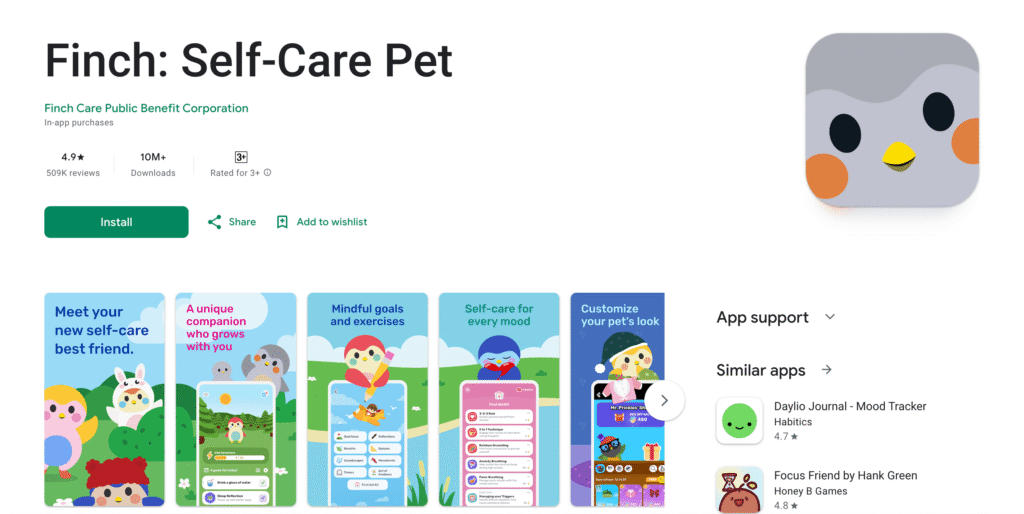
Among the top AI tools designed to help people follow through on their New Year resolutions in 2026, Finch stands out by using behavioral science and gamification to keep users engaged. Rather than relying on rigid goal trackers or robotic interfaces, Finch motivates people through emotional connection and game-like rewards. It has proven particularly effective for individuals who struggle with consistency or burnout when using traditional wellness apps.
How Finch AI Changes the Way People Build Habits
Finch offers a unique approach by using a virtual pet that evolves based on how users complete real-life tasks. The more they journal, walk, or check off self-care goals, the more the pet grows and reacts positively. This friendly experience triggers positive emotions and keeps users returning daily. By making self-care feel rewarding and fun rather than burdensome, Finch helps users stick to their goals far longer than traditional systems.
Gamified Habit Formation Framework in Finch
| Element | How It Works | Impact on User Motivation |
|---|---|---|
| Virtual Pet | Grows and responds to user’s progress | Builds emotional bond and motivation |
| Micro-Rewards | Small in-app celebrations for completing tasks | Encourages consistency with instant gratification |
| Mood-Adaptive Prompts | Personalized journal questions based on emotional state | Improves self-awareness and daily reflection |
| Light AI Coaching | Suggests gentle reflections without strict performance judgment | Reduces pressure and builds psychological safety |
This unique design leads users to feel supported, not judged, creating a safe digital space to grow healthier habits.
Performance Insights and User Growth
Finch has experienced rapid success across both consumer and business markets. With more than 5 million total downloads and a steady growth trajectory, it continues to outperform many of its wellness competitors.
Finch 2025–2026 Key Performance Metrics
| Metric | Value | Insight |
|---|---|---|
| Total Downloads | 5 Million | Broad global appeal across age groups |
| Monthly Active Downloads | 400,000 | Consistent app adoption rate |
| Monthly Revenue | 2 Million USD | High monetization through premium users |
| iOS App Store Rating | 4.8 Stars | Strong user satisfaction and retention |
| Year-on-Year Growth (Q2 2025) | 166% in active connections | Rapid user base expansion |
| Enterprise Wellness Adoption | +30% in employee engagement | Widely used in corporate wellness programs |
Unlike apps that are often forgotten after a few weeks, Finch has demonstrated unusually high retention rates. This is largely due to its gamified experience and behavioral science-backed design.
Why Finch Succeeds Where Others Fail
Many wellness and productivity apps suffer from abandonment, with users dropping off after the initial enthusiasm fades. In contrast, Finch keeps people coming back through a combination of emotional engagement and habit-reinforcing design.
Comparison: Gamified vs. Traditional Self-Care Tools
| Feature | Finch AI | Traditional Apps |
|---|---|---|
| Emotional Bond with Interface | Strong (Virtual Pet) | Weak or Non-existent |
| Daily Micro-Rewards | Yes | Rare or Manual |
| Mood-Based Adaptation | Personalized Prompts | Generic Task Lists |
| Usage Retention Rate | High | Often drops after 2–3 weeks |
| Support for Mental Wellness | Embedded Reflection Exercises | Limited or Non-personalized |
Finch’s design makes users feel more connected and in control of their emotional journey. Its AI doesn’t “tell” users what to do—it “guides” them gently, creating a warm, welcoming daily experience.
Role of Finch in 2026 New Year Resolution Ecosystems
As millions of people set goals in the new year, tools like Finch play a key role in helping them stay on track. Whether it’s a resolution to improve mental health, walk more, or build better daily routines, Finch’s smart design bridges the gap between intention and action. It is especially powerful for users looking for a compassionate, self-guided experience that goes beyond task management.
Summary Matrix: Finch’s Strategic Advantages
| Core Strength | Benefit for Resolution Setters in 2026 |
|---|---|
| Gamified Experience | Keeps motivation high and goals enjoyable |
| Mood-Responsive Journaling | Enhances emotional clarity and stress reduction |
| Virtual Companionship | Reduces loneliness and increases accountability |
| High Retention Design | Increases chances of long-term success |
| Enterprise Ready | Scalable for team wellness goals and HR programs |
In 2026, Finch remains a top recommendation for users who want a gentle, emotionally intelligent AI to help them stick to resolutions. From young adults trying to create healthy routines to large companies supporting employee wellness, Finch provides a smart, scalable, and user-friendly solution that transforms everyday habits into long-term success stories.
4. Strava with Runna AI
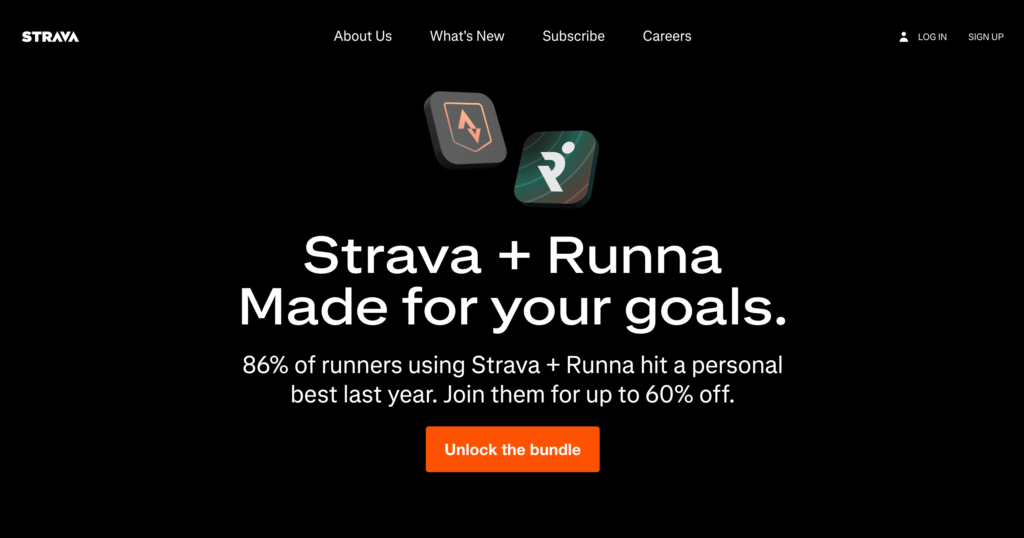
In 2026, Strava has evolved far beyond its original role as a fitness tracking app. After acquiring Runna, a well-known AI-powered run coaching platform, Strava now provides a complete solution for individuals looking to improve their physical health and reach fitness goals. Whether users are training for a marathon, aiming to lose weight, or simply looking to stay active, Strava with Runna AI offers smart, data-driven coaching that adapts to individual progress and lifestyle changes.
Why Strava + Runna AI Is Ideal for New Year Fitness Goals
With nearly half of all Americans selecting exercise as their top New Year resolution in 2026, the demand for guided, personalized, and responsive workout programs is at an all-time high. Strava’s new integration with Runna brings AI training intelligence once exclusive to elite athletes into the hands of everyday users. It transforms static workout plans into dynamic experiences, changing schedules and intensities based on biometric feedback like heart rate variability, performance fatigue, and user behavior.
Smart Features Offered by Strava + Runna in 2026
| Feature | Description | Impact on Resolution Success |
|---|---|---|
| AI Training Plans | Personalized from 5K to marathon, updated in real-time | Keeps users progressing safely and efficiently |
| Adaptive Workout Modifications | Adjusts pace, distance, and intensity based on recent performance | Reduces injury risk and burnout |
| Recovery Optimization | Provides rest day suggestions using biometrics and user fatigue levels | Improves recovery and long-term consistency |
| Multi-Sport Integration | Supports running, weightlifting, cycling, and cardio | Centralizes all fitness goals in one system |
| Coach-Level Mindset Guidance | AI suggestions for motivation and mental focus | Keeps users mentally engaged |
This combination of smart planning, coaching, and health tracking makes the Strava + Runna bundle a powerful assistant for those who want to stay on track with their fitness goals throughout the year.
How the AI Works Behind the Scenes
The system uses biometric data collected from smartwatches, heart rate monitors, and mobile sensors. This data is analyzed to adjust training plans daily. For example, if a user runs slower due to fatigue, the AI reduces intensity the next day, or if a user misses a workout, it reshuffles the schedule to maintain balance without pressure. This responsive logic mimics human coaches, delivering scalable support at a fraction of the cost.
Comparison of Coaching Approaches
| Coaching Type | Adaptability | Cost Per Month (Approx.) | Real-Time Plan Adjustment | Personalized Feedback |
|---|---|---|---|---|
| Strava + Runna AI | High | 12.50 USD (bundle) | Yes | Yes |
| Human Coach | High | 100–400 USD | Yes | Yes |
| Standard App | Low | 5–15 USD | No | Limited |
Users get elite-level guidance for a reasonable cost, especially appealing in an era where subscription fatigue is common. The AI-driven model ensures smarter spending with higher value retention.
Subscription Pricing Breakdown in 2026
Strava has designed multiple pricing tiers to make the service accessible to different user types, from solo athletes to families and students.
Strava + Runna AI 2026 Pricing Overview
| Plan Name | Annual Cost (USD) | Monthly Equivalent (USD) | Included Features | Best For |
|---|---|---|---|---|
| Individual Plan | 79.99 | 6.67 | Advanced training analysis and single-user data sync | Solo runners and fitness enthusiasts |
| Bundle Plan | 149.99 | 12.50 | All AI features, dynamic coaching, 5K to marathon plans | Serious runners and hybrid athletes |
| Family Plan | 139.99 | 2.92/person | Up to 4 users, shared goals, synced recovery tracking | Active families or small teams |
| Student Plan | 39.99 | 3.33 | All features at 50% discount | Budget-conscious students |
The bundle plan provides the highest functionality with full access to Runna’s training models and Strava’s social tracking network. This flexibility makes the system effective for people with varying levels of fitness and goal types.
Why Strava + Runna Is a Top AI Tool for 2026 Resolutions
Strava’s integration with Runna represents a major innovation in AI health coaching. Unlike traditional apps, which offer one-size-fits-all plans, this platform responds intelligently to the user’s lifestyle, performance, and motivation levels. It’s ideal for anyone looking to improve their physical health while staying mentally engaged and avoiding injury.
Key Benefits of Using Strava + Runna AI in 2026
| Benefit Area | Description |
|---|---|
| Personalization | Every plan is unique and evolves as you do |
| Motivation Boost | Encouraging mindset tips and milestone celebrations |
| Social Integration | Compete with or support friends and family through shared goals |
| Injury Prevention | Adjustments based on recovery status and overtraining indicators |
| Full-Body Tracking | Support for cardio, weight training, and active recovery routines |
As users around the world commit to healthier lifestyles in the new year, tools like Strava + Runna AI offer a powerful, adaptive, and affordable way to stay consistent. It delivers not only fitness tracking but also high-level strategy, making it one of the top AI tools for New Year resolutions in 2026.
5. Yazio
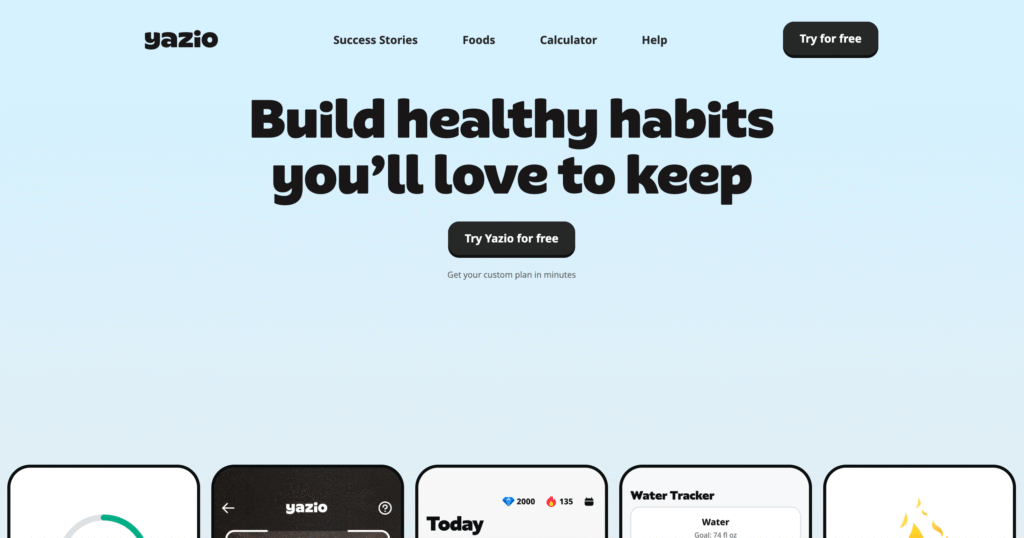
In the global landscape of AI tools helping individuals stick to their New Year resolutions, Yazio has earned a reputation as one of the most advanced and user-friendly platforms for achieving dietary goals. In 2026, Yazio supports more than 100 million users across 150 countries, helping them make better food choices, follow structured meal plans, and reach long-term health objectives. The platform uses AI to simplify nutritional tracking and make healthy eating more accessible and personalized.
What Makes Yazio Different from Other Nutrition Apps in 2026
Yazio’s standout feature in 2026 is its multimodal input system, which allows users to track food in multiple ways—using voice commands, text descriptions, barcode scans, or even photographs. Its AI can analyze a photo of a meal and estimate its calorie and macronutrient content with a high degree of accuracy, often within ±200 calories of the actual nutritional value. This makes it easier than ever for people to log their meals without the hassle of manual entries.
AI Nutrition Logging Methods in Yazio
| Input Method | Description | User Benefit |
|---|---|---|
| Photo Recognition | Users take a photo of their meal, and the AI identifies the food items | Fast and visual meal logging |
| Voice Input | Speak the meal or ingredients to the app | Hands-free convenience |
| Text Search | Type food names and select from intelligent suggestions | Supports quick manual entry |
| Barcode Scanning | Scan packaged food to log instantly | Accurate tracking for store-bought items |
This multi-input approach is especially valuable for people with busy lifestyles who want to maintain a healthy diet without spending too much time on tracking.
Support for Different Diets and Fasting Methods
In 2026, Yazio has broadened its capabilities to support a wide range of health and nutrition plans. Users can choose from pre-set dietary protocols like keto, paleo, intermittent fasting, vegan, or vegetarian. The platform also supports 20 types of fasting schedules, allowing users to personalize how they structure their eating windows based on health goals.
Supported Nutritional Plans in Yazio (2026)
| Diet Type | Description | Popular Goal |
|---|---|---|
| Keto | High-fat, low-carb meals | Fat loss and energy optimization |
| Paleo | Natural, unprocessed food focus | Gut health and hormone balance |
| Vegan | Plant-based with no animal products | Ethical eating and environmental wellness |
| Intermittent Fasting | Time-restricted eating (e.g., 16:8, 18:6) | Fat burning and insulin sensitivity control |
| Balanced | Portion-controlled macronutrient mix | General health and weight maintenance |
Users can easily switch between plans and view smart recommendations for each day, including ideal foods to match their personal goals.
Smart Grocery Planning and Food Waste Reduction
One of the most useful features in Yazio’s 2026 upgrade is its Smart Grocery List generator. Based on a user’s selected meal plan, the AI calculates what ingredients are needed for the week and compiles a shopping list. This helps users stay focused while shopping, reduces impulse buying, and significantly cuts down on food waste.
Smart Grocery List Features
| Functionality | How It Works | Benefits for Users |
|---|---|---|
| Ingredient Forecasting | Auto-generates list based on weekly meal schedule | Saves time and improves planning |
| Portion Scaling | Adjusts amounts based on household size | Avoids overspending and food waste |
| Diet-Specific Filters | Removes items outside user’s dietary preferences | Ensures consistency with health goals |
| Barcode-to-List Integration | Adds scanned items directly to grocery planner | Seamless movement from tracking to shopping |
This feature is especially useful for busy individuals and families trying to balance health, time, and budget.
Yazio’s Growing Global Reach and User Trust
By early 2026, Yazio has surpassed 100 million users globally and maintains a strong 4.6-star average rating across 300,000+ user reviews. Its focus on long-term change, not quick fixes or crash diets, has helped it earn multiple recognitions, including the “Android Excellence App” badge on Google Play.
Platform Performance and User Satisfaction Metrics
| Metric | Value | Insight |
|---|---|---|
| Global Users | 100 Million+ | Large-scale trust and adoption |
| Countries Supported | 150 | Multilingual, multicultural design |
| Android Rating | 4.6 Stars (based on 300,000+ reviews) | High user satisfaction |
| Meal Logging Accuracy Range | ±200 Calories | Reliable AI calorie and macro estimation |
| Recognitions | Android Excellence App | Validated by major platforms |
Yazio’s success is driven by its focus on usability, accuracy, and personalization—especially important in a year where millions aim to eat healthier and improve their energy levels.
Yazio Subscription Plans and Value in 2026
Yazio provides several subscription tiers that match different budgets and engagement levels. All paid tiers unlock premium features like meal planning, advanced nutrition analysis, and AI-powered grocery tools.
Yazio 2026 Pricing Comparison Table
| Plan Name | Cost (USD) | Billing Frequency | Best For |
|---|---|---|---|
| PRO (Annual) | 39.99–47.90 | Billed Yearly | Long-term users who want full feature access |
| PRO (Quarterly) | 19.99 | Billed Every 3 Months | Short-term commitment with full capabilities |
| Weight Loss Program | 39.99 | Billed Yearly | Guided weight loss with structured meal plans |
These affordable options make Yazio a smart investment for individuals focused on transforming their eating habits and maintaining consistency in their health journey.
Yazio’s Role as a Top AI Wellness Tool in 2026
With its cutting-edge AI, flexible input options, and powerful tracking tools, Yazio has become one of the top 10 AI tools globally for supporting New Year resolutions in 2026. Whether someone wants to lose weight, switch to a healthier diet, or simply understand what they’re eating better, Yazio’s combination of nutrition science and machine intelligence offers a reliable partner on that journey. Its design focuses not just on food, but on the behaviors, habits, and environments that influence how people eat—making it a holistic tool for real change.
6. Pattrn
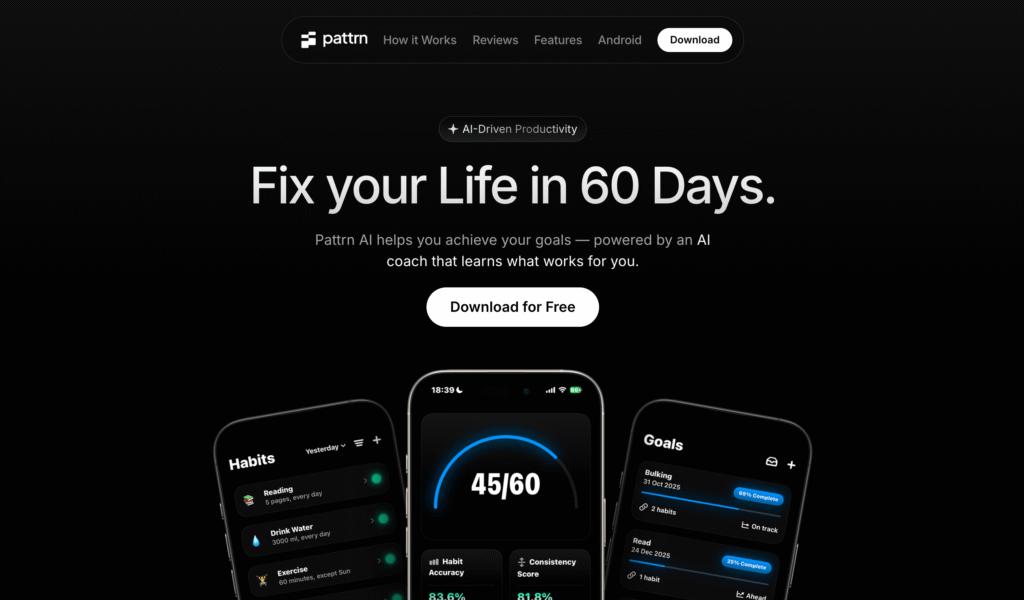
In the expanding world of AI tools helping people stick to their New Year resolutions, Pattrn stands out by focusing not just on what habits are being tracked, but why certain behaviors succeed or fail. As of 2026, Pattrn has gained popularity among individuals looking for deeper insight into their routines, offering a more meaningful way to develop personal growth and wellness habits.
Unlike many traditional tracking apps that simply show whether a task was completed, Pattrn uses AI to understand underlying reasons. It examines mood shifts, environment changes, and sleep quality to help users understand the context behind missed actions or low productivity. This insight-focused method empowers users to make smarter choices, avoid burnout, and create goals that adapt over time.
Why Pattrn Is Unique in the AI Habit Tracking Landscape of 2026
Pattrn takes a narrative-based approach to personal development. Instead of overwhelming users with data, the app transforms behavior logs into easy-to-understand patterns and stories. These stories are used to highlight how different areas of life—such as sleep, emotions, hydration, and stress—are connected. For example, if a user consistently misses morning workouts after nights of poor sleep, the AI will detect that trend and offer personalized advice.
Behavioral Insight Framework in Pattrn
| Insight Category | Data Analyzed | Outcome Delivered to User |
|---|---|---|
| Sleep Behavior | Sleep duration, quality, restfulness | Links poor sleep to motivation dips or stress |
| Mood Fluctuations | Daily mood logs and mood shifts | Identifies triggers for habit disruption |
| Environmental Factors | Time of day, location data, external noise | Suggests optimal habit timing and locations |
| Emotional Reflection | User journaling and sentiment detection | Provides personal stories with actionable insights |
This integrated analysis creates a full picture of a person’s daily life and how it affects their ability to stay consistent with habits.
Improvement Mode: AI That Adjusts Goals in Real-Time
To avoid common problems like burnout, Pattrn includes a smart feature called Improvement Mode. This mode lets users scale habits up or down depending on their mental and physical condition. If the system detects signs of fatigue or low mood, it reduces the pressure by adjusting the intensity or frequency of goals, allowing recovery without guilt or derailment.
Goal Adjustment Matrix in Pattrn’s Improvement Mode
| Habit Type | AI Adjustment Triggered By | Adjustment Example |
|---|---|---|
| Physical Activity | Low sleep quality or fatigue detection | Workout duration reduced or replaced with rest |
| Hydration | Missed entries and low energy markers | Sends reminders with adjusted water intake goals |
| Focus Sessions | High stress or emotional strain | Suggests break or meditation instead of work push |
| Journaling | Emotional avoidance detected | Offers short prompt instead of full reflection |
This type of flexibility makes habit development more sustainable and user-friendly.
Deep Analysis Screen: A Data Dashboard That Tells a Story
One of Pattrn’s most powerful tools in 2026 is its Deep Analysis screen. This dashboard provides users with visual insights into their routines, offering recommendations and summaries tied to specific goals. It connects minor habits—like tracking water intake or stretching—to larger goals such as stress management or physical performance, helping users see progress that may not be obvious day-to-day.
Visual Insights Offered by Deep Analysis
| Analysis Feature | Function | Benefit for Resolution Planning |
|---|---|---|
| Weekly Habit Map | Shows frequency and mood correlation for each habit | Reveals most consistent vs. inconsistent behaviors |
| Goal Progress Tree | Connects daily habits to broader life goals | Strengthens purpose and motivation |
| Pattern Detection | AI highlights behavioral loops and recurring issues | Encourages timely interventions |
| Energy-Mood Timeline | Tracks performance vs. emotional energy across the week | Guides better scheduling and habit timing |
These insights help users understand how daily routines stack up to long-term success.
Pricing Options in 2026: Flexible Access for All Types of Users
Pattrn is priced to support both short-term goal setters and long-term self-improvement enthusiasts. With flexible subscription models, users can start small or commit for the long run depending on their needs.
Pattrn 2026 Pricing Overview
| Plan Type | Cost (USD) | Ideal For |
|---|---|---|
| Weekly Plan | 4.99 | Short bursts of focus or temporary challenges |
| Monthly Plan | 7.99 | Users building consistent momentum |
| Yearly Plan | 34.99 | Dedicated users working on multiple resolutions |
| Lifetime Pro | 34.99–55.99 | Users seeking permanent access with all tools |
This cost-effective structure makes Pattrn one of the most accessible AI tools for individuals who want personalized support and data-rich feedback.
Why Pattrn Is a Top 10 AI Tool for New Year Resolutions in 2026
As more people seek lasting change rather than short-term wins, Pattrn provides a new kind of habit tracker that is more analytical, more compassionate, and more adaptable. It helps users understand not just what they’re doing—but why they’re doing it, and what might be standing in their way. This high-insight model is perfect for anyone looking to improve their lifestyle in a more meaningful, sustainable way.
Summary Table: Pattrn’s Core Strengths
| Strength Area | How It Supports 2026 Resolutions |
|---|---|
| Insight-Driven Coaching | Focuses on emotional and lifestyle context |
| Burnout Prevention | Adapts goals in real-time to user wellbeing |
| Goal Mapping | Connects small daily actions to big personal goals |
| Deep Data Visualization | Provides understandable and personalized reports |
| Affordable Access | Flexible plans that fit short- or long-term habits |
For users who value self-awareness, mental wellness, and smarter goal setting, Pattrn offers a complete and thoughtful solution for achieving their 2026 New Year resolutions.
7. Tiimo
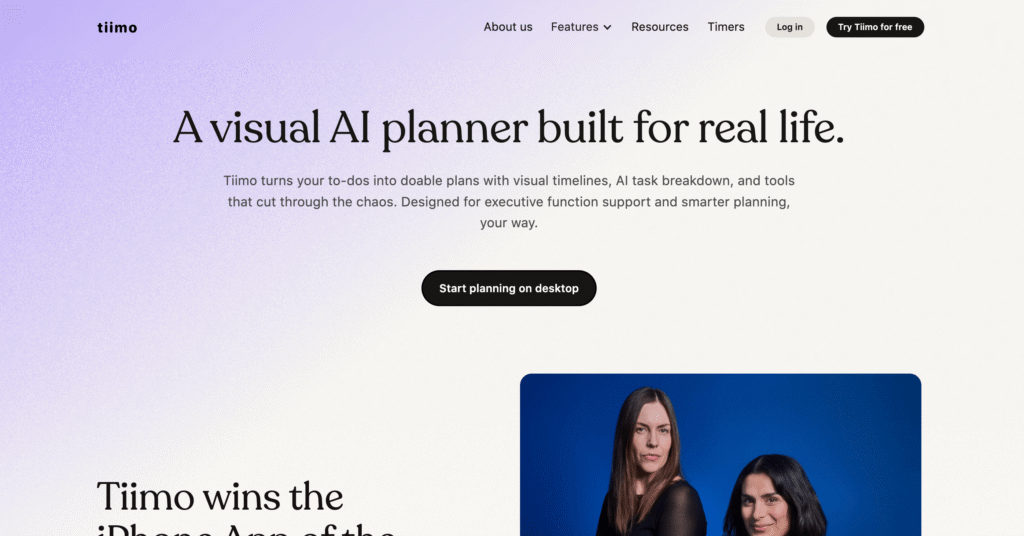
As millions of people set out to achieve their New Year resolutions in 2026, Tiimo has emerged as one of the most innovative AI tools helping users manage time, structure their routines, and reduce mental overload. Originally built with neurodivergent individuals in mind—especially those with ADHD, autism, and executive functioning challenges—Tiimo has now grown to serve over 1 million users worldwide, including neurotypical people who prefer a more visual and flexible planning system.
Tiimo offers a structured yet gentle approach to personal productivity, built to remove pressure and reduce overwhelm. Instead of rigid checklists, it provides color-coded timelines, animated focus timers, and intelligent schedule reshuffling. The platform’s award-winning design, named iPhone App of the Year in 2025, reflects how it blends design simplicity with AI-backed scheduling intelligence.
How Tiimo Supports Goal-Setting in 2026
Tiimo’s AI Co-Planner serves as a virtual assistant that breaks large, intimidating tasks into small, manageable actions. Users can simply describe what they want to accomplish, and the AI will suggest time blocks, step-by-step actions, and even help schedule them based on the user’s existing commitments and energy levels.
This is especially valuable for users who experience “time agnosia” (difficulty sensing how time passes) or “task paralysis” (struggling to start tasks). The system gently nudges users into action without causing stress or guilt.
Task Breakdown Intelligence in Tiimo’s AI Co-Planner
| Function | How It Works | Benefit for Resolutions |
|---|---|---|
| Task Deconstruction | Converts a vague task into simple, sequenced actions | Reduces overwhelm and mental friction |
| Time Estimation Engine | Assigns realistic durations to each step | Helps users avoid burnout or under-planning |
| Adaptive Timeline Rebuilding | Automatically reschedules tasks based on day-to-day shifts | Allows flexibility without abandoning goals |
| Focus Mode Timer | Visual countdown with built-in breaks | Encourages deep work with built-in rest cues |
This modular approach makes Tiimo a standout tool for daily habit formation, long-term goal planning, and adapting to changing routines—all critical for maintaining New Year resolutions over time.
Visual Scheduling and Emotional Relief
Unlike traditional to-do apps, Tiimo uses a color-based calendar and visual feedback to help users feel more in control. Tasks appear as movable, colorful blocks that can be dragged, edited, or reshaped without judgment. This visual flow allows users to better estimate how full their day is and recognize when to rest, push forward, or shift their focus.
Tiimo’s Visual Productivity Framework
| Feature | Description | Impact on Goal Tracking |
|---|---|---|
| Color-Coded Planner | Assign colors to different task types | Visually reduces mental load and increases clarity |
| Schedule Flexibility Tools | Drag-and-drop changes without deleting tasks | Promotes resilience when life gets unpredictable |
| Review Today Button | Allows users to replan the current day in one click | Reduces guilt and keeps the user emotionally regulated |
| Smart Suggestions | AI-based nudges to complete or modify tasks | Increases follow-through without pressure |
This approach makes it easier for users to stick with resolutions like “organize better,” “worry less,” or “stay consistent,” which can often feel vague or unachievable without the right tools.
Tiimo Subscription Plans and Pricing in 2026
Tiimo provides several pricing tiers, allowing users to access core functionality for free and unlock advanced AI planning and customization through paid plans. The pricing is structured to offer long-term affordability for both casual users and lifelong productivity seekers.
Tiimo 2026 Subscription Overview
| Plan Name | Cost (USD) | Features Included | Ideal For |
|---|---|---|---|
| Free Version | 0.00 | Basic visual planner, limited AI chat responses | New users or those exploring structured routines |
| Monthly Pro | 12.00 | Full AI task breakdown, custom widgets, adaptive planner tools | People needing flexible month-to-month support |
| Yearly Pro | 54.00 | Full access to all AI features, review tools, and web version | Long-term users focused on consistent progress |
| Lifetime Plan | 250.00 | One-time payment for permanent access to all future updates and tools | Professionals or families investing in wellness |
This pricing model is especially useful for users who want low-friction tools without the burden of constant upselling or unexpected feature limitations.
Why Tiimo Is Among the Top 10 AI Tools for 2026 New Year Resolutions
Tiimo has redefined what digital productivity looks like—especially for users who do not thrive under pressure or traditional planning systems. Its combination of emotional support, intelligent time management, and visual structure makes it one of the most inclusive and impactful AI tools for goal-setting in 2026.
Core Advantages of Using Tiimo for Personal Growth
| Benefit Category | Description |
|---|---|
| Emotionally Supportive | Designed to reduce stress and planning guilt |
| Flexible and Adaptable | Adjusts to real-life changes without derailing users |
| AI-Powered Clarity | Breaks down vague goals into clear, time-bound actions |
| Inclusive Design | Ideal for ADHD, autism, and executive dysfunction, but useful for all |
| Award-Winning Platform | Recognized as a top app by Apple for functionality and user experience |
For individuals seeking to stick to their New Year goals—especially those involving better time management, mental well-being, or organization—Tiimo offers a user-friendly, intelligent, and visually calming planning experience built for the way real people live.
8. Microsoft Copilot

As more professionals look to boost their productivity and achieve career milestones in 2026, Microsoft Copilot has emerged as one of the most powerful AI tools to support workplace goals. Designed to work seamlessly within the Microsoft 365 suite, this tool helps users achieve New Year resolutions tied to time management, project execution, learning new skills, and improving overall professional efficiency.
Microsoft Copilot—now in its second major release—acts as a digital productivity assistant. It automates everyday tasks, supports data-heavy work, and encourages collaborative goal setting across teams and departments. For individuals who aim to “work smarter” in 2026, Copilot provides the automation, analysis, and AI support needed to stay ahead in competitive work environments.
How Microsoft Copilot Supports Career-Focused Resolutions
Microsoft Copilot isn’t just another task manager. It functions as a strategic support system that integrates with tools professionals already use, such as Outlook, Word, Excel, PowerPoint, Teams, and more. With this integration, users can create custom workflows, generate instant summaries of meetings, write reports, or even build data models using Python—all without switching between platforms or losing focus.
Productivity Features Offered by Microsoft Copilot in 2026
| Feature | Description | Professional Benefit for Goal Setting |
|---|---|---|
| AI Report Generation | Drafts emails, reports, and updates using natural language input | Speeds up communication and reporting |
| Excel + Python Modeling | Generates data analysis using Python in Excel | Supports upskilling and improves data fluency |
| Meeting Summaries | Captures and summarizes Teams meetings with key action items | Ensures alignment and reduces information loss |
| Copilot Pages | Shared workspace for collaborative brainstorming | Enables team-based resolution planning |
| Custom Workflow Agents | Automates multi-step business processes across apps | Saves time and improves consistency in execution |
Professionals can now move from ideas to execution faster than ever, using tools already embedded in their day-to-day workflow.
Copilot Pages: A Shared AI Workspace for Collaborative Resolution Setting
The launch of Copilot Pages in 2026 marks a new evolution in how teams and individuals plan their goals. These pages act as a shared digital canvas where users can co-create strategies, draft documents together, map timelines, and receive AI suggestions in real-time. This collaborative feature helps teams align on shared goals such as launching new projects, streamlining internal processes, or tracking progress across departments.
Collaboration Features in Copilot Pages
| Tool Component | Functionality | Ideal Use Case for Resolutions |
|---|---|---|
| AI-Enhanced Whiteboarding | Brainstorming and goal-mapping with text and visuals | Strategy planning and team alignment sessions |
| Real-Time Agent Suggestions | AI recommendations while typing or editing | Instant coaching and feedback during collaboration |
| Shared Goal Templates | Prebuilt templates for Q1/Q2 objectives, OKRs, and more | Structured resolution setting at work |
| Version Control | Tracks changes and offers insights into document evolution | Monitors contribution and growth across projects |
These tools allow employees to participate in goal-driven planning while reducing miscommunication and repetitive effort.
ROI and Measurable Workplace Benefits of Using Microsoft Copilot
Microsoft Copilot is not just a time-saver—it delivers quantifiable performance improvements. Employees using Copilot in AI-relevant roles are gaining back up to 1.5 hours each day by automating low-value tasks. Beyond efficiency, companies adopting agent-based AI workflows report stronger innovation, higher satisfaction, and better goal follow-through.
Impact Metrics: Microsoft Copilot vs Traditional Workflows
| Performance Metric | AI-Driven Organizations (%) | Traditional Organizations (%) | Relative Advantage |
|---|---|---|---|
| Innovation Improvement | 64 | Not applicable | Higher creative output |
| Employee Satisfaction | 45 | Lower | Better morale and engagement |
| Productivity Increase | 24.69 | Baseline | Boosted execution speed |
| Goal Completion in Performance Reviews | 2x more likely | 1x | Improved tracking and follow-through |
These results show why Copilot is gaining traction not only with individuals but also with businesses aiming to enhance performance management systems.
Pricing Model and Enterprise Accessibility
Microsoft Copilot is integrated within business and enterprise-level Microsoft 365 subscriptions. Users can access different levels of features depending on their organization’s licensing tier, ensuring that small businesses and global enterprises alike can benefit from AI support without having to overhaul their infrastructure.
Microsoft Copilot Integration Overview
| Tier | Key Features Available | Best Suited For |
|---|---|---|
| Microsoft 365 Business | Core AI writing and Excel enhancements | Small teams and startups |
| Microsoft 365 Enterprise | Full automation, Copilot Pages, workflow agents | Large corporations and remote teams |
| Education and Nonprofit | Adaptive templates, AI content assist, documentation tools | Learning institutions and NGO work |
This model allows organizations to onboard AI gradually, while employees gain real-time assistance in reaching personal and professional goals.
Why Microsoft Copilot Is Among the Top 10 AI Tools for New Year Resolutions in 2026
Whether an individual wants to learn new digital skills, reduce time spent on repetitive work, or lead more efficient projects, Microsoft Copilot delivers the tools to make those resolutions a reality. Its seamless integration with daily work apps, combined with agent-powered automation and real-time collaboration, makes it one of the most valuable AI assistants for professionals in 2026.
Summary Matrix: Strategic Advantages of Microsoft Copilot
| Core Benefit | How It Helps in Resolution Achievement |
|---|---|
| Seamless Ecosystem Integration | Uses familiar Microsoft apps for faster adoption |
| Custom AI Agents | Automates complex tasks without needing coding knowledge |
| Collaboration at Scale | Helps individuals and teams plan and execute together |
| Measurable ROI | Saves time and boosts engagement through smart workflows |
| Career-Focused Tools | Supports learning, upskilling, and milestone achievement |
In 2026, Microsoft Copilot isn’t just a tool—it’s a smart professional partner designed to accelerate goal achievement and unlock new levels of productivity for users across every industry.
9. Noom
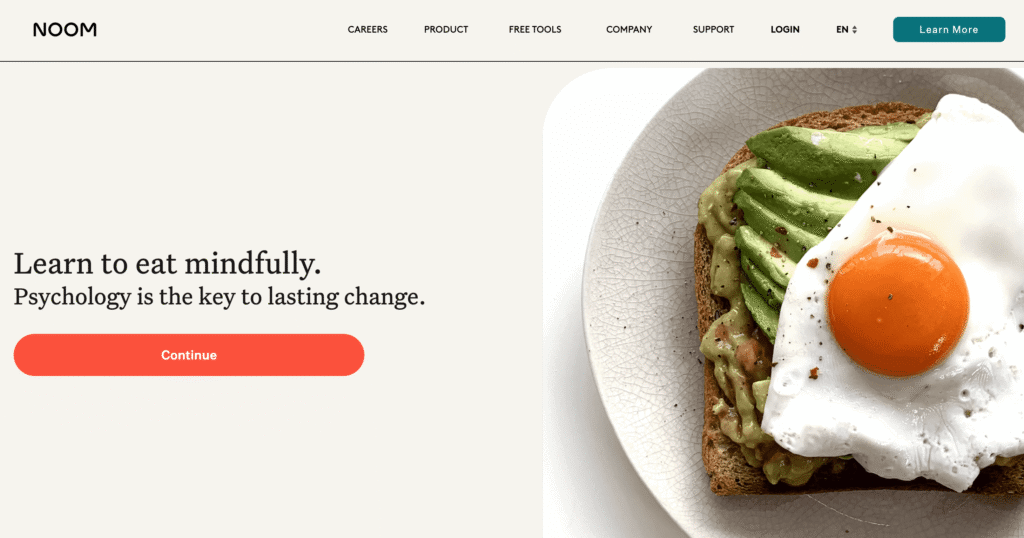
Among the most trusted AI platforms for New Year resolutions focused on health, behavior change, and emotional wellness, Noom has secured its place in the top 10 tools for 2026. Originally launched as a weight loss app, Noom has since evolved into a complete behavioral science and habit-change platform that helps users rewire the way they think about food, stress, goals, and routines.
Noom’s strength lies in its integration of cognitive-behavioral techniques with AI coaching. Users don’t just follow a plan—they learn why they make certain choices, how to reframe triggers, and how to build new patterns that stick. By 2026, Noom also includes optional clinical support services, further expanding its reach into the mental and physical health space.
How Noom Transforms New Year Resolutions into Long-Term Lifestyle Change
Unlike basic fitness or calorie-counting apps, Noom uses psychology-based lessons and interactive daily coaching to help users form healthier habits over time. The app prompts users to reflect on emotional triggers, decision-making patterns, and motivational blocks. This approach makes Noom particularly effective for people who want to achieve lasting change in areas such as eating habits, weight management, emotional regulation, and stress reduction.
Behavioral Design Features in Noom’s 2026 Platform
| Feature | Description | Resolution Impact |
|---|---|---|
| Daily Cognitive Lessons | Psychology-based content focused on behavior and motivation | Builds long-term awareness and mindset shifts |
| AI Habit Tracker | Monitors patterns and flags emotional or environmental triggers | Helps users anticipate challenges before they occur |
| Emotion Mapping | Identifies links between mood, food, and lifestyle choices | Enables more mindful and intentional behavior |
| Optional Clinical Integration | Includes access to licensed health professionals when needed | Supports users with clinical-level challenges |
These tools work together to build a foundation of mental awareness and habit strength, turning temporary resolutions into long-term routines.
Retention and Effectiveness Metrics of Noom in 2026
AI-driven health platforms like Noom show much higher user retention rates than traditional fitness apps. While most health and fitness applications lose over 70% of their users within a few months, Noom maintains engagement over time due to its educational and personalized approach.
Performance Comparison: AI Health Tools vs Traditional Apps
| Metric | AI-Powered Platforms (e.g., Noom) | Traditional Fitness Apps | Observed Outcome |
|---|---|---|---|
| 6-Month User Retention | 65%–75% | 25%–30% | Users stick with the platform longer |
| ROI for Healthcare Institutions | 3.20x return per $1 spent | Lower, often not measurable | Higher long-term financial effectiveness |
| Behavioral Goal Completion Rate | High (due to habit scaffolding) | Low | Sustainable change is more common |
These statistics highlight why Noom is not only popular among individuals but also widely adopted by hospitals and corporate wellness programs.
Noom’s Subscription Model and Health Investment in 2026
Noom offers different subscription tiers tailored to both self-guided users and those needing medical-grade assistance. The pricing reflects the depth of support provided—from structured self-learning to full clinical involvement.
Noom 2026 Subscription Tiers and Outcomes
| Subscription Type | Cost (USD) | Focus Area | Best For |
|---|---|---|---|
| Monthly Plan | 70.00 | Short-term habit testing and mindset work | Users exploring behavior change or weight control |
| Annual Plan | 209.00 | Deep, long-term behavior transformation | Users committed to a full year of guided change |
| Noom Med (Variable) | Varies by case | Clinical support for weight and health | Individuals needing licensed health supervision |
Each plan includes access to the core psychological training, AI insights, habit tracking, and daily goal reminders.
Why Noom Is One of the Top AI Tools for 2026 New Year Resolutions
Noom is especially effective for people who struggle with willpower-based approaches or want to understand the “why” behind their habits. Its strength lies in its ability to retrain thinking patterns, not just track behaviors. This makes it ideal for resolutions that involve losing weight, building emotional resilience, quitting unhealthy behaviors, or improving day-to-day wellness routines.
Strategic Benefits of Using Noom for Resolutions
| Area of Growth | How Noom Supports It |
|---|---|
| Psychological Awareness | Teaches users to reflect on patterns, not just actions |
| Emotional Resilience | Tracks emotional cycles and their impact on behavior |
| Health and Nutrition | Links food choices with mindset and mood |
| Sustainable Habits | Builds change through micro-lessons and daily coaching |
| Clinical Access (Optional) | Offers expert care when needed |
With its science-backed framework, high engagement rate, and growing global user base, Noom continues to lead the way in behavioral change technology. In 2026, it remains one of the most effective AI platforms for turning health-focused New Year resolutions into long-lasting life improvements.
10. Fabulous
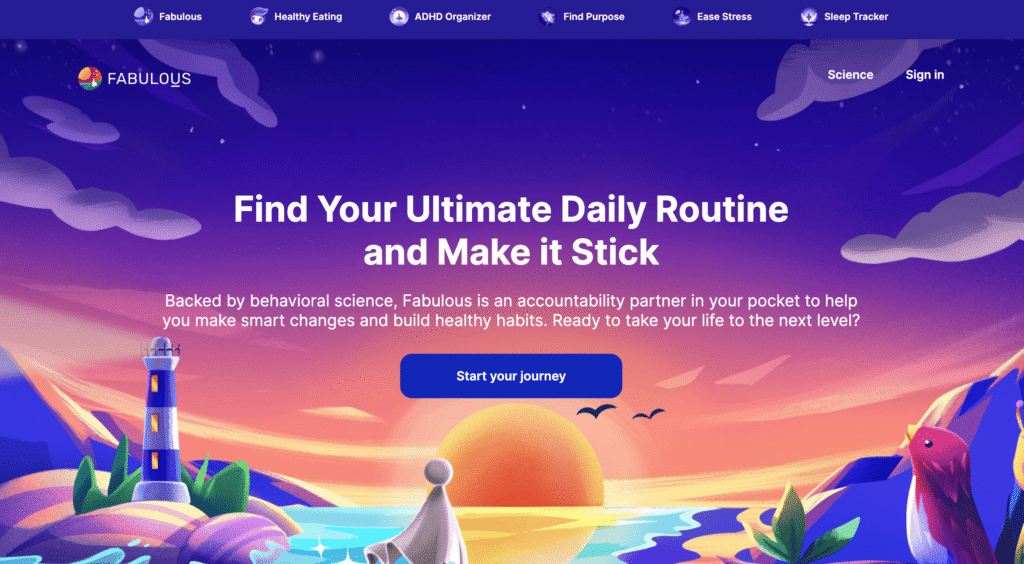
Fabulous has established itself as one of the top AI-powered habit-building tools for users aiming to improve their lifestyle in 2026. With over 30 million users worldwide, Fabulous is designed to guide individuals toward lasting behavioral change through structured routines, motivational coaching, and evidence-based practices rooted in behavioral science. Whether focused on improving sleep, mental clarity, physical activity, or productivity, Fabulous helps users build meaningful habits one step at a time.
Originally launched as a personal wellness app, Fabulous has expanded into workplace wellness, offering company-wide engagement tools that boost employee focus and well-being. Its impact is visible across both individual and organizational levels, making it one of the most flexible and effective tools for goal setting in the New Year.
How Fabulous Uses Guided Journeys to Turn Resolutions into Habits
Fabulous structures its coaching around “Journeys,” which are step-by-step programs that walk users through habit development based on their chosen goals. These journeys are personalized and broken down into small, achievable tasks that build momentum over time. Each step includes tips, check-ins, and motivational audio to help users stay committed.
This method is ideal for New Year resolutions because it shifts the focus away from sudden transformation and instead creates consistent, daily behaviors that become part of a user’s identity.
Habit Journey Design in Fabulous
| Journey Theme | Focus Area | Example Habits Introduced | Goal Support Provided |
|---|---|---|---|
| Morning Rituals | Productivity and focus | Drink water, stretch, plan the day | Builds structure to start each day strong |
| Sleep Better | Improved sleep quality | Wind-down routine, screen-free evenings | Supports healthier rest cycles |
| Mental Clarity | Reducing stress and anxiety | Breathing exercises, journaling | Enhances emotional stability |
| Fitness Foundations | Physical activity integration | Daily walks, mobility exercises | Helps form sustainable movement routines |
| Deep Work Booster | Improved attention span and flow state | Focus blocks, distraction logging | Ideal for professionals with performance goals |
These journeys are enhanced by AI reminders and motivational prompts, making habit formation more dynamic and engaging.
Fabulous as a Workplace Wellness Tool in 2026
Fabulous has evolved beyond individual users to become a leading choice for corporate wellness programs. Through “Fabulous for Work,” companies can license the platform for their teams using organizational email domains. Managers and HR professionals receive access to engagement dashboards to monitor participation, allowing organizations to align employee well-being with performance metrics.
Organizational Impact Metrics from Fabulous Implementation
| Business Outcome | Result After 3–6 Months Implementation | Benefit for Corporate Resolutions |
|---|---|---|
| Employee Participation Rate | Up to 72% adoption across departments | High engagement in wellness programs |
| Reported Focus Improvement | 41% of users say they feel more productive | Supports resolution to improve daily workflow |
| Stress Reduction Metrics | 35% drop in reported workplace stress | Enhances emotional resilience in the office |
| Goal Completion Rate | Journeys completed 2.4x more than self-started | Boosts goal follow-through across teams |
These metrics position Fabulous as a strategic platform not just for wellness but for performance alignment in professional environments.
Fabulous 2026 Pricing Plans for Individuals and Teams
Fabulous offers a range of pricing tiers to serve both individual users pursuing lifestyle upgrades and companies implementing well-being initiatives at scale. Each plan is tailored to match the desired depth of habit-building support and level of community interaction.
Fabulous Pricing Overview and Access Models in 2026
| Plan Name | Cost (USD) | Target User | Features Included |
|---|---|---|---|
| Individual Monthly | 19.99 | Users testing new habits short-term | Access to core journeys and habit coaching tools |
| Individual Annual | 39.99 | Long-term users building lifestyle change | Full year access to all guided programs |
| Fabulous Premium Offer | 49.99 | Community-focused users | Bundled with group challenges and coaching community |
| Fabulous for Work | 49.00/license | Organizations aiming to improve performance | Team dashboards, engagement analytics, domain control |
These tiers make Fabulous accessible for different user types—from solo resolution-setters to entire corporate departments aiming to foster healthier routines at scale.
Why Fabulous Is a Top AI Tool for Resolutions in 2026
Fabulous succeeds where many habit trackers fail: it blends behavioral psychology, AI nudges, and emotional motivation into one experience. It doesn’t overwhelm users with data—it gently guides them with structure, intention, and encouragement. Whether someone wants to improve sleep, reduce stress, build discipline, or lead their team with purpose, Fabulous offers a clear, science-based pathway.
Summary Matrix: Fabulous Key Strengths for New Year Resolutions
| Core Area | How Fabulous Delivers Value |
|---|---|
| Guided Habit Building | Uses structured journeys to scaffold daily routines |
| Psychological Motivation | Audio coaching, milestone celebrations, AI nudges |
| Corporate Wellness Integration | Scalable for organizations via license-based programs |
| Emotional and Cognitive Design | Focuses on long-term change, not just daily checklists |
| Affordable Access Options | Pricing flexibility for both individuals and teams |
As 2026 continues to shift attention toward whole-person growth—mind, body, and work-life balance—Fabulous stands out as a trusted, effective AI partner for turning resolutions into lasting behavioral change.
The Macroeconomic and Technological Ecosystem of 2026
By 2026, the integration of artificial intelligence into everyday goal-setting has become a global standard rather than a novel trend. This transformation is being driven by massive growth in generative AI technologies and a radical shift in how people approach personal development, productivity, health, and well-being. AI is no longer simply a support tool—it is now a core driver of behavioral change, providing automation, motivation, and measurable results that far exceed traditional methods.
Widespread AI Adoption in Personal Goal Planning
The global generative AI market is projected to reach 356.10 billion USD in 2026, growing at a powerful compound annual growth rate (CAGR) of 46.47% since 2024. This growth is not just a function of business investment—it’s being fueled by a behavioral shift at the individual level. Roughly 70% of users now rely on platforms like ChatGPT as their main source for personalized advice, productivity guidance, and life planning, replacing conventional search engines.
Economic Efficiency of AI Adoption
AI solutions have proven to be not only effective but also economically sound. For every 1.00 USD invested in AI, individuals and organizations are reporting an average return of 3.50 USD. This return is realized through time savings, better decision-making, reduced burnout, and increased task completion—critical for those pursuing complex resolutions in areas like health, education, finance, or career development.
The Rise of Agentic AI and Why It Matters for Resolutions
The technological environment in 2026 is defined by the rise of “Agentic AI”—advanced systems capable of completing multi-step workflows independently, without requiring constant human instruction. This development plays a key role in personal transformation. Where 70% of New Year resolutions historically failed within the first 30 days due to manual friction and low feedback loops, agentic AI removes those barriers by proactively managing and executing tasks in the background.
User Retention Gains from AI-Powered Wellness Tools
One of the strongest use cases of AI in 2026 is in wellness and habit-building applications. Traditional fitness and wellness apps have long suffered from high abandonment rates, with only 25% to 30% of users remaining active after six months. In contrast, AI-powered platforms now boast retention rates of 65% to 75%—nearly three times higher—thanks to features like adaptive routines, real-time feedback, and emotionally intelligent support systems.
Global Market Outlook for AI and Wellness Technologies (2025–2035)
The next decade will see unprecedented growth in AI-driven wellness and self-improvement tools. Key sectors such as mental health, wellness applications, and AI companions are on track to reach multi-trillion-dollar valuations, with North America maintaining the largest share of these markets.
Market Forecast for AI-Driven Resolution Ecosystems
| Market Segment | 2025 Valuation (USD) | 2026 Projected Valuation (USD) | 2034/2035 Forecast (USD) | Estimated CAGR |
|---|---|---|---|---|
| Global Wellness Technology | 57.10 Billion | 364.99 Billion | 3,208.36 Billion (2035) | 313.82% |
| AI Companion Market | 37.73 Billion | 949.52 Billion | 9,435.90 Billion (2034) | 931.24% |
| Global Wellness Apps | 3.74 Billion (2023) | 104.41 Billion | 1,018.66 Billion (2035) | 1,017.70% |
| Mental Health Industry | 95.03 Billion | 1,198.35 Billion (Est.) | 112.87 Billion (2030) | 113.50% |
These explosive projections reinforce a critical insight: the success of personal transformation in 2026 is increasingly tied to the quality and adaptability of the AI systems individuals use. Those who invest in advanced, personalized digital tools—especially those powered by agentic AI—gain significant advantages in both consistency and outcome.
Strategic Importance of an AI Stack in Personal Development
As more people prioritize behavior change, goal achievement, and personal wellness, the importance of choosing the right “AI stack” becomes central. The term refers to the layered set of AI tools and platforms used to assist with habit formation, productivity tracking, emotional regulation, and knowledge acquisition. In this environment, individuals are no longer just setting goals—they are deploying AI ecosystems to achieve them efficiently.
Summary Matrix: Transformation Drivers in the 2026 AI Resolution Economy
| Key Trend | Description | Impact on Goal Success Rate |
|---|---|---|
| AI as Primary Planning Interface | 70% of users now use AI over traditional search engines | Faster, more tailored resolution support |
| Agentic AI Systems | Autonomous task execution and workflow completion | Reduces cognitive overload and manual task fatigue |
| Behavioral AI in Wellness | Personalized feedback, nudges, and mood-aware support | Increases emotional resilience and routine adherence |
| High Retention Apps | 65–75% 6-month retention in AI wellness tools | Maintains long-term user engagement and transformation |
| ROI from AI Adoption | $3.50 return per $1 invested in AI technologies | Encourages scalable personal and corporate transformation |
With this foundation in place, the following sections explore the Top 10 AI Tools for Setting and Achieving New Year Resolutions in 2026—each offering distinct advantages across wellness, productivity, habit-building, emotional clarity, and professional growth. These platforms collectively represent the future of personalized, AI-assisted goal achievement.
Comparative Analysis of 2026 AI Tools
The AI-driven resolution landscape in 2026 is filled with specialized platforms designed for specific goal types—from personal wellness and productivity to professional development and nutrition. Below is a comprehensive comparison that outlines the key categories, core strengths, and ideal user profiles for each of the leading tools discussed throughout this report.
2026 AI Goal-Setting Tools Comparative Overview
| Tool Name | Primary Focus Area | Key Differentiator or Feature | Best Fit User Profile |
|---|---|---|---|
| ChatGPT | Strategic Reasoning & Life Planning | o1/o3 models with chain-of-thought reasoning | General users, professionals, and strategists |
| Notion AI | Productivity & Workflow Tracking | Predictive risk detection with synced task databases | Teams, entrepreneurs, and planners |
| Finch | Mental Wellness & Self-Care | Gamified habit loops through a virtual pet | Individuals seeking emotional motivation |
| Strava + Runna | Fitness & Athletic Performance | Real-time AI coaching with integrated biometrics | Runners, cyclists, and serious athletes |
| Yazio | Nutrition & Food Logging | AI food recognition via photo, voice, or barcode | Dieters, health-conscious users |
| Pattrn | Habit Analytics & Insight Mapping | Mood-to-habit correlation with deep behavior insights | Data-driven self-improvement enthusiasts |
| Tiimo | Neurodiversity-Centered Planning | Visual-first interface designed for ADHD & autism | Neurodivergent individuals needing structure |
| Microsoft Copilot | Professional Productivity & Automation | Deep integration with Excel, Word, PowerPoint | Corporate users, managers, and analysts |
| Noom | Behavioral Psychology & Weight Management | Habit and emotion retraining with optional clinical care | Users aiming for cognitive and lifestyle change |
| Fabulous | Daily Routine & Lifestyle Habits | Journey-based rituals grounded in behavioral science | Beginners, wellness seekers, and HR teams |
Feature Category Matrix by Use Case
| Use Case | ChatGPT | Notion AI | Finch | Strava + Runna | Yazio | Pattrn | Tiimo | Microsoft Copilot | Noom | Fabulous |
|---|---|---|---|---|---|---|---|---|---|---|
| Goal Reasoning & Strategy | ✔ | ✔ | ✔ | ✔ | ✔ | ✔ | ||||
| Habit Tracking | ✔ | ✔ | ✔ | ✔ | ✔ | ✔ | ✔ | ✔ | ✔ | ✔ |
| Mental Health & Emotion Support | ✔ | ✔ | ✔ | ✔ | ✔ | |||||
| Fitness Performance | ✔ | |||||||||
| Food & Nutrition | ✔ | ✔ | ||||||||
| Visual/Neurodiverse Support | ✔ | |||||||||
| Professional Productivity | ✔ | ✔ | ✔ | |||||||
| Team Collaboration & Dashboards | ✔ | ✔ | ✔ | ✔ | ✔ | |||||
| Gamification | ✔ | ✔ | ✔ | |||||||
| Clinical Support Availability | ✔ |
Summary Insight: Strategic Use of Each Platform
- ChatGPT serves as the brain of strategic planning, breaking down complex resolutions into practical, executable plans with long-term memory.
- Notion AI bridges the gap between ambition and execution by forecasting risks and linking goals across calendars, databases, and teams.
- Finch creates an emotional connection between real-world tasks and progress by using gamified self-care loops.
- Strava with Runna AI delivers real-time, data-aware fitness coaching that adapts to performance and recovery trends.
- Yazio simplifies nutritional commitment through multimodal AI logging and smart grocery integrations.
- Pattrn turns habit logging into a learning experience, using mood data to uncover behavioral patterns and triggers.
- Tiimo empowers neurodivergent users with visual-first scheduling and reduced cognitive overload for improved daily structure.
- Microsoft Copilot automates professional workflows and drives output using AI agents embedded directly in office tools.
- Noom helps users transform their mindset with psychology-based learning and health routines backed by optional clinical support.
- Fabulous turns daily routines into rituals with guided journeys that scaffold small wins into long-term behavioral change.
Together, these tools offer a comprehensive digital ecosystem for success, ensuring that users across all walks of life can transform their New Year goals into measurable progress by leveraging the strengths of AI-powered habit-building, planning, health, and self-awareness.
Behavioral Shifts and Success Rates in 2026
In 2026, the way people approach New Year resolutions has undergone a major transformation. Traditional goal-setting methods—such as using notebooks, basic habit trackers, or unstructured lists—are proving ineffective in helping users maintain consistent progress. Only 10% of individuals using non-AI methods reported feeling “very good” about their achievements over the past year. This low rate of satisfaction highlights the need for smarter tools and more supportive systems.
AI-powered platforms have stepped in to fill this gap, offering guided, responsive, and adaptive support that changes how people approach their goals. These tools are not just assisting users—they are actively participating in the achievement process by automating, predicting, and personalizing goal pathways.
The Rise of Agentic AI in Goal Execution
At the heart of this change is the growth of “agentic AI”—intelligent systems that can perform multi-step tasks without requiring step-by-step human commands. This development has unlocked new possibilities in goal setting by eliminating routine mental effort and enabling people to focus on the parts of their resolutions that truly matter—motivation, creativity, and strategic decision-making.
In traditional systems, users had to manage every part of a task manually. With agentic AI, platforms can now handle repetitive, low-value actions in the background, like scheduling workouts, updating habit logs, or sending reminders, freeing up users to stay focused and consistent.
Agentic AI vs Traditional Goal Systems Comparison
| Capability | Traditional Methods | Agentic AI Systems (2026) | Outcome Impact |
|---|---|---|---|
| Task Execution | Manual steps required | Fully autonomous workflows | Higher efficiency and reduced friction |
| Cognitive Load | High | Low (automated support) | More energy for goal-related thinking |
| Goal Adjustment | User-initiated only | System-adaptive based on feedback | Greater flexibility and sustainability |
| User Engagement | Drops after initial motivation | Maintained through intelligent nudges | Improved habit retention |
By the end of 2026, 25% of companies using generative AI are expected to deploy intelligent agents across departments. This figure is forecasted to double by 2027, signaling that the future of personal and organizational development will be shaped by AI systems that act, not just suggest.
Measured Success and User Retention with AI Tools
Success in the AI-powered goal ecosystem is now tracked using real-time metrics and data-driven feedback. Unlike traditional approaches, which often rely on vague reflections or emotional snapshots, AI platforms can track user engagement, behavioral patterns, and resolution progress with precision. This has led to measurable improvements in performance, motivation, and satisfaction across both individual and enterprise users.
Success Metrics of AI-Powered vs Traditional Methods (2026)
| Metric Category | Traditional Method Rate | AI-Driven Method Rate (2026) | Observed Advantage |
|---|---|---|---|
| 6-Month User Retention | 25%–30% | 65%–75% | Nearly 3x higher engagement |
| Evaluative Accuracy | Low (Subjective recall) | High (Data-driven insights) | Better decision-making and feedback |
| Goal Coverage & Completion | Base Level | 64% higher success rate | Wider goal tracking and fulfillment |
| Return on Investment (ROI) | Baseline | 3.5x return on effort/investment | Significant productivity and time savings |
| Innovation and Adaptability | Base Level | 64% of users report improvement | More experimentation and progress |
These results are not just statistical improvements—they reflect real behavioral shifts. Users are no longer just setting goals out of hope. They’re building structured systems around them using AI, and those systems are delivering consistently better outcomes.
Behavioral Shift Framework for 2026 Resolution Success
| Behavior Type | Traditional Model (Pre-AI) | AI-Augmented Model (2026) | Transformation Benefit |
|---|---|---|---|
| Goal Creation | Based on willpower and routine | Based on patterns, feedback, intent | More realistic and achievable goals |
| Progress Evaluation | Sporadic and emotional | Continuous and data-driven | Clearer understanding of performance |
| Task Execution | Manually initiated and tracked | Auto-scheduled and AI-assisted | Reduces missed steps and delays |
| Motivation Management | Self-driven and inconsistent | Adaptive nudges and personalization | Keeps users engaged longer |
| Learning from Failure | Limited review or adjustment | Integrated insights and correction | Supports faster habit rebuilding |
AI is no longer just a productivity tool. In the context of 2026 resolutions, it functions more like a cognitive companion—helping users clarify goals, maintain focus, adapt intelligently, and celebrate wins in real-time. As more platforms integrate agentic AI models into their architecture, the abandonment rates that plagued traditional methods are being replaced with persistence, structure, and measurable growth.
With clear results across retention, satisfaction, and personal progress, 2026 marks the beginning of a new era where AI doesn’t just help people plan better—it helps them follow through and achieve what once felt out of reach.
Enterprise and Management Revolution
The most innovative and competitive organizations in 2026 are no longer viewing AI adoption as a technological edge alone—they are treating it as a complete management redesign. Instead of measuring success by how many AI models are deployed, today’s leading enterprises are redefining how teams operate, how decisions are made, and how work is distributed between humans and intelligent systems. This marks a historic shift in how businesses build and scale.
A new type of structure is emerging: AI-native departments, where 40% to 60% of everyday workflows are autonomously handled by AI. These units are optimized for speed, data fluency, and continuous feedback loops. Rather than relying on traditional hierarchies, they are built on dynamic collaboration between AI agents and human decision-makers.
The Emerging Bottleneck: Human Judgment, Not Technology
As AI now handles scale, automation, and rapid task execution, the remaining limitation is human judgment. Leaders in 2026 are learning that success is no longer about just using AI to be faster—it’s about asking better questions, interpreting AI outputs with depth, and refining decisions that AI alone cannot fully resolve.
Organizations are realizing that while AI executes flawlessly, it still requires well-structured goals, strong ethical boundaries, and a human capacity to validate or reject its conclusions. This has led to new investments in training executives and managers to develop deeper strategic thinking and emotional intelligence—skills that help navigate what AI cannot yet handle.
AI-Driven Organizational Redesign Matrix
| Focus Area | Traditional Approach | AI-Integrated Model (2026) | Transformation Outcome |
|---|---|---|---|
| Decision-Making | Human-led, slow, sequential | AI-augmented with layered human review | Faster insights, better scenario planning |
| Workflow Management | Manual tracking and task assignments | Autonomous agent execution | Increased productivity, less task friction |
| Resource Coordination | Middle manager as information router | AI handles logistics and scheduling | Reduced communication delays |
| Innovation and Feedback | Reactive reporting | Real-time adaptive feedback loops | More experiments, faster iteration cycles |
This transformation is not just happening within tech companies. Enterprises in retail, healthcare, financial services, and HR are adopting similar models, blending AI systems with leaner, more responsive human teams.
Workforce Impact: Redefining Roles and Responsibilities
One of the most significant outcomes of AI-led transformation is what industry analysts refer to as “middle management compression.” As AI systems take over coordination, documentation, and routine reporting, the need for traditional middle-management roles—especially those focused on information flow—has begun to decline.
By the end of 2026, some companies have reported having more AI agents operating within workflows than human employees. This shift is projected to drive a 10% to 20% reduction in traditional middle-layer roles. In response, organizations are redesigning job descriptions to focus more on strategic thinking, team culture development, emotional coaching, and creative leadership.
Departmental AI Adoption and Execution Matrix (2026)
| Industry Sector | % Using AI Tools | % of Tasks Executed Autonomously by AI | Key Use Cases Handled by AI |
|---|---|---|---|
| HR & Recruitment | 23% | 40%–60% | Candidate sourcing, scheduling, screening |
| Financial Services | 68% | 40%–60% | Fraud detection, financial modeling |
| Customer Support | 50% | 40%–60% | Ticket triage, chatbot engagement |
| Healthcare Operations | 90% | 40%–60% | Billing automation, patient scheduling |
As this data shows, the shift to AI-powered operations is not a future concept—it’s already transforming the structure and strategy of modern businesses. Tasks that were once time-consuming and repetitive are now performed with unmatched speed, freeing human professionals to focus on critical thinking, creative problem-solving, and long-term vision.
Key Takeaways for the AI-Driven Organization in 2026
| Business Insight | Strategic Implication |
|---|---|
| AI is a Management Model, Not Just a Tool | Companies must redesign team roles and workflows, not just add technology |
| Judgment is Now the Scarce Resource | The value of leaders lies in decision-making, not task execution |
| Agentic Departments Will Dominate | 40%–60% of work will soon be done by AI in leading business units |
| Workforce Will Shrink, Then Reshape | Routine-heavy roles will reduce; strategic and emotional roles will rise |
In 2026, success belongs to the organizations that not only use AI—but redesign themselves around it. The companies that are scaling fastest aren’t asking how AI can help them do the same work more efficiently. They’re asking how work itself should change when AI is no longer a support tool, but a fully autonomous operator across key workflows. This is the new blueprint for leadership, productivity, and transformation in the age of intelligent systems.
The Enterprise and Management Shift Redefined by AI in 2026
In 2026, artificial intelligence is no longer seen merely as a tool for automation or digital efficiency. Instead, it has become the foundation of a broader management transformation. Forward-thinking organizations are moving beyond the race to deploy the most AI models. The new focus is on reorganizing internal structures—redefining how decisions are made, how teams operate, and how accountability is managed—through the integration of autonomous AI systems.
This transition has led to the creation of AI-native departments, where up to 60% of daily operations are now autonomously handled by AI. These departments are not just supported by AI—they are designed around it, optimizing workflows by giving repetitive, scalable tasks to AI agents and assigning strategic, judgment-based responsibilities to human leaders.
From Deployment to Redesign: The New Enterprise Approach
The competitive edge in 2026 belongs to companies that don’t just adopt AI but rethink how they manage work. Rather than layering AI on top of outdated processes, industry leaders are redesigning decision pathways, redistributing workload, and creating hybrid environments where AI and humans work in parallel, not in competition.
Work Structure Comparison: Traditional vs AI-Centric Models
| Operational Area | Traditional Approach | AI-Integrated Structure (2026) | Key Advantage Achieved |
|---|---|---|---|
| Task Management | Human-managed assignments and checklists | AI agents autonomously executing workflows | Speed and reduction of coordination delays |
| Decision-Making | Leader-led and siloed | Distributed with AI-suggested insights | Faster, data-informed decisions |
| Team Accountability | Based on reporting hierarchies | Shared across AI systems and human review | Transparent tracking and real-time feedback |
| Execution Speed | Slower, limited by bandwidth | Continuous and self-correcting | Accelerated results with minimal bottlenecks |
The New Bottleneck: Human Judgment, Not Computational Power
As AI handles increasing amounts of execution and coordination, a new challenge has emerged: human judgment is now the limiting factor. AI systems can generate ideas, automate reports, and execute multi-step tasks, but they still require thoughtful prompts, clear direction, and ethical interpretation. Executives and managers are shifting their focus from merely overseeing AI tools to understanding where human insight is most valuable.
The quality of outcomes now depends on how well humans can define problems, structure inputs, evaluate complex trade-offs, and translate AI-generated ideas into real-world actions. Leaders are being retrained not to compete with AI, but to complement it.
Judgment-Centered Leadership Priorities
| Key Human Role in 2026 | Function Supporting AI Execution | Organizational Value Created |
|---|---|---|
| Prompt Engineering & Goal Design | Framing strategic inputs for AI systems | Improves accuracy and relevance of outputs |
| Ethical Decision Oversight | Reviewing sensitive or high-risk suggestions | Maintains brand trust and compliance |
| Interpretive Reasoning | Understanding model reasoning and trade-offs | Supports complex decision environments |
| Creative Problem Solving | Identifying new applications or innovations | Drives unique competitive advantage |
Impact on Workforce Structure: Middle Management Compression
With AI systems now managing many of the tasks traditionally handled by mid-level professionals—like coordinating schedules, distributing updates, and summarizing documents—organizations are experiencing what analysts are calling “middle management compression.”
By the close of 2026, many companies have more AI agents running internal workflows than they have employees in administrative functions. This shift is driving a significant restructuring of roles, especially those centered around routine information flow and basic task oversight. Analysts estimate a 10% to 20% reduction in these positions.
AI Deployment Impact Across Key Sectors (2026)
| Sector | AI Use in Task Execution (%) | Autonomous Activity Execution by AI (%) | Common AI Use Cases |
|---|---|---|---|
| HR & Recruitment | 23% | 40–60% | Candidate screening, scheduling, employee nudges |
| Financial Services | 68% | 40–60% | Compliance modeling, data aggregation, fraud alerts |
| Customer Support | 50% | 40–60% | Chatbots, inquiry resolution, escalation routing |
| Healthcare Operations | 90% | 40–60% | Claims processing, appointment logistics, triaging |
In these sectors, AI is not just handling single-point tasks—it’s orchestrating full workflows, reducing turnaround times, and lowering operational friction.
The New Leadership Mandate for 2026 and Beyond
Success in this new era belongs to the organizations and leaders that treat AI not as a side project but as a core business architecture. Human roles are evolving from micromanagement and task control to high-level judgment, strategic modeling, and creative leadership. The organizations thriving in 2026 are those that have restructured work itself—where AI handles routine execution, and humans steer vision, ethics, and meaning.
Organizational Evolution Model
| Era of Management | Primary Role of Technology | Primary Human Value Contribution | Organizational Characteristic |
|---|---|---|---|
| Pre-AI (2000–2020) | Support Tool | Manual execution and oversight | Process-heavy and hierarchical |
| Transitional AI (2021–2024) | Automation Layer | Coordination and supervision | Hybrid and exploratory |
| AI-Native (2025–2026) | Autonomous Execution Partner | Strategic judgment and design | Flat, fluid, agent-assisted operations |
As the AI landscape matures, enterprises that shift from traditional hierarchies to AI-first operating models are unlocking new levels of productivity, innovation, and agility. This isn’t just a technological upgrade—it’s a management revolution reshaping how success is built and sustained in 2026.
Market Dynamics: Investment and Innovation
In 2026, the artificial intelligence industry has matured into a complex, multi-layered global ecosystem. Investment activity is no longer limited to major players. Instead, a wave of emerging companies—especially agile startups—is reshaping how innovation is funded, deployed, and monetized. This environment is especially relevant for AI tools driving personal goal-setting and habit formation, where specialized solutions are increasingly outperforming generalized platforms.
Smaller companies are thriving by targeting niche user needs, building compact, high-impact tools that solve very specific problems such as personalized coaching, adaptive habit tracking, or autonomous scheduling. These solutions are not only gaining traction but also attracting serious investor interest. Compared to large tech firms, these lean companies move faster and face fewer internal risks tied to legacy business models or revenue cannibalization.
Structural Shifts in the AI Ecosystem (2026 vs Prior Tech Eras)
The current AI wave is fundamentally different from past innovation cycles like the early Internet or mobile boom. In contrast to earlier generations where infrastructure needed to be built over time, today’s dominant AI players—Google, Meta, Microsoft, and OpenAI—already possess robust platforms, cloud infrastructure, and massive distribution networks. These “four horsemen of AI” can now launch and scale AI-based services instantly across global markets.
This immediate scalability has created a new competitive baseline. AI tools no longer require years of user acquisition and infrastructure buildup. Developers can launch intelligent products directly into the hands of millions within days or weeks, greatly accelerating time-to-impact for tools related to fitness, mental health, learning, and productivity—key focus areas for 2026 New Year resolutions.
Platform Advantage Table: AI Deployment vs Past Tech Eras
| Tech Era | Deployment Speed to Market | Infrastructure Requirement | Global Distribution Potential |
|---|---|---|---|
| Internet (1990s) | Multi-year rollout | Build-from-scratch web platforms | Limited, fragmented by geography |
| Mobile (2007–2014) | Moderate | App ecosystem development | Dependent on iOS/Android frameworks |
| AI (2024–2026) | Instant, real-time | Pre-built foundation models + APIs | Universal via cloud and integrations |
This shift has enabled faster time-to-revenue for startups and allowed end-users to see value more quickly from AI-based tools that support their personal and professional goals.
Understanding Valuation Trends: Speculation vs Fundamentals
While some concerns remain about potential overvaluation in the AI space, analysts agree that comparisons to past speculative bubbles are premature. Publicly listed AI leaders such as those in the so-called “Magnificent Seven” are largely trading at valuation levels aligned with historical market norms. Their earnings and balance sheets are supported by real demand for AI across multiple industries.
Speculative behavior, where it does exist, is concentrated in the venture capital space—particularly in pre-revenue startups and early-stage investments. However, these pockets of volatility have not spilled over significantly into public equity markets due to longer private funding cycles and delayed IPO timelines.
AI Valuation & Investment Matrix (2026)
| Market Segment | Valuation Status | Characteristics | Risk Level |
|---|---|---|---|
| Large Public Companies | Historical mean levels | Revenue-backed, diversified AI portfolios | Low |
| VC-Funded Startups | High speculative multiples | Niche use cases, pre-revenue valuations | Medium to High |
| Private Equity Rounds | Active but measured | Focus on proven traction before funding escalation | Medium |
| IPO Market | Delayed entries | Many AI firms staying private longer, limiting market froth | Controlled |
This balanced environment allows institutional investors, individual users, and developers alike to operate in a more stable ecosystem, where the most successful AI tools—especially those enabling health, productivity, or behavior change—are built on clear value delivery rather than speculative hype.
Corporate Profitability and AI-Led Growth Outlook
AI is also positively reshaping profit margins across industries. Companies integrating AI into operational processes—from customer service to supply chain to marketing—are seeing measurable gains in both efficiency and innovation. This has driven a broad-based increase in corporate earnings outlooks for 2026 and beyond.
AI’s Impact on Corporate Financials in 2026
| Business Metric | AI-Driven Outlook (2026) | Strategic Effect |
|---|---|---|
| Time-to-Revenue | Faster than past tech waves | Quicker scaling for AI-powered tools and services |
| Operational Cost Efficiency | Higher across sectors | AI reduces headcount in task-heavy roles |
| Innovation ROI | Stronger than pre-AI benchmarks | AI accelerates product iteration and launch cycles |
| Cross-Industry Profit Growth | Rising, led by AI adopters | High-margin models driven by AI-supported workflows |
With lower barriers to entry and higher speed to value, AI tools designed for individual growth—such as those helping people stick to resolutions—are not only more accessible but also more financially sustainable than their predecessors in older tech eras.
Strategic Insights for 2026 AI Tool Builders and Users
| Insight Area | Opportunity in AI Resolution Tools |
|---|---|
| Platform Advantage | Build on scalable AI infrastructure for rapid deployment |
| Niche Specialization | Target high-impact micro-goals like habit change or mental focus |
| Time-to-Value for End Users | Prioritize fast onboarding and measurable user outcomes |
| Stability of Investment Environment | Operate in a healthy funding landscape with strong fundamentals |
As users continue to seek better ways to manage their time, improve their health, and enhance their habits, the AI tools that succeed in 2026 will be those that combine smart design, reliable value, and strategic delivery into well-defined user experiences. These dynamics are not just shaping the future of technology—they are reshaping how people set, pursue, and achieve their personal and professional goals in the years ahead.
Strategic Recommendations for Goal Setting in 2026
In 2026, individuals and organizations achieving meaningful success with their New Year resolutions are not relying on isolated apps or single-point solutions. Instead, they are building integrated AI systems—known as AI stacks—that intelligently coordinate multiple tools to drive consistent behavior, anticipate challenges, and optimize decision-making. The emphasis has shifted from willpower alone to a strategically designed ecosystem of intelligent support systems.
Transitioning from Reactive to Proactive Planning
Traditional goal-setting often fails because people respond to issues only after they arise. In 2026, AI tools now provide users with predictive features that analyze past performance, behavioral trends, and risk patterns to help forecast potential obstacles. This shift enables users to stay ahead of challenges before they occur.
Instead of reacting to burnout or missed targets, AI now guides users through scenario planning, habit interruptions, and early course corrections—driving a significant improvement in goal retention across both personal and professional domains.
AI-Powered Forecasting for Goal Stability
| Strategy Type | Traditional Goal Management | AI-Supported Goal Setting (2026) |
|---|---|---|
| Response Timing | Reactive | Predictive and Proactive |
| Risk Awareness | Low | High (Pattern Detection & Alerts) |
| Intervention Timing | After Failure | Before Risk Escalates |
| Planning Depth | Short-Term Focus | Long-Term Trend Forecasting |
Emphasizing Emotional Awareness and Behavioral Context
Modern AI resolution tools do more than track actions. They analyze how emotions, energy levels, focus, and even environmental cues affect goal progress. This approach transforms raw data into meaningful insights, offering users personalized reflections that drive smarter behavioral changes.
Top-performing tools help users connect the dots between mood fluctuations and habit breakdowns. By translating emotional states into actionable steps, individuals become more self-aware, enabling long-term change rather than short-term compliance.
Comparison of Habit Tracking Approaches
| Dimension | Conventional Tracker | AI-Based Habit Insight Tools (2026) |
|---|---|---|
| Focus | Counting Actions | Understanding Patterns and Triggers |
| Data Type | Static Logs | Dynamic Mood + Context Mapping |
| Insights Offered | Minimal | Personalized, Emotion-Driven Reflections |
| Change Motivation | External Reminders | Internal Awareness and Alignment |
Building AI Literacy and Enhancing Change Readiness
Success in 2026 does not rely solely on buying more advanced tools but on developing the skills to use them effectively. A key trait known as “change fitness”—the ability to adapt workflows, restructure team collaboration, and confidently engage with AI outputs—is now a leading predictor of sustained goal success.
Both individuals and organizations benefit from developing an “AI-literate mindset.” This involves understanding how to ask better questions, interpret model outputs, and continuously iterate based on AI-guided feedback. Without this foundation, even the best technology produces limited impact.
AI Capability and Literacy Impact Matrix
| Skill or Trait | Impact on Goal Success (2026) | Description |
|---|---|---|
| Change Fitness | High | Willingness to adapt roles, workflows, and tools |
| AI Literacy | Medium to High | Understanding outputs and using them for better choices |
| Emotional Intelligence | Medium | Interpreting mood/energy in behavior change |
| Workflow Governance | High | Structuring processes around intelligent automation |
Adopting a Strategic, Top-Down AI Integration Model
Rather than spreading effort across many goals, high-performing users and companies in 2026 identify a few key priorities where AI can deliver outsized returns. They apply the 80/20 rule—focusing resources on critical workflows that generate most of the value.
This means selecting a handful of metrics (such as sleep quality, productivity hours, or mental energy scores) and assigning AI-powered agents to manage, optimize, and report on those metrics continuously.
This top-down strategy ensures every tool used—whether for fitness, mindset, or time management—feeds into a larger system that reinforces momentum and maintains alignment with larger objectives.
Strategic AI-Driven Goal Execution Framework
| Strategic Focus Area | Primary Benefit | AI Mechanism Involved |
|---|---|---|
| Predictive Risk Detection | Prevents derailment before it begins | Historical trend analysis, anomaly alerts |
| Interpreted Habit Tracking | Reveals emotional and behavioral triggers | Mood-correlation engines, behavior graphs |
| Workflow Redesign | Unlocks deeper AI value in routines | Agentic automation and task delegation |
| Change Fitness Development | Sustains progress beyond tech reliance | Guided reflections and adaptive dashboards |
Key Takeaway for 2026 Resolution Success
To thrive in the age of AI-powered goal achievement, users must move beyond surface-level tracking and toward intelligent systems that anticipate needs, interpret human context, and adapt over time. The most effective strategies involve:
- Selecting AI tools that work together as part of a coordinated stack
- Building self-awareness through emotional analytics
- Developing skills to engage meaningfully with intelligent agents
- Applying focus on the few workflows that matter most
This shift is not about doing more—it’s about designing smarter. In 2026, true transformation comes from using AI not as a gimmick, but as a foundational partner in personal and professional growth.
Future Outlook for AI-Powered Goal Setting Beyond 2026
As the world enters the second half of the 2020s, the landscape of artificial intelligence tools for personal development is undergoing a major transformation. These tools are evolving from simple applications into full-fledged digital infrastructure that plays an ongoing role in users’ lives. What began as a set of apps to help with daily habits has now become a personalized ecosystem that continuously adapts to user behavior, preferences, and goals.
From Tools to Intelligent Infrastructure
The next phase in the evolution of AI is not just about developing smarter tools, but about integrating these systems into the core of how people manage their time, goals, and decision-making. Companies like OpenAI, Anthropic, and Microsoft are leading this transformation by embedding AI into everyday workflows. In this new model, AI is no longer a one-time assistant for New Year resolutions—it becomes a continuous partner throughout the year, capable of guiding, suggesting, adjusting, and even executing tasks.
This transition reflects a broader shift where AI becomes a foundational infrastructure, much like electricity or the internet. The systems now have capabilities not only to understand language or generate content but to reason, plan, and autonomously carry out complex processes.
Evolving from One-Time Goals to Daily Dialogue
| Evolution Stage | Description | User Benefit |
|---|---|---|
| Static Goal Setting | One-time plans made in January | Motivation fades within weeks |
| Scheduled Reminders | Periodic check-ins via calendar or app | Somewhat helpful but lacks context awareness |
| Context-Aware AI Systems | Adjust goals based on progress, environment, or mood | Improved engagement and adaptability |
| Fully Adaptive AI Partners | Ongoing conversations, real-time behavioral alignment | Personalized coaching and long-term success |
In this future model, AI tools will interact with users daily—much like a personal coach who not only tracks behavior but understands personality, mood, energy cycles, and shifting priorities. Voice tone, facial expressions, and even ambient context will be analyzed to provide support that feels deeply human.
Rise of Hyper-Personalization and Real-Time Adjustment
One of the biggest advances expected through 2027 and beyond is hyper-personalization. Unlike previous tools that required users to input goals manually or track progress themselves, new-generation systems will use behavioral prediction models, biometric data, and emotional intelligence to update plans in real time.
This shift means New Year’s resolutions are no longer one-size-fits-all plans. Instead, each user will have a unique pathway tailored to their cognitive style, emotional fluctuations, stress levels, and lifestyle demands.
Future of Personalization in Goal-Setting AI
| Feature | Functionality Example | Impact on Goal Success |
|---|---|---|
| Behavioral Prediction | Detects when motivation is likely to drop | Offers support before a habit breaks |
| Mood Integration | Adjusts tone and goal difficulty by emotion | Creates emotionally intelligent interactions |
| Biometric Feedback | Syncs with wearables to track stress or energy | Prevents burnout and optimizes timing |
| Voice Recognition | Adjusts responses based on user tone | Builds trust and enhances natural dialogue |
Trust, Ethics, and the Future of Responsible AI
As AI tools become more involved in personal decision-making, the importance of ethics and trust grows significantly. People are becoming increasingly cautious about how their data is used, how decisions are made by AI, and whether these systems can be held accountable. The leading AI platforms in 2026 are those that offer transparency, explainability, and safeguards against misuse.
This involves showing users where the information is coming from, how decisions are made, and offering control over sensitive data. Trustworthy AI systems are also integrating human oversight—making sure that users are not blindly following machine-generated advice, but using it as a tool to enhance their own critical thinking.
Ethical AI Implementation Matrix
| Principle | Application in AI Tools | Long-Term Benefit |
|---|---|---|
| Transparency | Shows logic behind AI suggestions | Builds trust and understanding |
| Explainability | Breaks down decision-making in simple terms | Increases user confidence |
| Compliance & Privacy | Aligns with global data protection laws | Ensures user data is safe and ethically used |
| Human-in-the-Loop Design | Allows human approval before major recommendations | Prevents over-reliance on AI |
Redefining Human Potential Through AI
The convergence of advanced AI reasoning, real-time data feedback, and behavioral science is ushering in a new era where personal transformation becomes more accessible, consistent, and measurable. In this future, setting a goal is not just about writing a resolution—it’s about working with an intelligent system that knows how to keep that resolution alive, relevant, and achievable.
Rather than a fleeting January effort, resolutions become living systems. AI agents provide the structure, feedback, and emotional alignment to turn intentions into long-term achievements. In 2026 and beyond, human ambition is no longer constrained by forgetfulness or lost motivation. It is enabled and elevated by technology that understands both context and character.
Conclusion
As the world embraces 2026, the traditional concept of New Year resolutions has been completely redefined. No longer limited to pen-and-paper lists or generic goal-tracking apps, the future of personal transformation is now powered by sophisticated artificial intelligence tools. From improving physical health and mental wellness to boosting productivity, financial planning, and emotional intelligence, AI has become a trusted partner in helping individuals achieve sustainable change with greater accuracy, personalization, and long-term success.
The top 10 AI tools highlighted in this guide—ChatGPT, Notion AI, Finch, Strava with Runna AI, Yazio, Pattrn, Tiimo, Microsoft Copilot, Noom, and Fabulous—demonstrate the diversity and depth of options available to users globally. Each of these platforms brings a unique approach to resolution-setting in 2026. Some offer advanced reasoning and decision support, while others focus on mood-linked habit tracking, gamified motivation systems, or deep integration with enterprise and lifestyle platforms. Regardless of the feature set, they all contribute to one shared goal: empowering people to achieve more by aligning goals with behavior, context, and intelligent automation.
Crucially, the shift is not just technological—it is cultural and behavioral. AI tools are enabling a move from reactive resolutions to proactive life design. Instead of relying on willpower alone, users now benefit from data-driven planning, adaptive feedback loops, and automated systems that adjust in real time to individual habits, environments, and psychological states. The abandonment rate of resolutions, once as high as 70% within the first month, is being dramatically reduced as AI tools provide the structure, encouragement, and insight necessary to maintain long-term focus and accountability.
Moreover, the macroeconomic trends and investment flows into wellness tech, AI companions, and mental health platforms signal that this transformation is not temporary. It is part of a larger shift where digital well-being is becoming as important as financial and physical wellness. With market projections showing exponential growth in AI-powered wellness and goal-setting platforms through 2035, the opportunity for users and enterprises alike to adopt these tools is greater than ever.
From an SEO and digital strategy perspective, this transformation also carries important implications. Users are no longer just searching for “how to set New Year resolutions”—they are actively looking for smart, AI-powered systems that can help them stick to those goals, analyze progress, and adapt over time. This means brands and platforms that offer AI-backed goal-setting functionalities or integrations stand to benefit from increased traffic, higher engagement rates, and greater user loyalty in a rapidly evolving digital landscape.
In summary, 2026 marks a pivotal point in how humans interact with technology to shape their futures. The AI tools for setting New Year resolutions are no longer optional add-ons—they are essential infrastructure for anyone serious about personal or professional growth. Whether you’re an individual looking to lose weight, build better habits, manage time more efficiently, or improve your mental clarity—or an enterprise seeking to scale employee performance and engagement—there is now an AI solution tailored to your unique journey.
Looking ahead, the convergence of AI reasoning, real-time emotional feedback, and hyper-personalized user experiences promises even greater breakthroughs. The age of static resolutions is over. The future belongs to those who adopt AI not just as a tool—but as a lifelong partner in transformation.
If you find this article useful, why not share it with your hiring manager and C-level suite friends and also leave a nice comment below?
We, at the 9cv9 Research Team, strive to bring the latest and most meaningful data, guides, and statistics to your doorstep.
To get access to top-quality guides, click over to 9cv9 Blog.
To hire top talents using our modern AI-powered recruitment agency, find out more at 9cv9 Modern AI-Powered Recruitment Agency.
People Also Ask
What are AI tools for setting New Year resolutions in 2026?
They are intelligent apps that help users plan, track, and achieve goals using automation, behavioral insights, and personalized recommendations.
Why are AI tools better than traditional goal-setting methods?
AI tools adapt in real time, predict risks, and reduce manual effort, leading to higher consistency and better long-term results.
Which AI tool is best for overall life planning in 2026?
ChatGPT is widely used for strategic life planning, breaking complex goals into actionable steps with reasoning support.
Are AI resolution tools suitable for beginners?
Yes, many tools like Fabulous and Finch are designed for beginners with guided routines and simple habit-building journeys.
Can AI tools really improve resolution success rates?
Yes, AI-powered tools show significantly higher retention and completion rates compared to manual or basic digital methods.
Which AI tools focus on mental health and self-care?
Finch, Noom, and Pattrn focus on emotional well-being, behavior change, and mental health-aware habit tracking.
Are there AI tools specifically for fitness resolutions?
Yes, Strava with Runna AI offers adaptive training plans for running, cardio, and performance-based fitness goals.
What AI tools are best for nutrition and diet goals?
Yazio is a leading AI nutrition tool offering calorie tracking, food recognition, and diet-specific meal planning.
Can AI tools help people with ADHD or focus issues?
Yes, Tiimo is designed for neurodivergent users, offering visual planning and AI-assisted task breakdowns.
Do AI goal-setting tools work for professional and career goals?
Yes, Microsoft Copilot and Notion AI support productivity, workflow automation, and professional goal tracking.
Are AI resolution tools expensive in 2026?
Many offer free versions, with paid plans ranging from affordable monthly subscriptions to premium enterprise options.
Can multiple AI tools be used together for better results?
Yes, using an integrated AI stack often delivers better outcomes than relying on a single tool.
What is agentic AI in goal setting?
Agentic AI can autonomously manage tasks, adjust plans, and execute workflows without constant user input.
Do AI tools replace personal motivation?
No, they enhance motivation by providing structure, feedback, and adaptive support rather than replacing human effort.
Are AI tools safe for personal data and privacy?
Most leading platforms prioritize data security, transparency, and compliance, especially those used at scale.
Which AI tools are best for habit tracking?
Pattrn, Fabulous, and Finch are popular for tracking habits with behavioral insights and motivational design.
Can AI tools predict when a resolution might fail?
Yes, many tools use pattern analysis to detect early warning signs and suggest proactive adjustments.
Are AI resolution tools suitable for teams or companies?
Yes, Notion AI, Microsoft Copilot, and Fabulous for Work support team-based goal setting and wellness programs.
How do AI tools personalize goal recommendations?
They analyze user behavior, preferences, mood, and past performance to tailor goals and suggestions.
Do AI tools work beyond January resolutions?
Yes, they are designed for year-round use with continuous adaptation and long-term habit support.
Which AI tools are best for emotional awareness?
Noom and Pattrn specialize in linking emotions, triggers, and behavior to support deeper self-understanding.
Can AI tools help reduce burnout?
Yes, many tools automatically adjust goals and workloads based on stress, fatigue, or engagement levels.
Are AI tools replacing human coaches in 2026?
AI tools complement human coaching by providing scalable, always-on support, not fully replacing human experts.
What industries are using AI goal-setting tools the most?
Health, wellness, productivity, education, and corporate performance management lead AI adoption.
How accurate are AI insights for personal goals?
Accuracy improves over time as AI systems learn from user behavior and feedback loops.
Do AI tools help with accountability?
Yes, they provide reminders, progress visibility, and adaptive nudges to keep users accountable.
Which AI tools are best for daily routines?
Fabulous and Tiimo are widely used for building consistent daily routines with low mental effort.
Is AI goal setting suitable for older users?
Yes, many tools are designed with simple interfaces and guided support suitable for all age groups.
What is the biggest advantage of AI-based resolutions in 2026?
The biggest advantage is proactive, personalized support that turns intentions into consistent action.
Sources
DataNorth AI
Hostinger
Precedence Research
Davydov Consulting
Pattrn
Master of Code
Medium
Developer Bazaar
Fortune Business Insights
Business Research Insights
StartUs Insights
ONES
Monday
Notion
PwC
UserJot
Sensor Tower
eWeek
Knack
SuperAGI
Finch
Apple App Store
T3
Tom’s Guide
Strava
Talker Research
Google Play
Fitia
Tiimo
HR Executive
Fortune
The Fabulous
The Liven
Autonomous
IMD
Tribridge Partners
Economic Times
Baker Library (Harvard Business School)