
























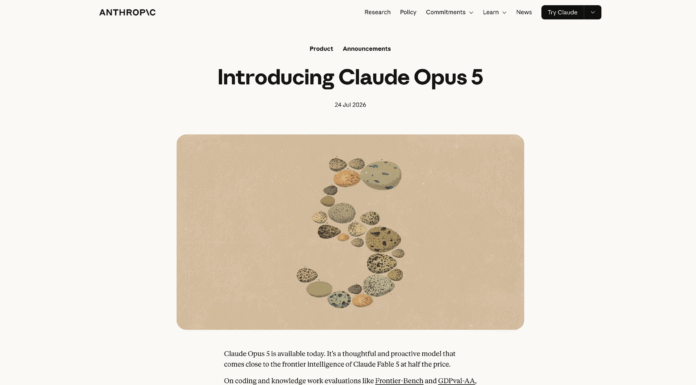
Claude Opus 5 is Anthropic's flagship AI model designed for advanced reasoning, software development, enterprise automation, scientific research, and long-context analysis. This comprehensive guide explores what Claude Opus 5 is, how its architecture works, its key features, pricing, benchmark performance, enterprise integrations, practical use cases, and step-by-step instructions on how to use it effectively. Whether you are a developer, business leader, researcher, or AI enthusiast, discover why Claude Opus 5 is emerging as one of the most powerful and enterprise-ready artificial intelligence models available today.
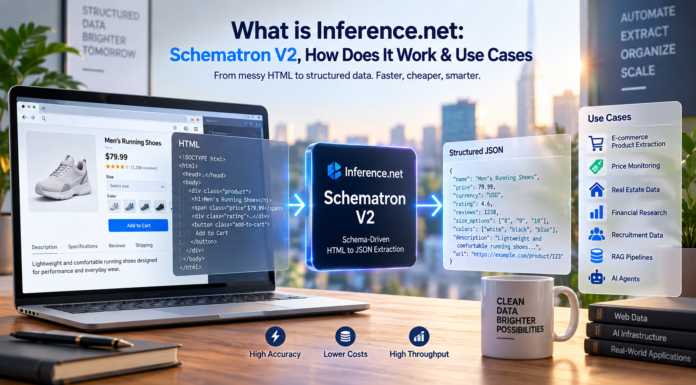
Inference.net Schematron V2 is a specialized AI model for fast, cost-efficient HTML-to-JSON extraction. Discover how its schema-driven architecture works, how V2 Small and Turbo compare, and how businesses can use it for e-commerce, price monitoring, financial data, real estate, AI agents, RAG, and large-scale web data extraction.
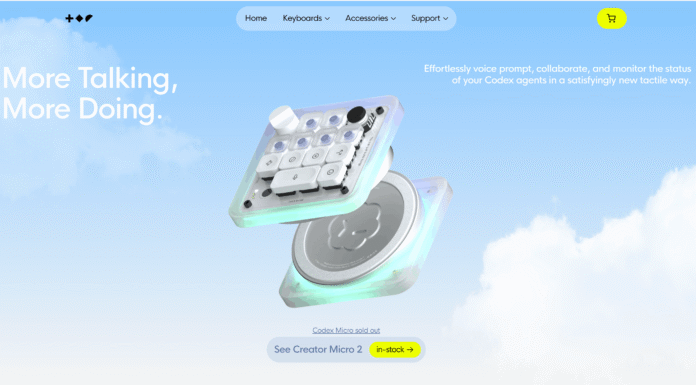
Discover everything you need to know about Codex Micro, OpenAI's specialised hardware controller designed for AI-assisted software development. This comprehensive guide explores what Codex Micro is, how it works, its hardware architecture, multi-layer system, native ChatGPT Codex integration, programmable controls, operational workflows, pricing, market positioning, and real-world use cases. Learn how features such as Agent Keys, the Reasoning Dial, Command Keys, and the Planar Joystick help developers manage multiple AI coding agents more efficiently, reduce context switching, and streamline complex engineering workflows. Whether you are a software developer, AI engineer, DevOps professional, or technology leader, this in-depth article explains why Codex Micro represents an important step toward the future of AI-native developer hardware and multi-agent software engineering.
Discover what GPT-6 Astra is, how it works, and why it represents a major shift toward agentic AI. Explore its architecture, reasoning capabilities, computer use, benchmarks, API pricing, cybersecurity safeguards, enterprise applications, and role in the future of autonomous AI workflows.
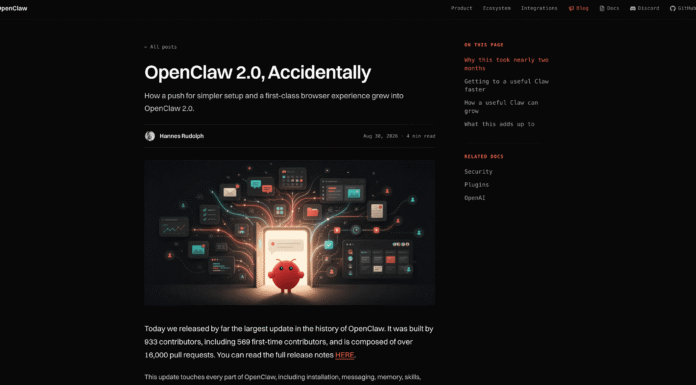
OpenClaw 2.0 is an open-source, self-hosted AI agent platform built around a persistent Gateway that connects AI models, memory, tools, messaging channels, devices, and automation workflows. This guide explains what OpenClaw 2.0 is, how it works, its architecture, key features, security model, deployment options, and its role in the evolving AI agent ecosystem.
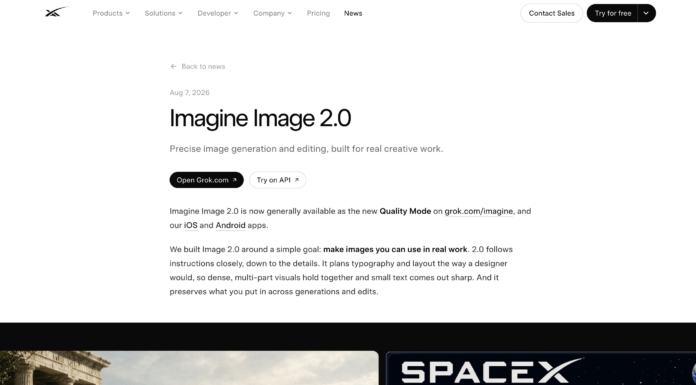
Discover xAI Grok Imagine Image 2.0, a powerful generative AI model for image creation and editing. Learn how its Aurora architecture works, explore its features, precision editing, multi-reference workflows, API, pricing, benchmarks, use cases, limitations, and role in the future of visual AI.
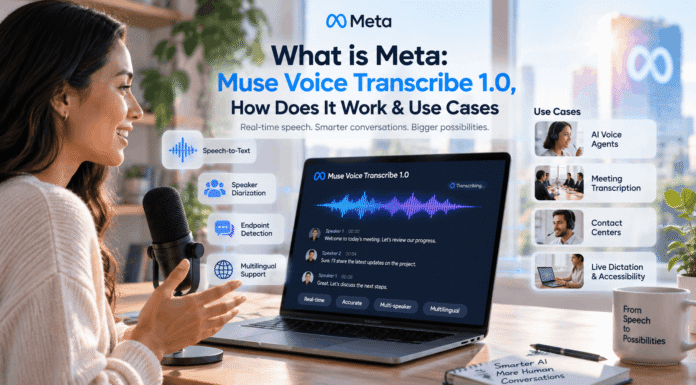
Meta Muse Voice Transcribe 1.0 is a real-time speech AI model that combines transcription, speaker diarization, endpoint detection and multilingual code-switching. Discover how it works, its performance, pricing, API capabilities and key use cases for voice agents, meetings, contact centers and enterprise AI.
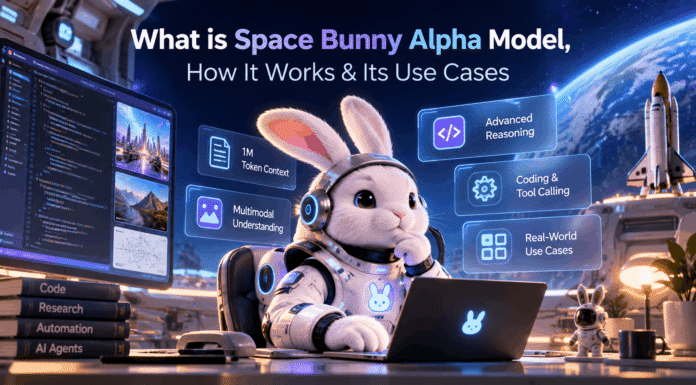
Explore what the Space Bunny Alpha model is, how it works, and why it is gaining attention in 2026. Learn about its 1M-token context window, multimodal reasoning, coding and AI agent capabilities, performance, limitations, API integration, and enterprise use cases.

Discover the Top 10 Autonomous AI Agents in the world in 2026 and explore how the latest AI platforms are transforming enterprise automation, software development, customer service, workflow orchestration, and business operations. This comprehensive guide compares the leading autonomous AI agents based on their features, capabilities, pricing models, real-world use cases, enterprise adoption, and competitive advantages, helping businesses, developers, and technology leaders choose the best AI agent platform for their needs.

Explore the state of AI in Southeast Asia in 2026 with key statistics, market trends, enterprise adoption, AI investment, infrastructure, sovereign AI, regulation and country-level insights across Singapore, Indonesia, Malaysia, Vietnam, Thailand and the Philippines.