





















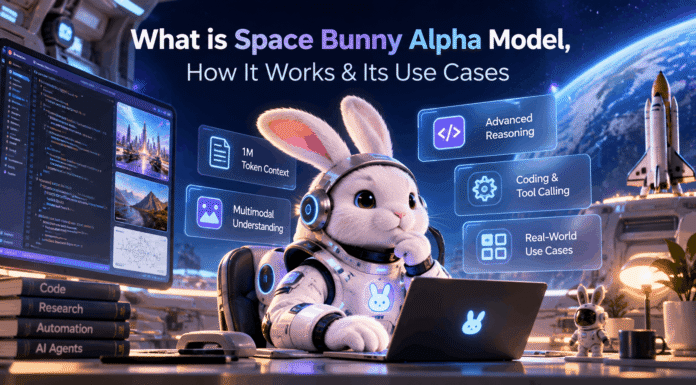
Explore what the Space Bunny Alpha model is, how it works, and why it is gaining attention in 2026. Learn about its 1M-token context window, multimodal reasoning, coding and AI agent capabilities, performance, limitations, API integration, and enterprise use cases.
Cohere Command A+ is an enterprise AI model built for advanced reasoning, agentic workflows, multimodal understanding, RAG, and multilingual applications. This guide explains how Command A+ works, its Sparse Mixture-of-Experts architecture, performance, deployment options, and key use cases for businesses building private and sovereign AI systems.
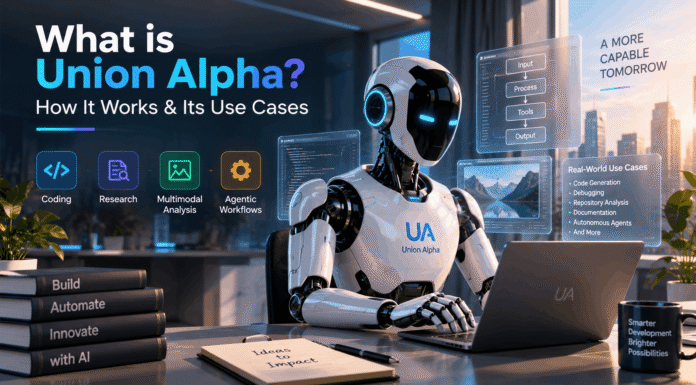
Union Alpha is a stealth AI model built for coding, research, multimodal analysis, and agentic workflows. Explore how Union Alpha works, its technical capabilities, performance, pricing, key use cases, benefits, limitations, and its potential role in the future of AI-powered software development.
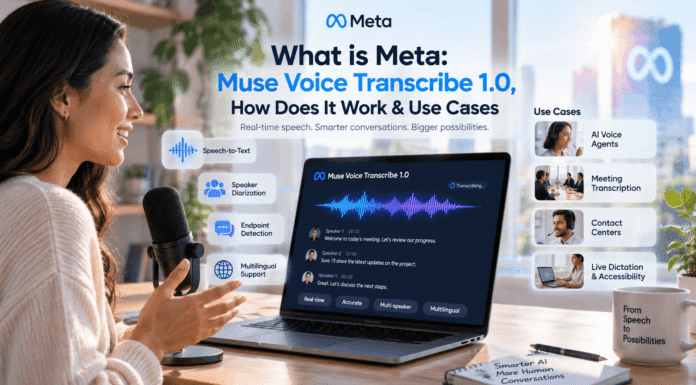
Meta Muse Voice Transcribe 1.0 is a real-time speech AI model that combines transcription, speaker diarization, endpoint detection and multilingual code-switching. Discover how it works, its performance, pricing, API capabilities and key use cases for voice agents, meetings, contact centers and enterprise AI.
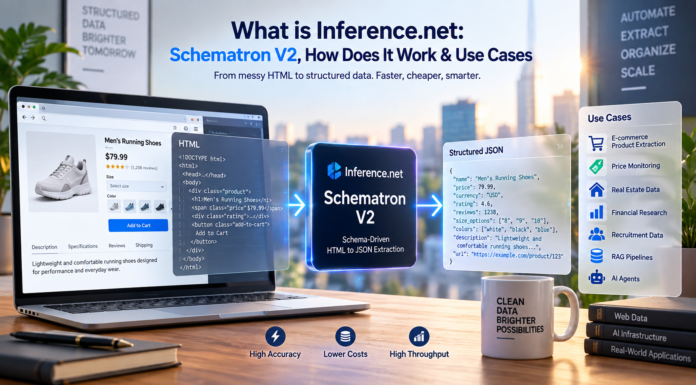
Inference.net Schematron V2 is a specialized AI model for fast, cost-efficient HTML-to-JSON extraction. Discover how its schema-driven architecture works, how V2 Small and Turbo compare, and how businesses can use it for e-commerce, price monitoring, financial data, real estate, AI agents, RAG, and large-scale web data extraction.
Discover what GPT-6 Astra is, how it works, and why it represents a major shift toward agentic AI. Explore its architecture, reasoning capabilities, computer use, benchmarks, API pricing, cybersecurity safeguards, enterprise applications, and role in the future of autonomous AI workflows.
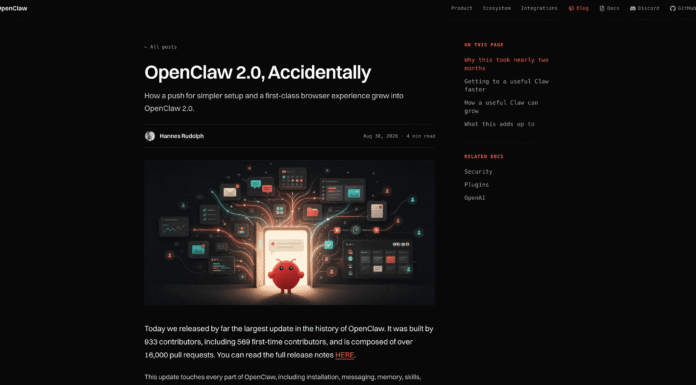
OpenClaw 2.0 is an open-source, self-hosted AI agent platform built around a persistent Gateway that connects AI models, memory, tools, messaging channels, devices, and automation workflows. This guide explains what OpenClaw 2.0 is, how it works, its architecture, key features, security model, deployment options, and its role in the evolving AI agent ecosystem.
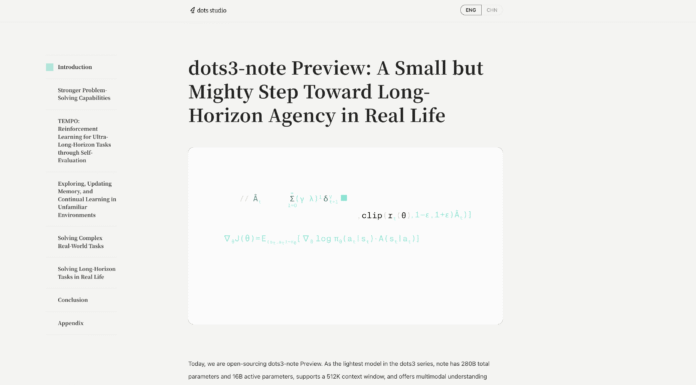
Dots Studio Dots3-Note Preview is an open-weight multimodal AI model built for advanced reasoning, coding, tool use, and long-horizon agentic workflows. Discover how its 280B-parameter Mixture-of-Experts architecture, 16B active parameters, 512K context window, multimodal capabilities, and agent-focused technologies work in practice.

Explore the state of AI in Southeast Asia in 2026 with key statistics, market trends, enterprise adoption, AI investment, infrastructure, sovereign AI, regulation and country-level insights across Singapore, Indonesia, Malaysia, Vietnam, Thailand and the Philippines.
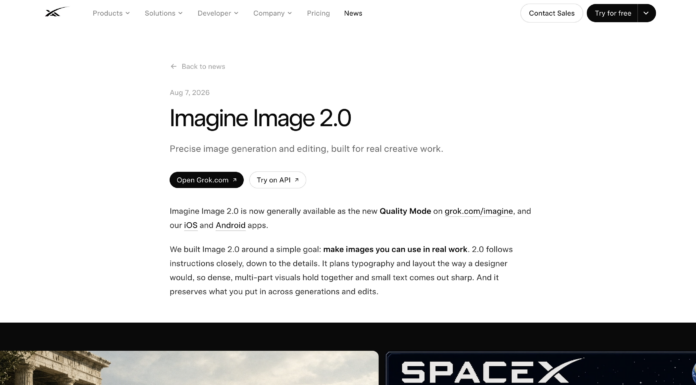
Discover xAI Grok Imagine Image 2.0, a powerful generative AI model for image creation and editing. Learn how its Aurora architecture works, explore its features, precision editing, multi-reference workflows, API, pricing, benchmarks, use cases, limitations, and role in the future of visual AI.