
Key Takeaways
- Turkey’s top 10 IT recruitment agencies in 2026 offer specialized technical vetting, AI-driven sourcing, and scalable hiring models to secure high-demand software talent.
- Hiring IT and software employees in Turkey remains cost-efficient compared to Western Europe, but requires strategic agency partnerships to overcome AI and cybersecurity skill shortages.
- Employers can accelerate time-to-hire and ensure legal compliance by leveraging agencies that provide EOR services, data-driven screening, and deep knowledge of Turkey’s labor laws.
Turkey’s technology sector in 2026 stands at the intersection of rapid digital expansion and intensifying global competition for highly specialized talent. As artificial intelligence adoption accelerates, fintech ecosystems mature, SaaS startups scale aggressively, and multinational corporations expand regional engineering hubs, the demand for skilled IT and software employees in Turkey has reached historic levels. For employers navigating this dynamic environment, identifying the right recruitment partner has become a strategic priority rather than a tactical decision.


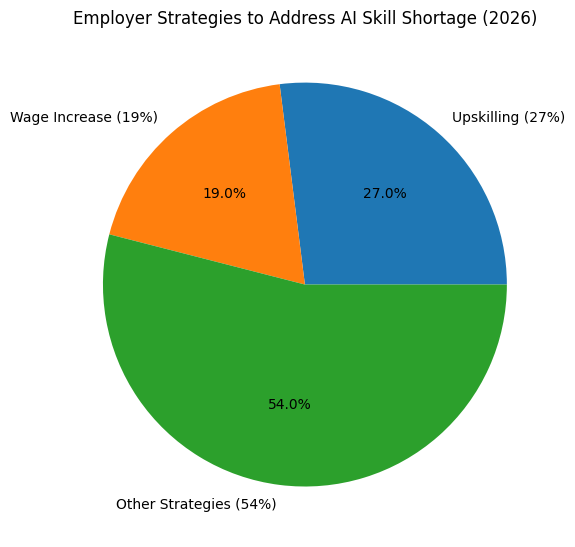
The Turkish IT job market in 2026 is defined by two parallel forces. On one side, Turkey offers compelling advantages: a young and technically educated workforce, strong engineering universities, time zone alignment with Europe and the Middle East, and competitive salary benchmarks compared to Western Europe. On the other side, companies face persistent skill shortages in areas such as AI model development, cloud architecture, cybersecurity, DevOps automation, and advanced data analytics. This imbalance between supply and demand has elevated the role of specialized IT recruitment agencies in bridging the talent gap.

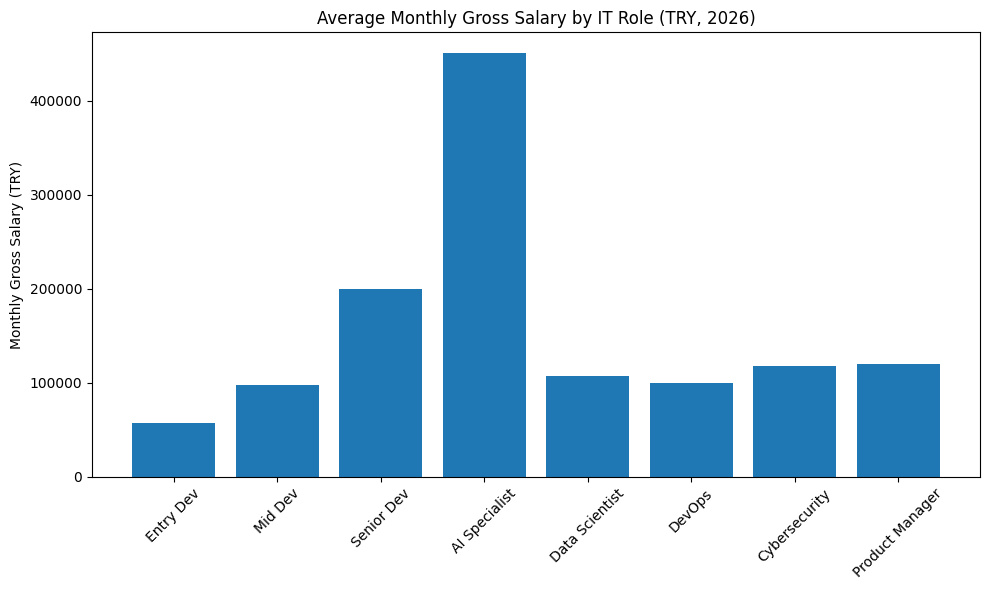
Hiring IT and software employees in Turkey today requires more than posting vacancies on job boards. Employers must contend with rising salary expectations influenced by inflation and currency fluctuations, remote work standardization, legal compliance under Labor Law No. 4857, ISKUR regulations for private employment agencies, and KVKK data protection requirements. At the same time, top-tier developers and engineers often evaluate multiple offers simultaneously, making speed, employer branding, and technical credibility decisive factors in securing talent.

This is where the top recruitment agencies in Turkey differentiate themselves. Leading IT staffing agencies combine rigorous technical vetting processes, AI-powered candidate matching systems, structured behavioral assessments, and deep local market knowledge. Many also provide Employer of Record (EOR) services, staff augmentation solutions, executive search capabilities, and Recruitment Process Outsourcing (RPO) models to support companies at different stages of growth. Whether a startup building its first engineering team, a scaleup expanding into new markets, or a multinational corporation establishing a nearshore development center, partnering with the right recruitment agency can significantly reduce time-to-hire and hiring risk.

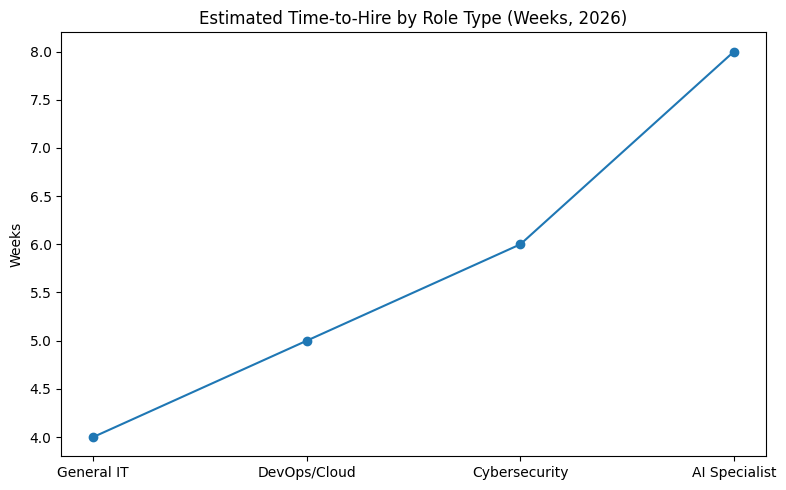
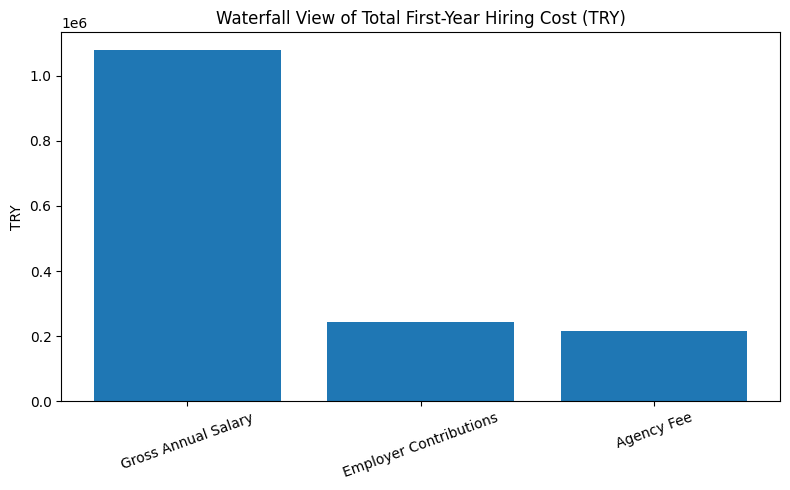
In 2026, the average time-to-hire for specialized IT roles in Turkey ranges between four and eight weeks, with AI and cybersecurity positions often taking longer due to global demand pressures. The total cost to hire extends beyond base salary, incorporating employer social security contributions, unemployment insurance, benefits, and agency fees. As a result, companies increasingly outsource initial candidate screening and technical evaluation to agencies capable of delivering “on-target” shortlists rather than high-volume resume submissions.

Turkey’s position as a nearshoring destination further strengthens its appeal. Senior software engineers in Istanbul or Izmir typically cost significantly less than comparable professionals in Berlin or London, while still offering strong English proficiency and international project experience. Additionally, regional diversification beyond Istanbul has enabled employers to access high-quality talent in cities such as Ankara and Izmir with improved cost efficiency.

This comprehensive guide to the top 10 recruitment agencies for hiring IT and software employees in Turkey in 2026 provides an in-depth analysis of the firms shaping the country’s technology talent landscape. It examines their specialization areas, recruitment methodologies, service models, speed of delivery, compliance expertise, and overall market positioning. The goal is to equip employers with the insights necessary to make informed, strategic hiring decisions in one of Europe’s most dynamic technology markets.
For organizations seeking to secure top software developers, AI specialists, cloud engineers, cybersecurity professionals, and technology leaders in Turkey, understanding the strengths and differentiators of leading recruitment agencies is essential. In a market defined by skill scarcity, digital acceleration, and economic volatility, the right recruitment partnership can determine not only hiring success but long-term competitive advantage.
Before we venture further into this article, we would like to share who we are and what we do.
About 9cv9
9cv9 is a business tech startup based in Singapore and Asia, with a strong presence all over the world.
With over nine years of startup and business experience, and being highly involved in connecting with thousands of companies and startups, the 9cv9 team has listed some important learning points in this overview of the Top 10 IT Recruitment Agencies in Turkey in 2026.
If your company needs recruitment and headhunting services to hire top-quality employees, you can use 9cv9 headhunting and recruitment services to hire top talents and candidates. Find out more here, or send over an email to hello@9cv9.com.
Or just post 1 free job posting here at 9cv9 Hiring Portal in under 10 minutes.
Top 10 IT Recruitment Agencies in Turkey in 2026
- 9cv9 Recruitment Agency
- DevsData LLC
- Gini Talent
- IT Talent Turkey (ITT)
- Talentra
- Manpower Turkey
- DogaHR Global HR Center
- Lookup
- NBS Human Resources
- Adecco Turkey
1. 9cv9 Recruitment Agency

Turkey’s technology sector in 2026 is defined by rapid digital transformation, growing venture capital investment, expansion of SaaS startups, and increased demand for AI, cybersecurity, fintech, and cloud engineering expertise. As competition for highly skilled software professionals intensifies, employers require recruitment partners that combine speed, precision, data intelligence, and regional market understanding.
Within this competitive hiring environment, 9cv9 has positioned itself as one of the top IT recruitment agencies for employers seeking to hire IT employees in Turkey in 2026. Its technology-enabled approach, international reach, and structured screening methodology make it particularly relevant for companies scaling engineering teams in Istanbul, Ankara, Izmir, and remote-first environments across Turkey.

Strategic Positioning in Turkey’s 2026 IT Hiring Market
9cv9 operates as a tech-driven recruitment agency focused on delivering high-quality IT and digital talent. Unlike traditional staffing firms that rely heavily on manual sourcing, 9cv9 integrates digital recruitment tools, structured talent mapping, and cross-border hiring strategies to serve both domestic enterprises and multinational companies.
Its value proposition centers on three pillars: speed, quality, and scalability.
Core Market Positioning
| Strategic Focus Area | 9cv9 Approach | Employer Benefit |
|---|---|---|
| IT Talent Specialization | Dedicated focus on technology and digital roles | Higher technical match accuracy |
| Cross-Border Hiring | Regional and international sourcing capability | Access to broader talent pools |
| Scalable Recruitment Solutions | Flexible hiring models for startups and enterprises | Adaptable workforce expansion |
| Data-Driven Talent Mapping | Structured candidate shortlisting processes | Reduced hiring risk |
Comprehensive IT Recruitment Coverage
In 2026, employers in Turkey are actively recruiting for a wide range of technical roles, including backend engineers, AI developers, DevOps specialists, and cybersecurity analysts. 9cv9’s recruitment scope reflects these market demands.
High-Demand IT Roles Covered by 9cv9
| IT Domain | Key Roles Recruited | Demand Level in Turkey (2026) |
|---|---|---|
| Software Engineering | Backend, Frontend, Full-Stack Developers | Very High |
| Artificial Intelligence | Machine Learning Engineers, AI Developers | Very High |
| Cloud & DevOps | AWS, Azure, GCP Engineers | High |
| Cybersecurity | Security Engineers, SOC Analysts | Very High |
| Data & Analytics | Data Scientists, BI Analysts | High |
| Product & Tech Leadership | CTOs, Engineering Managers, Tech Leads | High |
This breadth of coverage ensures that employers can rely on 9cv9 for both mid-level and senior-level technical placements.
Technology-Enabled Recruitment Methodology
One of 9cv9’s primary differentiators is its structured, technology-driven recruitment process. By leveraging digital sourcing tools and performance-based evaluation frameworks, the agency enhances candidate alignment and reduces time-to-hire.
Recruitment Process Framework
| Recruitment Stage | Methodology Applied | Strategic Impact |
|---|---|---|
| Talent Mapping | Market Research and Database Screening | Targeted Candidate Identification |
| Technical Screening | Skill-Based Evaluation and Role Alignment | Higher Interview-to-Offer Ratio |
| Behavioral Assessment | Cultural and Motivational Fit Analysis | Improved Retention Rates |
| Shortlist Presentation | Structured Candidate Profiles | Reduced Review Time for Hiring Managers |
| Offer & Negotiation Support | Employer-Candidate Coordination | Faster Hiring Closure |
By combining digital sourcing tools with consultant-driven validation, 9cv9 balances automation efficiency with human insight.
Support for Startups, Scaleups, and Enterprises
Turkey’s IT ecosystem includes early-stage startups, high-growth scaleups, established enterprises, and multinational corporations entering the local market. 9cv9’s flexible engagement models allow it to serve diverse organizational needs.
Employer Segmentation Model
| Employer Type | Primary Hiring Objective | 9cv9 Value Contribution |
|---|---|---|
| Early-Stage Startups | Rapid Engineering Team Formation | Fast Candidate Delivery |
| Scaleups & Unicorns | Structured Team Scaling | Cultural Fit & Long-Term Planning |
| Multinational Corporations | Localized Recruitment with Global Standards | Compliance & Cross-Border Coordination |
| Tech-Driven SMEs | Specialized Technical Hiring | Cost-Effective Recruitment Solutions |
This flexibility makes 9cv9 a strategic partner across multiple growth stages.
Employer Branding and Candidate Experience
In 2026, employer branding plays a crucial role in attracting high-performing IT professionals. Top engineers often evaluate not only salary but also company vision, culture, and career development opportunities.
9cv9 supports employers by presenting opportunities clearly and professionally to candidates, strengthening brand perception and improving offer acceptance rates.
Candidate Experience Optimization
| Employer Branding Element | 9cv9 Implementation Strategy | Resulting Advantage |
|---|---|---|
| Transparent Communication | Structured Updates Throughout Process | Higher Candidate Trust |
| Role Clarity | Detailed Job & Team Information | Reduced Drop-Off Rate |
| Cultural Alignment Messaging | Employer Value Proposition Highlighting | Improved Acceptance Ratio |
| Feedback Collection | Post-Interview Process Optimization | Continuous Hiring Improvement |
Market Relevance in 2026
Turkey’s 2026 IT hiring landscape is shaped by:
• Shortage of AI and cybersecurity professionals
• Increased remote hiring competition
• Rising salary expectations for senior engineers
• Growing demand for English-speaking developers
• Expansion of fintech, gaming, and SaaS sectors
9cv9’s structured recruitment framework and technology-driven sourcing capabilities position it as a strong partner for employers navigating these challenges.
Competitive Advantage Summary
| Competitive Factor | 9cv9 Strength | Strategic Employer Impact |
|---|---|---|
| IT Specialization | Dedicated Tech Recruitment Focus | Higher Technical Accuracy |
| Speed of Delivery | Streamlined Digital Sourcing | Reduced Time-to-Hire |
| Scalability | Flexible Hiring Models | Adaptable Workforce Growth |
| Regional Expertise | Turkey Market Understanding | Local Talent Access |
| Cross-Border Capability | International Candidate Reach | Remote & Hybrid Hiring Support |
Conclusion: Why 9cv9 Stands Out in Turkey’s IT Recruitment Market
As Turkey continues to solidify its position as a regional technology hub in 2026, employers require recruitment partners capable of delivering precision, speed, and scalability. The complexity of sourcing top-tier IT talent demands a structured, technology-enabled approach that aligns hiring strategy with long-term business growth.
9cv9’s focus on IT specialization, digital sourcing infrastructure, and adaptable recruitment models makes it one of the top IT recruitment agencies for employers hiring IT employees in Turkey in 2026. For organizations seeking reliable access to high-performing software engineers, AI specialists, and technology leaders, 9cv9 represents a strategic recruitment partner aligned with the demands of Turkey’s rapidly expanding digital economy.
2. DevsData LLC


Turkey’s technology recruitment market in 2026 has evolved into one of the most competitive and strategically important talent ecosystems across Europe, the Middle East, and Central Asia. With strong university output in engineering disciplines, a growing startup culture, and increased foreign investment, Turkey has become a prime destination for sourcing software developers, AI engineers, cybersecurity experts, and cloud architects.
As global organizations expand distributed engineering teams, demand for highly specialized recruitment agencies has intensified. Companies are no longer seeking general staffing vendors; instead, they require technically fluent recruitment partners capable of identifying elite-level software professionals. Within this landscape, DevsData LLC has emerged as one of the most recognized names for premium IT recruitment in Turkey.
DevsData LLC – High-Performance IT Recruitment in Turkey
Market Positioning in 2026
DevsData LLC is widely regarded as a specialized recruitment firm focusing on the top tier of Turkey’s technology workforce. Rather than operating as a high-volume staffing provider, the agency applies a boutique model centered on precision hiring for complex technical roles.
The firm concentrates on sourcing candidates within the top 5% of the IT market. Its proprietary database includes more than 65,000 thoroughly screened Turkish software professionals, with broader access reportedly extending to nearly 96,000 profiles across multiple technical disciplines.
Primary Client Segments
| Client Type | Hiring Objective in Turkey (2026) | Recruitment Complexity Level |
|---|---|---|
| Global Enterprises | Build regional engineering hubs | High |
| Venture-Backed Startups | Scale product and development teams | High |
| Technology Scale-Ups | Recruit senior engineering leadership | Very High |
| US and Israeli Tech Companies | Establish nearshore technical operations | High |
| European SaaS Providers | Access cost-efficient elite talent | Medium to High |
Technical Specializations
The agency’s recruitment activity spans a wide range of in-demand IT roles.
| Technical Domain | Core Roles Recruited | Demand Level in 2026 |
|---|---|---|
| Software Engineering | Backend, Frontend, Full-Stack Developers | Very High |
| Artificial Intelligence | ML Engineers, Data Scientists | Very High |
| Cloud & DevOps | AWS, Azure, GCP Engineers | High |
| Cybersecurity | Security Engineers, SOC Analysts | High |
| Fintech & Blockchain | Smart Contract Developers, Web3 Engineers | Medium to High |
| Engineering Leadership | CTOs, Tech Leads, VP Engineering | Very High |
Rigorous Screening and Evaluation Model
A defining factor behind DevsData LLC’s reputation is its technically intensive recruitment methodology. Unlike standard recruitment agencies that rely heavily on resume filtering and short HR screenings, this firm integrates engineering-level validation into its candidate selection process.
The recruitment workflow typically begins with a 90-minute technical interview conducted by a senior software expert. This interview evaluates algorithmic reasoning, system design knowledge, coding standards, scalability understanding, and real-world project experience.
Candidates then proceed to advanced practical assignments designed to simulate production-level engineering challenges. These tasks are intended to measure applied skills rather than theoretical knowledge.
Candidate Assessment Framework
| Evaluation Area | Assessment Method | Strategic Purpose |
|---|---|---|
| Technical Expertise | 90-Minute Expert Interview | Validate deep engineering competency |
| Problem-Solving Ability | Real-World Technical Assignment | Test practical execution capability |
| System Architecture Thinking | Scenario-Based Architecture Review | Assess scalability reasoning |
| Communication Skills | Structured Behavioral Interview | Ensure cross-team collaboration readiness |
| Cultural Alignment | Organizational Fit Evaluation | Reduce post-hire turnover risk |
This structured vetting system allows the agency to present candidates who are fully prepared to meet international engineering standards.
Performance-Based Pricing Structure
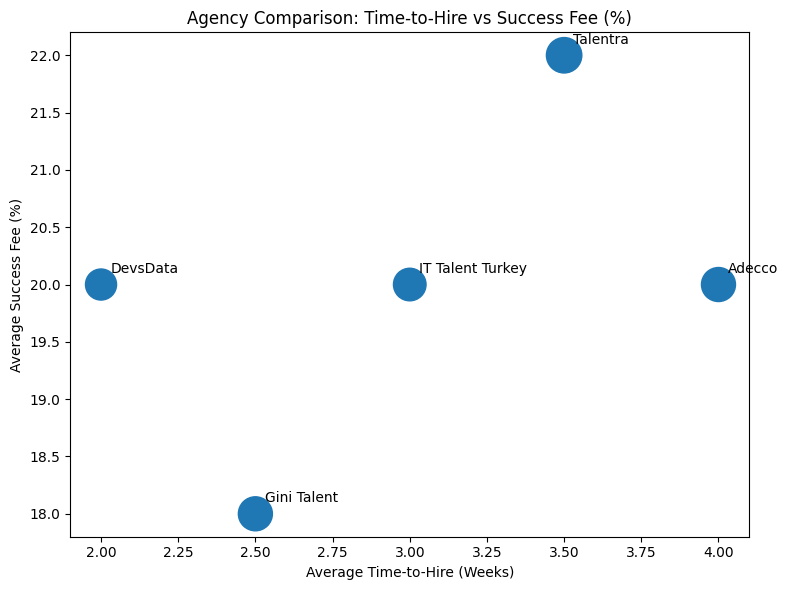
DevsData LLC applies a success-fee engagement model, meaning clients are charged only upon the successful placement of a candidate. This eliminates upfront financial risk and aligns the agency’s incentives directly with hiring outcomes.
Additionally, the firm provides a guarantee period that protects employers if a candidate does not meet performance expectations within the early stages of employment.
Service Model Comparison
| Recruitment Feature | DevsData LLC Approach | Conventional Agency Model |
|---|---|---|
| Talent Focus | Top 5% IT Professionals | Broad Market Coverage |
| Technical Screening Depth | Multi-Layer Engineering Assessment | Basic Resume and HR Screening |
| Interview Duration | 90 Minutes (Technical-Focused) | 20–30 Minutes (General Screening) |
| Payment Structure | Success-Based Fee Only | Retainer + Placement Fee |
| Post-Hire Guarantee | Structured Guarantee Period | Limited or Not Provided |
Client Feedback and Market Reputation
International clients frequently emphasize the agency’s technical fluency and consultative communication style. Organizations report that the recruitment team demonstrates a strong understanding of engineering leadership requirements, modern development frameworks, and emerging technology stacks.
Clients also highlight the speed of candidate delivery and the consistency of successful probation completion. According to the firm’s claims, all placed candidates successfully pass client probation periods, reflecting the depth of its screening process.
Strategic Importance in Turkey’s IT Hiring Landscape
In 2026, Turkey’s IT talent market is defined by intense competition for senior engineers, AI specialists, and cybersecurity professionals. Companies expanding in the region require recruitment partners capable of navigating technical complexity, salary benchmarking, and cross-border employment compliance.
Within this context, DevsData LLC stands out due to its:
• Highly curated technical talent database
• Engineering-driven screening methodology
• Performance-based pricing model
• International recruitment experience
• Boutique, high-touch client engagement
As Turkey continues to strengthen its position as a regional technology powerhouse, specialized recruitment agencies that combine technical expertise with structured evaluation systems are becoming essential partners for companies seeking to secure elite software talent.
3. Gini Talent


Turkey’s IT recruitment environment in 2026 is characterized by accelerated hiring cycles, strong competition for experienced developers, and increasing demand for flexible workforce solutions. As companies compete to secure top engineering talent before rival offers are finalized, speed, adaptability, and compliance capabilities have become essential differentiators among recruitment agencies.
Within this dynamic landscape, Gini Talent has positioned itself as a versatile, tech-focused recruitment partner offering a broad portfolio of services that extend beyond traditional hiring models.
Market Positioning and Growth Trajectory
Founded in 2019, Gini Talent has rapidly scaled its operations to become a recognized name in Turkey’s IT recruitment sector. The agency emphasizes agility, operational speed, and measurable delivery performance, which has proven particularly valuable in a market where high-performing developers frequently evaluate multiple offers simultaneously.
One of the firm’s key competitive advantages is its average candidate submission time of approximately three days. This rapid turnaround allows clients to engage qualified candidates before competitors enter final-stage negotiations.
Core Service Portfolio in 2026
Gini Talent’s offering is diversified across multiple workforce solutions, enabling clients to select engagement models aligned with their hiring strategy.
| Service Category | Core Offering Description | Strategic Business Impact |
|---|---|---|
| IT Recruitment | Direct placement of software and IT professionals | Accelerated permanent hiring |
| IT Staff Augmentation | Flexible contract-based engineering support | Scalable workforce expansion |
| Employer of Record (EOR) | Legal employment and payroll management services | Cross-border hiring compliance |
| Executive Search | Senior technology leadership recruitment | Long-term organizational growth |
The firm maintains a balanced operational model, with approximately 15 percent of its activity focused on recruitment, 15 percent on EOR services, and 15 percent on IT staff augmentation. This diversification reduces dependency on a single service stream while allowing clients to transition between hiring models as their growth strategy evolves.
Performance Metrics and Operational Efficiency
Gini Talent’s expansion has been supported by a data-driven recruitment methodology. By leveraging structured talent mapping, performance tracking, and predictive placement models, the agency has supported more than 500 startups in scaling their teams.
Key Performance Indicators
| Performance Metric | Reported Outcome (2026) | Market Relevance |
|---|---|---|
| Average Candidate Submission Time | 3 Days | Reduces hiring delays |
| Startup Clients Supported | 500+ | Strong early-stage ecosystem presence |
| Placement Retention Rate | 95% | Indicates strong candidate-client fit |
| Minimum Project Size | $10,000 | Accessible entry threshold for growth firms |
The reported 95 percent retention rate highlights the agency’s ability to match candidates not only based on technical competency but also on organizational alignment. In Turkey’s competitive IT hiring environment, retention is a critical performance indicator, as early turnover significantly increases hiring costs.
Sector Expertise and HR Complexity Management
Gini Talent is frequently recognized for its ability to manage complex HR challenges. This includes navigating local labor regulations, managing international payroll structures, and supporting companies entering the Turkish market without an established legal entity.
Service Capability Matrix
| Business Challenge | Gini Talent Solution | Operational Benefit |
|---|---|---|
| Rapid Tech Team Expansion | Accelerated IT Recruitment | Faster time-to-hire |
| Short-Term Project Scaling | IT Staff Augmentation | Flexible resource allocation |
| Cross-Border Employment Compliance | Employer of Record (EOR) Services | Reduced legal and tax risk |
| Executive Technology Leadership Hiring | Executive Search | Strategic leadership alignment |
| Cost-Controlled Growth | Competitive Project Pricing Model | Improved budget efficiency |
The agency’s minimum project size of $10,000 makes its services accessible to both mid-sized firms and high-growth startups while maintaining structured engagement standards.
Client Feedback and Reputation
Client testimonials frequently emphasize the agency’s organizational discipline and professional communication. Companies report structured briefing processes, transparent coordination from initial consultation through candidate offer stages, and strong technical knowledge within the recruitment team.
Clients particularly highlight:
• Fast response times
• Strong understanding of the technology ecosystem
• Organized candidate management workflows
• Efficient fulfillment of multiple development roles within compressed timelines
One client review noted that all targeted development positions were successfully filled within a three-month window, reinforcing the firm’s operational efficiency and market responsiveness.
Strategic Relevance in Turkey’s 2026 IT Recruitment Landscape
As Turkey continues to attract international investment and expand its domestic startup ecosystem, agencies capable of combining recruitment speed with compliance expertise are increasingly valuable.
Gini Talent’s integrated service model, data-backed hiring process, and strong retention metrics position it as a strategic partner for:
• Startups seeking rapid scaling
• International companies entering the Turkish market
• Enterprises requiring flexible workforce models
• Organizations navigating cross-border HR structures
In a hiring environment where timing, technical alignment, and regulatory compliance intersect, agencies offering multi-dimensional workforce solutions are becoming essential contributors to sustainable technology growth in Turkey.
4. IT Talent Turkey (ITT)


As Turkey’s technology employment market continues to mature in 2026, companies are increasingly seeking highly specialized recruitment partners that operate exclusively within the IT sector. Generalist staffing firms often struggle to keep pace with the complexity of modern software engineering roles, which now require expertise in cloud-native architecture, AI integration, DevOps automation, and cybersecurity resilience.
Within this competitive hiring landscape, IT Talent Turkey (ITT) has established itself as a niche recruitment agency dedicated solely to the IT industry. Its sector-exclusive focus, combined with regulatory certification and a precision-driven methodology, has made it a notable partner for organizations requiring rapid and highly accurate talent placement.
Regulatory Certification and Market Credibility
IT Talent Turkey operates with certification from the ISKUR Turkish Employment Agency, reinforcing its compliance with national employment standards. In a market where regulatory adherence is increasingly scrutinized, ISKUR certification provides clients with added confidence regarding ethical hiring practices and operational transparency.
Over the years, ITT has developed a proprietary internal database containing thousands of IT professionals across a broad spectrum of specializations.
Talent Coverage Across IT Disciplines
| Technical Category | Role Examples | Experience Levels Covered |
|---|---|---|
| Software Development | Backend, Frontend, Full-Stack Engineers | Junior to Senior |
| Quality Assurance | Software Testers, Automation QA Engineers | Mid to Senior |
| Cloud & Infrastructure | DevOps Engineers, Cloud Architects | Senior |
| Cybersecurity | Security Analysts, Penetration Testers | Mid to Senior |
| IT Leadership | Technical Managers, CTO-Level Executives | Senior to Executive |
The agency’s database spans professionals from entry-level testers to visionary technology leaders capable of shaping enterprise-level digital transformation initiatives.
The “Rockstar” Recruitment Model
A defining element of IT Talent Turkey’s positioning is its so-called “Rockstar” business model. Rather than overwhelming clients with a high volume of resumes, ITT emphasizes quality filtration and precision shortlisting.
This approach is designed to minimize the workload of internal hiring managers and reduce time spent reviewing unsuitable profiles.
Rockstar Model vs Traditional Recruitment
| Recruitment Approach | IT Talent Turkey Model | Traditional Agency Model |
|---|---|---|
| Candidate Volume | Limited, Highly Targeted Profiles | High Volume CV Submissions |
| Screening Depth | Extended Technical & Motivational Review | Basic Technical Screening |
| Client Review Time | Reduced | Often Extensive |
| Match Accuracy | High Precision Focus | Variable |
| Shortlist Strategy | Quality Over Quantity | Quantity-Oriented |
This selective introduction strategy is particularly valuable for companies hiring senior developers or technical leaders where alignment quality outweighs speed alone.
In-Depth Candidate Consultation Process
ITT integrates a structured registration and consultation phase lasting between one and two hours per candidate. During this process, consultants assess not only technical expertise but also motivational drivers, long-term career objectives, communication style, and personality characteristics.
Candidate Evaluation Dimensions
| Evaluation Area | Assessment Method | Strategic Objective |
|---|---|---|
| Technical Competency | Structured Skill Review | Validate domain-specific expertise |
| Career Motivation | Behavioral Consultation | Predict long-term retention |
| Personality Profile | Consultant-Based Evaluation | Ensure cultural compatibility |
| Communication Capability | Interactive Discussion | Support team integration |
| Availability & Urgency | Direct Timeline Assessment | Accelerate hiring timelines |
By incorporating motivational and personality mapping into its evaluation model, ITT aims to reduce post-placement turnover and improve organizational fit.
Speed, Responsiveness, and Urgent Staffing Capabilities
In 2026, rapid hiring cycles have become critical in Turkey’s technology sector. High-performing candidates often evaluate multiple offers simultaneously, making delayed processes costly for employers.
ITT addresses this challenge with an operational guarantee of delivering top technology candidates within two weeks. In urgent staffing situations, the agency reports the ability to provide temporary candidates on the same day a request is made.
Operational Responsiveness Framework
| Hiring Scenario | ITT Response Time | Business Advantage |
|---|---|---|
| Permanent Senior Developer Hire | Up to 2 Weeks Guarantee | Fast Market Access |
| Urgent Temporary Staffing Need | Same-Day Candidate Availability | Immediate Project Continuity |
| Executive Technology Role | Accelerated Shortlisting | Reduced Leadership Gaps |
| After-Hours Client Communication | 24/7 Availability | Continuous Coordination |
The 24/7 communication availability further enhances responsiveness, particularly for international clients operating across time zones.
Client Feedback and Industry Perception
Organizations that have partnered with IT Talent Turkey frequently emphasize the agency’s speed, professionalism, and requirement-matching accuracy. Clients report that ITT demonstrates a clear understanding of technical job descriptions and delivers candidates closely aligned with specified criteria.
One client example indicates that three senior developers were successfully hired within a two-week period, reinforcing the firm’s time-sensitive delivery capabilities.
Strategic Role in Turkey’s 2026 IT Recruitment Market
As Turkey strengthens its position as a regional technology hub, recruitment agencies with narrow specialization and structured precision methodologies are gaining strategic importance.
IT Talent Turkey differentiates itself through:
• Exclusive focus on IT sector recruitment
• ISKUR certification and regulatory compliance
• Precision-based shortlisting strategy
• In-depth motivational and personality evaluations
• Two-week talent delivery guarantee
• Same-day temporary staffing capability
In a market defined by speed, technical complexity, and competitive talent acquisition, agencies that combine sector specialization with rapid execution are increasingly essential for organizations building resilient and high-performing technology teams in Turkey.
5. Talentra


Turkey’s recruitment landscape in 2026 is increasingly shaped by automation, predictive analytics, and data-centric hiring strategies. As competition intensifies for senior software engineers, AI specialists, and fintech experts, recruitment firms are leveraging technology to enhance precision, reduce time-to-hire, and improve long-term placement success.
Within this evolving environment, Talentra stands out as a technology-driven recruitment agency that integrates artificial intelligence directly into its core selection processes. Established in 2012, the firm has progressively positioned itself as a forward-thinking partner for multinational corporations and fast-scaling technology companies operating in Turkey.
Technology-Integrated Recruitment Infrastructure
Talentra has developed a proprietary AI-powered candidate matching system designed to align detailed job descriptions with its internal database of more than 50,000 CVs. This automated matching engine enables a higher level of shortlisting accuracy compared to traditional manual filtering processes.
The AI solution evaluates multiple variables, including technical skill alignment, experience depth, sector exposure, and seniority compatibility.
AI Matching Model Overview
| Recruitment Component | Traditional Model Approach | Talentra AI-Integrated Approach |
|---|---|---|
| CV Screening | Manual Resume Filtering | Algorithmic Skill & Keyword Matching |
| Job Description Analysis | Consultant Interpretation | AI-Enhanced Semantic Parsing |
| Shortlisting Accuracy | Consultant Dependent | Data-Driven Compatibility Scoring |
| Time-to-Shortlist | Several Days | Accelerated Automated Processing |
| Bias Reduction | Variable | Structured Data Standardization |
By combining AI processing with human validation, Talentra aims to optimize both speed and precision in candidate delivery.
Consultant Expertise and Global Capability
While automation plays a central role in its recruitment model, Talentra emphasizes the professional depth of its consultants. On average, consultants bring more than 10 years of industry experience, enabling them to manage complex international hiring mandates.
This blend of technological infrastructure and seasoned human expertise allows the agency to navigate cross-border hiring regulations, multinational corporate standards, and sector-specific compliance frameworks.
Sector Coverage and Primary Focus Areas
Although Talentra operates across more than 14 industry sectors, its strongest emphasis remains on technology-driven verticals.
Sectoral Distribution in 2026
| Industry Sector | Recruitment Focus Area | Market Demand Level |
|---|---|---|
| Information Technology | Software Engineers, AI Experts, DevOps Leads | Very High |
| Energy | Digital Infrastructure & Smart Systems Talent | High |
| Banking & Fintech | IT Security, Core Banking Developers | Very High |
| Telecommunications | Network & Infrastructure Engineers | Medium to High |
| Manufacturing Tech | Industrial Automation Specialists | Medium |
This multi-sector exposure enhances the firm’s ability to transfer best practices across industries while maintaining a dominant presence in IT recruitment.
KPI-Driven Recruitment Culture
Talentra’s operational model is governed by strict Key Performance Indicators designed to ensure accountability and measurable outcomes. These KPIs cover delivery speed, shortlist accuracy, placement retention, and client satisfaction.
Recruitment Performance Governance Framework
| KPI Category | Measurement Objective | Strategic Outcome |
|---|---|---|
| Time-to-Submit | Speed of Candidate Presentation | Faster Hiring Decisions |
| Shortlist Accuracy Rate | Alignment with Job Requirements | Reduced Interview Waste |
| Placement Retention Rate | Long-Term Candidate Stability | Lower Turnover Costs |
| Client Satisfaction Score | Feedback-Based Evaluation | Continuous Service Improvement |
| Candidate Experience Rating | Post-Placement Survey Results | Strong Employer Branding Support |
By embedding KPIs into consultant workflows, the agency ensures structured performance management and continuous optimization.
Leadership in Remote and International Hiring
In 2026, remote hiring remains a dominant strategy for global technology companies seeking cost-efficient yet highly skilled engineering teams. Talentra has positioned itself as a pioneer in facilitating remote placements, frequently recruiting senior software engineers within Turkey for international AI and technology firms.
Remote Hiring Capability Matrix
| Hiring Model | Talentra Implementation Strategy | Client Benefit |
|---|---|---|
| Fully Remote Software Teams | AI-Matched Candidate Selection | Access to Borderless Talent |
| Hybrid Engineering Roles | Location-Optimized Shortlisting | Balanced Onsite and Remote Operations |
| Global AI Firm Placements | Cross-Border Compliance Coordination | Seamless International Integration |
| Senior-Level Remote Engineers | Advanced Skill Matching + KPI Tracking | High-Impact Talent Acquisition |
This expertise in remote placements further strengthens Talentra’s relevance in Turkey’s increasingly globalized technology ecosystem.
Client Feedback and Market Perception
Corporate clients frequently highlight Talentra’s broad candidate pool and sectoral depth as key strengths. Reviews often emphasize the agency’s ability to combine technical expertise with structured HR processes, resulting in highly compatible placements for mission-critical roles.
Clients particularly note:
• Strong understanding of complex technical requirements
• AI-supported shortlisting precision
• Professional communication standards
• Efficient fulfillment of senior-level technology positions
Strategic Significance in Turkey’s 2026 Recruitment Landscape
As digital transformation accelerates across industries, recruitment firms that combine artificial intelligence, structured KPI governance, and experienced consultants are gaining a decisive competitive advantage.
Talentra differentiates itself through:
• Proprietary AI-driven matching technology
• Database of over 50,000 vetted CVs
• Experienced consultants with international expertise
• KPI-based performance accountability
• Strong presence in IT, banking, and energy sectors
• Advanced remote hiring capabilities
In a market where precision, speed, and measurable outcomes define recruitment success, Talentra represents a technology-enabled hiring partner aligned with the evolving demands of Turkey’s IT and software employment ecosystem in 2026.
6. Manpower Turkey


As Turkey’s technology market expands in parallel with global digital transformation trends, multinational corporations and large domestic enterprises require recruitment partners capable of operating at scale. Complex workforce planning, cross-border compliance, and strategic talent alignment have become essential considerations, particularly for organizations launching new products or establishing regional hubs.
Within this enterprise-driven hiring environment, Manpower Turkey operates as the regional arm of ManpowerGroup, one of the most globally recognized workforce solutions organizations. Its presence in Turkey reflects a blend of international infrastructure and localized recruitment strategy tailored to the country’s evolving labor market.
Enterprise Workforce Strategy Alignment
Manpower Turkey positions itself not only as a recruitment provider but as a strategic workforce partner. Rather than focusing solely on filling vacancies, the firm emphasizes alignment between a company’s talent strategy and its broader business objectives.
This approach is particularly relevant in 2026, where technology adoption cycles are accelerating due to advancements in artificial intelligence, automation, and cybersecurity transformation.
Strategic Workforce Integration Model
| Workforce Objective | Manpower Turkey Approach | Business Impact |
|---|---|---|
| Product Launch Scaling | Rapid Large-Scale Talent Deployment | Accelerated Time-to-Market |
| Market Entry into Turkey | Localized Recruitment + Global Support | Reduced Expansion Risk |
| Organizational Agility | Flexible Staffing Solutions | Improved Operational Responsiveness |
| Digital Transformation | AI and Cybersecurity Talent Mapping | Competitive Technology Advantage |
| Long-Term Talent Sustainability | Upskilling and Development Initiatives | Future-Ready Workforce |
The combination of localized expertise and global operational reach enables multinational clients to standardize hiring processes while adapting to Turkish regulatory and cultural dynamics.
Comprehensive Service Portfolio
Manpower Turkey provides a wide spectrum of recruitment and staffing services, catering to both permanent and flexible workforce requirements.
Core Recruitment and Workforce Services
| Service Category | Description | Target Client Segment |
|---|---|---|
| Local Recruitment | Permanent IT and business function placements | Domestic & Multinational Firms |
| Headhunting | Executive and Senior Technical Talent Acquisition | Enterprise Organizations |
| Remote Staff Solutions | Cross-Border and Distributed Workforce Support | Global Technology Companies |
| Talent-Oriented Outsourcing | Workforce Strategy Integration Services | Large-Scale Enterprises |
| Workforce Consulting | Strategic Planning & Talent Forecasting | Multinational Corporations |
This diversified service structure allows Manpower Turkey to serve clients ranging from local enterprises to globally integrated corporations seeking structured expansion into Turkey.
Focus on Upskilling and Future-Readiness
A distinctive feature of Manpower Turkey’s model is its emphasis on upskilling and workforce preparedness. In a rapidly evolving technology environment, simply filling a role is no longer sufficient. Employers increasingly demand professionals who can adapt to AI-driven processes, automation technologies, and cybersecurity challenges.
Upskilling Strategy Framework
| Talent Development Focus Area | Strategic Objective | Long-Term Employer Benefit |
|---|---|---|
| AI Model Development Skills | Prepare Engineers for Advanced AI Systems | Innovation Acceleration |
| Cybersecurity Competency | Strengthen Security Infrastructure | Risk Mitigation |
| Automation Integration | Improve Process Efficiency | Operational Cost Reduction |
| Digital Transformation Skills | Enhance Cross-Department Collaboration | Enterprise Agility |
The company’s 2026 Talent Shortage Survey underscores its analytical depth and market awareness. According to the survey, AI model development and cybersecurity skills rank among the most difficult competencies to source globally, highlighting the strategic importance of proactive talent planning.
Market Insight and Data-Driven Intelligence
Manpower Turkey benefits from global research infrastructure and workforce analytics provided by its parent organization. This data-driven perspective enables the agency to anticipate skill shortages and advise clients on workforce planning before hiring challenges escalate.
Talent Shortage Focus Areas Identified in 2026
| Skill Category | Global Shortage Level | Strategic Implication for Employers |
|---|---|---|
| AI Model Development | Very High | Intensified Competition for Specialists |
| Cybersecurity Expertise | Very High | Increased Risk of Hiring Delays |
| Cloud Architecture | High | Strategic Infrastructure Planning Needed |
| Advanced Data Analytics | High | Business Intelligence Expansion Pressure |
These insights strengthen Manpower Turkey’s advisory role, particularly for enterprises that require long-term workforce resilience rather than short-term staffing fixes.
Client Perception and Enterprise Reputation
Industry feedback frequently positions Manpower Turkey as a preferred partner for globally recognized corporations seeking structured, talent-oriented outsourcing solutions. Clients highlight the agency’s ability to ensure compatibility between business strategy and workforce execution.
Commonly cited strengths include:
• Integration of recruitment into broader business strategy
• Enterprise-scale workforce deployment capability
• Global compliance knowledge with local market insight
• Structured performance monitoring and reporting
• Strategic approach to agility and competitiveness
Strategic Importance in Turkey’s 2026 IT Recruitment Ecosystem
As Turkey strengthens its role as a regional digital transformation hub, large enterprises require recruitment partners capable of balancing speed, compliance, scalability, and long-term workforce planning.
Manpower Turkey differentiates itself through:
• Global brand credibility combined with local execution
• Enterprise-focused workforce alignment strategies
• Comprehensive staffing and outsourcing solutions
• Strong analytical research infrastructure
• Proactive identification of AI and cybersecurity talent shortages
In a market where strategic workforce integration increasingly defines competitive advantage, Manpower Turkey represents an enterprise-standard recruitment and staffing partner for organizations expanding within Turkey’s dynamic IT and software employment sector in 2026.
7. DogaHR Global HR Center

As Turkey’s technology sector becomes increasingly integrated with global markets, recruitment firms are being evaluated not only on speed and technical screening depth but also on cultural intelligence, multilingual capabilities, and holistic workforce services. Export-oriented technology companies, SaaS providers, and multinational engineering teams require talent partners capable of navigating international communication standards and regional compliance frameworks.
Within this evolving recruitment landscape, DogaHR Global HR Center has positioned itself as a boutique, human-centered HR and recruitment provider with expanding international reach.
Corporate Background and International Expansion
Founded in 2017, DogaHR has rapidly developed beyond its domestic Turkish base, establishing offices in both the United States and Germany. This cross-border presence enhances its ability to support multinational clients seeking talent in Turkey while aligning with global HR standards.
Unlike large-scale staffing conglomerates, DogaHR operates as a boutique HR center, emphasizing personalized engagement and candidate-focused methodologies.
International Operational Footprint
| Operational Region | Strategic Function | Business Advantage |
|---|---|---|
| Turkey | Core Recruitment & HR Services Hub | Local Market Expertise |
| United States | Global Client Coordination & Talent Advisory | Access to International Enterprises |
| Germany | European Market Integration | Cross-Border Workforce Alignment |
This international footprint supports companies operating across multiple jurisdictions, particularly those in export-driven technology sectors.
Multilingual Talent Sourcing Capabilities
A defining strength of DogaHR is its multilingual recruitment capability. Turkey’s export-oriented technology companies frequently require engineers and IT specialists who can collaborate across international markets.
DogaHR actively sources candidates proficient in multiple global languages, strengthening communication alignment within multinational teams.
Language Coverage Framework
| Language Proficiency | Strategic Hiring Use Case | Sector Relevance |
|---|---|---|
| English | Global Software Development Collaboration | Universal Tech Requirement |
| German | EU Market Integration & DACH Expansion | SaaS and Industrial Tech |
| Spanish | LATAM Client Support & Cross-Regional Operations | Fintech and Digital Services |
| Mandarin | Asia-Focused Product and Supplier Coordination | Manufacturing & Trade Technology |
| Turkish | Local Market Operations | Domestic & Regional Enterprises |
This linguistic diversity enables Turkish-based engineering teams to operate seamlessly within global product ecosystems.
Human-Centered Recruitment Methodology
DogaHR’s recruitment philosophy emphasizes a “human-centered” approach. Rather than focusing exclusively on technical alignment, the agency incorporates structured evaluation stages designed to enhance both employer and candidate satisfaction.
The recruitment process typically includes staged interviews, technical measurements, and personality inventories, ensuring that placements are compatible on multiple dimensions.
Candidate Evaluation Structure
| Assessment Stage | Evaluation Focus | Intended Outcome |
|---|---|---|
| Initial Consultation | Career Goals & Motivational Drivers | Alignment with Long-Term Objectives |
| Technical Measurement | Skill & Knowledge Verification | Role-Specific Competency Validation |
| Personality Inventory | Behavioral and Cultural Fit Analysis | Reduced Post-Placement Conflict |
| Final Interview Coordination | Client-Candidate Alignment | High Acceptance Probability |
This multi-stage framework reflects a commitment to quality over volume, reinforcing long-term placement stability.
Recognition for Workplace Excellence
DogaHR has received recognition from Great Place to Work®, appearing on the “Best Workplaces in Turkey” list for 2025. This distinction reflects internal organizational strength, positive workplace culture, and high employee satisfaction levels.
For clients, such recognition serves as an indirect indicator of operational credibility and ethical management standards, both of which are critical in long-term HR partnerships.
Comprehensive HR Service Portfolio
Beyond IT recruitment, DogaHR offers a wide range of workforce support services. This integrated HR structure allows clients to consolidate multiple functions under a single advisory partner.
Full-Service HR Capabilities
| Service Category | Description | Strategic Benefit |
|---|---|---|
| IT and Professional Recruitment | Permanent and Contract-Based Placements | Access to Qualified Talent |
| Payroll Management | Salary Processing and Compliance Oversight | Administrative Efficiency |
| Training & Development | Workforce Upskilling Programs | Continuous Talent Improvement |
| Labor Law Consultancy | Regulatory Compliance and Advisory Services | Reduced Legal Risk |
| On-Site & Remote HR Support | Region-Specific HR Service Delivery | Flexible Operational Coverage |
This comprehensive model positions DogaHR not only as a recruiter but as a long-term HR infrastructure partner.
Operational Flexibility and Regional Adaptation
DogaHR provides both on-site and remote service delivery tailored to different regions within Turkey. This adaptability allows the firm to support companies operating in Istanbul’s technology hubs, Anatolian industrial zones, or fully remote digital teams.
Regional Service Adaptation Model
| Client Location Type | Service Delivery Format | Operational Advantage |
|---|---|---|
| Major Metropolitan Areas | On-Site HR & Recruitment | Direct Stakeholder Engagement |
| Secondary Industrial Cities | Hybrid Support Model | Cost-Efficient Presence |
| Remote-First Organizations | Fully Remote HR Services | Nationwide Talent Reach |
This flexibility enhances DogaHR’s ability to serve diverse client profiles across Turkey’s expanding digital economy.
Market Perception and Client Feedback
Client commentary frequently highlights DogaHR’s structured organization, corporate HR expertise, and personalized service orientation. Organizations particularly value the agency’s ability to tailor recruitment processes to regional and sector-specific requirements.
Reported strengths include:
• Strong corporate HR knowledge
• Multilingual talent sourcing capability
• Human-centered candidate experience
• Tailored regional service delivery
• Integrated payroll and compliance expertise
Strategic Role in Turkey’s 2026 IT Recruitment Market
As Turkey’s technology sector deepens its international integration, recruitment partners capable of balancing technical precision with human-centric engagement are becoming increasingly valuable.
DogaHR differentiates itself through:
• Boutique global HR positioning
• Multilingual recruitment infrastructure
• Structured staged assessment methodology
• Recognition for workplace excellence
• Integrated payroll and labor law consultancy services
• Flexible on-site and remote service models
In an environment where cultural alignment, international collaboration, and compliance oversight are essential, DogaHR Global HR Center represents a human-focused and globally connected recruitment partner within Turkey’s competitive IT and software employment ecosystem in 2026.
8. Lookup

In 2026, Turkey’s technology recruitment market is increasingly influenced by venture-backed scaleups, gaming studios, AI startups, and cross-border unicorns expanding their engineering capacity. These organizations require more than transactional hiring; they seek recruitment partners capable of building cohesive, high-performing engineering cultures aligned with rapid growth trajectories.
Within this context, Lookup has positioned itself as a modern HR and recruitment partner serving both European and Turkish markets. Rather than operating as a conventional staffing vendor, the firm emphasizes long-term collaboration, employer branding support, and strategic team-building.
Growth Background and International Reach
Founded in 2019, Lookup has experienced accelerated growth, partnering with more than 250 companies across 12 countries. This cross-border exposure enhances its ability to support technology companies operating in distributed environments, where hiring must balance global standards with local expertise.
International Collaboration Footprint
| Operational Scope | Strategic Impact | Client Benefit |
|---|---|---|
| Turkey | Core Engineering Talent Sourcing | Access to Competitive Technical Talent |
| European Union | Scaleup and Unicorn Expansion Support | Cross-Market Talent Alignment |
| 12-Country Network | International Hiring Collaboration | Broader Candidate Pool |
| Startup Ecosystems | Early-Stage and Growth-Stage Team Scaling | Structured Growth Acceleration |
This international exposure strengthens Lookup’s positioning as a partner for globally ambitious technology firms.
Strategic HR Partnership Model
Lookup differentiates itself by functioning as a business partner rather than a transactional recruiter. The agency integrates closely with client leadership teams to understand company culture, product vision, and long-term workforce planning objectives.
Partnership Model Comparison
| Recruitment Dimension | Lookup Approach | Traditional Agency Approach |
|---|---|---|
| Engagement Model | Long-Term Strategic Partnership | Vacancy-Based Transactional Service |
| Cultural Fit Emphasis | High Priority | Often Secondary |
| Employer Brand Positioning | Active Support & Messaging Alignment | Limited Involvement |
| Communication Style | Transparent & Consistent | Periodic Status Updates |
| Team-Building Strategy | Engineering Culture Development | Role-Focused Hiring |
This partnership-driven methodology enables Lookup to contribute directly to organizational development rather than merely filling open roles.
Specialization in Competitive Tech Verticals
In 2026, some of the most competitive talent markets in Turkey include gaming development and machine learning engineering. These sectors require niche technical expertise, strong creative collaboration, and advanced algorithmic capabilities.
Lookup has developed particular strength in sourcing highly specialized professionals within these domains.
High-Demand Technical Verticals
| Industry Vertical | Core Roles Sourced | Market Competition Level |
|---|---|---|
| Gaming Technology | Game Developers, Unity/Unreal Engineers, 3D Artists | Very High |
| Machine Learning | ML Engineers, Data Scientists, AI Researchers | Very High |
| Software Engineering | Backend & Full-Stack Developers | High |
| Product & Growth Tech | Product Engineers, Technical Growth Analysts | High |
These specializations position Lookup at the intersection of creativity, algorithmic engineering, and high-growth digital product development.
Employer Branding and Candidate Trust
One of Lookup’s frequently highlighted strengths is its focus on transparent communication and employer brand elevation. In a competitive hiring environment, employer reputation plays a decisive role in attracting top-tier engineers.
Employer Brand Support Framework
| Employer Branding Element | Lookup Implementation Strategy | Business Impact |
|---|---|---|
| Transparent Communication | Consistent Candidate Updates | Higher Offer Acceptance Rates |
| Cultural Storytelling | Clear Company Vision Presentation | Stronger Emotional Alignment |
| Candidate Relationship Building | Trust-Oriented Engagement Process | Improved Long-Term Retention |
| Market Positioning Advisory | Talent Value Proposition Optimization | Enhanced Competitive Differentiation |
By helping companies articulate their engineering culture and growth vision effectively, Lookup increases candidate engagement and trust.
Long-Term Team Building Philosophy
Lookup’s recruitment philosophy centers on sustainable engineering team development. Instead of focusing solely on short-term hiring speed, the firm emphasizes long-term contribution and strategic alignment.
Long-Term Recruitment Impact Model
| Hiring Objective | Lookup Strategic Contribution | Organizational Outcome |
|---|---|---|
| Rapid Team Scaling | Structured Talent Mapping | Controlled Growth |
| Engineering Culture Development | Cultural Compatibility Evaluation | High-Performance Collaboration |
| Talent Retention | Motivational & Vision Alignment | Reduced Attrition |
| International Expansion | Cross-Border Recruitment Coordination | Global Team Integration |
This model aligns recruitment efforts with long-term product roadmaps and growth objectives.
Client Feedback and Market Perception
Client testimonials frequently emphasize Lookup’s consistency, transparency, and ability to exceed expectations in candidate quality. Companies report strong trust-building between candidates and hiring managers, contributing to smoother offer negotiations and onboarding processes.
Highlighted strengths include:
• Delivery of candidates above baseline expectations
• Deep understanding of engineering culture needs
• Transparent and consistent communication
• Strategic rather than transactional collaboration
• Ability to build trust-based candidate relationships
Strategic Relevance in Turkey’s 2026 IT Recruitment Ecosystem
As Turkey continues to strengthen its reputation as a hub for gaming innovation, AI research, and venture-backed technology startups, recruitment partners that understand high-growth dynamics are increasingly essential.
Lookup differentiates itself through:
• Strategic partnership-oriented recruitment model
• Strong presence in gaming and machine learning sectors
• International network across 12 countries
• Employer brand enhancement expertise
• Long-term engineering team development focus
In a competitive and innovation-driven hiring environment, Lookup represents a modern recruitment partner aligned with the needs of scaleups, unicorns, and high-growth technology companies operating within Turkey’s dynamic IT ecosystem in 2026.
9. NBS Human Resources

As Turkey’s IT and software employment market continues to evolve in 2026, companies increasingly require recruitment models that go beyond transactional hiring. Economic volatility, rapid technological change, and project-based innovation cycles have encouraged organizations to adopt more integrated and flexible workforce strategies.
Within this context, NBS Human Resources has established itself as a long-standing recruitment provider with a distinct focus on “pinpoint service” in the selection and placement of IT professionals. Founded in 2007, the firm combines structured Recruitment Process Outsourcing (RPO) capabilities with flexible staffing models tailored to the needs of technology-driven organizations.
Recruitment Process Outsourcing (RPO) Integration Model
A core differentiator for NBS Human Resources is its RPO-based delivery framework. Rather than functioning as an external vendor operating independently, NBS mentors integrate directly into a client’s internal recruitment ecosystem.
This embedded approach enables the agency to manage the entire recruitment lifecycle, from role definition to onboarding coordination.
RPO Operational Framework
| Recruitment Phase | NBS Involvement Level | Strategic Advantage |
|---|---|---|
| Workforce Planning | Collaborative Role Definition | Alignment with Business Strategy |
| Candidate Sourcing | Dedicated Talent Mapping | Higher Market Coverage |
| Screening & Evaluation | Integrated Assessment Management | Reduced Internal HR Burden |
| Offer Negotiation | Direct Stakeholder Coordination | Improved Offer Acceptance Rates |
| Onboarding Support | End-to-End Process Supervision | Seamless Integration |
This model is particularly relevant for companies seeking to build resilient and agile engineering teams while maintaining control over strategic hiring decisions.
Flexible Staffing and Pay-As-You-Go Model
In 2026, many startups and innovation-driven enterprises prefer flexible hiring structures that minimize long-term financial commitments. NBS Human Resources offers IT professionals on an hourly, pay-as-you-go basis, allowing companies to adapt workforce size according to project demands.
Flexible Staffing Model Overview
| Hiring Model | Description | Ideal Use Case |
|---|---|---|
| Hourly IT Professionals | On-Demand Technical Talent | Short-Term Projects |
| Project-Based Engagement | Role-Specific Contract Placement | Product Development Cycles |
| RPO Long-Term Integration | Full Recruitment Cycle Management | Scaling Technology Departments |
| Hybrid Workforce Structure | Combination of Permanent & Flexible Talent | Growth-Stage Companies |
This adaptable structure is particularly suitable for startups testing new technical roles or enterprises managing fluctuating product timelines.
Secure International Payment and Transparency
As Turkey attracts international investment and remote-first hiring expands, secure financial transactions and transparent account management have become essential components of recruitment partnerships.
NBS Human Resources maintains a secure international payment system, ensuring reliable cross-border compensation management. Additionally, the firm provides transparent account oversight through a built-in Customer Relationship Management (CRM) system.
Operational Transparency Framework
| Operational Feature | Implementation Approach | Client Benefit |
|---|---|---|
| Secure Payment Infrastructure | Internationally Compliant Systems | Reduced Financial Risk |
| CRM-Based Account Management | Real-Time Process Tracking | Enhanced Transparency |
| Standardized Reporting | Structured Performance Monitoring | Data-Driven Decision Making |
| Compliance Oversight | Regulatory Alignment Monitoring | Legal and Tax Risk Reduction |
This infrastructure strengthens client confidence, particularly among multinational organizations managing distributed teams.
Expertise in Advanced Technology Domains
NBS Human Resources has developed recruitment capabilities across several high-innovation sectors that are increasingly prominent in Turkey’s technology ecosystem.
Specialized Technology Coverage
| Advanced Technology Field | Core Roles Sourced | Market Growth Trend in 2026 |
|---|---|---|
| Blockchain | Smart Contract Developers, Blockchain Engineers | High |
| Healthtech | Health Data Engineers, MedTech Developers | High |
| Robotics | Automation Engineers, Robotics Developers | Medium to High |
| Software Engineering | Backend, Full-Stack, DevOps Engineers | Very High |
| Emerging Deep Tech | R&D Engineers, Technical Researchers | High |
By operating within these specialized domains, NBS supports organizations seeking cutting-edge innovation capabilities rather than standard software staffing alone.
Organizational Stability and Workplace Structure
Candidate feedback frequently highlights NBS Human Resources’ structured management practices and clear operational guidelines. Reviews often reference stable business processes, transparent communication channels, and competitive compensation structures.
Commonly identified strengths include:
• Clear work guidelines and operational consistency
• Functional and direct management communication
• Standardized business process frameworks
• Competitive pay structures and benefits alignment
• Suitability for professionals seeking stability
This emphasis on process discipline complements the firm’s RPO-driven structure, reinforcing predictability and operational clarity.
Strategic Role in Turkey’s 2026 IT Recruitment Ecosystem
As technology organizations in Turkey increasingly adopt hybrid workforce models, RPO-driven recruitment and flexible staffing solutions are gaining importance. Companies must balance cost efficiency, agility, and long-term resilience while navigating competitive talent markets.
NBS Human Resources differentiates itself through:
• Integrated RPO-based recruitment model
• Flexible hourly and project-based IT staffing
• Secure international payment systems
• Transparent CRM-supported account management
• Expertise in blockchain, healthtech, and robotics
• Structured and stability-focused organizational processes
In a technology labor market characterized by volatility and rapid innovation cycles, NBS Human Resources represents a structured and adaptable recruitment partner capable of supporting both long-term scaling strategies and short-term technical project demands within Turkey’s evolving IT ecosystem in 2026.
10. Adecco Turkey


As Turkey’s technology labor market becomes increasingly integrated with global talent flows, multinational staffing organizations are playing a larger role in shaping recruitment efficiency and scalability. Companies expanding engineering operations in Turkey often require access to both local expertise and international candidate networks, particularly for remote and hybrid roles.
Adecco Turkey operates as the regional branch of one of the world’s largest staffing organizations, leveraging a global infrastructure that spans more than 60 countries. In 2026, the firm’s strategic direction centers on Smart Digital Sourcing, a technology-enabled recruitment framework designed to identify both active job seekers and passive candidates in competitive technical markets.
Global Network with Local Execution
Adecco Turkey benefits from its international ecosystem while maintaining localized recruitment capabilities tailored to Turkish labor regulations and market dynamics.
Global Reach and Local Advantage Matrix
| Operational Dimension | Adecco Global Capability | Turkish Market Impact |
|---|---|---|
| International Presence | Operations in 60+ Countries | Access to Cross-Border Talent Pools |
| Global Talent Database | Extensive Multi-Region Candidate Network | Remote Hiring Flexibility |
| Local Market Expertise | Country-Specific Recruitment Teams | Regulatory Compliance and Cultural Fit |
| Enterprise Client Portfolio | Multinational Corporate Partnerships | Scalable Workforce Deployment |
This structure enables companies in Turkey to recruit both domestic engineers and remote international professionals when required.
Smart Digital Sourcing Strategy (2026 Focus)
Adecco Turkey’s 2026 recruitment approach emphasizes proactive digital talent identification. Rather than waiting for applications, the agency uses AI-driven sourcing tools to scan, evaluate, and engage candidates across digital platforms and databases.
Smart Digital Sourcing Framework
| Sourcing Component | Traditional Recruitment Model | Adecco Smart Digital Sourcing Approach |
|---|---|---|
| Candidate Identification | Reactive Job Posting | AI-Powered Proactive Search |
| Passive Candidate Outreach | Limited | Automated Targeted Engagement |
| CV Screening | Manual Filtering | Algorithm-Supported Matching |
| Talent Pool Expansion | Local Market Focus | Global + Local Integration |
| Time-to-Shortlist | Standard Processing Time | Accelerated AI-Assisted Matching |
This technology-driven methodology improves visibility into highly competitive IT talent segments, particularly for software engineering, data analytics, and cybersecurity roles.
Flexible Hiring Models
Adecco Turkey provides multiple staffing models to accommodate diverse workforce planning strategies. These models are especially relevant in Turkey’s dynamic economy, where companies may experience seasonal fluctuations or rapid product development cycles.
Hiring Model Overview
| Hiring Model | Description | Ideal Business Scenario |
|---|---|---|
| Temporary Placement | Short-Term Workforce Support | Seasonal or Project-Based Demand |
| Permanent Recruitment | In-Depth Screening and Direct Hire Placement | Long-Term Talent Acquisition |
| Remote Global Placement | Cross-Border Talent Engagement | Distributed Engineering Teams |
| Workforce Outsourcing | Managed Staffing Solutions | Enterprise-Level Operational Scaling |
By offering these options, Adecco Turkey enables clients to optimize workforce composition according to evolving operational priorities.
Cost Efficiency and Operational Optimization
One of Adecco Turkey’s frequently cited strengths is its ability to streamline recruitment operations and reduce associated administrative burdens. Clients have reported measurable savings through the agency’s standardized and technology-supported processes.
Operational Efficiency Impact Metrics
| Performance Indicator | Reported Client Outcome | Strategic Value |
|---|---|---|
| Reduction in Selection Time | Up to 10 Days Saved | Faster Project Initiation |
| Operational Cost Reduction | Up to 55% Savings | Budget Optimization |
| Positive Hiring Quality Impact | 70% Improvement in Selection | Higher Talent Alignment |
| Overall Operational Improvement | 35% Process Enhancement | Increased Organizational Efficiency |
These efficiency gains are particularly valuable for enterprises managing high recruitment volumes or undergoing digital transformation initiatives.
Administrative and Compliance Management
In addition to recruitment, Adecco Turkey manages administrative complexities associated with employment processes. This includes handling unemployment office registrations, mandatory benefit contributions, and compliance with Turkish labor regulations.
Administrative Support Structure
| Administrative Function | Adecco Responsibility | Employer Benefit |
|---|---|---|
| Employment Registration | Coordination with Relevant Authorities | Reduced Compliance Risk |
| Benefit Contribution Management | Social Security and Mandatory Benefits | Simplified Payroll Administration |
| Contract Documentation | Legal Documentation Oversight | Regulatory Alignment |
| Workforce Reporting | Structured Employment Data Tracking | Transparency and Audit Preparedness |
This integrated approach allows employers to focus on strategic growth while minimizing administrative workload.
Client Feedback and Market Perception
Client testimonials frequently highlight measurable improvements in hiring quality, speed, and cost efficiency. Organizations report substantial reductions in recruitment cycle duration and operational expenses, alongside improvements in workforce productivity.
Commonly noted strengths include:
• Significant time savings in candidate selection
• Cost reductions through optimized processes
• Improved hiring accuracy
• Structured administrative management
• Enterprise-level scalability
Strategic Importance in Turkey’s 2026 IT Recruitment Landscape
As Turkey continues to attract foreign investment and strengthen its digital economy, recruitment partners capable of combining AI-driven sourcing, global reach, and local compliance expertise are becoming increasingly vital.
Adecco Turkey differentiates itself through:
• Global staffing infrastructure spanning 60+ countries
• Smart Digital Sourcing powered by AI tools
• Multiple flexible hiring models
• Documented cost-efficiency outcomes
• Comprehensive administrative and compliance management
In a highly competitive technology talent market, Adecco Turkey represents a globally integrated staffing partner capable of delivering scalable, cost-effective, and digitally optimized recruitment solutions within Turkey’s expanding IT and software employment ecosystem in 2026.
Strategic Analysis of the Turkish Information Technology Recruitment Market in 2026
The Turkish information technology recruitment market in 2026 operates within a dual reality. On one side, the country is experiencing accelerated digital transformation, driven by ambitious national targets to expand the Artificial Intelligence sector to 5% of GDP. On the other, macroeconomic volatility, inflationary pressure, and structural talent shortages present significant operational constraints for employers.
Turkey’s strategic objective to expand its AI ecosystem is expected to generate approximately 50,000 new high-value technology roles, with the majority concentrated in Istanbul, Ankara, and Izmir. However, this expansion unfolds against a backdrop of global IT skill shortages. Nearly 90% of organizations worldwide report being affected by talent gaps in technology, and Turkish companies are no exception. Critical shortages are most pronounced in:
• AI model development
• Cybersecurity engineering
• Cloud architecture
• Advanced DevOps infrastructure
Telecommunications and media companies in Turkey report that 38% of critical technology roles remain unfilled due to lack of qualified professionals. This imbalance has significantly reshaped the recruitment ecosystem and elevated the strategic importance of specialized IT recruitment agencies.
Macroeconomic Framework and Employment Cost Structure
The 2026 Turkish labor environment is shaped by continued wage adjustments aimed at preserving purchasing power amid inflationary trends. The net minimum wage has been set at 28,075.50 TRY, representing a 27% increase from the previous year. While this benchmark has limited direct impact on the IT sector—where salaries are significantly higher—it influences legal thresholds and employer cost structures.
Employers in Turkey must account for mandatory contributions that substantially increase total hiring cost.
Employer Contribution Structure
| Cost Component | Percentage of Gross Salary | Strategic Impact on Hiring |
|---|---|---|
| Social Security Contribution | 20.5% | Mandatory employer expense |
| Unemployment Insurance | 2% | Additional payroll burden |
| Total Additional Employer Cost | 22.5% | Elevated Cost to Company |
For foreign nationals, work permit salary thresholds are directly tied to multiples of the minimum wage.
Foreign Work Permit Salary Benchmarks (2026)
| Role Category | Minimum Salary Multiplier | Required Gross Monthly Salary (TRY) |
|---|---|---|
| Engineers | 4x Minimum Wage | 132,120 TRY |
| High-Level Managers | 5x Minimum Wage | 165,150 TRY |
These legal thresholds significantly influence multinational hiring strategies and increase demand for locally sourced senior engineers.
Salary Landscape for IT Professionals in 2026
Technology professionals command substantial salary premiums compared to national averages. While the average monthly salary across sectors stands at approximately 35,650 TRY, IT roles far exceed this benchmark.
IT Salary and Employer Cost Benchmarks (2026)
| Role | Typical Monthly Gross Salary (TRY) | Total Monthly Employer Cost (TRY) | Estimated Monthly Cost (USD @32 TRY/USD) |
|---|---|---|---|
| Entry-Level Software Developer | 50,000 – 65,000 | 61,250 – 79,625 | 1,914 – 2,488 |
| Mid-Level Software Engineer | 85,000 – 110,000 | 104,125 – 134,750 | 3,254 – 4,211 |
| Senior Software Engineer / Architect | 150,000 – 250,000 | 183,750 – 306,250 | 5,742 – 9,570 |
| AI / Machine Learning Specialist | 300,000 – 600,000+ | 367,500 – 735,000+ | 11,484 – 22,968+ |
| Data Scientist | 90,000 – 125,000 | 110,250 – 153,125 | 3,445 – 4,785 |
| DevOps Engineer | 85,000 – 115,000 | 104,125 – 140,875 | 3,254 – 4,402 |
| Cybersecurity Professional | 95,000 – 140,000 | 116,375 – 171,500 | 3,636 – 5,359 |
| Product Manager | 105,000 – 135,000 | 128,625 – 165,375 | 4,019 – 5,168 |
Given currency volatility, many senior professionals now negotiate compensation packages indexed to USD or EUR. This practice reflects growing financial sophistication among top-tier talent and adds complexity to employer budgeting.
The True Cost of IT Recruitment
The financial burden of hiring extends beyond salary and statutory contributions. Industry benchmarks indicate that recruiting a single senior software engineer may require over 110 hours of internal engineering time across:
• Technical interviews
• Code reviews
• Architecture assessments
• Cultural evaluation rounds
Internal Hiring Cost Drivers
| Cost Category | Estimated Resource Consumption | Organizational Impact |
|---|---|---|
| Engineering Interview Time | 40–60 Hours | Productivity Loss |
| Technical Assessment Review | 20–30 Hours | Senior Staff Diversion |
| HR Coordination | 15–20 Hours | Administrative Overhead |
| Executive Alignment | 10–15 Hours | Strategic Bandwidth Consumption |
| Total Estimated Internal Effort | 110+ Hours | Increased Opportunity Cost |
For scaling organizations, this opportunity cost frequently exceeds the fees of specialized recruitment agencies. As a result, outsourcing technical vetting and candidate filtering has become a strategic necessity rather than a discretionary service.
Regional Diversification and Cost Arbitrage
While Istanbul remains the primary technology hub, 2026 data reveals a geographic shift. Secondary cities such as Ankara and Izmir are increasingly attractive due to salary differentials and cost efficiencies.
Regional Salary Premium Comparison
| City | Relative Salary Level | Strategic Advantage |
|---|---|---|
| Istanbul | 10–20% Premium | Deepest Talent Pool, Startup Density |
| Ankara | Baseline | Government & Defense Tech Presence |
| Izmir | Slightly Lower | Cost Efficiency + Emerging Tech Ecosystem |
Izmir, in particular, is emerging as a strategic alternative for remote-first teams and satellite engineering offices. Companies are leveraging regional arbitrage to balance cost control with talent quality.
Nearshoring Advantage for European Companies
Turkey’s GMT+3 time zone alignment with Europe enables seamless collaboration without operational lag. This geographic advantage has positioned Turkey as a preferred nearshoring destination.
Cost Comparison: Turkey vs Western Europe
| Location | Senior Developer Annual Cost (EUR) | Cost Advantage vs Turkey |
|---|---|---|
| Istanbul | 35,000 – 50,000 | Baseline |
| Berlin | 80,000 – 100,000 | ~2x Higher |
| London | 80,000 – 100,000+ | ~2x Higher |
In addition to labor cost savings, Turkish legislation provides an 80% corporate tax exemption for subsidiaries delivering engineering and software services exclusively to foreign headquarters. This incentive has significantly stimulated international investment and increased demand for recruitment services.
Human Capital Benchmark Summary
The Turkish IT recruitment market in 2026 is characterized by:
• Severe skill shortages in AI, cybersecurity, and cloud infrastructure
• Escalating salary benchmarks tied to global currency standards
• Rising employer contribution burdens
• Strategic shift toward outsourced recruitment vetting
• Geographic diversification beyond Istanbul
• Strong nearshoring appeal for European firms
Conclusion: Market Implications for Recruitment Agencies
In this environment, the top IT recruitment agencies in Turkey are no longer simple intermediaries. They function as strategic workforce advisors, technical vetting partners, and cross-border compliance facilitators.
The convergence of macroeconomic pressure, global talent scarcity, and technological acceleration has elevated recruitment from an operational function to a core strategic lever. Organizations operating in Turkey’s digital economy must integrate cost modeling, regional arbitrage, employer branding, and global salary indexing into their hiring strategy.
As 2026 progresses, agencies capable of delivering precision shortlists, reducing internal hiring burdens, and navigating regulatory complexity will define the competitive landscape of Turkey’s IT recruitment ecosystem.
Quantitative Comparison of Recruitment Processes and Costs in Turkey’s IT Market (2026)
The Turkish IT recruitment ecosystem in 2026 is characterized by increasing fee transparency, specialization by technical domain, and diversified engagement models. As competition for AI engineers, senior software developers, and cloud architects intensifies, recruitment agencies have refined pricing structures to reflect both risk allocation and service depth.
Permanent placement fees, executive search retainers, and contract staffing markups are now standardized across much of the industry, allowing employers to forecast Total Cost to Hire (TCH) with greater precision.
Permanent Placement and Executive Search Fee Benchmarks
In 2026, standard recruitment fees for permanent placements range between 15% and 25% of the candidate’s first-year gross annual salary. For executive and retained searches, especially at C-level or highly specialized technical leadership positions, retainers typically range from 33% to 35% of total annual compensation.
Permanent and Executive Fee Structure Overview
| Placement Type | Typical Fee Structure | Risk Allocation Model |
|---|---|---|
| Contingency Recruitment | 15% – 25% of Annual Salary | Paid Upon Successful Placement |
| Executive Retained Search | 33% – 35% of Total Compensation | Partial Upfront + Milestone Payments |
| Success-Based Specialist | 15% – 25% | Performance-Linked |
| RPO Embedded Model | Monthly or Project-Based Billing | Operational Integration |
Agency Comparison: Process Speed, Fee Model, and Technical Focus
The table below outlines a comparative quantitative view of leading agencies operating in Turkey’s IT recruitment market in 2026.
| Agency | Primary Model | Typical Success Fee | Average Time-to-Hire | Key Technology Focus Areas |
|---|---|---|---|---|
| DevsData LLC | Success-Based | 15% – 25% | < 10 Days | AI, Big Data, Senior Software Eng. |
| Gini Talent | Success / Augmentation | Competitive / Flexible | 3 – 14 Days | Fintech, SaaS, EOR |
| IT Talent Turkey | Specialized Success | Success-Based | 14 Days | DevOps, Cloud, AI |
| Talentra | AI-Matching Model | % of Salary | 2 – 4 Weeks | Banking, Energy, ERP Systems |
| Manpower Turkey | Managed Services | Markup / Service Fee | 4 – 8 Weeks | Enterprise IT, Technical Support |
| DogaHR | Customized Boutique | Customized | 3 – 6 Weeks | Healthcare, Finance, IT |
| Lookup | Partner-Based | Customized | ~4 Weeks | Machine Learning, Gaming, Scaleups |
| NBS HR | RPO / Hourly | Post-Billed | 2 – 4 Weeks | Blockchain, Robotics |
| Adecco Turkey | Digital / Volume | 15% – 25% | ~23 Days | IT, Engineering, Admin |
| Randstad | Retained / Contingent | 20% – 33% | 4 – 8 Weeks | C-Suite, IT Infrastructure |
Contract Staffing and Markup Structures
For contract roles and staff augmentation models, agencies apply markups to determine billable hourly rates. These markups account for statutory contributions, insurance obligations, payroll management, and administrative overhead.
Typical Contract Staffing Markups
| Agency Model | Typical Markup Range | Coverage Scope |
|---|---|---|
| Randstad | ~50% | Payroll, statutory, admin, margin |
| Adecco | 40% – 45% | Social security, unemployment, operations |
| RPO Hourly Models | Variable | Integrated recruitment + payroll management |
| Specialist IT Firms | 30% – 50% | Tech-focused contractor placement |
Example Calculation:
If a senior IT contractor earns $90 per hour:
• 50% markup → Bill rate = approximately $135 – $140 per hour
• 45% markup → Bill rate = approximately $130 per hour
This structure reflects full compliance coverage and agency operational costs.
Total Cost to Hire (TCH) Framework in Turkey (2026)
To evaluate the full financial impact of hiring a permanent software engineer, employers must consider:
• Gross annual salary
• Mandatory employer contributions (22.5%)
• Recruitment agency fee
• Additional benefits (meal cards, private health insurance, allowances)
Total Cost to Hire Formula
TCH = (GS × 12 × 1.225) + (GS × 12 × AF) + BC
Where:
GS = Monthly Gross Salary
1.225 = Employer contribution multiplier (22.5%)
AF = Agency Fee percentage (e.g., 20%)
BC = Benefit Costs (typically 5% – 10% of salary)
Case Study: Mid-Level Software Engineer in 2026
Assume:
Monthly Gross Salary (GS) = 90,000 TRY
Agency Fee (AF) = 20%
Benefits Cost (BC) = Included in estimate
Step 1: Annual Gross Salary
90,000 × 12 = 1,080,000 TRY
Step 2: Total Employer Cost (Including Statutory Contributions)
1,080,000 × 1.225 = 1,323,000 TRY
Step 3: Agency Fee (20%)
1,080,000 × 0.20 = 216,000 TRY
Step 4: Total First-Year Cost
1,323,000 + 216,000 = 1,539,000 TRY
Approximate USD Equivalent (@32 TRY/USD):
≈ $48,093 USD
Comparative Cost Advantage vs Western Europe
| Location | Estimated First-Year Cost (USD) | Relative Cost Position |
|---|---|---|
| Turkey | ~48,000 USD | Baseline |
| Germany | 90,000 – 120,000 USD | ~2x Higher |
| United Kingdom | 100,000 – 130,000 USD | ~2x to 2.5x Higher |
Even after accounting for agency fees, statutory contributions, and inflation-adjusted salary growth, Turkey remains a high-value nearshoring destination for European employers.
Strategic Financial Implications for Employers
The quantitative analysis reveals several key conclusions:
• Agency fees represent a predictable, manageable percentage of overall hiring cost
• Internal recruitment time (110+ hours) often exceeds agency fees in opportunity cost
• Contract staffing markups provide flexibility but require careful budgeting
• Turkey maintains a 40%–60% cost advantage over Western Europe for comparable senior IT talent
• Inflation indexing and currency hedging are increasingly built into compensation negotiations
Conclusion
In 2026, the Turkish IT recruitment market operates within a structured, data-driven financial framework. While salary inflation and talent shortages have increased gross compensation benchmarks, the country remains one of the most cost-efficient technology hiring destinations in Europe and the broader EMEA region.
Recruitment agencies play a central financial role by reducing internal hiring burden, accelerating time-to-productivity, and mitigating skill mismatch risk. When properly modeled through Total Cost to Hire analysis, Turkey continues to deliver strong value for employers seeking senior software engineers, AI specialists, and cybersecurity professionals in a competitive global talent landscape.
Recruitment Technology and the Future of Vetting in 2026
Digital Acceleration in Turkey’s IT Recruitment Ecosystem
By 2026, recruitment technology in Turkey’s information technology sector has evolved from a supporting function into the central engine of talent vetting and workforce intelligence. As competition for AI engineers, cybersecurity professionals, and cloud architects intensifies, employers and agencies increasingly rely on AI-driven platforms to optimize precision, reduce bias, and accelerate hiring decisions.
Technology-enabled recruitment is no longer limited to resume filtering. Instead, advanced automation tools now evaluate technical capabilities, communication style, behavioral indicators, and adaptability through structured digital assessments. This shift reflects a broader transformation in global hiring standards, where speed and data-driven accuracy determine competitive advantage.
AI-Powered Screening and Automated Assessments
Modern recruitment platforms such as Qureos and Iris represent a new class of AI-enabled vetting systems. These solutions automate large portions of the initial screening process while maintaining analytical depth.
Core Capabilities of AI Recruitment Platforms (2026)
| Technology Feature | Functional Purpose | Strategic Employer Benefit |
|---|---|---|
| AI Resume Parsing | Automated Skill and Experience Extraction | Faster Initial Screening |
| Video-Based AI Assessments | Evaluation of Communication and Soft Skills | Standardized Behavioral Insights |
| Technical Skill Benchmarking | Automated Coding and Aptitude Testing | Reduced Technical Interview Load |
| Predictive Matching Algorithms | Compatibility Scoring with Job Requirements | Higher Shortlist Accuracy |
| Bias Mitigation Models | Standardized Evaluation Frameworks | Fairer Candidate Selection |
These systems allow organizations to process high volumes of applications without sacrificing evaluation depth. Particularly in Turkey’s rapidly expanding AI and software development sectors, such automation significantly reduces recruiter workload while maintaining technical rigor.
Growth of the Applicant Tracking System (ATS) Market
The global Applicant Tracking System market is projected to reach $17.22 billion by the end of 2026, reflecting widespread enterprise adoption. Turkish recruitment agencies and multinational employers operating in Turkey are among the early adopters of advanced ATS platforms.
Modern ATS systems now provide:
• Advanced recruitment analytics
• Real-time source-of-hire tracking
• Funnel conversion analysis
• Time-to-productivity measurement
• Candidate engagement scoring
ATS-Driven Performance Metrics in 2026
| Recruitment Metric | Definition | Strategic Impact |
|---|---|---|
| Source of Hire Effectiveness | Performance by channel (LinkedIn, referral) | Budget Optimization |
| Time-to-Hire | Days from Job Posting to Offer Acceptance | Hiring Speed Benchmark |
| Time-to-Productivity | Onboarding to Full Output Duration | ROI Measurement |
| Interview-to-Offer Ratio | Candidate Quality Indicator | Screening Efficiency |
| Offer Acceptance Rate | Employer Brand Strength Indicator | Retention Forecasting |
Agencies such as Talentra and NBS Human Resources incorporate ATS analytics into their talent mapping strategies. These data insights enable them to identify high-potential candidates from top technical institutions, including Middle East Technical University (METU), one of Turkey’s leading engineering universities.
Data-Driven Talent Mapping and University Targeting
In 2026, recruitment agencies increasingly use predictive analytics to map graduate pipelines from elite universities. Rather than waiting for candidates to enter the job market, agencies track specialization trends, academic research focus areas, and internship placements.
University Talent Mapping Framework
| Talent Source | Recruitment Insight Focus | Employer Advantage |
|---|---|---|
| METU (Engineering Faculties) | AI, Robotics, Software Engineering | Access to Top-Tier Technical Graduates |
| Istanbul Technical University | Cloud, Infrastructure, Industrial Tech | Industry 4.0 Talent Alignment |
| Bilkent University | Computer Science & Data Analytics | Advanced Algorithmic Skills |
| Emerging Private Universities | Applied Software Development | Scalable Junior Talent Pipeline |
This analytical mapping approach allows agencies to identify “hidden gem” candidates before they become highly competitive in the open market.
The Displacement of Traditional IT Skills
A defining trend in 2026 is the displacement of conventional IT skill priorities by advanced AI competencies. According to global workforce research from ManpowerGroup’s 2026 Talent Shortage Survey, AI-related skills have become the hardest to source worldwide for the first time.
Key Findings on Skill Shortages (2026)
| Skill Category | Difficulty Level | Market Impact |
|---|---|---|
| AI Model Development | Very High | Extreme Salary Inflation |
| AI Literacy Across Roles | Very High | Cross-Functional Upskilling Demand |
| Cybersecurity Architecture | Very High | Compliance and Risk Exposure |
| Cloud Infrastructure | High | Enterprise Migration Bottlenecks |
| Traditional IT Support | Moderate | Gradual Automation Replacement |
Within the information sector, 72% of employers report difficulty in hiring qualified professionals. This shortage has triggered widespread strategic responses.
Employer Response Strategies to AI Skill Gaps
| Strategic Response | Adoption Rate | Long-Term Objective |
|---|---|---|
| Upskilling Programs | 27% | Internal Capability Development |
| Wage Increases | 19% | Competitive Talent Attraction |
| Cross-Border Hiring | Increasing | Expanded Talent Pool Access |
| Outsourced Tech Teams | Growing | Immediate Project Execution |
| AI-Assisted Recruitment | Mainstream | Screening Efficiency Enhancement |
The Rise of Outsourced Cross-Functional Squads
In response to severe AI and specialized engineering shortages, recruitment agencies are shifting beyond individual placements. The 2026 model increasingly includes “outsourced squads” — pre-assembled, cross-functional technical teams capable of delivering defined project outcomes.
Outsourced Squad Structure
| Squad Role Component | Function within Project Delivery | Employer Benefit |
|---|---|---|
| AI Engineer | Model Development & Optimization | Core Innovation |
| Data Engineer | Data Pipeline Architecture | Infrastructure Stability |
| DevOps Engineer | Deployment & Cloud Integration | Operational Scalability |
| Product Owner | Stakeholder Alignment | Outcome-Focused Delivery |
| QA Automation Specialist | Testing & Performance Assurance | Quality Control |
This model shifts the commercial focus from billable hours to measurable output, aligning recruitment services with strategic business outcomes rather than transactional staffing.
Conclusion: The Future of Vetting in Turkey’s IT Market
In 2026, recruitment technology in Turkey has become predictive, data-centric, and outcome-oriented. Artificial intelligence now underpins candidate assessment, performance analytics guide sourcing strategies, and agencies are evolving into workforce architects rather than resume intermediaries.
The convergence of AI-powered vetting tools, advanced ATS analytics, and cross-functional team deployment models marks a structural transformation in how technical talent is sourced and evaluated.
For employers operating in Turkey’s competitive IT environment, leveraging recruitment technology is no longer optional. It is the primary mechanism through which skill shortages are mitigated, bias is reduced, and high-value human capital is secured in a rapidly evolving digital economy.
Legal and Regulatory Framework for IT Recruitment in Turkey (2026)
Regulatory Compliance as a Strategic Hiring Requirement
In 2026, recruitment in Turkey’s information technology sector is governed by a structured legal framework designed to protect employees, regulate agencies, and ensure fair labor practices. For employers hiring software engineers, AI specialists, or remote technical teams, regulatory compliance is not merely administrative — it directly affects cost, operational continuity, and reputational risk.
The primary legal foundation for employment relationships in Turkey is Labor Law No. 4857. In addition, recruitment agencies must operate under authorization from ISKUR, the Turkish Employment Agency, to legally function as Private Employment Agencies.
Failure to comply with these regulations can result in financial penalties, invalid contracts, or reputational damage.
Private Employment Agency Certification (ISKUR)
Recruitment agencies in Turkey must be certified by ISKUR to operate legally. This certification confirms that the agency adheres to national employment standards, ethical recruitment practices, and reporting obligations.
Private Employment Agency Compliance Framework
| Regulatory Requirement | Governing Authority | Business Implication |
|---|---|---|
| Agency Certification | ISKUR | Mandatory License to Operate |
| Periodic Reporting | ISKUR | Ongoing Regulatory Oversight |
| Worker Placement Authorization | ISKUR | Legal Candidate Referral Rights |
| Contract Documentation Standards | Labor Law No. 4857 | Enforceable Employment Agreements |
For employers, partnering with certified agencies mitigates risk associated with improper candidate placement or regulatory violations.
Data Protection and KVKK Compliance
In 2026, digital data protection enforcement has intensified. The Personal Data Protection Law (KVKK) regulates how personal data, including candidate resumes, assessment results, and interview recordings, must be collected, stored, and processed.
Given the increasing reliance on AI-based screening tools and Applicant Tracking Systems, compliance with KVKK is a central operational requirement for recruitment agencies and employers alike.
KVKK Compliance Obligations in Recruitment
| Compliance Element | Legal Requirement | Risk if Violated |
|---|---|---|
| Explicit Candidate Consent | Mandatory Prior to Data Processing | Administrative Fines |
| Data Minimization | Only Necessary Data May Be Collected | Regulatory Investigation |
| Secure Data Storage | Protection Against Unauthorized Access | Legal Liability |
| Data Retention Policy | Defined Retention Period for Candidate Records | Compliance Penalties |
| Cross-Border Data Transfer Controls | Regulated Transfer Outside Turkey | International Data Risk |
Agencies such as DogaHR emphasize structured consent management and secure data handling protocols to ensure compliance with KVKK. Employers using recruitment technology platforms must ensure similar safeguards are in place.
Remote Work Clauses and Telework Regulation
Since 2021, Turkey has formally regulated remote work arrangements. In 2026, telework remains widely adopted within the IT sector, particularly for software development, DevOps, and AI engineering roles.
Employment contracts for remote workers must include explicit clauses addressing:
• Scope of remote work
• Working hours and availability
• Equipment responsibility
• Occupational health and safety obligations
• Data security protocols
Remote Work Contract Requirements
| Contract Element | Legal Necessity | Operational Purpose |
|---|---|---|
| Defined Work Location | Mandatory | Clarifies Telework Arrangement |
| Equipment Provision Terms | Mandatory | Allocates Responsibility |
| Data Security Obligations | Mandatory | Protects Company Assets |
| Performance and Reporting Terms | Required | Ensures Productivity Monitoring |
| Termination Conditions | Required | Aligns with Labor Law No. 4857 |
For international companies hiring remote engineers in Turkey, properly drafted telework clauses are essential to avoid disputes or compliance violations.
Termination and Severance (Kıdem Tazminatı)
Turkish employment law provides strong employee protections, particularly regarding termination. Employers must carefully manage dismissal procedures to avoid litigation or financial penalties.
Employees who have completed at least one year of continuous service are entitled to severance pay (Kıdem Tazminatı) under qualifying termination conditions.
Severance Framework Overview (2026)
| Severance Component | Legal Condition | Financial Impact |
|---|---|---|
| Eligibility | Minimum 1 Year Employment | Mandatory if Criteria Met |
| Payment Basis | Based on Last Gross Salary | Scaled by Tenure |
| Government-Imposed Cap | Adjusted Semi-Annually | Limits Maximum Payout per Year |
| Notice Period Requirement | Required for Certain Terminations | Additional Financial Obligation |
Improper termination processes can trigger reinstatement lawsuits or compensation claims, particularly in the technology sector where salaries are high and severance payouts are significant.
Work Permit Regulations for Foreign Nationals
Turkey has become an attractive remote hub for multinational companies hiring third-country nationals. However, the work permit process remains strictly regulated.
Foreign employees must meet minimum salary thresholds tied to multiples of the minimum wage.
Work Permit Salary Thresholds (2026)
| Role Category | Required Minimum Salary Multiplier | Minimum Gross Monthly Salary (TRY) |
|---|---|---|
| Engineers | 4x Minimum Wage | 132,120 TRY |
| High-Level Managers | 5x Minimum Wage | 165,150 TRY |
| Other Technical Staff | 3x or Higher (Depending on Role) | Varies |
The work permit application process involves:
• Employer sponsorship
• Demonstration of role necessity
• Proof of financial compliance
• Alignment with sectoral quotas
Recruitment agencies often provide advisory support to ensure salary packages meet legal thresholds and that documentation satisfies Ministry requirements.
Worker Misclassification and Contractor Risks
In 2026, regulatory scrutiny around worker misclassification has intensified. Companies that improperly classify full-time employees as independent contractors may face fines, retroactive social security payments, and legal disputes.
Employment Classification Risk Matrix
| Classification Type | Compliance Risk Level | Financial Exposure |
|---|---|---|
| Full-Time Employee | Low | Standard Employer Contributions |
| Contractor (Genuine) | Moderate | Limited Statutory Liability |
| Misclassified Employee | High | Back Payments + Penalties |
This is particularly relevant for technology startups using contract-based developers. Agencies offering Employer of Record (EOR) services can mitigate this risk by formally employing talent on behalf of foreign companies.
Conclusion: Legal Compliance as a Competitive Advantage
In Turkey’s 2026 IT recruitment landscape, regulatory compliance has become inseparable from strategic hiring. Employers must navigate:
• Labor Law No. 4857 requirements
• ISKUR agency certification standards
• KVKK data protection regulations
• Telework contract mandates
• Severance and termination protections
• Foreign work permit salary thresholds
• Worker classification scrutiny
Recruitment agencies increasingly function as compliance advisors, not just talent intermediaries. Organizations that integrate legal foresight into workforce planning can avoid costly disputes, reduce operational risk, and build sustainable engineering teams within Turkey’s dynamic and highly regulated technology labor market.
Strategic Recommendations for IT Talent Acquisition in Turkey (2026)
Executive Strategic Outlook
The Turkish IT recruitment market in 2026 presents a distinctive combination of opportunity and constraint. On one hand, Turkey offers significant cost arbitrage compared to Western Europe, strong nearshoring advantages, and a deep engineering culture. On the other, acute shortages in AI, cybersecurity, and cloud architecture have intensified competition for top-tier professionals.
Organizations that succeed in this environment will not rely on transactional hiring models. Instead, they will adopt a structured, data-driven, and compliance-conscious recruitment strategy aligned with both global business objectives and local market realities.
The following strategic recommendations outline how companies can optimize hiring outcomes while managing cost, risk, and long-term workforce sustainability.
Prioritize Rigorous Technical Vetting to Reduce Hiring Risk
In a high-inflation economy where first-year hiring costs for mid-level engineers can exceed 1.5 million TRY, the cost of a bad hire is amplified. Replacement cycles introduce:
• Lost productivity
• Severance liabilities
• Repeated agency fees
• Delayed product launches
Organizations should prioritize recruitment partners that implement deep technical screening processes rather than volume-based shortlisting.
High-Risk Hiring Mitigation Strategy
| Hiring Risk Factor | Strategic Response | Expected Outcome |
|---|---|---|
| Skill Mismatch | Multi-Stage Technical Assessment | Higher Interview Accuracy |
| Cultural Misalignment | Behavioral & Motivational Screening | Improved Retention |
| Senior Role Complexity | Expert-Led Technical Interviews | Reduced Architectural Errors |
| High Salary Exposure | Performance-Based Fee Models | Risk-Sharing with Agency |
Agencies known for rigorous technical vetting frameworks provide measurable risk reduction, particularly for senior software engineers and AI specialists.
Leverage Employer of Record (EOR) for Rapid, Compliant Expansion
For multinational firms expanding into Turkey without establishing a legal entity, Employer of Record (EOR) services provide an efficient entry pathway. This model allows companies to:
• Hire Turkish employees legally
• Avoid entity formation delays
• Ensure social security compliance
• Mitigate worker misclassification risk
EOR Utilization Strategy
| Business Scenario | EOR Advantage | Strategic Impact |
|---|---|---|
| Market Testing Phase | No Immediate Entity Setup Required | Faster Market Entry |
| Remote Engineering Team Formation | Full Payroll & Compliance Management | Administrative Efficiency |
| Short-Term Strategic Projects | Flexible Workforce Deployment | Lower Fixed Overhead |
| Cross-Border Hiring Complexity | Regulatory Expertise | Reduced Legal Exposure |
For scaling startups and European nearshoring initiatives, EOR services provide both speed and regulatory certainty.
Adopt Skills-Based and AI-Enabled Hiring Models
In 2026, traditional credential-based hiring has been displaced by skills-based evaluation. AI model development, algorithm optimization, and system design capability now outweigh formal degree pedigree in determining candidate value.
Recruitment agencies that utilize AI-powered matching systems and predictive analytics offer a structural advantage in identifying hidden talent pools.
Skills-Based Hiring Optimization Framework
| Traditional Hiring Focus | 2026 Skills-Based Alternative | Competitive Advantage |
|---|---|---|
| CV Experience Years | Demonstrated Technical Competency | Higher Output Predictability |
| University Prestige | Project Portfolio & Code Quality | Real-World Skill Validation |
| Reactive Job Posting | AI-Driven Talent Mapping | Early Talent Identification |
| Manual Resume Screening | Algorithmic Shortlisting | Bias Reduction & Speed |
Organizations integrating AI-assisted recruitment tools can reduce average screening time while increasing shortlist precision.
Optimize Time-to-Hire as a Competitive Lever
In Turkey’s 2026 IT labor market, the average time-to-hire for specialized roles ranges from 4 to 8 weeks. For high-demand AI and cybersecurity positions, this window may extend further.
Delays introduce risks such as:
• Candidate drop-off due to competing offers
• Product roadmap disruption
• Budget escalation due to inflation indexing
Time-to-Hire Acceleration Model
| Recruitment Bottleneck | Strategic Mitigation | Expected Efficiency Gain |
|---|---|---|
| Long Internal Interview Loops | Pre-Vetted Agency Shortlists | 30% – 50% Cycle Reduction |
| Delayed Offer Approval | Pre-Approved Compensation Bands | Faster Offer Closure |
| Market Salary Volatility | Indexed Compensation Frameworks | Offer Stability |
| Candidate Engagement Gaps | Structured Communication Protocols | Higher Acceptance Rates |
Agencies capable of delivering highly targeted candidate pools in under three weeks offer a decisive speed advantage in competitive hiring environments.
Balance Cost Arbitrage with Talent Scarcity
Turkey remains significantly more cost-efficient than Western European markets, with senior engineering costs often 40% to 60% lower. However, cost advantage must be balanced against scarcity in advanced AI and cloud expertise.
Cost–Scarcity Strategic Matrix
| Hiring Objective | Cost Sensitivity Level | Recommended Approach |
|---|---|---|
| Entry to Mid-Level Developers | High Cost Sensitivity | Regional Diversification (Izmir, Ankara) |
| Senior AI Specialists | Low Cost Sensitivity | Premium Compensation + Rapid Engagement |
| DevOps & Cloud Engineers | Moderate | Hybrid Remote + Local Sourcing |
| Executive Technology Roles | Strategic Investment | Retained Search Model |
Regional diversification, particularly leveraging emerging hubs such as Izmir, can optimize cost without sacrificing talent quality.
Integrate Long-Term Workforce Sustainability
Beyond immediate hiring, organizations should integrate:
• Upskilling initiatives
• Internal AI literacy programs
• Retention-driven compensation models
• Structured onboarding acceleration
Retention Strategy Alignment
| Retention Driver | 2026 Market Expectation | Strategic Employer Response |
|---|---|---|
| Salary Competitiveness | Indexed to USD/EUR Benchmarks | Structured Compensation Reviews |
| Career Development | AI and Emerging Tech Exposure | Continuous Training Investment |
| Remote Flexibility | Contractual Telework Clarity | Clear Remote Policy Framework |
| Technical Challenge | Complex Project Exposure | Innovation-Focused Roadmaps |
Retention optimization reduces long-term recruitment dependency and strengthens employer brand equity.
Conclusion: Strategic Positioning for Competitive Advantage
The Turkish IT recruitment landscape in 2026 rewards organizations that act with precision, speed, and regulatory foresight. The dual forces of cost arbitrage and skill scarcity require a balanced strategy that integrates:
• Rigorous technical vetting
• AI-enabled recruitment tools
• EOR-supported market entry
• Compliance-conscious workforce structuring
• Skills-based evaluation frameworks
• Accelerated hiring cycles
In a market where inflation, global competition, and AI-driven transformation converge, elite recruitment agencies function as strategic partners rather than service vendors. Companies that leverage their expertise effectively will secure not only talent, but long-term competitive advantage within Turkey’s rapidly evolving digital economy.
Conclusion
The Turkish IT recruitment market in 2026 stands at a defining crossroads shaped by digital transformation, artificial intelligence expansion, macroeconomic volatility, and global competition for specialized technical skills. For employers seeking to hire IT and software employees in Turkey, the landscape presents both significant opportunity and measurable complexity. Organizations that approach hiring with a structured, data-driven, and compliance-aware strategy will be best positioned to capitalize on Turkey’s unique blend of cost efficiency and engineering excellence.
Turkey has firmly established itself as one of the most attractive nearshoring destinations for European and Middle Eastern companies. With its GMT+3 time zone alignment, strong technical education system, growing AI and fintech ecosystem, and competitive salary benchmarks compared to Western Europe, the country offers a compelling alternative to high-cost markets such as Germany and the United Kingdom. However, this opportunity exists alongside a severe shortage of advanced technical skills, particularly in AI model development, cybersecurity architecture, cloud engineering, and DevOps automation.
This is precisely where the top 10 recruitment agencies for hiring IT and software employees in Turkey in 2026 play a decisive role.
These agencies are not merely intermediaries forwarding resumes. They function as strategic workforce advisors, technical screening partners, compliance navigators, and market intelligence providers. Each agency highlighted in this report represents a different specialization within the Turkish recruitment ecosystem, allowing employers to select a partner aligned with their operational objectives.
Specialized Technical Recruitment as a Risk Mitigation Strategy
In a high-inflation economy where the total cost to hire a mid-level or senior engineer can exceed 1.5 million TRY annually, the cost of a hiring mistake is substantial. Recruitment agencies such as DevsData LLC and IT Talent Turkey emphasize rigorous technical vetting, multi-stage interviews, and structured skill validation to reduce hiring risk. For organizations recruiting AI engineers, senior software architects, or complex DevOps professionals, this depth of screening directly translates into reduced turnover and faster time-to-productivity.
The shift toward skills-based hiring in 2026 has further elevated the importance of structured assessment frameworks. Employers are no longer prioritizing academic credentials alone; instead, they seek demonstrated coding capability, system design expertise, and adaptability within AI-driven environments. Agencies leveraging AI-powered matching systems and predictive analytics have gained a significant competitive advantage in this context.
Employer of Record (EOR) and Scalable Expansion Models
For international companies entering the Turkish market without a legal entity, agencies offering Employer of Record services provide a compliant and efficient entry pathway. Firms such as Gini Talent and Adecco enable companies to hire software developers and IT professionals in Turkey without immediately establishing a subsidiary. This model reduces administrative complexity, ensures adherence to Turkish Labor Law No. 4857, and mitigates risks related to worker misclassification and social security obligations.
As remote-first teams become standard practice, scalable workforce solutions and cross-border payroll management have become essential components of modern recruitment strategy. Agencies offering flexible hiring models, including staff augmentation and RPO integration, allow companies to adjust workforce size according to product cycles and funding stages.
AI, Recruitment Technology, and Data-Driven Talent Mapping
Recruitment technology in 2026 is no longer optional. AI-powered screening tools, advanced Applicant Tracking Systems, and predictive talent mapping now define the efficiency and precision of the hiring process. Agencies such as Talentra and NBS Human Resources leverage data analytics to identify emerging talent pools from top Turkish technical universities and to track source-of-hire effectiveness.
This technological shift is particularly important given that the average time-to-hire for specialized IT roles in Turkey ranges between four and eight weeks. In highly competitive segments such as AI and cybersecurity, delays can result in lost candidates and increased compensation expectations. Agencies capable of delivering highly targeted shortlists within compressed timelines offer measurable strategic value.
Regional Diversification and Cost Optimization
While Istanbul remains the epicenter of Turkey’s technology ecosystem, the emergence of Izmir and Ankara as viable tech hubs has introduced regional cost optimization opportunities. Employers adopting remote or hybrid hiring models can leverage these emerging markets to balance compensation benchmarks with talent quality.
Furthermore, Turkey’s legislative incentive providing significant corporate tax advantages for engineering subsidiaries serving foreign headquarters strengthens the long-term business case for building software development centers in the country.
Compliance, Legal Framework, and Long-Term Sustainability
Recruitment in Turkey must operate within a strict legal framework that includes ISKUR certification requirements, KVKK data protection compliance, telework contract clauses, severance regulations, and foreign work permit thresholds. Agencies with strong legal advisory capabilities provide employers with additional operational security, particularly when hiring senior engineers or international professionals.
In 2026, compliance is not merely a regulatory obligation but a competitive differentiator. Companies that proactively integrate legal foresight into workforce planning minimize financial risk and maintain organizational stability.
Strategic Takeaways for Employers Hiring IT Talent in Turkey
Employers aiming to hire IT and software employees in Turkey in 2026 should consider the following strategic principles:
• Prioritize agencies with deep technical vetting capabilities to reduce hiring risk
• Utilize Employer of Record models for rapid and compliant market entry
• Adopt AI-driven and skills-based recruitment strategies
• Optimize time-to-hire to remain competitive in high-demand segments
• Explore regional diversification beyond Istanbul for cost efficiency
• Ensure full compliance with Turkish labor and data protection laws
• Integrate long-term retention and upskilling initiatives into workforce planning
The top 10 recruitment agencies highlighted in this analysis represent a diverse spectrum of capabilities, from boutique AI-focused firms to global enterprise staffing providers. Selecting the right partner depends on hiring volume, technical complexity, compliance needs, and expansion strategy.
Final Perspective on Turkey’s IT Recruitment Market in 2026
Turkey’s IT recruitment market in 2026 is defined by transformation. Artificial intelligence expansion, digitalization across industries, and international nearshoring demand have elevated the strategic importance of human capital. While salary benchmarks have risen and skill shortages have intensified, Turkey continues to offer strong cost-value alignment compared to Western Europe and other mature markets.
Organizations that combine disciplined recruitment strategy with specialized agency partnerships will secure not only talent but also long-term operational resilience. In a competitive global environment where technical expertise determines innovation capacity, leveraging the top recruitment agencies for hiring IT and software employees in Turkey is no longer a tactical choice. It is a strategic imperative.
For companies prepared to act decisively, Turkey remains one of the most promising and strategically advantageous IT hiring markets in 2026.
If you find this article useful, why not share it with your hiring manager and C-level suite friends and also leave a nice comment below?
We, at the 9cv9 Research Team, strive to bring the latest and most meaningful data, guides, and statistics to your doorstep.
To get access to top-quality guides, click over to 9cv9 Blog.
To hire top talents using our modern AI-powered recruitment agency, find out more at 9cv9 Modern AI-Powered Recruitment Agency.
People Also Ask
What are the top recruitment agencies for hiring IT and software employees in Turkey in 2026?
The top recruitment agencies include specialized tech-focused firms and global staffing providers offering AI-driven sourcing, rigorous vetting, and scalable hiring models tailored to Turkey’s competitive IT job market.
Why should companies use IT recruitment agencies in Turkey in 2026?
IT recruitment agencies reduce time-to-hire, manage compliance risks, and provide access to pre-vetted software engineers, AI specialists, and DevOps professionals in a highly competitive talent market.
How much does it cost to hire a software developer in Turkey in 2026?
Hiring costs vary by seniority, but total first-year costs for mid-level engineers can exceed 1.5 million TRY including salary, employer contributions, and agency fees.
What is the average recruitment agency fee in Turkey for IT roles?
Most agencies charge between 15% and 25% of the candidate’s first-year annual salary for permanent placements, with higher fees for executive searches.
Is Turkey a good destination for nearshore IT hiring in 2026?
Yes, Turkey offers strong technical talent, competitive salaries compared to Western Europe, and time zone alignment with Europe, making it attractive for nearshore hiring.
Which IT roles are most in demand in Turkey in 2026?
AI engineers, cybersecurity specialists, cloud architects, DevOps engineers, and senior software developers are among the most in-demand technology roles.
How long does it take to hire IT employees in Turkey?
The average time-to-hire for specialized IT roles ranges from four to eight weeks, depending on skill complexity and market competition.
What are Employer of Record services in Turkey?
Employer of Record services allow foreign companies to hire IT professionals in Turkey without setting up a legal entity while remaining compliant with local labor laws.
Do Turkish recruitment agencies help with work permits?
Yes, many agencies provide support with work permits, ensuring salary thresholds and documentation meet legal requirements for foreign nationals.
What is the total cost to hire a software engineer in Turkey?
Total cost includes gross salary, 22.5% employer contributions, agency fees, and benefits, often totaling 40–50% above base salary.
Are IT salaries in Turkey competitive globally?
Yes, while salaries have increased, they remain significantly lower than Western Europe, offering strong cost-value balance for employers.
How do recruitment agencies vet IT candidates in Turkey?
Leading agencies use technical interviews, coding assessments, behavioral evaluations, and AI-powered screening tools to ensure high-quality placements.
What legal laws regulate IT recruitment in Turkey?
Recruitment must comply with Labor Law No. 4857, ISKUR regulations for agencies, and KVKK data protection requirements.
Is remote hiring common in Turkey’s IT sector?
Yes, remote and hybrid work models are widely adopted, and employment contracts must include explicit telework clauses.
What is the biggest challenge in hiring IT talent in Turkey in 2026?
The primary challenge is the shortage of AI and cybersecurity professionals amid high global demand and salary inflation.
Can startups hire IT employees in Turkey without a local company?
Yes, startups can use Employer of Record services to hire software developers legally without establishing a Turkish entity.
Which cities in Turkey are best for IT recruitment?
Istanbul leads the market, while Ankara and Izmir offer cost advantages and growing tech ecosystems.
Are Turkish software developers proficient in English?
Many IT professionals, especially in multinational environments, have strong English proficiency suitable for global collaboration.
How do agency fees compare to internal hiring costs?
Agency fees often offset internal recruitment costs, which may exceed 100 hours of engineering time per hire.
What industries drive IT hiring in Turkey?
Fintech, AI, SaaS, gaming, cybersecurity, telecommunications, and e-commerce sectors drive strong demand for tech talent.
What is the advantage of using specialized IT recruitment agencies?
Specialized agencies provide deeper technical screening, better candidate targeting, and faster hiring cycles for complex roles.
Are contract and staff augmentation models common in Turkey?
Yes, many companies use contract staffing and augmentation models for project-based or short-term needs.
What are the employer contribution rates in Turkey?
Employers typically pay 20.5% for social security and 2% for unemployment insurance, totaling 22.5% above gross salary.
How does inflation affect IT hiring in Turkey?
Inflation impacts salary negotiations, with many tech professionals seeking compensation indexed to USD or EUR.
Do recruitment agencies in Turkey use AI tools?
Yes, many agencies leverage AI-driven matching platforms and advanced Applicant Tracking Systems to improve screening accuracy.
Is Turkey experiencing a tech talent shortage in 2026?
Yes, AI, cloud, and cybersecurity skills are in short supply, increasing competition among employers.
What benefits are typically included in IT compensation packages?
Common benefits include meal allowances, private health insurance, performance bonuses, and remote work flexibility.
How can companies reduce time-to-hire in Turkey?
Partnering with specialized recruitment agencies and pre-defining salary bands can significantly accelerate hiring.
Are Turkish IT professionals suitable for global remote teams?
Yes, Turkey’s time zone alignment and strong engineering education make its professionals well-suited for international collaboration.
Why is Turkey considered a strategic IT hiring hub in 2026?
Turkey combines technical talent depth, cost efficiency, nearshore advantages, and strong AI growth potential, making it a strategic tech hiring destination.
Sources
Yotru
- Akraya
- Top Talent in Turkey
- EWS
- Playroll
- IT Talent Turkey
- DevsData
- Qureos
- Vergi Merkezi
- Clutch
- Talentra
- GoodFirms
- Ensun
- Staffing Industry Analysts
- DogaHR
- Lookup HR
- NBS Human Resources
- Talent Business Partners
- Indeed
- Adecco
- Remote People
- Randstad
- RemotelyTalents
- Michael Page
- HeroHunt