


























Key Takeaways
- Discover the most advanced AI tools in 2026 designed to monitor brand sentiment, manage online reviews, and protect digital reputation in real time.
- Learn how platforms like Sprinklr, Birdeye, and Brandwatch offer predictive insights, automated workflows, and Answer Engine Optimization (AEO).
- Understand why AI-driven ORM solutions are essential for maintaining customer trust, improving visibility, and driving revenue growth in a competitive market.
In 2026, the digital environment has become faster, more complex, and increasingly dominated by AI-generated content and consumer-driven feedback loops. As a result, managing a brand’s online reputation is no longer a reactive task—it has evolved into a strategic, AI-powered discipline that spans across public relations, customer experience, content visibility, and real-time engagement. Businesses today operate in an always-on culture where brand perception can shift within minutes, and where public sentiment is shaped by conversations happening on social media, review platforms, video channels, and even in AI-generated answers from tools like ChatGPT, Google AI Overviews, and Perplexity.

This dramatic shift has triggered the widespread adoption of advanced AI tools specifically built to monitor, manage, and enhance brand reputation across multiple digital channels. From detecting early warning signs of a crisis to automating review responses and improving visibility in answer engines, the best AI platforms now offer a robust, multi-layered approach to reputation intelligence. In this blog, we dive deep into the top 10 AI tools for brand monitoring and online reputation management in the world in 2026—highlighting how each one helps businesses stay visible, trusted, and resilient in a generative-first economy.
The top players in the space—such as Birdeye, Sprinklr, Brandwatch, Meltwater, and Talkwalker—have evolved beyond traditional ORM. They now deploy real-time sentiment analytics, predictive threat detection, influencer monitoring, multilingual review analysis, and Answer Engine Optimization (AEO) to ensure brands stay ahead of public expectations and algorithmic interpretation. Meanwhile, more agile platforms like Podium, Brand24, and Sprout Social are empowering small to mid-sized businesses with scalable, user-friendly tools that bring enterprise-grade capabilities to growing teams.
What makes 2026 particularly transformative is the emergence of new AI governance standards and the role of transparency, ethical sentiment scoring, and compliance in brand management. Businesses are now expected to use tools that not only deliver speed and intelligence but also uphold fairness, data privacy, and legal accountability across global markets. AI is no longer just supporting communications—it is driving decisions, automating workflows, and shaping how consumers and machines perceive a brand.
This comprehensive guide not only showcases the most effective AI solutions on the market today but also explains how they align with the shifting demands of modern reputation strategy. Whether you’re a startup trying to build trust from the ground up or an enterprise looking to manage thousands of customer interactions in real time, understanding the strengths and capabilities of these platforms is essential for making the right technology investment.
By the end of this article, you’ll gain deep insights into how the world’s leading AI tools for brand monitoring and online reputation management can elevate your brand’s digital performance in 2026. From practical feature comparisons to emerging trends like AEO and sentiment magnitude scoring, this blog serves as your go-to resource for navigating the future of intelligent brand visibility.
Before we venture further into this article, we would like to share who we are and what we do.
About 9cv9
9cv9 is a business tech startup based in Singapore and Asia, with a strong presence all over the world.
With over nine years of startup and business experience, and being highly involved in connecting with thousands of companies and startups, the 9cv9 team has listed some important learning points in this overview of the Top 10 AI Tools For Brand Monitoring & Online Reputation Management in 2026.
If you like to get your company listed in our top B2B software reviews, check out our world-class 9cv9 Media and PR service and pricing plans here.
Top 10 AI Tools For Brand Monitoring & Online Reputation Management in 2026
1. Birdeye
Birdeye operates on a powerful AI system known as “BirdAI,” which coordinates multiple autonomous and supervised AI agents. These agents handle various core functions that are essential for maintaining and growing a brand’s online reputation across multiple platforms. Its technology ensures accurate sentiment tracking, visibility control, anomaly alerts, and real-time brand insights.
The platform is especially beneficial for businesses operating across numerous physical locations. With its adaptive architecture, it enables real-time response strategies and reputation monitoring at both local and national levels.
Key AI Agents within Birdeye
Birdeye’s value proposition stems from its specialized AI components that automate critical ORM functions:
- Reviews AI Agent
Monitors reviews from over 200 platforms including Google, Yelp, and industry-specific sites
Uses advanced sentiment analysis to craft tailored responses
Aligns messaging with brand voice automatically - Listings AI Agent
Continuously updates and optimizes business listings on platforms like Google Maps, Facebook, and Apple Maps
Ensures SEO consistency for all business locations
Boosts local search rankings and online discoverability - Insights AI Agent
Detects unusual patterns such as spikes in negative reviews
Alerts senior management to issues before they escalate
Provides actionable insights to improve operational decisions
Quantifiable Results from Birdeye Implementations
Birdeye’s impact is best reflected through its enterprise case studies. The following examples highlight the practical value delivered by its AI-powered approach:
- Indiana Members Credit Union (IMCU)
Implemented Birdeye across more than 30 branches
Gained over 2,000 new customer reviews
Increased average Google rating from 3.9 to 4.4 within one year - D4C Dental Brands
Leveraged Insights AI to track patient feedback related to waiting time
Adjusted staffing based on real-time alerts, leading to higher patient satisfaction scores
Maintained service quality consistency across multiple office locations
Operational and Financial Metrics for Birdeye
The following table presents a breakdown of Birdeye’s current business performance, service coverage, and market validation scores:
Birdeye Business and Performance Metrics (2026)
| Metric | Value |
|---|---|
| Total Businesses Served | 200,000+ |
| Annual Recurring Revenue (ARR) | Over $100 Million |
| Number of App Integrations | 3,000+ (Including CRM, POS, BI systems) |
| Starting Subscription Cost | $299/month (Scalable pricing for enterprises) |
| G2 User Rating | 4.7 out of 5 |
| Capterra User Rating | 4.2 out of 5 |
Why Birdeye Leads the Market in 2026
Birdeye’s advantage lies in its ability to offer an all-in-one platform that balances automation, scalability, and personalized brand control. It provides enterprise clients with the agility to respond swiftly to public sentiment while maintaining a strong and accurate digital presence.
By automating reputation tasks, centralizing performance insights, and continuously optimizing listings across all platforms, Birdeye has become the preferred solution for businesses aiming to dominate their digital reputation landscape. Its proactive technology not only shields brands from reputational risks but also positions them to win customer trust through consistent, data-backed reputation strategies.
2. Sprinklr
Sprinklr has established itself as a top-tier solution in the world of AI-powered brand monitoring and online reputation management in 2026. Designed for large-scale global enterprises, especially those in the Fortune 100, Sprinklr offers an all-in-one platform that combines social listening, customer care, marketing insights, and public sentiment tracking into a single unified system. With the evolution of its AI engine, “Sprinklr AI+,” the company continues to deliver significant value through real-time analysis of billions of data points across online reviews, social media, community forums, and direct messaging platforms.
Unified-CXM for Enterprise-Level Brand Management
Sprinklr’s core offering is its Unified Customer Experience Management (Unified-CXM) platform, which integrates numerous business functions into a centralized dashboard. This allows global brands to eliminate the need for disconnected tools and fragmented workflows. In 2026, Sprinklr is used by multinational corporations to manage everything from reputation analysis and consumer engagement to support workflows and marketing content delivery.
One of the company’s most compelling use cases is its partnership with L’Oréal. The global beauty brand relies on Sprinklr to enhance its brand visibility, track market sentiment across continents, and align internal communications with public feedback—all while ensuring a seamless and consistent experience for millions of customers worldwide.
Modular Flexibility and Scalable Intelligence
Sprinklr’s platform is fully modular, giving companies the flexibility to choose and scale tools based on their specific needs. Its AI-driven features cover a wide spectrum of online reputation management functions:
- Social Listening AI
Captures brand mentions and competitor activity in real-time
Helps brands stay alert to trends, crises, and customer feedback - Review and Feedback AI
Monitors and categorizes customer reviews from hundreds of channels
Uses natural language processing to detect sentiment and emerging issues - Care Automation AI
Automates customer service responses across messaging platforms
Reduces response time and improves service consistency - Insight and Reporting Engine
Aggregates and visualizes key performance metrics across regions
Supports executive decision-making with predictive analytics
Performance and Financial Overview (FY2026)
Sprinklr’s financial and usage indicators underscore its dominant position in the enterprise SaaS space. In fiscal year 2026, the company recorded a substantial rise in both revenue and customer volume, particularly among high-spending enterprise accounts.
Sprinklr Financial and Client Metrics (FY2026)
| Metric Description | FY2026 Data Range / Actuals |
|---|---|
| Total Revenue (Projected) | USD 853M – 854M |
| Subscription Revenue | USD 754M – 755M |
| Non-GAAP Operating Income | USD 129M – 131M |
| Non-GAAP Operating Margin | 16% |
| Free Cash Flow | USD 125M |
| Total Enterprise Clients | 1,700+ |
| Companies Using Sprinklr Globally | 2,916 |
| Clients with $1M+ Annual Subscription | 149 (18% YoY Growth by end of FY2025) |
Why Sprinklr is Trusted by Global Brands
Sprinklr’s competitive edge lies in its ability to deliver a single, AI-integrated environment where global brands can monitor and manage their entire digital reputation strategy. The platform reduces complexity by consolidating various solutions into one, improves brand trust by monitoring sentiment in real time, and enhances customer experience through automated engagement tools.
In 2026, as the need for responsive brand management continues to increase, Sprinklr is expected to remain a top choice for businesses looking to control their reputation, respond quickly to market changes, and strengthen their relationships with consumers worldwide. With a proven financial track record and unmatched flexibility, Sprinklr stands as a powerhouse in the AI-driven reputation management arena.
3. Brandwatch
Brandwatch has emerged in 2026 as one of the most advanced platforms for brands that require deep consumer insight and robust narrative intelligence. Now operating under the Cision group, Brandwatch continues to differentiate itself by offering high-resolution data analytics and AI-driven historical tracking, serving mid-sized to large enterprises across industries. With a growing focus on data richness and strategic reputation analysis, Brandwatch is ideal for organizations seeking to understand not just the surface-level metrics but the motivations and sentiments behind consumer conversations.
Intelligent AI Capabilities through Iris
Brandwatch’s proprietary AI model, known as Iris, plays a central role in the platform’s evolution. In 2025, Brandwatch introduced “Ask Iris,” a conversational interface that allows users to interact with complex datasets using simple natural language questions. This eliminates the need for intricate Boolean queries, making the platform more user-accessible while still delivering high-quality, data-rich insights.
This capability makes Brandwatch a valuable tool for marketing professionals, brand managers, and corporate strategists who need to identify and interpret hidden patterns, emerging narratives, and sentiment shifts across online and offline sources.
Comprehensive Media and Data Coverage
Brandwatch offers extensive media monitoring capabilities across social media, video platforms, and audio content, including:
- Global social channels such as TikTok, YouTube, Reddit, and Threads
- Monitoring of over 70,000 podcast titles with transcript-based analysis
- Database of 30+ million online influencers and creators
- Continuous tracking of customer mentions, conversations, and historical brand sentiment
These wide-ranging data sources help companies create multi-dimensional reputation profiles, track campaign performance, identify emerging threats, and assess competitor positioning—all in one platform.
Hybrid Monitoring Strategy for Enterprises
Brandwatch is often deployed as part of a broader hybrid monitoring approach in large organizations. It typically covers around 30% of total monitoring workloads due to its specialization in deep-dive trend analysis, long-form data history, and narrative evaluation.
While it is a powerful system, Brandwatch is recognized as a premium tool and may not be cost-effective for smaller businesses or teams that only need basic review or mention tracking.
Reported Market Pricing and Accessibility
Although Brandwatch does not disclose its pricing publicly, several industry reports suggest the following:
- Entry-level monthly subscriptions start from around $800
- Premium plans scale up beyond $3,000 per month
- Final pricing varies by user volume, data scale, and usage features
Summary Table: Brandwatch Capabilities and Metrics in 2026
| Capability Category | Performance Highlights |
|---|---|
| AI Engine | Iris AI (with “Ask Iris” chat assistant) |
| Data Volume Processed | Billions of data points analyzed daily |
| Content Source Coverage | 70,000+ Podcasts, 30M+ Influencers, YouTube, Threads |
| Key Strength | Deep narrative and sentiment tracking |
| Notable Weakness | High cost and steep learning curve |
| Typical Monthly Cost Range | Estimated $800 to $3,000+ |
| Role in Enterprise Strategy | Covers ~30% of total ORM in hybrid tool setups |
| Capterra Review Score | 3.8 / 5.0 (based on Cision platform evaluations) |
Why Brandwatch Stands Out in 2026
In a landscape where real-time monitoring is no longer enough, Brandwatch positions itself as the go-to solution for deeper storytelling, strategic brand intelligence, and historical context. Its AI-enhanced tools empower organizations to not only track what is being said but also uncover the reasons and patterns behind public opinion.
For companies that require precision, historical analysis, and a nuanced understanding of global audiences, Brandwatch delivers unmatched performance. Although its premium pricing model may limit adoption among smaller businesses, its high-resolution analytics continue to make it a preferred choice for global brands with complex digital footprints and strategic reputation goals.
4. Meltwater
Meltwater has transformed significantly in recent years, evolving from a traditional media tracking tool into a sophisticated AI-powered intelligence platform for brand monitoring, online reputation management, and public sentiment analysis. As of 2026, Meltwater stands out for its ability to deliver deep consumer insights, media visibility analysis, and AI reputation tracking—making it one of the most advanced and trusted solutions for enterprise-level organizations around the world.
Next-Generation Monitoring with GenAI Lens
One of the most groundbreaking innovations in Meltwater’s current ecosystem is the introduction of the “GenAI Lens.” This tool allows organizations to monitor how their brand, products, and public narratives are represented inside large language models (LLMs) and generative AI-based answer engines. This ensures that companies stay aware of how AI systems portray their identity in emerging digital channels such as AI-generated search results and conversational AI platforms.
The GenAI Lens bridges the gap between traditional media reputation and generative AI visibility. It plays a critical role in protecting digital brand equity as businesses enter the era of generative search.
AI Teammate Mira for Strategic Engagement
In 2025–2026, Meltwater also launched “Mira,” a built-in AI assistant designed to support communication teams in real time. Mira analyzes sentiment trends, public feedback, and news cycles to provide actionable suggestions—such as which journalist or influencer to approach during a crisis or opportunity window. This makes public relations efforts smarter, faster, and more data-informed.
Global Data Reach and Media Channel Intelligence
Meltwater’s platform scans almost 1 billion pieces of content every day from a diverse range of over 6 million sources. This includes:
- Online news outlets and traditional print publications
- Radio and TV broadcasts
- Social media networks and niche online forums
- Global influencers and blogger channels
Such comprehensive coverage ensures that businesses have complete visibility over how their brand is being talked about in any medium, anywhere in the world.
Widespread Enterprise Adoption and Global Scale
With over 27,000 clients and a presence in 50 global office locations across 6 continents, Meltwater is recognized as a go-to solution for enterprise-level PR, reputation, and marketing teams. It offers deep analytics combined with user-friendly dashboards and personalized AI features that streamline operations and decision-making.
Investment and Return Expectations for Businesses
Due to its wide range of services and robust AI tools, Meltwater is positioned as a premium enterprise solution. While it offers various pricing tiers, typical buyers spend around $25,000 annually. Larger companies with global footprints may invest between $50,000 to $100,000 or more for full access to its advanced suites.
Clean Document-Style Performance Summary of Meltwater (2026)
| Metric Category | Data Value / Insight |
|---|---|
| Total Global Clients | 27,000+ |
| Daily Content Monitored | Over 1 Billion Pieces |
| Data Sources Monitored | 6 Million+ (News, Social, Print, Broadcast, etc.) |
| Median Annual Subscription Cost | USD 25,000 |
| High-End Suite Cost Range | USD 50,000 – USD 100,000+ |
| ROI Timeline | Typically within 14 Months |
| AI Features | GenAI Lens, Mira AI Assistant |
| Global Presence | 50 Offices Across 6 Continents |
| Positive Listening Feedback Rate | 94% from enterprise clients |
Why Meltwater is a Top Brand Monitoring Solution in 2026
Meltwater’s strength lies in combining broad media intelligence with new AI-driven innovations. Its tools not only capture brand conversations from traditional and digital sources but also monitor how brands are being interpreted and surfaced by AI models. This dual-layered visibility is vital for modern businesses aiming to safeguard and strengthen their online reputation in both human and AI-driven environments.
With its strategic tools like Mira and the GenAI Lens, Meltwater empowers PR teams, brand managers, and corporate leaders with the data needed to make fast, confident, and future-ready decisions. For enterprises prioritizing global visibility, AI reputation security, and comprehensive audience understanding, Meltwater is one of the most complete and reliable solutions available in 2026.
5. Talkwalker
In 2026, Talkwalker stands out as a top-tier AI platform dedicated to advanced brand monitoring and reputation analysis. What sets Talkwalker apart is its unique ability to track visual content—going beyond traditional text-based monitoring to include logos, video scenes, product appearances, and even spoken mentions in audio content. As global enterprises become increasingly focused on brand consistency across visual and spoken media, Talkwalker delivers a critical solution for maintaining trust, visibility, and protection across digital ecosystems.
AI Technology Backbone: Blue Silk Engine
Talkwalker’s proprietary “Blue Silk” AI engine is the driving force behind its unmatched capabilities. It processes and analyzes an extraordinary volume of global content, generating more than 30 billion predictions daily. This high-speed intelligence makes it a powerful solution for brands that require instant alerts and detailed brand tracking in real-time.
Blue Silk integrates multiple data types—text, images, video, audio, and multilingual sentiment—to help businesses understand how their brand is perceived and represented on a global scale. This multimodal approach ensures comprehensive brand visibility, especially in non-textual environments where logos and visuals dominate.
Visual Listening and Logo Recognition Leadership
One of Talkwalker’s key strengths lies in its world-leading visual recognition capabilities. The platform can detect and analyze the appearance of logos, brand assets, and product packaging across a wide variety of formats. It scans more than 50 million videos per day and identifies over 30,000 brand logos in diverse scenes. This level of insight is especially useful for industries like pharmaceuticals, consumer goods, automotive, and fashion, where visual brand presence directly impacts consumer trust and purchase behavior.
Audio and Multilingual Intelligence Capabilities
Talkwalker extends its monitoring to podcasts and voice-based content using advanced speech recognition tools. Combined with sentiment analysis across 187 languages, brands can accurately understand what’s being said about them, how it’s being said, and in what tone—no matter the format or language.
Extensive Global Monitoring Network
With coverage spanning 239 countries and regions and crawling over 150 million web pages, Talkwalker ensures that brand teams can monitor their reputation in every key geography. The platform’s crisis detection capabilities also allow it to serve as a rapid response tool, sending real-time alerts on brand risks such as misinformation, social backlash, or viral reputation threats.
Premium Pricing Model and Enterprise Adoption
Talkwalker is primarily used by enterprise-level clients due to its scale and technical depth. Its pricing starts at around $9,600 annually for basic social listening features. However, most organizations opt for fully customized enterprise packages that integrate visual, video, and multilingual capabilities.
Talkwalker Intelligence and Coverage Metrics (2026)
| Feature Category | Performance and Scale |
|---|---|
| Core AI Engine | Blue Silk AI |
| AI Predictions Per Day | 30 Billion |
| Video Content Analyzed Daily | 50 Million |
| Logo Recognition Coverage | 30,000 Brand Logos |
| Languages Supported | 187 |
| Countries Crawled | 239 |
| Web Pages Monitored | 150 Million |
| Industries Served | Pharmaceuticals, Consumer Goods, Automotive, Fashion |
| Starting Annual Cost | USD 9,600 (Custom Enterprise Plans Available) |
| Key Use Case | Crisis Monitoring and Visual Identity Tracking |
Why Talkwalker Ranks Among the Top AI Brand Monitoring Tools in 2026
Talkwalker has become a critical asset for brands needing advanced monitoring tools that go far beyond traditional metrics. Its ability to analyze non-textual media, recognize visual brand presence, detect speech sentiment, and provide multilingual insights makes it especially powerful in a digital world increasingly dominated by video and audio formats.
For global companies that care about how their visual identity is presented across platforms like YouTube, TikTok, news clips, or podcasts, Talkwalker provides unmatched visibility and intelligence. Its AI technology enables faster reaction to crises, better consumer understanding, and stronger protection of brand equity in every market worldwide. In 2026, Talkwalker remains a top choice for organizations seeking precise, fast, and truly global brand reputation management.
6. Reputation
Reputation, formerly known as Reputation.com, has evolved into a specialized AI-powered platform focused on helping businesses turn customer feedback into operational improvements. In 2026, it is one of the most effective solutions for industries where online reviews directly influence foot traffic, customer trust, and revenue—especially in sectors such as healthcare, automotive, retail, and franchised businesses. With its strong emphasis on both sentiment intelligence and actionability, Reputation has become an essential part of many companies’ digital reputation management strategies.
AI-Powered Operational Intelligence
Unlike platforms that simply collect online reviews or provide surface-level insights, Reputation digs deeper to uncover what truly influences a brand’s public image. The platform uses machine learning to identify key “reputation drivers” at the local level—such as service speed, staff behavior, cleanliness, or wait time—enabling businesses to understand the reasons behind public sentiment.
This allows organizations to not only respond to feedback but to drive real operational changes that improve the customer experience and increase long-term loyalty.
Predictive Scoring and Competitive Benchmarking
One of Reputation’s most powerful features is its proprietary “Reputation Score.” This dynamic metric aggregates customer sentiment, review volume, engagement, and location performance into a single score. It acts as a performance benchmark, enabling companies to:
- Monitor brand health in real-time
- Identify performance gaps across branches or regions
- Predict future risk areas or reputation issues
- Compare performance directly against industry competitors
The Reputation Score has become widely accepted as a standard indicator of digital reputation quality, especially for businesses managing multiple locations.
Flexible Pricing and High Usability
Reputation follows a quote-based pricing model, offering customizable packages depending on company size, industry, and required features. This flexibility makes it especially attractive for medium-sized enterprises, franchises, and healthcare networks that want a strong but affordable alternative to more enterprise-heavy platforms like Birdeye.
It also scores highly on ease of use and customer support. With a G2 rating of 4.8 out of 5, the platform is frequently praised for its intuitive interface, fast setup, and responsive onboarding support—making it a favorite for organizations that want a quick and smooth deployment process.
Reputation Platform Highlights and Fit (2026)
| Attribute | Performance and Business Fit |
|---|---|
| Best-Suited Industries | Retail, Automotive, Franchises, Healthcare |
| Key AI Capabilities | Predictive scoring, reputation driver detection |
| Strategic Business Value | Turns feedback into operational improvements |
| Benchmarking Feature | Real-time competitor performance comparison |
| Reputation Score Utility | Measures brand health and predicts future risks |
| G2 User Rating | 4.8 out of 5 |
| Pricing Model | Custom, Quote-Based (Flexible for mid-sized firms) |
| Notable Strengths | Easy onboarding, fast ROI, intuitive dashboards |
Why Reputation Is Among the Top AI Reputation Tools in 2026
Reputation stands out in 2026 as a go-to solution for brands that need more than just review monitoring. Its real strength lies in its ability to connect online feedback with real-world business improvements. The platform empowers organizations to identify service issues at specific locations, compare performance at scale, and act on customer sentiment with predictive clarity.
Its high usability, coupled with predictive reputation scoring and industry benchmarking, make it especially valuable for brands operating across multiple touchpoints and geographic regions. Reputation’s consistent ability to translate public opinion into action is the reason why it remains one of the top AI tools for online reputation management and brand monitoring in 2026.
7. Yext
Yext has established itself as one of the most important AI tools in 2026 for companies looking to manage their digital presence across a wide range of platforms. Especially useful for multi-location enterprises, Yext plays a vital role in ensuring that business information such as addresses, contact details, operating hours, and services offered remain consistent across search engines, online directories, navigation systems, and AI-powered answer engines.
With the shift toward conversational and voice-based search continuing to grow in 2026, Yext has positioned itself as a key enabler of visibility in these new discovery channels. By organizing and maintaining a business’s digital facts in one unified platform, Yext becomes the single source of truth that ensures accuracy, consistency, and discoverability in an increasingly fragmented digital ecosystem.
The Role of Yext in AI and Voice Search Optimization
One of the standout benefits of Yext in today’s landscape is its integration with AI-driven search assistants and voice search platforms. As voice search continues to rise—through smartphones, smart speakers, in-car assistants, and generative AI systems—companies must ensure their business information is machine-readable and instantly retrievable. Yext’s structured data architecture helps organizations meet this demand with scalable, verified, and AI-optimized business listings.
The platform is also increasingly used in Answer Engine Optimization (AEO), where accurate business data must appear in AI-generated answers or summaries. In this way, Yext not only supports search engine optimization but also ensures brand presence in AI search outputs powered by large language models.
Review Monitoring and Publisher Network Reach
Beyond structured listings, Yext also offers centralized tools for monitoring customer reviews. It connects to a wide publisher network and consolidates insights from platforms such as Google Maps, Apple Maps, Yelp, Bing, and other directories. This gives brand managers and customer service teams a unified dashboard to respond to feedback and protect their reputation across multiple locations.
However, while Yext excels in structured data and local search optimization, some users report limitations when it comes to organic SEO or unstructured content strategies such as blog performance and backlink management.
Market Performance and Financial Indicators (2026)
As of late 2025 and early 2026, Yext continues to show solid financial positioning, driven by demand from enterprises that rely heavily on location-based visibility. It holds a substantial market presence with ongoing product development and patent activity focused on digital knowledge graph technology.
Yext Financial and Market Metrics (2026)
| Financial / Market Metric | Value |
|---|---|
| Trailing 12-Month Revenue (TTM) | USD 448 Million |
| Market Capitalization (Jan 2026) | USD 920 Million |
| Share Price | USD 7.50 |
| Total Active Patents | 198 |
| ESG Risk Score | 30.22 (Rated as High Risk) |
Strategic Strengths and Weaknesses of Yext in 2026
| Category | Details |
|---|---|
| Core Strength | Centralized management of structured data for listings and directories |
| Ideal Use Case | Voice search optimization and AI answer engine visibility |
| Industry Fit | Retail, Hospitality, Healthcare, Restaurants, Franchise Chains |
| Review Monitoring Scope | Broad publisher network coverage with centralized feedback dashboards |
| Limitation | Limited depth in organic content SEO strategies |
| Pricing Perception | Considered premium, depending on customization and data scale |
Why Yext Is Ranked Among the Top AI Reputation Tools in 2026
Yext continues to be a strategic asset for companies focused on maintaining data integrity and brand accuracy in an environment shaped by AI discovery and conversational search. With its robust knowledge graph, scalable review integrations, and cross-platform consistency tools, Yext ensures that brand facts are always visible, verifiable, and optimized for generative engines and traditional search alike.
For brands managing hundreds or thousands of locations, or those targeting customer acquisition through AI-powered search experiences, Yext offers an indispensable platform for achieving and maintaining digital visibility in 2026. Despite its premium pricing and limited focus on broader SEO tactics, it remains one of the top-ranked AI tools for brand monitoring and online reputation management globally.
8. Sprout Social
In 2026, Sprout Social has earned its reputation as a top-tier AI-powered platform designed for marketing teams that prioritize real-time customer engagement, proactive social media care, and content strategy. The platform is widely used by brands seeking to stand out in the digital landscape by combining data-driven insights with human-first brand storytelling. Its strength lies in helping companies stay connected with audiences through intelligent social listening, personalized engagement, and enhanced influencer collaboration.
AI-Powered Features for Social Monitoring and Interaction
Sprout Social incorporates advanced AI tools under its “AI Assist” feature set, which supports teams in responding to comments, queries, and mentions with speed and relevance. The platform’s intelligent suggestion engine helps draft messages, manage sentiment tone, and prioritize high-risk or high-impact interactions.
This AI-first but human-centric approach makes Sprout Social an ideal solution for companies that manage multiple social accounts, interact heavily with customers online, and need streamlined workflows for publishing, reporting, and crisis management.
Focus on Human-Generated and Influencer Content
As digital content becomes increasingly automated, Sprout Social has differentiated itself by leaning into the value of human-generated content. According to their internal data, 64% of consumers in 2026 prefer to buy from brands that collaborate with their favorite influencers. In response, Sprout has expanded its influencer marketing module, allowing brands to manage influencer campaigns, track creator performance, and measure ROI in one dashboard.
This focus helps businesses build trust, increase authenticity, and navigate the challenges of an AI-saturated content environment.
Market Growth and Mid-Sized Enterprise Adoption
Sprout Social’s primary user base includes mid-sized organizations, particularly those in industries such as technology, retail, and finance. In 2025, its customer base in the 501–1,000 employee segment grew by 27%, signaling increasing adoption among companies seeking structured but scalable brand engagement solutions.
The platform’s ease of use, advanced features, and modular pricing make it accessible for both in-house teams and external agencies that manage multiple brands or clients.
Sprout Social Pricing Matrix (2026)
| Plan Tier | Annual Billing Price (per user) | Monthly Billing Price (per user) |
|---|---|---|
| Standard | USD 199 | USD 249 |
| Professional | USD 299 | USD 399 |
| Advanced | USD 399 | USD 499 |
Industry Segment Distribution of Sprout Social Users (2026)
| Industry Category | Share of User Base (%) |
|---|---|
| Technology | 22% |
| Retail | 18% |
| Finance | 15% |
Platform Highlights and Capabilities Summary
| Feature Area | Description |
|---|---|
| AI-Powered Engagement | “AI Assist” for response suggestions and interaction prioritization |
| Content and Campaign Tools | Unified publishing, calendar planning, campaign reporting |
| Influencer Marketing | Influencer identification, management, and ROI tracking |
| Social Listening Insights | Keyword alerts, sentiment analysis, and trend identification |
| Crisis Monitoring | Real-time monitoring of spikes in brand mentions or negative sentiment |
| Target Business Size | Mid-market (501–1,000 employees) and growing enterprises |
Why Sprout Social Is Among the Top AI Reputation Tools in 2026
Sprout Social continues to lead in its category by focusing on smart, scalable, and audience-driven reputation management. Its combination of AI-powered interaction tools and influencer marketing modules makes it particularly effective for brands that want to maintain a strong human voice while leveraging automation for scale.
In a digital world where authenticity is key and customer expectations are evolving rapidly, Sprout Social empowers brands to stay responsive, personal, and visible. With solid adoption across tech, retail, and finance sectors, it remains a trusted platform for managing brand reputation, fostering customer relationships, and navigating the complex social media ecosystem in 2026.
9. Podium
Podium has positioned itself as one of the most effective AI-powered platforms for local reputation management and customer communication in 2026. It is especially valuable for service-based small and medium-sized businesses (SMBs) and regional companies that interact directly with customers. Podium helps these businesses manage online reviews, respond to inquiries, and convert leads—all from one centralised platform.
By combining messaging, review collection, and AI-enhanced customer service into a unified system, Podium empowers local teams to stay connected, maintain positive reputations, and improve conversion rates.
Integrated Messaging and Review Management for Local Brands
Podium focuses on consolidating key communication channels. It integrates SMS, webchat, Facebook Messenger, and Google Messages into a single dashboard. This setup enables small business owners and local teams to monitor and respond to customers quickly and efficiently. The platform’s standout feature is its “text-to-review” system, which simplifies the process of requesting reviews after a customer interaction—helping businesses collect more positive feedback in real time.
The messaging tools are designed for fast-paced environments like dental clinics, auto repair shops, real estate agencies, and local retailers, where prompt responses and reputation play a direct role in customer retention and new business acquisition.
AI-Powered Lead Conversion and Sentiment Detection
In 2026, Podium continues to improve its smart automation tools. Its AI now includes real-time sentiment analysis that classifies customer messages and flags potential dissatisfaction before a negative review occurs. This allows businesses to resolve concerns quickly and privately.
The AI also assists in converting inbound leads. When customers ask questions via messaging or webchat, Podium’s AI provides suggestions for quick replies, follow-up questions, and scheduling—helping ensure that no sales opportunity is missed, even during high-traffic periods.
Challenges and Efficiency Considerations
While Podium is sometimes viewed as expensive for very small teams, the return on investment is often justified by the time saved, the number of new reviews generated, and the improved responsiveness to inquiries. High customer retention rates among Podium users are frequently linked to the operational efficiency it brings to day-to-day service workflows.
Podium Pricing Structure and Recommended Use Cases (2026)
| Plan Tier | Price Per Month | Best Fit Businesses |
|---|---|---|
| Core | USD 399 | Small businesses with 1–2 physical locations |
| Pro | USD 599 | Multi-location businesses (up to 5 sites) |
| Signature | Custom Pricing | Larger enterprises with custom needs |
Key Feature Matrix: Podium Capabilities and Business Value
| Feature Category | Capability Description |
|---|---|
| Messaging Centralization | Unified dashboard for SMS, webchat, Facebook, and Google messages |
| Review Collection | Automated “text-to-review” workflows post-transaction |
| AI Sentiment Detection | Identifies unhappy customers before reviews are posted |
| Lead Conversion AI | Suggests real-time responses and follow-ups for incoming customer messages |
| Best Fit Business Type | Local services, healthcare clinics, real estate, home repair, retail |
| Perceived Limitation | High cost for micro-teams |
| Strategic Strength | Increases review volume, speeds up customer communication |
Why Podium Is a Top Reputation Management Tool in 2026
Podium’s strength lies in its laser focus on the daily realities of local businesses. It understands that small and regional service providers often rely on immediate responses and strong local reputations to stay competitive. Through its combination of messaging tools, review automation, and AI-powered lead conversion, Podium allows small businesses to operate like larger teams—without missing out on sales or letting negative experiences go unresolved.
By enhancing visibility, building trust, and accelerating communication, Podium has earned its place as one of the top AI tools for brand monitoring and online reputation management in 2026. For businesses that depend on local relationships and fast communication, it is a highly practical and results-driven platform.
10. Brand24
Brand24 has emerged as one of the most agile and accessible AI tools for brand monitoring and reputation management in 2026. Designed for public relations teams, marketing departments, and mid-sized businesses, Brand24 delivers powerful features at an affordable price point. Its standout advantage is its focus on Answer Engine Optimization (AEO)—a rising priority in the digital era where AI-generated answers and summaries are beginning to replace traditional web traffic sources.
With increasing reliance on AI-powered platforms like ChatGPT, Perplexity, and Google AI Overviews, businesses need tools that track brand presence in these environments. Brand24 is one of the few platforms that offers clear insights into how brands are being mentioned, represented, and surfaced within these emerging generative search tools.
Answer Engine Optimization and AI Search Visibility
One of Brand24’s most innovative features is its “AEO Visibility Toolkit.” This tool measures a brand’s “share of answer”—which refers to how often and how prominently a brand appears in AI-generated responses. With web search traffic declining and AI platforms becoming primary sources of consumer answers, this metric has become a critical indicator of online presence and brand authority.
The toolkit also tracks answer mentions across platforms such as ChatGPT, Google AI Overviews, Bing AI, and other large language model interfaces. These insights help teams refine their content strategies and identify gaps in AI visibility compared to competitors.
Real-Time Alerts and Influencer Monitoring
Brand24 provides immediate notifications when a brand is mentioned online, especially during potential reputation threats or viral moments. The system uses sentiment analysis to classify positive, neutral, or negative mentions, helping teams respond quickly to issues before they escalate.
Additionally, Brand24 includes “influencer impact tracking” to assess how much reach and engagement brand mentions receive when shared by popular social media figures or online creators. This feature enables PR and social teams to identify high-value voices and refine influencer marketing strategies.
Simple User Interface and Scalable Pricing
Ease of use is one of Brand24’s strongest selling points. It is built for fast setup, intuitive navigation, and minimal onboarding time. The platform’s flexible pricing tiers make it accessible for solo professionals, growing teams, and enterprise users alike—offering unlimited tracking and analysis for higher plans without complicated contracts or hidden fees.
Brand24 Pricing Tiers and Access Levels (2026)
| Edition | Price per Month | User Access Limit |
|---|---|---|
| Individual | USD 99 | 1 User |
| Team | USD 179 | Unlimited Users |
| Pro | USD 249 | Unlimited Users |
| Enterprise | USD 499 | Unlimited Users |
Feature and Capability Matrix: Brand24 Platform Overview
| Feature Category | Functionality and Business Value |
|---|---|
| AEO Visibility Toolkit | Measures brand presence in AI-generated search answers |
| Real-Time Sentiment Alerts | Monitors online mentions with positive, neutral, or negative context |
| Influencer Impact Tracking | Evaluates the visibility of mentions shared by social influencers |
| PR and Crisis Monitoring | Notifies teams about spikes in brand activity across media platforms |
| Ease of Use | Fast onboarding with no technical setup required |
| Ideal Business Segments | PR firms, mid-sized companies, digital marketing agencies |
Why Brand24 Is a Leading AI Reputation Tool in 2026
In 2026, Brand24 is recognized as one of the most efficient and budget-friendly AI tools for real-time brand monitoring. Its unique focus on Answer Engine Optimization gives businesses a competitive advantage in the age of generative AI, where being visible in AI-generated answers is just as important as ranking in traditional search.
The platform’s combination of fast alerts, broad digital coverage, influencer insights, and strategic AEO metrics makes it an essential tool for brands seeking to safeguard their reputation and grow visibility in an AI-driven search environment. With flexible plans, user-friendly design, and actionable insights, Brand24 remains a top pick for modern brand monitoring across industries.
The 2026 Reputation Paradigm: How AI is Redefining Brand Monitoring and Online Reputation Management
In 2026, the way businesses manage and protect their reputation has fundamentally changed. No longer limited to reactive public relations or passive social listening, brand monitoring now operates through sophisticated AI systems that predict, interpret, and shape digital perception. This new era—driven by what is now referred to as the “generative layer”—positions reputation as both a strategic asset and a measurable driver of enterprise value.
From Listening to Predictive Narrative Control
Today’s most advanced brand monitoring platforms do not just track mentions or reviews—they actively manage how brands are interpreted by AI-powered search engines and recommendation systems. Platforms like ChatGPT, Perplexity, and Google’s AI Overviews are increasingly the first touchpoints for consumer queries. Instead of visiting a website or reading direct content, users rely on AI-generated summaries. This means that how a brand is represented by large language models (LLMs) can shape consumer trust, purchase behavior, and even investor sentiment.
To navigate this new environment, top companies are now adopting tools that blend sentiment analysis, influencer tracking, Answer Engine Optimization (AEO), and predictive AI scoring into a single, unified intelligence layer. These platforms can interpret sarcasm, emotion, and cultural nuance—offering a depth of insight that was unimaginable just a few years ago.
The Economic Importance of Reputation in 2026
Reputation has evolved into a quantifiable driver of business performance. Recent studies show that:
- 85% of consumers trust online reviews as much as personal recommendations
- 60% avoid companies with visible negative sentiment
- Online reputation is directly linked to brand equity, especially in the AI-dominated search economy
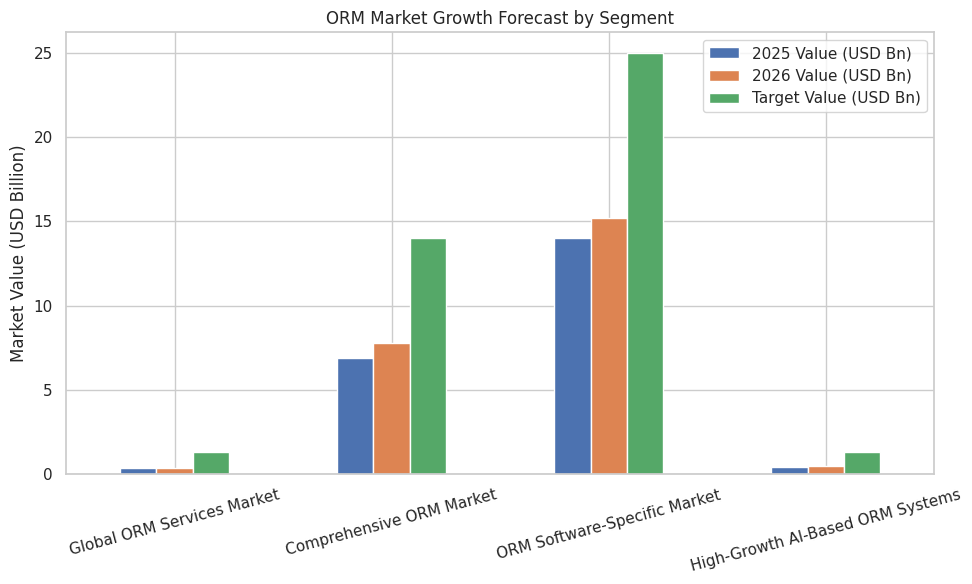
This heightened consumer sensitivity has fueled the exponential growth of the global ORM (Online Reputation Management) industry, with forecasts projecting the market to exceed USD 17 billion by 2032.
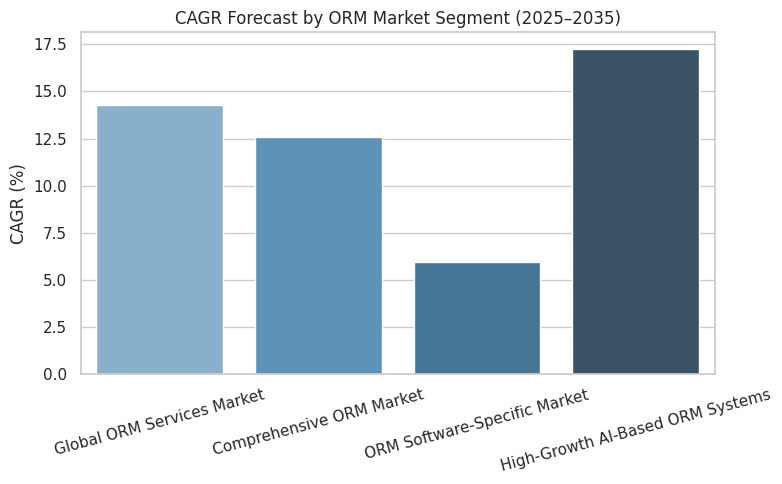
Global Online Reputation Management Market Forecast (2025–2035)
| Market Segment | 2025 Estimated Value | 2026 Projected Value | Target Value (2032/2035) | Projected CAGR |
|---|---|---|---|---|
| Global ORM Services Market | USD 337.88 Million | USD 386.10 Million | USD 1,282.60 Million (2035) | 14.27% |
| Comprehensive ORM Market | USD 6.88 Billion | USD 7.75 Billion | USD 14.01 Billion (2031) | 12.59% |
| ORM Software-Specific Market | USD 14.03 Billion | USD 15.22 Billion | USD 24.96 Billion (2035) | 5.93% |
| High-Growth AI-Based ORM Systems | USD 427.96 Million | USD 499.43 Million | USD 1,305.72 Million (2032) | 17.27% |
The Role of Advanced AI in ORM Technology
The modern AI stack used by top ORM tools in 2026 is powered by deep learning, natural language understanding, and cross-platform data ingestion. These systems can analyze billions of data points per day from:
- News outlets and editorial publications
- Public social media conversations and forums
- Video and podcast transcripts
- AI-generated content summaries and answers
- Influencer channels and user-generated media
This holistic analysis allows brands to see not just who is talking about them, but how they are being portrayed, by whom, and in what emotional context. Predictive engines now alert businesses before a reputation issue escalates, while real-time AEO tools assess a brand’s presence in generative search systems.
AI-Driven Reputation Management: Strategic Business Shift
This shift has driven a convergence of departments that were once siloed. Today, PR, customer experience, SEO, and executive strategy are all aligned around real-time reputation intelligence. Brands that master this convergence are building long-term loyalty, preventing crises, and maintaining prominence across both human and AI-driven environments.
Key Capabilities of 2026’s Leading ORM Platforms
| Feature Category | Description |
|---|---|
| Sentiment AI | Detects emotional tone, sarcasm, urgency, and topic intent |
| AEO Monitoring | Tracks brand visibility in AI-generated summaries and answer engines |
| Influencer Impact Analysis | Measures engagement and reach from key social and content creators |
| Predictive Reputation Scoring | Forecasts potential reputational threats or gains by region or topic |
| Global Media Intelligence | Aggregates data across 30M+ sources including news, podcasts, and video |
Conclusion: ORM as a Strategic Imperative in 2026
As the digital landscape becomes increasingly shaped by AI and automated content generation, businesses can no longer rely solely on traditional SEO or public relations. In 2026, brand reputation is being shaped not just by human audiences but by AI interpreters. The shift toward predictive and agentic intelligence means companies must now influence both real-world perception and AI understanding.
Organizations that invest in the right tools—those capable of managing AEO, interpreting sentiment across formats, and delivering real-time visibility—are best positioned to lead in the reputation-first digital economy. The future of brand value lies in proactive visibility, not just online presence.
The Economic Impact of Sentiment and Reputation in the Age of AI-Driven Brand Monitoring (2026)
In 2026, managing online reputation and public sentiment is no longer just a branding exercise—it is a financial necessity. The influence of customer sentiment on business outcomes has become measurable, with brands now directly linking emotional feedback to revenue generation, customer loyalty, and competitive positioning. Companies across all industries, particularly in healthcare, finance, and retail, are embracing advanced AI tools to manage, interpret, and respond to reputation signals faster and more accurately than ever before.
From Vanity Metrics to Revenue-Driven Sentiment Strategies
Traditional metrics like “reach” or “impressions” have lost their strategic weight. Businesses are now prioritizing KPIs such as the Sentiment-to-Revenue Ratio and Mental Availability—indicators that better reflect how customers feel about a brand and how likely they are to act on those feelings. This transition is largely driven by data that proves how negative sentiment leads to substantial losses:
- 43% of consumers report financial losses—averaging USD 1,261—due to poor service experiences
- 65% of customers admit to abandoning a brand completely after encountering a negative incident
This new reality reinforces that reputation is directly tied to revenue performance and business sustainability.
AI Sentiment Analysis as a Strategic Imperative
The integration of AI into sentiment analysis and reputation monitoring is no longer optional—it is critical for operational success. Businesses using AI-driven monitoring tools detect emerging reputation risks 67% faster than those relying on manual or reactive methods. These AI tools allow real-time alerts, crisis forecasting, and brand health analysis—enabling proactive strategies rather than damage control.
In fact, 32% of customer service leaders report seeing immediate ROI after implementing AI tools in their workflow. The ability to automate responses, prioritize complaints, and predict customer dissatisfaction has transformed reputation management from a defensive posture into a strategic advantage.
Emerging Global Trends and Regional Performance
Different regions are driving market growth in unique ways. Asia-Pacific is currently the fastest-growing region, fueled by rapid adoption of digital technologies, mobile-first users, and rising consumer expectations. Meanwhile, North America maintains its lead as the largest market due to its strong digital infrastructure and high adoption of enterprise AI systems.
Europe is experiencing steady growth, particularly among large enterprises that prioritize brand perception across multilingual and multicultural markets. Meanwhile, the global rise of e-commerce and healthcare digitization is pushing demand for AI-powered ORM solutions in real-time service environments.
ORM Deployment and Adoption Metrics by Region and Sector (2026)
| Segment Category | Market Share / Adoption Rate | Growth Forecast (CAGR) | Dominant Regional Driver |
|---|---|---|---|
| Cloud-Based Deployment | 72.45% | 18.14% | North America |
| Large Enterprise Share | 56.10% | 14.50% | Europe |
| SME Segment Adoption | Expanding | 16.68% | Asia-Pacific |
| Earned Media Channel Share | 49.30% Revenue Contribution | 16.31% | Global |
| Retail & E-commerce Sector | 24.20% Market Share | High Growth | Global |
| Healthcare Industry Growth | Accelerating | 18.82% | North America |
Why Sentiment Intelligence Is Driving Business Decisions in 2026
The financial risks tied to customer dissatisfaction are too high to ignore. In today’s digital-first economy, a single negative experience can travel faster and have greater impact than traditional advertising. AI-driven sentiment analysis platforms are giving organizations the ability to understand how customers feel at scale, predict brand vulnerabilities, and take timely corrective actions.
These insights are no longer reserved for marketing teams alone. Executives, risk managers, product developers, and even investors are leveraging sentiment data to inform business decisions—from new product launches to crisis management strategies and stakeholder communication.
Strategic Business Advantages Enabled by AI Sentiment Tools
| Capability Area | Business Impact and Value |
|---|---|
| Real-Time Threat Detection | Identifies negative sentiment spikes before they escalate publicly |
| Sentiment-to-Revenue Mapping | Links customer emotion to sales outcomes and churn rates |
| AI Response Automation | Enables fast, personalized messaging during service interactions |
| Predictive Crisis Analytics | Anticipates PR risks and reputation damage early |
| Operational ROI | Increases efficiency and reduces response cost in service teams |
Conclusion: Sentiment as a Financial Signal in 2026
The economic weight of reputation has never been heavier. Businesses can no longer afford to treat brand perception as a soft metric. In 2026, AI-powered sentiment analysis is redefining what it means to protect and grow a brand. It offers real-time, predictive, and monetizable intelligence that enables companies to respond faster, serve better, and stay ahead in a highly competitive, emotionally aware marketplace.
The organizations that integrate sentiment data into core decision-making are emerging not just as market leaders—but as trusted entities capable of sustaining long-term value and loyalty. As the digital landscape continues to evolve, the strategic use of reputation intelligence will define business success across every industry.
The Technological Foundation of AI-Powered Brand Monitoring and Reputation Management in 2026
In 2026, brand monitoring is powered by a highly advanced and intelligent AI infrastructure that goes far beyond traditional keyword tracking or basic sentiment labeling. The modern architecture of reputation management systems is built on a deep integration of machine learning, natural language processing (NLP), and real-time automation. These tools are designed to understand the emotional depth, context, and impact of every brand mention across digital ecosystems.
This new generation of AI tools doesn’t just tell brands whether feedback is “positive” or “negative”—it explains why, what caused it, how strong it is, and how many people it is likely to influence. These capabilities make AI tools indispensable for brands navigating public sentiment, customer experience, and crisis response.
How Modern Sentiment Analysis Works in 2026
Advanced sentiment analysis in 2026 uses aspect-based models, which break down customer feedback into specific components such as service quality, pricing, delivery, or user experience. This allows businesses to understand which exact part of the customer journey is contributing to positive or negative emotion.
The analysis follows a structured, intelligent pipeline:
| Step in Sentiment Analysis Pipeline | Function and Description |
|---|---|
| Data Normalization and Tokenization | Cleanses and prepares raw text by removing noise and converting words to base forms |
| Contextual Polarity Scoring | Assigns sentiment scores between -1 (very negative) to +1 (very positive) |
| Sentiment Magnitude Calculation | Measures intensity of emotion to prioritize feedback with stronger emotional impact |
| Real-Time Classification | Processes social, review, and transcript data in milliseconds for automated responses |
Current benchmarks indicate that sentiment analysis accuracy has reached up to 90%, especially when models are trained with industry-specific datasets. This level of precision enables businesses to automate nearly 32% of customer response workflows, allowing for both cost reduction and increased responsiveness.
The Role of Sentiment Magnitude and Crisis Prioritization
In modern AI systems, sentiment magnitude is not just an emotional label—it becomes a mathematical variable that drives prioritization. Enterprise tools now assign a Priority Index to every brand mention using a dynamic calculation based on sentiment score, intensity, and reach.
Formula for Calculating Priority Index (2026)
To determine which mentions should trigger human intervention or AI response, the Priority Index (P) is calculated as:
P = Σ (Si × Mi) × Ri
Where:
- Si = Sentiment score of mention i
- Mi = Magnitude (intensity) of sentiment
- Ri = Reach or influence of the source (number of followers, media impact, etc.)
Mentions with high negative sentiment, strong emotional tone, and broad visibility are automatically flagged and escalated to live crisis teams. In contrast, neutral or low-magnitude content is routed to AI agents for autonomous response or logging.
Example Use Cases Enabled by the 2026 AI Sentiment Stack
| Application Area | AI-Enabled Functionality |
|---|---|
| Customer Support Automation | Auto-routing of negative comments to service teams or chatbots for resolution |
| Crisis Detection | Early detection of public backlash or viral incidents based on intensity and reach |
| Product Feedback Insights | Identifies recurring sentiment around specific product features or updates |
| Market Research | Monitors public opinion on competitors, trends, and industry developments |
| Real-Time Review Scanning | Triggers automatic actions for new reviews on key platforms like Google and Yelp |
How These Capabilities Benefit Top ORM Tools in 2026
The advanced AI architecture now supports real-time narrative control, influencer prioritization, cross-platform data aggregation, and predictive sentiment forecasting. These systems empower leading ORM tools to perform faster, deliver deeper insights, and respond smarter. The top 10 tools in the world today—from Birdeye and Sprinklr to Brand24—are built on this foundation, ensuring their clients remain ahead in protecting, enhancing, and managing their online reputations.
In a digital environment where public perception is shaped in seconds and amplified by AI-generated content, this technological framework is not just a convenience—it is a competitive necessity. Businesses equipped with intelligent sentiment analytics can act quickly, prioritize effectively, and maintain strong, trustworthy brands in a world that never stops talking.
The Rise of Answer Engine Optimization (AEO) in Brand Reputation Management for 2026
In 2026, a powerful new strategy has taken center stage in the world of brand monitoring and online reputation management—Answer Engine Optimization (AEO). As more consumers rely on AI chat interfaces to search for answers and make purchase decisions, the importance of being featured accurately and positively in AI-generated responses has surged. Instead of browsing traditional search engine results, users now ask conversational questions like “What is the safest SUV for families?” or “Which skincare brand is best for sensitive skin?” and receive direct answers from AI platforms powered by large language models (LLMs).
In this new environment, brands are no longer just competing for clicks—they’re competing for presence in the answers themselves. This visibility is now measured by a brand’s Generative Share of Voice—a metric that reflects how often and how favorably a brand appears in AI-generated content across systems like ChatGPT, Claude, Gemini, and Perplexity.
Why AEO Has Become a Core Discipline in 2026
The generative AI layer has changed how trust is built. When users receive a summarized or recommended product directly from an AI assistant, that response acts as a trusted endorsement. If a brand is misrepresented or not mentioned at all, it risks losing visibility, trust, and sales—even if it has a strong presence in traditional SEO.
This transformation has given rise to a new class of tools that specialize in tracking, analyzing, and improving brand visibility within AI-generated answers. These platforms are built to help companies monitor how they are portrayed in AI systems and correct narratives when necessary.
Emerging Specialized Tools for Answer Engine Optimization (2026)
| AEO Tool | Functionality and Use Case |
|---|---|
| Gumloop | Enables brands to create custom AI workflows for tracking mentions across generative platforms. Especially useful for tech-savvy teams wanting full control of LLM monitoring. |
| GetMint | Acts as a centralized reputation command center. Tracks exact output from AI platforms like ChatGPT and Claude to understand how brands are described and compared. Ideal for enterprises. |
| Peec AI | Focuses entirely on measuring a brand’s generative visibility. Helps companies assess how frequently and in what tone they are mentioned across AI search results. |
| Otterly.AI | Offers an affordable entry-level solution for startups and small teams. Provides daily “pulse checks” showing how a brand is referenced in conversational AI queries. |
Core Value Proposition of AEO Tools in 2026
| Strategic Benefit | Description |
|---|---|
| Generative Share of Voice Monitoring | Tracks brand mentions and sentiment across AI-generated answers |
| Narrative Correction Capabilities | Identifies and helps fix inaccurate AI interpretations of brand messaging |
| Cross-AI Engine Visibility | Measures presence in platforms like ChatGPT, Gemini, Claude, and others |
| Competitive AI Positioning | Compares brand representation against competitors in AI search outputs |
| Reputation Pulse for Decision Makers | Enables PR, marketing, and executive teams to stay informed in real time |
How AEO Fits into the Broader Reputation Management Strategy
AEO tools complement traditional ORM systems by focusing on visibility and trust at the AI response layer—where most consumers now engage. While platforms like Sprinklr, Brandwatch, or Birdeye track mentions on social media or review platforms, AEO tools go a level deeper to assess how AI interprets, summarizes, and promotes a brand in direct answers.
Together, these tools form a dual strategy: one that protects the brand in public conversation, and another that ensures the brand appears favorably in the increasingly dominant world of AI-generated responses.
Conclusion: AEO Is No Longer Optional in 2026
As the digital landscape shifts from search results to answer engines, companies must evolve their monitoring and content strategies. AEO is now a critical part of brand health—affecting how consumers perceive, compare, and trust products or services at the point of decision. The brands that win in 2026 are those who not only listen to their audiences but also understand how AI is speaking on their behalf. Tools like Gumloop, GetMint, Peec AI, and Otterly.AI are leading this transformation, making Answer Engine Optimization one of the most important disciplines in the reputation economy.
Qualitative Impact and ROI of Brand Monitoring and Online Reputation Management Tools in 2026
The return on investment (ROI) for AI-powered brand monitoring tools in 2026 is no longer theoretical—it is proven across multiple business functions. The leading platforms in this space demonstrate measurable results across risk management, operational performance, revenue generation, and discoverability. As the digital landscape becomes faster and more influenced by AI-generated content, these tools help brands remain visible, trusted, and competitive.
Key ROI Drivers Behind AI-Driven Brand Monitoring Platforms
Modern reputation management solutions deliver value in four primary areas. Each dimension directly contributes to performance metrics that executives, marketers, and customer experience teams track and optimize in real time.
ROI Dimensions of AI Tools for Brand Monitoring (2026)
| ROI Category | Description and Business Outcomes |
|---|---|
| Risk Mitigation & Detection Speed | AI systems detect potential brand threats 67% faster than manual teams, enabling rapid containment of emerging PR issues before they escalate |
| Operational Efficiency | Automation in review response and feedback processing has reduced overhead and driven scalability, especially for high-volume brands |
| Revenue and Personalization | Brands leveraging reputation insights for personalization generate up to 40% more marketing-driven revenue and significantly higher conversion rates |
| Search Visibility & Discovery | Over 42% of ORM tool usage centers on review management, as reviews directly impact SEO and AI answer engine ranking |
Breakdown of Core ROI Metrics by Function
| Function Area | Impact Metric | Measurable Result (2026) |
|---|---|---|
| Threat Detection | Speed of Insight (AI vs. Manual) | 67% faster threat detection with AI tools |
| Review Management | Review Volume Growth | Example: 40,000+ new reviews (e.g., Window Nation) |
| Workforce Efficiency | Use of AI Response Agents | 48% of businesses use AI for scalable engagement |
| Revenue Optimization | Marketing ROI Uplift from Personalization | Up to 40% revenue increase from targeted campaigns |
| Consumer Trust | Impact of Review Rating on Trust | 2.9x more trust after 5-star experience |
| AI-Powered Discoverability | Influence of Reviews on Search/AEO Visibility | 42% of ORM demand linked to visibility optimization |
How These ROI Drivers Influence the Top AI Tools in 2026
The most successful AI tools for brand monitoring—such as Birdeye, Sprinklr, Brandwatch, and Podium—are structured to maximize each of the above value areas. Whether through AI-generated review replies, real-time alerting systems, influencer impact measurement, or Answer Engine Optimization (AEO) dashboards, these platforms turn brand sentiment into measurable business gains.
Companies using these tools not only prevent reputation damage but also improve their marketing outcomes, reduce workload on customer service teams, and increase their presence in AI-powered discovery platforms like ChatGPT and Perplexity.
Conclusion: Measuring Reputation as a Performance Asset
In 2026, the role of reputation management is fully integrated into corporate growth strategies. Reputation is no longer just about perception—it is about performance. AI-enabled platforms offer the speed, scale, and precision needed to protect and grow brand value across an expanding digital ecosystem.
With measurable ROI across detection, efficiency, revenue, and search visibility, brand monitoring tools are no longer optional—they are essential business infrastructure. The companies that invest in these systems are not only building better reputations but also unlocking strategic advantages that compound over time.
Governance, Security, and Ethical AI in 2026: Safeguarding Brand Reputation in the Age of Intelligent Monitoring
In 2026, as the use of AI tools for brand monitoring and online reputation management becomes widespread, the need for strong governance, ethical practices, and data security has become more urgent than ever. With AI systems now actively influencing brand narratives, search visibility, consumer sentiment, and even trust, businesses can no longer treat governance as a background concern—it has become central to long-term brand integrity.
New research from late 2025 reveals that 40% of senior AI decision-makers now consider security and risk to be their top AI-related challenge. As AI technologies increasingly interact with sensitive customer data, public communications, and live content generation, the potential for misuse, bias, and privacy breaches has grown. Forecasts suggest a 20% increase in class-action lawsuits tied to AI-related privacy violations in 2026, underscoring the urgent need for responsible design and transparent operations.
Core Principles of Responsible AI for Brand Reputation Tools in 2026
To address these risks while maintaining trust and compliance, top-tier AI platforms for brand monitoring have adopted three core pillars of reputational governance. These pillars ensure that tools are not only accurate and efficient but also fair, secure, and trustworthy.
The Three Pillars of Reputational Governance in 2026
| Governance Pillar | Description and Implementation Priorities |
|---|---|
| Transparency and Accuracy | AI platforms must provide explainable outputs and visible logic to avoid misinformation caused by model hallucinations or unsupported claims in generative summaries |
| Privacy and Compliance | All AI tools must comply with regional privacy laws such as GDPR (EU), CCPA (California), and national data regulations in countries like Germany, Brazil, and Australia |
| Ethical Sentiment Analysis | AI models should be carefully trained to eliminate bias across gender, race, region, and age—ensuring that no demographic is unfairly targeted or misrepresented |
Security and Risk Mitigation Measures Adopted by Top AI Reputation Platforms
| Security Priority | Practical Measures Implemented |
|---|---|
| Data Encryption | End-to-end encryption protocols for all consumer review, sentiment, and chat data |
| Real-Time Anomaly Detection | AI systems monitor for unauthorized access, algorithm drift, and manipulation risks |
| Access Controls and Auditing | Multi-level access permissions and activity logs for all user interactions |
| Third-Party Certification | ISO/IEC 27001 and SOC 2 Type II compliance across enterprise-grade ORM platforms |
Why Ethical AI Is Crucial for Brand Monitoring in 2026
AI sentiment engines now drive critical business decisions—such as automated review responses, influencer prioritization, and crisis escalation. If these systems are biased or unregulated, the reputational and legal consequences for brands can be severe. Misinterpreted intent, hallucinated content, or unethical targeting could quickly lead to public backlash or regulatory investigation.
To avoid such risks, platforms like Sprinklr, Brandwatch, and Yext have invested heavily in ethical AI frameworks that regularly audit training data, correct model drift, and allow human override where required.
Global Regulatory Focus Areas Affecting AI-Based Reputation Platforms
| Regulation Area | Examples of Governing Frameworks and Markets |
|---|---|
| Data Sovereignty | Australia Privacy Act, Brazilian LGPD, India’s DPDP Act |
| AI Model Explainability | EU AI Act, Germany’s Federal Digital Transparency Guidelines |
| Consent and Data Rights | GDPR (EU), CPRA (California), PIPEDA (Canada) |
| Discrimination and Bias | OFCOM (UK), EEOC (US), Anti-Discrimination Laws in ASEAN countries |
Conclusion: Trust Is the New Competitive Advantage in 2026
As AI continues to shape brand visibility and consumer engagement, companies that embrace ethical governance will stand out as trustworthy leaders. The strongest AI tools for reputation management in 2026 are those built with transparency, fairness, and security at their core. These platforms not only protect against legal and reputational harm but also enhance long-term brand loyalty.
In an era where reputations are shaped by both human opinion and AI-generated narratives, ethical and secure AI governance is not just a best practice—it is a strategic requirement for brand survival and success.
Future Outlook for AI-Based Brand Monitoring and Online Reputation Management in 2026
The brand monitoring landscape in 2026 has evolved into a highly intelligent, proactive ecosystem—where speed, accuracy, and foresight are essential. Artificial Intelligence is no longer an optional upgrade; it is now the foundation for effective Online Reputation Management (ORM). The shift from passive reputation tracking to dynamic, preventive AI systems marks a key milestone in the maturity of this sector.
Modern ORM platforms are no longer limited to collecting mentions or responding to complaints—they now interpret meaning, assess risk, and take real-time action. In this environment, businesses that still rely on manual methods are falling dangerously behind. They are unable to keep up with the fast-paced, AI-enhanced communication channels where public opinion forms and spreads in real time.
Why Real-Time AI Monitoring Is Now a Strategic Requirement
Consumer expectations in 2026 have risen sharply. Data shows:
- 71% of consumers expect brands to take clear stances on social, environmental, or ethical issues
- 76% expect businesses to respond to inquiries or complaints within 24 hours—particularly on public social platforms
These expectations demand systems that not only detect sentiment but also react appropriately, coordinate crisis workflows, and maintain messaging consistency across platforms. Delays or missteps can quickly spiral into reputation damage, revenue loss, and erosion of public trust.
Key Shifts in Brand Monitoring Strategy and Execution
| Strategic Evolution | Legacy Model | 2026 AI-Driven Model |
|---|---|---|
| Monitoring Approach | Manual Tracking and Reporting | Autonomous, Predictive AI Systems |
| Response Time | 48–72 hours average | Under 24 hours with automated workflows |
| Sentiment Interpretation | Basic Positive/Negative Labeling | Aspect-based Sentiment with Contextual Depth |
| Consumer Engagement Expectation | One-way Communication | Real-Time, Conversational Engagement |
| Role of Reputation Tools | Support Tool | Core Business Intelligence Infrastructure |
The Role of Market Leaders in Defining the 2026 ORM Standard
The leading platforms in this sector—Birdeye, Sprinklr, and Brandwatch—have moved far beyond basic review automation. These platforms now deliver agentic AI capabilities that mimic human decision-making. They:
- Monitor global channels 24/7 with real-time alerts
- Execute corrective messaging across social, reviews, and AI-generated content
- Coordinate between PR, marketing, and support to unify brand voice
- Detect shifts in public opinion and escalate priority threats automatically
This new generation of platforms doesn’t just support businesses—it becomes an operational intelligence layer within the enterprise, influencing everything from content strategy and product refinement to executive risk management.
Preparing for AI Integration Across Brand Operations
| Business Readiness Metric | Strategic Focus for Integration |
|---|---|
| ORM Tool Selection | Choose platforms with agentic reasoning, multilingual capability |
| Workflow Alignment | Embed AI tools within customer support, PR, and social teams |
| Data Protection | Ensure platforms are GDPR, CCPA, and regionally compliant |
| Leadership Involvement | Use AI-generated reputation insights for executive decisioning |
| Cross-Department Activation | Align product, marketing, and legal teams with real-time insights |
Conclusion: ORM as a Pillar of Future-Ready Business Strategy
In 2026, AI-powered brand monitoring is no longer a tool on the periphery—it is a strategic pillar. The focus has shifted from simply reacting to incidents to actively shaping how brands are perceived in both human and AI-interpreted environments.
The top ORM tools now combine real-time data, predictive sentiment engines, cross-platform execution, and ethical governance frameworks to help brands thrive in a high-stakes, always-connected world. As misinformation spreads rapidly and public scrutiny intensifies, businesses that integrate AI-powered ORM tools into their core operations will be better positioned to lead, adapt, and protect their brand value in the post-truth, generative AI era.
Conclusion
In 2026, the landscape of brand monitoring and online reputation management has undergone a seismic shift, driven by the growing influence of artificial intelligence, generative search platforms, and changing consumer expectations. The top 10 AI tools highlighted throughout this analysis—ranging from comprehensive enterprise platforms like Sprinklr and Brandwatch to agile, niche solutions such as Podium and Brand24—demonstrate the critical role of technology in preserving brand trust, managing sentiment at scale, and ensuring visibility in an increasingly AI-driven digital ecosystem.
Today, the value of a brand is no longer measured solely by market share or product quality, but also by how it is perceived in real-time across social networks, reviews, voice assistants, and AI-generated answer engines. With more than 71% of global consumers expecting brands to respond swiftly to public concerns and take stances on meaningful issues, reputation management has evolved into a central pillar of business strategy.
The most advanced AI-powered platforms now do far more than aggregate data—they provide real-time, predictive, and context-aware insights. These tools help brands detect and de-escalate crises before they go viral, automate personalized customer responses across multiple platforms, and track how brand identity is reflected in AI-generated content across tools like ChatGPT, Google AI Overviews, and Perplexity.
This transition from reactive monitoring to proactive, agentic intelligence marks a new era in how companies must think about digital reputation. The shift toward Answer Engine Optimization (AEO) further reinforces this need. As consumers increasingly trust AI-generated summaries over traditional web search, maintaining a strong and accurate presence within these generative ecosystems has become as vital as SEO once was.
Furthermore, the convergence of ethical AI, data privacy regulations, and governance standards adds new layers of responsibility. Brands are now expected to deploy AI tools that are not only accurate but also transparent, unbiased, and compliant with global data protection laws. Platforms like Sprout Social, Reputation, and Yext are leading the charge in integrating privacy-first, explainable AI models into their workflows.
For businesses in 2026, selecting the right brand monitoring solution is no longer a matter of operational convenience—it is a strategic imperative. Each of the top 10 tools offers unique strengths, from real-time influencer tracking and multilingual sentiment analysis to advanced visual monitoring and generative visibility assessments. The right choice depends on an organization’s industry, scale, customer base, and digital maturity.
What’s most important is that businesses begin thinking of brand reputation not as an output, but as a measurable and manageable input that directly impacts revenue, consumer loyalty, and long-term success. AI is now the enabler of that transformation, giving companies the ability to listen more deeply, respond more intelligently, and lead more confidently in a world where brand narratives are shaped in milliseconds.
In summary, the brands that will thrive in the future are those that invest in advanced AI tools not just to monitor reputation, but to actively shape and defend it across every digital and generative touchpoint. Whether you’re a fast-scaling startup or a global enterprise, adopting the right AI-powered ORM solution today is the key to ensuring your brand remains trusted, visible, and competitive tomorrow.
If you find this article useful, why not share it with your hiring manager and C-level suite friends and also leave a nice comment below?
We, at the 9cv9 Research Team, strive to bring the latest and most meaningful data, guides, and statistics to your doorstep.
To get access to top-quality guides, click over to 9cv9 Blog.
To hire top talents using our modern AI-powered recruitment agency, find out more at 9cv9 Modern AI-Powered Recruitment Agency.
People Also Ask
What are the best AI tools for brand monitoring in 2026?
The top tools include Birdeye, Sprinklr, Brandwatch, Meltwater, Talkwalker, Reputation, Yext, Sprout Social, Podium, and Brand24.
How does AI help with online reputation management?
AI helps detect sentiment, automate review responses, monitor social mentions, and predict crises to protect and improve brand reputation.
Which AI tool offers the best review management features?
Birdeye and Podium are known for their powerful review collection, sentiment analysis, and automated response workflows.
What is Answer Engine Optimization (AEO) in brand monitoring?
AEO is the process of optimizing brand visibility in AI-generated answers from platforms like ChatGPT and Google AI Overviews.
Can AI tools detect brand crises before they escalate?
Yes, AI tools analyze real-time data to identify sentiment shifts, enabling early crisis detection and faster response.
Which brand monitoring tool is best for multi-location businesses?
Birdeye and Yext are ideal for managing reputation and listings across multiple physical locations.
Is Sprinklr suitable for large enterprises?
Yes, Sprinklr is built for large enterprises needing an integrated platform for customer experience and brand intelligence.
Are there AI tools designed for small businesses?
Yes, Brand24 and Otterly.AI provide affordable options with essential features for monitoring and managing brand reputation.
What is the role of AI in sentiment analysis?
AI uses natural language processing to assess tone, emotion, and intensity in customer reviews and online conversations.
Can AI improve my brand’s visibility in AI search engines?
Yes, tools like Peec AI and GetMint help track and improve brand presence in AI-generated search answers.
How do AI tools help in influencer monitoring?
They track influencer mentions, measure engagement impact, and identify potential brand advocates or risks.
Which AI platform offers multilingual sentiment tracking?
Talkwalker and Meltwater support sentiment analysis in multiple languages, ideal for global brands.
Can I automate review responses using AI tools?
Yes, many platforms offer AI-powered templates and sentiment-aware responses to manage feedback efficiently.
What metrics do AI tools track for brand monitoring?
Common metrics include sentiment score, reach, review volume, engagement rate, and share of voice.
What is a generative share of voice?
It refers to how often a brand is mentioned in AI-generated answers across platforms like ChatGPT and Perplexity.
Which AI tool offers the most advanced visual brand monitoring?
Talkwalker excels in visual listening, tracking logos and brand elements across video and image-based platforms.
How do AI tools support Answer Engine Optimization?
They monitor AI-generated content to ensure brand mentions are accurate, consistent, and competitive.
Are these tools compliant with global data privacy laws?
Yes, leading platforms are GDPR-compliant and support regional laws like CCPA and Australia’s Privacy Act.
How fast can AI detect reputation threats compared to manual monitoring?
AI tools detect risks up to 67% faster than traditional methods, improving crisis response speed.
Do these tools offer real-time alerts?
Yes, most tools provide real-time notifications for brand mentions, sentiment shifts, and influencer activities.
Can AI tools help improve customer trust?
Yes, by responding faster and more accurately to customer feedback, AI tools help build and maintain trust.
What are the most common use cases for AI in brand monitoring?
Use cases include review management, influencer analysis, sentiment tracking, crisis detection, and AEO.
Are these AI tools easy to integrate with CRM or social platforms?
Most offer integrations with CRMs, social media, and email tools to centralize data and communication.
Which AI tool is best for real-time customer engagement?
Sprout Social offers robust engagement tools with AI assistance for fast, personalized customer replies.
How do I choose the right AI brand monitoring tool?
Consider your business size, budget, required features, and integration needs when selecting a platform.
Can AI tools provide competitor sentiment analysis?
Yes, many tools allow you to compare your brand’s sentiment and visibility against key competitors.
What is a reputation score in ORM platforms?
It’s a metric that reflects brand health based on sentiment, volume, and response metrics across platforms.
How important is AI-powered ORM for digital marketing?
It’s essential, as reputation directly influences SEO, customer acquisition, retention, and brand equity.
What is the expected ROI from using AI for brand monitoring?
Brands report higher engagement, increased review volume, and up to 40% better marketing performance.
Which platforms support AI monitoring of podcasts and videos?
Meltwater and Brandwatch offer transcription-based analysis of podcasts, videos, and multimedia sources.
Sources
Revuze
- Birdeye
- AIclicks
- PR Newswire
- Credence Research
- Mordor Intelligence
- CloudTalk
- TechNow
- Meltwater
- Talkwalker
- Global Growth Insights
- Market Research Future
- 360iResearch
- AMC Insights
- Nextiva
- Koanthic
- Porters Five Force
- HiFive Blog
- Research
- Gartner
- Sprinklr
- MatrixBCG
- Social Champ
- Genesys Growth
- Cision
- Built In
- Brandwatch
- Influencer Hero
- G2
- SocialRails
- GetApp
- Search Atlas
- PitchBook
- Sprout Social
- Scopic Studios
- TrustRadius
- Renascence
- Forrester
- Investor Relations
- DataNorth AI