

























Key Takeaways
- Choosing the right recruitment agency in New Zealand requires clear hiring goals, realistic salary expectations, and an understanding of local labour market conditions
- Employers should evaluate recruitment agencies based on industry expertise, screening processes, communication quality, and long-term partnership potential rather than fees alone
- Strategic collaboration with a recruitment agency improves time-to-hire, candidate quality, and retention in New Zealand’s competitive and skills-constrained job market
Hiring the right people has become one of the most critical business challenges in New Zealand’s increasingly competitive labour market. As skills shortages persist across key industries such as technology, construction, healthcare, engineering, and professional services, employers are under growing pressure to secure high-quality talent quickly, compliantly, and cost-effectively. For many organisations, partnering with a recruitment agency is no longer a convenience but a strategic necessity. However, with hundreds of recruitment firms operating across New Zealand—ranging from specialist boutique agencies to large multinational recruiters—choosing the right recruitment partner can feel complex and overwhelming.
Also, read our guide on the Top 10 Best Recruitment Agencies in New Zealand.

A recruitment agency does far more than simply send CVs. The right agency acts as an extension of an employer’s internal hiring function, providing deep market insight, access to passive candidates, salary benchmarking, screening expertise, and guidance on employment regulations specific to New Zealand. Conversely, selecting the wrong agency can result in wasted hiring budgets, poor candidate fit, extended time-to-hire, and long-term retention issues. This makes the decision-making process around recruitment partners one of the most important hiring decisions an organisation will make.
This complete hiring guide is designed to help employers, HR leaders, founders, and hiring managers understand exactly how to choose a recruitment agency in New Zealand with confidence. It goes beyond surface-level advice and explores the strategic, operational, and commercial factors that matter most when evaluating recruitment firms. From understanding the structure of the New Zealand recruitment market to identifying agency specialisations, fee models, recruitment methodologies, and service quality indicators, this guide provides a practical framework for making informed hiring decisions.
New Zealand’s labour market presents unique challenges that differ significantly from larger economies. A relatively small talent pool, high candidate mobility, regional workforce variations, immigration policy considerations, and evolving employment legislation all influence how recruitment must be approached. A strong recruitment agency understands these local dynamics and can help employers navigate them effectively, whether hiring locally, nationally, or sourcing talent internationally. This guide explains why local market knowledge, industry expertise, and cultural alignment are essential criteria when selecting a recruitment partner.
In addition, this hiring guide addresses common mistakes businesses make when choosing recruitment agencies, such as focusing solely on fees, engaging too many agencies simultaneously, or failing to assess an agency’s screening and candidate qualification process. It also outlines what employers should expect from a high-performing recruitment agency in terms of communication, transparency, accountability, and long-term partnership value.
Whether an organisation is hiring its first employee, scaling rapidly, replacing critical roles, or building a long-term talent acquisition strategy, choosing the right recruitment agency in New Zealand can directly influence business performance and growth outcomes. This guide serves as a comprehensive starting point, equipping decision-makers with the clarity, structure, and insight needed to select a recruitment partner that delivers consistent hiring success rather than short-term results.
By the end of this guide, readers will have a clear understanding of how to assess recruitment agencies objectively, what questions to ask before engaging a recruiter, and how to build a productive, results-driven recruitment partnership tailored to the realities of the New Zealand job market.
How to Choose a Recruitment Agency in New Zealand: A Complete Hiring Guide
- Why Partnering with a Recruitment Agency Matters in New Zealand
- Define Your Hiring Needs Before You Search
- Types of Recruitment Agencies
- Key Criteria for Evaluating Agencies
- Common Pitfalls to Avoid When Choosing a Recruitment Agency
- How to Engage and Collaborate with Your Chosen Recruitment Partner
- Why 9cv9 Recruitment Agency?
1. Why Partnering with a Recruitment Agency Matters in New Zealand
Strategic Importance of Recruitment Agencies in the New Zealand Labour Market
New Zealand’s labour market is structurally tight, geographically fragmented, and skills-constrained across multiple industries. Low unemployment rates, a relatively small domestic talent pool, and high demand in sectors such as technology, construction, healthcare, engineering, agriculture, and professional services make hiring both time-sensitive and highly competitive. In this environment, recruitment agencies play a critical strategic role rather than a purely transactional one.
Recruitment agencies in New Zealand operate at the intersection of employers, candidates, and regulatory frameworks. Their value lies not only in sourcing candidates, but also in reducing hiring risk, improving hiring speed, and ensuring long-term workforce stability. For many businesses, especially SMEs and fast-growing companies, recruitment agencies effectively function as an outsourced talent acquisition arm.
Key New Zealand-specific challenges that elevate the importance of recruitment agencies include
• Limited availability of experienced local talent in specialised roles
• Strong competition among employers for the same candidate pools
• Regional hiring differences between Auckland, Wellington, Christchurch, and regional centres
• Immigration policy complexity for overseas hiring
• Rising salary expectations and candidate-driven negotiations
How Recruitment Agencies Reduce Time-to-Hire and Opportunity Cost
Time-to-hire is a critical metric for New Zealand employers. Extended vacancies can lead to lost revenue, overworked teams, delayed projects, and customer dissatisfaction. Recruitment agencies significantly reduce time-to-hire by leveraging pre-built talent networks, proactive sourcing strategies, and structured screening processes.
Instead of starting from scratch with job advertising and inbound applications, agencies often engage passive candidates who are not actively applying but are open to new opportunities. This is particularly important in New Zealand, where many senior and specialised professionals are already employed and rarely apply through job boards.
Example scenario
A mid-sized construction firm in Auckland needs a senior project manager within six weeks to avoid delays on a commercial build. Advertising alone may take 4–6 weeks just to generate suitable applications. A construction-focused recruitment agency can immediately approach pre-qualified candidates already known to them, reducing the hiring timeline by several weeks.
Illustrative comparison table
Hiring Method | Average Time-to-Hire | Risk of Vacancy Impact
In-house advertising only | 6–10 weeks | High
Job boards + internal screening | 5–8 weeks | Medium
Recruitment agency partnership | 2–4 weeks | Low
Access to Passive and Hidden Talent Pools
One of the most overlooked advantages of recruitment agencies in New Zealand is access to passive talent. A large proportion of high-quality candidates are not actively job-seeking and therefore never appear in job board applications. Recruitment agencies maintain long-term relationships with professionals across industries, allowing them to tap into this hidden talent market.
This is particularly valuable in New Zealand due to
• Small professional networks where top talent is quickly absorbed
• High reliance on referrals and relationship-based hiring
• Limited visibility of senior candidates in public job ads
Agencies actively engage candidates through market mapping, direct outreach, and confidential discussions, giving employers access to talent they would otherwise never reach.
Industry and Market Intelligence as a Competitive Advantage
Recruitment agencies continuously track labour market movements, salary trends, candidate availability, and hiring demand across New Zealand. This real-time intelligence allows employers to make informed decisions before launching a hiring process.
Examples of actionable insights agencies provide
• Current salary benchmarks by region and role
• Candidate availability forecasts
• Advice on realistic hiring timelines
• Competitor hiring activity within the same talent pool
This intelligence is especially valuable for employers entering new regions or expanding into new roles where internal hiring data is limited.
Market insight matrix
Insight Area | Internal HR Only | Recruitment Agency Support
Salary benchmarking | Limited to past hires | Real-time market data
Candidate availability | Reactive | Proactive forecasting
Regional differences | Often underestimated | Clearly defined
Offer competitiveness | Trial-and-error | Data-driven
Improved Quality of Hire Through Structured Screening
Recruitment agencies in New Zealand typically apply structured screening methodologies that go beyond CV matching. These include competency-based interviews, behavioural assessments, reference checks, and cultural fit evaluations aligned to New Zealand workplace norms.
This structured approach improves quality of hire by
• Filtering out unsuitable candidates early
• Assessing soft skills critical for small and medium teams
• Ensuring alignment with company culture and leadership style
• Reducing early attrition and probation failures
For example, in New Zealand’s collaborative work culture, technical skills alone are rarely sufficient. Agencies assess communication style, adaptability, and stakeholder management, which are often decisive factors in long-term success.
Compliance, Employment Law, and Risk Mitigation
New Zealand employment law is highly protective of employees, and non-compliance can expose employers to legal disputes, penalties, and reputational damage. Recruitment agencies help mitigate these risks by ensuring hiring processes align with current employment legislation and best practices.
Key compliance areas supported by agencies
• Fair and unbiased recruitment processes
• Correct employment classification (permanent vs contractor)
• Market-aligned remuneration advice
• Immigration and visa-related hiring guidance
For employers hiring migrants or offshore talent, agencies with immigration knowledge help ensure that role requirements, salary thresholds, and documentation align with visa regulations, reducing the risk of declined applications or compliance breaches.
Scalability and Flexibility for Growing Businesses
Recruitment needs fluctuate over time. Startups, scale-ups, and project-based businesses often experience hiring spikes that internal HR teams are not equipped to handle. Recruitment agencies provide scalable hiring support without the fixed cost of expanding internal recruitment teams.
Scalability benefits include
• Rapid ramp-up during growth phases
• Support for one-off or confidential hires
• Temporary, contract, or project-based staffing
• Reduced internal workload for hiring managers
This flexibility is particularly valuable in industries such as IT, construction, healthcare, and logistics, where workforce demand can change rapidly based on project pipelines or funding cycles.
Cost Efficiency Beyond Recruitment Fees
While recruitment agency fees are often perceived as a cost, they frequently deliver net savings when evaluated holistically. Poor hires, prolonged vacancies, and internal hiring inefficiencies often cost significantly more than agency fees.
Cost impact comparison table
Cost Factor | Without Agency | With Agency
Extended vacancy cost | High | Low
Internal screening time | High | Minimal
Risk of mis-hire | Medium to High | Low
Employee turnover cost | Higher | Lower
By improving hiring accuracy and speed, recruitment agencies help protect productivity, team morale, and long-term retention.
Long-Term Talent Partnership Value
The most successful recruitment agency relationships in New Zealand are long-term partnerships rather than one-off transactions. Over time, agencies develop a deep understanding of an employer’s culture, leadership style, and growth plans, allowing them to deliver increasingly precise candidate matches.
Long-term partnership outcomes include
• Faster future hires
• Consistent talent quality
• Better employer brand representation
• Strategic workforce planning support
In a labour market as competitive and nuanced as New Zealand’s, recruitment agencies are not simply intermediaries. They are strategic enablers of sustainable hiring success, helping businesses secure the right talent at the right time while navigating market constraints, compliance requirements, and evolving workforce expectations.
Also, read our guide on the Top 5 Benefits of Partnering with a Recruitment Agency
2. Define Your Hiring Needs Before You Search
Why Clear Hiring Definition Is Critical in the New Zealand Market
Before engaging a recruitment agency or advertising a role, employers must clearly define their hiring needs. In New Zealand’s tight labour market, vague or poorly defined roles lead to extended hiring timelines, mismatched candidates, inflated salary expectations, and missed business objectives. Recruitment agencies are most effective when they receive precise, structured, and realistic hiring briefs that align with both market conditions and internal priorities.
Defining hiring needs upfront allows employers to
• Communicate expectations clearly to recruitment agencies
• Target the correct talent pool from the outset
• Reduce interview cycles and candidate drop-offs
• Avoid costly mis-hires and early turnover
• Accelerate decision-making in competitive hiring situations
Organisations that invest time in this stage consistently experience higher-quality shortlists and stronger long-term hires.
Clarify the Business Objective Behind the Hire
Every role exists to solve a business problem or enable growth. Before defining skills or experience, employers should identify why the role is needed and what success looks like within the first 6 to 12 months.
Key questions to address
• What business outcome will this role deliver
• Is this a replacement, growth hire, or transformation role
• What problem exists if the role remains vacant
• How will success be measured after onboarding
Example
A Wellington-based SaaS company may believe it needs a senior developer. However, deeper analysis may reveal the real need is reducing product release delays. This could be solved through a technical lead, DevOps specialist, or delivery-focused engineering manager, each requiring different recruitment strategies.
Role purpose clarity matrix
Hiring Objective | Primary Focus | Likely Role Type
Replace leaver | Continuity and stability | Like-for-like replacement
Business growth | Scalability and speed | Expansion hire
Process improvement | Efficiency and optimisation | Specialist or lead role
New capability | Innovation and transformation | Strategic hire
Define Role Scope and Core Responsibilities
Clear role scope prevents misunderstandings between employers, recruiters, and candidates. In New Zealand, where candidates often hold broad responsibilities, employers must define what is essential versus optional.
Core elements to define
• Key responsibilities and deliverables
• Decision-making authority
• Reporting structure and team size
• Stakeholder interaction level
Well-defined scope enables recruitment agencies to screen candidates accurately and manage expectations early in the process.
Responsibility prioritisation example
Responsibility Area | Essential | Desirable
Hands-on technical work | Yes |
Team leadership | Yes |
Client-facing duties | | Yes
Budget ownership | | Optional
Determine Required Skills Versus Trainable Skills
One of the most common hiring mistakes in New Zealand is over-specifying requirements. Given talent scarcity, employers should distinguish between non-negotiable skills and those that can be developed post-hire.
Non-negotiable skills typically include
• Regulatory or certification requirements
• Core technical competencies
• Language or communication capabilities
• Industry-specific experience where risk is high
Trainable or flexible skills may include
• Tools or software familiarity
• Internal systems knowledge
• Leadership style refinement
• Industry exposure in transferable roles
This clarity allows recruitment agencies to broaden the talent pool without compromising quality.
Skills flexibility matrix
Skill Type | Must-Have | Can Be Developed
Professional certification | Yes |
Core technical skill | Yes |
Specific software tool | | Yes
Industry background | | Sometimes
Define Seniority Level and Decision-Making Expectations
Titles alone are insufficient in New Zealand’s hiring market, where the same title can represent vastly different experience levels across organisations. Employers should define seniority based on responsibility, autonomy, and impact rather than job title.
Key seniority indicators
• Years of relevant experience
• Level of autonomy and accountability
• Complexity of work handled
• Leadership or mentoring responsibilities
Example
A “Senior Analyst” in a corporate environment may be an individual contributor, while in an SME the same title may involve strategic input, stakeholder management, and team leadership. Recruitment agencies require this context to avoid misalignment.
Align Budget and Salary Expectations With Market Reality
Salary misalignment is a major cause of hiring delays in New Zealand. Employers should establish a realistic salary range based on current market data, not historic internal benchmarks.
Factors influencing salary expectations
• Region (Auckland vs regional centres)
• Skill scarcity
• Immigration eligibility thresholds
• Remote or hybrid flexibility
• Industry competition
Employers who define a clear and competitive salary range upfront enable recruiters to engage candidates confidently and reduce offer-stage renegotiations.
Illustrative salary alignment table
Hiring Approach | Outcome
Below market salary | Low candidate interest
Market-aligned salary | Competitive shortlist
Above market salary | Faster hire, higher expectations
Decide on Employment Type and Flexibility
New Zealand’s workforce increasingly values flexibility. Employers should define whether the role is permanent, contract, fixed-term, or project-based, as well as expectations around remote or hybrid work.
Key decisions to define
• Permanent vs contract engagement
• Full-time vs part-time
• Remote, hybrid, or office-based
• Flexibility around hours or location
Example
A Christchurch-based infrastructure firm may struggle to attract niche specialists locally. Defining a hybrid or remote option early can dramatically expand the available talent pool and improve hiring outcomes.
Assess Cultural and Team Fit Requirements
Cultural alignment plays a significant role in retention and performance, particularly in New Zealand’s collaborative work environments. Employers should articulate behavioural traits and working styles that align with their team dynamics.
Common cultural fit considerations
• Communication style
• Decision-making approach
• Collaboration versus independence
• Adaptability and learning mindset
Recruitment agencies use this information to assess soft skills during interviews and reference checks, significantly improving long-term fit.
Cultural alignment assessment matrix
Trait | High Importance | Medium | Low
Team collaboration | High | |
Autonomy | | High |
Formal structure | | | Low
Establish Hiring Urgency and Process Expectations
Recruitment agencies need clarity on timelines and decision-making authority to manage candidate expectations effectively. Slow or unclear processes often result in losing candidates to faster-moving employers.
Key process elements to define
• Target start date
• Interview stages and stakeholders
• Decision turnaround time
• Offer approval authority
Example
In Auckland’s technology sector, candidates often receive multiple offers within days. Employers who define and commit to fast decision-making dramatically increase acceptance rates.
Hiring readiness checklist summary
Hiring Definition Area | Clearly Defined
Business objective | Yes / No
Role scope | Yes / No
Required skills | Yes / No
Salary range | Yes / No
Employment type | Yes / No
Cultural fit | Yes / No
Hiring timeline | Yes / No
Defining hiring needs before beginning the search transforms recruitment from a reactive activity into a strategic process. In the New Zealand market, where competition for talent is high and candidate expectations are evolving, clarity at this stage is the single most powerful lever employers have to achieve faster, higher-quality, and more sustainable hiring outcomes.
3. Types of Recruitment Agencies
Understanding Why Recruitment Agency Type Matters
Not all recruitment agencies operate the same way. In New Zealand, recruitment firms vary significantly in structure, focus, and service delivery. Choosing the wrong type of agency can result in misaligned candidate shortlists, extended hiring timelines, and inefficient use of recruitment budgets. Understanding the different types of recruitment agencies allows employers to match their hiring needs with the right recruitment model, increasing both hiring speed and quality.
Recruitment agencies in New Zealand generally fall into several distinct categories based on specialisation, hiring scope, engagement model, and seniority focus. Each type serves a specific hiring purpose and performs best under certain conditions.
Generalist Recruitment Agencies
Generalist recruitment agencies recruit across multiple industries and job functions rather than focusing on a single sector. These agencies typically handle a wide range of roles, from entry-level positions to mid-level professional roles.
Key characteristics
• Broad candidate databases across multiple industries
• Suitable for common or high-volume roles
• Strong understanding of general employment practices
• Often operate nationwide
Best suited for
• Administrative roles
• Customer service positions
• Junior to mid-level office roles
• Employers hiring across multiple functions
Example
A nationwide retail company hiring store managers, finance assistants, and HR coordinators across several regions may benefit from a generalist recruitment agency that can manage multiple hiring streams simultaneously.
Generalist agency suitability matrix
Hiring Need | Suitability
High-volume hiring | High
Specialist technical roles | Low
Executive search | Low
Multi-role hiring | High
Specialist Recruitment Agencies
Specialist recruitment agencies focus on a specific industry, profession, or skill set. In New Zealand’s skills-short labour market, specialist agencies are often the most effective choice for hard-to-fill roles.
Common specialisations in New Zealand include
• Technology and digital
• Construction and infrastructure
• Engineering
• Healthcare and medical
• Accounting and finance
• Legal and compliance
• Agriculture and primary industries
Key advantages
• Deep industry knowledge
• Established networks of passive candidates
• Understanding of niche skills and certifications
• Ability to assess technical and role-specific competencies
Example
A software company in Auckland seeking a cloud security architect would typically engage a technology-specialist recruitment agency rather than a generalist firm, as the role requires niche expertise and access to a limited candidate pool.
Specialist vs generalist comparison table
Factor | Specialist Agency | Generalist Agency
Industry knowledge | Deep | Broad
Candidate quality | Highly targeted | Mixed
Speed for niche roles | Faster | Slower
Cost efficiency | Higher ROI | Variable
Temporary and Contract Recruitment Agencies
Temporary and contract recruitment agencies focus on short-term, project-based, or fixed-term staffing. These agencies are particularly important in New Zealand industries with seasonal demand or fluctuating workloads.
Common use cases
• Maternity leave cover
• Project-based work
• Seasonal demand spikes
• Interim management roles
Industries frequently using contract agencies
• Construction and engineering
• IT and digital projects
• Healthcare and allied services
• Logistics and warehousing
Key benefits
• Rapid placement timelines
• Workforce flexibility without long-term commitment
• Payroll and compliance support
• Reduced employment risk
Example
A Christchurch infrastructure project requiring civil engineers for an 18-month build phase may use a contract recruitment agency to scale resources up and down as project stages change.
Contract hiring benefits overview
Hiring Objective | Contract Agency Value
Speed | High
Flexibility | High
Long-term retention | Low
Cost predictability | Medium
Executive Search and Senior Leadership Agencies
Executive search agencies specialise in senior leadership and executive-level appointments. These firms operate using a highly confidential, research-driven approach rather than traditional advertising.
Roles commonly handled
• Chief executive officers
• Chief financial officers
• Board members
• General managers
• Senior directors
Distinctive characteristics
• Proactive headhunting
• Market mapping and competitor analysis
• Confidential outreach
• Rigorous assessment and referencing
Example
A privately owned New Zealand manufacturing firm planning leadership succession may engage an executive search firm to discreetly identify candidates from competitors or adjacent industries.
Executive search suitability matrix
Role Seniority | Recommended Agency Type
Mid-level manager | Specialist agency
Senior manager | Specialist or executive
Executive leadership | Executive search firm
Recruitment Process Outsourcing Providers
Recruitment Process Outsourcing, often referred to as RPO, involves outsourcing part or all of the recruitment function to an external provider. RPO models are increasingly used by larger organisations in New Zealand with ongoing hiring needs.
RPO service scope may include
• End-to-end recruitment management
• Dedicated recruiters embedded in the business
• Employer branding support
• Recruitment technology and analytics
Best suited for
• Large-scale or continuous hiring
• Organisations without internal recruitment teams
• Businesses undergoing rapid growth or transformation
Example
A healthcare organisation expanding services nationwide may partner with an RPO provider to manage high-volume clinical and non-clinical recruitment over several years.
RPO vs traditional agency comparison
Aspect | RPO | Traditional Agency
Engagement length | Long-term | Role-based
Cost structure | Fixed or hybrid | Percentage-based
Process control | High | Medium
Scalability | High | Medium
Boutique Recruitment Agencies
Boutique agencies are smaller, highly specialised firms that often focus on a narrow set of roles, industries, or regions. In New Zealand, boutique agencies are common in professional services, creative industries, and niche technical fields.
Key characteristics
• Highly personalised service
• Direct access to senior consultants
• Strong relationship-driven approach
• Deep understanding of local markets
Best use cases
• Confidential or sensitive hires
• Niche professional roles
• Employers valuing service quality over volume
Example
A Wellington-based policy consultancy seeking a senior analyst with public sector experience may prefer a boutique recruitment agency with strong government-sector connections.
Online and Platform-Based Recruitment Services
Some recruitment services operate primarily through digital platforms, offering technology-driven matching rather than traditional recruitment consulting. These services are often used as supplements rather than replacements for agencies.
Typical features
• CV databases and AI matching
• Limited human screening
• Lower upfront costs
• Employer-managed processes
Limitations
• Minimal candidate vetting
• Limited cultural fit assessment
• Higher employer workload
Platform suitability overview
Hiring Complexity | Platform Suitability
Low complexity | High
Medium complexity | Medium
High complexity | Low
Choosing the Right Agency Type Based on Hiring Needs
Selecting the appropriate recruitment agency type depends on role complexity, urgency, seniority, and internal recruitment capability.
Decision guidance summary
Hiring Requirement | Recommended Agency Type
High-volume junior roles | Generalist agency
Niche technical roles | Specialist agency
Short-term staffing | Contract agency
Senior leadership | Executive search firm
Ongoing large-scale hiring | RPO provider
Confidential niche hires | Boutique agency
Understanding the different types of recruitment agencies allows employers in New Zealand to engage recruitment partners strategically rather than reactively. Matching the right agency type to the right hiring challenge is a foundational step in achieving efficient, high-quality, and sustainable recruitment outcomes in a competitive labour market.
4. Key Criteria for Evaluating Agencies
Why Evaluation Criteria Matter in the New Zealand Recruitment Landscape
Choosing a recruitment agency in New Zealand should be treated as a strategic business decision rather than a transactional purchase. Agencies vary widely in capability, integrity, market reach, and delivery quality. Without a structured evaluation framework, employers risk selecting agencies that prioritise speed over fit, volume over quality, or commission over long-term outcomes. Clear evaluation criteria allow employers to compare agencies objectively and select partners that consistently deliver high-quality hires aligned with business goals.
Industry and Role-Specific Expertise
Industry expertise is one of the strongest predictors of recruitment success. Agencies with deep experience in a specific sector understand role nuances, skill scarcity, realistic salary expectations, and candidate motivations within that market.
What to assess
• Track record in hiring similar roles
• Understanding of technical or professional requirements
• Familiarity with industry-specific regulations or certifications
• Ability to advise on market availability and hiring feasibility
Example
A healthcare provider hiring registered nurses should prioritise agencies experienced in healthcare recruitment, as they understand registration requirements, shift structures, and workforce shortages better than generalist recruiters.
Expertise evaluation matrix
Evaluation Area | High-Quality Agency | Weak Agency
Role understanding | Deep and specific | Generic
Market advice | Data-driven | Assumptive
Candidate screening | Role-specific | CV-based only
Local Market Knowledge and Regional Coverage
New Zealand’s labour market differs significantly by region. Salary levels, candidate availability, commuting preferences, and competition vary between Auckland, Wellington, Christchurch, and regional centres.
Key indicators of strong local knowledge
• Regional salary benchmarking accuracy
• Understanding of relocation considerations
• Access to local and regional candidate pools
• Insight into regional employment trends
Agencies with strong local presence can advise employers on whether roles should be regionally based, remote, or hybrid to maximise candidate attraction.
Recruitment Methodology and Screening Process
An agency’s recruitment methodology determines the quality of candidates presented. Employers should understand how agencies source, assess, and shortlist candidates rather than relying on assurances alone.
Areas to evaluate
• Sourcing channels used beyond job boards
• Interview and assessment structure
• Reference checking rigor
• Cultural and behavioural assessment methods
Example
A high-performing agency may combine direct sourcing, structured behavioural interviews, and referee validation, while a weaker agency may rely primarily on inbound applications.
Screening depth comparison table
Screening Stage | Robust Agency | Minimal Agency
Initial screening | Structured interview | CV scan
Skill validation | Role-specific questions | Assumed
Reference checks | Mandatory | Optional
Candidate Quality and Shortlist Accuracy
Candidate quality is best measured not by volume but by shortlist relevance. Strong agencies aim to present a small number of highly suitable candidates rather than large, unfocused lists.
Indicators of strong candidate quality
• High interview-to-offer ratios
• Low shortlist rejection rates
• Candidates aligned with role and culture
• Clear candidate motivation and availability
Employers should ask agencies for metrics or examples demonstrating shortlist effectiveness.
Quality-of-hire effectiveness matrix
Metric | Strong Performance | Weak Performance
Shortlist size | Focused | Large and unfocused
Interview success | High | Low
Offer acceptance | High | Low
Communication Standards and Transparency
Clear communication is essential in competitive hiring markets. Agencies should operate as transparent partners rather than gatekeepers of information.
Key communication criteria
• Frequency and clarity of updates
• Honest feedback on market conditions
• Early identification of risks or delays
• Responsiveness to employer and candidate queries
Example
In fast-moving sectors like technology, delays in feedback can cause candidate withdrawals. Agencies that actively manage timelines improve hiring outcomes.
Employer Brand Representation
Recruitment agencies act as brand ambassadors in the talent market. Poor representation can damage employer reputation and candidate perception.
What to evaluate
• How the agency presents your organisation to candidates
• Accuracy of role and company information shared
• Consistency in messaging and values
• Candidate experience feedback
Agencies that invest time understanding employer culture are better positioned to attract candidates aligned with long-term retention.
Commercial Structure, Fees, and Value for Money
Recruitment fees should be evaluated in the context of value delivered rather than percentage alone. Lower fees often correlate with reduced service quality or volume-driven recruitment models.
Key commercial considerations
• Fee structure transparency
• Replacement or rebate guarantees
• Payment timing and conditions
• Cost relative to hiring complexity
Fee evaluation comparison
Fee Model | Typical Outcome
Lowest cost focus | Higher mis-hire risk
Market-aligned fees | Balanced quality and speed
Premium services | Higher accuracy for critical roles
Compliance, Ethics, and Risk Management
Ethical recruitment practices are essential in New Zealand’s regulated employment environment. Agencies must demonstrate compliance with employment law, privacy requirements, and fair hiring practices.
Compliance indicators
• Adherence to employment legislation
• Data protection and privacy standards
• Fair candidate treatment
• Transparent consent processes
Agencies that fail in these areas expose employers to legal and reputational risk.
Technology, Reporting, and Data Capability
Modern recruitment agencies leverage technology to improve sourcing, tracking, and reporting. While technology should not replace human judgment, it enhances efficiency and transparency.
Technology evaluation points
• Applicant tracking and reporting tools
• Candidate data management
• Hiring metrics and analytics
• Process visibility
Reporting capability matrix
Reporting Feature | High-Value Agency | Low-Value Agency
Hiring metrics | Provided regularly | Rarely shared
Candidate tracking | Transparent | Opaque
Process insights | Actionable | Minimal
Track Record, Reputation, and References
An agency’s reputation reflects its consistency and reliability over time. Employers should validate claims through references, case examples, and market feedback.
Ways to assess reputation
• Client testimonials and referrals
• Repeat business indicators
• Longevity in the New Zealand market
• Industry recognition or awards
Example
Agencies trusted by multiple clients within the same industry often demonstrate sustained performance rather than isolated success.
Long-Term Partnership Potential
The strongest recruitment outcomes come from agencies that view recruitment as a partnership rather than a transaction. Employers should assess whether an agency is invested in long-term success rather than short-term placements.
Partnership indicators
• Willingness to understand business strategy
• Proactive talent advice
• Continuous improvement mindset
• Consistent consultant engagement
Partnership maturity assessment
Agency Behaviour | Partnership Quality
Strategic advice | High
Reactive delivery only | Low
Long-term planning | High
Key Evaluation Criteria Summary Table
Evaluation Area | Importance Level
Industry expertise | High
Local market knowledge | High
Screening methodology | High
Communication | High
Commercial transparency | Medium
Technology and reporting | Medium
Ethics and compliance | High
Evaluating recruitment agencies using structured, objective criteria enables New Zealand employers to select partners that deliver sustainable hiring success. In a market where talent is scarce and competition is intense, the right recruitment agency is not simply a supplier, but a strategic ally in building high-performing teams.
5. Common Pitfalls to Avoid When Choosing a Recruitment Agency
Why Avoiding Common Mistakes Is Critical in the New Zealand Hiring Market
In New Zealand’s highly competitive and skills-constrained labour market, choosing the wrong recruitment agency can have long-lasting consequences. Poor agency selection often leads to extended vacancies, mismatched hires, inflated recruitment costs, and reputational damage in a relatively small and interconnected talent market. Many of these issues arise not from malicious intent, but from avoidable decision-making errors made early in the recruitment process.
Understanding the most common pitfalls enables employers to engage recruitment agencies strategically, protect hiring outcomes, and maximise return on recruitment investment.
Prioritising Lowest Fees Over Hiring Outcomes
One of the most frequent mistakes employers make is selecting a recruitment agency primarily based on fee percentage rather than value delivered. While recruitment fees are an important commercial consideration, focusing solely on cost often results in lower service quality and higher long-term hiring risk.
Why this pitfall occurs
• Budget pressure during hiring decisions
• Misunderstanding of recruitment effort and complexity
• Assumption that all agencies deliver similar outcomes
Consequences
• Reduced candidate screening depth
• High-volume CV submissions instead of targeted shortlists
• Increased risk of mis-hire and early turnover
Example
An SME chooses the lowest-fee agency for a senior finance role. The agency delivers a large shortlist quickly, but candidates lack leadership capability. The eventual hire exits within six months, costing significantly more than a higher-quality agency would have charged.
Cost-versus-value comparison table
Decision Focus | Likely Outcome
Lowest fee only | Higher mis-hire risk
Balanced value | Sustainable hire quality
Premium service for critical roles | Strong retention and performance
Engaging Too Many Recruitment Agencies at Once
Employers often assume that engaging multiple agencies simultaneously will increase candidate volume and speed. In practice, this approach frequently backfires in New Zealand’s market.
Why this approach fails
• Agencies rush to submit candidates without thorough screening
• Candidate duplication across agencies
• Reduced accountability from recruiters
• Confusion in employer brand messaging
Candidates also become cautious when approached by multiple agencies for the same role, damaging employer credibility.
Example
A technology company engages five agencies for the same developer role. Candidates receive conflicting information about the position, leading several strong candidates to withdraw due to perceived organisational disarray.
Agency engagement effectiveness matrix
Agency Model | Candidate Quality | Speed | Employer Control
Single preferred agency | High | High | High
Two agencies max | Medium | Medium | Medium
Multiple agencies | Low | Unpredictable | Low
Failing to Assess Industry and Role Expertise
Assuming that all recruitment agencies can recruit for all roles is a costly error. Generalist agencies may struggle with technical, regulated, or senior roles requiring specialised assessment.
Common warning signs
• Recruiters unable to explain role requirements clearly
• Over-reliance on keyword matching
• Inaccurate salary advice
Example
A healthcare provider engages a non-specialist agency for allied health roles. Candidates presented lack required registrations, delaying hiring and frustrating internal teams.
Expertise mismatch impact table
Agency Expertise Level | Hiring Outcome
Strong role expertise | Accurate shortlists
Partial understanding | Mixed candidate quality
No expertise | Extended delays
Ignoring the Agency’s Recruitment Process
Many employers fail to ask how agencies actually recruit and screen candidates. Without this understanding, employers cannot assess quality or consistency.
Critical process gaps to avoid
• No structured interviews
• Limited reference checks
• Absence of cultural assessment
• Overdependence on job boards
Example
An employer assumes an agency conducts reference checks, only to discover post-hire that no referees were contacted. Performance issues emerge during probation.
Process transparency checklist
Process Area | Confirmed
Candidate sourcing approach | Yes / No
Interview methodology | Yes / No
Reference checking | Yes / No
Cultural fit assessment | Yes / No
Underestimating the Importance of Employer Brand Representation
Recruitment agencies act as the external voice of an employer. Poor representation can damage reputation, especially in New Zealand’s close-knit professional communities.
Common branding pitfalls
• Misrepresenting role responsibilities
• Overpromising flexibility or progression
• Inconsistent messaging across candidates
Example
Candidates are told a role offers remote flexibility, only to discover this is not supported internally. Offer declines increase and market perception suffers.
Brand consistency impact matrix
Representation Quality | Market Perception
Accurate and aligned | Positive
Inconsistent | Neutral to negative
Misleading | Damaging
Not Aligning on Communication and Feedback Expectations
Slow or unclear communication causes candidate drop-off and internal frustration. Employers often fail to clarify expectations around updates, feedback, and decision timelines.
Risks of poor communication alignment
• Lost candidates to faster-moving employers
• Misaligned expectations on progress
• Reduced recruiter accountability
Example
An agency submits strong candidates, but delayed employer feedback results in candidate withdrawal before interviews are scheduled.
Communication effectiveness table
Communication Standard | Hiring Impact
Clear and timely | High acceptance rates
Inconsistent | Candidate uncertainty
Delayed | High dropout risk
Overlooking Compliance and Ethical Standards
Recruitment compliance is often overlooked until issues arise. Agencies must adhere to employment law, privacy obligations, and fair hiring practices.
Compliance risks include
• Improper handling of candidate data
• Discriminatory screening practices
• Immigration misguidance
Example
An agency advises an employer to hire offshore talent without confirming visa eligibility. The offer collapses late in the process, wasting time and resources.
Compliance risk assessment matrix
Compliance Approach | Employer Risk
Proactive and informed | Low
Reactive | Medium
Negligent | High
Assuming Technology Alone Equals Quality
Some employers are overly influenced by agencies promoting advanced recruitment technology. While tools are valuable, they cannot replace human judgment and relationship management.
Technology limitations
• Automated matching without context
• Reduced candidate engagement
• Limited cultural assessment
The strongest agencies combine technology with experienced consultants who understand people, not just data.
Focusing on Speed Over Fit
Hiring pressure can cause employers to prioritise speed at the expense of quality. Agencies that promise unrealistically fast placements often sacrifice screening rigor.
Long-term consequences
• Poor team integration
• Increased turnover
• Lower productivity
Speed-versus-fit trade-off table
Hiring Priority | Long-Term Result
Speed only | Higher turnover
Balanced speed and fit | Strong retention
Fit-focused for critical roles | Highest ROI
Failing to Evaluate Long-Term Partnership Potential
Treating recruitment agencies as transactional vendors rather than strategic partners limits long-term value.
Signs of weak partnership potential
• Minimal effort to understand business context
• No proactive market advice
• Frequent consultant turnover
Agencies invested in long-term success deliver compounding value through improved efficiency, insight, and talent alignment over time.
Partnership maturity matrix
Agency Mindset | Outcome
Strategic partnership | Sustained hiring success
Transactional delivery | Inconsistent results
Avoiding these common pitfalls enables employers in New Zealand to engage recruitment agencies more effectively and confidently. By focusing on value, expertise, process quality, and partnership alignment, organisations significantly increase their chances of securing high-performing talent in a competitive and candidate-driven market.
6. How to Engage and Collaborate with Your Chosen Recruitment Partner
Why Effective Collaboration Determines Recruitment Success
Selecting a recruitment agency is only the first step. In New Zealand’s competitive hiring environment, the quality of collaboration between employer and recruiter directly determines hiring speed, candidate quality, and long-term retention. Even highly capable recruitment agencies underperform when engagement expectations are unclear, feedback loops are slow, or accountability is weak. Strong collaboration transforms recruitment from a transactional service into a strategic partnership that consistently delivers results.
Set Clear Expectations From the Start
Successful engagement begins with alignment. Employers should clearly define what success looks like for both parties before candidate sourcing begins. This creates shared accountability and reduces friction later in the process.
Key expectations to align
• Hiring objectives and role priorities
• Timeline and urgency level
• Decision-making authority
• Communication cadence
• Confidentiality requirements
Example
A New Zealand professional services firm hiring a senior consultant agrees upfront on weekly progress calls, a two-week shortlist target, and a 48-hour feedback turnaround. This clarity enables the recruiter to manage candidates confidently and maintain momentum.
Expectation alignment table
Engagement Area | Clearly Defined | Impact
Hiring priorities | Yes | Targeted shortlists
Timeline | Yes | Faster placements
Decision authority | Yes | Reduced delays
Provide a High-Quality Role Brief and Business Context
Recruitment agencies perform best when they understand not just the role, but the broader business context. Employers should treat the role briefing as a strategic exercise rather than a formality.
Information to share
• Business goals and growth plans
• Team structure and leadership style
• Key challenges the role will face
• Success metrics for the first 6–12 months
• Reasons previous hires succeeded or failed
Example
Instead of stating “must be a strong salesperson,” an employer explains that the role requires building long-term B2B relationships in a relationship-driven New Zealand market. This insight shapes candidate selection and interview focus.
Context depth matrix
Briefing Quality | Recruiter Output Quality
High | Highly aligned candidates
Medium | Mixed fit
Low | Poor alignment
Agree on a Structured Recruitment Process
A defined recruitment process keeps both parties accountable and ensures candidates experience a professional and consistent journey.
Elements to define
• Sourcing and screening stages
• Interview structure and participants
• Assessment tools if applicable
• Reference checking responsibility
• Offer approval workflow
Process clarity reduces delays and avoids misunderstandings during critical decision points.
Illustrative hiring process overview
Stage | Employer Role | Agency Role
Shortlisting | Review and prioritise | Screen and qualify
Interviews | Assess and decide | Coordinate and prep
Offers | Approve terms | Manage negotiations
Maintain Fast and Constructive Feedback Loops
In New Zealand’s candidate-driven market, speed and clarity of feedback are essential. Delayed or vague feedback often results in candidate withdrawals or acceptance of competing offers.
Best practices for feedback
• Provide feedback within agreed timelines
• Be specific rather than generic
• Explain reasons for rejection clearly
• Adjust role requirements if patterns emerge
Example
If multiple candidates are rejected for similar reasons, sharing this insight allows the agency to recalibrate sourcing criteria immediately.
Feedback effectiveness table
Feedback Quality | Hiring Outcome
Clear and fast | High candidate retention
Delayed | Increased drop-offs
Vague | Repeated misalignment
Treat the Agency as a Brand Representative
Recruitment agencies act as the external voice of the employer in the talent market. Employers should equip agencies with consistent and accurate messaging to protect employer brand.
Brand alignment actions
• Share employer value proposition
• Clarify flexibility and benefits accurately
• Align on messaging tone and positioning
• Provide updates on internal changes
Example
A business transitioning to hybrid work should update its recruiter immediately to avoid miscommunication with candidates.
Brand alignment impact matrix
Brand Consistency | Candidate Trust Level
High | Strong engagement
Medium | Cautious
Low | Distrust and withdrawals
Collaborate on Salary, Offers, and Negotiation Strategy
Recruiters play a critical role in managing candidate expectations during offer stages. Employers should collaborate closely rather than treating negotiations as purely internal decisions.
Areas to align
• Salary range flexibility
• Non-monetary benefits
• Counteroffer strategy
• Start date expectations
Recruiters with market insight can advise on offer competitiveness and likelihood of acceptance.
Offer strategy comparison table
Offer Approach | Acceptance Rate
Market-informed | High
Rigid | Medium
Below market | Low
Use Data and Reporting to Improve Outcomes
High-performing recruitment partnerships use data to refine processes over time. Employers should request and review recruitment metrics regularly.
Useful metrics to track
• Time-to-hire
• Interview-to-offer ratio
• Offer acceptance rate
• Candidate drop-off reasons
These insights help both parties identify bottlenecks and improve future hiring efficiency.
Reporting maturity matrix
Reporting Level | Partnership Effectiveness
Data-driven | High
Ad-hoc | Medium
None | Low
Build Trust Through Transparency and Consistency
Trust underpins effective collaboration. Employers should be transparent about internal challenges, competing priorities, or changes that affect hiring.
Trust-building behaviours
• Honest communication
• Respect for recruiter expertise
• Consistent points of contact
• Follow-through on commitments
Recruiters who trust employers are more invested in representing them positively to candidates.
Plan for Long-Term Partnership, Not One-Off Hires
The greatest value from recruitment agencies in New Zealand comes from long-term collaboration. Over time, agencies develop deeper understanding of culture, leadership, and evolving hiring needs.
Long-term partnership benefits
• Faster future hiring cycles
• Improved cultural alignment
• Proactive talent pipelining
• Strategic workforce advice
Partnership evolution table
Partnership Stage | Value Delivered
Transactional | Role-based delivery
Collaborative | Improved efficiency
Strategic | Predictive hiring success
Engaging and collaborating effectively with a recruitment partner is a continuous process rather than a one-time event. In New Zealand’s tight and relationship-driven labour market, employers who invest in clear communication, mutual accountability, and long-term partnership thinking consistently achieve better hiring outcomes, stronger employer branding, and sustainable talent growth.
7. Why 9cv9 Recruitment Agency?
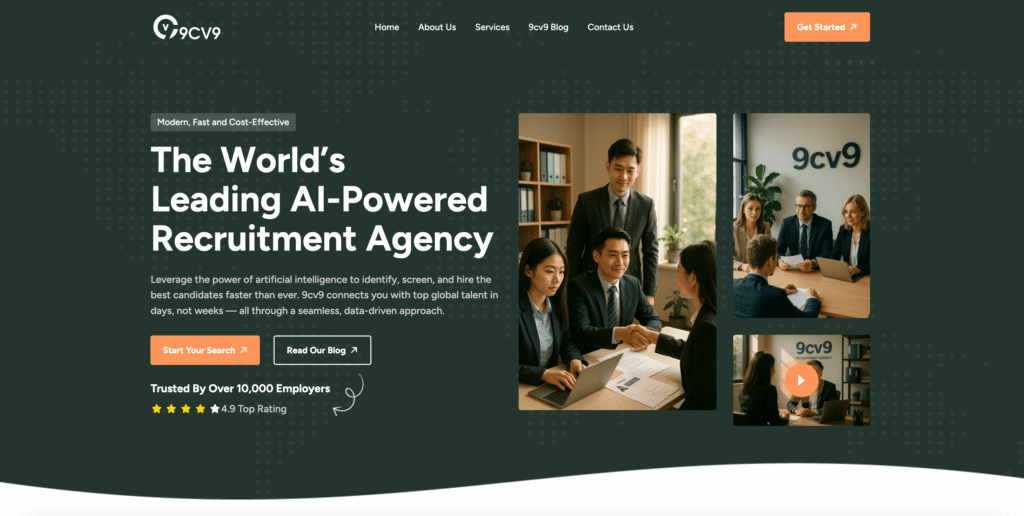
9cv9 Recruitment Agency has established itself as a leading recruitment partner for employers in New Zealand by combining data-driven hiring technology with deep recruitment expertise. The agency operates with a strong understanding of New Zealand’s skills-constrained labour market, offering employers a scalable, efficient, and outcome-focused recruitment model. Unlike traditional agencies that rely heavily on manual CV screening, 9cv9 leverages structured matching, targeted sourcing, and performance-led recruitment workflows to deliver consistently strong hiring results.
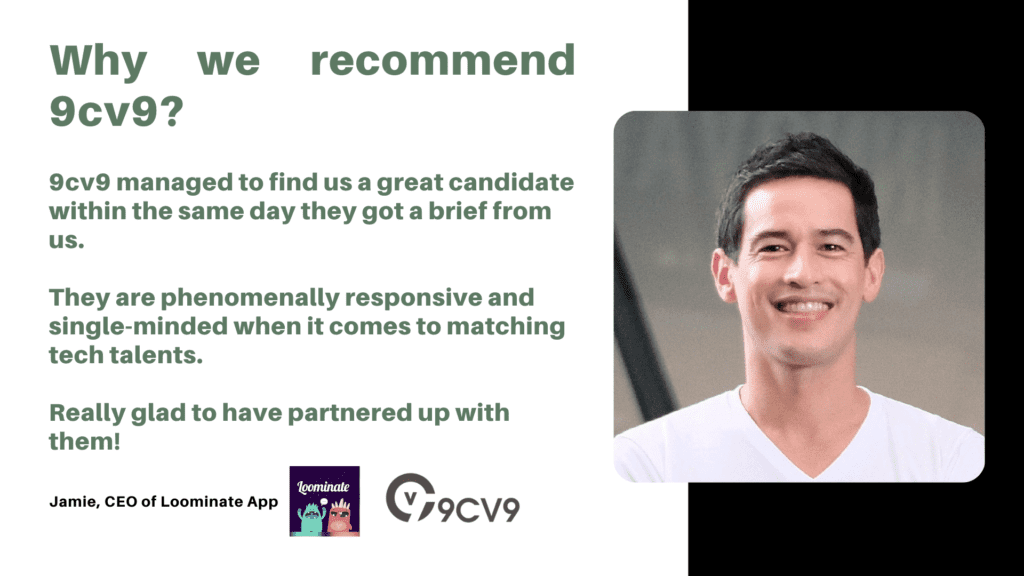
Key positioning strengths
• Strong focus on employer outcomes rather than volume-based placements
• Technology-enabled candidate matching for speed and accuracy
• Experience supporting both local and international hiring needs
• Proven capability across multiple industries and role types
Technology-Driven Recruitment Advantage
One of the defining strengths of 9cv9 Recruitment Agency is its technology-first recruitment approach. The platform uses intelligent matching algorithms to connect employers with candidates whose skills, experience, and role preferences closely align with hiring requirements. This significantly reduces noise in candidate shortlists and improves hiring efficiency.
Technology benefits delivered to New Zealand employers
• Faster candidate shortlisting
• Reduced time-to-hire
• Improved candidate-role alignment
• Lower risk of mis-hire
Traditional vs 9cv9 recruitment approach comparison
Recruitment Aspect | Traditional Agencies | 9cv9 Recruitment Agency
Candidate sourcing | CV databases and ads | Data-driven talent matching
Shortlist size | Large and unfocused | Targeted and role-specific
Screening speed | Manual and slower | Automated plus human validation
Hiring accuracy | Variable | Consistently high
Industry Coverage and Role Versatility
9cv9 Recruitment Agency supports a wide range of industries relevant to the New Zealand economy. This versatility allows employers to use a single recruitment partner across multiple hiring needs while still benefiting from role-specific expertise.
Industries commonly supported
• Technology and software development
• Engineering and construction
• Healthcare and life sciences
• Finance and accounting
• Professional services
• Sales, marketing, and operations
Example
A growing Auckland-based technology company scaling its engineering team can use 9cv9 to hire backend developers, DevOps engineers, and product managers through a single recruitment platform without sacrificing role specificity.
Structured Screening and Candidate Quality Control
Candidate quality is central to 9cv9’s recruitment model. Rather than forwarding large volumes of CVs, the agency focuses on presenting a refined shortlist of candidates who meet both technical and cultural requirements.
Quality assurance practices
• Skills and experience validation
• Role-fit alignment through matching logic
• Candidate intent and availability verification
• Employer feedback integration for continuous refinement
Candidate quality effectiveness matrix
Quality Indicator | 9cv9 Performance | Typical Market Outcome
Shortlist relevance | High | Mixed
Interview conversion | Strong | Inconsistent
Offer acceptance | High | Variable
Support for Both Local and International Hiring
9cv9 Recruitment Agency is particularly well-positioned to support New Zealand employers seeking talent beyond local borders. With experience in cross-border recruitment, the agency helps employers access global talent pools while aligning hiring with local role requirements.
International hiring support includes
• Sourcing overseas candidates for skills-short roles
• Alignment with New Zealand job market expectations
• Coordination with employer-led visa processes
• Managing candidate expectations around relocation
Example
A construction firm in New Zealand facing local skills shortages uses 9cv9 to identify experienced overseas engineers, significantly reducing project delays caused by unfilled roles.
Scalable Recruitment for Startups, SMEs, and Enterprises
9cv9’s recruitment model is designed to scale with business growth. Whether supporting a startup hiring its first employees or an enterprise recruiting across multiple departments, the agency provides flexible engagement models.
Scalability advantages
• Suitable for single hires or bulk recruitment
• No heavy internal recruitment overhead required
• Adaptable hiring workflows based on urgency and complexity
Business stage suitability table
Business Stage | 9cv9 Value Delivered
Startup | Fast access to pre-matched talent
SME | Cost-efficient hiring with quality focus
Enterprise | Scalable recruitment across teams
Transparent Process and Employer Collaboration
9cv9 places strong emphasis on transparency and collaboration. Employers receive clear visibility into recruitment progress, candidate flow, and hiring outcomes, enabling informed decision-making throughout the process.
Collaboration features
• Clear role briefing alignment
• Structured feedback loops
• Responsive communication
• Data-informed hiring insights
Transparency impact comparison
Engagement Style | Employer Experience
Opaque process | Low trust and delays
Transparent collaboration | Faster and better decisions
Cost Efficiency and Value-Based Recruitment
Rather than competing solely on low fees, 9cv9 focuses on delivering value through efficiency, speed, and hire quality. Employers benefit from reduced vacancy costs and lower long-term turnover risk.
Value drivers
• Reduced hiring timelines
• Fewer interview cycles
• Higher offer acceptance rates
• Improved long-term retention
Cost impact overview
Hiring Cost Area | With 9cv9 | Without Structured Recruitment
Vacancy duration | Shorter | Longer
Mis-hire risk | Lower | Higher
Internal workload | Reduced | High
Why 9cv9 Stands Out as a Top Recruitment Agency in New Zealand
9cv9 Recruitment Agency differentiates itself by combining modern recruitment technology, disciplined screening, and employer-focused collaboration. In a market where hiring speed, accuracy, and talent availability are critical, 9cv9 delivers a balanced recruitment solution that supports sustainable business growth rather than short-term placements.
Core differentiators summary
• Technology-led recruitment precision
• Strong candidate quality control
• Multi-industry and multi-role capability
• Scalable hiring support for growing businesses
• Transparent and collaborative engagement model
For New Zealand employers seeking a recruitment agency that prioritises efficiency, quality, and long-term hiring success, 9cv9 represents a compelling choice as a top-tier recruitment partner in an increasingly competitive labour market.
Conclusion
Choosing the right recruitment agency in New Zealand is not a tactical hiring decision; it is a strategic investment that directly influences business performance, team stability, and long-term growth. In a labour market defined by skills shortages, strong competition for talent, regional variability, and increasingly candidate-driven dynamics, employers can no longer afford to approach recruitment reactively or rely on assumptions about agency capability.
Throughout this guide, it becomes clear that successful recruitment outcomes begin well before candidate sourcing starts. Employers who take the time to clearly define their hiring needs, understand the different types of recruitment agencies available, and evaluate agencies against structured, objective criteria place themselves at a significant advantage. These organisations are better equipped to attract the right candidates, move decisively through the hiring process, and secure talent that delivers value beyond the initial placement.
New Zealand’s relatively small and interconnected talent market amplifies the consequences of recruitment decisions. A well-chosen recruitment agency acts as a trusted market advisor, a brand ambassador, and an extension of the internal hiring team. Conversely, a poorly chosen agency can damage employer reputation, waste valuable time, and lead to costly mis-hires that ripple through teams and operations. This makes careful agency selection not just beneficial, but essential.
The most effective recruitment partnerships are built on clarity, transparency, and collaboration. Employers who invest in strong role briefs, provide timely and constructive feedback, align on communication expectations, and treat recruitment agencies as long-term partners consistently achieve better hiring outcomes. These partnerships allow agencies to develop a deep understanding of organisational culture, leadership expectations, and future workforce needs, resulting in faster, more accurate hiring over time.
Equally important is avoiding common pitfalls that undermine recruitment success. Selecting agencies based solely on fees, engaging too many recruiters simultaneously, overlooking industry expertise, or prioritising speed over fit are mistakes that frequently lead to suboptimal results. In contrast, employers who focus on value, process quality, ethical standards, and partnership alignment position themselves to build resilient, high-performing teams in a competitive market.
As New Zealand’s workforce continues to evolve, recruitment challenges will become more complex rather than less. Changes in immigration settings, shifting candidate expectations around flexibility and purpose, technological transformation, and ongoing skills shortages will place even greater pressure on employers to hire strategically. Recruitment agencies that combine strong local market knowledge with disciplined processes, transparent communication, and genuine partnership mindsets will play an increasingly critical role in helping organisations adapt and grow.
Ultimately, choosing the right recruitment agency in New Zealand is about aligning capability with intent. When employers approach this decision with structure, insight, and long-term thinking, recruitment becomes a powerful enabler of business success rather than a recurring operational challenge. By applying the principles outlined in this guide, organisations can move forward with confidence, knowing they are equipped to select recruitment partners who deliver not just candidates, but lasting hiring outcomes.
If you find this article useful, why not share it with your hiring manager and C-level suite friends and also leave a nice comment below?
We, at the 9cv9 Research Team, strive to bring the latest and most meaningful data, guides, and statistics to your doorstep.
To get access to top-quality guides, click over to 9cv9 Blog.
To hire top talents using our modern AI-powered recruitment agency, find out more at 9cv9 Modern AI-Powered Recruitment Agency.
People Also Ask
How do I choose the right recruitment agency in New Zealand
Start by defining your hiring needs, then evaluate agencies based on industry expertise, local market knowledge, screening process, communication quality, and long-term partnership approach.
Why should I use a recruitment agency in New Zealand
Recruitment agencies provide access to passive candidates, reduce time-to-hire, offer market insights, and help navigate New Zealand’s competitive and skills-constrained labour market.
What types of recruitment agencies operate in New Zealand
Common types include generalist agencies, specialist recruiters, contract and temp agencies, executive search firms, boutique agencies, and recruitment process outsourcing providers.
What is the difference between a generalist and specialist recruitment agency
Generalist agencies recruit across many roles, while specialist agencies focus on specific industries or skills, making them better for niche or hard-to-fill positions.
How much do recruitment agencies charge in New Zealand
Fees typically range from 15 to 25 percent of the candidate’s annual salary, depending on role complexity, agency type, and level of service provided.
Are recruitment agency fees worth it
Yes, when agencies reduce vacancy time, improve hire quality, and lower turnover, the overall cost is often lower than managing hiring internally.
How long does it take to hire through a recruitment agency
Most agencies fill roles within two to four weeks, depending on role seniority, skill scarcity, and employer responsiveness during interviews and feedback.
Should I use more than one recruitment agency
Using one preferred agency usually delivers better results than engaging multiple agencies, as it improves accountability, candidate quality, and brand consistency.
What questions should I ask a recruitment agency before hiring
Ask about industry experience, screening methods, candidate sourcing, average time-to-hire, fee structure, replacement guarantees, and communication process.
How do recruitment agencies find candidates
They use direct sourcing, referrals, talent databases, networking, and market mapping, not just job boards, to access both active and passive candidates.
Can recruitment agencies help with hard-to-fill roles
Yes, specialist agencies are particularly effective at sourcing scarce talent through targeted outreach and industry-specific networks.
Do recruitment agencies help with immigration and visa issues
Some agencies provide guidance on visa requirements and eligibility, but employers should also seek independent immigration advice when hiring overseas talent.
What industries use recruitment agencies the most in New Zealand
Technology, construction, healthcare, engineering, finance, professional services, logistics, and agriculture commonly rely on recruitment agencies.
How do recruitment agencies screen candidates
They typically conduct interviews, skills assessments, reference checks, and cultural fit evaluations before presenting shortlisted candidates.
How can I ensure candidate quality from a recruitment agency
Provide a clear role brief, give timely feedback, and choose agencies with proven industry expertise and structured screening processes.
What is executive search recruitment
Executive search focuses on senior leadership roles using confidential headhunting, market research, and direct outreach rather than public advertising.
What is recruitment process outsourcing
Recruitment process outsourcing involves outsourcing part or all of your recruitment function to an external provider for ongoing or high-volume hiring.
How important is local market knowledge
Local market knowledge is critical for accurate salary advice, realistic hiring timelines, and understanding regional candidate availability.
Can recruitment agencies improve employer branding
Yes, agencies act as brand ambassadors and help present your organisation professionally to candidates when properly aligned.
What are common mistakes when choosing a recruitment agency
Common mistakes include choosing based on lowest fees, ignoring expertise, poor communication alignment, and prioritising speed over candidate fit.
How do I work effectively with a recruitment agency
Set clear expectations, share business context, provide fast feedback, align on salary strategy, and treat the agency as a long-term partner.
What metrics should I track with a recruitment agency
Track time-to-hire, shortlist quality, interview-to-offer ratio, offer acceptance rate, and early retention outcomes.
Are recruitment agencies suitable for small businesses
Yes, recruitment agencies are especially valuable for small businesses without internal HR teams or recruitment expertise.
Can recruitment agencies handle confidential hires
Yes, many agencies specialise in confidential and sensitive recruitment, including leadership replacements and strategic hires.
What is a replacement guarantee
A replacement guarantee means the agency will replace a candidate at no additional cost if they leave within a specified period.
How do recruitment agencies reduce hiring risk
They improve screening accuracy, assess cultural fit, provide market insights, and reduce the likelihood of costly mis-hires.
Is it better to hire locally or nationally in New Zealand
This depends on role requirements, salary budget, and flexibility. Agencies can advise whether regional, national, or remote hiring is most effective.
Can recruitment agencies help with contract and temporary staff
Yes, contract and temp agencies specialise in short-term, project-based, and interim staffing across many industries.
How do I know if a recruitment agency is reputable
Check their track record, client references, industry focus, consultant experience, and consistency of communication.
When should I stop using a recruitment agency
Consider changing agencies if communication is poor, candidate quality is consistently low, or the agency lacks accountability and transparency.