





























Key Takeaways
- Vietnam salaries in 2026 are rising at 7.1%, with strongest growth in tech, finance, and green energy sectors driven by skill shortages.
- Major cities like Ho Chi Minh City and Hanoi offer 35–45% higher salaries than rural areas, reflecting cost of living and industry concentration.
- Total compensation now includes bonuses, benefits, and tax advantages, making skills, experience, and certifications key to higher income.
Vietnam’s labor market in 2026 stands at a pivotal moment of transformation, driven by rapid economic growth, digital innovation, and deeper integration into the global economy. Over the past decade, the country has evolved from a low-cost manufacturing hub into a dynamic, multi-sector economy where technology, finance, services, and advanced manufacturing play increasingly important roles. This shift has fundamentally reshaped salary structures, workforce expectations, and employer strategies across the nation.

For businesses, investors, and professionals alike, understanding salary trends in Vietnam is no longer a simple matter of comparing wages. Compensation in 2026 is influenced by a complex combination of factors, including industry demand, geographic location, skill specialization, regulatory changes, and macroeconomic conditions. As wages continue to rise while remaining competitive within Southeast Asia, Vietnam presents a unique balance between affordability and talent quality that continues to attract both domestic and international employers.
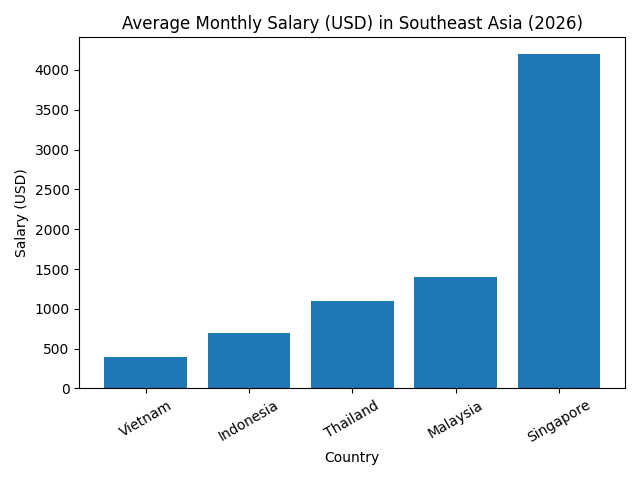
One of the defining characteristics of Vietnam’s salary environment is its rapid growth trajectory. With projected salary increases leading the region, the country is experiencing a steady rise in income levels across most industries. However, this growth is not uniform. High-demand sectors such as information technology, artificial intelligence, financial services, and renewable energy are seeing significantly faster wage increases compared to traditional industries. At the same time, emerging fields such as ESG compliance, digital marketing, and semiconductor engineering are creating entirely new salary benchmarks that did not exist just a few years ago.
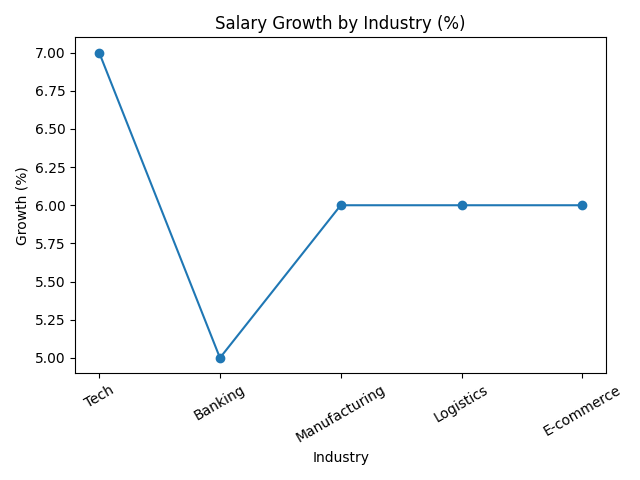
Geography also plays a crucial role in shaping compensation. Major economic centers such as Ho Chi Minh City and Hanoi continue to command the highest salaries due to their concentration of multinational corporations, financial institutions, and technology companies. Meanwhile, industrial provinces and rural regions offer lower wage levels but remain essential to the country’s production and supply chain ecosystem. This regional disparity highlights the importance of location in both career planning and workforce strategy.
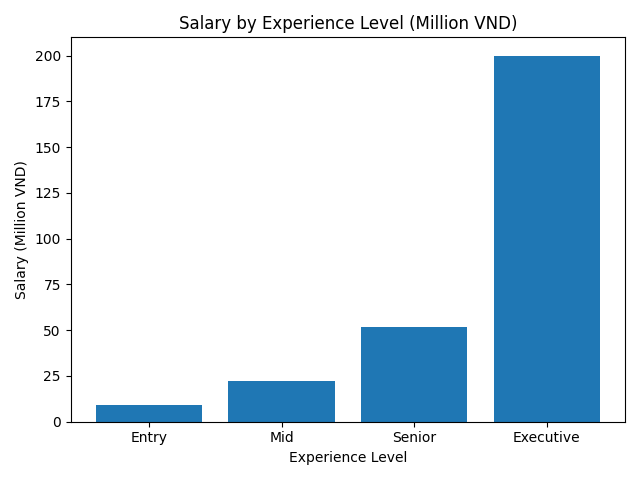
In parallel, Vietnam’s regulatory environment has introduced important changes that directly impact employee earnings. Adjustments to minimum wage policies, updates to personal income tax thresholds, and evolving labor compliance requirements are all shaping how salaries are structured and distributed. These reforms are designed to protect workers’ purchasing power while ensuring that businesses can continue to operate competitively in a fast-changing economic landscape.
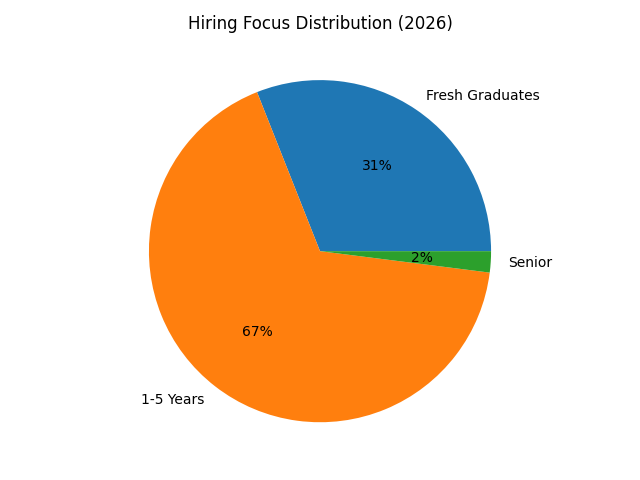
Another major shift in 2026 is the growing emphasis on total compensation rather than base salary alone. Bonuses, performance incentives, wellness benefits, flexible working arrangements, and career development opportunities are now integral components of employee value propositions. The traditional 13th-month salary remains a key feature of compensation, but it is increasingly supplemented by KPI-based bonuses and non-monetary benefits that reflect changing workforce expectations.
At the same time, the role of education, skills, and experience in determining salary has become more pronounced. Employers are placing higher value on technical expertise, analytical thinking, and language proficiency, particularly English and other foreign languages. Professionals who invest in continuous learning, acquire specialized certifications, and develop high-demand skills are significantly better positioned to access higher-paying opportunities.
Vietnam’s workforce itself is also evolving. With a young and highly mobile labor pool, employees are more willing than ever to change jobs in pursuit of better compensation and career growth. This has created a candidate-driven market in many sectors, where companies must compete aggressively to attract and retain top talent.
Against this backdrop, this comprehensive guide to salaries in Vietnam for 2026 provides an in-depth analysis of the country’s compensation landscape. It explores salary benchmarks across industries, regions, and experience levels, while also examining key trends such as wage growth, bonus structures, tax reforms, and emerging high-paying sectors. Additionally, it offers insights into workforce behavior, hiring strategies, and the broader economic forces shaping the future of work in Vietnam.
Whether the reader is an employer planning workforce expansion, a professional evaluating career opportunities, or an investor seeking to understand labor cost dynamics, this guide offers a detailed and data-driven perspective on one of Southeast Asia’s most dynamic salary markets.
Before we venture further into this article, we would like to share who we are and what we do.
About 9cv9
9cv9 is a business tech startup based in Singapore and Asia, with a strong presence all over the world.
With over nine years of startup and business experience, and being highly involved in connecting with thousands of companies and startups, the 9cv9 team has listed some important learning points in this overview of A Complete Guide to Salaries in Vietnam for 2026.
If your company needs recruitment and headhunting services to hire top-quality employees, you can use 9cv9 headhunting and recruitment services to hire top talents and candidates. Find out more here, or send over an email to hello@9cv9.com.
Or just post 1 free job posting here at 9cv9 Hiring Portal in under 10 minutes.
A Complete Guide to Salaries in Vietnam for 2026
- The Macroeconomic Foundation and Demographic Dividend
- Regulatory Evolution: Decree 293 and the 2026 Minimum Wage Reform
- Personal Income Tax (PIT) and the Net-Income Shift
- Comparative Analysis of National and Regional Salaries
- Industry-Specific Compensation Trends: The Digital Frontier
- Banking and Financial Services (BFSI): The Premium for Certification
- Industrial Manufacturing and Semiconductors: The Automation Shift
- The Service Economy: Logistics, Retail, and Consumer Goods
- Specialized Growth: ESG, Renewable Energy, and Healthcare
- Salary by Seniority and Experience Level: The Value of Tenure
- Total Rewards, Bonuses, and Employee Satisfaction
- Education and Skill Impact on Earning Potential
- Vietnam in the Southeast Asian Context
1. The Macroeconomic Foundation and Demographic Dividend
Vietnam’s salary environment in 2026 cannot be understood without first examining the macroeconomic conditions and demographic dynamics that define the country’s labor market. These structural foundations play a central role in determining compensation levels, workforce mobility, and employer competitiveness. Analysts studying Vietnam’s employment trends consistently point to the country’s demographic profile and stable economic performance as two of the most important drivers influencing wage growth and hiring strategies across industries.
The labor market narrative in 2026 is strongly shaped by what economists often describe as Vietnam’s “golden population structure.” A significant portion of the population is currently in the working-age bracket, creating a powerful demographic advantage that supports long-term economic growth. Out of an estimated national population of approximately 101.3 million people, nearly 67.8 percent fall within the working-age range. This demographic distribution provides a strong labor supply that allows Vietnam to maintain its attractiveness as a regional business destination even as wages gradually increase.
From a labor supply perspective, the size and participation of the workforce remain one of the most critical indicators of economic health. By the first quarter of 2026, total employment levels have reached approximately 53 million individuals. This milestone reflects the steady expansion of Vietnam’s economy and the continued absorption of workers across manufacturing, services, technology, logistics, and emerging digital sectors.
However, the discussion around Vietnam’s workforce has gradually evolved beyond simple workforce size. Policymakers, investors, and multinational employers are increasingly focusing on the quality of labor rather than purely the quantity. Over the past several years, improvements in workforce education, vocational training, and technological adoption have contributed to rising productivity levels. As a result, the productivity index for Vietnamese workers has steadily improved.
Although Vietnam has made measurable progress, productivity comparisons with neighboring economies reveal a nuanced picture. Countries such as Thailand and the Philippines have historically maintained stronger productivity performance in certain sectors, but Vietnam has been steadily narrowing that gap. Nevertheless, high-output economies like China and Malaysia still maintain a noticeable productivity advantage due to deeper industrial maturity and higher capital investment per worker.
Demographic and Workforce Structure in Vietnam (2026)
| Indicator | Value / Estimate | Interpretation for Labor Market |
|---|---|---|
| Total Population | 101.3 Million | Large consumer and labor base |
| Working Age Population Share | 67.8% | Strong demographic dividend |
| Total Employed Workforce | ~53 Million | Expanding employment capacity |
| Labor Force Participation Rate | 68.7% | High workforce engagement |
| Urban Workforce Growth | Increasing annually | Shift toward service and tech sectors |
| Youth Labor Participation | Strong presence | Sustained future workforce pipeline |
Labor Market Resilience and Employment Stability
One of the most notable characteristics of Vietnam’s labor market in 2026 is its resilience. Despite global economic uncertainties and shifting supply chains, the country continues to maintain one of the lowest unemployment rates in Southeast Asia. The national unemployment rate currently stands at approximately 2.22 percent, indicating a strong demand for labor across multiple industries.
At the same time, the issue of underemployment remains relatively modest compared to many emerging economies. Approximately 784,000 workers are categorized as underemployed, meaning they are either working fewer hours than desired or employed in positions that do not fully utilize their skills. While this number represents a structural inefficiency within the labor market, it remains significantly lower than comparable levels observed in neighboring countries.
When comparing Vietnam’s employment stability with regional peers, the difference becomes even more apparent. Indonesia and Malaysia, for example, report unemployment rates of around 3.3 percent and 3.8 percent respectively. Although these figures are still relatively healthy, Vietnam’s lower unemployment level signals a labor market where demand for talent often exceeds supply in several skilled professions.
This dynamic creates two distinct outcomes within the employment ecosystem. For job seekers, the environment is generally favorable, offering more opportunities for career mobility and salary progression. For employers, however, the market can become increasingly competitive, particularly when attempting to recruit specialized professionals in sectors such as technology, engineering, finance, and advanced manufacturing.
Comparative Regional Labor Market Indicators
| Country | Unemployment Rate | Labor Market Characteristics |
|---|---|---|
| Vietnam | 2.22% | Strong demand for skilled labor |
| Indonesia | 3.3% | Large workforce but uneven sector growth |
| Malaysia | 3.8% | Mature labor market with higher wage levels |
| Philippines | ~4.0% | Growing services and outsourcing sector |
| Thailand | ~1.3% | Aging population and tight labor supply |
Inflation Control and Real Wage Growth
Another critical factor influencing salaries in Vietnam is the stability of macroeconomic indicators such as inflation. Wage growth alone does not fully determine the real purchasing power of workers. Instead, real income growth is influenced by the balance between salary increases and inflation levels.
Vietnam’s inflation outlook for 2026 is projected to remain within the range of 3.5 percent to 4.0 percent. This controlled inflation environment is widely considered supportive of sustainable wage growth. When salary increases outpace inflation, workers experience real income gains, which in turn stimulates domestic consumption and supports overall economic growth.
In recent years, average monthly wage growth across various sectors has ranged between 6 percent and 10 percent. This range suggests that most employees are experiencing real salary improvements, even after adjusting for inflation. As companies continue to compete for skilled talent, salary increments, performance bonuses, and benefits packages have become increasingly important tools for employee retention.
Key Macroeconomic Indicators Influencing Salaries in Vietnam (2026)
| Economic Indicator | Forecast / Value | Impact on Salary Environment |
|---|---|---|
| GDP Growth Target | 6.2% – 6.3% | Sustained economic expansion |
| National Inflation Rate (CPI) | 3.5% – 4.0% | Controlled cost of living |
| Total Working Population | ~53 Million | Large labor supply |
| Unemployment Rate | 2.22% | Tight labor market |
| Labor Force Participation | 68.7% | Strong workforce engagement |
| Average Wage Growth | 6% – 10% | Positive real income growth |
Workforce Sentiment and Talent Mobility
Economic stability and a dynamic labor market have significantly influenced the mindset of professionals working in Vietnam. Surveys conducted among employees across various industries suggest that workforce confidence remains high. More than 76 percent of professionals report feeling optimistic about employment opportunities within their respective sectors.
This optimism is closely linked to the increasing mobility of the Vietnamese workforce. Employees today are more aware of their market value and more willing to pursue new opportunities that offer stronger compensation or career advancement. As a result, job switching has become one of the most common methods for achieving substantial salary increases.
Approximately 35 percent of professionals indicate that they would request a salary increase exceeding 25 percent when transitioning to a new employer. This behavior reflects a broader shift toward a candidate-driven labor market in which skilled employees possess greater negotiating power.
Employee Mobility and Salary Expectations in Vietnam
| Workforce Behavior Indicator | Observed Trend |
|---|---|
| Professionals optimistic about job prospects | 76% |
| Employees open to changing jobs | Increasing annually |
| Typical salary increase when switching jobs | 15% – 35% |
| Professionals requesting >25% raise when moving roles | ~35% |
| Key drivers of job change | Salary, career growth, work environment |
Implications for Employers and HR Strategy
The combination of demographic advantage, stable economic growth, and rising workforce expectations is reshaping compensation strategies in Vietnam. Employers must now navigate a labor market that offers a large workforce but increasingly competitive conditions for skilled professionals.
Organizations seeking to attract and retain top talent are increasingly focusing on a holistic compensation approach that goes beyond base salary. Competitive benefits, flexible working arrangements, career development opportunities, and performance-based incentives are becoming critical differentiators in recruitment and retention strategies.
As Vietnam moves deeper into its demographic dividend period, companies operating in the country will likely continue facing upward pressure on wages, particularly in sectors experiencing strong foreign investment and technological transformation. Understanding the macroeconomic and demographic forces behind these trends is therefore essential for any organization seeking to build sustainable workforce strategies in Vietnam’s evolving labor market.
2. Regulatory Evolution: Decree 293 and the 2026 Minimum Wage Reform
Vietnam’s compensation environment in 2026 is strongly influenced by regulatory developments designed to maintain wage fairness, social stability, and sustainable economic growth. Among the most significant policy changes shaping the salary landscape is the implementation of Government Decree No. 293/2025/ND-CP. This regulation represents a major adjustment to the country’s wage framework and directly affects millions of employees across different sectors and geographic regions.
The decree officially came into force on January 1, 2026, replacing the earlier Decree No. 74/2024/ND-CP. The updated regulation introduces a nationwide adjustment to the minimum wage structure, resulting in an average increase of approximately 7.2 percent across the four regional wage zones. This policy decision was recommended by the National Wage Council after evaluating macroeconomic conditions, living costs, and labor market dynamics throughout the country.
The objective of the reform is to ensure that the minimum income level for workers remains aligned with the evolving cost of living. Rapid urbanization, rising housing expenses, increasing utility costs, and higher prices for essential consumer goods have placed pressure on lower-income workers in major cities and industrial areas. By adjusting the minimum wage, the government aims to preserve purchasing power and maintain a baseline standard of living for employees in both urban and rural environments.
Structure of Vietnam’s Regional Minimum Wage System
Vietnam uses a four-tiered regional wage framework to reflect differences in economic development, labor demand, and living costs across provinces and municipalities. This structure ensures that minimum wages are proportionate to local economic conditions rather than applying a single national wage floor.
Region I includes Vietnam’s most economically advanced and highly urbanized centers. Major metropolitan areas such as Hanoi, Ho Chi Minh City, Hai Phong, and Da Nang fall under this category, where living expenses and average wages are significantly higher than the national average.
Region II typically includes emerging industrial provinces and secondary cities that are experiencing rapid economic expansion but still maintain lower living costs compared to the largest urban centers.
Region III represents semi-industrialized areas and developing provinces with moderate economic activity and lower average wage levels.
Region IV covers predominantly rural and less industrialized areas where living costs remain comparatively lower and economic activity is more limited.
Regional Minimum Wage Framework in Vietnam (Effective 2026)
| Region Classification | Monthly Minimum Wage (VND) | Hourly Minimum Wage (VND) | Absolute Increase (VND) |
|---|---|---|---|
| Region I | 5,310,000 | 25,500 | +350,000 |
| Region II | 4,730,000 | 22,700 | +320,000 |
| Region III | 4,140,000 | 20,000 | +280,000 |
| Region IV | 3,700,000 | 17,800 | +250,000 |
The introduction of these revised wage thresholds has immediate implications for employers operating in Vietnam. While the increase aims to improve worker welfare, it also contributes to adjustments in the broader cost structure of businesses, particularly in sectors that rely heavily on manual labor.
Cost Implications for Labor-Intensive Industries
Industries such as textiles, garment manufacturing, footwear production, and assembly-based manufacturing are particularly sensitive to changes in minimum wage policies. These sectors typically employ large workforces with compensation structures closely tied to the statutory wage floor.
Economic projections indicate that the 7.2 percent minimum wage increase will raise average production costs by approximately 1.1 percent to 1.2 percent for many labor-intensive manufacturers. Although the base salary increase is a primary driver of this change, other statutory contributions linked to wage levels also contribute to the overall cost escalation.
These additional expenses arise because several social security obligations in Vietnam are calculated based on multiples of either the statutory pay rate or the regional minimum wage. When minimum wage levels increase, the caps for certain insurance contributions also rise, thereby increasing the overall employment cost borne by employers.
Mandatory Social Insurance Framework in Vietnam
Vietnam operates a comprehensive social protection system that requires both employees and employers to contribute to multiple forms of insurance. These contributions support national programs that provide retirement benefits, healthcare coverage, unemployment protection, and labor union activities.
As of 2026, the statutory pay rate remains set at 2,340,000 VND, a benchmark originally established in July 2024. This statutory figure plays a critical role in determining contribution limits for several insurance programs.
The maximum salary subject to Social Insurance (SI), Health Insurance (HI), and Trade Union contributions is capped at 20 times the statutory pay rate. Based on the current statutory value, this results in a maximum capped salary base of 46,800,000 VND.
However, Unemployment Insurance (UI) follows a different calculation method. Instead of being tied to the statutory pay rate, the contribution cap for UI is based on 20 times the regional minimum wage. Because Region I has the highest minimum wage level, the UI cap in these major cities reaches significantly higher thresholds than the other insurance categories.
Statutory Insurance Contribution Structure in Vietnam (2026)
| Insurance Type | Employee Contribution | Employer Contribution | Contribution Cap (Region I VND) |
|---|---|---|---|
| Social Insurance (SI) | 8.0% | 17.5% | 46,800,000 |
| Health Insurance (HI) | 1.5% | 3.0% | 46,800,000 |
| Unemployment Insurance (UI) | 1.0% | 1.0% | 106,200,000 |
| Trade Union Fee | — | 2.0% | 46,800,000 |
Employer Cost Composition for High-Salary Employees
The existence of multiple contribution caps means that the total employment cost of highly compensated employees can exceed the stated gross salary by a considerable margin. For companies operating in Region I, particularly those hiring professionals in technology, finance, engineering, or executive roles, the employer’s statutory obligations represent a significant component of overall payroll expenses.
Total Employment Cost Breakdown Example (Region I)
| Salary Component | Example Value (VND) |
|---|---|
| Gross Monthly Salary | 50,000,000 |
| Employer Social Insurance (17.5%) | 8,190,000 (capped) |
| Employer Health Insurance (3%) | 1,404,000 (capped) |
| Employer Unemployment Insurance (1%) | 500,000 |
| Trade Union Contribution (2%) | 936,000 (capped) |
| Estimated Total Employer Cost | 61,030,000 |
This structure demonstrates how statutory contributions significantly influence the real cost of employment, particularly for high-skilled workers whose salaries approach or exceed insurance contribution caps.
Digitalization of Labor Compliance and the Introduction of Electronic Contracts
In addition to wage and insurance reforms, Vietnam is also modernizing its labor administration framework. Beginning in July 2026, companies will be required to implement centralized electronic labor contract systems under the provisions of Decree 337.
This new regulatory requirement aims to enhance transparency, improve regulatory oversight, and streamline labor administration processes across both domestic enterprises and foreign-invested companies. Electronic contract registration will allow government agencies to maintain standardized records of employment agreements, salary structures, and contractual obligations.
For human resources departments, this digital transition introduces new administrative requirements and compliance procedures. Organizations must ensure that employment contracts are properly digitized, stored, and submitted through approved electronic systems while remaining compliant with Vietnam’s labor law standards.
Although the transition may initially increase administrative workload, the long-term objective is to create a more efficient labor management ecosystem that reduces disputes, enhances worker protection, and improves regulatory monitoring.
Regulatory Developments Affecting Payroll and HR Compliance
| Regulatory Area | 2026 Development |
|---|---|
| Minimum Wage Policy | 7.2% regional increase under Decree 293 |
| Social Insurance Caps | Linked to statutory pay rate |
| Unemployment Insurance Cap | Linked to regional minimum wage |
| Payroll Cost Impact | Increased employer contribution obligations |
| Labor Contract Administration | Mandatory electronic contract system starting July 2026 |
| HR Compliance Requirements | Greater digital reporting and documentation |
Strategic Implications for Employers Operating in Vietnam
The regulatory updates introduced in 2026 reflect Vietnam’s broader policy direction of balancing economic competitiveness with worker welfare. While wage adjustments and stronger labor protections enhance the quality of life for employees, they also encourage businesses to improve productivity, invest in workforce development, and optimize operational efficiency.
For employers, understanding the interaction between minimum wage policies, insurance contribution structures, and regulatory compliance requirements is essential for effective workforce planning. Organizations that proactively adapt to these regulatory changes will be better positioned to manage labor costs, maintain compliance, and remain competitive in Vietnam’s evolving employment landscape.
3. Personal Income Tax (PIT) and the Net-Income Shift
An important development influencing employee compensation in Vietnam during 2026 is the reform of the Personal Income Tax (PIT) framework. While wage growth across multiple industries has accelerated in recent years, policymakers recognized that rising nominal salaries alone do not necessarily translate into improved financial well-being for workers. Without corresponding tax adjustments, progressive taxation can gradually reduce disposable income as more employees move into higher tax brackets.
To address this challenge, the Vietnamese government implemented significant amendments to the Personal Income Tax Law beginning in January 2026. These changes were formalized through Resolution No. 110/2025/UBTVQH15 and were designed to protect the purchasing power of workers, particularly the growing middle class.
The reform primarily focuses on increasing the tax-exempt income thresholds available to taxpayers and their dependents. By raising these deduction levels, the government aims to ensure that salary increases are reflected in higher net income rather than being disproportionately absorbed by tax liabilities.
Rationale Behind the Personal Income Tax Adjustment
Vietnam’s decision to revise its tax deductions reflects broader economic trends observed in the domestic economy. Household income surveys conducted in 2025 revealed that approximately 31.3 percent of households reported an increase in income during the year, while roughly 65 percent experienced relatively stable earnings. Only a small proportion of households reported declining income levels.
These findings suggest that the country is experiencing gradual income expansion across multiple segments of the population. However, when income growth occurs within a progressive tax system, workers may enter higher tax brackets without experiencing a proportional improvement in their disposable income.
By expanding the tax deduction thresholds, the government aims to offset this effect and ensure that wage growth translates into real improvements in living standards.
Household Income Trends Prior to the 2026 PIT Reform
| Household Income Trend Category | Percentage of Households | Economic Interpretation |
|---|---|---|
| Income Increased | 31.3% | Reflects wage growth and expanding economic activity |
| Income Remained Stable | 65.0% | Indicates steady but moderate financial conditions |
| Income Decreased | Small minority | Limited negative income impact nationwide |
Key Changes to Tax Deduction Thresholds
The most impactful component of the PIT reform involves increasing the standard personal deduction and the dependent deduction available to taxpayers.
Beginning in 2026, the monthly personal deduction for an individual taxpayer has been increased from 11 million VND to 15.5 million VND. This adjustment represents an increase of approximately 40.9 percent.
Similarly, the deduction applied for each registered dependent has increased from 4.4 million VND to 6.2 million VND per month. This measure significantly benefits families supporting children, elderly parents, or other dependents recognized under Vietnam’s tax regulations.
Comparison of Personal Income Tax Deduction Levels
| PIT Component | 2025 Monthly Level (VND) | 2026 Monthly Level (VND) | Percentage Increase |
|---|---|---|---|
| Personal Deduction | 11,000,000 | 15,500,000 | 40.9% |
| Dependent Deduction | 4,400,000 | 6,200,000 | 40.9% |
Impact of the Reform on Taxable Income
These higher deduction thresholds directly reduce the portion of income that is subject to personal income tax. As a result, many employees will see a reduction in their monthly tax obligations even if their gross salaries increase.
This policy shift is particularly beneficial for mid-level professionals whose earnings typically fall within the middle brackets of Vietnam’s progressive tax system. Prior to the reform, salary increases often pushed employees into higher tax brackets more quickly, reducing the practical benefit of wage growth.
By increasing deduction limits, the government effectively expands the tax-free portion of income. This helps employees retain a larger share of their earnings while still maintaining the progressive structure of the tax system.
Illustrative Impact of PIT Reform on Taxable Income
| Salary Scenario | Before Reform (2025) | After Reform (2026) |
|---|---|---|
| Gross Monthly Salary | 30,000,000 VND | 30,000,000 VND |
| Personal Deduction | 11,000,000 VND | 15,500,000 VND |
| Dependent Deduction (1 dependent) | 4,400,000 VND | 6,200,000 VND |
| Total Tax-Free Income | 15,400,000 VND | 21,700,000 VND |
| Taxable Income | 14,600,000 VND | 8,300,000 VND |
This example illustrates how the same gross salary can result in a significantly lower taxable base under the updated policy, allowing employees to retain more of their income.
Vietnam’s Progressive Personal Income Tax Structure
Vietnam applies a progressive tax system in which higher income levels are taxed at increasing marginal rates. While the PIT reform does not change the existing tax brackets, the higher deduction thresholds effectively delay the point at which taxpayers enter higher tax bands.
Vietnam Personal Income Tax Brackets
| Taxable Monthly Income (VND) | Tax Rate |
|---|---|
| Up to 5,000,000 | 5% |
| 5,000,001 – 10,000,000 | 10% |
| 10,000,001 – 18,000,000 | 15% |
| 18,000,001 – 32,000,000 | 20% |
| 32,000,001 – 52,000,000 | 25% |
| 52,000,001 – 80,000,000 | 30% |
| Above 80,000,000 | 35% |
Because the deduction thresholds have increased, a larger portion of income now falls outside the taxable range, which moderates the effect of progressive taxation on middle-income earners.
Sector-Level Implications of the PIT Reform
Industries experiencing rapid salary growth stand to benefit significantly from the updated tax framework. In sectors such as Information Technology, financial services, digital commerce, engineering, and advanced manufacturing, employees often receive frequent salary adjustments due to talent competition.
Average salary growth projections for 2026 range between 8 percent and 10 percent in many high-skill sectors. Without adjustments to the tax deduction thresholds, a large portion of these salary increases would have been offset by higher tax liabilities.
By raising the deduction limits, the government ensures that employees in these industries experience tangible improvements in their take-home pay rather than merely higher nominal earnings.
Sector Sensitivity to PIT Adjustments
| Industry Sector | Typical Salary Growth | Impact of PIT Reform |
|---|---|---|
| Information Technology | High (8%–12%) | Increased net income for skilled professionals |
| Financial Services | High (8%–10%) | Improved after-tax compensation |
| Manufacturing Management | Moderate (6%–9%) | Moderate tax relief |
| Retail and Services | Moderate (5%–7%) | Improved income stability |
| Entry-Level Roles | Low (4%–6%) | Smaller but still positive tax benefit |
Broader Economic Implications
The increase in PIT deductions also contributes to broader macroeconomic objectives. By allowing employees to retain a greater share of their earnings, the policy stimulates domestic consumption. Higher disposable income generally leads to increased spending on housing, education, healthcare, and consumer goods.
This consumption-driven growth supports the service sector and strengthens Vietnam’s internal economic demand, reducing reliance on export-driven growth alone.
For employers, the reform also plays an indirect role in salary negotiations. When employees receive higher net income due to tax adjustments, organizations may face slightly reduced pressure to raise gross salaries purely to compensate for tax burdens.
Overall, the 2026 Personal Income Tax reform represents a strategic effort by policymakers to align tax policy with evolving income patterns, ensuring that Vietnam’s wage growth translates into genuine improvements in living standards and financial security for the workforce.
4. Comparative Analysis of National and Regional Salaries
Understanding Vietnam’s compensation structure requires examining both national wage averages and regional salary variations. Although the country has experienced steady economic growth and rising wages in recent years, income levels differ significantly depending on industry, geographic location, and workforce segment. These differences create a multi-layered salary landscape where urban professionals, industrial workers, and rural laborers operate within very different income environments.
By 2026, Vietnam’s national average monthly salary is estimated to reach approximately 14.9 million VND, equivalent to roughly 600 USD. However, this figure primarily reflects earnings within the formal employment sector, which includes corporate roles, professional services, and skilled technical occupations.
When informal employment and agricultural labor are included in the calculation, the broader national wage average drops considerably. Across all sectors of the economy, including informal workers, seasonal labor, and rural employment, the nationwide average monthly income is estimated to range between 8.4 million and 8.7 million VND.
National Salary Benchmarks Across Employment Segments
| Employment Segment | Average Monthly Salary (VND) | Key Characteristics |
|---|---|---|
| Formal Corporate Sector | ~14,900,000 | Higher productivity and professional roles |
| Industrial and Manufacturing Sector | 8,500,000 – 12,000,000 | Large workforce base in export industries |
| Informal Sector Employment | 6,000,000 – 8,000,000 | Includes service and small business workers |
| Agricultural and Rural Labor | 5,000,000 – 7,000,000 | Lower productivity and seasonal income |
| Overall National Average (All Sectors) | 8,400,000 – 8,700,000 | Includes both formal and informal employment |
Regional Economic Centers and Salary Differentiation
Geography remains one of the most influential factors determining salary levels in Vietnam. The country’s largest metropolitan areas function as economic engines, hosting multinational corporations, financial institutions, technology firms, and high-value service industries. These sectors generate higher wages compared with regions dominated by agriculture or traditional manufacturing.
Ho Chi Minh City continues to lead the nation as the country’s primary commercial hub. The city’s role as a financial center, technology cluster, and international business gateway has resulted in the highest average incomes nationwide. Many multinational companies establish their regional headquarters or major operations in the city, driving strong demand for skilled professionals in management, finance, software development, and digital services.
Hanoi follows closely behind in terms of salary levels. As the political and administrative capital, Hanoi hosts numerous government agencies, foreign embassies, state-owned enterprises, and multinational corporate offices. In recent years, the city has also developed a growing financial services sector and technology ecosystem, contributing to steady wage growth.
Da Nang represents a different type of urban labor market. While salaries in the city are generally lower than those in Hanoi and Ho Chi Minh City, Da Nang has positioned itself as an emerging technology destination. Many technology companies view the city as a cost-effective alternative, offering skilled talent at significantly lower salary levels while maintaining a relatively high quality of life.
Regional Salary Benchmarks by Major Cities in Vietnam (2026)
| Geographic Location | Average Monthly Salary (VND) | Entry-Level Salary Range (VND) | Senior-Level Salary Range (VND) |
|---|---|---|---|
| Ho Chi Minh City | 10,000,000 – 10,500,000 | 12,000,000 – 25,000,000 | 35,000,000 – 70,000,000 |
| Hanoi | 9,800,000 – 10,200,000 | 10,000,000 – 20,000,000 | 30,000,000 – 60,000,000 |
| Da Nang | 8,000,000 – 8,500,000 | 8,000,000 – 15,000,000 | 25,000,000 – 45,000,000 |
| Binh Duong / Dong Nai | 8,500,000 – 9,500,000 | 7,500,000 – 12,000,000 | 20,000,000 – 40,000,000 |
| Rural Provinces | 5,000,000 – 7,200,000 | 5,000,000 – 8,000,000 | 10,000,000 – 20,000,000 |
Urban Versus Rural Salary Gap
One of the defining characteristics of Vietnam’s wage structure is the pronounced disparity between urban and rural income levels. Workers employed in major metropolitan centers typically earn between 35 percent and 45 percent more than their counterparts in rural provinces.
This gap is largely driven by the concentration of high-value industries in large cities. Finance, information technology, consulting services, digital commerce, and specialized professional services are predominantly located in urban economic clusters. These industries require highly skilled labor and offer compensation packages that exceed the national average.
In contrast, rural provinces rely more heavily on agriculture, small-scale manufacturing, and local services. These sectors typically generate lower productivity levels, which translates into lower wage structures.
Urban and Rural Income Comparison
| Location Category | Average Monthly Income (VND) | Dominant Economic Activities | Wage Premium |
|---|---|---|---|
| Major Cities | 9,800,000 – 10,500,000 | Finance, technology, services | Baseline |
| Industrial Provinces | 8,500,000 – 9,500,000 | Manufacturing, logistics | Slightly below urban centers |
| Rural Areas | 5,000,000 – 7,200,000 | Agriculture, local services | 35%–45% lower than cities |
Industrial Hubs as a Salary Middle Ground
Several provinces surrounding major cities serve as industrial manufacturing centers that occupy a middle position within the salary spectrum. Binh Duong and Dong Nai are among the most prominent examples.
These provinces host extensive industrial zones that attract both domestic and foreign investment. Global manufacturers operating in sectors such as electronics, automotive components, furniture, and textiles employ hundreds of thousands of workers in these areas.
Although these industrial regions provide higher wages than rural provinces, their average salaries remain lower than those of Ho Chi Minh City or Hanoi. This difference is largely due to the composition of the workforce. While technical specialists and engineers can command competitive salaries, the presence of large numbers of production workers lowers the overall regional average.
Industrial Hub Salary Characteristics
| Workforce Segment | Typical Monthly Salary (VND) | Market Drivers |
|---|---|---|
| Factory Production Workers | 7,500,000 – 10,000,000 | Labor-intensive manufacturing |
| Skilled Technicians | 12,000,000 – 18,000,000 | Industrial maintenance and automation |
| Engineers and Supervisors | 18,000,000 – 35,000,000 | Engineering expertise and leadership |
| Senior Plant Management | 35,000,000 – 60,000,000 | Strategic and operational oversight |
Cost of Living and the Urban Lifestyle Threshold
Salary expectations in Vietnam are closely tied to the cost of living in major cities. While wages in urban centers are higher, living expenses also rise significantly, particularly in housing and daily consumption costs.
Current economic estimates suggest that a professional living in Hanoi or Ho Chi Minh City requires a minimum monthly income of approximately 15 million VND to maintain a reasonably comfortable lifestyle. This estimate assumes moderate housing costs, standard daily expenses, and basic financial stability.
Monthly Cost of Living Estimate in Major Vietnamese Cities (2026)
| Expense Category | Typical Monthly Cost (VND) | Description |
|---|---|---|
| Apartment Rent | 5,000,000 – 12,000,000 | Small apartment or shared housing |
| Food and Groceries | 3,000,000 – 7,000,000 | Dining and household groceries |
| Utilities | 1,500,000 – 3,000,000 | Electricity, water, internet |
| Transportation | 500,000 – 1,500,000 | Fuel, ride-hailing, or public transport |
| Personal Expenses | 1,000,000 – 3,000,000 | Healthcare, entertainment, miscellaneous |
| Estimated Comfortable Living Threshold | ~15,000,000 | Minimum sustainable income level |
Shifting Workforce Expectations and Salary Transparency
As urban living costs continue to rise, Vietnamese professionals are becoming more selective about employment opportunities. Salary transparency and fair compensation have emerged as critical concerns within the workforce.
Recent workforce surveys indicate that approximately 74 percent of professionals identify fair pay and transparent compensation structures as their top employment priority for 2026. This shift reflects growing awareness among employees regarding market salary benchmarks and the importance of equitable remuneration.
Employee Priorities in Vietnam’s Labor Market
| Priority Factor | Percentage of Professionals Ranking as Top Priority |
|---|---|
| Fair Pay and Salary Transparency | 74% |
| Career Development Opportunities | 61% |
| Work-Life Balance | 55% |
| Job Stability | 48% |
| Company Reputation | 37% |
These changing expectations are reshaping recruitment and retention strategies across Vietnam’s labor market. Companies that provide transparent compensation frameworks, competitive salaries, and clear career pathways are increasingly better positioned to attract and retain top talent in an increasingly competitive employment environment.
5. Industry-Specific Compensation Trends: The Digital Frontier
Among all sectors of Vietnam’s economy in 2026, the technology industry stands out as the fastest-growing and most influential driver of salary expansion. Over the past decade, Vietnam has steadily evolved from a low-cost manufacturing hub into a prominent destination for global digital services, software outsourcing, and emerging technology development. This transformation has created strong demand for highly skilled technical professionals, leading to some of the most aggressive wage growth observed across the national labor market.
Industry analysts estimate that Vietnam’s digital workforce now includes more than 530,000 information technology specialists. Within this broader workforce, over 2,000 professionals are dedicated specifically to artificial intelligence engineering and advanced machine learning research. As digital transformation accelerates across both domestic and international companies, the demand for highly specialized technical talent continues to grow rapidly.
Annual hiring demand for digital skills is currently increasing at an estimated rate of 20 percent to 25 percent per year. This demand significantly exceeds the rate at which the domestic education system and training institutions can supply new qualified professionals. As a result, the technology labor market has become strongly candidate-driven, with companies competing intensely to attract experienced engineers, data scientists, and cybersecurity specialists.
Growth Drivers Behind Vietnam’s Digital Salary Expansion
Several structural factors explain why the technology sector has become the most lucrative employment segment in Vietnam. First, the country has positioned itself as a strategic software outsourcing hub for international companies seeking skilled engineers at competitive cost levels. Many multinational corporations have established development centers in Vietnam to support global digital operations.
Second, the government has actively promoted digital transformation initiatives, encouraging innovation in artificial intelligence, cloud computing, fintech, and e-commerce. This policy support has stimulated the rapid growth of domestic technology companies alongside foreign-invested enterprises.
Third, Vietnam’s young and technically oriented workforce provides a strong talent pipeline. Universities and technical institutes produce tens of thousands of engineering graduates annually, although the rapid pace of technological advancement means that specialized skills remain in short supply.
Key Drivers of Technology Salary Growth in Vietnam
| Growth Factor | Impact on Salary Trends |
|---|---|
| Global software outsourcing demand | Increased demand for skilled developers |
| Expansion of AI and data science fields | Premium salaries for specialized skills |
| Government digital economy initiatives | Strong technology investment environment |
| Foreign direct investment in tech | Competition for high-level engineers |
| Talent shortage in advanced fields | Rapid wage escalation for experienced professionals |
Artificial Intelligence and Machine Learning Salary Premium
Within the broader technology sector, artificial intelligence and machine learning have emerged as the most highly compensated technical disciplines. Organizations developing advanced digital products increasingly rely on professionals capable of designing intelligent algorithms, predictive analytics systems, and automated decision-making tools.
Because these skills are relatively scarce within the domestic labor market, companies are offering substantial salary premiums to attract qualified candidates. In many cases, professionals with expertise in artificial intelligence implementation, data science methodologies, and machine learning frameworks receive compensation packages that are 10 percent to 25 percent higher than those offered to standard software developers.
Even within the AI field, certain specialized capabilities command particularly strong salary premiums. Expertise in areas such as Natural Language Processing (NLP), which enables machines to interpret human language, or Computer Vision technologies used in image recognition and automated inspection systems, can raise salaries significantly above standard development roles.
AI and Machine Learning Salary Premium Compared with General Software Roles
| Technical Role Type | Salary Premium Compared to Standard Developer |
|---|---|
| Machine Learning Engineer | +10% to +20% |
| Artificial Intelligence Engineer | +15% to +25% |
| Data Scientist | +10% to +20% |
| Natural Language Processing Specialist | +15% to +25% |
| Computer Vision Engineer | +15% to +25% |
Technology Salary Benchmarks by Specialization
Salary levels across the Vietnamese technology industry vary widely depending on specialization, experience level, and company size. High-demand fields such as artificial intelligence, cybersecurity, and mobile development command the strongest compensation packages.
IT Salary Benchmarks by Specialization in Vietnam (2026)
| IT Specialization | Monthly Salary Range (USD) | Estimated Annual Median (VND) |
|---|---|---|
| Artificial Intelligence / Machine Learning Engineer | 1,013 – 3,300 | 662,022,771 |
| Cybersecurity Specialist | 800 – 3,200 | 580,000,000 |
| Mobile Developer (Android / iOS) | 850 – 2,400 | 540,000,000 |
| Full-Stack Web Developer | 480 – 2,345 | 450,000,000 |
| Quality Assurance / Testing Engineer | 500 – 1,900 | 345,000,000 |
Artificial intelligence engineers sit at the top of the compensation hierarchy due to the complexity of their work and the limited number of professionals with advanced expertise in the field. Cybersecurity specialists also command high salaries as companies prioritize protection against increasingly sophisticated digital threats.
Mobile application development and full-stack web engineering remain among the most widely demanded roles, particularly as Vietnam’s digital economy expands through e-commerce, fintech platforms, and consumer mobile services.
Quality assurance and software testing roles generally offer lower salaries relative to development roles, although experienced QA engineers with automation expertise can still command competitive compensation packages.
Vietnam’s Technology Salary Advantage for Global Companies
Although salaries within Vietnam’s technology sector have risen steadily, they remain highly competitive compared with technology hubs in North America and Western Europe. This cost differential is one of the primary reasons why international companies continue to invest heavily in Vietnam’s digital workforce.
A senior artificial intelligence developer working in Vietnam typically earns between 40,000 and 60,000 USD per year. In contrast, an equivalent position in major U.S. technology centers such as Silicon Valley can command annual compensation ranging from 300,000 to 450,000 USD.
International Cost Comparison for Senior AI Developers
| Global Technology Hub | Typical Annual Salary (USD) |
|---|---|
| Silicon Valley, United States | 300,000 – 450,000 |
| Western Europe Technology Centers | 120,000 – 200,000 |
| Singapore | 90,000 – 150,000 |
| Vietnam | 40,000 – 60,000 |
This salary difference represents an estimated cost advantage of approximately 60 percent to 80 percent for companies hiring technical talent in Vietnam. For multinational organizations seeking to scale engineering teams while controlling operating costs, Vietnam offers an attractive balance between affordability and technical capability.
The Strategic Role of Vietnam in the Global Technology Ecosystem
Vietnam’s technology sector is increasingly integrated into the global digital economy. Software development teams based in cities such as Ho Chi Minh City, Hanoi, and Da Nang now contribute to international products used by millions of users worldwide.
This integration has led to greater alignment between Vietnamese salaries and global technology market trends. As companies compete internationally for talent, compensation levels for skilled engineers continue to rise steadily.
Technology Workforce Expansion in Vietnam
| Workforce Indicator | Estimated Value |
|---|---|
| Total IT Workforce | 530,000+ professionals |
| AI and Machine Learning Engineers | 2,000+ specialists |
| Annual Demand Growth for Digital Skills | 20% – 25% |
| Major Technology Hubs | Ho Chi Minh City, Hanoi, Da Nang |
| Key Employer Types | Global tech firms, outsourcing companies, startups |
Looking ahead, Vietnam’s role as a global technology outsourcing hub is expected to strengthen further. Continued foreign investment, growing startup ecosystems, and increasing government support for digital innovation are likely to sustain strong salary growth within the sector.
For professionals, the technology industry represents one of the most attractive career paths in Vietnam’s modern labor market. For companies, the country offers a unique combination of skilled talent, competitive salary levels, and a rapidly expanding digital ecosystem that positions Vietnam as a key destination for technology investment in the years ahead.
Career Progression and Salary Growth in Vietnam’s Software Development Sector
Vietnam’s technology sector continues to demonstrate strong salary progression patterns as professionals gain experience and deepen their technical expertise. One of the defining characteristics of the country’s software development labor market is the clear relationship between experience level and compensation growth. As developers move from entry-level roles into senior engineering and leadership positions, salaries increase substantially due to both technical specialization and leadership responsibilities.
Industry data from recent technology labor market studies indicates that the salary trajectory for software engineers follows a predictable pattern tied to years of professional experience. Junior developers typically begin with modest salaries while building practical programming skills, learning modern frameworks, and contributing to development teams. As their experience grows, developers become responsible for system architecture, performance optimization, and mentoring junior team members, which significantly increases their market value.
Over time, highly experienced engineers transition into specialized technical roles or management positions, such as technical architects, product managers, or executive technology leadership roles. These positions command some of the highest salaries in Vietnam’s technology sector.
Median Software Development Salaries by Experience Level
| Role / Position | < 1 Year Experience (VND) | 1–2 Years Experience (VND) | 3–4 Years Experience (VND) | 5–8 Years Experience (VND) | > 8 Years Experience (VND) |
|---|---|---|---|---|---|
| Back-end Developer | 12,400,000 | 25,350,000 | 30,100,000 | 39,900,000 | 54,900,000 |
| Full-stack Developer | 10,100,000 | 20,350,000 | 34,500,000 | 41,800,000 | 44,800,000 |
| Embedded Systems Engineer | 21,400,000 | 23,900,000 | 28,400,000 | 39,400,000 | 60,650,000 |
| Mobile Developer (Android / iOS) | 14,150,000 | 28,800,000 | 29,050,000 | 37,350,000 | 45,700,000 |
| Product Manager | — | 25,300,000 | 42,700,000 | 60,400,000 | 75,000,000 |
| CTO / CIO | — | — | 100,300,000 | — | 101,250,000+ |
These figures demonstrate that salary growth in Vietnam’s technology sector can increase more than fourfold over the course of a professional’s career. Back-end developers provide a particularly clear example of this progression. Entry-level professionals with less than one year of experience typically earn approximately 12.4 million VND per month. After eight or more years of industry experience, the median monthly salary rises to approximately 54.9 million VND.
Similarly, embedded systems engineers show some of the strongest salary growth due to the complexity of their work. Professionals in this field often work on hardware-software integration for industries such as automotive electronics, IoT devices, and industrial automation. As a result, engineers with over eight years of experience can earn median salaries exceeding 60 million VND per month.
Software Development Career Salary Growth Matrix
| Career Stage | Typical Experience Range | Core Responsibilities | Typical Monthly Salary Range (VND) |
|---|---|---|---|
| Junior Developer | 0–2 Years | Basic coding tasks, debugging, learning frameworks | 10,000,000 – 25,000,000 |
| Mid-Level Developer | 3–5 Years | Feature development, system integration, collaboration | 30,000,000 – 40,000,000 |
| Senior Developer | 5–8 Years | Architecture design, code review, mentoring | 40,000,000 – 55,000,000 |
| Lead Engineer / Architect | 8+ Years | System strategy, technical leadership | 50,000,000 – 70,000,000 |
| Technology Executive | 10+ Years | Organizational technology strategy | 100,000,000+ |
Executive Technology Leadership Compensation
At the highest levels of the technology hierarchy, executive roles such as Chief Technology Officer (CTO) or Chief Information Officer (CIO) command extremely competitive salaries. These positions involve responsibility for long-term technology strategy, large engineering teams, cybersecurity policies, and digital transformation initiatives.
Monthly compensation for CTO and CIO positions can exceed 100 million VND, particularly within multinational companies, rapidly scaling technology startups, or large financial institutions undergoing digital transformation.
Because these leadership roles require extensive technical expertise combined with business strategy capabilities, the talent pool for such positions remains relatively small, which further increases compensation levels.
Fastest-Growing Technology Specializations
Although salary progression occurs across most technology roles, certain technical fields are experiencing significantly faster wage growth due to their strategic importance in the digital economy. In 2026, the highest salary growth rates are expected in fields related to artificial intelligence, advanced data analysis, cybersecurity, and enterprise digital transformation.
Projected Salary Growth by Technology Discipline
| Technology Field | Projected Salary Growth Rate | Primary Market Drivers |
|---|---|---|
| Artificial Intelligence / Data Science | +15% – 20% | AI adoption across industries |
| Machine Learning Engineering | +15% – 20% | Automation and predictive analytics |
| Cybersecurity | +10% – 15% | Rising digital security threats |
| Digital Transformation Specialists | +10% – 15% | Enterprise modernization |
| Cloud Computing Engineering | +8% – 12% | Cloud migration and infrastructure scaling |
| General Software Development | +6% – 10% | Stable demand for application development |
Artificial intelligence and data-related roles continue to lead salary growth because organizations increasingly rely on predictive models, automation, and large-scale data analysis to improve business decision-making. As Vietnamese companies integrate AI technologies into products and operations, demand for specialized engineers continues to rise.
Cybersecurity specialists also benefit from strong salary growth as companies prioritize protecting digital infrastructure against increasingly complex cyber threats. Financial institutions, government agencies, and large technology firms have significantly expanded their cybersecurity teams in recent years.
Shift Toward Technical Specialization in the Labor Market
An important structural change occurring in Vietnam’s labor market is the increasing emphasis on advanced technical capabilities rather than purely general professional skills. In earlier years, many industries placed significant emphasis on soft skills such as communication, teamwork, and leadership potential when evaluating candidates.
While these competencies remain important, the rapid expansion of digital technologies has shifted hiring priorities toward deep technical expertise. Employers increasingly seek candidates with specialized knowledge in areas such as artificial intelligence frameworks, distributed systems, cybersecurity protocols, and advanced programming languages.
Changing Hiring Priorities Across Major Industries
| Hiring Priority Category | 2025 Industry Adoption | 2026 Industry Adoption |
|---|---|---|
| Technical Expertise | High | Very High |
| Advanced Digital Skills | High | Very High |
| Soft Skills | 6 out of 12 industries prioritized | 4 out of 12 industries prioritized |
| Leadership Skills | Moderate | Moderate |
| Cross-Functional Knowledge | Moderate | High |
The decline in emphasis on soft skills as a primary hiring criterion reflects the increasing technical complexity of modern business operations. As companies adopt advanced digital technologies, they require professionals capable of implementing sophisticated systems rather than simply coordinating organizational activities.
Long-Term Outlook for Software Engineering Salaries
Vietnam’s software development salaries are expected to continue rising steadily as the country deepens its integration into the global technology economy. International outsourcing demand, expanding startup ecosystems, and increasing domestic digital transformation efforts will continue driving strong hiring demand for experienced engineers.
For technology professionals, this environment presents significant opportunities for career growth and income expansion. Developers who invest in specialized technical skills, particularly in artificial intelligence, cybersecurity, and advanced software architecture, are likely to experience the strongest salary growth in Vietnam’s evolving technology sector.
6. Banking and Financial Services (BFSI): The Premium for Certification
The banking and financial services sector remains one of the most highly compensated industries in Vietnam’s labor market. In 2026, the sector continues to attract premium talent due to rapid fintech development, increasing regulatory complexity, and the ongoing modernization of financial institutions. These structural changes have created a significant demand for experienced professionals who possess both technical financial knowledge and internationally recognized professional certifications.
Financial institutions operating in Vietnam increasingly require employees who can manage sophisticated financial reporting standards, international accounting frameworks, and complex regulatory compliance environments. As a result, professionals holding globally recognized qualifications such as ACCA, CPA, or CFA often command significantly higher salaries compared with candidates without these credentials.
The expansion of digital banking platforms, mobile financial services, and financial technology startups has further increased competition for experienced professionals. Banks are not only seeking traditional finance experts but also individuals capable of integrating technology-driven financial solutions, managing large data systems, and implementing advanced risk management frameworks.
Professional Certifications as a Key Salary Differentiator
In Vietnam’s financial services sector, professional certifications have become one of the strongest indicators of earning potential. Certifications such as ACCA (Association of Chartered Certified Accountants), CPA (Certified Public Accountant), and CFA (Chartered Financial Analyst) signal that a professional has achieved internationally recognized standards in financial reporting, investment analysis, and regulatory compliance.
Employers place significant value on these qualifications because they ensure a consistent level of technical competence and ethical practice. In many large banks and multinational financial institutions, certification requirements are increasingly embedded into promotion criteria for senior roles.
The presence of these certifications often leads to accelerated career progression and higher compensation packages, particularly for positions involving strategic financial oversight, investment management, or corporate financial planning.
Impact of Professional Certifications on Finance Salaries
| Certification Type | Primary Expertise Area | Salary Impact |
|---|---|---|
| ACCA | International accounting standards and financial reporting | Higher salaries for accounting and financial management roles |
| CPA | Auditing, taxation, and corporate accounting | Strong demand in corporate finance and auditing |
| CFA | Investment analysis, asset management, financial modeling | Premium salaries in banking and investment sectors |
Salary Benchmarks Across Key Banking and Finance Roles
Compensation levels in Vietnam’s financial sector vary significantly depending on role seniority, specialization, and institutional size. Entry-level positions typically offer moderate salaries as professionals gain practical experience, while senior executives responsible for large financial portfolios command exceptionally high compensation.
Banking and Financial Services Salary Benchmarks in Vietnam (2026)
| Financial Position | Typical Monthly Salary Range (Million VND) | Senior / Executive Salary Level |
|---|---|---|
| Financial Analyst | 18.0 – 28.0 | 47.9 (Manager Level) |
| Senior Accountant | 15.0 – 25.0 | 130 – 350 (Chief Financial Officer) |
| Credit Specialist | 10.0 – 20.0 | 386 (Division Head) |
| Risk Manager | 25.0 – 45.0 | 80+ (Director Level) |
Financial analysts typically begin with moderate salaries while developing analytical expertise in areas such as financial modeling, market forecasting, and corporate valuation. As analysts advance to managerial positions, their compensation can increase significantly due to greater responsibility for financial strategy and investment decisions.
Senior accountants with internationally recognized certifications frequently transition into executive-level positions, such as Chief Financial Officer roles. These leadership positions involve managing corporate financial strategy, overseeing regulatory compliance, and supervising large financial departments. As a result, compensation packages for CFOs in large corporations can range from 130 million to 350 million VND per month.
Credit specialists working in commercial and corporate banking evaluate loan applications, analyze credit risk, and monitor borrower financial performance. While mid-level salaries in this field remain moderate, professionals who advance into divisional leadership roles can earn extremely high compensation, with some division heads reaching monthly salaries of up to 386 million VND.
Risk managers have become increasingly important as financial institutions face evolving regulatory requirements and expanding digital financial ecosystems. These professionals design frameworks for managing operational, financial, and cybersecurity risks within banks and financial institutions. Senior directors responsible for enterprise-wide risk management often earn salaries exceeding 80 million VND per month.
Executive-Level Compensation in the Banking Sector
Among all roles in Vietnam’s financial industry, executive leadership positions command the highest compensation packages. Chief Financial Officers, corporate banking directors, and data directors responsible for digital transformation projects often receive salaries that rival those found in multinational corporate leadership roles.
Executive Finance Compensation Overview
| Executive Position | Monthly Salary Range (Million VND) | Core Responsibilities |
|---|---|---|
| Chief Financial Officer (CFO) | 130 – 350 | Corporate financial strategy and reporting |
| Corporate Banking Director | 150 – 300+ | Managing large commercial lending portfolios |
| Risk Management Director | 80 – 150 | Enterprise risk governance |
| Financial Data Director | 120 – 250 | Data analytics and financial intelligence |
| Banking Division Head | Up to 386 | Leadership of major operational divisions |
These roles require a combination of technical financial expertise, strategic leadership ability, and deep familiarity with regulatory frameworks governing the financial sector.
Salary Growth Trends in the Banking Industry
While many industries in Vietnam experienced modest salary adjustments in 2026, the banking sector stands out for its unusually strong growth at the executive level. In most sectors, salary increases for senior leadership typically ranged between 1 percent and 5 percent due to broader economic stability and cautious corporate budgeting.
In contrast, the banking sector reported significantly higher salary growth for top leadership positions. Chief executive officers and general managers in financial institutions experienced salary increases ranging from approximately 7 percent to 12 percent during the year.
Executive Salary Growth by Industry (2026)
| Industry Sector | Typical Executive Salary Growth |
|---|---|
| Banking and Financial Services | 7% – 12% |
| Technology | 5% – 8% |
| Manufacturing | 3% – 5% |
| Retail and Consumer Services | 2% – 4% |
| Traditional Industrial Sectors | 1% – 3% |
The reason for this higher salary growth lies in the increasing complexity of the financial services industry. Banking leaders must now navigate multiple challenges simultaneously, including regulatory compliance, fintech competition, digital transformation initiatives, and cybersecurity risks.
Strategic Importance of Leadership in Financial Institutions
Vietnam’s banking system is undergoing significant structural transformation as financial institutions adopt advanced digital technologies and respond to evolving regulatory standards. Leaders capable of managing these changes are in short supply, making experienced executives highly valuable to both domestic banks and international financial institutions.
Executives with strong expertise in digital banking strategies, financial technology integration, and regulatory compliance are particularly sought after. These leaders are responsible for guiding organizations through large-scale digital modernization programs, managing regulatory reporting obligations, and maintaining institutional stability in an increasingly complex financial environment.
Key Drivers of Executive Demand in Vietnam’s Banking Sector
| Market Driver | Impact on Talent Demand |
|---|---|
| Expansion of fintech ecosystems | Demand for technology-savvy financial leaders |
| Digital banking transformation | Need for executives with digital strategy expertise |
| Increasing regulatory complexity | Higher demand for compliance specialists |
| International banking integration | Need for leaders familiar with global standards |
| Data-driven financial services | Rising demand for financial data specialists |
Outlook for Banking and Finance Salaries in Vietnam
Looking ahead, compensation in the banking and financial services sector is expected to remain among the highest in the Vietnamese economy. Continued growth in fintech innovation, increased digital adoption among consumers, and expanding financial markets will likely sustain strong demand for experienced professionals.
Professionals who combine traditional financial expertise with technological capabilities, particularly in areas such as financial data analytics, regulatory technology, and digital banking platforms, are expected to experience the most significant salary growth in the coming years.
For both domestic and international financial institutions operating in Vietnam, attracting and retaining this specialized talent will remain a central challenge in an increasingly competitive labor market.
7. Industrial Manufacturing and Semiconductors: The Automation Shift
Vietnam’s manufacturing sector is entering a new phase of transformation driven by automation, advanced engineering, and high-technology production. For decades, the country’s manufacturing success was built largely on labor-intensive industries such as textiles, footwear, furniture production, and basic electronics assembly. However, by 2026, the national industrial strategy has begun shifting toward higher-value production models focused on automation, precision engineering, and semiconductor manufacturing.
Government policy has played a central role in accelerating this transformation. Industrial development plans now emphasize advanced manufacturing technologies, robotics integration, and semiconductor production in order to move Vietnam up the global value chain. As a result, the labor market within the manufacturing sector is becoming increasingly polarized.
On one end of the spectrum, traditional factory production roles remain relatively low-paid due to the continued availability of a large workforce capable of performing basic manufacturing tasks. On the other end, engineering positions tied to automation systems, semiconductor fabrication, and industrial process optimization are experiencing substantial salary growth due to a shortage of specialized technical talent.
Structural Shift in Vietnam’s Manufacturing Workforce
This transition has created a clear divergence between wages for general production labor and salaries for highly skilled engineering professionals. Production workers typically earn between 5 million and 8 million VND per month, depending on experience, overtime hours, and factory location. In contrast, engineers specializing in industrial automation, robotics integration, and semiconductor technologies command significantly higher compensation due to the technical complexity of their work.
The transformation is further reinforced by foreign direct investment in high-technology manufacturing. Global companies establishing advanced production facilities in Vietnam require a workforce capable of managing automated systems, sophisticated supply chains, and precision manufacturing processes.
Manufacturing Workforce Wage Segmentation
| Workforce Category | Typical Monthly Salary (VND) | Key Responsibilities |
|---|---|---|
| General Production Workers | 5,000,000 – 8,000,000 | Assembly line operations and manual production tasks |
| Skilled Technical Workers | 9,000,000 – 17,000,000 | Machine operation, technical molding, finishing processes |
| Industrial Engineers | 20,000,000 – 32,000,000 | Process optimization, automation implementation |
| Semiconductor Engineers | 35,000,000 – 57,000,000 | Chip design, fabrication engineering, advanced manufacturing |
| Plant Management | 35,000,000 – 70,000,000 | Operational leadership and production strategy |
The Rise of Semiconductor Engineering in Vietnam
One of the most significant developments in Vietnam’s manufacturing landscape is the rapid growth of the semiconductor industry. Global demand for microchips, driven by electronics, artificial intelligence, automotive technologies, and digital infrastructure, has elevated semiconductor production into a strategic priority for many countries.
Vietnam has emerged as an attractive destination for semiconductor investment due to its stable political environment, competitive labor costs, and growing base of engineering talent. The government has actively encouraged investment in semiconductor design centers, testing facilities, and advanced electronics manufacturing plants.
As a result, semiconductor engineering roles have become some of the most lucrative technical positions within the country’s industrial sector. Entry-level engineers entering semiconductor manufacturing typically earn gross annual salaries of approximately 422 million VND. Professionals with over eight years of experience can reach median annual earnings of around 688.5 million VND, reflecting the high value placed on advanced technical expertise.
Semiconductor Salary Progression by Experience Level
| Experience Level | Estimated Annual Salary (VND) | Typical Responsibilities |
|---|---|---|
| Entry-Level Engineer | ~422,000,000 | Basic chip testing, process monitoring |
| Mid-Level Engineer | 500,000,000 – 600,000,000 | Production optimization and yield improvement |
| Senior Specialist | ~688,500,000 | Advanced fabrication engineering and system architecture |
Manufacturing and Engineering Salary Benchmarks
Across the broader industrial sector, compensation levels vary widely depending on specialization and leadership responsibilities. Roles connected to production safety, engineering optimization, and factory management generally offer higher salaries than standard production jobs.
Manufacturing and Engineering Salary Benchmarks in Vietnam (2026)
| Manufacturing Role | Monthly Salary Range (VND) | Estimated Annual Median (VND) |
|---|---|---|
| Semiconductor Engineer | 35,000,000 – 57,000,000 | 592,510,234 |
| HSE Officer (Health, Safety, Environment) | 12,000,000 – 18,000,000 | 180,000,000 |
| Industrial Engineer | 20,000,000 – 32,000,000 | 312,000,000 |
| Plant Manager | 35,000,000 – 70,000,000 | 630,000,000 |
| Production Worker | 6,700,000 – 10,000,000 | 96,000,000 |
Industrial engineers play an essential role in modern manufacturing facilities by designing efficient production processes and implementing automation technologies that improve output quality and operational efficiency. Health, Safety, and Environment (HSE) officers ensure that industrial plants comply with strict safety regulations and environmental standards, which have become increasingly important as factories adopt more complex machinery.
Plant managers, responsible for overseeing large manufacturing facilities, receive some of the highest salaries within the sector due to the scale of their operational responsibilities. These professionals coordinate workforce management, production planning, supply chain logistics, and compliance with international manufacturing standards.
Industrial Zone Employment and Regional Hiring Activity
Vietnam’s industrial zones remain among the country’s largest employment centers. Areas such as Nhon Trach in Dong Nai province have become major manufacturing hubs that host hundreds of domestic and foreign factories.
Companies operating within these zones are continuously recruiting workers across multiple skill levels. Manufacturing firms such as Hwaseung Vina and Damax Industrial regularly hire both general laborers and specialized technical staff to support large-scale production operations.
Typical salary levels in these industrial zones vary depending on job specialization and technical requirements.
Industrial Zone Salary Levels in Dong Nai (Example: Nhon Trach)
| Job Category | Typical Monthly Income (VND) | Description |
|---|---|---|
| General Labor Worker | 6,700,000 – 8,000,000 | Basic production line tasks |
| Skilled Production Worker | 9,000,000 – 12,000,000 | Specialized assembly or machine operation |
| Technical Sanding Specialist | 12,000,000 – 15,000,000 | Surface finishing and product refinement |
| Technical Molding Operator | Up to 17,000,000 | Precision molding and technical fabrication |
These roles often include additional compensation components such as overtime pay, productivity bonuses, housing support, and transportation allowances, which can raise total monthly income beyond base salary levels.
Manufacturing Sector Salary Growth Outlook
Despite the wage divergence between production workers and high-technology engineers, the overall manufacturing sector is expected to experience moderate salary growth in 2026. Industry forecasts indicate that wages across manufacturing and engineering occupations will increase by approximately 6.2 percent during the year.
Projected Salary Growth by Manufacturing Segment
| Manufacturing Segment | Expected Salary Growth in 2026 |
|---|---|
| Semiconductor Engineering | 8% – 12% |
| Industrial Automation Engineering | 7% – 10% |
| Industrial Engineering | 6% – 8% |
| General Manufacturing Workforce | 4% – 6% |
Several economic factors support this salary growth. Vietnam continues to benefit from strong export demand, particularly in electronics, machinery components, and consumer products. At the same time, multinational companies are expanding their manufacturing footprints in Vietnam through foreign direct investment, building new factories and modernizing existing production facilities.
Strategic Importance of Automation and High-Tech Manufacturing
Vietnam’s long-term industrial strategy aims to transform the country into a regional center for advanced manufacturing. Automation technologies, robotics integration, semiconductor fabrication, and high-precision engineering are expected to play increasingly important roles in achieving this goal.
Key Drivers of Manufacturing Transformation in Vietnam
| Industrial Driver | Impact on Workforce Demand |
|---|---|
| Semiconductor industry expansion | Strong demand for specialized engineers |
| Automation adoption in factories | Rising need for robotics and process engineers |
| Foreign direct investment in electronics manufacturing | Creation of high-skill engineering jobs |
| Export-driven industrial growth | Stable employment for production workers |
| Government industrial policy | Incentives for high-tech manufacturing |
As the manufacturing sector continues evolving toward automation and advanced engineering capabilities, professionals with expertise in robotics, semiconductor technology, industrial automation systems, and smart factory management will likely experience the strongest salary growth.
This transformation represents a significant step in Vietnam’s broader economic development strategy, positioning the country not only as a manufacturing hub but also as an emerging center for high-technology industrial innovation.
8. The Service Economy: Logistics, Retail, and Consumer Goods
Vietnam’s economic structure has been undergoing a steady transformation from a manufacturing-dominated model toward a more diversified, service-oriented economy. By 2026, the service sector has emerged as one of the most significant contributors to urban employment and salary growth. Industries such as logistics, digital commerce, marketing, retail management, and supply chain operations are expanding rapidly, particularly in major metropolitan areas.
This shift reflects the country’s broader transition toward a knowledge-driven economy in which services linked to technology, data analytics, and international trade play an increasingly central role. As urbanization continues and consumer markets expand, service-sector employment has grown substantially, pushing average monthly salaries in major cities to approximately 10.5 million to 11.5 million VND.
Urban Service Sector Wage Benchmarks
| Service Industry Segment | Average Monthly Salary (VND) | Key Economic Drivers |
|---|---|---|
| Logistics and Supply Chain | 12,000,000 – 70,000,000 | Cross-border trade and e-commerce growth |
| Marketing and Advertising | 20,000,000 – 45,000,000 | Digital marketing and data-driven campaigns |
| Retail Management | 10,000,000 – 25,000,000 | Consumer spending and retail expansion |
| Customer Service Operations | 12,000,000 – 20,000,000 | Growth of digital platforms and customer support centers |
| Entry-Level Retail Sales | 6,000,000 – 12,000,000 | Expanding domestic consumer market |
The rising influence of the service sector has altered traditional wage hierarchies within the economy. Historically, high-paying jobs were concentrated primarily in manufacturing management or banking. However, the expansion of digital commerce, logistics infrastructure, and marketing technology has introduced a new class of service-sector professionals who command increasingly competitive salaries.
Logistics and Supply Chain Management in the Digital Commerce Era
Among all service-sector industries, logistics and supply chain management are projected to experience the fastest salary growth during 2026. The rapid expansion of Vietnam’s e-commerce ecosystem has placed unprecedented pressure on logistics networks responsible for transporting goods from international suppliers to domestic consumers.
Modern supply chains now involve complex multi-stage operations including international shipping coordination, customs clearance management, warehouse automation, inventory optimization, and last-mile delivery systems. Companies operating in the logistics sector require professionals capable of overseeing these intricate systems while maintaining efficiency and cost control.
Industry projections indicate that salaries for logistics and supply chain professionals could increase between 10 percent and 20 percent during the year, reflecting both strong demand and limited availability of experienced talent.
Key Drivers of Logistics Salary Growth
| Market Driver | Impact on Employment Demand |
|---|---|
| Expansion of e-commerce platforms | Increased need for delivery and logistics infrastructure |
| Growth of cross-border trade | Demand for international logistics specialists |
| Warehouse automation adoption | Need for supply chain technology managers |
| Last-mile delivery optimization | Expansion of logistics coordination roles |
| Foreign direct investment in logistics infrastructure | Creation of large-scale supply chain management positions |
Service Sector Salary Benchmarks by Role
Compensation within the service economy varies widely depending on role seniority and the level of strategic responsibility associated with each position. Senior management roles responsible for overseeing supply chains, marketing strategy, or large customer operations typically command significantly higher salaries than operational roles.
Service Sector Salary Benchmarks in Vietnam (2026)
| Role in Services | Monthly Salary Range (VND) | Estimated Annual Median (USD) |
|---|---|---|
| Supply Chain Manager | 35,000,000 – 70,000,000 | 25,000 – 35,000 |
| Marketing Manager | 25,000,000 – 45,000,000 | 13,800 – 20,000 |
| Logistics Specialist | 12,000,000 – 20,000,000 | 7,000 – 11,000 |
| Customer Service Director | Average 19,061,700 | 8,800 |
| Retail Sales Staff | 6,000,000 – 12,000,000 | 3,500 – 5,500 |
Supply chain managers represent one of the highest-paid roles within the service sector due to their responsibility for coordinating procurement, inventory systems, transportation networks, and distribution centers. These professionals must also manage international supplier relationships and ensure compliance with global shipping regulations.
Marketing managers occupy another prominent position within the salary hierarchy. As Vietnam’s consumer economy continues expanding, businesses increasingly rely on marketing specialists to build brand recognition, manage digital advertising campaigns, and drive customer engagement across multiple online platforms.
Logistics specialists serve as the operational backbone of supply chain systems, ensuring that goods move efficiently between suppliers, warehouses, and final consumers. Although these roles offer lower salaries than senior management positions, they remain essential to maintaining reliable logistics infrastructure.
Retail sales positions represent the entry-level segment of the service economy. These roles typically involve direct interaction with customers in physical stores or shopping centers. While base salaries are relatively modest, employees often receive commission-based incentives tied to sales performance.
Evolution of Marketing and Sales Roles
The marketing and advertising industry has also undergone substantial transformation in recent years. Traditional marketing roles that focused primarily on content production and brand messaging are gradually being replaced by more data-driven marketing strategies.
Companies increasingly seek professionals who can connect marketing campaigns directly to measurable business outcomes. This has led to growing demand for performance marketing specialists who possess strong analytical skills and the ability to interpret marketing data in relation to revenue generation.
These professionals analyze digital advertising metrics, customer acquisition costs, conversion rates, and return on investment across multiple online platforms. Their work enables companies to allocate marketing budgets more effectively while maximizing campaign performance.
Changing Skill Requirements in the Marketing Industry
| Marketing Role Type | Traditional Focus | Emerging Focus |
|---|---|---|
| Content Marketing | Brand messaging and storytelling | Data-driven engagement strategies |
| Digital Advertising | Campaign management | Performance analytics and ROI optimization |
| Sales Strategy | Customer acquisition | Revenue-driven marketing integration |
| Marketing Analytics | Limited usage | Central role in decision-making |
Digital Marketing Salary Premium in Major Cities
The shift toward performance-driven marketing has increased the value of professionals with expertise in data analytics, digital advertising platforms, and revenue optimization strategies. In major metropolitan areas such as Ho Chi Minh City, experienced digital marketing managers command some of the highest salaries within the service sector.
Monthly compensation for digital marketing managers in Ho Chi Minh City typically ranges between 2,000 and 3,200 USD. These salary levels reflect the importance of strategic marketing expertise in driving growth for e-commerce platforms, technology startups, and consumer brands.
Digital Marketing Salary Levels in Ho Chi Minh City
| Marketing Position | Typical Monthly Salary (USD) | Key Skills Required |
|---|---|---|
| Digital Marketing Manager | 2,000 – 3,200 | Data analytics, campaign optimization |
| Performance Marketing Specialist | 1,800 – 2,800 | KPI tracking, conversion optimization |
| Marketing Analyst | 1,200 – 2,000 | Data interpretation and reporting |
| Content Marketing Specialist | 900 – 1,500 | Brand communication and digital media |
Service Economy Workforce Composition
Vietnam’s service economy now supports a wide range of occupations that extend beyond traditional retail and hospitality jobs. Many service-sector roles require specialized skills in logistics coordination, digital marketing, financial technology, and customer relationship management.
Workforce Distribution Within the Service Sector
| Service Industry Segment | Typical Workforce Roles |
|---|---|
| Logistics and Transportation | Supply chain managers, warehouse supervisors, logistics coordinators |
| Marketing and Advertising | Digital marketing strategists, performance analysts, brand managers |
| Retail and Consumer Goods | Store managers, retail sales staff, merchandising specialists |
| Customer Experience Services | Customer support managers, service directors |
| E-commerce Operations | Platform managers, fulfillment specialists, delivery coordinators |
Outlook for Service Sector Salary Growth
The service sector is expected to remain a major engine of employment and salary growth in Vietnam over the coming years. As digital commerce expands and domestic consumption continues to increase, demand for professionals capable of managing complex service operations will remain strong.
Key trends likely to shape future salary development within the service economy include the continued growth of e-commerce logistics infrastructure, the increasing importance of data-driven marketing strategies, and the integration of digital technologies into customer service operations.
Professionals who combine analytical capabilities, digital technology expertise, and operational management skills will be particularly well positioned to benefit from the expanding opportunities within Vietnam’s rapidly evolving service economy.
Hospitality, Tourism, and Education Salary Trends in Vietnam for 2026
The hospitality, tourism, and education sectors represent important pillars of Vietnam’s service economy, though their salary dynamics differ significantly from high-growth industries such as technology, finance, and logistics. In 2026, these sectors are characterized by steady recovery, moderate wage growth, and a clear distinction between entry-level roles and high-level management or specialized positions.
While tourism has rebounded due to increased international arrivals and domestic travel demand, salary growth within hospitality and related industries remains relatively modest. At the same time, the education sector continues to provide stable employment opportunities, though income levels vary widely depending on the type of institution and qualifications of the workforce.
Hospitality and Tourism: Recovery with Moderate Salary Growth
Vietnam’s hospitality and tourism sector has experienced a strong operational recovery following earlier global disruptions. International visitor numbers have increased, hotel occupancy rates have improved, and food and beverage services have expanded in major tourist destinations such as Ho Chi Minh City, Hanoi, Da Nang, and coastal resort areas.
Despite this recovery, salary growth in the sector remains relatively conservative. In 2026, most roles within hospitality and tourism have recorded wage increases in the range of 3 percent to 5 percent. This slower growth reflects the labor-intensive nature of the industry, where profit margins are often constrained by operational costs and seasonal fluctuations in demand.
However, while frontline roles such as service staff, housekeeping, and kitchen assistants continue to offer relatively modest wages, management-level positions remain highly competitive. Hotels, resorts, and international restaurant chains are willing to offer premium salaries to experienced professionals capable of overseeing operations, managing large teams, and delivering high service standards.
Hospitality Salary Structure by Role Level
| Role Category | Typical Monthly Salary (VND) | Key Characteristics |
|---|---|---|
| Entry-Level Service Staff | 5,000,000 – 10,000,000 | Includes waitstaff, housekeeping, and basic service roles |
| Skilled Hospitality Staff | 10,000,000 – 18,000,000 | Includes supervisors, chefs, and experienced service staff |
| Mid-Level Management | 18,000,000 – 35,000,000 | Department heads and assistant managers |
| Hotel / Restaurant Manager | Average ~28,600,000 | Operational leadership and team management |
| Senior Management (International Chains) | Up to 80,000,000 | Strategic leadership in global hospitality brands |
Senior management roles within international hotel groups and high-end restaurant chains command the highest salaries in the sector. These positions require expertise in operations management, customer experience strategy, revenue optimization, and international service standards.
Hospitality Salary Growth Outlook (2026)
| Sector Segment | Expected Salary Growth |
|---|---|
| Hospitality and Tourism | 3% – 5% |
| Food and Beverage Services | 3% – 5% |
| Hotel and Resort Management | 4% – 6% |
The relatively moderate salary growth reflects the sector’s ongoing recovery phase and its dependence on tourism cycles. However, long-term growth potential remains strong as Vietnam continues to position itself as a major destination for international tourism.
Education Sector: Stability with Institutional Salary Gaps
The education sector in Vietnam offers a contrasting salary profile characterized by stability rather than rapid growth. Employment in education remains consistent across economic cycles, supported by sustained demand for schooling, language training, and higher education services.
However, one of the defining features of the education sector in 2026 is the pronounced salary gap between public and private institutions. Compensation levels are heavily influenced by funding structures, institutional reputation, and the target student demographic.
Public education institutions operate under government salary frameworks that are based on standardized pay scales and coefficients. As a result, salaries for public school teachers tend to remain relatively modest, even for experienced educators.
In contrast, private institutions, international schools, and foreign-invested universities offer significantly higher compensation packages. These organizations often require advanced qualifications, bilingual or English-language teaching capabilities, and international teaching experience, which justifies the higher salary levels.
Education Salary Comparison by Institution Type
| Institution Type | Monthly Salary Range (VND) | Key Factors Influencing Salary |
|---|---|---|
| Public Schools | 5,000,000 – 16,000,000 | Government pay scale and seniority coefficient |
| Private Schools | 15,000,000 – 30,000,000 | Institutional funding and performance-based pay |
| International Schools | 30,000,000 – 80,000,000 | Foreign curricula and international standards |
| Universities (Private / International) | 25,000,000 – 70,000,000 | Academic specialization and research requirements |
Public school teachers typically receive salaries based on tenure and qualification level, with incremental increases tied to years of service and certification upgrades. While these roles offer job security and social benefits, income growth remains limited compared to other sectors.
Teachers working in international schools or foreign-affiliated universities often earn significantly higher salaries. These institutions typically follow international curricula, such as British, American, or International Baccalaureate systems, and require teachers to deliver instruction in English or other foreign languages.
Skill Premiums in the Education Sector
Within the education sector, certain qualifications and skills significantly influence earning potential. Teachers with advanced degrees, international teaching certifications, or subject specialization in high-demand areas can command higher salaries.
Key Salary Drivers in Education
| Skill or Qualification | Impact on Salary |
|---|---|
| International Teaching Certification | Significant salary increase in private and international schools |
| English Language Proficiency | Essential for higher-paying roles |
| Advanced Degrees (Master’s / PhD) | Higher compensation in universities |
| STEM Subject Expertise | Increased demand and salary premium |
| Teaching Experience | Incremental salary growth over time |
Comparative Analysis of Hospitality and Education Sectors
Although both hospitality and education are service-oriented industries, their salary structures differ significantly in terms of growth potential, stability, and income distribution.
Sector Comparison Overview
| Factor | Hospitality and Tourism | Education |
|---|---|---|
| Salary Growth Rate | Moderate (3% – 5%) | Low to moderate |
| Income Stability | Medium (dependent on tourism cycles) | High (consistent demand) |
| Entry-Level Pay | Relatively low | Low to moderate |
| Senior-Level Pay | High in international chains | High in international institutions |
| Skill Premium | Management and operations expertise | Certifications and academic qualifications |
Outlook for Talent and Compensation in These Sectors
Looking ahead, both sectors are expected to maintain steady demand for talent, though their salary trajectories will differ. The hospitality industry is likely to experience gradual wage increases as tourism continues to expand, particularly in premium and luxury segments.
The education sector will remain stable, with continued growth in private and international institutions driving higher salary opportunities for qualified educators. As Vietnam integrates further into the global economy, demand for internationally trained teachers and English-language education is expected to rise.
For professionals considering careers in these sectors, long-term earning potential will depend heavily on specialization, qualifications, and the ability to transition into higher-value roles within international organizations or premium service providers.
9. Specialized Growth: ESG, Renewable Energy, and Healthcare
Vietnam’s labor market in 2026 is increasingly shaped by the emergence of specialized sectors aligned with global sustainability and public health priorities. As the country advances toward long-term economic modernization, two key areas—environmental sustainability and healthcare—are becoming central pillars of workforce demand and salary growth.
These sectors reflect broader global trends, including the transition to low-carbon economies, the enforcement of environmental regulations, and rising investment in healthcare infrastructure. As a result, professionals with expertise in Environmental, Social, and Governance (ESG) frameworks, renewable energy systems, and healthcare services are experiencing strong demand and above-average compensation growth.
The Rise of ESG and Sustainability-Driven Employment
Environmental sustainability has become a strategic priority for both government policymakers and private enterprises in Vietnam. As the country aligns with international climate commitments and carbon reduction targets, organizations are increasingly required to integrate ESG principles into their operations.
This shift has created a new category of professional roles focused on environmental compliance, sustainability reporting, carbon footprint reduction, and responsible corporate governance. ESG specialists are now essential across industries such as manufacturing, energy, real estate, and finance.
Companies are actively seeking professionals who can ensure compliance with international environmental standards, develop sustainability strategies, and manage environmental risk. Because the supply of qualified ESG professionals remains limited, salaries in this field are rising steadily.
Key Drivers of ESG and Sustainability Job Growth
| Growth Driver | Impact on Employment Demand |
|---|---|
| Government carbon neutrality commitments | Increased need for sustainability planning |
| International ESG compliance standards | Demand for regulatory and reporting specialists |
| Corporate sustainability initiatives | Expansion of ESG-focused roles in enterprises |
| Green investment and financing | Growth of sustainability consulting services |
| Environmental risk management requirements | Increased hiring of environmental consultants |
Renewable Energy Sector: A Strategic Economic Priority
Vietnam’s renewable energy sector is undergoing rapid expansion as the country seeks to diversify its energy sources and reduce dependence on fossil fuels. Solar power, wind energy, and other renewable technologies are receiving strong policy support and investment from both domestic and international stakeholders.
This transition has led to rising demand for engineers and technical specialists capable of designing, implementing, and maintaining renewable energy systems. Renewable energy engineers are now among the most sought-after professionals within the industrial and energy sectors.
In 2026, salaries for renewable energy and sustainability-related roles are projected to increase by approximately 6.8 percent, reflecting both talent scarcity and the strategic importance of these positions.
Renewable Energy and ESG Salary Benchmarks in Vietnam (2026)
| Specialized Green Role | Average Annual Salary (VND) | Average Hourly Rate (VND) |
|---|---|---|
| Renewable Energy Engineer | 566,350,660 | 272,284 |
| Sustainability Consultant | 408,355,693 | 196,325 |
| Environmental Consultant | 345,117,136 | 165,922 |
| Sustainability Specialist | 280,980,821 | 135,087 |
Renewable energy engineers typically work on large-scale infrastructure projects involving solar farms, wind turbines, and energy storage systems. Their responsibilities include system design, performance optimization, and compliance with environmental regulations.
Sustainability consultants provide advisory services to organizations seeking to improve their environmental performance. These professionals often assist with ESG reporting, carbon reduction strategies, and compliance with international sustainability standards.
Environmental consultants focus on assessing environmental impact, conducting regulatory audits, and ensuring that industrial activities meet environmental protection requirements. Sustainability specialists, meanwhile, support internal corporate initiatives related to sustainable operations and resource efficiency.
Skills and Competencies Driving Salary Premiums in Green Sectors
The rapid growth of ESG and renewable energy roles has created strong demand for professionals with interdisciplinary expertise. Unlike traditional engineering or consulting roles, sustainability-focused positions often require a combination of technical knowledge, regulatory understanding, and strategic planning capabilities.
Key Skill Requirements in ESG and Renewable Energy Roles
| Skill Category | Description | Salary Impact |
|---|---|---|
| Renewable Energy Engineering | Solar, wind, and energy system design | High |
| ESG Reporting and Compliance | Knowledge of international standards and frameworks | High |
| Environmental Impact Assessment | Regulatory and environmental analysis | Moderate to High |
| Data Analysis and Sustainability Metrics | Measuring carbon footprint and efficiency | High |
| Project Management | Oversight of large-scale energy projects | Moderate to High |
Professionals who combine technical engineering expertise with ESG reporting capabilities are particularly valuable, as organizations increasingly require integrated sustainability solutions.
Healthcare Sector: Stability with Emerging Growth Opportunities
Alongside sustainability, the healthcare sector is also gaining importance within Vietnam’s labor market. Driven by population growth, urbanization, and rising income levels, demand for healthcare services continues to expand steadily.
Healthcare employment is characterized by stability, as demand for medical services remains consistent regardless of economic cycles. However, the sector is also experiencing gradual modernization, with increased investment in private hospitals, specialized clinics, and advanced medical technologies.
Salary levels in healthcare vary widely depending on specialization, experience, and the type of institution. While public healthcare roles typically offer stable but modest income, private hospitals and international medical facilities provide significantly higher compensation.
Healthcare Salary Structure Overview
| Healthcare Role Category | Typical Monthly Salary Range (VND) | Key Factors |
|---|---|---|
| General Medical Staff (Public Sector) | 7,000,000 – 15,000,000 | Government pay scale |
| Private Hospital Doctors | 20,000,000 – 60,000,000 | Experience and specialization |
| Specialist Physicians | 50,000,000 – 100,000,000+ | Advanced medical expertise |
| Healthcare Administrators | 25,000,000 – 70,000,000 | Management and operational oversight |
| Medical Technicians | 10,000,000 – 25,000,000 | Technical skills and certifications |
Private healthcare providers and international hospitals are increasingly offering competitive salaries to attract experienced doctors and specialists. In particular, professionals with expertise in advanced medical fields, such as cardiology, oncology, and surgical specialties, can command premium compensation packages.
Intersection of Sustainability and Healthcare
An emerging trend in Vietnam’s labor market is the intersection between sustainability and healthcare. Areas such as environmental health, occupational safety, and sustainable healthcare infrastructure are gaining attention as organizations seek to improve both public health outcomes and environmental performance.
This convergence is creating new opportunities for professionals who can bridge both domains, particularly in roles involving public health policy, environmental safety, and healthcare system optimization.
Future Outlook for ESG, Renewable Energy, and Healthcare Salaries
The continued expansion of green industries and healthcare services is expected to sustain strong demand for specialized talent in Vietnam. As environmental regulations become stricter and healthcare systems become more advanced, professionals with relevant expertise will remain in high demand.
Projected Growth Trends by Sector
| Sector | Expected Salary Growth Trend |
|---|---|
| Renewable Energy | Strong (6% – 8% annually) |
| ESG and Sustainability | Strong (6% – 10% annually) |
| Healthcare Services | Moderate to Strong (5% – 8%) |
For professionals, these sectors offer long-term career stability combined with strong earning potential, particularly for those who invest in specialized skills and certifications. For employers, attracting talent in these fields will remain a strategic priority as Vietnam continues its transition toward a sustainable and knowledge-driven economy.
Healthcare and Pharmaceuticals: Expanding Demand and Rising Salary Potential in Vietnam (2026)
Vietnam’s healthcare and pharmaceutical sectors are entering a period of accelerated growth in 2026, driven by rising healthcare demand, expanding private medical infrastructure, and increasing public awareness of mental and physical well-being. These changes are reshaping hiring patterns, salary structures, and long-term workforce planning across both clinical and non-clinical roles.
The expansion of private hospitals, international clinics, and specialized treatment centers is creating strong demand for qualified healthcare professionals. At the same time, pharmaceutical companies—operating in a highly regulated environment—are offering premium compensation to attract talent capable of navigating compliance, research, and market access challenges.
Healthcare Workforce Expansion and Recruitment Trends
The healthcare labor market in Vietnam is expected to see substantial hiring growth in 2026. As the population becomes more health-conscious and access to medical services improves, healthcare providers are scaling up their workforce to meet increasing patient demand.
Two areas in particular are experiencing notable growth. Recruitment for psychological counselors is projected to increase by approximately 19 percent, reflecting a growing recognition of mental health as a critical component of overall well-being. This shift is influenced by urban stress, changing lifestyles, and increased societal openness to mental health support.
Similarly, demand for nurses and caregivers is expected to rise by approximately 16 percent. This growth is driven by the expansion of hospitals, aging population trends, and increased demand for both in-patient and home-based care services.
Healthcare Recruitment Growth by Role
| Healthcare Role | Projected Hiring Growth (2026) | Key Demand Drivers |
|---|---|---|
| Psychological Counselors | +19% | Rising mental health awareness |
| Nurses and Caregivers | +16% | Expansion of healthcare facilities |
| General Physicians | Moderate growth | Increased patient demand |
| Specialist Doctors | High demand | Advanced medical treatment needs |
| Healthcare Technicians | Moderate to high growth | Diagnostic and medical technology expansion |
Salary Structure in Healthcare and Pharmaceuticals
Salary levels within the healthcare and pharmaceutical sectors vary widely depending on specialization, qualifications, and type of employer. While entry-level medical roles and public sector positions tend to offer moderate salaries, specialized and private-sector roles can command significantly higher compensation.
The pharmaceutical industry, in particular, offers some of the most competitive salaries due to its regulatory complexity and high-value operations. Professionals working in regulatory affairs, clinical research, drug development, and pharmaceutical marketing often receive premium compensation packages.
Healthcare and Pharmaceutical Salary Benchmarks (2026)
| Role Category | Typical Monthly Salary Range | Key Influencing Factors |
|---|---|---|
| Nurses and Caregivers | 8,000,000 – 20,000,000 VND | Experience and institution type |
| Psychological Counselors | 12,000,000 – 30,000,000 VND | Certification and specialization |
| General Physicians | 20,000,000 – 60,000,000 VND | Experience and private vs public sector |
| Specialist Doctors | 50,000,000 – 100,000,000+ VND | Advanced specialization |
| Pharmaceutical Professionals | Up to ~2,965 USD/month | Regulatory expertise and product specialization |
Pharmaceutical roles command particularly high salaries due to strict regulatory requirements, international compliance standards, and the need for highly specialized knowledge. Professionals who understand drug approval processes, clinical trials, and healthcare regulations are in limited supply, which drives up compensation levels.
Growth of Mental Health and Specialized Care
One of the most notable developments in Vietnam’s healthcare sector is the rapid growth of mental health services. The increasing demand for psychological counseling reflects broader social changes, including urbanization, workplace stress, and evolving attitudes toward mental well-being.
This trend is creating new career opportunities for professionals trained in psychology, counseling, and behavioral therapy. As awareness continues to grow, mental health services are expected to become a permanent and expanding component of the healthcare system.
Emerging Healthcare Specializations
| Specialization Area | Demand Trend | Salary Outlook |
|---|---|---|
| Mental Health Counseling | Rapid growth | Increasing |
| Geriatric Care | Growing | Moderate to high |
| Rehabilitation Services | Growing | Moderate |
| Preventive Healthcare | Increasing | Moderate |
| Telemedicine and Digital Health | Emerging | High potential |
Pharmaceutical Industry: Regulation and High-Value Talent
The pharmaceutical sector operates within a highly regulated environment that requires strict adherence to national and international standards. As Vietnam integrates further into global healthcare markets, pharmaceutical companies must comply with increasingly complex regulatory frameworks.
This environment creates strong demand for professionals with expertise in regulatory affairs, quality assurance, and clinical research. These roles often require advanced degrees and specialized certifications, which contribute to higher salary levels.
Key Salary Drivers in Pharmaceuticals
| Factor | Impact on Compensation |
|---|---|
| Regulatory complexity | Higher salaries for compliance specialists |
| Clinical research expertise | Premium for experienced professionals |
| International market integration | Increased demand for globally trained talent |
| Product specialization | Higher pay for niche therapeutic expertise |
High-Tech Agriculture: An Emerging Salary Outlier
An unexpected development in Vietnam’s 2026 salary landscape is the rise of high-tech agriculture as a high-paying sector at the executive level. As the country modernizes its agricultural practices through automation, biotechnology, and data-driven farming techniques, new leadership roles have emerged.
Companies operating in high-tech agriculture require executives capable of managing advanced production systems, supply chains, export strategies, and technological integration. As a result, compensation for top leadership in this sector has reached unprecedented levels.
Executive Salary Benchmarks in High-Tech Agriculture
| Executive Role | Monthly Salary (VND) | Key Responsibilities |
|---|---|---|
| CEO (High-Tech Agriculture) | Up to 527,000,000 | Strategic leadership and technology-driven agricultural operations |
| Operations Director | 80,000,000 – 200,000,000 | Farm and production management |
| Agricultural Technology Specialist | 30,000,000 – 80,000,000 | Implementation of smart farming systems |
The emergence of high-tech agriculture as a top-paying sector highlights the broader transformation of Vietnam’s economy. Traditional industries are being reshaped by technology, creating new opportunities for high-value leadership roles.
Sector Comparison: Healthcare, Pharmaceuticals, and High-Tech Agriculture
| Sector | Salary Growth Trend | Entry-Level Pay | Executive Pay Potential | Talent Demand |
|---|---|---|---|---|
| Healthcare | Moderate to strong | Moderate | High (specialists) | High |
| Pharmaceuticals | Strong | Moderate to high | High | High |
| High-Tech Agriculture | Emerging strong | Moderate | Very high | Growing |
Outlook for Talent and Compensation
The healthcare and pharmaceutical sectors are expected to remain among the most stable and essential components of Vietnam’s labor market. Continued investment in private healthcare infrastructure, increasing demand for specialized medical services, and expanding pharmaceutical operations will sustain strong hiring demand.
At the same time, the rise of high-tech agriculture demonstrates how innovation is transforming even traditional industries into high-value sectors with competitive salary structures.
For professionals, these developments highlight the importance of specialization, certification, and cross-disciplinary expertise. For employers, attracting qualified talent in these high-demand fields will remain a key challenge in Vietnam’s increasingly competitive labor market.
10. Salary by Seniority and Experience Level: The Value of Tenure
A defining feature of Vietnam’s compensation landscape in 2026 is the significant income gap between early-career professionals and senior leadership. As experience accumulates, salaries increase substantially, reflecting higher levels of responsibility, technical expertise, and strategic influence within organizations.
Across industries, professionals with more than eight years of experience can earn three to four times more than entry-level employees. This progression highlights the strong financial value placed on tenure, accumulated skills, and leadership capability in Vietnam’s evolving labor market.
Salary Benchmarks by Experience Level
| Experience Level | Monthly Salary Range (VND) | Annual Salary Range (USD) | Core Role Expectation |
|---|---|---|---|
| Entry-Level (0–2 Years) | 6,000,000 – 12,000,000 | 3,000 – 5,500 | Task execution and skill development |
| Mid-Level (3–7 Years) | 15,000,000 – 30,000,000 | 6,000 – 13,800 | Project ownership and consistent output |
| Senior (8+ Years) | 35,000,000 – 70,000,000 | 12,500 – 32,300 | Strategic input and team leadership |
| C-Suite / Executive | 100,000,000 – 500,000,000+ | 50,000 – 250,000+ | Organizational vision and P&L responsibility |
This structure reflects a clear transition from operational execution to strategic leadership as professionals advance in their careers. Entry-level roles focus primarily on learning, while senior and executive roles involve decision-making authority, business accountability, and long-term planning.
Career Progression and Value Creation
As employees gain experience, their contribution to the organization shifts from individual task completion to broader value creation. This progression explains the steep increase in compensation across career stages.
Career Value Matrix by Experience Level
| Career Stage | Primary Contribution Type | Organizational Impact | Salary Growth Potential |
|---|---|---|---|
| Entry-Level | Task execution | Limited | Moderate |
| Mid-Level | Operational output | Direct revenue contribution | High |
| Senior-Level | Strategic execution | Team and project leadership | Very High |
| Executive-Level | Business strategy | Organizational direction and profitability | Maximum |
Mid-level professionals, typically with three to seven years of experience, represent one of the most critical segments of the workforce. These individuals possess enough experience to operate independently, manage projects, and contribute directly to revenue generation without requiring extensive supervision.
Senior professionals, with more than eight years of experience, are expected to lead teams, design strategies, and optimize business operations. Their ability to influence outcomes at a broader organizational level justifies significantly higher compensation.
At the executive level, compensation reflects responsibility for overall business performance. Leaders in C-suite roles are accountable for profit and loss management, long-term strategy, and organizational growth, which places them at the top of the salary hierarchy.
Workforce Tenure and Talent Mobility
Despite the clear financial benefits of long-term experience, Vietnam’s workforce is characterized by relatively short employment cycles. The average tenure of a professional in Vietnam is approximately 2.6 years, indicating a highly dynamic labor market with frequent job changes.
This short tenure cycle is driven by several factors, including rapid economic growth, strong demand for skilled talent, and increasing awareness among employees of their market value. Professionals often change jobs to achieve faster salary increases, gain new experience, or access better career opportunities.
Workforce Tenure and Mobility Indicators
| Workforce Metric | Current Value |
|---|---|
| Average Professional Tenure | 2.6 years |
| Job Switching Frequency | High |
| Primary Motivation for Change | Salary increase and career growth |
| Talent Market Type | Candidate-driven |
Implications for Employer Hiring Strategies
The relatively short tenure of employees has significant implications for how companies approach recruitment and workforce planning. Organizations must balance the need for immediate productivity with the long-term goal of building a stable and skilled workforce.
In 2026, hiring strategies are increasingly segmented based on experience levels. While entry-level hiring remains important for building future talent pipelines, many companies prioritize candidates who can deliver immediate results.
Hiring Strategy Distribution by Experience Level
| Hiring Focus Area | Percentage of Companies | Strategic Rationale |
|---|---|---|
| Fresh Graduates (0–1 Year) | 31% | Long-term talent development |
| Early Career Professionals (1–5 Years) | 67% | Immediate operational contribution |
| Senior and Executive Hiring | Selective and targeted | Strategic leadership needs |
Professionals with one to five years of experience are often considered the “operational backbone” of organizations. These employees are capable of handling day-to-day responsibilities, contributing to business performance, and adapting quickly to new environments. As a result, they are highly sought after by employers and often receive competitive salary offers.
In contrast, hiring at the entry-level requires investment in training and development, which may delay productivity. However, companies that invest in graduate hiring programs can build long-term talent pipelines and reduce future recruitment costs.
Balancing Experience and Cost Efficiency
From a cost perspective, companies must carefully manage salary expectations across different experience levels. While senior and executive hires bring significant expertise, they also represent a substantial financial commitment. Organizations often aim to maintain a balanced workforce composed of entry-level, mid-level, and senior professionals to optimize both cost efficiency and productivity.
Workforce Composition Strategy
| Workforce Segment | Cost Level | Productivity Contribution | Strategic Role |
|---|---|---|---|
| Entry-Level | Low | Developing | Future talent pipeline |
| Mid-Level | Medium | High | Core operational execution |
| Senior-Level | High | Very high | Leadership and optimization |
| Executive-Level | Very high | Strategic | Business direction and growth |
Outlook for Salary Growth by Experience Level
As Vietnam’s economy continues to evolve, the value of experience and specialization is expected to increase further. Professionals who invest in developing technical expertise, leadership skills, and industry-specific knowledge will likely see continued salary progression throughout their careers.
At the same time, the high level of workforce mobility suggests that companies will need to continuously adapt their compensation strategies to retain experienced talent. Competitive salary packages, career development opportunities, and strong organizational culture will play a crucial role in maintaining employee engagement in an increasingly competitive labor market.
Overall, the relationship between experience and salary in Vietnam remains one of the most important determinants of income, reinforcing the long-term value of skill development and career progression in a rapidly changing economic environment.
11. Total Rewards, Bonuses, and Employee Satisfaction
In Vietnam’s increasingly competitive labor market, organizations are moving beyond traditional salary-based compensation models toward a more comprehensive “Total Rewards” approach. This shift reflects the growing realization that base salary alone is no longer sufficient to attract and retain high-performing talent, particularly in sectors experiencing rapid growth and skill shortages.
The Total Rewards model integrates multiple components, including fixed salary, performance-based bonuses, employee benefits, career development opportunities, and workplace flexibility. In 2026, this holistic approach has become a defining feature of modern human resource strategies across industries.
Core Components of Total Rewards in Vietnam
| Reward Component | Description | Strategic Purpose |
|---|---|---|
| Base Salary | Fixed monthly income | Ensures financial stability |
| Performance Bonuses | KPI-driven incentives | Rewards productivity and results |
| Annual Bonus (13th Month) | Traditional year-end payment | Cultural and retention significance |
| Benefits and Allowances | Health, insurance, and lifestyle support | Enhances employee well-being |
| Career Development | Training and upskilling programs | Long-term talent retention |
| Work Flexibility | Hybrid work and leave policies | Improves work-life balance |
The Bonus Structure and Its Role in Compensation
One of the most distinctive features of Vietnam’s compensation culture is the widespread use of bonuses as a core component of total income. The “13th-month salary” remains a standard practice across most industries, often included as a contractual obligation or customary benefit.
Beyond this traditional payment, performance-based bonuses have become increasingly important, particularly for mid-level and senior professionals. These bonuses are typically tied to key performance indicators (KPIs), company profitability, or individual performance metrics.
In many cases, KPI-based bonuses account for approximately 20 percent to 25 percent of total annual income for experienced professionals. This structure aligns employee performance with organizational goals and incentivizes productivity.
Bonus and Salary Increase Trends by Industry (2026)
| Sector | Average Salary Increase | Typical Bonus Range (Months of Salary) |
|---|---|---|
| IT and Technology | 7.0% | 1 – 2 months |
| Banking and Finance | 5.5% | 1 – 2.5 months |
| E-commerce and Digital | 6.5% | 0.8 – 1.2 months |
| Manufacturing | 6.2% | 1 – 1.5 months |
| Logistics and Supply Chain | 6.0% | 0.8 – 1.3 months |
Industries with higher performance variability, such as banking and technology, tend to offer more substantial bonus ranges. In contrast, sectors with tighter operational margins may offer smaller but still meaningful bonus structures.
The Tet Bonus Cycle and Employee Turnover Risk
Bonus payouts in Vietnam are closely tied to the Lunar New Year, commonly referred to as Tet. In 2026, the Tet holiday period falls between February 17 and February 23, making the preceding months a critical period for compensation announcements.
Employers typically distribute annual bonuses between December and January, just before the holiday season. This timing plays a significant role in employee retention, as many workers evaluate their job satisfaction and future career prospects after receiving their bonuses.
The period immediately following Tet is widely recognized as a high-risk window for employee turnover. Workforce data indicates that approximately 41 percent of employees consider changing jobs if they perceive limited career progression or insufficient salary growth after receiving their year-end bonus.
Employee Turnover Dynamics Around Tet
| Workforce Behavior Indicator | Observed Trend |
|---|---|
| Bonus payout period | December – January |
| Tet holiday (2026) | February 17 – February 23 |
| Employees considering job change post-Tet | 41% |
| Primary reasons for turnover | Salary dissatisfaction and lack of career growth |
This pattern forces employers to adopt proactive retention strategies, including early salary reviews, promotion pathways, and enhanced benefits packages to retain key talent.
Evolving Employee Expectations in the Modern Workforce
Vietnam’s workforce demographics are shifting, with Millennials and Generation Z now forming a significant portion of the labor market. These groups bring different expectations regarding employment conditions, career growth, and workplace culture.
While compensation remains the most important factor for many professionals, non-financial elements are becoming increasingly influential in employment decisions.
Key Employee Motivators in Vietnam (2026)
| Motivational Factor | Percentage of Professionals Prioritizing |
|---|---|
| Competitive Compensation | 64% |
| Inspiring Workplace Culture | 39% |
| Flexible Working Arrangements | 36% |
| Career Development Opportunities | High importance across all groups |
These evolving priorities are reshaping how companies design their employee value propositions. Organizations that fail to address these expectations risk losing talent to competitors offering more comprehensive and flexible work environments.
Emerging Employee Benefits and Workplace Practices
To remain competitive, employers are expanding their benefits offerings beyond traditional compensation structures. These benefits are designed to improve employee well-being, enhance job satisfaction, and support long-term career development.
Key Emerging Benefits in Vietnam’s Workforce
| Benefit Category | Description | Impact on Retention |
|---|---|---|
| Comprehensive Wellness Programs | Coverage for physical and mental health services | Improves employee well-being |
| Flexible Work Arrangements | Hybrid work models and remote options | Enhances work-life balance |
| Additional Paid Leave | Extended vacation and personal leave policies | Reduces burnout |
| Upskilling and Training Allowances | Support for professional development and certifications | Increases employee engagement |
| Mentorship and Coaching Programs | Structured career guidance and leadership development | Strengthens long-term retention |
One of the most notable trends is the increasing emphasis on upskilling. Approximately 59 percent of professionals are already pursuing training related to artificial intelligence and digital skills independently. Employers that provide structured learning opportunities, mentorship programs, and career development pathways are gaining a competitive advantage in attracting and retaining talent.
Strategic Implications for Employers
The shift toward Total Rewards reflects a broader transformation in how organizations compete for talent in Vietnam. Employers must now consider a wider range of factors when designing compensation packages, balancing financial incentives with non-monetary benefits.
Total Rewards Strategy Framework
| Strategic Focus Area | Employer Action |
|---|---|
| Compensation Competitiveness | Align salaries with market benchmarks |
| Performance Incentives | Implement transparent KPI-based bonus systems |
| Employee Experience | Foster positive workplace culture |
| Flexibility and Well-being | Introduce hybrid work and wellness initiatives |
| Talent Development | Invest in training and career progression programs |
Organizations that successfully integrate these elements into a cohesive Total Rewards strategy are more likely to retain high-performing employees and maintain a competitive edge in Vietnam’s dynamic labor market.
Outlook for Total Rewards in Vietnam
As Vietnam’s economy continues to evolve, Total Rewards strategies are expected to become even more sophisticated. Employers will increasingly differentiate themselves through personalized benefits, data-driven compensation planning, and flexible work arrangements tailored to individual employee needs.
For professionals, this shift offers greater opportunities to negotiate not only salary but also the broader employment experience. For employers, it underscores the importance of understanding workforce expectations and adapting quickly to a rapidly changing talent landscape.
12. Education and Skill Impact on Earning Potential
In Vietnam’s 2026 labor market, education and skill specialization have become decisive factors in determining earning potential. As the economy transitions toward high-value industries such as artificial intelligence, finance, and advanced manufacturing, employers are placing increasing emphasis on formal qualifications, technical expertise, and cognitive skillsets that cannot be easily automated.
While experience remains important, the combination of advanced education, certifications, and language proficiency now plays a critical role in unlocking higher salary brackets—particularly in competitive, knowledge-driven sectors.
The Role of Formal Education in Salary Differentiation
A bachelor’s degree has effectively become the baseline requirement for most professional roles in Vietnam. However, higher-paying industries increasingly demand more than just foundational education. Specialized degrees in engineering, computer science, finance, and business analytics are particularly valuable in securing roles with strong salary growth potential.
In highly technical fields such as artificial intelligence, data science, and advanced engineering, formal education serves as the entry point into the profession. Data from the technology sector indicates that approximately 85 percent of AI engineers hold at least a bachelor’s degree, reflecting the academic rigor required to enter the field.
At the same time, professionals are not relying solely on academic qualifications. Continuous learning has become essential, with approximately 90 percent of AI professionals actively pursuing additional certifications to stay competitive in a rapidly evolving technological environment.
Education and Certification Trends in High-Tech Roles
| Qualification Category | Adoption Rate Among Professionals | Impact on Salary |
|---|---|---|
| Bachelor’s Degree | ~85% | Baseline requirement for entry |
| Professional Certifications | ~90% actively pursuing | Significant salary premium |
| Advanced Degrees (Master’s / PhD) | Growing trend | Higher eligibility for senior roles |
These trends highlight a shift toward lifelong learning, where professionals continuously upgrade their skills to remain relevant in a fast-changing job market.
The Growing Importance of English and Bilingual Proficiency
Language proficiency has become one of the most critical non-technical skills influencing salary levels in Vietnam. English, in particular, is no longer considered an optional advantage but rather a core requirement for accessing high-paying roles.
In sectors such as technology, finance, and multinational corporate environments, English proficiency enables professionals to collaborate with international teams, understand global documentation, and participate in cross-border projects. As a result, employees without strong English skills often face limited career progression.
In the artificial intelligence sector, approximately 75 percent to 80 percent of top-tier developers are proficient in English. This reflects the global nature of the field, where most technical documentation, programming resources, and collaborative platforms operate primarily in English.
Beyond English, bilingual capabilities are increasingly valuable. Professionals who can operate effectively in both Vietnamese and a second language—particularly English or Japanese—are commanding significant salary premiums.
Language Skills and Salary Impact
| Language Capability | Market Demand Level | Salary Impact |
|---|---|---|
| Vietnamese Only | Moderate | Limited access to high-paying roles |
| Vietnamese + English | Very High | Strong salary premium and career mobility |
| Vietnamese + Japanese | High | Premium in manufacturing and engineering sectors |
| Multilingual (3+ Languages) | Growing | Competitive advantage in multinational firms |
The demand for Vietnamese-Japanese bilingual professionals is particularly strong in manufacturing and engineering sectors due to the presence of Japanese multinational companies operating in Vietnam. Similarly, Vietnamese-English bilingual professionals are highly sought after in technology, finance, and global service industries.
Cognitive Skills and the Shift Toward High-Value Talent
In addition to formal education and language proficiency, employers are placing increasing emphasis on cognitive and analytical capabilities. Skills such as critical thinking, complex problem-solving, and data-driven decision-making are becoming essential, especially for mid-level and senior positions.
This shift reflects the growing influence of automation and artificial intelligence in the workplace. Routine and repetitive tasks are increasingly being handled by technology, while human workers are expected to focus on higher-value activities that require judgment, creativity, and strategic thinking.
Core Skills Driving Salary Growth in 2026
| Skill Category | Description | Relevance in Labor Market |
|---|---|---|
| Analytical Thinking | Ability to interpret data and solve complex problems | Very High |
| Critical Problem-Solving | Handling non-routine challenges | Very High |
| Technical Expertise | Specialized knowledge in a specific field | Very High |
| Communication Skills | Collaboration and cross-functional coordination | High |
| Adaptability and Learning Agility | Ability to acquire new skills quickly | High |
Employers increasingly view these cognitive skills as irreplaceable, particularly in roles that require strategic planning, innovation, and decision-making under uncertainty. As a result, professionals who demonstrate strong analytical and problem-solving abilities often command higher salaries and faster career advancement.
Skill Premium Across Career Stages
| Career Stage | Most Valued Skills | Salary Impact |
|---|---|---|
| Entry-Level | Technical fundamentals and learning ability | Moderate |
| Mid-Level | Analytical thinking and execution capability | High |
| Senior-Level | Strategic thinking and leadership | Very High |
| Executive | Vision, decision-making, and business acumen | Maximum |
At the mid-level stage, professionals who can independently manage projects and solve complex problems are highly valued. At senior and executive levels, the focus shifts toward strategic decision-making, leadership, and long-term planning.
The Intersection of Skills, Education, and Industry Demand
The impact of education and skills on salary potential is particularly evident in high-growth industries. Fields such as artificial intelligence, finance, renewable energy, and digital marketing require a combination of technical expertise, continuous learning, and strong analytical capabilities.
Professionals who align their skillsets with these industry demands are more likely to experience accelerated salary growth and career progression.
Skill Alignment with High-Growth Industries
| Industry Sector | High-Value Skills | Salary Growth Potential |
|---|---|---|
| Artificial Intelligence and Data Science | Machine learning, data analytics | Very High |
| Finance and Banking | Financial modeling, regulatory knowledge | High |
| Renewable Energy and ESG | Environmental analysis, sustainability strategy | High |
| Digital Marketing and E-commerce | Data-driven marketing and analytics | High |
| Manufacturing and Automation | Robotics and process optimization | Moderate to High |
Long-Term Outlook for Skill-Based Earnings
As Vietnam continues to integrate into the global economy, the relationship between education, skills, and salary is expected to strengthen further. Professionals who invest in continuous learning, acquire internationally recognized certifications, and develop advanced technical and analytical capabilities will be best positioned to achieve long-term income growth.
For employers, the challenge will be identifying and retaining individuals who possess not only technical knowledge but also the adaptability and problem-solving skills required to thrive in an increasingly complex and technology-driven business environment.
Ultimately, in Vietnam’s 2026 labor market, education and skills are no longer static credentials but dynamic assets that directly determine earning potential, career mobility, and long-term professional success.
13. Vietnam in the Southeast Asian Context
Vietnam’s salary landscape in 2026 must be viewed within the broader context of Southeast Asia, where it occupies a unique position as both a rapidly developing economy and a highly cost-competitive labor market. While wages in Vietnam have risen steadily over recent years, the country continues to offer a compelling balance between affordability and workforce capability.
This balance is one of the primary reasons why Vietnam remains a preferred destination for foreign direct investment and regional business expansion. Employers are increasingly drawn to the country’s combination of skilled labor, improving productivity, and relatively low salary costs compared to neighboring economies.
Comparative Salary Levels Across Southeast Asia
A comparison of average monthly salaries across major Southeast Asian economies highlights the significant cost advantage Vietnam maintains. Despite strong wage growth, Vietnam’s salary levels remain substantially lower than those in more developed markets such as Singapore and Malaysia.
Regional Salary Comparison (2026)
| Country | Average Monthly Salary (USD) | Comparison to Vietnam |
|---|---|---|
| Singapore | 3,400 – 4,900 | Approximately 10 times higher |
| Malaysia | 1,200 – 1,500 | Approximately 4 times higher |
| Thailand | 900 – 1,200 | Approximately 3 times higher |
| Indonesia | 600 – 800 | Approximately 1.5 times higher |
| Vietnam | 350 – 400 | Baseline |
This disparity demonstrates that even as Vietnam’s economy grows, it continues to offer a significantly lower cost base for employers. For multinational companies, this creates an opportunity to build large, skilled teams at a fraction of the cost required in more mature markets.
The Strategic Advantage of Cost and Skill Balance
Vietnam’s competitive edge lies not only in its lower wage levels but also in the improving quality of its workforce. Over the past decade, investments in education, vocational training, and digital skills development have strengthened the country’s human capital.
As a result, Vietnam is increasingly seen as a “value-for-cost” market, where employers can access capable professionals without incurring the high salary expenses typical of more developed economies.
Key Competitive Factors Supporting Vietnam’s Labor Market
| Competitive Factor | Impact on Employer Decision-Making |
|---|---|
| Lower salary costs | Reduces operational expenses |
| Improving workforce skills | Enhances productivity and output quality |
| Large working-age population | Ensures labor supply stability |
| Strong economic growth | Supports business expansion |
| Integration into global supply chains | Attracts multinational investment |
This combination has positioned Vietnam as a strategic hub for industries such as manufacturing, technology outsourcing, logistics, and digital services.
Salary Growth Leadership in Southeast Asia
While Vietnam’s absolute salary levels remain lower than its regional peers, its rate of salary growth is among the highest in Southeast Asia. In 2026, average salary growth in Vietnam is projected at approximately 7.1 percent, according to industry forecasts.
This growth rate surpasses those of several neighboring economies, reflecting the country’s rapid economic development and increasing demand for skilled labor.
Regional Salary Growth Comparison (2026)
| Country | Projected Salary Growth Rate |
|---|---|
| Vietnam | 7.1% |
| Malaysia | 4.8% |
| Thailand | 4.7% |
| Singapore | 4.3% |
Vietnam’s leading growth rate indicates that its labor market is not static but actively evolving. As industries become more sophisticated and productivity improves, wages are rising accordingly, narrowing the gap with more developed economies over time.
Employer Hiring Intentions and Market Expansion
The combination of cost competitiveness and strong economic momentum is driving expansion plans among employers operating in Vietnam. Workforce surveys indicate that approximately 45 percent of companies plan to increase hiring by 5 percent to 10 percent in the coming year.
This expansion is particularly evident in sectors such as technology, manufacturing, logistics, and financial services, where demand for skilled professionals continues to outpace supply.
Employer Hiring Outlook in Vietnam (2026)
| Hiring Indicator | Observed Trend |
|---|---|
| Employers planning workforce expansion | 45% |
| Typical hiring growth target | 5% – 10% |
| Key hiring sectors | Technology, manufacturing, logistics, finance |
| Talent market condition | Candidate-driven in high-skill roles |
This hiring momentum reinforces Vietnam’s position as one of the most dynamic labor markets in the region.
Economic Transformation and Its Impact on Salaries
Vietnam’s strong salary growth is closely linked to its broader economic transformation. The country is gradually moving away from low-cost, labor-intensive industries toward higher-value sectors such as advanced manufacturing, digital services, renewable energy, and financial technology.
This transition is increasing demand for specialized skills and driving wage growth in targeted industries. As productivity improves, companies are able to offer higher salaries while maintaining competitiveness in global markets.
Economic Drivers Behind Salary Growth
| Economic Driver | Impact on Salary Trends |
|---|---|
| Shift to high-value industries | Higher demand for skilled professionals |
| Increased foreign investment | Competitive compensation for talent |
| Digital transformation | Premium for technical expertise |
| Export growth | Sustained job creation |
| Urbanization | Rising cost of living and wage expectations |
Long-Term Outlook for Vietnam’s Regional Position
Looking ahead, Vietnam is expected to maintain its position as a cost-effective labor market while gradually moving up the regional salary hierarchy. As wages continue to rise, the country will likely transition from a purely low-cost destination to a mid-tier salary market offering a balance between affordability and high-quality talent.
However, this transition will require continued investment in education, infrastructure, and workforce development to sustain productivity gains and justify higher wage levels.
Regional Positioning Matrix: Cost vs Skill Level
| Country | Cost Level | Skill Level | Market Position |
|---|---|---|---|
| Singapore | Very High | Very High | Premium talent market |
| Malaysia | High | High | Upper mid-tier market |
| Thailand | Medium | Medium | Balanced industrial economy |
| Indonesia | Medium-Low | Medium | Large labor market |
| Vietnam | Low | Increasing | High-growth, cost-competitive market |
Conclusion: Vietnam’s Strategic Labor Market Advantage
Vietnam’s role within Southeast Asia in 2026 is defined by a powerful combination of affordability, improving workforce quality, and strong salary growth. While wages remain lower than those in neighboring economies, the pace of growth and the expansion of high-value industries signal a rapidly maturing labor market.
For employers, Vietnam offers a strategic advantage in balancing cost efficiency with access to skilled talent. For professionals, the country presents growing opportunities for career advancement and income growth as it continues its transition into a more advanced and knowledge-driven economy.
Conclusion
Vietnam’s salary landscape in 2026 reflects a dynamic and rapidly evolving economy that is transitioning from a labor-intensive manufacturing base into a diversified, knowledge-driven, and technology-enabled ecosystem. This transformation is not only reshaping how salaries are structured across industries but also redefining what it means to build a sustainable career or workforce strategy in one of Southeast Asia’s fastest-growing markets.
A Balanced Economy Driving Sustainable Salary Growth
One of the most defining features of Vietnam’s compensation environment is the balance between steady wage growth and continued cost competitiveness. With an average salary growth rate of over 7 percent—leading the Southeast Asian region—Vietnam demonstrates strong upward momentum in income levels. At the same time, its relatively low average wages compared to neighboring countries ensure that it remains highly attractive for foreign investment and business expansion.
This balance is supported by a strong macroeconomic foundation, including stable inflation, low unemployment, and a large working-age population. These factors collectively contribute to a resilient labor market where both employers and employees can operate with a high degree of confidence.
For employers, this environment offers a unique opportunity to access skilled talent at competitive costs. For professionals, it creates a landscape where income growth is achievable through strategic career development and skill acquisition.
The Increasing Complexity of Salary Structures
Salaries in Vietnam are no longer determined solely by job titles or years of experience. Instead, compensation is influenced by a combination of factors, including industry specialization, geographic location, education level, technical expertise, and language proficiency.
Urban centers such as Ho Chi Minh City and Hanoi continue to command the highest salaries due to the concentration of high-value industries. Meanwhile, industrial provinces and rural areas present lower wage levels but remain critical components of the national economy.
This geographic disparity highlights the importance of location in salary benchmarking and career planning. Professionals seeking higher income potential are increasingly drawn to metropolitan areas, while companies must carefully consider regional wage differences when designing compensation strategies.
Industry Transformation and the Rise of High-Value Sectors
The most significant salary growth in 2026 is concentrated in industries that align with global economic trends. Technology, artificial intelligence, fintech, renewable energy, and logistics are leading the way, offering some of the highest compensation packages and fastest growth rates.
In particular, the technology sector has become a cornerstone of Vietnam’s salary evolution. Roles in artificial intelligence, data science, cybersecurity, and software development command premium salaries due to high demand and limited supply of qualified professionals. Similarly, the rise of ESG and renewable energy sectors reflects Vietnam’s commitment to sustainable development, creating new opportunities for high-income roles in green industries.
The financial services sector continues to offer strong compensation, particularly for professionals with international certifications. At the same time, emerging sectors such as high-tech agriculture demonstrate how innovation can transform traditional industries into high-paying career paths.
These trends underscore a broader shift toward specialization, where deep technical expertise and industry-specific knowledge are increasingly rewarded.
The Growing Importance of Skills, Education, and Language Proficiency
Education and continuous learning have become central to earning potential in Vietnam’s modern workforce. A bachelor’s degree is now considered a baseline requirement, while professional certifications and advanced degrees significantly enhance career prospects.
Equally important is the role of language proficiency. English has become a fundamental requirement for accessing high-paying roles, particularly in multinational companies and global-facing industries. Bilingual capabilities, especially in English and Japanese, provide additional salary advantages as companies expand their international operations.
Beyond formal qualifications, employers are placing greater emphasis on analytical thinking, problem-solving, and adaptability. These skills are seen as critical in an era where automation and artificial intelligence are reshaping job functions. Professionals who can combine technical expertise with strategic thinking are best positioned to achieve long-term career success.
Experience and the Value of Career Progression
The salary gap between entry-level and senior professionals in Vietnam remains substantial, with experienced employees earning multiple times more than their junior counterparts. This progression reflects the increasing value of leadership, decision-making, and business impact at higher levels of seniority.
However, the relatively short average tenure of 2.6 years indicates a highly mobile workforce. Employees frequently change jobs to accelerate salary growth, while companies compete to retain talent through competitive compensation packages and career development opportunities.
Mid-level professionals, particularly those with one to five years of experience, have emerged as the backbone of the workforce. Their ability to contribute immediately to business operations makes them highly sought after, reinforcing their importance in organizational planning.
The Shift Toward Total Rewards and Employee-Centric Benefits
In 2026, compensation strategies in Vietnam extend far beyond base salary. Employers are increasingly adopting Total Rewards frameworks that include bonuses, benefits, flexible work arrangements, and professional development opportunities.
The traditional 13th-month salary remains a cornerstone of compensation, while performance-based bonuses now represent a significant portion of annual income for many professionals. At the same time, non-monetary benefits such as wellness programs, hybrid work models, and upskilling initiatives are becoming essential components of employee retention strategies.
This shift reflects changing workforce expectations, particularly among younger professionals who prioritize work-life balance, career growth, and organizational culture alongside financial compensation.
Vietnam’s Competitive Position in Southeast Asia
Within the regional context, Vietnam continues to stand out as a high-growth, cost-competitive labor market. While salaries remain lower than those in Singapore, Malaysia, and Thailand, the country’s rapid wage growth and improving productivity signal its transition toward a more advanced economic position.
For multinational companies, Vietnam offers a compelling value proposition: access to a large, increasingly skilled workforce at a fraction of the cost of more developed markets. For local professionals, the country’s integration into global supply chains creates expanding opportunities for career advancement and income growth.
Future Outlook: A Market Defined by Opportunity and Transformation
Looking ahead, Vietnam’s salary landscape is expected to continue evolving in response to technological innovation, global economic integration, and domestic policy reforms. High-growth sectors such as artificial intelligence, renewable energy, and digital services will likely drive further increases in wages, particularly for specialized roles.
At the same time, the continued expansion of private healthcare, education, and service industries will provide stable employment opportunities across a wide range of professions.
The key challenge for employers will be balancing rising salary expectations with productivity improvements, while professionals will need to invest in continuous learning and skill development to remain competitive.
Final Perspective: Navigating Vietnam’s Salary Ecosystem in 2026
Vietnam in 2026 represents a labor market full of opportunity but also increasing complexity. Salaries are rising, industries are evolving, and workforce expectations are shifting. Success in this environment requires a clear understanding of market trends, strategic decision-making, and a proactive approach to talent development.
For businesses, this means adopting data-driven compensation strategies, investing in employee experience, and aligning workforce planning with long-term economic trends. For professionals, it involves building specialized skills, embracing continuous learning, and positioning themselves within high-growth industries.
Ultimately, Vietnam’s salary landscape is not just a reflection of economic growth but a signal of the country’s broader transformation into a competitive, innovation-driven economy. Those who understand and adapt to these changes will be best positioned to thrive in one of Asia’s most dynamic labor markets.
If you find this article useful, why not share it with your hiring manager and C-level suite friends and also leave a nice comment below?
We, at the 9cv9 Research Team, strive to bring the latest and most meaningful data, guides, and statistics to your doorstep.
To get access to top-quality guides, click over to 9cv9 Blog.
To hire top talents using our modern AI-powered recruitment agency, find out more at 9cv9 Modern AI-Powered Recruitment Agency.
People Also Ask
What is the average salary in Vietnam in 2026?
The average monthly salary in Vietnam in 2026 is around 14.9 million VND in the formal sector, while the overall national average across all sectors ranges between 8.4 to 8.7 million VND.
How much do salaries increase in Vietnam in 2026?
Salaries in Vietnam are projected to grow by approximately 7.1% in 2026, making it one of the fastest-growing salary markets in Southeast Asia.
Which industries pay the highest salaries in Vietnam?
Technology, banking, artificial intelligence, and renewable energy sectors offer the highest salaries due to high demand for specialized skills and talent shortages.
What is the minimum wage in Vietnam in 2026?
The minimum wage ranges from 3.7 million to 5.31 million VND per month depending on the region, following a 7.2% increase under new regulations.
How do salaries differ between cities in Vietnam?
Major cities like Ho Chi Minh City and Hanoi offer salaries that are 35% to 45% higher than rural areas due to higher living costs and industry concentration.
What is a good salary in Vietnam in 2026?
A salary of around 15 million VND per month is considered sufficient for a comfortable lifestyle in major cities, depending on lifestyle and housing costs.
How much do IT professionals earn in Vietnam?
IT professionals earn between $480 to $3,300 monthly depending on specialization, with AI and cybersecurity roles commanding the highest salaries.
What are the highest-paying jobs in Vietnam?
Top-paying roles include AI engineers, CFOs, CTOs, and senior banking executives, with salaries exceeding 100 million VND monthly.
How does Vietnam compare to other Southeast Asian salaries?
Vietnam salaries are lower than Singapore, Malaysia, and Thailand but offer strong growth and a competitive cost-to-skill advantage for employers.
What is the salary for entry-level jobs in Vietnam?
Entry-level salaries typically range from 6 million to 12 million VND per month depending on industry and location.
How much do mid-level professionals earn in Vietnam?
Mid-level professionals earn between 15 million and 30 million VND monthly, depending on experience, role, and industry.
What is the salary for senior professionals in Vietnam?
Senior professionals with over 8 years of experience earn between 35 million and 70 million VND per month.
How much do executives earn in Vietnam?
Executives and C-suite leaders can earn between 100 million and 500 million VND per month depending on company size and industry.
Are bonuses common in Vietnam salaries?
Yes, most employees receive a 13th-month salary and additional performance bonuses that can make up 20% to 25% of annual income.
When are bonuses paid in Vietnam?
Bonuses are usually paid between December and January, just before the Tet holiday period.
What is the 13th-month salary in Vietnam?
It is a common annual bonus equivalent to one month’s salary, typically paid before the Lunar New Year.
How does personal income tax affect salaries in Vietnam?
New tax reforms in 2026 increased deductions, allowing workers to retain more net income despite rising gross salaries.
What is the impact of experience on salary in Vietnam?
Experience significantly increases earnings, with senior professionals earning three to four times more than entry-level employees.
Which sectors have the fastest salary growth in Vietnam?
Technology, logistics, AI, and renewable energy sectors show the fastest salary growth due to strong demand and limited talent supply.
How much do manufacturing workers earn in Vietnam?
Production workers typically earn between 6.7 million and 10 million VND monthly, depending on skill level and location.
What are salaries like in the banking sector?
Banking salaries range widely, with analysts earning around 18 to 28 million VND and executives earning over 300 million VND monthly.
Do certifications increase salary in Vietnam?
Yes, certifications like ACCA, CFA, and CPA significantly increase earning potential, especially in finance and accounting roles.
Is English important for high-paying jobs in Vietnam?
English proficiency is essential for high-paying roles, especially in multinational companies and the technology sector.
What is the salary difference between public and private jobs?
Private sector jobs typically offer higher salaries than public sector roles, especially in education, healthcare, and corporate industries.
How much do teachers earn in Vietnam?
Public school teachers earn 5 to 16 million VND monthly, while international school teachers can earn 30 to 80 million VND.
What is the salary in Vietnam’s logistics sector?
Logistics professionals earn between 12 million and 70 million VND monthly, with strong growth driven by e-commerce expansion.
What benefits do employees receive in Vietnam?
Common benefits include health insurance, bonuses, flexible work, wellness programs, and training allowances.
Is Vietnam a good place for foreign professionals?
Yes, Vietnam offers growing opportunities, competitive living costs, and strong demand for skilled foreign professionals in key sectors.
How often do employees change jobs in Vietnam?
The average job tenure is around 2.6 years, indicating high mobility and frequent job changes for better salary opportunities.
What factors influence salary growth in Vietnam?
Key factors include industry demand, skills, experience, education, location, and the overall economic growth of the country.
Sources
NIC Global
Reeracoen Vietnam
KPMG
OECD
Robert Walters Vietnam
Trading Economics
Timvest
Vietnam Briefing
Vietnam Investment Review
Vietnam Law Magazine
Baker McKenzie
Altas Vietnam
VnEconomy
Adecco
Hong Kong Business Association Vietnam
VietnamPlus
Empleyo
Remote People
Sunbytes
Hyer
Terra
Emerhub
Bao Dong Nai
Talent JDI
SmartDev
Economic Research Institute
ITviec
Manpower Vietnam
VnExpress International
My Vietnam Visa
The Investor
SalaryExpert
Playroll
Flowace
Staffing Industry Analysts