

Key Takeaways
- Choosing the right recruitment agency in Indonesia in 2026 is critical for hiring top IT and software talent efficiently, especially in high-demand fields like AI, cybersecurity, and cloud engineering.
- The top recruitment agencies combine tech-enabled sourcing, executive headhunting, and compliance expertise to help employers reduce time-to-hire and secure high-quality developers and tech leaders.
- Understanding agency fee structures, regional salary benchmarks, and hiring models (contingency, retainer, RPO, or EOR) ensures cost-effective and compliant IT hiring in Indonesia’s competitive 2026 market.
Indonesia’s technology sector is entering one of its most transformative periods in 2026. As Southeast Asia’s largest economy continues to accelerate its digital adoption across fintech, e-commerce, healthtech, logistics, artificial intelligence, and enterprise SaaS, the demand for highly skilled IT and software professionals has reached unprecedented levels. From fast-scaling startups to multinational corporations expanding into the region, organizations are actively seeking software engineers, data scientists, DevOps specialists, cybersecurity experts, product managers, and CTO-level leaders to drive innovation and maintain competitive advantage.


However, hiring IT and software employees in Indonesia in 2026 is no longer a straightforward process. The market has become significantly more competitive, salaries are rising in response to global demand, and top-tier candidates are increasingly selective about the companies they join. Employers are not only competing with local firms but also with international organizations offering remote opportunities, global compensation benchmarks, and flexible work models. As a result, businesses that rely solely on traditional job postings or internal HR teams often struggle to secure the right talent within acceptable timeframes.
This is where recruitment agencies play a critical strategic role. The top recruitment agencies for hiring IT and software employees in Indonesia in 2026 do far more than simply forward resumes. They provide access to passive candidates, conduct technical screening, offer salary benchmarking insights, manage compliance requirements, and shorten time-to-hire. For foreign companies entering Indonesia, these agencies also provide essential guidance on employment regulations, compensation structures, mandatory benefits, and cultural considerations that directly impact hiring success.
Indonesia presents a unique combination of opportunity and complexity. Jakarta remains the primary technology and business hub, attracting senior engineers and digital leaders. At the same time, secondary cities such as Bandung, Surabaya, and Yogyakarta are rapidly emerging as strong talent pools offering cost advantages for companies building distributed or hybrid teams. Meanwhile, the rise of remote work and digital nomad programs is introducing new dynamics into the local labor market, further intensifying competition for highly skilled professionals.
In this evolving environment, selecting the right recruitment partner is not merely an operational decision—it is a strategic investment. Some agencies specialize in executive search and headhunting for senior-level IT leadership roles. Others focus on tech-enabled platforms that deliver mid-level engineers within days. There are also firms offering Recruitment Process Outsourcing (RPO) for large-scale hiring, as well as Employer of Record (EOR) services for companies that want to hire in Indonesia without setting up a local entity. Each model serves a distinct purpose, and understanding these differences is essential for making informed hiring decisions.
The top recruitment agencies in Indonesia in 2026 differentiate themselves through several critical factors: deep specialization in technology roles, strong local networks, data-driven talent mapping, transparent fee structures, and proven placement track records. Employers must evaluate agencies based on their expertise in specific tech stacks, speed of candidate delivery, quality assurance processes, compliance support, and ability to access passive talent pools that are not available through public job boards.
Another important consideration is cost efficiency. Recruitment agency fees in Indonesia are generally structured as a percentage of the candidate’s annual salary, with variations depending on whether the engagement follows a contingency (success-fee) model or a retained executive search arrangement. Companies must balance recruitment costs against the risk of poor hires, project delays, and lost market opportunities. In many cases, partnering with a specialized IT recruitment agency reduces overall hiring risk while improving long-term workforce quality.
As Indonesia continues its trajectory toward becoming a major digital economy in Asia, the importance of securing top IT and software talent cannot be overstated. Organizations that build strong engineering teams will be better positioned to innovate, protect their digital infrastructure, optimize operations, and expand into new markets. Conversely, those that fail to recruit effectively may face slower growth, operational inefficiencies, and competitive disadvantages.
This comprehensive guide to the top 10 recruitment agencies for hiring IT and software employees in Indonesia in 2026 is designed to help employers navigate this complex landscape. Whether you are a startup scaling your development team, an enterprise undergoing digital transformation, or a multinational corporation entering the Indonesian market, this article will provide the insights needed to identify the right recruitment partner for your hiring goals.
By understanding the strengths, business models, specialization areas, and market positioning of leading recruitment agencies, companies can make data-informed decisions that align with their long-term talent strategy. In a market where skilled technology professionals are both highly valuable and increasingly mobile, the right recruitment agency can be the decisive factor between merely participating in Indonesia’s digital growth and leading it.
Before we venture further into this article, we would like to share who we are and what we do.
About 9cv9
9cv9 is a business tech startup based in Singapore and Asia, with a strong presence all over the world.
With over nine years of startup and business experience, and being highly involved in connecting with thousands of companies and startups, the 9cv9 team has listed some important learning points in this overview of the Top 10 IT Recruitment Agencies in Indonesia in 2026.
If your company needs recruitment and headhunting services to hire top-quality employees, you can use 9cv9 headhunting and recruitment services to hire top talents and candidates. Find out more here, or send over an email to hello@9cv9.com.
Or just post 1 free job posting here at 9cv9 Hiring Portal in under 10 minutes.
Top 10 IT Recruitment Agencies in Indonesia in 2026
- 9cv9 Recruitment Agency
- Michael Page Indonesia
- Monroe Consulting Group Indonesia
- Robert Walters Indonesia
- JAC Recruitment Indonesia
- Avomind
- ProCapita Headhunter Indonesia
- Glints (TalentHub)
- HuntHire Indonesia
- Suit Career
1. 9cv9 Recruitment Agency

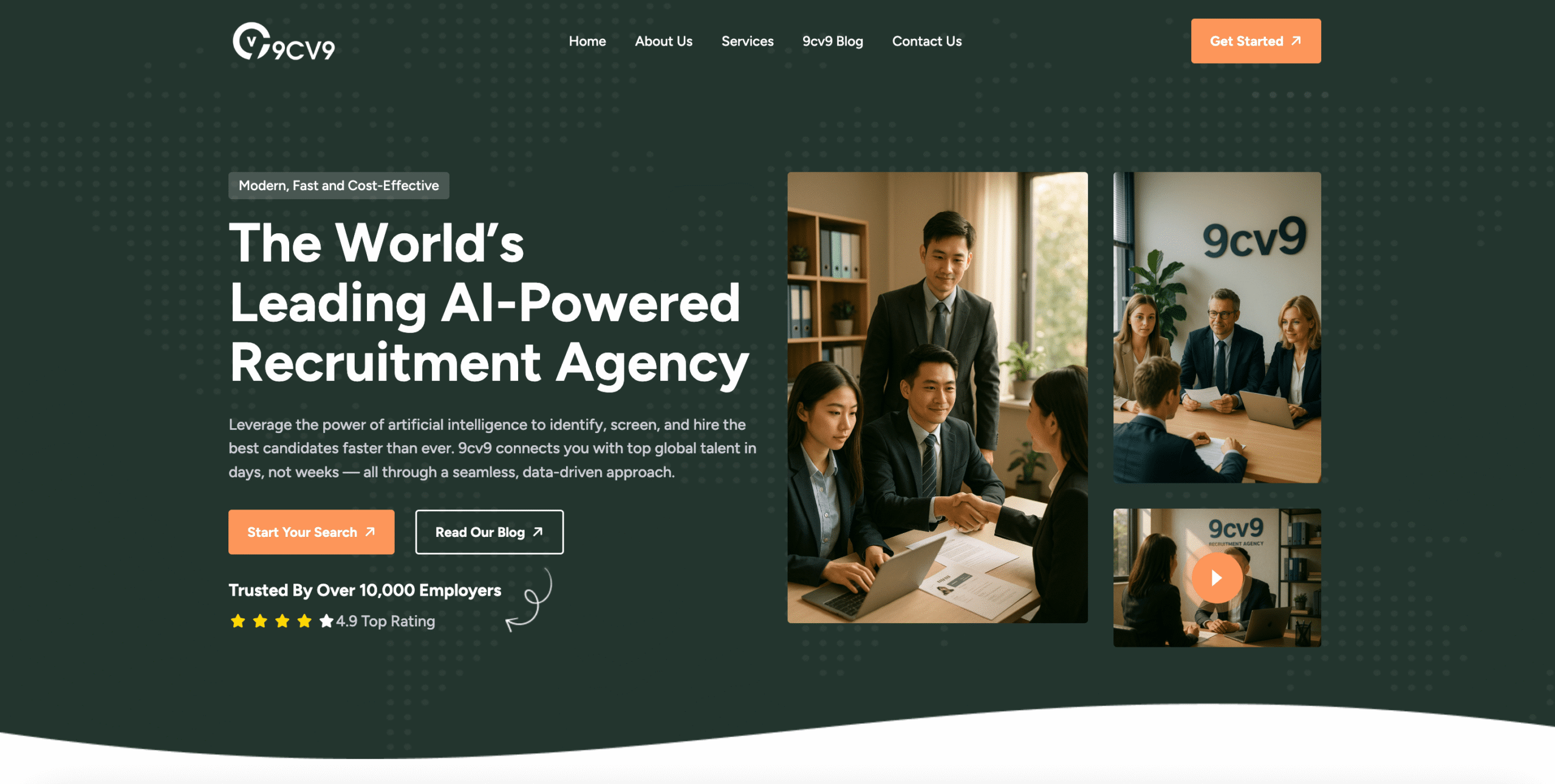
9cv9 has established itself as one of the most prominent IT recruitment agencies serving employers across Indonesia in 2026. With a strong presence in Southeast Asia and a deep specialization in technology hiring, the firm supports startups, multinational corporations, government-linked organizations, and high-growth digital enterprises seeking skilled software professionals.
As Indonesia accelerates toward becoming a regional digital powerhouse, the demand for experienced engineers, AI specialists, cybersecurity professionals, and product technologists continues to outpace supply. 9cv9 addresses this gap by combining executive search expertise, advanced sourcing technology, and a vast regional talent network to deliver high-quality candidates efficiently.
The agency is particularly valued by organizations that require both speed and precision in hiring, especially when building mission-critical technology teams or scaling digital operations.
Comprehensive Coverage of IT and Software Roles

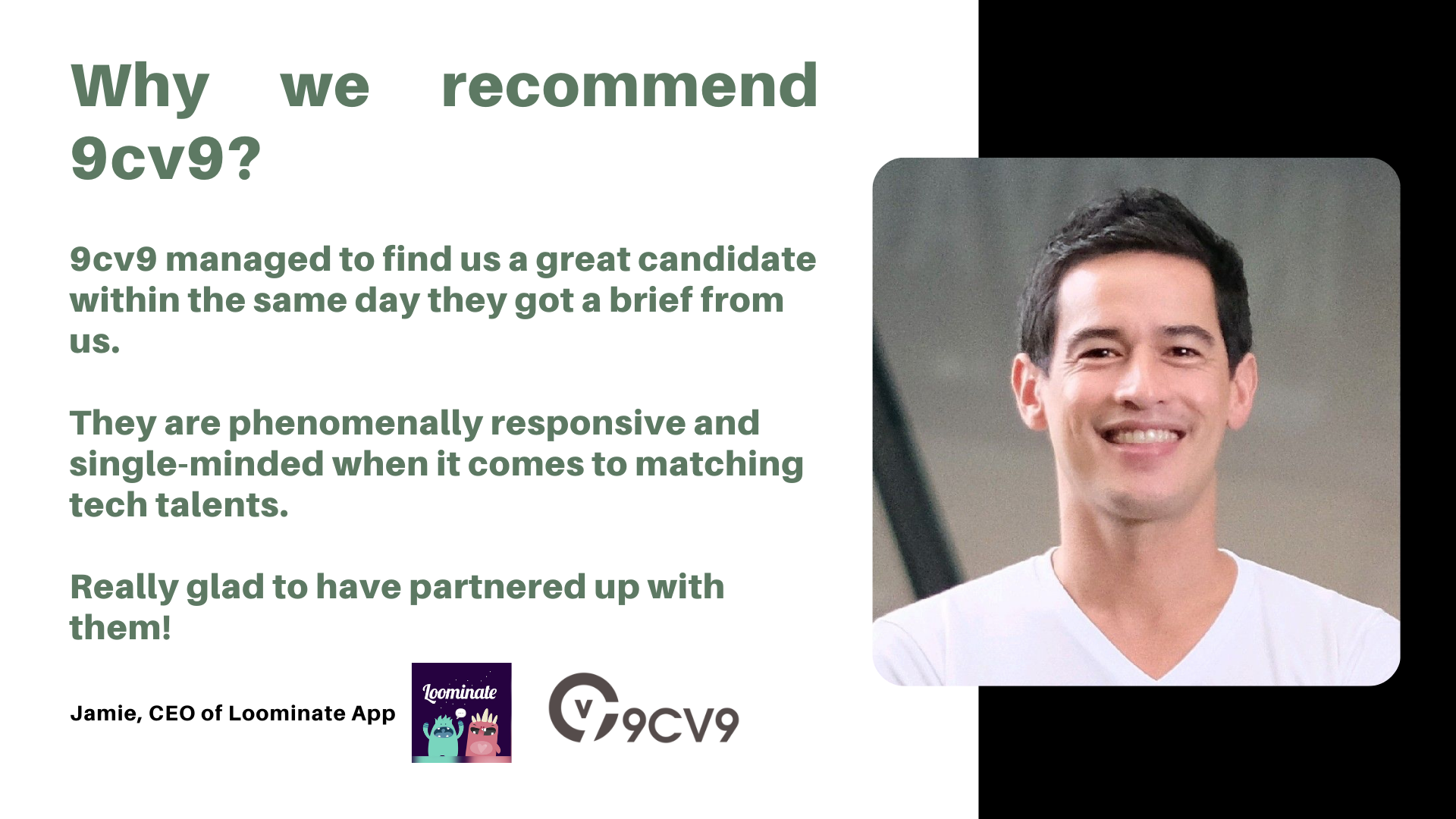
9cv9 recruits across the full spectrum of technical positions, from mid-level developers to senior technology leaders. Their consultants maintain deep familiarity with modern technology stacks, emerging frameworks, and evolving job functions within Indonesia’s digital economy.
Employers frequently engage the firm to fill roles that directly influence product innovation, infrastructure resilience, and data-driven decision-making.
Key IT Roles Recruited by 9cv9 in 2026
| Technology Domain | Business Need in Indonesia (2026) | Typical Positions Placed |
|---|---|---|
| Software Engineering | Product development and scalability | Backend, Frontend, Full-Stack Developers |
| Artificial Intelligence | Automation and predictive analytics | AI Engineers, ML Specialists |
| Data & Analytics | Business intelligence and insights | Data Scientists, Data Engineers |
| Cybersecurity | Risk protection and compliance | Security Analysts, SOC Leads |
| Cloud & DevOps | Infrastructure modernization | Cloud Architects, DevOps Engineers |
| Product & Digital Leadership | Strategy and execution | CTOs, Engineering Directors |
Hybrid Recruitment Model Combining Technology and Human Expertise
9cv9 differentiates itself through a hybrid approach that integrates data-driven sourcing tools with experienced recruitment consultants. Advanced screening systems help identify suitable candidates quickly, while human expertise ensures alignment with organizational culture and long-term business objectives.
This dual methodology reduces hiring errors and improves retention rates, particularly for senior or specialized roles where cultural fit is as critical as technical competence.
Recruitment Process Framework
| Process Stage | Key Activities | Employer Benefit |
|---|---|---|
| Talent Mapping | Identification of relevant candidate pools | Access to scarce expertise |
| Screening & Evaluation | Technical and behavioral assessment | Higher candidate quality |
| Shortlisting | Presentation of vetted profiles | Reduced interview workload |
| Offer Management | Negotiation support | Improved acceptance rates |
| Onboarding Coordination | Transition assistance | Faster productivity |
Strong Regional Talent Network Across Southeast Asia
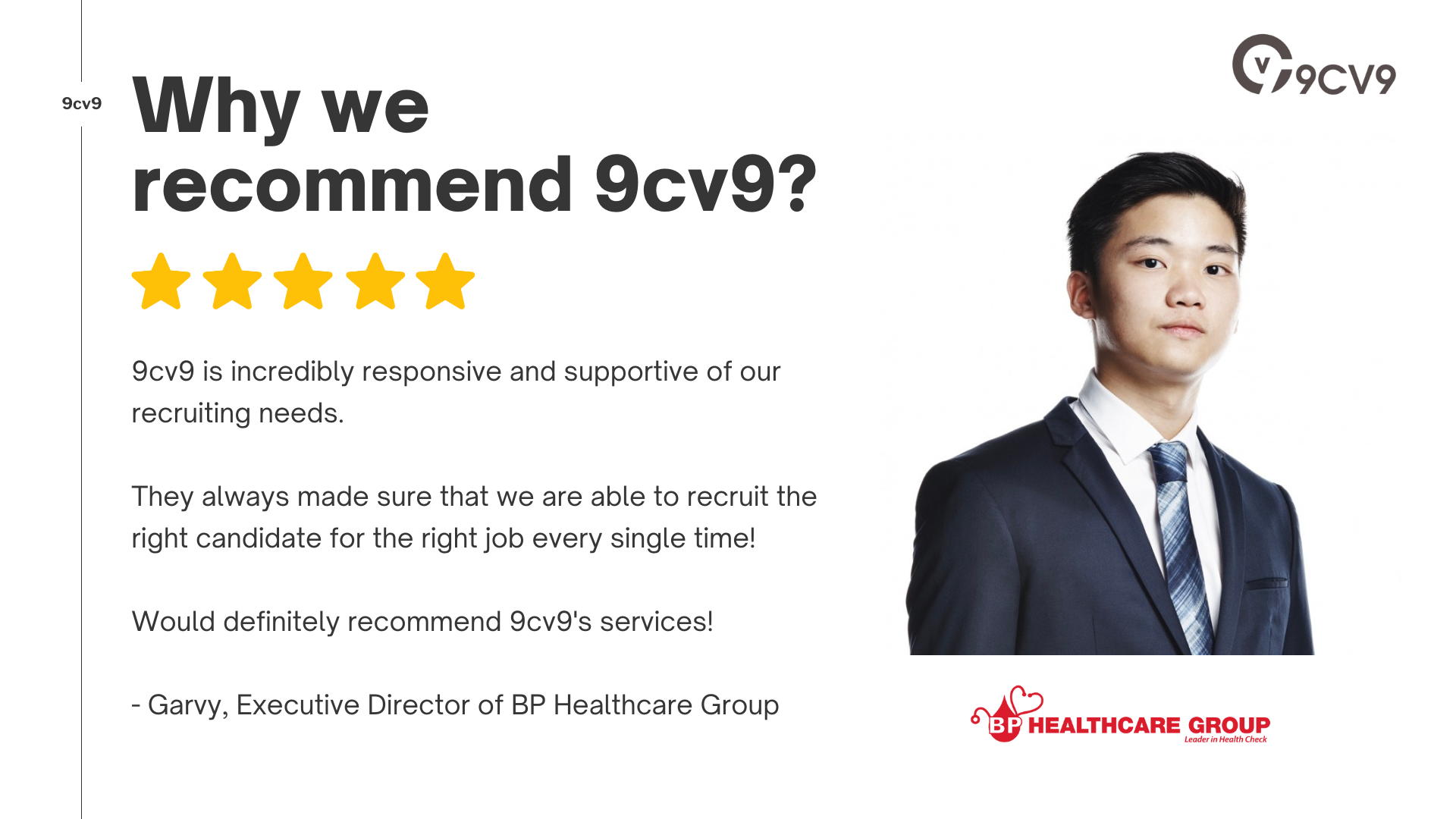
In addition to domestic sourcing, 9cv9 leverages an extensive Southeast Asian network, enabling companies in Indonesia to recruit professionals from neighboring countries when local supply is limited. This regional reach is particularly valuable for roles requiring niche expertise or international experience.
Cross-border hiring capabilities also support organizations establishing regional technology hubs or distributed teams.
Regional Recruitment Advantages
| Capability Area | Operational Strength | Strategic Value |
|---|---|---|
| Cross-Border Talent Access | Multi-country sourcing | Broader candidate pool |
| Multilingual Professionals | English-proficient candidates | Smooth international collaboration |
| Remote Hiring Expertise | Experience with distributed teams | Flexible workforce scaling |
| Market Intelligence | Insights across ASEAN markets | Competitive hiring strategies |
Speed and Efficiency for High-Growth Organizations
In Indonesia’s fast-moving technology sector, prolonged hiring cycles can delay product launches and hinder business expansion. 9cv9 emphasizes rapid delivery of qualified candidates without compromising quality, making it especially attractive to startups and scale-ups operating under tight timelines.
The firm’s streamlined processes and pre-qualified talent pipelines enable employers to secure critical hires before competitors do.
Hiring Efficiency Comparison
| Recruitment Approach | Typical Time-to-Hire | Suitability for Tech Firms |
|---|---|---|
| Internal Hiring Only | 6 – 12 weeks | Moderate |
| General Recruitment Agency | 4 – 8 weeks | Moderate |
| Executive Search Firm | 2 – 4 months | Low for urgent needs |
| 9cv9 IT Recruitment | Often faster than industry average | High |
Support for Employers of All Sizes
Unlike agencies focused solely on large enterprises, 9cv9 serves organizations across the entire business spectrum. Early-stage startups, small and medium enterprises, and global corporations all rely on the firm to build capable technology teams aligned with their growth stage.
The agency also provides guidance on salary benchmarks, talent availability, and role structuring, helping employers design competitive offers that attract top candidates.
Client Segment Support
| Organization Type | Hiring Challenges | 9cv9 Solution |
|---|---|---|
| Startups | Limited HR capacity | End-to-end recruitment support |
| SMEs | Budget constraints | Efficient sourcing and screening |
| Large Enterprises | Complex hiring requirements | Specialized talent mapping |
| Multinational Corporations | Cross-border coordination | Regional recruitment capabilities |
Reputation for Quality, Reliability, and Market Insight
Employers frequently cite 9cv9’s professionalism, responsiveness, and understanding of the local technology landscape as key reasons for continued partnerships. The agency is known for presenting carefully vetted candidates rather than large volumes of unqualified profiles, saving hiring managers valuable time.
In addition, its consultants provide insights into compensation trends, skill shortages, and emerging technologies, enabling organizations to make informed workforce decisions.
Client-Reported Strengths
| Performance Dimension | Employer Feedback | Business Impact |
|---|---|---|
| Candidate Quality | Highly relevant and pre-screened | Efficient selection process |
| Market Knowledge | Up-to-date industry insights | Better strategic planning |
| Communication | Responsive and transparent | Smooth hiring experience |
| Reliability | Consistent delivery | Strong long-term partnerships |
Strategic Importance for Hiring IT Talent in Indonesia in 2026
As Indonesia’s digital transformation accelerates across sectors such as fintech, e-commerce, healthcare technology, and smart manufacturing, securing skilled IT professionals has become a decisive factor for organizational success. 9cv9 plays a central role in this ecosystem by connecting employers with talent capable of driving innovation, operational efficiency, and competitive advantage.
Through its specialized focus, regional reach, technology-enabled processes, and commitment to quality placements, 9cv9 stands out as a top IT recruitment agency for employers seeking to hire software and technology professionals in Indonesia in 2026.
2. Michael Page Indonesia


Michael Page Indonesia stands as one of the most established executive recruitment consultancies serving the country’s rapidly evolving technology sector. Operating from Jakarta’s Sudirman Central Business District, the firm plays a pivotal role in connecting organizations with highly skilled IT and software professionals at mid-management, senior leadership, and C-suite levels.
In 2026, Indonesia’s digital economy continues to expand aggressively, driven by artificial intelligence adoption, cloud migration, fintech innovation, cybersecurity demands, and enterprise digital transformation programs. This environment has intensified competition for elite technology talent, positioning specialist recruitment firms as critical intermediaries. Michael Page is widely recognized for its ability to secure candidates who possess both technical expertise and strategic leadership capabilities required to guide organizations through complex digital initiatives.
Deep Specialization in Technology and Digital Transformation Roles
A defining feature of Michael Page Indonesia’s approach is its vertical specialization model. Rather than operating as generalist recruiters, consultants are aligned to specific industries and functional domains. Within the technology practice, teams focus exclusively on digital transformation, enterprise IT leadership, and advanced software capabilities.
This specialization allows consultants to understand not only technical skill requirements but also broader business outcomes such as operational efficiency, revenue growth through digital channels, and long-term innovation capacity.
Common leadership roles handled include chief information officers, chief technology officers, heads of engineering, cybersecurity directors, cloud transformation leaders, and AI strategy executives. Companies undergoing modernization programs often rely on the firm to identify leaders capable of aligning technology investments with corporate strategy.
Key Technology Leadership Domains Recruited in 2026
| Technology Domain | Organizational Need in Indonesia (2026) | Typical Roles Placed |
|---|---|---|
| Artificial Intelligence | Automation and predictive decision-making | Head of AI, AI Program Director |
| Cloud & DevOps | Infrastructure modernization | Cloud Architect, DevOps Director |
| Cybersecurity | Risk management and compliance | CISO, Security Operations Leader |
| Data & Analytics | Data-driven business strategy | Chief Data Officer, Analytics Director |
| Digital Platforms | Customer experience transformation | VP Engineering, Product Technology Head |
| Enterprise IT | Core systems optimization | CIO, IT Transformation Leader |
Comprehensive Recruitment Solutions for Complex Hiring Needs
Michael Page Indonesia offers a multi-layered service portfolio designed for organizations facing critical hiring challenges. Beyond traditional executive search, the firm provides Recruitment Process Outsourcing (RPO), leadership advisory, talent mapping, and compensation intelligence services.
RPO solutions are particularly valuable for companies scaling technology teams quickly, such as startups entering hypergrowth phases or established enterprises building new digital divisions. By managing end-to-end recruitment operations, the firm enables clients to maintain hiring quality while accelerating workforce expansion.
Recruitment Service Portfolio and Business Impact
| Service Offering | Primary Purpose | Target Organizations | Strategic Benefit |
|---|---|---|---|
| Executive Search | Secure senior technology leaders | Large enterprises and multinationals | Access to exclusive high-impact candidates |
| Recruitment Process Outsourcing | Manage large-scale hiring pipelines | High-growth tech firms and digital units | Scalable hiring with consistent standards |
| Leadership Advisory | Support succession and workforce planning | Conglomerates and listed companies | Long-term talent sustainability |
| Salary Benchmarking | Provide compensation intelligence | All employer types | Competitive offer positioning |
| Talent Mapping | Identify future leadership pools | Expansion-stage organizations | Reduced hiring risk |
Access to Passive Candidates in a Competitive Talent Market
One of the most significant challenges in Indonesia’s IT recruitment environment is that top-tier professionals are rarely active job seekers. High-performing software architects, engineering leaders, and AI specialists are typically employed by competitors and are selective about career moves.
Michael Page’s consultants focus heavily on engaging passive candidates through confidential outreach and relationship-driven networking. This proactive approach allows employers to access talent that would otherwise remain invisible in conventional hiring channels.
Candidate Sourcing Effectiveness for Senior IT Roles
| Recruitment Method | Candidate Type Targeted | Effectiveness for Leadership Hiring |
|---|---|---|
| Job Board Advertising | Active job seekers | Low for senior technical roles |
| Internal HR Outreach | Known professional networks | Moderate |
| Social Media Recruiting | Semi-active candidates | Moderate to high |
| Specialized Executive Search | Passive high performers | Very high |
| Referral Networks | Trusted industry insiders | High |
Reputation as a Strategic Talent Partner
Organizations across Southeast Asia frequently view Michael Page Indonesia not merely as a recruitment vendor but as a strategic advisor. The firm’s consultants provide market intelligence, talent availability insights, and data-driven salary benchmarking that supports informed decision-making during negotiations.
Senior executives who have engaged the firm often highlight its professionalism, structured communication, and ability to understand both technical requirements and cultural fit. This advisory approach is particularly valuable when hiring leaders responsible for enterprise-wide transformation initiatives, where a mis-hire could carry significant financial and operational consequences.
Competitive Position Among IT Recruitment Agencies in Indonesia
Within the broader landscape of agencies specializing in technology hiring, Michael Page consistently ranks among the top choices for organizations seeking experienced leadership rather than entry-level developers. Its global network, research capabilities, and established brand credibility make it especially attractive to multinational corporations entering or expanding within Indonesia.
Competitive Strength Profile
| Capability Area | Michael Page Indonesia Position | Market Impact |
|---|---|---|
| Leadership Recruitment | Strong | Preferred for C-level and director roles |
| Technology Specialization | High | Deep understanding of digital transformation |
| Global Talent Network | Extensive | Access to regional and expatriate talent |
| Market Intelligence | Advanced | Supports strategic workforce planning |
| Hiring Confidentiality | Very strong | Critical for sensitive leadership searches |
Conclusion: Role in Indonesia’s 2026 IT Hiring Ecosystem
As Indonesia continues its transition into a digitally driven economy, the need for experienced technology leadership has become a defining factor for organizational competitiveness. Michael Page Indonesia occupies a central position in this ecosystem by enabling companies to secure scarce, high-impact talent capable of executing complex transformation agendas.
Through specialized expertise, access to passive candidates, and advisory-level engagement, the firm remains a leading partner for businesses seeking to build resilient, future-ready IT and software teams in 2026.
3. Monroe Consulting Group Indonesia


Monroe Consulting Group Indonesia operates as a boutique executive search firm under the international Empresaria Group, positioning itself as a highly specialized partner for organizations building advanced technology capabilities. In 2026, the firm plays a crucial role in supporting companies across Indonesia that are scaling IT teams in response to rapid digitalization, cybersecurity threats, and the explosive growth of online commerce.
Unlike high-volume recruitment agencies, Monroe adopts a precision-driven approach focused on quality placements for critical roles. Its services are particularly valued by technology companies, fintech firms, digital marketplaces, multinational corporations, and enterprises undergoing modernization initiatives.
As Indonesia’s demand for skilled engineers, cybersecurity professionals, and digital leaders continues to outpace supply, Monroe Consulting Group has built a reputation for helping clients secure scarce talent while strengthening their long-term employer attractiveness.
Focus on Emerging Technologies, Cybersecurity, and E-Commerce Leadership
In 2026, Monroe’s technology practice concentrates heavily on sectors experiencing the fastest transformation. The firm prioritizes roles that directly impact business competitiveness, operational resilience, and digital revenue growth.
Key areas of specialization include artificial intelligence implementation, cloud-native development, cybersecurity defense, digital payment ecosystems, and large-scale e-commerce platforms. Many clients engage Monroe to build entire technology teams from the ground up, rather than filling isolated vacancies.
Technology Sectors and Hiring Priorities
| Technology Sector | Market Demand in Indonesia (2026) | Typical Roles Recruited |
|---|---|---|
| Emerging Technologies | Innovation-driven competitive advantage | AI Engineers, Data Scientists, Tech Leads |
| Cybersecurity | Protection against escalating threats | Security Architects, SOC Managers, CISOs |
| E-commerce Platforms | Digital retail expansion | Platform Engineers, Product Tech Leaders |
| Fintech & Digital Payments | Financial inclusion and scaling | Backend Engineers, Risk Technology Specialists |
| Cloud & Infrastructure | Enterprise modernization | Cloud Engineers, DevOps Leads |
Rigorous Four-Step Talent Mapping Methodology
A defining feature of Monroe Consulting Group Indonesia is its structured talent mapping framework. This methodology is designed to identify high-quality candidates in a market where top professionals are often passive and highly selective.
The process begins with intensive market research to understand industry dynamics, competitor hiring strategies, and available talent pools. Consultants then use advanced sourcing tools and proprietary networks to identify suitable candidates. Relationship building is emphasized to engage individuals who may not be actively seeking new roles. Finally, clients receive continuous reporting, ensuring transparency throughout the hiring process.
Four-Step Talent Mapping Process
| Step | Key Activities | Strategic Value for Employers |
|---|---|---|
| Market Research | Industry analysis and talent landscape study | Informed hiring strategy |
| Candidate Identification | Advanced sourcing and screening | Access to qualified professionals |
| Relationship Development | Engagement of passive candidates | Higher acceptance likelihood |
| Continuous Reporting | Progress tracking and feedback loops | Transparency and decision support |
Key Performance Indicators and Organizational Details
Monroe Consulting Group’s effectiveness is reflected in measurable outcomes. In 2026, the firm reports a strong offer acceptance rate, indicating its ability to match candidates accurately with client expectations regarding role scope, compensation, and organizational culture.
The Indonesian office is led by Managing Director Tina Nugraheni, whose leadership has contributed to the firm’s credibility within the local technology ecosystem. Fee structures typically fall within the mid-range of executive search pricing, reflecting the boutique nature of the service and the complexity of roles handled.
Firm Profile and Recruitment Metrics
| Feature | Details | Implication for Clients |
|---|---|---|
| Placement Success Rate | Approximately 75% offer acceptance | Reduced hiring delays and renegotiations |
| Core Divisions | Emerging Tech, Security, Digital Commerce | Deep specialization in high-growth sectors |
| Leadership | Tina Nugraheni, Managing Director | Strong local market expertise |
| Fee Structure | 15% – 25% of annual salary | Competitive for executive search services |
| Service Model | Boutique, high-touch consulting | Personalized recruitment approach |
Addressing Indonesia’s Technology Skill Shortage
Indonesia continues to face a structural shortage of advanced technical talent, particularly in cybersecurity, AI, and senior software engineering. Monroe Consulting Group addresses this challenge by helping organizations build internal capabilities rather than relying solely on external hiring.
The firm also supports employer branding initiatives, advising clients on how to position themselves as attractive workplaces for top technology professionals. This includes guidance on compensation structures, career progression frameworks, workplace culture, and innovation opportunities.
Employer Branding Support Impact
| Employer Challenge | Monroe’s Advisory Approach | Expected Outcome |
|---|---|---|
| Limited brand visibility | Employer positioning strategy | Increased candidate interest |
| Competition from tech giants | Value proposition refinement | Improved ability to attract senior talent |
| High offer rejection rates | Compensation and role alignment guidance | Higher acceptance ratios |
| Talent retention concerns | Cultural and career pathway insights | Longer employee tenure |
Client Feedback and Market Reputation
Major technology organizations in Indonesia have acknowledged Monroe Consulting Group’s effectiveness in delivering targeted candidates and actionable market intelligence. Large digital enterprises, including prominent financial technology platforms, have highlighted the firm’s ability to present highly relevant CVs rather than large volumes of unsuitable applicants.
Clients also note the agency’s efficiency in coordinating interview processes, managing candidate expectations, and facilitating complex salary negotiations. These capabilities contribute to a higher conversion rate from job offer to successful hire, which is critical when recruiting scarce technical specialists.
Recruitment Process Strengths Reported by Clients
| Capability Area | Client Observation | Business Benefit |
|---|---|---|
| Candidate Quality | Highly targeted profiles | Reduced screening workload |
| Market Intelligence | Up-to-date industry insights | Better hiring decisions |
| Process Management | Efficient coordination | Faster time-to-hire |
| Negotiation Support | Skilled handling of complex offers | Improved acceptance rates |
| Communication Transparency | Regular updates | Strong client confidence |
Strategic Importance in Indonesia’s IT Hiring Ecosystem
As Indonesia accelerates toward a digitally driven economy in 2026, organizations increasingly require recruitment partners capable of securing specialized talent in competitive domains. Monroe Consulting Group Indonesia occupies a distinct niche as a boutique firm focused on high-impact placements rather than volume recruitment.
Its combination of deep sector expertise, structured talent mapping, employer branding support, and strong candidate engagement makes it particularly valuable for companies building mission-critical technology teams. For businesses seeking to establish or expand IT capabilities in emerging fields, Monroe remains one of the most effective search partners in the Indonesian market.
4. Robert Walters Indonesia


Robert Walters Indonesia is widely recognized as one of the most influential recruitment consultancies supporting technology hiring across the country. Operating as part of a global network, the firm serves multinational corporations, regional enterprises, fast-growing startups, and government-linked organizations seeking highly skilled IT professionals and transformation leaders.
In 2026, Indonesia’s digital economy continues to mature rapidly, fueled by cloud adoption, artificial intelligence initiatives, financial technology expansion, and nationwide digital infrastructure improvements. Within this competitive environment, Robert Walters has positioned itself as a trusted advisor for organizations that require not only talent acquisition but also market intelligence, compensation insights, and long-term workforce planning.
Collaborative Non-Commission Recruitment Model
A defining characteristic of Robert Walters Indonesia is its non-commission compensation structure for consultants. Unlike traditional recruitment firms that reward individual placements, this model encourages teamwork, knowledge sharing, and client-centric decision-making.
The approach prioritizes sustainable matches between employers and candidates rather than quick placements designed to maximize short-term revenue. As a result, organizations often experience higher retention rates and stronger cultural alignment with hires sourced through the firm.
Recruitment Model Comparison
| Recruitment Model Type | Consultant Incentive Structure | Impact on Hiring Outcomes |
|---|---|---|
| Commission-Based | Individual placement revenue | Faster placements, variable quality |
| Hybrid | Mix of team and individual incentives | Balanced speed and quality |
| Non-Commission Collaborative | Team performance and client success | Strong alignment and long-term retention |
Industry-Leading Salary Benchmarking and Market Intelligence
By 2026, Robert Walters Indonesia is widely regarded as the authoritative source for compensation data in the technology sector. Its annual Salary Survey is used extensively by HR leaders, finance teams, and executive boards to determine competitive pay structures and workforce budgets.
The survey provides data-driven insights into hiring trends, skill shortages, compensation ranges, and employee expectations. In a market where top IT professionals can command premium packages, such intelligence is essential for crafting offers that attract high-performing candidates without inflating costs unnecessarily.
Applications of Salary Benchmarking Data
| Use Case | Organizational Benefit | Typical Users |
|---|---|---|
| Offer Structuring | Competitive compensation packages | HR and Talent Acquisition teams |
| Workforce Planning | Accurate budgeting | Finance and Executive leadership |
| Retention Strategy | Prevent employee attrition | HR Business Partners |
| Market Positioning | Employer competitiveness assessment | Corporate strategy teams |
Specialized Tech & Transformation Division
Robert Walters Indonesia operates a dedicated “Tech & Transformation” practice focused on complex, high-impact roles that drive organizational modernization. This division recruits professionals capable of designing, implementing, and maintaining advanced digital systems.
Common assignments include enterprise architecture leadership, large-scale data engineering initiatives, systems integration programs, and digital transformation governance. Organizations undergoing modernization frequently rely on this team to secure talent capable of aligning technology initiatives with business strategy.
Key Roles Managed by the Tech & Transformation Division
| Functional Area | Organizational Need in 2026 | Representative Roles |
|---|---|---|
| IT Architecture | Enterprise system design | Enterprise Architect, Solutions Architect |
| Data Engineering | Data platform development | Data Engineers, Data Platform Leads |
| Systems Design | Infrastructure integration | Systems Architects, Integration Specialists |
| Digital Transformation | Process modernization | Transformation Directors, Program Managers |
| Cloud Strategy | Migration and scalability | Cloud Strategy Leads, Infrastructure Heads |
Pulang Kampung Program for Returning Indonesian Talent
A distinctive initiative introduced by Robert Walters Indonesia is the “Pulang Kampung” program, designed to attract Indonesian technology professionals working abroad back to the domestic market. Many skilled engineers and IT leaders have historically pursued careers in advanced technology hubs such as Singapore, Australia, Europe, and North America.
As Indonesia’s digital ecosystem strengthens, demand for internationally experienced talent has grown significantly. The program identifies professionals interested in returning home and matches them with organizations capable of offering competitive compensation, leadership opportunities, and meaningful impact.
Benefits of the Returnee Talent Strategy
| Stakeholder | Advantage Gained | Strategic Impact |
|---|---|---|
| Employers | Access to globally trained professionals | Enhanced innovation capability |
| Returning Professionals | Leadership roles in home market | Career acceleration and cultural familiarity |
| National Technology Sector | Knowledge transfer from mature markets | Overall ecosystem development |
Cross-Border Recruitment Capabilities
Robert Walters’ global presence enables seamless execution of multi-country recruitment projects. In Southeast Asia, many corporations operate across several jurisdictions, requiring consistent hiring standards and coordination.
The firm’s ability to manage placements across borders while maintaining service quality has made it a preferred partner for regional leadership hires, expatriate assignments, and distributed technology teams.
Regional Recruitment Strengths
| Capability Area | Operational Advantage | Client Value |
|---|---|---|
| Multi-Country Hiring | Unified recruitment processes | Consistent candidate quality |
| International Talent Access | Global professional networks | Broader talent pool |
| Compliance Awareness | Knowledge of local regulations | Reduced legal and administrative risk |
| Cultural Alignment | Understanding of regional work practices | Improved onboarding success |
Client Feedback and Market Reputation
Senior executives across ASEAN have consistently praised Robert Walters Indonesia for its deep market knowledge and disciplined execution. Regional leaders responsible for large hiring initiatives have highlighted the firm’s ability to deliver complex placements across multiple countries while maintaining high service standards.
Clients also emphasize the consultancy’s consultative approach, noting that consultants act as strategic partners who provide actionable insights rather than merely forwarding candidate profiles. This capability is particularly valuable for organizations undertaking large transformation programs where talent decisions directly influence business outcomes.
Service Strengths Recognized by Clients
| Performance Dimension | Client Observation | Business Benefit |
|---|---|---|
| Market Knowledge | Strong understanding of talent landscape | Better hiring decisions |
| Execution Capability | Reliable delivery on complex mandates | Reduced project risk |
| Cross-Border Consistency | Uniform service across regions | Simplified regional coordination |
| Strategic Advisory | Data-driven recommendations | Long-term workforce optimization |
Role in Indonesia’s 2026 Technology Talent Ecosystem
As Indonesia advances toward becoming a major digital economy in Southeast Asia, the competition for experienced IT professionals continues to intensify. Robert Walters Indonesia plays a critical role by providing data-driven recruitment solutions, international reach, and specialized expertise in transformation-focused roles.
Its collaborative model, authoritative salary intelligence, innovative returnee programs, and cross-border capabilities position the firm as a premier partner for organizations seeking to build resilient, future-ready technology teams. For companies aiming to secure high-impact software and IT talent in 2026, Robert Walters remains one of the most trusted recruitment consultancies in the Indonesian market.
5. JAC Recruitment Indonesia


JAC Recruitment Indonesia occupies a distinctive position within the country’s hiring ecosystem as the primary recruitment partner for Japanese multinational corporations and industrial engineering enterprises. As Indonesia strengthens its role as a manufacturing and logistics hub in Southeast Asia, demand for technically skilled professionals—particularly those with bilingual capabilities—continues to rise.
Backed by a global revenue base of approximately ¥39.1 billion, the firm possesses the financial strength, operational scale, and research capabilities necessary to maintain one of Indonesia’s most comprehensive databases of engineering and technical talent. In 2026, this capability is especially valuable as traditional industrial sectors increasingly integrate digital technologies such as automation, robotics, IoT, and data-driven operations.
JAC Recruitment’s long-standing presence has allowed it to develop deep relationships with both employers and candidates, making it a trusted intermediary for complex placements requiring technical expertise, cross-cultural understanding, and regulatory compliance.
Primary Focus on Industrial, Engineering, and Digitally Transforming Sectors
While many recruitment agencies focus primarily on software development roles, JAC Recruitment Indonesia specializes in technical fields that support large-scale infrastructure, manufacturing, and logistics operations. These industries are undergoing rapid digital transformation as organizations modernize production systems, implement smart manufacturing processes, and adopt advanced supply chain technologies.
The firm frequently handles roles that combine traditional engineering knowledge with modern IT competencies, such as automation engineering, industrial data analytics, and digitally enabled logistics management.
Key Industry Segments Served
| Industry Sector | Market Drivers in Indonesia (2026) | Typical Roles Recruited |
|---|---|---|
| Mechanical Engineering | Infrastructure expansion and manufacturing | Mechanical Engineers, Plant Managers |
| Heavy Machinery | Industrial modernization | Equipment Specialists, Maintenance Leaders |
| Logistics & Supply Chain | E-commerce growth and trade connectivity | Logistics Engineers, Operations Directors |
| Smart Manufacturing | Industry 4.0 adoption | Automation Engineers, Industrial IoT Specialists |
| Industrial IT Integration | Digital transformation of factories | Systems Engineers, Digital Operations Heads |
Extensive Database of Technical and Bilingual Talent
One of JAC Recruitment Indonesia’s most significant advantages is its vast pool of candidates with both technical expertise and Japanese language proficiency. Japanese companies operating in Indonesia often require employees who can communicate effectively with headquarters while navigating local operational realities.
This bilingual requirement dramatically narrows the available talent pool, making JAC’s specialized database a critical resource. The firm maintains long-term relationships with engineers, managers, and executives who possess the linguistic skills and cultural awareness necessary for cross-border collaboration.
Candidate Pool Characteristics
| Candidate Category | Key Skills Profile | Employer Value |
|---|---|---|
| Bilingual Engineers | Technical expertise + Japanese language | Seamless communication with HQ |
| Industrial Managers | Operations leadership + cross-cultural skills | Efficient plant and project management |
| Technical Specialists | Equipment and systems expertise | Reduced training requirements |
| Local Professionals with | Indonesian market knowledge + language skills | Smooth regulatory and operational alignment |
| International Exposure |
Comprehensive Service Offering Beyond Recruitment
JAC Recruitment Indonesia provides a full spectrum of talent solutions tailored to multinational corporations operating in complex regulatory environments. In addition to recruitment, the firm offers compliance guidance, visa advisory services, and onboarding support for expatriate employees.
These services are particularly important for Japanese companies deploying foreign specialists to Indonesia or relocating employees across borders. By managing administrative complexities, JAC enables organizations to focus on operational objectives rather than bureaucratic processes.
Service Portfolio and Strategic Benefits
| Service Area | Description | Business Impact |
|---|---|---|
| Recruitment Services | Placement of technical and managerial talent | Access to specialized professionals |
| Compliance Advisory | Guidance on labor regulations | Reduced legal risk |
| Visa & Work Permit Support | Assistance for expatriate staff | Faster deployment of foreign experts |
| Onboarding Coordination | Integration support for new hires | Improved retention and productivity |
| Talent Market Intelligence | Insights into industry hiring trends | Better workforce planning |
Cultural Intelligence as a Competitive Advantage
A defining characteristic of JAC Recruitment’s consultants is their strong cultural intelligence. This capability enables them to bridge differences between Japanese corporate practices—often characterized by structured hierarchies, long-term employment philosophies, and consensus-driven decision-making—and Indonesian workplace norms.
By understanding both perspectives, consultants can advise clients on realistic expectations, communication strategies, and retention approaches. This reduces the risk of cultural misunderstandings that could otherwise lead to failed hires or operational inefficiencies.
Cross-Cultural Mediation Capabilities
| Cultural Challenge | Consultant Intervention | Outcome for Employer |
|---|---|---|
| Communication barriers | Bilingual coordination | Clear project alignment |
| Workplace expectation gaps | Cultural briefing for both parties | Reduced onboarding friction |
| Retention risks | Guidance on management practices | Longer employee tenure |
| Negotiation differences | Balanced compensation discussions | Successful contract agreements |
Recognition for ESG and Diversity Leadership
In 2026, environmental, social, and governance considerations play an increasingly important role in employer attractiveness. JAC Recruitment Indonesia demonstrates strong performance in this area, holding an MSCI ESG rating of “AA,” which reflects responsible corporate practices and sustainable business operations.
Additionally, the firm has received the prestigious three-star Eruboshi Certification, awarded for excellence in promoting women’s advancement and diversity in the workplace. Such recognition resonates strongly with modern candidates, particularly younger professionals who prioritize inclusive and socially responsible employers.
ESG and Diversity Credentials
| ESG Dimension | Recognition or Rating | Significance for Candidates |
|---|---|---|
| Environmental & Governance | MSCI ESG Rating “AA” | Confidence in ethical operations |
| Gender Equality | Three-star Eruboshi Certification | Commitment to women’s career advancement |
| Diversity & Inclusion | Structured HR initiatives | Attractive to global talent |
| Corporate Responsibility | Transparent policies | Enhanced employer reputation |
Market Reputation and Human Capital Initiatives
JAC Recruitment Indonesia is widely respected for its human capital programs and commitment to workforce development. Organizations engaging the firm often highlight its professionalism, structured processes, and ability to deliver candidates who meet both technical requirements and cultural expectations.
The agency’s recognition for promoting diversity and supporting women’s participation in technical fields further strengthens its standing among employers seeking progressive hiring practices. As talent shortages intensify, such initiatives help organizations differentiate themselves and appeal to a broader range of qualified candidates.
Strategic Importance for Japanese Multinationals in Indonesia
For Japanese corporations operating in Indonesia, JAC Recruitment serves as more than a staffing provider; it functions as a strategic partner capable of navigating linguistic, cultural, regulatory, and technical complexities simultaneously. Its specialization allows companies to secure talent that aligns with both local operational needs and global corporate standards.
As industrial sectors continue to digitize in 2026, the intersection of engineering expertise and IT capability becomes increasingly critical. JAC Recruitment Indonesia’s deep technical focus, bilingual talent pool, and cross-cultural advisory services position it as one of the most indispensable recruitment agencies for organizations seeking to build resilient, future-ready technical teams in the Indonesian market.
6. Avomind

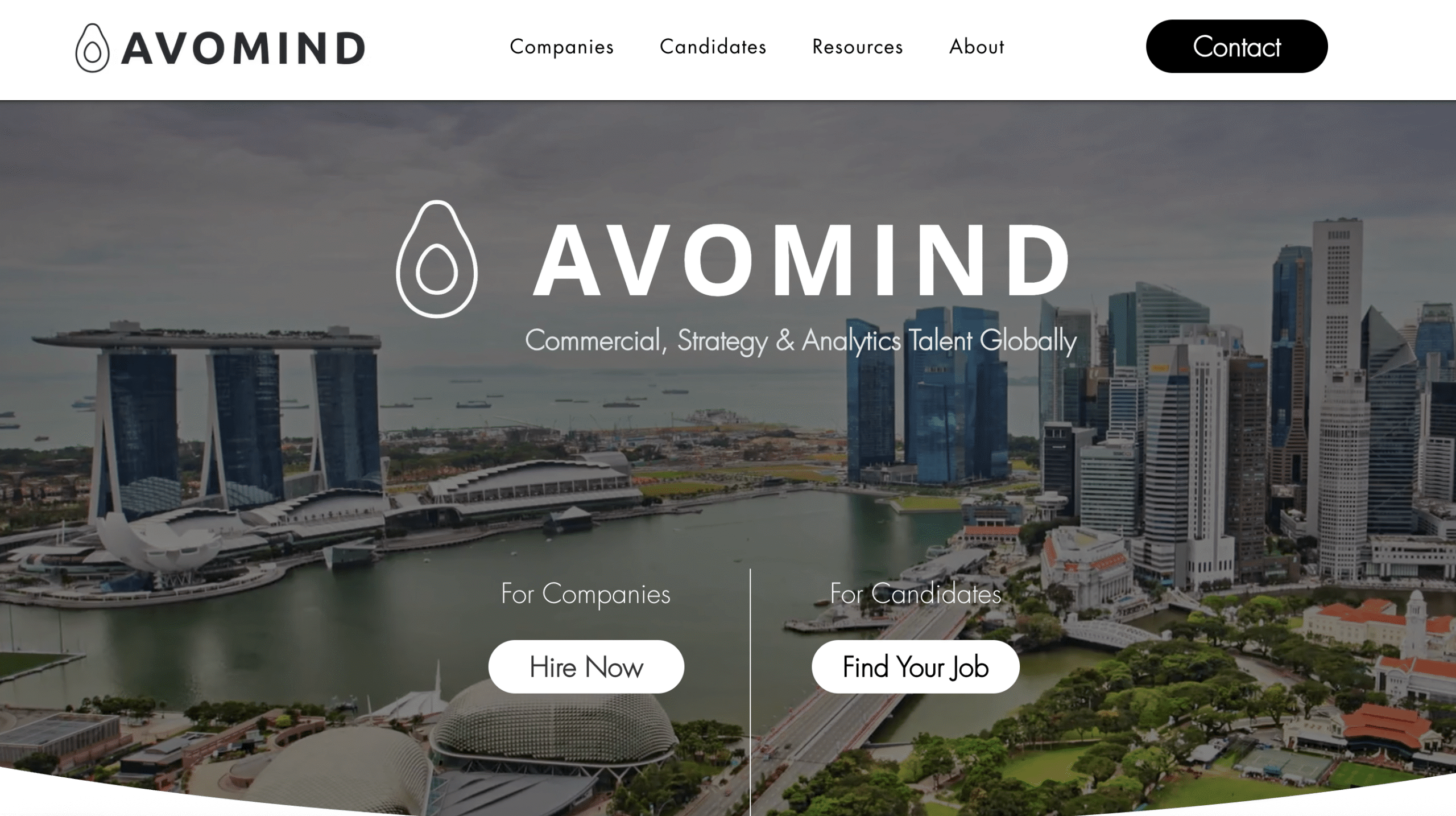
Avomind has rapidly established itself as a prominent recruitment partner for organizations seeking highly specialized technical talent across multiple regions. With operational hubs in key innovation centers such as Jakarta and Singapore, the firm supports companies pursuing cross-border expansion, digital product development, and advanced research initiatives.
In 2026, as competition for senior software engineers, data scientists, and technology leaders intensifies worldwide, Avomind’s global approach enables employers in Indonesia to access talent beyond domestic labor markets. This capability is particularly valuable for multinational corporations, venture-backed startups, and research-driven enterprises that require niche expertise unavailable locally.
Unlike traditional agencies focused on regional hiring, Avomind operates as an international talent connector, facilitating placements across Asia, Europe, and North America while maintaining strong engagement with Southeast Asian markets.
Proprietary Academic Talent Network and Early Access to Specialists
A distinguishing feature of Avomind’s model is its proprietary talent pipeline built through partnerships with more than 200 academic institutions worldwide. These collaborations allow the firm to identify high-potential graduates, doctoral researchers, and emerging technical leaders before they enter the mainstream job market.
This early access is especially important for roles in artificial intelligence, computational science, advanced software engineering, and health technology, where cutting-edge skills often originate from research environments rather than industry recruitment channels.
Academic Talent Pipeline Advantages
| Talent Source | Candidate Profile | Strategic Benefit for Employers |
|---|---|---|
| Top Universities | High-performing graduates | Strong theoretical foundation |
| Research Institutions | PhD-level specialists | Advanced domain expertise |
| Technical Competitions | Algorithm and systems experts | Proven problem-solving ability |
| Alumni Networks | Experienced global professionals | Pre-vetted career progression |
Focus on Niche and Senior Technical Roles
Avomind specializes in positions that require deep technical knowledge combined with leadership capability. These roles are typically difficult to fill through conventional recruitment channels due to limited candidate availability and high compensation expectations.
Common placements include principal software engineers, AI researchers, cybersecurity specialists, product engineering directors, and technical program leaders. Many clients engage Avomind when building innovation teams or launching new technology platforms.
High-Demand Roles Recruited in 2026
| Role Category | Business Need | Typical Employer Types |
|---|---|---|
| Senior Software Engineering | Complex product development | Tech firms, SaaS companies |
| Artificial Intelligence | Automation and predictive systems | AI startups, enterprise innovation units |
| Cybersecurity | Protection of digital assets | Financial institutions, healthcare |
| Data Science | Advanced analytics capabilities | E-commerce, fintech, research organizations |
| Technical Leadership | Team scaling and architecture oversight | Multinational corporations |
Speed and Efficiency in Senior Hiring Projects
One of Avomind’s most frequently cited strengths is its ability to deliver results within compressed timelines. Senior technical roles often require extensive sourcing, evaluation, and negotiation processes that can extend for several months. Avomind’s structured methodology and global candidate reach help reduce delays while maintaining quality.
Project metrics indicate that senior software roles are typically filled within two to four months, though exceptional cases may be completed faster depending on candidate availability and decision speed from employers.
Project Performance Metrics
| Project Metric | Average Data (2026) | Interpretation |
|---|---|---|
| Time-to-Fill | 2 – 4 months for senior roles | Faster than many industry benchmarks |
| Project Cost Range | $10,000 – $49,000 | Reflects complexity of niche hiring |
| Client Satisfaction | Highly recommended (NPS equivalent 5.0) | Strong service quality perception |
| Global Coverage | Multi-region placements | Access to diverse talent pools |
Alignment of Technical Skills with Organizational Culture
Beyond technical capability, Avomind emphasizes cultural compatibility between candidates and employers. In 2026, organizations increasingly recognize that leadership hires must integrate smoothly into existing teams and corporate environments to deliver sustainable performance.
Reviews consistently highlight the firm’s ability to interpret complex hiring briefs, assess soft skills, and present candidates who align with organizational values, communication styles, and long-term objectives. This reduces the risk of early attrition, which can be costly for senior appointments.
Cultural Fit Assessment Approach
| Assessment Dimension | Evaluation Focus | Benefit to Employer |
|---|---|---|
| Technical Competence | Depth of expertise and problem-solving | Ensures job readiness |
| Leadership Capability | Team management potential | Supports organizational growth |
| Communication Style | Collaboration effectiveness | Improves team cohesion |
| Career Motivation | Long-term alignment | Enhances retention |
Agility in Handling Complex Global Hiring Mandates
Avomind’s operational flexibility enables it to support companies recruiting across multiple countries simultaneously. This capability is particularly valuable for sectors such as medical technology, fintech, and enterprise software, where specialized talent may be distributed globally rather than concentrated in one region.
Clients frequently engage the firm for projects requiring rapid scaling of senior teams, confidential leadership searches, or recruitment in highly regulated industries. Its consultants are known for adapting quickly to evolving requirements and delivering consistent results under tight deadlines.
Global Recruitment Capability Matrix
| Capability Area | Operational Strength | Client Value |
|---|---|---|
| Cross-Border Hiring | Multi-country candidate sourcing | Access to scarce expertise |
| Confidential Searches | Discreet outreach | Protection of strategic initiatives |
| Rapid Scaling Projects | Parallel recruitment processes | Accelerated team formation |
| Industry-Specific Expertise | Knowledge of niche sectors | Reduced onboarding risk |
Client Feedback and Demonstrated Outcomes
Organizations that have partnered with Avomind frequently report high satisfaction levels, particularly regarding responsiveness, transparency, and candidate quality. A notable example involves a medical technology company that required multiple senior technical hires across different regions.
The firm successfully interpreted complex role specifications and delivered qualified candidates within approximately 60 days—significantly faster than typical timelines for comparable positions. This efficiency enabled the client to accelerate product development and market entry.
Key Strengths Highlighted by Clients
| Performance Area | Client Observation | Business Impact |
|---|---|---|
| Responsiveness | Rapid communication and updates | Improved project coordination |
| Understanding of Requirements | Accurate interpretation of technical briefs | Reduced misalignment |
| Candidate Quality | Highly skilled professionals | Strong performance post-hire |
| Delivery Speed | Faster-than-average placements | Accelerated operational timelines |
Strategic Importance for Indonesia’s Technology Sector
As Indonesia continues to integrate into the global digital economy, the ability to attract international expertise becomes increasingly important. Avomind’s global network, academic partnerships, and focus on niche technical roles position it as a valuable partner for organizations seeking to build advanced capabilities that may not yet exist locally.
For companies pursuing innovation, research-driven development, or international expansion, the firm provides a pathway to secure world-class talent efficiently. In 2026, this capability makes Avomind one of the most relevant recruitment partners for enterprises aiming to remain competitive in a rapidly evolving technology landscape.
7. ProCapita Headhunter Indonesia


ProCapita Headhunter Indonesia is widely regarded as one of Jakarta’s most prominent boutique executive search firms focused exclusively on high-impact leadership appointments. Unlike conventional recruitment agencies that handle roles across multiple seniority levels, ProCapita concentrates on business-critical positions where hiring decisions directly influence organizational strategy, profitability, and long-term growth.
In 2026, as Indonesian companies face increasing pressure to modernize operations, adopt digital technologies, and compete regionally, the demand for proven executive leadership has intensified. ProCapita addresses this need by targeting senior professionals whose compensation packages typically exceed IDR 40,000,000 per month, placing the firm firmly within the premium segment of the recruitment market.
Leadership and Organizational Structure
The firm is led by James Umpleby, whose background in executive search has shaped ProCapita’s reputation for confidentiality, precision, and relationship-driven recruitment. Operating largely behind the scenes, the consultancy maintains a low public profile while working closely with boards, chief executives, and investors on sensitive hiring mandates.
This discreet operating model is particularly valuable for organizations seeking replacements for existing executives, confidential expansion plans, or leadership succession without public disclosure.
Core Leadership Profile
| Attribute | Details | Strategic Implication |
|---|---|---|
| Founder and Leader | James Umpleby | Strong executive search expertise |
| Market Position | Boutique high-end headhunter | Focus on quality over volume |
| Typical Client Level | Board members and C-suite executives | Direct decision-maker engagement |
| Operational Style | Confidential and discreet | Protection of sensitive business information |
Proactive Direct-Approach Methodology
A defining characteristic of ProCapita’s approach is its strict reliance on proactive direct search rather than reactive recruitment methods. Instead of posting vacancies publicly, consultants identify and approach suitable candidates individually, often targeting leaders currently employed by competitors or high-performing organizations.
This methodology is essential for securing “Grade A” executives who rarely respond to job advertisements and are typically not actively seeking new opportunities. By engaging candidates through trusted professional networks and personalized communication, the firm can present opportunities in a manner aligned with senior-level expectations.
Direct Search Versus Traditional Recruitment
| Recruitment Method | Candidate Visibility | Suitability for Executive Roles |
|---|---|---|
| Job Advertisements | Public, active job seekers | Low |
| Internal Databases | Previously registered candidates | Moderate |
| Referral Programs | Known industry contacts | Moderate to high |
| Direct Executive Search | Passive top performers | Very high |
Manual Talent Pool Mapping by Senior Consultants
ProCapita’s consultants are experienced professionals who personally conduct talent mapping exercises rather than relying on automated systems or pre-existing CV repositories. This manual process involves identifying organizations with relevant leadership, analyzing reporting structures, and evaluating individual career trajectories.
Such a hands-on approach enables the firm to uncover candidates who may not appear in conventional databases but possess the precise experience required for complex roles. It also ensures that recommendations are based on strategic fit rather than keyword matching.
Talent Mapping Process Components
| Mapping Stage | Key Activities | Value for Clients |
|---|---|---|
| Market Analysis | Identification of relevant industries | Targeted search scope |
| Organizational Mapping | Study of competitor leadership teams | Access to proven executives |
| Candidate Evaluation | Assessment of experience and track record | Higher placement success probability |
| Engagement Strategy | Personalized outreach | Strong candidate interest |
Compensation Focus and Role Criticality
ProCapita specializes in appointments associated with significant financial responsibility and organizational influence. Roles handled often include chief executives, managing directors, chief technology officers, transformation leaders, and senior functional heads.
In 2026, companies investing heavily in digital transformation frequently require leaders who can integrate technology strategy with business operations. As such, ProCapita increasingly handles technology-related executive roles, particularly in sectors such as fintech, telecommunications, and advanced manufacturing.
Typical Executive Roles Recruited
| Functional Area | Organizational Need | Example Positions |
|---|---|---|
| Corporate Leadership | Strategic direction and governance | CEO, Managing Director |
| Technology Leadership | Digital transformation oversight | CTO, Chief Digital Officer |
| Operations Management | Efficiency and scalability | COO, Operations Director |
| Commercial Leadership | Revenue growth and market expansion | Chief Commercial Officer |
| Finance Leadership | Capital management and compliance | CFO |
Speed and Responsiveness in Competitive Talent Markets
One of ProCapita’s distinguishing strengths is its ability to deliver results rapidly despite the complexity of executive searches. Testimonials indicate that the firm can produce a comprehensive candidate longlist within seven days of initiating a search assignment.
This speed is critical in Indonesia’s competitive executive market, where top candidates may be approached by multiple organizations simultaneously and can become unavailable within short timeframes.
Executive Search Timeline Efficiency
| Search Phase | Typical Duration | Competitive Advantage |
|---|---|---|
| Initial Briefing | 1 – 2 days | Rapid alignment with client needs |
| Market Mapping | 3 – 5 days | Immediate identification of targets |
| Longlist Delivery | Within 7 days | Accelerated decision-making |
| Candidate Engagement | Ongoing | Maintains momentum |
Client Base and High-Level Endorsements
ProCapita’s clientele includes venture capital firms, multinational corporations, and large domestic enterprises. Senior investors and board members often rely on the firm when appointing leaders capable of driving growth or turnaround initiatives.
Notable industry figures, including venture partners from global investment funds, have publicly acknowledged the firm’s effectiveness in securing top-tier executives. Feedback from president directors and regional managers frequently emphasizes the quality of candidates presented and the professionalism of the search process.
Client-Reported Strengths
| Performance Dimension | Client Observation | Business Benefit |
|---|---|---|
| Candidate Quality | Senior leaders with proven track records | Immediate strategic impact |
| Confidential Handling | Strict discretion | Protection of corporate reputation |
| Speed of Delivery | Rapid longlist preparation | Reduced hiring delays |
| Strategic Understanding | Alignment with business goals | Higher success of leadership transitions |
Role in Indonesia’s 2026 Executive Hiring Ecosystem
As Indonesia continues its transformation into a technology-enabled economy, the success of major initiatives increasingly depends on visionary leadership. ProCapita Headhunter Indonesia plays a critical role by enabling organizations to access executives capable of navigating complex market conditions, regulatory environments, and digital disruption.
Through its discreet operations, direct search methodology, and focus on passive high-performers, the firm remains one of the most trusted partners for business-critical senior appointments. For companies seeking leaders who can deliver measurable strategic outcomes, ProCapita represents a premium solution within Indonesia’s executive recruitment landscape in 2026.
8. Glints (TalentHub)


Glints has evolved into one of Southeast Asia’s largest technology talent platforms, supporting more than 50,000 organizations ranging from startups to multinational corporations. In 2026, the company plays a pivotal role in enabling cross-border hiring, particularly for businesses seeking skilled Indonesian software engineers, designers, and digital specialists.
Indonesia’s workforce offers a compelling combination of technical capability and cost efficiency, making it highly attractive to international employers. However, regulatory barriers, legal requirements, and administrative complexities traditionally limit direct hiring. Glints addresses these challenges through its TalentHub service, which functions as an integrated recruitment and employment solution.
Overview of Glints TalentHub Model
| Component | Description | Strategic Value for Employers |
|---|---|---|
| Talent Marketplace | Access to Indonesian tech professionals | Large candidate pool |
| Recruitment Services | Screening and candidate matching | Reduced hiring workload |
| Employer of Record (EOR) | Legal employment on behalf of client | No need for local entity |
| Professional Employer | HR administration and payroll management | Simplified workforce operations |
| Organization (PEO) |
Hybrid Recruitment and Employment Solution
TalentHub combines traditional hiring support with Employer of Record and Professional Employer Organization services, creating a comprehensive workforce solution. Through this model, Glints becomes the legal employer of the hired professionals while the client organization directs day-to-day work activities.
This arrangement allows companies to scale teams quickly in Indonesia without establishing a formal subsidiary. It also ensures compliance with local labor laws, tax regulations, and employment standards, which can be difficult for foreign companies to navigate independently.
EOR and PEO Functional Breakdown
| Service Type | Key Responsibilities | Employer Benefit |
|---|---|---|
| Employer of Record (EOR) | Legal employment, contracts, compliance | Eliminates need for local incorporation |
| Payroll Administration | Salary processing and tax handling | Reduces administrative burden |
| Benefits Management | Insurance and statutory benefits | Ensures compliance and employee satisfaction |
| HR Support | Leave tracking and documentation | Streamlined workforce management |
| Offboarding Services | Termination procedures | Reduced legal risk |
Critical Importance for Startups and Small Enterprises
In 2026, many startups and small-to-medium enterprises aim to leverage Indonesia’s talent pool but lack the financial resources required to establish a locally incorporated company. Creating a foreign-owned entity (PT PMA) typically requires paid-up capital of approximately IDR 2.5 billion, along with ongoing regulatory obligations.
Glints TalentHub removes this barrier by enabling companies to hire immediately without major capital expenditure. This makes Indonesia accessible as a remote development hub for early-stage ventures and growing businesses.
Comparison: Direct Entity Setup vs TalentHub Model
| Hiring Approach | Upfront Cost | Time to Start Hiring | Administrative Complexity |
|---|---|---|---|
| Establish Local Entity | Very high (capital requirements) | Several months | Extensive regulatory compliance |
| Outsourced Recruitment Only | Moderate | Moderate | Requires own HR infrastructure |
| TalentHub EOR/PEO Model | Low to moderate | Immediate to short-term | Managed by provider |
Access to Indonesia’s Cost-Effective Technology Talent
Indonesia’s large population of developers and digital professionals offers a competitive cost advantage compared to more mature markets such as Singapore, Australia, or Western economies. At the same time, many professionals possess strong English proficiency and experience working with international teams.
Glints leverages its extensive regional network to match employers with candidates who meet both technical requirements and communication expectations. This is particularly important for distributed teams operating across time zones.
Benefits of Hiring Indonesian Tech Professionals via TalentHub
| Advantage | Description | Business Impact |
|---|---|---|
| Cost Efficiency | Lower salary levels than developed markets | Reduced operational expenses |
| Large Talent Supply | Growing pool of developers and engineers | Easier team scaling |
| English Communication | Strong proficiency among tech workers | Smooth collaboration |
| Remote Work Readiness | Experience with distributed teams | Faster integration |
Regulatory Navigation and Local Expertise
Foreign companies often face complex employment regulations in Indonesia, including labor laws, taxation rules, social security obligations, and termination procedures. Non-compliance can result in financial penalties or operational disruptions.
Glints provides local expertise to ensure that all employment arrangements meet statutory requirements. This support includes drafting compliant contracts, managing mandatory contributions, and advising on workplace policies.
Regulatory Support Areas
| Compliance Area | Service Provided | Risk Mitigation |
|---|---|---|
| Employment Contracts | Legally compliant documentation | Avoidance of disputes |
| Tax Obligations | Withholding and reporting | Financial compliance |
| Social Security Programs | Enrollment and contributions | Regulatory adherence |
| Labor Law Guidance | Advice on local regulations | Reduced legal exposure |
Client Feedback and Operational Impact
Organizations using TalentHub frequently report significant savings in time, cost, and administrative effort. International founders and executives highlight the convenience of hiring Indonesian professionals without establishing local infrastructure.
Clients also emphasize the value of Glints’ regulatory expertise, which enables them to focus on business growth while administrative responsibilities are handled externally. This is particularly beneficial for consulting firms, technology startups, and digital service providers expanding into Southeast Asia.
Client-Reported Outcomes
| Performance Area | Client Observation | Business Benefit |
|---|---|---|
| Hiring Speed | Rapid onboarding of employees | Accelerated project timelines |
| Cost Savings | Avoidance of entity setup expenses | Improved capital efficiency |
| Administrative Relief | Outsourced HR operations | Focus on core activities |
| Regulatory Confidence | Compliance handled by experts | Reduced operational risk |
Strategic Importance in Indonesia’s 2026 Hiring Landscape
As remote work becomes normalized and companies pursue global talent strategies, solutions like Glints TalentHub are increasingly essential. The platform enables organizations of all sizes to participate in Indonesia’s growing digital workforce without the traditional barriers of international expansion.
By combining recruitment, legal employment, payroll administration, and compliance management into a single service, Glints provides a scalable pathway for building distributed technology teams. In 2026, this hybrid model positions the company as one of the most influential facilitators of cross-border tech hiring in Southeast Asia, particularly for organizations seeking high-quality talent at competitive costs without establishing a permanent local presence.
9. HuntHire Indonesia

HuntHire Indonesia has established itself as a highly focused recruitment agency dedicated exclusively to the digital technology sector. Since its founding in 2018, the firm has concentrated on serving startups, scale-ups, venture-backed companies, and technology-driven enterprises operating within Indonesia’s rapidly expanding innovation ecosystem.
By 2026, Jakarta has emerged as one of Southeast Asia’s most competitive startup hubs, with companies racing to secure skilled engineers, product specialists, and growth leaders. In this environment, speed of hiring often determines whether organizations can launch products, secure funding rounds, or capture market share. HuntHire’s specialized model positions it as a critical partner for firms that cannot afford prolonged recruitment cycles.
Exclusive Focus on Digital Technology Roles
Unlike general recruitment agencies that handle diverse industries, HuntHire concentrates solely on technology-related positions within the digital economy. This narrow focus enables consultants to maintain deep familiarity with technical skill requirements, emerging frameworks, and evolving startup job functions.
The agency frequently recruits professionals who can contribute immediately to product development, platform scalability, and user acquisition strategies. Such candidates are typically experienced in agile methodologies, modern programming languages, and high-growth business environments.
Core Functional Areas Served
| Functional Domain | Business Objective in Startups | Representative Roles |
|---|---|---|
| Software Engineering | Product development and platform stability | Backend Engineers, Full-Stack Developers |
| Product Management | Feature strategy and roadmap execution | Product Managers, Product Owners |
| Data & Analytics | Growth optimization and decision support | Data Analysts, Data Scientists |
| Digital Marketing Technology | User acquisition and engagement | Growth Engineers, Marketing Technologists |
| DevOps & Infrastructure | Scalability and reliability | DevOps Engineers, Site Reliability Engineers |
Proven Track Record with Passive Candidate Placements
A major differentiator for HuntHire Indonesia is its ability to source passive candidates—high-performing professionals who are currently employed and not actively searching for new roles. These individuals often represent the most valuable talent pool, as they have demonstrated success within demanding work environments.
Since its inception, the agency has placed more than 300 such candidates, reflecting both the strength of its network and the effectiveness of its outreach strategies. Passive recruitment requires personalized engagement, strong employer positioning, and careful management of confidentiality.
Passive Candidate Sourcing Advantages
| Candidate Type | Characteristics | Strategic Value for Employers |
|---|---|---|
| Active Job Seekers | Actively applying for roles | Immediate availability |
| Semi-Passive Candidates | Open to opportunities but not searching | Moderate competition |
| Passive High Performers | Successfully employed professionals | Proven capability and stability |
Exceptional Speed in Time-to-Fill
One of HuntHire’s most notable performance metrics is its exceptionally fast hiring turnaround. With an average time-to-fill of less than 15 days, the agency significantly outperforms typical recruitment timelines for technology roles, which often extend several weeks or months.
This speed is particularly valuable in Jakarta’s competitive market, where top candidates may receive multiple offers simultaneously. Rapid placement reduces the risk of losing talent to competitors and allows companies to maintain operational momentum.
Hiring Speed Comparison
| Recruitment Approach | Typical Time-to-Fill | Suitability for High-Growth Firms |
|---|---|---|
| Traditional Agency | 30 – 60 days | Moderate |
| Executive Search Firm | 2 – 4 months | Low for urgent roles |
| Specialized Tech Agency | 2 – 4 weeks | High |
| HuntHire Indonesia | Less than 15 days | Very high |
Tailored Approach for Immediate Business Impact
HuntHire’s methodology emphasizes identifying candidates capable of delivering immediate value rather than requiring extensive onboarding or training. Consultants evaluate not only technical skills but also adaptability, startup mindset, and ability to operate under rapid change conditions.
This approach aligns closely with the needs of digital companies pursuing aggressive product roadmaps or preparing for funding milestones. Employees who can contribute from day one help reduce burn rate pressures and accelerate time to market.
Candidate Evaluation Criteria
| Evaluation Dimension | Focus Area | Outcome for Employer |
|---|---|---|
| Technical Expertise | Mastery of relevant tools and frameworks | Minimal training required |
| Startup Experience | Familiarity with fast-paced environments | Quick integration into teams |
| Problem-Solving Ability | Capacity to address complex challenges | Improved product quality |
| Cultural Fit | Alignment with company values | Higher retention |
Deeply Relevant and Specialized Talent Network
Clients frequently highlight HuntHire’s highly curated network as one of its strongest assets. By focusing exclusively on the digital sector, the agency maintains relationships with professionals whose skills are directly relevant to modern technology stacks and business models.
This targeted network allows consultants to identify suitable candidates quickly without extensive preliminary screening. Generalist agencies, by contrast, often must filter through large volumes of irrelevant profiles, leading to slower response times and lower accuracy.
Network Quality Comparison
| Agency Type | Talent Network Composition | Matching Accuracy |
|---|---|---|
| Generalist Recruitment Firm | Multi-industry candidates | Moderate |
| Corporate HR Database | Internal applicants only | Limited |
| Specialized Tech Agency | Technology-focused professionals | High |
| HuntHire Indonesia | Digital economy specialists | Very high |
Client Feedback and Market Reputation
Organizations partnering with HuntHire consistently describe the firm as an ideal recruitment partner for technology hiring. Clients emphasize the quality of candidates presented, noting that profiles are carefully vetted for both technical competence and business relevance.
The agency’s dedication to the digital sector also ensures that consultants remain informed about industry trends, compensation benchmarks, and emerging skill requirements. This expertise contributes to more accurate candidate recommendations and smoother hiring processes.
Client-Reported Strengths
| Performance Area | Client Observation | Business Benefit |
|---|---|---|
| Candidate Quality | Highly relevant and pre-screened | Reduced interview cycles |
| Speed of Delivery | Extremely fast placements | Competitive advantage in hiring |
| Sector Expertise | Deep knowledge of digital roles | Accurate skill matching |
| Communication | Responsive and proactive | Efficient coordination |
Strategic Importance in Indonesia’s 2026 Digital Economy
As Indonesia’s startup ecosystem continues to mature, the ability to recruit skilled technology professionals rapidly has become a decisive factor for success. Companies competing in areas such as fintech, e-commerce, health technology, and software services must secure talent quickly to sustain innovation and growth.
HuntHire Indonesia’s specialization, speed, and access to passive high performers position it as one of the most effective recruitment partners for urgent digital hiring needs. For organizations seeking to build or scale technology teams in Jakarta’s fast-moving market, the firm represents a highly practical solution capable of delivering immediate impact.
10. Suit Career


Suit Career has emerged as a practical and accessible recruitment partner for organizations seeking IT and software talent across Indonesia, particularly those facing budget constraints or urgent hiring timelines. Headquartered in Yogyakarta, the firm operates outside the traditional Jakarta-centric recruitment ecosystem, enabling companies to access skilled professionals from a rapidly growing secondary technology hub.
By 2026, Indonesia’s digital economy has expanded beyond the capital, with cities such as Yogyakarta becoming recognized centers for software development, creative technology, and startup incubation. Suit Career leverages this regional advantage to supply employers with qualified candidates at more competitive salary levels while maintaining strong technical standards.
Core Focus on IT Recruitment for Organizations of All Sizes
Suit Career supports a wide range of clients, including startups, small and medium enterprises, outsourcing firms, and established corporations building distributed technology teams. Its services address common hiring challenges such as limited recruitment capacity, tight budgets, and the need for rapid onboarding.
The agency deploys a dedicated headhunter team for each project, ensuring consistent communication and alignment with client requirements. This structure enables a streamlined process designed to reduce delays and administrative overhead.
Primary IT Roles Recruited
| Functional Area | Organizational Need | Typical Positions Placed |
|---|---|---|
| Software Development | Application and platform creation | Backend, Frontend, Full-Stack Developers |
| Quality Assurance | Product reliability and testing | QA Engineers, Automation Testers |
| UI/UX Design | User experience optimization | Product Designers, UX Researchers |
| IT Support & Infrastructure | System maintenance and operations | IT Support Specialists, System Administrators |
| Project Coordination | Delivery management | Technical Project Managers |
Accelerated Hiring Process with Two-Week Delivery Target
One of Suit Career’s defining features is its commitment to speed. The firm promises to present qualified candidates within approximately two weeks of launching a recruitment project. This rapid turnaround is particularly valuable for technology companies operating under tight development schedules or preparing for product releases.
By maintaining an active pipeline of pre-screened candidates and leveraging local networks, Suit Career reduces the time typically required for sourcing and initial evaluation.
Hiring Timeline Efficiency
| Recruitment Stage | Typical Duration | Business Advantage |
|---|---|---|
| Project Kickoff | 1 – 2 days | Immediate mobilization |
| Candidate Sourcing | 5 – 10 days | Fast access to talent pool |
| Initial Screening | Concurrent with sourcing | Reduced delays |
| Candidate Delivery | Within 2 weeks | Accelerated hiring decisions |
“No-Fee-Until-Hire” Success-Based Pricing Model
Suit Career offers a success-based payment structure in which clients incur fees only after a successful placement is made. This model significantly lowers the financial risk associated with recruitment, making professional hiring services accessible to smaller organizations and early-stage startups.
In 2026, when many young technology firms operate with limited capital, such pricing flexibility can determine whether they engage external recruitment support or rely solely on internal efforts.
Pricing Model Comparison
| Pricing Structure | Payment Timing | Suitability for SMEs |
|---|---|---|
| Retainer-Based Executive Search | Upfront and milestone payments | Low |
| Contingency Recruitment | Payment upon placement | Moderate |
| Success-Only Model | Payment only after hire | High |
| Suit Career Approach | No fee until successful placement | Very high |
Access to Yogyakarta’s Cost-Effective Talent Pool
Yogyakarta has gained recognition as a strong alternative technology hub, supported by reputable universities, a vibrant startup community, and a lower cost of living compared to Jakarta. Professionals based in this region often accept more competitive salary packages while maintaining high technical proficiency.
For employers, this translates into significant operational savings without sacrificing productivity. Suit Career’s local presence enables it to tap deeply into this talent pool, including graduates, experienced engineers, and freelance professionals seeking stable employment.
Regional Talent Advantage
| Factor | Yogyakarta Market Characteristics | Employer Benefit |
|---|---|---|
| Cost of Living | Lower than Jakarta | Reduced salary expectations |
| Talent Supply | Strong university pipeline | Continuous availability of candidates |
| Work Preferences | Openness to remote and hybrid roles | Flexible workforce arrangements |
| Retention Potential | Stable lifestyle conditions | Lower employee turnover |
Candidate Experience and Employer Branding
Feedback from candidates highlights Suit Career’s supportive work environment and efficient onboarding practices. The firm is often described as maintaining a family-like organizational culture, which can enhance communication and trust during the recruitment process.
Candidates also report a highly streamlined evaluation procedure, with interviews and initial assessments frequently completed within one or two days. This efficiency is particularly appealing to engineers and technical specialists who prefer minimal disruption to their schedules.
Candidate Experience Highlights
| Experience Aspect | Candidate Feedback | Impact on Hiring Success |
|---|---|---|
| Interview Speed | Rapid evaluation process | Reduced candidate drop-off |
| Communication Clarity | Straightforward instructions | Improved engagement |
| Onboarding Support | Structured orientation | Faster productivity |
| Workplace Culture | Supportive and collaborative | Positive employer perception |
Strategic Value for Distributed and Remote Teams
As remote work becomes standard practice in the global technology sector, companies increasingly seek talent outside major metropolitan areas. Suit Career’s location and operational model make it well suited for organizations building distributed teams across Indonesia.
Employers can hire skilled professionals without incurring the high operational costs associated with Jakarta-based offices, enabling more efficient allocation of resources toward product development and growth initiatives.
Role in Indonesia’s 2026 IT Recruitment Ecosystem
Suit Career represents a new generation of recruitment agencies that leverage regional talent advantages, flexible pricing, and rapid delivery to serve a broader spectrum of organizations. By bridging the gap between employers and Yogyakarta’s growing technology workforce, the firm provides a viable alternative to traditional capital-city hiring channels.
For startups, SMEs, and companies seeking cost-efficient IT staffing solutions, Suit Career offers a practical pathway to secure capable professionals quickly and with minimal financial risk. In 2026, this approach positions the agency as an important contributor to Indonesia’s decentralized digital talent landscape.
COMPREHENSIVE ANALYSIS OF THE IT AND SOFTWARE RECRUITMENT ECOSYSTEM IN INDONESIA — 2026 STRATEGIC REPORT
By 2026, Indonesia has solidified its position as one of Southeast Asia’s most influential digital economies, characterized by sustained macroeconomic stability, demographic advantages, and accelerating technological adoption. Annual gross domestic product growth hovering around 5.0% to 5.05% reflects resilient domestic consumption, expanding digital infrastructure, and strong investment flows into technology-driven sectors.
A key structural advantage lies in the country’s youthful population. With a median age below 30, Indonesia offers a workforce that is both digitally native and adaptable to emerging technologies. This demographic profile supports long-term innovation capacity and positions the nation as a strategic hub for software development, digital services, and technology outsourcing.
The national labor force is projected to reach approximately 156 to 157 million individuals by 2026, supported by policies aimed at increasing labor force participation to 72% by 2029. Within this environment, recruitment for IT and software professionals has evolved into a highly specialized discipline requiring sophisticated sourcing methodologies, advanced analytics, and strict regulatory compliance.
Transformation of IT Recruitment into a Strategic Capability
Traditional hiring practices are no longer sufficient to meet the needs of organizations competing in Indonesia’s digital economy. Employers now require recruitment partners capable of leveraging artificial intelligence, predictive analytics, and deep talent mapping to identify candidates with highly specific technical competencies.
Moreover, the regulatory landscape—particularly reforms introduced under the Omnibus Law—has increased the complexity of employment compliance, especially for foreign-invested companies. Recruitment firms must therefore operate not only as talent providers but also as strategic advisors on legal requirements, compensation structures, and workforce planning.
Drivers of Specialized IT Recruitment in 2026
| Structural Driver | Impact on Recruitment Practices | Organizational Response |
|---|---|---|
| Rapid Digitalization | Surge in demand for software talent | Expansion of specialized search firms |
| AI Adoption | Need for advanced technical skills | AI-assisted candidate matching |
| Regulatory Complexity | Increased compliance requirements | Integration of legal advisory services |
| Global Competition for Talent | Scarcity of elite professionals | Cross-border recruitment strategies |
Macroeconomic Stability and Labor Market Tightening
Indonesia’s technology hiring landscape is strongly influenced by broader labor market trends. The open unemployment rate has steadily declined, reaching 4.85% in August 2025 and projected to stabilize at approximately 4.7% in 2026. This tightening labor market indicates that most employable individuals are already engaged, reducing the availability of job-ready candidates.
Despite relatively low unemployment, employers face persistent skills mismatches. Approximately 30% of firms report severe difficulty in sourcing qualified candidates for specialized roles, particularly in software engineering, cybersecurity, cloud computing, and data science. As a result, the market increasingly favors candidates rather than employers.
Indicators of Talent Scarcity
| Indicator | Market Interpretation | Business Consequence |
|---|---|---|
| Low Unemployment Rate | Limited pool of available workers | Intensified competition for talent |
| High Skill Mismatch | Gap between education and industry needs | Increased training costs |
| Demand for Specialized Roles | Short supply of advanced expertise | Premium compensation packages |
| Passive Candidate Dominance | Most talent not actively job-seeking | Need for proactive headhunting |
Salary Inflation and Candidate Expectations
The scarcity of skilled professionals has transformed Indonesia’s IT job market into a “seller’s market,” where candidates hold significant negotiating power. Surveys indicate that more than half of professionals expect salary increases of at least 20% when changing employers.
In addition to compensation, candidates increasingly prioritize career development opportunities, flexible work arrangements, and organizational stability. Employers unable to meet these expectations risk losing talent to competitors or international opportunities.
Factors Influencing Candidate Decision-Making
| Decision Factor | Importance Level in 2026 | Implications for Employers |
|---|---|---|
| Salary Increase | Very high | Competitive pay essential |
| Career Growth | High | Need for clear progression paths |
| Work Flexibility | High | Adoption of hybrid/remote policies |
| Employer Brand | Moderate to high | Reputation influences acceptance |
| Job Security | Moderate | Preference for stable organizations |
Formalization of Employment and Compliance Demands
Another defining trend is the gradual shift toward formal employment arrangements. Formal employment accounted for approximately 42.20% of total employment in late 2025 and is expected to rise slightly in 2026. This transition enhances worker protections and legal clarity but also introduces administrative complexity.
Organizations must navigate tax obligations, social security contributions, labor contracts, and regulatory reporting requirements. For international companies, these challenges are compounded by foreign ownership rules and immigration procedures.
Impact of Formalization on Hiring Practices
| Aspect | Effect on Employers | Strategic Adjustment |
|---|---|---|
| Legal Compliance | Increased documentation requirements | Use of EOR/PEO solutions |
| Payroll Obligations | Mandatory benefits and contributions | Higher employment costs |
| Contractual Standards | Stricter employment terms | Need for HR expertise |
| Workforce Stability | Greater job security for employees | Improved retention |
Role of MSMEs and Large Digital Enterprises
Micro, small, and medium enterprises dominate Indonesia’s employment landscape, accounting for roughly 97% of total jobs. However, demand for highly specialized IT talent is driven disproportionately by large technology companies, digital startups, and multinational corporations.
These organizations require advanced skills to support platform development, cybersecurity defenses, financial technology services, and data-driven operations. Their hiring activities shape salary benchmarks and influence workforce mobility across the entire technology sector.
Employer Segmentation in IT Talent Demand
| Employer Type | Share of Employment | Contribution to IT Talent Demand |
|---|---|---|
| MSMEs | Very high | Moderate for basic IT roles |
| Digital Startups | Moderate | High for advanced technical skills |
| Multinational Corporations | Moderate | Very high for specialized expertise |
| Government and State Firms | Lower | Increasing due to digital initiatives |
National Labor Market Projections for 2025–2026
The broader labor market outlook reinforces Indonesia’s trajectory toward sustained growth combined with tightening talent availability. Rising vacancy counts signal continued expansion across industries, particularly in technology-related occupations.
National Labor Market Projections 2025–2026
| Metric | 2024 Data | 2025 Estimate | 2026 Forecast |
|---|---|---|---|
| Open Unemployment Rate | 4.91% | 4.85% | 4.70% |
| Formal Employment Share | 42.05% | 42.20% | 42.40% |
| Total Labor Force (Millions) | 154 | 155.5 | 157 |
| GDP Growth Rate | 5.04% | 5.05% | 5.00% |
| Monthly Vacancy Count | 630,000 | 650,000 | 675,000 |
Strategic Implications for Employers Hiring IT Professionals
For organizations operating in Indonesia, the 2026 recruitment environment demands proactive and data-driven workforce strategies. Companies must compete not only on compensation but also on organizational culture, innovation opportunities, and career development pathways.
Successful employers increasingly adopt a combination of approaches, including partnerships with specialized recruitment agencies, investment in training programs, utilization of remote work models, and cross-border hiring initiatives.
Recommended Strategic Responses
| Strategy | Objective | Expected Outcome |
|---|---|---|
| Employer Branding | Attract top-tier candidates | Higher application quality |
| Upskilling Programs | Address skill gaps internally | Reduced reliance on external hiring |
| Flexible Work Policies | Enhance attractiveness | Improved retention |
| Global Talent Sourcing | Expand candidate pool | Access to scarce expertise |
Conclusion: Indonesia’s IT Recruitment Market at a Strategic Inflection Point
Indonesia’s IT and software recruitment ecosystem in 2026 stands at a critical intersection of opportunity and constraint. Strong economic growth, demographic advantages, and digital transformation initiatives create unprecedented demand for technology talent. At the same time, skill shortages, regulatory complexity, and rising candidate expectations present significant challenges.
Organizations that adopt sophisticated recruitment strategies and partner with specialized talent providers will be best positioned to secure the expertise required to compete in an increasingly technology-driven economy. As the nation continues its trajectory toward regional digital leadership, the ability to attract, develop, and retain skilled IT professionals will remain a decisive factor in long-term business success.
REGULATORY FRAMEWORK AND TOTAL EMPLOYMENT COST ANALYSIS — INDONESIA 2026
Recruitment and employment practices in Indonesia during 2026 are shaped primarily by the Omnibus Law on Job Creation (UU Cipta Kerja) and its subsequent implementing regulations. These reforms aim to improve labor market flexibility while maintaining strong worker protections through mandatory benefits, social security coverage, and standardized employment obligations.
For employers—especially foreign companies and fast-growing technology firms—understanding the full statutory cost of hiring is essential. The nominal salary offered to an employee represents only a portion of the actual financial commitment. Once mandatory contributions, allowances, and bonuses are included, total employment costs typically rise to between 120% and 140% of base salary.
Key Regulatory Drivers of Employment Cost
| Regulatory Component | Purpose | Impact on Employer Expenses |
|---|---|---|
| Omnibus Law (UU Cipta Kerja) | Labor market reform and job creation | Defines contractual obligations |
| BPJS Social Security System | Worker protection and welfare | Mandatory payroll contributions |
| THR Allowance Requirement | Religious holiday support | Annual bonus equal to one month’s salary |
| Formal Employment Standards | Legal clarity and worker rights | Increased administrative compliance |
Mandatory Religious Holiday Allowance (THR)
One of the most distinctive aspects of Indonesian employment regulations is the Tunjangan Hari Raya (THR), a compulsory religious holiday allowance. All employees—regardless of religion—are entitled to receive a bonus equivalent to one month of salary annually, typically paid before major religious holidays.
For financial planning purposes, employers often amortize this payment across the year, treating it as an additional monthly cost of approximately 8.33% of base salary. Failure to comply with THR requirements can result in legal penalties and reputational damage.
THR Policy Characteristics
| Feature | Description | Employer Consideration |
|---|---|---|
| Mandatory Status | Required by law | Non-compliance subject to sanctions |
| Payment Frequency | Annual | Budgeted monthly by many firms |
| Amount | One month of salary | Significant cost addition |
| Eligibility | All employees | No religious restriction |
Social Security Contributions (BPJS Programs)
Employers in Indonesia must enroll employees in national social security programs administered by BPJS Ketenagakerjaan (employment security) and BPJS Kesehatan (healthcare). These programs cover workplace accidents, death benefits, retirement savings, and medical services.
Employer contributions vary depending on industry risk classifications and employee salary levels, but collectively they add approximately 6% to 8% to monthly payroll costs.
Statutory Employer Contribution Breakdown — 2026
| Program | Employer Contribution Rate | Recipient |
|---|---|---|
| Work Accident Insurance (JKK) | 0.24% – 1.74% | BPJS Ketenagakerjaan |
| Death Insurance (JKM) | 0.30% | BPJS Ketenagakerjaan |
| Retirement Benefits (JHT) | 3.70% | BPJS Ketenagakerjaan |
| Healthcare (BPJS Kesehatan) | 4.00% | BPJS Kesehatan |
| THR (Annual Bonus, Pro-Rated Monthly) | 8.33% | Employee |
Total Employment Cost Structure
When combined, statutory contributions and THR allowances significantly increase the employer’s financial commitment beyond the stated salary. This has important implications for budgeting, pricing of services, and workforce planning.
Cost Component Analysis
| Cost Component | Typical Percentage of Base Salary | Nature of Cost |
|---|---|---|
| Base Salary | 100% | Direct compensation |
| BPJS Contributions | 6% – 8% | Statutory employer payments |
| THR (Pro-Rated Monthly) | 8.33% | Mandatory annual bonus |
| Administrative Overheads | Variable | HR management and compliance costs |
| Total Estimated Cost | 120% – 140% | Full employment expense |
Illustrative Cost Calculation for a Mid-Level Software Engineer
To demonstrate the practical financial impact, consider a mid-level software engineer earning a base monthly salary of IDR 15,000,000. Incorporating estimated BPJS contributions and the pro-rated THR allowance results in a substantially higher total cost to the employer.
Calculation Example
Total Cost = Base Salary
+ (Base Salary × 0.08) for BPJS contributions
+ (Base Salary × 0.0833) for THR provision
Numerical Breakdown
| Cost Element | Calculation | Amount (IDR) |
|---|---|---|
| Base Salary | — | 15,000,000 |
| BPJS Contributions (~8%) | 15,000,000 × 0.08 | 1,200,000 |
| THR Provision (8.33%) | 15,000,000 × 0.0833 | 1,249,500 |
| Total Monthly Employment Cost | Sum of all components | 17,449,500 |
This equates to approximately USD 1,125 per month, depending on exchange rates, illustrating how statutory obligations materially affect hiring budgets.
Strategic Implications for Employers
Understanding total employment cost is critical for organizations planning workforce expansion in Indonesia, particularly in the technology sector where salary competition is intense. Employers that underestimate statutory obligations may face budget overruns or compliance risks.
Key planning considerations include:
• Accurate financial forecasting for headcount expansion
• Evaluation of outsourcing or Employer of Record solutions
• Alignment of compensation packages with market expectations
• Compliance with evolving labor regulations
Hiring Strategy Options Based on Cost Structure
| Strategy Option | Primary Objective | Suitable Organizations |
|---|---|---|
| Direct Employment | Full control over workforce | Large enterprises and local firms |
| Employer of Record (EOR) | Compliance outsourcing | Foreign companies without local entity |
| Contract Staffing | Short-term flexibility | Project-based organizations |
| Remote Hiring Models | Cost optimization | Technology and digital firms |
Conclusion: Financial and Regulatory Complexity in 2026
Indonesia’s employment framework in 2026 reflects a balance between worker protection and economic competitiveness. While statutory benefits such as BPJS coverage and THR enhance employee welfare, they also elevate the true cost of hiring.
Organizations that incorporate these obligations into strategic planning can avoid compliance pitfalls and maintain sustainable growth. For technology companies competing for scarce talent, a comprehensive understanding of total employment cost is not merely an administrative requirement but a critical component of long-term operational success in the Indonesian market.
QUANTITATIVE SALARY BENCHMARKING FOR THE 2026 IT SECTOR IN INDONESIA
Compensation across Indonesia’s technology sector in 2026 reflects a pronounced shift toward skills-based valuation rather than traditional job seniority alone. Employers are increasingly willing to pay premium salaries for professionals possessing advanced capabilities in artificial intelligence, machine learning, cloud infrastructure, and cybersecurity. This trend is driven by digital transformation initiatives across finance, e-commerce, healthcare, logistics, and public services.
As a result, the market exhibits a “skills-led premium,” where specialized expertise commands faster salary growth compared to conventional IT roles. Positions involving predictive analytics, data governance, and cyber defense are among the most sought after, leading to intense competition among employers.
Salary Growth Trends by Specialization
| Skill Category | Market Demand Level | Average YoY Salary Growth |
|---|---|---|
| Artificial Intelligence | Very high | 8% or higher |
| Cybersecurity | Very high | 8% |
| Data Science & Analytics | High | 8% |
| Cloud & DevOps | High | 7% |
| Software Development | High | 7% |
| IT Support & Operations | Moderate | 5% |
Monthly Gross Salary Ranges in Jakarta — 2026
Jakarta remains the primary compensation benchmark due to its concentration of multinational corporations, venture-backed startups, and large digital enterprises. Salaries in the capital reflect both higher living costs and the presence of complex, large-scale technology projects requiring advanced expertise.
Monthly Gross Salary Ranges in IDR Million (Jakarta Premium)
| Role | Entry (1–3 Years) | Mid (4–7 Years) | Senior (8+ Years) | YoY Change |
|---|---|---|---|---|
| Software Developer | 7 – 10 | 10 – 14 | 14 – 20+ | 7% |
| Full Stack Engineer | 9 – 12 | 13 – 17 | 18 – 25+ | 8% |
| DevOps Engineer | 9 – 12 | 12 – 16 | 16 – 22+ | 7% |
| Data Scientist | 10 – 13 | 14 – 18 | 18 – 25+ | 8% |
| Cybersecurity Specialist | 10 – 13 | 14 – 18 | 18 – 26+ | 8% |
| IT Project Manager | 15 – 18 | 20 – 25 | 25 – 35+ | 6% |
| Chief Technology Officer | 40 – 45 | 50 – 60 | 60 – 75+ | 6% |
Drivers Behind High Compensation for Specialized Roles
The premium associated with AI, data science, and cybersecurity roles reflects structural shortages of qualified professionals. Many organizations require these skills to maintain competitiveness, comply with regulatory requirements, or protect digital assets.
Factors Influencing Salary Levels
| Compensation Driver | Description | Effect on Pay Levels |
|---|---|---|
| Skill Scarcity | Limited supply of qualified experts | Upward salary pressure |
| Business Criticality | Direct impact on revenue or risk | Premium compensation |
| Global Demand | Competition from international employers | Increased mobility of talent |
| Project Complexity | Large-scale digital initiatives | Higher pay for experienced leaders |
Regional Salary Variations Outside Jakarta
While Jakarta sets the benchmark, other Indonesian cities offer substantial cost advantages. Technology hubs such as Bandung and Surabaya provide access to skilled professionals at salaries typically 10% to 20% lower than those in the capital. These cities benefit from strong universities, growing startup ecosystems, and improving infrastructure.
Organizations adopting remote or hybrid work models increasingly leverage these regional markets to optimize labor costs without sacrificing productivity.
Regional Compensation Comparison
| Location | Salary Level vs Jakarta | Key Characteristics |
|---|---|---|
| Jakarta | Baseline (highest) | Corporate headquarters, major projects |
| Bandung | 10% – 15% lower | Strong academic talent pipeline |
| Surabaya | 10% – 20% lower | Industrial and commercial hub |
| Secondary Cities | Up to 25% lower | Limited but growing tech ecosystems |
Impact of Remote Work and Distributed Teams
The normalization of remote work has reduced the necessity for employees to relocate to Jakarta, enabling companies to recruit from a broader geographic area. This trend has allowed organizations to control costs while expanding access to talent.
However, regional pay gaps are gradually narrowing as competition intensifies and professionals gain exposure to international salary benchmarks.
Advantages of Regional Hiring Strategies
| Strategic Benefit | Description | Organizational Impact |
|---|---|---|
| Cost Reduction | Lower salary expectations outside capital | Improved operating margins |
| Talent Diversification | Access to broader candidate pool | Reduced hiring risk |
| Retention Potential | Lower turnover in smaller cities | Workforce stability |
| Scalability | Ability to expand teams quickly | Support for rapid growth |
Emerging Influence of Digital Nomadism in Bali
Bali is becoming an increasingly influential technology labor market due to the influx of remote professionals and international digital nomads. This trend is gradually elevating salary expectations in the region, particularly for roles involving global clients or advanced technical expertise.
International companies establishing remote teams in Bali often offer compensation aligned with global standards rather than local benchmarks, contributing to upward pressure on wages.
Bali Market Characteristics
| Factor | Current Trend | Long-Term Implication |
|---|---|---|
| International Workforce | Growing presence of remote professionals | Rising salary benchmarks |
| Startup Activity | Increasing number of tech ventures | Expanded job opportunities |
| Lifestyle Appeal | High attractiveness for talent relocation | Potential retention advantages |
| Cost of Living | Increasing due to demand | Reduced traditional cost advantage |
Strategic Implications for Employers in 2026
For organizations planning technology hiring in Indonesia, compensation strategy has become a critical determinant of success. Competitive salaries must be balanced with sustainable cost structures, particularly in an environment where talent mobility is high and international opportunities are readily accessible.
Employers increasingly adopt multi-pronged approaches, including regional hiring, remote work arrangements, performance-based incentives, and long-term career development programs to attract and retain top professionals.
Recommended Compensation Strategies
| Strategy | Objective | Expected Outcome |
|---|---|---|
| Skills-Based Pay Structures | Reward scarce expertise | Attraction of high-value candidates |
| Geographic Salary Optimization | Utilize lower-cost regions | Budget efficiency |
| Variable Compensation | Link pay to performance | Enhanced productivity |
| Non-Monetary Benefits | Career growth and flexibility | Improved retention |
Conclusion: Indonesia’s IT Salary Landscape at a Turning Point
The 2026 compensation environment in Indonesia’s technology sector reflects both the nation’s rapid digital growth and the scarcity of advanced technical skills. While Jakarta continues to command premium salaries, regional hubs and remote work models offer viable alternatives for cost-conscious employers.
Organizations that align compensation with skill demand, geographic strategy, and long-term workforce planning will be best positioned to secure the talent required to compete in an increasingly sophisticated digital economy. As global demand for Indonesian technology professionals rises, salary benchmarking will remain a dynamic and strategically important component of recruitment success.
OPERATIONAL COSTS AND HIRING MODALITIES IN INDONESIA — 2026 STRATEGIC COMPARISON
For international organizations seeking to hire IT and software professionals in Indonesia, the choice of hiring modality is a decisive factor affecting cost structure, speed of deployment, regulatory exposure, and long-term operational flexibility. In 2026, three primary pathways dominate the market: establishing a foreign-owned company (PT PMA), opening a representative branch office, or partnering with an Employer of Record (EOR).
Each model entails distinct financial commitments, setup timelines, and compliance obligations. The optimal choice depends on the organization’s strategic intent—whether building a permanent presence, conducting limited operations, or rapidly assembling a distributed technology team.
Modality Comparison — 2026
| Method | Setup Time | Initial Cost (USD) | Monthly Cost | Compliance Risk |
|---|---|---|---|---|
| PT PMA | 8 – 16 weeks | $15,000 – $30,000 | $3,000+ | High |
| Branch Office | 6 – 12 weeks | $8,000 – $20,000 | $2,000+ | Medium |
| EOR Partner | 1 – 3 days | $0 – $2,000 | $99 – $579 | Low |
Establishing a PT PMA (Foreign-Owned Company)
A PT PMA (Perseroan Terbatas Penanaman Modal Asing) represents the most comprehensive form of legal presence for foreign investors in Indonesia. It allows companies to conduct full commercial operations, sign contracts locally, generate revenue, and employ staff directly.
However, this structure requires significant capital commitment and regulatory compliance. In 2026, the minimum paid-up capital requirement is approximately IDR 2.5 billion (around USD 167,000), making it impractical for early-stage ventures or companies testing the market.
PT PMA Characteristics
| Aspect | Description | Strategic Implication |
|---|---|---|
| Legal Status | Full operating entity | Maximum operational autonomy |
| Capital Requirement | High mandatory investment | Significant financial barrier |
| Regulatory Oversight | Extensive reporting and compliance | Administrative burden |
| Hiring Capability | Direct employment of local staff | Full HR control |
| Suitable For | Long-term expansion | Established corporations |
Opening a Representative Branch Office
A branch or representative office provides a middle-ground option for organizations seeking a formal presence without full commercial activity. Such offices are typically limited to market research, liaison functions, or coordination with headquarters and may face restrictions on revenue-generating operations.
While less capital-intensive than a PT PMA, branch offices still require regulatory approvals, physical presence, and ongoing compliance obligations.
Branch Office Characteristics
| Aspect | Description | Strategic Implication |
|---|---|---|
| Operational Scope | Limited commercial activities | Restricted revenue generation |
| Setup Complexity | Moderate | Requires local administration |
| Cost Profile | Lower than PT PMA but still substantial | Ongoing overhead expenses |
| Hiring Capability | Possible but regulated | Less flexibility than full entity |
| Suitable For | Market exploration and coordination | Transitional presence |
Employer of Record (EOR) Partnership Model
The Employer of Record model has become the dominant entry strategy for foreign companies hiring in Indonesia in 2026. Under this arrangement, the EOR provider legally employs workers on behalf of the client organization while the client directs daily tasks and performance.
This model eliminates the need for establishing a local entity and bypasses the substantial capital requirements associated with PT PMAs. Setup can occur within days, enabling rapid team deployment.
EOR Model Characteristics
| Aspect | Description | Strategic Implication |
|---|---|---|
| Legal Employer | EOR provider | Reduced legal exposure |
| Setup Speed | Extremely fast | Immediate hiring capability |
| Capital Requirement | Minimal or none | Accessible to startups and SMEs |
| Compliance Handling | Managed by provider | Simplified administration |
| Suitable For | Remote teams and market entry testing | High flexibility |
Compliance and Administrative Responsibilities
Indonesia’s employment regulations require adherence to tax obligations, social security contributions, labor laws, and reporting standards. EOR providers assume these responsibilities, including payroll processing, PPh 21 income tax filings, and BPJS social security payments.
For organizations lacking local HR expertise, outsourcing compliance significantly reduces operational risk and administrative workload.
Compliance Responsibility Allocation
| Responsibility | PT PMA / Branch Office | EOR Partner |
|---|---|---|
| Employment Contracts | Managed internally | Managed by EOR |
| Payroll Processing | Internal HR or outsourced | Included in service |
| Tax Filing (PPh 21) | Employer responsibility | Handled by EOR |
| BPJS Contributions | Employer responsibility | Handled by EOR |
| Labor Law Compliance | Employer responsibility | Shared or outsourced |
Cost Efficiency and Scalability Considerations
The choice of hiring modality directly influences both short-term costs and long-term scalability. While PT PMAs provide maximum control, they entail substantial fixed expenses that may be difficult to justify for small teams. Conversely, EOR solutions convert many fixed costs into variable expenses tied to headcount.
Cost Structure Comparison
| Cost Category | PT PMA / Branch Office | EOR Model |
|---|---|---|
| Upfront Investment | High | Very low |
| Ongoing Overheads | Fixed operational costs | Pay-per-employee |
| Administrative Staffing | Required | Not required |
| Flexibility | Low to moderate | Very high |
| Exit Complexity | High | Low |
Drivers Behind the Rapid Adoption of EOR in 2026
Several structural factors have accelerated the popularity of EOR solutions among foreign technology companies:
• Avoidance of high capital requirements
• Ability to hire quickly in competitive talent markets
• Reduced legal and administrative complexity
• Support for remote and distributed team models
• Flexibility to scale up or down without restructuring
For organizations building software teams, product development units, or support functions, the EOR approach allows immediate access to Indonesia’s talent pool while preserving financial agility.
Strategic Recommendations for Foreign Employers
Selecting the appropriate hiring modality requires alignment with business objectives, investment horizon, and risk tolerance. Organizations planning permanent operations may ultimately transition from EOR to a PT PMA, while others may maintain outsourced employment indefinitely.
Decision Framework for Modality Selection
| Business Scenario | Recommended Approach | Rationale |
|---|---|---|
| Market Testing | EOR Partner | Minimal investment and rapid setup |
| Small Remote Team | EOR Partner | Cost-effective scalability |
| Regional Headquarters Setup | PT PMA | Full operational control |
| Liaison or Research Office | Branch Office | Limited presence requirements |
Conclusion: Strategic Importance of Hiring Modality Choice in 2026
Indonesia’s regulatory environment offers multiple pathways for foreign organizations to access its expanding technology workforce, but each option carries distinct financial and compliance implications. In 2026, the Employer of Record model stands out as the most agile and cost-efficient solution for companies prioritizing speed and flexibility.
As digital transformation accelerates globally, organizations that select the appropriate entry strategy will gain a competitive advantage in securing Indonesian IT talent while maintaining operational efficiency and regulatory compliance.
RECRUITMENT AGENCY FEE STRUCTURES AND BUSINESS MODELS IN INDONESIA — 2026 ANALYSIS
In 2026, recruitment agency fees in Indonesia have become increasingly standardized, particularly within the IT and software sector where competition for skilled professionals is intense. Pricing typically reflects the level of service sophistication, depth of candidate sourcing, and strategic involvement required by the hiring organization.
Authentic executive search firms and specialist headhunters generally charge between 20% and 33% of a candidate’s first-year total gross compensation. This higher fee range corresponds to proactive talent mapping, confidential outreach to passive candidates, and end-to-end management of complex hiring processes.
By contrast, agencies quoting significantly lower rates—often between 10% and 17%—tend to operate on high-volume recruitment models reliant on job board postings and existing CV databases rather than targeted search methodologies.
Fee Range Comparison by Service Type
| Agency Type | Typical Fee Range (Year 1 Compensation) | Primary Sourcing Method |
|---|---|---|
| Executive Headhunter | 20% – 33% | Direct search and passive candidate outreach |
| Specialized Tech Recruiter | 18% – 25% | Hybrid sourcing and talent networks |
| General Recruitment Agency | 10% – 17% | Job boards and active applicants |
| In-House Hiring | Internal costs only | Corporate recruitment team |
Factors Influencing Fee Levels
Several variables determine the final fee quoted by recruitment agencies, including role seniority, market scarcity of skills, urgency, confidentiality requirements, and geographic scope of the search.
Key Pricing Drivers
| Pricing Factor | Description | Effect on Fee Percentage |
|---|---|---|
| Role Seniority | Executive vs mid-level | Higher for leadership roles |
| Skill Scarcity | Availability of qualified candidates | Higher for niche expertise |
| Hiring Urgency | Need for rapid placement | Premium for accelerated timelines |
| Confidentiality Requirements | Sensitive or replacement hires | Increased complexity and cost |
| Cross-Border Scope | International candidate search | Higher due to expanded sourcing effort |
Success-Fee (Contingency) Model
The success-fee model, also known as contingency recruitment, is the most widely used structure for IT hiring in Indonesia. Under this arrangement, the agency receives payment only if a candidate is successfully hired.
This approach minimizes financial risk for employers and aligns agency incentives with placement outcomes. Firms such as ProCapita, 9cv9, and Avomind commonly operate under this model, particularly for specialized technical roles and mid-to-senior management positions.
Success-Fee Model Characteristics
| Aspect | Description | Client Benefit |
|---|---|---|
| Payment Trigger | Successful placement only | No upfront financial risk |
| Agency Incentive | Performance-driven | Focus on delivering viable candidates |
| Typical Use Cases | Mid-level to senior roles | Flexible hiring requirements |
| Risk Allocation | Primarily borne by agency | Cost certainty for employer |
Retainer-Fee Executive Search Model
The retainer model is primarily used for high-level executive appointments, particularly C-suite positions where the search process is confidential, complex, and time-intensive. Global executive search firms such as Korn Ferry or Egon Zehnder typically employ this structure.
Fees are paid in stages regardless of whether a hire ultimately occurs, reflecting the extensive research, market mapping, and advisory services provided.
Retainer-Fee Payment Structure
| Payment Stage | Purpose | Timing |
|---|---|---|
| Engagement Fee | Initiation of search and research | At contract signing |
| Shortlist Delivery Fee | Completion of candidate identification | Upon presentation of candidates |
| Placement Fee | Finalization of hire | Upon candidate acceptance |
Retainer models ensure dedicated attention from the agency and are often accompanied by strategic consulting on leadership requirements, succession planning, and organizational design.
Recruitment Process Outsourcing (RPO) Model
Recruitment Process Outsourcing represents a comprehensive approach in which an external provider manages all or part of an organization’s talent acquisition function. This model is commonly adopted by large enterprises undertaking sustained, high-volume hiring initiatives.
Instead of paying per placement, clients typically pay a monthly or tiered service fee based on hiring volume, service scope, and performance metrics.
RPO Service Scope
| Service Component | Description | Organizational Benefit |
|---|---|---|
| Workforce Planning | Forecasting talent needs | Strategic hiring alignment |
| Candidate Sourcing | Continuous pipeline development | Reduced time-to-hire |
| Screening and Assessment | Evaluation of applicants | Improved candidate quality |
| Employer Branding | Talent attraction initiatives | Enhanced market visibility |
| Onboarding Support | Integration of new hires | Faster productivity |
Business Model Suitability by Organization Type
Different fee structures align with different organizational needs, budget constraints, and hiring strategies. Selecting the appropriate model can significantly influence recruitment efficiency and cost-effectiveness.
Recommended Model by Hiring Scenario
| Organization Type | Hiring Pattern | Recommended Model |
|---|---|---|
| Startups and SMEs | Occasional specialized hires | Success-Fee |
| Growing Tech Companies | Frequent mid-level hiring | Success-Fee or Hybrid |
| Large Enterprises | Continuous high-volume recruitment | RPO |
| Multinational Corporations | Senior leadership appointments | Retainer Executive Search |
Risk Considerations When Evaluating Agencies
Employers should assess not only cost but also methodology, track record, and market reputation. Lower fees may appear attractive but can result in longer hiring timelines, reduced candidate quality, or misaligned placements.
Evaluation Criteria for Agency Selection
| Evaluation Factor | Importance | Potential Risk if Ignored |
|---|---|---|
| Candidate Quality | Critical | Poor performance and turnover |
| Market Expertise | High | Misalignment with role requirements |
| Delivery Speed | High in competitive markets | Loss of candidates to competitors |
| Transparency | Moderate to high | Unclear expectations |
| Post-Placement Support | Moderate | Limited assistance during onboarding |
Conclusion: Strategic Importance of Fee Structure Selection
In Indonesia’s competitive technology labor market, recruitment agency fees represent not merely an expense but an investment in securing high-impact talent. Organizations must balance cost considerations with the need for specialized expertise, speed, and confidentiality.
Success-fee models dominate the IT sector due to their flexibility and low risk, while retainer arrangements remain essential for executive searches and RPO solutions support large-scale hiring programs. Employers that carefully align their choice of business model with organizational objectives will achieve more efficient recruitment outcomes and stronger long-term workforce performance in 2026.
FUTURE OUTLOOK — DIGITAL NOMADISM AND AI ENGINEERING TRENDS IN INDONESIA TOWARD 2027
As Indonesia moves toward 2027, the introduction and expansion of the Digital Nomad Visa and the Second-Home Visa have begun reshaping the country’s technology labor ecosystem. These programs target high-earning remote professionals, typically requiring minimum monthly incomes ranging from approximately USD 2,000 to USD 5,000 depending on visa category.
The policies have attracted a steady influx of software engineers, product managers, AI specialists, and digital entrepreneurs from North America, Europe, and other advanced economies. Many of these professionals are drawn by Indonesia’s relatively low cost of living, high quality of life, and improving digital infrastructure, particularly in regions such as Bali and select urban hubs.
Visa-Driven Talent Influx Characteristics
| Factor | Description | Impact on Local Tech Ecosystem |
|---|---|---|
| Income Requirements | Mid-to-high earning professionals | Influx of experienced specialists |
| Remote Work Compatibility | Jobs not tied to local employment | Expansion of global collaboration |
| Lifestyle Appeal | Climate, culture, and affordability | Concentration in lifestyle destinations |
| Long-Term Stay Options | Multi-year residency possibilities | Stable expatriate tech communities |
Cross-Pollination of Skills and Practices
The arrival of internationally trained professionals has generated a “cross-pollination” effect within Indonesia’s technology sector. Local engineers increasingly collaborate with global peers, gaining exposure to advanced development methodologies, modern tooling, and international performance standards.
This exchange is particularly evident in emerging disciplines such as prompt engineering, automation scripting, large language model deployment, and cloud-native architecture. As a result, Indonesian professionals are rapidly closing the skills gap with counterparts in more mature technology markets.
Knowledge Transfer Areas
| Skill Domain | Global Practices Introduced | Adoption Trend Among Local Engineers |
|---|---|---|
| Prompt Engineering | Optimization of AI model interactions | Rapid adoption |
| Automation & DevOps | Infrastructure-as-code workflows | Increasing standardization |
| AI Model Deployment | Production-scale ML systems | Growing expertise |
| Product Management | Agile and data-driven decision-making | Wider implementation |
Rising Importance of AI Engineering Capabilities
Artificial intelligence has become a central pillar of digital transformation strategies across industries. Organizations in finance, healthcare, logistics, manufacturing, and government are investing heavily in AI-driven automation, predictive analytics, and intelligent decision systems.
This surge in demand has elevated AI engineering from a niche specialty to a core competency. Companies increasingly require multidisciplinary professionals capable of integrating machine learning models with production systems, managing data pipelines, and ensuring ethical AI governance.
High-Growth AI Roles Toward 2027
| Role Category | Core Responsibilities | Demand Trajectory |
|---|---|---|
| AI Engineers | Model integration and system deployment | Very high |
| Machine Learning Engineers | Algorithm development | Very high |
| Data Platform Engineers | Data infrastructure management | High |
| AI Product Managers | Strategy and implementation oversight | High |
Recruitment Agencies Transition to Talent Analytics
In response to these evolving requirements, recruitment firms are transforming their service offerings. Rather than focusing solely on external hiring, agencies increasingly provide Talent Analytics solutions that help organizations understand the capabilities within their existing workforce.
These tools analyze employee skills, career trajectories, training history, and adjacent competencies to identify internal candidates who could be reskilled for critical roles. This approach reduces dependence on external hiring in a market where specialized talent remains scarce.
Talent Analytics Applications
| Application Area | Analytical Function | Organizational Benefit |
|---|---|---|
| Skill Mapping | Identification of existing capabilities | Efficient workforce utilization |
| Gap Analysis | Detection of missing competencies | Targeted training programs |
| Succession Planning | Identification of future leaders | Reduced leadership risk |
| Internal Mobility | Matching employees to new roles | Improved retention |
Shift Toward Strategic Workforce Planning
The Indonesian recruitment landscape is moving beyond transactional hiring toward long-term workforce strategy. Companies are increasingly planning talent pipelines several years ahead, anticipating technological disruption and evolving business models.
Approximately 45% of employers expect competition for skilled professionals to intensify over the next twelve months, reinforcing the need for proactive planning rather than reactive recruitment.
Strategic Workforce Planning Components
| Planning Element | Purpose | Long-Term Impact |
|---|---|---|
| Scenario Forecasting | Anticipation of future skill needs | Reduced talent shortages |
| Continuous Upskilling | Development of internal capabilities | Greater organizational resilience |
| External Talent Partnerships | Access to specialized expertise | Flexible scaling |
| Technology Adoption Planning | Alignment of workforce with innovation | Competitive advantage |
Implications for Indonesian Engineers and Employers
For local professionals, the influx of global talent presents both opportunities and challenges. Exposure to international standards enhances career development prospects but also raises performance expectations. Engineers who acquire advanced skills in AI, cloud computing, and automation will be best positioned to benefit from the evolving market.
Employers, meanwhile, must adapt compensation structures, workplace practices, and learning programs to remain competitive in a more globally integrated talent environment.
Competitive Adaptation Strategies for Employers
| Strategy | Objective | Expected Outcome |
|---|---|---|
| Competitive Compensation | Attract top-tier professionals | Higher offer acceptance rates |
| Flexible Work Policies | Appeal to global workforce | Broader talent pool |
| Investment in Training | Build internal expertise | Reduced hiring costs |
| Employer Branding | Position as innovative organization | Stronger market reputation |
Conclusion: Toward a Globally Integrated Talent Ecosystem
Indonesia’s technology labor market is entering a new phase characterized by international mobility, advanced skill requirements, and data-driven workforce planning. Digital nomad programs are accelerating knowledge transfer, while the rise of AI engineering is reshaping the competencies required for future competitiveness.
Organizations that embrace analytics-driven talent strategies, invest in skill development, and adapt to global labor dynamics will be best positioned to thrive. As the country approaches 2027, Indonesia is poised to evolve from a regional outsourcing destination into a fully integrated participant in the global digital workforce.
STRATEGIC RECOMMENDATIONS FOR HIRING IT AND SOFTWARE TALENT IN INDONESIA — 2026
Organizations recruiting technology professionals in Indonesia during 2026 must adopt a dual-track hiring strategy that balances speed with precision. The country’s digital economy is expanding rapidly, but talent shortages, regulatory complexity, and rising candidate expectations require carefully segmented approaches depending on role criticality.
A single recruitment method is no longer sufficient. High-volume operational roles demand rapid sourcing and automated processes, while mission-critical leadership appointments require discreet, relationship-driven search methodologies. Companies that differentiate their approach by role type will achieve significantly better hiring outcomes.
Two-Tier Recruitment Strategy Framework
| Hiring Category | Primary Objective | Recommended Approach |
|---|---|---|
| High-Volume Technical Roles | Rapid team scaling | Tech-enabled platforms |
| Specialized Mid-Level Roles | Balanced speed and quality | Hybrid recruitment methods |
| Executive Leadership Roles | Strategic impact and confidentiality | Executive headhunting |
| Transformation Positions | Organizational change leadership | Retained search specialists |
High-Volume Hiring Through Tech-Enabled Platforms
For mid-level engineers, developers, and technical specialists, speed is a decisive factor. Technology-driven recruitment platforms such as 9cv9 and Glints provide access to large candidate pools, automated screening tools, and integrated compliance support. Typical hiring timelines for these roles range from approximately 7 to 14 days, allowing organizations to maintain momentum in product development and service delivery.
These platforms are particularly advantageous for startups, outsourcing firms, and enterprises building distributed teams, as they combine recruitment with onboarding and administrative support capabilities.
Advantages of Platform-Based Hiring
| Benefit | Description | Business Impact |
|---|---|---|
| Rapid Candidate Delivery | Access to pre-screened talent pools | Shorter time-to-hire |
| Compliance Automation | Integrated payroll and legal support | Reduced administrative burden |
| Scalability | Ability to hire multiple roles simultaneously | Supports rapid growth |
| Cost Efficiency | Lower fees than executive search | Budget optimization |
Executive Hiring Through Authentic Headhunting
For business-critical positions—such as CTOs, engineering directors, or transformation leaders—platform-based approaches are insufficient. The most qualified candidates for these roles are typically passive professionals already employed in influential positions and unlikely to respond to public job advertisements.
Authentic executive search firms, including ProCapita and Michael Page, specialize in identifying, approaching, and persuading these individuals through confidential outreach. Their methodologies rely on deep market mapping, personal networks, and high-touch engagement.
Executive Search Advantages
| Capability | Description | Strategic Value |
|---|---|---|
| Access to Passive Talent | Engagement of non-active job seekers | Higher caliber candidates |
| Confidential Handling | Discreet recruitment processes | Protection of corporate strategy |
| Strategic Advisory | Market intelligence and compensation guidance | Informed decision-making |
| Cultural Alignment | Assessment of leadership fit | Reduced risk of executive turnover |
Importance of Total Employment Cost Awareness
Successful hiring in Indonesia requires a comprehensive understanding of the true cost of employment beyond base salary. Statutory benefits, social security contributions, and mandatory allowances significantly increase total compensation obligations.
Organizations that underestimate these costs may face budget overruns or compliance issues, particularly when scaling teams rapidly.
Key Cost Components to Consider
| Cost Element | Description | Financial Impact |
|---|---|---|
| Base Salary | Direct monthly compensation | Core expense |
| BPJS Contributions | Mandatory social security payments | Additional payroll burden |
| THR Allowance | Annual bonus equal to one month’s salary | Significant yearly obligation |
| Administrative Costs | HR management and compliance | Operational overhead |
Regional Salary Optimization Strategies
While Jakarta remains the primary technology hub with the highest salary benchmarks, secondary cities such as Bandung, Surabaya, and Yogyakarta offer substantial cost advantages. Salaries in these locations are typically 10% to 20% lower, making them attractive for companies capable of managing remote or hybrid teams.
However, employers must balance cost savings with access to specialized skills, infrastructure quality, and retention considerations.
Regional Hiring Considerations
| Location Type | Cost Profile | Strategic Use Case |
|---|---|---|
| Jakarta | Highest salaries | Leadership and complex roles |
| Major Secondary Cities | Moderate cost savings | Development teams |
| Emerging Tech Hubs | Lower salaries | Support functions and junior roles |
| Remote Workforce | Variable | Distributed team models |
Cultural and Regulatory Compliance Requirements
Beyond financial considerations, cultural expectations play a critical role in employment relationships. The Tunjangan Hari Raya (THR) allowance, for example, is not merely a legal requirement but a deeply embedded social norm. Employers that fail to respect such practices risk damaging their reputation and employee engagement.
Compliance with labor laws, taxation rules, and social security obligations is equally essential, particularly for foreign organizations unfamiliar with the local regulatory environment.
Cultural and Compliance Priorities
| Priority Area | Importance | Organizational Implication |
|---|---|---|
| THR Allowance | Mandatory and culturally significant | Budget planning required |
| Labor Law Compliance | Legal requirement | Avoidance of penalties |
| Employee Benefits | Competitive differentiation | Attraction and retention |
| Local Workplace Norms | Cultural alignment | Improved morale and productivity |
Value of Data-Led Recruitment Partnerships
In a market characterized by skill shortages and rapid technological change, data-driven hiring approaches provide a significant advantage. Agencies that leverage labor market analytics, salary benchmarking, and predictive talent mapping can help organizations make informed decisions rather than reactive ones.
Such partnerships enable companies to anticipate hiring challenges, optimize compensation strategies, and identify emerging skill trends before competitors.
Benefits of Data-Led Hiring
| Analytical Capability | Function | Strategic Outcome |
|---|---|---|
| Salary Benchmarking | Competitive pay positioning | Higher offer acceptance |
| Talent Availability Analysis | Assessment of supply-demand dynamics | Realistic hiring timelines |
| Skill Gap Identification | Detection of missing capabilities | Targeted recruitment |
| Workforce Planning | Long-term talent strategy | Sustainable growth |
Conclusion: Navigating Indonesia’s Complex Talent Landscape
Hiring IT and software professionals in Indonesia in 2026 requires a nuanced, multi-dimensional strategy that integrates speed, precision, cost awareness, and cultural understanding. Organizations that deploy tech-enabled platforms for scalable roles while reserving executive search for leadership appointments will achieve optimal results.
Success ultimately depends on informed decision-making supported by local expertise and data-driven insights. By partnering with recruitment agencies that combine technological efficiency with deep market knowledge, companies can effectively navigate Indonesia’s evolving digital economy and secure the talent necessary for sustained competitive advantage.
Conclusion
As 2026 unfolds, Indonesia stands firmly at the center of Southeast Asia’s digital transformation, emerging as one of the most attractive destinations for hiring IT and software professionals. With sustained economic growth, a youthful and tech-savvy workforce, and massive investment in digital infrastructure, the country has evolved into a strategic talent hub for startups, multinational corporations, and government-led innovation programs alike.
However, this opportunity is accompanied by significant complexity. The supply of highly skilled engineers, cybersecurity specialists, AI experts, and technology leaders continues to lag behind demand, creating a competitive environment where access to the right recruitment partner can determine whether organizations succeed or fall behind.
Why Recruitment Agencies Have Become Strategic Partners
In today’s Indonesian IT hiring landscape, recruitment agencies are no longer merely intermediaries that connect employers with candidates. They have evolved into strategic advisors that provide market intelligence, compensation benchmarking, regulatory guidance, and access to hidden talent pools.
The agencies featured in this analysis collectively represent the diverse spectrum of recruitment models required to navigate the modern labor market. From global executive search firms to specialized tech recruiters and innovative talent platforms, each plays a distinct role in addressing different hiring challenges.
Key Value Delivered by Leading Agencies
| Strategic Capability | Business Impact | Typical Beneficiaries |
|---|---|---|
| Access to Passive Talent | Securing top performers not on job boards | Large enterprises, leadership hires |
| Rapid Candidate Delivery | Accelerated project timelines | Startups, scale-ups |
| Salary Benchmarking | Competitive offer structuring | HR and finance teams |
| Compliance Support | Reduced legal and administrative risk | Foreign companies |
| Workforce Planning Insights | Long-term talent sustainability | Growing organizations |
Matching Agency Type to Hiring Needs
One of the most critical insights for employers is that no single agency can address all recruitment scenarios equally well. The effectiveness of a recruitment partner depends heavily on the nature of the role, urgency of hiring, organizational maturity, and strategic objectives.
Specialized headhunters excel at securing senior leaders who can drive digital transformation. Tech-focused agencies deliver speed and accuracy for engineering teams. Talent platforms and Employer of Record solutions enable cross-border hiring with minimal administrative burden.
Agency Selection Framework
| Hiring Objective | Recommended Agency Type | Expected Outcome |
|---|---|---|
| Executive Leadership | Retained executive search firms | Strategic, high-impact hires |
| Mid-Level Technical Roles | Specialized tech recruiters | Balanced speed and quality |
| High-Volume Hiring | Talent platforms or RPO providers | Scalable workforce expansion |
| International Hiring | Agencies with EOR capabilities | Compliance and rapid onboarding |
The Importance of Local Market Expertise
Indonesia’s employment environment contains unique regulatory, cultural, and economic characteristics that can significantly affect hiring success. Mandatory benefits such as the THR allowance, social security contributions, and evolving labor laws create a cost structure that differs markedly from many Western markets.
Additionally, regional variations in salary levels, infrastructure, and talent availability require careful planning. While Jakarta remains the primary technology hub, secondary cities offer compelling cost advantages for remote-capable roles.
Employers that partner with agencies possessing deep local knowledge gain a substantial advantage in navigating these complexities.
Critical Local Factors Influencing Hiring Success
| Factor | Why It Matters | Agency Contribution |
|---|---|---|
| Regulatory Compliance | Avoidance of legal penalties | Advisory and documentation support |
| Cultural Alignment | Employee satisfaction and retention | Candidate fit assessment |
| Salary Competitiveness | Attraction of top talent | Market benchmarking |
| Regional Talent Dynamics | Cost optimization | Location-specific sourcing |
Technology and Data as Recruitment Enablers
Another defining feature of the 2026 recruitment landscape is the integration of advanced technology into talent acquisition processes. Leading agencies now employ artificial intelligence, predictive analytics, and talent mapping tools to identify candidates with precision and efficiency.
Data-driven recruitment enables employers to move beyond reactive hiring toward strategic workforce planning. Insights into talent supply, emerging skills, and compensation trends allow organizations to anticipate needs rather than scramble to fill urgent gaps.
Technology-Driven Recruitment Advantages
| Technological Capability | Function | Organizational Benefit |
|---|---|---|
| AI Candidate Matching | Automated skill alignment | Faster screening |
| Talent Analytics | Workforce capability assessment | Strategic planning |
| Digital Platforms | Large-scale candidate access | Rapid hiring |
| Remote Interviewing Tools | Cross-border recruitment | Expanded talent pool |
Indonesia’s Growing Appeal for Global Employers
The country’s combination of competitive labor costs, improving English proficiency, and strong educational output makes it particularly attractive for international companies building distributed teams. Government initiatives supporting digital transformation further enhance this appeal.
At the same time, rising demand from both domestic and foreign employers is pushing salaries upward and intensifying competition. Organizations that delay hiring decisions or rely solely on traditional methods risk losing candidates to more agile competitors.
Balancing Cost Efficiency with Talent Quality
While Indonesia offers cost advantages compared to many developed markets, the most skilled professionals command increasingly premium compensation. Employers must therefore strike a balance between budget constraints and the need for high-performing employees capable of delivering measurable results.
Recruitment agencies play a critical role in helping organizations optimize this balance through targeted sourcing and negotiation expertise.
Cost–Quality Trade-Off Considerations
| Hiring Strategy | Cost Level | Talent Quality Potential |
|---|---|---|
| Low-Cost General Recruitment | Lower upfront expense | Variable candidate quality |
| Specialized Tech Agencies | Moderate cost | High relevance and expertise |
| Executive Search | Higher cost | Elite leadership talent |
| EOR-Enabled Hiring | Flexible cost structure | Access to global candidates |
Long-Term Implications for Business Competitiveness
In a technology-driven economy, talent acquisition is directly linked to innovation capacity, operational efficiency, and market leadership. Organizations that secure skilled IT professionals can accelerate product development, strengthen cybersecurity defenses, and harness data-driven insights for strategic decision-making.
Conversely, companies that struggle to recruit effectively may face delays, increased operational risks, and diminished competitiveness.
Final Strategic Takeaway
Selecting the right recruitment agency in Indonesia in 2026 is not simply a tactical decision—it is a foundational component of long-term business success. The agencies highlighted throughout this analysis collectively demonstrate that the most effective hiring outcomes arise from aligning recruitment strategy with organizational goals, role criticality, and market conditions.
Employers that leverage specialized expertise, embrace data-driven hiring practices, and remain attentive to local regulatory and cultural realities will be best positioned to build resilient, future-ready technology teams.
Ultimately, Indonesia’s digital future will be shaped not only by technological innovation but by the organizations capable of attracting, developing, and retaining the talent that powers it. Partnering with the right recruitment agency is therefore one of the most strategic investments any company can make when hiring IT and software employees in Indonesia in 2026 and beyond.
If you find this article useful, why not share it with your hiring manager and C-level suite friends and also leave a nice comment below?
We, at the 9cv9 Research Team, strive to bring the latest and most meaningful data, guides, and statistics to your doorstep.
To get access to top-quality guides, click over to 9cv9 Blog.
To hire top talents using our modern AI-powered recruitment agency, find out more at 9cv9 Modern AI-Powered Recruitment Agency.
People Also Ask
What are the top recruitment agencies for hiring IT and software employees in Indonesia in 2026?
The top agencies include specialized tech recruiters, global executive search firms, and tech-enabled platforms that focus on sourcing developers, data scientists, cybersecurity experts, and IT leaders across Indonesia.
Why should companies use recruitment agencies to hire IT talent in Indonesia?
Recruitment agencies provide access to passive candidates, salary benchmarking, compliance guidance, and faster hiring processes compared to in-house recruitment alone.
How much do IT recruitment agencies charge in Indonesia in 2026?
Most agencies charge 20% to 33% of the candidate’s first-year gross salary under a success-fee model, while executive search firms may use a staged retainer structure.
What is the average time-to-hire for IT roles in Indonesia?
Time-to-hire typically ranges from 7 to 14 days for mid-level roles and 4 to 8 weeks for senior or executive technology positions.
Which Indonesian cities are best for hiring software developers?
Jakarta remains the primary tech hub, while Bandung, Surabaya, and Yogyakarta offer cost-effective alternatives for remote or hybrid software teams.
Are IT salaries in Indonesia competitive in 2026?
Yes, salaries are rising due to demand in AI, cybersecurity, and cloud computing, though they remain competitive compared to regional markets.
What is the difference between a headhunter and a general recruitment agency?
Headhunters proactively approach passive candidates for specialized roles, while general agencies rely more on job postings and active applicants.
Can foreign companies hire IT employees in Indonesia without setting up a local entity?
Yes, through an Employer of Record model, companies can hire legally without establishing a PT PMA or branch office.
What IT roles are most in demand in Indonesia in 2026?
High-demand roles include software engineers, full stack developers, DevOps engineers, data scientists, and cybersecurity specialists.
How do recruitment agencies ensure candidate quality?
They use technical assessments, structured interviews, reference checks, and market mapping to validate skills and cultural fit.
What is the benefit of using a tech-enabled recruitment platform?
Tech platforms accelerate sourcing, automate screening, and provide access to large talent databases for faster hiring outcomes.
Are recruitment agencies in Indonesia suitable for startups?
Yes, many agencies specialize in helping startups scale quickly with flexible fee structures and fast candidate delivery.
What compliance factors should employers consider when hiring in Indonesia?
Employers must account for labor laws, tax obligations, BPJS contributions, and mandatory benefits such as THR allowances.
Is remote hiring common for IT employees in Indonesia?
Yes, remote and hybrid models are increasingly common, especially for software development and digital product roles.
How do agencies help with salary benchmarking?
They provide updated market data on compensation trends, regional differences, and skill-based salary premiums.
What is the THR allowance in Indonesia?
THR is a mandatory annual bonus equivalent to one month’s salary, paid before major religious holidays.
Do recruitment agencies specialize in specific tech stacks?
Many agencies focus on areas like AI, blockchain, cloud computing, and enterprise software development.
How competitive is the IT job market in Indonesia in 2026?
The market is highly competitive, particularly for experienced engineers and professionals with AI or cybersecurity expertise.
Can recruitment agencies assist with executive-level IT hiring?
Yes, executive search firms specialize in sourcing CTOs, engineering directors, and other senior technology leaders.
What are the advantages of hiring IT talent in Indonesia?
Advantages include a large digital workforce, competitive salary levels, strong English proficiency, and rapid tech ecosystem growth.
How do agencies access passive tech candidates?
They leverage professional networks, direct outreach, talent mapping, and industry referrals to approach non-active job seekers.
What industries are hiring the most IT professionals in Indonesia?
Fintech, e-commerce, logistics, healthcare tech, and enterprise digital transformation projects are leading demand.
Are agency fees negotiable in Indonesia?
Fees may be negotiable depending on role complexity, hiring volume, and long-term partnership agreements.
How important is employer branding in IT recruitment?
Employer branding is crucial, as top developers evaluate company culture, technology stack, and career growth opportunities.
What hiring models are available through recruitment agencies?
Common models include contingency-based success fees, retained executive search, Recruitment Process Outsourcing, and EOR services.
Do recruitment agencies support contract or freelance hiring?
Yes, many agencies provide contract staffing and project-based hiring solutions for short-term needs.
How can companies reduce time-to-hire for IT roles?
Partnering with specialized tech recruitment agencies, offering competitive salaries, and streamlining interview processes helps accelerate hiring.
What challenges do employers face when hiring IT talent in Indonesia?
Key challenges include talent shortages, rising salary expectations, compliance requirements, and strong competition from global employers.
Is Indonesia a good location for building offshore tech teams?
Yes, Indonesia offers a growing talent pool, cost advantages, and improving digital infrastructure for offshore development teams.
How do recruitment agencies contribute to long-term workforce planning?
They provide talent analytics, skill mapping, and market insights that support strategic hiring and sustainable growth planning.
Sources
EWS
JAC Group
9cv9 Recruitment Agency
9cv9 Blog
Monroe Consulting Group
AYP Group
Playroll
ProCapita
Robert Walters
Clutch
Trustpilot
Slashdot
G2
Ensun
Scribd
Indeed
Borderless AI
Deel
Localyze
Freelancermap
HuruPay