

























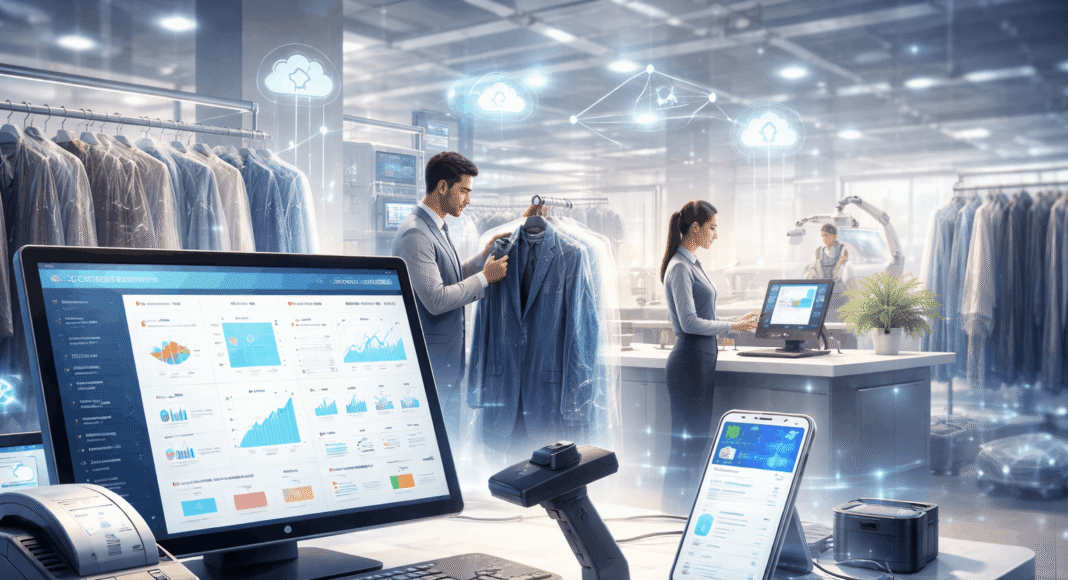

Key Takeaways
- Modern dry cleaning software in 2026 is cloud-based and AI-powered, helping businesses automate garment tracking, customer communication, delivery logistics, and plant operations.
- Leading platforms like CleanCloud, SMRT Systems, and Cents dominate the industry by offering integrated POS, mobile apps, IoT machine monitoring, and advanced analytics for operational efficiency.
- Choosing the right dry cleaning software is critical for business growth, enabling operators to reduce errors, improve turnaround times, enhance customer experience, and scale multi-location operations.
The dry cleaning and garment care industry has undergone a dramatic transformation over the past decade, driven largely by the rapid evolution of digital technology. By 2026, dry cleaning software has become one of the most critical operational tools for businesses seeking to modernize their workflows, improve efficiency, and remain competitive in a rapidly changing service economy. What once relied heavily on manual ticketing systems, handwritten garment tags, and fragmented point-of-sale terminals has now evolved into a fully digitized ecosystem powered by cloud-based platforms, automation technologies, and intelligent analytics.
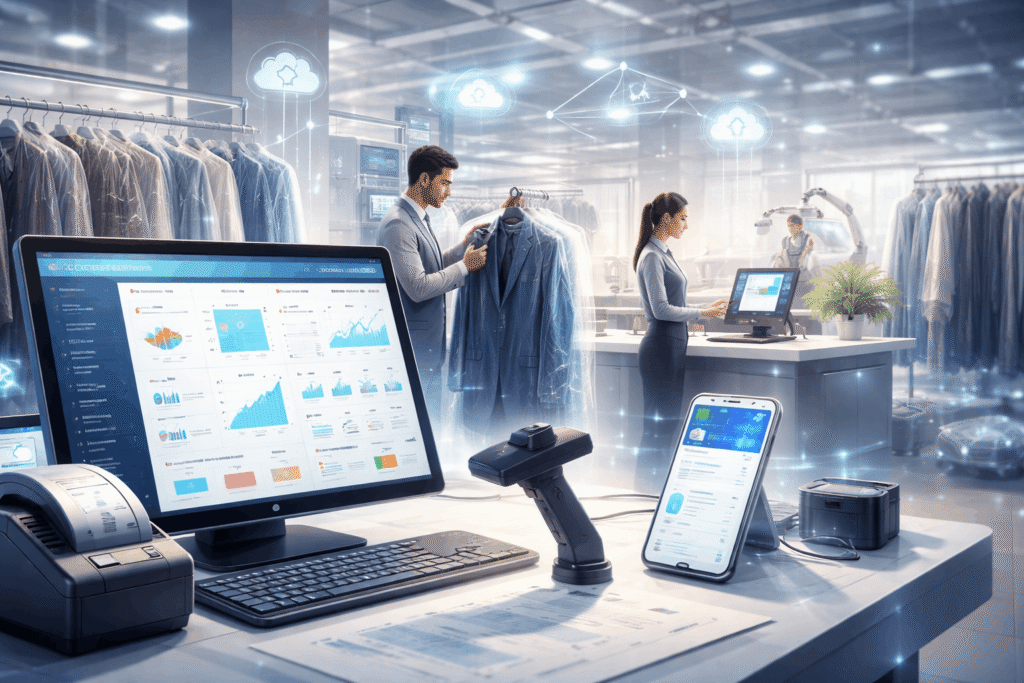
As customer expectations continue to shift toward convenience, speed, and transparency, dry cleaning businesses are increasingly adopting advanced management software to meet these demands. Today’s garment care providers are no longer simply local storefront operations handling walk-in customers. Instead, many operate as integrated service platforms offering pickup and delivery logistics, mobile app ordering, automated customer notifications, and real-time order tracking. This operational complexity requires powerful software solutions capable of coordinating every stage of the garment care lifecycle, from intake and processing to delivery and customer engagement.
In this evolving landscape, the importance of choosing the right dry cleaning software has never been greater. Modern dry cleaning management platforms function as the digital backbone of garment care businesses, enabling operators to manage daily operations with greater accuracy, efficiency, and visibility. These systems automate key processes such as garment tagging, inventory tracking, billing, customer communication, and logistics management. By integrating these functions into a unified digital platform, businesses can reduce human error, streamline workflows, and provide a more reliable customer experience.
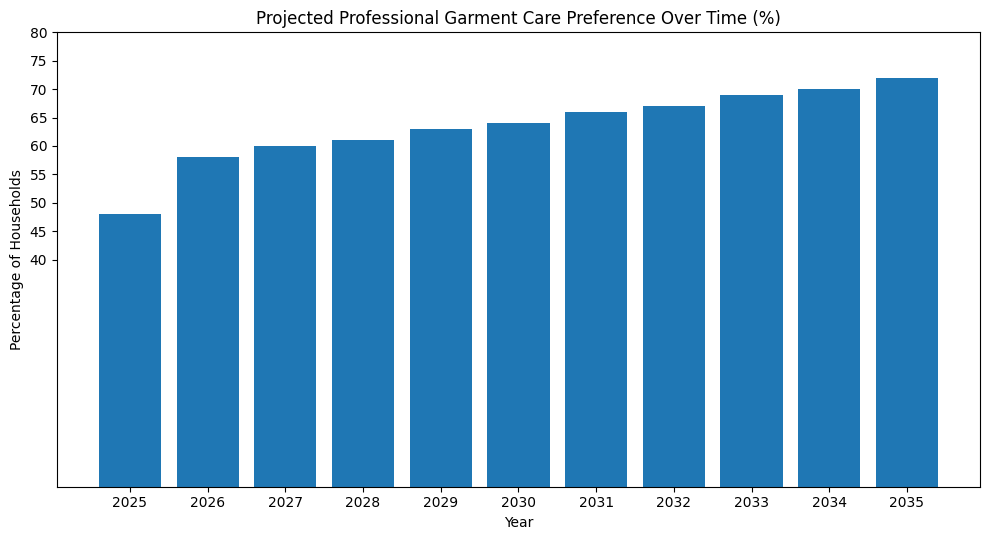
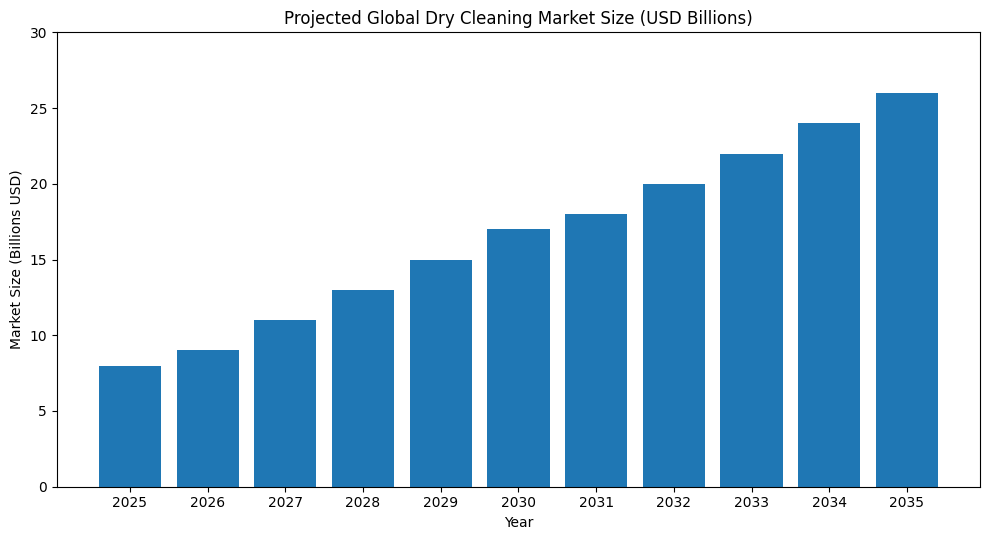
The global dry cleaning market itself is also expanding rapidly, fueled by urbanization, rising disposable income, and the growing demand for professional garment care services. As more consumers rely on specialized cleaning for delicate fabrics, formal wear, and high-value clothing, service providers are under increasing pressure to deliver fast turnaround times and flawless order accuracy. Advanced software solutions play a vital role in achieving these standards by ensuring that garments are tracked precisely throughout the cleaning process and returned to customers on schedule.
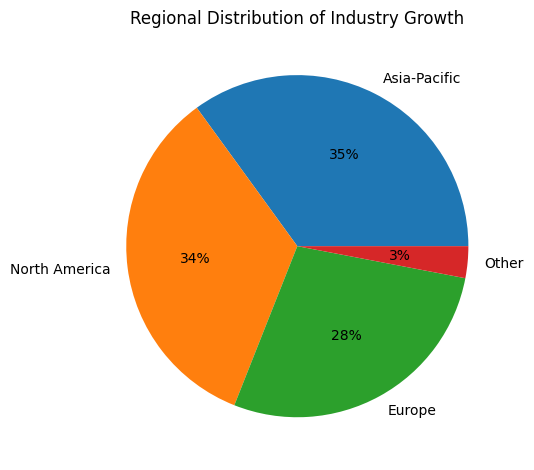
Another major factor driving the adoption of dry cleaning software in 2026 is the increasing integration of emerging technologies such as artificial intelligence, Internet of Things connectivity, and data analytics. AI-powered systems are now capable of analyzing operational data to forecast demand, optimize staffing levels, and automate customer service inquiries. Meanwhile, IoT-enabled equipment allows businesses to monitor laundry machines and cleaning equipment in real time, helping operators identify maintenance issues before they disrupt production.
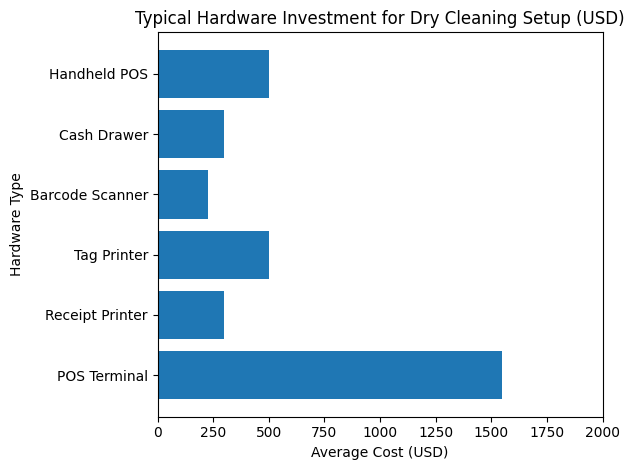
Cloud computing has also become a defining feature of modern dry cleaning software platforms. Unlike traditional on-premise systems that require local servers and manual updates, cloud-based solutions allow businesses to access operational data from anywhere while benefiting from automatic software updates and scalable infrastructure. This flexibility is especially valuable for businesses operating multiple locations or managing delivery networks across large service areas.
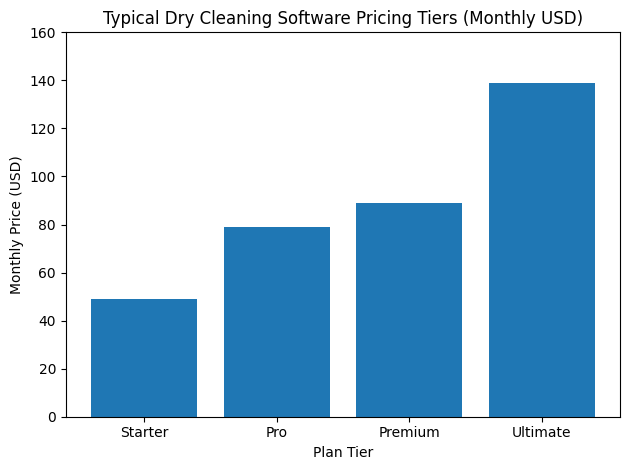
Furthermore, the modern dry cleaning industry is experiencing a shift toward digital customer engagement. Mobile apps, automated notifications, and online booking systems have become essential tools for building customer loyalty and improving service convenience. Customers increasingly expect to track their orders in real time, receive notifications when garments are ready, and schedule pickup or delivery services through their smartphones. Dry cleaning software platforms that support these digital interactions give businesses a significant advantage in attracting and retaining customers.
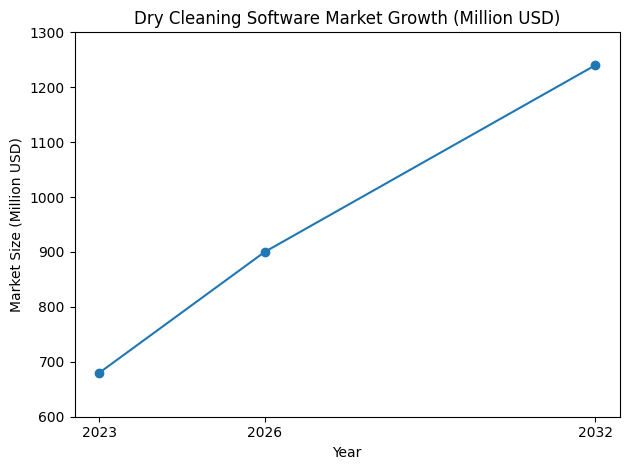
In addition to operational efficiency and customer experience improvements, many software platforms now incorporate sustainability and compliance features. As environmental regulations tighten and consumer awareness of sustainability grows, businesses are adopting systems that track water consumption, energy usage, and chemical management practices. These tools help garment care providers meet regulatory requirements while demonstrating environmental responsibility to customers.
Against this backdrop of technological innovation and industry transformation, a new generation of software platforms has emerged to support the evolving needs of garment care businesses. From cloud-native POS systems and AI-driven analytics tools to IoT-enabled machine monitoring and advanced logistics management platforms, the modern dry cleaning software ecosystem offers a wide range of solutions designed to optimize every aspect of operations.
This guide explores the top 10 dry cleaning software platforms in the world in 2026. Each platform offers unique strengths, whether in automation, customer engagement, financial management, plant operations, or delivery logistics. By examining these leading solutions, garment care professionals can better understand which technologies are shaping the future of the industry and how the right software platform can support long-term business growth.
For dry cleaning businesses seeking to modernize their operations, improve efficiency, and meet the expectations of today’s digitally connected customers, investing in the right software platform is no longer optional. It has become a strategic necessity that determines how effectively a business can compete in the rapidly evolving global garment care marketplace.
Before we venture further into this article, we would like to share who we are and what we do.
About 9cv9
9cv9 is a business tech startup based in Singapore and Asia, with a strong presence all over the world.
With over nine years of startup and business experience, and being highly involved in connecting with thousands of companies and startups, the 9cv9 team has listed some important learning points in this overview of the Top 10 Dry Cleaning Software To Know in 2026.
If you like to get your company listed in our top B2B software reviews, check out our world-class 9cv9 Media and PR service and pricing plans here.
Top 10 Dry Cleaning Software To Know in 2026
- CleanCloud
- SMRT Systems
- Cents
- Geelus
- Xplor Spot
- Enlite POS
- Turns
- Fabklean
- SuccessWare
- Quick Dry Cleaning Software (QDC)
1. CleanCloud
The global dry cleaning and garment care industry has undergone a significant technological transformation over the past decade. By 2026, software platforms have become the operational backbone of modern dry cleaning businesses, replacing traditional manual processes with fully digitized workflows. As the industry expands to serve increasingly urbanized populations and on-demand service expectations, dry cleaning software systems now play a critical role in improving efficiency, enhancing customer engagement, and enabling scalable business models.
Within this evolving ecosystem, the market for dry cleaning software has grown increasingly competitive, with several platforms offering cloud-based point-of-sale systems, automated garment tracking, customer relationship management tools, and integrated logistics for pickup and delivery services. These solutions allow dry cleaners, laundromats, and garment care chains to streamline daily operations while also adopting modern digital commerce strategies.
Among the platforms that dominate this landscape, CleanCloud has consistently emerged as one of the most influential solutions worldwide. Its adoption across thousands of businesses and millions of end customers positions it as a defining benchmark for what modern dry cleaning software can deliver.
The Role of CleanCloud in the Modern Dry Cleaning Technology Ecosystem
CleanCloud has established itself as a leading force in the global dry cleaning software market by focusing on accessibility, cloud infrastructure, and mobile-first design principles. By 2026, the platform functions as the digital operating system for a vast network of laundromats and garment care businesses across multiple continents.
Industry analysts estimate that CleanCloud supports more than 5,000 dry cleaning businesses worldwide, ranging from small independent stores to multi-location garment care chains. Through these businesses, the platform indirectly serves more than 10 million end customers who interact with the system through digital order management, mobile applications, and automated notifications.
The platform’s growth reflects a broader shift within the industry toward software-driven operations that reduce manual administration while enabling business owners to manage services, pricing, customer relationships, and logistics from a centralized cloud environment.
Global Adoption and Market Presence
CleanCloud’s international presence highlights the increasing globalization of the garment care technology sector. Businesses in North America, Europe, Asia-Pacific, and the Middle East have adopted the platform due to its scalable architecture and relatively low barrier to entry.
The following table illustrates the estimated global reach of CleanCloud as of 2026.
Table: CleanCloud Global Platform Footprint (2026)
| Category | Estimated Scale |
|---|---|
| Dry Cleaning Businesses Using System | 5,000+ locations worldwide |
| End Customers Interacting with System | 10,000,000+ active users |
| Countries with Platform Presence | 90+ markets |
| Transactions Processed Annually | Hundreds of millions |
| Total Transaction Volume Processed | Over $1 billion cumulative |
This level of adoption places CleanCloud among the most widely used software solutions in the dry cleaning industry.
Financial Transaction Milestone and Data Intelligence
One of the defining indicators of CleanCloud’s scale is its ability to process more than $1 billion in transactions by 2026. This milestone not only demonstrates the platform’s widespread use but also provides a valuable data infrastructure that helps businesses make better operational decisions.
Because the platform aggregates anonymized transactional data across thousands of businesses, it can generate benchmarking insights that allow individual operators to compare their performance against industry averages. These insights often include metrics such as average order value, garment processing turnaround time, seasonal demand patterns, and customer retention indicators.
The result is a data-driven operational environment where business owners can optimize pricing strategies, staffing schedules, and marketing campaigns based on real-world industry performance benchmarks.
Operational Efficiency Through Workflow Automation
Modern dry cleaning operations require precise coordination between garment intake, cleaning processes, tagging, storage, and final delivery. CleanCloud addresses these complexities through automation tools that track garments throughout every stage of the cleaning lifecycle.
Automated barcode or QR-based garment tracking allows staff to identify items instantly while reducing the likelihood of human error. Workflow optimization features ensure that garments move efficiently through cleaning, pressing, quality control, and packaging processes.
Industry studies suggest that businesses implementing CleanCloud’s automated workflows typically experience a 20 to 30 percent reduction in garment processing time compared with manual or legacy systems.
Table: Operational Improvements Enabled by CleanCloud
| Operational Area | Traditional Method | With CleanCloud Implementation | Estimated Efficiency Gain |
|---|---|---|---|
| Garment Tracking | Manual tagging and logging | Barcode or QR code digital tracking | 30% faster identification |
| Order Management | Paper-based order slips | Digital POS and cloud order records | 25% faster processing |
| Pickup and Delivery Scheduling | Phone-based coordination | Automated route and time scheduling | 20% improvement |
| Customer Notifications | Manual calls or SMS | Automated digital notifications | 35% reduction in staff time |
Mobile Ecosystem and Customer Experience Innovation
A major differentiator for CleanCloud is its extensive mobile application ecosystem. The platform offers dedicated mobile apps for both business operators and end customers, available across iOS and Android devices.
For business owners, the mobile management application enables real-time monitoring of store performance, order volumes, and operational metrics. Owners can access dashboards, generate reports, and manage multiple store locations remotely.
For customers, the mobile experience introduces a level of convenience that aligns with modern service expectations. Users can schedule pickups, track garment status in real time, receive automated notifications, and make digital payments directly through the application.
Table: Key Mobile Application Features
| Feature Category | Customer App Capabilities | Business App Capabilities |
|---|---|---|
| Order Tracking | Real-time garment status updates | Order progress monitoring |
| Pickup Scheduling | Automated booking and reminders | Route planning and logistics management |
| Payment Integration | Digital payments and saved payment methods | Revenue tracking and reporting |
| Notifications | Push notifications for order updates | Operational alerts and performance metrics |
| Customer Profiles | Order history and preferences | CRM data and customer segmentation |
Digital Marketing and Local SEO Tools
In addition to operational capabilities, CleanCloud integrates marketing and visibility tools that allow independent dry cleaners to compete more effectively in local search environments.
Many small garment care businesses historically relied on word-of-mouth or physical storefront visibility. CleanCloud introduces search optimization features and customer engagement tools that improve digital discoverability. Businesses using the platform can leverage automated review requests, customer loyalty programs, and search optimization integrations that increase their chances of appearing in local search results.
These capabilities allow independent operators to compete with larger garment care chains that previously dominated digital marketing channels.
Community Engagement and Corporate Social Responsibility Integration
The 2026 dry cleaning industry is increasingly influenced by corporate social responsibility initiatives. Customers are showing growing interest in businesses that contribute to social causes and community programs.
Recognizing this shift, CleanCloud has integrated donation capabilities within its checkout process through a partnership with the LaundryCares Foundation. This initiative allows customers to contribute small donations at the point of sale to support programs that provide free laundry services for underserved communities.
Such integrations reflect a broader trend within service industries where technology platforms enable businesses to incorporate charitable engagement directly into their transactional infrastructure.
Competitive Positioning in the Global Dry Cleaning Software Market
In the broader context of the Top 10 Dry Cleaning Software Platforms in 2026, CleanCloud is widely regarded as the benchmark against which other solutions are compared. Its strong combination of scalability, automation capabilities, customer-facing applications, and international adoption has made it a central reference point within the industry.
Competitive Matrix: CleanCloud vs Typical Dry Cleaning Software Platforms
| Feature Dimension | CleanCloud Platform | Typical Industry Software |
|---|---|---|
| Deployment Model | Cloud-native architecture | Often hybrid or locally hosted |
| Mobile Applications | Full iOS and Android suite | Limited or absent |
| Global User Base | 5,000+ businesses | Hundreds to low thousands |
| Customer App Integration | Fully integrated ecosystem | Often third-party integrations |
| Transaction Data Insights | Large-scale benchmarking | Limited analytics |
| Social Responsibility Tools | Built-in donation options | Rarely included |
Conclusion
By 2026, CleanCloud represents a significant milestone in the modernization of the global dry cleaning industry. Its cloud-based infrastructure, mobile-first design philosophy, and integrated operational tools have enabled thousands of businesses to transition away from legacy systems and adopt fully digital service models.
Through its combination of operational efficiency, customer experience enhancements, marketing tools, and social responsibility integrations, the platform illustrates how technology can transform traditional service industries. As dry cleaning businesses continue to evolve in response to digital commerce and on-demand consumer behavior, software platforms like CleanCloud are expected to remain central to the industry’s future growth and innovation.
2. SMRT Systems
Within the evolving landscape of garment care technology, SMRT Systems has established itself as one of the most sophisticated enterprise-level dry cleaning software platforms operating in 2026. While many software solutions in the industry focus on small or mid-sized laundromats, SMRT Systems is specifically designed to support high-volume operations and complex garment care workflows.
Industry analysts frequently categorize SMRT Systems as a premium operational platform engineered for large-scale dry cleaning chains, centralized processing plants, and businesses that manage large volumes of daily garment transactions. The system is often described as a comprehensive digital operations framework that integrates point-of-sale technology, workflow automation, delivery logistics, and financial reporting into a unified operational environment.
In the competitive analysis of the Top 10 Dry Cleaning Software Platforms in the world in 2026, SMRT Systems consistently ranks among the leading enterprise solutions due to its emphasis on profit optimization, operational visibility, and automation-driven cost control.
Enterprise-Level Architecture and Operational Philosophy
The design philosophy behind SMRT Systems is rooted in the concept of operational transparency and industrial precision. Unlike traditional point-of-sale platforms that primarily record transactions, SMRT Systems functions as a full-scale operational intelligence platform that allows managers to monitor every stage of the garment lifecycle.
From the moment a garment is received at the counter to the final delivery to the customer, the system provides real-time visibility into each processing stage. This level of tracking enables businesses to identify operational inefficiencies, measure processing times, and optimize staffing levels across different departments.
The software’s architecture is particularly valuable for businesses operating centralized cleaning facilities where thousands of garments move through multiple processing stages daily.
Table: Operational Lifecycle Tracking in SMRT Systems
| Processing Stage | System Capability | Operational Benefit |
|---|---|---|
| Garment Intake | Digital tagging and item registration | Accurate garment identification and intake logging |
| Sorting and Processing | Workflow status tracking across cleaning stages | Reduced garment misplacement and delays |
| Quality Control | Automated checkpoints within the system | Higher service consistency and quality assurance |
| Packaging | Digital order completion verification | Faster order finalization |
| Delivery Preparation | Integration with delivery scheduling modules | Efficient logistics coordination |
| Customer Delivery | Real-time delivery tracking | Improved customer transparency |
Profit Engineering Through Labor Cost Optimization
One of the distinguishing characteristics of SMRT Systems is its strong focus on profit engineering. The platform has been designed to help garment care businesses increase profitability by reducing operational inefficiencies, particularly in the area of labor management.
In traditional dry cleaning operations, labor costs represent one of the largest operational expenses. SMRT Systems addresses this challenge through automation tools that reduce manual administrative tasks and improve workforce allocation.
For example, the system can automate customer communication processes, generate digital receipts, trigger automated notifications, and manage delivery confirmations without requiring staff intervention.
Table: Automation Capabilities and Labor Cost Impact
| Automation Feature | Manual Process Replaced | Estimated Operational Impact |
|---|---|---|
| Automated Customer Notifications | Staff phone calls and manual messaging | 40% reduction in communication workload |
| Digital Order Management | Paper order tickets and manual logs | 25% faster order processing |
| Integrated Billing System | Separate accounting workflows | Reduced financial administration time |
| Automated Delivery Updates | Manual driver communication | Faster logistics coordination |
Businesses using SMRT Systems often report significant improvements in operational efficiency as repetitive tasks are transferred from human staff to automated workflows.
Real-Time KPI Monitoring and Performance Analytics
A defining feature of SMRT Systems is its emphasis on data-driven performance monitoring. Managers can configure custom Key Performance Indicators (KPIs) within the platform to track facility productivity, order throughput, staff performance, and service turnaround times.
These analytical tools provide operational leaders with a real-time overview of the entire business ecosystem, allowing them to make rapid decisions that optimize resource allocation and improve service quality.
Table: Example Operational KPIs Tracked by SMRT Systems
| KPI Category | Measurement Metric | Business Insight Provided |
|---|---|---|
| Garment Processing Speed | Average turnaround time per garment | Identifies production bottlenecks |
| Order Volume | Orders processed per hour or per employee | Measures staff productivity |
| Delivery Efficiency | Average delivery time per route | Optimizes delivery scheduling |
| Customer Retention | Repeat customer percentage | Tracks customer loyalty trends |
| Revenue per Order | Average order value | Evaluates pricing and service mix strategies |
These analytical capabilities enable dry cleaning operators to transition from reactive management styles toward proactive, data-informed decision making.
Advanced Delivery Management and Route Optimization
The delivery management module within SMRT Systems is widely regarded as one of the most advanced logistics features available in dry cleaning software platforms.
Many garment care businesses now operate hybrid service models that combine traditional storefront services with pickup and delivery operations. Managing delivery drivers, routes, and customer schedules requires specialized logistics capabilities.
SMRT Systems addresses these needs through a delivery interface that provides real-time driver progress monitoring. Managers can visualize driver activity across multiple delivery stops using a dynamic progress bar that tracks the completion status of routes.
Table: Delivery Management Capabilities in SMRT Systems
| Delivery Feature | System Functionality | Operational Benefit |
|---|---|---|
| Driver Progress Tracking | Visual progress bar showing route completion | Real-time operational visibility |
| Route Editing | Managers can modify routes dynamically | Improved flexibility during peak demand |
| Delivery Stop Monitoring | GPS-based tracking of driver locations | Increased delivery accuracy |
| Automated Customer Notifications | Notifications for delivery status updates | Enhanced customer experience |
| Delivery Performance Reports | Driver productivity and route efficiency analytics | Continuous logistics optimization |
These capabilities make the system particularly attractive to large dry cleaning chains that operate multiple delivery vehicles across metropolitan areas.
Global Presence and Organizational Footprint
SMRT Systems maintains a significant international presence, reflecting its role as a leading enterprise technology provider within the garment care sector. The company operates offices across several major global regions, enabling it to support customers in different markets and time zones.
Table: Global Operational Footprint of SMRT Systems
| Region | Office Location | Strategic Role |
|---|---|---|
| North America | North Carolina, United States | Corporate headquarters and core operations |
| North America | California, United States | Technology and industry partnerships |
| Europe | Sweden | European market expansion |
| Asia-Pacific | Australia | Regional customer support and operations |
This global distribution of offices enables the company to serve enterprise clients with international operations.
Integration Model and Platform Architecture
Although SMRT Systems offers robust internal integration between its core modules, one aspect of the platform that occasionally receives criticism from technology-focused users is the absence of a publicly available API.
Public APIs typically allow businesses to connect third-party applications, custom tools, and external data systems directly to their primary software platforms. While SMRT Systems prioritizes tight internal integration between its own modules, the lack of open APIs can limit customization opportunities for businesses seeking highly specialized integrations.
Despite this limitation, the internal architecture of SMRT Systems ensures seamless interaction between major components such as point-of-sale, billing systems, garment tracking modules, and reporting tools.
Table: Core System Modules in SMRT Systems
| System Module | Primary Function |
|---|---|
| Point-of-Sale System | Customer order intake and payment processing |
| Garment Tracking | Lifecycle management for every garment processed |
| Billing and Accounting | Financial tracking and revenue management |
| Delivery Management | Logistics planning and route monitoring |
| Reporting and Analytics | Operational insights and performance monitoring |
Pricing Structure and Value Proposition
In 2026, SMRT Systems maintains a pricing model that reflects its enterprise-level positioning within the dry cleaning technology market. The base pricing structure begins at approximately $75 per terminal or user per month.
Although this price point is higher than many entry-level dry cleaning software solutions, businesses operating at scale often view the investment as justified due to the productivity gains and labor savings generated by automation.
Table: SMRT Systems Pricing Overview (2026)
| Pricing Component | Estimated Cost Range |
|---|---|
| Base Subscription | $75 per terminal or user per month |
| Implementation Setup | Varies depending on facility scale |
| Training Services | Optional enterprise onboarding plans |
| Support Services | Included with enterprise subscription |
Users frequently report that the automated communication features alone significantly reduce operational stress. SMS and email automation eliminate the need for staff to manually notify customers about order status, pickup reminders, or delivery confirmations.
Many operators describe this capability as transformative for work-life balance because it reduces the need for constant phone communication and after-hours administrative work.
Competitive Positioning Among the Top Dry Cleaning Software Platforms
Within the broader competitive landscape of dry cleaning software platforms in 2026, SMRT Systems occupies a distinctive position as a premium enterprise-focused solution.
Comparative Matrix: SMRT Systems vs Typical Dry Cleaning POS Platforms
| Feature Dimension | SMRT Systems Platform | Typical Dry Cleaning POS Software |
|---|---|---|
| Target Business Size | Enterprise and high-volume | Small to mid-sized operations |
| Delivery Logistics Integration | Advanced real-time monitoring | Basic route scheduling |
| Automation Capabilities | Extensive workflow automation | Limited automation features |
| KPI and Data Analytics | Custom enterprise dashboards | Standard reporting tools |
| API Availability | Limited external integration | Often includes open APIs |
| Pricing Tier | Premium enterprise pricing | Lower cost entry-level solutions |
Conclusion
As the dry cleaning industry continues to modernize through digital infrastructure, SMRT Systems has emerged as a leading enterprise solution for high-volume garment care operations. Its focus on operational visibility, labor cost reduction, delivery logistics optimization, and data-driven performance management has made it one of the most advanced platforms in the industry.
For large dry cleaning businesses seeking a comprehensive system capable of handling complex workflows and significant transaction volumes, SMRT Systems represents a powerful operational platform that prioritizes efficiency, scalability, and profitability.
3. Cents
The global dry cleaning and laundry technology sector has experienced rapid innovation in recent years, driven by the adoption of artificial intelligence, automation, and connected hardware infrastructure. Among the platforms that have significantly influenced this transformation is Cents, a technology company that has positioned itself as an AI-centric disruptor within the garment care software market.
Since its founding in 2019, Cents has rapidly expanded its presence across the laundry and dry cleaning industries by introducing automation-focused software designed to address operational inefficiencies and labor shortages. By 2026, the platform has gained adoption among more than 4,000 laundry and dry cleaning businesses worldwide.
Cents’ growth trajectory has been supported by substantial venture capital investment. The company secured approximately $77 million in Series B funding, which has enabled the development of advanced automation technologies, artificial intelligence capabilities, and integrated hardware solutions that modernize traditional garment care facilities.
In the broader analysis of the Top 10 Dry Cleaning Software Platforms in the world in 2026, Cents is widely recognized for redefining how automation and artificial intelligence can be applied within the laundry and dry cleaning industry.
Growth Trajectory and Market Expansion
Cents has experienced one of the fastest growth rates among dry cleaning technology providers. Unlike many traditional point-of-sale platforms that evolved from legacy retail systems, Cents was designed from the beginning as a cloud-native automation platform focused on reducing operational complexity.
The platform’s adoption has expanded rapidly across laundromats, dry cleaning businesses, and hybrid garment care facilities that combine self-service laundry with professional garment processing.
Table: Cents Platform Growth Indicators (2026)
| Category | Estimated Scale |
|---|---|
| Businesses Using the Platform | 4,000+ stores worldwide |
| Company Founding Year | 2019 |
| Venture Funding Raised | $77 million (Series B) |
| Primary Market Segments | Laundromats, dry cleaners, hybrid facilities |
| Core Technology Focus | AI automation, IoT connectivity, digital payments |
This rapid expansion reflects the industry’s increasing demand for automation solutions capable of handling customer communication, equipment monitoring, and operational analytics.
Artificial Intelligence and the Cents Assist Virtual Receptionist
One of the defining innovations that distinguishes Cents from competing platforms is its artificial intelligence-powered customer interaction system known as Cents Assist. This feature functions as a virtual receptionist capable of handling customer inquiries automatically through digital channels.
The dry cleaning industry has historically relied heavily on front-desk staff to manage customer phone calls, order inquiries, service questions, and pickup scheduling. Labor shortages and rising staffing costs have made this model increasingly difficult to sustain.
Cents Assist addresses this challenge by using artificial intelligence to filter and respond to a large percentage of incoming customer communications.
Table: AI Receptionist Capabilities in Cents Assist
| Capability Category | AI Functionality | Operational Impact |
|---|---|---|
| Customer Inquiry Handling | Automated responses to service questions | Reduced front-desk workload |
| Order Status Updates | Instant garment tracking responses | Improved customer transparency |
| Appointment Scheduling | Automated pickup and delivery booking | Faster service coordination |
| Multilingual Support | Communication across multiple languages | Expanded customer accessibility |
| 24/7 Customer Interaction | Continuous automated support | Reduced need for overnight staffing |
Industry estimates suggest that the AI system can filter between 80 percent and 100 percent of customer inquiries before they reach human staff. This capability significantly reduces operational pressure on front-desk employees while allowing businesses to maintain continuous customer service availability.
Internet of Things Integration Through Cents Connect
Another key innovation introduced by Cents is its hardware integration system known as Cents Connect. This technology bridges the gap between traditional laundry equipment and modern cloud-based monitoring systems.
Many laundromats and dry cleaning businesses operate machines that were manufactured years or even decades ago, often lacking digital connectivity. Cents Connect enables these machines to be integrated into a digital management platform regardless of their original manufacturing specifications.
The system captures telemetry data from machines and transmits this information to the Cents cloud platform, allowing business owners to monitor operational performance remotely.
Table: Machine Telemetry and IoT Monitoring with Cents Connect
| Monitoring Feature | System Capability | Business Benefit |
|---|---|---|
| Machine Status Tracking | Real-time operational monitoring | Immediate detection of machine downtime |
| Revenue Monitoring | Automatic tracking of machine-generated income | Financial transparency across facilities |
| Remote Equipment Management | Centralized monitoring from mobile dashboards | Reduced need for on-site supervision |
| Machine Utilization Analytics | Data on usage patterns and peak demand periods | Improved operational planning |
| Model-Agnostic Compatibility | Integration with machines of various ages and models | Extended lifespan of legacy equipment |
By connecting traditional machines to digital management systems, Cents effectively transforms coin-operated laundromats into connected, data-driven facilities capable of operating with modern digital payment infrastructures.
Transition from Coin-Operated to Cashless Laundry Facilities
The introduction of IoT connectivity through Cents Connect has also accelerated the industry’s transition toward cashless operations. Many laundromats historically relied on coin-operated machines, which required manual cash collection and physical maintenance.
By integrating connected payment systems, business owners can convert traditional machines into digital payment-enabled units without replacing existing equipment. This approach allows facilities to modernize their operations while minimizing capital expenditure.
Table: Traditional Laundromat Model vs IoT-Enabled Facilities
| Operational Dimension | Traditional Coin Laundry Model | Cents IoT-Enabled Model |
|---|---|---|
| Payment Method | Coins or physical tokens | Cashless digital payments |
| Machine Monitoring | Manual inspection | Remote telemetry monitoring |
| Revenue Tracking | Manual coin collection | Automated revenue reporting |
| Equipment Performance Data | Limited operational visibility | Real-time performance analytics |
| Customer Experience | Basic self-service | Digitally connected service platform |
Marketing and Customer Acquisition with Cents Accelerate
In addition to operational automation, Cents provides digital marketing tools through a module known as Cents Accelerate. This feature focuses on improving online visibility and reputation management for garment care businesses.
Independent dry cleaning operators often struggle with digital marketing due to limited technical resources. Cents Accelerate provides integrated tools that assist businesses with search visibility, customer reviews, and online reputation management.
Table: Marketing Tools within Cents Accelerate
| Marketing Feature | System Functionality | Strategic Benefit |
|---|---|---|
| Review Management | Automated review requests and reputation tracking | Improved online ratings |
| Local Search Optimization | Tools for improving search visibility | Increased customer discovery |
| Customer Retention Campaigns | Automated marketing communications | Higher repeat customer rates |
| Analytics Dashboard | Performance tracking for marketing efforts | Data-driven marketing strategies |
These capabilities enable garment care businesses to compete more effectively in local digital marketplaces where online visibility plays a critical role in customer acquisition.
Logistics Optimization and Pickup and Delivery Management
Modern dry cleaning businesses increasingly rely on pickup and delivery services to attract customers seeking convenience. Cents addresses this trend through advanced route optimization tools that incorporate geofencing technology.
Geofencing allows the platform to identify customer locations within defined service areas and automatically organize delivery routes to maximize efficiency.
Table: Logistics Features in the Cents Platform
| Logistics Capability | Technology Used | Operational Advantage |
|---|---|---|
| Route Optimization | AI-assisted route planning | Reduced fuel costs and delivery times |
| Geofencing Service Areas | Location-based delivery scheduling | Accurate service coverage planning |
| Driver Management | Delivery tracking and performance data | Increased delivery accountability |
| Pickup and Delivery Scheduling | Automated customer booking system | Improved customer convenience |
These logistics tools help businesses maintain profitability in pickup and delivery operations, which can otherwise become cost-intensive without proper route planning.
Advanced Garment Care Workflow Management
While Cents initially gained traction within the laundromat sector, the platform has also achieved strong adoption within the dry cleaning segment due to its ability to manage complex garment care workflows.
Dry cleaning orders often include multiple garment types that require different cleaning methods, such as laundered shirts, dry-clean-only garments, or hang-dry items. The system allows operators to track individual items within a single order while maintaining detailed care instructions for each garment.
Table: Garment-Level Order Management Capabilities
| Workflow Feature | System Functionality | Operational Benefit |
|---|---|---|
| Item-Level Garment Tracking | Individual item identification within an order | Reduced garment misplacement |
| Care Instruction Management | Tagging for wash, dry-clean, or specialty handling | Improved service accuracy |
| Mixed Order Processing | Multiple garment types within one customer order | Greater operational flexibility |
| Order Lifecycle Tracking | Real-time status updates across processing stages | Enhanced operational transparency |
These capabilities allow dry cleaning businesses to handle complex garment care requirements while maintaining operational efficiency.
Competitive Positioning in the Dry Cleaning Software Market
In the broader context of the Top Dry Cleaning Software Platforms in the world in 2026, Cents stands out due to its strong emphasis on artificial intelligence, automation, and hardware connectivity.
Competitive Matrix: Cents vs Traditional Dry Cleaning Software Platforms
| Feature Dimension | Cents Platform | Traditional Dry Cleaning Software |
|---|---|---|
| Artificial Intelligence | Integrated AI receptionist | Limited or no AI capabilities |
| Hardware Connectivity | IoT-enabled machine telemetry | Minimal equipment integration |
| Automation Level | High automation across operations | Moderate automation |
| Customer Communication | AI-driven messaging and scheduling | Manual or basic notification systems |
| Marketing Integration | Built-in reputation and SEO tools | Often requires external platforms |
| Equipment Data Analytics | Real-time machine telemetry | Rarely available |
Conclusion
Cents has emerged as one of the most innovative technology providers in the global dry cleaning and laundry software industry. Through its combination of artificial intelligence, IoT-enabled machine connectivity, automated customer service, and integrated marketing tools, the platform has transformed how garment care businesses operate in an increasingly digital environment.
As the industry continues to evolve toward automation and data-driven decision making, platforms like Cents demonstrate how emerging technologies can reshape traditional service industries. With strong adoption across thousands of facilities and a continued focus on AI-powered innovation, Cents is positioned as one of the most influential disruptors within the dry cleaning software ecosystem in 2026.
4. Geelus
The modernization of the dry cleaning industry has accelerated rapidly as businesses adopt cloud-based platforms that simplify operational workflows, reduce labor costs, and improve customer experiences. Among the software providers that have gained strong recognition for usability and flexibility is Geelus, a platform widely known for its intuitive design and hardware-agnostic architecture.
By 2026, Geelus has established itself as one of the most accessible dry cleaning software solutions available, particularly for small and mid-sized businesses seeking rapid digital transformation without large upfront technology investments. Industry observers frequently highlight Geelus as one of the top-performing platforms in terms of ease of use, scalability, and rapid deployment.
In the broader evaluation of the Top 10 Dry Cleaning Software Platforms in the world in 2026, Geelus stands out for its philosophy of operational simplicity combined with extensive compatibility across devices and operating systems.
Design Philosophy and Ease of Use
One of the defining characteristics of Geelus is its strong emphasis on simplicity and usability. Unlike enterprise-focused platforms that require extensive training or complex onboarding processes, Geelus is designed to allow businesses to begin operations quickly with minimal technical barriers.
The platform promotes what many users describe as a “Set It and Forget It” approach to automation. Once the core operational workflows are configured, many daily tasks become automated, allowing dry cleaning businesses to focus on service delivery rather than administrative management.
This approach has been particularly attractive to independent dry cleaners and multi-location operators who want reliable operational automation without complex system management requirements.
Table: Key Usability Advantages of Geelus
| Usability Factor | Platform Capability | Operational Benefit |
|---|---|---|
| Rapid Deployment | Cloud-based installation without hardware setup | Quick onboarding for new businesses |
| Intuitive Interface | Simplified user interface design | Reduced training requirements |
| Automated Workflow Management | Preconfigured automation processes | Less manual supervision required |
| Cloud Accessibility | Access from any connected device | Flexible operational management |
| Simplified Order Processing | Streamlined garment intake and order management | Faster customer service operations |
These usability features have contributed to the platform’s reputation as one of the easiest dry cleaning management systems to implement and operate.
Universal Hardware Compatibility
One of the most distinctive technological features of Geelus is its hardware-agnostic architecture. Unlike many legacy dry cleaning systems that require proprietary terminals or specific operating systems, Geelus operates entirely through cloud infrastructure.
This allows the platform to function on an exceptionally wide range of devices and operating systems, including both conventional and unconventional hardware environments.
Supported operating environments include Windows, macOS, Linux, iOS, and Android. In addition, the platform has demonstrated compatibility with consumer devices that are not traditionally used in business environments, including gaming consoles and legacy handheld devices.
Table: Device and Operating System Compatibility
| Device or System Category | Supported Platforms | Business Advantage |
|---|---|---|
| Desktop Operating Systems | Windows, macOS, Linux | Flexible office workstation deployment |
| Mobile Devices | iOS and Android smartphones or tablets | Mobile management and staff mobility |
| Consumer Electronics | Devices such as gaming consoles or handhelds | Repurposing existing hardware |
| Web Browser Access | Browser-based interface across multiple devices | No dedicated software installation required |
| Cloud Infrastructure | Fully hosted cloud platform | Reduced IT maintenance costs |
This extensive compatibility enables businesses to repurpose existing consumer electronics as point-of-sale terminals or order management devices. As a result, new dry cleaning businesses can adopt digital systems without investing heavily in specialized equipment.
Micro Processes and Employee Productivity Tracking
Geelus introduces a productivity monitoring system known as Micro Processes, which focuses on tracking operational efficiency at a granular level across different business functions.
This feature enables managers to analyze how staff members interact with operational tasks such as garment intake, tagging, sorting, processing, and order completion. The goal of Micro Processes is not only to monitor performance but also to identify inefficiencies that may slow down overall production.
Table: Micro Processes Productivity Tracking System
| Performance Dimension | Measurement Method | Management Insight |
|---|---|---|
| Order Processing Speed | Time taken to register and tag garments | Identifies workflow bottlenecks |
| Staff Task Efficiency | Employee interaction with operational steps | Evaluates staff productivity |
| Multi-Store Performance | Aggregated performance metrics across locations | Enables franchise-level management |
| Order Completion Time | Time from intake to ready-for-pickup | Improves turnaround time |
| Workflow Consistency | Standardized task monitoring | Enhances operational quality control |
For businesses managing multiple locations, this functionality provides centralized oversight that helps managers maintain consistent service standards across all facilities.
Automated Drop-Off Kiosks for 24/7 Service
Consumer expectations for convenience have significantly increased in recent years, particularly in urban areas where customers expect services to be available beyond traditional store hours. Geelus addresses this demand through the introduction of self-service kiosks designed to automate garment drop-off processes.
These kiosks function similarly to ATM machines, allowing customers to deposit garments, register service requests, and receive digital order confirmations without requiring assistance from staff members.
Table: Automated Kiosk Capabilities
| Kiosk Feature | Functionality | Customer Benefit |
|---|---|---|
| Self-Service Garment Drop-Off | Customers submit garments without staff assistance | 24/7 service availability |
| Digital Order Registration | Automated order creation within the system | Faster intake processing |
| Secure Garment Storage | Locked storage compartments | Enhanced security and order organization |
| Instant Confirmation | Automated receipts and notifications | Improved customer communication |
These kiosks allow businesses to extend service availability beyond regular operating hours while avoiding the additional labor costs associated with overnight staffing.
Pricing Structure and Subscription Plans
Geelus offers a flexible pricing structure designed to accommodate businesses of different sizes, from small independent dry cleaners to multi-location garment care chains.
The pricing model is structured around subscription tiers that scale according to order volume and number of users.
Table: Geelus Subscription Plans (2026)
| Plan Name | Monthly Price | Order Capacity | User Limit | Target Business Type |
|---|---|---|---|---|
| Starter | $19.00 | Up to 50 orders per month | 1 user | Small independent operators |
| Small | $39.00 | Up to 250 orders per month | 2 users | Growing local businesses |
| Medium | $129.00 | Unlimited orders | Up to 10 users | Established dry cleaning operations |
| Large | Custom Quote | Unlimited orders | Custom capacity | Multi-location franchises |
This scalable pricing model allows businesses to adopt the platform at a relatively low cost during early growth stages and upgrade their subscription as operational demand increases.
Free Trial and User Adoption Strategy
One notable aspect of Geelus’ market strategy is its risk-free onboarding approach. The company offers a 30-day free trial that allows businesses to test the platform without requiring a credit card during the signup process.
This strategy lowers the barrier to entry for small business owners who may be hesitant to commit to subscription software without firsthand experience.
Table: Trial and Onboarding Advantages
| Feature | Description | Strategic Impact |
|---|---|---|
| Free Trial Period | 30-day full-feature access | Encourages experimentation without financial risk |
| No Credit Card Requirement | Simple registration process | Increases trial adoption rates |
| Quick Setup | Cloud deployment with minimal configuration | Faster operational transition |
| Immediate Feature Access | Access to automation tools during trial | Demonstrates platform capabilities early |
The success of this onboarding approach has contributed to strong user satisfaction levels across software review platforms.
Customer Satisfaction and Industry Reputation
Geelus has received consistently high ratings across multiple software review platforms, with many reviewers citing its ease of use, responsive support team, and straightforward pricing structure as key advantages.
Table: User Feedback Highlights
| Evaluation Category | Common User Feedback |
|---|---|
| Ease of Use | Simple interface with minimal learning curve |
| Setup Process | Fast implementation without technical expertise |
| Customer Support | Responsive assistance and onboarding guidance |
| Value for Money | Competitive pricing for small and mid-sized businesses |
| Platform Stability | Reliable performance across different devices |
These positive user experiences have contributed to the platform achieving near-perfect ratings on several industry review sites.
Competitive Positioning in the Dry Cleaning Software Market
Within the broader ecosystem of dry cleaning management software in 2026, Geelus occupies a unique position as a highly accessible and versatile platform designed to support businesses of varying sizes.
Comparative Matrix: Geelus vs Typical Dry Cleaning Software Platforms
| Feature Dimension | Geelus Platform | Typical Industry Software |
|---|---|---|
| Hardware Compatibility | Works across multiple device types | Often limited to specific terminals |
| Deployment Model | Cloud-based system | Sometimes hybrid or locally installed |
| Automation Philosophy | “Set It and Forget It” workflow automation | Requires frequent manual oversight |
| Employee Productivity Tracking | Micro Processes performance analytics | Basic staff monitoring tools |
| Self-Service Kiosks | Integrated automated drop-off solutions | Rarely included |
| Pricing Flexibility | Multiple low-cost subscription tiers | Higher initial investment |
Conclusion
Geelus has emerged as one of the most accessible and adaptable dry cleaning software platforms in the global garment care technology market. Through its universal hardware compatibility, automation-driven workflow management, and innovative productivity monitoring tools, the platform enables businesses to modernize operations without heavy technological investment.
By combining simplicity with powerful automation capabilities, Geelus has become particularly attractive to small and mid-sized operators seeking efficient digital solutions. As the dry cleaning industry continues to adopt cloud-based operational infrastructure, Geelus represents a compelling example of how flexible technology platforms can accelerate digital transformation across the garment care sector in 2026.
5. Xplor Spot
As the dry cleaning and garment care industry increasingly adopts digital infrastructure, several long-established software providers have evolved to remain competitive in a cloud-driven environment. One of the most notable examples of this transition is Xplor Spot, previously known as Spot POS, which has successfully transformed from a legacy point-of-sale system into a modern Software-as-a-Service (SaaS) platform.
By 2026, Xplor Spot is recognized as one of the most refined enterprise-grade solutions within the dry cleaning software market. The platform combines decades of operational experience with modern cloud-based technology, enabling garment care businesses to manage large-scale operations while benefiting from continuous software updates and integrated financial services.
Within the broader evaluation of the Top 10 Dry Cleaning Software Platforms in the world in 2026, Xplor Spot holds a prominent position due to its enterprise capabilities, extensive industry network, and advanced delivery management tools.
Evolution from Legacy Software to Modern SaaS Platform
Xplor Spot originally emerged as a traditional locally installed point-of-sale system widely used by dry cleaning operators across North America. While the system built a strong reputation for reliability and depth of functionality, it faced criticism during earlier years for maintaining an outdated user interface and legacy architecture.
Recognizing the industry’s shift toward cloud-based infrastructure, the platform underwent a significant transformation to adopt a SaaS deployment model. This transition allowed businesses to benefit from centralized updates, remote accessibility, and integrated digital services.
The modernization effort culminated in a comprehensive platform redesign introduced in 2026, which significantly improved the system’s user interface while preserving the advanced operational features that enterprise users depend on.
Table: Evolution of the Xplor Spot Platform
| Development Phase | Key Characteristics | Industry Impact |
|---|---|---|
| Legacy POS Era | Locally installed point-of-sale software | Strong operational reliability |
| Cloud Transition | Introduction of SaaS infrastructure | Remote access and centralized updates |
| Integrated Payment Services | Embedded payment processing capabilities | Simplified financial operations |
| 2026 Interface Redesign | Modernized user interface and dashboard experience | Improved usability and visual clarity |
This progression demonstrates how long-established platforms can adapt to changing technological expectations while maintaining operational depth.
Global Deployment and User Base
By 2026, Xplor Spot has achieved substantial adoption across the dry cleaning industry. The platform has deployed more than 7,000 terminals across approximately 1,000 trained customers, reflecting its strong presence among established garment care operators.
The term “trained customers” refers to businesses that have completed formal onboarding and certification programs designed to ensure proper utilization of the platform’s advanced capabilities.
Table: Xplor Spot Platform Deployment Metrics (2026)
| Metric Category | Estimated Scale |
|---|---|
| Active Customer Businesses | 1,000+ trained operators |
| Total Terminals Deployed | 7,000+ terminals worldwide |
| Integrated Payment Adoption Rate | Approximately 93% of users |
| Primary Market Segment | Mid-sized to enterprise dry cleaning operations |
| Platform Deployment Model | Cloud-based SaaS infrastructure |
These metrics demonstrate the platform’s strong adoption among businesses that require enterprise-level operational tools.
Integrated Payment Processing System
One of the most significant developments within the Xplor Spot ecosystem is the widespread adoption of its integrated payment processing solution. By 2026, approximately 93 percent of platform users have transitioned to the system’s built-in payment infrastructure.
Integrated payment processing allows businesses to consolidate financial transactions directly within the operational platform. Instead of using separate payment terminals or third-party systems, transactions are automatically synchronized with order records, accounting modules, and customer databases.
Table: Benefits of Integrated Payment Processing
| Feature Category | System Capability | Operational Advantage |
|---|---|---|
| Unified Payment Processing | Payments handled directly within the platform | Reduced dependency on external payment systems |
| Automated Financial Reporting | Payment data integrated with accounting reports | Improved financial visibility |
| Customer Payment History | Stored transaction records linked to customer profiles | Enhanced customer relationship management |
| Faster Checkout Experience | Integrated payment workflows at POS | Reduced customer wait times |
This level of integration simplifies financial management while reducing reconciliation errors between sales systems and accounting tools.
Modern User Interface Redesign in 2026
While Xplor Spot has long been respected for its robust functionality, earlier versions of the software were sometimes criticized for having a dated interface compared with newer cloud-native competitors.
In response to these concerns, the platform underwent a comprehensive visual and usability redesign in 2026. This “facelift” modernized the interface with updated dashboards, streamlined workflows, and more intuitive navigation systems.
Table: Key Improvements Introduced in the 2026 Interface Update
| Interface Improvement | Description | User Benefit |
|---|---|---|
| Dashboard Redesign | Simplified operational overview panels | Faster access to business metrics |
| Modern Navigation System | Streamlined menu structure | Reduced learning curve for new users |
| Visual Workflow Tracking | Enhanced order lifecycle visualization | Improved operational clarity |
| Mobile-Friendly Layout | Improved responsiveness across mobile devices | Flexible management from multiple devices |
These updates brought the platform’s visual experience in line with contemporary SaaS standards while maintaining the deep operational features that enterprise users expect.
Industry Community and User Engagement
One of the unique aspects of the Xplor Spot ecosystem is its strong user community. The company actively fosters engagement among dry cleaning operators through educational programs, conferences, and technical support initiatives.
Two key elements contribute to this community-driven environment: the Genius Bar support program and the platform’s biennial user conferences.
The Genius Bar support service provides specialized technical assistance to customers facing operational or software-related challenges. This support model is widely praised within the industry for its responsiveness and expertise.
Meanwhile, the company organizes large-scale user conferences every two years, bringing together dry cleaning operators, technology experts, and industry leaders to exchange insights and best practices.
Table: Community Engagement Initiatives
| Initiative Category | Program Description | Industry Impact |
|---|---|---|
| Genius Bar Support | Dedicated expert support service | Rapid resolution of technical issues |
| User Conferences | Biennial gatherings of dry cleaning professionals | Knowledge sharing and networking opportunities |
| Operator Training Programs | Structured onboarding and certification | Improved platform adoption and proficiency |
| Community Knowledge Exchange | Collaborative forums and workshops | Continuous industry innovation |
These initiatives strengthen user loyalty while promoting collaboration across the dry cleaning industry.
Advanced Delivery Management and Customer Outreach
Delivery services have become a critical growth channel for dry cleaning businesses as customers increasingly prefer convenient pickup and drop-off options. Xplor Spot’s delivery management system is designed to help operators expand these services efficiently without increasing operational complexity.
The platform integrates automated outreach tools and trigger-based messaging systems that encourage customer engagement and repeat orders. These tools allow businesses to send personalized notifications based on customer behavior patterns.
Table: Delivery Management and Outreach Capabilities
| Feature Category | System Functionality | Strategic Benefit |
|---|---|---|
| Automated Customer Messaging | Trigger-based notifications and reminders | Increased customer retention |
| Delivery Route Coordination | Logistics planning and driver scheduling | Efficient service area coverage |
| Service Expansion Tools | Automated marketing for new delivery zones | Growth without fleet expansion |
| Order Status Notifications | Real-time delivery updates | Improved customer satisfaction |
These features enable businesses to scale pickup and delivery services while maintaining manageable operational costs.
Comparative Positioning in the Dry Cleaning Software Market
In the competitive landscape of dry cleaning technology platforms in 2026, Xplor Spot occupies a strategic position as a mature enterprise solution that combines legacy operational depth with modern cloud capabilities.
Comparative Matrix: Xplor Spot vs Typical Dry Cleaning Software Platforms
| Feature Dimension | Xplor Spot Platform | Typical Industry Software |
|---|---|---|
| Platform History | Long-established industry platform | Often newer cloud-native systems |
| Deployment Model | Modern SaaS infrastructure | Mixed cloud and local installations |
| Payment Integration | High adoption of integrated payment system | Often relies on external payment providers |
| Delivery Management | Advanced automation and messaging tools | Basic route scheduling |
| Community Ecosystem | Conferences and support programs | Limited industry engagement |
| Interface Modernization | Major redesign completed in 2026 | Varies by provider |
Conclusion
Xplor Spot represents a compelling example of how legacy industry software can successfully evolve into a modern SaaS platform while retaining the deep operational capabilities that established dry cleaning businesses rely upon.
With thousands of deployed terminals, a strong user community, integrated payment infrastructure, and advanced delivery management tools, the platform remains a powerful enterprise solution within the dry cleaning technology ecosystem.
As the industry continues to embrace digital transformation, Xplor Spot’s combination of experience, modernization, and community engagement ensures that it remains a highly influential platform among the top dry cleaning software systems operating globally in 2026.
6. Enlite POS
As the dry cleaning industry evolves toward automation and digital infrastructure, many software providers have focused primarily on front-of-house functions such as point-of-sale management, customer communication, and delivery logistics. Enlite POS distinguishes itself in 2026 by targeting one of the most persistent operational challenges within garment care facilities: the physical assembly and sorting process within the cleaning plant.
Enlite POS has gained recognition within the global dry cleaning software ecosystem for introducing technology that bridges the gap between digital workflow management and physical garment handling. The platform’s innovative systems focus on reducing bottlenecks within the production environment, particularly during the final stages of garment sorting and order assembly.
Within the broader evaluation of the Top 10 Dry Cleaning Software Platforms in the world in 2026, Enlite POS is frequently highlighted for its hardware-integrated automation solutions and customer engagement features that connect operational workflows directly with end-user experiences.
Operational Focus on Production Bottlenecks
Unlike many dry cleaning software platforms that concentrate primarily on order intake and customer communication, Enlite POS directs significant attention toward improving internal plant efficiency. In high-volume dry cleaning facilities, one of the most time-consuming tasks is assembling completed garments into the correct customer orders before pickup or delivery.
Large facilities may process thousands of garments daily, and traditional manual assembly systems can result in misplaced items, incorrect order grouping, or extended processing times. Enlite addresses this challenge through advanced automation tools that guide staff through the garment assembly process.
This operational focus allows facilities to reduce sorting errors while increasing productivity across the final stages of garment processing.
Table: Common Assembly Challenges in Dry Cleaning Plants
| Operational Challenge | Traditional Workflow Limitation | Operational Consequence |
|---|---|---|
| Manual garment sorting | Workers rely on printed tags or visual identification | Higher risk of misplaced garments |
| Order assembly bottlenecks | Staff must manually match items to orders | Slower production throughput |
| High-volume garment flow | Large facilities handle thousands of items daily | Increased human error during peak periods |
| Limited assembly visibility | Managers lack real-time monitoring of assembly tasks | Reduced operational oversight |
By integrating digital systems directly into these workflows, Enlite POS aims to transform the assembly stage from a manual task into a guided, technology-assisted process.
LARA: LED Assisted Rapid Assembly Technology
The most distinctive innovation within the Enlite ecosystem is its LARA system, short for Led Assisted Rapid Assembly. This technology integrates directly with the point-of-sale system and production workflow software to guide staff during garment sorting and order assembly.
The LARA system uses LED indicators positioned along garment assembly racks. When garments are processed and ready for sorting, the system activates specific LED lights corresponding to the correct order grouping location. This visual guidance enables workers to place garments in the appropriate location quickly and accurately.
Table: LARA System Functional Workflow
| Assembly Stage | System Action | Efficiency Benefit |
|---|---|---|
| Garment Processing Completion | POS system registers garment as ready | Digital synchronization with assembly system |
| Sorting Rack Identification | LED indicators activate at designated rack positions | Visual guidance for workers |
| Order Assembly | Workers place garments under illuminated indicators | Faster sorting and reduced errors |
| Order Completion Verification | System confirms when all garments are assembled | Improved order accuracy |
The visual feedback provided by LED indicators significantly reduces the cognitive load on workers who would otherwise need to read garment tags or search for order identifiers manually.
Operational Efficiency Improvements with LED Assembly
Facilities using LED-guided sorting systems often report measurable productivity improvements. By replacing manual identification processes with visual guidance, workers can process garments more quickly while minimizing sorting mistakes.
Table: Efficiency Gains from LED-Guided Assembly
| Performance Metric | Traditional Assembly Method | LED-Assisted Assembly System | Estimated Improvement |
|---|---|---|---|
| Garment Sorting Speed | Manual tag reading | Visual LED guidance | 25–40 percent faster |
| Sorting Accuracy | Human verification | System-guided placement | Reduced sorting errors |
| Worker Training Time | Several days of instruction | Minimal instruction required | Faster onboarding |
| Assembly Throughput | Limited by manual checking | Continuous guided workflow | Higher order capacity |
These improvements are particularly valuable for large dry cleaning plants that process garments for multiple retail locations or delivery routes.
Customer Engagement Through White-Label Mobile Applications
In addition to operational automation, Enlite POS provides a fully customizable white-label mobile application that allows dry cleaning businesses to maintain direct communication with their customers.
White-label applications allow businesses to brand the mobile experience with their own company name, logo, and visual identity. Customers interact with the service through an application that appears to be owned and operated by the dry cleaning business itself.
Table: White-Label Mobile App Capabilities
| Feature Category | Application Functionality | Customer Experience Benefit |
|---|---|---|
| Order Tracking | Real-time updates on garment processing | Increased service transparency |
| Locker-Based Drop-Offs | Customers deposit garments in secure lockers | Convenient 24-hour service access |
| Home Delivery Tracking | Live monitoring of delivery progress | Improved service visibility |
| Push Notifications | Automated alerts for order completion | Enhanced customer communication |
| Digital Payments | Secure payment processing within the application | Simplified transaction experience |
This mobile ecosystem allows businesses to build stronger relationships with customers while offering digital convenience comparable to modern on-demand service platforms.
Locker-Based Service Models
Consumer expectations for convenience have significantly increased in recent years, particularly in densely populated urban areas. Enlite POS supports locker-based service models that allow customers to drop off or retrieve garments without interacting directly with staff.
These smart locker systems integrate with the POS platform and mobile application, allowing customers to receive digital access codes and notifications.
Table: Locker-Based Service Workflow
| Service Step | System Functionality | Customer Benefit |
|---|---|---|
| Garment Drop-Off | Customers place garments in designated lockers | Contactless service experience |
| Order Registration | Mobile app or kiosk records the service request | Automated order entry |
| Processing Notification | System alerts customer when cleaning is complete | Reduced waiting times |
| Pickup Access Code | Digital code unlocks locker for garment retrieval | Flexible pickup schedules |
These systems enable dry cleaning businesses to offer round-the-clock services without requiring additional staff coverage.
Cloud-Based Platform with Offline Reliability
Enlite POS operates primarily as a cloud-based platform, allowing businesses to manage operations remotely while benefiting from automatic software updates and centralized data storage.
However, the company has also incorporated an offline operational mode designed to ensure system reliability during temporary internet disruptions. This hybrid capability is particularly important for retail service businesses that cannot afford operational downtime.
Table: Cloud and Offline System Capabilities
| System Mode | Operational Characteristics | Business Advantage |
|---|---|---|
| Cloud-Based Operation | Centralized data management and remote access | Real-time reporting and analytics |
| Automatic Updates | Continuous software improvements | Reduced maintenance requirements |
| Offline Mode | Local operation during internet outages | Operational continuity |
| Data Synchronization | Automatic syncing once connectivity is restored | No data loss during disruptions |
This dual-mode architecture ensures that businesses can maintain service operations regardless of network availability.
Hardware Ecosystem and POS Equipment
Enlite POS integrates with a range of hardware devices designed to support point-of-sale operations and garment handling within dry cleaning facilities. The hardware offerings are compatible with both traditional POS environments and modern mobile-first setups.
Table: Enlite and Dark POS Hardware Pricing (2026)
| Hardware Device | Price (USD) | Key Specifications |
|---|---|---|
| Daytona POS Terminal | $1,399.80 | Intel i3 processor, 8GB RAM, 128GB SSD |
| Custom America Silk Terminal | $460.70 | Android 8.1 operating system |
| iPad Air (4th Generation) | $569.99 | 10.9-inch display, 64GB storage |
| CAS SW-RS Digital Scale | $249.00 | 10-pound capacity garment scale |
This hardware ecosystem allows businesses to select devices that match their operational needs while maintaining compatibility with the Enlite software platform.
Flexible Pricing Model and Modular Software Structure
Enlite POS follows a modular pricing model that allows businesses to customize their subscription based on operational requirements. Instead of locking customers into rigid long-term contracts, the platform allows users to adjust service levels as their order volumes change.
This flexibility is particularly valuable in the garment care industry, where demand often fluctuates due to seasonal changes or regional economic factors.
Table: Advantages of Modular Pricing
| Pricing Feature | Platform Capability | Business Benefit |
|---|---|---|
| Contract-Free Subscriptions | No long-term commitment required | Reduced financial risk |
| Modular Feature Selection | Businesses choose required modules | Cost control |
| Seasonal Scalability | Ability to upgrade or downgrade service tiers | Flexible operational management |
| Hardware Compatibility | Multiple device options supported | Adaptable deployment environment |
This flexible structure allows dry cleaning businesses to scale their technology investment in alignment with operational demand.
Comparative Positioning in the Dry Cleaning Software Market
Within the broader ecosystem of dry cleaning management platforms in 2026, Enlite POS occupies a unique position due to its strong integration of physical assembly automation with digital customer engagement tools.
Comparative Matrix: Enlite POS vs Typical Dry Cleaning Software Platforms
| Feature Dimension | Enlite POS Platform | Typical Industry Software |
|---|---|---|
| Production Floor Automation | LED-assisted garment assembly system | Limited production workflow tools |
| Customer Mobile Applications | Fully customizable white-label mobile apps | Generic customer portals |
| Locker-Based Service Integration | Built-in smart locker management | Often requires third-party integrations |
| Offline System Capability | Dedicated offline operational mode | Usually fully cloud-dependent |
| Hardware Integration | POS terminals, tablets, scales, and assembly tech | Basic POS hardware support |
Conclusion
Enlite POS has emerged as one of the most innovative platforms within the dry cleaning software industry by focusing on operational challenges that extend beyond traditional point-of-sale systems. Through its LED-assisted assembly technology, customizable mobile applications, and integrated locker-based service models, the platform addresses both production efficiency and customer convenience.
By combining physical workflow automation with digital service infrastructure, Enlite POS demonstrates how advanced technology can modernize the garment care industry’s most labor-intensive processes. As dry cleaning businesses continue to adopt integrated operational platforms, solutions like Enlite POS are likely to play a significant role in shaping the future of plant-level automation and customer engagement in 2026 and beyond.
7. Turns
As the garment care industry adapts to digital commerce, logistics integration, and data-driven decision-making, several technology platforms have emerged to help operators modernize their business models. One of the most distinctive platforms within this evolving ecosystem is Turns, a software solution designed to bridge traditional laundromat operations with modern logistics networks and gig-economy infrastructure.
By 2026, Turns has positioned itself as a preferred platform for dry cleaning businesses and laundromats seeking to expand their services beyond the limitations of physical storefronts. The platform focuses on enabling operators to leverage third-party delivery networks, automate operational analysis, and scale their businesses without the need for extensive in-house infrastructure.
Within the broader analysis of the Top 10 Dry Cleaning Software Platforms in the world in 2026, Turns is frequently recognized for its strong integration with gig-economy logistics providers and its extensive suite of artificial intelligence–driven analytics tools.
The Rise of Gig-Economy Integration in the Garment Care Industry
Over the past decade, consumer expectations for convenience have reshaped service industries across the globe. Customers increasingly expect services such as laundry and dry cleaning to offer on-demand pickup and delivery similar to food delivery or ride-sharing platforms.
For many independent garment care businesses, building a proprietary delivery fleet can be expensive and operationally complex. Recruiting drivers, managing routes, maintaining vehicles, and handling logistics infrastructure can significantly increase operational overhead.
Turns addresses this challenge by enabling businesses to integrate directly with third-party logistics platforms, allowing them to offer delivery services without managing their own drivers.
Table: Traditional Delivery Model vs Gig-Economy Logistics Model
| Operational Model | Traditional In-House Delivery System | Gig-Economy Integrated Delivery Model |
|---|---|---|
| Driver Management | Business hires and manages drivers | Third-party drivers handle deliveries |
| Vehicle Maintenance | Company-owned fleet required | No fleet ownership required |
| Logistics Infrastructure | Internal route planning systems | External logistics platforms provide routing |
| Service Scalability | Limited by fleet capacity | Flexible scaling based on demand |
| Operational Cost Structure | High fixed operational costs | Variable cost based on order volume |
This shift toward gig-economy logistics allows garment care businesses to offer modern delivery services while maintaining lean operational structures.
DoorDash Integration and Third-Party Logistics Connectivity
One of the most notable features of the Turns platform is its one-click integration with major delivery networks such as DoorDash. This capability allows dry cleaning operators to immediately offer pickup and delivery services through an existing network of drivers.
By connecting directly with a large third-party logistics platform, businesses can gain access to millions of potential customers who are already using delivery applications.
Table: Delivery Integration Features in Turns
| Feature Category | Platform Capability | Strategic Benefit |
|---|---|---|
| One-Click Logistics Integration | Direct connection with DoorDash delivery network | Immediate delivery service capability |
| Customer Order Routing | Automated routing to available third-party drivers | Reduced logistics coordination effort |
| Delivery Order Management | Real-time monitoring of pickup and drop-off status | Increased operational visibility |
| Customer Notification System | Automated delivery status updates | Improved customer experience |
| Service Area Expansion | Ability to serve larger geographic areas | Increased customer acquisition opportunities |
This integration enables small businesses to operate with delivery capabilities comparable to large on-demand service platforms without investing in their own logistics infrastructure.
Artificial Intelligence for Operational Intelligence
Another defining characteristic of the Turns platform is its strong emphasis on artificial intelligence–driven analytics. The system analyzes operational data to provide insights that help business owners improve efficiency and profitability.
The platform collects data from multiple operational sources including point-of-sale transactions, machine usage, customer activity, and employee task management. This information is then processed through proprietary algorithms that generate performance insights.
Table: AI-Driven Operational Insights in Turns
| Analytics Category | Data Monitored | Business Insight Generated |
|---|---|---|
| Revenue Analysis | Sales data across services and locations | Identifies top-performing services |
| Machine Utilization | Washer and dryer usage patterns | Optimizes equipment allocation |
| Employee Productivity | Attendant task completion rates | Evaluates staff performance |
| Order Volume Trends | Daily and seasonal order fluctuations | Supports demand forecasting |
| Customer Behavior Patterns | Repeat visits and service preferences | Enhances marketing and retention strategies |
By using AI-driven insights, operators can move from reactive decision-making toward proactive management strategies that improve long-term profitability.
Comprehensive Business Analytics with AI-Enabled Reports
Turns has developed an extensive analytics ecosystem consisting of more than 100 AI-enabled reports. These reports provide business owners with real-time access to key operational metrics.
Unlike basic reporting tools that only summarize historical sales data, the analytics engine within Turns provides predictive insights that help businesses anticipate future demand and operational requirements.
Table: Core Analytics Reports Available in Turns
| Report Category | Metrics Provided | Strategic Use Case |
|---|---|---|
| Revenue Performance Reports | Total revenue, service breakdown, daily sales | Financial monitoring |
| Profitability Analysis | Cost structure and margin tracking | Profit optimization |
| Poundage Reports | Weight of garments processed | Production capacity planning |
| Customer Retention Reports | Repeat customer behavior patterns | Marketing strategy development |
| Labor Efficiency Reports | Staff productivity metrics | Workforce management |
These insights allow operators to monitor their businesses in real time and make informed adjustments to pricing strategies, staffing levels, and service offerings.
Platform Scalability and Global Customer Base
By 2026, Turns has expanded its presence across multiple international markets. The platform serves more than 800 customers operating in approximately 12 countries.
The software is designed to scale from single-store operations to complex multi-location networks, making it suitable for both independent laundromats and enterprise garment care chains.
Table: Platform Adoption Metrics for Turns (2026)
| Metric Category | Estimated Value |
|---|---|
| Total Business Customers | 800+ operators |
| Countries with Platform Presence | 12 international markets |
| Deployment Model | Cloud-based SaaS platform |
| Target Business Types | Laundromats, dry cleaners, hybrid facilities |
| Scalability Range | Single location to enterprise networks |
This global footprint reflects growing demand for technology platforms capable of integrating logistics, analytics, and customer engagement tools within a single ecosystem.
Modular Platform Architecture
Turns offers a modular platform structure that allows businesses to customize their software environment according to operational needs. Each module focuses on a specific operational domain, allowing businesses to activate only the features required for their business model.
Table: Turns Software Modules and Pricing (2026)
| Module Name | Monthly Cost (USD) | Core Functionality |
|---|---|---|
| POS Software | $100.00 | Centralized billing and garment tracking |
| Customer Apps | $100.00 | Branded ordering interface and order status |
| Website Builder | $50.00 | SEO-optimized storefront for online visibility |
| Fleet Management | $50.00 | Routing and logistics tools for in-house drivers |
This modular structure allows businesses to build a customized operational environment while maintaining control over software costs.
Flexible Entry-Level Pricing for Small Operators
One of the strategic advantages of the Turns platform is its accessibility for smaller businesses and solo operators. Entry-level plans begin at approximately $25 per month, allowing entrepreneurs to adopt digital infrastructure without significant upfront investment.
Table: Platform Scalability Across Business Sizes
| Business Size Category | Typical Platform Usage | Pricing Entry Point |
|---|---|---|
| Solo Operator | Basic POS and order management | Starting around $25 per month |
| Small Local Laundromat | POS, customer app, and analytics tools | Modular subscription pricing |
| Multi-Location Business | Delivery integration and centralized reporting | Scalable enterprise packages |
| Large Regional Chain | Full analytics suite and logistics integrations | Custom enterprise pricing |
This pricing structure ensures that businesses can scale their technology infrastructure alongside operational growth.
Comparative Positioning in the Dry Cleaning Software Industry
Within the broader dry cleaning technology landscape, Turns occupies a unique niche focused on logistics integration, analytics-driven decision-making, and marketplace connectivity.
Comparative Matrix: Turns vs Typical Dry Cleaning Software Platforms
| Feature Dimension | Turns Platform | Typical Dry Cleaning Software |
|---|---|---|
| Gig-Economy Delivery Integration | Direct integration with third-party logistics | Often requires internal delivery fleets |
| Artificial Intelligence Reports | 100+ AI-powered operational reports | Basic reporting capabilities |
| Marketplace Connectivity | Integration with delivery platforms | Limited external integrations |
| Modular Platform Structure | Customizable software modules | Fixed feature packages |
| Business Scalability | Designed for solo operators to enterprises | Often optimized for specific business sizes |
Conclusion
Turns has emerged as one of the most forward-thinking software platforms within the global dry cleaning and laundromat technology sector. By integrating gig-economy delivery networks, artificial intelligence analytics, and modular business management tools, the platform enables garment care businesses to expand their services while maintaining operational flexibility.
As customer expectations continue to evolve toward convenience and on-demand services, platforms like Turns demonstrate how modern software solutions can connect traditional service businesses with the broader digital marketplace. Through its logistics integrations, advanced analytics, and scalable architecture, Turns is positioned as a key innovation leader among the top dry cleaning software systems operating worldwide in 2026.
8. Fabklean
The dry cleaning and garment care industry has increasingly embraced digital infrastructure to streamline operations, reduce manual processes, and improve customer engagement. Among the emerging platforms gaining recognition in 2026 is Fabklean, a cloud-based dry cleaning management system designed to automate the entire operational lifecycle of garment care businesses.
Fabklean distinguishes itself through a comprehensive approach that integrates front-end customer management with back-end plant control systems. The platform provides tools that connect drivers, retail counters, cleaning plants, and delivery logistics within a single digital ecosystem.
In the broader analysis of the Top 10 Dry Cleaning Software Platforms in the world in 2026, Fabklean has earned attention for its ability to improve operational efficiency and customer retention while maintaining one of the most competitive pricing structures in the industry.
Platform Philosophy: End-to-End Automation of the Dry Cleaning Lifecycle
Fabklean’s design philosophy focuses on digitizing every stage of the dry cleaning workflow. Traditional garment care businesses often rely on fragmented systems where point-of-sale, plant management, delivery logistics, and customer communication operate independently.
Fabklean consolidates these functions into a unified cloud-based platform that allows business owners to monitor and manage the entire service lifecycle from a centralized dashboard.
Table: Dry Cleaning Operational Lifecycle Managed by Fabklean
| Operational Stage | System Functionality | Business Advantage |
|---|---|---|
| Customer Order Intake | Digital order registration at POS | Faster and more accurate order entry |
| Garment Processing | Plant module for cleaning workflow tracking | Improved operational coordination |
| Storage and Rack Management | Digital rack identification for completed orders | Faster garment retrieval |
| Delivery Logistics | Driver application with route tracking | Improved delivery efficiency |
| Customer Notifications | Automated messaging systems | Increased customer engagement |
| Financial Tracking | Expense and revenue monitoring | Better business decision-making |
This integrated approach allows businesses to manage operations with greater transparency and efficiency.
Revenue Optimization Through Customer Retention
A major strength of Fabklean lies in its focus on customer retention strategies. In service-based industries such as dry cleaning, repeat customers represent a significant portion of long-term revenue.
The platform incorporates automated engagement tools designed to maintain consistent communication with customers, including order updates, promotional campaigns, and service reminders.
Industry reports suggest that businesses using Fabklean’s retention-focused features have experienced revenue increases of up to 40 percent due to improved customer loyalty and optimized operational resource allocation.
Table: Customer Retention Tools in Fabklean
| Engagement Tool | System Capability | Strategic Benefit |
|---|---|---|
| Automated Notifications | Order updates and pickup reminders | Increased customer satisfaction |
| Promotional Messaging | Targeted marketing campaigns | Higher repeat order rates |
| Customer Data Management | Order history and service preferences | Personalized service offerings |
| Loyalty Program Integration | Rewards for frequent customers | Long-term customer retention |
These tools help dry cleaning operators maintain strong relationships with customers while encouraging consistent service usage.
The Digital Rack Management System
One of the most distinctive operational features introduced by Fabklean is its digital rack management system, commonly referred to as the “Racks” module. In traditional dry cleaning environments, garments that are ready for pickup are placed on racks identified by physical tags or paper tickets.
This system often requires staff members to manually search through racks to locate specific orders when customers arrive. In busy retail environments, this process can lead to delays and customer frustration.
Fabklean’s Racks system digitizes the physical storage process by assigning digital rack identifiers to completed orders. Staff can instantly locate garments through the system interface.
Table: Rack Management Workflow with Fabklean
| Workflow Stage | Traditional Rack System | Fabklean Digital Rack System |
|---|---|---|
| Order Storage | Garments placed manually on racks | System assigns digital rack location |
| Order Retrieval | Staff search racks manually | System displays rack number instantly |
| Customer Pickup Processing | Manual ticket verification | Automated order identification |
| Staff Efficiency | Time-consuming order searches | Faster garment retrieval |
This digitization significantly reduces the time required to locate orders, particularly in high-volume retail environments.
Multi-Plant and Multi-Store Management
Many dry cleaning businesses operate multiple retail locations that send garments to a centralized cleaning plant. Managing garment movement between these locations can be complex, especially when orders must be transported back and forth between retail counters and processing facilities.
Fabklean addresses this challenge through a multi-plant management system that tracks garment movement across multiple facilities.
Table: Multi-Location Operational Management
| Operational Component | Platform Capability | Business Benefit |
|---|---|---|
| Multi-Store Management | Centralized control of multiple retail outlets | Simplified oversight |
| Central Plant Coordination | Garment routing between stores and plant | Efficient production planning |
| Delivery Challan System | Digital documentation for garment transfers | Improved logistics accountability |
| Real-Time Order Tracking | Monitoring of garments across facilities | Operational transparency |
The digital delivery challan system ensures that garments transported between facilities are accurately tracked, reducing the risk of lost or misplaced items.
Driver Management and Logistics Tracking
Fabklean includes a dedicated driver application that helps businesses manage pickup and delivery services more effectively. The driver app connects directly with the main platform, enabling real-time route monitoring and service coordination.
Table: Driver Management Features
| Feature Category | System Capability | Operational Advantage |
|---|---|---|
| Live Driver Tracking | Real-time GPS monitoring | Improved delivery visibility |
| Route Management | Optimized delivery scheduling | Reduced travel time |
| Order Status Updates | Automated notifications to customers | Enhanced customer communication |
| Delivery Confirmation | Digital proof of delivery | Reduced service disputes |
These tools enable garment care businesses to expand their delivery services while maintaining operational control.
WhatsApp Communication Integration
In many markets, messaging platforms have become a primary communication channel between businesses and customers. Fabklean integrates messaging systems directly into its platform, allowing automated notifications to be sent through widely used communication channels.
Table: Messaging and Notification Capabilities
| Communication Feature | System Functionality | Customer Benefit |
|---|---|---|
| WhatsApp Notifications | Order updates and service alerts | Familiar communication channel |
| Automated Pickup Reminders | Notifications when garments are ready | Faster customer response |
| Delivery Status Updates | Alerts during delivery process | Improved transparency |
| Promotional Messaging | Marketing announcements and special offers | Increased customer engagement |
These messaging capabilities help businesses maintain continuous communication with customers without requiring manual outreach.
Affordable and Competitive Pricing Structure
One of Fabklean’s strongest advantages in the dry cleaning software market is its accessible pricing model. While many enterprise platforms require significant subscription fees, Fabklean offers entry-level plans suitable for small businesses.
Table: Fabklean Pricing Plans (2026)
| Plan Name | Monthly Price | Core Features Included |
|---|---|---|
| Basic Plan | $10 | Core POS functionality and order management |
| Standard Plan | Mid-tier pricing varies | Additional workflow automation tools |
| Pro Package | $99 | WhatsApp notifications, live driver tracking, expense management |
This pricing structure allows small independent dry cleaning operators to adopt digital management tools without substantial financial investment.
Comparative Positioning in the Dry Cleaning Software Market
Within the broader ecosystem of dry cleaning software platforms in 2026, Fabklean occupies a strategic position as a highly affordable yet comprehensive management system capable of supporting both single-store operators and multi-location businesses.
Comparative Matrix: Fabklean vs Typical Dry Cleaning Software Platforms
| Feature Dimension | Fabklean Platform | Typical Industry Software |
|---|---|---|
| Rack Management System | Digital rack location tracking | Manual rack identification |
| Multi-Plant Coordination | Built-in garment transfer management | Often requires external tools |
| Messaging Integration | WhatsApp-based communication | Standard SMS notifications |
| Driver Tracking | Live driver monitoring | Basic delivery scheduling |
| Pricing Accessibility | Entry plan starting at $10 per month | Higher entry-level pricing |
Conclusion
Fabklean has emerged as a compelling solution within the global dry cleaning software market by focusing on comprehensive operational automation combined with highly accessible pricing. Through features such as digital rack management, multi-plant coordination, driver tracking, and automated customer communication, the platform enables garment care businesses to modernize their operations efficiently.
As the dry cleaning industry continues to embrace digital transformation, platforms like Fabklean illustrate how technology can improve operational control, customer engagement, and business profitability. With its combination of affordability and robust functionality, Fabklean has secured a place among the leading dry cleaning software platforms shaping the industry in 2026.
9. SuccessWare
Within the rapidly evolving ecosystem of dry cleaning and service management technology, some software platforms distinguish themselves not through modern visual interfaces but through deep operational reliability and advanced financial management capabilities. SuccessWare represents one of these platforms. While newer software solutions often emphasize sleek user interfaces and mobile-first design, SuccessWare has maintained its position in 2026 as a powerful administrative and accounting backbone for businesses that prioritize financial accuracy, operational control, and data security.
Originally developed to serve a broader range of service industries, including home services and retail operations, SuccessWare has become an important solution for dry cleaning businesses that require detailed financial oversight and enterprise-grade administrative tools. The platform is widely respected among accountants, financial managers, and operational administrators who rely on its robust database architecture and comprehensive accounting capabilities.
Within the broader landscape of the Top 10 Dry Cleaning Software Platforms in the world in 2026, SuccessWare is often recognized as the financial and administrative anchor for businesses that require advanced accounting, payroll management, and detailed service tracking.
Platform Philosophy: Financial Integrity and Administrative Control
SuccessWare is designed with a strong emphasis on financial accountability and operational transparency. Many dry cleaning software platforms prioritize front-end features such as order tracking or delivery management. In contrast, SuccessWare focuses heavily on the administrative side of business operations.
The system’s architecture is built around a sophisticated database framework that supports detailed financial records, employee payroll processing, job costing analysis, and long-term service history tracking. These capabilities allow businesses to manage complex operational structures while maintaining strict financial oversight.
Table: Administrative Focus of SuccessWare
| Operational Domain | System Capability | Business Benefit |
|---|---|---|
| Financial Accounting | Integrated accounting and bookkeeping tools | Accurate financial management |
| Payroll Administration | Employee payroll tracking and processing | Simplified workforce management |
| Job Costing Analysis | Detailed tracking of operational expenses | Improved cost control |
| Service History Management | Long-term records of services performed | Enhanced customer and operational insights |
| Administrative Security | Secure database infrastructure | Protection of sensitive business data |
This administrative focus makes the platform particularly attractive for businesses that require strong financial governance.
Database Architecture and Professional Accounting Capabilities
One of the defining strengths of SuccessWare lies in its database infrastructure. The platform’s backend system is built to handle complex operational data sets, making it capable of supporting businesses with intricate financial structures.
Certified Public Accountants (CPAs) and financial professionals frequently prefer systems like SuccessWare because they provide the detailed reporting and structured data management required for professional financial oversight.
Table: Financial Management Capabilities in SuccessWare
| Financial Feature | System Functionality | Accounting Advantage |
|---|---|---|
| Integrated General Ledger | Comprehensive financial record keeping | Accurate bookkeeping and auditing |
| Payroll Processing | Automated employee compensation management | Simplified payroll administration |
| Job Costing Analysis | Tracking of operational costs per job or service | Profitability analysis |
| Expense Categorization | Structured expense tracking | Improved budget management |
| Financial Reporting | Detailed profit and loss statements | Strategic financial planning |
These features allow businesses to manage complex financial operations without relying on separate accounting software systems.
Comprehensive Software Ecosystem for Service Businesses
SuccessWare is not limited to dry cleaning operations. The platform was designed to serve a broad spectrum of service-oriented businesses, including home services, retail operations, and other appointment-based industries.
This multi-industry design has resulted in what many users describe as a “buffet of software” — a comprehensive suite of tools that cover nearly every administrative and operational aspect of a service business.
Table: Core Software Modules in SuccessWare
| Software Module | Core Functionality |
|---|---|
| Accounting Management | Financial tracking and reporting |
| Payroll and Human Resources | Employee compensation and workforce records |
| Job Costing System | Expense allocation and project profitability |
| Customer Service History | Record of past services and interactions |
| Administrative Reporting | Business performance analytics |
Because these modules are integrated into a single platform, businesses often find that they do not need to rely on additional third-party administrative software tools.
User Interface and System Usability
Despite its strong technical capabilities, one of the most frequently discussed aspects of SuccessWare is its user interface. Many users describe the platform’s interface as outdated when compared with modern cloud-based software platforms.
The system’s visual design is often compared to earlier generations of desktop software, sometimes described as reminiscent of operating systems from the late 1990s. However, this aesthetic simplicity does not reflect the sophistication of the underlying system architecture.
Table: User Interface Characteristics
| Interface Attribute | Description | Operational Impact |
|---|---|---|
| Visual Design | Traditional desktop-style interface | Familiar layout for experienced administrators |
| Navigation Structure | Menu-driven system architecture | Structured workflow organization |
| Learning Curve | Requires time to master complex features | Higher training requirements |
| System Stability | Reliable performance across long operational periods | Reduced risk of system failures |
While new users may initially find the interface less intuitive than modern software platforms, experienced administrators often appreciate the system’s reliability and structured workflow design.
Customer Support and Technical Assistance
SuccessWare places a strong emphasis on customer support and training services. Because the system includes complex administrative tools, the company invests heavily in helping users understand and implement its features effectively.
Customer feedback reports consistently highlight the quality of the support services provided by the company’s technical teams.
Table: Customer Support Features
| Support Service | Description | Business Benefit |
|---|---|---|
| Technical Assistance | Dedicated support teams for troubleshooting | Faster issue resolution |
| Training Programs | Onboarding sessions for new users | Improved system adoption |
| System Documentation | Detailed operational guides | Easier feature implementation |
| Customer Support Rating | Approximately 4.3 out of 5 | Positive user satisfaction with support |
Despite the platform’s steep learning curve, the availability of responsive support resources helps businesses adapt to the system more effectively.
Pricing Structure and Subscription Model
SuccessWare follows a premium pricing structure that reflects its enterprise-level administrative capabilities. The platform’s base subscription begins at approximately $190 per month, positioning it above many entry-level dry cleaning software platforms.
However, this cost often includes a wide range of integrated features that would otherwise require separate software subscriptions.
Table: SuccessWare Pricing Overview (2026)
| Pricing Component | Estimated Cost |
|---|---|
| Base Subscription | Starting at $190 per month |
| Implementation Setup | Varies depending on business complexity |
| Training and Onboarding | Often included in support packages |
| Technical Support | Integrated with subscription plans |
Businesses that require extensive accounting, payroll, and administrative management tools often consider the pricing reasonable given the breadth of included features.
Comparative Positioning in the Dry Cleaning Software Market
Within the broader ecosystem of dry cleaning software solutions in 2026, SuccessWare occupies a specialized niche focused on financial governance, administrative security, and detailed operational accounting.
Comparative Matrix: SuccessWare vs Typical Dry Cleaning Software Platforms
| Feature Dimension | SuccessWare Platform | Typical Dry Cleaning Software |
|---|---|---|
| Accounting Capabilities | Advanced financial and payroll management | Basic financial tracking |
| Database Architecture | Enterprise-grade backend database | Standard operational databases |
| Administrative Control | Comprehensive management modules | Limited administrative tools |
| User Interface | Traditional desktop-style interface | Modern cloud-based interfaces |
| Learning Curve | Higher due to complex features | Usually easier to adopt |
| Pricing Tier | Premium subscription model | Varies across entry-level platforms |
Conclusion
SuccessWare continues to serve as a powerful administrative platform within the global dry cleaning and service business software market. Although its interface may appear dated compared with modern cloud-native platforms, its robust database architecture, comprehensive accounting tools, and strong administrative controls make it highly valued among financial professionals and experienced business operators.
For businesses that prioritize financial oversight, payroll management, job costing, and operational security, SuccessWare offers a reliable solution that integrates multiple administrative functions into a single platform. As the garment care industry continues to evolve, platforms like SuccessWare demonstrate that deep operational capabilities remain just as valuable as modern user interface design in the broader technology landscape of 2026.
10. Quick Dry Cleaning Software (QDC)
The global dry cleaning software ecosystem in 2026 includes a diverse range of platforms designed to meet the needs of businesses at different stages of growth. While some platforms focus on enterprise-level automation and large-scale plant management, others prioritize accessibility and operational efficiency for smaller businesses entering the digital management landscape.
Quick Dry Cleaning Software, commonly referred to as QDC, occupies a strategic position within this ecosystem. The platform is widely recognized for its strong emphasis on operational return on investment and its ability to help dry cleaning businesses scale without requiring substantial upfront capital expenditures.
Within the broader analysis of the Top 10 Dry Cleaning Software Platforms in the world in 2026, QDC is often described as a growth-focused solution designed to help independent garment care businesses modernize their workflows, enhance customer experiences, and improve operational efficiency.
Growth-Oriented Platform Strategy
Quick Dry Cleaning Software has built its reputation by focusing on measurable business growth outcomes for its users. Rather than positioning itself solely as a technology tool, the platform emphasizes its role in helping businesses increase efficiency, reduce operational waste, and improve profitability.
Many dry cleaning businesses adopting QDC report cost savings resulting from improved workflow management and automated operational processes. In 2026, industry feedback indicates that businesses using the platform often achieve annual savings between $1,000 and $1,200 through operational efficiency improvements and reduced manual administrative tasks.
Table: Operational Cost Reduction with Quick Dry Cleaning Software
| Efficiency Area | Traditional Workflow Cost Impact | QDC Optimization Benefit |
|---|---|---|
| Manual Order Tracking | Paper-based management systems | Digital order processing |
| Customer Communication | Staff time spent on manual notifications | Automated reminders and updates |
| Workflow Coordination | Disconnected operational processes | Integrated management system |
| Operational Waste Reduction | Misplaced garments or inefficient processing | Improved workflow monitoring |
These operational improvements contribute directly to higher profitability and improved resource allocation.
Workflow Digitization for Small and Growing Businesses
Many small dry cleaning businesses face challenges when attempting to transition from manual processes to digital systems. Legacy paper-based workflows, manual bookkeeping, and fragmented communication processes often create operational inefficiencies.
QDC addresses these challenges by offering a cloud-based management system designed specifically for businesses that want to digitize operations quickly and affordably.
Table: Digital Workflow Transformation with QDC
| Workflow Category | Traditional Business Process | QDC Digital Workflow Solution |
|---|---|---|
| Order Intake | Manual ticket writing | Digital order entry system |
| Customer Notifications | Phone calls or manual messaging | Automated SMS and app notifications |
| Order Tracking | Paper-based tracking methods | Real-time digital order monitoring |
| Customer Database Management | Manual record keeping | Centralized customer data system |
| Financial Monitoring | Separate accounting tools | Integrated reporting dashboards |
This transition from manual operations to digital workflows allows businesses to operate more efficiently while providing better customer service.
Customer Experience and Brand Enhancement
In addition to operational efficiency, QDC places significant emphasis on enhancing the customer experience. Modern consumers expect service businesses to provide digital conveniences such as mobile notifications, order tracking, and automated reminders.
Quick Dry Cleaning Software addresses these expectations through a mobile-first customer engagement strategy. The platform includes a dedicated Android application that allows customers to interact with dry cleaning businesses in a streamlined digital environment.
Table: Customer Experience Features in QDC
| Feature Category | Platform Capability | Customer Benefit |
|---|---|---|
| Mobile Application Access | Android app for customer interactions | Convenient service management |
| Automated Order Notifications | Alerts when garments are ready for pickup | Improved service transparency |
| Reminder System | Scheduled reminders for pickups or deliveries | Reduced forgotten orders |
| Order Status Tracking | Real-time updates through the mobile interface | Enhanced customer confidence |
| Digital Branding Experience | Professional mobile interface | Stronger brand image for local businesses |
These features enable small and mid-sized dry cleaning businesses to present a professional digital presence that rivals larger service providers.
Android-Based Mobile Ecosystem
One of the distinguishing characteristics of QDC is its strong focus on Android-based technology. The platform’s mobile ecosystem has been designed to operate smoothly on Android devices commonly used by both customers and business operators.
This approach allows businesses to adopt the platform without requiring specialized hardware investments.
Table: Android Ecosystem Integration
| Device Category | Platform Functionality | Operational Advantage |
|---|---|---|
| Customer Smartphones | Order tracking and notifications via mobile app | Improved customer engagement |
| Business Tablets | POS interface for garment intake | Flexible retail counter setup |
| Manager Mobile Devices | Operational monitoring and reporting | Remote business management |
| Delivery Staff Phones | Order updates and delivery tracking | Improved logistics coordination |
Because Android devices are widely available and cost-effective, businesses can deploy the platform quickly without investing in proprietary hardware systems.
Scalable Pricing Structure
Quick Dry Cleaning Software offers a tiered subscription model that allows businesses to choose plans according to their operational size and growth trajectory. This flexible pricing structure enables operators to start with basic functionality and upgrade their systems as their business expands.
Table: QDC Subscription Plans (2026)
| Plan Name | Monthly Price | Target Business Stage |
|---|---|---|
| Starter | $49 per month | Small independent dry cleaning businesses |
| Pro | $79 per month | Growing local garment care operations |
| Premium | $89 per month | Established businesses seeking automation |
| Ultimate | $139 per month | Multi-location or high-volume operations |
This pricing model provides an accessible entry point for small operators while still supporting businesses that require advanced operational capabilities.
Return on Investment and Cost Efficiency
One of the primary selling points of QDC is its ability to deliver strong return on investment. Because the platform eliminates many manual processes and administrative tasks, businesses can reduce operational waste while improving productivity.
Table: Return on Investment Factors
| ROI Category | Operational Impact | Financial Benefit |
|---|---|---|
| Labor Efficiency | Reduced manual administrative work | Lower staffing costs |
| Operational Accuracy | Fewer order errors and lost garments | Reduced operational waste |
| Customer Retention | Improved communication and service experience | Increased repeat business |
| Business Scalability | Ability to handle larger order volumes | Revenue growth potential |
These benefits make QDC particularly appealing for businesses seeking a cost-effective technology solution that delivers measurable operational improvements.
Comparative Positioning in the Dry Cleaning Software Market
Within the broader ecosystem of dry cleaning technology platforms, QDC occupies a niche as a growth-focused software solution designed to help smaller businesses digitize their operations efficiently.
Comparative Matrix: QDC vs Typical Dry Cleaning Software Platforms
| Feature Dimension | Quick Dry Cleaning Software | Typical Industry Software |
|---|---|---|
| Entry-Level Pricing | Affordable subscription plans | Often higher starting costs |
| Mobile Customer Experience | Dedicated Android mobile application | Basic SMS notification systems |
| Workflow Digitization | Designed for transitioning from manual systems | May assume existing digital infrastructure |
| Hardware Requirements | Compatible with common Android devices | Sometimes requires specialized POS hardware |
| ROI Focus | Strong emphasis on operational cost savings | Less emphasis on measurable ROI metrics |
Conclusion
Quick Dry Cleaning Software has earned its place among the leading dry cleaning technology platforms of 2026 by offering an accessible yet powerful solution for businesses seeking to modernize their operations. Through its focus on workflow digitization, customer engagement tools, and affordable subscription plans, the platform provides a practical pathway for independent dry cleaning operators to adopt digital management systems.
By delivering measurable cost savings and enabling scalable growth, QDC demonstrates how technology can help smaller garment care businesses compete effectively in an increasingly digital service economy. Its balance of affordability, functionality, and operational efficiency makes it a valuable entry point for businesses transitioning toward cloud-based dry cleaning management solutions.
Introduction to the Global Dry Cleaning Software Ecosystem in 2026
The global dry cleaning and laundry services industry in 2026 is undergoing a profound technological transformation. Traditional on-premise point-of-sale systems, once the operational backbone of garment care businesses, are rapidly being replaced by cloud-native software ecosystems that integrate every stage of business operations. These modern platforms serve as centralized operational frameworks that connect retail counters, automated production facilities, logistics networks, and customer engagement tools into unified digital infrastructures.
This transformation represents far more than a simple software upgrade. For many dry cleaning businesses, digital management systems have effectively become the “central nervous system” of the organization. They coordinate order intake, plant operations, customer communication, financial reporting, and delivery logistics while generating real-time operational insights. In a highly competitive market environment, access to accurate data and automated workflows has become essential for maintaining operational efficiency and long-term growth.
By 2026, the global dry cleaning services market is estimated to reach approximately USD 9.07 billion in value. Within this expanding industry, demand for advanced dry cleaning management software has grown rapidly, as businesses seek tools capable of supporting increasingly complex service models.
Macroeconomic Drivers Reshaping the Garment Care Industry
Several macroeconomic factors are contributing to the accelerating adoption of dry cleaning software platforms worldwide. Among the most influential is the steady growth of urban populations, which has fundamentally changed how consumers access garment care services.
In 2026, approximately 58 percent of the global consumer base resides in urban environments. Urban lifestyles often involve demanding professional schedules and limited time for household chores, increasing reliance on specialized service providers such as dry cleaners and laundromats. As a result, garment care services have evolved from occasional luxury purchases into everyday utilities for many consumers.
Recent consumer behavior studies suggest that approximately 46 percent of households now rely on professional garment care services for maintaining delicate fabrics, formal attire, and specialty garments that cannot easily be cleaned at home.
This shift in consumer behavior has significantly increased demand for efficient service delivery systems capable of handling higher order volumes while maintaining consistent quality standards.
Growth of the Dry Cleaning Software Market
As the dry cleaning industry expands, the software sector supporting it is experiencing rapid growth. Digital management platforms have become indispensable tools for coordinating operations, managing customer interactions, and analyzing business performance.
Industry projections indicate that the dry cleaning software market will grow substantially over the coming decade. The sector, valued at approximately USD 680 million in 2023, is expected to reach an estimated USD 1.24 billion by 2032.
This expansion is closely tied to the growing complexity of modern garment care businesses. Today’s operators must manage multiple service channels, including storefront operations, pickup and delivery services, mobile applications, and digital customer engagement platforms.
Table: Global Dry Cleaning Software Market Growth
| Market Indicator | 2023 Value | 2026 Estimate | 2032 Projection |
|---|---|---|---|
| Dry Cleaning Software Market Size | $680 Million | Growing rapidly | $1.24 Billion |
| Software Adoption Rate | Increasing | Accelerating | Expected industry standard |
| Deployment Model | Hybrid legacy systems | Cloud-native platforms | Fully integrated ecosystems |
The transition toward cloud-native software architecture allows businesses to access operational data from any location while benefiting from automated updates and scalable infrastructure.
Operational Pressures Driving Automation
In addition to market growth, the garment care industry is facing operational challenges that are accelerating the adoption of automation technologies.
One of the most significant issues is a shortage of skilled labor. In 2026, approximately 36 percent of garment care businesses report difficulty recruiting and retaining qualified staff. This shortage affects both front-of-house customer service positions and specialized production roles within cleaning facilities.
As labor costs rise and workforce availability declines, many businesses are turning to automation and artificial intelligence to maintain productivity. Software platforms now incorporate features such as automated garment tracking, AI-powered customer service systems, and digital workflow management tools that reduce dependence on manual labor.
Table: Operational Benefits of Automation in Dry Cleaning Software
| Operational Area | Traditional Workflow Limitation | Automation Benefit |
|---|---|---|
| Order Management | Manual order entry and tracking | Digital order lifecycle management |
| Customer Communication | Staff-dependent phone or SMS notifications | Automated messaging systems |
| Production Coordination | Manual workflow monitoring | Real-time plant management dashboards |
| Delivery Logistics | Paper-based route planning | AI-assisted delivery optimization |
| Business Analytics | Limited performance visibility | Data-driven operational insights |
Facilities that implement advanced automation systems often report lower operational costs, reduced human error, and faster order turnaround times.
Global Market Indicators for the Dry Cleaning Industry
The broader garment care market continues to grow steadily as consumer demand expands across both developed and emerging economies. Several key indicators highlight the scale and trajectory of this growth.
Table: Global Dry Cleaning Market Indicators
| Market Indicator | 2025 Value | 2026 Projection | 2035 Target |
|---|---|---|---|
| Global Dry Cleaning Market Size | $8.06 Billion | $9.07 Billion | $26.26 Billion |
| Total Laundry and Dry Cleaning Services | $111.77 Billion | $115.67 Billion | $134.47 Billion |
| Professional Garment Care Preference | 48% | 58% | 72% (estimated) |
| Software Market CAGR | 8.1% (historic) | 12.53% (forecast) | 12.53% sustained growth |
The projected compound annual growth rate of 12.53 percent for the software segment reflects strong industry demand for digital management tools capable of supporting modern service models.
Regional Distribution of Industry Growth
While the dry cleaning industry is expanding globally, growth patterns vary significantly across different regions. These differences reflect varying levels of technological adoption, economic development, and cultural attitudes toward garment care services.
The Asia-Pacific region currently leads global growth, accounting for approximately 35 percent of the industry’s expansion. This dominance is largely driven by densely populated urban centers in countries such as Japan, China, and India. In these markets, professional garment care services are deeply embedded within the service economy, and demand for high-quality textile maintenance remains strong.
North America and Europe follow with growth shares of approximately 34 percent and 28 percent respectively. In these regions, technological innovation and environmental sustainability initiatives are major drivers of industry development.
Table: Regional Distribution of Dry Cleaning Industry Growth
| Region | Growth Share | Key Growth Drivers |
|---|---|---|
| Asia-Pacific | 35% | Urban population density and strong textile care culture |
| North America | 34% | Technology adoption and subscription-based services |
| Europe | 28% | Sustainability initiatives and eco-friendly cleaning technologies |
| Other Regions | Remaining share | Emerging market expansion |
One particularly notable trend in North America and Europe is the rapid adoption of on-demand garment care services. Subscription-based laundry services and app-driven pickup and delivery models are increasingly popular among millennial and urban professional consumers.
The Role of Software as the Industry’s Operational Backbone
As these market forces converge, software platforms have become essential infrastructure for dry cleaning businesses. Modern management systems integrate multiple operational layers, including retail transactions, plant automation, delivery logistics, and customer engagement tools.
This integration allows business owners to operate highly efficient service networks while maintaining visibility across every stage of the garment care process.
Table: Core Functional Components of Modern Dry Cleaning Software
| Software Component | Primary Function |
|---|---|
| Point-of-Sale Systems | Order intake and payment processing |
| Garment Tracking Systems | Lifecycle monitoring of individual garments |
| Customer Engagement Platforms | Notifications, mobile apps, and loyalty programs |
| Logistics Management Tools | Pickup and delivery coordination |
| Business Analytics Dashboards | Real-time operational insights |
These systems enable businesses to transform traditional garment care services into data-driven operations capable of adapting to rapidly changing consumer expectations.
Conclusion
The dry cleaning industry in 2026 stands at a pivotal moment in its technological evolution. Driven by urbanization, rising consumer expectations, and operational pressures such as labor shortages, businesses are increasingly adopting cloud-native software platforms to manage their operations.
With the global market approaching USD 9.07 billion and software adoption accelerating at a projected CAGR of 12.53 percent, digital infrastructure has become essential for maintaining competitiveness in the garment care sector.
As technological innovation continues to reshape service industries, the dry cleaning software ecosystem will likely remain a central force in enabling businesses to scale operations, improve efficiency, and deliver modern customer experiences in the years ahead.
Introduction to the Strategic Evolution of Operational Software
By 2026, operational software within the dry cleaning and garment care industry has evolved far beyond the traditional role of a simple point-of-sale tool. Historically, dry cleaning software primarily functioned as a digital cash register used to process transactions and print customer receipts. However, the increasing complexity of modern garment care operations has transformed software into an integrated business management ecosystem capable of coordinating every stage of the service lifecycle.
Modern dry cleaning platforms now serve as centralized operational systems that manage customer engagement, garment processing workflows, logistics coordination, inventory tracking, financial reporting, and advanced analytics. This shift reflects a broader technological trend across service industries, where software platforms function not merely as transaction processors but as comprehensive operational command centers.
The Strategic Shift from POS Systems to Operational Platforms
Traditional point-of-sale systems were designed to support basic retail functions such as order entry, payment processing, and simple reporting. While these capabilities remain important, they are no longer sufficient for businesses operating in a highly competitive and technology-driven marketplace.
In 2026, modern dry cleaning software platforms integrate multiple operational layers into a unified digital infrastructure. These platforms connect retail counters, cleaning plants, delivery fleets, and customer communication channels through a centralized cloud-based architecture.
Table: Evolution of Dry Cleaning Software Platforms
| Software Generation | Core Capabilities | Operational Scope |
|---|---|---|
| Early POS Systems | Transaction processing and receipt generation | Retail counter operations |
| Integrated POS Platforms | Order tracking and customer databases | Basic workflow coordination |
| Cloud-Based Management Systems | Real-time operational data and remote access | Multi-location business management |
| AI-Enabled Operational Platforms | Predictive analytics and automation tools | Full business lifecycle management |
This progression illustrates how software has transitioned from a simple operational tool into the digital backbone of modern garment care businesses.
Cloud-Based Deployment as the Industry Standard
One of the most significant developments in the dry cleaning technology sector is the widespread adoption of cloud-based software deployment. Cloud infrastructure allows businesses to access operational data from any location while benefiting from scalable computing resources and automatic system updates.
In contrast to traditional on-premise software installations that required dedicated servers and manual upgrades, cloud-native platforms provide continuous improvements and seamless integration with other digital tools.
Table: Advantages of Cloud-Based Dry Cleaning Software
| Feature Category | Cloud-Based Platform Capability | Business Advantage |
|---|---|---|
| Remote Access | Access system dashboards from any location | Flexible business management |
| Real-Time Data Synchronization | Instant updates across multiple locations | Improved operational visibility |
| Automatic Software Updates | Continuous feature improvements | Reduced IT maintenance |
| System Scalability | Ability to support business growth | Long-term operational flexibility |
| Integration Capabilities | Connectivity with third-party services | Expanded operational ecosystem |
These advantages have made cloud-based platforms the preferred deployment model for modern dry cleaning software providers.
Artificial Intelligence and Machine Learning Integration
Another defining feature of modern dry cleaning software systems is the integration of artificial intelligence (AI) and machine learning (ML) technologies. These advanced technologies enable businesses to analyze operational data more effectively and make informed strategic decisions.
AI-powered analytics tools allow software platforms to identify operational trends, predict customer demand patterns, and optimize resource allocation across production facilities.
Table: AI and Machine Learning Applications in Dry Cleaning Software
| Technology Application | System Capability | Strategic Business Value |
|---|---|---|
| Demand Forecasting | Predict future order volumes based on historical data | Improved production planning |
| Inventory Optimization | Monitoring of garment processing capacity | Reduced operational bottlenecks |
| Customer Behavior Analysis | Identification of service preferences | Enhanced marketing strategies |
| Operational Efficiency Tracking | Performance monitoring across departments | Continuous productivity improvement |
| Route Optimization Algorithms | Intelligent delivery scheduling | Reduced logistics costs |
These capabilities enable dry cleaning businesses to transition from reactive management practices toward predictive, data-driven operational strategies.
Second-Order Effects: Transformation of Service Models
The evolution of operational software has produced significant changes in how dry cleaning services are delivered to customers. One of the most important second-order effects of software modernization is the emergence of new service models that rely heavily on digital platforms.
While traditional walk-in service locations continue to dominate the industry, the growth of digital service channels has accelerated rapidly in recent years. App-based ordering platforms and on-demand pickup and delivery services are becoming increasingly popular among urban consumers.
Table: Service Model Distribution in the Dry Cleaning Industry (2026)
| Service Model Type | Market Revenue Share | Growth Characteristics |
|---|---|---|
| Walk-In Retail Locations | 65.55% | Established service model |
| App-Based Ordering Platforms | Fastest-growing segment | Driven by digital convenience |
| Pickup and Delivery Services | Rapid expansion | Supported by logistics integration |
| Subscription-Based Services | Emerging model | Popular among frequent users |
Although traditional storefront operations still account for the majority of revenue, digital service channels are experiencing significantly faster growth rates.
Mobile-First Development and the Rise of App-Based Platforms
As consumer behavior increasingly shifts toward mobile technology, software vendors have been forced to redesign their platforms with mobile-first development strategies. This approach ensures that customers and business operators can access services through smartphones and tablets rather than relying exclusively on desktop interfaces.
App-based service models are currently expanding at a compound annual growth rate of approximately 14.72 percent, making them the fastest-growing segment within the garment care industry.
Table: Mobile-First Platform Capabilities
| Mobile Feature | System Functionality | Customer Benefit |
|---|---|---|
| Mobile Order Placement | Customers schedule services through smartphone apps | Increased convenience |
| Real-Time Order Tracking | Status updates delivered through mobile interfaces | Greater service transparency |
| Digital Payment Processing | Secure mobile payment integration | Faster checkout experiences |
| Push Notifications | Automated service reminders | Improved customer engagement |
| Delivery Monitoring | Real-time delivery tracking | Enhanced service reliability |
These mobile-first platforms allow dry cleaning businesses to deliver service experiences comparable to modern on-demand service providers.
Geofencing and Logistics Optimization
With the growth of pickup and delivery services, logistics management has become a critical component of dry cleaning software systems. Vendors have responded by integrating advanced location-based technologies into their platforms.
Geofencing technology allows software platforms to define specific geographic service areas and automatically manage orders within those zones. This technology enables more efficient route planning and delivery scheduling.
Table: Logistics Technologies in Modern Dry Cleaning Software
| Technology Component | Operational Function | Business Advantage |
|---|---|---|
| Geofencing Service Areas | Defining digital boundaries for delivery zones | Accurate service coverage planning |
| Route Optimization Algorithms | Automated route planning for drivers | Reduced fuel costs and travel time |
| Driver Tracking Systems | Real-time GPS monitoring | Improved delivery accountability |
| Delivery Scheduling Automation | Intelligent pickup and drop-off coordination | Increased logistics efficiency |
By integrating these technologies, dry cleaning businesses can expand delivery operations without dramatically increasing operational costs.
Software Vendors Responding to Industry Transformation
The rapid evolution of service models has forced software vendors to rethink the design priorities of their platforms. Features that were once considered optional enhancements—such as mobile applications, delivery management tools, and automated messaging systems—have now become essential components of modern dry cleaning software.
Table: Changing Software Development Priorities
| Development Priority | Legacy Software Focus | Modern Software Focus |
|---|---|---|
| Customer Interface | In-store POS terminals | Mobile apps and digital ordering platforms |
| Logistics Management | Basic delivery scheduling | AI-powered route optimization |
| Customer Communication | Manual phone notifications | Automated messaging and app alerts |
| Business Analytics | Static reporting tools | Real-time predictive analytics |
| Platform Accessibility | Desktop-only software | Cloud-based, multi-device platforms |
Software vendors that successfully adapt to these priorities are better positioned to support the changing needs of garment care businesses.
Conclusion
The strategic evolution of dry cleaning operational software reflects a broader digital transformation occurring across service industries. By 2026, software platforms have evolved from simple transactional tools into comprehensive management ecosystems capable of coordinating complex business operations.
Cloud computing, artificial intelligence, mobile-first development, and advanced logistics technologies have collectively reshaped how garment care services are delivered. As app-based platforms continue to grow at an accelerated pace and consumer expectations shift toward convenience and transparency, software will remain the central infrastructure driving innovation within the dry cleaning industry.
Businesses that adopt these advanced digital systems are better equipped to scale operations, optimize resources, and deliver modern service experiences in an increasingly competitive global marketplace.
Introduction to the Hardware Ecosystem of Dry Cleaning Operations in 2026
Although the dry cleaning industry has experienced a strong shift toward software-driven management systems, the physical infrastructure supporting garment care operations continues to rely on specialized hardware. In 2026, successful dry cleaning businesses operate with a hybrid technological environment where cloud-based software platforms coordinate with durable, industrial-grade hardware designed for the demanding conditions of cleaning facilities.
Unlike many retail environments, dry cleaning businesses require equipment capable of functioning in settings where heat, humidity, chemical exposure, and heavy operational workloads are common. As a result, the hardware ecosystem supporting garment care businesses must balance reliability, durability, and seamless integration with modern software platforms.
Modern dry cleaning hardware setups typically include touchscreen point-of-sale terminals, thermal receipt printers, impact tag printers for garment labeling, barcode scanners, cash drawers, and handheld mobile payment devices used by delivery personnel.
Core Hardware Components in a Modern Dry Cleaning Setup
The standard hardware environment for a dry cleaning facility in 2026 consists of several key device categories. Each device plays a specific role in supporting the operational workflow from order intake to garment processing and customer payment.
Table: Core Hardware Components in Dry Cleaning Operations
| Hardware Category | Operational Function |
|---|---|
| Touchscreen POS Terminal | Order intake, payment processing, and customer management |
| Receipt Printer | Printing customer receipts and order confirmations |
| Tag Printer | Generating garment identification tags |
| Barcode Scanner | Scanning garment tags and order tickets |
| Cash Drawer | Secure storage for cash transactions |
| Handheld POS Device | Mobile payments and delivery transaction processing |
Together, these devices create a reliable hardware infrastructure that allows businesses to operate efficiently while maintaining accurate order tracking and payment management.
Touchscreen POS Terminals and Counter Operations
The most visible piece of hardware in a dry cleaning store is the touchscreen point-of-sale terminal located at the service counter. These systems function as the primary interface between staff and the digital management platform.
In 2026, the industry has largely standardized around all-in-one touchscreen computers that combine processing hardware, display interfaces, and POS software compatibility into a single unit.
These terminals allow staff members to register orders, assign garment care instructions, print tags, and process payments within a unified interface.
Table: POS Terminal Features and Operational Advantages
| POS Feature | Operational Capability | Business Benefit |
|---|---|---|
| Touchscreen Interface | Simplified order entry and navigation | Faster customer service |
| Integrated Payment Processing | Credit card, digital wallet, and contactless payments | Streamlined checkout experience |
| Software Integration | Connection with cloud-based dry cleaning platforms | Real-time operational data |
| Compact Hardware Design | All-in-one workstation configuration | Reduced counter space requirements |
All-in-one terminals are now the preferred hardware choice for many businesses because they reduce cable clutter and simplify installation compared with traditional desktop computer setups.
Receipt Printing Systems
Receipt printers remain an essential component of dry cleaning hardware environments. These devices generate transaction receipts for customers and provide confirmation of garment intake.
Modern dry cleaning operations primarily use thermal receipt printers due to their reliability, fast printing speeds, and minimal maintenance requirements.
Table: Receipt Printer Characteristics
| Printer Attribute | Description | Operational Advantage |
|---|---|---|
| Thermal Printing Technology | Uses heat-sensitive paper instead of ink cartridges | Lower maintenance costs |
| High-Speed Printing | Rapid receipt generation | Faster customer checkout |
| Compact Form Factor | Small device footprint | Efficient counter space usage |
| Network Connectivity | Integration with POS terminals and cloud systems | Seamless order documentation |
Popular hardware models in 2026 include thermal printers produced by well-known manufacturers such as Epson and Star.
Garment Tag Printing Systems
Unlike many retail businesses, dry cleaners must label individual garments to ensure accurate processing and order assembly. Tag printers perform this function by generating durable garment labels that remain attached throughout the cleaning process.
Impact tag printers are commonly used because they can print on specialized tag materials designed to withstand cleaning chemicals, heat exposure, and mechanical handling.
Table: Tag Printer Capabilities
| Feature Category | Printer Functionality | Operational Importance |
|---|---|---|
| Durable Tag Printing | Labels resistant to chemicals and heat | Reliable garment identification |
| Continuous Printing | Ability to print high volumes of tags | Efficient order intake |
| POS Integration | Direct communication with software platforms | Automated tag generation |
| Industrial Durability | Designed for heavy daily use | Long equipment lifespan |
Brands such as Bixolon and Epson dominate this segment due to their specialized printing technologies.
Barcode Scanners and Garment Tracking
Barcode scanning technology plays a central role in the digital tracking of garments. Each garment tag contains a barcode that corresponds to a digital order record within the management software system.
Staff members scan these barcodes during different stages of the cleaning process, allowing the system to update order status automatically.
Table: Barcode Scanner Applications
| Operational Stage | Scanner Usage | Operational Benefit |
|---|---|---|
| Order Intake | Scanning newly generated garment tags | Accurate order registration |
| Production Workflow | Tracking garments through cleaning stages | Improved operational visibility |
| Assembly and Storage | Identifying garments during order assembly | Reduced sorting errors |
| Customer Pickup | Verifying completed orders | Faster service delivery |
Common hardware manufacturers in this category include Zebra, Motorola, and Symbol, which produce scanners known for reliability in industrial environments.
Cash Management Hardware
Although digital payment adoption has increased significantly, cash transactions still occur frequently in many regions. Cash drawers remain a standard component of most dry cleaning point-of-sale stations.
These devices integrate with POS systems and automatically open during cash transactions.
Table: Cash Drawer Features
| Hardware Feature | Description | Operational Benefit |
|---|---|---|
| Secure Cash Storage | Lockable compartments for bills and coins | Reduced theft risk |
| POS System Integration | Automatic opening triggered by POS transaction | Efficient cashier workflow |
| Durable Construction | Heavy-duty metal frames | Long-term reliability |
Manufacturers such as Star Micronics and Custom provide widely used cash drawer solutions compatible with most POS platforms.
Mobile Handheld Devices for Delivery Operations
The rise of pickup and delivery services has expanded the hardware ecosystem used by dry cleaning businesses. Delivery drivers now rely on handheld point-of-sale devices to process transactions and verify orders while operating in the field.
These mobile devices allow drivers to accept digital payments, scan garment barcodes, and confirm deliveries directly at the customer’s location.
Table: Handheld POS Device Capabilities
| Mobile Feature | Device Functionality | Operational Advantage |
|---|---|---|
| Mobile Payment Processing | Accept credit cards and digital wallets | Convenient doorstep payments |
| Barcode Scanning Integration | Verify garments during delivery | Reduced order errors |
| Wireless Connectivity | Real-time synchronization with central system | Accurate order updates |
| Compact Portable Design | Lightweight handheld form factor | Easy use during delivery routes |
Devices from companies such as Square, Clover, and Epos Now are commonly used in these mobile payment environments.
Hardware Pricing Landscape in 2026
The cost of hardware equipment varies depending on device specifications, durability, and industrial capabilities. Entry-level devices typically serve small dry cleaning operations, while larger facilities may invest in more robust industrial-grade hardware.
Table: Dry Cleaning Hardware Pricing Overview (2026)
| Hardware Type | Entry-Level Cost Range | Mid-Tier / Industrial Cost Range | Leading Brands |
|---|---|---|---|
| All-in-One POS Terminal | $600 – $1,200 | $1,200 – $2,500 | Custom America, Daytona |
| Receipt Printer | $100 – $250 | $250 – $500 | Epson (TM-T20), Star |
| Tag Printer | $300 – $400 | $400 – $600 | Bixolon, Epson |
| Barcode Scanner | $50 – $150 | $150 – $300 | Zebra, Motorola, Symbol |
| Cash Drawer | $80 – $200 | $200 – $400 | Star Micronics, Custom |
| Handheld POS Device | $200 – $400 | $400 – $600 | Square, Clover, Epos Now |
These hardware investments represent essential infrastructure that allows dry cleaning businesses to operate efficiently within a digitally managed environment.
Technology Trends in Dry Cleaning Hardware
Several key technology trends are shaping the hardware ecosystem of the garment care industry in 2026.
The most significant trend is the adoption of all-in-one touchscreen computers at service counters. These devices combine processing power, display systems, and POS interfaces into compact units that simplify installation and maintenance.
Another emerging trend is the expansion of mobile payment technology used by delivery personnel. Drivers increasingly rely on handheld POS devices that allow them to process payments directly at the customer’s doorstep, eliminating the need for customers to visit a physical store location.
Table: Key Hardware Trends in 2026
| Technology Trend | Description | Industry Impact |
|---|---|---|
| All-in-One POS Terminals | Integrated touchscreen systems | Simplified counter operations |
| Mobile Payment Devices | Portable handheld payment terminals | Expanded delivery service capabilities |
| Wireless Connectivity | Wi-Fi and mobile data integration | Real-time data synchronization |
| Hardware-Software Integration | Direct compatibility with cloud platforms | Seamless operational workflows |
These developments reflect the ongoing modernization of the garment care industry as businesses adopt integrated technology systems.
Conclusion
Despite the rapid rise of cloud-based management software, hardware remains a critical component of dry cleaning operations in 2026. Durable POS terminals, industrial printers, barcode scanners, and mobile payment devices provide the physical infrastructure necessary for efficient garment tracking and customer service.
The combination of specialized hardware and advanced software platforms allows dry cleaning businesses to operate with greater accuracy, speed, and operational transparency. As the industry continues to evolve toward digitally connected service models, the hardware ecosystem will remain an essential foundation supporting the broader technological transformation of garment care operations.
Introduction to Sustainability, ESG, and the Regulatory Transformation of the Dry Cleaning Industry
By 2026, environmental sustainability and corporate accountability have become central strategic priorities within the global dry cleaning industry. Environmental, Social, and Governance (ESG) frameworks now play a significant role in shaping both operational decisions and technological development within garment care businesses.
The growing importance of ESG principles is driven by two major forces. First, consumer awareness of environmental issues has increased substantially, with a growing number of customers preferring services that demonstrate measurable sustainability practices. Second, governments and regulatory authorities are implementing stricter environmental policies that require businesses to monitor and report their environmental impact.
As a result, dry cleaning software platforms have evolved beyond operational management tools into comprehensive compliance and sustainability monitoring systems. Modern platforms increasingly include built-in ESG tracking capabilities that help businesses measure environmental performance, manage sustainable supply chains, and comply with emerging regulatory standards.
Consumer Demand for Environmentally Responsible Garment Care
Consumer preferences in 2026 strongly reflect a growing emphasis on environmental responsibility. Urban populations, particularly younger consumers, increasingly expect service providers to adopt eco-friendly practices and transparent sustainability reporting.
Recent industry studies indicate that approximately 42 percent of urban customers are willing to pay higher prices for dry cleaning services that demonstrate environmentally responsible cleaning methods and sustainable operations.
Table: Consumer Sustainability Preferences in Garment Care
| Consumer Behavior Indicator | Market Observation |
|---|---|
| Willingness to Pay for Green Services | 42% of urban consumers accept premium pricing |
| Demand for Sustainable Cleaning Methods | Rapid growth in eco-friendly garment care services |
| Environmental Awareness | Increasing concern regarding chemical usage |
| Preference for Transparent Practices | Customers value businesses that disclose sustainability metrics |
These consumer expectations have encouraged dry cleaning businesses to adopt environmentally responsible technologies and transparent reporting practices.
Regulatory Pressure and Environmental Compliance
Alongside consumer demand, regulatory frameworks are significantly influencing how dry cleaning businesses operate. Governments around the world are implementing stricter environmental regulations aimed at reducing harmful chemical usage and lowering greenhouse gas emissions.
One of the most influential policy developments in recent years is the European Union’s ban on perchloroethylene (commonly known as perc), which took effect in 2025. Perchloroethylene has historically been one of the most widely used solvents in dry cleaning operations but has been linked to environmental contamination and health risks.
This regulatory shift has forced businesses to adopt alternative cleaning technologies such as hydrocarbon solvents, liquid carbon dioxide cleaning systems, and wet cleaning processes that use biodegradable detergents.
Table: Regulatory Developments Affecting the Dry Cleaning Industry
| Regulation Category | Policy Development | Industry Impact |
|---|---|---|
| Chemical Usage Restrictions | EU ban on perchloroethylene (2025) | Transition toward alternative cleaning solvents |
| Environmental Reporting Standards | Mandatory sustainability disclosures in some regions | Increased demand for ESG monitoring tools |
| Energy Efficiency Requirements | Regulations encouraging efficient machinery | Adoption of energy-saving equipment |
| Water Conservation Policies | Incentives for reduced water consumption | Implementation of optimized washing cycles |
These regulations have made digital tracking systems essential for monitoring environmental performance and maintaining compliance.
Integration of ESG Monitoring into Dry Cleaning Software
To address these evolving requirements, modern dry cleaning software platforms now include integrated ESG monitoring modules. These tools allow businesses to track environmental performance indicators directly within their operational management systems.
Rather than relying on separate sustainability reporting tools, businesses can now collect environmental data automatically as part of their daily operational workflows.
Table: ESG Capabilities in Modern Dry Cleaning Software
| ESG Tracking Category | Software Capability | Strategic Benefit |
|---|---|---|
| Carbon Emissions Monitoring | Automated calculation of greenhouse gas emissions | Regulatory compliance and transparency |
| Resource Consumption Tracking | Monitoring of water and energy usage | Reduced operational costs and environmental impact |
| Sustainable Supply Chain Tracking | Centralized management of supplier sustainability data | Responsible procurement practices |
| Environmental Performance Reporting | Generation of ESG reports for stakeholders | Compliance with reporting frameworks |
These integrated tools enable businesses to monitor sustainability metrics without introducing additional administrative complexity.
Carbon and Emissions Tracking Systems
One of the most significant ESG developments in dry cleaning software is the integration of carbon accounting tools. Businesses are increasingly required to measure and report their greenhouse gas emissions as part of corporate sustainability initiatives.
Modern software platforms automate the calculation of emissions across three primary categories commonly referred to as Scope 1, Scope 2, and Scope 3 emissions.
Table: Greenhouse Gas Emissions Categories
| Emissions Scope | Description | Dry Cleaning Industry Example |
|---|---|---|
| Scope 1 | Direct emissions from company-owned equipment | Emissions from cleaning machinery |
| Scope 2 | Indirect emissions from purchased energy | Electricity consumption in cleaning facilities |
| Scope 3 | Indirect emissions across supply chains | Chemical suppliers and transportation emissions |
Automated tracking systems allow businesses to generate accurate carbon accounting reports that align with international reporting frameworks such as the Corporate Sustainability Reporting Directive (CSRD) and the Global Reporting Initiative (GRI).
Sustainable Supply Chain Management
Another important ESG feature integrated into modern dry cleaning software platforms is supply chain sustainability management. Garment care businesses must ensure that the chemicals, detergents, packaging materials, and equipment they purchase align with sustainability standards.
Software platforms now provide centralized databases that track supplier credentials, chemical safety certifications, and environmental compliance records.
Table: Supply Chain Sustainability Management
| Supply Chain Component | Software Monitoring Capability | Sustainability Benefit |
|---|---|---|
| Chemical Procurement | Tracking of solvent and detergent suppliers | Reduced use of environmentally harmful chemicals |
| Packaging Materials | Monitoring recyclable or biodegradable packaging | Reduced environmental waste |
| Equipment Procurement | Tracking of energy-efficient machinery | Lower long-term energy consumption |
| Supplier Certifications | Database of environmental compliance documentation | Transparent and responsible sourcing |
By integrating supplier data into operational software systems, businesses can ensure that procurement decisions align with long-term sustainability goals.
Eco-Friendly Resource Management
In addition to emissions monitoring and supply chain transparency, modern dry cleaning software platforms increasingly track resource consumption metrics such as water usage and energy consumption.
High-efficiency cleaning equipment combined with intelligent cycle optimization software can significantly reduce resource usage across garment care operations.
Table: Resource Efficiency Monitoring
| Resource Category | Software Tracking Function | Environmental Impact |
|---|---|---|
| Water Consumption | Monitoring of water usage per cleaning cycle | Reduced water waste |
| Energy Consumption | Tracking electricity usage across equipment | Lower operational energy footprint |
| Machine Efficiency Metrics | Optimization of cleaning cycle performance | Reduced resource consumption |
| Equipment Utilization Monitoring | Identifying underused or inefficient machinery | Improved operational efficiency |
Studies indicate that high-efficiency laundry and cleaning systems can reduce water consumption by more than 5,000 gallons per household annually when applied at scale across service providers.
Role of Intelligent Software in Resource Optimization
Modern dry cleaning software platforms increasingly incorporate intelligent optimization algorithms that adjust cleaning processes based on garment type, load size, and machine performance characteristics.
These algorithms help ensure that equipment operates at optimal efficiency levels while minimizing unnecessary resource consumption.
Table: Intelligent Cleaning Optimization Features
| Optimization Feature | Software Function | Operational Benefit |
|---|---|---|
| Load Balancing Algorithms | Adjust cleaning cycles based on garment loads | Reduced water and energy consumption |
| Machine Efficiency Monitoring | Identifies inefficient cleaning equipment | Improved equipment maintenance planning |
| Predictive Maintenance Alerts | Automated alerts for equipment servicing | Reduced downtime and energy waste |
| Environmental Performance Reports | Monitoring sustainability targets | ESG compliance and transparency |
These technologies allow businesses to achieve both operational efficiency and environmental responsibility simultaneously.
Conclusion
Sustainability and ESG considerations have become essential components of the dry cleaning industry’s technological transformation in 2026. Consumer demand for environmentally responsible services, combined with increasingly strict regulatory frameworks, has driven businesses to adopt digital systems capable of monitoring environmental performance.
Modern dry cleaning software platforms now incorporate ESG tracking capabilities that measure carbon emissions, monitor resource consumption, manage sustainable supply chains, and generate regulatory compliance reports.
As the global garment care industry continues to evolve, sustainability-focused software solutions will play an increasingly important role in helping businesses meet environmental standards while maintaining operational efficiency and long-term competitiveness.
Introduction to the Integrated Outlook for the Dry Cleaning Software Market in 2026
By 2026, the dry cleaning software industry has entered a stage of technological convergence where traditional distinctions between laundromats, dry cleaners, and industrial textile care facilities are increasingly disappearing. Advances in cloud computing, artificial intelligence, and connected hardware have allowed businesses to manage multiple operational models simultaneously through a single unified digital platform.
Historically, laundromats focused on self-service washing equipment, dry cleaners specialized in garment finishing and chemical cleaning, and textile maintenance plants handled large-scale industrial processing. Modern software platforms now integrate these workflows into centralized operational dashboards, allowing business owners to manage diverse service models within one interconnected ecosystem.
As a result, the industry is moving toward a hybrid operational model in which businesses can offer self-service laundry, professional dry cleaning, pickup and delivery services, and textile maintenance operations through a single technology infrastructure.
Operational Convergence Across Garment Care Business Models
The integration of software platforms across different garment care segments has significantly reshaped the structure of the industry. Instead of operating isolated service models, many businesses now combine multiple revenue streams within a single operational environment.
Cloud-based management systems enable operators to coordinate retail transactions, plant processing workflows, delivery logistics, and customer engagement tools from a centralized digital interface.
Table: Convergence of Garment Care Business Models
| Traditional Business Model | Core Services Provided | Modern Integrated Model Enabled by Software |
|---|---|---|
| Self-Service Laundromats | Coin-operated washing machines | Combined with pickup, delivery, and garment care |
| Dry Cleaning Retail Stores | Professional garment cleaning and pressing | Integrated with logistics and mobile ordering |
| Textile Maintenance Plants | Industrial-scale fabric processing | Connected with retail storefront operations |
| Delivery-Based Laundry Services | Home pickup and drop-off services | Managed through centralized software platforms |
This convergence allows businesses to diversify their service offerings while maintaining operational control through a single software environment.
Role of Leading Platforms in Market Transformation
The competitive landscape of dry cleaning software in 2026 is defined by several dominant platforms that have successfully adapted to the industry’s evolving needs. Among these platforms, companies such as CleanCloud, SMRT Systems, and Cents have emerged as major market leaders due to their ability to deliver comprehensive operational ecosystems.
Rather than functioning as simple billing tools, these platforms provide integrated technology infrastructures that combine operational management, customer engagement, analytics, and automation.
Table: Technology Capabilities of Leading Dry Cleaning Platforms
| Platform Category | Core Technological Capability | Strategic Advantage |
|---|---|---|
| Cloud Infrastructure | Real-time operational data across locations | Scalable business management |
| Artificial Intelligence Tools | Automated analytics and operational forecasting | Improved labor efficiency |
| Internet of Things Integration | Monitoring of machines and equipment | Asset management and predictive maintenance |
| Logistics Management Systems | Pickup and delivery coordination | Enhanced customer convenience |
| Customer Engagement Platforms | Mobile applications and automated communication | Higher customer retention |
These technological capabilities allow garment care businesses to operate more efficiently while adapting quickly to changing consumer expectations.
Artificial Intelligence and Labor Efficiency
One of the most important technological drivers behind the success of leading software platforms is the integration of artificial intelligence. AI tools allow businesses to automate many administrative tasks that traditionally required manual labor.
Examples include automated customer communication systems, predictive demand forecasting, and workflow optimization algorithms that coordinate plant operations.
Table: Artificial Intelligence Applications in Dry Cleaning Software
| AI Application | System Capability | Operational Impact |
|---|---|---|
| Customer Communication AI | Automated responses to inquiries and notifications | Reduced front-desk workload |
| Demand Forecasting Algorithms | Predict order volume based on historical data | Improved staffing and production planning |
| Workflow Optimization | Coordinating garment processing stages | Faster production cycles |
| Operational Analytics | Real-time performance monitoring | Data-driven management decisions |
By reducing the need for manual administrative tasks, AI-driven software platforms allow businesses to allocate staff resources more efficiently.
Internet of Things and Asset Management
Another defining feature of modern dry cleaning software platforms is the integration of Internet of Things technology. IoT connectivity enables businesses to monitor the performance of cleaning machines, dryers, and other equipment in real time.
Sensors installed in laundry equipment transmit operational data to centralized software dashboards, allowing managers to monitor machine utilization and detect potential maintenance issues before equipment failures occur.
Table: IoT-Based Asset Management Capabilities
| IoT Monitoring Feature | System Functionality | Business Benefit |
|---|---|---|
| Machine Performance Tracking | Real-time monitoring of equipment status | Reduced downtime |
| Predictive Maintenance Alerts | Automated detection of mechanical issues | Lower repair costs |
| Energy Usage Monitoring | Tracking electricity consumption | Improved resource efficiency |
| Revenue Monitoring | Machine usage and payment tracking | Accurate financial reporting |
These capabilities allow businesses to maintain operational continuity while extending the lifespan of critical equipment.
Cloud Logistics and Customer Convenience
Cloud-based logistics management has also become a key differentiator in the dry cleaning industry. Pickup and delivery services have grown rapidly as customers increasingly expect convenient on-demand service options.
Modern software platforms incorporate route optimization tools, geofencing technologies, and automated scheduling systems that streamline delivery operations.
Table: Logistics Capabilities of Cloud-Based Dry Cleaning Platforms
| Logistics Feature | Software Capability | Customer Benefit |
|---|---|---|
| Route Optimization Algorithms | Intelligent delivery route planning | Faster service delivery |
| Geofenced Service Areas | Automated geographic delivery zones | Accurate scheduling |
| Delivery Tracking | Real-time driver monitoring | Increased transparency |
| Automated Notifications | Alerts for pickup and delivery status | Improved customer communication |
These tools enable businesses to expand their service areas while maintaining efficient logistics operations.
Operational Impact on Garment Care Businesses
The adoption of modern software platforms has produced measurable improvements in operational performance across the industry. Businesses using integrated management systems report significant reductions in common operational challenges such as garment misplacement and production delays.
Table: Operational Improvements Enabled by Modern Software Platforms
| Performance Metric | Improvement Achieved with Digital Systems |
|---|---|
| Garment Misplacement Reduction | 40% – 60% decrease in lost or misplaced garments |
| Turnaround Time Improvement | 12 – 18 hours faster order completion |
| Operational Visibility | Real-time monitoring of production workflows |
| Customer Communication | Automated notifications and digital engagement |
These performance improvements demonstrate how digital infrastructure has become essential for maintaining operational standards within the industry.
Software Selection as a Strategic Business Decision
Given the central role that digital systems now play in garment care operations, the selection of management software has become one of the most important strategic decisions for dry cleaning businesses.
The choice of software platform affects every aspect of operations, including customer service, production efficiency, logistics coordination, and financial reporting.
Table: Strategic Considerations When Selecting Dry Cleaning Software
| Decision Factor | Strategic Importance |
|---|---|
| Operational Scalability | Ability to support business growth |
| Automation Capabilities | Reduction of manual administrative tasks |
| Logistics Integration | Efficient pickup and delivery management |
| Data Analytics Tools | Real-time performance insights |
| Customer Experience Features | Mobile apps and automated communication systems |
Businesses that select software platforms capable of supporting long-term operational growth are better positioned to compete in a rapidly evolving market.
Conclusion
The dry cleaning software market in 2026 reflects a broader trend of technological convergence across service industries. Modern platforms integrate artificial intelligence, IoT connectivity, cloud infrastructure, and advanced logistics tools into unified operational systems capable of managing complex garment care businesses.
As traditional boundaries between laundromats, dry cleaners, and textile maintenance facilities continue to blur, software platforms have become the central infrastructure enabling businesses to manage multiple service models from a single interface.
In this increasingly competitive and professionalized industry, digital management systems are no longer optional enhancements. Improvements such as reducing garment misplacement by 40 to 60 percent and shortening turnaround times by up to 18 hours are now considered baseline operational standards.
For garment care providers operating in the global marketplace of 2026, selecting the right software platform is not simply a technological decision. It is a strategic investment that directly influences operational efficiency, customer satisfaction, and long-term business growth.
Conclusion
The global dry cleaning industry in 2026 stands at a defining moment of technological maturity. What was once a service sector built around manual ticketing systems, fragmented logistics, and locally installed point-of-sale terminals has evolved into a fully digitized ecosystem powered by cloud computing, artificial intelligence, and connected hardware. Within this environment, dry cleaning software is no longer simply a back-office utility; it has become the operational backbone that determines whether a garment care business can compete, scale, and thrive.
The platforms explored throughout this analysis represent the most advanced and influential software solutions shaping the modern garment care industry. Each of the top dry cleaning software systems in 2026 addresses a different aspect of operational modernization, ranging from customer engagement and logistics automation to plant management and advanced financial reporting. Together, they demonstrate how deeply technology has been integrated into every stage of garment care operations.
The Strategic Role of Dry Cleaning Software in Business Growth
At its core, dry cleaning software has evolved into a comprehensive business management platform capable of coordinating every operational layer within a garment care enterprise. Modern systems connect retail storefronts, cleaning facilities, delivery networks, and customer communication channels into a unified digital environment.
This level of integration allows business owners to monitor operations in real time, identify inefficiencies quickly, and implement improvements that would have been impossible in traditional manual workflows. Instead of relying on guesswork or delayed reporting, operators now have access to live dashboards displaying critical performance metrics such as order volumes, processing times, delivery schedules, and financial performance.
For businesses seeking to expand in competitive urban markets, this visibility is not merely helpful; it is essential. The ability to streamline operations, reduce processing delays, and maintain accurate garment tracking directly affects customer satisfaction and long-term profitability.
Technology as the New Competitive Standard
The rapid adoption of advanced dry cleaning software has also raised the operational expectations across the industry. Features that were once considered innovative, such as barcode-based garment tracking or automated customer notifications, are now widely viewed as standard operational requirements.
Modern platforms now incorporate advanced technologies that extend far beyond basic workflow automation. Artificial intelligence systems analyze operational data to predict customer demand and optimize staffing schedules. Internet of Things integrations allow businesses to monitor the performance of laundry equipment remotely. Cloud logistics tools coordinate pickup and delivery services across complex service areas.
These technological capabilities enable businesses to reduce garment misplacement, shorten order turnaround times, and provide seamless digital experiences for customers. In an industry where service reliability and convenience strongly influence customer loyalty, these improvements can have a direct impact on revenue growth.
The Rise of the Digital Customer Experience
Another defining characteristic of the dry cleaning software landscape in 2026 is the transformation of the customer experience. Today’s consumers expect service providers to deliver digital convenience comparable to modern e-commerce and on-demand service platforms.
Mobile applications, automated messaging systems, real-time order tracking, and digital payment integrations have become central components of customer engagement strategies. Businesses that offer these capabilities through integrated software platforms are better positioned to attract and retain customers in increasingly competitive markets.
Customers no longer interact with dry cleaning services solely through storefront visits. Instead, many orders originate through mobile apps or online booking platforms. Delivery services are coordinated through intelligent route optimization systems, while customers receive automated updates throughout the garment cleaning process.
These digital interactions have reshaped how garment care businesses build relationships with their customers, transforming traditional dry cleaning stores into modern service platforms.
Operational Efficiency and Automation
Operational efficiency remains one of the most powerful advantages of modern dry cleaning software systems. Automation tools significantly reduce the amount of manual administrative work required to manage daily operations.
Garment tracking systems ensure that each item moves through the cleaning process without errors. Automated assembly technologies assist workers in sorting and packaging orders accurately. AI-driven analytics platforms provide insights that help managers optimize production workflows and delivery schedules.
For large-scale operations, these improvements can result in substantial cost savings and productivity gains. Even small independent dry cleaning businesses benefit from digital tools that reduce human error, improve order accuracy, and streamline customer communication.
The result is an industry where software-driven efficiency has become a fundamental requirement rather than an optional enhancement.
Integration of Sustainability and Regulatory Compliance
The dry cleaning industry is also facing increasing environmental scrutiny as regulators and consumers demand greater sustainability and transparency. Modern dry cleaning software platforms now incorporate tools that help businesses monitor environmental impact and comply with evolving regulations.
These systems track water consumption, energy usage, and chemical procurement practices while generating sustainability reports aligned with global ESG frameworks. For businesses operating in regions with strict environmental regulations, these capabilities are critical for maintaining compliance.
Sustainability has also become a competitive differentiator. Many consumers actively seek garment care providers that adopt eco-friendly cleaning technologies and transparent environmental reporting. Software platforms that support these initiatives help businesses align operational efficiency with environmental responsibility.
The Importance of Choosing the Right Software Platform
Given the central role that digital systems now play in garment care operations, selecting the right dry cleaning software platform is one of the most important strategic decisions a business can make. The software chosen today will shape operational efficiency, customer experience, and scalability for years to come.
Businesses must consider multiple factors when evaluating dry cleaning software solutions, including ease of use, integration capabilities, scalability, automation features, customer engagement tools, and pricing structure. A system that works well for a small independent store may not be suitable for a multi-location enterprise managing thousands of garments per day.
Likewise, some platforms specialize in delivery logistics and customer-facing features, while others focus on plant-level automation or financial management. Understanding these differences is essential for selecting a platform that aligns with long-term business goals.
Future Outlook for the Dry Cleaning Software Industry
Looking beyond 2026, the role of technology within the garment care industry will continue to expand. Artificial intelligence will likely become even more sophisticated, enabling predictive maintenance for cleaning equipment and automated demand forecasting across entire service regions.
The integration of Internet of Things devices will further connect machines, logistics networks, and operational dashboards into unified management systems. Meanwhile, mobile technology will continue to shape how customers interact with garment care services.
As the industry becomes increasingly data-driven, dry cleaning businesses will rely more heavily on software platforms to guide strategic decisions. Those that invest in scalable, future-ready digital infrastructure will be better equipped to adapt to evolving market conditions and consumer expectations.
Final Thoughts
The global dry cleaning software market in 2026 reflects a broader transformation occurring across service industries. Technology has become the foundation upon which modern garment care businesses are built.
From automated garment tracking systems and AI-driven analytics to mobile customer applications and sustainable operations monitoring, today’s software platforms enable businesses to operate with unprecedented efficiency and precision.
The top dry cleaning software platforms in the world have demonstrated how digital innovation can redefine traditional service industries. For garment care providers seeking to remain competitive in an increasingly demanding marketplace, adopting the right software platform is no longer optional.
It is the key to operational excellence, customer satisfaction, and long-term growth in the digital era of garment care services.
If you find this article useful, why not share it with your hiring manager and C-level suite friends and also leave a nice comment below?
We, at the 9cv9 Research Team, strive to bring the latest and most meaningful data, guides, and statistics to your doorstep.
To get access to top-quality guides, click over to 9cv9 Blog.
To hire top talents using our modern AI-powered recruitment agency, find out more at 9cv9 Modern AI-Powered Recruitment Agency.
People Also Ask
What is dry cleaning software and how does it work?
Dry cleaning software is a management system that automates operations such as order tracking, billing, garment tagging, customer notifications, and delivery scheduling. It connects front-desk POS systems with plant operations and logistics in one platform.
Why do dry cleaning businesses need specialized software in 2026?
Modern dry cleaning businesses require software to manage orders, track garments, automate communication, and optimize delivery logistics. It improves efficiency, reduces errors, and helps businesses compete in a digital, on-demand service environment.
Which are the best dry cleaning software platforms in the world in 2026?
Leading platforms include CleanCloud, SMRT Systems, Cents, Geelus, Xplor Spot, Enlite POS, Turns, Fabklean, SuccessWare, and Quick Dry Cleaning Software. These systems provide POS tools, automation, and logistics management.
What features should the best dry cleaning software include?
Key features include POS billing, garment tracking, customer management, mobile apps, pickup and delivery scheduling, automated notifications, reporting dashboards, and integration with payment systems and hardware.
Is cloud-based dry cleaning software better than traditional POS systems?
Cloud-based systems provide remote access, automatic updates, scalability, and real-time data synchronization across multiple locations. Traditional POS systems are often limited to local machines and require manual upgrades.
How does dry cleaning software help reduce garment misplacement?
Software uses barcode or QR code tagging to track garments throughout the cleaning lifecycle. Each scan updates the system, ensuring garments are correctly processed, stored, and returned to the right customer.
Can dry cleaning software manage pickup and delivery services?
Yes. Most modern platforms include route optimization, driver tracking, and delivery scheduling tools that help businesses manage home pickup and drop-off services efficiently.
What is the typical cost of dry cleaning software in 2026?
Pricing varies depending on features and business size. Entry-level plans may start around $10 to $50 per month, while enterprise platforms can exceed $100 per user or terminal monthly.
How does AI improve dry cleaning management software?
Artificial intelligence helps analyze operational data, forecast demand, automate customer support, optimize delivery routes, and identify inefficiencies within garment processing workflows.
Can dry cleaning software support multiple store locations?
Yes. Many platforms offer centralized dashboards that allow owners to monitor orders, revenue, and inventory across multiple branches and cleaning plants in real time.
Is dry cleaning software suitable for small businesses?
Yes. Many systems offer affordable plans designed for independent dry cleaners or laundromats. These tools help small businesses automate workflows and compete with larger chains.
What is a dry cleaning POS system?
A dry cleaning POS system is the front-end software used at the service counter to register orders, process payments, generate receipts, and manage customer records.
Does dry cleaning software support mobile apps for customers?
Many platforms provide branded mobile apps that allow customers to schedule pickups, track orders, make payments, and receive automated service notifications.
How does dry cleaning software improve customer experience?
It provides real-time order tracking, automated notifications, faster service processing, and convenient mobile booking options that improve transparency and customer satisfaction.
Can dry cleaning software integrate with hardware devices?
Yes. Most systems connect with barcode scanners, receipt printers, tag printers, cash drawers, and touchscreen POS terminals used at retail counters.
What role does IoT play in dry cleaning software platforms?
Internet of Things technology allows machines and equipment to send performance data to software platforms, enabling remote monitoring, predictive maintenance, and machine utilization analysis.
How does dry cleaning software help with marketing?
Some platforms include tools for automated promotions, customer loyalty programs, email campaigns, and review management to attract and retain customers.
Is it possible to track driver performance using dry cleaning software?
Yes. Delivery modules often include GPS tracking, route analytics, and driver activity monitoring to ensure efficient pickup and delivery operations.
What is the advantage of automated customer notifications?
Automated notifications inform customers when orders are ready, scheduled for delivery, or delayed. This reduces staff workload and improves service transparency.
Can dry cleaning software help increase business revenue?
Yes. By improving efficiency, reducing operational errors, enhancing customer engagement, and supporting delivery services, software platforms can contribute to higher revenue growth.
How long does it take to implement dry cleaning software?
Cloud-based platforms can often be implemented within a few hours or days, depending on the complexity of the business and required integrations.
Does dry cleaning software support sustainability tracking?
Some platforms include tools that monitor energy usage, water consumption, and chemical procurement to support ESG compliance and environmentally responsible operations.
Can laundromats also use dry cleaning management software?
Yes. Many modern systems support both laundromat and dry cleaning workflows, allowing operators to manage self-service machines, garment care, and delivery services in one platform.
What is garment lifecycle tracking in dry cleaning software?
Garment lifecycle tracking monitors each item from intake through cleaning, pressing, storage, and delivery. This ensures accurate processing and reduces lost or misplaced items.
How does dry cleaning software improve operational efficiency?
Automation tools streamline order entry, garment tracking, assembly processes, delivery routing, and reporting, allowing staff to focus on customer service rather than manual administration.
Are there dry cleaning software platforms with AI customer service?
Yes. Some platforms offer AI assistants that handle customer inquiries, schedule orders, and respond to common questions automatically.
Can dry cleaning software generate financial reports?
Most systems include dashboards that track revenue, expenses, order volumes, and profitability, helping owners monitor business performance in real time.
Is it possible to manage franchises using dry cleaning software?
Enterprise-level platforms allow franchise owners to manage multiple locations, monitor performance metrics, and maintain consistent operational standards across branches.
What trends are shaping dry cleaning software in 2026?
Key trends include AI-driven automation, IoT machine integration, mobile-first customer platforms, sustainability reporting, and advanced logistics management.
How do businesses choose the best dry cleaning software?
Businesses should evaluate features, scalability, pricing, ease of use, customer support, and integration capabilities to find a platform that matches their operational needs and growth plans.
Sources
Global Growth Insights
- FitGap
- Dataintelo
- Persistence Market Research
- The Business Research Company
- Technavio
- Intel Market Research
- SMRT Systems
- Mordor Intelligence
- CleanCloud
- Capterra
- GetApp
- Software Advice
- SourceForge
- Tracxn
- Cents
- Gitnux
- G2
- Geelus
- Xplor Pay
- Xplor Technologies
- Slashdot
- Enlite
- Dark POS
- Turns
- GoodFirms
- SoftwareSuggest
- TrustRadius
- TCANG
- SwiftForce
- MPI POS
- Expert Market
- Cority
- APLANET