



























Key Takeaways
- The top driving school software in 2026 helps schools automate scheduling, payments, student management, and compliance to improve operational efficiency.
- Leading platforms like Driving School Manager, Drive Scout, and Zutobi combine cloud technology, analytics, and mobile tools to modernize driver training.
- Choosing the right driving school management software can increase instructor productivity, reduce administrative workload, and support scalable business growth.
The global driver education industry has undergone a remarkable transformation over the past decade, driven by rapid advancements in digital technology, increased regulatory oversight, and evolving consumer expectations. In 2026, driving schools are no longer managed through handwritten lesson diaries, manual scheduling systems, or fragmented administrative tools. Instead, modern driver training institutions rely heavily on sophisticated digital platforms designed to streamline operations, improve student engagement, and ensure regulatory compliance. This shift has given rise to a rapidly expanding market for driving school management software, making the selection of the right platform one of the most critical decisions for instructors and school owners worldwide.

Driving school software has become the backbone of modern driver training operations. These platforms enable schools to automate lesson scheduling, manage student records, coordinate instructor availability, process payments, monitor progress, and maintain compliance with licensing regulations. What was once considered a convenience has now evolved into a necessity. Schools that adopt advanced digital tools are better equipped to operate efficiently, scale their businesses, and deliver high-quality training experiences to an increasingly tech-savvy generation of learners.

The growth of this sector reflects a broader digital transformation occurring across the education and mobility industries. As cities expand, vehicle ownership rises, and governments strengthen driver licensing requirements, the demand for structured and professional driver education continues to grow. At the same time, students expect greater convenience when interacting with driving schools. Today’s learners want the ability to book lessons online, receive automated reminders, track their progress through mobile applications, and make secure digital payments without administrative delays. Driving school software platforms meet these expectations by providing centralized digital ecosystems that connect instructors, students, administrators, and vehicles through integrated management systems.

By 2026, the global driving school software market has matured into a highly competitive and technologically advanced ecosystem. Software providers now offer solutions tailored to different segments of the industry, ranging from independent instructors and small local schools to large multi-location training networks and government training programs. Some platforms focus on operational automation and scheduling efficiency, while others integrate learning management systems, digital theory training, simulation technologies, and advanced business analytics. This diversity of solutions allows driving schools to select tools that align with their operational size, teaching methodology, and growth strategy.
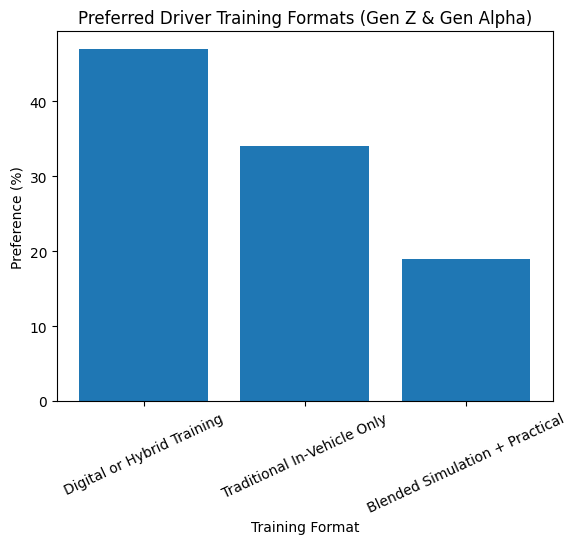
Another factor accelerating the adoption of driving school software is the increasing complexity of regulatory compliance. Many countries now require structured documentation of student training hours, instructor certification, lesson completion records, and examination preparation. Manual record keeping is no longer sufficient for meeting these requirements. Digital platforms allow schools to maintain accurate, organized records while generating compliance reports quickly when required by regulatory authorities. This capability significantly reduces the administrative burden placed on instructors and administrators.
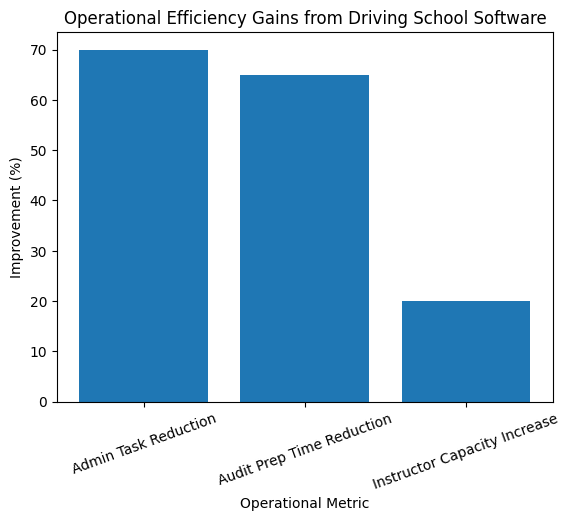
Technology is also redefining the educational aspect of driver training. Many modern platforms integrate interactive learning modules, mobile study tools, and even immersive simulation environments. Virtual reality simulators and digital theory courses allow students to develop foundational skills before entering real traffic conditions. Meanwhile, artificial intelligence and data analytics tools help instructors identify areas where students require additional training, enabling more personalized and effective instruction. As a result, driving school software is no longer limited to operational management but is becoming an integral part of the learning experience itself.
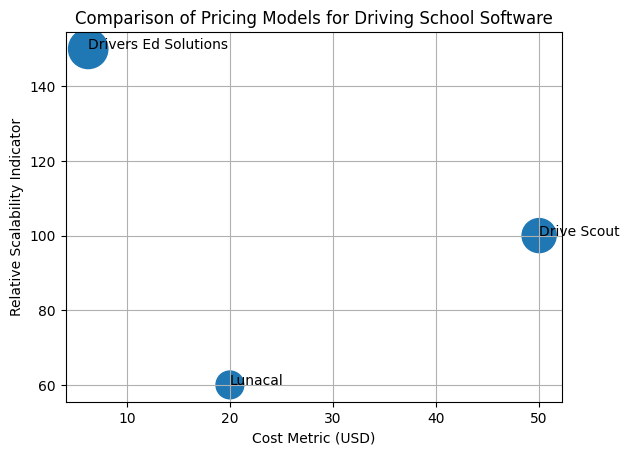
The top driving school software platforms available in 2026 illustrate the diverse approaches developers are taking to meet the needs of this evolving industry. Some solutions provide comprehensive management systems designed to handle every operational aspect of a driving school. Others specialize in marketing automation, student acquisition, gamified learning experiences, or scalable enrollment management for large training programs. Each platform offers a unique combination of features that address specific challenges faced by driving schools in today’s competitive market.
For driving school owners, instructors, and administrators, selecting the right management platform can have a profound impact on business performance. The right software can significantly reduce administrative workload, improve instructor productivity, increase lesson booking efficiency, and enhance the overall student experience. At the same time, it can provide valuable business insights through analytics dashboards that track revenue trends, student enrollment patterns, and instructor performance metrics.
This guide to the Top 10 Driving School Software in the world in 2026 explores the most influential platforms currently shaping the global driver education landscape. Each solution is evaluated based on its functionality, scalability, ease of use, pricing structure, and technological capabilities. Whether you are an independent driving instructor seeking a simple scheduling tool or a large driving school network searching for enterprise-level management software, understanding the strengths of these platforms will help you identify the best solution for your organization.
As the driver education industry continues to evolve, technology will play an increasingly central role in shaping how schools operate and how students learn. Driving school software platforms are no longer just management tools; they are becoming the digital foundation upon which modern driver training institutions are built. Institutions that successfully adopt and integrate these technologies will be better positioned to thrive in an industry where efficiency, innovation, and student satisfaction are more important than ever before.
Top 10 Driving School Software To Use in 2026
- Driving School Manager
- Driving School CRM
- Drive Scout
- iKoach Advisor
- Logiboard
- TeachMeToDrive
- ADI Diary
- Pocket Instructor
- DriverWise
- InstructAbility
1. Driving School Manager
Driving School Manager has emerged as one of the most widely recognized driving school management platforms in the world. Its architecture is built around a cloud-based infrastructure that allows driving schools of all sizes to centralize administrative tasks, instructor coordination, and student data management within a single digital environment.
Industry analysts consistently rank the platform highly because it addresses the operational complexities faced by modern driver training institutions. These complexities include managing large volumes of students, coordinating multiple instructors, handling vehicle assignments, and maintaining compliance with regulatory reporting requirements.
The software is particularly known for its ability to integrate operational workflows with real-time scheduling, financial processing, and performance tracking. As a result, driving schools can improve operational efficiency while simultaneously enhancing transparency for students and parents.
Platform Overview
Driving School Manager provides a centralized digital control system for driving school operations. Its platform enables administrators to manage bookings, track student progress, coordinate instructors, and handle payments without relying on disconnected tools or manual spreadsheets.
Table: Driving School Manager Platform Overview
| Category | Description |
|---|---|
| Software Type | Cloud-based driving school management system |
| Deployment Model | Software-as-a-Service (SaaS) |
| Primary Users | Driving school owners, administrators, instructors |
| Global Usage | Widely adopted across multiple regions including North America and Europe |
| Key Operational Focus | Scheduling, student management, instructor coordination, billing |
| Mobile Accessibility | Instructor and student mobile compatibility |
| Market Position (2026) | Top-ranked driving school management platform |
| Overall Industry Rating | 9.8 / 10 |
Intelligent Scheduling and Resource Optimization
One of the defining capabilities of Driving School Manager is its automated scheduling system. Managing lesson bookings manually can create conflicts involving instructor availability, vehicle assignments, and student preferences. The platform’s scheduling engine addresses this challenge by using automation to allocate instructors and vehicles efficiently.
This system dynamically evaluates instructor availability, student bookings, lesson durations, and geographic locations to minimize idle time and reduce scheduling conflicts. By automating this process, driving schools are able to maintain high utilization rates across their fleet and staff.
Table: Scheduling Automation Capabilities
| Feature | Operational Benefit |
|---|---|
| Automated Lesson Scheduling | Reduces manual booking errors |
| Instructor Availability Tracking | Ensures instructors are allocated efficiently |
| Vehicle Assignment Logic | Prevents double-booking of training vehicles |
| Geographic Routing Integration | Optimizes instructor travel routes using location data |
| Real-Time Calendar Updates | Provides instant visibility across the organization |
| Conflict Detection System | Automatically identifies scheduling overlaps |
Electronic In-Car Evaluation System
Another distinguishing feature of the platform is the Electronic In-Car Evaluation module. This functionality enables instructors to digitally record student driving performance during training sessions using mobile devices.
Traditional driving schools often rely on paper-based assessment sheets, which can lead to inconsistent documentation and delayed reporting. Driving School Manager replaces this approach with a digital evaluation system that standardizes performance tracking.
Through this feature, instructors can record student competencies, identify areas requiring improvement, and submit evaluations immediately after each lesson. The digitized records become instantly available to administrators, students, and parents.
Table: Digital Evaluation Workflow
| Stage | Process Description |
|---|---|
| Lesson Completion | Instructor finalizes the practical driving session |
| Digital Assessment Input | Performance metrics recorded via mobile interface |
| Instant Data Synchronization | Evaluation stored in the central platform database |
| Stakeholder Visibility | Students and parents can review performance insights |
| Progress Tracking | Schools monitor student development across multiple sessions |
Integrated Financial and Payment Management
Financial management is another critical component of modern driving school software. Driving School Manager integrates invoicing, payment processing, and financial reporting within its platform to simplify revenue management.
The system supports digital invoices, automated billing, and credit card transactions through integrated payment gateways. Additionally, route optimization features connect with mapping systems to assist instructors in navigating lesson routes efficiently.
Table: Financial System Features
| Financial Capability | Description |
|---|---|
| Automated Invoicing | Generates invoices for lessons, packages, and additional services |
| Payment Processing | Supports secure credit card payments |
| Digital Payment Gateway | Integrated payment infrastructure |
| Transaction Reporting | Provides financial summaries and accounting insights |
| Refund and Adjustment Tools | Enables administrators to manage billing corrections |
| Payment History Tracking | Maintains a complete record of student transactions |
Pricing Structure and Subscription Tiers
Driving School Manager operates under a subscription-based SaaS model. This pricing structure allows schools to choose plans that align with their operational scale and instructor capacity.
The platform offers flexible pricing designed to accommodate both independent instructors and large driving school networks.
Table: Subscription Plans
| Plan Name | Monthly Cost | Target User Group | Capacity Scope |
|---|---|---|---|
| Basic Plan | $49 | Solo instructors or small schools | Limited instructor and student capacity |
| Professional Plan | $99 | Medium to large driving schools | Unlimited instructors and operational use |
Comparative Capability Matrix
The following matrix summarizes how Driving School Manager performs across critical functionality categories typically evaluated in global driving school software rankings.
Table: Capability Matrix
| Capability Area | Performance Level | Key Advantage |
|---|---|---|
| Scheduling Automation | Excellent | Advanced booking optimization |
| Student Management | Excellent | Centralized digital student records |
| Instructor Coordination | Excellent | Real-time instructor availability tracking |
| Financial Management | Very Strong | Integrated invoicing and payment processing |
| Digital Assessments | Industry Leading | Electronic in-car evaluation system |
| Mobile Accessibility | Strong | Instructor-friendly mobile evaluation tools |
| Scalability | Excellent | Suitable for both small and large schools |
Strategic Importance for Driving Schools
In the broader context of driving school management technology in 2026, platforms like Driving School Manager illustrate how digital infrastructure can significantly enhance operational efficiency. By automating scheduling, digitizing performance evaluations, and centralizing financial management, driving schools are able to reduce administrative overhead while delivering improved learning experiences.
As the driver education sector continues to expand globally, the demand for integrated, cloud-based management systems is expected to increase. Driving School Manager stands out as one of the most comprehensive solutions currently available, offering driving schools a reliable foundation for scalable growth and data-driven operational management.
2. Driving School CRM
As the global driving education sector continues to digitize its operations, customer relationship management systems have become essential components of modern driving school infrastructure. In 2026, many driving schools no longer rely solely on administrative software for scheduling and billing. Instead, they adopt comprehensive CRM platforms designed to manage the entire student lifecycle, from initial inquiry and marketing engagement to lesson completion and license attainment.
Driving School CRM is one of the prominent solutions recognized within the top driving school software platforms worldwide. With a strong emphasis on marketing automation, lead management, and operational compliance, the platform is particularly well suited for medium-to-large driving schools that manage high volumes of students and multiple instructors.
Industry evaluations consistently rank Driving School CRM among the leading solutions due to its ability to combine operational scheduling with customer acquisition and engagement strategies. The system not only supports administrative efficiency but also helps schools grow their student base through automated communication and targeted marketing workflows.
Driving School CRM: A Comprehensive Customer Lifecycle Platform
Driving School CRM has positioned itself as a specialized platform that bridges operational management with marketing automation. Unlike traditional scheduling systems that primarily handle lesson bookings and instructor coordination, this platform focuses heavily on managing the student journey from the first interaction with the driving school to successful license certification.
The system integrates customer relationship management functions with driving school-specific operational features such as lesson scheduling, fleet management, instructor credential tracking, and automated communications.
This approach allows driving schools to improve both operational efficiency and marketing performance, ensuring that potential students are effectively nurtured through the enrollment funnel.
Table: Driving School CRM Platform Overview
| Category | Description |
|---|---|
| Software Type | Driving School Customer Relationship Management Platform |
| Deployment Model | Cloud-based Software-as-a-Service |
| Primary Users | Medium-to-large driving schools and multi-location training centers |
| Core Focus Areas | Lead management, marketing automation, scheduling, compliance tracking |
| Global Market Recognition | Top-ranked driving school CRM solution |
| Overall Industry Rating | 9.1 / 10 |
| Operational Scope | Student lifecycle management and marketing automation |
| Multi-Site Support | Available in higher-tier subscription plans |
Advanced Lesson Scheduling and Waitlist Optimization
One of the most valuable operational features within Driving School CRM is its intelligent scheduling system. Managing lesson bookings across multiple instructors and vehicles can create operational bottlenecks, particularly when cancellations occur unexpectedly.
The platform addresses this challenge through an integrated waitlist management system. When a scheduled lesson is canceled, the system automatically identifies students on the waiting list and fills the open slot based on availability and lesson eligibility.
This automation helps driving schools maintain optimal lesson utilization rates while reducing revenue losses caused by unfilled time slots.
Table: Scheduling and Waitlist Management Features
| Feature | Operational Benefit |
|---|---|
| Automated Lesson Scheduling | Reduces manual administrative work |
| Real-Time Calendar Synchronization | Keeps instructors and administrators updated on availability |
| Smart Waitlist Management | Automatically fills lesson gaps created by cancellations |
| Instructor Availability Tracking | Prevents scheduling conflicts across instructors |
| Student Booking Portal | Allows students to manage their lesson schedules independently |
| Multi-Instructor Coordination | Supports complex scheduling across large teaching teams |
Vehicle Maintenance and Compliance Monitoring
Driving schools operate fleets of vehicles that must comply with safety regulations and maintenance standards. Driving School CRM includes comprehensive vehicle maintenance tracking tools designed to ensure that all training vehicles remain in safe operating condition.
Administrators can log service records, schedule maintenance checks, and track vehicle performance history within the platform. In addition to vehicle management, the software also tracks instructor licenses and certifications, helping schools remain compliant with regulatory requirements.
Table: Fleet and Compliance Management
| Compliance Area | System Capability |
|---|---|
| Vehicle Maintenance Logs | Tracks service intervals and repair history |
| Fleet Condition Monitoring | Maintains records of vehicle performance and maintenance status |
| Instructor License Tracking | Monitors certification expiration and renewal requirements |
| Regulatory Compliance Alerts | Sends reminders for license renewals and maintenance schedules |
| Inspection Record Storage | Stores documentation for regulatory verification |
| Fleet Utilization Monitoring | Tracks vehicle usage across instructors and training sessions |
Marketing Automation and Lead Nurturing
A defining characteristic of Driving School CRM is its marketing lifecycle management capability. Driving schools often face challenges in converting inquiries into enrolled students due to inconsistent follow-up and fragmented communication.
Driving School CRM solves this problem through automated marketing campaigns and lead nurturing workflows. The platform tracks prospective students from the moment they submit an inquiry and automatically triggers communication sequences designed to encourage enrollment.
These automated interactions may include email campaigns, follow-up reminders, promotional offers, and progress updates. As a result, driving schools can maintain continuous engagement with potential students while reducing the manual workload of their administrative staff.
Table: Marketing Automation Capabilities
| Marketing Feature | Strategic Advantage |
|---|---|
| Lead Capture System | Collects inquiries from multiple channels |
| Automated Email Campaigns | Nurtures prospects through structured communication sequences |
| Enrollment Funnel Tracking | Monitors lead progress from inquiry to registration |
| Campaign Performance Analytics | Provides insights into marketing effectiveness |
| Follow-Up Automation | Ensures consistent communication with prospective students |
| Student Lifecycle Tracking | Tracks engagement from first contact to license completion |
Subscription Plans and Pricing Structure
Driving School CRM operates on a subscription-based pricing model that scales according to operational complexity and organizational size. The pricing structure is designed to accommodate independent schools as well as large multi-location institutions.
Table: Pricing Structure
| Plan Name | Monthly Price | Intended User Group | Core Capabilities Included |
|---|---|---|---|
| Basic Plan | $49 | Small to medium driving schools | CRM features, scheduling tools, lead tracking |
| Professional Tier | Mid-range pricing | Growing schools with expanding student base | Enhanced automation and reporting tools |
| Enterprise Plan | $199 | Multi-location driving school networks | Full CRM suite with multi-site operational support |
Operational Capability Matrix
The following matrix summarizes how Driving School CRM performs across major capability categories evaluated in global driving school software rankings.
Table: Capability Performance Matrix
| Capability Area | Performance Rating | Key Strength |
|---|---|---|
| Customer Relationship Management | Excellent | Comprehensive lead and student lifecycle management |
| Marketing Automation | Industry Leading | Advanced campaign automation and lead nurturing |
| Scheduling and Booking | Very Strong | Smart waitlist management and automated scheduling |
| Fleet and Compliance Monitoring | Strong | Vehicle maintenance and instructor license tracking |
| Multi-Site Operations | Excellent | Designed for large driving school organizations |
| Student Engagement Tools | Very Strong | Automated communication and engagement workflows |
| Data Analytics and Reporting | Strong | Insights into marketing performance and student progress |
Strategic Value for Driving Schools in 2026
As competition among driving schools intensifies, institutions are increasingly adopting CRM platforms that extend beyond administrative scheduling. Driving School CRM represents a new generation of management systems that combine operational efficiency with marketing intelligence.
By integrating customer relationship management with operational workflows, the platform enables driving schools to manage both student acquisition and training delivery within a single digital ecosystem. This capability allows organizations to improve enrollment rates, maintain regulatory compliance, and deliver a more structured and transparent learning experience.
Within the broader landscape of driving school technology in 2026, Driving School CRM stands out as a strategic solution for schools seeking to scale their operations while maintaining high levels of customer engagement and operational control.
3. Drive Scout
The digital transformation of the driver education industry has accelerated rapidly in recent years. By 2026, driving schools across the world increasingly rely on cloud-based and mobile-first platforms to streamline operational workflows, improve booking efficiency, and enhance communication between instructors, administrators, and students.
Among the wide range of solutions available in the market, mobile-centric platforms have become particularly valuable. These systems enable instructors and school administrators to manage operations directly from smartphones or tablets, reducing dependency on desktop-based systems and improving responsiveness in day-to-day scheduling.
Drive Scout has emerged as one of the notable driving school management platforms in this category. Recognized in industry rankings with an overall score of 8.2 out of 10, the software is designed primarily for real-time diary management, mobile scheduling, and integrated payment processing. Its mobile-first architecture and scalable operational framework make it suitable for a wide range of driving schools, from independent instructors to large training organizations.
Drive Scout: Mobile-First Driving School Management Platform
Drive Scout is positioned as a highly practical operational management platform tailored for driving instructors and driving school administrators who require flexibility and mobility in their daily workflow. Unlike traditional software systems that are primarily designed for desktop administration, Drive Scout focuses on enabling real-time access through mobile devices.
The platform combines several essential operational tools into a unified ecosystem. These tools include diary management, lesson booking, financial transactions, student record storage, vehicle tracking, and website integration. This centralized environment helps reduce administrative workload while improving operational visibility.
Table: Drive Scout Platform Overview
| Category | Description |
|---|---|
| Software Type | Mobile-first driving school management platform |
| Deployment Model | Cloud-based Software-as-a-Service |
| Primary Users | Driving instructors, school administrators, and training organizations |
| Core Operational Focus | Scheduling, payments, mobile diary management, and website integration |
| Global Industry Recognition | Ranked among top driving school software solutions in 2026 |
| Overall Industry Rating | 8.2 / 10 |
| Target Market | Small instructors to large multi-instructor enterprises |
| Platform Accessibility | Mobile-first interface with cloud synchronization |
Real-Time Diary and Scheduling Management
One of the central components of Drive Scout is its real-time diary management system. Driving instructors often rely on personal scheduling tools to manage lessons, student availability, and vehicle assignments. Drive Scout consolidates these processes into a centralized scheduling environment.
The system allows instructors to manage lesson bookings dynamically while maintaining full visibility of daily, weekly, and monthly schedules. Because the platform operates in real time, updates made by administrators or instructors are instantly synchronized across the system.
This capability is particularly useful for large driving schools where multiple instructors and vehicles must be coordinated simultaneously.
Table: Scheduling and Diary Management Features
| Feature | Operational Advantage |
|---|---|
| Real-Time Lesson Scheduling | Allows instructors to update schedules instantly |
| Mobile Diary Management | Enables schedule control directly from smartphones |
| Multi-Instructor Coordination | Supports scheduling across large instructor teams |
| Calendar Synchronization | Maintains consistent scheduling across devices |
| Lesson Rescheduling Tools | Simplifies adjustments when students cancel or change bookings |
| Availability Monitoring | Tracks instructor availability across the system |
Integrated Website and Booking Engine
A distinctive feature of Drive Scout is its integrated website functionality. Many driving schools operate independent websites that require manual synchronization with their booking systems. This separation often leads to duplicate data entry and scheduling conflicts.
Drive Scout addresses this issue by connecting its booking engine directly with the school’s website. When a student books a lesson online, the booking is immediately reflected in the platform’s scheduling system.
This integration eliminates common administrative problems such as overbooking, conflicting schedules, and manual data updates.
Table: Website Integration Capabilities
| Integration Component | Operational Benefit |
|---|---|
| Direct Website Booking | Allows students to schedule lessons online |
| Automatic Calendar Updates | Synchronizes bookings instantly with instructor schedules |
| Booking Conflict Prevention | Reduces risk of double bookings |
| Real-Time Data Synchronization | Maintains consistent booking information across all platforms |
| Reduced Administrative Workload | Eliminates duplicate data entry tasks |
| Online Lesson Management | Enables students to manage appointments digitally |
Vehicle GPS Tracking and Operational Visibility
Fleet management is another area where Drive Scout provides valuable functionality. Driving schools often need to monitor vehicle usage, instructor routes, and lesson locations to improve operational efficiency and ensure safety.
Drive Scout includes GPS tracking capabilities that allow administrators to monitor the location of training vehicles in real time. This functionality can help optimize lesson routing, monitor instructor travel patterns, and improve overall fleet utilization.
Table: Vehicle Monitoring and Fleet Management
| Fleet Feature | System Capability |
|---|---|
| GPS Vehicle Tracking | Monitors real-time location of training vehicles |
| Route Visibility | Displays driving routes used during lessons |
| Vehicle Utilization Monitoring | Tracks vehicle assignments and lesson frequency |
| Instructor Travel Monitoring | Provides insights into instructor travel patterns |
| Fleet Coordination | Helps allocate vehicles efficiently across instructors |
| Operational Transparency | Improves visibility for school administrators |
Student Record and Document Management
Managing student documentation is another operational challenge for driving schools, particularly those operating at scale. Drive Scout incorporates document management features that allow schools to store and organize student information digitally.
This system enables administrators and instructors to access student records, lesson history, and training documentation within the platform. Centralizing these records ensures that important information is readily available while reducing the risk of misplaced paperwork.
Table: Student Record Management System
| Record Category | Platform Capability |
|---|---|
| Student Profile Management | Stores personal information and training progress |
| Lesson History Records | Tracks all completed driving lessons |
| Document Storage | Maintains digital copies of required documentation |
| Instructor Notes | Allows instructors to record student performance feedback |
| Progress Tracking | Monitors student development throughout the training program |
| Administrative Access Control | Ensures authorized access to sensitive records |
Pricing Model and Setup Structure
Drive Scout uses a user-based pricing model designed to accommodate organizations of varying sizes. Instead of offering fixed subscription tiers, the platform charges based on the number of active users or instructors within the system.
This approach allows driving schools to scale the platform according to the size of their workforce.
Table: Pricing Structure
| Pricing Component | Cost Structure |
|---|---|
| Per-User Monthly Subscription | $50 per user per month |
| Initial Setup Fee | $250 |
| Training Sessions Included | Five onboarding training sessions |
| Target Organizations | Single instructors to large enterprise-level schools |
| Scalability | Costs increase based on number of active users |
Operational Capability Matrix
The following matrix summarizes Drive Scout’s performance across key capability categories typically evaluated when ranking global driving school software platforms.
Table: Capability Performance Matrix
| Capability Area | Performance Level | Key Strength |
|---|---|---|
| Mobile Accessibility | Excellent | Mobile-first interface optimized for instructors |
| Scheduling and Diary Management | Very Strong | Real-time lesson scheduling and diary updates |
| Website Integration | Excellent | Direct booking synchronization with school websites |
| Fleet and GPS Tracking | Strong | Real-time monitoring of training vehicles |
| Student Record Management | Strong | Centralized documentation and lesson tracking |
| Enterprise Scalability | Very Strong | Supports organizations with large instructor teams |
| Payment Handling | Strong | Integrated payment management system |
Strategic Role in the Driving School Software Market
In the evolving driving school technology landscape of 2026, platforms that emphasize mobility and real-time operational control are becoming increasingly valuable. Drive Scout represents this new generation of management software, prioritizing flexibility and accessibility for instructors who operate primarily in the field.
By combining mobile scheduling, integrated booking systems, vehicle tracking, and digital record management, the platform enables driving schools to manage complex operations with greater efficiency and accuracy.
Within global rankings of driving school software, Drive Scout remains a strong contender due to its mobile-first architecture, scalable pricing structure, and comprehensive operational toolkit. For organizations seeking a flexible and field-oriented management platform, it offers a practical and scalable solution that aligns with the operational demands of modern driver education institutions.
4. iKoach Advisor
The global driving education market has evolved significantly with the increasing adoption of specialized digital tools designed to simplify operational management. While large driving schools often require complex enterprise systems, independent driving instructors typically seek streamlined software that focuses on ease of use, affordability, and efficient daily operations.
In 2026, a growing segment of driving school technology providers has begun tailoring their platforms specifically for individual instructors and small training businesses. These solutions emphasize intuitive interfaces, simplified booking systems, automated communication tools, and student progress tracking.
Among the platforms recognized in global rankings of driving school software, iKoach Advisor has gained attention as a dedicated all-in-one solution designed primarily for independent driving instructors. With an overall industry score of 7.8 out of 10 and a particularly strong rating in usability, the platform has become a popular choice for instructors who want to professionalize their operations without investing in complex enterprise-level software.
iKoach Advisor: A Simplified Management Platform for Independent Instructors
iKoach Advisor is a web-based management system that centralizes essential business functions required by independent driving instructors. Unlike large-scale platforms that support multiple instructors and extensive fleet management systems, iKoach Advisor focuses on providing a streamlined digital environment tailored for solo professionals.
The platform consolidates scheduling, student management, booking systems, and progress monitoring into a single interface. By doing so, it reduces the administrative burden typically faced by independent instructors who often manage their businesses alone.
This simplified approach allows instructors to maintain professional standards in scheduling, communication, and student progress tracking while keeping operational complexity low.
Table: iKoach Advisor Platform Overview
| Category | Description |
|---|---|
| Software Type | Web-based driving instructor management platform |
| Deployment Model | Cloud-based Software-as-a-Service |
| Primary Users | Independent driving instructors and small training businesses |
| Core Functional Focus | Booking management, reminders, student progress tracking |
| Overall Industry Rating | 7.8 / 10 |
| Ease-of-Use Rating | 8.7 / 10 |
| Market Position (2026) | Recognized solution for independent instructors |
| Operational Scope | Individual instructor business management |
Centralized Booking and Scheduling System
Managing lesson bookings efficiently is one of the most important operational tasks for independent instructors. iKoach Advisor provides a centralized online booking system that allows students to schedule lessons directly through the platform.
This feature eliminates the need for manual appointment coordination through phone calls or messaging platforms. Students can view available lesson slots and make bookings online, while instructors maintain full control over their availability calendar.
The system also reduces scheduling conflicts and improves organization by keeping all lesson data within a single digital interface.
Table: Booking and Scheduling Features
| Feature | Operational Benefit |
|---|---|
| Online Lesson Booking | Allows students to book lessons through a digital platform |
| Instructor Availability Calendar | Displays available lesson slots in real time |
| Schedule Management Dashboard | Centralizes all upcoming lesson appointments |
| Booking Confirmation System | Automatically confirms student reservations |
| Lesson Rescheduling Options | Allows instructors to adjust schedules easily |
| Calendar Synchronization | Maintains updated schedules across devices |
Automated Reminder and Communication System
Missed appointments and late cancellations can significantly impact the productivity of independent driving instructors. To address this issue, iKoach Advisor incorporates automated reminder systems that notify students about upcoming lessons.
These reminders are typically delivered through automated messages or notifications, ensuring that students remain informed about their scheduled sessions.
By reducing the number of missed appointments, instructors can maintain more consistent lesson schedules and optimize their daily workload.
Table: Automated Communication Capabilities
| Communication Feature | Operational Advantage |
|---|---|
| Automated Lesson Reminders | Notifies students of upcoming lessons |
| Booking Confirmation Messages | Confirms scheduled appointments automatically |
| Follow-Up Notifications | Reminds students about future lessons |
| Instructor Messaging Tools | Enables direct communication with students |
| Cancellation Alerts | Provides real-time notification of schedule changes |
| Reduced No-Show Rates | Encourages students to attend scheduled lessons |
Student Progress Monitoring and Learning Insights
Another core component of iKoach Advisor is its student progress tracking system. Independent instructors often need structured methods to record student performance, lesson outcomes, and learning milestones.
The platform provides tools that allow instructors to document lesson feedback, track student development, and monitor readiness for driving examinations.
By maintaining digital records of student progress, instructors can offer more structured feedback and better support their students throughout the learning process.
Table: Student Progress Tracking System
| Progress Feature | Description |
|---|---|
| Student Performance Records | Stores notes and feedback from each lesson |
| Lesson History Tracking | Maintains a timeline of completed training sessions |
| Skill Development Monitoring | Tracks improvement across driving competencies |
| Instructor Evaluation Notes | Allows instructors to record observations during lessons |
| Student Progress Overview | Provides a summary of overall learning advancement |
| Training Readiness Indicators | Helps determine student readiness for driving tests |
Ease of Use and User Experience
One of the most notable aspects of iKoach Advisor is its emphasis on user-friendly design. Independent instructors often prefer software solutions that can be implemented quickly without extensive training or technical knowledge.
Industry evaluations have highlighted the platform’s intuitive interface and simplified navigation system. With an ease-of-use score of 8.7 out of 10, iKoach Advisor ranks highly among software solutions designed for solo professionals.
Table: User Experience Evaluation
| Usability Metric | Performance Rating | Key Benefit |
|---|---|---|
| Interface Simplicity | Excellent | Clean and intuitive navigation |
| Setup and Onboarding | Very Strong | Minimal configuration required |
| Feature Accessibility | Strong | Key tools accessible from central dashboard |
| Learning Curve | Low | Suitable for instructors without technical expertise |
| Operational Efficiency | Strong | Reduces administrative workload |
| Mobile Accessibility | Moderate | Accessible via web-based mobile browsers |
Operational Capability Matrix
The following matrix illustrates how iKoach Advisor performs across key functionality categories typically evaluated in global driving school software comparisons.
Table: Capability Performance Matrix
| Capability Area | Performance Level | Key Strength |
|---|---|---|
| Booking and Scheduling | Strong | Simplified online lesson booking system |
| Student Progress Monitoring | Strong | Digital tracking of learning progress |
| Communication Automation | Strong | Automated reminders and notifications |
| Ease of Use | Industry Leading | Intuitive platform design for solo instructors |
| Enterprise Scalability | Moderate | Primarily designed for independent professionals |
| Administrative Efficiency | Very Strong | Centralized management of bookings and student records |
Strategic Value for Independent Driving Instructors
In the broader landscape of driving school management technology in 2026, iKoach Advisor represents an important category of software solutions focused on independent instructors and small businesses. While enterprise platforms offer extensive features for large institutions, many instructors prefer streamlined systems that provide essential functionality without unnecessary complexity.
By combining online booking tools, automated reminders, and student progress monitoring within a single web-based interface, iKoach Advisor enables independent instructors to manage their businesses more efficiently and maintain a professional digital presence.
Its emphasis on usability, affordability, and practical business tools makes it a valuable option for instructors seeking to modernize their operations while avoiding the operational overhead associated with larger enterprise management systems.
5. Logiboard
As driving schools across the world adopt digital infrastructure, compliance with local regulatory frameworks has become an essential requirement for management software. Driver training institutions must maintain accurate records for student progress, instructor certification, lesson scheduling, and operational reporting. In regions with strict transportation oversight, such as the United Kingdom, software platforms that align closely with regulatory expectations provide significant operational advantages.
By 2026, many driving school management systems have evolved beyond basic scheduling tools to incorporate compliance monitoring, pupil management, and instructor availability tracking. Among these platforms, Logiboard has established itself as a widely recognized cloud-based solution designed to simplify daily operations while maintaining strong alignment with regulatory requirements.
Industry evaluations consistently position Logiboard among the leading driving school management systems, awarding it an overall score of 8.4 out of 10. Its high usability score of 9.2 out of 10 further highlights its reputation as a highly accessible platform for driving schools transitioning from manual scheduling systems to digital solutions.
Logiboard: A Compliance-Focused Driving School Scheduling Platform
Logiboard is a cloud-based driving school management platform designed primarily to support scheduling, instructor availability tracking, and student management. The system places a strong emphasis on regulatory alignment and operational clarity, making it particularly attractive to schools operating within structured regulatory environments.
Unlike complex enterprise-level platforms that integrate large numbers of operational modules, Logiboard focuses on providing a streamlined and efficient scheduling interface. This allows administrators to monitor instructor availability, lesson vacancies, and pupil progress in real time.
The system is widely adopted within the United Kingdom, where driving schools must maintain detailed records and adhere to regulatory standards governing driver training and instructor certification.
Table: Logiboard Platform Overview
| Category | Description |
|---|---|
| Software Type | Cloud-based driving school scheduling and management system |
| Deployment Model | Software-as-a-Service (SaaS) |
| Primary Users | Driving school managers, administrators, and instructors |
| Core Operational Focus | Scheduling, instructor availability tracking, pupil management |
| Regional Strength | Highly popular within the United Kingdom driving school market |
| Overall Industry Rating | 8.4 / 10 |
| Ease-of-Use Rating | 9.2 / 10 |
| Operational Position (2026) | Recognized scheduling platform with strong compliance alignment |
Real-Time Instructor Availability and Vacancy Monitoring
One of the defining capabilities of Logiboard is its ability to provide real-time visibility into instructor availability and lesson vacancies. In driving schools with multiple instructors and a large student base, coordinating schedules can become operationally complex.
Logiboard simplifies this process by offering a dynamic scheduling interface that displays available lesson slots across the entire instructor team. School administrators can instantly identify open time slots and assign students to available instructors.
This feature significantly reduces the administrative workload associated with manual scheduling systems and helps driving schools maximize lesson utilization.
Table: Instructor Availability Management
| Feature | Operational Advantage |
|---|---|
| Real-Time Availability Tracking | Displays instructor availability instantly |
| Vacancy Identification System | Highlights open lesson slots across the instructor network |
| Centralized Scheduling Dashboard | Allows administrators to manage bookings from one interface |
| Multi-Instructor Coordination | Simplifies scheduling across multiple instructors |
| Lesson Allocation Tools | Enables quick assignment of students to available instructors |
| Schedule Conflict Prevention | Reduces double bookings and scheduling overlaps |
Rapid Interaction Interface Design
Logiboard’s interface is specifically designed to enable rapid interaction and quick decision-making. Driving school administrators often need to adjust lesson schedules, reassign instructors, and respond to cancellations throughout the day.
The platform’s user interface allows managers to view scheduling data and instructor availability at a glance. This visual overview enables faster adjustments to lesson bookings and improves the overall responsiveness of driving school operations.
The design philosophy behind Logiboard emphasizes simplicity, speed, and clarity rather than feature complexity.
Table: User Interface and Interaction Design
| Interface Feature | Operational Benefit |
|---|---|
| Visual Scheduling Dashboard | Displays lesson availability across the entire instructor team |
| Quick Booking Controls | Allows rapid assignment of lessons to instructors |
| Vacancy Highlighting | Identifies open lesson slots immediately |
| Simplified Navigation | Enables fast access to key scheduling functions |
| Responsive Interface Design | Supports efficient interaction across devices |
| High-Speed Workflow Interaction | Reduces administrative delays during schedule adjustments |
DVSA Compliance and Regulatory Alignment
A major factor contributing to Logiboard’s popularity within the United Kingdom is its strong alignment with the regulatory requirements of the Driver and Vehicle Standards Agency (DVSA). Driving schools operating under DVSA oversight must maintain detailed records of student progress, instructor qualifications, and lesson documentation.
Logiboard supports this environment by offering structured pupil management tools and record-keeping capabilities that help schools maintain compliance with regulatory standards.
These features allow administrators to track student progress and instructor certification status while maintaining organized documentation for auditing or reporting purposes.
Table: Regulatory Compliance Support
| Compliance Area | Platform Capability |
|---|---|
| Instructor Certification Records | Tracks instructor qualification status |
| Pupil Progress Documentation | Maintains structured records of student training progress |
| Lesson Activity Logs | Stores historical data for completed driving lessons |
| Regulatory Documentation Storage | Organizes records for compliance verification |
| Compliance-Oriented Workflow | Supports operational processes aligned with regulatory expectations |
| Administrative Reporting | Provides structured data for regulatory reporting requirements |
Pupil Management and Student Record Systems
In addition to scheduling and compliance monitoring, Logiboard offers comprehensive pupil management capabilities. Driving schools must maintain accurate records of each student’s lesson history, training progress, and readiness for driving examinations.
Logiboard allows administrators and instructors to access student profiles, review lesson records, and track the development of driving skills across training sessions.
Centralizing this information improves communication between instructors and administrators while ensuring that each student’s progress is documented consistently.
Table: Student and Pupil Management Features
| Feature | Operational Advantage |
|---|---|
| Student Profile Management | Stores student contact details and enrollment data |
| Lesson History Tracking | Maintains records of completed lessons |
| Training Progress Monitoring | Tracks development of driving competencies |
| Instructor Feedback Tools | Allows instructors to document lesson outcomes |
| Student Performance Records | Provides a historical view of student learning progression |
| Administrative Oversight | Enables managers to monitor student activity across instructors |
Ease of Use and Adoption for Traditional Driving Schools
One of the most widely recognized strengths of Logiboard is its accessibility for driving schools transitioning from manual scheduling systems such as paper diaries or spreadsheet-based records.
The platform’s intuitive design allows administrators and instructors to quickly adopt the system without requiring extensive training. This has contributed to its exceptionally high usability rating of 9.2 out of 10 in industry assessments.
Driving schools that previously relied on traditional diary systems often find that Logiboard offers a smooth transition into digital operations while preserving the simplicity of manual scheduling.
Table: Usability Evaluation
| Usability Metric | Performance Rating | Key Benefit |
|---|---|---|
| Ease of Learning | Excellent | Minimal training required for administrators |
| Interface Simplicity | Excellent | Clear and intuitive scheduling interface |
| Adoption Speed | Very High | Quick transition from manual diary systems |
| Workflow Efficiency | Strong | Simplifies daily scheduling operations |
| User Satisfaction | Very Strong | Positive feedback from instructors and administrators |
Operational Capability Matrix
The following matrix summarizes Logiboard’s performance across key capability areas commonly evaluated in global driving school software comparisons.
Table: Capability Performance Matrix
| Capability Area | Performance Level | Key Strength |
|---|---|---|
| Scheduling and Vacancy Tracking | Excellent | Real-time overview of instructor availability |
| Regulatory Compliance Support | Very Strong | Alignment with UK driving school regulatory requirements |
| Student and Pupil Management | Strong | Structured documentation of student progress |
| Interface Usability | Industry Leading | Extremely intuitive system design |
| Enterprise Scalability | Moderate | Best suited for small-to-medium driving schools |
| Administrative Efficiency | Very Strong | Reduces reliance on manual diary systems |
Strategic Importance in the Driving School Software Market
Within the global landscape of driving school management technology in 2026, Logiboard occupies a distinctive position as a compliance-aware scheduling platform with exceptional usability. Its streamlined interface and real-time availability tracking make it particularly valuable for driving schools seeking a simple yet powerful digital scheduling solution.
The platform’s alignment with regulatory requirements further strengthens its appeal in markets where driver education is subject to strict oversight. Combined with its high usability rating and efficient scheduling capabilities, Logiboard has become a preferred option for schools transitioning from manual administrative systems to modern digital platforms.
As the driving school industry continues to modernize, solutions such as Logiboard demonstrate how focused functionality, regulatory awareness, and user-friendly design can deliver significant operational benefits for driving education institutions.
6. TeachMeToDrive
The modernization of driver education has led to the emergence of specialized digital platforms that not only manage operational workflows but also enhance the educational experience for students. In 2026, driving schools increasingly adopt systems that integrate scheduling, payment processing, and instructional tracking into a single digital environment. These platforms are designed to support both the administrative and pedagogical aspects of driver training.
One of the platforms recognized within global driving school software rankings is TeachMeToDrive. The system has gained attention for its emphasis on structured learning documentation, digital training records, and student milestone verification. With an overall industry score of 7.8 out of 10, the platform combines core operational management tools with educational tracking features designed to support effective driver training programs.
TeachMeToDrive: A Digital Platform Focused on Training and Student Development
TeachMeToDrive is an online driving school management system that combines administrative functionality with learning-oriented features. While many driving school platforms prioritize scheduling and operational logistics, TeachMeToDrive emphasizes structured documentation of the learning process.
The platform provides tools that allow instructors to record lesson outcomes, track student progress through a digital logbook, and verify training milestones using modern documentation methods such as photo uploads and electronic signatures.
This educational focus makes the system particularly valuable for instructors and driving schools that want to maintain comprehensive training records and demonstrate student progress throughout the learning journey.
Table: TeachMeToDrive Platform Overview
| Category | Description |
|---|---|
| Software Type | Online driving school management and training documentation platform |
| Deployment Model | Cloud-based Software-as-a-Service |
| Primary Users | Independent instructors and small driving schools |
| Core Functional Focus | Lesson bookings, payments, digital logbook, training documentation |
| Educational Orientation | Strong focus on student progress tracking and milestone verification |
| Overall Industry Rating | 7.8 / 10 |
| Market Position (2026) | Learning-focused driving school management system |
| Geographic Pricing Reference | Pricing structured in Australian dollars |
Online Lesson Booking and Scheduling Management
TeachMeToDrive provides an integrated booking system that allows students to schedule driving lessons through an online interface. This eliminates the need for instructors to manually coordinate appointments through phone calls or messaging platforms.
The scheduling system maintains a centralized calendar where instructors can manage lesson availability, track upcoming sessions, and monitor their teaching schedules. Students benefit from the convenience of selecting lesson times that match their availability.
Table: Lesson Scheduling and Booking Features
| Feature | Operational Advantage |
|---|---|
| Online Lesson Booking | Allows students to reserve lessons through a digital interface |
| Instructor Availability Calendar | Displays available lesson slots for easy booking |
| Centralized Scheduling Dashboard | Enables instructors to manage all appointments in one location |
| Booking Confirmation Notifications | Automatically confirms lesson reservations |
| Lesson Rescheduling Options | Allows instructors and students to adjust lesson times when needed |
| Digital Calendar Integration | Maintains consistent schedule visibility across devices |
Digital Logbook and Student Progress Tracking
A key differentiating feature of TeachMeToDrive is its digital logbook system. Traditional driving schools often rely on physical logbooks to record training progress, which can be difficult to manage and maintain over time.
TeachMeToDrive replaces this approach with a digital training logbook that allows instructors to record lesson outcomes, document student progress, and track the development of driving competencies.
The digital logbook provides a structured framework for documenting each stage of the training process, ensuring that both instructors and students can monitor learning milestones effectively.
Table: Digital Logbook Capabilities
| Logbook Feature | Educational Benefit |
|---|---|
| Lesson Progress Documentation | Records outcomes of each driving lesson |
| Skill Development Tracking | Tracks student proficiency across different driving competencies |
| Digital Training Records | Stores historical lesson information securely |
| Student Learning Timeline | Displays progression through the training program |
| Instructor Evaluation Notes | Allows instructors to provide structured feedback |
| Progress Review Dashboard | Summarizes student development across lessons |
Photo Verification and E-Signature Documentation
TeachMeToDrive incorporates digital verification features that support transparent and structured documentation of training milestones. These features allow instructors to upload photos related to driving lessons and obtain electronic signatures to verify student progress.
For example, instructors may upload images documenting practice activities or confirm completion of certain training modules. Electronic signatures from instructors or students can then validate these milestones within the system.
This functionality enhances accountability and ensures that driving schools maintain verifiable records of student progress.
Table: Training Verification Features
| Verification Feature | Operational Advantage |
|---|---|
| Photo Upload Capability | Allows instructors to document training activities visually |
| Electronic Signature System | Enables digital confirmation of lesson completion |
| Milestone Verification Records | Validates student progress through structured documentation |
| Digital Record Storage | Maintains verifiable records for future reference |
| Instructor Authorization Controls | Ensures only authorized users can validate milestones |
| Training Documentation Archive | Stores completed training verification records |
Automated Test Notification System
Preparing students for official driving examinations is a critical stage in the training process. TeachMeToDrive includes automated test notification features that help students remain informed about upcoming exam dates.
The system sends reminders to students well in advance of their scheduled driving tests. This helps ensure that learners are adequately prepared and reduces the risk of missed exam appointments.
Table: Examination Notification Tools
| Notification Feature | Operational Benefit |
|---|---|
| Automated Test Reminders | Alerts students about upcoming driving exam dates |
| Pre-Test Preparation Notifications | Encourages students to complete required lessons before examinations |
| Instructor Notification System | Keeps instructors informed about student test schedules |
| Calendar Integration | Displays examination dates alongside lesson schedules |
| Student Reminder Alerts | Reduces risk of missed test appointments |
Pricing Structure and Subscription Model
TeachMeToDrive offers a competitively priced subscription model designed to support independent instructors and small training organizations. The pricing structure allows instructors to access core management tools without significant financial investment.
Table: Pricing Structure
| Plan Type | Monthly Price | Intended User Group | Core Features Included |
|---|---|---|---|
| Solo Instructor Plan | $49 AUD per month | Independent driving instructors | Booking system, digital logbook, notifications |
| Small School Expansion Plans | Variable pricing | Small driving schools | Additional administrative capabilities |
| Platform Deployment Model | Subscription-based SaaS | Flexible scaling depending on operational size |
Operational Capability Matrix
The following matrix summarizes TeachMeToDrive’s performance across key functionality areas typically assessed in global driving school software comparisons.
Table: Capability Performance Matrix
| Capability Area | Performance Level | Key Strength |
|---|---|---|
| Lesson Scheduling and Booking | Strong | Online booking system with centralized scheduling |
| Student Progress Tracking | Excellent | Digital logbook and structured learning documentation |
| Training Verification Tools | Very Strong | Photo uploads and electronic signature validation |
| Examination Notification System | Strong | Automated reminders for driving test schedules |
| User Accessibility | Strong | Simple web-based platform accessible across devices |
| Enterprise Scalability | Moderate | Primarily designed for individual instructors and small schools |
Strategic Importance in the Driving School Software Ecosystem
In the evolving landscape of driving school management technology, platforms that combine operational tools with educational documentation are becoming increasingly valuable. TeachMeToDrive represents a category of software that emphasizes structured learning management alongside traditional scheduling and payment processing functions.
By offering digital logbooks, training verification tools, and automated test reminders, the platform helps instructors maintain accurate records of student progress while supporting effective driver training programs.
Within the broader ecosystem of driving school software solutions in 2026, TeachMeToDrive stands out for its pedagogical focus and its ability to help instructors deliver more structured, transparent, and documented training experiences for learner drivers.
7. ADI Diary
As digital transformation continues to influence the driving education industry, many instructors are adopting software solutions designed specifically for their daily operational needs. While some platforms focus on large driving school enterprises with complex management requirements, other systems prioritize simplicity, affordability, and efficient scheduling for independent instructors and small teaching teams.
By 2026, diary-centric software platforms have become particularly popular among Approved Driving Instructors who prefer streamlined tools that replicate the familiar workflow of traditional paper diaries while offering the benefits of digital automation. These systems emphasize scheduling, pupil progress tracking, and financial reporting without introducing unnecessary complexity.
Among the recognized driving school software platforms in global industry rankings is ADI Diary, a practical solution tailored for individual instructors and small instructor teams. With an overall industry rating of 7.6 out of 10, the platform focuses on simplifying lesson scheduling and operational record keeping while maintaining affordability for independent professionals.
ADI Diary: A Diary-Centric Management System for Driving Instructors
ADI Diary is a cloud-based driving instructor management platform built around the concept of a digital scheduling diary. The system mirrors the familiar structure of traditional instructor diaries while adding automation and digital organization tools that improve operational efficiency.
The platform is particularly suited for Approved Driving Instructors who operate independently or collaborate with small teams. Rather than implementing complex enterprise management systems, ADI Diary focuses on delivering practical features that support day-to-day lesson scheduling, student progress monitoring, and financial reporting.
Its straightforward design makes it a popular choice for instructors who want to digitize their operations without adopting overly complicated software platforms.
Table: ADI Diary Platform Overview
| Category | Description |
|---|---|
| Software Type | Digital diary-based driving instructor management system |
| Deployment Model | Cloud-based Software-as-a-Service |
| Primary Users | Approved Driving Instructors and small instructor teams |
| Core Operational Focus | Lesson scheduling, pupil progress tracking, financial reporting |
| Industry Rating | 7.6 / 10 |
| Market Position (2026) | Affordable management platform for independent instructors |
| Operational Scope | Individual and small team scheduling management |
| Pricing Currency | British pounds (GBP) |
Lesson Scheduling and Digital Diary Management
The core functionality of ADI Diary centers on its digital diary system, which allows instructors to schedule lessons and organize their daily teaching schedules efficiently. Instructors can view upcoming appointments, track available time slots, and manage lesson bookings within a single interface.
This diary-based approach is particularly useful for instructors transitioning from traditional paper-based scheduling methods. The system maintains the familiar workflow of manual diaries while introducing automation and improved visibility.
Table: Scheduling and Diary Features
| Feature | Operational Benefit |
|---|---|
| Digital Lesson Diary | Provides a structured calendar for scheduling driving lessons |
| Instructor Availability Tracking | Displays open lesson slots throughout the day |
| Lesson Appointment Management | Organizes upcoming sessions in a centralized dashboard |
| Schedule Adjustment Tools | Allows instructors to modify lesson times easily |
| Calendar Overview Interface | Displays daily and weekly lesson schedules |
| Digital Record Storage | Maintains historical records of scheduled lessons |
Shared Diary for Instructor Collaboration
One of the most notable features of ADI Diary is its shared diary functionality. This capability allows small teams of instructors to collaborate by sharing access to scheduling information within the platform.
For driving schools or instructor partnerships where multiple instructors share vehicles or teaching resources, the shared diary helps prevent scheduling conflicts. Administrators and instructors can view each other’s schedules in real time, ensuring that lesson bookings do not overlap.
This collaborative scheduling system supports efficient resource allocation while maintaining transparency across the instructor team.
Table: Shared Diary Collaboration System
| Collaboration Feature | Operational Advantage |
|---|---|
| Shared Instructor Calendar | Allows multiple instructors to view scheduling information |
| Vehicle Coordination Tools | Helps prevent conflicts when instructors share training vehicles |
| Real-Time Schedule Visibility | Displays instructor availability instantly |
| Team Lesson Coordination | Enables collaborative planning of training sessions |
| Conflict Prevention System | Reduces the risk of double-booked lessons |
| Administrative Oversight | Allows managers to monitor instructor schedules |
Pupil Progress Monitoring
Driving instructors must maintain accurate records of student training progress in order to provide structured learning and prepare students for driving examinations. ADI Diary includes tools that allow instructors to document pupil performance and track development throughout the training program.
The system enables instructors to store lesson feedback, monitor progress across driving competencies, and review training history for each student. Maintaining these records digitally ensures that student information is organized and easily accessible.
Table: Pupil Progress Tracking Features
| Feature | Educational Benefit |
|---|---|
| Student Profile Records | Stores personal and training information for each pupil |
| Lesson Feedback Notes | Allows instructors to document observations from each session |
| Training Progress Monitoring | Tracks student development across lessons |
| Lesson History Records | Maintains a timeline of completed driving lessons |
| Instructor Evaluation Tools | Provides structured documentation of pupil performance |
| Progress Overview Dashboard | Summarizes student learning advancement |
Financial Reporting and Business Insights
In addition to scheduling and progress tracking, ADI Diary includes financial reporting features that allow instructors to monitor the financial health of their teaching business. Driving instructors who operate independently often need simple accounting tools that track lesson payments and revenue performance.
The platform provides reporting tools that generate financial summaries, helping instructors review income trends and lesson revenue.
Table: Financial Management Features
| Financial Feature | Business Benefit |
|---|---|
| Lesson Payment Tracking | Records payments received from students |
| Revenue Reporting | Provides summaries of lesson income |
| Financial Performance Dashboard | Displays earnings over time |
| Payment History Records | Maintains a history of student transactions |
| Basic Accounting Support | Helps instructors monitor financial performance |
| Administrative Financial Insights | Provides data for business decision making |
Pricing Structure and Accessibility
One of the key reasons ADI Diary has gained popularity among independent instructors is its highly accessible pricing model. The platform offers affordable subscription options designed to support instructors who operate small businesses.
Table: Pricing Overview
| Plan Type | Monthly Price | Intended User Group | Core Capabilities Included |
|---|---|---|---|
| Solo Instructor Plan | £9.99 per month | Independent Approved Driving Instructors | Digital diary, scheduling tools, reporting |
| Team Collaboration Plans | Variable pricing | Small instructor teams | Shared diary and collaborative scheduling |
| Platform Model | Subscription-based SaaS | Scalable based on number of instructors | Cloud-based access and centralized data |
Operational Capability Matrix
The following matrix summarizes ADI Diary’s performance across major capability areas commonly evaluated when comparing driving school management software platforms.
Table: Capability Performance Matrix
| Capability Area | Performance Level | Key Strength |
|---|---|---|
| Lesson Scheduling | Strong | Diary-based scheduling interface |
| Instructor Collaboration | Very Strong | Shared diary functionality for small instructor teams |
| Pupil Progress Tracking | Strong | Structured documentation of student development |
| Financial Reporting | Moderate | Basic revenue and payment reporting tools |
| Ease of Adoption | Very Strong | Simple system suitable for instructors transitioning to digital |
| Enterprise Scalability | Moderate | Best suited for individuals and small teams |
Strategic Importance in the Driving Instructor Software Market
Within the global landscape of driving school software in 2026, ADI Diary represents a practical and accessible solution for instructors who prioritize simplicity and efficiency. Its diary-centric design replicates the familiar workflow used by many instructors while introducing the advantages of digital organization and collaboration.
The platform’s shared diary feature provides additional value for small instructor teams who need to coordinate schedules and manage shared resources such as training vehicles.
By combining lesson scheduling, pupil progress monitoring, and financial reporting within an affordable and easy-to-use system, ADI Diary continues to serve as a valuable management tool for independent driving instructors and small training organizations seeking an efficient digital scheduling solution.
8. Pocket Instructor
The driving education industry has steadily embraced digital tools that simplify instructor workflows while improving the learning experience for students. In 2026, many instructors prefer lightweight, mobile-optimized platforms that allow them to manage their schedules, student records, and finances directly from smartphones or tablets. These compact systems are particularly useful for independent instructors and small driving schools that operate without large administrative teams.
Mobile-first management applications have become increasingly popular because they provide flexibility, allowing instructors to handle operational tasks while on the move. Rather than relying on desktop-based systems or manual diaries, instructors can access lesson schedules, track student progress, and manage payments from a single mobile interface.
Pocket Instructor is one such platform that has gained recognition in global driving school software comparisons. With an overall industry score of 7.6 out of 10, the system offers a compact and accessible solution designed for instructors who prioritize mobility and simplicity. The platform also stands out for combining digital tools with customizable physical learning materials, creating a hybrid approach to instructor and student support.
Pocket Instructor: A Compact Mobile Management Platform
Pocket Instructor is designed as a lightweight, mobile-optimized driving instructor management tool that focuses on essential operational functions. The platform enables instructors to manage diaries, maintain student records, and monitor finances through a streamlined interface optimized for mobile devices.
The system is particularly attractive for instructors who spend most of their working hours in vehicles rather than offices. By providing easy access to scheduling tools and administrative data via mobile devices, Pocket Instructor allows instructors to remain organized without interrupting their teaching schedule.
Table: Pocket Instructor Platform Overview
| Category | Description |
|---|---|
| Software Type | Mobile-optimized driving instructor management platform |
| Deployment Model | Cloud-based Software-as-a-Service |
| Primary Users | Independent instructors and small driving schools |
| Core Functional Focus | Diary management, student records, financial tracking |
| Overall Industry Rating | 7.6 / 10 |
| Platform Accessibility | Mobile-first interface optimized for smartphones and tablets |
| Market Position (2026) | Compact operational tool for mobile-based instructor workflows |
| Unique Offering | Integration of digital tools with customizable physical learning materials |
Mobile Diary and Lesson Scheduling
At the core of Pocket Instructor is its mobile diary system, which allows instructors to schedule lessons, view upcoming appointments, and organize their daily teaching schedule directly from their mobile devices.
The diary interface is designed to mirror traditional instructor scheduling workflows while providing the advantages of digital record keeping. Instructors can manage bookings quickly and review their schedules at any time, ensuring efficient time management throughout the day.
Table: Scheduling and Diary Management Features
| Feature | Operational Advantage |
|---|---|
| Mobile Lesson Diary | Enables instructors to manage lesson schedules on smartphones |
| Real-Time Schedule Updates | Ensures lesson appointments remain current and visible |
| Instructor Availability Tracking | Displays open lesson slots for future bookings |
| Appointment Management Dashboard | Centralizes upcoming lesson information |
| Lesson Rescheduling Tools | Allows instructors to adjust schedules easily |
| Digital Calendar Overview | Provides daily and weekly views of scheduled lessons |
Student Record and Pupil Management
Driving instructors must maintain organized records of their students, including contact details, lesson history, and learning progress. Pocket Instructor includes student management tools that allow instructors to store and review this information within the platform.
These records enable instructors to monitor student development, track completed lessons, and maintain structured documentation of the training process.
Table: Student Record Management
| Feature | Operational Benefit |
|---|---|
| Student Profile Management | Stores personal details and contact information |
| Lesson History Tracking | Records completed training sessions |
| Progress Monitoring | Tracks development across driving competencies |
| Instructor Notes | Allows instructors to document lesson feedback |
| Student Record Dashboard | Displays key information for each learner |
| Secure Digital Storage | Maintains organized records of student data |
Financial Tracking and Business Management
Pocket Instructor also provides basic financial management tools that help instructors monitor their income and manage lesson payments. For independent instructors who operate small businesses, maintaining accurate financial records is essential.
The platform includes features that allow instructors to track payments, generate financial summaries, and review revenue performance.
Table: Financial Management Capabilities
| Financial Feature | Business Advantage |
|---|---|
| Lesson Payment Tracking | Records payments received from students |
| Revenue Monitoring Dashboard | Displays income generated from lessons |
| Financial Summary Reports | Provides insights into earnings over time |
| Payment History Records | Maintains transaction records for each student |
| Administrative Financial Tracking | Supports small business financial management |
| Instructor Earnings Overview | Allows instructors to review income performance |
Customizable Physical Student Logbooks
A distinctive element of Pocket Instructor is its integration of customizable physical training materials alongside digital tools. While many platforms focus exclusively on digital management, Pocket Instructor offers physical student logbooks and instructor files that can be branded with a driving school’s logo and visual identity.
These printed materials provide students with tangible learning resources that complement digital records. For driving schools seeking to reinforce their brand identity, this customization option adds a unique marketing and educational advantage.
Table: Physical Learning Material Features
| Feature | Educational Benefit |
|---|---|
| Custom Student Logbooks | Provides physical training records for learners |
| Branded Instructor Files | Allows schools to personalize materials with logos and artwork |
| Structured Lesson Documentation | Helps students track their learning progress manually |
| Branding Integration | Strengthens the driving school’s professional identity |
| Hybrid Learning Support | Combines physical and digital training documentation |
Pi Theory App: Extending Learning Beyond Driving Lessons
In addition to its instructor management tools, Pocket Instructor supports student learning through the Pi Theory App. This companion mobile application allows students to prepare for their driving theory examinations through a dedicated study platform.
By providing theory preparation tools outside of driving lessons, the system extends the learning experience beyond the vehicle. Students can study theory content independently while instructors focus on practical driving instruction.
Table: Pi Theory App Learning Features
| Feature | Educational Advantage |
|---|---|
| Mobile Theory Preparation | Allows students to study for driving theory tests |
| Independent Learning Platform | Enables learners to practice outside of scheduled lessons |
| Theory Test Practice Resources | Provides structured preparation tools for examination readiness |
| Learning Accessibility | Accessible through mobile devices |
| Student Engagement Support | Encourages continuous learning between practical lessons |
Operational Capability Matrix
The following matrix summarizes Pocket Instructor’s performance across major capability areas typically evaluated when comparing global driving school management software platforms.
Table: Capability Performance Matrix
| Capability Area | Performance Level | Key Strength |
|---|---|---|
| Mobile Accessibility | Excellent | Mobile-first design suitable for instructors on the move |
| Lesson Scheduling | Strong | Digital diary management system |
| Student Record Management | Strong | Organized digital student data storage |
| Financial Tracking | Moderate | Basic payment and revenue monitoring |
| Educational Support Tools | Strong | Pi Theory App for theory exam preparation |
| Branding and Custom Materials | Unique Advantage | Customizable physical logbooks and instructor files |
| Enterprise Scalability | Moderate | Best suited for independent instructors and small schools |
Strategic Importance in the Driving School Software Ecosystem
In the broader driving school technology landscape of 2026, Pocket Instructor represents a hybrid approach that combines digital management tools with physical learning materials. This combination allows instructors to manage operational tasks efficiently while maintaining traditional teaching resources that support student engagement.
The platform’s mobile-first design ensures that instructors can manage their schedules and student records from anywhere, making it particularly valuable for professionals who operate primarily in the field. Additionally, the Pi Theory App expands the educational experience by enabling students to prepare for theory tests independently.
By integrating mobile scheduling, student management, financial tracking, and educational support tools within a compact system, Pocket Instructor provides a practical solution for instructors seeking a flexible and accessible management platform for their driving education businesses.
9. DriverWise
The global driving education industry has increasingly embraced digital platforms that combine operational management with business intelligence. By 2026, driving schools are no longer relying solely on scheduling tools or administrative software. Instead, many institutions seek integrated systems that support student acquisition, operational efficiency, financial processing, and performance analytics.
As competition intensifies across the driver training sector, platforms that incorporate marketing functionality and business intelligence capabilities are becoming particularly valuable. These systems allow school owners to measure operational performance, analyze student acquisition channels, and make strategic decisions based on real operational data.
DriverWise has emerged as one of the notable platforms in this category. With an overall industry score of 8.1 out of 10, the software combines booking infrastructure, payment processing, website development tools, and analytics into a single integrated platform. This combination allows driving schools to manage both operational activities and business growth strategies from a unified system.
DriverWise: An Integrated Management and Marketing Platform
DriverWise is designed to function as both a driving school management system and a marketing platform. Unlike many scheduling-focused tools, the platform incorporates a full-featured booking website and digital marketing infrastructure that enables driving schools to attract and convert new students.
The platform’s architecture focuses on integrating operational management with business analytics. This approach allows school owners to monitor not only daily activities such as lesson scheduling and payments but also long-term business performance metrics such as student acquisition cost and instructor productivity.
Table: DriverWise Platform Overview
| Category | Description |
|---|---|
| Software Type | Driving school management and marketing platform |
| Deployment Model | Cloud-based Software-as-a-Service |
| Primary Users | Driving school owners, administrators, and instructor teams |
| Core Operational Focus | Booking management, website integration, payment processing, analytics |
| Overall Industry Rating | 8.1 / 10 |
| Market Position (2026) | Data-driven management system with marketing capabilities |
| Key Differentiator | Integrated booking website and business analytics |
| Operational Scope | Management, marketing, and performance analysis |
Professional Booking Website and Online Enrollment
One of the core features of DriverWise is its integrated booking website functionality. Driving schools often rely on external websites that require manual synchronization with their scheduling systems. DriverWise eliminates this complexity by providing a built-in website framework that connects directly with the booking engine.
The platform offers professionally designed web templates that schools can customize to reflect their brand identity. These templates allow schools to present their services online while enabling prospective students to book lessons directly through the website.
Table: Website and Online Booking Capabilities
| Feature | Operational Advantage |
|---|---|
| Integrated Booking Website | Allows students to book lessons directly through the school website |
| Customizable Web Templates | Enables schools to create a professional online presence |
| Online Enrollment Forms | Simplifies student registration and onboarding |
| Real-Time Booking Synchronization | Updates lesson schedules instantly when bookings occur |
| Branding Customization | Allows schools to personalize website design elements |
| Automated Booking Confirmation | Sends immediate confirmation to students after reservations |
Integrated Payment Processing System
Handling lesson payments efficiently is another critical component of driving school operations. DriverWise includes integrated payment processing capabilities that allow students to pay for lessons or training packages directly through the booking website.
The payment system supports secure digital transactions and automatically records payment data within the platform. This integration reduces the need for external payment tools and simplifies financial record management.
Table: Payment Processing Features
| Financial Feature | Business Advantage |
|---|---|
| Online Payment Gateway | Allows students to pay for lessons digitally |
| Secure Transaction Processing | Ensures safe handling of financial data |
| Automated Payment Recording | Stores transaction data within the system |
| Lesson Package Payment Options | Supports bundled training program payments |
| Financial Reporting Integration | Connects payment data with analytics modules |
| Payment History Tracking | Maintains records of all student transactions |
Business Analytics and Operational Intelligence
One of the most distinctive capabilities of DriverWise is its analytics module. Driving school owners often lack access to structured data that can help them understand the performance of their business operations. DriverWise addresses this gap by providing analytical tools that track operational metrics and business performance indicators.
These insights allow school owners to monitor instructor productivity, evaluate marketing effectiveness, and identify trends in student enrollment.
Table: Business Analytics Capabilities
| Analytics Feature | Strategic Benefit |
|---|---|
| Student Acquisition Tracking | Measures how students discover and enroll in the school |
| Instructor Performance Metrics | Evaluates lesson completion rates and teaching productivity |
| Revenue Performance Analysis | Tracks income generated from lessons and training packages |
| Marketing Channel Evaluation | Identifies which promotional channels generate the most students |
| Operational Efficiency Insights | Provides data on lesson scheduling and utilization rates |
| Data Visualization Dashboards | Displays key performance indicators in easy-to-read formats |
Student Acquisition Cost Analysis
A particularly valuable component of the analytics module is its ability to measure student acquisition costs. Driving schools invest resources in marketing activities such as online advertising, referral programs, and promotional campaigns. Understanding how much it costs to acquire each student is essential for evaluating the effectiveness of these efforts.
DriverWise allows school owners to track marketing expenses and compare them with enrollment data. This insight helps administrators optimize marketing strategies and allocate budgets more effectively.
Table: Student Acquisition Analytics
| Metric | Operational Insight |
|---|---|
| Cost Per Student Acquisition | Measures marketing expense required to enroll a new student |
| Marketing Channel Conversion Rate | Evaluates which channels generate the highest enrollment rates |
| Lead-to-Enrollment Ratio | Tracks the effectiveness of inquiry conversion processes |
| Enrollment Growth Trends | Monitors changes in student intake over time |
| Campaign Performance Comparison | Compares results across marketing initiatives |
Instructor Performance and Operational Metrics
DriverWise also provides performance tracking tools that allow school administrators to evaluate instructor productivity. These insights help driving schools maintain high operational standards and identify opportunities for improvement.
By analyzing metrics such as lesson completion rates, instructor availability utilization, and student feedback trends, administrators can gain a clearer understanding of how their teaching teams perform.
Table: Instructor Performance Metrics
| Performance Indicator | Business Insight |
|---|---|
| Lessons Completed per Instructor | Measures instructor teaching activity |
| Instructor Utilization Rate | Tracks how efficiently instructors’ schedules are filled |
| Student Progress Indicators | Monitors student development across instructors |
| Instructor Availability Analysis | Evaluates how instructor time is allocated |
| Teaching Productivity Trends | Identifies patterns in instructor performance over time |
Operational Capability Matrix
The following matrix summarizes DriverWise’s performance across key functionality areas typically evaluated in global driving school software rankings.
Table: Capability Performance Matrix
| Capability Area | Performance Level | Key Strength |
|---|---|---|
| Booking and Scheduling | Strong | Integrated website-based booking system |
| Payment Processing | Very Strong | Secure online payment integration |
| Marketing and Lead Generation | Excellent | Professional website templates for student acquisition |
| Business Analytics | Industry Leading | Data-driven insights into business performance |
| Instructor Performance Tracking | Strong | Detailed operational metrics |
| Enterprise Scalability | Strong | Suitable for growing driving schools |
Strategic Importance in the Driving School Software Landscape
Within the evolving driving school technology ecosystem of 2026, DriverWise represents a new category of platforms that integrate operational management with business intelligence and marketing capabilities. By combining website infrastructure, payment processing, and analytics within a single system, the platform allows driving schools to manage both daily operations and long-term business growth.
The ability to track student acquisition costs and instructor performance metrics provides school owners with valuable insights that can guide strategic decision-making. As driving schools increasingly compete for students in digital environments, tools that provide measurable business intelligence are becoming critical assets.
DriverWise’s integrated approach positions it as a powerful solution for driving schools seeking to enhance operational efficiency while leveraging data-driven insights to expand their student base and improve organizational performance.
10. InstructAbility
The global driver education industry has experienced a growing demand for digital tools that simplify administrative work while maintaining compliance with regulatory authorities. In many countries, particularly in the United Kingdom, driving instructors must adhere to strict standards regarding student documentation, instructor certification, and exam record management.
As a result, specialized driving school software platforms have emerged that combine scheduling tools with compliance-oriented record management. These platforms help instructors maintain accurate pupil records, monitor learning progress, and ensure that training activities align with regulatory expectations.
Among the solutions recognized in driving school software comparisons in 2026 is InstructAbility. With an overall industry score of 7.6 out of 10, the platform provides a streamlined web-based system designed primarily for independent instructors operating within the UK regulatory environment. Its combination of lesson organization tools, compliance-focused progress tracking, and exam result integration makes it particularly useful for instructors who prioritize regulatory accuracy and operational simplicity.
InstructAbility: A Compliance-Oriented Driving Instructor Platform
InstructAbility is a cloud-based management system designed specifically for driving instructors who need a simple yet effective platform for organizing lessons and maintaining regulatory documentation. The system focuses on delivering essential operational tools rather than complex enterprise management features.
Its primary capabilities include lesson scheduling, pupil progress tracking aligned with UK driving standards, and integration of official exam results into student records. These features help instructors maintain structured training documentation while reducing the administrative burden associated with manual record keeping.
Table: InstructAbility Platform Overview
| Category | Description |
|---|---|
| Software Type | Web-based driving instructor management platform |
| Deployment Model | Cloud-based Software-as-a-Service |
| Primary Users | Independent UK driving instructors |
| Core Functional Focus | Lesson scheduling, regulatory progress tracking, exam record integration |
| Regulatory Alignment | Designed for UK instructor compliance standards |
| Overall Industry Rating | 7.6 / 10 |
| Market Position (2026) | Budget-friendly platform for solo practitioners |
| Pricing Currency | British pounds (GBP) |
Lesson Organization and Scheduling Management
Driving instructors must maintain organized schedules that coordinate lesson appointments, student availability, and vehicle usage. InstructAbility includes scheduling tools that allow instructors to manage their lesson calendars within a single digital platform.
The scheduling interface enables instructors to view upcoming lessons, track availability, and maintain an organized overview of their teaching schedule. By centralizing these records, the system reduces the risk of scheduling conflicts and helps instructors maintain consistent lesson planning.
Table: Lesson Scheduling and Organization Features
| Feature | Operational Advantage |
|---|---|
| Digital Lesson Calendar | Displays upcoming appointments and teaching schedules |
| Instructor Availability Tracking | Identifies open lesson slots for student bookings |
| Lesson Appointment Management | Organizes all scheduled sessions in one interface |
| Schedule Adjustment Tools | Allows instructors to modify bookings when needed |
| Lesson History Records | Maintains historical records of completed lessons |
| Centralized Scheduling Dashboard | Provides an overview of instructor workload |
DVSA-Compliant Progress Tracking
A defining feature of InstructAbility is its alignment with the progress tracking standards used within the United Kingdom driver training system. Driving instructors must document student development according to structured competencies recognized by the Driver and Vehicle Standards Agency.
The platform incorporates progress tracking tools that allow instructors to record student performance against these competency categories. This ensures that pupil records reflect training progress in a format that aligns with regulatory expectations.
Table: Progress Tracking System
| Feature | Educational and Compliance Benefit |
|---|---|
| DVSA-Aligned Skill Tracking | Documents student progress according to recognized competency categories |
| Lesson Evaluation Records | Stores instructor feedback from each training session |
| Student Progress Timeline | Displays development across multiple lessons |
| Instructor Performance Notes | Allows detailed documentation of pupil performance |
| Structured Learning Records | Maintains organized training documentation |
| Compliance-Oriented Reporting | Provides records that align with regulatory documentation requirements |
Exam Result Import and Record Integration
Another important capability within InstructAbility is the ability to import official driving exam results directly into pupil records. Maintaining accurate records of examination outcomes is essential for both instructors and driving schools, as it allows them to track student success rates and training effectiveness.
The system enables instructors to attach exam results to student profiles, creating a comprehensive record of each learner’s journey from initial lessons to final certification.
Table: Examination Record Management
| Feature | Operational Advantage |
|---|---|
| Exam Result Import Capability | Allows official test results to be recorded within student profiles |
| Student Certification Records | Stores exam outcomes alongside training history |
| Performance Analysis | Enables instructors to evaluate student readiness for driving tests |
| Historical Result Tracking | Maintains long-term records of exam performance |
| Integrated Student Profiles | Combines lesson records and exam outcomes in a single location |
Student Record and Pupil Management
InstructAbility provides centralized student management tools that allow instructors to maintain complete pupil profiles. These profiles include contact information, lesson history, training progress, and exam outcomes.
By storing all student-related information within a single system, instructors can easily review training progress and maintain organized records for each learner.
Table: Student Record Management
| Feature | Operational Benefit |
|---|---|
| Student Profile Database | Stores personal details and training records |
| Lesson History Tracking | Documents completed lessons |
| Progress Monitoring Tools | Tracks development across training sessions |
| Instructor Feedback Records | Allows instructors to store evaluation notes |
| Centralized Student Dashboard | Provides quick access to pupil information |
| Secure Record Storage | Maintains organized digital documentation |
Pricing Structure and Accessibility
One of the primary reasons many independent instructors choose InstructAbility is its accessible pricing model. The platform offers an affordable subscription designed to support solo practitioners who require basic automation tools without investing in complex enterprise systems.
Table: Pricing Overview
| Plan Type | Monthly Price | Intended User Group | Core Capabilities Included |
|---|---|---|---|
| Solo Instructor Plan | £19.99 per month | Independent UK driving instructors | Scheduling, progress tracking, exam records |
| Platform Model | Subscription-based SaaS | Flexible and accessible cloud-based platform | Online access and centralized data storage |
Operational Capability Matrix
The following matrix summarizes InstructAbility’s performance across key functionality categories typically evaluated when comparing driving school software platforms.
Table: Capability Performance Matrix
| Capability Area | Performance Level | Key Strength |
|---|---|---|
| Lesson Scheduling | Strong | Organized digital lesson management |
| Regulatory Compliance Support | Excellent | DVSA-aligned progress tracking |
| Student Record Management | Strong | Centralized pupil profile and training records |
| Examination Record Integration | Very Strong | Direct import of driving test results |
| Ease of Adoption | Strong | Simple system suitable for independent instructors |
| Enterprise Scalability | Moderate | Best suited for solo practitioners and small operations |
Strategic Role in the Driving Instructor Software Market
Within the global driving school technology ecosystem in 2026, InstructAbility occupies a practical niche as a compliance-focused platform designed for individual instructors operating within regulated environments. Its emphasis on DVSA-aligned progress tracking and examination record integration helps instructors maintain accurate training documentation while simplifying daily administrative tasks.
The platform’s affordable pricing model and streamlined functionality make it particularly attractive for solo practitioners who require essential management tools without the complexity of enterprise-level software systems.
By combining lesson scheduling, compliance tracking, and exam record management within an accessible web-based platform, InstructAbility provides an effective solution for driving instructors seeking reliable automation while maintaining full regulatory alignment.
Global Driving School Software Market Analysis 2026: Strategic Integration of Automation, Simulation, and Data Analytics
The global driving school software market in 2026 represents one of the most rapidly evolving segments within the broader educational technology and mobility services ecosystem. What began as simple scheduling and record-keeping applications has developed into complex digital infrastructures that support the full lifecycle of driver education. These platforms now integrate automation, data analytics, online learning tools, financial systems, and regulatory compliance features within unified digital environments.
In 2026, the global market for driving school software is estimated at approximately 105.55 billion USD. This represents a notable increase from its 2025 valuation of 99.64 billion USD, reflecting sustained expansion across both developed and emerging markets. With a compound annual growth rate of approximately 5.9 percent, the sector demonstrates steady and resilient growth supported by regulatory reforms, urban mobility expansion, and the modernization of driver training institutions.
The industry’s transformation is often described as the transition toward “School Management 4.0.” This concept reflects the shift from manual administration and fragmented tools toward fully integrated cloud-based platforms capable of managing scheduling, instructor coordination, financial transactions, digital learning records, and performance analytics. Currently, cloud-based driving school management systems account for approximately 62 percent of the global market, highlighting the rapid adoption of scalable digital infrastructure across the driver training industry.
Global Driving School Software Market Size and Growth Forecast
The driving school software industry continues to expand as governments and private institutions increasingly prioritize structured driver training systems supported by digital technology. Regulatory oversight, road safety initiatives, and the expansion of vehicle ownership contribute to growing demand for advanced training platforms.
Industry analysts forecast continued market growth through the end of the decade and into the next decade, as digital driver education becomes a standardized requirement in many jurisdictions.
Table: Global Driving School Software Market Valuation Forecast
| Year | Global Market Valuation (USD Billion) | Growth Rate (CAGR) |
|---|---|---|
| 2025 | 99.64 | — |
| 2026 | 105.55 | 5.9% |
| 2030 | 132.12 | 5.8% |
| 2035 | 132.12 (Projected) | 5.9% |
The growth trajectory illustrates a gradual but sustained expansion fueled by technological adoption and regulatory modernization across multiple continents.
Key Drivers Transforming the Driving School Software Industry
The expansion of the global driving school software market is supported by several structural shifts occurring across transportation, education, and urban infrastructure.
Digital Transformation of Driver Training Institutions
Driving schools are rapidly digitizing their operational frameworks. Administrative processes such as lesson scheduling, instructor allocation, student progress monitoring, and payment management are increasingly handled through centralized software platforms.
Cloud-based systems enable driving schools to operate more efficiently by reducing administrative overhead while improving transparency for students and instructors.
Regulatory Modernization and Compliance Requirements
Across many countries, regulatory authorities have introduced stricter documentation requirements for driver training institutions. These regulations often require structured records of lesson completion, student progress, instructor certification, and examination outcomes.
Software platforms allow driving schools to maintain standardized records that align with government regulations and auditing procedures.
Integration of Simulation and Digital Learning Tools
Modern driving school software increasingly incorporates digital learning modules and simulation tools that support theoretical driver education. These tools enable students to prepare for licensing examinations through structured digital training environments.
Integration of Business Analytics and Operational Intelligence
Driving schools are beginning to adopt analytics-driven management practices. Software platforms now provide insights into instructor performance, student acquisition channels, lesson utilization rates, and revenue generation.
These analytical capabilities allow administrators to make strategic decisions based on operational data rather than intuition.
Urbanization and Expanding Vehicle Ownership
Rapid urbanization in emerging markets has led to a sharp increase in vehicle ownership. As new drivers enter the licensing pipeline, governments and private institutions must scale training capacity, further accelerating the adoption of digital training platforms.
Macroeconomic and Regional Landscape of Driver Training Technology
The global expansion of the driving school software market is strongly influenced by regional economic trends and regulatory frameworks. While developed markets continue to dominate overall revenue generation, emerging economies are experiencing the fastest rates of growth.
North America
North America remains the largest regional market for driving school software, accounting for approximately 35 to 37 percent of global industry revenue. The region’s dominance is driven by early adoption of educational technology, widespread private driving school networks, and strong demand for fleet management and scheduling platforms.
Driving schools in the United States and Canada have historically been early adopters of digital infrastructure, allowing them to integrate advanced features such as automated scheduling, payment processing, and analytics dashboards.
Europe
Europe represents the second-largest market segment, capturing roughly 30 percent of global revenue. The region’s growth is largely driven by strict regulatory frameworks governing driver education.
Government authorities such as the Driver and Vehicle Standards Agency in the United Kingdom enforce structured documentation requirements for instructor certification and student progress monitoring. These regulations encourage widespread adoption of compliance-focused software platforms.
In addition, several European countries have introduced hybrid learning models that combine digital theory instruction with in-vehicle training.
Asia-Pacific
The Asia-Pacific region is widely recognized as the fastest-growing driving school software market. Rapid economic development, increasing urban populations, and rising vehicle ownership are fueling demand for structured driver training programs.
Countries such as Vietnam and India have experienced substantial increases in vehicle registrations, particularly within rapidly expanding urban corridors. In some metropolitan regions, vehicle ownership growth reached approximately 6.8 percent in Vietnam and 9.1 percent in India during 2025.
This surge in new drivers has created a significant demand for scalable training infrastructure supported by digital management systems.
Rest of the World
Other regions, including Sub-Saharan Africa and parts of Latin America, represent emerging markets for driving school technology. Urbanization, economic development, and licensing reforms are gradually creating opportunities for software providers in these areas.
Although these markets currently represent a smaller share of global revenue, they are expected to experience gradual expansion as regulatory frameworks mature.
Regional Market Share and Growth Dynamics in 2026
Table: Regional Distribution of Driving School Software Market Share
| Region | Market Share (%) | Primary Growth Drivers |
|---|---|---|
| North America | 35% | High EdTech adoption and fleet management integration |
| Europe | 30% | Regulatory compliance requirements and hybrid learning models |
| Asia-Pacific | 25% | Rapid urbanization and increasing vehicle ownership |
| Rest of World | 10% | Urban expansion and licensing reforms in developing economies |
The data illustrates the dominant role of developed markets while highlighting the rapid emergence of Asia-Pacific as a major growth engine for the industry.
Technology Trends Defining Driving School Software in 2026
The driving school software industry is increasingly shaped by technological innovations that expand beyond traditional scheduling tools.
Cloud-Based Software Platforms
Cloud infrastructure enables driving schools to access centralized management systems without requiring extensive IT infrastructure. This deployment model improves scalability, security, and accessibility across multiple devices.
Artificial Intelligence and Automation
AI-driven scheduling systems are becoming common within advanced driving school platforms. These systems automatically allocate instructors, optimize lesson routes, and manage student bookings.
Data Analytics and Business Intelligence
Software platforms now provide detailed insights into operational performance, including instructor productivity, student acquisition channels, and financial metrics.
Simulation-Based Learning Environments
Driver training is gradually incorporating simulation tools that allow students to practice decision-making and hazard perception in controlled digital environments.
Mobile Learning and Remote Education
Mobile applications enable students to access theory training materials, track their progress, and prepare for licensing exams independently.
Market Outlook: Toward a Fully Integrated Driver Training Ecosystem
Looking toward the next decade, the driving school software market is expected to continue evolving toward integrated digital ecosystems that combine management infrastructure, learning tools, and data analytics.
The convergence of automation, simulation, cloud computing, and regulatory compliance systems will likely reshape the way driver education institutions operate worldwide.
Driving schools are transitioning from traditional training organizations into technology-enabled education providers capable of delivering scalable, data-driven learning experiences. As vehicle ownership continues to grow and governments emphasize road safety education, the demand for advanced driving school software platforms will remain strong throughout the coming decade.
Technological Integration in Driving School Software: Artificial Intelligence, Virtual Reality, and Cloud Infrastructure
The driving school software market in 2026 is increasingly defined by the integration of advanced technologies that extend far beyond traditional scheduling and administrative systems. Platforms that once served primarily as digital diaries for instructors have evolved into complex ecosystems powered by Artificial Intelligence, Machine Learning, immersive simulation technologies, and cloud-based infrastructure.
This transformation reflects a broader shift across the global education and mobility sectors toward data-driven systems that prioritize efficiency, safety, and enhanced learning experiences. Driving schools now operate within digitally connected environments where training, business management, and student engagement are managed through intelligent software platforms.
Artificial Intelligence and IoT technologies are enabling automation of routine tasks, while immersive technologies such as Virtual Reality and high-fidelity simulators are reshaping how practical driving skills are introduced and practiced. At the same time, cloud computing remains the dominant technological backbone supporting the scalability and accessibility of these platforms.
Artificial Intelligence and Machine Learning in Driving School Platforms
Artificial Intelligence has become one of the most influential innovations shaping the driving school software industry. In 2026, AI capabilities are increasingly embedded into core platform features that support scheduling optimization, student progress analysis, and business intelligence reporting.
Machine Learning algorithms allow software systems to analyze large datasets generated by driving lessons, instructor activity, and student performance metrics. This data-driven approach allows schools to automate decision-making processes and improve operational efficiency.
Table: Key Applications of Artificial Intelligence in Driving School Software
| AI Application Area | Operational Function | Strategic Benefit |
|---|---|---|
| Automated Lesson Scheduling | AI algorithms optimize instructor and vehicle allocation | Reduces scheduling conflicts and idle time |
| Student Performance Analysis | Machine Learning evaluates student driving progress | Identifies learning gaps and training needs |
| Predictive Scheduling Models | AI forecasts demand for lessons based on historical trends | Improves instructor workload planning |
| Intelligent Route Optimization | AI suggests efficient driving routes for lessons | Reduces travel time and fuel consumption |
| Customer Engagement Automation | AI-driven communication tools manage student reminders | Improves student retention and attendance |
The integration of AI-driven systems allows driving schools to transition from reactive management practices to proactive operational strategies supported by predictive analytics.
Internet of Things and Connected Training Infrastructure
Another emerging technological layer in driving school platforms is the Internet of Things. Connected vehicle systems and sensor-based technologies are beginning to play a role in driver training analytics.
IoT-enabled systems allow training vehicles to collect data related to driving behavior, route performance, braking patterns, and vehicle operation. This data can then be integrated into driving school software platforms for performance analysis.
Table: IoT Applications in Driving School Technology
| IoT Integration Area | Functionality | Operational Value |
|---|---|---|
| Connected Training Vehicles | Collects driving performance data | Enables data-driven instructor feedback |
| Real-Time Vehicle Monitoring | Tracks vehicle location and usage | Improves fleet management |
| Driver Behavior Analytics | Monitors braking, acceleration, and steering patterns | Enhances training evaluation |
| Vehicle Health Monitoring | Tracks mechanical performance | Supports preventive vehicle maintenance |
Although IoT integration is still developing in many regions, its potential to enhance real-time training analysis is attracting increasing attention from driving school technology providers.
Cloud Infrastructure and Platform Scalability
Cloud computing remains the dominant deployment model within the driving school software market. By 2026, cloud-based systems represent the majority of industry deployments due to their flexibility, scalability, and cost efficiency.
Cloud platforms allow driving schools to access management tools from multiple devices and locations without requiring dedicated server infrastructure. This deployment model is particularly beneficial for organizations with multiple instructors or training locations.
Table: Advantages of Cloud-Based Driving School Platforms
| Cloud Capability | Operational Advantage |
|---|---|
| Remote Accessibility | Instructors and administrators can access systems from any device |
| Automatic Software Updates | Ensures platforms remain up-to-date without manual upgrades |
| Data Security and Backup | Protects sensitive student and financial data |
| Multi-Location Coordination | Enables centralized management of multiple training centers |
| Scalable Infrastructure | Supports expansion as driving schools grow |
The widespread adoption of cloud infrastructure is one of the primary drivers behind the concept of “Driving School Management 4.0,” where digital ecosystems replace fragmented administrative tools.
Operating System Landscape in Driving School Software
Despite the growth of mobile applications, desktop-based management systems remain an important component of driving school operations. Administrative dashboards and reporting tools are frequently accessed through desktop environments.
In 2026, Windows continues to dominate the desktop operating system landscape for driving school management suites.
Table: Desktop Operating System Market Share in Driving School Software
| Operating System | Market Share (%) | Primary Usage Context |
|---|---|---|
| Windows | 36% | Administrative management systems and desktop dashboards |
| macOS | 18% | Smaller driving schools and creative web management |
| Linux-based Systems | 9% | Specialized enterprise deployments |
| Other Systems | 7% | Legacy software environments |
While desktop systems remain important for administration, mobile platforms increasingly dominate the interface used by instructors and students.
Mobile-First Platforms for Students and Instructors
Mobile applications have become the primary interaction layer between driving schools and their users. Students increasingly book lessons, access training materials, and track progress through smartphone applications.
For instructors, mobile interfaces enable quick access to schedules, student records, and lesson documentation while on the road.
Table: Mobile Platform Adoption in Driving School Software
| Mobile Feature | Benefit for Students | Benefit for Instructors |
|---|---|---|
| Mobile Lesson Booking | Allows students to schedule lessons instantly | Reduces administrative coordination |
| Digital Progress Tracking | Students can monitor learning milestones | Enables instructors to update records in real time |
| Theory Learning Apps | Provides on-demand test preparation | Supports blended learning models |
| Mobile Notifications | Reminds students about lessons and exams | Reduces no-show appointments |
Mobile-first design has become essential as younger generations increasingly expect seamless digital interactions across their learning experiences.
Immersive Technologies: Virtual Reality and Driving Simulation
One of the most transformative technological developments in driver training is the adoption of immersive simulation technologies. Virtual Reality and advanced driving simulators have moved from experimental tools to core components of many modern training programs.
The global driving simulator market is expanding rapidly, with a projected compound annual growth rate of approximately 7.8 percent. By the end of 2025, this segment is expected to reach a market valuation of roughly 2.18 billion USD.
Driving simulators allow students to experience complex traffic situations within safe and controlled environments. These systems can simulate hazardous road conditions, night driving, and emergency scenarios that may be difficult to replicate during real-world lessons.
Table: Applications of Driving Simulation Technology
| Simulation Scenario | Training Objective |
|---|---|
| Hazard Perception Training | Teaches students to identify potential road dangers |
| Night Driving Simulation | Prepares learners for low-visibility conditions |
| Adverse Weather Simulation | Simulates rain, fog, and snow conditions |
| Urban Traffic Simulation | Helps students navigate complex city environments |
| Emergency Response Training | Teaches reactions to sudden road hazards |
Urban driving schools have been at the forefront of adopting these immersive technologies. By 2026, approximately 68 percent of urban training institutions incorporate VR or high-fidelity simulators into their teaching programs.
Generational Learning Preferences and Digital Training Adoption
The integration of immersive technologies is also driven by shifting learner preferences. New generations of drivers have grown up in digitally connected environments and are increasingly comfortable with technology-based learning systems.
Studies indicate that approximately 47 percent of Generation Z and Generation Alpha learners prefer digital or hybrid learning formats when preparing for driving examinations.
Table: Learning Format Preferences Among Younger Drivers
| Learning Format | Preference Rate (%) |
|---|---|
| Digital or Hybrid Training | 47% |
| Traditional In-Vehicle Instruction Only | 34% |
| Blended Simulation and Practical Training | 19% |
These preferences suggest that digital and immersive technologies will play a growing role in the future of driver education.
Future Outlook: The Convergence of Automation, Simulation, and Data
The technological landscape of the driving school software industry is moving toward deeper integration of automation, immersive training, and data analytics. Artificial Intelligence will continue to automate administrative tasks and personalize student learning paths, while IoT-connected vehicles may provide real-time performance data during lessons.
Virtual Reality and simulation systems will likely become standard training modules, especially in densely populated urban areas where risk-free training environments are particularly valuable.
As cloud infrastructure, AI-driven analytics, and immersive training technologies converge, the next generation of driving school software platforms will deliver highly interactive, data-driven learning ecosystems capable of transforming the global driver education industry.
Comparative Analysis of Advanced Driving School Management Alternatives
While the previously discussed top 10 driving school software platforms represent some of the most specialized solutions available in 2026, the broader market also includes several highly influential management platforms that serve the driver education sector through flexible, scalable, and feature-rich systems.
These platforms often extend beyond traditional driving school management capabilities by supporting multiple lesson-based industries, integrating educational content, or enabling large-scale operational deployments. As a result, they command significant market share among institutions that require more advanced customization, multi-location coordination, or integrated learning tools.
Among the most prominent alternatives are Teachworks, Zutobi, and Drivers Ed Solutions. Each platform demonstrates a distinct strategic approach to managing driving education operations, ranging from enterprise-level scheduling infrastructure to gamified digital learning ecosystems and scalable fee-based systems.
Teachworks: Enterprise-Level Management for Lesson-Based Organizations
Teachworks is widely recognized as one of the most powerful management platforms for businesses that rely on scheduled lessons and instructor-based training services. Although the platform serves multiple industries such as tutoring, music instruction, and coaching, it has gained strong adoption within the driving school sector due to its advanced scheduling infrastructure and automated billing systems.
The platform is particularly well suited for organizations that operate multiple branches, manage large instructor teams, or support high student volumes. Some institutions using Teachworks manage networks with over 10,000 active students across multiple locations.
Teachworks allows administrators to coordinate instructors, vehicles, lesson bookings, and payments through a centralized dashboard designed to handle complex operational structures.
Table: Teachworks Platform Overview
| Category | Description |
|---|---|
| Software Type | Multi-location lesson management and scheduling platform |
| Deployment Model | Cloud-based Software-as-a-Service |
| Primary Users | Driving schools, tutoring businesses, and lesson-based organizations |
| Key Strength | Enterprise-level scheduling and automated billing |
| Scalability | Supports organizations with thousands of students |
| Market Position | Flexible platform suitable for both startups and large enterprises |
Advanced Scheduling and Vehicle Management
One of the defining capabilities of Teachworks is its highly advanced instructor scheduling system. Schools can manage multiple instructors, lesson types, and teaching locations through a structured calendar environment.
The platform also offers a specialized Vehicle Manager Add-On, which is particularly valuable for driving schools that must coordinate vehicles across multiple instructors and lesson sessions.
This add-on introduces dedicated vehicle calendars that operate alongside instructor schedules, ensuring that vehicles are available when lessons are booked.
Table: Teachworks Vehicle Management Capabilities
| Feature | Operational Advantage |
|---|---|
| Vehicle Calendar Integration | Displays real-time vehicle availability |
| Automatic Conflict Checker | Prevents double-booking of training vehicles |
| Instructor-Vehicle Synchronization | Aligns instructor schedules with vehicle assignments |
| Fleet Management Dashboard | Centralized overview of vehicle usage |
Automated Billing and Invoice Autopilot
Teachworks also stands out for its sophisticated financial management tools. The Invoice Autopilot system allows driving schools to automate recurring billing cycles for students who purchase lesson packages or subscription-based training programs.
This automation reduces administrative workload and ensures consistent financial tracking.
Table: Automated Billing Features
| Financial Capability | Operational Benefit |
|---|---|
| Invoice Autopilot | Automatically generates invoices based on schedule |
| Recurring Billing | Supports subscription-based lesson packages |
| Automated Payment Reminders | Reduces late payments |
| Revenue Tracking | Provides financial performance insights |
Teachworks Pricing Structure
Teachworks uses a tiered subscription model where pricing depends on the size of the organization and the number of student lessons processed through the system.
Table: Teachworks Subscription Plans
| Plan Tier | Monthly Base Cost (USD) | Cost Per Student Lesson (USD) | Target Audience |
|---|---|---|---|
| Starter | $16.49 | $0.320 | Small schools and solo instructors |
| Growth | $47.99 | $0.189 | Schools requiring API integrations |
| Premium | $187.99 | $0.065 | Multi-location and franchise operations |
Zutobi: Gamified Learning Integrated with Driving School Management
Zutobi represents a different strategic direction within the driving school technology ecosystem. Rather than focusing solely on administrative management, the platform combines student-facing educational applications with instructor management tools.
The company’s flagship mobile application has gained widespread popularity among learner drivers. By 2026, the app serves approximately 250,000 active users and has recorded more than 10 million student interactions.
Zutobi’s approach centers around gamified learning environments that transform theoretical driving education into interactive study experiences.
Table: Zutobi Platform Overview
| Category | Description |
|---|---|
| Software Type | Gamified driver education and instructor management platform |
| Deployment Model | Mobile and cloud-based system |
| Primary Users | Students, driving instructors, and driving schools |
| Core Focus | Theory education, digital curriculum, and instructor tools |
| Market Position | Hybrid B2C and B2B driving education platform |
Zutobi Instructor: Management Tools for Driving Schools
To complement its student-facing learning app, the company introduced Zutobi Instructor, a management system designed for driving schools. This platform integrates scheduling tools, digital curricula, and video-based simulations within a single system.
Driving instructors can track student learning progress while students access interactive educational materials designed to improve theory exam readiness.
Table: Zutobi Educational Features
| Feature | Educational Advantage |
|---|---|
| Gamified Learning Modules | Engages students through interactive challenges |
| Video-Based Simulations | Demonstrates real-world driving scenarios |
| State-Specific Digital Curriculum | Aligns learning content with local licensing regulations |
| Instructor Progress Dashboard | Tracks student learning development |
Revenue Performance and User Trust
Zutobi has achieved significant commercial success due to its strong focus on the learner experience. By the end of 2025, its Permit and Driving Preparation app was generating approximately 104,000 USD in weekly revenue.
The platform also enjoys strong user credibility, reflected in high ratings across major review platforms.
Table: Zutobi Performance Metrics
| Performance Indicator | Value |
|---|---|
| Active App Users | 250,000 |
| Total Student Interactions | 10 million |
| Weekly Revenue | $104,000 |
| Trustpilot Rating | 4.8 / 5 |
| Five-Star Ratings | 209,000+ across app stores |
Drivers Ed Solutions: Scalable Infrastructure for High-Volume Training Programs
Drivers Ed Solutions represents another distinct category of driving school software platforms. Unlike subscription-based systems, the platform is designed around scalability and cost predictability for institutions that manage large numbers of students.
The system is widely used across the United States, particularly by high schools and large driving education providers that coordinate classroom training alongside behind-the-wheel instruction.
Table: Drivers Ed Solutions Platform Overview
| Category | Description |
|---|---|
| Software Type | Large-scale scheduling and training management system |
| Deployment Model | Cloud-based system with centralized administration |
| Primary Users | High schools, large driving schools, and training programs |
| Key Strength | Unlimited users and locations without additional charges |
| Market Position | Highly scalable training management solution |
Unlimited User and Location Support
Drivers Ed Solutions allows organizations to manage multiple training locations, instructors, and classroom programs without increasing software costs. This model is particularly beneficial for educational institutions that manage large cohorts of students across multiple campuses.
Table: Operational Capabilities
| Feature | Operational Advantage |
|---|---|
| Unlimited User Access | Supports large instructor teams |
| Multi-Location Management | Coordinates training across campuses |
| Classroom and Vehicle Scheduling | Manages both theoretical and practical lessons |
| Instructor Roster Management | Handles complex teaching schedules |
One-Time Per Student Pricing Model
One of the most distinctive aspects of Drivers Ed Solutions is its pricing structure. Instead of charging recurring subscription fees, the platform operates on a one-time per student fee model.
Schools pay approximately 6.25 USD per enrolled student, granting access to the entire software platform without ongoing hosting fees.
This approach is particularly attractive to organizations with fluctuating enrollment numbers, as costs scale directly with student participation.
Table: Drivers Ed Solutions Pricing Model
| Pricing Component | Cost Structure |
|---|---|
| One-Time Fee Per Student | $6.25 |
| Monthly Hosting Fees | None |
| Contracts | No long-term contracts required |
| Cost Flexibility | Scales directly with student enrollment |
Implementation Packages and Setup Options
Drivers Ed Solutions also offers several onboarding packages that provide varying levels of technical setup and digital marketing support.
Table: Drivers Ed Solutions Setup Packages
| Setup Package | Initial Cost (USD) | Features Included |
|---|---|---|
| Registration Link | $600 | Access to scheduling software and staff training |
| Standard | $750 | Includes a new website with database integration |
| Preferred | $1,200 | Adds search engine optimization and social media setup |
Strategic Comparison of Alternative Platforms
These advanced management alternatives illustrate the diverse approaches taken by technology providers within the driving school software market. While some platforms emphasize enterprise scheduling infrastructure, others prioritize digital learning experiences or scalable pricing models.
Table: Comparative Capability Matrix
| Platform | Primary Strength | Target Market |
|---|---|---|
| Teachworks | Enterprise scheduling and automated billing | Multi-location driving schools and franchises |
| Zutobi | Gamified digital learning and theory preparation | Student-focused learning platforms and schools |
| Drivers Ed Solutions | Unlimited scaling and per-student pricing | High schools and large training programs |
Market Implications for Driving School Software
The presence of these advanced alternatives highlights the growing diversity of the driving school software ecosystem. Rather than relying on a single standardized solution, institutions now select platforms based on their operational priorities, technological infrastructure, and training models.
As the industry continues to evolve, it is likely that future platforms will combine elements from all three strategic approaches: enterprise management systems, immersive learning technologies, and scalable operational infrastructure. This convergence will further accelerate the transformation of driver education into a digitally integrated training ecosystem.
Operational Impact and Return on Investment of Driving School Management Software
The adoption of modern driving school management software is not merely a technological upgrade; it represents a strategic operational shift that produces measurable improvements in efficiency, cost management, and instructor productivity. As the driving education industry transitions toward integrated digital ecosystems, institutions increasingly evaluate software investments through the lens of return on investment.
By 2026, driving schools that deploy comprehensive management platforms report significant reductions in administrative workload, improved scheduling efficiency, and stronger regulatory compliance capabilities. These outcomes translate directly into financial gains and improved operational stability.
Platforms such as BookingTimes and Drive Scout have demonstrated that automation and centralized management systems can transform the way driving schools operate. Schools adopting such systems frequently report administrative workload reductions of up to 70 percent while simultaneously improving instructor utilization and student engagement.
The operational impact of these platforms can be analyzed through several measurable performance indicators, including time savings, revenue protection, compliance efficiency, and instructor productivity.
Time Savings Through Operational Automation
One of the most immediate benefits of driving school management software is the automation of administrative tasks. Traditional driving schools often rely on manual scheduling, handwritten lesson diaries, and disconnected payment systems. These manual processes require extensive administrative time and increase the likelihood of human error.
Automated platforms replace these workflows with centralized digital systems that handle scheduling, billing, communication, and record management within a single interface.
Table: Administrative Time Reduction Through Software Automation
| Operational Task | Traditional Time Requirement | Time Requirement After Automation | Efficiency Improvement |
|---|---|---|---|
| Lesson Scheduling | High manual coordination | Automated calendar management | Up to 70% reduction |
| Billing and Invoicing | Manual invoice generation | Automated billing systems | Up to 70% reduction |
| Student Record Management | Paper-based documentation | Digital record storage | Significant efficiency gains |
| Communication with Students | Manual phone or email coordination | Automated notifications | Reduced administrative workload |
By automating these tasks, driving schools can redirect administrative resources toward student engagement, instructor training, and business development activities.
Automation of Scheduling and Billing Processes
Scheduling and billing represent two of the most time-intensive activities within driving school operations. Without integrated systems, administrators must manually coordinate lesson bookings, confirm instructor availability, and generate payment invoices.
Automated management platforms eliminate these inefficiencies by integrating scheduling and financial systems.
Automated calendars allow students to book lessons online while software algorithms allocate instructors and vehicles based on availability. Billing systems generate invoices automatically once lessons are scheduled or completed.
Table: Automation Benefits in Scheduling and Billing
| Process Area | Traditional Workflow | Automated Workflow | Operational Benefit |
|---|---|---|---|
| Lesson Scheduling | Manual booking via phone or messages | Online booking system | Faster lesson allocation |
| Instructor Assignment | Manual schedule coordination | Automated availability matching | Improved instructor utilization |
| Payment Processing | Manual invoicing and tracking | Integrated digital payments | Faster payment collection |
| Financial Reporting | Spreadsheet-based accounting | Automated financial dashboards | Improved financial visibility |
These automation capabilities reduce administrative workload while ensuring that schedules and financial records remain accurate and synchronized.
Reduction of Student No-Shows Through Automated Communication
Missed lessons represent one of the most significant revenue losses for driving schools. When students fail to attend scheduled sessions, instructors lose valuable teaching time, and the school forfeits potential income.
Driving school management platforms address this issue through automated communication tools that send reminders to students prior to scheduled lessons.
These reminders are typically delivered through SMS messages, mobile notifications, or email alerts.
Table: Impact of Automated Reminder Systems
| Communication Method | Operational Outcome |
|---|---|
| Automated SMS Reminders | Reduces forgotten lesson appointments |
| Email Notifications | Confirms lesson details and schedules |
| Mobile App Alerts | Provides real-time reminders to students |
| Lesson Confirmation Messages | Ensures students acknowledge upcoming sessions |
Industry estimates suggest that automated reminder systems significantly reduce the frequency of missed appointments. Without such reminders, a single missed lesson can result in financial losses of up to 300 euros per appointment depending on the pricing structure of the driving school.
By minimizing no-show incidents, schools protect instructor time and maintain stable revenue streams.
Audit and Regulatory Compliance Efficiency
Driving schools must maintain extensive documentation for regulatory authorities, including records of student training progress, instructor certification status, lesson completion logs, and examination preparation documentation.
Manual record keeping can make regulatory audits extremely time-consuming. Instructors and administrators often spend days preparing documentation for inspection.
Automated record management systems store and organize these records in structured digital databases, allowing schools to generate compliance reports quickly.
Table: Compliance Efficiency Gains
| Compliance Task | Manual Process Duration | Automated Process Duration | Efficiency Improvement |
|---|---|---|---|
| Audit Preparation | Several days of document compilation | Automated report generation | 60% to 70% reduction |
| Student Progress Documentation | Paper-based logs | Digital performance records | Improved accuracy |
| Instructor Certification Tracking | Manual file management | Automated certification alerts | Reduced compliance risk |
| Regulatory Reporting | Manual spreadsheet preparation | System-generated reports | Faster reporting process |
By reducing audit preparation time by approximately 60 to 70 percent, driving schools can ensure regulatory compliance while minimizing administrative disruption.
Improvement in Instructor Productivity and Capacity Utilization
Instructor productivity is another key metric influenced by the adoption of management software. In traditional operational environments, instructors often experience gaps between lessons due to inefficient scheduling or travel time between students.
Automated scheduling systems address this problem by optimizing lesson allocation and route planning.
These systems analyze instructor availability, geographic location, and lesson duration to create efficient teaching schedules that maximize productive teaching time.
Table: Instructor Productivity Improvements
| Performance Metric | Before Software Adoption | After Software Adoption | Improvement |
|---|---|---|---|
| Instructor Capacity Utilization | Lower due to scheduling gaps | Higher due to optimized scheduling | Increase of 15% to 25% |
| Idle Time Between Lessons | Frequent | Reduced through route optimization | Improved efficiency |
| Instructor Schedule Visibility | Limited | Real-time dashboard access | Better planning |
| Lesson Allocation Speed | Manual coordination required | Automated allocation | Faster scheduling |
Improving instructor capacity utilization by 15 to 25 percent allows driving schools to increase the number of lessons delivered without increasing staffing levels.
Financial Impact and Long-Term Return on Investment
The cumulative effect of automation, improved scheduling, and better student engagement produces significant financial benefits for driving schools.
These benefits include reduced administrative labor costs, higher lesson completion rates, improved instructor utilization, and reduced revenue loss from missed appointments.
Table: Key ROI Indicators for Driving School Software
| Performance Indicator | Operational Impact | Financial Outcome |
|---|---|---|
| Administrative Efficiency | Up to 70% reduction in manual tasks | Lower staffing costs |
| Reduced No-Show Appointments | Automated reminders | Increased revenue retention |
| Improved Instructor Utilization | 15–25% higher teaching capacity | Higher revenue per instructor |
| Faster Compliance Reporting | Automated documentation | Reduced regulatory risk |
Driving schools that adopt integrated management platforms typically recover their software investment within a relatively short operational period due to these efficiency gains.
Conclusion: Automation as a Strategic Business Advantage
The measurable operational improvements generated by driving school management software demonstrate that digital transformation is not simply a convenience but a strategic necessity for modern driver education institutions.
Automation allows schools to streamline administrative processes, optimize instructor schedules, protect revenue from missed lessons, and maintain compliance with regulatory standards. At the same time, instructors and administrators gain greater visibility into operational performance through centralized data systems.
As the global driving school software market continues to expand, institutions that embrace these digital tools will be better positioned to improve operational efficiency, deliver higher-quality training experiences, and achieve sustainable long-term `growth.
Immersive Training Technologies: The Rise of Virtual Reality and Driving Simulation
By 2026, immersive technologies such as Virtual Reality (VR) and advanced driving simulators have become central components of modern driver education. What once existed primarily as experimental training tools has evolved into a competitive necessity for driving schools, commercial driver training institutions, and government transportation agencies.
The integration of immersive technologies enables learners to practice driving skills within controlled digital environments that replicate real-world road conditions without exposing students to actual risk. These systems simulate complex scenarios such as hazardous weather, dense urban traffic, emergency braking situations, and night driving conditions that would otherwise be difficult or unsafe to replicate during traditional on-road lessons.
Driving schools that incorporate VR and simulator-based training programs are increasingly recognized as technologically advanced institutions capable of delivering faster skill acquisition and safer training environments. The growing popularity of these technologies is also strongly influenced by generational learning preferences, as younger learners demonstrate a clear preference for interactive and digitally immersive educational formats.
Acceleration of Learning Through Virtual Reality
One of the most significant advantages of VR-based training systems is their ability to accelerate the acquisition of fundamental driving skills. Traditional driver education relies heavily on real-world instruction, where students must gradually develop awareness of traffic conditions, vehicle controls, and hazard recognition through repeated on-road practice.
VR training environments allow students to practice these skills in highly controlled digital simulations that can be repeated as often as necessary. This repetition improves muscle memory, hazard recognition, and reaction time without requiring physical vehicle operation.
According to research conducted by Frontier XR Training, students learning basic driving fundamentals through VR simulation can achieve competency in less than half the time required by traditional in-car training methods.
Table: Training Efficiency Comparison Between VR and Traditional Instruction
| Training Method | Learning Environment | Average Skill Acquisition Speed | Safety Risk |
|---|---|---|---|
| Traditional In-Car Instruction | Real-world road environments | Standard learning pace | Higher exposure to real traffic risks |
| VR-Based Simulation Training | Controlled digital simulation | Less than half the time required | Minimal safety risk |
The efficiency of simulation-based training has made it increasingly attractive for both driving schools and large-scale transportation organizations.
Generational Learning Preferences and User Satisfaction
Immersive learning technologies also align closely with the learning preferences of modern students. Younger generations, particularly Generation Z and Generation Alpha, have grown up in technology-driven environments where digital interfaces and interactive learning tools are common.
Pilot programs conducted by VR training providers indicate strong student acceptance of immersive learning platforms. In a study involving 308 participants in a VR training program conducted by Frontier XR, only 10 percent of participants preferred traditional training methods over simulation-based learning.
The highest levels of satisfaction were recorded among Generation Z users, suggesting that immersive learning environments resonate strongly with younger drivers.
Table: Student Training Preference Study
| Training Preference | Percentage of Participants |
|---|---|
| VR-Based Training | 90% |
| Traditional In-Car Training | 10% |
These results indicate that immersive technologies may become a dominant training method as new generations of drivers enter the licensing system.
Blended Learning Models in Modern Driver Training
Many organizations have adopted blended training models that combine traditional instruction with simulation technology. In these systems, students begin their training within virtual environments where they develop basic vehicle control skills and hazard awareness before transitioning to real-world driving lessons.
Companies such as Drivers of Tomorrow have pioneered modular training systems that combine web-based learning, VR simulation, and high-fidelity driving simulators into a unified training framework.
This integrated approach allows instructors to deliver theoretical education online, reinforce practical skills through VR training, and conduct final competency evaluation through in-car instruction.
Table: Structure of Blended Driver Training Programs
| Training Phase | Training Technology Used | Learning Objective |
|---|---|---|
| Theory Preparation | Web-based learning platforms | Understand traffic laws and driving theory |
| Skill Familiarization | VR simulation environments | Practice vehicle control and hazard perception |
| Scenario Training | High-fidelity simulators | Experience complex traffic conditions |
| Practical Instruction | Real-world vehicle training | Apply skills in live road environments |
This structured progression allows learners to build confidence and competency before entering real traffic conditions.
Cost Reduction and Operational Efficiency
Beyond educational benefits, immersive training systems also generate measurable financial savings for driving schools and transportation organizations. Simulation-based training reduces the need for extensive in-vehicle training hours, which lowers fuel consumption, vehicle maintenance costs, and accident risk.
Organizations using simulation-based training systems report significant operational savings due to these efficiencies.
Drivers of Tomorrow, a provider of AI-integrated VR training platforms, has reported average monthly savings of approximately 47,000 USD for large transit agencies adopting their immersive training systems.
These savings result from several operational improvements:
Reduced fuel consumption from fewer physical training hours
Lower accident rates during early training stages
Higher student pass rates due to improved preparation
Reduced wear and tear on training vehicles
Table: Financial Benefits of Simulation-Based Training
| Cost Category | Operational Improvement |
|---|---|
| Fuel Consumption | Reduced due to fewer on-road practice hours |
| Vehicle Maintenance | Lower mechanical wear during early training |
| Accident Costs | Reduced training-related incidents |
| Instructor Efficiency | Students arrive better prepared for road lessons |
For large training organizations, these efficiencies significantly improve operational budgets.
Simulation and Virtual Reality Provider Landscape in 2026
The rapid expansion of immersive driver training technologies has led to the emergence of several specialized companies that develop VR-based training software and simulation platforms. These providers supply advanced systems to driving schools, commercial driver training programs, and transportation agencies.
Each provider focuses on different aspects of simulation technology, ranging from high-risk scenario training to AI-powered learning environments.
Table: Simulation and VR Training Providers in 2026
| Provider | Core Offering | Key Advantage |
|---|---|---|
| Tecknotrove | VR training machines and advanced driving simulators | Specialized training solutions for mining and defense sectors |
| Frontier XR | Customized VR driver training software | Demonstrated 50 percent reduction in basic skill learning time |
| Drivers of Tomorrow | Integrated AI and VR training ecosystem | Average monthly savings of 47,000 USD for large agencies |
| Another Reality Studio | Commercial Driver License VR training systems | Focus on muscle memory and high-risk scenario training |
These providers represent the growing specialization of immersive training technologies across various driver education sectors.
Applications of Simulation Technology in High-Risk Training Scenarios
One of the most valuable advantages of simulation-based driver training is its ability to replicate high-risk scenarios that are difficult to safely reproduce during real-world instruction.
VR environments allow instructors to train students in situations such as sudden braking events, pedestrian hazards, emergency lane changes, and hazardous weather conditions.
Table: High-Risk Scenario Training Through Simulation
| Simulation Scenario | Training Objective |
|---|---|
| Emergency Braking Situations | Improve reaction time |
| Adverse Weather Driving | Prepare drivers for rain, snow, and fog |
| Dense Urban Traffic | Practice complex traffic navigation |
| Night Driving Conditions | Improve low-visibility driving skills |
| Hazard Recognition Exercises | Develop situational awareness |
By exposing students to these scenarios in controlled environments, instructors can better prepare learners for real-world driving challenges.
Future Outlook: Immersive Technologies as a Core Training Standard
The rapid growth of VR and simulation technologies suggests that immersive training will continue to expand across the driver education industry. As hardware costs decrease and simulation software becomes more sophisticated, these systems will likely become standard components of driving school training programs.
Future developments may include AI-driven training simulations that adapt to individual learning patterns, cloud-connected VR platforms that allow remote instruction, and enhanced vehicle telemetry systems that integrate real-world driving data into simulation environments.
As the driving school software market evolves, immersive technologies will play a critical role in shaping the next generation of driver education. By combining safety, efficiency, and engaging learning environments, VR and simulation platforms are transforming how new drivers develop the skills required to navigate modern transportation systems.
Strategic Subscription and Pricing Trends in the Driving School Software Market in 2026
By 2026, the pricing structure of driving school software has undergone a clear transformation. Earlier software products often relied on one-time license purchases, where institutions paid a fixed fee to acquire a program that was installed locally. However, as cloud computing and Software-as-a-Service models became dominant across the education technology industry, driving school platforms adopted subscription-based pricing strategies.
Recurring subscription models now represent the standard across the majority of driving school software providers. These models allow companies to deliver continuous software updates, security enhancements, and technical support while ensuring predictable revenue streams for vendors.
For driving schools and independent instructors, subscription pricing offers flexibility and lower upfront costs. Schools can adopt new platforms without committing to large capital investments, making modern management tools more accessible to organizations of all sizes.
Two main subscription structures dominate the market in 2026: monthly subscription plans and annual subscription plans. Independent instructors and small schools often prefer monthly subscriptions due to their flexibility and lower commitment. Larger organizations and franchise networks frequently opt for annual plans that provide discounted pricing in exchange for longer-term contracts.
Table: Common Subscription Structures in Driving School Software
| Subscription Type | Typical User Group | Key Advantage |
|---|---|---|
| Monthly Subscription | Independent instructors and small schools | Flexible payment structure with minimal commitment |
| Annual Subscription | Large schools and multi-location networks | Lower long-term cost through discounted pricing |
These pricing models allow software providers to accommodate a wide range of operational scales, from single instructors to large driving school franchises.
Major Pricing Models Used in Driving School Software
Beyond subscription frequency, software providers differentiate themselves through various pricing structures that determine how schools are charged for platform usage. Three dominant pricing models are widely used in the industry: per-user pricing, per-student pricing, and tiered subscription models with transaction-based fees.
Each model aligns software costs with different aspects of driving school operations, allowing organizations to select platforms that best match their business structure.
Per-User or Per-Seat Pricing Model
The per-user pricing model charges organizations based on the number of instructors or staff members who access the software platform. This approach is commonly used by platforms that emphasize instructor management tools and individual user accounts.
Under this model, each instructor or administrator requires a licensed seat within the system. Pricing therefore scales according to the size of the instructor workforce.
Examples of platforms using this model include Drive Scout, which charges approximately 50 dollars per user per month, and Lunacal, which offers pricing tiers ranging between 9 and 25 dollars per user.
Table: Per-User Pricing Model Examples
| Platform | Price Range | Billing Unit | Typical Target User |
|---|---|---|---|
| Drive Scout | $50 per user per month | Per instructor seat | Medium and large driving schools |
| Lunacal | $9 to $25 per user per month | Per user account | Independent instructors and small schools |
Advantages of this model include predictable budgeting and clear alignment between software access and staffing levels. However, the model can become costly for schools with large instructor teams, as total expenses increase with each additional user.
Usage-Based or Per-Student Pricing Model
Another widely used pricing structure is the usage-based or per-student model. Instead of charging for software access based on instructor numbers, this model ties software costs directly to student enrollment.
Schools pay a fixed fee for each student enrolled in the training program, allowing costs to scale in proportion to revenue generated by the institution.
This pricing structure is particularly attractive to organizations with fluctuating enrollment numbers, as costs increase only when the school acquires additional students.
Platforms such as Drivers Ed Solutions and DrivingSchoolSoftware.com utilize this pricing approach.
Table: Per-Student Pricing Model Examples
| Platform | Price Range | Billing Unit | Target Market |
|---|---|---|---|
| Drivers Ed Solutions | $6.25 per student | Per enrolled student | High schools and large training programs |
| DrivingSchoolSoftware.com | $5 to $10 per student | Per student | Medium and large driving schools |
This model aligns software expenses directly with revenue generation, which helps institutions maintain stable profit margins even when enrollment varies seasonally.
Tiered Subscription with Transaction-Based Fees
A third pricing strategy combines fixed subscription plans with usage-based transaction fees. Under this model, schools pay a base monthly subscription fee to access the software platform and an additional small fee based on lesson activity or student participation.
This hybrid pricing structure allows software providers to maintain stable baseline revenue while allowing costs to scale dynamically with school activity.
Teachworks is one of the most prominent platforms using this model.
Table: Hybrid Subscription and Transaction Fee Model
| Platform | Base Monthly Fee | Transaction Fee | Key Advantage |
|---|---|---|---|
| Teachworks | $16.49 to $187.99 per month | $0.065 to $0.320 per student lesson | Costs scale with operational activity |
This approach benefits schools by aligning software costs with operational performance. When lesson volume increases, the software cost increases proportionally, allowing providers to maintain fair pricing relative to system usage.
Comparative Overview of Driving School Software Pricing Models
Each pricing strategy offers distinct advantages depending on the operational structure of the driving school. Small independent instructors often prioritize simplicity and predictable costs, while large institutions may prefer flexible models that scale with student enrollment.
Table: Comparative Pricing Model Analysis
| Pricing Model | Primary Billing Metric | Best Suited For | Potential Limitation |
|---|---|---|---|
| Per-User Pricing | Number of instructors or staff accounts | Small and medium instructor teams | Can become expensive for large teams |
| Per-Student Pricing | Number of enrolled students | High-volume training programs | Costs fluctuate with enrollment |
| Hybrid Subscription + Transaction Fee | Base subscription plus lesson activity | Growing schools and franchises | Requires activity tracking |
Understanding these pricing structures allows driving schools to select software platforms that align with their business model and financial planning strategies.
Market Implications of Subscription-Based Software
The transition toward subscription-based pricing reflects a broader transformation across the global software industry. Software-as-a-Service platforms allow vendors to continuously update their products while providing ongoing technical support and infrastructure improvements.
For driving schools, subscription models ensure that their management systems remain compatible with evolving regulatory requirements, payment systems, and educational technologies.
Table: Benefits of Subscription-Based Software for Driving Schools
| Benefit | Operational Impact |
|---|---|
| Continuous Software Updates | Platforms remain technologically current |
| Lower Initial Investment | Schools avoid high upfront license costs |
| Technical Support Access | Vendors provide ongoing assistance |
| Scalability | Schools can expand usage as operations grow |
These benefits have made subscription-based platforms the dominant pricing strategy within the driving school software ecosystem.
Future Pricing Trends in Driving School Technology
Looking ahead, pricing strategies in the driving school software market are likely to become even more flexible and performance-based. As platforms incorporate artificial intelligence, advanced analytics, and immersive training technologies, pricing may increasingly reflect usage of specialized modules such as VR training systems or advanced analytics dashboards.
Additionally, hybrid pricing models that combine subscription access with usage-based billing will likely become more common as software providers seek to align pricing with customer value and operational scale.
In this evolving market environment, driving schools will continue to evaluate software platforms not only based on features but also on pricing structures that deliver sustainable long-term value and operational efficiency.
Market Drivers, Challenges, and Emerging Themes in the Driving School Software Industry
The driving school software industry in 2026 is influenced by a combination of technological innovation, regulatory reforms, demographic shifts, and economic pressures. As driver education transitions toward digital infrastructure, the market is being shaped by several powerful forces that drive adoption while also presenting operational challenges for training institutions.
On one hand, growing urban populations, stricter driver licensing requirements, and the rapid digitization of education systems are accelerating demand for modern management platforms. On the other hand, rising operational costs, cybersecurity risks, and workforce shortages are forcing driving schools to carefully evaluate how technology can help them remain financially sustainable.
Understanding these drivers and challenges is essential for evaluating the long-term trajectory of the driving school software market.
Primary Growth Drivers Accelerating Software Adoption
Several structural trends are fueling the rapid adoption of digital management platforms across the driver education sector. These trends reflect broader changes occurring within the global education technology industry as well as shifts in consumer expectations.
Digitization of Education Systems
The global expansion of educational technology has normalized the use of digital platforms for both teaching and administrative management. Institutions across multiple sectors are replacing manual processes with cloud-based systems that automate scheduling, communication, financial management, and learning documentation.
Driving schools are increasingly aligning with this broader trend by implementing integrated platforms that allow instructors and students to interact through digital interfaces.
Table: Impact of Educational Digitization on Driving Schools
| Digital Transformation Area | Operational Impact |
|---|---|
| Online lesson scheduling | Students can book driving lessons digitally |
| Digital learning platforms | Theory training delivered through mobile apps |
| Automated record management | Student progress documented electronically |
| Integrated payment systems | Online payment and billing management |
As EdTech adoption continues to expand globally, driving schools are becoming part of the broader digital education ecosystem.
Stricter Driver Licensing Regulations
Government authorities in many countries have introduced stricter training requirements designed to improve road safety and driver competency. These regulations often require documented evidence of student training hours, instructor certification records, and performance evaluations.
Driving school software platforms enable institutions to maintain detailed digital records that support compliance with these regulations.
Table: Regulatory Requirements Supported by Software Platforms
| Compliance Requirement | Software Support Capability |
|---|---|
| Student training documentation | Digital progress tracking systems |
| Instructor certification monitoring | Automated license tracking alerts |
| Lesson completion verification | Electronic lesson records |
| Regulatory reporting | Automated compliance reports |
As licensing standards continue to evolve, software platforms have become essential tools for maintaining regulatory compliance.
Demand for Convenience and Digital Accessibility
Modern learners increasingly expect digital services that provide convenience, flexibility, and instant access. This expectation extends to driver training programs, where students want to manage their learning schedules through mobile devices.
Driving school software platforms enable students to book lessons, track their training progress, and make payments online at any time.
Table: Digital Convenience Features for Students
| Feature | Benefit for Learners |
|---|---|
| Online lesson booking | Allows students to schedule lessons instantly |
| Mobile progress tracking | Enables students to monitor learning milestones |
| Digital payment systems | Simplifies payment for lessons and training packages |
| Automated notifications | Provides reminders for lessons and exams |
These digital conveniences significantly improve the overall student experience while reducing administrative workload for driving schools.
Urbanization and Mobility Demand
Rapid urbanization across many regions of the world is increasing the demand for driver training services. As cities expand and populations grow, more individuals seek driver licenses to support personal mobility and employment opportunities.
Emerging economies in Asia, Africa, and parts of Latin America are experiencing particularly strong growth in vehicle ownership. This growth creates increased demand for professional driver training programs supported by scalable management systems.
Table: Urbanization Impact on Driver Training Demand
| Urban Trend | Impact on Driving School Market |
|---|---|
| Population growth in cities | Increased demand for driving licenses |
| Expansion of urban transport networks | Higher demand for trained drivers |
| Growth in vehicle ownership | Increased enrollment in driving schools |
| Economic development in emerging markets | Expansion of professional training institutions |
As urban populations continue to expand, driving school software platforms will play a critical role in supporting scalable training infrastructure.
Critical Operational Challenges Facing the Industry
While several growth drivers support market expansion, the driving school software sector must also address multiple operational challenges that influence adoption and long-term sustainability.
Rising Operational Costs
Driving schools face increasing operational expenses due to rising fuel prices, vehicle maintenance costs, insurance premiums, and instructor salaries. These financial pressures make efficiency improvements increasingly important.
Software platforms help mitigate these costs by optimizing instructor schedules, reducing administrative labor, and improving lesson utilization rates.
Table: Operational Cost Pressures
| Cost Factor | Impact on Driving Schools |
|---|---|
| Fuel prices | Higher operating costs for lesson vehicles |
| Instructor salaries | Increased labor expenses |
| Vehicle maintenance | Rising equipment upkeep costs |
| Insurance premiums | Increased operational overhead |
In this environment, management software becomes an essential tool for maintaining profitability.
Data Security and Privacy Concerns
As driving schools adopt digital platforms, they increasingly collect and store sensitive personal information, including student identification data, payment information, and training records.
This expansion of digital data storage introduces cybersecurity risks that institutions must manage carefully.
Table: Data Security Risks in Driving School Software
| Security Risk | Potential Impact |
|---|---|
| Unauthorized data access | Exposure of personal student information |
| Payment system breaches | Financial data compromise |
| Weak authentication systems | Unauthorized system access |
| Data storage vulnerabilities | Loss or corruption of training records |
Software vendors must therefore prioritize strong encryption, secure payment processing systems, and robust data protection policies.
Instructor Recruitment and Retention Challenges
Another significant challenge facing the driver training industry is the difficulty of recruiting and retaining qualified driving instructors. In many regions, instructor shortages have become a major operational constraint.
Several factors contribute to this challenge, including aging instructor populations, demanding work schedules, and competition from other employment opportunities.
Table: Instructor Workforce Challenges
| Workforce Issue | Industry Impact |
|---|---|
| Aging instructor workforce | Reduced availability of experienced trainers |
| Limited recruitment pipelines | Difficulty expanding instructor teams |
| High job stress levels | Increased instructor turnover |
| Competitive labor markets | Challenges attracting new instructors |
Driving school management software can partially address this issue by improving instructor scheduling efficiency and reducing administrative workload, allowing instructors to focus more on teaching.
Emerging Themes Shaping the Future of the Industry
Beyond immediate drivers and challenges, several emerging themes are shaping the strategic direction of the driving school software market.
Integration of Learning and Management Systems
Future platforms are increasingly integrating educational content with operational management systems. This integration allows schools to manage theory training, lesson scheduling, and performance tracking within a single ecosystem.
Data-Driven Operational Decision Making
Driving schools are beginning to rely more heavily on analytics dashboards that provide insights into instructor productivity, student acquisition trends, and revenue performance.
Expansion of Mobile Learning Environments
Mobile applications are becoming the primary interface through which students interact with driving schools, making mobile-first design a critical priority for software developers.
Adoption of Immersive Training Technologies
Virtual Reality and simulation systems are gradually becoming integrated components of comprehensive training platforms, enhancing both safety and learning efficiency.
Conclusion: Balancing Growth Opportunities and Industry Challenges
The driving school software market is expanding rapidly due to powerful structural drivers such as digital transformation, regulatory modernization, and urban mobility growth. These forces are pushing driving schools toward adopting integrated digital platforms that improve efficiency and support scalable training programs.
At the same time, operational challenges related to costs, cybersecurity, and workforce shortages continue to shape the strategic decisions made by institutions and software providers.
Organizations that successfully leverage technology to address these challenges while capitalizing on emerging opportunities will be best positioned to thrive within the evolving global driver education ecosystem.
Future Outlook of Driving School Software: The Path Toward 2035
As the driving school software industry moves beyond 2026, the next decade is expected to bring significant technological advancements that will fundamentally reshape how driver education institutions operate. The sector is transitioning from operational automation toward fully intelligent training ecosystems that combine Artificial Intelligence, telematics, immersive simulation, and electric vehicle training frameworks.
The evolution toward 2035 will likely be characterized by deeper integration between software platforms and connected vehicle technologies. Driving school management systems will not only coordinate scheduling and administration but also actively participate in evaluating driving performance, personalizing learning pathways, and optimizing training outcomes.
This transformation will be driven by technological innovation, regulatory modernization, and the broader electrification of the global transportation system.
Artificial Intelligence and Personalized Driver Training
Artificial Intelligence will play an increasingly central role in driving school software platforms over the next decade. Early implementations of AI have focused primarily on administrative automation such as scheduling optimization and lesson allocation. However, the next generation of systems will extend AI capabilities into personalized education.
AI-driven learning algorithms will analyze student driving performance data to identify weaknesses and tailor lesson plans accordingly. Rather than following standardized lesson sequences, training programs will dynamically adjust based on each learner’s performance metrics.
Table: Emerging Applications of Artificial Intelligence in Driver Training
| AI Application Area | Functional Capability | Training Impact |
|---|---|---|
| Personalized Lesson Planning | AI adapts training modules based on student weaknesses | More efficient skill development |
| Predictive Performance Analysis | Algorithms forecast student readiness for driving tests | Improved pass rates |
| Automated Instructor Assistance | AI recommends focus areas for upcoming lessons | Enhanced teaching effectiveness |
| Real-Time Driving Behavior Analysis | AI monitors driving inputs and decision-making | Objective performance evaluation |
By leveraging data-driven insights, driving schools will be able to deliver highly individualized training experiences that improve both efficiency and learning outcomes.
Telematics and Connected Vehicle Data Integration
Another major development shaping the future of driver training technology is the integration of telematics systems. Telematics refers to the collection and analysis of vehicle data through sensors and connected devices embedded within training vehicles.
In the coming years, driving school software platforms will increasingly integrate directly with vehicle telemetry systems. These systems can monitor speed control, braking behavior, steering input, lane positioning, and reaction times during lessons.
This data can then be transmitted to training software platforms for automated analysis.
Table: Telematics Data Integration in Driving School Platforms
| Telematics Capability | Data Collected | Training Benefit |
|---|---|---|
| Vehicle Performance Monitoring | Speed, braking patterns, steering control | Objective driving performance evaluation |
| Route Tracking Systems | Lesson route and geographic data | Improved lesson planning and safety monitoring |
| Driver Behavior Analytics | Reaction time and hazard response | More precise instructor feedback |
| Fleet Usage Monitoring | Vehicle usage patterns | Optimized fleet management |
Telematics integration will enable instructors to supplement subjective observations with quantitative performance metrics.
AI-Enabled Dashcams and Automated Performance Assessment
One of the most promising technological developments expected by 2035 is the integration of AI-enabled dashcam systems into driving school vehicles. These intelligent camera systems will automatically record driving sessions while analyzing driver behavior in real time.
Using computer vision and machine learning algorithms, these systems will be capable of detecting driving errors such as improper lane positioning, unsafe following distances, abrupt braking, or missed traffic signals.
Table: AI Dashcam Capabilities in Driver Training
| Feature | Functional Purpose | Educational Value |
|---|---|---|
| Real-Time Error Detection | Identifies unsafe driving behaviors | Immediate feedback during lessons |
| Automatic Driving Session Recording | Captures full driving sessions | Enables post-lesson performance review |
| AI Scoring Systems | Assigns performance ratings based on driving behavior | Objective skill assessment |
| Incident Detection | Flags hazardous situations | Improves student awareness of risk |
These technologies will introduce a level of objective performance evaluation that has historically been difficult to achieve in driver training environments.
The Rise of Electric Vehicle Training Modules
The global transition toward electric mobility will also reshape driver training curricula. As electric vehicles become the dominant form of personal transportation, driving schools will need to train students in the unique operational characteristics of EVs.
Driving school software platforms will therefore begin incorporating specialized training modules designed specifically for electric vehicle operation.
Table: Emerging EV Training Modules in Driving School Software
| EV Training Module | Training Objective |
|---|---|
| Electric Vehicle Controls | Familiarize students with EV acceleration and braking systems |
| Energy Efficiency Training | Teach energy management and regenerative braking techniques |
| Charging Infrastructure Navigation | Educate students on locating and using charging stations |
| Battery Management Awareness | Introduce battery health and charging best practices |
These modules will become essential components of driver training programs as EV adoption continues to increase globally.
Expansion of School Management Technology
The growth of driving school software is closely linked to broader developments in the global school management technology market. Education management platforms across multiple sectors are expanding rapidly as institutions adopt digital tools to manage learning environments.
Industry forecasts suggest that the global market for school management technology will reach approximately 42.58 billion USD by 2030.
A substantial portion of this growth is expected to originate from specialized vocational education sectors such as driver training, aviation training, and industrial certification programs.
Table: School Management Technology Market Growth
| Year | Global Market Size (USD Billion) |
|---|---|
| 2025 | 34.12 |
| 2030 | 42.58 |
The expansion of vocational training technologies reflects the increasing importance of digital management systems in professional education environments.
Future Training Ecosystems: Integration of Multiple Technologies
By 2035, driving school software platforms will likely operate as fully integrated training ecosystems combining multiple advanced technologies.
These ecosystems will include artificial intelligence for personalized instruction, telematics for real-time performance monitoring, simulation tools for immersive learning, and cloud infrastructure for centralized management.
Table: Core Components of the Future Driver Training Ecosystem
| Technology Component | Role in Training Ecosystem |
|---|---|
| Artificial Intelligence | Personalized lesson planning and predictive learning analysis |
| Telematics Systems | Real-time vehicle performance data collection |
| Virtual Reality and Simulators | Safe practice environments for complex driving scenarios |
| Cloud-Based Platforms | Centralized operational management |
| Mobile Applications | Student interaction and lesson management |
These integrated systems will allow driving schools to deliver safer, more efficient, and more personalized training experiences.
Conclusion: Toward Intelligent and Connected Driver Education
The next decade will see the driving school software industry transition from administrative management systems into intelligent training platforms powered by artificial intelligence, connected vehicles, and immersive technologies.
By integrating telematics data, AI-driven analytics, and specialized training modules for emerging vehicle technologies such as electric vehicles, future platforms will provide unprecedented levels of training insight and operational efficiency.
As transportation technology continues to evolve and global mobility systems become increasingly complex, driving school software will play a critical role in preparing the next generation of drivers. Institutions that adopt these intelligent technologies will be better positioned to deliver high-quality training programs while meeting the demands of a rapidly changing mobility landscape.
Nuanced Conclusions on the Driving School Software Ecosystem
By 2026, driving school software has evolved from a convenience tool into an essential operational infrastructure that supports nearly every aspect of driver education. What was once limited to simple scheduling programs has become a sophisticated digital ecosystem that integrates administration, training management, financial processing, regulatory compliance, and data analytics.
The global market valuation of approximately 105.55 billion USD illustrates the scale and strategic importance of this transformation. Driving schools across the world increasingly recognize that maintaining competitiveness in the modern driver education industry requires the adoption of advanced digital platforms.
These systems now function as the central operational framework of driving school businesses, coordinating instructors, vehicles, students, finances, and compliance documentation within unified digital environments.
The Evolution of Driving School Management Infrastructure
The transition from manual administration to automated management systems has reshaped the operational structure of driving schools. Historically, many institutions relied on paper-based lesson diaries, fragmented accounting tools, and manual communication with students.
Modern driving school software platforms have replaced these traditional methods with centralized systems that automate many of the most time-consuming operational tasks.
Table: Transformation of Driving School Operations
| Operational Area | Traditional Method | Modern Software-Based Approach |
|---|---|---|
| Lesson Scheduling | Manual diary management | Automated scheduling systems |
| Student Record Management | Paper-based documentation | Digital progress tracking |
| Instructor Coordination | Manual communication | Real-time scheduling dashboards |
| Payment Processing | Cash or manual invoicing | Integrated online payment systems |
| Compliance Documentation | Physical record storage | Automated regulatory reporting |
This transformation has significantly improved operational efficiency while enabling schools to scale their services and maintain accurate records.
Diversity of the Driving School Software Ecosystem
The analysis of leading platforms highlights the diversity of solutions available within the driving school technology landscape. Different platforms specialize in various aspects of training management, allowing schools to select tools that align with their operational priorities.
For example, some platforms focus on comprehensive operational management, while others emphasize digital learning environments or scalable enrollment management systems.
Table: Strategic Positioning of Key Platform Categories
| Software Category | Primary Strength | Example Platforms |
|---|---|---|
| Holistic Management Platforms | Comprehensive operational tools | Driving School Manager |
| Curriculum-Based Learning Platforms | Interactive learning content and theory preparation | Zutobi |
| High-Volume Training Systems | Scalable enrollment and scheduling infrastructure | Drivers Ed Solutions |
| Flexible Multi-Industry Platforms | Cross-industry lesson management tools | Teachworks |
This diversity allows driving schools to choose software solutions that best fit their business model, training approach, and operational scale.
Strategic Impact of Software on Driving School Operations
The choice of management software now influences nearly every component of driving school operations. Software platforms affect how schools attract students, coordinate instructors, manage vehicles, maintain regulatory compliance, and monitor financial performance.
Driving school owners increasingly view technology adoption as a strategic business decision rather than a purely administrative improvement.
Table: Business Functions Influenced by Software Platforms
| Business Function | Software Impact |
|---|---|
| Student Acquisition | Online booking systems and marketing integration |
| Instructor Management | Automated scheduling and workload optimization |
| Financial Operations | Digital payment processing and revenue tracking |
| Regulatory Compliance | Automated documentation and reporting systems |
| Operational Efficiency | Reduced administrative workload and optimized scheduling |
Through these capabilities, software platforms help schools maintain profitability while delivering structured and transparent training programs.
Technology as a Competitive Differentiator
In an increasingly competitive driver education market, technology adoption has become a key differentiating factor. Driving schools that implement modern digital platforms often gain advantages in several areas, including operational efficiency, customer experience, and regulatory compliance.
Advanced software platforms allow schools to offer online lesson booking, digital training records, mobile communication tools, and integrated payment systems. These capabilities align with the expectations of modern learners who prefer convenient digital services.
Furthermore, emerging technologies such as virtual reality simulation, AI-powered performance analysis, and telematics-based driving assessments are expanding the capabilities of these platforms.
Driving schools that incorporate these technologies can provide more engaging and effective training environments.
Blurring Boundaries Between Software and Education
One of the most significant long-term trends in the driver education industry is the gradual convergence of software infrastructure and educational delivery systems.
Traditionally, software tools primarily supported administrative functions, while instruction occurred separately through classroom teaching and in-vehicle training. Today, these boundaries are increasingly blurred as software platforms integrate digital learning modules, progress tracking systems, and simulation-based training environments.
Table: Integration of Software and Educational Functions
| Educational Component | Digital Integration |
|---|---|
| Theory Instruction | Online learning modules and mobile study apps |
| Practical Training | Simulation and VR-based training systems |
| Skill Assessment | AI-assisted performance analysis |
| Student Progress Monitoring | Digital learning dashboards |
This integration creates a more cohesive training ecosystem where learning, assessment, and administration are managed through interconnected digital systems.
Long-Term Outlook for the Global Driving School Industry
As the industry moves toward 2035, several key trends will likely continue to shape the evolution of driving school software platforms.
Artificial intelligence will enable increasingly personalized training programs that adapt to each student’s performance data. Telematics systems and connected vehicles will provide real-time driving behavior analytics. Electric vehicle adoption will introduce new training modules focused on EV operation and energy efficiency.
Meanwhile, immersive technologies such as VR simulation will continue to expand, offering safe and controlled environments for practicing complex driving scenarios.
Driving schools that successfully integrate these technologies with high-quality instructor-led training will be best positioned to remain competitive in the evolving global mobility landscape.
Conclusion: Technology as the Foundation of Modern Driver Education
The driving school software market has reached a stage where digital platforms are no longer optional tools but essential operational infrastructure. The scale of the global market reflects widespread recognition that driver education must adapt to the technological and safety demands of the 21st century.
The diversity of available software platforms demonstrates the maturity of the industry and the wide range of operational needs among driving schools worldwide. Whether through comprehensive management systems, immersive learning platforms, or scalable enrollment infrastructure, technology now shapes how driver education institutions operate and grow.
As the boundaries between software platforms and educational delivery continue to merge, driving schools will increasingly rely on integrated digital ecosystems to deliver efficient, data-driven, and technologically advanced training programs.
Institutions that successfully combine these digital capabilities with skilled instruction and high-quality training standards will be the ones most likely to achieve long-term sustainability and success within the rapidly evolving global driver education market.
Conclusion
The global driving education industry has entered a new technological era where software platforms are no longer optional administrative tools but fundamental infrastructure supporting modern training institutions. As highlighted throughout this analysis of the Top 10 Driving School Software in the world in 2026, the rapid expansion of digital platforms reflects a broader transformation occurring across the mobility, education, and technology sectors.
Driving schools today operate in an environment where efficiency, regulatory compliance, student experience, and operational scalability are critical determinants of success. Traditional manual systems that relied on paper diaries, spreadsheets, and fragmented communication methods are increasingly unable to meet the demands of modern driver education. Software platforms have therefore emerged as the operational backbone of driving schools, allowing institutions to manage scheduling, payments, instructor coordination, student progress tracking, compliance reporting, and business analytics through integrated digital systems.
The platforms examined in this guide illustrate the diversity and maturity of the global driving school software ecosystem. Solutions such as Driving School Manager demonstrate the value of comprehensive management systems capable of handling complex administrative operations across multiple instructors and vehicles. Meanwhile, specialized platforms like Zutobi showcase how digital learning environments and gamified educational tools can enhance student engagement and theory test preparation. Scalable infrastructure platforms such as Drivers Ed Solutions highlight the importance of flexible pricing models and high-volume operational capacity for institutions managing large student cohorts.
This diversity of platforms indicates that driving schools must approach software selection as a strategic business decision rather than a purely technical choice. The right platform can influence nearly every aspect of a driving school’s operation, from attracting new students and optimizing instructor schedules to reducing operational costs and ensuring regulatory compliance.
One of the most significant developments shaping the industry is the shift toward automation and data-driven management. Modern driving school software platforms incorporate intelligent scheduling systems, automated billing, digital communication tools, and centralized student management systems. These capabilities dramatically reduce administrative workload while improving operational transparency. Many institutions report administrative time reductions of up to seventy percent after implementing comprehensive management systems, allowing instructors and administrators to focus more on teaching and student development.
The integration of advanced technologies such as artificial intelligence, telematics, and immersive simulation tools is also redefining the future of driver education. Artificial intelligence is increasingly used to analyze student performance data, personalize learning pathways, and optimize lesson scheduling. Telematics systems enable real-time monitoring of driving behavior during lessons, allowing instructors to provide more objective and data-driven feedback. Virtual reality and high-fidelity simulators provide safe environments where students can practice hazardous scenarios before entering real traffic conditions.
These innovations are particularly important for younger generations of learners who have grown up in digitally connected environments. Generation Z and Generation Alpha students increasingly expect mobile booking systems, interactive learning tools, and on-demand access to training resources. Driving schools that adopt modern software platforms are better positioned to meet these expectations and provide engaging training experiences that align with contemporary learning preferences.
Another important trend influencing the driving school software market is the widespread adoption of cloud-based platforms. Cloud infrastructure allows schools to access their management systems from any device, enabling instructors to update lesson records, manage schedules, and communicate with students while on the road. This flexibility is especially valuable for independent instructors and multi-location driving school networks that require centralized operational control across distributed teams.
Pricing models within the driving school software industry have also evolved significantly. Subscription-based systems have largely replaced one-time licensing fees, enabling software providers to deliver continuous updates, security enhancements, and customer support. Various pricing strategies—including per-user models, per-student pricing, and hybrid subscription structures—allow driving schools to choose solutions that align with their operational scale and financial structure.
Despite the many advantages offered by modern software platforms, the driving school industry still faces several operational challenges. Rising fuel prices, increasing instructor salaries, and growing vehicle maintenance costs place significant pressure on training institutions. In addition, driving schools must address cybersecurity risks associated with storing sensitive student data and financial information. Instructor recruitment and retention also remain ongoing challenges in many regions.
In this context, driving school management software plays an increasingly important role in helping institutions maintain financial sustainability. By automating administrative processes, optimizing instructor schedules, and reducing the frequency of missed lessons through automated reminders, these platforms enable schools to operate more efficiently in a competitive marketplace.
Looking toward the future, the role of driving school software will continue to expand as new technologies reshape the driver training landscape. Artificial intelligence will enable highly personalized training programs tailored to individual learner performance. Telematics systems will provide detailed insights into driving behavior, allowing instructors to deliver more precise coaching. Electric vehicle adoption will introduce new training modules focused on energy management, regenerative braking, and charging infrastructure navigation.
The boundaries between educational platforms and operational management systems will also continue to blur. Future driving school software platforms will increasingly integrate digital learning environments, simulation-based training modules, business analytics dashboards, and mobile communication tools into unified ecosystems.
For driving school owners, the strategic selection of management software has become one of the most important decisions affecting long-term success. The right platform can enhance operational efficiency, improve student satisfaction, support regulatory compliance, and enable scalable business growth. As the global driving school software market continues to expand, institutions that embrace these technologies will be better positioned to thrive in a rapidly evolving mobility environment.
Ultimately, the emergence of sophisticated driving school software platforms reflects a broader transformation in how driver education is delivered worldwide. The institutions that successfully combine advanced digital tools with high-quality, instructor-led training will be the ones that define the future of driver education. As the industry progresses toward 2035 and beyond, technology-driven training ecosystems will continue to shape how new generations of drivers learn the skills necessary to navigate increasingly complex transportation systems.
If you find this article useful, why not share it with your hiring manager and C-level suite friends and also leave a nice comment below?
We, at the 9cv9 Research Team, strive to bring the latest and most meaningful data, guides, and statistics to your doorstep.
To get access to top-quality guides, click over to 9cv9 Blog.
To hire top talents using our modern AI-powered recruitment agency, find out more at 9cv9 Modern AI-Powered Recruitment Agency.
People Also Ask
What is driving school software?
Driving school software is a digital platform that helps driving schools manage scheduling, student records, instructor assignments, payments, and compliance. It automates administrative tasks and improves efficiency for instructors and school owners.
Why do driving schools need management software in 2026?
Driving schools use management software to automate bookings, track student progress, manage payments, and reduce administrative work. It helps schools operate more efficiently and meet modern student expectations for online services.
What features should the best driving school software include?
Top driving school software typically includes online lesson scheduling, student management, instructor coordination, payment processing, automated reminders, reporting tools, and compliance tracking.
Which is the best driving school software in 2026?
Some of the top driving school software platforms in 2026 include Driving School Manager, Drive Scout, Zutobi, Logiboard, TeachMeToDrive, and DriverWise, each offering unique features for scheduling, learning management, and automation.
How does driving school software improve scheduling?
Driving school software uses automated calendars to match instructor availability with student bookings. This reduces double bookings, optimizes lesson timing, and improves instructor productivity.
Can driving school software handle online bookings?
Yes, most modern driving school platforms allow students to book lessons online through websites or mobile apps. This improves convenience and reduces administrative workload for instructors.
Does driving school software support mobile devices?
Many driving school software solutions are mobile-friendly or offer dedicated apps. Instructors can manage schedules, update lesson records, and communicate with students directly from their smartphones.
Is driving school software suitable for independent instructors?
Yes, many platforms offer plans designed specifically for solo instructors. These tools help independent instructors manage bookings, track student progress, and handle payments without needing complex systems.
How much does driving school software cost?
Pricing varies by provider and features. Typical plans range from around $10 to $100 per month, while some platforms charge per student or per instructor seat instead of a fixed subscription.
What is cloud-based driving school software?
Cloud-based driving school software stores data online rather than on local computers. This allows instructors and administrators to access the system from anywhere using a web browser or mobile device.
Can driving school software track student progress?
Yes, many platforms include digital logbooks and progress tracking tools. Instructors can record lesson outcomes, monitor skill development, and track readiness for driving exams.
Does driving school software help reduce no-show appointments?
Most platforms include automated SMS or email reminders that notify students about upcoming lessons. These reminders significantly reduce missed appointments and improve scheduling efficiency.
Can driving school software manage instructor schedules?
Yes, these systems allow administrators to view instructor availability, assign lessons, and manage workloads. This ensures efficient use of instructors and prevents scheduling conflicts.
Is driving school software useful for large driving schools?
Large driving schools benefit greatly from software platforms because they can manage multiple instructors, vehicles, locations, and hundreds of students within a single system.
Can driving school software process online payments?
Many modern platforms integrate secure payment gateways that allow students to pay for lessons online. This simplifies billing and improves financial tracking for schools.
What is driving school CRM software?
Driving school CRM software focuses on managing student relationships, marketing campaigns, and lead tracking. It helps schools convert inquiries into enrolled students and improve customer communication.
Does driving school software support compliance and licensing regulations?
Yes, many platforms provide tools for maintaining digital training records, instructor certifications, and compliance reports required by licensing authorities.
What is the difference between per-user and per-student pricing?
Per-user pricing charges based on the number of instructors using the system. Per-student pricing charges based on the number of enrolled students, aligning costs with school revenue.
Can driving school software integrate with websites?
Yes, many platforms offer integrated booking websites or widgets that allow students to schedule lessons directly from the school’s website.
How does driving school software improve business efficiency?
By automating scheduling, billing, communication, and reporting, driving school software reduces administrative work and allows instructors to focus more on teaching.
Is driving school software secure for storing student data?
Most modern platforms include secure cloud storage, encrypted payment processing, and authentication systems to protect student and financial information.
Can driving school software track vehicle usage?
Some platforms include fleet management tools that track vehicle availability, maintenance records, and scheduling to ensure efficient vehicle usage.
What are the benefits of automated reminders in driving school software?
Automated reminders notify students about lessons and exams through email or SMS. This improves attendance rates and reduces revenue loss from missed lessons.
Does driving school software support theory test preparation?
Some platforms include digital learning modules, quizzes, and theory test preparation tools that help students study for their written driving exams.
Can driving school software generate business reports?
Yes, many platforms include analytics dashboards that track revenue, instructor performance, student enrollment, and lesson completion rates.
How does AI impact driving school software in 2026?
Artificial intelligence is used to optimize scheduling, analyze student progress, and provide personalized learning recommendations for more effective driver training.
Can driving school software help attract more students?
Yes, platforms with integrated marketing tools and online booking systems make it easier for schools to capture leads and convert them into enrolled students.
Is VR simulation integrated with driving school software?
Some advanced systems integrate VR and driving simulators to help students practice hazardous scenarios in safe virtual environments before real driving lessons.
How do driving schools choose the right software platform?
Schools should evaluate features, pricing models, scalability, mobile access, payment integration, and compliance tools before selecting a platform.
What is the future of driving school software beyond 2026?
Future platforms will likely integrate AI analytics, telematics, electric vehicle training modules, and immersive simulations to create smarter and more efficient driver education systems.
Sources
The Business Research Company
Research and Markets
MarketResearch.biz
Amra and Elma
Data Insights Market
OpenPR
EIN Presswire
Frontier XR Training
Gitnux
Slashdot
Driving School Software
GetApp
SoftwareSuggest
Zutobi
Drive Scout
Teachworks
FitGap
Capterra
PitchBook
SourceForge
Sensor Tower
Drivers Ed Solutions
Drivers of Tomorrow
Tecknotrove
Another Reality Studio
Lunacal