



























Key Takeaways
- The top DRM software in 2026 enables secure content distribution across billions of devices with advanced encryption, multi-DRM support, and hardware-level protection.
- Modern Digital Rights Management platforms extend beyond media, safeguarding documents, intellectual property, and sensitive enterprise data while ensuring global regulatory compliance.
- AI-driven anti-piracy, cloud scalability, and zero-trust security architectures make today’s leading DRM solutions essential for revenue protection and digital asset governance.
The global digital landscape in 2026 is defined by unprecedented content creation, distribution, and consumption across virtually every industry. From ultra-high-definition streaming and interactive media to confidential corporate data and proprietary research, digital assets now represent some of the most valuable resources organizations possess. As these assets move across cloud platforms, mobile devices, remote work environments, and global networks, protecting them has become both a technical necessity and a core business priority. Digital Rights Management (DRM) software has therefore evolved into a foundational pillar of the modern digital economy.

At its core, DRM technology controls how digital content is accessed, used, copied, and shared. However, today’s leading DRM solutions extend far beyond simple encryption or password protection. They provide comprehensive governance over the entire lifecycle of digital assets, enabling organizations to monetize content securely, enforce licensing agreements, maintain regulatory compliance, and mitigate the escalating risks of cyber theft and digital piracy. In 2026, the world’s top DRM platforms integrate advanced capabilities such as hardware-level security, cloud orchestration, artificial intelligence-driven monitoring, forensic watermarking, and zero-trust access controls.
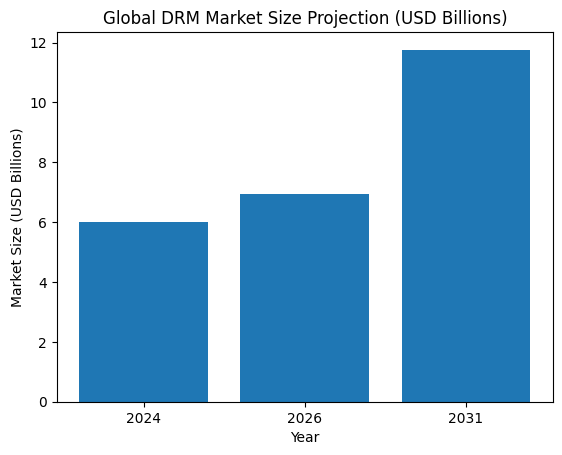
The urgency of adopting robust DRM software is driven by multiple converging trends. Global streaming audiences continue to grow, digital publishing has shifted almost entirely online, and enterprises increasingly rely on distributed teams that collaborate across borders. At the same time, unauthorized redistribution networks have become more sophisticated, leveraging automation, high-speed connectivity, and emerging technologies to replicate and disseminate content at scale. Without effective protection mechanisms, organizations risk severe revenue loss, reputational damage, regulatory penalties, and erosion of intellectual property value.
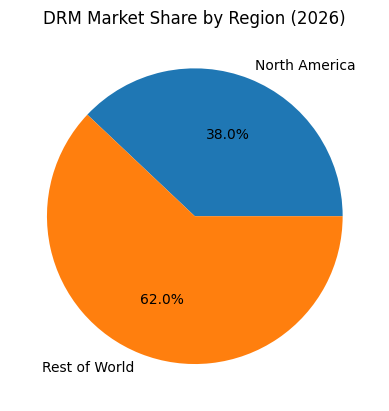
Importantly, the adoption of DRM is no longer confined to media and entertainment companies. Financial institutions use it to protect sensitive reports and transaction data, healthcare providers rely on it to secure patient records and medical imaging, software vendors deploy it to prevent unlicensed use, and educational platforms depend on it to safeguard course materials and research outputs. Government agencies and defense organizations also employ specialized DRM systems to control the distribution of classified or restricted information. This cross-industry relevance underscores the transformation of DRM into a universal security layer for digital operations.
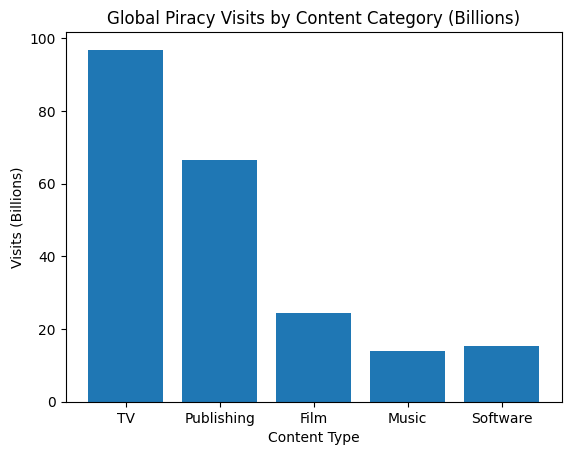
Another defining characteristic of the DRM ecosystem in 2026 is the dominance of multi-platform compatibility. Consumers and professionals access content on smartphones, laptops, tablets, smart televisions, gaming consoles, and emerging connected devices. Leading DRM solutions must therefore support a fragmented device landscape while maintaining consistent protection standards. Multi-DRM orchestration frameworks now enable a single piece of content to be securely delivered across Android, Windows, Apple, and smart TV ecosystems without maintaining separate versions for each platform. This capability is critical for organizations seeking global reach and operational efficiency.
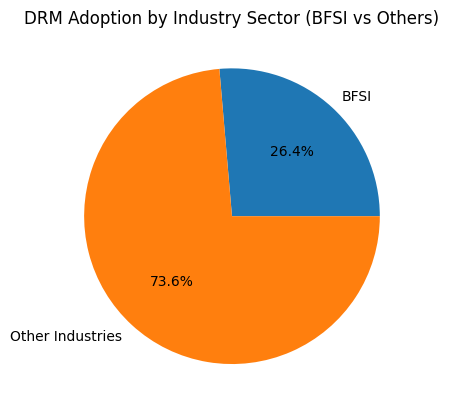
Regulatory compliance also plays a decisive role in DRM strategy. Laws governing data protection and privacy continue to expand worldwide, requiring organizations to demonstrate strict control over how digital information is handled. Modern DRM platforms contribute to compliance by enforcing encryption, access restrictions, audit trails, and real-time monitoring that help organizations meet requirements under frameworks such as GDPR, HIPAA, SOC 2, and other international standards. For many enterprises, selecting a DRM solution is as much about legal risk management as it is about content security.
Technological innovation is further reshaping the market. Artificial intelligence is being deployed to detect piracy, identify anomalous behavior, and automate enforcement actions. Cloud-native architectures provide scalable distribution and centralized policy management, while hardware-based security components protect high-value content from interception or screen capture. At the same time, emerging threats such as AI-generated deepfakes and the long-term implications of quantum computing are influencing the next generation of DRM research and development.
Given this complex environment, choosing the right DRM software in 2026 requires a nuanced understanding of available solutions and their respective strengths. Some platforms specialize in premium video streaming, others focus on document protection and enterprise data security, while digital asset management systems emphasize brand governance and controlled collaboration. The “top 10 Digital Rights Management software” represents a curated group of industry-leading tools that collectively address these diverse needs, offering proven reliability, scalability, and advanced protection capabilities.
This comprehensive guide explores the most influential DRM platforms in the world in 2026, examining how they secure content, support global distribution, and enable organizations to operate confidently in an increasingly digital and interconnected economy. Whether the objective is preventing piracy, protecting confidential information, ensuring compliance, or maintaining control over valuable intellectual property, understanding these leading solutions is essential for any organization seeking to thrive in the digital age.
Before we venture further into this article, we would like to share who we are and what we do.
About 9cv9
9cv9 is a business tech startup based in Singapore and Asia, with a strong presence all over the world.
With over nine years of startup and business experience, and being highly involved in connecting with thousands of companies and startups, the 9cv9 team has listed some important learning points in this overview of the Top 10 Digital Rights Management Software in 2026.
If you like to get your company listed in our top B2B software reviews, check out our world-class 9cv9 Media and PR service and pricing plans here.
Top 10 Digital Rights Management Software in 2026
- Adobe Primetime DRM and Adobe Experience Manager Assets
- Intertrust ExpressPlay
- Google Widevine
- Microsoft PlayReady
- Apple FairPlay Streaming
- Digify
- Vitrium Security
- Locklizard Safeguard
- Bynder Digital Asset Management
- Fasoo Enterprise DRM
1. Adobe Primetime DRM and Adobe Experience Manager Assets
Adobe’s strategy centers on two complementary platforms: Adobe Primetime DRM and Adobe Experience Manager Assets. Together, they deliver both enforcement of content rights and operational control over digital files at scale.
Adobe Primetime DRM focuses on protecting high-value video streams used by broadcasters, OTT services, and premium content distributors. Adobe Experience Manager (AEM) Assets functions as the centralized hub for storing, organizing, editing, and distributing digital assets across an enterprise environment.
This dual approach enables organizations to maintain security while preserving workflow efficiency, brand consistency, and compliance across global teams.
| Component | Primary Function | Typical Industry Use Cases | Protection Scope | Deployment Model |
|---|---|---|---|---|
| Adobe Primetime DRM | Video encryption and license enforcement | Streaming platforms, broadcasters | Premium video content and playback control | Cloud / Enterprise |
| Adobe Experience Manager Assets | Digital asset management and governance | Marketing teams, global enterprises | Images, documents, multimedia libraries | Cloud / Hybrid |
Enterprise Adoption Context
Large organizations increasingly require solutions that bridge security with content operations. Media companies must coordinate production, distribution, licensing, and analytics while preventing unauthorized copying or redistribution. Similarly, multinational corporations manage vast libraries of branded assets that must remain consistent and protected across regions.
Adobe’s ecosystem addresses these requirements by combining encryption with workflow automation, metadata management, version control, and collaboration tools. Industry evaluations consistently place AEM Assets among the leading enterprise DAM platforms due to its scalability and integration with marketing technology stacks.
Technical Architecture and Compatibility
Adobe Primetime DRM is engineered to meet the stringent requirements of studio-grade content protection. It supports diverse business models and integrates directly with playback technologies to ensure a consistent viewing experience across devices.
| Capability Area | Description |
|---|---|
| Content Business Models | Supports subscription, rental, anonymous access, and download-to-own |
| Device Compatibility | Operates across Windows, macOS, iOS, Android, smart TVs, gaming consoles |
| Playback Integration | Works with Adobe TVSDK for unified streaming performance |
| Security Framework | Advanced encryption, license servers, and rights enforcement mechanisms |
| Global Scalability | Designed for high-traffic international distribution |
This architecture allows content providers to enforce strict access rules while maintaining smooth playback, reducing churn caused by technical friction.
Pricing Structure and Enterprise Investment
DRM platforms typically follow enterprise licensing models rather than fixed retail pricing. Costs vary according to usage volume, number of protected assets, geographic distribution, and required infrastructure.
Adobe’s solutions are positioned at the premium end of the market, reflecting their suitability for large-scale operations handling valuable intellectual property.
| Deployment Scale | Typical Monthly Investment (USD) | Suitable Organization Type | Value Proposition |
|---|---|---|---|
| Entry-Level DAM Implementation | Low thousands | Mid-size enterprises | Foundational asset management capabilities |
| Standard Enterprise Deployment | Five-figure annual contracts | Large corporations | Integrated workflows and governance |
| Full Primetime DRM Deployment | 5,000 to 10,000 per month | Broadcasters and OTT platforms | Studio-grade video protection at scale |
Organizations often justify these costs by comparing them to potential losses from piracy, licensing violations, and reputational damage.
User Experience and Interface Design
Despite its technical complexity, usability remains a key factor in adoption. Feedback from enterprise users indicates that Adobe’s interface balances powerful functionality with accessibility, enabling both technical specialists and business teams to manage protected assets efficiently.
| Evaluation Category | Reported Strengths | Observed Limitations |
|---|---|---|
| Reliability | Stable multiscreen broadcasting capabilities | Requires robust infrastructure |
| Usability | Intuitive interface with manageable learning curve | Advanced features may need training |
| Security Confidence | Effective protection for sensitive visual content | Configuration complexity in large setups |
| Cross-Platform Delivery | Consistent performance across devices and operating systems | Optimization needed for legacy hardware |
| Pricing Perception | Feature-rich enterprise solution | High cost for smaller organizations |
Some users advocate for more flexible pricing tiers tailored to specific deployment scenarios or application requirements.
Strategic Position Among the World’s Leading DRM Solutions
Within the broader global ranking of DRM platforms in 2026, Adobe’s offering stands out for its ecosystem orientation rather than a single specialized function. While some competitors focus exclusively on ebooks, secure documents, or software licensing, Adobe delivers comprehensive protection across multiple content types and operational layers.
| Competitive Factor | Adobe’s Position in the DRM Market (2026) | Strategic Advantage |
|---|---|---|
| End-to-End Lifecycle Coverage | Protection from creation through distribution | Reduced need for multiple vendors |
| Media Industry Alignment | Strong adoption among premium video providers | Proven large-scale performance |
| Integration Capabilities | Deep connectivity with marketing and content tools | Streamlined enterprise workflows |
| Global Delivery Support | Designed for international audiences and platforms | Consistent user experience worldwide |
| Asset Governance | Combines DRM with enterprise asset management | Unified security and operations |
Conclusion
As digital distribution channels continue to expand, DRM software has become indispensable for safeguarding intellectual property and enabling sustainable revenue models. Adobe’s combined solution of Primetime DRM and Experience Manager Assets exemplifies the modern direction of the industry: integrated platforms that protect content while supporting complex operational workflows.
Its strengths lie in comprehensive security, cross-platform compatibility, enterprise scalability, and deep integration capabilities. However, the premium pricing structure positions it primarily for organizations with substantial content portfolios and high security requirements.
In the context of the world’s top DRM software solutions in 2026, Adobe remains a benchmark provider for enterprises seeking robust, end-to-end protection of high-value digital assets.
2. Intertrust ExpressPlay
Intertrust ExpressPlay is widely regarded as one of the leading cloud-based multi-DRM services powering secure video distribution worldwide in 2026. As streaming consumption continues to surge across mobile devices, smart TVs, gaming consoles, and web platforms, content providers increasingly demand solutions capable of protecting premium media while maintaining flawless playback under extreme traffic conditions. ExpressPlay addresses these needs through a highly scalable infrastructure designed for over-the-top (OTT) services, live sports broadcasters, and global entertainment platforms.
Unlike single-vendor DRM systems, ExpressPlay operates as a unifying service layer that orchestrates multiple industry standards simultaneously. This approach allows content distributors to reach diverse devices without deploying separate protection frameworks for each ecosystem, significantly reducing operational complexity.
Multi-DRM Architecture and Cross-Platform Coverage
A defining strength of ExpressPlay is its comprehensive support for all major DRM technologies used across consumer devices. By acting as a centralized licensing service, it enables secure playback regardless of the underlying platform.
| Supported DRM System | Ecosystem Coverage | Typical Devices and Platforms | Strategic Importance |
|---|---|---|---|
| Google Widevine | Android and Chrome environments | Smartphones, tablets, smart TVs, browsers | Dominant protection for Android streaming |
| Microsoft PlayReady | Windows and Xbox ecosystem | PCs, gaming consoles, smart TVs | Enterprise-grade DRM for Microsoft platforms |
| Apple FairPlay | Apple ecosystem | iPhone, iPad, Apple TV, Safari | Essential for iOS and macOS distribution |
| Marlin Open Standard | Cross-industry interoperable framework | Consumer electronics and hybrid devices | Supports open DRM deployments |
This multi-DRM capability ensures that a single protected stream can be delivered securely to virtually any consumer device worldwide, making ExpressPlay particularly attractive for international streaming services.
Scalability for High-Demand Live Events
Large-scale live broadcasts present unique challenges because millions of viewers may request licenses simultaneously. ExpressPlay is engineered specifically for these scenarios, offering ultra-low latency licensing and elastic cloud scaling.
During a major seven-hour live broadcast event, the platform successfully issued DRM licenses at a scale exceeding tens of millions concurrently, demonstrating its ability to handle extreme demand without service degradation.
| Performance Dimension | ExpressPlay Capability | Operational Impact |
|---|---|---|
| License Issuance Scale | Tens of millions of concurrent licenses | Supports global live events |
| Latency Optimization | Near real-time license delivery | Prevents playback delays |
| Cloud Elasticity | Automatic scaling during traffic spikes | Maintains service continuity |
| Infrastructure Integration | Compatible with major CDN providers | Simplifies deployment |
Such capabilities are particularly critical for sports tournaments, global concerts, esports competitions, and premium premieres where service disruption can result in significant revenue loss and reputational damage.
Security Standards and Advanced Protection Features
ExpressPlay adheres to stringent industry specifications designed to safeguard high-value content from piracy and unauthorized redistribution. It complies with MovieLabs’ Enhanced Content Protection guidelines, a benchmark adopted by major Hollywood studios and premium distributors.
In addition to encryption and license management, the platform integrates forensic watermarking technologies that enable tracing of leaked content back to specific distribution points or users.
| Security Layer | Technology or Standard Used | Purpose |
|---|---|---|
| Content Encryption | Multi-DRM encryption frameworks | Prevents unauthorized playback |
| Enhanced Content Protection | MovieLabs ECP compliance | Meets studio-level security requirements |
| Forensic Watermarking | Friend MTS and ContentArmor technologies | Identifies sources of piracy |
| Regulatory Compliance | GDPR-aligned data handling | Supports operation in regulated markets |
This multilayered defense approach reflects the growing shift toward proactive anti-piracy strategies rather than reactive enforcement alone.
Pricing Model and Accessibility
One of ExpressPlay’s most distinctive features is its flexible pricing structure. Unlike traditional enterprise DRM contracts that require large upfront commitments, ExpressPlay operates on a usage-based model designed to scale with business needs.
| Pricing Tier | Typical Use Case | Cost Characteristics | Scalability Level |
|---|---|---|---|
| Entry Testing Tier | Development and pilot projects | Starting around one dollar per month | Low initial commitment |
| Growth Deployment | Regional streaming services | Pay-per-license usage fees | Moderate scalability |
| Enterprise Production | Global OTT platforms | Volume-based pricing | Virtually unlimited scale |
This approach allows startups and established broadcasters alike to adopt enterprise-grade protection without prohibitive upfront costs, making ExpressPlay one of the more accessible high-end DRM solutions in the market.
Real-World Implementation Case
A documented case study involving an international streaming provider highlights the platform’s effectiveness in real operational conditions. The organization faced persistent challenges during peak viewing events, including license bottlenecks, compliance requirements, and infrastructure integration issues.
ExpressPlay’s multi-DRM solution was customized to address these constraints, enabling smooth deployment without service interruption even during periods of extreme demand.
| Implementation Challenge | ExpressPlay Solution Provided | Resulting Benefit |
|---|---|---|
| Peak traffic overload | Elastic license scaling | Stable service during major events |
| Compliance requirements | GDPR-aligned architecture | Legal readiness for European markets |
| Infrastructure compatibility | Seamless integration with existing systems | Reduced deployment time |
| Operational inefficiencies | Centralized DRM management | Improved performance and reliability |
Following implementation, the streaming service reported improved operational efficiency, stronger content protection, and the ability to support a rapidly expanding user base.
Strategic Position Among Top DRM Platforms in 2026
Within the global top ten DRM solutions, Intertrust ExpressPlay is particularly valued for its neutrality and interoperability. Rather than promoting a proprietary ecosystem, it enables content providers to leverage multiple DRM standards simultaneously, ensuring maximum reach and future-proof deployment.
| Competitive Factor | ExpressPlay Market Position | Key Advantage |
|---|---|---|
| Multi-DRM Support | Comprehensive cross-platform coverage | Eliminates need for separate DRM vendors |
| Cloud-Native Architecture | Fully managed licensing service | Reduces infrastructure burden |
| Live Event Optimization | Designed for massive concurrent audiences | Ideal for sports and global broadcasts |
| Flexible Pricing | Pay-as-you-go model | Accessible to organizations of all sizes |
| Compliance Readiness | Meets major regulatory requirements | Enables international expansion |
Conclusion
Intertrust ExpressPlay exemplifies the next generation of DRM services in 2026: cloud-native, massively scalable, and interoperable across ecosystems. Its ability to deliver secure, low-latency licensing for millions of viewers simultaneously makes it a preferred solution for high-profile live streaming and global OTT distribution.
By combining studio-grade security, advanced watermarking, regulatory compliance, and flexible pricing, ExpressPlay provides a balanced offering suitable for both emerging platforms and established media giants. Within the competitive landscape of digital rights management, it stands out as a highly adaptable solution capable of meeting the evolving demands of modern content distribution.
3. Google Widevine
Google Widevine stands as the most extensively deployed Digital Rights Management technology in the world as of 2026. It serves as the default protection mechanism across the Android operating system, the Chrome browser, and a vast ecosystem of smart TVs, streaming devices, and embedded platforms. For any media provider seeking global reach, Widevine is not merely an option but a foundational requirement due to its presence on billions of consumer devices.
The dominance of Widevine stems from its native integration into widely used software environments. Unlike proprietary DRM systems that require additional installation or licensing arrangements, Widevine is embedded directly into platforms that power everyday digital consumption. This ubiquity allows content distributors to deliver protected media to diverse audiences with minimal compatibility concerns.
Global Deployment Footprint and Ecosystem Coverage
Widevine’s reach extends across mobile, desktop, and connected living room devices. Its integration into Google’s software stack ensures consistent support across regions and manufacturers.
| Platform Category | Ecosystem Coverage | Typical Devices | Strategic Importance |
|---|---|---|---|
| Mobile Operating Systems | Native to Android ecosystem | Smartphones, tablets | Dominant mobile streaming environment |
| Web Browsers | Integrated into Chrome and Chromium-based | PCs, laptops, enterprise workstations | Largest global browser user base |
| Smart TVs | Supported by most major manufacturers | Connected televisions | Primary home streaming channel |
| Streaming Devices | Built into Chromecast and similar hardware | Media sticks, set-top boxes | Affordable global distribution platforms |
| Desktop Systems | Compatible with Windows, Linux, macOS | Personal and corporate computers | Enterprise and consumer playback |
Industry estimates place the number of Widevine-enabled devices at over five billion worldwide, making it the most pervasive DRM technology currently in operation.
Technical Architecture and Security Model
Widevine employs a layered security framework designed to accommodate different hardware capabilities while maintaining content protection standards required by studios and distributors. It uses AES-128 encryption, a widely trusted symmetric encryption algorithm, and integrates with modern browser technologies through Encrypted Media Extensions (EME).
One of Widevine’s most critical features is its tiered security model, which determines the maximum video quality permitted on a given device.
| Security Level | Protection Method | Typical Device Capability | Allowed Content Quality |
|---|---|---|---|
| L1 | Hardware-based secure execution environment | High-end smartphones, premium TVs | HD, Full HD, and 4K UHD |
| L2 | Partial hardware protection | Mid-range devices | Up to HD |
| L3 | Software-based protection only | Budget or legacy devices | Standard definition |
Major film studios and premium streaming platforms often mandate L1 security for high-resolution content, as it prevents decrypted video from leaving secure hardware boundaries.
Integration Through Modern Web Standards
Widevine operates seamlessly within contemporary web playback environments through the Encrypted Media Extensions framework. This allows secure streaming directly in browsers without relying on outdated plug-ins or external players.
| Integration Component | Function | Benefit for Service Providers |
|---|---|---|
| Encrypted Media Extensions | Standardized browser interface for DRM playback | Cross-browser compatibility |
| HTML5 Video Players | Native streaming support | Eliminates dependency on legacy technologies |
| Adaptive Streaming | Supports DASH and similar formats | Optimized bandwidth usage |
| Secure Key Exchange | License acquisition and validation | Prevents unauthorized playback |
This standards-based approach reduces development complexity and improves playback reliability across diverse devices.
Pricing Structure and Operational Costs
A major factor behind Widevine’s widespread adoption is its royalty-free licensing model. Google does not charge content providers for using the DRM technology itself, making it especially attractive for startups and cost-sensitive services.
However, operational expenses still arise from license management infrastructure and integration work.
| Cost Component | Description | Financial Impact |
|---|---|---|
| DRM Software License | No usage fee charged by Google | Minimal direct cost |
| License Server Management | Hosting and operating authorization servers | Variable infrastructure expense |
| Multi-DRM Services | Third-party managed licensing solutions | Subscription or usage-based fees |
| Integration and Testing | Implementation across platforms | Development costs |
Organizations may choose between building their own license servers for full control or outsourcing to managed multi-DRM providers to simplify operations.
Performance and Playback Reliability
Widevine’s native integration into major platforms significantly reduces compatibility issues that historically plagued streaming services. Because it is maintained directly by Google and device manufacturers, updates and optimizations are delivered continuously across the ecosystem.
| Performance Factor | Observed Outcome | User Experience Impact |
|---|---|---|
| Native Platform Support | Pre-installed on billions of devices | Minimal setup required |
| Adaptive Streaming | Smooth playback under varying network conditions | Reduced buffering |
| Format Compatibility | Works with modern codecs and containers | High-quality viewing experience |
| Maintenance and Updates | Managed through platform updates | Long-term stability |
These characteristics make Widevine particularly suitable for large-scale consumer streaming platforms where reliability directly affects subscriber retention.
Industry Evaluation and Practical Advantages
Analysts consistently identify Widevine as the baseline DRM solution required for global distribution. Its ability to operate across browsers, operating systems, and hardware types ensures that content providers can reach audiences without fragmenting their protection strategy.
| Evaluation Dimension | Industry Assessment | Strategic Implication |
|---|---|---|
| Market Penetration | Highest among all DRM technologies | Essential for global reach |
| Cost Efficiency | Royalty-free model | Attractive for emerging platforms |
| Security Strength | Hardware-backed protection available | Meets studio requirements |
| Deployment Simplicity | Built into platforms | Faster time to market |
| Ecosystem Dependence | Tied to Google infrastructure | Strong alignment with Android growth |
Conclusion
Google Widevine represents the backbone of modern digital content protection in 2026. Its unparalleled device coverage, standards-based integration, and cost-free licensing make it indispensable for streaming services aiming to operate at global scale. While additional infrastructure is required for license management, the absence of direct licensing fees significantly lowers barriers to entry.
For content providers targeting billions of Android users, Chrome browser audiences, and smart TV households, Widevine is not simply a leading DRM option but a foundational component of any comprehensive distribution strategy. Its continued evolution alongside Google’s ecosystem ensures that it will remain a central pillar of digital rights management for the foreseeable future.
4. Microsoft PlayReady
Microsoft PlayReady remains one of the most influential enterprise-grade Digital Rights Management solutions in 2026, particularly for premium video distribution across the Windows ecosystem, Xbox consoles, smart televisions, and embedded enterprise devices. Originally introduced during the early expansion of online media delivery, PlayReady has evolved into a highly sophisticated platform capable of protecting high-value content in complex, multi-device environments.
Its enduring relevance stems from strong ties to Microsoft’s global infrastructure and its advanced rights management capabilities. Content providers distributing early-release films, subscription services, corporate media, and regulated communications often rely on PlayReady to enforce strict usage policies while maintaining seamless playback.
Ecosystem Coverage and Deployment Reach
PlayReady’s adoption spans consumer entertainment, enterprise communications, healthcare systems, education networks, and digital signage. Its compatibility with a wide array of connected devices makes it a critical component in multi-DRM strategies targeting non-Android platforms.
| Platform Category | Ecosystem Coverage | Typical Devices | Strategic Importance |
|---|---|---|---|
| Desktop Operating Systems | Native to Windows environment | PCs, enterprise workstations | Dominant corporate computing platform |
| Gaming Consoles | Integrated with Xbox ecosystem | Home entertainment consoles | Premium media consumption hub |
| Smart Televisions | Supported by numerous manufacturers | Connected TVs and streaming displays | Living room content delivery |
| Embedded Systems | Used in specialized enterprise devices | Medical equipment, kiosks, signage systems | Secure institutional communications |
| Cross-Platform Devices | Works alongside other DRM systems | Hybrid consumer electronics | Enables unified distribution strategies |
This broad compatibility ensures that content providers can reach audiences beyond mobile-centric ecosystems, particularly in corporate and institutional environments.
Advanced Rights Management Capabilities
PlayReady distinguishes itself through granular control over how content can be used, copied, or redistributed. This makes it especially valuable for organizations handling sensitive or high-value media assets.
| Rights Control Feature | Functionality Description | Practical Application |
|---|---|---|
| License Customization | Defines playback rules and expiration conditions | Subscription and rental services |
| Output Protection Controls | Restricts recording or screen capture | Premium film distribution |
| Domain Management | Allows shared licenses within authorized devices | Household or enterprise usage |
| Offline Playback Support | Enables controlled viewing without internet access | Travel or secure environments |
| Advertisement Integration | Supports protected ad delivery | Monetized streaming platforms |
These capabilities support complex licensing models while maintaining compliance with studio and regulatory requirements.
Security Architecture and Encryption Standards
Modern versions of PlayReady incorporate advanced hardware-backed security pathways designed to prevent interception or tampering during playback. One notable feature is the SL3000 security level, which ensures that decrypted content remains within trusted hardware components.
| Security Component | Technology Used | Protective Function |
|---|---|---|
| Hardware Security Path | SL3000 secure execution environment | Prevents extraction of decrypted content |
| Encryption Method | CBC-S encryption scheme | Ensures compatibility with modern workflows |
| Trusted Execution | Secure media pipelines | Maintains integrity from decryption to display |
| Anti-Piracy Controls | Output protection and license enforcement | Limits unauthorized redistribution |
Such measures are essential for delivering ultra-high-definition content and early-release media, where piracy risks are particularly high.
Role in Multi-DRM Workflows
In contemporary streaming infrastructures, providers often deploy multiple DRM systems simultaneously to maximize device coverage. PlayReady functions as a key pillar within these multi-DRM frameworks, complementing technologies such as Widevine and FairPlay.
| Multi-DRM Role | Contribution to Distribution Strategy | Operational Benefit |
|---|---|---|
| Windows Coverage | Protects content on desktop and enterprise PCs | Access to corporate audiences |
| Xbox Integration | Secures console-based streaming | High engagement entertainment platform |
| Smart TV Support | Enables premium viewing on large screens | Household consumption |
| Enterprise Deployment | Protects internal communications | Secure information dissemination |
This interoperability ensures that content remains protected regardless of device type or operating system.
Licensing Model and Cost Considerations
Unlike some DRM technologies that are free to implement, PlayReady requires formal licensing agreements with Microsoft. This reflects its positioning as a premium enterprise solution with advanced capabilities.
| Cost Component | Description | Financial Implication |
|---|---|---|
| Licensing Agreement | Mandatory contract with Microsoft | Upfront and recurring fees |
| Implementation Costs | Integration into existing systems | Development and testing expenses |
| Infrastructure Requirements | License server deployment and management | Ongoing operational costs |
| Compliance and Support | Enterprise-grade assistance and updates | Higher reliability but increased expense |
Organizations typically choose PlayReady when security requirements and platform coverage justify the investment.
Operational Performance in Institutional Settings
Beyond entertainment streaming, PlayReady is frequently used in environments where secure communication is critical, such as healthcare networks, corporate campuses, and government institutions. Its ability to deliver protected video across multiple internal devices makes it suitable for controlled information distribution.
| Operational Scenario | PlayReady Capability | Resulting Advantage |
|---|---|---|
| Hospital Communication | Secure delivery to medical displays | Protection of sensitive information |
| Corporate Training | Controlled access to internal media | Prevention of unauthorized sharing |
| Digital Signage | Protected advertising and announcements | Revenue protection |
| Documentation Distribution | Reliable playback across institutional devices | Consistent messaging |
These applications demonstrate that DRM technologies are increasingly used beyond entertainment, supporting secure enterprise workflows.
Industry Evaluation and Strategic Advantages
PlayReady’s longstanding presence in the DRM market has established it as a trusted solution for premium content protection. Its deep integration with Microsoft platforms and sophisticated control mechanisms make it particularly attractive for enterprise-scale deployments.
| Evaluation Dimension | Industry Perspective | Strategic Significance |
|---|---|---|
| Security Strength | High, with hardware-backed protection | Meets studio and enterprise requirements |
| Platform Integration | Strong within Microsoft ecosystem | Seamless deployment on Windows devices |
| Rights Management Depth | Highly granular control options | Supports complex licensing models |
| Multi-DRM Compatibility | Works alongside other DRM systems | Enables broad device coverage |
| Cost Level | Premium licensing required | Positioned for large organizations |
Conclusion
Microsoft PlayReady continues to play a central role in the protection of premium digital content in 2026, particularly across enterprise environments and non-Android consumer platforms. Its advanced rights management features, robust hardware security, and deep integration with Microsoft technologies make it a preferred choice for organizations requiring stringent control over content usage.
Although the licensing model introduces higher costs compared to some alternatives, the platform’s reliability, compliance capabilities, and broad device support justify its adoption for high-value applications. Within the global ecosystem of top DRM solutions, PlayReady remains a cornerstone technology enabling secure, scalable distribution of digital media across professional and consumer contexts alike.
5. Apple FairPlay Streaming
Apple FairPlay Streaming (FPS) is the proprietary Digital Rights Management system that secures video distribution across the entire Apple ecosystem, including iPhone, iPad, Mac computers, Apple TV, and the Safari browser. In 2026, it remains an indispensable component of any global content protection strategy due to Apple’s substantial share of high-spending digital consumers worldwide. For streaming providers, publishers, and enterprise media distributors, supporting FairPlay is essential to reach audiences that rely exclusively on Apple devices.
Unlike cross-platform DRM technologies, FairPlay operates within a tightly controlled environment designed to maximize security, consistency, and performance. Apple’s vertically integrated hardware and software architecture allows the company to implement protections that are difficult to replicate in open ecosystems.
Apple Ecosystem Coverage and Device Reach
FairPlay’s deployment is confined to Apple platforms, but within that domain it provides comprehensive protection across mobile, desktop, and living-room environments.
| Platform Category | Apple Ecosystem Coverage | Typical Devices | Strategic Importance |
|---|---|---|---|
| Mobile Devices | Native to iOS and iPadOS | iPhone, iPad | High-value consumer streaming market |
| Desktop Systems | Integrated with macOS and Safari | MacBook, iMac | Professional and creative user base |
| Smart TV Platform | Built into tvOS | Apple TV streaming devices | Premium home entertainment segment |
| Web Browsing | Supported exclusively in Safari | Cross-device Apple browsing environment | Consistent protected playback |
| Cross-Device Sync | Works across Apple ID ecosystem | All Apple devices owned by a user | Seamless multi-device experience |
Apple users account for roughly one-quarter to one-third of global digital media consumption revenue, making FairPlay support commercially critical despite its platform limitations.
Hardware-Level Security and Secure Enclave Integration
One of FairPlay’s strongest differentiators is its deep integration with Apple’s hardware security architecture, particularly the Secure Enclave. This isolated processor handles cryptographic operations and ensures that decrypted content cannot be accessed by unauthorized software.
| Security Component | Technology Used | Protective Function |
|---|---|---|
| Secure Enclave Integration | Dedicated hardware security processor | Isolates cryptographic keys from the main OS |
| Hardware-Based Decryption | Trusted execution environment | Prevents interception of clear video streams |
| Device Authentication | Apple ID and system-level validation | Ensures authorized playback only |
| Output Protection | Screen recording and capture controls | Limits unauthorized copying |
This hardware-backed approach creates one of the most piracy-resistant DRM environments available, particularly for premium content such as early-release films and subscription services.
Technical Framework and Streaming Integration
FairPlay Streaming is built specifically for Apple’s HTTP Live Streaming (HLS) protocol, which is widely used for adaptive bitrate delivery. Content providers must implement a Key Security Module (KSM) to manage encryption keys and license issuance.
| Technical Component | Function | Operational Requirement |
|---|---|---|
| HLS Encryption | Protects segmented video streams | Required for Apple playback |
| Key Security Module | Generates and manages decryption keys | Maintained by the content provider |
| Certificate Management | Apple-issued credentials for DRM operation | Periodic renewal and secure storage |
| Adaptive Streaming | Adjusts video quality based on network speed | Optimized viewing experience |
The necessity of maintaining these components introduces technical complexity, especially for organizations without specialized DRM expertise.
Role in Multi-DRM Distribution Strategies
Because FairPlay operates exclusively within Apple environments, content distributors targeting global audiences typically deploy it alongside other DRM technologies such as Widevine and PlayReady. This multi-DRM approach ensures consistent protection across all device types.
| Distribution Requirement | FairPlay Contribution | Complementary DRM Systems |
|---|---|---|
| Apple Device Protection | Secures iOS, macOS, and tvOS platforms | Widevine for Android, PlayReady for Windows |
| Cross-Platform Coverage | Part of unified DRM workflows | Multi-DRM service orchestration |
| Premium Content Delivery | Enables HD and 4K playback on Apple hardware | Studio-compliant security stack |
| Audience Reach | Protects high-spending user segment | Prevents gaps in global coverage |
Without FairPlay, content delivered to Apple devices would lack robust protection, exposing providers to piracy risks and potential contractual violations with studios.
Pricing Model and Implementation Costs
Apple does not charge licensing fees for developers to use FairPlay, but operational costs arise from infrastructure, certification management, and technical implementation.
| Cost Component | Description | Financial Impact |
|---|---|---|
| Licensing Fees | No direct fee from Apple | Low entry barrier |
| KSM Infrastructure | Development or hosting of key management system | Moderate operational cost |
| Certificate Management | Secure handling of Apple-issued credentials | Administrative overhead |
| Multi-DRM Integration | Use of third-party services for cross-platform | Subscription or usage-based expense |
These indirect costs often lead organizations to partner with managed DRM providers rather than building systems internally.
Operational Advantages of the Closed Ecosystem
Apple’s tightly controlled environment reduces fragmentation, a common issue in open platforms where hardware and software variations can cause inconsistent performance. FairPlay benefits from uniform system updates and standardized hardware capabilities.
| Operational Factor | Observed Benefit | User Experience Impact |
|---|---|---|
| Platform Uniformity | Minimal device variability | Predictable playback performance |
| Integrated Updates | Security improvements delivered via OS updates | Long-term reliability |
| Hardware Optimization | Tailored for Apple silicon | Efficient processing and battery usage |
| Reduced Piracy Surface | Strict system controls | Enhanced content protection |
This consistency is particularly valuable for premium streaming services that must maintain quality and security across millions of users.
Industry Evaluation and Strategic Importance
Analysts frequently describe FairPlay as one of the most secure DRM environments available, though also one of the most restrictive due to its lack of interoperability with non-Apple systems.
| Evaluation Dimension | Industry Perspective | Strategic Implication |
|---|---|---|
| Security Strength | Extremely high due to hardware integration | Ideal for premium content |
| Ecosystem Limitation | Restricted to Apple platforms | Requires complementary DRM systems |
| Implementation Complexity | Moderate to high | Specialized expertise needed |
| Market Coverage | Represents a large revenue-generating segment | Essential for commercial success |
| Interoperability | Designed as a closed system | Custom workflows required |
Conclusion
Apple FairPlay Streaming plays a critical role in the global DRM ecosystem of 2026 by securing content across one of the world’s most influential technology platforms. Its hardware-backed protection, seamless integration with Apple devices, and consistent user experience make it indispensable for providers targeting premium audiences.
Although the system introduces technical complexity and requires complementary DRM technologies for full cross-platform coverage, omitting FairPlay would leave a significant portion of the global market unprotected. As digital media consumption continues to grow within Apple’s ecosystem, FairPlay remains a cornerstone of comprehensive content security strategies for streaming services, publishers, and enterprises worldwide.
6. Digify
Digify has emerged as one of the leading document-centric Digital Rights Management and Virtual Data Room (VDR) platforms in 2026, particularly within corporate, financial, legal, and startup ecosystems. Unlike media-focused DRM systems designed for video streaming, Digify specializes in protecting confidential documents, intellectual property, and sensitive business communications. Its adoption has accelerated due to the growing need for secure remote collaboration, cross-border transactions, and regulatory compliance in an increasingly digital corporate environment.
Organizations involved in fundraising, mergers and acquisitions, due diligence, legal proceedings, and strategic partnerships frequently rely on Digify to control how critical documents are accessed, shared, and used after distribution. Recognition from cybersecurity innovation forums has further strengthened its reputation as a secure yet user-friendly platform.
Core Platform Capabilities and Use Cases
Digify functions as both a secure document sharing system and a virtual data room, enabling companies to distribute confidential materials while maintaining visibility and control over recipient behavior.
| Capability Area | Description | Primary Business Use Case | Security Value |
|---|---|---|---|
| Secure Document Sharing | Controlled distribution of sensitive files | Contracts, reports, proposals | Prevents unauthorized redistribution |
| Virtual Data Room (VDR) | Centralized repository for confidential documents | M&A transactions, investor due diligence | Structured access management |
| Activity Tracking | Monitoring of user interactions with files | Compliance and auditing | Transparency of document usage |
| Permission Controls | Customizable access restrictions | Multi-party collaborations | Granular data governance |
These capabilities allow organizations to share information externally without relinquishing control, a critical requirement in high-stakes negotiations and regulated industries.
Advanced Tracking and Analytics
One of Digify’s most distinctive features is its detailed monitoring of document engagement. Users can observe not only who accessed a file but also contextual data such as location and viewing duration.
| Tracking Feature | Data Captured | Practical Benefit |
|---|---|---|
| Access Identification | User identity and authentication details | Verifies authorized usage |
| Geographic Information | Approximate access location | Detects suspicious activity |
| Time-Based Analytics | Duration of document viewing | Measures engagement level |
| Audit Trails | Historical access records | Supports compliance reporting |
Such insights are particularly valuable during investor outreach or negotiations, where understanding stakeholder interest can inform strategic decisions.
Remote Control and Revocation Capabilities
Digify’s “Remote Shred” functionality represents a modern evolution of DRM for documents. It enables senders to revoke access instantly, even after files have been downloaded or distributed.
| Control Mechanism | Function | Risk Mitigation Outcome |
|---|---|---|
| Remote Shred | Immediate revocation of document access | Prevents continued exposure of sensitive data |
| Download Restrictions | Ability to block file saving | Reduces risk of uncontrolled distribution |
| Expiration Settings | Time-limited access permissions | Ensures temporary availability |
| Watermarking | Visible user-specific identifiers on documents | Discourages unauthorized sharing |
These controls provide ongoing authority over documents beyond the point of delivery, addressing one of the traditional weaknesses of digital file sharing.
Pricing Structure and Deployment Options
Digify operates on a subscription-based pricing model tailored to organizational size and usage requirements. Its cost structure reflects its positioning as a professional-grade solution rather than a consumer tool.
| Pricing Tier | Monthly Cost Range (USD) | Target Users | Key Features Included |
|---|---|---|---|
| Standard Plan | Approximately 140 per month | Small businesses and startups | Core security and sharing tools |
| Business Plan | Mid-range subscription | Growing teams | Enhanced collaboration features |
| Enterprise Plan | 500 to 1,000 per month | Large organizations and multi-user setups | Advanced controls and scalability |
Annual billing is commonly required, particularly for lower-tier plans, while enterprise customers may negotiate customized agreements.
User Experience and Implementation Efficiency
A notable advantage of Digify is its emphasis on usability alongside security. Many DRM and VDR systems are criticized for being cumbersome, but Digify aims to minimize friction during setup and daily operations.
| Usability Dimension | Observed Strengths | Operational Impact |
|---|---|---|
| Setup Process | Rapid deployment with minimal technical effort | Faster adoption |
| Interface Design | Clean and intuitive user experience | Reduced training requirements |
| Workflow Integration | Supports common business processes | Maintains productivity |
| Reliability | Stable performance for confidential sharing | Consistent operational continuity |
This balance between security and convenience is a key factor behind its popularity among non-technical business users.
Industry Applications Across Corporate Sectors
Digify’s document-centric DRM capabilities make it suitable for a wide range of professional scenarios beyond traditional data rooms.
| Industry Sector | Typical Application | Security Requirement |
|---|---|---|
| Finance and Investment | Investor reporting and fundraising materials | Protection of proprietary financial data |
| Legal Services | Case files and contracts | Confidentiality and chain-of-custody control |
| Technology Startups | Intellectual property sharing | Prevention of competitive leakage |
| Healthcare Administration | Internal documentation and compliance materials | Privacy and regulatory adherence |
| Corporate Strategy | Board communications and planning documents | Restricted executive access |
These use cases demonstrate how document DRM has become essential across knowledge-intensive industries.
Strategic Position Among Top DRM Solutions in 2026
While many top DRM platforms focus on multimedia content, Digify occupies a specialized niche centered on document security and controlled collaboration. Its strengths lie in precision control rather than mass distribution.
| Competitive Factor | Digify’s Market Position | Strategic Advantage |
|---|---|---|
| Document-Centric Security | Focused on files rather than media streams | Tailored protection for business data |
| Real-Time Monitoring | Detailed engagement analytics | Insight-driven decision making |
| Remote Access Control | Post-distribution authority over documents | Reduced long-term exposure risk |
| Ease of Use | User-friendly compared to traditional VDRs | Higher adoption across teams |
| Scalability | Supports both small teams and large enterprises | Flexible deployment |
Conclusion
Digify represents a modern approach to Digital Rights Management for documents in 2026, addressing the growing demand for secure information exchange in corporate environments. By combining robust protection mechanisms with intuitive usability, it enables organizations to share sensitive materials confidently without compromising operational efficiency.
Its advanced tracking capabilities, remote access controls, and scalable pricing structure make it particularly well suited for fundraising, due diligence, legal collaboration, and intellectual property protection. Within the broader landscape of DRM solutions, Digify stands out as a specialized tool designed to safeguard the knowledge assets that drive modern business.
7. Vitrium Security
Vitrium Security has established itself as a versatile enterprise Digital Rights Management solution in 2026, particularly for organizations distributing educational materials, training content, proprietary publications, and digital products. Unlike many DRM platforms that require specialized software installations, Vitrium is designed to deliver protected content through standard web browsers, eliminating barriers for end users while maintaining strict control over access and usage.
This approach is especially valuable for institutions and businesses serving large, diverse audiences where technical friction can undermine adoption. By combining strong encryption, analytics, and seamless integration with business platforms, Vitrium addresses both security and operational efficiency.
Content Coverage and Supported Media Types
Vitrium is engineered to protect a broad spectrum of digital assets, making it suitable for publishers, educators, corporate trainers, and e-commerce providers distributing premium digital goods.
| Content Type | Protection Method | Typical Use Cases | Security Benefit |
|---|---|---|---|
| PDF Documents | Encrypted secure viewer and protected PDF | E-books, reports, manuals | Prevents copying and redistribution |
| Images | Controlled display within secure environment | Design assets, photography, marketing media | Protects intellectual property |
| Audio Files | Encrypted streaming or playback | Training materials, podcasts | Limits unauthorized duplication |
| Video Content | Secure web-based delivery | Courses, tutorials, presentations | Prevents downloads and screen capture risks |
This multi-format capability enables organizations to consolidate content protection under a single platform rather than deploying separate tools for different media types.
Browser-Based Delivery Without Plug-Ins
A defining characteristic of Vitrium is its ability to function entirely through standard web technologies. End users can access protected materials without installing proprietary applications, which significantly simplifies deployment across large audiences.
| Delivery Feature | Operational Mechanism | User Experience Impact |
|---|---|---|
| Plug-In-Free Access | Browser-native secure viewer | Immediate accessibility |
| Device Compatibility | Works across desktops, tablets, and mobiles | Broad reach without configuration |
| Centralized Control | Content hosted within secure environment | No uncontrolled file distribution |
| Automatic Updates | Platform improvements applied server-side | Consistent performance |
This frictionless model is particularly advantageous for educational platforms and online stores where customers expect instant access after purchase.
Security Architecture and Encryption Standards
Vitrium employs strong cryptographic protections and internationally recognized security practices to safeguard sensitive information. Its compliance with established standards enhances trust among enterprise customers and regulated industries.
| Security Component | Technology or Certification Used | Protective Function |
|---|---|---|
| Encryption Standard | 256-bit AES encryption | Prevents unauthorized access |
| Secure Viewer Conversion | Proprietary web-based rendering format | Eliminates raw file exposure |
| Protected PDF Generation | Controlled downloadable format | Maintains restrictions offline |
| ISO 27001 Certification | International information security standard | Validates security management practices |
By transforming original files into controlled formats, Vitrium reduces the risk of direct copying or extraction.
Analytics and Usage Intelligence
Modern DRM systems increasingly provide insights into how content is consumed. Vitrium offers detailed analytics that allow organizations to monitor engagement and detect potential misuse.
| Analytics Feature | Data Collected | Business Value |
|---|---|---|
| Access Monitoring | User identity and session details | Verifies authorized usage |
| Engagement Metrics | Viewing frequency and duration | Measures content effectiveness |
| Geographic Tracking | Approximate location of access | Identifies unusual activity |
| Reporting Tools | Aggregated usage statistics | Supports decision making and compliance |
Such intelligence helps organizations refine content strategies and demonstrate value to stakeholders.
Integration with Enterprise Systems
Vitrium’s ability to connect with widely used business platforms enhances its role as part of a broader digital infrastructure rather than a standalone security tool.
| Integrated Platform | Type of System | Operational Advantage |
|---|---|---|
| Salesforce | Customer relationship management | Automated distribution to clients |
| SharePoint | Document management environment | Secure internal collaboration |
| Shopify | E-commerce platform | Automated delivery of purchased content |
| Custom APIs | Enterprise system integration | Tailored workflows |
These integrations enable automated processes such as delivering protected files immediately after a transaction or granting access based on user roles.
Pricing Structure and Deployment Scale
Vitrium follows a tiered pricing model designed to accommodate organizations of varying sizes. Costs are influenced by the number of users, storage requirements, and integration needs.
| Pricing Tier | Annual Cost (USD) | Included Capacity | Suitable Organizations |
|---|---|---|---|
| Professional Edition | Approximately 6,000 per year | Around 500 users and 5 GB storage | Small to mid-size institutions |
| Business-Level Plans | Higher tier subscription | Expanded user base and storage | Growing enterprises |
| Enterprise Solutions | Quote-based | API access and advanced customization | Large organizations and publishers |
Enterprise deployments often include dedicated support, advanced analytics, and integration assistance.
User Experience and Support Quality
Customer feedback frequently highlights the platform’s ease of implementation and responsive support services. These factors are particularly important for organizations transitioning from legacy DRM systems.
| Usability Dimension | Reported Strengths | Operational Benefit |
|---|---|---|
| Implementation Process | Straightforward setup | Minimal disruption during migration |
| End-User Accessibility | No software installation required | Higher adoption rates |
| Customer Support | Fast response times | Quick resolution of issues |
| System Reliability | Stable performance | Consistent content delivery |
Such attributes make Vitrium appealing to organizations prioritizing both security and usability.
Industry Applications Across Sectors
Vitrium’s versatility enables deployment across numerous industries that rely on controlled distribution of digital resources.
| Industry Sector | Typical Application | Key Security Requirement |
|---|---|---|
| Education and Training | Course materials and textbooks | Prevention of unauthorized sharing |
| Publishing | Digital books and research reports | Protection of intellectual property |
| Corporate Learning | Internal training resources | Controlled employee access |
| E-commerce | Sale of digital products | Secure post-purchase delivery |
| Professional Services | Client documentation | Confidentiality assurance |
These use cases reflect the growing demand for document and multimedia protection beyond entertainment media.
Strategic Position Among Leading DRM Solutions in 2026
Within the global DRM ecosystem, Vitrium occupies a niche focused on secure content distribution without technical barriers for recipients. Its strength lies in combining enterprise security with consumer-friendly delivery.
| Competitive Factor | Vitrium’s Market Position | Strategic Advantage |
|---|---|---|
| Plug-In-Free Delivery | Browser-based protection model | Eliminates user friction |
| Multi-Format Support | Protects documents and multimedia | Versatile deployment |
| Enterprise Integrations | Connects with major business platforms | Workflow automation |
| Security Certification | ISO-aligned practices | Trust for regulated industries |
| Analytics Capability | Detailed usage insights | Data-driven content management |
Conclusion
Vitrium Security represents a modern, user-centric approach to Digital Rights Management in 2026, balancing strong protection with accessibility. By eliminating the need for proprietary software installations, it enables organizations to distribute valuable digital assets securely while maintaining a seamless experience for recipients.
Its robust encryption, comprehensive analytics, enterprise integrations, and scalable pricing make it particularly well suited for educational institutions, publishers, e-commerce providers, and corporate training programs. Within the broader landscape of DRM solutions, Vitrium stands out as a practical and adaptable platform designed to safeguard digital content in an increasingly interconnected world.
8. Locklizard Safeguard
Locklizard Safeguard is a highly specialized Digital Rights Management solution focused on protecting PDF documents in environments where offline access and stringent security controls are essential. By 2026, it has become a preferred platform for government agencies, healthcare institutions, defense contractors, research organizations, and professional publishers that handle highly sensitive information. Unlike cloud-centric DRM systems, Locklizard emphasizes persistent protection that remains effective even when documents are accessed without an internet connection.
This offline-first approach addresses a critical gap in digital security: many confidential documents must be distributed to recipients who cannot rely on continuous connectivity or who operate within restricted networks. Locklizard’s technology ensures that security policies travel with the document itself, maintaining control regardless of where the file is opened.
Primary Use Cases and Industry Adoption
Organizations adopting Locklizard typically manage intellectual property, classified materials, regulatory reports, or proprietary research that must remain confidential long after distribution.
| Industry Sector | Typical Application | Security Requirement | Reason for Adoption |
|---|---|---|---|
| Government and Defense | Policy documents, classified briefings | Strict access control and auditability | Protection of national or public interests |
| Healthcare | Clinical research and patient-related materials | Privacy compliance and confidentiality | Regulatory obligations |
| Academic Research | Pre-publication studies and datasets | Intellectual property protection | Prevention of premature disclosure |
| Publishing | Manuscripts and paid reports | Anti-piracy enforcement | Revenue protection |
| Corporate Strategy | Internal plans and sensitive communications | Controlled distribution | Competitive confidentiality |
These sectors value reliability and control over convenience, making Locklizard’s security-first design particularly attractive.
Offline Security Architecture
A defining feature of Locklizard Safeguard is its ability to enforce protection policies without relying on passwords, browser plug-ins, or standard PDF security mechanisms, which are widely considered vulnerable to circumvention.
| Security Approach | Implementation Method | Protective Advantage |
|---|---|---|
| Secure Viewer Technology | Dedicated application for document access | Prevents use of unsecured PDF readers |
| Device-Locked Licensing | License tied to specific hardware | Blocks unauthorized sharing |
| Encrypted File Format | Proprietary protected PDF container | Maintains confidentiality offline |
| Policy Enforcement | Embedded usage rules within the document | Persistent control after distribution |
By controlling both the document format and the viewing environment, Locklizard minimizes the attack surface available to unauthorized users.
Advanced Anti-Exfiltration Controls
Locklizard includes multiple safeguards designed to prevent copying, redistribution, or reproduction of protected content through indirect methods.
| Control Mechanism | Function | Risk Mitigation Outcome |
|---|---|---|
| Screen Capture Prevention | Blocks screenshot tools | Reduces visual copying |
| Print Restrictions | Limits or disables printing | Prevents physical distribution |
| Print-to-PDF Blocking | Stops virtual printer duplication | Protects digital integrity |
| Copy-Paste Protection | Disables text extraction | Prevents content reuse |
| Location Restrictions | Limits access to approved regions or networks | Enhances contextual security |
These measures are particularly important for organizations distributing sensitive reports that could cause financial, legal, or reputational harm if leaked.
Document Lifecycle Control
Beyond preventing unauthorized access, Locklizard enables senders to manage documents throughout their entire lifecycle, including expiration and revocation.
| Lifecycle Feature | Capability Description | Operational Benefit |
|---|---|---|
| Expiry Controls | Automatic access termination after a set date | Limits long-term exposure |
| Revocation Capability | Ability to disable documents post-distribution | Immediate containment of risk |
| Usage Monitoring | Tracking of document access activity | Audit and compliance support |
| Version Control | Replacement of outdated documents | Ensures recipients use current information |
Such controls are essential in regulated industries where outdated or unauthorized information must not remain accessible.
Pricing Model and Deployment Considerations
Locklizard Safeguard operates on a quote-based pricing structure tailored to the scale and complexity of each deployment. Costs typically reflect enterprise-grade requirements rather than consumer-level usage.
| Pricing Factor | Description | Impact on Cost |
|---|---|---|
| Number of Users | Licensed recipients of protected documents | Higher user counts increase pricing |
| Document Volume | Quantity of protected files | Influences infrastructure needs |
| Security Requirements | Custom policy configurations | May require specialized support |
| Deployment Scale | Organizational size and integration needs | Enterprise budgets typical |
This flexible model allows customization for institutions with unique security demands, though it may require a larger financial commitment.
User Experience in Controlled Environments
Although security is the primary focus, feedback from institutional users indicates that implementation and day-to-day operation can be straightforward once deployed.
| Usability Dimension | Observed Strengths | Operational Impact |
|---|---|---|
| Implementation Process | Smooth deployment in structured environments | Minimal disruption to workflows |
| Reliability | Consistent performance for offline access | Dependable document availability |
| User Confidence | Assurance of intellectual property protection | Increased organizational trust |
| Administrative Control | Centralized management of permissions | Efficient governance |
This balance between security and usability helps organizations adopt digital distribution methods that were previously considered too risky.
Strategic Position Among DRM Solutions in 2026
Locklizard occupies a distinct niche within the broader DRM market by prioritizing offline security and document-level protection over streaming or browser-based delivery.
| Competitive Factor | Locklizard Market Position | Strategic Advantage |
|---|---|---|
| Offline Protection | Core design principle | Suitable for restricted environments |
| Viewer-Controlled Access | Proprietary secure application | Eliminates reliance on vulnerable tools |
| Anti-Capture Measures | Extensive content leakage prevention | Strong intellectual property defense |
| Lifecycle Management | Persistent control after distribution | Long-term risk reduction |
| Industry Focus | Government and regulated sectors | Tailored security capabilities |
Conclusion
Locklizard Safeguard represents a specialized approach to Digital Rights Management in 2026, addressing scenarios where absolute control over confidential documents is required regardless of connectivity. Its offline-capable protection, device-locked licensing, and comprehensive anti-copying measures make it particularly well suited for high-security environments.
While its proprietary viewer model and enterprise-oriented pricing may limit adoption among casual users, these same characteristics provide the level of assurance demanded by governments, healthcare institutions, and research organizations. Within the global DRM ecosystem, Locklizard stands out as a solution engineered for safeguarding the most sensitive information where compromise is not an option.
9. Bynder Digital Asset Management
Bynder Digital Asset Management (DAM) is widely recognized as a leading cloud-based platform that combines centralized content management with robust Digital Rights Management capabilities tailored for marketing, branding, and creative operations. By 2026, it has become a core infrastructure component for thousands of global organizations seeking to control brand assets across distributed teams, agencies, and partners while maintaining strict licensing compliance.
Unlike DRM systems focused on streaming or document security, Bynder emphasizes governance of visual and promotional content throughout the entire brand lifecycle. This includes images, videos, design files, campaign materials, and product media used across websites, advertising channels, and e-commerce platforms.
Global Adoption and Organizational Use Cases
Bynder is trusted by thousands of brands worldwide to maintain consistency and compliance across complex content ecosystems. Its centralized repository eliminates fragmented storage systems and reduces the risk of outdated or unauthorized materials being used publicly.
| Organizational Function | Typical Assets Managed | Operational Challenge Addressed | Strategic Benefit |
|---|---|---|---|
| Marketing Teams | Campaign visuals and promotional materials | Version confusion and asset duplication | Consistent brand messaging |
| Creative Departments | Design files and multimedia content | Distributed collaboration | Streamlined production workflows |
| E-commerce Operations | Product images and videos | Rapid catalog updates | Faster time to market |
| Corporate Communications | Official logos and brand guidelines | Unauthorized asset usage | Reputation protection |
| External Partners | Agency-shared materials | Controlled third-party access | Secure collaboration |
By providing a single source of truth for digital assets, Bynder reduces operational inefficiencies while strengthening brand integrity.
Core Digital Asset Management Capabilities
Bynder’s platform integrates advanced organizational tools that enable teams to locate, manage, and distribute assets efficiently while enforcing usage rules.
| Capability Area | Functional Description | Business Impact |
|---|---|---|
| Automated Tagging | AI-assisted metadata assignment | Faster asset discovery |
| Version Control | Management of revisions and historical files | Prevents use of outdated materials |
| Centralized Storage | Cloud-based repository | Eliminates siloed file systems |
| Workflow Automation | Approval processes and task coordination | Improved operational efficiency |
| Distribution Tools | Secure sharing and publishing | Controlled external communication |
These features transform asset management from a passive storage function into an active governance framework.
Digital Rights and License Compliance Controls
Bynder incorporates DRM-oriented capabilities designed to ensure that assets are used only within approved parameters, such as geographic regions, time periods, or campaign contexts.
| DRM Feature | Control Mechanism | Risk Mitigation Outcome |
|---|---|---|
| Role-Based Permissions | Access determined by user roles | Limits exposure of sensitive assets |
| License Tracking | Monitoring of usage rights and expiration | Prevents legal violations |
| Download Restrictions | Control over file distribution | Reduces unauthorized sharing |
| Usage Guidelines | Embedded brand instructions | Ensures correct implementation |
| Audit Trails | Records of asset access and modification | Supports compliance verification |
Such controls are critical for organizations operating across jurisdictions with varying intellectual property laws.
Security Framework and Data Protection
As a cloud-based enterprise platform, Bynder implements stringent security measures to protect valuable brand assets from loss, corruption, or unauthorized access.
| Security Component | Certification or Technology Used | Protective Function |
|---|---|---|
| SOC 2 Type II Compliance | Independent security auditing standard | Validates operational safeguards |
| Multi-Location Backups | Redundant data storage | Prevents data loss from system failures |
| High Data Durability | Extremely low risk of content loss | Long-term preservation of assets |
| Access Authentication | Secure user identity verification | Prevents unauthorized entry |
These protections are essential for enterprises whose brand assets represent significant financial and reputational value.
Collaboration and Workflow Optimization
Bynder is designed to support large, distributed teams working across departments and geographic regions. Its collaborative features help coordinate content creation and approval processes.
| Collaboration Feature | Functional Purpose | Organizational Benefit |
|---|---|---|
| Shared Workspaces | Central environment for team interaction | Improved coordination |
| Approval Workflows | Structured review processes | Reduced bottlenecks |
| Real-Time Updates | Immediate synchronization of changes | Consistent information across teams |
| Partner Portals | Controlled external access | Secure agency collaboration |
These capabilities reduce delays and errors associated with traditional email-based or manual file-sharing methods.
Pricing Model and Deployment Approach
Bynder follows a customized pricing structure tailored to organizational size, storage requirements, user counts, and integration needs. Prospective customers typically begin with a trial period before committing to a full deployment.
| Pricing Component | Description | Typical Customer Profile |
|---|---|---|
| Free Trial Period | Approximately 30 days | Evaluation phase for new clients |
| Standard Deployment | Customized subscription | Mid-size organizations |
| Enterprise Implementation | Quote-based with advanced features | Large global corporations |
| Add-On Services | Integrations and premium support | Complex operational environments |
This flexible model accommodates both growing companies and established multinational brands.
User Experience and Operational Impact
Feedback from marketing and creative professionals highlights Bynder’s ability to reduce content chaos while improving productivity and reliability.
| Usability Dimension | Reported Strengths | Business Outcome |
|---|---|---|
| Performance Speed | Faster asset retrieval compared to alternatives | Increased efficiency |
| Ease of Organization | Logical structure for large libraries | Reduced search time |
| Reliability | Stable cloud infrastructure | Continuous availability |
| Data Confidence | Assurance of asset safety | Reduced operational risk |
These benefits contribute to stronger internal adoption and long-term return on investment.
Strategic Position Among Leading DRM and DAM Solutions in 2026
Within the broader ecosystem of digital rights management technologies, Bynder occupies a niche centered on brand governance and asset lifecycle control rather than direct media encryption.
| Competitive Factor | Bynder Market Position | Strategic Advantage |
|---|---|---|
| Brand Asset Governance | Specialized DAM focus | Tailored for marketing operations |
| License Compliance Tools | Built-in rights management | Legal risk reduction |
| Cloud Scalability | Supports global teams | Enterprise readiness |
| Integration Capability | Connects with marketing technology stacks | Unified digital ecosystem |
| User Accessibility | Designed for non-technical teams | Broad organizational adoption |
Conclusion
Bynder Digital Asset Management represents a modern, enterprise-grade solution for controlling brand content in 2026. By combining centralized storage, workflow automation, and DRM-oriented compliance tools, it enables organizations to manage complex asset portfolios securely while maintaining agility in marketing operations.
Its strong security posture, collaborative features, and scalable pricing make it particularly well suited for companies operating across multiple regions and channels. Within the global landscape of digital rights management solutions, Bynder stands out as a platform dedicated to safeguarding brand integrity and ensuring that digital assets are used correctly, consistently, and compliantly throughout their lifecycle.
10. Fasoo Enterprise DRM
Fasoo Enterprise DRM (FED) is a data-centric Digital Rights Management solution engineered to safeguard sensitive business information throughout its entire lifecycle. By 2026, it has become a prominent choice for organizations handling large volumes of confidential documents, particularly in regulated sectors such as healthcare, finance, government, and corporate enterprises. Unlike media-focused DRM systems, Fasoo concentrates on unstructured data, including office files, images, and internal reports, which represent a significant portion of corporate intellectual property.
The platform’s philosophy centers on persistent protection. Instead of securing only storage systems or network boundaries, Fasoo ensures that security travels with the file itself, maintaining control regardless of where the data moves.
Protection of Unstructured Enterprise Data
Modern organizations generate vast quantities of unstructured information that cannot be easily governed by traditional database security tools. Fasoo addresses this challenge by applying encryption and policy enforcement directly to individual files.
| Data Category | Typical File Types | Organizational Risk | Protection Objective |
|---|---|---|---|
| Office Documents | Word, Excel, PowerPoint files | Intellectual property leakage | Controlled sharing and editing |
| Visual Content | Images and design assets | Unauthorized distribution | Ownership preservation |
| Internal Reports | Financial and strategic documents | Competitive exposure | Confidentiality assurance |
| Client Records | Sensitive operational data | Regulatory violations | Compliance and privacy protection |
| Research Materials | Proprietary studies and analyses | Loss of innovation advantage | Long-term security |
This focus on everyday business files makes Fasoo particularly relevant for organizations seeking comprehensive internal data protection.
Persistent Encryption and File-Centric Security
A core strength of Fasoo Enterprise DRM is its ability to encrypt files automatically at creation or while stored, ensuring that protection is applied consistently without relying on user intervention.
| Security Mechanism | Implementation Method | Protective Outcome |
|---|---|---|
| Automatic Encryption | Applied at file creation or storage | Eliminates reliance on manual processes |
| Persistent Protection | Security embedded within the file | Maintains control after sharing |
| External Sharing Control | Enforced policies outside corporate networks | Prevents unauthorized dissemination |
| Access Revocation | Ability to modify permissions post-distribution | Rapid containment of risks |
This persistent model is essential in an era of remote work and cloud collaboration, where files frequently move beyond traditional network perimeters.
Granular Access and Usage Controls
Fasoo enables administrators to define precise rules governing how documents can be used, viewed, or modified by recipients.
| Control Feature | Functional Capability | Security Benefit |
|---|---|---|
| User Authentication | Verification of authorized recipients | Prevents impersonation |
| Permission Levels | View, edit, print, or share restrictions | Limits misuse |
| Time-Based Access | Expiration of document availability | Reduces long-term exposure |
| Offline Controls | Enforcement without continuous connectivity | Secure use in restricted environments |
| Remote Policy Updates | Changes applied after distribution | Dynamic risk management |
Such granular controls support complex organizational policies and compliance requirements.
Dynamic Watermarking and Visual Deterrence
To discourage unauthorized distribution, Fasoo incorporates watermarking technologies that identify the recipient directly within the document display.
| Watermark Type | Characteristics | Deterrent Effect |
|---|---|---|
| Dynamic User Information | Displays viewer identity on the document | Discourages leaks |
| Timestamp Indicators | Shows date and time of access | Enables forensic tracking |
| Custom Branding | Organizational identifiers | Reinforces ownership |
| Visible Overlay | Persistent on-screen marking | Prevents clean screenshots |
Watermarking complements encryption by addressing insider threats and accidental sharing.
Integration with Data Classification Systems
Fasoo integrates with enterprise classification tools to automate protection based on the sensitivity of information. This reduces reliance on employees to determine security levels manually.
| Classification Feature | Automated Action | Operational Benefit |
|---|---|---|
| Sensitivity Detection | Identifies confidential content | Ensures consistent protection |
| Policy Assignment | Applies predefined security rules | Reduces human error |
| Workflow Integration | Aligns with document management systems | Seamless deployment |
| Compliance Alignment | Supports regulatory requirements | Audit readiness |
Automation is particularly valuable for large organizations managing millions of files across departments.
Pricing Structure and Deployment Scale
Fasoo Enterprise DRM follows a subscription-based pricing model influenced by organizational size, number of users, and complexity of security requirements.
| Pricing Component | Typical Cost Range (USD) | Suitable Organization Type |
|---|---|---|
| Entry Deployment | Around 180 per month | Small to mid-size businesses |
| Standard Enterprise Use | Several thousand annually | Medium organizations |
| Large-Scale Implementation | Approximately 5,800 per year or more | Large enterprises and regulated sectors |
| Custom Solutions | Quote-based | Highly specialized environments |
Costs typically include implementation services, customization, and ongoing support.
Operational Performance in Corporate Environments
Organizations using Fasoo often highlight its adaptability to complex workflows and its ability to scale as security needs evolve.
| Operational Factor | Observed Outcome | Business Impact |
|---|---|---|
| Flexibility | Customizable policies for diverse departments | Broad applicability |
| Scalability | Supports growing data volumes | Long-term viability |
| Implementation Support | Vendor-assisted deployment | Reduced technical burden |
| Security Enhancement | Strengthened protection against data breaches | Risk reduction |
These attributes make Fasoo suitable for enterprises undergoing digital transformation.
Strategic Position Among Leading DRM Solutions in 2026
Fasoo Enterprise DRM occupies a distinctive niche focused on enterprise data protection rather than consumer media distribution. Its emphasis on file-level security aligns with the evolving threat landscape where insider risks and accidental leaks are major concerns.
| Competitive Factor | Fasoo Market Position | Strategic Advantage |
|---|---|---|
| Data-Centric Protection | Focus on unstructured business data | Addresses everyday corporate risks |
| Persistent Encryption | Security travels with the file | Protection beyond network boundaries |
| Automated Classification | Intelligent policy enforcement | Reduced manual oversight |
| Granular Controls | Detailed usage restrictions | Compliance support |
| Enterprise Scalability | Designed for large organizations | Long-term deployment capability |
Conclusion
Fasoo Enterprise DRM represents a comprehensive approach to safeguarding sensitive business information in 2026. By embedding encryption and access controls directly into files, it ensures that protection persists regardless of where data is stored or shared. Its integration with classification tools, dynamic watermarking, and flexible policy management makes it particularly effective for organizations handling confidential documents at scale.
Within the global ecosystem of DRM solutions, Fasoo stands out as a data-centric platform designed to mitigate the risks associated with unstructured information. As enterprises continue to prioritize security in distributed work environments, solutions like Fasoo play a critical role in maintaining confidentiality, compliance, and operational resilience.
Global Digital Rights Management Ecosystem: 2026 Strategic Market Analysis and Industrial Software Evaluations
The digital economy in 2026 is increasingly shaped by a structural tension between surging global demand for digital content and the parallel rise of sophisticated unauthorized distribution networks. Digital Rights Management (DRM) technologies have consequently transitioned from optional technical safeguards into foundational economic infrastructure. These systems now enable organizations to monetize ultra-high-definition streaming media, protect proprietary algorithms, secure regulated data, and govern the lifecycle of sensitive intellectual property across distributed environments.
The modern DRM landscape reflects deep integration with cloud computing, artificial intelligence–driven monitoring, and zero-trust security models. Rather than acting as standalone encryption tools, contemporary DRM platforms operate as policy enforcement engines embedded across content creation, storage, distribution, and consumption layers. This transformation has expanded DRM adoption beyond traditional media industries into finance, healthcare, education, manufacturing, government, and enterprise collaboration sectors.
Macroeconomic Valuation and Global Market Projections
Market indicators for 2026 demonstrate sustained expansion of the global DRM industry. Estimates place total market value at approximately USD 6.93 billion, representing growth from roughly USD 6.23 billion in 2025. Long-range forecasts indicate that the market could reach between USD 11.05 billion and USD 20.62 billion by the early 2030s, depending on whether projections include managed services, cloud infrastructure revenue, and compliance solutions in addition to core software licensing.
Industry analysts commonly identify a baseline compound annual growth rate between 10.5 percent and 11.16 percent for the 2025–2031 period. However, certain high-growth regions and segments exhibit significantly stronger expansion trajectories. Emerging digital economies, rapid cloud adoption among small and medium-sized enterprises, and regulatory pressures on data protection are key accelerators pushing localized growth rates into the mid-to-high teens.
| Market Metric | 2024 Value | 2026 Estimate | 2031 Projection | Projected CAGR (2025–2031) |
|---|---|---|---|---|
| Global Market Size | USD 6.00 BN | USD 6.93 BN | USD 11.76 BN | 11.16% |
| North America Share | 37.8% | 37.95% | N/A | Stable |
| Asia-Pacific CAGR | N/A | N/A | 15.94% | Highest Growth |
| Cloud Deployment Share | N/A | 56.10% | N/A | 17.95% (Segment CAGR) |
| SME Segment CAGR | N/A | N/A | 19.18% | Rapid Adoption |
Geographic Distribution of Market Influence
North America continues to command the largest share of global DRM revenue, accounting for roughly 36.9 percent to 38.47 percent of the market. This dominance is supported by a mature digital entertainment industry, strong intellectual property enforcement mechanisms, and widespread enterprise investment in cybersecurity infrastructure.
Nevertheless, the center of gravity is gradually shifting eastward. The Asia-Pacific region is projected to be the fastest-growing market through the early 2030s, with an estimated CAGR approaching 15.94 percent. Rapid digitalization, expanding broadband access, government initiatives supporting domestic technology ecosystems, and explosive growth in mobile streaming services are key contributors to this momentum.
| Region | Market Position (2026) | Growth Drivers | Strategic Outlook |
|---|---|---|---|
| North America | Largest revenue contributor | Mature media sector, strict IP regulation | Stable leadership |
| Europe | Strong regulatory framework | Data protection laws and enterprise adoption | Steady expansion |
| Asia-Pacific | Fastest-growing region | Mobile internet growth, cloud investment | Emerging dominant market |
| Latin America | Developing adoption landscape | Expanding digital services | Moderate growth |
| Middle East & Africa | Increasing infrastructure investment | Government digitization initiatives | Long-term potential |
Industry Vertical Adoption Trends
The deployment of DRM technologies has broadened significantly beyond entertainment media. Organizations handling confidential data, proprietary research, or regulated information now rely on DRM to enforce usage policies and prevent unauthorized dissemination.
The Banking, Financial Services, and Insurance (BFSI) sector has emerged as the largest industrial adopter, accounting for roughly one-quarter of total market revenue. Financial institutions use DRM to secure transaction records, investment reports, customer data, and internal communications against both external cyber threats and insider risks.
Healthcare is another rapidly expanding segment. Hospitals, research institutions, and telemedicine providers must protect sensitive medical images, clinical data, and patient records while complying with stringent privacy regulations.
| Industry Sector | Share or Growth Indicator | Primary Protection Needs | Key Drivers of Adoption |
|---|---|---|---|
| BFSI | Approximately 26.32%–26.40% share | Financial documents and customer data | Regulatory compliance and cyber risk |
| Healthcare | 17.88% projected CAGR | Medical imaging and patient records | Privacy mandates and digital transformation |
| Media & Entertainment | Historically dominant sector | Streaming content and licensing control | Subscription monetization |
| Government & Defense | High security demand | Classified information and policy documents | National security requirements |
| Education & Publishing | Growing digital distribution | Academic materials and intellectual property | Remote learning expansion |
Technological Drivers Reshaping the DRM Industry
Several technological trends are accelerating the evolution of DRM systems from static protection tools into adaptive security platforms.
Cloud-native deployment models enable scalable distribution and centralized policy management across global networks. Artificial intelligence enhances anomaly detection, piracy monitoring, and automated compliance reporting. Zero-trust architectures ensure that access decisions are continuously verified rather than granted based solely on network location.
| Technology Trend | Impact on DRM Systems | Operational Benefit |
|---|---|---|
| Cloud Orchestration | Scalable global distribution | Reduced infrastructure burden |
| Artificial Intelligence | Automated threat detection | Faster response to piracy |
| Zero-Trust Security | Continuous identity verification | Reduced insider risk |
| Edge Computing | Localized processing of secure content | Lower latency for streaming |
| Blockchain Integration | Immutable licensing records | Transparent rights management |
Conclusion
By 2026, Digital Rights Management has evolved into a critical pillar of the global digital economy. Its role now extends far beyond protecting entertainment media, encompassing enterprise data security, regulatory compliance, intellectual property governance, and secure digital collaboration. Market growth projections indicate sustained expansion driven by cloud adoption, regulatory pressures, and the increasing value of digital assets across industries.
While North America maintains leadership in revenue generation, Asia-Pacific is poised to become the primary engine of future growth. Simultaneously, sectors such as finance and healthcare are reshaping demand patterns by prioritizing data protection over traditional content security alone.
As digital transformation accelerates worldwide, DRM technologies will remain indispensable for balancing open access with controlled usage—ensuring that innovation, creativity, and sensitive information can be shared without sacrificing security or economic viability.
Technical Evolution: Multi-DRM Orchestration and Standards Convergence in 2026
The technical environment of digital rights management in 2026 is defined by a decisive shift from fragmented, vendor-specific protection methods toward interoperable standards and unified delivery architectures. Historically, content distributors were forced to maintain multiple encrypted versions of the same media asset to support different device ecosystems. This approach created significant storage overhead, operational complexity, and increased risk of configuration errors.
Today, industry convergence around standardized packaging and encryption frameworks has enabled streamlined workflows in which a single media file can be securely delivered across diverse platforms. This transformation is largely driven by the adoption of the Common Media Application Format (CMAF) and Common Encryption (CENC), which together provide a universal structure for encrypted content distribution.
Standards Convergence and Single-File Workflows
CMAF defines a common container format for segmented media, while CENC specifies how encryption keys are applied. Combined with the widespread use of AES-128 encryption, these standards allow a single encoded file to be decrypted by different DRM systems as long as the appropriate license is issued to the client device.
This “encode once, deliver everywhere” paradigm dramatically reduces storage requirements and simplifies content pipelines for streaming providers.
| Technical Component | Historical Approach | Modern Standardized Approach | Operational Benefit |
|---|---|---|---|
| File Storage | Multiple encrypted versions per DRM system | Single encrypted asset for all platforms | Reduced storage costs |
| Encryption Method | Proprietary vendor-specific schemes | AES-128 with CENC | Interoperability |
| Media Packaging | Platform-specific formats | CMAF unified container | Simplified distribution |
| Delivery Workflow | Separate pipelines for each ecosystem | Unified pipeline | Faster deployment |
Encryption Modes and Compatibility Frameworks
Different DRM systems implement AES-128 encryption through compatible modes that support cross-platform playback. The CBC-S mode and SAMPLE-AES are examples of adaptations that align with CENC requirements while maintaining platform-specific optimizations.
These compatible encryption modes ensure that a single video segment can be used across Android, Windows, and Apple ecosystems without re-encoding.
Hardware-Backed Security Tiers
Modern DRM implementations rely heavily on hardware-assisted security to prevent interception or extraction of decrypted content. Software-only protection is increasingly considered insufficient for high-value media such as Ultra-High Definition streaming.
Trusted Execution Environments (TEEs) isolate sensitive operations from the main operating system, ensuring that decryption and rendering occur in secure memory regions inaccessible to malicious software.
| Security Tier Concept | Description | Typical Use Case | Protection Strength |
|---|---|---|---|
| Hardware-Backed TEE | Cryptographic operations in secure hardware | Premium UHD streaming | Very High |
| Hybrid Protection | Partial hardware involvement | Mid-tier devices | Moderate to High |
| Software-Based Security | Protection implemented in software only | Legacy or low-cost devices | Basic |
Major studios now commonly require hardware-backed protection for distribution of 4K Ultra-High Definition content, reflecting the high commercial value and piracy risk associated with such media.
Platform-Specific Security Implementations
Each major DRM ecosystem implements its own tiered security architecture while maintaining compatibility with common encryption standards.
| Feature | Google Widevine | Microsoft PlayReady | Apple FairPlay |
|---|---|---|---|
| Dominant Platforms | Android, Chrome, Smart TVs | Windows, Edge, Xbox | iOS, macOS, tvOS, Safari |
| Encryption Mode | AES-128 (CENC) | AES-128, CBC-S | AES-128 (SAMPLE-AES) |
| Security Mechanism | L1–L3 TEE tiers | SL150–SL3000 tiers | Hardware Secure Enclave |
| Streaming Protocol Support | DASH, HLS | DASH, Smooth Streaming | HLS only |
| Cost Structure | Royalty-free | Licensing fee required | Free for Apple developers |
| Licensing Capacity | Billions of devices | Strong enterprise adoption | Large premium device segment |
These systems collectively cover the vast majority of connected consumer devices worldwide, making cross-compatibility essential for global content distribution.
Importance of Hardware Security for UHD Content
The transition to 4K and 8K streaming has significantly raised security expectations. High-resolution media contains greater commercial value and is more attractive to piracy networks. Hardware-backed DRM ensures that decrypted video frames cannot be captured from memory buffers or redirected to unauthorized outputs.
Content providers often enforce device certification requirements to guarantee compliance with studio protection policies.
Rise of Multi-DRM Orchestration Services
Despite standardization, device fragmentation remains substantial. Different operating systems, hardware capabilities, and software versions necessitate coordinated license management across multiple DRM platforms. Multi-DRM orchestration services address this complexity by acting as centralized control layers.
These services provide unified application programming interfaces that automatically determine the appropriate DRM system for each requesting device and issue the corresponding license.
| Orchestration Function | Operational Role | Benefit for Content Providers |
|---|---|---|
| Device Detection | Identifies platform capabilities | Ensures correct DRM selection |
| License Routing | Directs requests to appropriate DRM server | Seamless playback across devices |
| Token Validation | Verifies user authorization | Prevents unauthorized access |
| Policy Enforcement | Applies usage restrictions | Consistent rights management |
| Monitoring and Analytics | Tracks license issuance and usage | Operational insight |
Essential Role in OTT Ecosystems
Over-the-top streaming providers must support an extremely diverse hardware landscape, including legacy smartphones, modern smart televisions, gaming consoles, and web browsers. Without orchestration, managing separate DRM implementations for each device category would be operationally unsustainable.
Multi-DRM services enable OTT platforms to scale globally while maintaining consistent security standards and user experiences.
| Device Category | DRM Challenge | Orchestration Advantage |
|---|---|---|
| Legacy Mobile Devices | Limited hardware security | Adaptive license policies |
| Modern Smartphones | High-performance playback | UHD content delivery |
| Smart TVs | Diverse manufacturer ecosystems | Unified compatibility |
| Gaming Consoles | Proprietary operating systems | Seamless integration |
| Web Browsers | Varying support for DRM modules | Automatic system selection |
Conclusion
The technical evolution of DRM in 2026 reflects a decisive movement toward interoperability, efficiency, and hardware-anchored security. Standardized formats such as CMAF and CENC have eliminated the need for redundant media storage, enabling single-file distribution across multiple platforms. Simultaneously, hardware-backed protection has become a prerequisite for premium content, particularly in the era of ultra-high-definition streaming.
Multi-DRM orchestration services serve as the operational backbone of this ecosystem, translating complex device diversity into manageable workflows for content providers. As digital consumption continues to expand across new device categories and network environments, these technologies will remain essential for balancing accessibility with robust protection of valuable digital assets.
Economic Impact of Piracy and the Return on Investment of DRM Implementation in 2026
Digital piracy remains one of the most significant structural threats to the global digital economy. By 2026, unauthorized distribution networks have evolved into highly organized ecosystems capable of rapidly replicating and disseminating premium content across borders. This has elevated Digital Rights Management from a defensive technical measure to a core financial strategy for protecting revenue streams, safeguarding intellectual property, and sustaining content-driven business models.
The economic rationale for DRM adoption is underscored by the scale of losses attributed to piracy. In 2025, global media industries experienced estimated losses of approximately USD 75 billion, with projections indicating that the figure could escalate to around USD 125 billion by 2028 if effective countermeasures are not implemented. In the United States alone, digital video piracy generates annual economic damage ranging from USD 29.2 billion to USD 71 billion, reflecting both direct revenue loss and secondary impacts such as reduced employment and tax income.
Global Piracy Traffic and Sectoral Impact
Piracy activity can be measured through the volume of visits to unauthorized distribution platforms. Data from 2024 reveals substantial engagement across multiple content categories, with television content and publishing experiencing particularly strong growth.
| Piracy Category (2024) | Total Visits (Billions) | Growth Trend | Primary Economic Consequence |
|---|---|---|---|
| TV Content | 96.8 BN | Increasing, driven by anime demand | Major subscription revenue leakage |
| Publishing (Manga/Ebooks) | 66.4 BN | +4.3% | Loss of intellectual property value |
| Film | 24.3 BN | −18% | Reduced box office and licensing revenue |
| Music | 13.9 BN | −18.6% | Partially offset by streaming adoption |
| Software | 15.2 BN | Moderate | Estimated USD 46.3 BN global loss |
These figures demonstrate that piracy patterns are shifting rather than disappearing. While convenient legal streaming services have reduced unauthorized consumption of films and music, television series and digital publishing—especially serialized content—are experiencing accelerating piracy due to delayed regional releases, fragmented licensing, and high consumer demand.
Sector-Specific Economic Consequences
Different industries experience piracy impacts in distinct ways, depending on their revenue models and distribution strategies.
| Industry Sector | Key Revenue Source | Piracy Impact Mechanism | Long-Term Effect |
|---|---|---|---|
| Television Streaming | Subscription services and advertising | Unauthorized episode distribution | Subscriber churn and ad revenue loss |
| Publishing | Digital sales and subscriptions | Free circulation of copyrighted works | Devaluation of intellectual property |
| Film | Theatrical and streaming releases | Early-release leaks | Reduced box office performance |
| Music | Streaming royalties and licensing | File sharing and unlicensed downloads | Lower artist compensation |
| Software | License sales and subscriptions | Unauthorized installations | Revenue erosion and support burden |
The rise of global fan communities, particularly in animation and serialized storytelling, has intensified piracy in segments where official distribution lags behind consumer demand.
Shift Toward Lifecycle-Based DRM Strategies
Traditional DRM systems focused primarily on preventing unauthorized access at the point of playback or installation. However, modern piracy networks exploit weaknesses throughout the entire content lifecycle, including production leaks, screen capture, credential sharing, and redistribution of decrypted copies.
Consequently, contemporary DRM implementation strategies emphasize comprehensive lifecycle protection, combining encryption, watermarking, analytics, and legal enforcement mechanisms.
| Protection Stage | Modern DRM Approach | Purpose |
|---|---|---|
| Creation | Secure production environments | Prevent pre-release leaks |
| Distribution | Encrypted delivery channels | Block interception |
| Consumption | Hardware-backed playback controls | Prevent copying or recording |
| Post-Distribution | Forensic watermarking | Trace sources of leaks |
| Monitoring | AI-driven piracy detection | Rapid enforcement response |
This holistic approach recognizes that security must persist beyond initial access control to remain effective.
Return on Investment Through Revenue Protection
Implementing DRM involves infrastructure costs, licensing fees, and operational overhead. However, organizations increasingly view these expenditures as investments that preserve revenue rather than discretionary expenses.
Even modest reductions in piracy rates can yield substantial financial benefits when applied to large-scale content distribution. For subscription-based services, preventing account sharing and unauthorized redistribution directly improves conversion rates and customer retention.
Conversion of Unauthorized Users into Paying Customers
Beyond prevention, the industry has developed strategies to convert piracy users into legitimate customers. Software vendors, in particular, have identified a significant opportunity to monetize unauthorized installations through targeted communication campaigns and negotiated settlements.
| Conversion Strategy | Methodology | Financial Opportunity |
|---|---|---|
| Data-Driven Outreach | Identification of unlicensed usage patterns | Encourages voluntary compliance |
| Warning Communications | Formal notices to unauthorized users | Reduces litigation costs |
| Pre-Litigation Mediation | Negotiated licensing agreements | Generates revenue recovery |
| Upgrade Incentives | Discounted legitimate licenses | Builds long-term customer relationships |
Estimates suggest that these approaches represent a potential USD 18.7 billion opportunity in converting unlicensed software users into paying customers.
Macroeconomic Implications
Piracy not only affects individual companies but also exerts broader economic consequences, including job losses, reduced tax revenues, and diminished incentives for creative investment. High piracy environments can discourage content production and innovation, particularly in emerging markets where legal enforcement mechanisms may be weaker.
| Economic Dimension | Impact of High Piracy Levels | Societal Consequence |
|---|---|---|
| Employment | Reduced industry growth | Fewer creative and technical jobs |
| Tax Revenue | Lower corporate earnings | Reduced public funding |
| Innovation Investment | Declining profitability | Slower technological progress |
| Market Stability | Unpredictable revenue streams | Increased business risk |
Conclusion
The economic impact of digital piracy in 2026 underscores the strategic necessity of robust DRM implementation. With global losses reaching tens of billions of dollars annually and projected to rise sharply, organizations across industries are prioritizing content protection as a core component of their financial sustainability.
Modern DRM systems deliver value not only by preventing unauthorized access but also by enabling lifecycle management, forensic tracking, and revenue recovery strategies. As piracy tactics continue to evolve, the return on investment for comprehensive DRM deployment becomes increasingly compelling—transforming digital rights management from a technical safeguard into a fundamental instrument of economic resilience in the digital age.
Compliance Frameworks and Regulatory Alignment in the DRM Ecosystem (2026)
In 2026, the deployment of Digital Rights Management solutions is tightly intertwined with global data protection regulations and cybersecurity standards. Organizations no longer implement DRM solely to prevent unauthorized copying; they deploy it as part of a broader governance framework designed to safeguard personal data, confidential business information, and intellectual property. Regulatory bodies worldwide increasingly expect demonstrable technical controls that enforce privacy, accountability, and secure handling of digital assets.
As a result, DRM platforms must align with multiple compliance regimes simultaneously, particularly when operating across jurisdictions. This alignment influences product architecture, data handling practices, logging capabilities, and incident response mechanisms.
Enterprise Assurance Through SOC 2 Type II and ISO Certification
Enterprise customers demand verifiable proof that service providers maintain robust internal controls. SOC 2 Type II has emerged as a de facto requirement for cloud-based vendors, especially those serving regulated industries or handling sensitive information.
SOC 2 Type II evaluates operational effectiveness over time rather than providing a single-point assessment. The framework examines five Trust Services Criteria that collectively determine whether systems are designed and operated securely.
| Trust Services Criterion | Evaluation Focus | Relevance to DRM Systems |
|---|---|---|
| Security | Protection against unauthorized access | Prevents data breaches |
| Availability | System uptime and resilience | Ensures continuous access to protected content |
| Processing Integrity | Accurate and complete system operation | Maintains reliability of rights enforcement |
| Confidentiality | Protection of sensitive information | Safeguards proprietary assets |
| Privacy | Handling of personal data | Supports regulatory compliance |
In contrast to Type I reports, which assess controls at a single moment, Type II audits review performance over six to twelve months, providing stronger assurance to enterprise clients.
Complementing SOC compliance, many DRM providers obtain ISO 27001 certification, an internationally recognized standard for information security management systems. This certification demonstrates adherence to systematic risk management processes and continuous improvement practices.
Privacy Regulations Driving DRM Adoption
Major privacy laws such as the European Union’s General Data Protection Regulation (GDPR) and the California Consumer Privacy Act (CCPA) impose strict obligations on organizations that collect or process personal data. These laws embed the principle of “Privacy by Design and by Default,” requiring security measures to be integrated from the earliest stages of system development.
DRM technologies support compliance by enforcing encryption, controlling access, and maintaining audit trails that document how data is handled.
| Privacy Principle | Regulatory Expectation | DRM Contribution |
|---|---|---|
| Data Minimization | Limit exposure of personal information | Restricted access permissions |
| Confidentiality | Protect data from unauthorized disclosure | Encryption of stored and transmitted content |
| Accountability | Demonstrate compliance actions | Detailed activity logs |
| User Control | Allow individuals to manage their data | Revocation and deletion capabilities |
Under GDPR, organizations must report qualifying data breaches within 72 hours, making real-time monitoring and alerting essential components of compliant DRM solutions.
Regulatory Requirements and Their Operational Impact
Different regulations target specific populations or industries, creating a patchwork of obligations that organizations must navigate. DRM platforms play a crucial role in implementing technical safeguards that satisfy these requirements.
| Regulation | Scope of Application | Key Requirement | Impact on DRM Strategy |
|---|---|---|---|
| GDPR | Residents of the European Union | Right to erasure; privacy by design | Persistent encryption; remote access revocation |
| CCPA | Residents of California | Right to know and opt-out of data usage | Granular tracking of distribution |
| SOC 2 Type II | B2B SaaS providers | Independent audit of security controls | Mandatory enterprise-grade safeguards |
| HIPAA | U.S. healthcare sector | Protection of health information (PHI) | Secure handling of medical records and images |
Healthcare organizations, for example, must ensure that protected health information remains confidential while still accessible to authorized professionals. DRM solutions designed for this sector often incorporate specialized protections for medical imaging formats and strict authentication controls.
Real-Time Monitoring and Incident Response
Modern compliance frameworks emphasize not only preventive measures but also the ability to detect and respond to security incidents rapidly. DRM systems contribute by providing continuous visibility into how digital assets are accessed and used.
| Monitoring Capability | Operational Function | Compliance Benefit |
|---|---|---|
| Activity Tracking | Logs user interactions with content | Supports audit investigations |
| Anomaly Detection | Identifies unusual access patterns | Early breach detection |
| Alerting Mechanisms | Notifies administrators of suspicious events | Rapid response capability |
| Forensic Reporting | Detailed incident documentation | Legal and regulatory evidence |
Such capabilities are particularly valuable in environments where failure to respond promptly could result in significant penalties or reputational damage.
Strategic Importance for Enterprise Procurement
Compliance alignment has become a decisive factor in vendor selection. Organizations increasingly evaluate DRM providers not only on technical features but also on their ability to support regulatory obligations across jurisdictions.
| Procurement Criterion | Enterprise Requirement | Vendor Implication |
|---|---|---|
| Certification Portfolio | Recognized security standards | Proof of reliability |
| Data Residency Controls | Compliance with regional laws | Flexible deployment options |
| Audit Support | Documentation for regulators | Transparent operations |
| Privacy Safeguards | Protection of personal data | Reduced legal risk |
Vendors lacking these capabilities may be excluded from enterprise contracts regardless of technical performance.
Conclusion
By 2026, compliance frameworks and regulatory mandates are inseparable from the implementation of Digital Rights Management technologies. Organizations must demonstrate not only that they protect intellectual property but also that they handle personal and sensitive data responsibly in accordance with global standards.
Certifications such as SOC 2 Type II and ISO 27001 provide assurance of robust operational controls, while privacy regulations like GDPR and CCPA shape system design and monitoring practices. In regulated sectors such as healthcare, additional frameworks like HIPAA further elevate security requirements.
Modern DRM systems therefore function as integral components of organizational governance, enabling secure digital distribution while supporting legal compliance, risk management, and stakeholder trust in an increasingly regulated digital environment.
Emerging Threats in the DRM Landscape: AI-Driven Piracy and the Shift Toward Quantum Security (2026)
By 2026, Digital Rights Management systems are confronting a new generation of adversarial technologies that challenge traditional protection methods. Two forces in particular are reshaping the threat environment: the rapid evolution of generative artificial intelligence used for large-scale piracy operations, and the long-term implications of quantum computing on cryptographic security. These developments are compelling DRM vendors and content owners to rethink defensive strategies beyond conventional encryption and access control.
AI-Driven Piracy: Automation at Scale
Generative AI has dramatically lowered the technical barriers required to replicate, modify, and redistribute protected content. Sophisticated tools can now automate tasks that previously required specialized knowledge, enabling piracy networks to operate with unprecedented speed and efficiency. Analysts estimate that AI-enabled piracy is already exerting a measurable drag on DRM market growth, contributing roughly a 1.6 percent impact on projected compound annual growth rates.
Modern piracy operations leverage machine learning to identify vulnerabilities in distribution pipelines, capture content from playback environments, and produce altered versions that evade detection.
| AI-Driven Piracy Technique | Operational Method | Impact on Content Owners |
|---|---|---|
| Automated Stream Ripping | Software captures decrypted playback streams | Rapid mass redistribution |
| Deepfake Manipulation | AI alters video or audio content | Brand damage and misinformation risks |
| Credential Harvesting | AI analyzes user behavior to exploit accounts | Unauthorized access expansion |
| Metadata Removal | Automated stripping of identifying information | Harder forensic tracking |
These capabilities allow illicit distributors to bypass traditional safeguards, particularly those relying solely on software-level protections.
Real-Time Detection Through AI-Powered Monitoring
In response, DRM providers are increasingly deploying artificial intelligence defensively. Advanced monitoring systems continuously scan online platforms, peer-to-peer networks, and content delivery infrastructure to detect unauthorized copies shortly after they appear.
Fingerprinting and watermarking technologies play a central role in this strategy. Digital fingerprints embedded in media files allow identification even after compression or format conversion, while forensic watermarks can trace leaks back to specific distribution points or users.
| Defensive Technology | Function | Response Capability |
|---|---|---|
| Content Fingerprinting | Unique signature embedded in media | Identifies unauthorized copies |
| Forensic Watermarking | Invisible user-specific markers | Pinpoints leak source |
| Automated Takedown Systems | AI scans and flags pirated content | Rapid removal from platforms |
| CDN Node Blacklisting | Blocks known distribution endpoints | Prevents further propagation |
In advanced implementations, suspicious nodes in content delivery networks can be isolated within minutes, significantly reducing the window during which pirated content spreads.
Evolution Toward Lifecycle Anti-Piracy Strategies
Traditional DRM focused primarily on preventing unauthorized playback. Modern strategies address the entire lifecycle of content, from production to post-distribution monitoring.
| Lifecycle Stage | Emerging Threat | Countermeasure Approach |
|---|---|---|
| Production | Insider leaks enhanced by AI tools | Secure production environments |
| Distribution | Interception and replication | Encrypted delivery and token validation |
| Playback | Stream capture and screen recording | Hardware-backed protection |
| Post-Release | Rapid online dissemination | Automated detection and takedown |
This comprehensive approach reflects the reality that once content is publicly released, preventing leaks entirely is nearly impossible; rapid containment becomes the primary objective.
Quantum Computing and Cryptographic Risk
Parallel to AI-driven threats, advances in quantum computing are raising concerns about the long-term viability of current encryption methods. Many DRM systems rely on cryptographic algorithms that could theoretically be compromised by sufficiently powerful quantum machines.
Public-key algorithms such as RSA are particularly vulnerable to quantum attacks, while symmetric encryption methods like AES are considered more resilient but may still require longer key lengths for future security.
| Encryption Type | Current Role in DRM | Quantum Vulnerability | Future Outlook |
|---|---|---|---|
| RSA | Key exchange and authentication | High vulnerability to quantum algorithms | Likely to be replaced |
| AES-128 | Content encryption | Moderate vulnerability at scale | May require stronger variants |
| AES-256 | Enhanced symmetric encryption | More resistant to quantum attacks | Expected to remain viable longer |
| Post-Quantum Algorithms | Emerging cryptographic standards | Designed to resist quantum computing | Increasing adoption |
While practical quantum attacks against DRM systems remain a future concern rather than an immediate threat, long-term planning is already underway.
Investment in Quantum-Resilient Architectures
Major technology providers are incorporating quantum safety into their security roadmaps. This includes research into post-quantum cryptography, hybrid encryption models, and adaptive key management systems capable of transitioning to new standards as needed.
Large-scale security infrastructures now process vast volumes of telemetry data to detect anomalies and reinforce defenses across global networks.
| Strategic Initiative | Implementation Approach | Long-Term Benefit |
|---|---|---|
| Post-Quantum Cryptography | Adoption of quantum-resistant algorithms | Future-proof encryption |
| Hybrid Security Models | Combination of classical and quantum-safe keys | Gradual transition capability |
| Massive Signal Processing | Analysis of security events at global scale | Early threat detection |
| Adaptive Key Management | Rapid replacement of compromised keys | Resilience against evolving attacks |
These initiatives aim to ensure that DRM systems deployed today remain secure over the next decade and beyond.
Market Implications of Emerging Threats
The convergence of AI-driven piracy and quantum risk is influencing investment priorities across the DRM industry. Vendors are shifting resources toward advanced analytics, hardware integration, and research into next-generation cryptography.
| Market Driver | Influence on DRM Development | Business Consequence |
|---|---|---|
| AI-Enabled Piracy | Need for intelligent monitoring | Increased R&D spending |
| Content Value Growth | Higher stakes for protection | Demand for premium security solutions |
| Regulatory Pressure | Requirements for robust safeguards | Compliance-driven innovation |
| Technological Uncertainty | Preparation for quantum disruption | Long-term strategic planning |
Conclusion
The DRM ecosystem of 2026 operates in an increasingly complex threat environment shaped by both near-term and long-term technological disruptions. Generative AI is enabling piracy operations to scale rapidly, forcing defenders to adopt equally sophisticated monitoring and containment strategies. At the same time, the emerging capabilities of quantum computing are prompting a reevaluation of foundational cryptographic assumptions.
To remain effective, DRM solutions must evolve into adaptive security platforms that combine encryption, hardware protection, artificial intelligence, and forward-looking cryptographic research. These measures will be essential for safeguarding digital assets in an era where both the tools of creation and the tools of exploitation are advancing at unprecedented speed.
Conclusion
As the global economy becomes increasingly digital, the importance of robust Digital Rights Management (DRM) solutions has moved from a niche technical requirement to a strategic business imperative. In 2026, organizations across media, finance, healthcare, publishing, software, education, and enterprise sectors rely on advanced DRM platforms to protect revenue streams, safeguard intellectual property, ensure regulatory compliance, and maintain trust in digital distribution channels. The top DRM software solutions examined in this analysis collectively represent the technological backbone that enables secure content consumption at global scale.
The modern DRM landscape is no longer dominated solely by entertainment streaming. Instead, it spans a diverse spectrum of use cases, from protecting blockbuster films and live sports broadcasts to securing confidential corporate documents, medical records, research data, and proprietary software. This expansion reflects the reality that digital assets themselves have become primary drivers of value creation across industries. As a result, selecting the right DRM solution in 2026 requires careful alignment with organizational objectives, content types, regulatory obligations, and long-term technology strategies.
Enterprise-Grade Streaming Protection Remains Foundational
For organizations distributing high-value video content, enterprise-grade streaming DRM solutions remain indispensable. Platforms such as Google Widevine, Microsoft PlayReady, and Apple FairPlay collectively secure the vast majority of consumer devices worldwide. Their integration into operating systems, browsers, and hardware environments ensures that premium content can be delivered securely across billions of endpoints without compromising playback quality or user experience.
These systems are increasingly deployed through multi-DRM orchestration frameworks, enabling a single content package to serve diverse ecosystems efficiently. Hardware-backed security tiers, trusted execution environments, and forensic watermarking technologies have become standard requirements for Ultra-High Definition and early-release content. Without these protections, the economic viability of subscription streaming models would be severely undermined by rapid unauthorized redistribution.
Cloud-Based Multi-DRM Services Enable Global Scalability
Solutions such as Intertrust ExpressPlay demonstrate the growing importance of cloud-native licensing services capable of handling massive concurrency during live events. As audiences shift toward real-time digital experiences, from global sports tournaments to interactive broadcasts, scalability and low latency have become critical performance indicators.
The ability to issue millions of licenses simultaneously while maintaining compliance with studio security standards is a defining characteristic of top-tier DRM providers in 2026. Pay-as-you-go pricing models further democratize access to enterprise-grade protection, enabling emerging platforms to scale rapidly without prohibitive upfront investments.
Document-Centric DRM Addresses Corporate Security Needs
Beyond media distribution, document-focused DRM platforms such as Digify, Vitrium Security, Locklizard Safeguard, and Fasoo Enterprise DRM play a pivotal role in protecting sensitive business information. These solutions are particularly relevant in an era of remote work, cross-border collaboration, and increasing regulatory scrutiny.
Persistent encryption, granular access controls, dynamic watermarking, remote revocation capabilities, and detailed activity tracking allow organizations to maintain authority over files long after they have been shared externally. This file-centric security model addresses insider threats and accidental leaks, which are often more difficult to prevent than external cyberattacks.
Offline protection capabilities, as offered by specialized tools like Locklizard, remain crucial for government agencies, defense contractors, and research institutions operating in restricted environments. Meanwhile, automated classification and policy enforcement systems ensure consistent protection across vast volumes of unstructured data.
Digital Asset Management Platforms Safeguard Brand Integrity
In marketing and creative industries, platforms such as Bynder Digital Asset Management illustrate how DRM principles are applied to brand governance rather than encryption alone. Centralized asset repositories, version control, licensing compliance tracking, and role-based permissions help organizations maintain consistent messaging while preventing misuse of proprietary content.
As companies expand across global markets, the risk of outdated or unauthorized assets appearing in public campaigns grows substantially. DAM-based DRM solutions mitigate this risk by establishing a single source of truth for all brand materials and enforcing usage policies across internal teams and external partners.
Compliance, Privacy, and Regulatory Alignment Are Now Core Requirements
Modern DRM systems must operate within a complex web of international regulations governing data protection and privacy. Compliance with frameworks such as GDPR, CCPA, HIPAA, SOC 2 Type II, and ISO 27001 is no longer optional for enterprise vendors. Encryption, access logging, breach detection, and rapid incident response capabilities are essential for meeting legal obligations and avoiding severe penalties.
Organizations increasingly evaluate DRM providers not only on technical capabilities but also on their certification portfolios and ability to support audit requirements. This shift underscores the transformation of DRM from a purely technical safeguard into a governance and risk management tool.
Emerging Threats Are Reshaping DRM Innovation
The threat landscape continues to evolve rapidly. AI-driven piracy techniques, automated stream capture, credential exploitation, and deepfake manipulation are forcing providers to adopt advanced monitoring and forensic technologies. Real-time detection systems capable of identifying leaks and disabling distribution channels within minutes are becoming critical components of modern DRM ecosystems.
At the same time, long-term concerns about quantum computing are prompting investment in quantum-resilient cryptography and adaptive security architectures. While large-scale quantum attacks remain a future scenario, forward-looking organizations are already preparing for a post-quantum security environment to protect assets with long commercial lifespans.
Economic Justification Remains Overwhelming
The financial case for DRM implementation is unequivocal. Global losses from digital piracy continue to reach tens of billions of dollars annually, affecting not only media companies but also software vendors, publishers, and enterprise data owners. Even modest improvements in content protection can translate into substantial revenue recovery, improved customer retention, and stronger investor confidence.
Moreover, DRM systems increasingly support conversion strategies that transform unauthorized users into legitimate customers through data-driven outreach and licensing programs. This proactive approach reframes DRM from a defensive measure into a revenue optimization tool.
Choosing the Best DRM Software in 2026 Depends on Strategic Fit
There is no universal “best” DRM solution for all organizations. The optimal choice depends on several factors, including content type, distribution channels, audience scale, regulatory environment, and budget constraints.
Key considerations include:
• Device coverage and ecosystem compatibility
• Level of security required, particularly for premium content
• Scalability for large audiences or enterprise deployments
• Integration with existing workflows and platforms
• Compliance certifications and privacy safeguards
• Total cost of ownership, including infrastructure and support
Organizations that align their DRM strategy with long-term business objectives will gain not only protection but also operational efficiency and competitive advantage.
Final Perspective on the Future of Digital Rights Management
Looking ahead, Digital Rights Management will continue to evolve from a protective barrier into an intelligent governance layer embedded across the digital economy. As artificial intelligence, cloud computing, edge delivery, and immersive media reshape how content is created and consumed, DRM technologies will play a central role in ensuring that value flows to rightful owners while maintaining accessibility for legitimate users.
The top DRM software solutions in the world in 2026 exemplify this transformation. They demonstrate that effective digital protection is not about restricting access but about enabling secure distribution, sustainable monetization, regulatory compliance, and trust in an increasingly interconnected world.
For organizations navigating the complexities of modern digital commerce, investing in the right DRM platform is no longer a technical decision alone. It is a strategic commitment to protecting innovation, preserving brand integrity, and securing the foundations of future growth in the digital age.
If you find this article useful, why not share it with your hiring manager and C-level suite friends and also leave a nice comment below?
We, at the 9cv9 Research Team, strive to bring the latest and most meaningful data, guides, and statistics to your doorstep.
To get access to top-quality guides, click over to 9cv9 Blog.
To hire top talents using our modern AI-powered recruitment agency, find out more at 9cv9 Modern AI-Powered Recruitment Agency.
People Also Ask
What is Digital Rights Management (DRM) software and why is it important in 2026?
Digital Rights Management software protects digital content from unauthorized access, copying, or distribution. In 2026, it is essential for safeguarding revenue, intellectual property, and sensitive data across streaming, publishing, software, and enterprise environments.
Which industries use DRM software the most in 2026?
Media and entertainment lead adoption, but finance, healthcare, education, government, and corporate sectors increasingly rely on DRM to protect confidential documents, customer data, and proprietary information.
What are the top features to look for in DRM software?
Key features include strong encryption, multi-device compatibility, access controls, watermarking, analytics, remote revocation, compliance support, and scalable deployment for global distribution.
How does DRM software prevent digital piracy?
DRM encrypts content, restricts playback to authorized users, and embeds tracking markers. Advanced systems also monitor online leaks and enable rapid takedowns or blocking of unauthorized distribution channels.
Is DRM only used for video streaming platforms?
No. Modern DRM protects documents, images, software, medical records, research data, and corporate communications, making it valuable across many industries beyond entertainment.
What is multi-DRM and why is it necessary?
Multi-DRM allows content to be protected across different ecosystems like Android, Windows, and Apple devices simultaneously. It ensures secure playback on diverse hardware without maintaining separate content versions.
Which DRM systems dominate the global device ecosystem?
Google Widevine, Microsoft PlayReady, and Apple FairPlay collectively secure most smartphones, smart TVs, browsers, and streaming devices worldwide, forming the backbone of consumer video protection.
How does hardware-level DRM improve security?
Hardware-backed DRM uses secure chips or trusted execution environments to process encrypted content, preventing interception or screen capture and enabling safe delivery of high-value UHD media.
Can DRM software protect confidential business documents?
Yes. Enterprise DRM solutions apply persistent encryption, access controls, and activity tracking to documents, ensuring sensitive information remains protected even after external sharing.
What is forensic watermarking in DRM systems?
Forensic watermarking embeds invisible identifiers into content, allowing providers to trace leaks back to specific users or distribution points, discouraging piracy and enabling legal enforcement.
How does DRM support regulatory compliance?
DRM enforces encryption, controlled access, audit trails, and data protection policies that help organizations comply with regulations such as GDPR, HIPAA, and SOC 2 requirements.
Is DRM software expensive for small businesses?
Costs vary widely. Some solutions offer affordable cloud subscriptions or pay-as-you-go pricing, making enterprise-grade protection accessible even for startups and small organizations.
What types of content can DRM protect?
DRM can secure videos, audio files, eBooks, PDFs, images, software applications, training materials, and confidential corporate data across online and offline environments.
Does DRM affect user experience or playback quality?
Modern DRM systems are optimized for seamless playback. When implemented correctly, users typically experience no noticeable difference in performance or quality.
How does DRM handle offline content access?
Some platforms allow secure offline viewing by storing encrypted files locally with time limits, device restrictions, and license checks to prevent unauthorized redistribution.
What role does cloud computing play in DRM deployment?
Cloud infrastructure enables scalable license management, global distribution, real-time monitoring, and reduced operational costs compared to on-premise systems.
Can DRM be bypassed by hackers?
No system is completely immune, but advanced DRM combines encryption, hardware security, watermarking, and monitoring to make piracy difficult, costly, and traceable.
How do DRM systems manage user permissions?
Administrators can define detailed policies such as view-only access, download restrictions, expiration dates, geographic limits, and device-specific permissions.
Why is DRM critical for OTT streaming services?
OTT platforms rely on subscription revenue. DRM protects premium content from illegal sharing, ensures licensing compliance, and maintains relationships with studios and rights holders.
What is persistent protection in enterprise DRM?
Persistent protection means security controls remain attached to a file wherever it travels, maintaining encryption and access rules even outside the organization’s network.
How does DRM help protect intellectual property?
By controlling access, preventing copying, and tracking usage, DRM ensures that proprietary materials cannot be exploited by competitors or distributed without authorization.
Are DRM solutions compatible with mobile devices?
Yes. Leading DRM platforms are designed to function across smartphones, tablets, laptops, smart TVs, and gaming consoles, covering virtually all modern consumer devices.
What is the role of analytics in DRM platforms?
Analytics provide insights into content usage, engagement, and potential security risks, helping organizations optimize distribution strategies and detect suspicious activity.
How does DRM support digital publishing?
Publishers use DRM to protect eBooks, research papers, and subscription content from unauthorized sharing while enabling controlled distribution to legitimate readers.
Can DRM software revoke access after distribution?
Yes. Many solutions allow administrators to remotely disable access, update permissions, or expire licenses even after files have been delivered.
Is DRM necessary for online education platforms?
Educational institutions use DRM to protect course materials, prevent unauthorized sharing, and maintain the value of paid training programs.
What is zero-trust security in relation to DRM?
Zero-trust models require continuous verification of users and devices before granting access, ensuring content remains protected even in distributed or remote environments.
How do organizations choose the best DRM software?
Selection depends on content type, audience size, device coverage, security requirements, compliance needs, integration capabilities, and total cost of ownership.
Will AI change the future of DRM technology?
Artificial intelligence is already enhancing piracy detection, automated monitoring, and adaptive security measures, making DRM systems more proactive and intelligent.
What is the future outlook for DRM software beyond 2026?
DRM is expected to evolve toward integrated digital governance platforms combining AI, advanced encryption, cloud scalability, and real-time threat response to protect emerging digital ecosystems.
Sources
Mordor Intelligence
- Markets and Markets
- Straits Research
- Data Bridge Market Research
- Research and Markets
- ElectroIQ
- DoveRunner
- Amp Vortex
- Swarmify
- Kinescope
- Cincopa
- Intertrust Technologies
- SourceForge
- Revenera
- IT Brief
- TrustRadius
- Gartner Peer Insights
- G2
- The Digital Project Manager
- GetApp
- The IABM
- Capterra
- Slashdot
- Software Advice
- Expert Insights
- Vitrium Systems
- VeryPDF
- Locklizard
- GoodFirms
- Bynder
- Techjockey
- Digital Products
- CertPro
- Sprinto
- Netragard
- Microsoft