



























Key Takeaways
- The top eCommerce software in 2026 focuses on scalability, performance, and AI-driven capabilities like agentic commerce and automation.
- Platforms vary by business needs, from all-in-one solutions like Shopify to customizable systems like commercetools and Adobe Commerce.
- Choosing the right eCommerce platform depends on factors such as speed, integrations, global scalability, and long-term growth strategy.
The global eCommerce industry in 2026 is entering a new era of transformation, driven by rapid technological innovation, changing consumer behavior, and the growing influence of artificial intelligence. What was once a simple process of selling products online has evolved into a highly sophisticated digital ecosystem where businesses must manage multiple sales channels, deliver personalized experiences, and operate at global scale. In this environment, choosing the right eCommerce software is no longer just a technical decision. It is a strategic move that can determine the long-term success or failure of a business.

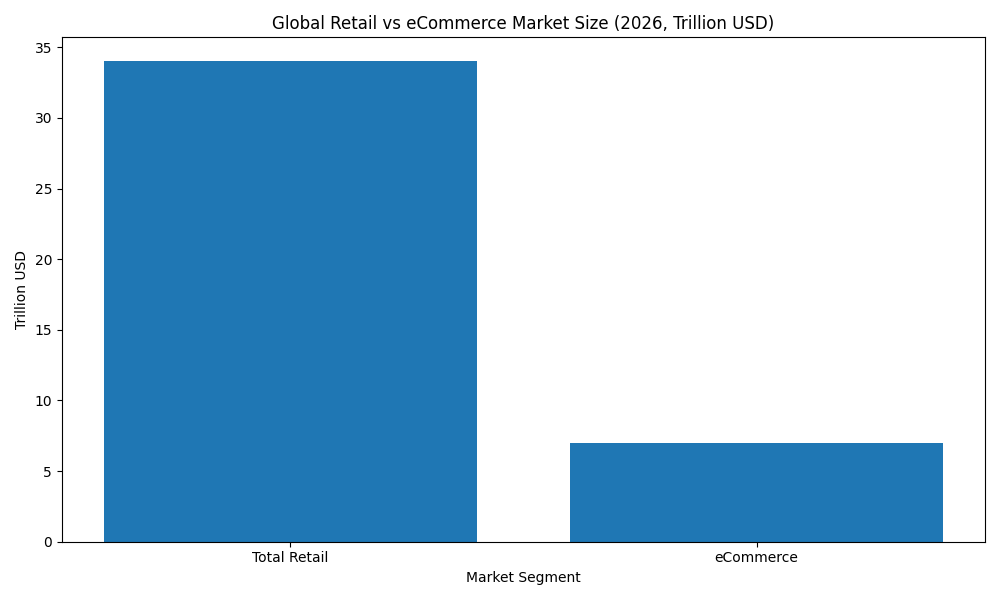
As global retail sales continue to rise, eCommerce is capturing an increasingly large share of the market. Businesses of all sizes, from individual creators to multinational enterprises, are investing heavily in digital commerce platforms to stay competitive. However, the growing number of available solutions has made the selection process more complex. Each platform offers different capabilities, pricing models, and levels of flexibility, making it essential to understand how they compare and which one aligns best with specific business needs.
The top eCommerce software platforms in 2026 are not just online store builders. They function as comprehensive operating systems that integrate sales, marketing, customer data, inventory management, and analytics into a single unified environment. These platforms enable businesses to sell across websites, mobile apps, social media, marketplaces, and even physical retail locations. More importantly, they are increasingly designed to support emerging trends such as AI-driven personalization, automation, and agentic commerce, where intelligent systems assist or even execute purchasing decisions on behalf of customers.
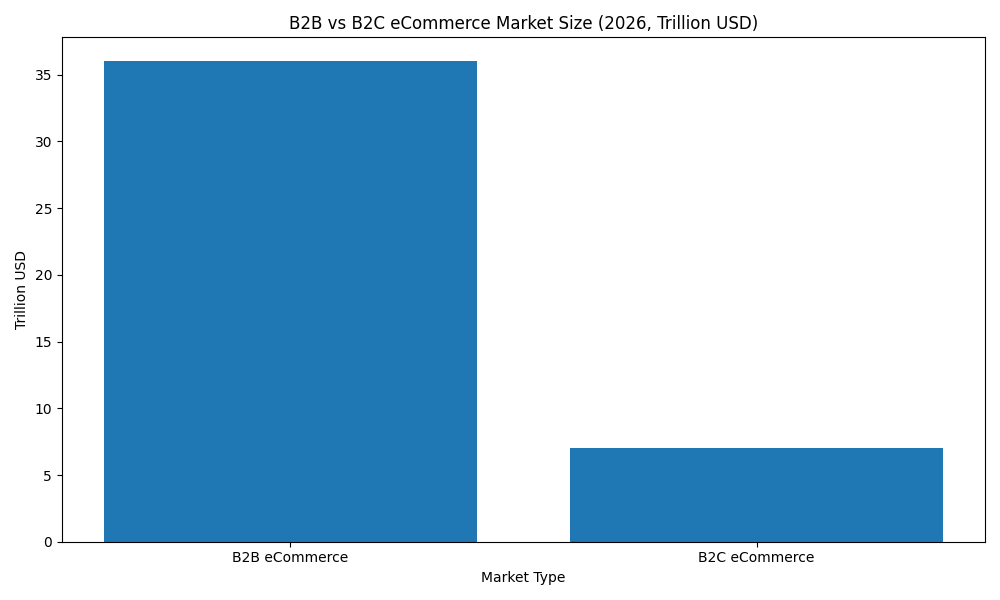
Another major shift shaping the eCommerce landscape is the rise of headless and composable commerce architectures. These modern approaches allow businesses to build highly customized digital experiences by separating the frontend design from backend operations and integrating best-in-class tools through APIs. While this provides greater flexibility and scalability, it also introduces new challenges related to system complexity and performance management. As a result, leading platforms are now focusing on delivering both flexibility and simplicity through unified and scalable solutions.
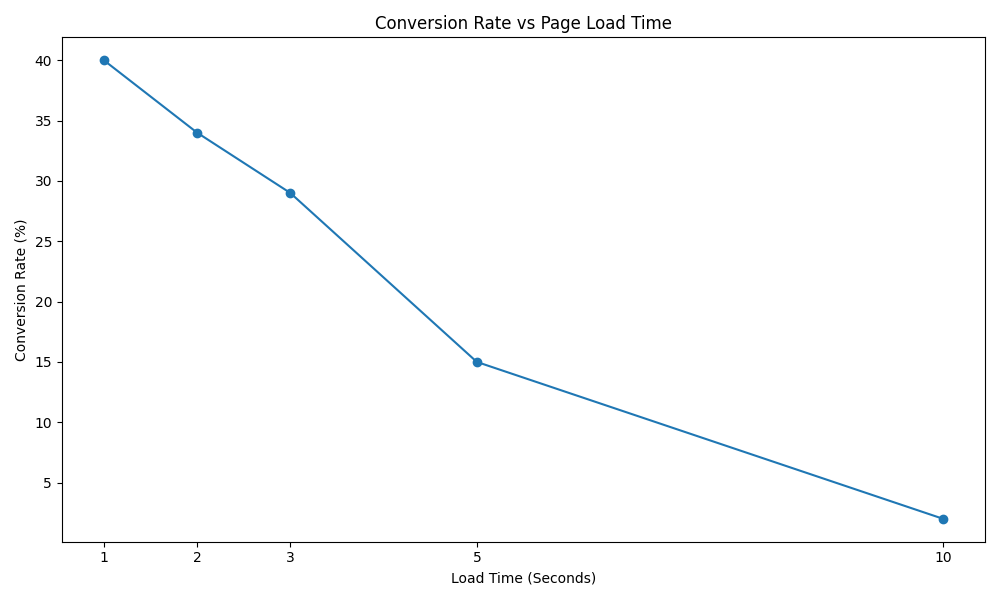
Performance has also become a critical factor in platform selection. In today’s fast-paced digital environment, even a small delay in website speed can significantly impact conversion rates and customer satisfaction. Businesses must ensure that their chosen platform can deliver fast, reliable, and consistent experiences across all devices, especially as mobile commerce continues to dominate global traffic.
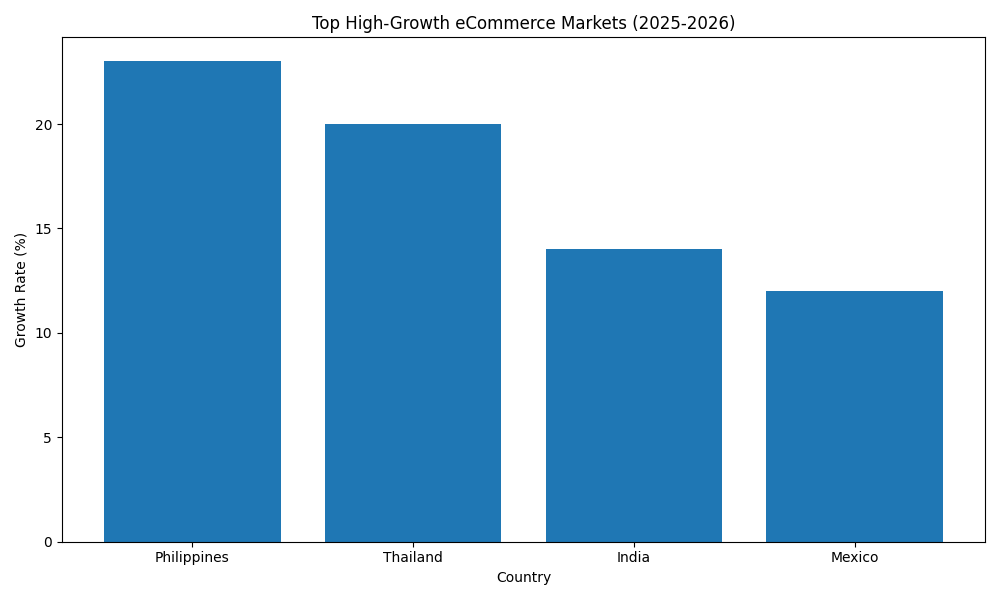
In addition to technological advancements, regional growth trends are reshaping the global eCommerce market. Emerging economies in Southeast Asia and Latin America are experiencing rapid expansion, while established markets like China, the United States, and Europe continue to dominate in terms of scale and infrastructure. This global diversity requires platforms to support localization, multi-currency transactions, and cross-border logistics, further increasing the importance of choosing a scalable and adaptable solution.
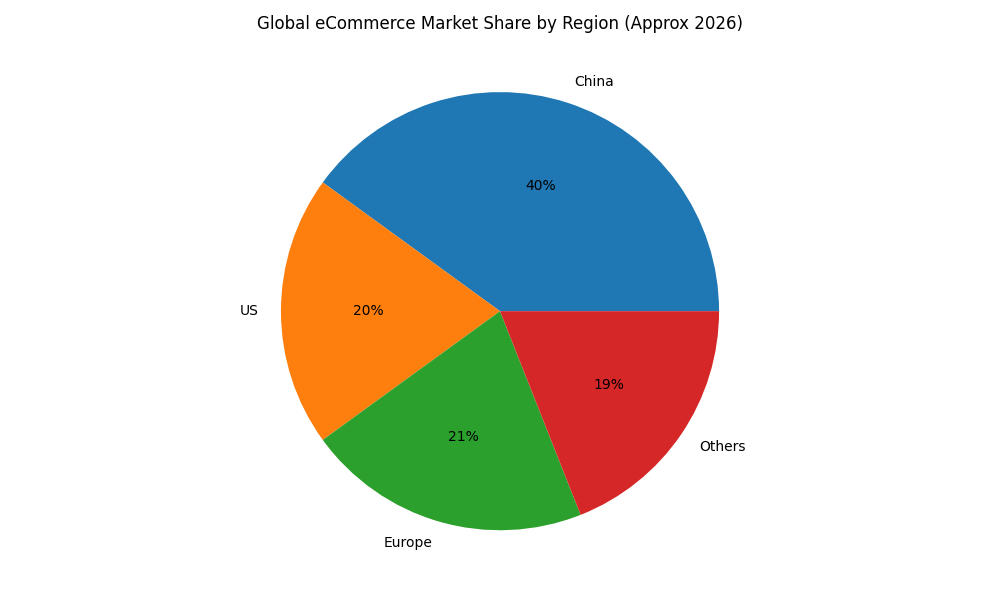
This comprehensive guide explores the top 10 eCommerce software platforms in the world in 2026, analyzing their features, strengths, limitations, and ideal use cases. Whether a business is just starting out, scaling rapidly, or operating at an enterprise level, understanding these platforms is essential for making informed decisions in an increasingly competitive digital landscape.
By the end of this guide, readers will have a clear understanding of how each platform fits into the modern eCommerce ecosystem and which solution is best suited to support their growth, innovation, and long-term success.
Before we venture further into this article, we would like to share who we are and what we do.
About 9cv9
9cv9 is a business tech startup based in Singapore and Asia, with a strong presence all over the world.
With over nine years of startup and business experience, and being highly involved in connecting with thousands of companies and startups, the 9cv9 team has listed some important learning points in this overview of the Top 10 eCommerce Software To Try in 2026.
If you like to get your company listed in our top B2B software reviews, check out our world-class 9cv9 Media and PR service and pricing plans here.
Top 10 eCommerce Software To Try in 2026
- Shopify
- WooCommerce
- BigCommerce
- Adobe Commerce (Magento)
- Salesforce Commerce Cloud
- Wix eCommerce
- Squarespace
- VTEX
- commercetools
- Square Online & Ecwid by Lightspeed
1. Shopify
Shopify is widely recognized as one of the most powerful and reliable eCommerce platforms in the world in 2026. It is especially popular among businesses that want a simple yet scalable solution to build, manage, and grow online stores. The platform is used by millions of businesses globally, ranging from small startups to large international brands.
Shopify stands out because it removes technical complexity. It allows businesses to focus on selling products rather than worrying about infrastructure, coding, or hosting. At the same time, it offers advanced capabilities for businesses that need customization, global selling, and high performance.
Market Position and Global Influence
Shopify continues to hold a strong position in the global eCommerce market. It is one of the leading hosted platforms, meaning users do not need to manage servers or software installations.
| Platform Insight | Description |
|---|---|
| Market Share (USA) | Approximately 30% of eCommerce platforms |
| Global Market Share | Around 10.5% worldwide |
| Primary Strength | Ease of use combined with scalability |
| Target Users | Startups, SMBs, and large enterprises |
| Deployment Type | Fully hosted cloud-based solution |
This strong market presence reflects Shopify’s ability to serve both small businesses and large enterprises effectively.
Financial Growth and Business Performance
Shopify’s financial performance in recent years shows strong and consistent growth. This growth is driven by an expanding merchant base and increased use of its built-in services such as payments, financing, and shipping tools.
| Financial Metric | Value | Growth Rate |
|---|---|---|
| Total Revenue | $11.56 Billion | 30% increase |
| Gross Merchandise Value | $378.44 Billion | 29% increase |
| Merchant Solutions Revenue | $8.89 Billion | 35% increase |
| Subscription Revenue | $2.67 Billion | 17% increase |
| Operating Income | $1.47 Billion | 36% increase |
| Free Cash Flow | $2.01 Billion | 26% increase |
This data shows that Shopify is not only growing but also becoming more profitable.
Business Model and Revenue Drivers
Shopify’s success is largely based on its ability to generate revenue beyond subscriptions. It offers a range of additional services that merchants use as they grow.
| Revenue Source | Description |
|---|---|
| Subscription Plans | Monthly fees paid by merchants |
| Payment Processing | Shopify Payments transaction fees |
| Shipping Services | Discounted shipping and logistics tools |
| Financial Products | Loans and financing for merchants |
| App Ecosystem | Third-party integrations and add-ons |
One important factor is the increasing use of Shopify Payments, which allows Shopify to earn a percentage from transactions processed on the platform.
Technology and Platform Architecture
Shopify has invested heavily in modern technology to ensure speed, flexibility, and scalability. Its architecture supports both beginners and advanced developers.
| Technology Component | Purpose |
|---|---|
| Hydrogen | Frontend framework for custom store design |
| Oxygen | Global hosting infrastructure for fast performance |
| Headless Commerce | Enables separation of frontend and backend |
| Cloud Infrastructure | Ensures reliability and scalability |
This setup allows businesses to build highly customized online stores while still benefiting from Shopify’s managed infrastructure.
Pricing Structure and Business Fit
Shopify offers flexible pricing plans designed to match different business sizes and needs.
| Plan Name | Monthly Cost | Ideal User Type |
|---|---|---|
| Starter / Social | $5 | Content creators and social sellers |
| Basic | $39 | New and small businesses |
| Shopify | $105 | Growing small to medium businesses |
| Advanced | $399 | High-volume online stores |
| Shopify Plus | $2,300+ | Large enterprises and global brands |
The pricing increases as businesses scale, offering more advanced features and capabilities.
Total Cost of Ownership and Value
Shopify is often considered more cost-efficient compared to complex enterprise platforms that require heavy development and maintenance.
| Platform Type | Cost Efficiency | Maintenance Needs | Setup Time |
|---|---|---|---|
| Shopify | High | Low | Fast |
| Traditional Enterprise Tools | Medium to Low | High | Slow |
| Open-Source Platforms | Variable | High | Moderate |
Shopify’s lower maintenance requirements and faster setup time make it a strong choice for businesses that want efficiency and scalability.
Conclusion
Shopify remains one of the leading eCommerce platforms in 2026 because it combines ease of use, powerful features, and continuous innovation. It supports businesses at every stage of growth while providing tools that align with the future of digital commerce.
2. WooCommerce
WooCommerce is one of the most widely used eCommerce platforms in the world in 2026. It is known for its open-source nature, which allows businesses to fully control and customize their online stores. Built as a plugin for WordPress, WooCommerce gives users the flexibility to design unique shopping experiences while maintaining full ownership of their data.
Unlike hosted platforms, WooCommerce requires users to manage hosting, security, and updates. However, this added responsibility also provides greater control, making it a preferred choice for developers, content-driven brands, and businesses that want complete customization.
Market Position and Global Reach
WooCommerce leads globally in terms of total installations. Its popularity is driven by its integration with WordPress, which is one of the most widely used content management systems in the world.
| Market Metric | Global Value (2026) |
|---|---|
| Total eCommerce Market Share | Approximately 37% |
| US Market Share (All Stores) | Around 18% |
| Share Among Top 1 Million Sites | Approximately 7% |
| Share Among Top 100,000 Sites | Around 18% |
| WordPress Plugin Market Share | Approximately 84% |
These figures show that WooCommerce is dominant among small and medium-sized businesses while also maintaining a strong presence among larger, content-focused websites.
Role Within the WordPress Ecosystem
WooCommerce’s success is closely linked to WordPress. Since WordPress powers tens of millions of websites globally, WooCommerce benefits from this massive ecosystem.
| Ecosystem Factor | Description |
|---|---|
| WordPress Integration | Seamless connection with WordPress CMS |
| Content Management Strength | Ideal for blogs, articles, and SEO-driven websites |
| Plugin Flexibility | Thousands of plugins available for added features |
| Theme Customization | Full control over design and user experience |
| Community Support | Large global developer and user community |
This integration allows businesses to combine content and commerce in a way that is difficult to achieve with most other platforms.
Technical Structure and Flexibility
WooCommerce is designed for flexibility rather than simplicity. It gives users full control over how their store is built and operated.
| Technical Aspect | Explanation |
|---|---|
| Open-Source Framework | Free to use with full access to source code |
| Self-Hosted Model | Requires external hosting provider |
| Custom Development | Supports advanced coding and customization |
| API Availability | Allows integration with third-party systems |
| Scalability | Depends on hosting quality and optimization |
This flexibility makes WooCommerce suitable for businesses that require unique features or highly customized user experiences.
Performance and Maintenance Considerations
While WooCommerce offers freedom, it also requires active management. Businesses must handle technical responsibilities that are typically managed by hosted platforms.
| Performance Factor | Typical Scenario |
|---|---|
| Desktop Load Time | Around 2.5 seconds (optimized setup) |
| Mobile Load Time | Can reach 13+ seconds without optimization |
| Security Management | Manual updates and monitoring required |
| PCI Compliance | Must be handled by the store owner |
| Hosting Dependency | Performance varies based on hosting provider |
This means that businesses using WooCommerce often need technical expertise or developer support to maintain high performance and security.
Cost Structure and Ownership
One of WooCommerce’s main advantages is that it does not require a licensing fee. However, the total cost depends on several additional factors.
| Cost Component | Description |
|---|---|
| Core Software | Free and open-source |
| Hosting | Paid service depending on provider |
| Themes and Plugins | Optional paid extensions |
| Development Costs | Customization and maintenance expenses |
| Security and Compliance | Additional tools and services may be required |
Although the platform itself is free, the total cost of ownership can vary significantly depending on the complexity of the store.
Strategic Advantage: Content and SEO Integration
WooCommerce’s biggest strength in 2026 is its ability to combine content and commerce seamlessly. This makes it especially valuable for businesses that rely on organic traffic and content marketing.
| Strategic Area | Benefit |
|---|---|
| SEO Optimization | Strong control over on-page SEO and content structure |
| Content Marketing | Easy integration with blogs and editorial content |
| Organic Traffic Growth | Supports long-term traffic through search engines |
| Customer Engagement | Enables storytelling and educational content |
| Discovery-Based Shopping | Attracts users before they are ready to purchase |
This approach is often referred to as content-driven commerce, where customers discover products through valuable content before making a purchase decision.
Position Among Top eCommerce Platforms in 2026
WooCommerce continues to be a key player among the top eCommerce software platforms globally.
| Platform Category | WooCommerce Position |
|---|---|
| Open-Source Platforms | Market leader |
| Content-Driven Commerce | Strongest offering |
| Customization Capability | Very high |
| Ease of Use | Moderate (requires technical knowledge) |
| Scalability | High with proper optimization |
Its flexibility and deep integration with WordPress make it a powerful solution for businesses that prioritize control, customization, and content-driven growth.
Conclusion
WooCommerce remains one of the most important eCommerce platforms in 2026 due to its open-source flexibility and strong integration with WordPress. It is especially well-suited for businesses that want full control over their online store and rely heavily on content, SEO, and organic traffic.
While it requires more technical management than hosted platforms, its ability to deliver customized and content-rich experiences makes it a top choice for a wide range of businesses worldwide.
3. BigCommerce
BigCommerce has established itself as one of the leading eCommerce platforms in 2026, particularly for businesses that require advanced features without the complexity of managing open-source infrastructure. It follows an “Open SaaS” model, which combines the flexibility of customization with the convenience of a fully hosted solution.
This platform is especially suitable for mid-sized and enterprise-level businesses that manage complex product catalogs, operate across multiple regions, or run both B2C and B2B operations.
Market Position and Industry Recognition
BigCommerce is widely recognized for its ability to support technically advanced merchants. It continues to gain attention for its strong performance in enterprise commerce and its ability to handle complex business requirements.
| Market Position Factor | Description |
|---|---|
| Platform Type | Open SaaS (flexible and hosted) |
| Core Strength | Multi-storefront and B2B capabilities |
| Target Audience | Mid-market and enterprise businesses |
| Industry Recognition | Consistently ranked as a strong challenger in enterprise commerce |
| Use Case Focus | Complex catalogs and global operations |
This positioning makes BigCommerce a strong alternative to both fully hosted platforms and open-source systems.
Financial Performance and Enterprise Growth
BigCommerce has shown steady financial growth, with a strong focus on enterprise clients. A large portion of its revenue now comes from high-value business accounts.
| Financial Metric | Value | Growth Rate |
|---|---|---|
| Total Annual Revenue | $342.3 Million | 2.8% increase |
| Subscription Revenue | $255.6 Million | 3.1% increase |
| Total Annual Recurring Revenue | $359.1 Million | 3.0% increase |
| Enterprise ARR | $287.2 Million | 10.0% increase |
| Enterprise Account Count | 6,648 | 13.0% increase |
| Average Revenue per Enterprise | $43,200 | 3.0% decrease |
| Total GMV Processed | $31.7 Billion | 12.3% increase |
A key insight is that enterprise accounts contribute a major portion of total revenue, showing a clear shift toward larger and more complex businesses.
Enterprise Focus and Customer Segmentation
BigCommerce is increasingly focused on enterprise-level merchants that require advanced functionality and scalability.
| Segment Type | Key Characteristics |
|---|---|
| Small Businesses | Limited adoption compared to competitors |
| Mid-Market Brands | Strong adoption for scaling operations |
| Enterprise Clients | Primary growth driver |
| B2B Businesses | High demand due to specialized features |
| Global Retailers | Supported through multi-storefront capabilities |
This focus allows BigCommerce to specialize in solving complex business problems rather than competing on simplicity alone.
Key Technology Features and Architecture
BigCommerce is built with a modern architecture that supports flexibility, performance, and integration with other systems.
| Technology Feature | Purpose |
|---|---|
| API-First Design | Enables integration with external tools and services |
| Headless Commerce Support | Allows custom frontend experiences |
| Cloud Infrastructure | Provides high reliability and uptime |
| Multi-Storefront (MSF) | Manages multiple stores from a single dashboard |
| Composable Commerce | Supports modular system architecture |
This approach makes BigCommerce ideal for businesses building advanced digital commerce ecosystems.
Multi-Storefront and Global Expansion
One of the most important features of BigCommerce in 2026 is its ability to support multiple storefronts under one system.
| Multi-Storefront Capability | Business Benefit |
|---|---|
| Localized Storefronts | Tailored experiences for different regions |
| Multiple Brands | Manage separate brand identities in one system |
| Currency and Language Support | Enables international selling |
| Centralized Management | Single dashboard for all storefronts |
| Cross-Border Commerce | Simplifies global expansion |
This functionality is especially valuable for companies operating in multiple countries or managing multiple brands.
B2B Commerce Capabilities
BigCommerce offers a specialized B2B solution designed for manufacturers, wholesalers, and distributors.
| B2B Feature | Description |
|---|---|
| Custom Pricing | Different prices for different customer groups |
| Role-Based Access | Control user permissions within organizations |
| Bulk Ordering | Supports large quantity purchases |
| Approval Workflows | Enables structured purchasing processes |
| Account Management | Handles complex business customer relationships |
These features allow businesses to handle large-scale B2B transactions efficiently.
Pricing Structure and Cost Advantages
BigCommerce offers a pricing model that scales based on business growth. One of its key advantages is the absence of transaction fees.
| Plan Name | Monthly Cost | Annual Sales Threshold |
|---|---|---|
| Standard | $39 | Up to $50,000 |
| Plus | $105 | Up to $180,000 |
| Pro | $399 | Up to $400,000 |
| Enterprise | Custom | Unlimited |
This pricing structure makes it especially attractive for businesses with high sales volume, as they can avoid additional transaction costs.
Competitive Advantages and Differentiation
BigCommerce differentiates itself by combining flexibility, scalability, and cost efficiency.
| Competitive Factor | BigCommerce Advantage |
|---|---|
| Transaction Fees | No additional fees regardless of payment gateway |
| Customization | High flexibility without open-source complexity |
| B2B Functionality | Strong native support |
| Multi-Store Management | Advanced and centralized |
| Performance | 99.99% uptime reliability |
These advantages make it a strong choice for businesses that need advanced capabilities without excessive operational complexity.
Position Among Top eCommerce Platforms in 2026
BigCommerce continues to rank among the top eCommerce platforms globally due to its enterprise focus and modern architecture.
| Platform Category | BigCommerce Position |
|---|---|
| Open SaaS Platforms | Market leader |
| Enterprise Commerce | Strong competitor |
| B2B eCommerce | Highly specialized offering |
| Multi-Storefront Systems | Industry-leading capability |
| Developer Flexibility | High |
Its ability to handle both B2C and B2B use cases makes it a versatile platform for modern commerce.
Conclusion
BigCommerce stands out in 2026 as a powerful eCommerce platform designed for businesses with complex needs. Its Open SaaS model provides the best of both worlds by offering flexibility without the burden of infrastructure management.
With strong enterprise adoption, advanced B2B tools, and multi-storefront capabilities, BigCommerce is an excellent choice for companies aiming to scale globally and manage sophisticated commerce operations efficiently.
4. Adobe Commerce (Magento)
Adobe Commerce, formerly known as Magento, is one of the most powerful enterprise-level eCommerce platforms in 2026. It is designed for large organizations that require complete control over their online stores, advanced customization, and the ability to manage complex global operations.
The platform is widely used by global brands that operate across multiple regions, manage large product catalogs, and require highly tailored customer experiences. Its flexibility makes it a preferred choice for businesses with strong technical teams and long-term digital commerce strategies.
Market Position and Enterprise Leadership
Adobe Commerce continues to be recognized as a leading platform in enterprise eCommerce. It is known for its ability to handle highly complex use cases and deliver scalable solutions for global businesses.
| Market Position Factor | Description |
|---|---|
| Platform Type | Enterprise-grade open architecture |
| Core Strength | Unlimited customization and scalability |
| Target Audience | Large enterprises and global brands |
| Industry Recognition | Consistent leader in enterprise commerce evaluations |
| Use Case Focus | Complex global commerce and large product catalogs |
This strong positioning highlights Adobe Commerce as a platform built for businesses with advanced technical and operational needs.
Advanced Catalog Management Capabilities
One of the defining strengths of Adobe Commerce is its ability to manage extremely large and complex product catalogs.
| Catalog Capability | Description |
|---|---|
| Maximum SKU Support | Over 250 million products |
| Pricing Flexibility | Up to 30,000 price variations per SKU |
| Multi-Catalog Management | Supports multiple catalogs across regions |
| Inventory Control | Advanced inventory and stock management |
| Global Scalability | Handles high-volume enterprise operations |
These capabilities make it ideal for businesses with large inventories, multiple pricing models, and international operations.
AI Integration and Personalization
Adobe Commerce integrates advanced artificial intelligence to improve customer experiences and business performance.
| AI Feature | Function |
|---|---|
| Adobe Sensei | Real-time personalization and recommendations |
| Smart Search Optimization | Improves product discovery and relevance |
| Automated Recommendations | Suggests products based on user behavior |
| Data-Driven Insights | Provides analytics for decision-making |
| Customer Segmentation | Enables targeted marketing strategies |
These AI-driven features help businesses deliver personalized shopping experiences at scale.
Creative and Content Integration
Adobe Commerce stands out by integrating directly with creative tools, allowing marketing and design teams to work more efficiently.
| Creative Integration Tool | Purpose |
|---|---|
| Adobe Firefly | Generates AI-based visual content and product imagery |
| Adobe Express | Simplifies design and marketing asset creation |
| 3D Product Visualization | Enables interactive product previews |
| Content Automation | Speeds up campaign and asset production |
| Brand Consistency Tools | Maintains uniform design across channels |
This integration allows businesses to combine commerce and content creation within a single ecosystem.
Technical Architecture and Flexibility
Adobe Commerce is built to support highly customized and scalable commerce environments.
| Technical Feature | Description |
|---|---|
| Headless Commerce Support | Allows separation of frontend and backend systems |
| API-Driven Architecture | Enables integration with third-party systems |
| Cloud and On-Premise Options | Flexible deployment models |
| Modular Framework | Supports custom feature development |
| Enterprise Security | Advanced security and compliance capabilities |
This architecture enables businesses to create unique digital experiences across websites, mobile apps, and physical retail environments.
Implementation Complexity and Requirements
While Adobe Commerce offers powerful capabilities, it also requires significant technical expertise and resources.
| Implementation Factor | Typical Scenario |
|---|---|
| Deployment Time | 4 to 8 months |
| Development Requirement | Dedicated technical team required |
| Customization Effort | High due to flexible architecture |
| Maintenance Needs | Continuous updates and monitoring required |
| Security Management | Advanced configuration and compliance handling |
This makes the platform more suitable for organizations with strong internal or external development resources.
Cost Structure and Total Cost of Ownership
Adobe Commerce is one of the more expensive eCommerce platforms due to its advanced capabilities and infrastructure requirements.
| Cost Metric | Typical Value |
|---|---|
| Annual Cloud Pricing | $40,000 to $190,000+ |
| Five-Year TCO Index | Baseline reference (1.0) |
| Implementation Cost | Approximately 42% higher than simpler platforms |
| Infrastructure Costs | Included in cloud or managed separately |
| Ongoing Maintenance | High due to customization and complexity |
Although the cost is high, many enterprises consider it justified due to the level of control and scalability it offers.
Performance and Scalability
Adobe Commerce is designed to handle large-scale operations, but performance depends heavily on optimization.
| Performance Factor | Typical Outcome |
|---|---|
| Uptime Benchmark | Around 99.9% |
| Product Page Load Time | Approximately 4.1 seconds (optimized setup) |
| Scalability | Supports global enterprise traffic |
| Traffic Handling | High-capacity infrastructure support |
| Optimization Requirement | Requires expert configuration |
With proper optimization, the platform can deliver strong performance for large-scale operations.
Use Cases and Ideal Business Fit
Adobe Commerce is best suited for businesses that require full control and advanced capabilities.
| Business Type | Suitability |
|---|---|
| Global Retail Brands | Highly suitable |
| Large Product Catalogs | Ideal |
| B2B and B2C Hybrid Models | Strong support |
| Content-Driven Commerce | Moderate (requires integration) |
| Small Businesses | Not recommended due to complexity |
Its flexibility allows it to support highly customized and unique business models.
Position Among Top eCommerce Platforms in 2026
Adobe Commerce remains one of the top enterprise platforms globally due to its advanced capabilities and scalability.
| Platform Category | Adobe Commerce Position |
|---|---|
| Enterprise eCommerce | Market leader |
| Customization Capability | Extremely high |
| AI Integration | Advanced |
| Scalability | Industry-leading |
| Ease of Use | Low (requires expertise) |
This positioning reinforces its role as a platform built for large-scale, complex commerce environments.
Conclusion
Adobe Commerce (Magento) continues to be a dominant force in enterprise eCommerce in 2026. It offers unmatched flexibility, powerful AI-driven features, and the ability to manage highly complex global operations.
While it requires significant investment in time, cost, and technical resources, it remains the preferred choice for large organizations that need full control over their digital commerce infrastructure and customer experience.
5. Salesforce Commerce Cloud
Salesforce Commerce Cloud is one of the most advanced enterprise eCommerce platforms in 2026. It is designed to help large organizations manage and unify customer experiences across multiple channels, including websites, mobile apps, and physical stores.
The platform is part of the broader Salesforce ecosystem, which combines customer relationship management, marketing, sales, and service tools into one connected system. In 2026, Salesforce has introduced a new concept called the “Agentic Enterprise,” where human teams and AI systems work together to improve productivity and customer engagement.
Market Position and Strategic Role
Salesforce Commerce Cloud is positioned as a premium enterprise solution, particularly for companies that already use Salesforce products.
| Market Position Factor | Description |
|---|---|
| Platform Type | Enterprise SaaS platform |
| Core Strength | Unified customer data and AI-driven experiences |
| Target Audience | Large enterprises and global organizations |
| Ecosystem Integration | Deep integration with Salesforce CRM and marketing tools |
| Strategic Focus | AI-powered commerce and customer lifecycle management |
This positioning makes Salesforce Commerce Cloud a central system for businesses that want to manage all customer interactions in one place.
Financial Performance and Growth
Salesforce has demonstrated strong financial performance in 2026, supported by its expansion into AI-driven solutions.
| Financial Metric | Value | Growth Rate |
|---|---|---|
| Total Revenue | $41.5 Billion | 10% increase |
| Remaining Performance Obligation | $72.4 Billion | 14% increase |
| Operating Cash Flow | $15.0 Billion | 15% increase |
| Agentforce ARR | $800 Million | 169% increase |
| Operating Margin | 34.1% | Stable |
These figures highlight the company’s strong financial foundation and its ability to grow through innovation and enterprise adoption.
Agentforce and AI Integration
A key innovation in 2026 is the introduction of Agentforce, which plays a major role in Salesforce’s AI strategy.
| AI Capability | Description |
|---|---|
| Agentforce Platform | AI system handling customer and business interactions |
| Request Handling | Over 1.4 million requests processed |
| Token Processing | Over 20 trillion tokens handled |
| Conversational AI | Supports real-time customer interaction |
| Workflow Automation | Reduces manual work across departments |
This AI-driven approach allows businesses to automate processes while improving customer engagement.
Unified Data and Customer Experience
Salesforce Commerce Cloud uses a system called Data 360 to create a single, unified view of each customer.
| Data Feature | Benefit |
|---|---|
| Unified Customer Profiles | Combines data from multiple touchpoints |
| Real-Time Personalization | Adjusts content based on user behavior |
| Cross-Channel Integration | Connects online, mobile, and in-store experiences |
| Predictive Insights | Helps anticipate customer needs |
| Data Consistency | Ensures accuracy across all systems |
This unified data model allows businesses to deliver highly personalized and consistent customer experiences.
Conversational and Adaptive Commerce
Salesforce Commerce Cloud enables a new type of shopping experience based on conversations and real-time data.
| Feature | Function |
|---|---|
| Conversational Commerce | Enables shopping through AI-driven conversations |
| Adaptive Websites | Automatically adjust layout and content |
| Real-Time Recommendations | Suggest products based on current intent |
| Email Personalization | Tailors communication to individual customers |
| Context-Aware Experiences | Responds to user behavior instantly |
These features help businesses create more engaging and responsive shopping journeys.
B2B and Enterprise Integration
Salesforce Commerce Cloud is particularly strong in B2B environments where multiple departments need to work together.
| B2B Capability | Description |
|---|---|
| Sales and Marketing Alignment | Connects teams through shared data |
| Revenue Team Integration | Unifies sales, service, and commerce operations |
| Complex Account Management | Handles large business clients |
| Workflow Automation | Streamlines approval and ordering processes |
| CRM Integration | Deep connection with Salesforce CRM system |
This integration allows organizations to manage the entire customer lifecycle efficiently.
Performance and Business Impact
Salesforce Commerce Cloud delivers measurable improvements in business performance for large organizations.
| Performance Metric | Typical Impact |
|---|---|
| Online Conversion Rate | Up to 45% increase |
| Case Handling Time | 30% to 40% reduction |
| Customer Engagement | Significant improvement through personalization |
| Operational Efficiency | Reduced manual workload |
| Revenue Growth | Supported by data-driven insights |
These outcomes make it a valuable platform for enterprises seeking measurable ROI.
Implementation and Cost Considerations
Salesforce Commerce Cloud is a powerful platform, but it requires significant investment and planning.
| Implementation Factor | Typical Scenario |
|---|---|
| Deployment Time | Several months depending on complexity |
| Technical Requirements | Requires experienced development and IT teams |
| Cost Level | Premium pricing |
| Customization Effort | High due to enterprise-level features |
| Maintenance Needs | Managed within the Salesforce ecosystem |
It is best suited for organizations with the resources to manage large-scale implementations.
Position Among Top eCommerce Platforms in 2026
Salesforce Commerce Cloud remains one of the top enterprise eCommerce platforms globally.
| Platform Category | Salesforce Position |
|---|---|
| Enterprise SaaS Platforms | Market leader |
| AI-Driven Commerce | Industry innovator |
| Customer Data Integration | Best-in-class |
| B2B Commerce | Highly advanced |
| Ease of Use | Moderate to complex |
Its strong integration with CRM and AI capabilities sets it apart from many competitors.
Conclusion
Salesforce Commerce Cloud is a leading enterprise eCommerce platform in 2026, designed for organizations that want to unify customer experiences and leverage AI for growth. Its focus on the Agentic Enterprise allows businesses to combine human expertise with intelligent automation.
Although it requires a higher investment and more complex implementation, its ability to deliver personalized, data-driven, and scalable commerce experiences makes it a top choice for large global enterprises.
6. Wix eCommerce
Wix eCommerce has become one of the most popular platforms in 2026 for individuals and small businesses that want to build visually appealing online stores with minimal technical effort. Originally known as a simple website builder, Wix has grown into a complete eCommerce solution focused on design, ease of use, and fast store creation.
The platform is especially attractive to entrepreneurs, creators, and small retailers who prioritize branding, user experience, and quick setup over complex customization.
Market Position and Competitive Standing
Wix has secured a strong position in the eCommerce market, particularly among independent sellers and small businesses in the United States.
| Market Position Factor | Description |
|---|---|
| Platform Type | Fully hosted website and eCommerce builder |
| Core Strength | Design flexibility and ease of use |
| Target Audience | Creators, startups, and small businesses |
| US Market Share | Approximately 13% to 15% |
| Competitive Focus | Simple store creation with strong visual control |
This positioning makes Wix a strong competitor for users who want an all-in-one solution without technical complexity.
Design-First Approach and User Experience
Wix stands out for its design-focused approach, allowing users to create highly customized and visually engaging storefronts without coding.
| Design Feature | Benefit |
|---|---|
| Drag-and-Drop Builder | Easy customization of layouts and elements |
| Pre-Designed Templates | Professional designs for quick setup |
| Visual Editing Tools | Real-time editing without technical knowledge |
| Mobile Optimization | Automatic adjustment for mobile devices |
| Branding Control | Full flexibility over colors, fonts, and layouts |
This approach makes Wix ideal for businesses that want their online store to reflect a strong brand identity.
AI Site Generator and Automation
One of Wix’s most important innovations in 2026 is its AI-powered site creation tool, which simplifies the process of launching an online store.
| AI Feature | Function |
|---|---|
| AI Site Generator | Creates a complete website based on user input |
| Automated Page Creation | Builds product pages and layouts instantly |
| AI Content Generation | Produces basic marketing and product descriptions |
| Setup Automation | Reduces time required to launch a store |
| User-Friendly Onboarding | Guides new users step-by-step |
This feature allows users to go from idea to live store within minutes, making it one of the fastest platforms for launching an eCommerce business.
App Ecosystem and Feature Expansion
Wix provides additional functionality through its app marketplace, enabling businesses to expand their capabilities as they grow.
| Feature Category | Capability |
|---|---|
| App Marketplace Size | Over 300 applications |
| Marketing Tools | Email campaigns and promotions |
| Sales Features | Discounts, subscriptions, and product management |
| Integration Options | Connects with external tools and services |
| Scalability Support | Adds advanced features as business grows |
This ecosystem ensures that Wix can support businesses beyond the initial launch phase.
Core Features and Platform Capabilities
Wix eCommerce offers a well-rounded set of built-in features that cover most business needs.
| Feature Metric | Value / Capability |
|---|---|
| US Market Share | 15% to 21% |
| App Marketplace | 300+ apps |
| Core Selling Point | Drag-and-drop builder with AI support |
| SEO Capability | Advanced built-in SEO tools |
| Hosting | Fully managed and included |
These features make Wix a strong all-in-one platform for small to medium-sized businesses.
Pricing Structure and Business Value
Wix offers a range of pricing plans designed to suit different stages of business growth.
| Plan Name | Monthly Cost | Key Features |
|---|---|---|
| Core | $29 | Basic eCommerce features and store setup |
| Business | Mid-range | Additional tools and higher limits |
| Business Elite | $159 | Advanced features and priority support |
One of Wix’s key advantages is that it does not charge transaction fees on its plans, making it a cost-effective option for businesses with steady sales volume.
Cost Efficiency and Value Comparison
Wix provides strong value by combining hosting, design tools, and eCommerce features into a single package.
| Cost Factor | Wix Advantage |
|---|---|
| Transaction Fees | No additional platform fees |
| Hosting Costs | Included in subscription |
| Setup Costs | Low due to simple onboarding |
| Maintenance Requirements | Minimal |
| Total Cost of Ownership | Affordable for small and growing businesses |
This pricing model makes it easier for new businesses to manage costs while scaling.
Ideal Use Cases and Business Fit
Wix is best suited for businesses that prioritize simplicity, design, and speed.
| Business Type | Suitability |
|---|---|
| Individual Creators | Highly suitable |
| Small Online Stores | Ideal |
| Design-Focused Brands | Strong fit |
| Content-Driven Businesses | Good support |
| Large Enterprises | Limited scalability for complex needs |
It is particularly useful for businesses that want to launch quickly without hiring developers.
Position Among Top eCommerce Platforms in 2026
Wix continues to be one of the top platforms globally for design-first eCommerce solutions.
| Platform Category | Wix Position |
|---|---|
| Website Builders | Market leader |
| Design Flexibility | Very high |
| Ease of Use | Excellent |
| AI Integration | Strong for beginners |
| Enterprise Capability | Limited |
Its focus on simplicity and design makes it a preferred choice for a large segment of the market.
Conclusion
Wix eCommerce has become a leading platform in 2026 for users who want to build attractive online stores quickly and easily. Its combination of design tools, AI-powered automation, and affordable pricing makes it highly accessible for small businesses and creators.
While it may not offer the deep customization required by large enterprises, it excels in delivering a fast, user-friendly, and visually driven eCommerce experience.
7. Squarespace
Squarespace is a leading eCommerce platform in 2026 for businesses that focus on strong visual branding and storytelling. It is widely used by creators, artists, designers, and lifestyle brands that want to present their products in a visually appealing and professional way.
The platform is known for its clean design, ease of use, and ability to combine content, portfolio, and commerce into one seamless experience. It is especially popular among businesses where presentation and brand identity play a key role in driving sales.
Market Position and Niche Focus
Squarespace has built a strong position in the boutique and design-focused segment of the eCommerce market.
| Market Position Factor | Description |
|---|---|
| Platform Type | Fully hosted website and eCommerce builder |
| Core Strength | Design-first and brand storytelling |
| Target Audience | Creators, artists, and lifestyle brands |
| Market Share | Approximately 8% globally |
| Market Focus | Boutique and visually driven online stores |
This niche positioning allows Squarespace to stand out by focusing on aesthetics rather than technical complexity.
Design and Brand Experience
Squarespace is widely recognized for its high-quality design templates and ability to create visually cohesive online stores.
| Design Feature | Benefit |
|---|---|
| Premium Templates | Professionally designed layouts |
| Visual Consistency | Maintains strong brand identity across pages |
| Portfolio Integration | Combines creative portfolios with eCommerce |
| Mobile-Responsive Design | Optimized for all devices |
| Custom Styling Options | Flexible design without coding |
These features make it an ideal platform for brands that want to communicate a strong visual identity.
AI Content Tools and Automation
In 2026, Squarespace has introduced AI tools that help businesses create and manage content more efficiently.
| AI Feature | Function |
|---|---|
| AI Content Generator | Creates product descriptions and marketing copy |
| Brand Voice Consistency | Maintains uniform tone across content |
| Email Campaign Automation | Supports personalized marketing messages |
| Content Optimization | Improves readability and engagement |
| Workflow Simplification | Reduces time spent on content creation |
These tools help users maintain professional and consistent communication without needing advanced writing skills.
Core Features and Platform Capabilities
Squarespace offers a balanced set of features that support both content and commerce.
| Feature Metric | Detail |
|---|---|
| Starting Monthly Price | $25 |
| Market Segment | Boutique and creative businesses |
| Key Differentiator | Design-led templates with integrated content tools |
| Transaction Fees | Applied on lower-tier plans |
| SEO Capability | Built-in tools with clean code structure |
These features provide a complete solution for businesses that want simplicity and quality design.
Pricing Structure and Value
Squarespace offers straightforward pricing plans that cater to different business needs.
| Plan Category | Description |
|---|---|
| Entry-Level Plans | Affordable options for small businesses |
| Mid-Tier Plans | Enhanced eCommerce features and lower fees |
| Advanced Plans | More customization and business tools |
| Transaction Fees | Present in lower tiers, reduced or removed in higher tiers |
| Overall Value | Strong for design-focused businesses |
This pricing model makes it accessible for small brands while still offering room to grow.
Ease of Use and Maintenance
Squarespace is designed to be simple and user-friendly, requiring minimal technical knowledge.
| Usability Factor | Description |
|---|---|
| Setup Process | Quick and guided |
| Maintenance Requirements | Very low |
| Hosting | Fully managed |
| Updates | Automatic |
| Technical Skills Needed | Minimal |
This simplicity allows business owners to focus on their brand and products rather than technical management.
Limitations and Considerations
While Squarespace excels in design and ease of use, it has some limitations compared to more advanced platforms.
| Limitation Area | Description |
|---|---|
| B2B Functionality | Limited compared to enterprise platforms |
| Multi-Store Management | Not ideal for complex global operations |
| Customization Depth | Less flexible than open-source or API-driven platforms |
| Advanced Integrations | Fewer options compared to larger ecosystems |
| Scalability | Best suited for small to medium businesses |
These limitations should be considered by businesses with complex or large-scale requirements.
Ideal Use Cases and Business Fit
Squarespace is best suited for businesses that prioritize aesthetics and simplicity.
| Business Type | Suitability |
|---|---|
| Creators and Artists | Highly suitable |
| Boutique Brands | Ideal |
| Lifestyle Businesses | Strong fit |
| Content-Driven Brands | Well-supported |
| Large Enterprises | Not recommended |
It is particularly effective for brands where visual storytelling is central to the customer experience.
Position Among Top eCommerce Platforms in 2026
Squarespace remains one of the top platforms for design-focused eCommerce.
| Platform Category | Squarespace Position |
|---|---|
| Design Quality | Industry-leading |
| Ease of Use | Excellent |
| AI Content Tools | Strong for small businesses |
| Enterprise Capability | Limited |
| Customization Flexibility | Moderate |
Its focus on simplicity and visual appeal sets it apart from more technically complex platforms.
Conclusion
Squarespace continues to be a leading eCommerce platform in 2026 for businesses that value design, branding, and ease of use. Its ability to combine content, portfolio, and online selling into one platform makes it especially appealing for creators and boutique brands.
While it may not offer the advanced capabilities needed by large enterprises, it delivers a streamlined and visually powerful solution for businesses that want to build a strong brand presence online.
8. VTEX
VTEX has become a strong global contender in the enterprise eCommerce space by 2026. Originally gaining traction in Latin America, it is now expanding rapidly into North America and Europe. The platform is designed for large businesses that need a unified system to manage digital commerce, marketplaces, and order operations in one place.
VTEX is known for its concept of “collaborative commerce,” which allows businesses to expand their product offerings and partnerships without the need for heavy infrastructure or inventory management.
Market Position and Global Expansion
VTEX is positioned as a fast-growing enterprise platform with strong execution capabilities and a focus on unified commerce.
| Market Position Factor | Description |
|---|---|
| Platform Type | Enterprise unified commerce platform |
| Core Strength | Marketplace and order management integration |
| Target Audience | Large enterprises and global retailers |
| Geographic Strength | Strong in Latin America, expanding globally |
| Industry Recognition | Recognized as a strong challenger in enterprise commerce |
This positioning highlights VTEX as a platform built for scalability and global operations.
Core Concept: Collaborative Commerce
VTEX introduces a unique approach called collaborative commerce, which allows businesses to grow through partnerships and shared ecosystems.
| Collaborative Feature | Business Benefit |
|---|---|
| Native Marketplace | Enables multi-vendor selling |
| Third-Party Product Expansion | Increases catalog without inventory investment |
| Seller Onboarding | Simplifies adding new vendors |
| Revenue Diversification | Creates additional income streams |
| Ecosystem Growth | Encourages partnerships and collaboration |
This model allows businesses to scale quickly while reducing operational complexity.
Native Marketplace and Platform Integration
One of VTEX’s strongest features is its built-in marketplace capability, which is fully integrated into the platform.
| Marketplace Capability | Description |
|---|---|
| Multi-Vendor Support | Multiple sellers on one platform |
| Centralized Management | Single dashboard for all operations |
| Catalog Expansion | Rapid addition of new products |
| Order Routing | Efficient handling of multi-seller orders |
| Inventory Flexibility | Reduced need for owned inventory |
This functionality allows businesses to operate as both retailers and marketplace operators simultaneously.
Unified Commerce Architecture
VTEX provides a single platform that combines multiple commerce functions into one system.
| System Component | Function |
|---|---|
| Commerce Engine | Manages online store operations |
| Marketplace Module | Handles third-party sellers |
| Order Management System | Tracks and processes orders |
| Customer Experience Tools | Supports personalization and engagement |
| Integration Layer | Connects with external systems |
This unified approach reduces the need for multiple tools and simplifies system management.
Enterprise Adoption and Global Client Base
VTEX is trusted by many large global organizations across different industries.
| Enterprise Customer | Approx. Revenue | Industry |
|---|---|---|
| Carrefour | $94.9 Billion | Grocery Retail |
| The Walt Disney Company | $89.2 Billion | Conglomerate |
| The Coca-Cola Company | $46.9 Billion | Food and Beverage |
| MetLife | $69.9 Billion | Insurance |
| Sony Corporation | $59.1 Billion | Electronics |
The platform is used by over 22,000 companies globally, showing its strong adoption among large enterprises.
AI and Customer Experience Innovation
VTEX is investing in advanced customer experience features, including AI-driven tools.
| AI and CX Feature | Description |
|---|---|
| Agentic Customer Experience | Combines AI and human interaction |
| Personalization Tools | Tailors user experiences in real time |
| Automated Workflows | Improves operational efficiency |
| Data Integration | Unifies customer and transaction data |
| Real-Time Insights | Supports decision-making and optimization |
These features help businesses deliver more engaging and efficient customer journeys.
Performance and Operational Efficiency
VTEX focuses on reducing complexity and improving speed for enterprise operations.
| Performance Factor | Benefit |
|---|---|
| Unified Platform | Reduces integration needs |
| Faster Time-to-Market | Speeds up deployment and expansion |
| Scalable Infrastructure | Supports large-scale operations |
| Operational Efficiency | Streamlines workflows |
| Global Reach | Enables cross-border commerce |
This efficiency is critical for large organizations managing multiple markets and channels.
Cost and Implementation Considerations
VTEX aims to reduce overall operational costs compared to traditional enterprise systems.
| Cost Factor | Description |
|---|---|
| Implementation Complexity | Moderate compared to legacy systems |
| Integration Costs | Lower due to unified architecture |
| Maintenance Requirements | Managed within the platform |
| Scalability Costs | Flexible based on business growth |
| Total Cost of Ownership | Optimized for enterprise efficiency |
This makes it an attractive option for companies looking to modernize their commerce systems.
Ideal Use Cases and Business Fit
VTEX is best suited for large organizations with complex commerce needs.
| Business Type | Suitability |
|---|---|
| Large Retail Chains | Highly suitable |
| Marketplace Operators | Ideal |
| Global Brands | Strong fit |
| B2B and B2C Hybrid Models | Well-supported |
| Small Businesses | Not recommended |
Its capabilities are designed for scale, collaboration, and global reach.
Position Among Top eCommerce Platforms in 2026
VTEX continues to strengthen its position as a key enterprise platform.
| Platform Category | VTEX Position |
|---|---|
| Unified Commerce Platforms | Strong challenger |
| Marketplace Solutions | Industry-leading |
| Enterprise eCommerce | Growing global presence |
| Innovation in Commerce | Focused on collaboration and integration |
| Ease of Use | Moderate |
Its focus on collaborative commerce sets it apart from many competitors.
Conclusion
VTEX has emerged as a powerful enterprise eCommerce platform in 2026, offering a unique approach through collaborative commerce and native marketplace capabilities. Its unified system allows businesses to manage complex operations while expanding their reach through partnerships.
With strong enterprise adoption and global expansion, VTEX is becoming a key player for organizations looking to build scalable, connected, and future-ready commerce ecosystems.
9. commercetools
commercetools is one of the most advanced eCommerce platforms in 2026, designed for enterprises that want complete control over how their digital commerce systems are built. It is widely known as a leader in composable commerce, where businesses create custom solutions by combining different technologies instead of relying on a single all-in-one platform.
This platform is best suited for organizations with strong development teams that want to build unique and highly flexible shopping experiences across multiple channels.
Market Position and Strategic Role
commercetools has established itself as a leading platform for headless and composable commerce, especially among enterprise retailers.
| Market Position Factor | Description |
|---|---|
| Platform Type | Composable commerce platform (MACH architecture) |
| Core Strength | Full flexibility and modular design |
| Target Audience | Enterprise businesses with technical expertise |
| Key Differentiator | API-first and microservices-based architecture |
| Strategic Focus | Headless and future-ready commerce systems |
This positioning makes commercetools ideal for companies that want to move beyond traditional platform limitations.
MACH Architecture and Technical Foundation
commercetools is built on MACH principles, which define its modern and flexible structure.
| MACH Component | Meaning and Purpose |
|---|---|
| Microservices | Independent services that can be updated separately |
| API-First | All features accessible through APIs |
| Cloud-Native SaaS | Fully hosted and scalable in the cloud |
| Headless Architecture | Frontend separated from backend systems |
This architecture allows businesses to build and manage complex commerce systems with greater speed and flexibility.
Composable Commerce and Modular Flexibility
The core idea behind commercetools is composable commerce, where businesses select and combine only the tools they need.
| Composable Feature | Business Benefit |
|---|---|
| Modular System Design | Customize each part of the commerce stack |
| Independent Updates | Update features without affecting the entire system |
| Best-of-Breed Integration | Use specialized tools for each function |
| Faster Innovation Cycles | Launch new features quickly |
| Reduced System Dependency | Avoid reliance on a single platform |
This flexibility enables businesses to adapt quickly to changing market demands.
Development Speed and Innovation
commercetools allows development teams to work more efficiently by focusing on specific components.
| Development Factor | Impact |
|---|---|
| Feature Deployment Speed | Faster releases compared to traditional platforms |
| Custom Frontend Development | Complete control over user experience |
| Continuous Integration | Supports modern development workflows |
| Agile Development | Enables rapid testing and iteration |
| System Scalability | Easily handles growth and expansion |
This makes it a preferred choice for companies that prioritize innovation and speed.
Enterprise Adoption and Global Presence
commercetools is used by leading global companies across multiple industries, demonstrating its strong enterprise adoption.
| Enterprise Customer | Country | Approx. Revenue |
|---|---|---|
| Nestlé | Switzerland | $112.5 Billion |
| Accenture | Ireland | $67.2 Billion |
| Mars | United States | $47.0 Billion |
| Medline Industries | United States | $23.2 Billion |
| Infosys | India | $18.8 Billion |
The platform is used by hundreds of enterprise companies globally, particularly in Europe and North America.
API-Driven Commerce and AI Readiness
commercetools is well-suited for the future of AI-driven commerce due to its API-first design.
| AI and Integration Feature | Benefit |
|---|---|
| API Accessibility | Enables seamless integration with AI systems |
| Real-Time Data Access | Provides accurate pricing and inventory information |
| Machine-Friendly Structure | Supports automation and AI-driven interactions |
| Consistent Data Flow | Ensures reliable communication between systems |
| Scalable Integration | Supports advanced digital ecosystems |
This makes it particularly valuable in environments where AI systems interact directly with commerce platforms.
Performance and Scalability
The platform is designed to handle enterprise-level operations with high efficiency.
| Performance Factor | Description |
|---|---|
| Cloud Scalability | Automatically adjusts to traffic demands |
| System Reliability | High uptime through distributed architecture |
| Global Deployment | Supports international operations |
| Load Management | Handles high transaction volumes |
| Optimization Flexibility | Performance depends on implementation strategy |
This ensures that large businesses can operate without performance limitations.
Cost and Implementation Considerations
While commercetools offers flexibility, it also requires significant investment and expertise.
| Cost Factor | Description |
|---|---|
| Implementation Complexity | High due to custom development |
| Development Costs | Requires skilled engineering teams |
| Subscription Pricing | Enterprise-level pricing |
| Maintenance Needs | Managed through modular updates |
| Total Cost of Ownership | High but flexible depending on architecture |
It is best suited for companies that can invest in building and maintaining custom systems.
Ideal Use Cases and Business Fit
commercetools is designed for organizations that need advanced customization and scalability.
| Business Type | Suitability |
|---|---|
| Large Retail Enterprises | Highly suitable |
| Digital-First Brands | Strong fit |
| Global Commerce Operations | Ideal |
| B2B and B2C Hybrid Models | Supported |
| Small Businesses | Not recommended |
Its flexibility makes it ideal for businesses with complex and evolving requirements.
Position Among Top eCommerce Platforms in 2026
commercetools continues to lead in the composable commerce category.
| Platform Category | commercetools Position |
|---|---|
| Composable Commerce | Market leader |
| Headless Platforms | Industry-leading |
| Customization Capability | Extremely high |
| Developer Flexibility | Very high |
| Ease of Use | Low (requires expertise) |
Its architecture makes it one of the most future-ready platforms in the market.
Conclusion
commercetools represents the future of eCommerce in 2026 by enabling businesses to build fully customized, modular, and scalable commerce systems. Its MACH-based architecture allows organizations to innovate quickly and adapt to new technologies, including AI-driven commerce.
While it requires a strong technical foundation and higher investment, it offers unmatched flexibility and control, making it a top choice for enterprise businesses looking to lead in digital commerce innovation.
10. Square Online & Ecwid by Lightspeed
Square Online and Ecwid by Lightspeed represent a specialized category within the top eCommerce platforms in 2026. Both platforms focus on simplifying the connection between offline and online commerce, making them ideal for small businesses, local retailers, and entrepreneurs who want to expand into digital sales without complex setup processes.
These platforms are not designed for large enterprise systems but instead excel in accessibility, integration, and speed of deployment.
Square Online: Bridging Physical and Digital Retail
Square Online is designed primarily for businesses that already operate physical stores and use Square’s point-of-sale system. It allows merchants to easily extend their in-store operations into the online space while maintaining a unified system for inventory and sales.
| Platform Aspect | Description |
|---|---|
| Platform Type | Omnichannel retail platform |
| Core Strength | Seamless POS and online store integration |
| Target Audience | Small retailers and local businesses |
| Key Differentiator | Native integration with Square POS system |
| Growth Trend | High growth in merchant adoption |
This tight integration ensures that businesses can manage both online and offline operations from a single system.
Omnichannel Capabilities of Square Online
Square Online enables businesses to create a consistent shopping experience across different channels.
| Omnichannel Feature | Benefit |
|---|---|
| Unified Inventory | Real-time updates across online and physical stores |
| Centralized Sales Tracking | All transactions managed in one system |
| In-Store and Online Sync | Prevents overselling and stock mismatches |
| Multi-Channel Selling | Supports sales across different platforms |
| Order Management | Simplifies fulfillment and tracking |
These features make it particularly valuable for businesses transitioning from offline to online sales.
Pricing and Accessibility of Square Online
Square Online offers flexible pricing options, including a free plan that lowers the barrier to entry for small businesses.
| Pricing Tier | Monthly Cost | Key Features |
|---|---|---|
| Free Plan | $0 | Basic online store functionality |
| Paid Plans | Starting at $49 | Advanced features and customization |
| Transaction Fees | Applicable | Based on payment processing |
| Setup Cost | Low | Minimal technical requirements |
| Overall Value | High | Affordable entry into eCommerce |
This pricing structure makes it an attractive option for businesses with limited budgets.
Ideal Use Cases for Square Online
Square Online is best suited for businesses that already operate physical retail locations.
| Business Type | Suitability |
|---|---|
| Local Retail Stores | Highly suitable |
| Restaurants and Cafes | Strong fit |
| Service-Based Businesses | Good support |
| Small Online Shops | Suitable |
| Large Enterprises | Limited capability |
Its strength lies in simplifying the transition from offline to online commerce.
Ecwid by Lightspeed: Flexible eCommerce Integration
Ecwid by Lightspeed is designed for businesses that already have a website and want to add eCommerce functionality without rebuilding their entire platform. It works as an embedded solution that can be integrated into existing websites.
| Platform Aspect | Description |
|---|---|
| Platform Type | Embedded eCommerce solution |
| Core Strength | Easy integration into existing websites |
| Target Audience | Small businesses and website owners |
| Key Differentiator | No need to migrate or rebuild websites |
| Ecosystem Fit | Popular within content-driven platforms |
This approach makes Ecwid one of the easiest ways to start selling products online.
Integration and Flexibility of Ecwid
Ecwid allows businesses to add eCommerce features to almost any existing digital platform.
| Integration Feature | Benefit |
|---|---|
| Website Embedding | Adds store functionality to existing sites |
| Multi-Platform Support | Works with various website builders and CMS systems |
| Social Media Selling | Enables selling through social platforms |
| Mobile Management | Supports store management on mobile devices |
| Cross-Channel Sync | Keeps data consistent across platforms |
This flexibility allows businesses to expand their digital capabilities without major changes.
Pricing Structure of Ecwid
Ecwid offers one of the most affordable pricing models in the eCommerce market.
| Pricing Tier | Monthly Cost | Key Features |
|---|---|---|
| Entry Plan | $5 | Social selling features |
| Mid-Level Plans | Moderate | Expanded product and feature limits |
| Advanced Plans | Up to $99 | Full eCommerce functionality |
| Setup Cost | Very low | Minimal technical setup required |
| Overall Value | High | Cost-effective for small businesses |
This pricing makes it accessible for businesses at different stages of growth.
Market Position and Ecosystem Role
Ecwid holds a unique position as a lightweight and flexible alternative to more complex platforms.
| Market Factor | Description |
|---|---|
| Market Focus | Small businesses and website owners |
| Adoption Trend | Growing among content-driven sites |
| Competitive Advantage | Quick integration and low cost |
| Ecosystem Compatibility | Works across multiple platforms |
| Ease of Use | Very high |
It is especially useful for businesses that want to test eCommerce without major investment.
Comparison of Square Online and Ecwid
| Comparison Factor | Square Online | Ecwid by Lightspeed |
|---|---|---|
| Primary Use Case | Physical retail integration | Adding eCommerce to existing websites |
| Setup Complexity | Low | Very low |
| Pricing Entry | Free plan available | Starts at $5 |
| Core Strength | POS and inventory sync | Flexible integration |
| Scalability | Moderate | Moderate |
This comparison highlights how each platform serves a different but complementary purpose.
Position Among Top eCommerce Platforms in 2026
Both Square Online and Ecwid hold important positions within the broader eCommerce ecosystem.
| Platform Category | Square Online Position | Ecwid Position |
|---|---|---|
| Omnichannel Retail | Strong specialist | Limited |
| Embedded Commerce | Limited | Market leader |
| Ease of Use | High | Very high |
| Enterprise Capability | Low | Low |
| Small Business Support | Excellent | Excellent |
These platforms are essential for businesses that prioritize simplicity and integration.
Conclusion
Square Online and Ecwid by Lightspeed play a critical role in the eCommerce landscape in 2026 by addressing the needs of small and medium-sized businesses. Square Online excels in connecting physical and digital retail operations, while Ecwid provides a simple way to add eCommerce functionality to existing websites.
Both platforms offer affordable, easy-to-use solutions that enable businesses to enter or expand in the online market without significant technical barriers.
Overview of the Global eCommerce Software Landscape in 2026
The global eCommerce industry in 2026 has evolved into a highly advanced and complex ecosystem. It is no longer limited to simple online stores or basic shopping cart systems. Instead, it has become a fully integrated digital commerce environment where businesses manage sales across multiple channels, including websites, mobile apps, physical stores, social platforms, and AI-driven systems.
Global retail sales are expected to reach approximately $33.7 trillion by the end of 2026. Out of this total, eCommerce is projected to contribute between 21.8% and 24%, which represents a market value of roughly $7.38 trillion to $7.41 trillion. This steady growth reflects a compound annual growth rate of around 7.2% to 7.8% since 2024.
Global Retail and eCommerce Market Overview (2026)
| Market Metric | Value Range |
|---|---|
| Total Global Retail Sales | $33.7 Trillion |
| eCommerce Share | 21.8% to 24% |
| eCommerce Market Value | $7.38T to $7.41T |
| CAGR (2024–2026) | 7.2% to 7.8% |
This data shows that eCommerce continues to grow as a major part of the global economy, driven by digital transformation and changing consumer behavior.
Shift from Traditional Commerce to Intelligent Systems
The role of eCommerce software has changed significantly. In the past, platforms were mainly used to display products and process transactions. In 2026, they function more like full operating systems that manage complex digital ecosystems.
| Traditional Commerce Model | Modern Commerce Model (2026) |
|---|---|
| Basic online storefront | Multi-channel commerce ecosystem |
| Manual customer interaction | AI-assisted and automated journeys |
| Isolated sales channels | Unified data across all channels |
| Simple checkout systems | Intelligent transaction orchestration |
| Human-driven purchasing | AI-assisted decision-making |
This transformation highlights how businesses now rely on technology not just for selling, but for managing the entire customer experience.
Rise of Agentic Commerce
One of the most important trends in 2026 is the emergence of agentic commerce. In this model, artificial intelligence systems play a major role in purchasing decisions. These AI agents can search for products, compare options, and complete transactions on behalf of users.
| Agentic Commerce Element | Description |
|---|---|
| AI Product Discovery | AI tools find relevant products |
| Automated Decision-Making | Systems evaluate options and pricing |
| Transaction Execution | AI completes purchases |
| Personalized Recommendations | Based on user data and behavior |
| Continuous Optimization | Learns and improves over time |
This shift changes how businesses design their platforms, focusing more on structured data and machine-friendly systems.
Importance of MACH Architecture
To support this new environment, many platforms are adopting MACH architecture, which stands for Microservices, API-first, Cloud-native, and Headless.
| MACH Component | Role in eCommerce Platforms |
|---|---|
| Microservices | Independent system components |
| API-First | Enables integration and data exchange |
| Cloud-Native | Scalable and reliable infrastructure |
| Headless Architecture | Flexible frontend and backend systems |
This architecture allows businesses to innovate faster, scale efficiently, and integrate with emerging technologies such as AI and automation tools.
Key Competitive Factors in 2026
The ranking and success of eCommerce platforms are now based on their ability to handle advanced technical and operational requirements.
| Competitive Factor | Importance in 2026 |
|---|---|
| API Capabilities | Enables integration with AI systems |
| Data Structure | Supports machine readability |
| Performance Speed | Critical for user and AI interaction |
| Scalability | Handles global operations |
| Customization Flexibility | Adapts to business needs |
| Omnichannel Support | Connects all sales channels |
Platforms that excel in these areas are leading the market and shaping the future of digital commerce.
Evolution of eCommerce Platforms
Modern eCommerce platforms are no longer just tools for selling products. They act as centralized systems that connect multiple business functions.
| Platform Capability | Function |
|---|---|
| Unified Data Management | Combines customer and product data |
| Customer Experience Control | Personalizes interactions |
| Order and Inventory Systems | Manages logistics and fulfillment |
| Marketing Integration | Supports campaigns and promotions |
| AI and Automation | Enhances efficiency and decision-making |
This evolution shows how platforms have become essential for managing the entire digital business environment.
Strategic Implications for Businesses
Businesses must now choose platforms based on long-term strategy rather than short-term convenience. The ability to support AI-driven commerce and flexible architectures is becoming essential.
| Strategic Consideration | Business Impact |
|---|---|
| Platform Flexibility | Supports future growth |
| Integration Capability | Connects with external tools |
| AI Readiness | Enables automation and insights |
| Total Cost of Ownership | Affects long-term profitability |
| Speed to Market | Determines competitive advantage |
Choosing the right platform can significantly influence a company’s ability to compete in the global market.
Conclusion
The global eCommerce software landscape in 2026 is defined by rapid technological advancement and increasing complexity. The shift toward agentic commerce and MACH architecture is transforming how businesses operate and compete.
eCommerce platforms are no longer simple tools but critical infrastructure that supports global digital trade. Businesses that adopt flexible, scalable, and AI-ready platforms will be better positioned to succeed in this evolving environment.
Overview of Performance Benchmarks in eCommerce (2026)
In 2026, website speed and technical performance have become critical factors that directly impact revenue in eCommerce. Performance is no longer just a technical concern managed by developers. It is now a core business metric that influences conversions, customer satisfaction, and overall profitability.
Research shows that even small delays can significantly reduce sales. A delay of just one second in page response time can reduce conversions by approximately 7%. On the other hand, improving page speed by just 0.1 seconds can increase retail conversions by 8.4% and raise average order value by 9.2%.
These findings highlight a strong relationship between performance and revenue, making speed optimization a top priority for businesses.
Speed and Revenue Correlation
The relationship between load time and revenue outcomes is clear and measurable.
| Performance Change | Business Impact |
|---|---|
| +1 second delay | 7% decrease in conversions |
| -0.1 second improvement | 8.4% increase in conversions |
| -0.1 second improvement | 9.2% increase in average order value |
| Faster load times | Higher engagement and lower abandonment |
| Slower performance | Increased bounce rates and lost sales |
This demonstrates that even minor improvements in speed can deliver significant financial benefits.
Core Web Vitals and Industry Benchmarks
Core Web Vitals are key performance indicators used to measure user experience. In 2026, the industry aims for a 2-second load time, but actual performance varies widely across devices.
| Performance Metric | Benchmark Target | Desktop Average (2026) | Mobile Average (2026) |
|---|---|---|---|
| Largest Contentful Paint | < 2.5 seconds | 1.1 seconds | 1.4 seconds |
| Time to First Byte | < 0.8 seconds | 1.28 seconds | 2.59 seconds |
| Fully Loaded Time | < 2.0 seconds | 10.3 seconds | 27.3 seconds |
| Interaction to Next Paint | < 200 ms | Not specified | Not specified |
| Bounce Rate at 3s Load | Baseline reference | +32% increase | 53% increase |
While some metrics such as Largest Contentful Paint have improved, others like total load time still lag behind expectations.
Desktop vs Mobile Performance Gap
One of the biggest challenges in 2026 is the performance gap between desktop and mobile devices.
| Performance Factor | Desktop | Mobile |
|---|---|---|
| Average Load Speed | Faster | Slower |
| Load Time Difference | Baseline | 87.8% longer |
| Traffic Share | Lower | 59% of total traffic |
| Optimization Complexity | Moderate | High |
| User Experience Impact | Stable | More sensitive |
Although mobile accounts for the majority of web traffic, it continues to suffer from slower load times, making optimization essential for business success.
Financial Impact of Website Latency
Slow website performance leads to significant revenue losses across the eCommerce industry. Businesses lose billions of dollars annually due to poor site speed.
| Load Time | Conversion Rate | Bounce Rate Increase |
|---|---|---|
| 1 second | ~40.0% | Baseline |
| 2 seconds | ~34.0% | +9% |
| 3 seconds | ~29.0% | +32% |
| 5 seconds | ~15.0% | +38% |
| 10 seconds | ~2.1% | +123% |
These figures show how quickly performance issues can impact user behavior and revenue.
Business Implications for eCommerce Platforms
Performance has become a key factor when choosing an eCommerce platform. Businesses must evaluate platforms based on their ability to deliver fast and consistent user experiences.
| Strategic Factor | Business Importance |
|---|---|
| Page Speed | Direct impact on conversions |
| Infrastructure Quality | Determines reliability and performance |
| Global Content Delivery | Improves speed across regions |
| Mobile Optimization | Essential for majority of users |
| Scalability | Handles traffic spikes without slowdown |
Platforms that provide optimized infrastructure and global delivery networks offer a competitive advantage.
Role of Infrastructure and Technology
Modern eCommerce platforms rely on advanced infrastructure to achieve high performance.
| Technology Component | Function |
|---|---|
| Content Delivery Networks | Distribute content closer to users |
| Cloud Hosting | Provides scalable and reliable performance |
| Caching Systems | Reduces load times for repeat visits |
| Headless Architecture | Improves frontend performance |
| API Optimization | Enables faster data exchange |
These technologies are essential for maintaining fast and responsive online stores.
Strategic Importance of Speed in 2026
In the current eCommerce environment, speed is directly linked to business success. It affects not only customer experience but also revenue, brand perception, and competitive positioning.
| Business Outcome | Impact of Performance |
|---|---|
| Customer Retention | Higher with faster sites |
| Conversion Rates | Strongly tied to load speed |
| Revenue Growth | Increased with better performance |
| Brand Trust | Improved with consistent experience |
| Competitive Advantage | Gained through superior speed |
Businesses that invest in performance optimization are more likely to succeed in a highly competitive market.
Conclusion
In 2026, performance is no longer just a technical metric but a critical driver of revenue and customer experience in eCommerce. Even small improvements in speed can lead to significant increases in conversions and sales.
The growing gap between desktop and mobile performance highlights the need for better optimization strategies. As eCommerce continues to expand, platforms and businesses that prioritize speed, scalability, and efficient infrastructure will be better positioned to capture market share and drive long-term growth.
Overview of the B2B eCommerce Market Transformation (2026)
In 2026, the global B2B eCommerce market has become one of the largest segments in digital commerce. It is valued at approximately $36 trillion, making it significantly larger than the B2C market. This rapid expansion reflects a major shift as manufacturers, wholesalers, and distributors move their operations online.
Since the beginning of the decade, the B2B eCommerce market has grown by around 116%. This growth is driven by digital transformation across industries, improved supply chain systems, and increasing demand for efficient procurement processes.
Global B2B Market Growth and Scale
The scale of B2B commerce highlights its importance in the global economy.
| Market Metric | Value / Insight |
|---|---|
| Global B2B Market Value | $36 Trillion |
| Growth Since Early 2020s | Approximately 116% |
| Market Size Comparison | Larger than B2C eCommerce |
| Key Growth Drivers | Manufacturing and wholesale digitization |
| Transaction Complexity | High volume and high value |
This rapid growth shows that B2B commerce is becoming the dominant force in global digital trade.
Changing Expectations of B2B Buyers
B2B buyers in 2026 expect a seamless and user-friendly experience similar to B2C platforms. However, they also require advanced features that support complex business processes.
| Buyer Expectation | Description |
|---|---|
| Consumer-Like Experience | Simple navigation and fast checkout |
| Personalized Pricing | Custom pricing based on contracts |
| Bulk Ordering | Ability to handle large orders |
| Real-Time Data Access | Up-to-date inventory and pricing |
| Flexible Payment Options | Credit terms and invoicing support |
This combination of simplicity and complexity defines modern B2B commerce requirements.
Core B2B Platform Capabilities
To meet these expectations, eCommerce platforms must provide advanced functionality tailored to business buyers.
| B2B Feature | Platform Leader | Business Benefit |
|---|---|---|
| Contract Pricing | BigCommerce / Adobe | Supports account-specific pricing |
| Unified CRM and Commerce | Salesforce | Aligns sales, marketing, and commerce |
| Multi-Level Permissions | BigCommerce / SAP | Manages organizational roles and access |
| ERP Integration | SAP / Sana Commerce | Enables real-time operations |
| Custom Workflows | commercetools / Spryker | Adapts to complex business processes |
These capabilities allow businesses to handle complex transactions and relationships efficiently.
Importance of System Integration
Integration with enterprise systems is critical for B2B commerce platforms.
| Integration Type | Business Impact |
|---|---|
| ERP Systems | Real-time inventory and financial data |
| CRM Platforms | Improved customer relationship tracking |
| Supply Chain Systems | Better logistics and fulfillment |
| Payment Systems | Flexible invoicing and credit handling |
| Analytics Tools | Data-driven decision making |
Without these integrations, businesses cannot effectively manage large-scale B2B operations.
Regional Dominance and Market Distribution
Asia-Pacific is the leading region in the B2B eCommerce market and is expected to dominate global share by the end of 2026.
| Region | Market Insight |
|---|---|
| Asia-Pacific | Expected to reach 80% market share |
| China | Major manufacturing and export hub |
| India | Rapid growth in digital commerce |
| North America | Mature but slower growth |
| Europe | Strong industrial base with steady growth |
The dominance of Asia-Pacific is driven by large-scale manufacturing and high transaction volumes.
Role of Manufacturing and Wholesale Sectors
The growth of B2B eCommerce is closely tied to the transformation of traditional industries.
| Industry Sector | Contribution to Growth |
|---|---|
| Manufacturing | High-volume digital procurement |
| Wholesale Distribution | Streamlined bulk transactions |
| Industrial Supply | Automated ordering systems |
| Logistics | Improved supply chain efficiency |
| Export Businesses | Cross-border digital trade expansion |
These sectors are driving the adoption of advanced eCommerce platforms.
Strategic Importance of B2B eCommerce Platforms
B2B platforms are now essential for businesses that want to compete in global markets.
| Strategic Factor | Business Value |
|---|---|
| Digital Transformation | Modernizes operations |
| Efficiency Gains | Reduces manual processes |
| Customer Experience | Improves buyer satisfaction |
| Scalability | Supports business growth |
| Competitive Advantage | Enables faster and smarter operations |
Companies that adopt advanced B2B platforms are better positioned to scale and compete globally.
Evolution of B2B Commerce in 2026
B2B commerce has evolved beyond traditional procurement systems into a more dynamic and technology-driven environment.
| Traditional B2B Model | Modern B2B Model (2026) |
|---|---|
| Manual ordering processes | Automated digital workflows |
| Limited pricing flexibility | Dynamic and contract-based pricing |
| Isolated systems | Fully integrated platforms |
| Slow transaction cycles | Real-time processing |
| Basic user interfaces | Consumer-like experiences |
This evolution reflects the growing demand for efficiency and digital integration.
Conclusion
The B2B eCommerce market in 2026 is a major driver of global digital commerce, with a value of $36 trillion and rapid growth across industries. Businesses now require platforms that combine ease of use with advanced functionality to manage complex operations.
With Asia-Pacific leading the market and industries like manufacturing driving adoption, B2B eCommerce will continue to expand. Companies that invest in integrated, scalable, and flexible platforms will be better equipped to succeed in this evolving landscape.
Overview of Agentic Commerce in 2026
In 2026, one of the most important changes in the global eCommerce landscape is the rise of agentic commerce. This new model shifts the responsibility of shopping from humans to artificial intelligence systems. Instead of users manually searching, comparing, and purchasing products, AI agents now perform these tasks automatically.
Consumer behavior is already changing. Around 58% of users now rely on generative AI tools for product discovery instead of traditional search engines. In addition, approximately 24% of consumers are comfortable allowing AI systems to complete purchases on their behalf.
Adoption of AI in Shopping Behavior
The growing trust in AI systems is reshaping how consumers interact with eCommerce platforms.
| Consumer Behavior Metric | Insight |
|---|---|
| AI-Based Product Discovery | 58% of consumers use AI tools |
| AI-Assisted Purchasing | 24% allow AI to make purchases |
| Traditional Search Usage | Declining |
| Decision-Making Speed | Faster with AI assistance |
| Personalization Expectations | Significantly higher |
This shift indicates that AI is becoming a central part of the buying journey.
From Persuasion to Selectability
In traditional eCommerce, success depended on how well a website could persuade human users through design, content, and marketing. In 2026, the focus has shifted toward selectability, meaning how easily AI systems can evaluate and choose a product.
| Traditional Approach | Agentic Commerce Approach |
|---|---|
| Visual design and branding | Structured and machine-readable data |
| Marketing persuasion | Algorithmic selection criteria |
| Human decision-making | AI-driven evaluation |
| Content-focused optimization | Data-focused optimization |
| User experience design | System compatibility and clarity |
Retailers must now optimize their systems not only for humans but also for machines.
Key Requirements for AI Selectability
To be selected by AI agents, product data must be clear, structured, and easy for machines to process.
| Requirement | Description | Business Impact |
|---|---|---|
| Total Landed Cost | Includes product price, shipping, taxes | Enables accurate price comparison |
| Fulfillment Certainty | Clear delivery times and options | Improves reliability and trust |
| Returns Legibility | Transparent return policies | Reduces purchase risk |
| Structured Product Data | Standardized data formats | Improves AI compatibility |
| Real-Time Availability | Accurate inventory information | Prevents failed transactions |
These elements are essential for enabling AI systems to make confident purchasing decisions.
Standardization Through Universal Commerce Protocol (UCP)
To support agentic commerce, new standards are being developed to ensure consistent communication between AI systems and eCommerce platforms.
| Protocol Element | Function |
|---|---|
| Universal Commerce Protocol | Standardizes data exchange |
| API Integration | Enables real-time system communication |
| Data Consistency | Ensures accurate product information |
| Cross-Platform Compatibility | Supports multiple commerce systems |
| Machine Readability | Optimizes for AI interpretation |
UCP is emerging as a key framework that allows AI agents to interact with different platforms in a unified way.
Evolution of Payments for AI Transactions
As AI agents begin to complete purchases, the payment systems must evolve to support non-human buyers.
| Payment Feature | Purpose |
|---|---|
| Verified Consent | Confirms user authorization |
| Spending Limits | Controls AI purchasing behavior |
| Transaction Traceability | Tracks AI-initiated purchases |
| Secure Authentication | Prevents unauthorized actions |
| Delegated Payment Systems | Allows AI to act on behalf of users |
These features ensure that AI-driven transactions remain secure, transparent, and controlled.
Platform Leadership in Agentic Commerce
Some platforms are leading the transition toward agentic commerce by investing in AI integration and infrastructure.
| Platform Capability | Strategic Advantage |
|---|---|
| AI Integration | Supports automated decision-making |
| API-First Architecture | Enables seamless system interaction |
| Data Unification | Improves personalization and accuracy |
| Automation Tools | Reduces manual processes |
| Scalable Infrastructure | Handles high volumes of AI activity |
These capabilities allow platforms to adapt quickly to the new commerce model.
Business Implications of Agentic Commerce
The rise of agentic commerce changes how businesses compete and operate.
| Strategic Shift | Business Impact |
|---|---|
| Focus on Data Quality | Improves AI selection likelihood |
| Automation of Transactions | Reduces operational workload |
| Faster Decision Cycles | Increases conversion speed |
| Reduced Dependence on UI | Less reliance on visual design |
| Increased Competition | More products compared instantly |
Businesses must adapt their strategies to remain competitive in this AI-driven environment.
Future Outlook of eCommerce
Agentic commerce is expected to continue growing and shaping the future of digital trade.
| Future Trend | Expected Development |
|---|---|
| AI Adoption | Increasing across all industries |
| Autonomous Transactions | More purchases handled by AI |
| Platform Standardization | Wider adoption of protocols like UCP |
| Data-Centric Optimization | Greater focus on structured data |
| Cross-Channel Integration | Seamless global commerce ecosystems |
This evolution will further transform how products are discovered and purchased.
Conclusion
Agentic commerce represents a major shift in the eCommerce landscape in 2026. The transition from human-driven shopping to AI-assisted and AI-executed transactions is changing how businesses operate and compete.
Success in this new environment depends on structured data, system integration, and machine-readability rather than traditional marketing alone. Businesses that adapt to these changes and invest in AI-ready infrastructure will be better positioned to succeed in the future of digital commerce.
Overview of Regional and Geographical eCommerce Trends (2026)
In 2026, the global eCommerce market is no longer dominated by a few major economies. Growth is becoming more decentralized, with emerging markets in Southeast Asia and Latin America driving the fastest expansion. These regions are experiencing rapid digital adoption, increasing internet penetration, and strong mobile commerce usage.
At the same time, established markets such as China, the United States, and Europe continue to hold significant market share due to their scale, infrastructure, and mature digital ecosystems.
High-Growth Countries in eCommerce (2025–2026)
Several countries are leading global growth due to strong consumer demand and digital transformation.
| Country | Growth Rate / Projection | Key Growth Drivers |
|---|---|---|
| Philippines | 23% increase in retail eCommerce | Mobile-first population and rising adoption |
| Thailand | 20% growth | Strong digital economy and logistics |
| India | 14.1% CAGR through 2027 | Expanding internet access and digital payments |
| Mexico | 12.2% regional growth leader | Increasing online penetration and fintech |
These countries represent some of the fastest-growing digital commerce markets globally, driven by young populations and increasing smartphone usage.
Emerging Market Growth Dynamics
Emerging markets are reshaping the global eCommerce landscape by contributing higher growth rates than developed regions.
| Growth Factor | Impact on Emerging Markets |
|---|---|
| Mobile Commerce Adoption | Dominates online shopping behavior |
| Digital Payment Systems | Enables faster and safer transactions |
| Logistics Improvements | Expands delivery reach |
| Social Commerce Growth | Drives product discovery |
| Urbanization | Increases consumer demand |
These factors collectively support rapid expansion and create new opportunities for businesses.
Regional Market Dominance
While emerging markets are growing quickly, major global regions still dominate in terms of total market size and user base.
| Region / Country | Market Insight |
|---|---|
| China | Over 40% of global shoppers with 915 million users |
| United States | $1.1 trillion in sales and 288 million buyers |
| Europe | Projected 21% of total retail sales by 2030 |
These regions continue to lead due to their established infrastructure and high consumer spending power.
China: The Largest eCommerce Market
China remains the world’s largest eCommerce market in 2026, with a massive user base and advanced digital ecosystem.
| Metric | Value / Insight |
|---|---|
| Share of Global Shoppers | Over 40% |
| Number of Digital Buyers | Approximately 915 million |
| Market Leadership | Strong in mobile and social commerce |
| Technology Adoption | Highly advanced |
| Ecosystem Strength | Integrated platforms and logistics |
China’s scale and innovation continue to set global benchmarks for eCommerce.
United States: Mature and High-Value Market
The United States remains the second-largest eCommerce market, characterized by high spending and advanced infrastructure.
| Metric | Value / Insight |
|---|---|
| Annual eCommerce Sales | $1.1 trillion (2024 data) |
| Online Buyers | Approximately 288 million (2026) |
| Market Maturity | Highly developed |
| Consumer Behavior | Strong preference for convenience |
| Technology Integration | Advanced omnichannel systems |
The U.S. market continues to grow steadily, driven by innovation and consumer demand.
Europe: Steady Growth and Market Expansion
Europe is expected to see continued growth, with eCommerce playing a major role in retail expansion.
| Metric | Value / Insight |
|---|---|
| Projected Retail Share | 21% by 2030 |
| Growth Contribution | eCommerce driving 50% of retail growth |
| Key Countries | France, Germany, Italy, Spain, UK |
| Market Characteristics | Diverse and regulated |
| Consumer Trends | Increasing online adoption |
Europe’s growth is supported by strong infrastructure and increasing digital engagement.
Southeast Asia and Latin America: Growth Engines
These regions are becoming the fastest-growing eCommerce markets globally.
| Region | Key Characteristics |
|---|---|
| Southeast Asia | High mobile usage and young population |
| Latin America | Rapid fintech and logistics growth |
| Consumer Behavior | Mobile-first and social-driven |
| Market Opportunity | High growth potential |
| Competitive Landscape | Increasing global investment |
Businesses are increasingly focusing on these regions to capture new market opportunities.
Strategic Implications for Businesses
Understanding regional differences is essential for global eCommerce success.
| Strategic Factor | Business Impact |
|---|---|
| Market Localization | Adapts products and messaging |
| Payment Preferences | Aligns with regional systems |
| Logistics Strategy | Ensures efficient delivery |
| Mobile Optimization | Critical for emerging markets |
| Regulatory Compliance | Meets regional legal requirements |
Companies that tailor their strategies to regional needs can achieve stronger growth and customer engagement.
Conclusion
In 2026, the global eCommerce landscape is shaped by both rapid growth in emerging markets and continued dominance by established economies. Countries in Southeast Asia and Latin America are leading in growth rates, while China, the United States, and Europe remain key market leaders in scale and influence.
This combination of expansion and maturity creates a dynamic global environment where businesses must adapt to regional trends, consumer behavior, and technological advancements to remain competitive.
Overview of the Strategic Outlook for eCommerce (2026–2030)
The period between 2026 and 2030 will be a defining phase for digital commerce. During this time, eCommerce platforms will evolve from operational tools into core intelligence systems that manage and optimize entire business ecosystems.
The key challenge for businesses and platforms is balancing two competing priorities: achieving high performance while managing increasing system complexity. This is often referred to as the “complexity-performance paradox.”
The Complexity–Performance Paradox
Modern eCommerce systems are becoming faster and more flexible, but this often comes at the cost of increased operational complexity.
| Strategic Factor | High Performance Focus | High Complexity Impact |
|---|---|---|
| System Architecture | Headless and composable systems | Requires multiple integrations |
| Speed Optimization | Sub-second load times | Advanced infrastructure needed |
| Customization | Highly flexible user experiences | Increased development effort |
| Maintenance | Continuous optimization | Higher operational overhead |
| Scalability | Global expansion capability | Complex system coordination |
Businesses must carefully balance these factors to achieve both speed and stability.
Shift Toward Headless and Composable Commerce
To improve performance and flexibility, many businesses are adopting headless and composable architectures.
| Architecture Type | Key Benefit | Associated Challenge |
|---|---|---|
| Headless Commerce | Custom frontend experiences | Requires frontend development |
| Composable Commerce | Modular system design | Integration complexity |
| API-First Systems | Seamless connectivity | Dependency on multiple services |
| Cloud-Native Infrastructure | Scalability and reliability | Cost and management considerations |
These approaches allow businesses to innovate quickly but require strong technical capabilities.
Unified Composable Platforms
To reduce complexity, some platforms are introducing unified composable solutions. These systems aim to combine flexibility with simplicity by offering built-in tools within a managed environment.
| Platform Strategy | Business Advantage |
|---|---|
| Unified Backend Systems | Reduces integration challenges |
| Built-In Flexibility | Supports customization without overload |
| Managed Infrastructure | Lowers maintenance requirements |
| Faster Deployment | Speeds up time to market |
| Balanced Architecture | Combines performance with stability |
This approach helps businesses benefit from modern architecture without excessive technical burden.
The Continued Rise of Agentic Commerce
The shift toward AI-driven commerce will continue to accelerate over the next five years. Traditional search-based discovery will become less important as AI systems take over product discovery and purchasing decisions.
| Commerce Model | Traditional Approach | Agentic Future |
|---|---|---|
| Product Discovery | Search engines and browsing | AI-driven recommendations |
| Decision-Making | Human evaluation | Automated AI evaluation |
| Transaction Execution | Manual checkout | AI-assisted or automated purchasing |
| Marketing Focus | Visual and content persuasion | Data structure and system clarity |
| Visibility Strategy | SEO and ads | Agent legibility and data quality |
Businesses must adapt their strategies to remain competitive in this new environment.
Importance of Structured Data and Agent Legibility
In a machine-driven commerce environment, structured data becomes essential for visibility and selection.
| Data Requirement | Purpose | Business Impact |
|---|---|---|
| Structured Product Data | Machine-readable information | Improves AI selection |
| Pricing Transparency | Clear total cost | Builds trust and comparability |
| Delivery Information | Accurate fulfillment details | Enhances reliability |
| Return Policies | Clear and standardized | Reduces purchase risk |
| Real-Time Updates | Accurate availability data | Prevents transaction errors |
This shift requires businesses to rethink how they present and manage product information.
Evolution of eCommerce Platforms
By 2030, eCommerce platforms will function as central intelligence layers within organizations, integrating multiple business functions.
| Platform Capability | Future Role |
|---|---|
| Predictive Analytics | Forecast demand and inventory |
| AI Customer Service | Automate support interactions |
| Inventory Optimization | Improve supply chain efficiency |
| Personalization Engines | Deliver tailored experiences |
| Autonomous Operations | Reduce manual intervention |
These capabilities will transform platforms into strategic assets rather than operational tools.
Business Impact and Strategic Decisions
Choosing the right eCommerce platform is becoming a critical long-term decision with significant financial implications.
| Decision Factor | Strategic Importance |
|---|---|
| Platform Flexibility | Supports future innovation |
| Performance Capability | Drives conversions and revenue |
| Integration Ecosystem | Enables connected operations |
| AI Readiness | Prepares for agentic commerce |
| Total Cost of Ownership | Affects long-term profitability |
This decision can influence a company’s ability to compete over the next decade.
Future Competitive Landscape
The competition among platforms will increasingly focus on their ability to deliver both performance and simplicity.
| Competitive Focus Area | Key Differentiator |
|---|---|
| Speed and Performance | Sub-second user experiences |
| System Simplicity | Reduced operational complexity |
| AI Integration | Advanced automation capabilities |
| Global Scalability | Support for international growth |
| Data Intelligence | Real-time insights and optimization |
Platforms that succeed in these areas will lead the market.
Conclusion
The 2026–2030 period represents a major transition in digital commerce. The combination of headless architecture, composable systems, and agentic commerce is reshaping how businesses operate and compete.
eCommerce platforms are evolving into intelligent systems that manage data, automation, and customer experiences at scale. Businesses that invest in flexible, high-performance, and AI-ready platforms will be better positioned to succeed in a fast-changing, technology-driven marketplace.
Conclusion
The global eCommerce industry in 2026 has reached a point where choosing the right platform is no longer a simple technical decision. It is a strategic investment that directly impacts growth, scalability, customer experience, and long-term competitiveness. The top eCommerce software platforms in the world today are not just tools for building online stores. They are powerful digital ecosystems that enable businesses to operate across multiple channels, integrate advanced technologies, and adapt to a rapidly changing market environment.
As explored throughout this analysis, the top platforms each serve different business needs. Shopify and BigCommerce provide scalable, managed environments for growing and enterprise brands. WooCommerce offers unmatched flexibility for content-driven businesses. Adobe Commerce and Salesforce Commerce Cloud deliver deep customization and enterprise-level capabilities. commercetools and VTEX represent the future of composable and unified commerce. Meanwhile, Wix, Squarespace, Square Online, and Ecwid simplify eCommerce for creators, small businesses, and hybrid retail models.
Key Decision Factors When Choosing eCommerce Software
In 2026, businesses must evaluate platforms based on a combination of technical performance, business requirements, and future readiness.
| Decision Factor | Why It Matters |
|---|---|
| Scalability | Supports business growth and global expansion |
| Performance Speed | Directly impacts conversions and revenue |
| Customization Flexibility | Enables unique customer experiences |
| Integration Capability | Connects with CRM, ERP, and third-party tools |
| Total Cost of Ownership | Determines long-term financial sustainability |
| AI and Automation Readiness | Prepares for agentic commerce and future trends |
Selecting the right platform requires aligning these factors with business goals, technical capabilities, and market positioning.
The Rise of Agentic Commerce and Its Impact
One of the most significant shifts shaping the future of eCommerce is the rise of agentic commerce. AI systems are increasingly responsible for product discovery, comparison, and even transaction execution. This changes how businesses compete.
Instead of focusing only on visual design and marketing persuasion, brands must now ensure their products are easily understood and selected by machines. This requires structured data, transparent pricing, accurate delivery information, and seamless system integration.
Businesses that adapt to this shift will gain a competitive advantage in a world where AI plays a central role in purchasing decisions.
The Importance of Performance and Infrastructure
Performance has become a critical factor in determining success in eCommerce. Even small improvements in load speed can significantly increase conversions and revenue. Platforms that offer fast, reliable, and globally distributed infrastructure provide a clear advantage.
| Performance Element | Business Outcome |
|---|---|
| Fast Load Times | Higher conversion rates |
| Mobile Optimization | Improved user experience for majority traffic |
| Global CDN Support | Faster access across regions |
| Reliable Uptime | Consistent customer experience |
| Scalable Infrastructure | Handles traffic spikes and growth |
Investing in high-performance platforms is essential for maintaining competitiveness in a fast-paced digital environment.
B2B and Global Expansion Opportunities
The growth of B2B eCommerce and emerging markets presents significant opportunities for businesses in 2026. With the B2B market valued at $36 trillion and regions like Southeast Asia and Latin America experiencing rapid growth, businesses must choose platforms that support complex transactions and global operations.
Features such as contract pricing, ERP integration, multi-level permissions, and localized experiences are becoming essential for success in these markets.
Platforms that can handle both B2C and B2B requirements will be better positioned to capture a larger share of global commerce.
The Shift Toward Composable and Unified Commerce
Modern eCommerce is moving toward composable and headless architectures, allowing businesses to build flexible and customized systems. However, this flexibility often increases complexity.
Leading platforms are addressing this challenge by offering unified solutions that combine flexibility with ease of management. This approach helps businesses achieve innovation without overwhelming operational complexity.
| Architecture Approach | Business Advantage |
|---|---|
| Headless Commerce | Custom user experiences |
| Composable Systems | Modular and flexible architecture |
| Unified Platforms | Simplified management and faster deployment |
| API-First Design | Seamless integration with external tools |
Understanding these approaches is critical when selecting a future-ready platform.
Long-Term Strategic Outlook
Looking ahead to 2030, eCommerce platforms will continue to evolve into intelligent systems that manage not only transactions but also data, automation, and customer engagement. They will serve as the central layer connecting marketing, sales, operations, and customer service.
Businesses must think beyond immediate needs and choose platforms that can support long-term innovation, AI integration, and global scalability.
Final Thoughts
The top eCommerce software platforms in 2026 reflect a diverse and rapidly evolving market. There is no single “best” platform for every business. The right choice depends on factors such as business size, industry, technical expertise, and growth strategy.
However, one thing is clear. The future of eCommerce will be defined by speed, flexibility, data intelligence, and AI-driven automation. Businesses that invest in the right platform today will be better prepared to navigate the complexities of tomorrow’s digital commerce landscape.
Choosing the right eCommerce software is not just about building an online store. It is about building a foundation for long-term success in a global, technology-driven economy.
If you find this article useful, why not share it with your hiring manager and C-level suite friends and also leave a nice comment below?
We, at the 9cv9 Research Team, strive to bring the latest and most meaningful data, guides, and statistics to your doorstep.
To get access to top-quality guides, click over to 9cv9 Blog.
To hire top talents using our modern AI-powered recruitment agency, find out more at 9cv9 Modern AI-Powered Recruitment Agency.
People Also Ask
What is the best eCommerce software in 2026?
The best eCommerce software in 2026 depends on business needs. Shopify leads for ease of use, while Adobe Commerce and commercetools are ideal for enterprise-level customization and scalability.
Which eCommerce platform is best for beginners?
Wix eCommerce and Shopify are best for beginners due to their simple setup, drag-and-drop tools, and built-in features that require little technical knowledge.
What is agentic commerce in eCommerce?
Agentic commerce refers to AI systems that discover, compare, and purchase products on behalf of users, reducing manual shopping and improving efficiency.
Which platform is best for small businesses?
Shopify, Wix, and Squarespace are ideal for small businesses due to affordability, ease of use, and quick setup without technical expertise.
What is the difference between Shopify and WooCommerce?
Shopify is a hosted platform with easy setup, while WooCommerce is open-source and offers more customization but requires hosting and technical management.
Which eCommerce platform is best for large enterprises?
Adobe Commerce, Salesforce Commerce Cloud, and commercetools are best for enterprises needing advanced customization, scalability, and system integration.
What is headless commerce?
Headless commerce separates the frontend from the backend, allowing businesses to create custom user experiences while maintaining flexible backend operations.
What is composable commerce?
Composable commerce uses modular systems and APIs to build customized eCommerce solutions by combining different tools and services.
Which platform is best for B2B eCommerce?
BigCommerce, Salesforce Commerce Cloud, and Adobe Commerce are strong B2B platforms with features like contract pricing, bulk ordering, and ERP integration.
Is WooCommerce still relevant in 2026?
Yes, WooCommerce remains popular due to its flexibility, WordPress integration, and strong SEO capabilities for content-driven businesses.
Which platform has the best performance speed?
Platforms like Shopify Plus and commercetools offer high-speed performance with global infrastructure and optimized content delivery networks.
What is the cheapest eCommerce platform?
Ecwid and Square Online offer low-cost options, with plans starting as low as a few dollars per month or even free basic versions.
Which platform is best for design and branding?
Squarespace and Wix are best for design-focused businesses, offering visually appealing templates and strong branding tools.
What is the role of AI in eCommerce platforms?
AI helps with personalization, product recommendations, automation, and predictive analytics, improving customer experience and business efficiency.
Which platform is best for multi-store management?
BigCommerce and VTEX are known for their multi-storefront capabilities, allowing businesses to manage multiple brands or regions from one system.
What is the importance of page speed in eCommerce?
Page speed directly affects conversions, as slower websites increase bounce rates and reduce sales, making performance a key business factor.
Which platform is best for global eCommerce?
Shopify Plus, BigCommerce, and Salesforce Commerce Cloud support international selling with multi-currency, localization, and global infrastructure.
Can AI agents really make purchases for users?
Yes, in 2026 AI agents can complete purchases with user consent, handling product selection, payment, and order placement automatically.
What is the Universal Commerce Protocol (UCP)?
UCP is an emerging standard that allows AI systems to interact with eCommerce platforms using consistent and structured data formats.
Which platform integrates best with CRM systems?
Salesforce Commerce Cloud offers the strongest CRM integration, connecting sales, marketing, and customer data in one system.
What is the difference between B2B and B2C eCommerce platforms?
B2B platforms support complex pricing, bulk orders, and workflows, while B2C platforms focus on user experience and individual transactions.
Which eCommerce platform is best for startups?
Shopify and Wix are ideal for startups due to low setup costs, ease of use, and scalable features as the business grows.
What are the key features of a modern eCommerce platform?
Modern platforms offer scalability, AI integration, API support, mobile optimization, and omnichannel capabilities.
Which platform supports marketplace functionality?
VTEX and BigCommerce offer strong marketplace features, allowing businesses to sell third-party products and expand catalogs.
Is mobile optimization important for eCommerce?
Yes, mobile traffic dominates eCommerce, so fast, responsive mobile experiences are essential for conversions and user satisfaction.
What is omnichannel eCommerce?
Omnichannel eCommerce integrates online and offline sales channels, providing a seamless customer experience across platforms.
Which platform is best for adding eCommerce to an existing website?
Ecwid is ideal for adding eCommerce to existing websites without rebuilding them, offering easy integration and setup.
What is the future of eCommerce platforms?
The future includes AI-driven commerce, automation, headless systems, and fully integrated digital ecosystems.
Which platform has no transaction fees?
BigCommerce and Wix do not charge additional transaction fees, making them cost-effective for businesses with high sales volume.
How do I choose the right eCommerce platform?
Choose based on business size, budget, scalability needs, technical expertise, and required features like AI, integrations, and performance.
Sources
Charle Agency
Style Factory Productions
Sellers Commerce
Shopify
NShift
Tech in Asia
Fortune Business Insights
Stock Titan
Digital Commerce 360
Zacks
Investing
On Tap Group
Youwe Agency
Philips
Technology Advice
Elogic Commerce
Ecommerce Paradise
Coalition Technologies
BigCommerce
Hostinger
Dataiads
Commerce
Chargeflow
Virto Commerce
Adobe
Gartner
Insider One
Queue It
Landbase
Salesforce
Girikon
MSM Coretech
VTEX
The Retail Exec
Store Leads
Search Endurance
We Are Tenet
Seobility
Forrester
Envive