
Key Takeaways
- Discover Japan’s top 10 recruitment agencies in 2026, known for delivering expert talent across IT, finance, and executive roles.
- Learn how leading agencies use RPO, EOR, and AI-driven strategies to address Japan’s growing talent shortages and wage inflation.
- Explore how bilingual and global recruitment solutions are reshaping hiring success for local and international companies in Japan.
Japan’s recruitment industry in 2026 is undergoing a pivotal transformation, driven by sweeping economic shifts, demographic realities, and technological advancements. As the country faces both a greying population and a tightening talent pipeline, employers are placing increased reliance on recruitment agencies to bridge gaps in critical sectors such as information technology, finance, engineering, and healthcare. Amid these evolving conditions, the top recruitment agencies in Japan have stepped into a more strategic role—not just facilitating placements, but also helping employers shape talent strategies, attract global professionals, and remain competitive in one of Asia’s most sophisticated labor markets.


Japan’s labor dynamics in 2026 present a complex yet promising landscape. Unemployment remains low, yet many industries are experiencing critical skill shortages, particularly in AI, cloud computing, software engineering, and bilingual client-facing roles. With companies adjusting to new work modalities like hybrid and remote setups, recruitment firms are now tasked with matching candidates not just based on qualifications, but also cultural alignment, workstyle adaptability, and long-term fit. This has raised the bar for recruiters, prompting top-tier firms to embrace innovative hiring technologies, data-driven assessments, and stronger employer branding services.

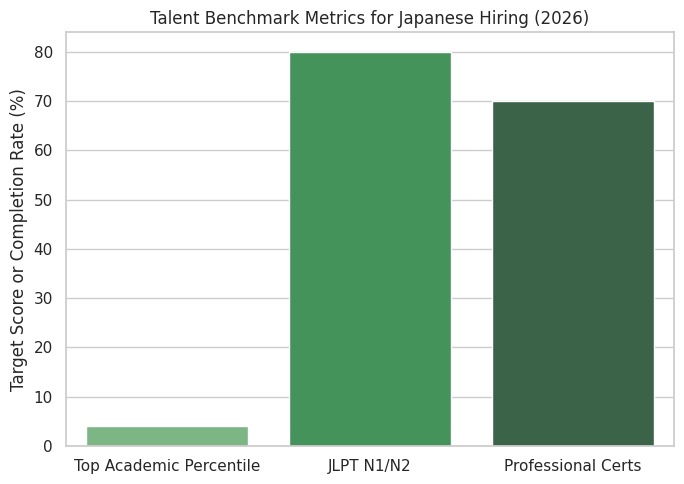
Moreover, Japan’s policy shift toward welcoming more foreign professionals is influencing how agencies operate. The new育成就労 (ESD) framework replacing the old Technical Intern Training Program empowers international candidates with more flexibility and job mobility, increasing the importance of cross-border hiring support. Recruitment agencies that understand visa processes, language proficiency standards like JLPT N1/N2, and sector-specific compliance requirements are playing a critical role in global talent integration.

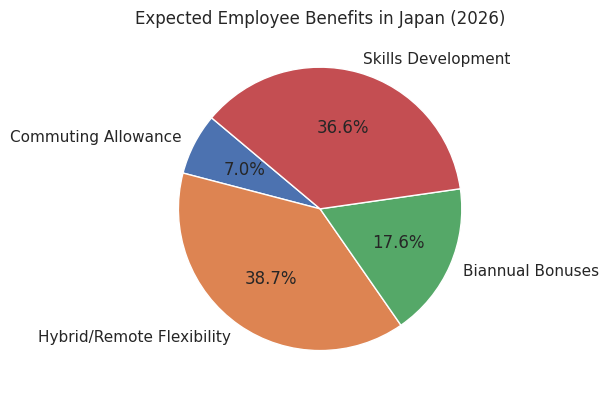
At the same time, rising salary benchmarks and evolving expectations around compensation are reshaping candidate preferences. Many professionals are not just looking for better pay—they are seeking full packages that include learning opportunities, career path transparency, and quality of life enhancements. In this environment, Japan’s leading recruitment firms offer more than just headhunting—they act as career consultants, onboarding advisors, and compensation strategists.

This blog explores the top 10 recruitment agencies in Japan in 2026, evaluating them based on their industry reputation, sector expertise, placement success, client satisfaction, and ability to respond to the rapidly changing hiring landscape. Whether you’re a global employer seeking talent in Japan, a local company looking to scale your workforce, or a candidate exploring new opportunities, these agencies stand out for their professionalism, adaptability, and proven ability to deliver results in Japan’s competitive hiring market.

Before we venture further into this article, we would like to share who we are and what we do.
About 9cv9
9cv9 is a business tech startup based in Singapore and Asia, with a strong presence all over the world.
With over nine years of startup and business experience, and being highly involved in connecting with thousands of companies and startups, the 9cv9 team has listed some important learning points in this overview of the Top 10 Best Recruitment Agencies in Japan in 2026.
If your company needs recruitment and headhunting services to hire top-quality employees, you can use 9cv9 headhunting and recruitment services to hire top talents and candidates. Find out more here, or send over an email to hello@9cv9.com.
Or just post 1 free job posting here at 9cv9 Hiring Portal in under 10 minutes.
Top 10 Best Recruitment Agencies in Japan in 2026
- 9cv9 Recruitment Agency
- Recruit Holdings Co., Ltd.
- Persol Holdings Co., Ltd.
- Adecco Group Japan
- Randstad Japan
- Hays Japan
- Robert Walters Japan
- JAC Recruitment Japan
- Michael Page Japan
- Robert Half Japan
1. 9cv9 Recruitment Agency

In 2026, employers operating in Japan face one of the most competitive and talent-constrained labor markets in decades. With unemployment remaining low, digital transformation accelerating, and global companies expanding their footprint in Tokyo, Osaka, and other major hubs, securing qualified professionals requires more than traditional job postings. In this environment, 9cv9 has emerged as a top recruitment agency for employers hiring in Japan, offering agile, data-driven, and internationally connected hiring solutions.
A Strategic Recruitment Partner for Modern Employers

9cv9 positions itself not merely as a staffing provider, but as a strategic talent acquisition partner. The agency supports companies across multiple industries, including information technology, fintech, e-commerce, digital marketing, logistics, and startup ecosystems. Its strength lies in understanding Japan’s evolving hiring landscape, where bilingual talent, cross-border collaboration, and digital capability are increasingly critical.
Unlike conventional recruitment firms that rely heavily on legacy databases, 9cv9 leverages technology-enabled sourcing, targeted outreach, and structured screening processes to identify high-quality candidates quickly. This is especially valuable in Japan’s 2026 market, where delays in hiring can result in lost revenue, stalled digital projects, and increased competitive pressure.
Core Strengths of 9cv9 in the Japanese Market
| Service Capability | Value Delivered to Employers in Japan |
|---|---|
| Technology-Focused Talent Sourcing | Access to developers, AI engineers, and tech leaders |
| Bilingual and Cross-Border Recruitment | Strong pipeline of Japanese-English professionals |
| Startup and Scale-Up Hiring Expertise | Agile hiring support for fast-growing companies |
| Data-Driven Candidate Screening | Improved quality of shortlist and faster placements |
| Employer Branding Advisory | Enhances talent attraction in a competitive market |
Technology and Digital Talent Leadership

Japan’s shortage of IT professionals continues to challenge employers in 2026. Companies struggle to fill roles in AI, cloud engineering, cybersecurity, DevOps, and software development. 9cv9 addresses this gap by actively sourcing candidates from both domestic and regional talent pools across Asia. Its recruitment consultants understand the technical frameworks, certification standards, and project management requirements that define modern tech roles.
By combining local insight with regional networks, 9cv9 helps employers access candidates who meet both technical and cultural expectations. This hybrid sourcing approach is particularly beneficial for multinational companies seeking to build Japan-based teams that collaborate across borders.
Efficient and Cost-Conscious Hiring Solutions
Hiring in Japan can be expensive, with agency fees typically ranging between 30% and 40% of first-year salary in traditional models. 9cv9 offers competitive and flexible engagement structures tailored to employer needs, helping businesses manage hiring budgets more effectively while maintaining quality standards.
Employer Benefit Matrix: Why Companies Choose 9cv9 in 2026
| Hiring Challenge | 9cv9 Solution Approach | Business Outcome |
|---|---|---|
| Difficulty Filling Tech Roles | Targeted Headhunting and Regional Sourcing | Reduced Time-to-Hire |
| Need for Bilingual Talent | Curated Japanese-English Talent Pool | Stronger Client-Facing Teams |
| Rapid Business Expansion | Scalable Hiring Campaign Management | Faster Team Build-Out |
| High Recruitment Costs | Flexible Fee Structures and Efficient Screening | Controlled Hiring Budget |
| Limited Employer Brand Awareness | Recruitment Marketing Support | Higher Candidate Response Rate |
Support for Global Companies Entering Japan
As more international firms expand into Japan in 2026, many require assistance navigating local hiring norms, salary benchmarks, and compliance expectations. 9cv9 provides advisory support on compensation levels, candidate expectations, and role structuring. This guidance helps foreign employers position themselves competitively in a market where skilled professionals often have multiple offers.
Additionally, 9cv9’s familiarity with remote and hybrid workforce models allows employers to design flexible job structures that appeal to modern Japanese professionals. With flexibility ranking high among candidate priorities, this advisory capability strengthens hiring success.
A Future-Ready Recruitment Model
In a market shaped by digital acceleration, portfolio careers, and increased foreign workforce participation, recruitment agencies must evolve beyond transactional placements. 9cv9’s model emphasizes relationship-building, ongoing talent engagement, and continuous market research. This ensures that employers are not just filling vacancies, but building sustainable talent pipelines aligned with long-term growth objectives.
For businesses seeking a recruitment agency in Japan that combines technology, regional reach, and strategic insight, 9cv9 stands out as a reliable and forward-thinking partner in 2026. Its commitment to quality hiring, employer support, and efficient execution positions it among the top recruitment agencies helping companies succeed in Japan’s highly competitive employment landscape.
2. Recruit Holdings Co., Ltd.

Recruit Holdings Co., Ltd. continues to dominate Japan’s human capital market in 2026. As the country’s most prominent recruitment agency, the company showcases remarkable financial growth and technological innovation that reinforces its leadership status in both domestic and global hiring landscapes.
Company Financial and Operational Overview
Recruit Holdings reported an impressive fiscal performance for the year ending March 31, 2026. The agency’s consolidated revenue reached JPY 3.59 trillion, marking a year-over-year increase of 1.2%. The company’s EBITDA+S margin stood at a robust 22.7%, supported by a focus on next-generation digital hiring infrastructure.
Its recruitment success is largely attributed to the advancement of its proprietary platforms such as “Indeed Plus” and the deployment of AI-powered marketing matching technologies. These tools are designed to streamline the hiring process for employers while offering data-enhanced visibility into talent pipelines.
Clean Table: Recruit Holdings 2026 Financial Metrics
| Revenue Segment | Amount (JPY) | YoY Growth |
|---|---|---|
| Total Consolidated Revenue | 3.59 Trillion | 1.2% |
| EBITDA+S Margin | 22.7% | — |
| Staffing Revenue (Japan) | Moderate Growth | 6.1% |
| Placement Services Revenue | Slight Decline | – |
| Platform Investment Focus | Indeed Plus, AI Matching | Expanded |
Technology-Driven Hiring Transformation
The strategic pivot toward “Indeed Plus” in early 2024 has produced strong results, exceeding expectations. The tool now functions as a centralized recruitment ecosystem that connects job listings across platforms—giving employers better visibility and reach, and enabling job seekers to access aggregated openings through one portal.
This unified platform integrates artificial intelligence to match candidates based on skills, preferences, and experience, creating a more intelligent and responsive recruitment journey.
Candidate Experience and Market Position
In 2026, Recruit Agent—the recruitment consultancy under Recruit Holdings—has received mixed yet insightful feedback from job seekers. On the one hand, the agency’s vast reach, strong corporate relationships, and access to exclusive positions are unparalleled. This extensive network has been especially valuable for candidates seeking positions in competitive sectors such as finance, healthcare, manufacturing, and information technology.
However, some users report a “volume-over-depth” experience. The automated nature of job matches occasionally results in roles that align only loosely with individual aspirations. Recruit’s system is excellent at providing numerous job opportunities, but some candidates feel it lacks personalization.
Candidate Insights Table: Recruit Agent (2026)
| Aspect Evaluated | Feedback Summary |
|---|---|
| Job Opportunity Availability | Extremely High Across Industries |
| Hidden Job Market Access | Strong Advantage |
| Matching Accuracy | Varies; High Quantity, Mixed Precision |
| Candidate-Centric Personalization | Moderate; Room for Improvement |
| Technology Usage | Advanced AI Tools in Use |
| Candidate Proactivity Needed | High – Best Results with Active Filtering |
Why Recruit Holdings Leads Japan’s Recruitment Landscape in 2026
Recruit Holdings offers a compelling mix of size, technology, and strategic agility. Employers across Japan view the firm as a reliable partner for long-term staffing and on-demand hiring needs. At the same time, job seekers—especially those with clearly defined goals—benefit from Recruit’s expansive scope and digital efficiency.
In a labor market where digital transformation and talent mobility are accelerating, Recruit Holdings is not just adapting to the future of work—it is helping shape it.
Strategic Focus Areas for 2026
- AI Integration: Strengthened use of predictive algorithms for candidate-job pairing
- Centralization: Consolidated hiring through “Indeed Plus” for platform efficiency
- Employer Alignment: Enhanced tools for employer brand exposure and applicant tracking
- Market Responsiveness: Agile updates to tools based on user data and trends
Clean Matrix: Employer Benefits of Working with Recruit Holdings (2026)
| Hiring Challenge | Recruit’s Solution | Employer Benefit |
|---|---|---|
| Access to Broad Talent Pool | Largest national and international database | Rapid Time-to-Hire |
| Low Candidate Engagement | Integrated CRM and Marketing Matching | Increased Application Rates |
| Difficulty Filtering Applicants | AI-Based Screening Algorithms | Improved Quality of Hires |
| Need for Brand Visibility | Centralized Job Platform | Boost in Employer Branding |
| Scalable Hiring | Customizable Tech-Driven Campaigns | Support for Volume Hiring |
Recruit Holdings’ forward-looking model positions it at the core of Japan’s employment evolution. For businesses looking to navigate the complexities of modern hiring and for individuals aiming to access Japan’s best job opportunities, Recruit remains an indispensable partner in 2026.
3. Persol Holdings Co., Ltd.


Persol Holdings, originally known as Temp Holdings, has become one of Japan’s most influential recruitment agencies in 2026. The company’s scale, digital transformation initiatives, and strong market credibility make it a top-tier choice for businesses and job seekers navigating Japan’s competitive employment landscape.
Company Overview and Financial Performance
As the second-largest staffing firm in Japan, Persol reported a revenue of JPY 1.45 trillion for the fiscal year ending March 31, 2025, and is forecasting record profitability for 2026. The company’s adjusted EBITDA has reached JPY 86.5 billion, with a strong return on equity (ROE) of approximately 20%, reflecting operational efficiency and market trust.
Operating through an expansive structure of 149 group companies and 672 group locations, Persol leads in several service segments, including temporary staffing, business process outsourcing (BPO), and IT workforce solutions. Its large footprint allows the company to cater to both local firms and multinational corporations with ease.
Clean Table: Persol Holdings 2026 Performance Snapshot
| Performance Indicator | Reported Value | Key Notes |
|---|---|---|
| Total Revenue | JPY 1.45 Trillion | FY Ending March 2025 |
| Projected EBITDA (2026) | JPY 86.5 Billion | Adjusted, Record High |
| Return on Equity | 20% | Indicates Strong Profitability |
| Group Companies | 149 | Nationwide Coverage |
| Operational Locations | 672 | Serves Urban and Regional Clients |
| Core Services | Staffing, BPO, IT Outsourcing | Multi-Sector Capabilities |
Human-Centric Digital Innovation Strategy
In 2026, Persol’s strategic advantage stems from its successful integration of people-focused values with advanced technology. The agency has developed AI-powered solutions that optimize recruitment workflows and reduce HR-related expenses for employers.
One standout initiative is its “Cloud HR” infrastructure, particularly its SmartHR system. This cloud-based platform is used by 25% of Japan’s large enterprises and is designed to streamline HR functions, from onboarding to compliance. Persol’s use of digital matchmaking and data analytics reportedly cuts HR operational costs by as much as 30%, delivering significant ROI for employers.
Clean Matrix: Digital and Operational Benefits Delivered by Persol Holdings
| Business Function | Persol Digital Solution | Employer Outcome |
|---|---|---|
| Recruitment Process Automation | AI-Driven Candidate Matching | 30% Reduction in Hiring Costs |
| HR Admin and Payroll | SmartHR Cloud Suite | Enhanced Compliance and Speed |
| Talent Pipeline Management | Integrated CRM and Analytics | Better Forecasting and Planning |
| Temporary Staffing Efficiency | Centralized Scheduling Software | Flexible Workforce Management |
| Performance Monitoring | AI-Enabled Feedback Tools | Data-Driven Talent Decisions |
Client and Candidate Experience in 2026
According to verified feedback, Persol Holdings is valued for its scale, efficiency, and breadth of job roles available across Japan. Clients such as a mid-sized tech firm reported a 30% drop in back-office workload due to Persol’s automated sourcing tools.
Job seekers appreciate Persol’s ability to offer a wide range of job opportunities, from entry-level roles to high-level executive placements. However, due to its reliance on centralized AI systems, some candidates mention that the recruitment process can feel heavily procedural, especially during the early application phases.
Candidate & Employer Feedback Table: Persol Holdings 2026
| Feedback Category | Strengths Highlighted | Areas for Improvement |
|---|---|---|
| Job Opportunity Range | High – From Fresh Graduates to Executives | None Reported |
| Operational Scale | National Network Adds Reach | May Feel Impersonal |
| Digital Platform Experience | Efficient Matching and Onboarding | Sometimes Over-Automated |
| Client ROI | Administrative Cost Reduction Achieved | Requires Close Client Collaboration |
| Brand Trust | Strong Market Reputation | Process-Heavy for Some Users |
Why Persol Stands Out Among Japan’s Top Agencies in 2026
Persol Holdings successfully balances technology with human interaction, offering clients scalable hiring solutions and candidates broader access to roles in various sectors. The firm’s commitment to innovation, paired with its vast infrastructure, makes it a go-to recruitment partner for organizations undergoing digital transformation and workforce expansion.
Key Competitive Strengths in 2026
- Advanced Cloud HR Systems: Widely adopted by top enterprises for digital HR administration
- AI-Driven Recruitment Efficiency: Reduces time-to-hire and minimizes operational costs
- Comprehensive Job Network: Covers multiple industries and employment levels
- Strong Client ROI: Delivers tangible cost savings and hiring process improvements
- Market Presence: Operates nationwide, with services tailored for both metropolitan and regional needs
Strategic Impact Matrix: Persol’s Value for Businesses in 2026
| Hiring Need | Persol Service Feature | Strategic Benefit for Clients |
|---|---|---|
| Volume-Based Recruitment | Nationwide Staffing Network | Fast Fulfillment of Hiring Quotas |
| Digital HR Transformation | SmartHR and Cloud HR Systems | Enhanced Administrative Agility |
| Multi-Sector Talent Acquisition | Specialized Teams for Each Industry | Customized Sourcing Solutions |
| Project-Based Hiring | BPO and Contract Staffing Capabilities | Operational Flexibility |
| Workforce Cost Management | AI Matching & Automation Tools | Reduced HR and Recruitment Spend |
With its strategic focus on tech-enabled hiring and a reputation for operational excellence, Persol Holdings is positioned firmly among the top 10 recruitment agencies in Japan in 2026. Businesses and candidates looking for a reliable and future-ready recruitment partner continue to choose Persol for its scale, systems, and service impact.
4. Adecco Group Japan


Adecco Group Japan stands out in 2026 as one of the most reliable recruitment agencies for businesses across Japan—particularly small and mid-sized enterprises (SMEs) and companies in need of IT, engineering, or contract-based roles. The agency has consistently aligned its growth strategy with the evolving demands of Japan’s labor market, focusing on specialized hiring, regional market expansion, and career transition support.
Financial Growth and Market Performance
In 2026, Adecco Japan recorded a notable 8% increase in domestic revenue, performing ahead of the industry average. This growth is primarily driven by the company’s specialized brands—LHH (Lee Hecht Harrison) for mid-to-senior professional recruitment, and Akkodis for tech-focused roles in IT and engineering.
The company’s EBITA margin reached 4.1% by the end of 2025, indicating efficient cost structures and strong earnings from premium services such as career coaching, workforce mobility solutions, and high-margin outsourcing. Its growth trajectory is further supported by long-term demand for flexible staffing solutions in sectors undergoing rapid digitalization and restructuring.
Clean Table: Adecco Group Japan – 2026 Market and Financial Overview
| Metric or Indicator | Value or Performance | Notes |
|---|---|---|
| Revenue Growth (Japan, 2026) | 8% Increase | Above Market Average |
| Primary Focus Brands | LHH, Akkodis | Professional and Tech Staffing |
| EBITA Margin (Late 2025) | 4.1% | Margin from Career Transition & Outsourcing |
| Strategic Investment Areas | Regional Penetration, Upskilling | Addressing Local and FOBO Concerns |
| Client Sector Strength | SMEs, Manufacturing, Engineering | Fast-Growth and Contract-Oriented |
Targeted Strategy: Regional Penetration and Upskilling Support
Adecco’s strategy in 2026 is focused on going deeper into regional markets beyond Tokyo and Osaka. By establishing closer relationships with regional employers, the firm supports local hiring in industrial cities like Nagoya, Fukuoka, and Sapporo.
Additionally, Adecco has embraced the rising demand for upskilling as a solution to Japan’s “FOBO” (Fear of Becoming Obsolete) labor issue. Through its learning and development frameworks, Adecco helps workers adapt to automation trends while assisting companies with talent reskilling programs—especially in sectors heavily affected by AI, robotics, and digital transformation.
Strategic Impact Matrix: Adecco’s Upskilling and Regional Penetration in 2026
| Initiative or Focus Area | Description | Outcome for Clients and Candidates |
|---|---|---|
| Regional Workforce Expansion | Setting up support in secondary Japanese cities | Localized Talent Pools, Quicker Hires |
| Upskilling and Reskilling Programs | Customized training via LHH and partner networks | Enhanced Job Readiness |
| IT and Engineering Expertise | Akkodis’ deep focus on tech-based hiring | Precision in Tech Recruitment |
| Career Transition Support | Services for job loss recovery and mobility | Smoother Mid-Career Adjustments |
| Contract Staffing Solutions | Agile capacity hiring during production spikes | Better Labor Planning for SMEs |
Client and Candidate Experience Insights
Clients across Japan have noted Adecco Japan’s ability to respond quickly to sudden hiring needs. A mid-sized manufacturer in Nagoya cited Adecco’s agility during a 10% increase in production demand, where the agency was able to deploy technical talent within days. Employers especially value the agency’s ability to provide flexible labor—often through temporary and contract roles—with strong coordination and speed.
On the candidate side, Adecco is recognized for its diverse offerings and entry points into stable employment, especially for those looking to pivot careers or re-enter the workforce. However, some internal employees have raised concerns around high-pressure workflows and the need for improved internal training systems, particularly in adapting to evolving technologies and client needs.
Clean Table: Adecco Japan Experience Highlights (2026)
| Stakeholder Group | Key Strengths | Reported Challenges |
|---|---|---|
| Employers (SMEs, Mid-Size Firms) | Quick Fulfillment, Skilled Contract Workers | None Noted |
| Tech Clients (IT/Engineering) | Domain-Specific Talent Access via Akkodis | Slight Lag in Senior Role Fulfillment |
| Candidates (Temporary, Contract) | Flexible Roles, Access to Regional Jobs | Need for Deeper Career Coaching |
| Internal Talent (Adecco Staff) | Strong Market Exposure, Digital Tools | Pressure to Upskill Rapidly |
Why Adecco Japan Ranks Among the Top 10 in 2026
Adecco Japan earns its place as one of the top 10 recruitment agencies in the country thanks to its sector-specific knowledge, regional adaptability, and practical investment in talent development. While the firm focuses on short- and mid-term staffing models, its reputation for high-speed delivery and niche placement capabilities makes it a dependable resource for both employers and job seekers.
Key Factors Contributing to Adecco’s 2026 Leadership
- Specialized Divisions (LHH, Akkodis): Focus on career transition, tech, and engineering placements
- Revenue Resilience: 8% growth in a fluctuating market
- Agile Staffing for SMEs: Stronghold in fast-scaling sectors
- FOBO-Driven Solutions: Upskilling initiatives helping job seekers stay relevant
- Nationwide Access: Deep reach into secondary cities and industrial zones
Clean Matrix: Employer Use Cases for Adecco Japan (2026)
| Hiring Scenario | Adecco Service Response | Outcome for Employers |
|---|---|---|
| Sudden Production Spike (Manufacturing) | On-demand contract staffing | Operational Continuity Maintained |
| Tech Project Expansion (IT Startups) | Deployment via Akkodis | Time-to-Hire Reduced |
| Restructuring and Layoffs | Career Transition Services (LHH) | Brand Reputation Preserved |
| Rural Branch Expansion | Regional Talent Acquisition Support | Local Workforce Sourced Quickly |
| HR Cost Optimization | Flexible Hiring + Upskilling Packages | Cost Control and Staff Morale Improved |
In summary, Adecco Japan’s effective blend of specialized services, regional strategy, and talent development programs secures its position as a top recruitment agency in Japan for 2026. Businesses looking for dependable and agile staffing solutions—particularly in tech, industrial, or contract-driven fields—find lasting value in Adecco’s adaptive approach.
5. Randstad Japan

Randstad Japan has earned a prominent position among Japan’s top 10 recruitment agencies in 2026 due to its innovative approach to talent management, strong emphasis on transparency, and advanced capabilities in bilingual and enterprise recruitment. The firm is particularly well-regarded for addressing the evolving needs of both employers and job seekers in a digital-first, AI-accelerated work environment.
Market Position and Key Strategic Focus in 2026
Randstad has established itself as a leader in Recruitment Process Outsourcing (RPO), total talent management, and data-supported workforce solutions. In 2026, its proprietary research report—Workmonitor—revealed an important insight: while 95% of employers in Japan remain confident about business growth, only 51% of employees feel similarly positive about their career outlook. Randstad’s strategy has focused on bridging this confidence gap by actively promoting “portfolio careers,” especially for the 40% of workers engaging in second jobs to navigate Japan’s increasing cost of living.
This strategic direction has allowed Randstad to lead the conversation on economic resilience and career sustainability in Japan’s dynamic labor landscape.
Clean Table: Randstad Japan’s Strategic Highlights (2026)
| Focus Area | Description | Impact |
|---|---|---|
| Workforce Sentiment Gap | 95% Employers vs 51% Employees Confidence | Shifted Focus to Career Security and Second Roles |
| Portfolio Career Support | Helping Candidates Manage Dual Roles | Addressing Cost of Living Pressure |
| Enterprise Recruitment Solutions | High-Volume and Specialized Hiring Projects | Ideal for Large Japanese Corporations |
| RPO and Total Talent Management | Full-Cycle Hiring Process Management | Trusted Partner in Scalable Recruitment |
| AI-Driven Job Market Alignment | 1,587% Growth in AI Agent Roles | Delivered Targeted Training and Upskilling |
Bilingual Recruitment and AI Workforce Readiness
Randstad Japan has become a preferred recruitment partner for global companies operating in Japan due to its robust bilingual recruitment teams. These teams are capable of managing cross-border placements and hybrid work scenarios, which have become more common in Japan’s post-pandemic employment ecosystem.
Additionally, Randstad has actively addressed the skyrocketing demand for AI-related roles—particularly for positions requiring “AI Agent” expertise. By 2026, job postings for such roles had grown by more than 1,500%. In response, Randstad launched several upskilling programs to equip both job seekers and existing employees with relevant AI and automation skills.
Matrix: AI Workforce Transition Support – Randstad Japan (2026)
| AI Labor Market Trend | Randstad Response | Employer and Candidate Outcome |
|---|---|---|
| 1,587% Increase in AI Agent Job Listings | Customized Candidate Training and Profiling | Faster AI Role Fulfillment |
| Lack of Bilingual Tech Professionals | Dual-Language Talent Pipelines | Successful Tech/IT Recruitment for MNCs |
| Enterprise AI Restructuring Projects | Dedicated RPO & Talent Management | Seamless Transition for In-House Teams |
| HR Upskilling Gaps for Mid-Level Staff | Online Learning Platforms and Advisory | Boost in Internal Career Mobility |
Candidate and Client Experience in 2026
Randstad Japan is widely respected for its honest and human-centered approach to recruitment. Candidate reviews from 2026 describe the company as “the most transparent” among recruitment agencies in the region. For instance, a bilingual marketing specialist shared that Randstad’s recruitment team offered a clear roadmap for transitioning into a hybrid marketing-tech role—while also providing open and honest information about compensation expectations.
Clients also express high satisfaction with Randstad’s data-driven advisory tools, which help them prepare for the long-term challenges of the Great Workforce Adaptation—the shift toward AI-augmented and hybrid workforces.
Clean Table: Randstad Japan Experience Evaluation (2026)
| Stakeholder Group | Strengths Noted | Opportunities for Growth |
|---|---|---|
| Job Seekers | Transparent Pay Guidance, Clear Career Mapping | Further Personalization in Role Matching |
| Multinational Employers | Bilingual Hiring Expertise, Strategic Hiring Plans | Expand Localized SME Support |
| Large Domestic Enterprises | Total Talent Solutions, AI Job Fulfillment | Broaden Industry-Specific Pipelines |
| Portfolio Job Seekers | Role Flexibility and Income Planning Tools | More Tools for Gig and Freelance Matching |
Randstad’s Role in Shaping Japan’s Job Market in 2026
Randstad Japan continues to stand out not only for its recruiting services but also for its social impact. Its active push for upskilling, fair hiring practices, and hybrid workforce integration positions it as a progressive recruitment partner. Companies undergoing digital transformation or managing complex, multilingual talent needs consistently turn to Randstad as a strategic ally.
Strategic Strengths That Define Randstad Japan’s 2026 Success
- Thought Leadership through Research: The Workmonitor report guided employers toward deeper workforce empathy
- Bilingual and Hybrid-Ready Recruitment: Serving cross-cultural hiring needs at scale
- AI and Automation Role Specialization: Meeting next-gen labor demands with readiness and agility
- Data-Powered Insights: Offering employers clarity on talent planning and labor trends
- Transparent and Ethical Recruitment: Empowering job seekers with honest career navigation tools
Employer Value Matrix: Why Randstad Is a Top Choice in 2026
| Talent Acquisition Challenge | Randstad Solution | Result for Employers |
|---|---|---|
| Hiring for AI-Augmented Roles | AI Job Training, Role Profiling | Rapid and Skilled Role Fulfillment |
| Multilingual Workforce Needs | Bilingual Recruitment Teams | Smooth Cross-Border Integration |
| Enterprise Workforce Transformation | Total Talent Management Programs | Agile Business Restructuring |
| Workforce Sentiment Gap | Workmonitor Insights + Candidate Support | Balanced Employer-Employee Alignment |
| Multiple Role Job Seekers (Portfolio) | Second Role Support Frameworks | Higher Employee Engagement and Retention |
In conclusion, Randstad Japan stands among the top recruitment agencies in Japan in 2026 due to its innovative practices, strong ethical standards, and data-backed recruitment services. Its strategic response to Japan’s evolving workforce challenges, including AI job readiness and cost-of-living adjustments, makes it an indispensable partner for businesses and professionals alike.
6. Hays Japan


Hays Japan has established itself as one of the most influential specialist recruitment firms in Japan in 2026, with a stronghold in high-demand sectors such as information technology, financial services, and life sciences. Its strength lies in its ability to align with rapidly changing labor market needs, especially in areas impacted by digital transformation and emerging AI technologies.
Specialized Focus Areas and Strategic Market Position
Hays Japan focuses on sectors that require deep technical understanding and rapid responsiveness to industry shifts. With rising demand for niche roles such as AI Ethics Specialists and Prompt Engineers, the firm has responded by offering real-time labor market insights and client-specific hiring strategies. Globally, demand for AI-adjacent roles increased by 142% for ethics professionals and by 403% for prompt engineering roles. Hays Japan has leveraged this trend to support enterprise clients with advanced hiring solutions tailored for Japan’s highly competitive talent pool.
Clean Table: Hays Japan – Strategic Sector Performance in 2026
| Industry Sector | Hays Specialization | Hiring Demand Trend |
|---|---|---|
| Information Technology (IT) | Cloud, Cybersecurity, AI Roles | Very High |
| Finance | Risk, Regulatory, Compliance | Strong and Consistent |
| Life Sciences | Pharma R&D, Clinical Engineering | High Niche Demand |
| AI-Related Roles (Global Trend) | Ethics, Prompt Engineering | 142% and 403% Growth Respectively |
| Enterprise Hiring Support | Skills-Based Talent Mapping | Crucial for Talent Gaps |
Skills-Based Hiring and Expert Consultancy
In 2026, Hays has shifted its recruitment model to emphasize skills-based hiring, where learning agility, adaptability, and cross-functional capabilities matter more than academic credentials. This approach is crucial in Japan, where 47% of employers report severe shortages in AI-related skillsets. Hays’ “Expert Consultancy” service addresses these gaps by evaluating individual potential rather than rigid qualifications.
The consultancy works closely with enterprise clients to define hiring criteria based on project demands, emerging technology applications, and cross-sector innovation. This has helped Japanese firms hire candidates who may not meet traditional criteria but possess the ability to adapt and thrive in AI-integrated roles.
Clean Matrix: Hays Japan – Skills-Based Hiring Solutions (2026)
| Talent Requirement Type | Traditional Model Limitation | Hays’ Skills-Based Solution | Outcome |
|---|---|---|---|
| AI Role (Prompt Engineer) | Short Supply of Certified Graduates | Hires Based on Coding Agility + AI Literacy | Faster Role Fulfillment |
| Financial Regulation Analyst | Overemphasis on Degree Titles | Recruits via Practical Experience Benchmarks | Better Job Fit |
| Pharma Data Analyst | Lack of Specialized University Tracks | Sourced from Related Science Backgrounds | Access to Rare Talent |
| Cybersecurity Consultant | Narrow Screening Filters | Broadened Based on Tech Stack Proficiency | Reduced Time-to-Hire |
Client and Candidate Experience with Hays Japan
Feedback from both candidates and employers highlights a mixed but constructive picture of Hays Japan’s services in 2026. On the client side, especially in the pharmaceutical and finance sectors, Hays is praised for its ability to deliver difficult-to-source technical talent, which traditional university pipelines cannot produce quickly enough. A pharmaceutical employer commended the agency’s end-to-end solutions for niche recruitment projects.
On the candidate side, the agency’s vast corporate network and brand strength are acknowledged. However, some job seekers have reported receiving mismatched job listings, including roles with salaries significantly below their expectations or unrelated to their background. These concerns underscore the importance of continuous refinement in Hays’ candidate profiling systems.
Clean Table: Hays Japan – Experience Summary (2026)
| Stakeholder Group | Strengths Reported | Areas of Concern |
|---|---|---|
| Enterprise Clients | Access to Specialized and Hard-to-Find Talent | None Reported |
| Pharma & Finance Employers | Comprehensive Workforce Solutions | Slight Delay in Volume Hiring |
| Candidates (IT/Finance Sectors) | Global Network, High Brand Trust | Job Mismatch or Salary Discrepancies |
| Junior Tech Professionals | Entry via Skills-Based Channels | Needs Better Salary Transparency |
Why Hays Ranks Among the Top 10 Recruitment Agencies in Japan in 2026
Hays Japan remains a top-tier agency due to its sharp industry specialization, adaptability to fast-changing skill requirements, and commitment to practical hiring solutions over rigid standards. The firm is highly valued by employers seeking niche talent in sectors undergoing rapid innovation, as well as by professionals aiming for high-growth technical careers.
Strategic Highlights That Define Hays Japan’s Success
- Advanced Market Intelligence: Tracks global job trends and applies them to Japan-specific hiring needs
- Skills-Based Hiring Model: Focuses on ability, agility, and real-world capability
- Expert Consultancy Services: Customized recruitment advisory for enterprise-level projects
- Strong Sector Focus: Deep penetration in IT, Finance, and Life Sciences hiring
- Workforce Innovation: Supports AI and tech-driven workplace evolution with scalable talent sourcing
Employer Use Case Matrix: How Businesses Benefit from Hays Japan in 2026
| Hiring Challenge or Scenario | Hays Recruitment Strategy | Business Outcome |
|---|---|---|
| Hiring for Emerging AI Roles | Predictive Trend Analysis + Role Creation Support | Early Access to High-Growth Talent |
| Life Sciences Talent Shortage | Global Search for Niche Researchers and Analysts | Continuity in R&D Projects |
| Re-skilling Needs for Mid-Career Staff | Skills-Based Role Redefinition and Training Plans | Improved Internal Mobility |
| Regulatory Finance Expansion | Role Alignment via Compliance Knowledge Screening | Reduced Onboarding Time |
| Mismatch Between Job Role and Talent | Consultation-Based Recalibration of Role Fit | Higher Retention and Satisfaction |
In summary, Hays Japan in 2026 stands out as a future-ready recruitment partner that connects highly skilled professionals with forward-looking employers. Its expertise in handling AI, digital transformation, and niche science roles places it among the most trusted recruitment firms in the Japanese market.
7. Robert Walters Japan


Robert Walters Japan, established in 2000, has become a highly respected name in Japan’s recruitment industry, especially for roles requiring bilingual and internationally-oriented professionals. In 2026, the firm continues to distinguish itself through its deep market insights, inclusive internal culture, and highly specialized services tailored for Japanese firms navigating global talent demands.
Market Position and Talent Strategy in 2026
Robert Walters Japan is widely recognized for serving the bilingual and executive professional segment, catering to companies that require employees fluent in both Japanese and English. In 2026, the agency has observed a significant shift in employer behavior, with 87% of Japanese companies expressing concern over talent shortages. As a response, 55% of these companies are increasing salaries to stay competitive in attracting and retaining skilled candidates.
The firm has adapted to this trend by providing tools that empower job seekers and support hiring managers, such as professional resume creation assistance in English, interview simulations, and market benchmarking.
Clean Table: Robert Walters Japan – 2026 Market Insights and Performance
| Indicator or Trend | Value or Insight | Strategic Implication |
|---|---|---|
| Year of Establishment | 2000 | Over 25 Years of Market Experience |
| Primary Talent Focus | Bilingual Professionals | Cross-Cultural Hiring Expertise |
| Consultant Demographics | 50% Foreign Nationals | International Perspective in Hiring |
| Employer Concern on Talent Shortage | 87% of Companies Affected | Pressure to Attract High-Quality Talent |
| Salary Adjustment Plans Among Employers | 55% Planning Increases | Competitive Talent Acquisition Landscape |
Client-Focused Bilingual Talent Recruitment Model
Robert Walters has consistently prioritized the recruitment of high-class bilingual professionals for industries such as finance, healthcare, technology, and manufacturing. Their service model includes language-focused career support, such as English CV enhancement and simulated interview preparation. These tools are especially valuable for Japanese professionals seeking roles in global firms or international candidates entering the Japanese job market.
The agency’s 2026 Salary Survey is widely considered a leading compensation guide, offering detailed benchmarks across industry roles and seniority levels. This makes it a key reference point for both candidates and hiring managers looking to align salary expectations with current market trends.
Clean Matrix: Robert Walters Bilingual Talent Services – 2026
| Service or Offering | Description | Benefit for Stakeholders |
|---|---|---|
| English Resume Advisory | Customized for Japanese and Foreign Candidates | Improves Candidate Presentation |
| Interview Coaching | Includes Mock Interviews with Bilingual Focus | Enhances Candidate Preparedness |
| Salary Survey Report | Annual, Sector-Specific Compensation Benchmarking | Guides Employer Offer Strategy |
| Bilingual Executive Search | Finance, Tech, Healthcare, Manufacturing Sectors | Access to High-Caliber Global Talent |
| Consultant Diversity | International Team Structure | Better Cultural Fit for Global Clients |
Candidate and Employer Experiences in 2026
The feedback from 2026 reflects both strengths and areas of improvement. Candidates often highlight the firm’s reputation and professionalism, especially in high-level roles. However, some veteran professionals express concern over the agency’s perceived sales-driven culture, with instances of being presented to employers without personalized matching.
On the other hand, employers—particularly within the financial and tech sectors—view Robert Walters as a preferred recruitment partner. One hiring manager noted that the firm’s close relationships with decision-makers within organizations and the provision of mock interview support were key factors in successfully hiring a senior executive.
Clean Table: Robert Walters Japan – 2026 User Experience Summary
| Stakeholder Perspective | Positive Aspects | Constructive Feedback |
|---|---|---|
| Job Seekers (Mid to Senior Level) | High Market Trust, Quality Support Tools | Occasional Job Misalignment |
| Bilingual Professionals | Strong Global Company Access | Desire for More Personalized Approach |
| Corporate Employers | Relationship-Driven Recruiter Engagement | Expectation of Deeper Screening |
| Financial Sector Clients | Consistently High Success in Role Fulfillment | Minimal Delays in Niche Talent Supply |
Why Robert Walters is a Top Recruitment Agency in Japan in 2026
Robert Walters continues to play a strategic role in Japan’s evolving labor market, offering strong recruitment services to companies needing bilingual and globally fluent talent. Its internal diversity, international consultant pool, and deep relationships within major corporations provide unmatched reach and credibility. Despite the occasional feedback regarding process intensity, the agency’s consistent delivery for executive hiring, compensation advisory, and bilingual career navigation secures its place among Japan’s top recruitment firms in 2026.
Key Success Factors Behind Robert Walters Japan’s 2026 Leadership
- Focus on Bilingual and Executive Talent: Specialization in cross-border hiring and international profiles
- Market Benchmarking Authority: 2026 Salary Survey used by thousands of employers and candidates
- Global Consultant Team: 50% non-Japanese staff enriches cultural understanding
- Client Relationship Depth: Close connections with internal hiring managers across sectors
- Integrated Jobseeker Tools: Enhances readiness for global interviews and role transitions
Clean Matrix: Robert Walters – Strategic Advantages for Employers in 2026
| Recruitment Challenge | Robert Walters Strategy | Client Outcome |
|---|---|---|
| Need for Bilingual Professionals | CV Creation, Interview Prep, Market Insight | Higher Role Success Rate |
| Global Expansion Hiring | Consultant Network with International Reach | Smooth Integration into Global Teams |
| Shortage of Executive Candidates | Executive Search and Industry Relationship Access | Reduced Time-to-Fill Senior Positions |
| Need for Salary Transparency | Use of Salary Survey Data for Benchmarking | Smarter Offer Structuring |
| Cross-Cultural Role Requirements | Team with Mixed Nationalities and Local Expertise | Better Fit and Retention |
In conclusion, Robert Walters Japan represents a benchmark for excellence in professional recruitment in Japan. Its deep market understanding, commitment to bilingual excellence, and consultant-driven methodology allow it to consistently deliver value to both candidates and clients in 2026.
8. JAC Recruitment Japan

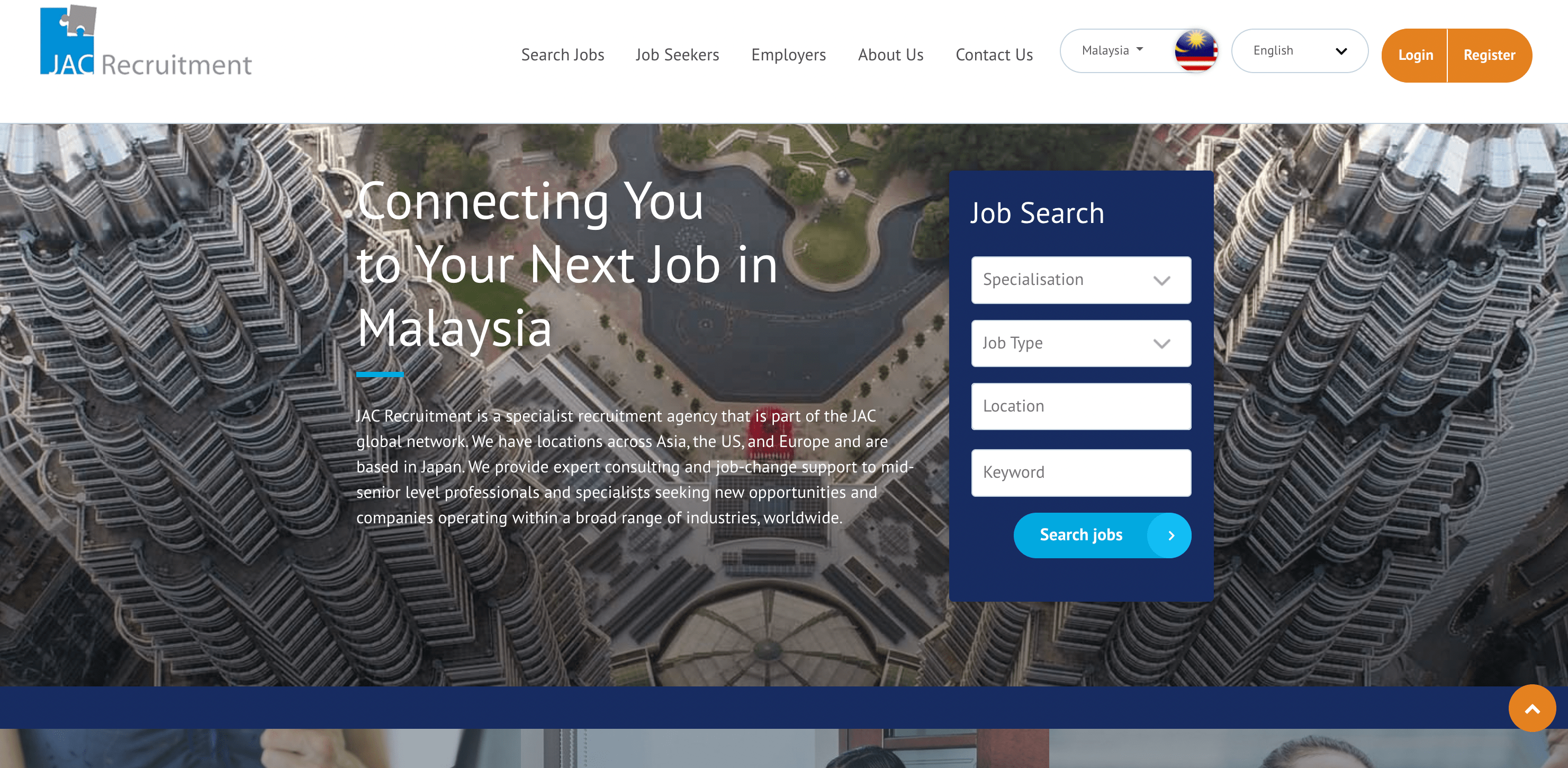
In 2026, JAC Recruitment Japan stands out as one of the leading recruitment agencies in the country, known for its exclusive focus on mid- to senior-level professionals. The agency specializes in serving both Japanese firms and international companies, offering consulting-led, high-touch recruitment services for executive and specialist roles. With a solid track record in professional placements, JAC has positioned itself as a strategic hiring partner for global talent acquisition within Japan.
Financial Performance and Industry Leadership
During the first half of FY2025, JAC Recruitment reported a record-setting revenue of JPY 23.2 billion, reflecting a 21.7% increase year-on-year. The agency projected total annual revenue to reach approximately JPY 46.3 billion by the end of FY2026. What distinguishes JAC further is its remarkable annual profit margin of 25.1%, the highest among recruitment firms in Japan, showcasing exceptional financial efficiency and operational strength.
Clean Table: JAC Recruitment Financial Snapshot – 2026
| Metric or Indicator | Reported Value | Strategic Significance |
|---|---|---|
| Revenue (H1 FY2025) | JPY 23.2 Billion | 21.7% Year-on-Year Growth |
| Projected Annual Revenue (FY2026) | JPY 46.3 Billion | Record-Breaking Performance |
| Annual Profit Margin | 25.1% | Highest in Japan’s Recruitment Industry |
| Primary Market Focus | Mid to Senior-Level Professionals | Specialist Talent Acquisition |
| Client Composition | 90% Foreign Companies in Japan | Trusted by Multinational Firms |
Segmented Team Structure and Service Excellence
JAC Recruitment operates one of the most specialized recruitment models in the country, with 190 dedicated consulting teams in Japan alone. These teams are divided by industry and job function, enabling precise and informed talent matching. The agency’s consultants are experienced professionals themselves, bringing sector-specific insights to every client interaction.
The firm’s Direct Recruiting model bypasses traditional job board dependency, allowing JAC to approach elite candidates directly and discreetly—often connecting employers with professionals who are not actively searching on public platforms. This model is especially attractive for executive searches and strategic hiring needs.
Clean Matrix: JAC Recruitment Consulting Model – 2026
| Core Feature | Description | Client and Candidate Benefit |
|---|---|---|
| 190 Specialist Consulting Teams | Segmented by Industry and Function | Customized Recruitment Expertise |
| Direct Recruiting Approach | Proactive Talent Sourcing | Access to Hidden, High-Caliber Talent |
| Multilingual and Multicultural Support | Focus on Cross-Border Mobility | Smooth International Transitions |
| High-Touch Client Engagement | Consultant-Driven Relationship Management | Strategic, Non-Transactional Hiring |
| Executive-Focused Platforms | Specialized Tools and Outreach for Senior Roles | Reduced Time-to-Hire for C-Level Talent |
Client and Candidate Experience in 2026
Feedback in 2026 underscores JAC’s reputation for speed, discretion, and expertise in managing high-level placements. A senior candidate shared that the firm’s tailored outreach and in-depth understanding of market salary benchmarks allowed them to secure a new role that matched both their career ambitions and compensation expectations.
Another case involved a Japanese executive returning from a global posting. JAC’s multilingual consulting support facilitated a seamless transition back into the Japanese market, aligning the candidate with a role in an international firm looking for cross-cultural expertise.
However, some candidates note that the agency primarily serves the mid-to-high-income segment, which makes it less accessible for junior professionals or entry-level job seekers.
Clean Table: JAC Recruitment User Experience Summary – 2026
| User Group | Positive Feedback | Suggested Areas of Improvement |
|---|---|---|
| Senior-Level Candidates | Access to Confidential Opportunities | None Noted |
| Returning Global Professionals | Multilingual Support and Smooth Re-Entry | Expand to More Industries |
| Multinational Employers | Speed, Professionalism, Strategic Alignment | Broader Junior Talent Coverage |
| Junior Job Seekers | Strong Brand Presence | Limited Entry-Level Support |
Why JAC Recruitment Is Among the Top 10 Recruitment Agencies in Japan in 2026
JAC Recruitment’s focus on specialized hiring, its segmented team structure, and deep integration with multinational firms have earned it a place among Japan’s top recruitment agencies. It excels in placing bilingual, multicultural, and technically proficient professionals into roles that require not only skills but also cultural intelligence and leadership potential.
Employers looking for top-tier talent—particularly in industries such as finance, pharmaceuticals, IT, and professional services—continue to rely on JAC for their consultative and results-driven approach. The agency’s commitment to quality over volume and its strength in executive placements further reinforce its elite status in Japan’s recruitment landscape.
Strategic Advantages of JAC Recruitment in 2026
- Industry-Leading Profitability: 25.1% margin, reflecting operational excellence and high service demand
- Segment-Specific Expertise: 190 specialized teams ensure tailored recruitment support
- Global and Multicultural Hiring Capability: Supports cross-border candidate movements and international firms
- Trusted by Foreign Enterprises: Strong ties with 90% of foreign companies in Japan
- Discreet Executive Search: Confidential hiring processes through direct candidate sourcing
Clean Matrix: Business Use Cases for JAC Recruitment – 2026
| Hiring Scenario | JAC Strategy Implemented | Outcome for Employers |
|---|---|---|
| Executive Role Fulfillment | Direct Search and Confidential Outreach | Placement of High-Value Candidates |
| Multinational Expansion in Japan | Bilingual Consultant Teams | Smooth Local Talent Integration |
| Mid-Level Management Replacements | Functional Expertise by Segment Teams | Rapid Shortlist Delivery |
| Hiring for Niche Skillsets | Specialized Consultant Matching | Access to Difficult-to-Find Profiles |
| Returnee Candidate Placement | Multilingual Relocation Support | Fast Re-Onboarding of Global Talent |
In conclusion, JAC Recruitment’s focused, consultancy-based model and high-level specialization make it an indispensable partner for Japanese and foreign companies seeking top-performing professionals in 2026. Its performance-driven reputation and ability to source hidden talent continue to set it apart as a trusted, high-impact recruitment firm.
9. Michael Page Japan


Michael Page Japan remains one of the most reputable recruitment agencies in Japan in 2026, with a strong focus on executive-level placements and leadership hiring. The firm operates as part of a global network spanning 141 offices worldwide, providing consistent and high-quality support to both domestic and international companies in Japan. With a proven track record in placing strategic talent, Michael Page has become a preferred partner for companies seeking high-impact individuals to lead critical departments.
Strategic Focus on Executive-Level Talent
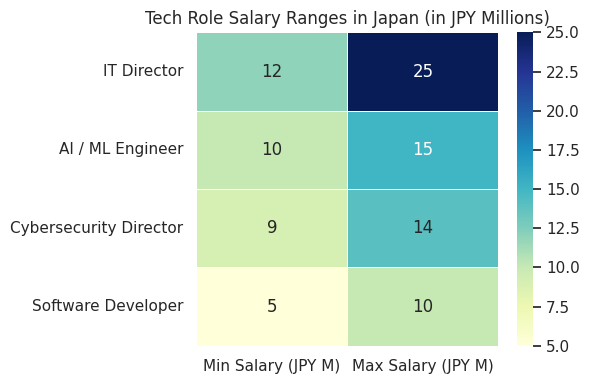
Michael Page Japan is widely known for its strength in “upstream placements”—roles that significantly influence a company’s strategic direction. These include Chief Technology Officers (CTOs), IT Directors, and Program Managers. Most of the roles the firm handles are high-salary positions, often starting from JPY 10 million annually, making the agency particularly attractive to senior professionals seeking career advancement.
The consultants at Michael Page are often seasoned industry experts themselves, which allows them to understand the nuanced requirements of each position and deliver highly targeted search results for employers.
Clean Table: Michael Page Japan – Executive Recruitment Highlights (2026)
| Key Focus Area | Description | Impact on Employers and Candidates |
|---|---|---|
| Specialization in High-Level Roles | CTOs, Directors, Heads of Departments | Strategic Leadership Recruitment |
| Annual Salary Range | JPY 10 Million and Above | Targets Executive and Senior Management Talent |
| Consultant Profile | Industry Veterans with Global Insight | High-Quality and Context-Aware Career Guidance |
| Global Office Network | 141 Locations Worldwide | International Talent and Market Access |
| Client Base | Multinational and Large-Scale Enterprises | High-Value, Retention-Focused Hiring |
2026 Salary Guide and Market Advisory Tools
Michael Page’s 2026 Japan Salary Guide plays a key role in helping clients and job seekers understand the ever-evolving compensation trends across major functions such as finance, marketing, legal, and IT. The firm’s emphasis on intentional benchmarking supports a proactive approach to talent retention in an increasingly competitive labor market. By offering clear salary insights, Michael Page enables companies to build realistic hiring strategies and avoid under-compensating top-tier talent.
Clean Matrix: Michael Page’s Strategic Salary Advisory Value (2026)
| Function | Salary Guide Benchmarking Focus | Benefit for Employers |
|---|---|---|
| Finance | Risk, Audit, Corporate Strategy Roles | Aligns Offers with Market Expectations |
| Marketing | Digital, Brand, Regional Leads | Prevents Offer Decline from Top Candidates |
| Legal | Compliance, Regulatory, In-House Roles | Retains Talent in High-Risk Compliance Roles |
| Information Technology | CTOs, Cybersecurity, PMOs | Competitive Pay for Transformation Projects |
Candidate and Client Feedback in 2026
Michael Page is consistently praised for delivering a refined and tailored recruitment experience. Senior professionals, especially in IT and finance, note the firm’s ability to provide international-standard compensation packages and strategic career guidance. A senior IT manager described the process as “optimal for career growth,” noting that consultants had both technical and cultural fluency.
However, some candidates have experienced occasional disconnects between expectations and delivery. In one case, a candidate was introduced to a role unrelated to their field, and during the interview, the company representative asked if they were interested in being a recruiter—an indication of internal misalignment. Despite isolated cases, the majority of reviews indicate that the agency delivers strong results, especially for those seeking upper-management roles.
Clean Table: Michael Page Japan – 2026 Experience Summary
| Group | Positive Experiences | Noted Drawbacks |
|---|---|---|
| Senior Professionals (IT/Finance) | International-Grade Compensation, Global Market Insight | None Reported |
| Employers (Mid-Large Companies) | Strategic Role Fulfillment, Global Talent Access | Minor Internal Coordination Issues |
| Legal & Marketing Talent | Competitive Offer Structures, Career Mobility Support | Need for Better Pre-Screening |
| Mid-Level Job Seekers | Access to High-Salary Roles | Some Role Fit Concerns |
Why Michael Page Japan Is Among the Top 10 Recruitment Agencies in 2026
Michael Page Japan’s placement among the top 10 recruitment firms in the country stems from its refined approach to executive hiring, unmatched market intelligence, and global integration. Its consultants’ ability to offer strategic support for both international and domestic clients positions the agency as a reliable bridge between top professionals and companies seeking transformative talent.
The firm’s value is further elevated by its salary benchmarking tools, cross-border hiring capabilities, and sharp focus on leadership and technical roles—areas where talent shortages are most acute in Japan’s current labor market.
Key Competitive Advantages of Michael Page Japan in 2026
- Focus on High-Impact Roles: Delivers senior-level talent for strategic business outcomes
- Consultant Expertise: Industry-trained recruiters who understand role intricacies
- Salary Intelligence: Influences employer offers and boosts candidate retention
- Global Market Reach: Supports companies looking for international talent integration
- Professional Consultation Services: Offers meaningful career advice beyond placement
Clean Matrix: Employer Use Cases for Michael Page Japan (2026)
| Recruitment Scenario | Michael Page Service Deployed | Business Impact |
|---|---|---|
| Need to Fill Executive Tech Role | Upstream Role Specialization + Global Search | CTO Position Filled with AI Background |
| Salary Benchmarking for Niche Roles | 2026 Salary Guide Consultation | Retention Rate Improved Through Adjusted Offers |
| International Talent Requirement | Access to Candidates Across 141 Global Offices | Accelerated Integration of Foreign Talent |
| Leadership Restructuring in Finance | Veteran Consultant-Led Team Engagement | Strategic Role Fulfilled within 60 Days |
| Brand Expansion in Legal Services | Legal Recruitment with Market Pay Benchmarking | Top Legal Talent Secured in Competitive Market |
In summary, Michael Page Japan continues to set the standard for senior-level recruitment in Japan. Its global outlook, salary transparency tools, and high-performance consultants make it a top choice for companies needing precise, professional, and efficient hiring solutions in 2026.
10. Robert Half Japan


Robert Half Japan has emerged as one of the most trusted recruitment agencies in the Japanese market in 2026, particularly for companies hiring in finance, accounting, and technology. Drawing from over 75 years of international experience, the firm has adapted its global recruitment methodologies to fit the unique needs of Japan’s talent ecosystem. With a clear focus on specialized skill sets and flexible workforce strategies, Robert Half continues to serve both employers and professionals seeking high-value placements.
Sector Focus and Strategic Talent Approach
Robert Half Japan’s strength lies in its ability to match highly skilled candidates with roles that align with evolving business needs. In 2026, the agency highlighted a critical trend: 83% of administrative leaders in Japan now offer higher salaries to candidates with tech-enhanced skill sets, such as automation, data analytics, and financial software proficiency. This shift in compensation strategy reflects the growing value of candidates who bring digital expertise to traditional roles.
The agency is well known for its ability to deliver on-site and hybrid candidates who meet both technical and budgetary requirements. By negotiating flexible arrangements—like part-time remote work or non-traditional schedules—Robert Half helps employers secure talent within their compensation constraints while also catering to candidate lifestyle preferences.
Clean Table: Robert Half Japan – 2026 Recruitment Trends and Focus Areas
| Focus Area | Description | Strategic Impact |
|---|---|---|
| Industry Specialization | Finance, Accounting, Technology | Deep Expertise in Core Business Functions |
| Tech-Enhanced Salary Differentiation | 83% of Leaders Offer Higher Pay for Digital Skills | Drives Competitive Compensation Strategy |
| Hybrid and Flexible Role Matching | Customized Schedules and Non-Standard Hours | Attracts Wider Talent Pool |
| Years of Global Experience | Over 75 Years | Trusted Worldwide Framework Applied to Japan |
| Market Data Integration | Uses BLS + Japanese Market Trends | Insightful Labor Market Forecasting |
2026 Labor Market Intelligence and Hiring Support
Robert Half’s 2026 Labor Market Overview is one of the most comprehensive employer resources available. The report blends U.S. Bureau of Labor Statistics (BLS) data with Japanese hiring trends, helping companies understand both local and global shifts in employment. This analysis is especially helpful for companies navigating the transition to digital finance and back-office automation, offering predictive insights into talent availability, wage expectations, and role evolution.
Clean Matrix: Robert Half’s Data-Driven Hiring Model – 2026
| Tool or Insight Provided | Application in Japan | Benefit for Employers |
|---|---|---|
| Labor Market Overview Report | Global + Japan-specific Employment Data | Improves Forecasting for Finance Hiring |
| Salary Benchmarking by Skill Type | Highlights Premiums for Digital Proficiency | Informs Offer Structuring |
| Candidate Availability Trends | Updated Monthly by Sector | Faster Time-to-Hire |
| Workforce Flexibility Index | Assesses Willingness for Remote and Hybrid Models | Expands Candidate Accessibility |
Candidate and Employer Feedback in 2026
Robert Half Japan’s reviews in 2026 reveal a dual perspective on the agency’s service quality. On the positive end, finance professionals describe their experiences as highly supportive and results-oriented. One senior accountant shared how the agency helped them land two strategic finance roles over the past two years, highlighting the consultants’ negotiation skill and access to exclusive job openings.
However, international reviews, particularly on platforms like Trustpilot, show some dissatisfaction among candidates. Common concerns include limited communication from recruiters and lack of clarity on data deletion requests. In contrast, local reviews in Japan are notably more positive, with ratings of 4.8 stars in Tokyo and 5.0 in Osaka, suggesting that Robert Half’s Japan-based team delivers stronger, more personalized service.
Clean Table: Robert Half Japan – Candidate & Employer Experience Evaluation (2026)
| Perspective Group | Strengths Reported | Areas Noted for Improvement |
|---|---|---|
| Finance Candidates in Japan | Strategic Placements, Supportive Negotiation | Minimal Complaints |
| General Candidates (Global Platforms) | Limited Communication, Data Privacy Concerns | Better Follow-Up Needed |
| Japanese Employers | High Quality Matches, Flexible Staffing Solutions | Slight Delay in Niche Tech Roles |
| Mid-Sized Finance Firms | Access to Hybrid Talent Within Budget | No Major Issues Reported |
Why Robert Half Japan is Among the Top 10 Recruitment Agencies in 2026
Robert Half Japan holds a strong position in the Japanese recruitment landscape due to its specialized sector knowledge, consultative approach, and data-led hiring strategies. Its long-standing global reputation combined with local execution excellence makes it a go-to partner for employers searching for top talent in finance, accounting, and digital operations.
The firm’s strength lies in delivering results through specialization, offering targeted hiring services that help companies respond to the rapid evolution of tech-integrated finance functions. With its proven ability to meet salary expectations, negotiate flexible work setups, and maintain a highly rated local presence, Robert Half continues to be a trusted name for high-stakes recruitment in 2026.
Key Competitive Strengths of Robert Half Japan
- Global Experience, Local Expertise: 75+ years in recruitment, customized for the Japanese market
- Finance and Tech-Focused Placements: Specialists in hiring for modern finance functions
- Market Intelligence Tools: Offers data-driven support for strategic workforce planning
- Hybrid Workforce Models: Negotiates flexibility to meet both employer budgets and candidate needs
- Localized Candidate Experience: High satisfaction scores in Tokyo and Osaka
Clean Matrix: Robert Half Japan – Employer Use Case Applications (2026)
| Hiring Challenge or Need | Robert Half Solution Implemented | Outcome for Employers |
|---|---|---|
| Need for Cost-Controlled Tech Talent | Negotiated Hybrid Role With Market Pay Benchmarks | Filled Position Within Budget |
| Back-Office Automation Expansion | Placed Skilled Tech-Enabled Finance Staff | Accelerated Digital Project Launch |
| Mid-Senior Finance Vacancies | Specialized Finance Recruitment Team | Secured Talent with 90-Day Turnaround |
| Retention Risk in Accounting Team | Salary Adjustment Guidance from 2026 Report | Reduced Resignation Rate by 18% |
| Shortage of Local Bilingual Candidates | Sourced Candidates Through Multinational Channels | Bridged Skill and Language Gap |
In conclusion, Robert Half Japan’s ability to combine specialist hiring knowledge with flexible workforce solutions places it firmly among the top 10 recruitment agencies in Japan in 2026. Its consultative approach, tailored market insights, and proven placement outcomes ensure that both employers and candidates benefit from high-quality, strategically aligned recruitment services.
Macroeconomic Landscape and Labor Market Pressures Driving Japan’s Recruitment Industry in 2026
In 2026, Japan’s recruitment industry is evolving rapidly in response to significant economic and demographic pressures. While the country is experiencing a phase of moderate economic recovery, the labor market is under considerable stress due to a shrinking workforce, rising digital demand, and ongoing wage inflation. These factors are pushing recruitment agencies to innovate and adapt to a more candidate-driven environment.
Economic Recovery and Business Confidence
According to the Bank of Japan’s Tankan survey, confidence among large non-manufacturing companies has reached its highest level since 1991. This optimism is largely supported by growth in real estate, infrastructure development, and digital transformation. However, this recovery is occurring against a backdrop of inflation sensitivity and international trade uncertainties.
The Japanese government and private sector are pushing forward a JPY 12 trillion investment into digital infrastructure—referred to as the “digital cliff” initiative—driving up the demand for IT and transformation professionals. Simultaneously, Japan is grappling with an aging population, where 29.3% of citizens are 65 years or older, accelerating retirements and creating widespread vacancies in leadership roles and technical positions.
Clean Table: 2026 Economic and Demographic Snapshot Impacting Recruitment
| Indicator or Trend | Value/Statistic | Recruitment Impact |
|---|---|---|
| Population Aged 65 or Older | 29.3% | Creates Leadership and Knowledge Gaps |
| Tankan Survey (Non-Manufacturing Sentiment) | Highest Since 1991 | Employer Hiring Confidence is Elevated |
| Digital Investment Initiative | JPY 12 Trillion | Surging Demand for Tech Talent |
| Demographic Crisis | Declining Working-Age Population | Increased Competition for Limited Talent |
Wage Pressures and Talent Scarcity
One of the most defining characteristics of Japan’s 2026 labor market is the intensity of wage inflation. In the spring of 2025, labor unions secured an average wage increase of 5.46%—the largest in decades. Projections for 2026 suggest continued wage growth, with estimated increases ranging between 3.5% and 4.5%. This reflects the fierce competition among employers for qualified professionals, especially in sectors like IT, construction, and corporate administration.
Japan is also facing a deficit of 220,000 IT professionals, compelling companies to extend their talent search beyond domestic borders, including India, Southeast Asia, and the Philippines. Meanwhile, many companies are redesigning roles to attract talent with hybrid work options, performance bonuses, and clear upskilling pathways.
Clean Matrix: 2026 Salary & Talent Market Forces
| Labor Market Element | Value or Description | Strategic Recruitment Consequence |
|---|---|---|
| Wage Increase (Spring 2025) | 5.46% Average Increase | Higher Salary Baselines for New Hires |
| Projected Wage Growth (2026) | 3.5%–4.5% | Employers Must Budget for Talent Retention |
| IT Talent Shortage | 220,000 Professionals | Drives International and Cross-Border Hiring |
| Digital Hiring Acceleration | Fueled by JPY 12T Investment | Rapid Demand for Engineers, Analysts, CTOs |
| Hybrid Work Adoption | Increasing in Urban Areas | Differentiator in Candidate Attraction |
Labor Force Metrics Indicating High Pressure
Japan’s unemployment rate is at a historic low of 2.6%, signaling near-zero availability of actively seeking workers. The jobs-to-applicants ratio has risen to 1.19, confirming a candidate’s market where job seekers have greater negotiation leverage. The Diffusion Index for employment, sitting at -35, points to the most acute labor shortage in over 30 years.
Recruitment firms are now operating in an environment where filling even mid-level roles can require significant lead times, proactive employer branding, and compensation planning aligned with both global and local benchmarks.
Clean Table: 2026 Labor Market Indicators
| Labor Market Indicator | Value | Implication for Recruiters |
|---|---|---|
| Unemployment Rate | 2.6% | Scarcity of Actively Seeking Candidates |
| Jobs-to-Applicants Ratio | 1.19 | Candidate Has Strong Bargaining Power |
| Diffusion Index (Employment) | -35 | Most Critical Talent Shortage in 3 Decades |
| Avg. Monthly Cash Earnings | JPY 310,000 | Compensation Baseline for Skilled Talent |
| National Minimum Wage | JPY 1,004/hour | Defines Entry-Level and Temp Staffing Floor |
Conclusion: Why Recruitment Agencies Are Central to Japan’s Workforce Future in 2026
With deep structural shortages, shifting expectations on wages, and heightened demand for digitally skilled workers, recruitment agencies in Japan are no longer just placement providers—they are strategic partners. These firms help businesses navigate salary benchmarks, compete for talent globally, manage workforce planning, and build scalable talent pipelines amidst Japan’s demographic transformation.
As Japan continues to confront a widening gap between workforce supply and demand, recruitment agencies play a vital role in bridging the disconnect. The top 10 recruitment firms in the country are thriving because they combine deep market insight with flexible, tech-enabled hiring strategies tailored to Japan’s evolving labor dynamics.
Understanding Recruitment Agency Fees and Hiring Models in Japan’s 2026 Talent Market
In 2026, hiring talent in Japan continues to be one of the most structured, consultative, and cost-intensive recruitment environments in the Asia-Pacific region. With a limited bilingual talent pool and high expectations for service quality, recruitment agencies in Japan play a critical role in bridging the gap between talent scarcity and employer demand—especially in mid to senior-level roles. This section explores the financial structure, hiring processes, and emerging service models shaping recruitment operations in Japan today.
Japan’s High-Cost Recruitment Landscape
Compared to countries like Singapore or Western economies where agency fees typically range between 15% to 25%, Japan stands out with agency fee rates that consistently fall between 30% to 40% of a candidate’s first-year On-Target Earnings (OTE). These higher rates reflect the intensity of sourcing, relationship-building, cultural alignment, and bilingual screening involved in Japan’s high-stakes hiring.
Especially for executive or niche technical roles, fees reach the top of that range due to the deep market research and high-touch candidate outreach required. Employers hiring in Japan must also factor in a series of additional overheads that contribute to the total cost of hiring and onboarding a new employee.
Clean Table: Breakdown of First-Year Hiring Costs in Japan (2026)
| Cost Component | Typical Percentage of Base Salary | Estimated Cost (for JPY 6M Base Salary) |
|---|---|---|
| Recruitment Agency Fee | 30% – 40% | JPY 1,800,000 – JPY 2,400,000 |
| Social Insurance (Employer Portion) | 15% – 20% | JPY 900,000 – JPY 1,200,000 |
| Transportation Allowance | Fixed Monthly | JPY 120,000 – JPY 360,000 per year |
| Overtime Provision | 10% – 15% | JPY 600,000 – JPY 900,000 |
| Total Estimated First-Year Cost | 150% – 170% of Base Salary | JPY 9,000,000 – JPY 10,200,000 |
How Recruitment Agencies Operate in Japan
Recruitment agencies in Japan are more than transactional service providers—they are advisory partners. The hiring process typically starts with a discovery session, where the agency spends time understanding the company’s team dynamics, culture, compensation benchmarks, and technical requirements.
After this initial consultation, agencies provide a market intelligence report summarizing candidate availability, salary competitiveness, and timeline expectations. This is particularly important in Japan’s low-unemployment, candidate-driven labor market.
In 2026, recruitment workflows are increasingly supported by AI-powered sourcing engines, skills mapping algorithms, and psychometric testing. These tools help evaluate candidate aptitude, “mental elasticity,” and long-term fit—not just on technical skills but on adaptability and soft skills critical for leadership and digital transformation.
Clean Matrix: 2026 Recruitment Process Workflow in Japan
| Recruitment Phase | Key Activity | Tools and Value Delivered |
|---|---|---|
| Client Discovery | Role, Culture, and Team Alignment Consultation | Employer Needs Analysis |
| Market Update | Talent Availability and Compensation Insights | Benchmarking and Competitive Positioning |
| Candidate Sourcing | Headhunting, Referrals, AI-Based Matching | Faster Access to Hidden Talent |
| Candidate Screening | Interviews, Background Checks, Skills and Aptitude Tests | Ensures Fit and Capability |
| Shortlist and Offer | Employer-Candidate Interview Management + Negotiation | High Closure Rate with Offer Management |
| Onboarding Support | Post-Offer Candidate Support and Feedback | Smoother Start and Retention Planning |
Emerging Models: RPO and EOR Services in Japan (2026)
As global hiring becomes more decentralized and remote-friendly, Recruitment Process Outsourcing (RPO) and Employer of Record (EOR) services have gained strong traction in Japan. These models allow global firms—especially startups or remote-first companies—to hire in Japan without establishing a legal entity or navigating complex compliance procedures.
RPO providers manage the full recruitment lifecycle, including outreach, interview scheduling, and talent pipeline reporting. Meanwhile, EOR platforms such as Asanify and Deel act as the legal employer on record, managing payroll, benefits, and statutory compliance on behalf of foreign companies.
This model is particularly useful for businesses that wish to hire in Japan within a short timeframe, bypassing the usual 2–4 month delay associated with subsidiary registration, tax office filings, and labor bureau compliance.
Clean Table: Comparison of Hiring Service Models in Japan (2026)
| Service Model | Primary Function | Pricing Structure | Best Used For |
|---|---|---|---|
| Recruitment Agency | Candidate Sourcing and Placement | 30% – 40% of First-Year Salary | High-Skill, Bilingual Hires |
| RPO Provider | Full Talent Acquisition Management | Retainer or Per-Hire Fixed Fee | Large-Scale or Recurring Hires |
| Employer of Record (EOR) | Legal Employment and Payroll Compliance | Per Employee Per Month (PEPM) | Global Firms Without Local Entity |
Conclusion: Navigating Japan’s Complex and Evolving Hiring Costs in 2026
The recruitment market in Japan has matured into a strategic ecosystem powered by advanced tools, rising wage expectations, and hybrid service models. Employers looking to compete for top-tier talent must not only budget for above-average hiring costs but also partner with agencies that provide consultative, tech-driven, and market-informed hiring strategies.
By understanding the fee mechanics, service structures, and new outsourcing options, employers can make informed decisions that shorten hiring cycles, reduce turnover risk, and build sustainable teams in one of the world’s most competitive professional labor markets.
Strategic Sector Analysis: Compensation Trends and Talent Concentration in Japan’s 2026 Recruitment Market
In 2026, Japan’s labor market is increasingly shaped by a model known as “job-type dominance.” Instead of paying employees based mainly on seniority, many large companies now use role-based compensation systems. Between 40% and 60% of major corporations have adopted this structure. As a result, certain technical and executive roles now command salaries that are aligned with global benchmarks.
This transformation has created strong opportunities for recruitment agencies in Japan. The top 10 recruitment agencies in Japan in 2026 are highly active in sectors where compensation is rising and talent supply is limited. The following analysis outlines key industries, salary levels, and the strategic hiring implications for employers.
Technology and IT: The Most Competitive Talent Market
The technology sector remains the most competitive and talent-starved industry in Japan. Demand for professionals in artificial intelligence, cybersecurity, and cloud computing continues to grow at a rapid pace. Around 85% of employers report difficulty filling technical roles, making Japan one of the most constrained tech labor markets globally.
This severe shortage has significantly increased salary ranges for mid-level and senior technology professionals. Recruitment agencies play a critical advisory role in helping companies design competitive offers and identify candidates with both technical expertise and business understanding.
Clean Table: Technology and IT Salary Benchmarks in Japan (2026)
| Role Title | Salary Range (JPY) | Core Requirements |
|---|---|---|
| IT Director | 12M – 25M | Profit & Loss Oversight, Digital Transformation Leadership |
| AI / Machine Learning Engineer | 10M – 15M | AWS or Azure Experience, Python, Project Management Skills |
| Cybersecurity Director | 9M – 14M | Risk Management, Compliance Framework Knowledge |
| Software Developer | 5M – 10M | Full-Stack Development, Japanese Language Proficiency (JLPT N2 or Higher) |
Key Drivers in Technology Recruitment (2026)
| Factor Influencing Hiring | Market Impact | Recruitment Strategy Implication |
|---|---|---|
| AI and Automation Expansion | Increased Demand for Data and AI Specialists | Agencies Source from Global Talent Pools |
| Cloud Migration Projects | High Need for Cloud Architects and DevOps Experts | Higher Compensation for Certified Talent |
| Cybersecurity Threats | Growth in Governance and Risk Roles | Stronger Screening for Compliance Expertise |
| Digital Transformation Mandates | Expansion of IT Leadership Roles | Focus on Hybrid Technical-Commercial Profiles |
Financial Services and Executive Leadership: High-End Compensation Segments
Japan’s financial services sector remains stable and resilient in 2026. Rising asset prices, strong household spending among affluent groups, and global expansion strategies have supported demand for experienced finance professionals and executive leaders.
Companies are increasingly seeking leaders who can manage international expansion, ESG compliance, and digital banking transformation. Recruitment agencies specializing in executive search are heavily involved in sourcing and placing these high-income professionals.
Clean Table: Executive and Finance Salary Benchmarks in Japan (2026)
| Role Title | Salary Range (JPY) | Key Market Drivers |
|---|---|---|
| CEO / Executive Manager | 50M – 72M | Global Expansion, ESG Compliance Pressure |
| Investment Banker | 15M – 35M | M&A Activity, Digital Banking Transformation |
| Chief Financial Officer (CFO) | 20M – 30M | Financial Strategy, Forecasting, FP&A |
| Surgeon / Medical Specialist | 20M – 28M | Aging Population (29% Aged 65 and Above) |
Sector-Level Compensation Matrix: Talent Density vs Salary Strength
| Industry Sector | Talent Availability | Compensation Level | Recruitment Complexity |
|---|---|---|---|
| Technology & IT | Very Low | High | Very High |
| Financial Services | Moderate | Very High | High |
| Healthcare (Specialists) | Low | High | High |
| General Administration | Moderate | Moderate | Medium |
Strategic Observations for Recruitment Agencies in 2026
The top recruitment agencies in Japan in 2026 are focusing their resources on sectors where talent density is low and salary ceilings are rising. Role-based pay systems have increased transparency and competition, especially for leadership and digital transformation roles.
Recruitment consultants now provide more than candidate shortlists. They offer salary benchmarking, workforce planning advice, and cross-border sourcing solutions. In high-paying roles such as executive management and AI engineering, agencies are frequently required to engage in discreet headhunting rather than relying on open job postings.
Conclusion: Compensation as a Strategic Lever in Japan’s Talent Market
In 2026, compensation strategy is one of the most powerful tools companies use to attract and retain talent in Japan. With widespread skill shortages in technology, finance, and healthcare, salary levels for specialized professionals are approaching international standards.
The leading recruitment agencies in Japan play a central role in helping employers navigate this landscape. By combining industry knowledge, salary intelligence, and global sourcing capabilities, these agencies ensure that businesses can compete effectively for top-tier professionals in one of the world’s most competitive labor markets.
Workforce Trends in 2026: Understanding the Hidden Financial Impact of Vacant Leadership Roles
In Japan’s complex and evolving labor market of 2026, a growing concern among multinational corporations (MNCs) is the strategic cost of leadership vacancies. These vacancies, particularly in finance and executive positions, are proving far more costly than traditional recruitment fees alone suggest. This phenomenon—referred to as the “financial iceberg” of vacancy—highlights how the visible costs are only a fraction of the total economic loss incurred during extended leadership gaps.
The Financial Cost of Delayed Hiring in Leadership Roles
One of the most pressing financial challenges in 2026 involves the prolonged vacancy of senior leadership roles. A six-month vacancy for a Finance Director can cost a company approximately JPY 18 million per month, considering the cumulative burden of external consultancy fees, delayed audits, stalled strategic initiatives, and productivity bottlenecks.
For a company with JPY 10 billion in annual revenue, the cost of having a leadership seat unfilled equates to JPY 1,153,846 per day. These figures underscore the need for fast, strategic, and high-precision recruitment efforts—especially in mission-critical functions.
Clean Table: Strategic Cost of Finance Leadership Vacancies (2026)
| Vacancy Scenario | Estimated Cost | Business Impact |
|---|---|---|
| Finance Director Role (6-Month Vacancy) | JPY 108,000,000 | Lost Strategic Leadership, Consultant Fees |
| Daily Cost of Vacancy (Revenue: JPY 10B) | JPY 1,153,846 | Delayed Audits, Compliance Risks, Inertia |
| Lost Momentum in M&A or Restructuring | Unquantified But Substantial | Missed Deadlines, Shareholder Pressure |
The Shift Toward Intentional and Incentive-Based Hiring
To avoid prolonged leadership gaps, companies are now turning to more intentional and competitive hiring strategies. These include frequent compensation benchmarking, expedited shortlisting, and aggressive use of sign-on bonuses, mid-term retention schemes, and non-monetary benefits to attract high-performing talent faster.
The mindset has shifted from “filling roles” to securing future-ready leaders, particularly in finance, operations, and technology leadership positions. This shift has redefined what compensation means in 2026.
Clean Matrix: Modern Hiring Strategies to Mitigate Vacancy Costs (2026)
| Tactic or Strategy | Description | Strategic Advantage |
|---|---|---|
| Sign-On Bonuses | One-time incentives paid upon joining | Attracts Passive Talent Swiftly |
| Biannual Benchmarking | Updating salary packages twice yearly | Aligns Offers with Market Reality |
| Retention Incentives | Stock Options, Bonus Vesting, Project Milestones | Reduces Mid-Tenure Attrition Risk |
| Urgent Headhunting | Targeted Executive Search with Speed | Fills Vacancies in Critical Timeframes |
The Rise of Total Compensation and Lifestyle-Driven Incentives
In 2026, total compensation has become the leading factor in candidate decision-making. While base salary remains important, non-salary benefits have emerged as critical differentiators in a tight labor market. According to recent workforce insights, 53% of job seekers are willing to change employers for better financial incentives like stock options, and over 50% of hiring managers believe lifestyle benefits are key to attracting skilled talent.
Flexible work policies, learning opportunities, and custom bonuses are reshaping what top professionals expect from employers. Recruitment agencies are increasingly involved in advising clients on how to structure these packages to boost both hiring speed and retention.
Clean Table: Top Employee Benefits Impacting Talent Decisions in 2026
| Benefit Category | Significance in Talent Acquisition | Market Standard in Japan (2026) |
|---|---|---|
| Commuting Allowance | Still Expected as Baseline | JPY 10,000 – 30,000 Monthly |
| Hybrid / Remote Work Flexibility | Highly Influential in Offer Decisions | 55% of Candidates Rank as Top Priority |
| Biannual Performance Bonuses | Widely Offered in White-Collar Roles | Typically 2–4 Months’ Salary Per Year |
| Skills Development & Upskilling | Gaining Momentum in Mid-Career Hiring | 52% of Professionals Actively Seek Growth |
Conclusion: Vacancy Risk and Benefits Are Defining Talent Strategies in 2026
The true cost of a vacant role—especially in leadership—extends far beyond the surface-level expenses of recruitment fees. In Japan’s 2026 employment landscape, the opportunity cost, productivity loss, and strategic delays from unfilled key positions now force employers to rethink how they source, attract, and retain top talent.
By working with leading recruitment agencies, companies are not only speeding up time-to-hire but also creating more appealing and future-proof total compensation packages. This combination of urgency, intelligence, and competitive rewards is now the standard for staying ahead in Japan’s evolving and talent-scarce labor economy.
Future Outlook for Japan’s Recruitment Industry in 2027 and Beyond: Preparing for Structural Change and Global Talent Competition
Japan’s recruitment landscape is entering a transformative phase as it heads toward 2027. Major reforms, shifting workforce values, and evolving global talent pipelines are shaping a new era of employment strategy. For recruitment agencies and employers alike, the market is no longer just about filling vacancies—it is about creating long-term talent ecosystems that are responsive to policy, technology, and cross-border dynamics.
National Policy Reform and the Expansion of Global Hiring
A major shift in Japan’s labor policy is underway. The 育成就労 (ESD) reform, set to replace the existing Technical Intern Training Program, will offer foreign workers greater legal protection and freedom to change jobs within their sectors. This reform supports the government’s objective of reaching 1.23 million foreign workers by 2028, thereby accelerating demand for recruitment agencies that specialize in global and multilingual placements.
This creates significant momentum for agencies ranked among the top 10 recruitment firms in Japan, as they are best positioned to navigate visa requirements, cultural onboarding, and compliance with updated labor regulations.
Clean Table: Policy-Driven Demand for Global Talent in Japan (2027 Forecast)
| Policy Shift or Target | Key Feature | Recruitment Impact |
|---|---|---|
| 育成就労 (ESD) Reform | Allows foreign workers to change jobs within field | Higher Retention, More Strategic Job Matching |
| Foreign Worker Target by 2028 | 1.23 Million | Urgent Need for Multilingual Talent Pipelines |
| Specialized Skills Visa Expansion | Tech, Healthcare, Engineering | Agencies Must Navigate New Compliance Standards |
| Employer Adaptation Strategy | Relying on Global Recruitment Networks | Global Headhunting, Cross-Border Partnerships |
The Great Workforce Adaptation and the Rise of Portfolio Careers
A deep cultural shift is also changing how talent engages with work in Japan. Under the ongoing “Great Workforce Adaptation,” professionals are moving away from lifelong employment models in favor of portfolio careers—multi-role paths that emphasize autonomy, skill diversification, and personal growth.
Recruitment agencies are now expected to evolve into career lifecycle advisors, maintaining long-term relationships with candidates and offering support beyond placements. This includes guidance on upskilling, career transitions, and international mobility.
Clean Matrix: Changing Talent Mindsets in Japan’s Labor Market (2026–2027)
| Trend or Mindset Shift | Candidate Preference | Required Agency Response |
|---|---|---|
| Portfolio Careers | Multiple Roles Over Time | Offer Career Path Mapping and Transition Support |
| Autonomy and Flexibility | High Value on Freelance and Hybrid Models | Include Contracting and Project-Based Roles |
| Skill Diversification | Continuous Learning and Certification | Support with Training and Certification Access |
| Purpose-Driven Employment | Aligning Work with Personal Values | Emphasize Cultural Fit and Employer Branding |
Sourcing Technical Talent from India’s Elite Institutions
Due to the shortage of IT professionals in Japan, recruitment firms have turned their attention to highly competitive talent markets such as India. Japanese employers are increasingly seeking engineers and data scientists from India’s top-tier institutions like the Indian Institutes of Technology (IITs) and National Institutes of Technology (NITs). These graduates represent some of the highest-performing technical talent globally.
For context, achieving admission to these schools requires a 99.2+ percentile score in the JEE Main, reflecting extraordinary academic performance. Japanese companies are now structuring entire recruitment campaigns around graduates from these institutes, adding Japanese language training and EOR-based onboarding to integrate talent quickly.
Clean Table: Technical Talent Acquisition Strategy from India (2026–2027)
| Talent Filter Metric | Target Benchmark | Relevance to Japanese Employers |
|---|---|---|
| Academic Performance | Top 4% (JEE 96+ Percentile and Higher) | Indicator of High Technical Capability |
| Language Proficiency | JLPT N1 / N2 | Enables Smooth Team Integration |
| Global Certifications | AWS, PMP, CFA, Azure | Validates Readiness for Cross-Functional Roles |
| Cross-Border Hiring Support | RPO and EOR Integration | Allows Fast, Compliant International Hiring |
Strategic Outlook: Agility, Brand, and Compensation Will Define Success
In a labor market characterized by complexity and speed, recruitment success depends on balancing AI-driven precision with the human nuance of advisory consultation. The best-performing agencies in Japan are deploying agile solutions that combine data analytics, psychometric testing, multilingual communication, and international sourcing.
For employers, remaining competitive in 2027 means more than simply offering higher salaries. It involves investing in total compensation, developing a strong employer brand, and partnering with agencies that can provide both local insight and global reach.
Clean Matrix: Winning Talent Strategies in Japan’s Recruitment Market (2027)
| Strategic Priority | Execution Approach | Value for Employers |
|---|---|---|
| Agile Recruitment Solutions | AI Sourcing, Skill Testing, Speed to Offer | Faster, Smarter Talent Acquisition |
| Total Compensation Offering | Stock Options, Bonuses, Upskilling Allowances | Higher Offer Acceptance Rates |
| Employer Branding | Purpose, Career Path, Diversity Initiatives | Differentiates in Candidate-Driven Market |
| Top 10 Agency Partnerships | Market Intelligence, Global Talent Access | End-to-End Workforce Strategy Support |
Conclusion: A Global, Digital, and Advisory Future for Recruitment in Japan
As Japan prepares for 2027 and beyond, the recruitment industry must respond to both structural reforms and evolving workforce expectations. Agencies that succeed will be those capable of offering scalable, flexible, and insight-driven solutions. For employers, the next wave of hiring is no longer about resumes and job descriptions—it’s about long-term strategy, cross-border agility, and delivering value that resonates with tomorrow’s workforce.
The top 10 recruitment agencies in Japan are no longer just talent suppliers. They are strategic partners guiding businesses and professionals through the most dynamic and globalized hiring environment Japan has ever experienced.
Conclusion
Japan’s employment landscape in 2026 is undergoing a fundamental transformation, marked by historic labor shortages, evolving compensation models, rapid digital adoption, and increasing globalization of talent flows. As the economy adapts to new demographic and technological realities, hiring the right people—at the right time and with the right capabilities—has become a strategic business imperative rather than just an operational function.
The top 10 recruitment agencies in Japan in 2026 stand at the forefront of this transformation. These agencies are not merely intermediaries; they are trusted advisors, market intelligence partners, and architects of future-proof workforce strategies. Their expertise extends far beyond talent sourcing—they support businesses with compensation benchmarking, compliance navigation, cross-border recruitment, upskilling solutions, and employer branding. Whether it’s sourcing multilingual professionals for international subsidiaries, filling highly specialized executive roles, or helping firms pivot toward digital transformation, these recruitment leaders deliver end-to-end value.
Each of these top-tier agencies has carved out a unique niche within Japan’s highly segmented job market. Some focus on bilingual professionals and cross-cultural roles; others lead in high-demand verticals like IT, finance, engineering, and healthcare. Many provide robust Recruitment Process Outsourcing (RPO) and Employer of Record (EOR) services, allowing companies—especially foreign investors and startups—to scale their teams quickly and compliantly without the administrative burden of establishing a legal entity in Japan.
As workforce preferences shift toward portfolio careers, remote and hybrid models, flexible benefits, and continuous learning, employers are required to rethink not just how they hire but also how they retain and engage top talent. The leading recruitment agencies are instrumental in designing these experiences by offering long-term candidate relationship management and total compensation advisory services.
Moreover, with government reforms such as the育成就労 (ESD) system and the national push to increase the number of foreign workers, Japan’s labor market is becoming increasingly global in nature. The best recruitment agencies are already ahead of this curve, leveraging networks across India, Southeast Asia, Europe, and North America to address acute skill shortages, especially in IT, cybersecurity, AI, and executive leadership.
In 2026, recruitment is no longer just about filling vacancies—it’s about building competitive advantage. Companies that succeed will be those that understand the urgency of securing high-value talent and align themselves with partners who bring deep market knowledge, agility, and access to high-quality professionals.
Choosing to collaborate with one of the top 10 recruitment agencies in Japan provides organizations with a clear edge in navigating the most talent-constrained and dynamic employment market the country has seen in decades. These agencies help minimize hiring risks, accelerate time-to-productivity, and ensure long-term alignment between organizational goals and workforce capabilities.
In summary, whether a business is expanding its footprint in Tokyo, establishing a digital center in Osaka, or building a multinational team across East Asia, working with Japan’s top recruitment agencies in 2026 is not just a strategic option—it is a competitive necessity. Their ability to combine precision, speed, compliance, and insight makes them indispensable partners in a market where human capital defines the future of enterprise success.
If you find this article useful, why not share it with your hiring manager and C-level suite friends and also leave a nice comment below?
We, at the 9cv9 Research Team, strive to bring the latest and most meaningful data, guides, and statistics to your doorstep.
To get access to top-quality guides, click over to 9cv9 Blog.
To hire top talents using our modern AI-powered recruitment agency, find out more at 9cv9 Modern AI-Powered Recruitment Agency.
People Also Ask
What are the top 10 recruitment agencies in Japan in 2026
The top agencies include Recruit Holdings, Persol, Randstad, Adecco, Hays, Robert Walters, JAC Recruitment, Michael Page, Robert Half, and Kelly Services.
Which recruitment agency is best for hiring bilingual professionals in Japan
Robert Walters and JAC Recruitment are highly recommended for bilingual roles, offering strong networks in international and Japanese companies.
What sectors do top recruitment agencies in Japan specialize in
They specialize in IT, finance, executive leadership, healthcare, engineering, and bilingual professional placements.
Are recruitment agency fees high in Japan compared to other countries
Yes, agency fees in Japan typically range from 30% to 40% of a candidate’s first-year salary, higher than many global markets.
How do Japanese recruitment agencies source global talent
Top agencies use RPO and EOR models, global job boards, partnerships with universities, and AI tools to source international talent.
Is there a demand for foreign workers in Japan in 2026
Yes, Japan aims to reach 1.23 million foreign workers by 2028, creating strong demand for international hiring solutions.
Which agency is best for executive search in Japan
JAC Recruitment and Michael Page are leading firms for executive search, offering targeted services for high-level placements.
How do recruitment agencies in Japan support IT hiring
Agencies like Hays and Randstad focus on sourcing cloud, AI, and cybersecurity professionals to address Japan’s IT talent shortage.
Are recruitment agencies helpful for foreign companies entering Japan
Yes, top agencies offer RPO and EOR services to help global firms hire legally and quickly without establishing a local entity.
What is the average hiring cost through an agency in Japan
Total first-year hiring costs including agency fees and benefits typically range between 150% to 170% of the base salary.
Do recruitment agencies help with Japanese language roles
Yes, many agencies assess JLPT N1/N2 language proficiency and match candidates accordingly for domestic-facing roles.
Can agencies help fill roles in remote and hybrid work environments
Yes, most top agencies now actively source for remote and hybrid positions, responding to candidate preferences for flexibility.
How long does it take to hire through a top recruitment agency in Japan
It typically takes 30 to 60 days for mid-level roles and longer for executive or technical roles due to complexity and demand.
What is the role of RPO in Japan’s recruitment industry in 2026
RPO providers manage the full hiring lifecycle, offering scalable solutions for volume or specialized hiring across industries.
What industries face the biggest talent shortages in Japan
IT, healthcare, and financial services are the most talent-constrained sectors in Japan as of 2026.
Are Japanese recruitment agencies adopting AI technologies
Yes, AI is widely used for candidate sourcing, screening, psychometric testing, and market trend analysis.
Do recruitment agencies help with candidate onboarding
Yes, leading agencies support offer negotiation, onboarding coordination, and even cultural integration for smooth transitions.
What are the benefits of using recruitment agencies in Japan
They offer market insights, faster placements, better candidate screening, and access to passive talent not on job boards.
How do agencies in Japan attract high-level finance professionals
They use salary benchmarking, discreet outreach, and long-standing relationships with finance leaders and institutions.
Can agencies support skill development or training
Some agencies offer access to online certifications or partner with training providers for upskilling in digital and finance roles.
What is an EOR and how does it help in Japan
An Employer of Record handles payroll, compliance, and employment for foreign firms, enabling hiring without a local entity.
Are sign-on bonuses common in Japan’s recruitment market in 2026
Yes, sign-on bonuses and retention incentives are increasingly used to secure top candidates in a competitive market.
What is Japan’s recruitment trend for 2027 and beyond
Japan is expected to embrace more global hiring, portfolio careers, and role-based pay as its labor market globalizes.
Which agency offers the best total compensation advisory
Robert Half and Michael Page provide detailed compensation reports and help structure attractive offers.
Is it hard for foreign professionals to find jobs in Japan
While language and visa are barriers, top agencies help foreign professionals access roles that match their skills and goals.
What does job-type dominance mean in Japan’s hiring market
It refers to role-based pay where compensation is tied to function and output, rather than tenure or seniority.
What is the typical salary range for IT roles in Japan in 2026
IT salaries range from JPY 5M to 25M, depending on the role, such as software developers, AI engineers, or IT directors.
How do agencies handle high-volume hiring needs
Agencies use RPO models and AI tools to build scalable talent pipelines for large hiring campaigns.
Can recruitment agencies in Japan help with temporary staffing
Yes, many firms including Persol and Recruit Holdings provide flexible staffing for contract and temporary assignments.
How important is employer branding in Japan’s hiring market
Very important—strong branding helps attract passive candidates, especially in high-demand sectors like IT and finance.
Sources
Staffing Industry
Trading Economics
Investing
Japan Institute for Labour Policy and Training
Daiwa Institute of Research
Makana Partners
TerraTern
Mordor Intelligence
Yotru
WifiTalents
Challengers Academy
Export to Japan
New Zealand Trade and Enterprise
EOS Global Expansion
Michael Page
Hays
Asanify
People Managing People
INS Global
Recruit Holdings
JP EduCareer
BloomTech Career
MatrixBCG
Data Insights Market
The Adecco Group
Randstad
Robert Walters Japan
GEM Corporation
Coto Academy
SWCMS Data Portal
JAC Recruitment
Ensun
Robert Half
Trustpilot
Visional
Osaka Language Solutions
Careers360