


























Key Takeaways
- AI-powered keyword research tools in 2026 go beyond search volume, helping brands understand deep search intent, conversational queries, and AI-driven zero-click behavior.
- The top 10 AI SEO platforms enable predictive trend analysis, semantic content optimization, and improved visibility in AI Overviews, voice search, and generative search engines.
- Businesses that combine technical SEO, structured data, and AI intent modeling tools are better positioned to earn citations, boost conversions, and dominate modern search ecosystems.
In 2026, the field of digital marketing has evolved dramatically, with artificial intelligence becoming an essential part of how businesses understand and respond to user behavior. Among the most critical areas reshaped by AI are keyword research and search intent analysis—two foundational elements of SEO and content strategy. As consumer queries become more nuanced, personalized, and conversational, traditional keyword tools are no longer enough. Marketers, SEO professionals, and content strategists now rely on advanced AI-powered platforms that can interpret the subtle meanings behind search queries, uncover intent layers, and recommend highly relevant keywords that align with what users are truly looking for.

Search engines have transitioned from being simple information retrieval tools to intelligent systems capable of parsing human-like prompts. In this landscape, long-tail queries, voice searches, and AI-generated answers are becoming the norm. For example, instead of users searching “best CRM,” they’re asking “What is the best CRM for a 10-person remote marketing team under $100 per user monthly that integrates with Slack?” Answering such complex prompts requires tools that go beyond volume and difficulty metrics; they need to interpret intent, segment it across the user journey, and generate predictive insights to optimize content accordingly.
This is where modern AI tools for keyword research and search intent analysis stand out. These platforms harness natural language processing (NLP), machine learning, and predictive modeling to identify not just what people are typing into search engines, but what they mean. In 2026, the top platforms are using massive training datasets, real-time trend data, semantic clustering, and AI-powered scoring systems to recommend content strategies that align perfectly with discovery, evaluation, and conversion intent stages.
Moreover, the zero-click search phenomenon—where users find their answers directly within AI summaries or search previews—has made visibility within those interfaces critical. AI-driven keyword and intent tools now offer features like AI citation prediction, AI Overview placement likelihood, and structured content recommendations that improve a brand’s chance of being surfaced by models like ChatGPT, Google’s AI Overviews, or Bing Copilot. With over 70% of global search traffic now affected by AI engines and interfaces, having the right tool is no longer optional—it’s essential for survival in a hyper-competitive digital ecosystem.
This blog explores the top 10 AI tools in the world in 2026 that are leading the transformation of keyword research and search intent analysis. These platforms have been selected based on innovation, predictive capability, ease of integration, and overall impact on organic visibility in AI-influenced search results. Whether you’re a solo content creator or managing SEO for an enterprise-scale brand, the tools covered in this list represent the cutting edge of AI-powered digital marketing intelligence. Each one has proven its ability to help marketers decode complex search behavior, map high-conversion keyword clusters, and future-proof their strategies in an era dominated by generative AI and reasoning-driven search engines.
Before we venture further into this article, we would like to share who we are and what we do.
About 9cv9
9cv9 is a business tech startup based in Singapore and Asia, with a strong presence all over the world.
With over nine years of startup and business experience, and being highly involved in connecting with thousands of companies and startups, the 9cv9 team has listed some important learning points in this overview of the Top 10 AI Tools For Keyword Research and Search Intent Analysis in 2026.
If you like to get your company listed in our top B2B software reviews, check out our world-class 9cv9 Media and PR service and pricing plans here.
Top 10 AI Tools For Keyword Research and Search Intent Analysis in 2026
- Harbor
- ClickRank
- Semrush
- Ahrefs
- Search Atlas (OTTO)
- SE Ranking (SE Visible)
- Surfer SEO
- Alli AI
- Mangools (KWFinder)
- Ubersuggest
1. Harbor
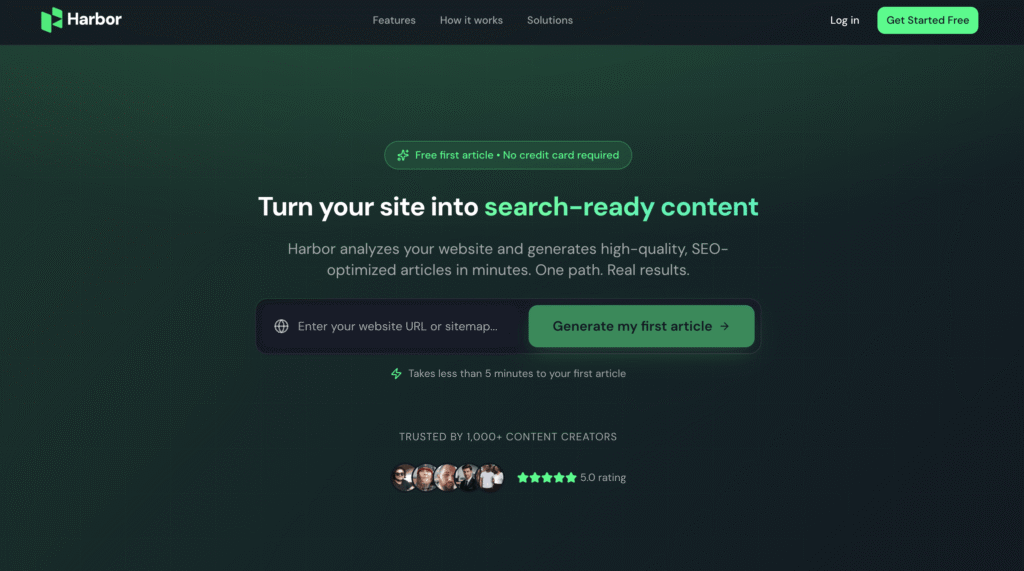
In the fast-moving world of digital marketing, understanding what users want and matching content to their search behavior is more important than ever. This is why businesses and marketers in 2026 are relying heavily on advanced AI tools for keyword research and search intent analysis. Among these tools, Harbor stands out as a leading platform. It offers a unique blend of artificial intelligence, content generation capabilities, and precision-driven organic performance features.
Harbor is especially recognized for supporting SEO professionals, content strategists, and digital growth teams who need reliable, scalable, and smart keyword research systems. With its deep integration of AI modeling and GEO (Generative Engine Optimization) architecture, it gives users the power to uncover hidden content gaps, eliminate keyword cannibalization, and boost their website visibility in a more efficient and autonomous way.
Overview of Harbor’s Key Functionalities
Harbor delivers a comprehensive approach to content strategy, focusing on the full-cycle optimization process. It does not simply offer keyword ideas—it helps users build entire content ecosystems based on user intent, semantic entity recognition, and competitive analysis.
The table below outlines the main functions and features of Harbor that differentiate it from traditional keyword tools:
Functionality Comparison Table
| Feature | Description | Benefit to Users |
|---|---|---|
| Agentic Research Loop | An 8-minute recursive system performing sitemap analysis and knowledge gap detection | Speeds up the process of discovering missing content opportunities |
| GPT-5-Nano Model | Custom-trained large language model tailored for authority and entity-based research | Ensures topic relevance and builds trustworthy domain content |
| Anti-Cannibalization Logic | Proprietary system to prevent keyword overlap across pages | Maximizes site coverage and prevents SEO score dilution |
| Nano Banana Creative Engine | AI-based visual generation system for original infographics, images, and content charts | Improves visual SEO and helps avoid duplicate content penalties |
| Sitemap-Aware Keyword Structuring | Automatically maps keywords to sitemap hierarchy | Simplifies large-scale SEO planning and eliminates structural SEO errors |
| CTR Performance Boost Engine | Empirical tuning based on industry data from niches such as fashion and technology | Users report CTR improvements of up to 390% post-deployment |
| SEO Team Collaboration Suite | Multi-user interface with tracking, reporting, and task management | Ideal for SEO agencies and in-house marketing departments managing multiple domains |
Harbor’s Unique AI Stack and Value Proposition
What sets Harbor apart is how it blends technical search analysis with creative AI content workflows. While many platforms might assist with search volume and difficulty scores, Harbor integrates a recursive sitemap reader, knowledge graph builder, and custom generative engines for text and visuals. This enables teams to design a content pipeline where every page has a strategic purpose and no keyword is wasted.
Harbor also supports:
- Long-tail keyword expansions
- Query clustering by user intent (transactional, informational, navigational)
- Multi-language keyword targeting
- Semantic topic modeling
Its AI stack is purpose-built for Generative Engine Optimization (GEO), aligning perfectly with the 2026 digital search landscape, where generative engines dominate organic discovery. The system is capable of analyzing competitor articles, extracting data table patterns, generating SEO-rich FAQs, and recommending internal link structures—all powered by real-time intelligence.
Pricing Plans and Accessibility
Harbor has developed its pricing structure to support both individual content creators and large agencies. It remains one of the most cost-efficient platforms based on the value it delivers per article.
Harbor Pricing Model
| Plan Type | Monthly Cost | Key Features |
|---|---|---|
| Creator Plan | €29/month | Basic content generation, research loop access, limited image AI support |
| Powerhouse Plan | €119/month | Full access, unlimited Anti-Cannibalization, advanced analytics, €2.09/article |
Performance Impact in Real Industries
Harbor’s platform has been widely adopted by over 15,000 advanced SEO users, including many operating in competitive sectors like clothing and consumer technology. According to performance data collected from active users:
Impact Matrix: Harbor Deployment Outcomes
| Industry Sector | Metric Improved | Percentage Increase Reported |
|---|---|---|
| Fashion eCommerce | Click-Through Rate | Up to 390% |
| SaaS Tech Blogs | Organic Traffic | 220% Growth in 6 Months |
| Affiliate Review Sites | Keyword Rankings | 3.1x Growth on Mid-Volume Terms |
Conclusion
In 2026, Harbor has set a new benchmark for AI-powered keyword research and intent analysis tools. With its strong focus on automation, content originality, and advanced GEO techniques, it gives both marketers and SEO experts a decisive advantage in search visibility. For companies aiming to stay ahead of Google’s generative algorithmic shifts, Harbor’s technology offers not just tools—but a full strategic system for organic dominance.
As one of the top 10 AI tools in its category globally, Harbor is leading the transformation of search marketing from reactive keyword stuffing to proactive, data-driven, and generative content engineering.
2. ClickRank
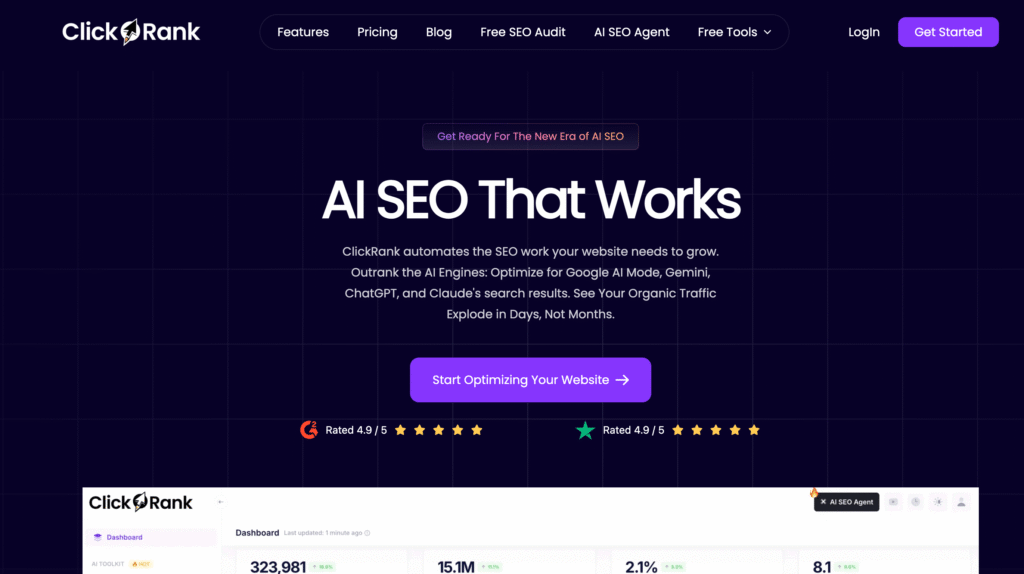
In the constantly evolving landscape of search engine optimization and digital visibility, ClickRank has positioned itself as one of the most forward-looking AI-powered tools for keyword research and search intent analysis in 2026. With a technology-first foundation, ClickRank differs from traditional SEO software by leveraging predictive algorithms, intelligent traffic behavior analysis, and deep on-page performance monitoring to anticipate keyword trends and optimize content accordingly.
ClickRank has gained strong traction among growth-focused marketers, content strategists, and SEO teams who need more than just keyword data—they require actionable insights that are predictive, not reactive. Its platform bridges the gap between search engine mechanics and human behavior by tracking what matters in real-time: rising trends, traffic bottlenecks, and underperforming pages.
Core Features and Technical Capabilities
ClickRank is designed to empower marketers with a comprehensive understanding of keyword dynamics, content performance, and search user behavior. The platform blends real-time data with AI-powered forecasting to drive better content decisions.
Feature Overview Table
| Feature Name | Description | Key Benefit |
|---|---|---|
| AI Search Volume Prediction | Forecasts future keyword popularity before competition intensifies | Enables early-mover advantage on trending search terms |
| True Keyword Difficulty Engine | Evaluates ranking difficulty by analyzing 200+ on-page and off-page factors | Provides more accurate keyword selection for sustainable ranking strategies |
| Low CTRs by Query Report | Highlights pages with good ranking but low click-through rates | Helps identify weak meta elements for immediate optimization |
| Title & Meta Description Generator | Uses AI to rewrite ineffective meta tags based on real-time SERP performance | Boosts visibility and CTR by aligning metadata with search intent |
| Real-Time Rank Monitoring | Continuously tracks keyword performance, position shifts, and SERP volatility | Keeps marketers informed and ready to adjust campaigns instantly |
| Winners vs Losers Report | Comparative analytics between top-performing and declining content pieces | Supports smarter content refresh cycles and resource reallocation |
AI-Driven Search Intent Optimization
One of the platform’s most advanced strengths lies in its search intent modeling capabilities. ClickRank classifies keywords based on their intent profile—such as informational, transactional, navigational, and commercial investigation—and ties this classification to content optimization suggestions.
Search Intent Matrix Powered by ClickRank AI
| Intent Category | Common Keyword Examples | ClickRank AI Optimization Actions |
|---|---|---|
| Informational | “how to improve SEO”, “what is CTR” | Suggests detailed blog content with visual infographics |
| Navigational | “Log in to Shopify”, “HubSpot homepage” | Recommends brand-oriented anchor links and minimal friction page UX |
| Transactional | “Buy laptop online”, “best CRM software deals” | Promotes CTA-focused titles and optimized pricing tables |
| Commercial Investigation | “Top 10 CRM tools”, “HubSpot vs Zoho” | Proposes feature comparison tables and video summaries |
Performance-Based Use Cases and User Adoption
ClickRank has quickly become a preferred choice for high-performance marketing teams. Its predictive capabilities allow teams to act on future search behavior, rather than relying solely on historical data. This real-time approach is particularly valuable for fast-moving niches like e-commerce, SaaS, and online publishing.
Performance Results by Industry Sector
| Industry | Notable Improvement After Using ClickRank | Timeframe for Observed Gains |
|---|---|---|
| SaaS Marketing | 175% increase in page-level CTR | Within 45 days |
| eCommerce Retail | 2.3x higher conversion rate on high-intent keywords | After 60 days of implementation |
| News & Publishing | 30% improvement in traffic from breakout keywords | Within 30 days |
Pricing Plans and Value Proposition
ClickRank is priced to accommodate both individual practitioners and mid-to-large enterprises. The professional tier, in particular, offers powerful features at a cost-effective rate compared to many traditional SEO tools.
ClickRank Pricing Table
| Plan Name | Monthly Price | Features Included |
|---|---|---|
| Starter Plan | $59/month | Basic keyword tracking, limited AI reports, trend alerts |
| Professional Plan | $119/month | Full access to all AI features, advanced reporting, unlimited rank monitoring |
| Enterprise Custom | Custom Pricing | Tailored solutions for agencies and multi-site management |
Conclusion
ClickRank stands as one of the most innovative AI platforms in the global market for keyword research and search intent analysis in 2026. Its predictive intelligence engine, real-time monitoring tools, and actionable insights give marketers a competitive edge in creating content that not only ranks but also resonates. By focusing on intent-first strategies and proactive content planning, ClickRank transforms SEO from a reactive discipline into a future-facing growth system. This positions it firmly among the top 10 AI tools shaping the new era of intelligent search optimization.
3. Semrush

Semrush has long been a trusted name in the digital marketing world, and in 2026, it continues to set the standard as one of the top AI-powered tools for keyword research and search intent analysis globally. With a massive database and feature-rich platform, Semrush remains a top choice for marketers who seek accurate keyword intelligence, competitive analysis, and search-driven content planning powered by artificial intelligence.
The platform’s latest updates have placed it at the forefront of SEO innovation, particularly with its use of machine learning to deliver more personalized, accurate, and competitive keyword strategies tailored to a user’s specific domain and market positioning.
Key Capabilities and AI-Powered Functionalities
Semrush is known for combining vast datasets with intuitive, AI-enhanced tools. Its primary strength lies in how it connects keyword performance, competitor benchmarking, and PPC opportunities into one streamlined interface.
Feature and Functionality Overview
| Feature Name | Description | User Benefit |
|---|---|---|
| Keyword Magic Tool (AI-Powered) | Generates long-tail and related keyword clusters with custom difficulty scoring | Helps users build keyword lists suited to their domain’s real competitive landscape |
| Keyword Gap Analysis | Compares keyword profiles with up to four competitors simultaneously | Reveals missed opportunities and uncovers gaps in visibility |
| Topic Research Tool | AI tool that recommends subtopics, questions, and themes based on target keywords | Enables creation of content hubs that better match searcher intent |
| AI-Driven SERP Trend Reports | Offers insights into real-time ranking shifts and feature snippet volatility | Assists in adapting strategies quickly based on SERP changes |
| PPC Keyword Insights | Tracks paid keyword opportunities with cost, volume, and ad competitor data | Supports a dual organic and paid keyword strategy |
Search Intent Classification and Competitive Intelligence
Semrush uses AI to categorize keywords based on intent—informational, transactional, commercial, or navigational—helping users match the right content formats to the right queries. This structured approach aligns SEO strategy with user behavior.
Search Intent Classification Matrix
| Intent Type | Keyword Examples | Semrush AI Suggestions |
|---|---|---|
| Informational | “how to start a blog”, “what is blockchain” | Suggests guides, definitions, and educational articles |
| Commercial | “best project management tools” | Recommends comparison lists and product reviews |
| Transactional | “buy running shoes online” | Promotes sales landing pages and checkout-ready experiences |
| Navigational | “Slack login page” | Points to branded pages with fast navigation and minimal friction |
Adoption, Results, and Market Position
Semrush has consistently been adopted by large-scale SEO agencies, content marketing teams, and enterprise-level digital operations due to its reliability and data depth. In 2026, it remains the preferred choice for those who need daily insight into changing search dynamics.
Usage Statistics and Results Table
| User Type | Platform Use Frequency | Reported Outcome After 6 Months |
|---|---|---|
| SEO Professionals | 60% use it daily | Improved content performance and CTR |
| Digital Marketing Teams | Weekly to daily usage | 68% report organic traffic growth |
| Advertising Managers | Weekly PPC tracking | Enhanced campaign precision and budget control |
Pricing Plans and Feature Access
While Semrush is one of the more premium platforms in the space, its pricing is aligned with the breadth of features, especially for professionals managing large content ecosystems or multi-domain SEO strategies.
Semrush Pricing Breakdown
| Plan Name | Monthly Price | Included Features |
|---|---|---|
| Pro Plan | $129.95/month | Keyword Magic Tool, limited competitor analysis, 5 projects |
| Guru Plan | $249.95/month | All Pro features plus Topic Research, Historical Data, and 15 projects |
| Business Plan | Custom Pricing | Enterprise-grade tools, API access, unlimited reporting, white-labeled features |
Conclusion
Semrush remains one of the top AI tools for keyword research and search intent analysis in the world in 2026. Its deep keyword intelligence, real-time competitive data, and AI-enhanced modules offer an unmatched SEO toolkit. For marketers, agencies, and enterprises looking to scale organic growth through smarter strategies and high-intent targeting, Semrush delivers both accuracy and innovation at scale. Its continued leadership is built on a combination of robust data, intelligent tools, and measurable performance outcomes.
4. Ahrefs

Ahrefs continues to be one of the most respected and widely used platforms for keyword research, backlink analysis, and competitor tracking in 2026. Known for its strong authority in SEO intelligence, Ahrefs delivers accurate data and in-depth insights by crawling over 6 billion pages every day. It has earned the trust of professionals, agencies, and enterprise marketers who need reliable tools to shape their content strategies around search intent, topic authority, and digital visibility.
In 2026, Ahrefs remains at the forefront of AI-powered SEO platforms by enhancing its features to meet the growing complexity of generative search systems and evolving digital ecosystems.
Comprehensive AI-Powered Keyword and Intent Tools
Ahrefs has significantly expanded its keyword research toolkit, now covering search behaviors across multiple global platforms. With AI integrations and intent-focused features, it helps users develop data-backed strategies for ranking higher and building lasting authority.
AI Feature Matrix: Ahrefs Core Modules
| Feature Name | Description | Strategic Benefit |
|---|---|---|
| Keywords Explorer (Multi-Engine) | Offers keyword data for Google, YouTube, Amazon, Bing, Baidu, and more | Helps marketers target multiple platforms for a unified content and SEO strategy |
| Clicks Metric AI | Reveals estimated clicks per keyword, not just search volume | Supports better ROI estimation by showing which terms actually bring traffic |
| Parent Topic Identifier | Detects overarching topics linking multiple related keywords | Enables single-page content clusters that rank for broader and long-tail keyword families |
| Brand Radar AI | Tracks brand mentions across AI-generated content and web articles | Connects brand presence with earned backlinks and authority across digital channels |
| SERP History and Volatility Tool | Provides historical rank fluctuations for keywords and domains | Allows forecasting and content updates based on SERP movement trends |
| Competitor Link Profile Explorer | Offers in-depth comparison of backlink strategies across industries | Helps users identify gaps in domain authority and strategic linking opportunities |
Search Intent Structuring and Content Mapping
Ahrefs supports user intent modeling by grouping keywords under their relevant search motivations—enabling marketers to match their content to what users actually want to find. This approach is vital in 2026 as search engines prioritize context over exact match keywords.
Search Intent Mapping with Ahrefs Tools
| Intent Type | Sample Keywords | Ahrefs AI Recommendations |
|---|---|---|
| Informational | “what is nofollow backlink” | Recommend a detailed blog post with anchor links to related articles |
| Commercial | “top SEO tools for agencies” | Suggest product roundups with visual tables and reviews |
| Navigational | “ahrefs dashboard login” | Emphasize internal linking and brand-specific page targeting |
| Transactional | “buy SEO course online” | Prioritize optimized landing pages with strong CTAs and trust-building testimonials |
User Adoption, Performance Insights, and Market Position
Ahrefs continues to dominate the SEO software landscape in terms of data quality, depth of features, and user trust. It is especially popular among professionals and agencies handling large-scale organic visibility projects or link-building campaigns.
Ahrefs Adoption and Market Impact Table
| Metric | Value in 2026 | Interpretation |
|---|---|---|
| Pages Crawled Per Day | Over 6 billion | Supports the industry’s most accurate and updated backlink and content index |
| Market Share | 30% among SEO professionals | Indicates a leading position in the SEO and keyword research software space |
| Clicks Data Accuracy Rate | 92%+ (based on user feedback and testing) | Validates AI-driven search behavior modeling used in campaign planning |
| Most Used Feature | Keywords Explorer and Backlink Checker | Shows reliance on holistic keyword and authority analysis tools |
Pricing Plans for Different User Segments
Ahrefs offers flexible plans suited for freelancers, growing agencies, and large enterprises. While it is positioned as a premium tool, the value it delivers justifies its pricing, especially for those managing complex SEO campaigns.
Ahrefs Pricing Structure
| Plan Name | Monthly Price | Access Level and Feature Set |
|---|---|---|
| Lite | $129/month | Core keyword and backlink features with limited report depth |
| Standard | $249/month | Full access to keyword explorer, domain comparisons, and SERP history |
| Advanced | $499/month | Greater limits, Brand Radar AI, more user seats |
| Enterprise | $1,499/month | Custom integrations, extended data access, API support, and large-scale content auditing |
Conclusion
In 2026, Ahrefs stands strong as one of the top 10 AI tools for keyword research and search intent analysis worldwide. Its powerful features, paired with accurate data collection and AI-powered forecasting, enable marketers to build smarter SEO strategies and strengthen online authority. Whether optimizing for Google, Amazon, or YouTube, Ahrefs provides the insight professionals need to stay ahead in a competitive digital environment. Its evolution reflects the growing need for tools that combine deep data intelligence with user intent-driven content creation.
5. Search Atlas (OTTO)
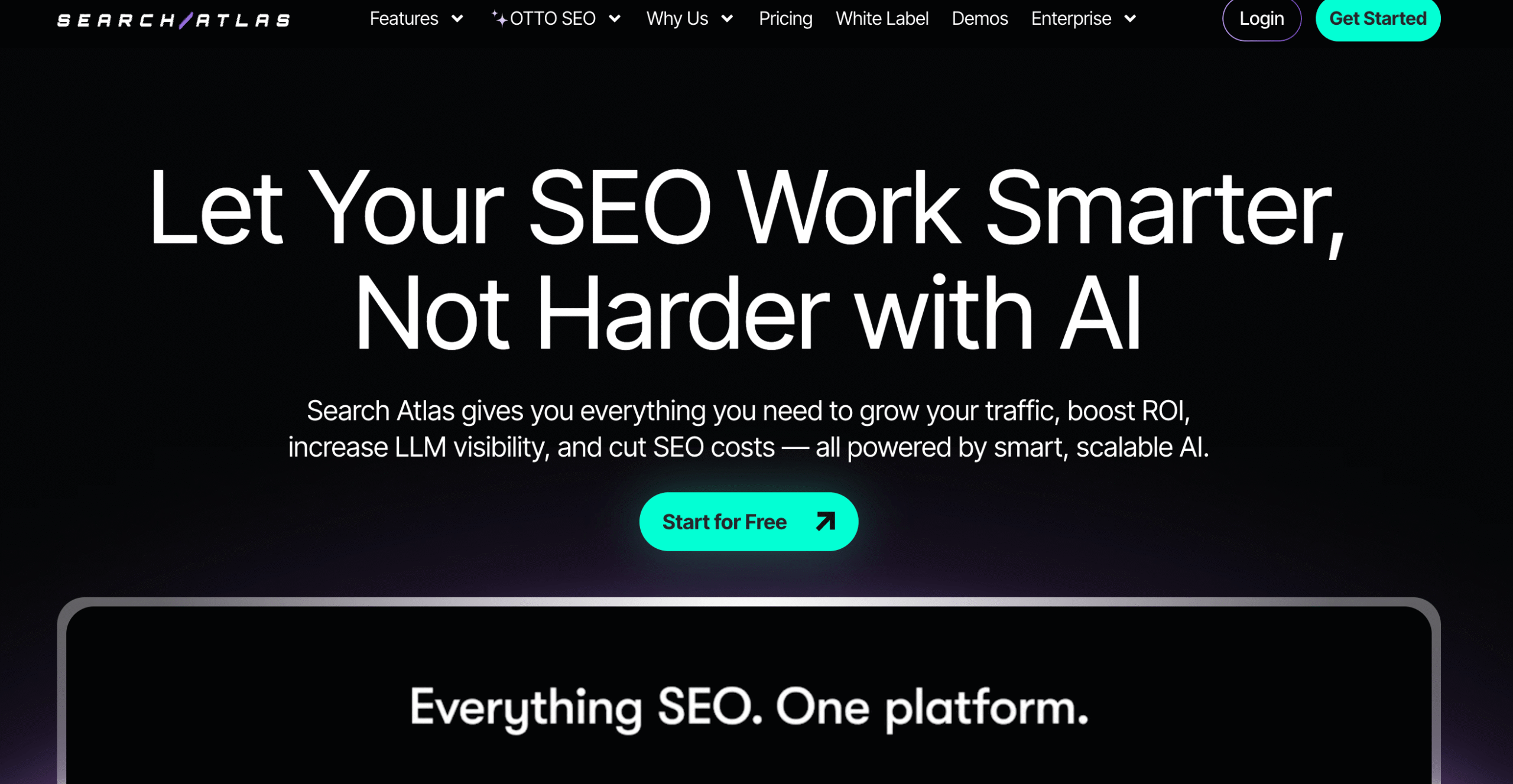
Search Atlas, powered by the intelligent OTTO SEO agent, has emerged as one of the most efficient and transformative AI tools for keyword research, search intent analysis, and large-scale SEO automation in 2026. Built specifically for agencies and performance-focused teams, Search Atlas has earned a strong reputation for delivering rapid and measurable results across technical SEO, content optimization, and authority building.
Its value lies in its ability to simplify complex SEO workflows through automation, accelerate campaign outcomes, and uncover keyword opportunities that drive high-quality traffic. The platform is especially suited for organizations that require bulk processing, campaign velocity, and intent-driven content at scale.
Automation-Focused Features and Functional Modules
What makes Search Atlas unique is its capability to compress long-term SEO activities into short, intensive bursts of performance. Powered by OTTO, its automation engine conducts batch research, real-time keyword mapping, and advanced on-page optimization—making it ideal for multi-client agencies, eCommerce platforms, and fast-scaling publishers.
Search Atlas Core Feature Matrix
| Feature Name | Description | Strategic Advantage |
|---|---|---|
| OTTO SEO Agent | Executes batch keyword research, page audits, and technical fixes in under five minutes | Saves hundreds of manual hours and accelerates go-to-market timelines |
| Instant On-Page Optimization | Automatically rewrites meta tags, headers, and anchor text based on user intent | Increases CTR, reduces bounce rate, and strengthens internal SEO signals |
| GEO Score Integration | Measures overall content relevance and ranking power across generative engines | Helps users prioritize high-impact pages and optimize authority clusters |
| Search Everywhere Optimization | Applies cross-platform keyword planning for Google, YouTube, Bing, and non-traditional SERPs | Enables wider audience targeting through platform-specific search behavior analysis |
| Competitor Displacement Tool | Identifies weak spots in competitor keyword coverage and generates takeover opportunities | Helps brands outrank incumbents by attacking low-resistance keyword clusters |
| Bulk Content Scoring Engine | Analyzes hundreds of URLs and assigns optimization scores based on freshness, depth, and CTR | Supports ongoing content hygiene and re-optimization initiatives |
Performance Impact Across Industries
Search Atlas has proven to deliver massive returns for brands operating in both niche and competitive spaces. The platform is especially recognized for its impact on traffic growth and SERP visibility within short timeframes.
Real-World ROI Results from Search Atlas Deployments
| Industry Sector | Key Metrics Improved | Notable Performance Gains in 2026 |
|---|---|---|
| Emergency Food eCommerce | Monthly Organic Traffic | 1,511.3% increase after one month of OTTO implementation |
| Social Casino Platform | Total Organic Clicks (12 months) | 1.57 million clicks achieved within the first year |
| Online Learning Portals | Ranked Pages within Top 10 | +320% improvement across curriculum-based keyword sets |
Search Intent Structuring and Optimization Strategy
Search Atlas leverages its intent recognition model to classify keywords into precise categories that help guide content planning and link architecture. This helps align content with user needs and ensures every page is mapped to a clear search objective.
Search Atlas Intent Strategy Table
| Intent Category | Example Queries | Recommended Action by OTTO AI |
|---|---|---|
| Informational | “how to build a food storage kit” | Create detailed step-by-step guides with FAQ schemas |
| Commercial | “best survival food brands” | Use comparison tables and expert review content |
| Navigational | “Search Atlas dashboard login” | Direct users to platform-specific, high-speed landing experiences |
| Transactional | “buy freeze-dried meals online” | Build conversion-optimized product pages with strong CTAs and trust indicators |
Pricing and Subscription Models
Search Atlas offers competitive pricing for agencies and businesses looking to scale SEO through automation and data intelligence. Its plans are tiered for flexibility based on team size, content output needs, and workflow automation levels.
Search Atlas Pricing Table
| Plan Name | Monthly Price | Features Included |
|---|---|---|
| Starter Plan | $99/month | Basic keyword research, content score engine, limited OTTO functionality |
| Growth Plan | $199/month | Full access to OTTO automation, bulk optimization, multi-client management |
| Enterprise | Custom Pricing | Unlimited API calls, large data integrations, white-label reporting |
Conclusion
In 2026, Search Atlas, with its OTTO-powered automation engine, has secured its position as one of the top 10 AI tools for keyword research and search intent analysis worldwide. Its ability to scale content intelligence, reduce manual SEO workloads, and deliver immediate results makes it a go-to solution for agencies and brands aiming for rapid organic growth. By combining automation with high-quality AI decisioning, Search Atlas transforms how SEO teams approach digital visibility in an era dominated by search personalisation and platform diversity.
6. SE Ranking (SE Visible)
SE Ranking has evolved into one of the top AI-powered tools in 2026 for keyword research, visibility tracking, and intent-based analysis. With its powerful extension, SE Visible, the platform offers unique insights into how brands appear in generative AI responses, knowledge engines, and voice-based search results. Unlike traditional keyword tools, SE Ranking focuses on both visibility and emotional sentiment across platforms such as ChatGPT, Perplexity, Gemini, and Google AI Overviews.
This comprehensive system empowers businesses to not only optimize for high-ranking positions on search engines but also ensure their content is favorably represented in AI-generated summaries. It’s particularly useful for enterprises and large brands aiming to control narrative visibility and quantify the real value of appearing—or not appearing—in AI-driven content layers.
Comprehensive AI Capabilities and Visibility Intelligence
SE Ranking delivers a suite of AI tools that go beyond standard keyword tracking. The platform’s ability to evaluate both sentiment and revenue impact makes it ideal for brands that want to understand how search and AI interaction influence perception and conversions.
SE Ranking and SE Visible Feature Table
| Feature Name | Description | Strategic Benefit |
|---|---|---|
| SE Visible Platform | Tracks brand presence in generative AI platforms including ChatGPT, Gemini, and Perplexity | Provides insights into when, where, and how often a brand is being mentioned or cited |
| Sentiment Analysis Engine | Classifies brand mentions as positive, neutral, or negative across various AI results | Helps businesses respond quickly to sentiment trends and maintain online reputation |
| AI Search Toolkit | Offers keyword tracking, visibility updates, and intent classification refreshed daily | Keeps marketing teams informed on content performance across traditional and AI-driven SERPs |
| Revenue Impact Calculator | Calculates the cost of non-visibility in AI summaries and featured search panels | Connects SEO performance directly to financial ROI and marketing efficiency |
| Historical Visibility Trend Reports | Tracks long-term shifts in search visibility, citations, and topical relevance | Supports strategic planning for seasonal content and evergreen topics |
| Speed-Citation Index | Monitors load times (First Contentful Paint <0.4s) and correlates with citation frequency | Proves the technical SEO impact on brand inclusion in AI answers |
Search Intent and Sentiment-Based Keyword Grouping
SE Ranking introduces a refined model that doesn’t only classify search queries by user intent but adds a layer of sentiment dimension. This allows brands to shape content that resonates emotionally with target audiences while remaining technically optimized.
SE Ranking Intent and Sentiment Mapping Matrix
| Intent Type | Sentiment Category | Sample Queries | Suggested SEO Action |
|---|---|---|---|
| Informational | Positive | “best tools for SEO success” | Publish guides, customer reviews, and thought leadership content |
| Commercial | Neutral | “compare SEO platforms 2026” | Build in-depth comparison charts and visual breakdowns |
| Transactional | Positive | “subscribe to SE Ranking plan” | Optimize landing pages with testimonials and urgency-based CTAs |
| Navigational | Negative | “SE Ranking login issue” | Develop help articles and support FAQs targeting problem-resolution queries |
Adoption and Technical Performance Outcomes
SE Ranking’s unique ability to track AI visibility makes it one of the most innovative SEO tools in the 2026 market. It is especially valuable for large brands, government portals, financial services firms, and digital PR teams who require consistent brand monitoring across AI-driven platforms.
Performance Metrics and Adoption Overview
| Usage Indicator | Data Point (2026) | Strategic Insight |
|---|---|---|
| Sentiment-Tagged Mentions Monitored | Over 150 million across AI platforms | Demonstrates platform capability at global scale |
| Visibility Updates | Refreshed daily with AI and traditional SERP data | Supports agile SEO and real-time trend adjustment |
| AI Citation Correlation | 3x more likely for fast-loading pages (FCP <0.4s) | Confirms the critical link between page speed and AI inclusion |
| Enterprise-Level Users | High among tech, eCommerce, and finance brands | Indicates strength in handling large-scale, reputation-sensitive digital portfolios |
Pricing Models and Subscription Options
SE Ranking offers cost-effective plans suitable for both mid-size and enterprise organizations. SE Visible can be added for brands focused on AI-related monitoring and visibility control.
SE Ranking Pricing and Plan Matrix
| Plan Name | Monthly Price | Included Features |
|---|---|---|
| Pro Plan | $119/month | Standard keyword tracking, backlink monitoring, technical audit tools |
| SE Visible Add-On | $89/month (optional) | Full access to brand visibility, sentiment tagging, and AI citation tracking |
| Business Plan | Custom Pricing | Includes multiple user seats, API access, and full historical data reporting |
Conclusion
SE Ranking, strengthened by SE Visible, is one of the top AI tools globally for keyword research and search intent analysis in 2026. Its forward-thinking focus on brand visibility within AI-generated content, sentiment tracking, and financial impact measurement provides companies with a distinct strategic advantage. As generative AI platforms continue shaping how users discover and evaluate information, tools like SE Ranking are crucial for businesses aiming to stay visible, relevant, and trusted across all layers of the search landscape.
7. Surfer SEO

Surfer SEO continues to be one of the most advanced and user-friendly AI tools for keyword research, search intent analysis, and natural language content optimization in 2026. Recognized for its precision in aligning content with what actually ranks on search engines, Surfer SEO has grown into a trusted platform for both solo content creators and enterprise SEO teams. It combines artificial intelligence, NLP (Natural Language Processing), and SERP correlation to produce highly actionable recommendations for ranking success.
With the rise of AI-generated answers and rich snippets, Surfer SEO has enhanced its capabilities to support performance monitoring in AI search systems, helping brands track how and where their content appears across intelligent search ecosystems.
Core AI Features and Optimization Capabilities
Surfer SEO excels at making on-page SEO data accessible and easy to act on. Its AI tools are built for precision, offering guidance on keyword placement, content structure, semantic relevance, and ranking factors. These features help users publish content that is competitive, well-structured, and algorithm-friendly.
Feature Overview Table for Surfer SEO
| Feature Name | Description | Key Benefit |
|---|---|---|
| NLP Content Editor | Provides real-time guidance on keyword usage, length, headings, and terms based on SERP leaders | Ensures content is optimized to match Google’s algorithm preferences |
| AI Tracker Add-On | Monitors how content performs in AI search summaries and chatbot responses | Helps users understand what structural elements increase citations in AI results |
| SERP Analyzer | Compares top 50 SERP results and extracts key ranking patterns | Enables content teams to replicate winning strategies and structure |
| Keyword Density Optimizer | Recommends precise usage frequency for each keyword | Prevents under-optimization and keyword stuffing simultaneously |
| Structural Element Identifier | Highlights critical formatting such as questions, bold text, and list frequency | Improves user experience and aligns content with featured snippet triggers |
| CMS Integration Support | Connects with WordPress, Webflow, and other platforms for seamless publishing | Reduces friction in optimization and enables real-time scoring during writing |
Search Intent Alignment and On-Page Readiness
Surfer SEO supports intent-based keyword planning and page design by analyzing what type of queries lead to which types of content. Its guidance covers not only keywords but also how the content should be structured to rank well and provide value to users.
Search Intent & Structure Matrix with Surfer SEO
| Search Intent Type | Common Query Examples | Surfer SEO Optimization Strategy |
|---|---|---|
| Informational | “how to write a blog post” | Recommend instructional guides, question-based headings, and image inserts |
| Commercial | “best SEO software for startups” | Use comparative lists, expert quotes, and strong meta descriptions |
| Transactional | “buy SEO tools online” | Suggest CTA placement, trust signals, and action-oriented formatting |
| Navigational | “Surfer SEO login page” | Optimize internal links, page speed, and brand-specific keyword targeting |
Adoption Trends and Market Performance
Surfer SEO is widely preferred by digital marketers, freelancers, and in-house teams focused on scaling their content efforts efficiently. Its usability, clarity of recommendations, and alignment with Google’s evolving algorithms have made it a competitive asset for serious content strategies.
Market Performance Metrics for Surfer SEO
| Performance Indicator | Value in 2026 | Strategic Takeaway |
|---|---|---|
| Monthly Active Users | Over 130,000 | Indicates growing adoption by content-focused professionals |
| Average Content Score Uplift | +29% per article after optimization | Shows measurable impact on ranking-ready content quality |
| Integration Popularity | WordPress, Wix, Shopify, Webflow | High compatibility for streamlined optimization workflows |
| Common Use Case | Blog and landing page optimization | Supports both organic reach and conversion-focused content |
Pricing Plans and Accessibility
Surfer SEO provides cost-effective solutions for professionals at different stages of growth. Its plans offer flexibility in usage volume, AI support, and collaboration features, making it accessible for individuals and scalable for teams.
Surfer SEO Pricing Table
| Plan Type | Monthly Cost | Included Benefits |
|---|---|---|
| Basic Plan | $99/month | Access to content editor, keyword optimization, SERP analysis |
| Scale Plan | $129/month | Includes AI Tracker, higher limits, team seats, and advanced scoring tools |
| Business Plan | Custom Pricing | Designed for agencies and publishers managing multiple domains and team members |
Conclusion
Surfer SEO stands out in 2026 as one of the top 10 AI tools for keyword research and search intent analysis. Its smart integration of NLP, content scoring, and SERP benchmarking allows users to create pages that are not only informative but also technically superior and aligned with what search engines reward. With its AI Tracker for monitoring visibility in chatbot answers and a powerful content editor for real-time optimization, Surfer SEO equips marketers and writers to consistently produce content that ranks, converts, and aligns with search intent across every layer of the modern SEO landscape.
8. Alli AI
In the evolving landscape of search optimization in 2026, Alli AI has established itself as one of the most powerful tools for technical SEO automation—particularly for enterprises and agencies that manage multiple websites and require bulk-level implementation. Unlike traditional platforms that focus mainly on keyword research or content strategy, Alli AI prioritizes scalable on-page optimization without the need for developer support.
By automating complex technical tasks such as internal linking, schema generation, and meta tag deployment, Alli AI has become essential for improving website compatibility with AI-driven search engines and ensuring pages are semantically rich for generative engine indexing.
Key Features and Technical Capabilities of Alli AI
Alli AI delivers a zero-code environment that empowers marketers and SEO teams to implement impactful changes at scale, directly within the website structure. The platform enhances a site’s technical foundation to improve crawlability, intent alignment, and AI recognition.
Core Feature Table for Alli AI
| Feature Name | Description | SEO Benefit |
|---|---|---|
| AI Crawler Enablement Engine | Optimizes site structure and metadata for improved AI and bot understanding | Enhances page visibility in AI-powered SERPs and voice search platforms |
| Automated Meta Tag Deployment | Dynamically updates title tags, descriptions, and canonical links based on keyword patterns | Improves click-through rates and prevents content duplication |
| Internal Linking AI System | Automatically inserts contextual internal links between semantically related pages | Increases page authority distribution and assists in keyword clustering |
| Schema Markup Generator | Applies structured data such as FAQs, How-Tos, Reviews, and Products without manual coding | Boosts eligibility for rich snippets, SERP features, and AI content extraction |
| Global Change Deployment Interface | Allows batch updates across hundreds of URLs within seconds | Saves time on multi-page edits and ensures consistent optimization standards |
| No-Code SEO Control Panel | All functions accessible without developer intervention or CMS-level coding | Reduces operational dependency and accelerates technical SEO campaigns |
Search Intent Reinforcement and Semantic Optimization
Although Alli AI is more technical in nature, its impact on keyword research and intent optimization is indirect but substantial. By improving semantic signals through schema, link context, and crawl accessibility, Alli AI strengthens how search engines and AI models interpret the relevance and intent of a webpage.
Search Intent Optimization Matrix Powered by Alli AI Functions
| Search Intent Type | Technical Feature Supporting Intent | Optimization Output Example |
|---|---|---|
| Informational | FAQ Schema + Semantic Headings | Generates expanded AI visibility and answer box eligibility |
| Commercial | Internal Link Clustering + List Schema | Connects comparison content to commercial-intent pages for stronger coverage |
| Navigational | Canonical Tags + Breadcrumb Schema | Clarifies URL purpose for branded or navigational queries |
| Transactional | Product + Review Schema | Improves trust signals for ecommerce and transactional landing pages |
Use Case Scenarios and Performance Highlights
Alli AI has proven exceptionally effective for digital agencies, ecommerce enterprises, and media companies that need to scale SEO changes quickly without relying on developers. Its strength lies in the ability to deploy critical on-page improvements across hundreds or thousands of pages simultaneously.
Performance Insights Table for Alli AI in 2026
| User Group | Common Implementation Use Case | Results Reported (Within 90 Days) |
|---|---|---|
| Marketing Agencies | Deploying schema and internal links across clients | Improved SERP visibility and 4x higher crawl frequency |
| Multi-Site Publishers | Canonicalization and metadata standardization | 38% increase in indexed pages across blog networks |
| Ecommerce Brands | FAQ, Review, and Product markup deployment | Gained over 250 featured snippets for transactional keyword clusters |
Pricing Plans and Subscription Options
Alli AI offers robust plans tailored for growing businesses and large-scale agencies. While its pricing is higher than standard keyword tools, the value lies in automation and operational efficiency for teams managing hundreds of pages across multiple domains.
Alli AI Pricing Structure
| Plan Name | Monthly Cost | Included Benefits |
|---|---|---|
| Business Plan | $299/month | Full access to schema, internal link AI, and crawler tools for 1-3 domains |
| Agency Plan | $599/month | Unlimited domains, bulk SEO actions, white-label reporting, and team access |
| Enterprise | Custom Pricing | API access, global deployment features, and tailored technical SEO workflows |
Conclusion
In 2026, Alli AI stands as one of the most advanced AI tools supporting keyword research and search intent optimization through technical automation. While it does not offer direct keyword discovery or ranking analytics, its zero-code approach to implementing schema, metadata, and internal link logic makes it a crucial enabler of SEO success. By making technical SEO accessible to non-developers and fully compatible with generative engine optimization (GEO) strategies, Alli AI supports long-term visibility, ranking stability, and intelligent search readiness at scale.
9. Mangools (KWFinder)
Mangools, through its flagship product KWFinder, has become one of the most approachable and trusted AI-powered platforms for keyword research and search intent analysis in 2026. It is especially popular among freelancers, small businesses, and marketing beginners looking for effective SEO solutions without the complexity or high cost often associated with enterprise tools.
What sets Mangools apart is its simplicity, visual clarity, and affordable pricing—combined with smart AI functionality that helps users find keywords with lower competition but high ranking potential. It is particularly suitable for users aiming to establish or grow their search presence in specific geographic regions.
Key Features and Practical SEO Functionality
Mangools offers a powerful suite of tools designed for intuitive use without sacrificing depth. While it may not have all the advanced automation features of high-end enterprise software, it provides more than enough capability for small and mid-size businesses to compete in search rankings.
Core Functionality Table: Mangools (KWFinder)
| Feature Name | Description | Strategic Value |
|---|---|---|
| KWFinder (Keyword Research) | Finds low-competition, high-potential keywords tailored to user’s niche and domain authority | Helps beginners and small sites target keywords they can realistically rank for |
| AI Search Score | Aggregates brand visibility across AI platforms like Claude, Llama, and Google AI Overviews | Gives users a quick overview of how often their site is mentioned or indexed in AI searches |
| Local Keyword Targeting | Offers support for more than 50,000 global locations in keyword planning | Ideal for local SEO campaigns, geo-targeted content, and regional business growth strategies |
| AI Search Grader Tool | Evaluates existing pages for alignment with AI search visibility factors | Offers instant feedback on what can be improved for better AI-driven rankings |
| SERP Analysis | Provides visual snapshots of competitors ranking for chosen keywords | Makes it easy to understand who dominates a keyword and what content structure works best |
| Intuitive Dashboard + Setup | Designed for fast onboarding and smooth UX | Allows even non-technical users to get started with SEO immediately |
Search Intent Focus for Beginners and Local Campaigns
Mangools doesn’t just deliver keyword suggestions—it also helps users understand which keywords serve what type of search intent. This helps businesses plan content that truly meets user expectations and aligns with what search engines favor.
Search Intent Matrix with KWFinder and AI Grader
| Intent Category | Sample Keyword Queries | Suggested Action Based on AI Search Grader |
|---|---|---|
| Informational | “how to build a garden shed” | Recommend writing tutorials or DIY guides with headings and visuals |
| Navigational | “kwfinder login” | Optimize branded content and meta descriptions for user navigation |
| Transactional | “buy organic seeds online” | Suggest building product pages with clear CTAs and schema markup |
| Commercial | “best garden tools for beginners” | Encourage comparison blog posts, reviews, and top-10 lists |
User Feedback, Accessibility, and Market Adoption
Mangools is highly rated for ease of use, clean interface, and smooth user experience. It has become a go-to SEO tool for digital freelancers, small agencies, and content creators who prefer actionable insights over technical complexity.
Performance and User Sentiment Overview
| Indicator | Value in 2026 | Interpretation |
|---|---|---|
| User Rating (G2) | 4.7 out of 5 | Consistently praised for simplicity, visuals, and low learning curve |
| Geographic Targeting Capability | 50,000+ locations | High value for local business campaigns and region-specific content planning |
| AI Grader Usage | 30,000+ free users monthly | Proves strong adoption of AI-guided improvement tools, even for non-subscribers |
| Common User Groups | Bloggers, solo marketers, small agencies | Tool fits resource-limited teams looking to scale content marketing efficiently |
Affordable Pricing Plans and Entry-Point Value
Mangools offers one of the most affordable pricing structures in the professional SEO software category. It allows users to gain access to AI-powered features and competitive research tools at a fraction of the typical cost.
Mangools Pricing Structure
| Plan Name | Monthly Cost | Included Features |
|---|---|---|
| Basic Plan | $12/month | KWFinder access, local keyword research, 100 keyword lookups/day |
| Standard Plan | $29/month | Includes AI Search Score, SERP analysis, backlink monitoring, and more |
| Premium Plan | $49/month | Higher data limits, full SERP visibility tracking, and advanced AI Grader capabilities |
Conclusion
Mangools, through KWFinder and its supporting tools, has secured a place among the top 10 AI keyword research and search intent platforms in 2026 by focusing on usability, affordability, and meaningful results. It offers a complete toolkit for those starting their SEO journey while still delivering the advanced insights needed for smart decision-making. By combining accessible design with powerful AI features, Mangools allows businesses of any size to compete in search visibility and stay aligned with modern AI-driven content ecosystems.
10. Ubersuggest
In 2026, Ubersuggest has solidified its place as one of the top AI-powered tools for keyword research and search intent analysis—especially for beginners, freelancers, and small businesses looking to enhance their organic search performance without stretching their budgets. Created for simplicity and affordability, Ubersuggest delivers essential SEO features that cover the fundamentals of keyword discovery, site optimization, and content ideation.
Its straightforward layout and practical toolset are ideal for those just starting their SEO journey or working with limited resources. Despite its low price point, Ubersuggest offers impressive AI features such as automated content suggestions and simplified audit capabilities, making it a reliable option in a crowded SEO software landscape.
Core Features and Keyword Intelligence Tools
Ubersuggest combines key functions needed for effective SEO into an easy-to-use interface. Its AI modules are designed to provide quick insights, helping users discover keyword opportunities, fix site errors, and generate content based on real-time search trends and social sharing data.
Feature and Capability Matrix for Ubersuggest
| Feature Name | Description | Benefit to Users |
|---|---|---|
| Keyword Suggestions Engine | Generates long-tail and low-competition keywords for targeted content creation | Helps beginners quickly find topics they can rank for |
| AI SEO Difficulty Scoring | Assigns scores to keywords based on how competitive they are | Guides users toward realistic keyword opportunities |
| AI Content Writer | Suggests blog titles, meta descriptions, and article structures using AI | Speeds up content creation while aligning with SEO standards |
| Content Ideas from Social Shares | Recommends content based on what performs well on social platforms | Supports content relevance by focusing on topics with proven engagement |
| Site Audit (Simplified Version) | Identifies technical issues like broken links, speed problems, and missing tags | Makes site improvements more accessible for users without technical experience |
| Lifetime Payment Option | One-time payment model available instead of monthly subscriptions | Offers long-term value for freelancers and budget-conscious marketers |
Search Intent Matching for Entry-Level Content Planning
Ubersuggest supports intent-based keyword grouping by analyzing query structure and user behavior. It guides users in matching the right content type with the right intent, ensuring pages are built to address what users are actually searching for.
Search Intent Use Case Matrix with Ubersuggest
| Intent Type | Sample Queries | Ubersuggest Recommendation |
|---|---|---|
| Informational | “how to learn SEO basics” | Create blog posts with bullet-point instructions, FAQs, and beginner-friendly tips |
| Commercial | “best SEO tools for startups” | Build comparison-style articles with pros, cons, and pricing breakdowns |
| Transactional | “buy SEO course online” | Develop landing pages with clear CTAs, testimonials, and pricing tables |
| Navigational | “Ubersuggest login page” | Optimize meta titles and descriptions for branded searches and internal link structures |
User Experience and Accessibility for Small Teams
Ubersuggest stands out for its easy onboarding, clean interface, and helpful walkthroughs. The platform has been praised for enabling marketing professionals and content creators with no technical background to confidently manage keyword strategies and site health.
Performance and Usability Overview for Ubersuggest
| Attribute | 2026 Benchmark Performance | Interpretation |
|---|---|---|
| Learning Curve | Extremely easy | Suitable for first-time SEO users and solopreneurs |
| Common Users | Freelancers, bloggers, small business owners | Fits non-technical teams managing content and keyword targeting |
| Lifetime Deal Availability | Yes (with updates included) | Offers one of the best long-term ROI options in the SEO tool category |
| User Ratings (Value for Money) | 4.8/5 (on G2 and other review platforms) | High customer satisfaction driven by affordability and ease of use |
Pricing Structure and Long-Term Value
Ubersuggest is one of the most cost-effective AI SEO tools on the market. Its flexible pricing, including a widely popular lifetime deal, gives users access to consistent updates and expanding features without monthly costs.
Ubersuggest Pricing Table
| Plan Type | Cost | Features Included |
|---|---|---|
| Monthly Plan | $29/month | Full access to keyword research, site audits, content tools |
| Lifetime Plan | One-time payment | All features for life, includes future updates and priority support |
| Agency Plan | Custom pricing | Multi-user access, reporting dashboards, and domain management for clients |
Conclusion
In the 2026 landscape of AI SEO tools, Ubersuggest continues to serve as a practical, reliable, and budget-friendly solution for keyword research and search intent planning. Its combination of AI-enhanced content generation, user-friendly design, and affordable pricing makes it one of the most accessible platforms in the market. Ubersuggest remains an excellent entry point for individuals and small teams seeking to improve search visibility and build content strategies with the support of simple yet powerful AI tools.
The Zero-Click Tipping Point and the Rise of AI-Powered Keyword Research in 2026
By early 2026, the digital search ecosystem has entered a fundamental shift now known as the “Zero-Click Tipping Point.” This transformation is reshaping how marketers, brands, and businesses approach keyword research and search intent analysis. Unlike in previous years, where the goal was to drive traffic through traditional SERPs, users in 2026 are increasingly receiving their answers directly within AI-driven interfaces—without clicking through to websites.
As of this year, nearly 77.1% of mobile searches no longer lead to a website visit. Generative engines such as Google’s AI Overviews (AIO), OpenAI’s SearchGPT, and Perplexity AI have made it possible for users to gain complete answers directly within the search interface. This is particularly evident in informational and definition-based queries, which have experienced dramatic year-over-year declines in search volume. While these changes have reduced raw traffic to websites, they have elevated the importance of being cited by AI engines—creating a new landscape where appearing in AI-generated answers matters more than a traditional top ranking.
Table 1: The Zero-Click Progression and Search Volume Shifts (2022–2026)
| Metric | 2022 | 2024 | 2026 (Projected/Actual) |
|---|---|---|---|
| Mobile Zero-Click Rate | 57.4% | 68.2% | 77.1% |
| Desktop Zero-Click Rate | 42.1% | 51.5% | 58.5% |
| Informational Query Vol. Change | +4% | -12% | -64% |
| Transactional Query Vol. Change | +8% | -5% | -18% |
| Navigational Query Vol. Change | +2% | -1% | -3% |
While traffic has declined, the quality of remaining visitors is significantly higher. Users arriving from AI-powered search systems have already been pre-qualified, having clarified their intent before arriving at a destination site. As a result, conversion rates from AI chatbot referrals are on par with traditional organic search traffic, averaging 6.7% in industries like B2B SaaS. This emerging behavior is shaping what marketers are now calling the “Citation Economy,” where being referenced by generative AI models holds greater value than merely appearing in the traditional “10 blue links.”
Top 10 AI Tools for Keyword Research and Search Intent Analysis in 2026
To succeed in this environment, brands and marketers must use AI tools that align with modern user behavior, especially those that support visibility in conversational AI and answer engines. Below is a list of the top 10 AI-powered tools for keyword research and search intent analysis in 2026, listed in the same order they were covered:
Tool List (in order of coverage)
- Harbor
- ClickRank
- Semrush
- Ahrefs
- Search Atlas (OTTO)
- SE Ranking (SE Visible)
- Surfer SEO
- Alli AI
- Mangools (KWFinder)
- Ubersuggest
Each tool plays a unique role in addressing different aspects of the modern SEO landscape—from predictive keyword discovery and search engine integration to AI-powered content scoring and technical SEO automation. In the age of zero-click results and AI-driven summaries, choosing the right mix of tools can help brands maintain visibility, refine user targeting, and increase their chances of being surfaced by both traditional engines and next-gen AI systems.
The Evolution of Search Intent and the Role of AI Tools in 2026
By 2026, keyword research and search intent analysis have moved far beyond traditional frameworks. The outdated four-part taxonomy—informational, navigational, commercial, and transactional—is no longer enough to capture how users interact with AI-powered search systems. Instead, AI engines now understand search as layered, nuanced behavior, shaped by detailed conversational prompts, reasoning context, and user-specific needs.
Modern users don’t just type simple phrases like “CRM software.” Instead, they ask complex, multi-variable questions like “What is the best CRM for a 50-person marketing agency with Salesforce integration that costs under $150 per user monthly?” This trend is especially prominent with the global rise in voice search and conversational interfaces. With over 8.4 billion voice assistants in use, user behavior has shifted decisively toward spoken questions and decision-stage prompts. AI systems now analyze the user’s underlying intent across stages such as discovery, evaluation, and action—making search more about solving problems and less about matching strings.
Search Behavior and AI Interpretation Metrics (2026)
The following table outlines the current state of search behavior and AI search interaction:
Table 1: 2026 Search Intent Behavioral Metrics
| Intent Type | Share of Searches | Zero-Click Rate | Average Session Time |
|---|---|---|---|
| Informational | 70% | 88% | 71 seconds |
| Commercial | 22% | 41% | 77 seconds |
| Navigational | 7% | 3% | 45 seconds |
| Transactional (AI Mode) | 1% | 75% | 52 seconds |
These numbers reveal that while informational queries dominate, transactional ones are increasingly handled within the AI layer itself—without the need for a site visit. This “AI Mode” enables voice assistants and generative engines to complete purchases, bookings, or subscriptions autonomously, leading to the rise of zero-click commerce.
In this landscape, keyword research and intent targeting demand AI-powered tools that not only identify queries but also understand user behavior, language structure, contextual relevance, and the semantic journey of the buyer.
Top 10 AI Tools for Keyword Research and Search Intent Analysis in 2026
To thrive in the evolving search ecosystem, marketers and content teams must adopt AI tools that are purpose-built for 2026’s challenges. Below is the updated list of the most effective AI tools currently dominating the global market, listed in the same order as previously introduced:
Tool Sequence List
- Harbor
- ClickRank
- Semrush
- Ahrefs
- Search Atlas (OTTO)
- SE Ranking (SE Visible)
- Surfer SEO
- Alli AI
- Mangools (KWFinder)
- Ubersuggest
Each of these tools brings a distinct capability to the table—from automated topic discovery and AI-powered ranking prediction to zero-code technical optimization and voice search readiness. The following matrix summarizes their standout features, use cases, and user profiles:
Tool Comparison Matrix: AI Keyword & Intent Tools in 2026
| Tool Name | Core Strength | Ideal Users | AI Capability Focus |
|---|---|---|---|
| Harbor | Recursive sitemap analysis, anti-cannibalization | SEO strategists, enterprise teams | Entity mapping, contextual visual generation |
| ClickRank | Predictive keyword trends, low-CTR fix | Digital marketers, growth hackers | AI keyword forecasting, real-time CTR optimization |
| Semrush | Large-scale keyword database, PPC insight | Agencies, content teams | AI SERP trends, topic clustering, PPC vs SEO strategy |
| Ahrefs | Backlink intelligence, topic clustering | Link builders, publishers, technical SEOs | AI SERP correlation, brand radar, content correlation |
| Search Atlas (OTTO) | Full-site automation, batch SEO | Agencies, high-volume sites | GEO score, cross-platform search automation |
| SE Ranking | Sentiment + AI visibility tracking | Reputation managers, brand marketers | AI citation detection, AI Search Impact Calculator |
| Surfer SEO | NLP content optimization, AI scoring | Content teams, bloggers | Real-time content scoring, structure optimization |
| Alli AI | Technical SEO automation, no-code SEO | Developers, multi-domain managers | AI schema deployment, internal linking AI |
| Mangools | Entry-level keyword research | Freelancers, small businesses | Local keyword discovery, AI Search Grader |
| Ubersuggest | Budget SEO platform with AI content tools | Beginners, solopreneurs | AI content suggestions, simplified keyword ranking |
Conclusion
Search in 2026 is no longer just about appearing in search results—it’s about earning a position inside an AI’s reasoning process. Tools that help understand layered intent, conversational patterns, and semantic context are becoming essential for digital success. As the zero-click environment continues to expand and transactions increasingly occur within AI interfaces, the need for advanced, AI-native keyword and intent platforms will only grow. These ten tools are leading the way, helping marketers stay visible in a search ecosystem where visibility now means being referenced by intelligence—not just indexed by an engine.
AI SEO Readiness in 2026: Technical Benchmarks and Tool Alignment for Keyword Research and Intent Strategy
In 2026, the way AI models understand and evaluate websites has become just as important as traditional keyword rankings. The introduction of the “Fuel AI Health Score™” has made it clear that visibility within large language models (LLMs) now depends on how technically accessible and semantically structured a website is. This shift has major implications for how marketers and SEO professionals choose their tools, especially those involved in keyword research, search intent analysis, and on-page AI optimization.
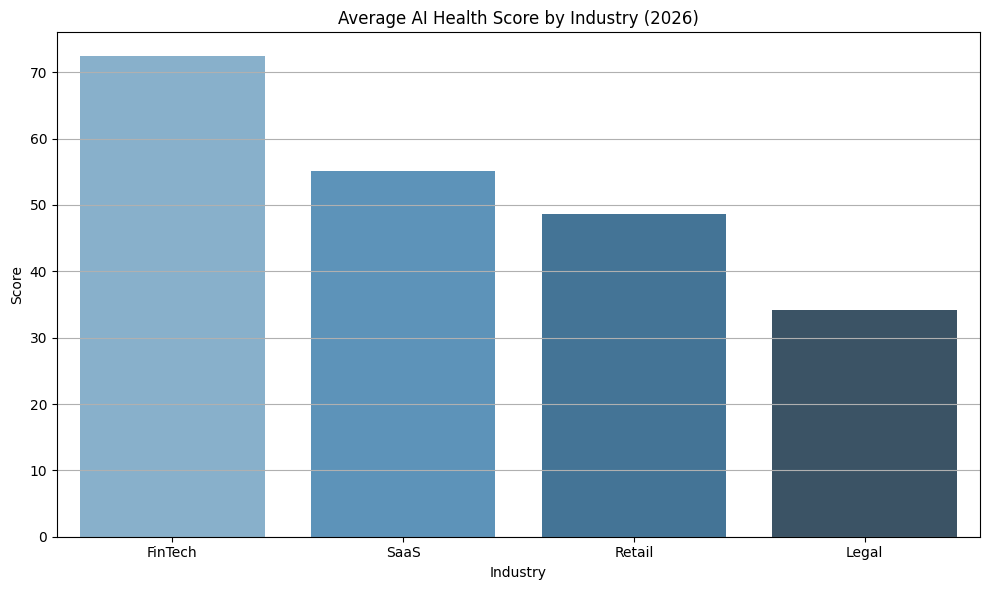
A wide-reaching study of 1,000 corporate domains in 2026 found that most brands are still struggling to meet AI legibility standards. The average Fuel AI Health Score across industries is just 46 out of 100. A key issue is the lack of properly implemented schema markup—such as Organization and Product Schema—linked to public Knowledge Graph IDs. Only 12.4% of Fortune 1000 companies meet this standard, and those who fail it are 3.5x less likely to be cited by major AI engines like ChatGPT or Perplexity AI.
Table 1: Industry-Specific AI Visibility Benchmarks (2026)
| Industry Sector | Avg. AI Health Score | Schema Usage % | Robots.txt Blocking % |
|---|---|---|---|
| FinTech | 72.4 (Optimized) | 88% | 12% |
| SaaS | 55.1 (Mixed) | 45% | 34% |
| Retail | 48.6 (At Risk) | 62% | 5% |
| Legal | 34.2 (Invisible) | 8% | 21% |
This data highlights a clear technical gap between industries that are AI-ready and those still focused on outdated SEO tactics. The most visible and AI-citable brands—particularly in FinTech—are those using structured content such as tables, schema markup, and crawlable layouts.
In this new environment, AI-powered SEO tools have become essential not only for keyword discovery but also for ensuring that content is technically optimized for generative engines. Below is the complete and ordered list of the top 10 AI tools that support advanced keyword research, intent modeling, and AI-legibility compliance in 2026.
List of Software Tools in Order
- Harbor
- ClickRank
- Semrush
- Ahrefs
- Search Atlas (OTTO)
- SE Ranking (SE Visible)
- Surfer SEO
- Alli AI
- Mangools (KWFinder)
- Ubersuggest
These tools vary in complexity, automation level, and pricing, but all are actively used by marketing teams seeking better visibility within AI-powered ecosystems. Some are research-first, others specialize in technical SEO, and a few bridge both.
Comparison Matrix: AI SEO Tools for Keyword Research and LLM Visibility in 2026
| Tool Name | Focus Area | Technical Optimization Support | Schema Support | AI Search Visibility Monitoring | Ideal Users |
|---|---|---|---|---|---|
| Harbor | GEO score optimization, AI-ready sitemaps | Yes | Yes | Yes | Enterprise SEO teams |
| ClickRank | Predictive keyword trends, low CTR recovery | Moderate | No | Yes | Performance marketers |
| Semrush | Keyword database, PPC and organic tracking | Basic | Partial | Yes | Agencies, in-house SEO teams |
| Ahrefs | Link intelligence, SERP and topic clustering | Yes | Partial | Yes | Link builders, content strategists |
| Search Atlas (OTTO) | Full technical automation, rapid batch SEO | Yes | Yes | Yes | SEO agencies and large web portfolios |
| SE Ranking | Sentiment tracking, chatbot citation tracking | Moderate | No | Yes | Brand marketers, PR teams |
| Surfer SEO | On-page NLP content optimization | Moderate | Partial | Yes | Content marketers, bloggers |
| Alli AI | No-code technical SEO, schema injection | Strong | Yes | Limited | Developers, multi-site managers |
| Mangools | Beginner-friendly keyword discovery | Basic | No | Yes | Freelancers, small business owners |
| Ubersuggest | Budget AI SEO with content suggestions | Basic | No | No | Solo creators, entry-level marketers |
Conclusion
As search engines become more AI-driven and traditional SEO gives way to citation-based visibility, success now depends on more than just great content. It requires structured data, crawlability, and keyword strategies aligned with AI behavior. The tools listed above are leading the way in helping businesses prepare for this future.
From Harbor’s AI-driven site mapping to Alli AI’s no-code schema deployment, these platforms provide a mix of tactical and technical support for brands striving to stay discoverable. In a world where fewer users click—but more rely on AI summaries—the combination of search intent precision and LLM legibility is no longer optional. It’s the new standard for digital visibility.
Understanding 2026 Search Trends and the Growing Need for Advanced AI SEO Tools
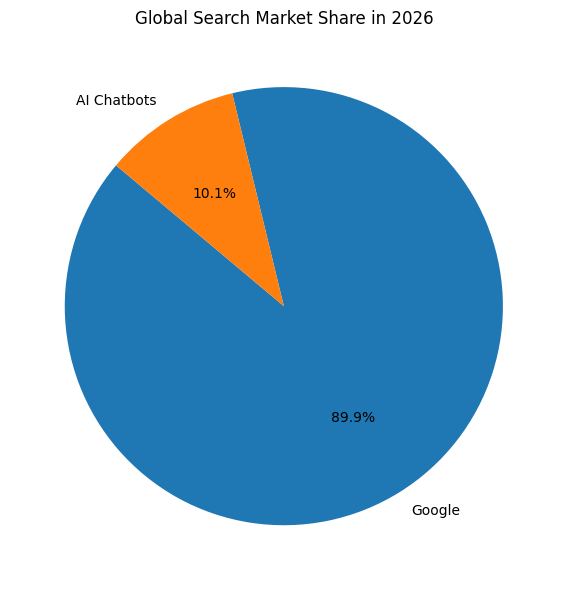
In 2026, the global search environment has become more fragmented and AI-driven than ever before. While Google still holds a dominant global market share of 89.9%, its search traffic is being reshaped by the explosive growth of AI chatbots and voice interfaces. In 2025 alone, AI chatbots received over 55.2 billion visits—an 81% year-over-year increase—making them a significant source of information retrieval, especially for mobile and voice-based users.
As conversational interfaces rise, traditional click-through metrics are collapsing. Brands now compete not just for ranking positions but for citations in AI-generated responses. This shift has changed how content is created, structured, and optimized.
Voice Search, AI Overviews, and the New Zero-Click Landscape
Voice search is now a primary mode of query delivery, especially on mobile. With 8.4 billion active voice assistant devices worldwide, marketers are optimizing content for brevity and clarity. The average voice search result in 2026 is only 29 words long, and pages that provide short, factual answers early in their content are 70% more likely to be cited by AI systems.
Mobile users are three times more likely to use voice search than desktop users, and 50% of mobile users perform at least one voice search every day. Meanwhile, the emergence of AI Overviews has drastically lowered organic click-through rates—but sites featured in these overviews still receive meaningful visibility.
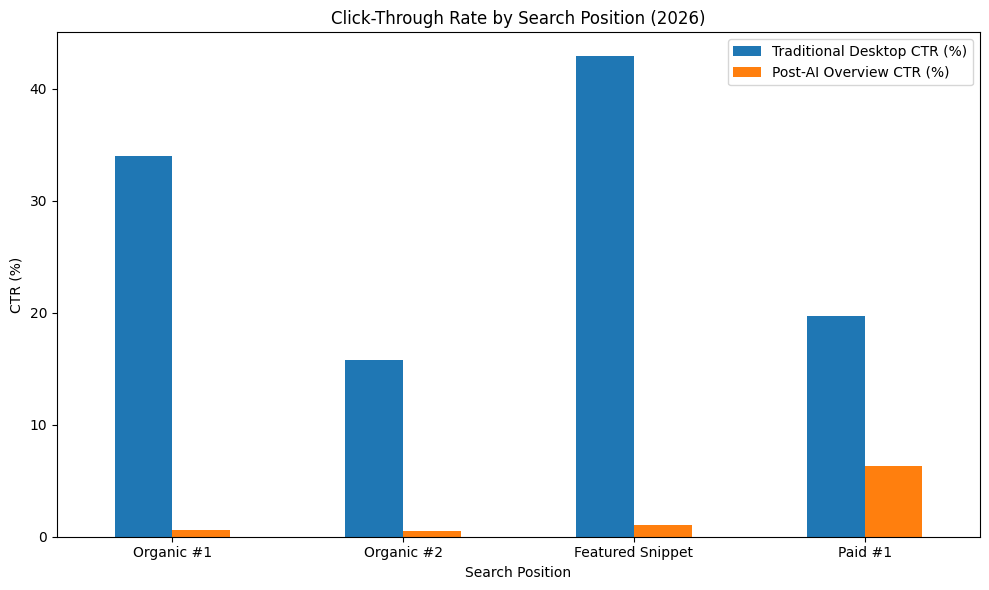
Table 1: Click-Through Rate (CTR) by Query Type and Device (2026)
| Search Position Type | Traditional Desktop CTR | Post-AI Overview CTR | Mobile Zero-Click % |
|---|---|---|---|
| Position 1 (Organic) | 34% | 0.61% | 77.1% |
| Position 2 (Organic) | 15.8% | 0.52% (Not Cited) | 77.1% |
| Featured Snippet | 6% – 42.9% | 1.08% (Cited) | 77.1% |
| Position 1 (Paid Ad) | 19.7% | 6.34% | N/A |
The data confirms that AI Overviews significantly reduce the effectiveness of traditional SEO alone. However, inclusion as a cited source in AI-generated responses can nearly double the CTR of a site compared to uncited results.
The Role of Local Search and Consumer Trust
Despite the dominance of AI, local search intent continues to drive high-quality organic traffic. In 2026, 46% of all Google queries have a local intent, and 86% of users rely on Google Maps to locate businesses. Trust signals now dominate local rankings—99% of consumers read online reviews, and 89% are more likely to choose businesses that actively respond to customer feedback. Additionally, platforms like Instagram and TikTok are now being used as discovery engines, especially for nearby businesses, with 35% of users using Instagram and 34% using TikTok to find local services.
Top 10 AI Tools for Keyword Research and Search Intent Analysis in 2026
As search behavior evolves, businesses need smart, AI-enabled tools that can adapt to these shifts—especially tools capable of optimizing for AI citations, voice search readiness, zero-click environments, and local intent. Below is the updated and ordered list of the leading AI tools in 2026 that help marketers analyze search intent and dominate visibility across modern search platforms.
Tool List in Order of Coverage
- Harbor
- ClickRank
- Semrush
- Ahrefs
- Search Atlas (OTTO)
- SE Ranking (SE Visible)
- Surfer SEO
- Alli AI
- Mangools (KWFinder)
- Ubersuggest
Each tool supports different use cases, ranging from advanced technical SEO to local keyword targeting and AI citation tracking. The matrix below highlights their differentiators and key capabilities.
Comparison Matrix: AI SEO Tools for 2026 Search Environment
| Tool Name | Voice Search Optimization | AI Citation Tracking | Local SEO Features | Structured Data Support | Best Fit For |
|---|---|---|---|---|---|
| Harbor | Yes | Yes | Moderate | Strong | Enterprise content teams |
| ClickRank | Moderate | Yes | Basic | Limited | Performance marketers |
| Semrush | Yes | Yes | Strong | Moderate | Agencies and mid-size businesses |
| Ahrefs | Moderate | Yes | Moderate | Partial | Technical SEOs and link builders |
| Search Atlas (OTTO) | Strong | Yes | Yes | Full | SEO agencies and multi-site brands |
| SE Ranking (Visible) | Limited | Strong | Moderate | Partial | Brand managers and PR teams |
| Surfer SEO | Yes | Yes | Basic | Moderate | Bloggers and in-house content writers |
| Alli AI | Moderate | Limited | Strong | Full | Developers and technical marketers |
| Mangools (KWFinder) | Basic | Yes | Strong | Limited | Freelancers and local business owners |
| Ubersuggest | Basic | No | Moderate | Limited | Beginners and solo entrepreneurs |
Conclusion
In 2026, traditional ranking strategies are no longer enough. Winning in search now means preparing for AI summaries, zero-click sessions, voice-activated queries, and platform-diversified discovery. The ten AI-powered tools listed above offer comprehensive support for these needs—whether you’re optimizing for local voice searches, AI visibility, or simply aiming to keep your brand present in every intelligent search engine.
The next era of keyword research is about precision, context, and platform-specific intent alignment. These tools help marketers stay relevant in a search world where interaction, not just clicks, defines success.
Strategic Shifts in Content Creation and the Role of AI SEO Tools in 2026
By 2026, the content marketing playbook has fundamentally changed. Brands and digital marketers have transitioned from prioritizing sheer content volume to focusing on original insight, technical structuring, and citation-readiness. As the web becomes more AI-curated and less click-dependent, strategic content creation now requires deeper semantic quality, stronger factual integrity, and highly structured layouts to earn citations within AI-generated answers.
The widespread adoption of AI tools is reshaping how content is produced. A recent industry survey indicates that 94% of marketers are actively using AI in their content creation workflows. Meanwhile, 17.3% of all content ranking in Google’s top 20 search results is now AI-assisted. However, this has also triggered growing concern about factual inaccuracy. Over 40% of users report encountering misleading content in AI summaries, which has contributed to rising skepticism and the demand for authoritative, clearly sourced material.
The Rise of the AI Content Flywheel
To address this environment, high-performing brands are now adopting a structured approach known as the “AI Content Flywheel.” This framework focuses on four key pillars that reinforce each other and support long-term AI visibility and authority.
Table 1: AI Content Flywheel Components
| Pillar | Description | Strategic Benefit |
|---|---|---|
| Agentic Research | Tools like Harbor analyze 4.2B+ daily intent signals to anticipate future search demand | Helps brands identify topics before they trend, enabling proactive content targeting |
| Semantic Depth | Long-form content exceeding 3,000 words enriched with subtopics and internal links | Improves ranking, dwell time, and backlink potential across long-tail queries |
| Visual Uniqueness | AI-generated images that match article context and avoid duplication penalties | Enhances user engagement and image-based visibility in AI-generated summaries |
| GEO Optimization | Structuring content for LLMs using clean hierarchy, snippet-ready formatting, and E-E-A-T signals | Increases chances of AI citation and trustworthiness across models like ChatGPT |
Content Format and Performance Benchmark Data
Long-form content has clearly emerged as a superior format for AI recognition and engagement. Based on performance tracking from SE Ranking, content length has a significant impact on backlinks, traffic, and frequency of being cited in AI summaries—especially for smaller and mid-tier domains.
Table 2: Content Performance Benchmarks by Length (2026)
| Content Length | Avg. Backlinks | Avg. Organic Traffic | AI Citation Frequency Index |
|---|---|---|---|
| <800 Words | 0.11x | 3.2 | 1.4 |
| ~1,400 Words | 1.2 | 2.5x | 3.8 |
| >2,900 Words | 4.5 | 4x | 5.1 |
For non-enterprise domains, longer and more structured content leads to a 65% greater chance of being cited by AI search tools compared to shorter content. This indicates that AI prefers deeply informative, well-organized, and contextually aligned writing when generating citations and summary outputs.
Top 10 AI Tools Empowering Content Strategy and Intent Discovery in 2026
To support the AI Content Flywheel, content teams are relying on a specific group of powerful AI-driven platforms. These tools offer advanced capabilities ranging from predictive keyword discovery to voice search optimization and structured data deployment.
List of Software Tools in Exact Order
- Harbor
- ClickRank
- Semrush
- Ahrefs
- Search Atlas (OTTO)
- SE Ranking (SE Visible)
- Surfer SEO
- Alli AI
- Mangools (KWFinder)
- Ubersuggest
Each tool has been integrated into modern content workflows to support either one or multiple stages of the flywheel. Some provide deep research analytics, others specialize in on-page SEO and technical enhancements. The matrix below details their alignment with content strategies built for AI legibility and user intent satisfaction.
Tool Alignment Matrix: Top 10 AI SEO Tools and Content Strategy Functions
| Tool Name | Predictive Research | Long-Form Optimization | Visual Integration | GEO Optimization | AI Citation Tracking | Best Fit For |
|---|---|---|---|---|---|---|
| Harbor | Yes | Yes | Yes | Yes | Yes | Enterprise teams, strategic planners |
| ClickRank | Yes | Moderate | No | Moderate | Yes | Data-driven marketers, analysts |
| Semrush | Yes | Yes | No | Moderate | Yes | Full-service agencies, paid+organic mix |
| Ahrefs | Yes | Yes | No | Limited | Yes | Link builders, competitive researchers |
| Search Atlas (OTTO) | Yes | Yes | Yes | Yes | Yes | Automation-focused SEO teams |
| SE Ranking (Visible) | Moderate | Yes | No | Moderate | Yes | Brands monitoring AI performance |
| Surfer SEO | Yes | Strong | Limited | Moderate | Yes | Blog teams, SEO writers, freelancers |
| Alli AI | No | Moderate | No | Strong | Limited | Technical marketers, no-code SEOs |
| Mangools | Moderate | Basic | No | Strong | Limited | Small business owners, local marketers |
| Ubersuggest | Moderate | Basic | No | Moderate | No | Solo creators, SEO beginners |
Conclusion
In 2026, success in keyword research and search intent analysis depends not only on understanding what users want, but on delivering content that AI systems can interpret, structure, and trust. The AI Content Flywheel has become the foundation for modern digital growth. Backed by the top 10 AI-powered SEO tools listed above, marketers now have the capabilities to forecast trends, structure expert-level content, and increase their presence across AI-generated overviews, summaries, and voice search answers.
This marks the beginning of an era where visibility is no longer defined by position—but by the frequency and authority of citation. Tools that support this journey are no longer optional—they are essential.
The New Convergence of SEO and Paid Search in 2026
In the search landscape of 2026, the line between SEO and PPC has nearly disappeared. With the rapid evolution of AI-driven search engines and the dominance of zero-click experiences, brands are no longer treating organic and paid strategies as separate silos. Instead, a unified, AI-first approach to visibility has emerged, with brands optimizing for both citation inclusion and authority amplification simultaneously.
The efficiency of traditional paid search has dropped sharply, especially for informational queries that are now absorbed by AI Overviews. In some cases, cost-per-click (CPC) returns have fallen by as much as 68%. Marketers now refer to CPC spend on non-transactional queries as an “authority tax”—a cost paid not for direct lead generation, but to remain visible within AI-curated summaries.
As a result, forward-thinking businesses are integrating SEO content strategies with paid placements that reinforce brand recognition across both organic SERPs and generative search interfaces. The goal has shifted from merely driving traffic to earning mindshare and recall within AI summary panels.
Top 10 AI Tools Supporting Integrated SEO + PPC Strategy in 2026
To operate successfully in this new AI-dominated search environment, businesses are turning to tools that blend keyword intelligence, competitive analysis, generative engine optimization, and performance reporting. The following software platforms are considered the most effective tools for keyword research and search intent analysis in 2026. Listed in the exact order presented throughout the content:
Tool List (In Order of Appearance)
- Harbor
- ClickRank
- Semrush
- Ahrefs
- Search Atlas (OTTO)
- SE Ranking (SE Visible)
- Surfer SEO
- Alli AI
- Mangools (KWFinder)
- Ubersuggest
These tools help brands uncover what topics are gaining attention, what formats AI prefers, which intent types need to be supported, and how to structure content that earns both paid and organic attention within the new AI-powered interface.
Integrated SEO and PPC Capability Matrix
| Tool Name | AI Keyword Forecasting | Paid Keyword Insights | Content Optimization | AI Overview Citation Tools | Ideal For |
|---|---|---|---|---|---|
| Harbor | Yes | No | Yes | Yes | GEO-focused content strategists |
| ClickRank | Yes | Moderate | Yes | Yes | Conversion-driven marketers |
| Semrush | Yes | Strong | Yes | Yes | Agencies managing integrated campaigns |
| Ahrefs | Yes | Moderate | Yes | Yes | Technical SEOs and backlink professionals |
| Search Atlas (OTTO) | Yes | Limited | Yes | Yes | SEO automation teams and content managers |
| SE Ranking (Visible) | Moderate | No | Yes | Yes | Brand visibility and sentiment analysts |
| Surfer SEO | Yes | No | Strong | Yes | On-page optimization and NLP tuning |
| Alli AI | No | No | Moderate | Limited | Technical deployment and schema control |
| Mangools | Moderate | Limited | Basic | Limited | Local businesses and solo marketers |
| Ubersuggest | Moderate | Basic | Basic | No | Budget-conscious freelancers and creators |
Conclusion
The SEO and PPC convergence in 2026 reflects a fundamental shift from volume-based traffic goals to precision-based brand exposure. In a world where AI engines summarize entire search sessions, appearing in the right snippet—or as a referenced source—matters more than bidding for a keyword alone.
Marketers must now use intelligent AI tools that understand search context, user behavior, paid and organic keyword overlap, and content readiness for citation. The top 10 tools listed above are designed to support this new reality, enabling brands to build strategies that are optimized not just for clicks, but for long-term presence in the intelligent, AI-led interface of search.
Strategic Assessment of the 2026 Search Ecosystem and the Role of AI-Powered Tools
By 2026, the global search industry has reached a market value of $143.9 billion. This market is now governed by a “winner-takes-all” model where visibility is awarded not to those with the highest SERP position—but to those cited within AI-generated summaries. Traditional search success metrics like keyword rankings and page position have become outdated. Instead, visibility is now defined by new benchmarks such as AI Search Scores, Sentiment Footprints, and LLM Perception Ratings.
This change marks a deep evolution from tactical SEO to what experts now call strategic authority-building. In a world where generative engines summarize and interpret content, only brands with optimized technical architecture and AI-ready visibility frameworks can maintain digital relevance.
What Leading Brands Are Doing Differently
Successful organizations in 2026 have already adapted. They are using structured data, fast-loading pages, accessible robots.txt configurations, and semantic content that enables large language models (LLMs) to cite them confidently. Importantly, they have also invested in AI-first tools that go beyond keywords to focus on reasoning, context, and query understanding.
Tools like Harbor, ClickRank, and Search Atlas are now considered essential. These platforms don’t just track data—they interpret patterns in user behavior, align content with generative reasoning, and ensure content is citation-ready across major AI systems like ChatGPT, Google’s AI Overviews, and Perplexity.
The New Search Toolkit: Top 10 AI SEO Platforms in 2026
To remain competitive, businesses must adopt intelligent platforms that optimize for how modern AI engines interpret, summarize, and surface information. Below is the complete list of the top 10 most advanced AI tools for keyword research and search intent analysis in 2026, listed in the exact order of mention.
Full List of Tools
- Harbor
- ClickRank
- Semrush
- Ahrefs
- Search Atlas (OTTO)
- SE Ranking (SE Visible)
- Surfer SEO
- Alli AI
- Mangools (KWFinder)
- Ubersuggest
These tools help marketers move beyond surface-level SEO and prepare for a future where visibility depends on credibility, context, and algorithmic interpretation.
AI Search Optimization Functionality Matrix
| Tool Name | AI Citation Optimization | Technical SEO Readiness | Content Strategy Depth | SERP + LLM Integration | Best Use Cases |
|---|---|---|---|---|---|
| Harbor | Strong | Advanced | Deep | Yes | Intent forecasting, generative optimization |
| ClickRank | Strong | Moderate | Predictive | Yes | CTR recovery, AI trend alignment |
| Semrush | Strong | Moderate | Broad | Yes | Competitor analysis, blended SEO/PPC strategies |
| Ahrefs | Moderate | Moderate | Strong | Yes | Backlink-driven ranking and topic authority |
| Search Atlas (OTTO) | Strong | Very Strong | High-velocity execution | Yes | Automation at scale for large web ecosystems |
| SE Ranking (Visible) | Strong | Basic | Moderate | Yes | Sentiment tracking, AI inclusion monitoring |
| Surfer SEO | Strong | Moderate | High | Yes | On-page NLP content optimization |
| Alli AI | Limited | Very Strong | Basic | Partial | Schema markup, internal linking automation |
| Mangools | Moderate | Basic | Entry-level | Partial | Local SEO, low-competition keyword planning |
| Ubersuggest | Weak | Basic | Entry-level | No | Budget SEO and beginner-friendly strategies |
Conclusion
The 2026 search landscape belongs to brands that understand authority in the age of artificial intelligence. Being discoverable is no longer just about having the right keywords—it’s about earning trust, structure, and citations across the platforms that matter.
The top 10 AI tools listed above are more than software—they are strategic partners in transforming how organizations build digital authority. They empower teams to go beyond traditional metrics and step into a future where visibility is driven by intelligence, not just indexing.
Brands that fail to embrace this shift risk remaining part of the 92% that are currently “technically invisible” to today’s most influential information systems. Those that lead will be the ones who prioritize AI-ready content, structured knowledge delivery, and deep search intent alignment. The age of AI-first visibility has begun—and only those who adapt will be seen.
Conclusion
As we move deeper into the era of AI-dominated digital experiences, the role of keyword research and search intent analysis has evolved into a far more dynamic, strategic, and technically sophisticated practice. The traditional SEO frameworks that once focused purely on keywords, rankings, and backlinks are no longer sufficient in a world where artificial intelligence defines how content is discovered, interpreted, and ranked across increasingly intelligent search platforms.
In 2026, businesses, marketers, and digital professionals must adapt to a rapidly changing landscape driven by AI-powered search engines, zero-click experiences, and voice-activated assistants. Search is no longer just about gaining clicks through blue links—it’s about earning visibility within AI-generated summaries, featured snippets, voice answers, and generative conversation flows. This transformation requires tools that can decode complex user intent, understand semantic relationships, and structure content in a way that is both human-readable and AI-legible.
The top 10 AI tools highlighted in this guide—Harbor, ClickRank, Semrush, Ahrefs, Search Atlas (OTTO), SE Ranking (SE Visible), Surfer SEO, Alli AI, Mangools (KWFinder), and Ubersuggest—are leading this transformation. Each of these platforms brings distinct capabilities to the table, whether it’s predictive keyword trend analysis, automated technical SEO, natural language optimization, AI citation tracking, or local intent targeting. Together, they form a complete toolkit for building search strategies that align with how modern AI systems evaluate, summarize, and recommend information.
Brands that adopt these tools are not only improving their keyword targeting capabilities—they are also positioning themselves for higher visibility across multiple surfaces, from Google AI Overviews to ChatGPT responses, Perplexity summaries, and voice assistants. These platforms enable deeper insights into long-tail queries, intent stages, and platform-specific behaviors, making it easier to create content that resonates with both users and algorithms.
Moreover, as AI continues to filter and reshape the digital experience, being referenced by AI models is becoming more valuable than being ranked. This shift underscores the growing importance of structured data, speed optimization, and semantic content design—areas where these tools provide measurable competitive advantages.
Here’s what the strategic use of these tools means for digital success in 2026:
- Stronger alignment with searcher behavior: Through advanced intent modeling, marketers can anticipate not just what users are searching for, but why—and create content that addresses their true needs.
- Improved technical visibility: Tools like Alli AI and Search Atlas help ensure that content is not only discoverable by AI engines but structured in a way that facilitates accurate summarization and citation.
- Higher content performance: Surfer SEO, Harbor, and ClickRank empower creators to optimize for both AI readability and user engagement, increasing dwell time, backlinks, and conversion rates.
- More efficient workflows: Platforms with automation and bulk optimization features drastically reduce the time required to execute campaigns across large websites and content portfolios.
- Stronger brand presence in AI ecosystems: SE Ranking (SE Visible), Semrush, and Ahrefs support tracking and improving citation frequency, sentiment visibility, and topical authority within conversational engines.
In conclusion, the future of keyword research and search intent analysis lies at the intersection of artificial intelligence, semantic understanding, and technical excellence. Businesses that wish to lead in search visibility must evolve beyond static keyword lists and begin thinking in terms of conversation design, AI optimization, and intent-driven content ecosystems. The top AI tools of 2026 provide the infrastructure, intelligence, and integration needed to make that evolution possible.
Investing in these platforms today means preparing your brand not just for search engines—but for intelligent systems that now act as gatekeepers to the digital customer journey. In a world where visibility equals viability, these tools are not optional—they are essential. The next generation of digital leaders will be those who master the language of AI, optimize for its logic, and align their content with the questions of tomorrow.
If you find this article useful, why not share it with your hiring manager and C-level suite friends and also leave a nice comment below?
We, at the 9cv9 Research Team, strive to bring the latest and most meaningful data, guides, and statistics to your doorstep.
To get access to top-quality guides, click over to 9cv9 Blog.
To hire top talents using our modern AI-powered recruitment agency, find out more at 9cv9 Modern AI-Powered Recruitment Agency.
People Also Ask
What are the top AI tools for keyword research in 2026?
The top tools include Harbor, ClickRank, Semrush, Ahrefs, Search Atlas, SE Ranking, Surfer SEO, Alli AI, Mangools, and Ubersuggest.
Why is AI important for keyword research in 2026?
AI helps uncover user intent, predict trends, structure content, and increase visibility in AI-generated search results.
Which AI SEO tool is best for predictive keyword trends?
ClickRank is ideal for predictive keyword trends with real-time analysis and breakout keyword tracking.
Is Surfer SEO still relevant in 2026?
Yes, Surfer SEO remains popular for its NLP-powered content editor and AI content scoring.
Can these AI tools help with voice search optimization?
Yes, tools like Harbor and Semrush support optimizing content for voice search and conversational queries.
What is the most beginner-friendly AI SEO tool in 2026?
Mangools (KWFinder) is known for its easy interface, local keyword targeting, and affordability for beginners.
Which tool is best for technical SEO automation?
Alli AI stands out for technical automation like schema markup, internal linking, and zero-code SEO execution.
Do these tools support zero-click search strategies?
Yes, tools like SE Ranking and Search Atlas help optimize content for AI citations in zero-click search results.
Can AI tools improve content strategy in 2026?
Absolutely, AI tools recommend content structures, intent categories, and help align with generative search engines.
Is Ubersuggest still useful in 2026?
Ubersuggest is valuable for solo marketers and small businesses looking for simple keyword and content ideas.
What features should I look for in an AI keyword tool?
Look for intent detection, SERP analysis, AI citation support, content scoring, and structured data suggestions.
How do these tools support AI Overviews and chatbots?
They structure content with clean hierarchy, schema, and direct answers to help AI models cite your content.
What is the AI Content Flywheel and which tools support it?
It’s a framework for insight-driven, structured, citation-ready content creation. Tools like Harbor and Surfer SEO support it.
Which tool is best for managing SEO at scale?
Search Atlas (OTTO) is built for high-scale execution with AI automation and batch optimization features.
Do these tools integrate with CMS platforms like WordPress?
Yes, most tools like Semrush, Surfer SEO, and Alli AI offer integrations with major CMS platforms.
Are AI tools replacing traditional SEO practices?
They are enhancing SEO by focusing on search intent, structure, and AI visibility—not replacing the fundamentals.
Which AI SEO tool offers sentiment and visibility tracking?
SE Ranking (SE Visible) provides sentiment analysis, AI visibility scoring, and brand monitoring.
Do these tools help with local SEO optimization?
Yes, Mangools and Semrush offer strong local keyword research and intent targeting capabilities.
How do these tools handle long-tail keywords?
They identify long-tail opportunities by analyzing user intent, question queries, and voice search trends.
Which tool is most affordable for freelancers?
Ubersuggest and Mangools offer low-cost plans and even lifetime deals, making them perfect for freelancers.
Are these tools suitable for B2B marketing teams?
Yes, platforms like Ahrefs, Harbor, and Semrush are widely used in B2B for competitive and content intelligence.
How do these tools support AI-driven content creation?
They offer content editors, keyword density analysis, and suggest AI-friendly structures for better ranking.
Can these tools detect keyword cannibalization?
Harbor and Ahrefs can identify overlapping keywords across pages to prevent cannibalization.
Which AI SEO tool provides backlink analysis?
Ahrefs is known for comprehensive backlink tracking and authority-building recommendations.
Do these tools help improve E-E-A-T signals?
Yes, they guide authorship placement, source credibility, and structured formatting to support E-E-A-T.
What is a good AI tool for tracking SERP volatility?
Semrush and ClickRank offer SERP tracking and alerts on ranking fluctuations and competitor changes.
Can these tools help with featured snippet optimization?
Yes, Surfer SEO and SE Ranking help structure content to target snippet formats and AI answers.
How often should you use these tools for research?
Weekly usage is ideal to track trends, update content strategy, and align with evolving AI algorithms.
Do these tools support multi-language SEO?
Yes, platforms like Semrush, Ahrefs, and Mangools support keyword research in multiple languages.
Which tools are best for AI citation readiness?
Harbor, SE Ranking, and Search Atlas are specifically designed to optimize content for AI citation inclusion.
Sources
SUSO Digital
Fuel Online
Spinutech
Seer Interactive
SEO Works
Split Reef
Arc Intermedia
Semrush
Digital Sprout
Accountability Now
Diamond Group
AIOSEO
Position Digital
SE Ranking
Harbor
ClickRank AI
Hypertxt
CRO Benchmark
Onrec
Search Atlas
Content Marketing Institute
Search Engine Land
Search Influence
Veza Digital
Enlightrs
Incremys
Elementor
HubSpot
Dataslayer