


























Key Takeaways
- The top 10 recruitment agencies for hiring IT and software employees in Hong Kong in 2026 combine deep technical vetting, salary benchmarking, and fast time-to-hire to secure high-demand tech talent.
- Hong Kong’s competitive IT job market requires strategic hiring approaches, including contractor models, hybrid work flexibility, and access to regional talent hubs.
- Choosing the right IT recruitment agency in Hong Kong depends on role complexity, industry specialization, pricing transparency, and proven success in sourcing AI, cloud, and cybersecurity professionals.
Hong Kong’s technology hiring market in 2026 is defined by speed, specialization, and strategic workforce planning. As digital transformation accelerates across banking, fintech, e-commerce, logistics, and enterprise SaaS, companies are facing an increasingly competitive environment when hiring IT and software professionals. The demand for cloud architects, AI engineers, cybersecurity specialists, DevOps professionals, and full-stack developers continues to outpace supply, forcing employers to rethink how they attract, assess, and secure top-tier technical talent.

In this landscape, partnering with the right recruitment agency is no longer a transactional decision; it is a competitive advantage. The top recruitment agencies for hiring IT and software employees in Hong Kong in 2026 are not simply CV brokers. They are strategic talent partners that combine deep technical vetting, salary benchmarking, employer branding insight, and cross-border hiring capabilities. With the rise of AI-generated resumes, hybrid work expectations, and borderless employment models, companies need agencies that can distinguish genuine technical expertise from surface-level qualifications while delivering faster time-to-hire.
Recruitment pricing models have also evolved. Traditional contingency structures remain common, typically ranging between 15% and 30% of annual base salary, but many employers are now exploring retained search, subscription-based recruitment, milestone-driven pricing, and even flat-fee models. Transparency, measurable performance metrics, and reduced time-to-fill are increasingly central to agency selection. For hiring managers and HR leaders, understanding how different recruitment firms structure their fees, source candidates, and conduct technical assessments is essential for optimizing total cost of hiring.
Another defining trend in 2026 is the expansion of borderless hiring strategies. As local talent shortages intensify, Hong Kong businesses are leveraging recruitment agencies with regional reach across Southeast and South Asia. Employer of Record solutions, offshore development hubs, and hybrid workforce models have become part of mainstream talent strategy. The top IT recruitment agencies in Hong Kong now provide not only permanent placements but also contractor solutions, payroll management, and compliance support for cross-border hires.
At the same time, candidate expectations are evolving. Skilled software engineers and data professionals prioritize flexibility, career progression, technical leadership quality, and meaningful project exposure. Employers requiring full in-office attendance often need to offer salary premiums to compete with hybrid or remote-friendly competitors. Leading recruitment agencies help companies navigate these dynamics by advising on compensation benchmarking, offer structuring, and employer value proposition positioning.
This comprehensive guide to the top 10 recruitment agencies for hiring IT and software employees in Hong Kong in 2026 is designed to help decision-makers make informed, strategic choices. Whether you are a startup scaling your engineering team, a multinational expanding digital capabilities, or a fintech firm seeking niche AI expertise, selecting the right recruitment partner can significantly reduce hiring risk, accelerate growth, and strengthen your competitive edge in Hong Kong’s fast-moving technology market.
By evaluating each agency’s specialization, vetting methodology, pricing model, market reputation, and ability to deliver both local and regional talent, this guide provides a clear roadmap for navigating the IT recruitment landscape in 2026. In a market where talent is the ultimate differentiator, the right recruitment agency can be the catalyst that transforms hiring challenges into sustainable business growth.
Before we venture further into this article, we would like to share who we are and what we do.
About 9cv9
9cv9 is a business tech startup based in Singapore and Asia, with a strong presence all over the world.
With over nine years of startup and business experience, and being highly involved in connecting with thousands of companies and startups, the 9cv9 team has listed some important learning points in this overview of Top 10 IT Recruitment Agencies in Hong Kong in 2026.
If your company needs recruitment and headhunting services to hire top-quality employees, you can use 9cv9 headhunting and recruitment services to hire top talents and candidates. Find out more here, or send over an email to hello@9cv9.com.
Or just post 1 free job posting here at 9cv9 Hiring Portal in under 10 minutes.
Top 10 IT Recruitment Agencies in Hong Kong in 2026
- 9cv9 Recruitment Agency
- Michael Page (PageGroup)
- Hays Specialist Recruitment
- Robert Half Hong Kong
- Morgan McKinley
- GRIT Search
- Randstad Hong Kong
- Avomind
- OnHires
- Links International
1. 9cv9 Recruitment Agency
9cv9 has established itself as a leading IT recruitment agency for employers seeking to hire top-tier technology professionals in Hong Kong in 2026. As digital transformation accelerates across fintech, e-commerce, logistics, and enterprise technology sectors, companies increasingly require recruitment partners that combine speed, technical screening precision, and regional hiring expertise.
In Hong Kong’s highly competitive IT job market, 9cv9 is recognized for delivering scalable hiring solutions across software engineering, cloud infrastructure, artificial intelligence, and data-driven roles. The firm’s technology-first recruitment model aligns closely with the needs of startups, SMEs, and multinational enterprises expanding their digital capabilities in Asia.
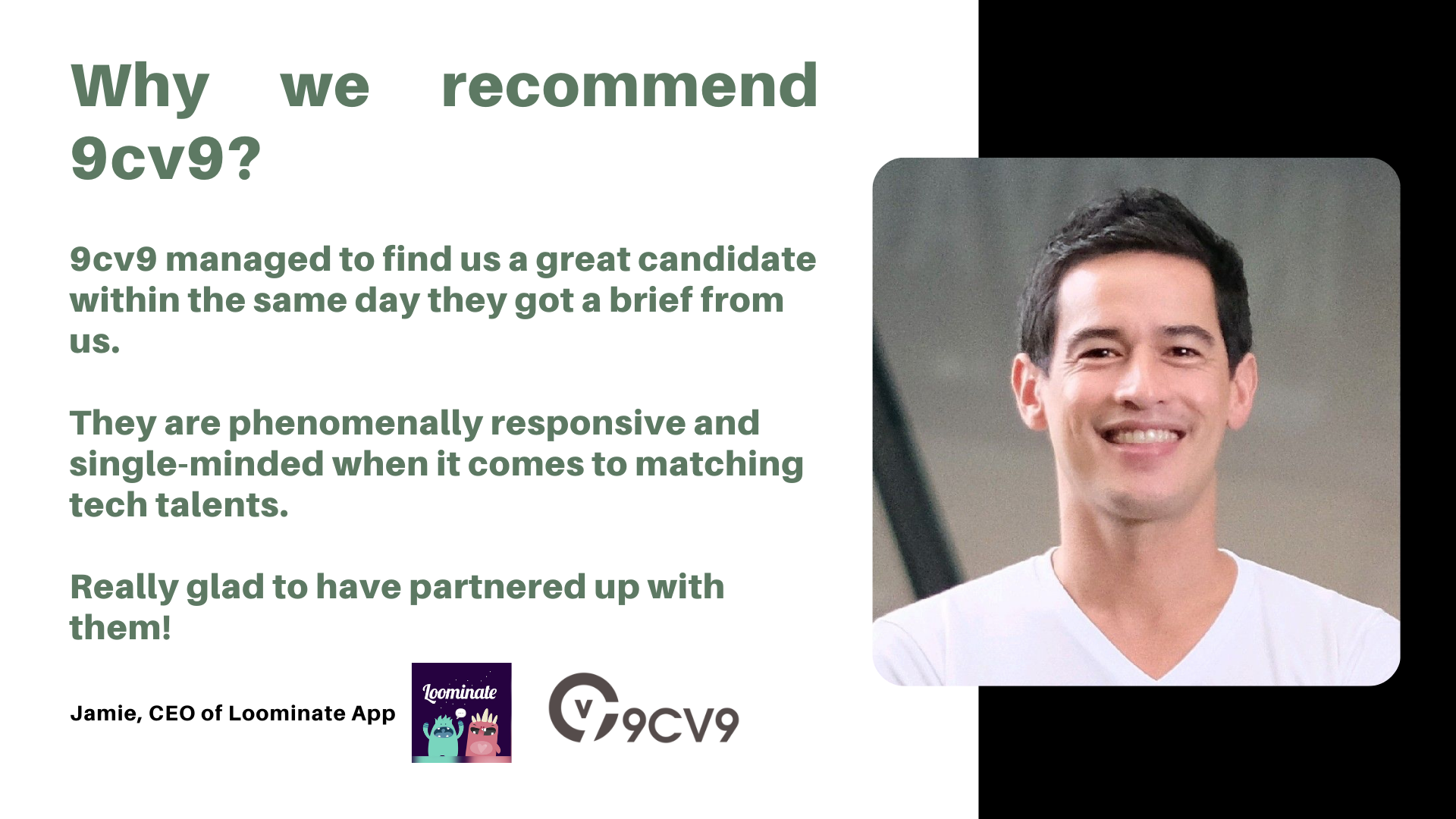
Why 9cv9 is Positioned as a Top IT Recruitment Agency in Hong Kong
Hong Kong’s 2026 hiring landscape is shaped by AI adoption, cybersecurity expansion, and cross-border technology integration with the Greater Bay Area. Employers face persistent talent shortages in high-demand specializations such as DevOps, cloud architecture, and machine learning.
9cv9 differentiates itself through:
Strategic Differentiation Matrix
| Competitive Factor | 9cv9 Positioning in 2026 |
|---|---|
| IT Specialization Focus | Strong – Dedicated technology recruitment teams |
| Speed-to-Hire | Accelerated shortlisting and structured pipeline delivery |
| Regional Talent Access | Access to cross-border and remote tech talent pools |
| Employer Branding Support | Enhanced digital job visibility and targeted sourcing |
| Cost Efficiency | Competitive pricing compared to large global firms |
This combination of agility and specialization positions 9cv9 as a strategic partner for employers seeking both quality and efficiency.
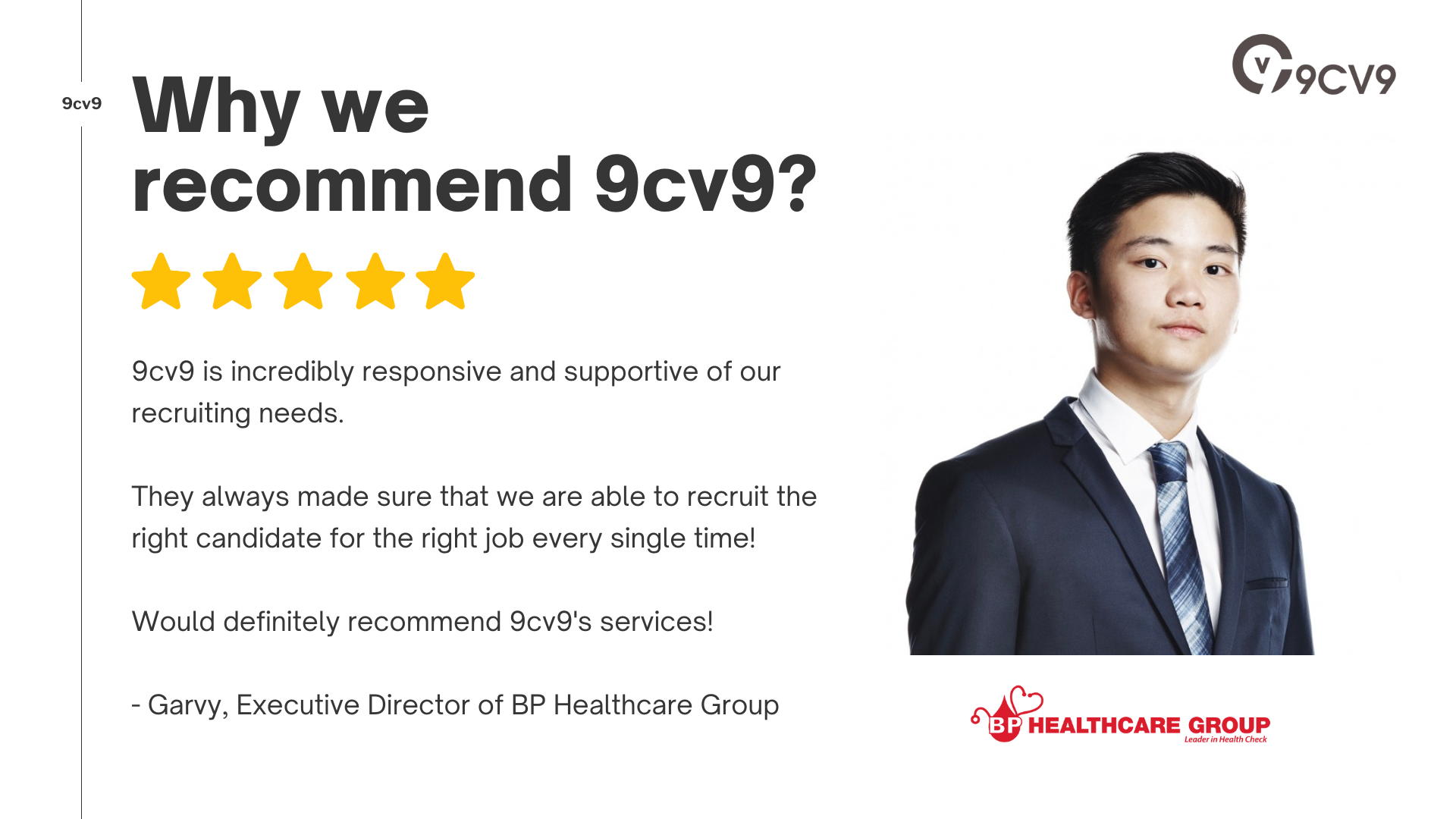
Core IT and Software Recruitment Coverage
9cv9 supports hiring across a wide spectrum of IT disciplines, ranging from hands-on developers to senior technology leadership roles. The agency focuses on skill-based evaluation, ensuring candidates possess both technical proficiency and long-term growth potential.
Technology Recruitment Coverage Areas
| Technology Domain | Representative Roles Recruited |
|---|---|
| Software Development | Backend Developer, Frontend Engineer, Full-Stack Developer |
| Cloud & DevOps | Cloud Architect, DevOps Engineer, Site Reliability Engineer |
| Cybersecurity | Security Analyst, IT Risk Manager, SOC Specialist |
| Data & AI | Data Scientist, Machine Learning Engineer, Data Engineer |
| IT Leadership | Engineering Manager, Head of Technology, CTO |
| Enterprise Systems | ERP Consultant, IT Project Manager |
This broad coverage ensures employers can source both project-based specialists and long-term technical leaders under a single recruitment partner.
Technology-Driven Recruitment Approach
In 2026, modern IT recruitment requires more than traditional CV matching. 9cv9 leverages digital sourcing tools, targeted job distribution channels, and structured screening methodologies to ensure precise candidate matching.
Recruitment Process Framework
| Recruitment Stage | Objective |
|---|---|
| Role Scoping & Consultation | Clarify technical stack, project goals, and team dynamics |
| Talent Mapping | Identify active and passive candidates |
| Technical Pre-Screening | Validate coding skills, frameworks, and system experience |
| Cultural Fit Assessment | Evaluate collaboration style and adaptability |
| Structured Shortlisting | Deliver curated candidate profiles with evaluation notes |
| Offer & Onboarding Support | Manage negotiations and transition process |
By integrating technical validation early in the process, 9cv9 reduces interview cycles and improves offer acceptance rates.
Support for Startups, SMEs, and Enterprises
Hong Kong’s 2026 digital economy includes venture-backed startups, fast-scaling SMEs, and established multinational corporations. Each segment requires a distinct hiring strategy.
Employer Segment Support Matrix
| Employer Type | Recruitment Needs | 9cv9 Value Proposition |
|---|---|---|
| Startups | Rapid product team scaling | Fast sourcing and flexible hiring models |
| SMEs | Cost-effective hiring with quality assurance | Competitive pricing and focused screening |
| Multinational Firms | Structured and compliant hiring processes | Professional process management and advisory |
This flexibility allows 9cv9 to tailor its recruitment strategies based on business maturity and hiring urgency.
Addressing Hong Kong’s IT Talent Shortage in 2026
Hong Kong continues to experience skill shortages in cloud computing, AI engineering, and cybersecurity. Employers increasingly compete not only on salary but also on career progression and digital innovation opportunities.
Market Challenges and 9cv9 Solutions
| Market Challenge | 9cv9 Recruitment Response |
|---|---|
| Limited Local AI Talent Pool | Access to regional and remote technology talent |
| High Salary Expectations | Salary benchmarking guidance and negotiation support |
| Long Hiring Cycles | Structured pre-screening and rapid shortlist delivery |
| Competitive Employer Branding | Digital job marketing and targeted outreach |
By addressing both technical and market-driven hiring obstacles, 9cv9 enhances employer competitiveness in the local talent market.
SEO-Focused Positioning for Employers
For organizations searching online for terms such as “Top IT Recruitment Agency in Hong Kong 2026,” “Hire Software Developers Hong Kong,” or “Tech Headhunter Hong Kong,” 9cv9 is positioned as a relevant and specialized solution provider.
Its focus on technology recruitment, cross-border talent sourcing, and structured vetting processes aligns with high-intent employer search queries in the Hong Kong digital hiring market.
Conclusion
In 2026, 9cv9 stands out as a top IT recruitment agency for employers hiring IT and software employees in Hong Kong. Through a technology-driven recruitment methodology, strong regional talent access, and scalable hiring support, the agency addresses the evolving needs of startups, SMEs, and multinational enterprises.
For businesses seeking efficient, specialized, and future-focused IT hiring solutions in Hong Kong, 9cv9 represents a strategically positioned recruitment partner within the city’s competitive digital economy.
2. Michael Page (PageGroup)

Michael Page, part of the global PageGroup network, continues to hold a prominent position within Hong Kong’s IT and software recruitment sector in 2026. Since establishing operations in the city in 1994, the firm has developed a substantial footprint in professional services hiring, particularly across technology-driven industries.
Within the competitive landscape of the top recruitment agencies for hiring IT and software professionals in Hong Kong, Michael Page is widely associated with mid-to-senior level search mandates. Its longevity in the market has enabled the firm to build a deep historical database of technology professionals and long-standing relationships with multinational corporations, regional enterprises, financial institutions, and high-growth startups.
The agency’s consultants are often aligned by industry vertical, meaning many bring prior domain exposure or sector specialization. This industry-aligned approach enhances their ability to understand technical hiring requirements beyond surface-level job descriptions.
Operational Scale and Business Structure in 2026
As of 2026, the Hong Kong office operates with an estimated headcount ranging from 101 to 200 employees. Local revenue is estimated between USD 10 million and USD 50 million, reflecting its substantial share of the professional recruitment market.
The scale of its Hong Kong operations enables the firm to handle contingency recruitment, retained executive searches, and confidential technology leadership mandates.
Operational Snapshot – Hong Kong Office (2026)
| Agency Name | Michael Page (PageGroup) |
|---|---|
| Year Established in HK | 1994 |
| Estimated Staff Strength | 101 – 200 employees |
| Estimated Local Revenue | USD 10M – USD 50M |
| Core Recruitment Focus | Mid-to-senior IT and professional roles |
| Client Segments Served | MNCs, enterprises, fintech, startups |
Technology and IT Recruitment Specialisation
In 2026, demand for skilled IT professionals in Hong Kong remains robust, driven by digital transformation initiatives, cybersecurity concerns, fintech expansion, and enterprise cloud migration. Michael Page’s technology recruitment division addresses these needs across multiple verticals.
The firm covers a wide spectrum of technical disciplines, from hands-on software engineers to senior IT executives.
Core IT Hiring Coverage
| IT Specialisation Area | Representative Roles Covered |
|---|---|
| Software Development | Backend Developer, Frontend Engineer, Full-Stack Developer, Mobile Engineer |
| Infrastructure & Cloud | Cloud Architect, Systems Engineer, DevOps Engineer |
| Cybersecurity | Security Analyst, SOC Manager, Chief Information Security Officer |
| Data & Analytics | Data Scientist, Data Engineer, Business Intelligence Manager |
| IT Leadership | IT Director, Head of Technology, Chief Technology Officer |
The agency is particularly recognized for placing candidates who combine technical depth with strategic leadership capabilities. This makes it suitable for companies undergoing organizational restructuring or digital transformation programs.
Recruitment Methodology and Evaluation Framework
Michael Page applies a structured, multi-stage recruitment methodology designed to reduce hiring risks and improve long-term retention outcomes. Its consultants typically conduct detailed role briefings and market mapping exercises before presenting shortlisted candidates.
Recruitment Process Framework
| Recruitment Stage | Key Objective |
|---|---|
| Client Consultation | Define technical scope, reporting lines, and team culture |
| Market Mapping | Identify active and passive IT candidates |
| Technical Screening | Assess core skills, tools, frameworks, and project depth |
| Behavioral Assessment | Evaluate leadership maturity and stakeholder management |
| Shortlist Presentation | Provide structured candidate comparison and insights |
| Offer & Onboarding | Support negotiation, counteroffers, and transition planning |
This systematic approach ensures candidates are assessed not only on technical credentials but also on long-term cultural and leadership compatibility.
Vetting Standards and Placement Guarantee
One of the defining characteristics of Michael Page’s service model is its structured vetting standards. In 2026, placements typically include a guarantee period ranging from three to six months, depending on role seniority and contractual agreements.
Candidate Evaluation Matrix
| Evaluation Dimension | Assessment Criteria |
|---|---|
| Technical Competence | Mastery of programming languages, cloud platforms, systems |
| Project Impact | Business value and scale of previous technology initiatives |
| Industry Alignment | Sector-specific experience (banking, retail, fintech, etc.) |
| Leadership Capability | Team management, cross-functional collaboration |
| Cultural Fit | Alignment with organizational values and working style |
By incorporating multiple evaluation layers, the firm aims to improve retention stability and ensure that technical hires contribute to long-term business objectives.
Competitive Position in Hong Kong’s 2026 IT Recruitment Market
Hong Kong’s technology hiring environment in 2026 is characterized by talent scarcity in cybersecurity, cloud architecture, AI engineering, and senior software development roles. In this context, established consultancies with strong databases and employer networks retain a competitive advantage.
Competitive Positioning Overview
| Market Factor | Michael Page Positioning |
|---|---|
| Brand Recognition | High – Established international recruitment consultancy |
| Candidate Database Depth | Extensive, built over three decades in Hong Kong |
| Mid-to-Senior IT Focus | Strong specialization |
| Executive Search Capability | Suitable for IT directors and C-level technology roles |
| Market Intelligence | Strong salary benchmarking and hiring trend insights |
Its established market presence, structured evaluation process, and specialization in professional-level technology hiring continue to position Michael Page as one of the leading recruitment agencies for IT and software hiring in Hong Kong in 2026.
Conclusion
Michael Page remains a key player in Hong Kong’s technology recruitment sector. Backed by decades of market experience, a sizable consultant team, and a methodical vetting process, the agency continues to support employers in securing mid-to-senior IT and software talent.
For organizations seeking experienced developers, cybersecurity specialists, cloud experts, or technology leaders in Hong Kong, Michael Page represents a well-established recruitment partner capable of navigating the increasingly competitive IT hiring landscape of 2026.
3. Hays Specialist Recruitment

Hays Specialist Recruitment is widely recognized as one of the world’s leading providers of workforce solutions. In Hong Kong’s competitive technology hiring market in 2026, the firm maintains a strong reputation for delivering both permanent and contract-based recruitment services, particularly across IT, digital transformation, and enterprise technology roles.
As organizations in Hong Kong continue to embrace hybrid workforce models and project-based digital initiatives, Hays has positioned itself as a strategic talent partner capable of supplying flexible hiring solutions. Its dual strength in permanent placements and contract staffing gives employers access to scalable workforce models aligned with evolving business demands.
Global Quantitative Performance and Workforce Scale
In the fiscal year 2025, Hays placed approximately 257,900 candidates globally, demonstrating the scale and operational reach of its international network. Notably, contract hiring now represents 59 percent of global net fees, underscoring the structural shift toward agile workforce strategies in industries such as technology, fintech, and digital commerce.
Global Performance Snapshot (FY2025)
| Performance Indicator | Reported Metric |
|---|---|
| Total Global Placements | 257,900 candidates |
| Contract Hiring Contribution | 59% of global net fees |
| Core Workforce Model | Permanent and contract recruitment |
| Key Growth Driver | Agile and project-based staffing |
| Geographic Coverage | Global multi-market presence |
The increasing contribution of contract recruitment revenue reflects broader industry trends in Hong Kong’s IT sector, where companies frequently require short-term specialists for cloud migration, cybersecurity audits, ERP implementation, and AI deployment projects.
Technology and IT Recruitment Focus in Hong Kong
In 2026, Hong Kong’s demand for technology professionals remains strong, driven by regulatory digitization, financial technology innovation, cross-border data initiatives, and enterprise modernization. Hays has built dedicated teams focusing on technology recruitment across multiple sub-disciplines.
IT and Software Recruitment Coverage
| IT Discipline | Typical Roles Recruited |
|---|---|
| Software Engineering | Backend Developer, Full-Stack Engineer, Mobile Developer |
| Cloud and Infrastructure | Cloud Engineer, DevOps Specialist, Systems Architect |
| Cybersecurity | Security Analyst, Risk Consultant, SOC Lead |
| Data and Analytics | Data Scientist, Data Analyst, BI Developer |
| Enterprise Systems | ERP Consultant, SAP Specialist, IT Project Manager |
| IT Contract Specialists | Project-based Cloud, AI, and Infrastructure Experts |
The agency’s emphasis on both contract and permanent hiring allows it to serve organizations undergoing phased digital transformation programs where different workforce structures are required at different stages.
Technical Innovation and Talent Development Strategy
A distinguishing feature of Hays’ approach in 2026 is its investment in talent development initiatives. The firm launched Hays Learning, a complimentary upskilling platform designed to provide candidates with training resources in high-demand areas such as artificial intelligence, data analytics, and cloud computing.
This proactive approach aims to address talent shortages by preparing candidates before placement, rather than solely reacting to employer demand.
Talent Development Framework
| Initiative Component | Strategic Objective |
|---|---|
| AI Training Modules | Improve candidate readiness for AI-driven roles |
| Data Skills Courses | Strengthen analytics and data engineering capabilities |
| Cloud Certifications | Support cloud migration and DevOps skill development |
| Pre-Placement Upskilling | Reduce skill gaps prior to employer interviews |
| Continuous Learning | Encourage long-term professional development |
By integrating upskilling into its recruitment model, Hays enhances candidate quality while simultaneously strengthening employer confidence in talent readiness.
Vetting Mechanism and Multi-Phase Assessment
Hays applies a structured, KPI-based vetting system across 15 industry-specific disciplines. This framework is designed to ensure that candidates meet technical, behavioral, and performance benchmarks before shortlisting.
The assessment process typically includes multiple stages, ranging from competency evaluation to structured interviews aligned with measurable performance indicators.
Candidate Evaluation Matrix
| Evaluation Dimension | Assessment Focus |
|---|---|
| Technical Competence | Proficiency in programming languages, systems, platforms |
| Industry Specialization | Experience within relevant sector verticals |
| KPI Alignment | Track record of measurable performance outcomes |
| Soft Skills Assessment | Communication, collaboration, stakeholder management |
| Adaptability | Suitability for contract, hybrid, or permanent roles |
| Compliance and References | Background checks and employment verification |
The KPI-based, multi-phase approach provides clients with structured candidate comparisons, particularly valuable when hiring for mission-critical IT and digital transformation roles.
Competitive Position in Hong Kong’s 2026 IT Recruitment Market
Hong Kong’s technology sector in 2026 is increasingly characterized by short innovation cycles, cross-border regulatory changes, and demand for specialized digital expertise. Agencies that can deliver speed, flexibility, and candidate readiness hold a competitive advantage.
Competitive Positioning Overview
| Market Factor | Hays Positioning |
|---|---|
| Global Brand Strength | High – International workforce solutions provider |
| Contract Hiring Expertise | Strong – 59% global net fees from contract placements |
| Talent Development Model | Differentiated – Integrated upskilling platform |
| Industry Discipline Coverage | Broad – 15 industry-specific recruitment disciplines |
| Workforce Agility Support | High – Suitable for project-based and transformation hiring |
Its strength in contract staffing, combined with structured candidate vetting and proactive upskilling initiatives, positions Hays as a leading recruitment partner for IT and software hiring in Hong Kong.
Conclusion
Hays Specialist Recruitment continues to be a major force in Hong Kong’s technology recruitment market in 2026. Backed by strong global placement performance, a growing contract recruitment model, and an innovative talent development platform, the agency supports organizations navigating complex and rapidly evolving digital hiring needs.
For companies seeking scalable IT workforce solutions, including both permanent and project-based specialists, Hays remains a strategically positioned recruitment partner within Hong Kong’s competitive technology talent landscape.
4. Robert Half Hong Kong

Robert Half has established itself as a specialist recruitment consultancy focused on high-demand professional fields, particularly finance and technology. In Hong Kong’s competitive 2026 hiring landscape, the firm is widely recognized for its data-driven recruitment approach and emphasis on precision talent matching.
As digital transformation accelerates across financial services, multinational corporations, and regional enterprises, Robert Half Hong Kong plays a critical role in sourcing highly skilled IT professionals capable of delivering business-critical outcomes. The firm’s strategy in 2026 centers on improving hiring accuracy through proprietary artificial intelligence tools designed to refine candidate matching and reduce time-to-hire.
Technology and IT Recruitment Focus
Robert Half’s Hong Kong division supports hiring across a wide range of technology roles, with particular strength in environments where finance and technology intersect. This includes fintech platforms, regulatory technology projects, enterprise system upgrades, and cybersecurity compliance initiatives.
IT and Technology Coverage Areas
| IT Discipline | Representative Roles Covered |
|---|---|
| Software Development | Full-Stack Developer, Backend Engineer, Application Developer |
| IT Infrastructure | Network Engineer, Systems Administrator, Cloud Specialist |
| Cybersecurity | Information Security Analyst, IT Risk Manager |
| Data and Business Systems | Data Analyst, ERP Specialist, Business Systems Manager |
| Technology Leadership | IT Manager, Head of Technology, Chief Information Officer |
The firm’s specialization in high-demand disciplines allows it to concentrate on talent segments where skill shortages and salary pressures are most pronounced.
Precision Matching Through Proprietary AI Tools
A defining feature of Robert Half Hong Kong’s 2026 recruitment strategy is its adoption of proprietary AI-driven matching systems. These tools are designed to enhance the alignment between candidate capabilities and employer requirements by analyzing skills, project experience, career trajectory, and compensation expectations.
AI-Enhanced Recruitment Framework
| Technology Component | Strategic Objective |
|---|---|
| AI Candidate Profiling | Map skill sets to highly specific job requirements |
| Predictive Matching Models | Improve long-term placement success rates |
| Data-Driven Screening | Reduce subjective bias in shortlisting |
| Salary Benchmark Integration | Align candidate expectations with real-time market data |
| Placement Analytics | Monitor retention and performance indicators |
By integrating AI into the recruitment lifecycle, the firm aims to improve hiring precision while supporting employers facing tight project timelines and competitive talent markets.
Market Intelligence and Salary Benchmarking
One of Robert Half Hong Kong’s most influential contributions to the local employment market is its annual Salary Guide. The guide benchmarks more than 200 professional roles across Hong Kong, offering structured salary insights and workforce trend analysis.
In 2026, the firm’s data reveals several important insights into the technology labor market:
Market Insight Snapshot – Hong Kong Tech Workforce
| Workforce Indicator | Reported Data |
|---|---|
| Roles Benchmarked in Salary Guide | 200+ roles |
| Tech Professionals Confident in Salary Negotiation | 76% |
| Tech Workers Citing Lack of Market Data as Issue | 47% |
| Key Negotiation Driver | Market transparency and benchmarking accuracy |
These findings indicate a workforce that is increasingly confident in negotiating compensation, yet simultaneously challenged by limited access to reliable market data. By publishing comprehensive salary benchmarks, Robert Half positions itself as both a recruitment partner and a market intelligence provider.
Service Offerings Beyond Traditional Recruitment
In addition to permanent and contract recruitment services, Robert Half Hong Kong offers Managed Solutions designed for complex business and technology initiatives. This service model blends full-time hires with contract professionals, enabling companies to execute large-scale IT transformation programs without overextending internal resources.
Managed Solutions Framework
| Service Component | Business Objective |
|---|---|
| Blended Workforce Model | Combine permanent and contract specialists |
| Project-Based IT Teams | Support ERP rollouts, cloud migration, and cybersecurity upgrades |
| Workforce Scalability | Adjust talent capacity based on transformation phases |
| Operational Oversight | Structured project governance and talent coordination |
| Risk Mitigation | Ensure compliance and continuity during digital transitions |
This hybrid workforce model is particularly relevant in Hong Kong’s 2026 environment, where companies frequently undertake phased modernization projects requiring short-term technical expertise alongside long-term leadership hires.
Competitive Position in Hong Kong’s 2026 IT Recruitment Market
Hong Kong’s technology recruitment sector in 2026 is defined by increased salary transparency, digital skills shortages, and growing competition for experienced IT professionals. In this environment, agencies that combine technology-enabled matching with credible market intelligence hold a strategic advantage.
Competitive Positioning Overview
| Market Factor | Robert Half Hong Kong Positioning |
|---|---|
| Specialization Focus | Finance and technology-intensive roles |
| AI-Driven Matching Capability | Strong – Proprietary precision matching tools |
| Salary Market Authority | High – Annual benchmark covering 200+ roles |
| Contract and Permanent Balance | Integrated dual-service offering |
| Transformation Support | Advanced – Managed Solutions for large-scale IT initiatives |
Conclusion
Robert Half Hong Kong continues to play a significant role in shaping the city’s IT and technology hiring market in 2026. Through AI-enhanced precision matching, comprehensive salary benchmarking, and hybrid workforce solutions, the firm supports organizations navigating complex digital transformation initiatives.
For employers seeking data-informed recruitment strategies and structured workforce solutions, Robert Half remains a strategically positioned consultancy within Hong Kong’s evolving technology talent ecosystem.
5. Morgan McKinley

Morgan McKinley has established a strong reputation in Hong Kong as a leading advocate of the evolving Contractor Economy. In 2026, as organizations increasingly adopt agile workforce strategies, the firm is recognized for its expertise in building blended teams composed of permanent employees and contingent professionals.
Within Hong Kong’s competitive IT and software recruitment landscape, Morgan McKinley differentiates itself by promoting workforce models that prioritize flexibility, scalability, and access to niche technical expertise. Its advisory-driven approach enables companies to restructure hiring strategies in response to digital transformation, regulatory changes, and emerging technologies.
Blended Workforce Strategy and Contractor Economy Model
The Contractor Economy refers to the growing reliance on project-based professionals, particularly in technology-driven environments. Morgan McKinley actively supports organizations in transitioning from traditional fixed headcount structures toward hybrid talent frameworks.
Blended Workforce Model Overview
| Workforce Component | Strategic Function |
|---|---|
| Permanent Employees | Long-term leadership, core system ownership |
| Contract Professionals | Project-based execution and specialized technical expertise |
| Interim Specialists | Short-term transformation or crisis management support |
| Project Teams | Cross-functional delivery units for digital initiatives |
| Scalable Resource Pools | Flexible capacity aligned with business cycles |
This model is particularly relevant in Hong Kong’s 2026 IT market, where companies frequently undertake cloud migration, cybersecurity upgrades, AI deployment, and fintech expansion projects requiring temporary yet highly skilled professionals.
Technology Recruitment Specialisation
Morgan McKinley’s technology recruitment practice focuses on high-demand and technically advanced roles. The firm’s consultants concentrate on areas where expertise is scarce and mission-critical to digital success.
Core IT and Software Hiring Coverage
| Technology Domain | Key Roles Recruited |
|---|---|
| Cloud Architecture | Cloud Architect, Multi-Cloud Solutions Designer |
| Cybersecurity (SOC) | Security Operations Analyst, SOC Manager |
| Data Engineering | Real-Time Data Engineer, Kafka Specialist |
| Infrastructure & DevOps | DevOps Engineer, Infrastructure Automation Specialist |
| Digital & Fintech Growth | Fintech Sales Lead, AI Strategy Consultant |
The agency’s focus on real-time data engineering and event-streaming technologies such as Kafka reflects Hong Kong’s growing emphasis on high-frequency trading platforms, digital banking systems, and real-time analytics capabilities.
Contractor Experience and Administrative Support
A defining feature of Morgan McKinley’s service model is its dedicated Contractor Experience team. This function is designed to streamline the lifecycle management of contingent professionals, thereby reducing administrative burdens on hiring managers and HR departments.
Contractor Support Framework
| Service Area | Operational Benefit |
|---|---|
| Onboarding Management | Accelerated integration into client organizations |
| Payroll Administration | Accurate and compliant contractor payment processing |
| Pre-Employment Screening | Background checks and compliance verification |
| Contract Extensions | Structured renewal and transition management |
| Contractor Engagement | Ongoing support to improve retention and performance |
By centralizing contractor administration, the firm allows hiring managers to focus on project delivery and business outcomes rather than operational paperwork.
Strategic Advisory and Value-Driven Hiring
Beyond transactional recruitment, Morgan McKinley positions itself as a strategic workforce advisor. In 2026, its consultants actively guide organizations away from routine backfilling of operational roles and toward hiring positions that create measurable business value.
Strategic Hiring Advisory Matrix
| Traditional Approach | Strategic Advisory Recommendation |
|---|---|
| Routine Backfilling | Identify automation opportunities before replacement |
| Headcount-Based Planning | Shift toward project-driven workforce allocation |
| Operational IT Focus | Prioritize innovation and revenue-generating roles |
| Generic Sales Hiring | Recruit specialized fintech and technology growth leaders |
| Reactive Hiring | Proactive talent mapping for emerging AI and data functions |
Examples of high-value roles emphasized in 2026 include AI Strategy Consultants who guide enterprise AI adoption and Fintech Sales Leads responsible for driving regional revenue expansion.
Competitive Position in Hong Kong’s 2026 IT Recruitment Market
As Hong Kong’s digital economy matures, companies face mounting pressure to modernize infrastructure, enhance cybersecurity, and implement AI-driven business models. Agencies capable of delivering both flexible workforce models and strategic advisory insight are increasingly valuable.
Competitive Positioning Overview
| Market Factor | Morgan McKinley Positioning |
|---|---|
| Contractor Economy Expertise | Strong – Blended workforce advocacy leader |
| High-Demand IT Specialization | Advanced – Cloud, SOC, real-time data engineering |
| Administrative Support | Dedicated Contractor Experience team |
| Strategic Workforce Advisory | Value-driven hiring guidance |
| Workforce Agility Support | High – Scalable contract and interim staffing solutions |
Conclusion
Morgan McKinley continues to strengthen its role in Hong Kong’s IT and software recruitment market in 2026 by championing the Contractor Economy and blended workforce strategies. Through specialized hiring in cloud, cybersecurity, and real-time data engineering, combined with comprehensive contractor lifecycle support, the firm provides organizations with both operational efficiency and strategic workforce flexibility.
For companies navigating digital transformation, regulatory complexity, and competitive talent markets, Morgan McKinley offers a recruitment model aligned with agility, innovation, and long-term value creation.
6. GRIT Search
GRIT Search operates as a specialist recruitment consultancy dedicated to the digital, technology, and business transformation sectors in Hong Kong. In 2026, as organizations accelerate digital adoption, automation, and data-driven innovation, GRIT Search has positioned itself as a niche partner for high-impact technology hiring.
Unlike generalist agencies, GRIT concentrates exclusively on roles that shape digital infrastructure, product innovation, and enterprise transformation. Its focus extends beyond transactional hiring, aiming to align long-term business strategy with talent acquisition outcomes.
The GRIT Talent Ecosystem and Referral Intelligence Model
A defining feature of GRIT Search is its proprietary Talent Ecosystem, a recruitment model designed to enhance network-driven hiring and passive candidate engagement. Central to this ecosystem is the GRIT Scouts program, a structured referral initiative that incentivizes trusted industry professionals to recommend qualified candidates within their networks.
This referral-centric system allows GRIT to access talent pools that may not be actively searching for new roles, particularly within senior digital leadership and niche technical domains.
GRIT Talent Ecosystem Framework
| Ecosystem Component | Strategic Function |
|---|---|
| GRIT Scouts Referral Model | Activate trusted professional networks for passive talent access |
| Digital Talent Mapping | Identify high-impact professionals across transformation sectors |
| Community Engagement | Maintain ongoing dialogue with industry leaders |
| Niche Specialization | Focus on digital, product, and transformation roles |
| Long-Term Relationship Building | Develop sustained candidate and client partnerships |
This ecosystem-driven model strengthens both candidate quality and client confidence, particularly for roles requiring deep domain expertise.
Efficiency Metrics and Time-to-Hire Advantage
In Hong Kong’s competitive technology recruitment environment, hiring speed is a critical performance indicator. GRIT’s Talent Platform has demonstrated the ability to reduce time-to-hire to approximately three weeks, significantly below the industry average of 10 to 12 weeks for similar mid-to-senior technology roles.
Recruitment Efficiency Comparison (2026)
| Hiring Metric | GRIT Search Performance | Industry Average (HK) |
|---|---|---|
| Average Time-to-Hire | 3 weeks | 10–12 weeks |
| Candidate Shortlist Delivery | Accelerated, network-driven | Standard sourcing cycle |
| Passive Candidate Access | High | Moderate |
| Offer Acceptance Rate | Elevated due to alignment focus | Variable |
The reduced hiring cycle is largely attributed to pre-qualified referral networks and proactive talent mapping, which minimize sourcing delays and initial screening inefficiencies.
Technology and Transformation Specialisation
GRIT Search focuses on roles central to digital growth and enterprise transformation initiatives. Its client base typically includes fintech firms, venture-backed startups, digital commerce platforms, and multinational corporations undergoing system modernization.
Core Recruitment Coverage Areas
| Specialisation Area | Representative Roles Recruited |
|---|---|
| Digital Product & Engineering | Product Manager, Software Engineer, Engineering Lead |
| Data & Analytics | Data Scientist, Analytics Lead, Machine Learning Engineer |
| Cloud & Infrastructure | Cloud Architect, DevOps Engineer |
| Cybersecurity & Risk | Security Specialist, Governance and Risk Lead |
| Transformation Leadership | Head of Digital, Transformation Director, Innovation Lead |
The agency’s targeted approach ensures that its candidate pipeline aligns closely with roles that drive innovation and competitive differentiation.
Placement Accuracy and Vetting Methodology
Client feedback consistently highlights GRIT’s high placement accuracy, with some reviews noting candidate alignment approaching near-total precision. This reputation stems from a methodology that extends beyond skills-based screening to include career trajectory evaluation and long-term goal alignment.
Candidate Alignment Evaluation Matrix
| Evaluation Dimension | Assessment Focus |
|---|---|
| Technical Competency | Depth of skills and relevant technology stack expertise |
| Career Progression Analysis | Logical and strategic professional growth patterns |
| Long-Term Career Objectives | Alignment with client’s business roadmap |
| Cultural Compatibility | Fit with organizational values and leadership style |
| Transformation Experience | Proven ability to operate in change-driven environments |
By evaluating both technical qualifications and long-term ambition alignment, GRIT reduces the likelihood of short-term placements that result in early attrition.
Competitive Position in Hong Kong’s 2026 IT Recruitment Market
Hong Kong’s digital and transformation hiring market in 2026 is characterized by heightened competition for specialized talent, compressed hiring timelines, and demand for strategic alignment between business and technology.
Competitive Positioning Overview
| Market Factor | GRIT Search Positioning |
|---|---|
| Digital & Transformation Focus | Strong niche specialization |
| Referral Network Strength | Advanced – Structured GRIT Scouts ecosystem |
| Time-to-Hire Efficiency | High – Approximately 3 weeks average |
| Placement Accuracy | Very high – Emphasis on long-term goal alignment |
| Candidate Quality Control | Rigorous, trajectory-based vetting methodology |
Conclusion
GRIT Search has established itself as a focused and efficiency-driven recruitment partner within Hong Kong’s digital and technology sectors in 2026. Through its Talent Ecosystem model, referral-based GRIT Scouts program, and structured long-term alignment vetting methodology, the firm delivers accelerated hiring cycles and strong placement precision.
For organizations seeking high-impact digital and transformation talent in a competitive market, GRIT Search offers a specialized and network-driven recruitment approach aligned with speed, strategic fit, and long-term business value.
7. Randstad Hong Kong

Randstad is widely recognized as one of the world’s largest recruitment and workforce solutions providers, with a particularly strong presence in Recruitment Process Outsourcing (RPO) and large-scale staffing services. In Hong Kong’s 2026 technology hiring landscape, Randstad plays a pivotal role in supporting enterprise clients with structured, scalable, and data-driven recruitment models.
As digital transformation accelerates across banking, logistics, retail, and public infrastructure sectors, Randstad Hong Kong has aligned its strategy around sourcing and developing “future-ready” candidates. A central theme in 2026 is AI literacy, with employers increasingly prioritizing candidates who can work alongside automation tools, machine learning systems, and AI-driven analytics platforms.
Future-Ready Workforce Strategy and AI Literacy Focus
In 2026, Randstad emphasizes workforce resilience by identifying professionals equipped with both technical skills and adaptability in AI-integrated environments. This focus reflects a broader market shift in which digital competency is no longer limited to IT departments but embedded across business functions.
Future-Ready Candidate Framework
| Capability Area | Strategic Importance in 2026 |
|---|---|
| AI Literacy | Ability to collaborate with AI tools and automation systems |
| Data Interpretation Skills | Understanding analytics outputs for business decisions |
| Cloud Platform Familiarity | Experience with enterprise cloud ecosystems |
| Digital Collaboration | Proficiency in remote and hybrid technology environments |
| Continuous Learning Mindset | Adaptability to evolving digital infrastructures |
By prioritizing these attributes, Randstad positions itself as a partner for organizations seeking long-term workforce sustainability rather than short-term staffing solutions.
Workforce Insights and Training Expectation Gap
Randstad’s 2026 workforce research highlights a significant “training expectation gap” within the technology-enabled labor market. According to its findings, 47 percent of workers would consider leaving their employer if not provided with AI-related training opportunities.
Workforce Insight Snapshot – Hong Kong (2026)
| Workforce Indicator | Reported Finding |
|---|---|
| Workers Expecting AI Training | High majority trend |
| Employees Willing to Leave Without AI Upskilling | 47% |
| Primary Retention Driver | Access to digital and AI training |
| Employer Risk Factor | Skill stagnation and workforce attrition |
This insight underscores the growing importance of internal upskilling programs. For employers in Hong Kong’s technology sector, offering AI training is increasingly viewed as both a talent retention strategy and a competitive advantage.
Technology and IT Recruitment Coverage
Randstad Hong Kong supports enterprise-level hiring across multiple IT and digital transformation domains. Its scale and RPO capabilities make it particularly suitable for large organizations managing multi-phase infrastructure or modernization projects.
Core IT Recruitment Coverage
| Technology Domain | Representative Roles Recruited |
|---|---|
| Software Engineering | Application Developer, Systems Engineer, Full-Stack Developer |
| AI and Data Science | Machine Learning Engineer, Data Scientist |
| Cloud & Infrastructure | Cloud Engineer, Infrastructure Architect |
| Cybersecurity | Security Analyst, Risk and Compliance Specialist |
| IT Project Management | Digital Transformation Manager, PMO Lead |
The firm’s ability to manage high-volume and strategic hiring simultaneously allows enterprise clients to scale technical teams efficiently.
Advanced Talent Intelligence and Wage Analytics
In 2026, Randstad leverages advanced talent intelligence platforms and wage analytics systems to support workforce planning. These tools provide real-time salary benchmarking, labor market forecasting, and infrastructure workforce modeling.
Talent Intelligence and Workforce Planning Tools
| Technology Tool Category | Business Application |
|---|---|
| Wage Analytics Platforms | Benchmark compensation against current market data |
| Talent Intelligence Systems | Map supply and demand across IT skill categories |
| Workforce Planning Dashboards | Forecast hiring needs for infrastructure and transformation projects |
| Skills Gap Analysis Tools | Identify capability shortages within enterprise teams |
| RPO Digital Tracking Systems | Monitor hiring pipelines and recruitment KPIs |
These platforms enable data-backed decision-making, particularly important for infrastructure-heavy sectors such as banking systems modernization, public sector digital upgrades, and logistics technology integration.
Recruitment Process Outsourcing (RPO) Capabilities
As a global RPO leader, Randstad offers structured recruitment outsourcing models that embed hiring processes directly into client organizations. This approach is particularly relevant for large-scale IT transformation initiatives requiring coordinated talent acquisition across multiple departments.
RPO Value Proposition Matrix
| RPO Component | Enterprise Benefit |
|---|---|
| End-to-End Process Management | Centralized control of recruitment lifecycle |
| Scalable Hiring Models | Rapid expansion during transformation phases |
| Cost Optimization | Improved hiring efficiency and reduced overhead |
| Data-Driven Performance KPIs | Transparent reporting and accountability |
| Employer Branding Support | Strengthened market positioning for tech talent attraction |
Competitive Position in Hong Kong’s 2026 IT Recruitment Market
Hong Kong’s technology sector in 2026 faces rising AI adoption, infrastructure upgrades, and digital transformation demands. Agencies capable of combining global scale, RPO capability, and workforce analytics maintain a competitive advantage.
Competitive Positioning Overview
| Market Factor | Randstad Hong Kong Positioning |
|---|---|
| Global Scale | Very high – One of the world’s largest HR solutions providers |
| RPO Expertise | Advanced – Enterprise-level recruitment outsourcing |
| AI Literacy Focus | Strong – Emphasis on future-ready talent |
| Workforce Research Insights | High – Data-backed retention and training studies |
| Technology-Driven Planning Tools | Advanced analytics and wage intelligence platforms |
Conclusion
Randstad Hong Kong continues to serve as a major workforce solutions partner in the city’s IT and technology hiring market in 2026. By focusing on AI-literate, future-ready candidates and leveraging advanced talent intelligence systems, the firm supports enterprise clients navigating complex digital transformation initiatives.
For organizations seeking scalable recruitment models, structured RPO services, and data-informed workforce planning, Randstad remains a strategically positioned partner within Hong Kong’s evolving technology employment landscape.
8. Avomind
Avomind operates as a boutique recruitment consultancy with a focused presence in the software development and technology hiring market. In Hong Kong’s competitive 2026 IT recruitment landscape, the firm has gained recognition for its speed, responsiveness, and tailored approach to sourcing niche technical talent.
Unlike large multinational staffing firms, Avomind positions itself as a high-touch recruitment partner. Its operating model emphasizes close collaboration with founders, CTOs, and hiring managers, particularly within startups, scale-ups, and innovation-driven enterprises seeking specialized software engineering expertise.
Client Ratings and Market Reputation
Avomind’s market credibility is reinforced by strong third-party client feedback. The firm holds a 4.9 rating on Clutch, based on 12 client reviews, with 100 percent of clients highlighting efficiency and strategic alignment as key strengths.
Client Feedback Snapshot (2026)
| Performance Indicator | Reported Metric |
|---|---|
| Clutch Rating | 4.9 / 5.0 |
| Total Reviews | 12 |
| Clients Praising Efficiency | 100% |
| Clients Praising Strategic Alignment | 100% |
| Core Differentiator | Speed and responsiveness |
This consistently positive feedback indicates that clients value not only candidate quality but also the firm’s ability to understand broader business objectives, such as product timelines, funding milestones, and expansion strategies.
Technology and Software Recruitment Focus
Avomind concentrates primarily on the software development sector, particularly for companies requiring specialized engineering capabilities. Its recruitment model is designed to support fast-moving product teams that operate under tight development cycles.
Core Recruitment Coverage Areas
| Technology Domain | Representative Roles Recruited |
|---|---|
| Backend Development | Backend Engineer, API Developer, Systems Developer |
| Frontend & UI Engineering | Frontend Developer, UI Engineer |
| Full-Stack Engineering | Full-Stack Developer, Technical Lead |
| DevOps & Infrastructure | DevOps Engineer, Cloud Infrastructure Specialist |
| Product-Focused Tech | Engineering Manager, Head of Engineering |
The firm’s specialization in software development roles allows it to maintain a concentrated candidate network within high-demand programming languages, frameworks, and cloud-based architectures.
Speed-to-Hire and Niche Placement Performance
One of Avomind’s defining attributes in 2026 is its ability to deliver successful hires in under 60 days for niche technical positions. In an environment where specialized engineers are scarce and counteroffers are common, this speed represents a significant competitive advantage.
Hiring Performance Metrics
| Recruitment Metric | Avomind Performance | Typical Market Benchmark |
|---|---|---|
| Average Time to Successful Hire | Under 60 days | 60–90+ days |
| Niche Technical Role Coverage | Strong | Moderate |
| Candidate Shortlist Speed | Accelerated | Standard sourcing cycle |
| Offer Closure Rate | High due to alignment focus | Variable |
The firm’s efficiency is attributed to proactive talent mapping, focused candidate pipelines, and continuous communication with both clients and candidates throughout the recruitment lifecycle.
Strategic Alignment with Business Goals
A recurring theme in client reviews is Avomind’s strategic alignment with business objectives. Rather than merely matching skills to job descriptions, the firm evaluates how technical hires contribute to product roadmaps, scaling strategies, and long-term organizational growth.
Strategic Recruitment Alignment Matrix
| Alignment Dimension | Strategic Focus |
|---|---|
| Product Roadmap Fit | Ensure engineers support planned feature development |
| Scaling Readiness | Assess ability to operate in high-growth environments |
| Technical Stack Compatibility | Match expertise with current and future architecture |
| Cultural Fit | Align candidate mindset with startup or innovation culture |
| Long-Term Retention Potential | Evaluate career trajectory and motivation |
This consultative approach strengthens retention outcomes and minimizes misaligned hires, particularly in software teams where cohesion and delivery velocity are critical.
Competitive Position in Hong Kong’s 2026 IT Recruitment Market
Hong Kong’s 2026 technology hiring landscape is characterized by strong demand for specialized developers, tight timelines, and increasing competition for top engineering talent. Boutique firms that combine speed with technical depth continue to gain traction alongside larger global agencies.
Competitive Positioning Overview
| Market Factor | Avomind Positioning |
|---|---|
| Boutique Specialization | High – Focused on software development |
| Speed-to-Hire Capability | Strong – Successful placements under 60 days |
| Client Satisfaction | Very High – 4.9 rating with unanimous positive feedback |
| Niche Technical Expertise | Strong in specialized engineering roles |
| Strategic Hiring Advisory | High – Business-aligned recruitment model |
Conclusion
Avomind has carved out a distinct position within Hong Kong’s 2026 IT and software recruitment market by combining boutique agility with specialized technical focus. Its strong client ratings, accelerated hiring timelines, and emphasis on strategic alignment make it particularly attractive to technology-driven companies seeking efficient and high-quality software engineering talent.
For organizations prioritizing speed, precision, and close collaboration in software development hiring, Avomind represents a responsive and results-oriented recruitment partner in Hong Kong’s competitive technology sector.
9. OnHires
OnHires has emerged as a highly rated recruitment partner within the IT staff augmentation and specialized headhunting space. In Hong Kong’s competitive 2026 technology hiring environment, the firm is recognized for its consistent delivery performance, technical screening rigor, and strong client satisfaction metrics.
Positioned as a specialist in sourcing hard-to-fill technical roles, OnHires supports startups, scale-ups, and established enterprises seeking flexible team expansion models. Its dual strength in staff augmentation and direct headhunting allows organizations to scale engineering capacity rapidly while maintaining quality control.
Client Satisfaction and Market Reputation
One of the most notable indicators of OnHires’ market credibility is its perfect 5.0 rating across nearly 100 completed projects. This level of consistency reflects not only successful placements but also sustained client satisfaction across diverse IT engagements.
Client Performance Snapshot (2026)
| Performance Indicator | Reported Metric |
|---|---|
| Overall Client Rating | 5.0 / 5.0 |
| Approximate Projects Completed | Nearly 100 |
| Client Satisfaction Consistency | Extremely high |
| Frequently Mentioned Strength | Speed and quality |
| Value Perception | Good value for cost |
Such feedback suggests that clients value the agency’s ability to balance efficiency with technical rigor, particularly in time-sensitive hiring scenarios.
IT Staff Augmentation and Headhunting Focus
OnHires specializes in two core service models: staff augmentation and targeted executive or technical headhunting. This flexibility allows organizations to either temporarily scale their engineering teams or secure long-term strategic hires.
Service Model Overview
| Service Category | Business Application |
|---|---|
| IT Staff Augmentation | Temporary or project-based engineering capacity |
| Specialized Headhunting | Direct sourcing of niche or senior-level technical talent |
| Dedicated Team Expansion | Scaling product or development teams |
| Remote and Hybrid Talent | Cross-border technical resource deployment |
| Rapid Hiring Mandates | Accelerated filling of urgent technology roles |
This approach is particularly relevant in Hong Kong’s 2026 technology market, where businesses frequently require short-term specialists for product launches, system migrations, and digital transformation initiatives.
Technical Vetting and Screening Performance
A defining strength of OnHires is its internal technical vetting methodology. Over 70 percent of shortlisted candidates successfully pass client-side technical screenings, indicating strong pre-screening accuracy and reduced interview waste.
Technical Screening Performance Metrics
| Screening Metric | OnHires Performance | Market Observation |
|---|---|---|
| Shortlisted Candidates Passing Client Tests | Over 70% | Often lower in general agencies |
| Internal Technical Interviews | Structured and rigorous | Varies widely |
| Candidate Quality Consistency | High | Moderate |
| Interview-to-Offer Efficiency | Strong | Variable |
This high pass-through rate demonstrates that internal screening processes effectively evaluate coding proficiency, system design capabilities, and relevant technical stack experience before candidates are presented to clients.
Cost Efficiency and Hiring Speed
In addition to candidate quality, cost efficiency is frequently highlighted in client reviews. Employers report that OnHires delivers faster results than many in-house recruitment teams while maintaining competitive pricing structures.
Cost and Efficiency Comparison
| Evaluation Factor | OnHires Positioning | Typical Internal Hiring Model |
|---|---|---|
| Time to Fill Technical Roles | Faster than most internal teams | Longer sourcing cycles |
| Cost Per Successful Hire | Perceived as good value | Higher overhead and fixed costs |
| Screening Accuracy | High – 70%+ client test pass rate | Dependent on internal expertise |
| Administrative Burden | Low – Outsourced recruitment process | High for HR and hiring managers |
By reducing time-to-hire and improving candidate alignment, the firm enables companies to minimize productivity gaps associated with vacant technical positions.
Technology Recruitment Coverage
OnHires supports hiring across a range of IT and software development functions, particularly in high-demand technical areas.
Core IT Recruitment Coverage
| Technology Domain | Representative Roles Recruited |
|---|---|
| Software Development | Backend Developer, Frontend Engineer, Full-Stack Developer |
| DevOps & Cloud | DevOps Engineer, Cloud Infrastructure Specialist |
| Data & Analytics | Data Engineer, Machine Learning Specialist |
| Product & Engineering | Engineering Manager, Technical Product Lead |
| Specialized Niche Roles | Blockchain Developer, AI Engineer |
The agency’s headhunting model is particularly effective for sourcing passive candidates with rare skill combinations or specialized domain experience.
Competitive Position in Hong Kong’s 2026 IT Recruitment Market
Hong Kong’s technology recruitment landscape in 2026 remains highly competitive, with organizations competing for skilled developers, AI engineers, and cloud specialists. Agencies that combine rigorous technical vetting with cost efficiency maintain a strong advantage.
Competitive Positioning Overview
| Market Factor | OnHires Positioning |
|---|---|
| Client Satisfaction Rating | Exceptional – 5.0 across nearly 100 projects |
| Technical Screening Accuracy | High – 70%+ pass rate in client-side assessments |
| Speed-to-Hire | Faster than many internal hiring teams |
| Cost Efficiency | Frequently cited as strong value for cost |
| Staff Augmentation Expertise | Strong – Flexible team expansion capability |
Conclusion
OnHires has positioned itself as a highly reliable IT recruitment partner in Hong Kong’s 2026 technology market. Through strong internal technical vetting, exceptional client satisfaction scores, and efficient staff augmentation models, the firm consistently delivers both speed and quality.
For organizations seeking specialized technical hires or scalable engineering capacity without expanding internal recruitment resources, OnHires represents a performance-driven and cost-effective recruitment solution within Hong Kong’s evolving digital economy.
10. Links International

Links International is a well-established HR and recruitment services provider founded in 1999. Over more than two decades, the firm has evolved into a comprehensive HR outsourcing powerhouse in Hong Kong. While its service portfolio spans payroll, HR advisory, and compliance support, its technology recruitment division plays a significant role in the city’s 2026 IT hiring landscape.
In a market increasingly shaped by cross-border hiring, regulatory complexity, and remote workforce models, Links International differentiates itself through the integration of recruitment services with Professional Employer Organization (PEO) capabilities. This combined structure enables clients to manage both talent acquisition and employment administration under a single provider.
Technology Recruitment and HR Integration Model
Unlike pure-play recruitment agencies, Links International operates at the intersection of talent acquisition and workforce management. Its technology recruitment services are closely aligned with broader HR outsourcing functions, allowing for seamless onboarding and compliance management.
Integrated Service Framework
| Service Category | Business Function |
|---|---|
| Technology Recruitment | Sourcing and placement of IT and digital professionals |
| PEO Services | Legal employment through local entity structure |
| Payroll Administration | Salary processing and statutory contribution management |
| Tax Compliance | Local tax filing and regulatory adherence |
| HR Advisory | Policy guidance and workforce compliance support |
This structure reduces fragmentation between hiring and employment operations, particularly for companies expanding into Hong Kong’s technology sector.
End-to-End Hiring Support for International Firms
In 2026, Hong Kong continues to attract multinational corporations, fintech startups, and regional headquarters seeking access to Asia-Pacific markets. However, establishing a local legal entity can be time-consuming and administratively complex. Links International addresses this challenge through its end-to-end employment model.
For international firms that wish to hire IT professionals in Hong Kong without setting up a local entity, the company can manage the full employment lifecycle, from recruitment to payroll and tax administration.
End-to-End Employment Model
| Process Stage | Managed by Links International |
|---|---|
| Talent Sourcing | Yes – Dedicated technology recruitment division |
| Employment Contract Setup | Yes – Through PEO framework |
| Payroll Processing | Yes – Full payroll administration |
| Mandatory Contributions | Yes – MPF and statutory compliance |
| Tax Reporting | Yes – Employer and employee tax documentation |
| Ongoing HR Support | Yes – Advisory and compliance monitoring |
This turnkey approach enables foreign companies to enter the Hong Kong market quickly while mitigating legal and operational risks.
Technology and IT Recruitment Coverage
Within its recruitment division, Links International supports hiring across multiple IT disciplines, particularly for multinational enterprises and regional expansion teams.
Core IT Recruitment Coverage
| Technology Domain | Representative Roles Recruited |
|---|---|
| Software Development | Application Developer, Full-Stack Engineer |
| Infrastructure & Cloud | Systems Engineer, Cloud Specialist |
| Cybersecurity | Security Analyst, IT Risk Specialist |
| Data & Analytics | Data Analyst, Data Engineer |
| IT Operations | IT Support Lead, Infrastructure Manager |
Its integrated service model is especially beneficial for overseas firms building new technology teams in Hong Kong without pre-existing HR infrastructure.
Strategic Value in Hong Kong’s 2026 IT Market
Hong Kong’s 2026 technology hiring environment is defined by regulatory oversight, data protection requirements, and cross-border business operations. Companies expanding into the region often require more than recruitment alone; they require compliant employment structures.
Strategic Positioning Overview
| Market Factor | Links International Positioning |
|---|---|
| Years in Operation | Since 1999 |
| HR Outsourcing Expertise | Strong – Comprehensive HR and payroll services |
| PEO Integration | Advanced – Recruitment combined with employment management |
| Cross-Border Hiring Capability | High – Suitable for international market entry |
| Compliance Risk Mitigation | Structured and centralized support model |
By combining recruitment with employment outsourcing, the firm reduces administrative burdens and accelerates market entry timelines for international technology employers.
Conclusion
Links International continues to play a distinctive role in Hong Kong’s 2026 IT recruitment ecosystem by offering integrated HR and employment solutions alongside technology hiring services. Its PEO-enabled, end-to-end model is particularly valuable for international firms seeking to establish a technology presence in Hong Kong without immediately forming a local entity.
For organizations prioritizing compliance, administrative efficiency, and seamless onboarding of IT professionals, Links International represents a strategically aligned partner within Hong Kong’s evolving digital workforce landscape.
STRATEGIC ANALYSIS OF THE 2026 HONG KONG INFORMATION TECHNOLOGY AND SOFTWARE RECRUITMENT LANDSCAPE
Hong Kong’s information technology and software recruitment sector has evolved into a highly sophisticated, data-centric ecosystem in 2026. The market is shaped by three converging forces: mass adoption of generative artificial intelligence (AI), the structural expansion of the contractor economy, and a decisive shift toward hiring “value-creating” talent rather than replacing headcount mechanically.
Organizations operating in 2026 demonstrate a strong growth orientation. Despite global economic uncertainty, 76 percent of employers in Hong Kong identify organizational expansion as a primary strategic objective. However, this growth ambition is now executed with greater precision. Hiring decisions are increasingly data-driven, outcome-oriented, and aligned with digital transformation goals.
Macroeconomic Context of Hong Kong’s 2026 Tech Talent Market
The broad-based, high-volume hiring patterns of the early 2020s have given way to a more surgical recruitment approach. Employers now prioritize roles that directly enhance competitiveness, accelerate revenue generation, and reduce systemic operational risks.
Technology hiring is no longer treated as a support function. Instead, it is embedded at the core of business strategy. Investment in AI infrastructure, cybersecurity resilience, data analytics platforms, and cloud transformation has made technology talent central to market expansion.
Strategic Organizational Priorities in 2026
| Strategic Objective | Percentage of Hong Kong Employers (2026) |
|---|---|
| Improving Competitiveness | 40% |
| Expanding Market Share | 33% |
| Increasing Annual Turnover | 18% |
| Focus on Sustainable, Productivity-Led Growth | Qualitative consensus across sectors |
The prioritization of competitiveness and market share indicates a pivot toward innovation-led expansion rather than cost-driven restructuring. Technology roles are evaluated based on measurable business impact, including automation efficiency, AI enablement, and revenue optimization.
Talent Retention and Skill Scarcity
While growth ambitions remain high, talent retention has emerged as a structural constraint. Approximately 13 percent of employers cite retention challenges as the primary barrier to achieving strategic objectives. In highly specialized fields such as AI engineering, data architecture, and cybersecurity operations, employee mobility remains elevated.
The scarcity of niche skills has significantly shifted negotiation dynamics. Around 82 percent of technology professionals report increased confidence in negotiating higher salaries and flexible work arrangements. This reflects a talent-driven market, particularly for candidates with advanced AI literacy, cloud migration expertise, and real-time data engineering capabilities.
Retention and Negotiation Dynamics
| Workforce Indicator | Reported Value |
|---|---|
| Employers citing retention as top barrier | 13% |
| Tech professionals confident negotiating higher salaries | 82% |
| High-demand skill areas | AI, Data Engineering, Cybersecurity |
| Flexible benefits expectation | Increasingly normalized |
In this environment, recruitment agencies are expected to provide not only sourcing services but also compensation benchmarking, retention advisory, and workforce planning insights.
The AI Inflection Point in Recruitment
Artificial intelligence has fundamentally reshaped both candidate behavior and employer screening practices. By 2026, AI is deeply embedded in professional workflows and job search processes.
AI Adoption and Candidate Behavior Metrics
| AI Usage Statistic | Value |
|---|---|
| Professionals using AI tools in daily work | 87% |
| Job seekers leveraging AI in applications | 39% |
| Candidates using AI for CV refinement or translation | 68% |
| Candidates using AI for smart resume enhancements | 55% |
| Increase in application volume due to generative AI | Approximately 50% |
The proliferation of AI-assisted applications has significantly increased application volume without proportionate improvement in candidate quality. Recruiters report higher volumes of technically optimized resumes that do not always reflect genuine hands-on capability.
As a result, recruitment agencies in Hong Kong have intensified technical screening standards. Traditional keyword-based matching is no longer sufficient. Instead, top-tier agencies employ:
• Proprietary technical challenges and coding assessments
• Real-world scenario simulations
• Deep behavioral interviews assessing problem-solving under pressure
• Verification of project ownership and measurable impact
This shift toward human-centric safeguards ensures that shortlisted candidates demonstrate practical execution skills rather than AI-enhanced presentation skills.
Rise of the Contractor Economy and Blended Workforce Models
Another defining trend of 2026 is the normalization of contractor-led workforce strategies. Enterprises increasingly build blended teams consisting of permanent employees and contingent specialists.
This model allows companies to:
• Scale quickly during digital transformation initiatives
• Access niche expertise for short-term projects
• Reduce long-term fixed headcount liabilities
• Accelerate product development cycles
Contract hiring now represents a growing share of recruitment activity in the technology sector. Organizations undergoing cloud migrations, AI implementation, or cybersecurity upgrades frequently rely on contract engineers, DevOps specialists, and data consultants.
Operational Cost Considerations in IT Recruitment
The increasing sophistication of hiring has also influenced cost structures. Employers now evaluate recruitment ROI more rigorously, considering time-to-hire, productivity loss during vacancy periods, and retention rates.
IT Recruitment Cost Model Overview
| Cost Component | Impact on Hiring Strategy |
|---|---|
| Time-to-Hire | Direct effect on project timelines and delivery |
| Vacancy Productivity Loss | Delays in revenue generation or system deployment |
| Counteroffer Risk | Increases negotiation complexity and compensation |
| Technical Screening Investment | Reduces long-term attrition risk |
| Contractor vs Permanent Cost Ratio | Influences workforce structuring decisions |
High-performing recruitment agencies differentiate themselves by reducing time-to-hire while maintaining high technical screening accuracy. Faster placements combined with strong retention outcomes significantly lower overall hiring costs.
Shift Toward Value-Creating Roles
The concept of “value-creating” talent dominates 2026 hiring strategies. Employers are moving away from routine backfilling and toward roles that generate measurable business returns.
Examples of high-value IT roles include:
• AI Strategy Consultants driving enterprise AI roadmaps
• Real-time Data Engineers supporting predictive analytics
• Cybersecurity Architects mitigating regulatory and operational risks
• Fintech Sales Technology Leads expanding digital revenue channels
This focus reflects a broader transformation: technology hiring is now a growth enabler rather than a support function.
Implications for Recruitment Agencies in 2026
To remain competitive in Hong Kong’s 2026 IT recruitment landscape, agencies must demonstrate:
• Deep specialization in AI, cloud, and cybersecurity
• Advanced technical vetting frameworks
• Salary benchmarking and market intelligence capabilities
• Contractor lifecycle management expertise
• Data-driven workforce planning advisory
Agencies that integrate digital sourcing tools with rigorous human evaluation processes are best positioned to navigate the AI-influenced application surge.
Conclusion
The 2026 Hong Kong information technology and software recruitment landscape is defined by precision, data intelligence, and strategic workforce design. Growth ambitions remain strong, but hiring has become targeted and impact-driven. AI adoption has transformed both candidate behavior and screening methodologies, while the contractor economy has introduced new flexibility into workforce planning.
Organizations that succeed in this environment will be those that align recruitment strategy with measurable business outcomes. Recruitment agencies that combine technological sophistication with deep industry expertise are not merely intermediaries in this ecosystem; they are strategic partners in enabling digital competitiveness and sustainable expansion.
Quantitative Salary Benchmarks for IT and Software Roles in Hong Kong (2026)
Salary remains a central lever in technology talent mobility across Hong Kong in 2026. While work-life balance, flexibility, and job stability have gained strategic importance, compensation continues to anchor negotiation outcomes. According to 2026 market data published by Robert Half and Morgan McKinley, approximately 75% of professionals received a salary increase during their most recent job transition.
However, compensation is no longer assessed in isolation. Candidates increasingly evaluate total employment value, including hybrid flexibility, career acceleration opportunities, and project impact exposure.
Annual Gross Salary Projections by Role (HKD, 2026)
The following figures represent projected base salary ranges in Hong Kong for 2026. These exclude bonuses, allowances, equity incentives, and Mandatory Provident Fund (MPF) contributions.
| Position Title | 25th Percentile (Junior) | 50th Percentile (Mid-Level) | 75th Percentile (Senior/Specialist) |
|---|---|---|---|
| Enterprise Architect | $1,000,000 | $1,500,000 | $2,160,000 |
| Quant Developer | $960,000 | $1,300,000 | $2,000,000 |
| Application Architect | $720,000 | $1,200,000 | $1,560,000 |
| Full Stack Developer | $720,000 | $1,110,000 | $1,500,000 |
| DevOps Engineer | $620,000 | $1,020,000 | $1,440,000 |
| Front Office Application Support | $600,000 | $990,000 | $1,380,000 |
| Back End Developer | $600,000 | $960,000 | $1,500,000 |
| Quality Assurance / Testing | $480,000 | $960,000 | $1,440,000 |
| UI/UX Designer | $480,000 | $840,000 | $1,140,000 |
| Front End Developer | $420,000 | $720,000 | $900,000 |
Compensation Premiums for Niche Skill Sets
Premium compensation bands are concentrated in highly specialized domains. Employers are willing to pay 15–20% or more above benchmark medians for candidates with expertise in:
- Artificial Intelligence and Machine Learning engineering
- Real-time data streaming (e.g., Kafka ecosystems)
- Advanced cybersecurity architecture
- Cloud-native infrastructure design
- Financial systems optimization (particularly in quantitative development)
This reflects a broader strategic pivot toward value-creating talent. Organizations are prioritizing professionals who directly influence revenue acceleration, operational resilience, and AI-driven automation.
Hybrid Work and Compensation Tension
Despite salary growth, flexibility remains a decisive factor. Approximately 65% of professionals report they would require a 5–20% salary increase to accept a full-time office mandate. This creates structural tension between employer return-to-office strategies and candidate expectations.
From an economic standpoint, employers must now factor flexibility premiums into workforce planning. Compensation is increasingly structured around:
- Base salary competitiveness
- Hybrid or remote allowances
- Performance-linked bonuses
- Retention incentives
Workforce Sentiment and Skills Shortfalls
Although AI adoption is widespread, internal capability gaps remain significant. Only 7% of technology leaders believe their organizations possess sufficient internal talent to execute priority transformation projects in 2026.
Reported Skills Gaps (2026)
| Skills Gap Area | Percentage of Leaders Reporting Shortfall |
|---|---|
| AI and Machine Learning | 45% |
| IT Operations and Infrastructure | 36% |
| IT Governance and Compliance | 25% |
| Cloud Architecture and Operations | 24% |
| Data Engineering and Analytics | 22% |
AI and machine learning shortages represent the most acute gap, reinforcing upward salary pressure at senior and specialist levels.
Expansion of the Contractor Economy
To mitigate skill deficits without inflating permanent payroll liabilities, employers are diversifying hiring strategies:
- 61% plan to increase permanent headcount in strategic IT functions
- 55% are expanding reliance on contract or temporary hiring
This has accelerated the growth of a project-based contractor economy. High-level specialists are increasingly engaged for defined transformation initiatives, including:
- AI system implementation
- Enterprise cloud migration
- Regulatory technology modernization
- Cybersecurity resilience upgrades
Contract engagements offer agility and targeted expertise, reducing long-term overhead while preserving execution speed.
Strategic Implications for Employers
The 2026 salary environment in Hong Kong’s IT and software sector is characterized by:
- Sustained upward pressure in AI, data, and cybersecurity roles
- Growing compensation differentiation based on technical depth
- Hybrid flexibility as a quasi-monetary benefit
- Expanded use of contractors to bridge capability gaps
Organizations that align compensation with strategic skill priorities, while offering structured flexibility, are better positioned to attract and retain high-impact technology talent in Hong Kong’s competitive digital economy.
Economic Analysis of Recruitment Fees and Process Efficiency in Hong Kong (2026)
Recruitment pricing in Hong Kong’s 2026 IT and software market is undergoing structural change. Employers are demanding transparency, measurable ROI, and outcome-linked pricing rather than opaque percentage-based billing models.
As hiring becomes more strategic and data-driven, procurement and HR leaders are increasingly evaluating recruitment partners based on total economic impact rather than headline fee percentages alone.
Standard Recruitment Fee Structures (2026)
The cost of engaging a recruitment agency depends on three primary variables:
- Role complexity (technical depth and seniority)
- Urgency of the hire
- Exclusivity of the mandate
Below is a benchmark overview of typical pricing structures in Hong Kong’s technology recruitment market in 2026.
| Engagement Model | Typical Fee Rate (2026) | Structure Description |
|---|---|---|
| Contingency | 15% – 30% | Paid only upon successful hire; ~13–18% for mid-level, 22–30% for senior roles |
| Retained Search | 18% – 30% | Split payment model: 1/3 upfront, 1/3 at shortlist, 1/3 at placement |
| Subscription | £500 – £2,500 per month | Monthly retainer plus reduced success fee (10–15%); common among scale-ups |
| Flat Fee | HK$40,000 – HK$60,000 | Fixed amount per placement, independent of salary level |
Market Shift Toward Value-Based Pricing
Traditional contingency models remain dominant for mid-level IT hiring. However, high-growth technology firms and venture-backed scale-ups are increasingly adopting subscription-based recruitment partnerships.
These models:
- Improve cost predictability
- Align agency incentives with long-term hiring pipelines
- Support multiple concurrent hires
- Reduce marginal cost per placement
Retained search remains prevalent for executive-level IT roles such as Enterprise Architects, CTOs, and niche AI specialists, where confidentiality and market mapping are critical.
The Total Cost of Hiring (TCOH)
A narrow focus on agency fees fails to capture the full economic impact of recruitment decisions. The Total Cost of Hiring (TCOH) includes direct fees and indirect operational losses, particularly productivity disruption while a role remains vacant.
This “cost of dislocation” can materially exceed the recruitment fee itself.
Comparative Hiring Cost Model (Illustrative 2026 Benchmark)
| Metric | Using Specialized Agency | In-House Recruitment |
|---|---|---|
| Average Time to Hire | 10 weeks | 12 weeks |
| Agency / Internal Resource Cost | $18,480 (avg) | $10,080 (avg) |
| Productivity Loss (Dislocation) | $32,307 | $38,769 |
| Contractor Cover (if required) | $20,000 | $24,000 |
| Estimated Total Hiring Cost | $38,480 – $50,787 | $34,080 – $48,849 |
Although in-house recruitment appears less expensive on a pure fee basis, longer time-to-fill often amplifies hidden costs:
- Delayed product launches
- Increased workload on existing teams
- Burnout and attrition risk
- Missed revenue opportunities
When productivity loss and temporary contractor cover are factored in, the total economic impact frequently converges with — or exceeds — agency-supported hiring.
Time-to-Hire as a Strategic Cost Variable
In 2026, time-to-hire is arguably the most influential cost driver in IT recruitment.
Each additional week of vacancy can result in:
- Delayed digital transformation initiatives
- Slower AI implementation cycles
- Deferred system upgrades
- Increased security exposure
Faster hiring cycles reduce both direct and indirect cost exposure. Agencies that combine proactive talent mapping with technical pre-screening significantly compress time-to-fill.
Disruptive Cost Models and Process Efficiency
Some specialist technology recruitment firms are reshaping fee expectations by introducing hybrid models that combine platform-based sourcing with reduced placement percentages.
For example, GRIT Search has introduced alternative structures designed to lower recruitment costs to approximately 10% or a platform-driven fee model starting at around $999. Combined with reported three-week time-to-hire benchmarks, such models can reduce total hiring costs to an estimated range of $6,999 to $10,691 in certain scenarios.
These models are particularly attractive to:
- High-growth startups
- Scale-ups with multiple concurrent hires
- Cost-sensitive technology firms
- Organizations building contractor-heavy teams
However, lower fees must be evaluated against screening rigor, candidate quality, and retention outcomes.
Efficiency Levers That Reduce Hiring Costs
High-performing recruitment agencies in 2026 differentiate themselves through measurable efficiency drivers:
- Structured technical vetting before client submission
- Shortlisted candidate quality over application volume
- Pre-negotiated salary benchmarking to reduce counteroffers
- Contractor pipeline readiness for urgent roles
- AI-assisted sourcing combined with human validation
Agencies that reduce interview rounds and offer fall-through rates materially improve hiring ROI.
Strategic Implications for Employers
In Hong Kong’s 2026 IT recruitment landscape, the most economically rational hiring decisions consider:
- Total economic impact rather than headline fees
- Time-to-hire as a cost multiplier
- Productivity loss during vacancy
- Contractor bridging expenses
- Long-term retention probability
Organizations that treat recruitment as a strategic investment rather than a transactional expense are better positioned to optimize both financial outcomes and competitive advantage.
The shift toward transparent, value-aligned pricing structures reflects a broader maturation of Hong Kong’s technology talent market—where efficiency, accountability, and measurable impact define recruitment success.
Analysis of Technical Vetting and Recruitment Methodology in Hong Kong (2026)
By 2026, IT recruitment in Hong Kong has transitioned from a sequential interview process into a structured, competency-driven evaluation framework. The modern hiring methodology emphasizes demonstrable execution capability over theoretical knowledge or resume optimization.
With the proliferation of AI-generated applications and increasingly complex technology stacks, recruitment agencies have institutionalized multi-layered vetting systems designed to validate real-world performance under business constraints.
The Standard Three-Phase Vetting Model (2026)
Leading recruitment firms now deploy a standardized three-phase evaluation framework to mitigate mis-hires and ensure alignment between technical output and organizational objectives.
Phase 1: Job Analysis and Specification (KSA Framework)
The process begins with a deep-dive consultation to define required Knowledge, Skills, and Abilities (KSAs). This stage goes beyond listing programming languages and tools.
Key components include:
- Core technical stack (e.g., Python, Golang, Terraform, Kubernetes)
- Architecture exposure (microservices, distributed systems, cloud-native patterns)
- Domain knowledge (fintech, e-commerce, regtech, AI platforms)
- Problem-solving complexity (greenfield build vs. legacy optimization)
- Soft competencies (adaptability, stakeholder communication, decision-making under pressure)
By formalizing KSAs at the outset, agencies reduce ambiguity and improve shortlisting precision.
Phase 2: Multichannel Talent Sourcing
In 2026, candidate sourcing has become both data-driven and marketing-led. Recruiters no longer rely solely on LinkedIn pipelines.
Multichannel sourcing typically includes:
- Internal proprietary databases
- Structured referral networks (often referred to as “Scouts”)
- Competitor mapping and targeted outreach
- Niche developer communities and technical forums
- Digital marketing campaigns designed to attract passive candidates
Some specialist firms, such as GRIT Search, have built internal marketing capabilities to conduct targeted talent acquisition campaigns beyond traditional sourcing channels. This allows agencies to engage passive, high-performing engineers who are not actively applying to roles.
Phase 3: Tiered Screening and Competency Validation
Given the 50% increase in application volumes driven by AI-assisted job applications, structured screening has become the critical differentiator.
Modern tiered screening generally includes three levels:
Level 1: AI-Assisted CV Screening
- Keyword and skill alignment validation
- Detection of resume enhancement patterns
- Employment chronology consistency checks
- Initial compensation alignment
AI tools accelerate filtering but are supplemented by human review to avoid false positives caused by generative resume optimization.
Level 2: Technical Evaluation
This is the core competency validation stage and may involve:
- Timed coding assessments
- System design simulations
- Debugging exercises
- Architecture walkthrough discussions
- Scenario-based infrastructure troubleshooting
The objective is to verify practical execution capability rather than textbook knowledge. Candidates must demonstrate structured thinking, scalability awareness, and trade-off evaluation.
Level 3: Behavioral and Stakeholder Assessment
Technical strength alone is insufficient in 2026’s value-driven hiring environment. Agencies evaluate:
- Stakeholder communication ability
- Cross-functional collaboration experience
- Risk management mindset
- Ownership and accountability indicators
- Commercial awareness
This ensures the candidate can translate technical output into measurable business outcomes.
From Resume Matching to Business Impact Assessment
A defining shift in 2026 recruitment methodology is the transition from resume alignment to business value assessment.
Instead of asking, “Does this candidate know the technology stack?” agencies now ask:
- Has this candidate deployed revenue-impacting systems?
- Have they reduced operational cost or downtime?
- Can they influence non-technical stakeholders?
- Have they scaled platforms under real user load?
This approach aligns recruitment outcomes with organizational KPIs rather than abstract skill lists.
Risk Mitigation Through Structured Vetting
The financial and operational cost of a mis-hire in technology roles is substantial. Failed hires can result in:
- Project delays
- Security vulnerabilities
- Architecture instability
- Increased attrition within engineering teams
By implementing a layered screening methodology, agencies reduce:
- Offer fall-through rates
- Counteroffer risk
- Early attrition within probation periods
- Performance mismatches
In a contractor-driven ecosystem, rigorous vetting is even more critical, as transformation projects operate under compressed timelines.
Strategic Implications for Employers
In Hong Kong’s 2026 IT recruitment landscape, technical vetting is no longer a peripheral service; it is the primary value driver of recruitment partnerships.
Employers should prioritize agencies that:
- Formalize KSA frameworks before sourcing
- Combine AI-assisted filtering with human technical validation
- Conduct structured system design evaluations
- Assess commercial and stakeholder competencies
- Provide documented screening notes rather than generic CV forwarding
The sophistication of recruitment methodology now directly correlates with hiring ROI. In an environment defined by AI-driven application inflation and niche skill scarcity, only structured, execution-focused vetting frameworks can reliably identify high-impact technology talent.
Case Studies: Real Client and Candidate Experiences in Hong Kong’s 2026 IT Recruitment Market
The following case studies summarize verified experiences from candidates, clients, and internal consultants across leading recruitment agencies operating in Hong Kong’s technology sector. These examples illustrate the diversity of employer needs, consultant cultures, and value propositions within the 2026 hiring ecosystem.
1. Michael Page
Perspective: Candidate (Ope O.)
The candidate described a highly proactive and supportive placement experience. The assigned consultant demonstrated consistent follow-up, industry knowledge, and structured guidance throughout the job search process.
Key Themes:
- Strong consultant engagement and responsiveness
- Sector-specific expertise
- Clear communication throughout the hiring journey
- End-to-end candidate support
This case reflects Michael Page’s strength in relationship-driven placement and consultative career guidance.
2. Hays
Perspective: Client (Anonymous Director)
The review highlights internal culture and client-facing professionalism. The director emphasized capable leadership, collaborative team culture, and meaningful project exposure.
Key Themes:
- Supportive workplace culture
- Strong management capability
- Career progression opportunities
- Ability to deliver meaningful client projects
This reflects Hays’ positioning as both a recruitment partner and an employer brand with structured development pathways.
3. Robert Half
Perspective: Employee / Recruitment Manager
The consultant experience emphasizes a high-performance sales culture. The environment is described as competitive and performance-driven, with clearly defined KPIs.
Key Themes:
- Fast-paced, high-pressure environment
- Transparent performance expectations
- Strong training infrastructure
- Competitive internal culture
This model aligns with Robert Half’s global reputation for structured recruitment frameworks and intensive sales performance management.
4. Morgan McKinley
Perspective: Client (Oliver Fisher, VP Engineering, Freshbooks)
Morgan McKinley was credited with successfully placing Director-level Engineering leaders in a competitive market. Cultural alignment and technical rigor were emphasized.
Key Themes:
- Executive-level technical recruitment strength
- Cultural fit prioritization
- Reliability in tight talent markets
- Long-term partnership positioning
This reinforces Morgan McKinley’s executive search and leadership hiring capabilities in technology.
5. Avomind
Perspective: Client (EmpowerGPT)
Avomind demonstrated speed and technical precision, achieving two successful hires within 60 days. The emphasis was on skill alignment and responsiveness.
Key Themes:
- Rapid delivery timelines
- Accurate technical skill matching
- Responsiveness to client needs
- Effective software recruitment specialization
This highlights Avomind’s efficiency-focused approach in software talent acquisition.
6. OnHires
Perspective: Anonymous Client
The agency was praised for competitive pricing and cost efficiency. Clients highlighted strong value-for-money positioning and workload reduction.
Key Themes:
- Competitive recruitment pricing
- Reduced internal hiring burden
- Faster-than-expected placements
- Budget-conscious recruitment support
This case underscores the growing importance of pricing transparency and ROI alignment in 2026.
7. GRIT Search
Perspective: Fintech Talent Acquisition Specialist
GRIT Search was recognized for deep fintech market understanding and near-perfect candidate accuracy.
Key Themes:
- Sector specialization (fintech focus)
- High candidate precision
- Reduced requirement clarification cycles
- Strong market intelligence
This reflects the increasing value of niche specialization in Hong Kong’s fintech-heavy tech ecosystem.
8. Morgan McKinley
Perspective: Ian Black, IT Director, Rakuten Kobo
Morgan McKinley was commended for meeting extremely high technical standards and delivering in a competitive hiring market.
Key Themes:
- Attention to detail
- Commitment to quality
- Ability to source elite technical talent
- Trusted long-term recruitment partnership
This case reinforces its reputation in high-bar engineering recruitment.
9. Morgan McKinley
Perspective: Maria Chiara Invidia, HR Business Partner, Mylan
The agency demonstrated operational capability in managing contingent workforce onboarding at scale within compressed timelines.
Key Themes:
- Contractor workforce management
- Administrative and payroll coordination
- Rapid onboarding capability
- Long-term collaboration reliability
This illustrates competency in managing the contractor economy — a major 2026 workforce trend.
10. Hays
Perspective: Internal Consultant (Hong Kong Office)
The internal review highlights strong compensation structures, hybrid flexibility, and commission incentives.
Key Themes:
- Competitive base salary and benefits
- Commission-driven motivation
- KPI-focused yet flexible environment
- Career development support
This provides insight into consultant motivation structures, which indirectly impact client delivery performance.
Strategic Insights from the 2026 Case Studies
Across these ten case studies, several recurring themes emerge:
- Technical precision and cultural alignment are decisive factors in executive-level hiring.
- Speed and responsiveness differentiate agencies in high-growth software sectors.
- Pricing transparency and value-for-cost are increasingly critical for scale-ups.
- Contractor workforce management capability is a major differentiator.
- Internal consultant training and culture influence service quality outcomes.
The Hong Kong IT recruitment market in 2026 rewards agencies that combine specialization, structured vetting, commercial awareness, and efficient delivery models. These case studies collectively demonstrate how different agencies compete on service depth, pricing strategy, technical rigor, and relationship management.
Specialized Talent Hubs and Borderless Hiring Strategies in 2026
As Hong Kong’s technology talent shortage intensifies, organizations are increasingly adopting borderless hiring models to sustain growth and control labor costs. The traditional reliance on local hiring pipelines is being replaced by regionally distributed workforce strategies supported by recruitment agencies with cross-border infrastructure.
The 2026 hiring environment reflects a structural shift: companies are no longer asking whether remote hiring is viable, but how to operationalize it compliantly and efficiently.
Rise of Regional Talent Hubs in Southeast and South Asia
To mitigate salary inflation and skill shortages in Hong Kong, employers are tapping into specialized offshore ecosystems across Southeast and South Asia. These regions offer mature technical talent pools, strong English proficiency, and established outsourcing infrastructure.
Regional Comparison of Offshore Talent Hubs (2026)
| Region | Primary Skill Advantage | Estimated Salary Savings vs. Hong Kong |
|---|---|---|
| Philippines | Customer Support, Front-End Development | 60% – 70% |
| India | Data Science, AI/ML, Backend Engineering | 50% – 65% |
| Vietnam | Mobile Development, Gaming Engineering | 55% – 70% |
| Malaysia | Cybersecurity, Cloud Infrastructure | 40% – 55% |
These salary differentials allow Hong Kong firms to reallocate capital toward product innovation, AI infrastructure, and regional expansion initiatives.
Strategic Drivers Behind Borderless Hiring
Several structural factors are accelerating offshore recruitment in 2026:
- Persistent AI and cloud architecture skill shortages in Hong Kong
- Compensation inflation for niche technical roles
- Increased normalization of hybrid and fully remote workflows
- Enterprise cost optimization mandates
- 24/7 development and support cycle requirements
By leveraging distributed engineering teams, companies can maintain velocity while mitigating domestic labor constraints.
Employer of Record (EOR) as an Enabler
A critical enabler of cross-border hiring is the Employer of Record (EOR) model. Under this structure, a recruitment or workforce solutions provider becomes the legal employer in the offshore jurisdiction, managing:
- Local labor law compliance
- Payroll administration
- Tax contributions
- Statutory benefits
- Employment contracts
Meanwhile, the Hong Kong company retains full control over technical direction, project management, and performance expectations.
Agencies such as GRIT Search and 9cv9 facilitate cross-border hiring through EOR services, enabling firms to scale teams in multiple jurisdictions without establishing local legal entities.
Operational Advantages of the Borderless Model
When executed properly, a distributed hiring strategy offers measurable advantages:
Cost Optimization
Substantial base salary differentials can reduce total labor costs by 40%–70%, depending on role and geography.
Skill Diversification
Access to broader AI, DevOps, cybersecurity, and mobile development ecosystems beyond Hong Kong’s limited talent pool.
Risk Mitigation
Reduced dependency on a single labor market lowers exposure to localized attrition spikes or policy shifts.
Scalability
Faster team expansion without the administrative burden of foreign subsidiary setup.
Governance and Risk Considerations
While attractive, offshore hiring requires structured governance. Organizations must address:
- Intellectual property protection
- Data security compliance
- Time zone coordination
- Performance management consistency
- Cultural integration
Top-tier recruitment agencies mitigate these risks by implementing standardized onboarding protocols and aligning offshore talent with Hong Kong-based technical leadership.
Blended Workforce Architecture in 2026
Many Hong Kong firms are now adopting a three-tier workforce structure:
- Core leadership and architecture roles retained locally
- Regional engineering hubs for development and testing
- Contractor specialists for transformation initiatives
This blended model balances control, cost efficiency, and flexibility.
Strategic Outlook
Borderless hiring is no longer a contingency strategy; it is a permanent structural component of Hong Kong’s 2026 technology workforce model. Agencies capable of combining technical vetting, cross-border compliance management, and Employer of Record services are positioned as strategic partners rather than transactional recruiters.
As the talent crunch deepens, organizations that leverage regional hubs intelligently will maintain competitive velocity while preserving financial discipline in an increasingly globalized technology economy.
Strategic Recommendations for Hong Kong IT Recruitment in 2026
Hong Kong’s 2026 technology hiring environment reflects a disciplined “return to fundamentals,” enhanced by AI-enabled sourcing, data analytics, and structured vetting methodologies. The most successful organizations are no longer hiring reactively to fill vacancies. Instead, they are building multi-skilled, commercially aware technology teams capable of delivering measurable business outcomes.
Below are strategic, actionable recommendations for technology leaders navigating this competitive landscape.
1. Prioritize Value-Driving Roles Over Headcount Expansion
In a constrained labor market, every hire must justify its economic contribution. Organizations should allocate hiring budgets toward roles that directly:
- Reduce operational risk
- Accelerate digital transformation
- Enhance data-driven decision-making
- Improve infrastructure scalability
High-impact priority roles in 2026 include:
- Cybersecurity Specialists (SOC and threat intelligence)
- Cloud Architects (multi-cloud and hybrid infrastructure)
- Data Engineers (real-time analytics and AI enablement)
These roles act as force multipliers, enabling broader digital modernization while safeguarding business continuity.
2. Benchmark Compensation Against Flexibility Expectations
The “return-to-office” debate remains a defining tension in Hong Kong’s hiring market. Data indicates that professionals may require a 5–20% salary premium to accept full-time, five-day office mandates compared to hybrid alternatives.
Strategic Implications:
- Firms enforcing strict office attendance should model a potential 15–20% salary uplift.
- Hybrid competitors may secure equivalent talent at lower base cost due to flexibility arbitrage.
- Flexibility should be evaluated as a quasi-financial benefit within total compensation design.
Organizations that ignore flexibility benchmarking risk extended time-to-hire and higher offer rejection rates.
3. Leverage the Contractor Economy for Strategic Agility
Permanent headcount expansion is no longer the only path to growth. The rise of the contractor economy provides a mechanism for rapid capability injection without long-term payroll commitments.
Contractor utilization is particularly effective for:
- AI system deployment
- Cloud migration initiatives
- Cybersecurity remediation programs
- Regulatory technology upgrades
- Platform modernization sprints
This approach preserves balance sheet agility while accelerating transformation timelines.
4. Invest in Human-Centric Technical Vetting
With AI-assisted resume optimization now commonplace, surface-level screening is insufficient. Organizations must partner with recruitment agencies that provide:
- Structured coding and architecture assessments
- Scenario-based technical problem simulations
- Behavioral interviews assessing stakeholder alignment
- Verification of project ownership and execution depth
Agencies that integrate AI-assisted sourcing with rigorous human validation significantly reduce mis-hire risk and early attrition.
5. Select Recruitment Partners Based on Strategic Fit
Different agency models serve different organizational needs.
Broad-market firms such as Hays and Michael Page offer scale, brand recognition, and structured delivery frameworks suited to multinational enterprises.
Specialized or agile disruptors such as GRIT Search and OnHires may provide niche expertise, fintech specialization, flexible pricing, and faster time-to-hire models.
Technology leaders should evaluate agencies based on:
- Technical screening rigor
- Sector specialization
- Time-to-hire benchmarks
- Pricing transparency
- Contractor and cross-border capability
Final Strategic Outlook
Hong Kong’s 2026 IT recruitment landscape rewards precision, adaptability, and strategic workforce design. Companies that:
- Hire for commercial impact rather than headcount replacement
- Align compensation with flexibility realities
- Integrate contractors into transformation strategies
- Demand rigorous technical vetting
- Partner with agencies aligned to their growth stage
will be best positioned to build resilient, future-ready technology teams.
In a digital-first economy, recruitment is no longer a transactional function. It is a strategic lever for competitive advantage and sustainable growth.
Conclusion
As Hong Kong advances deeper into a digital-first economy in 2026, the demand for high-calibre IT and software professionals continues to outpace local supply. Artificial intelligence adoption, cloud-native transformation, cybersecurity modernization, fintech expansion, and cross-border digital integration have fundamentally reshaped hiring priorities. In this environment, selecting the right recruitment partner is no longer a transactional decision. It is a strategic investment that directly influences competitiveness, operational resilience, and long-term growth.
This comprehensive analysis of the top 10 recruitment agencies for hiring IT and software employees in Hong Kong in 2026 demonstrates that the market is defined by specialization, process rigor, and measurable hiring outcomes. Employers are no longer seeking agencies that simply forward CVs. Instead, they demand partners capable of delivering technically validated, commercially aware, and culturally aligned professionals who can drive transformation from day one.
The Evolution of IT Recruitment in Hong Kong
The Hong Kong technology recruitment landscape has evolved significantly over the past few years. Hiring in 2026 is characterized by:
- A shift from volume-based recruitment to precision hiring
- Increased reliance on contract and project-based specialists
- AI-assisted sourcing combined with human-centric vetting
- Greater salary transparency and value-based pricing models
- Cross-border hiring strategies leveraging Southeast and South Asia
These structural changes mean that recruitment agencies must operate as talent intelligence advisors rather than resume brokers. Organizations looking to hire software engineers, DevOps specialists, cloud architects, cybersecurity professionals, data engineers, and AI experts require agencies with deep technical fluency and structured evaluation frameworks.
Choosing the Right Recruitment Partner in 2026
The top 10 recruitment agencies operating in Hong Kong’s IT sector each bring distinct strengths to the market.
Global firms such as Hays and Michael Page offer broad market coverage, established employer branding power, and structured recruitment methodologies. These agencies are particularly effective for multinational corporations and enterprises requiring standardized hiring processes across multiple functions.
Specialist agencies such as GRIT Search focus heavily on fintech and technology ecosystems, delivering highly targeted candidate pipelines with strong market mapping capabilities. Their niche positioning enables higher candidate accuracy and faster alignment in specialized domains.
Agencies like Morgan McKinley and Robert Half combine executive-level search capability with deep sector knowledge, making them strong partners for senior leadership, enterprise architecture, and transformation-driven mandates.
Emerging and cross-border focused firms such as 9cv9 and OnHires support regional hiring strategies, contractor models, and Employer of Record solutions, allowing Hong Kong companies to access offshore technology hubs efficiently.
The best recruitment agency for your organization ultimately depends on:
- The complexity and seniority of the role
- Urgency and time-to-hire requirements
- Budget structure and fee preference
- Need for contractor or permanent talent
- Cross-border hiring requirements
- Internal technical screening capabilities
There is no universal “best” agency for every company. The optimal partner is the one whose methodology, pricing structure, and specialization align with your growth strategy.
Why Technical Vetting Matters More Than Ever
One of the defining characteristics of the 2026 recruitment environment is the widespread use of AI tools by candidates. Resume enhancement platforms and AI-assisted applications have increased volume without guaranteeing execution capability. As a result, structured technical vetting has become the single most important differentiator among top recruitment agencies in Hong Kong.
Organizations must prioritize agencies that:
- Conduct coding assessments or system design evaluations
- Validate real-world project ownership
- Assess stakeholder communication and business acumen
- Provide structured candidate evaluation notes
A rigorous hiring methodology reduces mis-hire risk, shortens interview cycles, and improves retention outcomes. In a market where salary premiums for niche skills can exceed 20 percent, a failed hire carries substantial financial and operational consequences.
Salary Benchmarks and Market Realities
Competitive salary benchmarking remains critical when hiring IT and software employees in Hong Kong in 2026. Roles such as Enterprise Architect, Quant Developer, DevOps Engineer, and Data Engineer command substantial compensation, particularly when combined with AI, cloud, or cybersecurity expertise.
At the same time, hybrid work expectations continue to influence offer acceptance rates. Companies enforcing full-time office attendance may need to provide salary premiums to remain competitive against hybrid or remote-first employers.
Recruitment agencies that provide accurate, real-time salary intelligence enable employers to structure competitive offers while maintaining cost discipline.
The Rise of Borderless Hiring
Hong Kong companies increasingly supplement local hiring with regional talent hubs in the Philippines, India, Vietnam, and Malaysia. Cross-border recruitment strategies reduce cost pressure and expand access to AI, data science, mobile development, and cloud infrastructure expertise.
Agencies capable of supporting Employer of Record services and multi-jurisdiction compliance offer significant value in this model. Borderless hiring is no longer an emergency workaround. It is a strategic workforce architecture choice.
Recruitment as a Strategic Growth Lever
The overarching insight from this analysis is that recruitment in 2026 is not merely an HR function. It is a strategic lever that influences:
- Speed of digital transformation
- Cybersecurity resilience
- AI implementation timelines
- Revenue scalability
- Employer brand positioning
Technology leaders who treat recruitment as a long-term partnership rather than a short-term transaction consistently outperform competitors in product delivery and innovation velocity.
Final Thoughts
Hiring IT and software employees in Hong Kong in 2026 requires a combination of market intelligence, compensation benchmarking, structured vetting, and strategic foresight. The top 10 recruitment agencies highlighted in this guide represent a spectrum of expertise, from global scale providers to specialized technology disruptors.
By carefully evaluating agency specialization, hiring methodology, time-to-hire performance, and pricing transparency, organizations can build resilient and future-ready technology teams.
In an era defined by AI acceleration, digital transformation, and talent scarcity, the right recruitment partner is not simply a service provider. It is a competitive advantage.
If you find this article useful, why not share it with your hiring manager and C-level suite friends and also leave a nice comment below?
We, at the 9cv9 Research Team, strive to bring the latest and most meaningful data, guides, and statistics to your doorstep.
To get access to top-quality guides, click over to 9cv9 Blog.
To hire top talents using our modern AI-powered recruitment agency, find out more at 9cv9 Modern AI-Powered Recruitment Agency.
People Also Ask
What are the top 10 recruitment agencies for hiring IT and software employees in Hong Kong in 2026?
The top agencies include global firms and specialist tech recruiters offering strong technical vetting, salary benchmarking, and fast placements for software, cloud, AI, and cybersecurity roles.
How do I choose the best IT recruitment agency in Hong Kong?
Compare specialization, time-to-hire, technical screening methods, fee structure, and success rate in placing similar IT or software roles within your industry.
What is the average recruitment fee in Hong Kong for IT roles?
Most agencies charge 15% to 30% of annual base salary for permanent hires, while retained and subscription models may vary depending on seniority and exclusivity.
Are recruitment agencies in Hong Kong worth the cost for tech hiring?
Yes, especially for niche roles. Agencies reduce time-to-hire, improve candidate quality, and minimize productivity loss from prolonged vacancies.
What IT roles are most in demand in Hong Kong in 2026?
Cloud architects, AI engineers, data engineers, DevOps specialists, cybersecurity analysts, and full-stack developers are among the most sought-after roles.
How long does it take to hire IT employees in Hong Kong?
Average time-to-hire ranges from 3 to 10 weeks depending on role complexity, salary competitiveness, and agency efficiency.
Do Hong Kong recruitment agencies provide technical screening?
Top agencies conduct coding tests, system design assessments, and behavioral interviews to ensure candidates have practical execution skills.
What salary should I offer software developers in Hong Kong in 2026?
Mid-level software developers typically earn between HK$720,000 and HK$1,110,000 annually, with higher pay for niche or senior expertise.
Can recruitment agencies help with contract IT hiring?
Yes, many agencies support contractor placements, payroll administration, and Employer of Record services for short-term or project-based needs.
Is hybrid work expected for IT jobs in Hong Kong?
Yes, most tech professionals expect hybrid flexibility, and companies requiring full office attendance may need to offer salary premiums.
What industries are hiring IT professionals in Hong Kong?
Fintech, banking, e-commerce, logistics, SaaS, and digital transformation-driven enterprises are leading tech hiring demand.
Do recruitment agencies in Hong Kong specialize in AI and cybersecurity hiring?
Yes, several agencies focus specifically on AI, data science, cloud, and cybersecurity talent to address growing skills shortages.
What is the difference between contingency and retained search recruitment?
Contingency fees are paid upon successful hire, while retained search involves upfront payments and is typically used for senior or executive roles.
Are there affordable IT recruitment agencies in Hong Kong?
Some agencies offer flat-fee or subscription-based pricing models, which can reduce overall recruitment costs for scale-ups.
Can agencies help hire offshore or remote IT talent?
Yes, many agencies provide cross-border hiring support and Employer of Record solutions to access talent in Southeast and South Asia.
What skills are hardest to hire in Hong Kong’s tech market?
AI engineering, machine learning, cybersecurity architecture, real-time data engineering, and cloud infrastructure expertise remain scarce.
Do recruitment agencies assist with salary benchmarking?
Yes, reputable agencies provide up-to-date salary data to help employers remain competitive and reduce offer rejection rates.
How can I reduce time-to-hire for IT roles?
Work with specialized agencies, clarify job requirements early, offer competitive pay, and streamline internal interview processes.
Are recruitment agencies suitable for startups in Hong Kong?
Yes, agencies help startups scale quickly, access niche talent, and compete against larger employers in tight markets.
What is Employer of Record (EOR) in tech recruitment?
EOR services allow companies to hire overseas employees legally without setting up a local entity, handling payroll and compliance.
Do agencies help with executive IT hiring?
Yes, retained search firms specialize in placing CTOs, engineering directors, and enterprise architects for senior leadership roles.
What factors affect IT recruitment success in Hong Kong?
Salary competitiveness, employer branding, hybrid flexibility, speed of decision-making, and technical screening quality all influence outcomes.
Are AI tools changing tech recruitment in 2026?
Yes, AI increases application volume, making structured technical vetting and behavioral assessments more important than ever.
What is the average salary increase when IT professionals change jobs?
Many professionals expect a 10% to 20% salary increase when switching employers, especially in high-demand fields.
Do recruitment agencies guarantee placements?
Most agencies offer replacement guarantees within a specified period if a placed candidate leaves early.
How do agencies source passive tech candidates?
They use proprietary databases, referrals, competitor mapping, and targeted outreach beyond standard job boards.
Can recruitment agencies manage bulk IT hiring projects?
Yes, larger agencies and subscription-based recruiters can support high-volume or multi-role hiring initiatives.
Is it better to hire in-house or through an agency?
Agencies often reduce time-to-fill and productivity loss, making them cost-effective for specialized or urgent IT roles.
What are the benefits of hiring contractors in tech?
Contractors provide flexibility, rapid expertise injection, and reduced long-term payroll obligations for transformation projects.
How can companies attract top IT talent in Hong Kong in 2026?
Offer competitive salaries, hybrid flexibility, career growth opportunities, strong technical leadership, and streamlined hiring processes.
Sources
Morgan McKinley
9cv9 Career Blog
Hays
Robert Half
Staffing Industry Analysts
GiiG Hire
Alcor BPO
Juicebox
GRIT Search
Crown College
Asanify
TechBehemoths
Clutch
KitaHQ
Michael Page
Indeed