
























Key Takeaways
- AI-driven SEO tools in 2026 now focus heavily on machine-readability, schema optimization, and AI engine visibility for better rankings.
- Leading platforms integrate automated audits, real-time issue detection, and support for generative engine optimization (GEO).
- Businesses using these tools report higher organic performance, improved crawlability, and stronger presence in AI-generated search results.
In 2026, the global SEO landscape has reached a transformative point driven by the rapid rise of artificial intelligence, automation, and next-generation search engines. As search algorithms become increasingly sophisticated and AI engines like ChatGPT, Gemini, Claude, and Perplexity take center stage in delivering direct answers to users, the role of technical SEO audits has expanded beyond traditional parameters. Businesses can no longer rely solely on legacy SEO practices. They must now adopt AI-powered tools that not only assess technical performance but also ensure digital assets are crawlable, indexable, and citation-ready for generative AI platforms.

The demand for AI tools in technical SEO auditing has grown sharply due to the evolving behavior of modern search technologies.
With Google’s Search Generative Experience (SGE) and AI Overviews reshaping how information is presented, SEO professionals must account for new variables such as structured data rendering, entity-based content mapping, LLM crawlability, and schema compliance.
This evolution has given rise to a new generation of purpose-built AI SEO tools capable of handling complex site architectures, JavaScript-heavy environments, and dynamic content delivery frameworks.
These tools are designed to bridge the gap between machine-readability and strategic content visibility in AI-led search experiences.
Moreover, as AI search traffic grows month over month and is projected to surpass traditional organic traffic by 2028, brands that fail to adapt risk losing both visibility and authority in digital ecosystems.
According to recent industry data, businesses integrating AI into their SEO processes have seen up to a 70% improvement in campaign ROI.
At the same time, the technical barriers have increased, with enterprise websites requiring advanced diagnostic capabilities for issues such as crawl budget optimization, LLM bot whitelisting, AI referral tracking, and real-time schema validation. In this context, choosing the right AI tool for technical SEO audits becomes not just important—but mission-critical.
This blog aims to showcase the top 10 AI tools for technical SEO audits in 2026 that are transforming how organizations identify and resolve technical issues, enhance machine discoverability, and future-proof their web infrastructure.
From industry giants like Semrush and Ahrefs to emerging platforms such as LLMrefs, Alli AI, and Botify, each tool is evaluated based on its strengths in areas like automated auditing, AI visibility metrics, structured data diagnostics, log file analysis, and real-time recommendations.
These platforms are not only redefining what it means to conduct a technical SEO audit—they are setting the standards for how brands interact with the algorithmic landscape of the future.
Whether you’re a digital marketing agency, an in-house SEO team, or a global enterprise aiming to scale your online reach, understanding which tools lead the field in 2026 will help you make smarter, data-driven decisions. This detailed analysis will guide you through their core functionalities, competitive advantages, AI integrations, pricing structures, and real-world applications—equipping you with everything needed to stay ahead in a world where search is now shaped by machines.
Before we venture further into this article, we would like to share who we are and what we do.
About 9cv9
9cv9 is a business tech startup based in Singapore and Asia, with a strong presence all over the world.
With over nine years of startup and business experience, and being highly involved in connecting with thousands of companies and startups, the 9cv9 team has listed some important learning points in this overview of the Top 10 AI Tools For Technical SEO Audits in 2026.
If you like to get your company listed in our top B2B software reviews, check out our world-class 9cv9 Media and PR service and pricing plans here.
Top 10 AI Tools For Technical SEO Audits in 2026
- Semrush
- Ahrefs
- SE Ranking
- Botify
- Lumar
- Screaming Frog SEO Spider
- Search Atlas
- Alli AI
- LLMrefs
- Advanced Web Ranking (AWR)
1. Semrush

In 2026, Semrush One has firmly established itself as a leader among AI-powered SEO platforms, transitioning from a traditional keyword research tool into a fully integrated Predictive Intelligence Platform. This transformation reflects the broader evolution of search engine optimization, where predictive analytics, neural computation, and AI-driven technical auditing have become fundamental for maintaining digital competitiveness.
Semrush One is widely used by global enterprises, including over 35% of Fortune 500 companies, for its ability to serve as a centralized command hub for managing digital presence. It helps technical SEO specialists anticipate changes in search engine behavior, resolve complex site errors, and strengthen online authority—all through AI-assisted automation.
AI Capabilities and Technical Audit Innovation
At the heart of Semrush One’s innovation lies its Neural Network Analysis module. This system evaluates large-scale search engine behavior patterns to forecast SERP fluctuations. By predicting when algorithmic shifts may occur, it enables SEO professionals to make proactive adjustments before rankings are negatively impacted.
Another breakthrough is the platform’s AI Co-Pilot. Rather than just listing site issues, the Co-Pilot interprets site audit data and assigns “Impact Scores” to problems such as slow-loading pages or broken conversion pathways (commonly referred to as “money pages”). This scoring system estimates the business impact of each issue, helping SEO teams focus on tasks that deliver the highest ROI.
AI Technical Audit Features in Semrush One
| Feature Category | Description |
|---|---|
| Neural Network Forecasting | Predicts upcoming SERP volatility to enable proactive strategy updates |
| AI Co-Pilot | Provides impact-weighted technical audit insights with suggested prioritization |
| IPv4/IPv6 Cluster Detection | Identifies risky backlink sources and mitigates link spam from black-hat IP clusters |
| AI Visibility Toolkit | Tracks how often brand content appears in Google AI Overviews, ChatGPT, and Perplexity |
| Machine Learning-Based Reporting | Automates detailed, client-ready technical reports based on data prioritization logic |
Semrush One Pricing Plans and Their Core Capabilities
Semrush offers a clear and scalable pricing structure that caters to individual consultants, growing agencies, and multinational enterprises.
Semrush One Pricing Overview (2026)
| Plan Name | Monthly Price (USD) | Key Inclusions |
|---|---|---|
| Starter / Pro | $139.95 – $165.17 | AI Visibility Toolkit, 5 websites, 500 keywords tracked |
| Guru | $249.95 | Historical Data, 15 websites, 1,500 keywords tracked |
| Business | $499.95 | API Access, 40 websites, 5,000 keywords tracked |
Each plan includes access to the AI-powered Site Audit module, automated crawl performance checks, and integration with external data sources for backlink verification and user behavior analysis.
Semantic Search and AI Visibility Insights
Semrush One goes beyond traditional SEO metrics by measuring how content is recognized and ranked in generative and conversational AI systems. Its AI Visibility Toolkit monitors branded mentions, topic alignment, and competitive positioning across the most influential large language model platforms, including Google AI Overviews and ChatGPT.
This visibility analysis is crucial in 2026, as businesses now compete not only for rankings on traditional SERPs but also for placement within AI-generated responses. Semrush One identifies high-performing prompts, search queries, and topics that trigger AI citations—providing businesses with actionable data to influence brand discovery in machine-led environments.
Big Data Advantage and Competitive Intelligence
Semrush One maintains one of the world’s largest SEO data libraries, offering over 27 billion keywords and 43 trillion backlinks in its ecosystem. This immense database gives digital marketers a distinct advantage in understanding both macro trends and granular opportunities in organic performance.
The platform’s technical audit engine is also designed to support multi-national SEO operations, supporting content localization audits, multilingual schema validation, and region-specific crawling behavior. These features are ideal for global enterprises managing expansive web infrastructures.
Conclusion
Semrush One has proven itself to be far more than a traditional SEO tool. In 2026, it serves as a cutting-edge AI-driven system for predictive auditing, algorithm monitoring, and content visibility mapping across both search engines and AI platforms. Its technical sophistication, paired with scalable enterprise capabilities, positions it as one of the top AI tools for technical SEO audits globally. It is particularly valuable for agencies, global brands, and professionals seeking future-proof SEO strategies in an increasingly AI-dominated digital landscape.
2. Ahrefs

In the evolving world of AI-powered SEO in 2026, Ahrefs continues to secure its place as one of the top-tier tools used by professionals who value accuracy, transparency, and depth of technical insights. Unlike many platforms that focus on content generation or trend-based features, Ahrefs has chosen to double down on its core strengths—backlink intelligence, real-time data freshness, and technical purity.
Recognized as the industry’s most advanced backlink crawler after Google, Ahrefs supports SEO teams with up-to-the-minute data that powers strategic decisions across link-building, brand analysis, and algorithm-safe technical auditing. This focus makes Ahrefs one of the top 10 AI tools for technical SEO audits worldwide.
Precision-Focused SEO Auditing and AI Integration
Ahrefs uses artificial intelligence not for content generation but for ensuring data purity, removing inaccurate or AI-generated noise from keyword volumes, backlink sources, and intent-based search queries. Its AI-backed filtering technology distinguishes high-quality, trustworthy domains from spammy or AI-farmed pages.
One of its newest features, Link Intent Mapping, allows SEO professionals to understand the actual purpose behind linking patterns—whether informational, commercial, or manipulative. This empowers teams to evaluate link value beyond traditional metrics.
In 2026, Ahrefs’ Rank Tracker has been adapted to monitor placements within AI Overviews (Positions 1–3) on engines like Google and Perplexity, as these spaces are now considered the new top-tier for organic visibility. Its Brand Radar tool adds another layer of competitive intelligence, tracking brand citations within large language model outputs and comparing prominence versus key competitors.
AI Technical Audit Features in Ahrefs
| Feature Category | Description |
|---|---|
| Real-Time Link Detection | Refreshes every 15 minutes to provide immediate visibility into link profile changes |
| Link Intent Mapping | Categorizes backlinks based on their contextual and strategic purpose |
| AI-Powered Data Filtering | Removes inaccurate or AI-generated content from datasets to enhance trustworthiness |
| Brand Radar | Tracks brand citations in AI-generated summaries across major engines |
| Site Audit Visual Layer | Over 100 technical issues presented in developer-friendly, visual dashboards |
Ahrefs Subscription Plans and Technical Specifications
Ahrefs offers a pricing structure designed to suit users ranging from solo consultants to large enterprises. Each tier increases technical capabilities, especially for link audits and keyword tracking over extended timelines.
Ahrefs Subscription Plans (2026)
| Plan Name | Monthly Price (USD) | Key Technical Features |
|---|---|---|
| Lite | $99 – $129 | 5 Projects, 750 Keywords, 100,000 Crawl Credits |
| Standard | $199 – $249 | 20 Projects, 2,000 Keywords, 2-Year Historical Data |
| Advanced | $399 – $449 | 50 Projects, 5,000 Keywords, 5-Year Historical Data |
| Enterprise | Custom | Unlimited Workflows, Full API Access, High-Frequency Crawl Scheduling |
Each plan includes access to Ahrefs’ proprietary crawler, the industry’s second-largest web index, and enterprise-grade reporting tools. Technical teams benefit from the ability to export crawl data into structured audit reports that developers and CMOs alike can interpret and act upon.
Real-Time Link Intelligence as a Strategic Advantage
Ahrefs distinguishes itself through unmatched data freshness. Its 15-minute link crawl frequency gives users a near-live view of their backlink environment—crucial for campaigns dependent on link velocity, disavow tracking, or influencer marketing.
By integrating with modern workflow tools and providing user-centric reporting options, Ahrefs allows agencies to efficiently deliver actionable insights to clients while maintaining full technical transparency.
Despite some concerns from high-volume users about credit limits, Ahrefs’ rigorous data validation and accuracy justify its premium pricing. Its data integrity safeguards technical SEO audits against misleading signals and low-value AI-generated content—ensuring long-term brand protection and ethical link strategies.
Conclusion
Ahrefs continues to be one of the most powerful and respected tools in technical SEO, especially in a world where AI-generated content and synthetic backlinks are becoming more common. Its blend of real-time crawling, backlink intelligence, and developer-friendly audits makes it an essential platform for SEO professionals and enterprises that prioritize reliable data and strategic depth.
For businesses looking to future-proof their digital strategy, Ahrefs offers a robust framework to monitor link health, benchmark competitors, and navigate the complexities of modern AI search ecosystems with clarity and confidence.
3. SE Ranking
In 2026, SE Ranking has established itself as a reliable and cost-effective solution for businesses that require comprehensive technical SEO audits without the complexity of high-end enterprise systems. Designed with small to mid-sized companies and digital marketing agencies in mind, SE Ranking is now complemented by its advanced AI companion module, SE Visible. Together, these tools provide a complete SEO management suite that supports everything from crawl health and rank tracking to brand visibility in modern AI search environments.
The inclusion of AI monitoring capabilities through SE Visible addresses one of the most pressing SEO needs in 2026—the ability to track and measure brand presence inside AI-generated search results and conversational responses across platforms like ChatGPT, Gemini, and Perplexity. As AI-generated answers increasingly influence user behavior and click-through rates, this visibility becomes essential for maintaining brand relevance in organic and AI-assisted search.
AI-Driven Technical SEO Audits and Insights
SE Ranking offers a strong technical auditing engine designed to scan websites for performance blockers, indexation errors, and other core web vitals. One of its most useful features is its anomaly detection module, which automatically flags unusual behavior—such as sudden traffic loss or duplicate content—and assigns an Impact Score to each issue based on its potential influence on search performance. This scoring helps teams prioritize their limited technical resources by focusing on what will yield the most immediate gains.
Additionally, SE Ranking helps resolve keyword cannibalization—an often overlooked SEO problem that occurs when multiple pages compete for the same keywords. This reduces internal conflicts and strengthens page authority across the domain.
The SE Visible tool extends these insights by monitoring how a brand is surfaced in AI-generated answers. It reports how frequently a brand appears in different prompt-based scenarios, where it ranks in AI summaries, and how competitors are positioned in comparison. For brands concerned with AI visibility, this tool provides clear direction on how to optimize for new-generation search behaviors.
Key Features of SE Ranking + SE Visible
| Feature Area | Description |
|---|---|
| AI Prompt Monitoring | Tracks brand mentions in AI responses from ChatGPT, Perplexity, and Gemini |
| Keyword Cannibalization Fixer | Identifies competing pages and provides consolidation strategies |
| Low-Effort Growth Page Detection | Highlights content ranked in positions 11–20 that can be optimized for quick gains |
| Technical Audit with ML | Uses machine learning to score the severity and impact of each technical issue |
| AI Summaries and Insights | Offers AI-generated briefs and recommendations for technical and on-page improvements |
SE Ranking & SE Visible Pricing Overview (2026 – Billed Annually)
| Plan Tier | Monthly Price (USD) | Included Features |
|---|---|---|
| Essential | $52 – $65 | Technical Site Audit, Rank Tracker |
| Pro | $109 – $119 | AI Insights, AI Writer, 14-Day Data History |
| Business | $259 | AI Summaries, Agency Pack, Unlimited PDF Reports |
| SE Visible Add-On | $89 – $189 | Covers 450 AI Prompts, Monitoring for Up to 5 Brands in AI Engine Responses |
This pricing structure makes SE Ranking one of the most competitively priced tools in the technical SEO audit space. Its ability to combine technical diagnostics with real-time AI visibility metrics offers users a holistic way to manage both traditional and AI-era SEO strategies under one umbrella.
Strategic Benefits for Agencies and SMBs
SE Ranking’s usability and responsive support make it particularly attractive for teams without dedicated technical SEO staff. With over 1.5 million global users, the tool has proven its reliability across industries. Whether managing a few local business sites or dozens of mid-sized eCommerce platforms, digital marketers find SE Ranking flexible enough for deep audits and agile enough for daily use.
Its focus on surfacing high-ROI pages and AI visibility puts marketers ahead of the curve. In 2026, when most SEO strategies are becoming increasingly AI-centric, SE Ranking and SE Visible offer practical tools for staying visible, competitive, and technically sound.
Conclusion
SE Ranking, with its SE Visible module, represents a smart and scalable SEO solution tailored for the AI-powered internet era. Its combination of affordability, functionality, and AI search readiness ensures that businesses—regardless of size—can efficiently manage their SEO infrastructure, detect key opportunities, and improve their organic and AI-based visibility in real-time. For marketing teams navigating both traditional SEO audits and AI engine optimization, SE Ranking stands as one of the top 10 tools to consider in 2026.
4. Botify
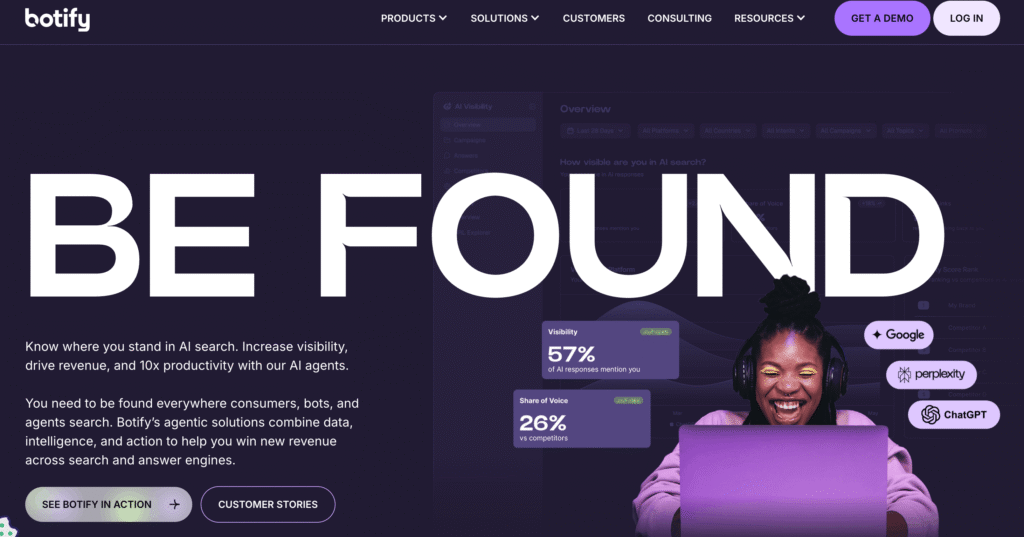
In 2026, Botify stands out as one of the most advanced AI tools for conducting technical SEO audits on large-scale websites. It is specially engineered for enterprise-level organizations managing vast and complex website infrastructures. One of the primary challenges these companies face is the inefficient indexing of their content—search engines often fail to discover or prioritize a significant portion of their URLs. Botify is designed to close this visibility gap using automation, intelligent crawling, and real-time optimization capabilities.
Its platform blends high-speed data analysis with AI-driven automation to help enterprise SEO teams identify technical problems, improve crawl prioritization, and implement fixes without relying on traditional development cycles. These features make Botify a go-to solution for businesses that need deep insights and fast results across thousands or even millions of web pages.
Technical Framework for Enterprise Auditing
Botify operates through three interconnected layers—Analytics, Intelligence, and Activation. These components work together to assess site health, recommend solutions, and automate deployment of technical SEO improvements directly through a site’s content delivery network (CDN).
The 2026 upgrade introduced the SpeedWorkers dynamic rendering engine. This system delivers content to search engine bots up to 40 times faster than standard servers. By accelerating how pages are rendered and served to crawlers, SpeedWorkers ensures critical content is not missed by indexing systems.
Another important feature is Botify’s JavaScript rendering capability. In an era when more websites rely on dynamic content, being able to crawl and render JavaScript-heavy pages quickly and efficiently is crucial. Botify accomplishes this with speeds of 100 URLs per second for rendered pages—far outpacing traditional auditing tools.
Botify 2026 Performance Matrix
| Performance Area | Metric / Description |
|---|---|
| Standard Crawling Speed | 250 URLs per second |
| JavaScript Rendering Speed | 100 URLs per second |
| Page Delivery Acceleration (SpeedWorkers) | Up to 40x faster than standard delivery |
| Log File Analysis Coverage | 100% full log integration with bot segmentation |
| Reported ROI from Technical Fixes | Up to 30% increase in team efficiency and search visibility |
Advanced Log File Intelligence
Botify’s Log File Analyzer provides in-depth, real-time insights into how search bots and AI crawlers interact with a website. This feature reveals exactly which pages are being accessed—and which ones are being ignored. With this knowledge, technical SEO teams can refine their strategies to ensure that high-priority, high-conversion pages are fully discoverable by search engines and AI models like GPTBot or Google-Extended.
By understanding the behavior of these modern crawlers, teams can align their technical architecture with both traditional search engines and new-generation AI-driven engines, which are increasingly influencing organic visibility and user journeys.
Autonomous Technical SEO with No-Code Activation
One of Botify’s most powerful innovations in 2026 is its Activation module. This feature allows enterprises to execute technical SEO enhancements without needing to update source code or involve development teams. Instead, changes are pushed through the CDN layer, significantly accelerating the speed at which optimizations are rolled out.
Common use cases for Activation include:
- Redirect and canonical tag adjustments
- Meta tag and header updates
- URL parameter handling
- Crawl directives such as robots.txt or noindex
These adjustments are made in a low-risk environment and can be tested in real time, providing enterprise SEOs with direct control over their site’s technical visibility.
Botify Strategic Advantage Summary Table
| Functionality Category | Key Capabilities |
|---|---|
| Technical Audit Coverage | JavaScript rendering, site structure issues, crawl budget optimization |
| Real-Time Bot Tracking | Full log file analysis for Google, Bing, GPTBot, and Perplexity AI crawlers |
| AI-Powered Prioritization | High-impact page recognition using machine learning |
| Speed and Scale | Large site crawling and rendering at enterprise-grade performance levels |
| Autonomous Fix Deployment | CDN-layer implementation of SEO improvements without developer dependency |
Conclusion
For global businesses managing high-volume digital properties, Botify delivers a next-generation SEO audit and activation experience. Its high-speed infrastructure, AI-guided insights, and autonomous deployment tools enable enterprise marketers to control and improve their technical SEO with precision and scale. In 2026, Botify continues to define what modern enterprise SEO should look like, making it a top contender among the 10 best AI tools for technical SEO audits globally.
5. Lumar
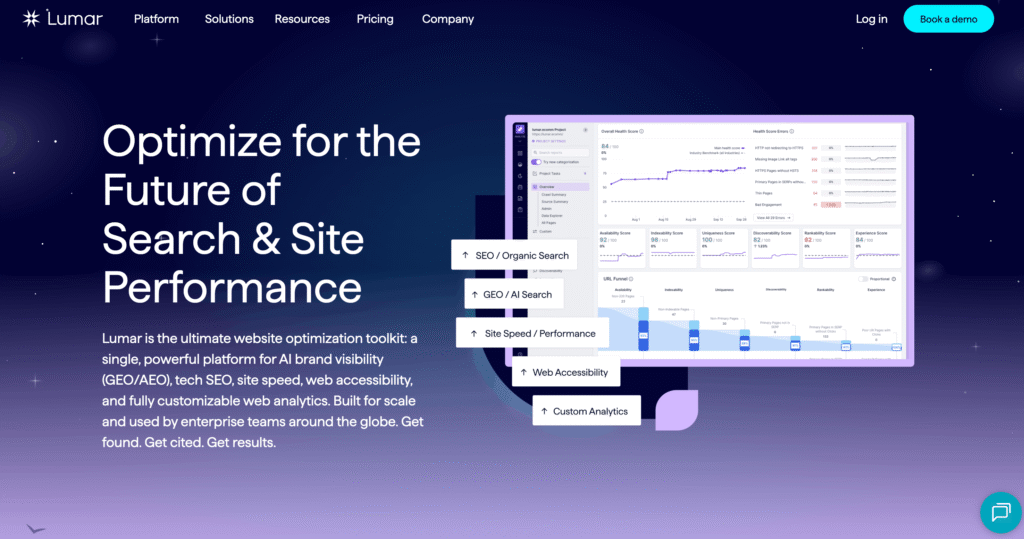
Lumar, formerly known as DeepCrawl, has emerged in 2026 as one of the most trusted AI-powered SEO tools for organizations with technically complex websites. Designed specifically for developers, technical SEOs, and large enterprises, Lumar focuses on delivering unmatched crawling speed, quality assurance, and seamless integration into development pipelines. Its enhanced capabilities address the increasing need for fast, accurate, and scalable technical SEO solutions that prevent website errors before they impact organic performance.
Lumar is widely adopted by teams managing enterprise-level platforms, where thousands or even millions of pages are pushed to production environments every month. The platform prioritizes “preventive SEO,” allowing users to detect and resolve technical issues during staging and pre-deployment phases.
Crawling Speed and Reporting Capabilities
Lumar continues to set industry standards with crawl speeds unmatched by its competitors. Its 2026 version performs up to 450 URLs per second for standard HTML pages and 350 URLs per second for JavaScript-rendered content. These capabilities support large-scale crawling without overloading servers or compromising data quality.
Lumar Crawling Performance and Reporting
| Metric | Performance Benchmark |
|---|---|
| Standard Crawl Speed | 450 URLs per Second |
| JavaScript Crawl Speed | 350 URLs per Second |
| Built-in Reports | 350+ Reports for Technical SEO, Speed, Accessibility |
| API Flexibility | Full Customization via GraphQL API |
| User Rating (Customer Support) | 4.6 / 5.0 |
Built-In Quality Assurance for Development Pipelines
One of Lumar’s most important features in 2026 is its deep integration with CI/CD (Continuous Integration and Continuous Deployment) pipelines. This capability transforms technical SEO into a real-time QA function. Every time a developer pushes new code or updates a web page template, Lumar automatically audits changes and flags any SEO-breaking issues.
This is particularly useful for large enterprises running multiple domains or rapidly scaling international websites. By detecting broken links, faulty canonical tags, unoptimized rendering logic, or unindexed content before deployment, Lumar acts as a safeguard against organic visibility loss.
Custom Monitoring and Technical Dashboards
Lumar empowers teams with flexible monitoring tools. Its customizable dashboards and alerts allow SEO leads and engineers to track specific high-impact areas of the site—whether it’s product detail pages, knowledge base content, or indexable blog templates.
Although Lumar is focused exclusively on technical performance rather than on-page content or keyword tracking, it excels in what it was designed to do: enforce flawless site architecture, boost crawl efficiency, and ensure discoverability at scale.
Target Users and Use Cases
Lumar is purpose-built for organizations that manage millions of pages or complex site structures. It is especially valuable to:
- Large eCommerce sites with dynamic inventory
- News publishers with heavy JavaScript frameworks
- SaaS platforms operating globally
- Enterprises with multiple development teams
Its proactive approach to SEO QA reduces technical debt, enhances collaboration between SEO and development teams, and protects organic traffic by resolving issues early in the production cycle.
In summary, Lumar in 2026 stands out as the go-to AI SEO audit tool for developers and technical SEO specialists. It fills a crucial niche in the technical audit landscape—providing enterprise-grade crawling, real-time quality assurance, and continuous improvement of SEO performance, all within a fast and developer-friendly environment.
6. Screaming Frog SEO Spider
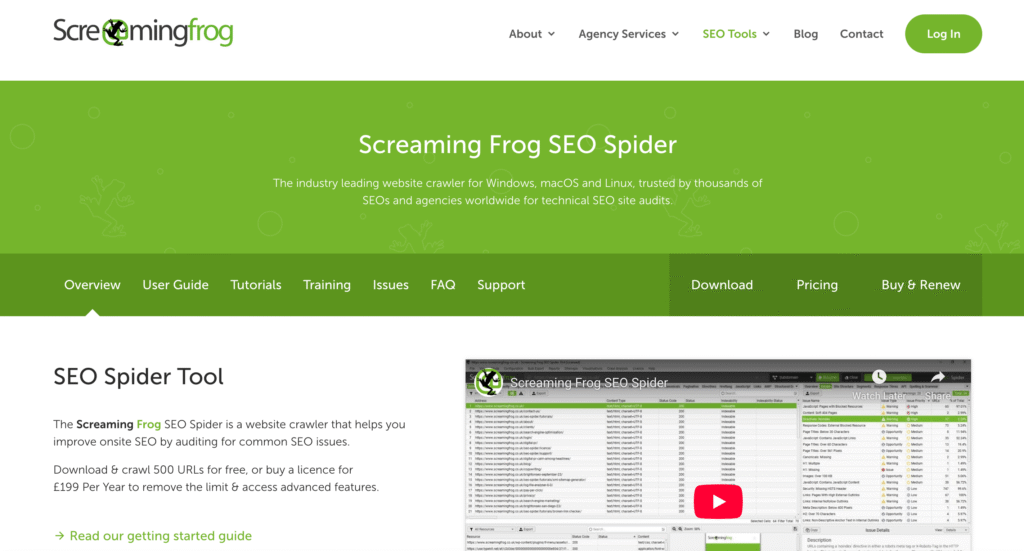
In 2026, Screaming Frog SEO Spider continues to be regarded as a fundamental tool for technical SEO experts who need detailed insights during site audits. Known for its robust desktop-based crawling engine, Screaming Frog distinguishes itself through depth, speed, and configurability, offering unparalleled control over every element of a website’s structure.
With the integration of AI capabilities through OpenAI technology, the software has significantly evolved. The tool now includes automated content interpretation, tone and sentiment analysis, and customizable data scraping features—all executed in real time during a crawl. This upgrade brings Screaming Frog into alignment with the needs of modern SEO professionals who must analyze both technical and content elements in a single workflow.
Comprehensive Site Auditing with Local Processing Power
Unlike many cloud-based SEO tools, Screaming Frog operates as installable desktop software. This allows users to retain full control of their audit process without internet dependency, making it ideal for agencies, consultants, and enterprises working in secure or offline environments.
It can crawl thousands of pages, detecting issues such as:
- Slow response times
- Broken links
- Redirect chains and loops
- Thin or duplicate content
- JavaScript rendering errors
With built-in Chromium rendering, Screaming Frog is also capable of auditing complex web applications that rely on JavaScript frameworks—ensuring search engine bots can properly interpret page content.
Key Features and Audit Capabilities of Screaming Frog (2026)
| Feature | Description |
|---|---|
| Deep URL Crawling | Scans thousands of URLs to flag issues across links, headers, and scripts |
| JavaScript Rendering | Uses Chromium to audit dynamic content |
| AI Content & Sentiment Analysis | Evaluates content tone and relevance using AI |
| Custom Extraction | Scrapes structured or unstructured data points |
| Export Options | Fast data exports for offline analysis or reporting |
| API Integration | Connects with GA, GSC, and PageSpeed APIs |
Screaming Frog Pricing and License Structure (2026)
| Plan | Price | Crawl Limit | Access to Advanced Features |
|---|---|---|---|
| Free Version | $0 | 500 URLs | Limited functionality |
| Paid License | £199 / Year | Unlimited URLs | Full access, including JS rendering and AI tools |
Ideal Use Cases and Industry Preference
Despite its desktop-only nature, Screaming Frog remains a vital instrument for handling large-scale pre-launch audits, website migrations, and technical troubleshooting. It is frequently used by enterprise teams to inspect intricate website architectures and ensure no issues are overlooked before going live.
The software is highly valued for its speed in exporting audit data and the flexibility in configuring crawl settings. This makes it especially useful for advanced SEOs who require granular control over every scanning parameter. When integrated with Google Analytics and Search Console, users can overlay real-world performance data onto crawl results, enabling a comprehensive diagnosis of a website’s SEO health.
Position in the 2026 SEO Audit Landscape
Among the top AI tools for technical SEO audits in 2026, Screaming Frog serves as the go-to solution for in-depth technical inspections. While it does not offer cloud-based collaboration or full-suite SEO capabilities, it excels as a precise and customizable diagnostic engine for professionals who need raw data, advanced rendering capabilities, and automation backed by AI.
Its role within the broader technical SEO toolkit remains firmly secured, especially for those managing complex websites, secure systems, or highly detailed audits.
7. Search Atlas
Search Atlas, driven by the OTTO agentic SEO engine, has emerged as one of the most advanced AI-powered platforms for technical SEO audits in 2026. Designed around the philosophy that SEO should be a real-time, ongoing process rather than a task performed occasionally, OTTO delivers unmatched automation and precision.
Rather than requiring manual audits at intervals, OTTO operates as a fully autonomous assistant that performs technical fixes proactively. It functions as both a virtual SEO consultant and developer, carrying out real-time updates across websites, including resolving broken links, implementing schema markup, and optimizing on-page meta elements through a fast and intelligent 8-minute audit loop. This positions Search Atlas as a critical asset for businesses aiming to stay competitive in AI-driven search environments.
Automated Agentic Loop for Continuous Optimization
The OTTO engine sets a new standard for SEO automation in 2026 by executing its intelligent audit loop every eight minutes. This loop allows the system to identify, analyze, and correct technical issues without requiring human intervention. It ensures that websites remain technically optimized at all times, reducing downtime, lost visibility, and delayed ranking improvements.
Performance and Technical Specifications of Search Atlas (2026)
| Feature Category | Description |
|---|---|
| Automation Engine | 8-Minute Agentic Research Loop powered by OTTO |
| Technical Actions | Broken Link Fixes, Meta Tag Updates, Schema Deployment |
| AI Optimization Capability | High GEO Score for Google AI Overview Performance |
| Entity Understanding | Knowledge Graph Integration for Semantic Relevance |
| Local SEO Support | Integration with Local Falcon for Multi-Location Rank Monitoring |
| Strategic Advantage | Reduces manual implementation workload for SEO teams |
Search Atlas Pricing and Integration Support (2026)
| Plan | Monthly Price | Key Functionalities |
|---|---|---|
| Standard | $99 | Automated Meta, Schema, Link Fixes |
| Local Falcon Add-on | Custom | Local Rank Tracking for Multiple Locations |
| Enterprise | Custom | Custom Workflows and High-Volume Integration Support |
Semantic Intelligence with Knowledge Graph Awareness
Search Atlas is engineered to interpret the broader semantic landscape of content. Its Knowledge Graph Awareness enables it to map entity relationships and topical clusters, a capability that significantly boosts a site’s contextual authority in AI-led search environments. This depth of understanding allows brands to be surfaced more effectively in generative search platforms like Google AI Overviews.
GEO Score Performance and Market Impact
Search Atlas achieved a GEO Score of 9.3 out of 10 in recent benchmark evaluations—one of the highest among current AI SEO tools. This metric reflects the platform’s ability to optimize for emerging AI-driven visibility metrics, particularly those used in Google’s AI Overviews and similar answer engines.
| Performance Metric | Value |
|---|---|
| GEO Score (2026) | 9.3 / 10 |
| Agentic Loop Interval | Every 8 Minutes |
| Multi-Location Coverage | Yes (via Local Falcon) |
Ideal for Multi-Location Businesses and Strategic Marketers
Search Atlas is especially beneficial for businesses with multiple physical locations, such as franchises or regional enterprises. With its built-in Local Falcon integration, marketing teams gain localized insights and visibility tracking for each service area, giving them an edge in highly competitive local search landscapes.
In addition, by managing the full scope of technical execution, the tool frees up internal SEO resources to concentrate on content strategy, digital PR, and broader growth planning. This makes it an essential tool for brands seeking automation, scale, and intelligence in their SEO workflows.
8. Alli AI
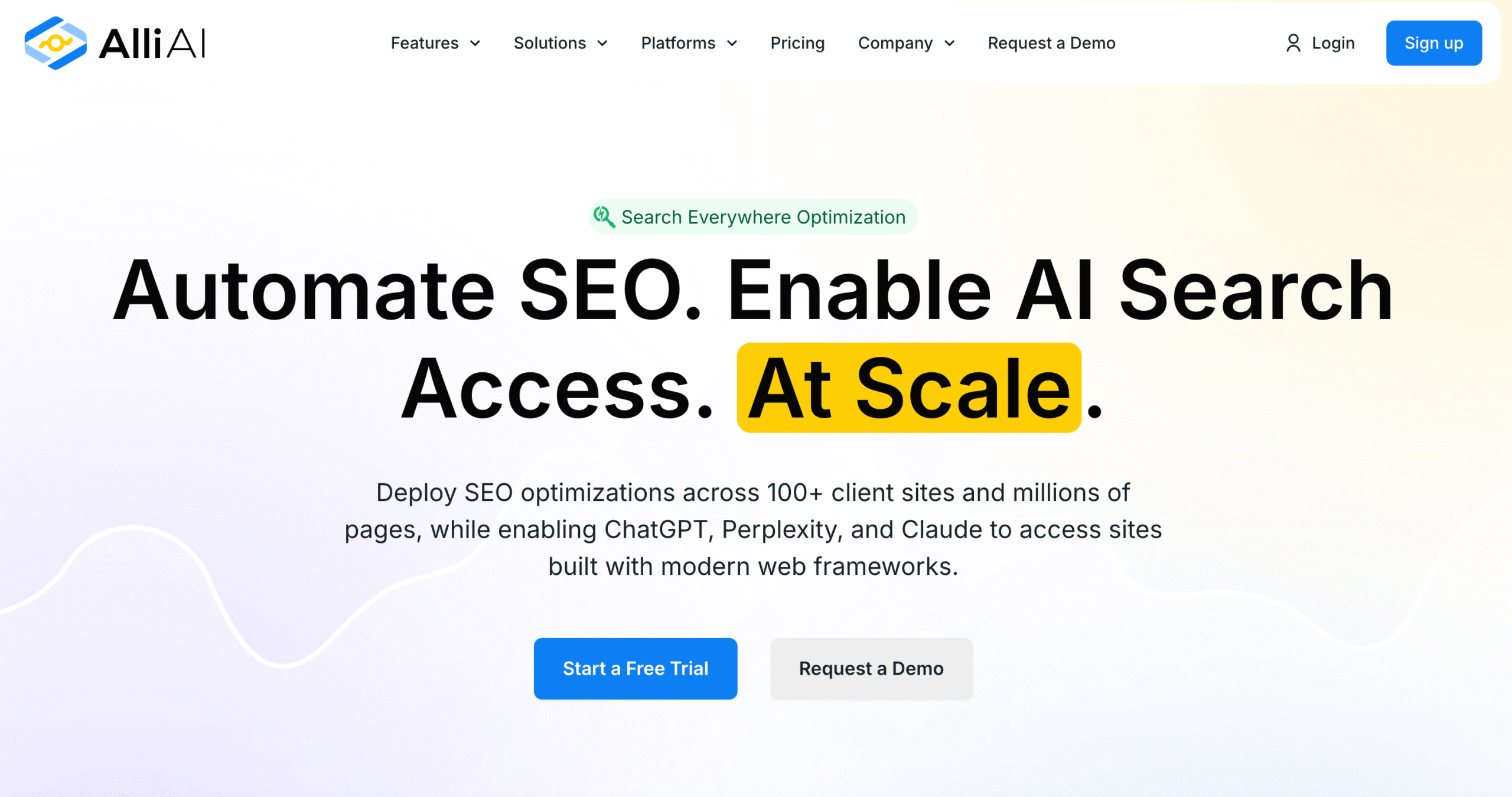
In 2026, Alli AI has positioned itself as one of the most forward-thinking platforms for technical SEO automation. Designed to eliminate the delays caused by manual SEO implementation and developer bottlenecks, Alli AI empowers marketers, agencies, and enterprise SEO teams to execute site-wide technical changes at scale without touching backend code.
The core value proposition of Alli AI is its fully automated, “Zero-Developer” SEO infrastructure. This means that teams can modify on-page elements such as title tags, headers, metadata, and schema markups directly through the platform’s interface—without relying on web development resources. The speed and accessibility of this solution make it especially appealing to agencies managing multiple client sites and enterprise SEO leads seeking rapid execution.
AI-Based Automation for Technical Tasks
In a digital landscape where real-time visibility in AI-powered search is increasingly important, Alli AI responds with several advanced automation features. One of its standout innovations in 2026 is “AI Crawler Enablement.” The platform automatically detects more than 50 modern AI crawler bots—including GPTBot, ClaudeBot, and PerplexityBot—and delivers pre-rendered HTML using server-side rendering (SSR).
This approach ensures full crawlability for JavaScript-heavy websites built with modern front-end frameworks like React or Next.js. By optimizing technical access for AI-driven answer engines, Alli AI ensures that websites remain indexable and competitive across generative search experiences.
Key Technical Capabilities of Alli AI
| Capability | Description |
|---|---|
| Zero-Dev SEO Implementation | Execute changes to tags, headers, and schema without backend access |
| Server-Side Rendering for AI Crawlers | Prepares HTML for 50+ AI bots, including GPTBot and ClaudeBot |
| JavaScript Compatibility | Supports React, Next.js, Vue, and other JS frameworks |
| Bulk Optimization Engine | Apply SEO improvements across thousands of pages in seconds |
| AI Revenue Impact Calculator | Estimates losses from missing visibility in AI search results |
Pricing Structure and Scaling Options
Alli AI’s pricing model is designed for scalability and flexibility, catering to businesses of different sizes, from single-site operators to large-scale SEO agencies. Plans are tailored to accommodate increasing keyword and page tracking needs, along with support for more client sites as organizations grow.
Alli AI Pricing Plans (2026)
| Plan | Monthly Cost | Site Capacity | Keyword Limit | Page Limit |
|---|---|---|---|---|
| Business | $249 – $299 | 5 Sites | 500 Keywords | 1,250 Pages |
| Agency | $599 | 15 Sites | 2,000 Keywords | 5,000 Pages |
| Enterprise | Custom Pricing | 50 Sites | 5,000 Keywords | 20,000 Pages |
Revenue-Driven SEO Impact
Another major differentiator is Alli AI’s “AI Search Revenue Impact Calculator.” This tool estimates how much potential traffic and revenue a site is losing due to poor performance in AI-driven search engines. It allows businesses to connect SEO actions to financial outcomes, enabling better prioritization and clearer ROI justification for stakeholders.
Advantages for Agencies and Multi-Site Managers
Agencies particularly benefit from Alli AI’s ability to make bulk updates across multiple domains without technical involvement. The time saved in execution leads to quicker client wins, reduced dependency on developers, and a more agile delivery model in competitive markets.
In conclusion, Alli AI in 2026 delivers a unique combination of technical automation, AI search optimization, and enterprise scalability. For teams seeking to reduce manual workload and stay ahead of evolving search engine technologies, Alli AI stands out as a critical tool in the modern SEO stack.
9. LLMrefs
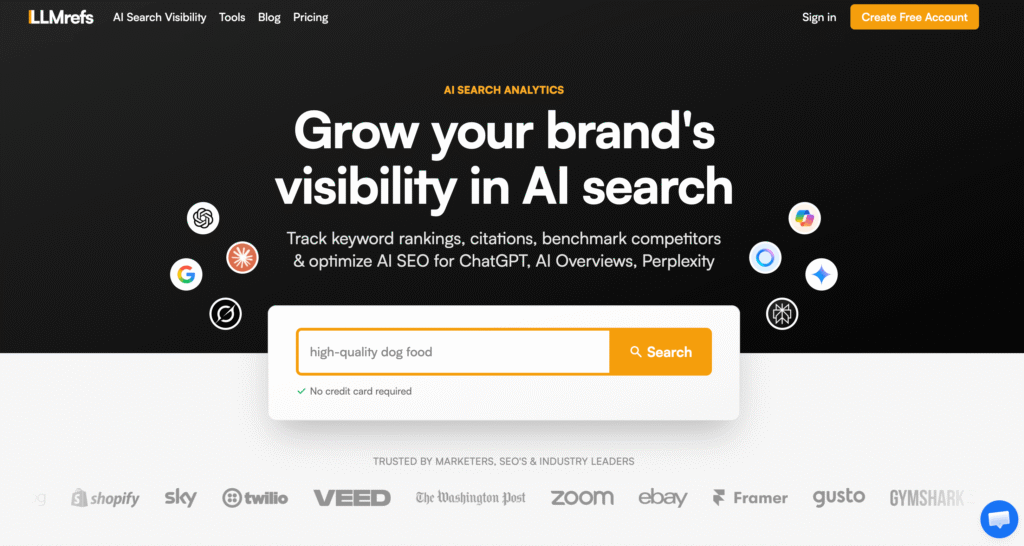
As the global SEO landscape continues to evolve, LLMrefs has emerged as the pioneering analytics platform designed specifically for Generative Engine Optimization (GEO). Unlike traditional SEO tools that focus primarily on rankings within search engines like Google or Bing, LLMrefs provides deep visibility into how brands are mentioned, cited, and positioned within AI-generated answer environments. This includes major generative platforms such as ChatGPT, Claude, Gemini, and Perplexity, which are increasingly shaping the way users access information online.
LLMrefs redefines how organizations approach digital visibility by offering keyword-based tracking of brand presence in AI-powered interfaces. It enables marketers and technical SEO professionals to understand not just whether they appear in AI answers—but how they are presented, what context surrounds their brand, and who their emerging competitors are in these conversations.
AI-Specific Technical Features and Infrastructure Optimization
One of the platform’s most valuable innovations is its technical SEO toolkit built exclusively for AI interaction. The AI Crawlability Checker evaluates a site’s architecture and HTML structure to ensure compatibility with LLM-based crawlers. In parallel, the LLMs.txt generator helps webmasters define bot access guidelines for language model crawlers, helping prevent brands from being excluded from future training datasets or live citations across AI engines.
These tools are mission-critical in 2026, as brands without optimized structures risk becoming invisible in high-traffic answer engines, regardless of their traditional SEO performance.
LLMrefs Technical Toolset for GEO Visibility (2026)
| Technical Feature | Functionality Description |
|---|---|
| AI Crawlability Checker | Scans web architecture to ensure accessibility by LLM bots |
| LLMs.txt Generator | Builds access protocol for AI engines to include/exclude content |
| Answer Engine Coverage | Tracks brand mentions in ChatGPT, Claude, Gemini, Perplexity, and others |
| AI Answer Metrics | Evaluates answer placement, tone, and competitor mentions |
| Share of Voice Tracking | Measures brand authority across multiple AI-driven answer engines |
Advanced Brand Visibility Analysis Across Generative Platforms
LLMrefs offers an in-depth analytics suite that helps businesses and agencies identify how frequently their brand appears in AI answers, where those answers are placed within the response output, and whether the sentiment is neutral, authoritative, or comparative. This data is structured into “share of voice” and “AI position metrics,” which serve as new benchmarks for success in 2026’s digital visibility landscape.
With over 4.5 million real ChatGPT conversation samples in its database, LLMrefs gives users direct insights into how human-AI interactions are shaping content discovery, authority, and conversion paths.
LLMrefs Pro Plan Specifications (2026)
| Plan Feature | Description |
|---|---|
| Monthly Price | $795 |
| Keywords and Prompts Tracked | 50 Keywords, 500 AI Prompts |
| AI Answer Analyses | 20,000 Monthly Evaluations Across 10+ AI Answer Engines |
| Geo-Linguistic Capabilities | Supports 20+ Countries and 10+ Languages |
| Team Collaboration | Unlimited Team Members, Unlimited Projects |
Strategic Applications for Agencies and Enterprises
LLMrefs is particularly effective for marketing teams and SEO agencies that operate in highly competitive, multilingual markets. The platform allows them to identify exactly which competitors are receiving AI citations for key phrases, pinpoint geographic and linguistic gaps in brand performance, and optimize accordingly. Its real-time monitoring capability ensures that organizations can pivot fast—responding to AI content shifts as quickly as they would to changes in SERP rankings.
Use Cases Where LLMrefs Delivers Maximum ROI
| Use Case | Strategic Value Delivered |
|---|---|
| AI Brand Reputation Monitoring | Real-time analysis of brand mentions in AI interfaces |
| Generative SEO for Emerging Markets | Supports regional teams in optimizing for local-language AI bots |
| Competitive Benchmarking in AI Answers | Identifies content gaps and who is dominating answer citations |
| Enterprise-Level Governance | Tracks compliance, visibility, and access control via LLMs.txt |
In the era where AI platforms influence consumer decisions more than search engines alone, LLMrefs provides a unique, technically rich, and strategically essential solution for SEO and brand visibility. Its early-mover advantage in Generative Engine Optimization, coupled with advanced technical toolsets, positions it as one of the most indispensable platforms for digital success in 2026.
10. Advanced Web Ranking (AWR)
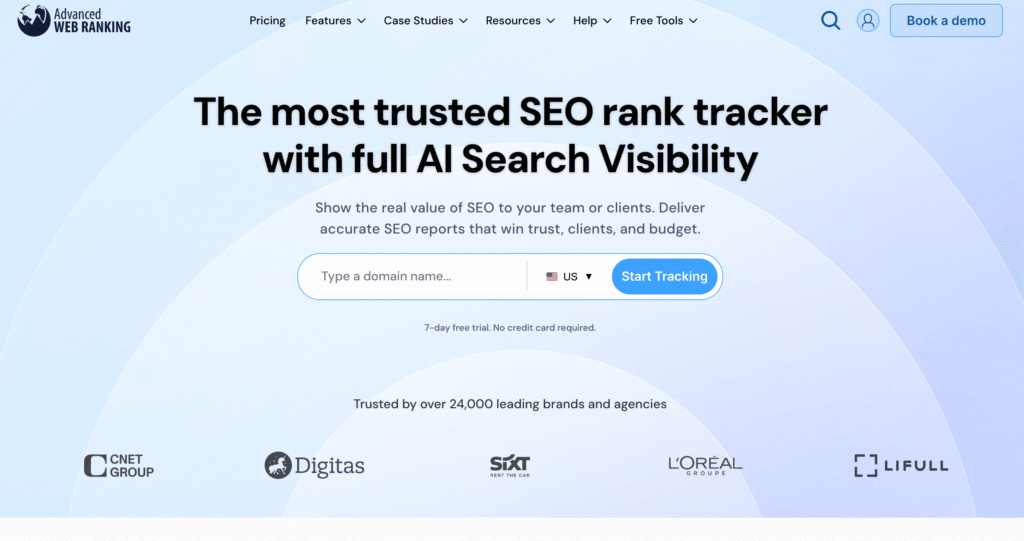
Advanced Web Ranking (AWR) continues to lead the way in 2026 as a highly specialized solution for global SEO rank tracking. Unlike many traditional SEO tools that focus primarily on Google, AWR offers unmatched tracking coverage by supporting over 4,000 search engines worldwide—including regionally dominant platforms like Baidu in China, Amazon in the e-commerce space, and DuckDuckGo for privacy-focused audiences. This expansive reach makes AWR particularly valuable for multinational brands, e-commerce platforms, and digital agencies operating across diverse geographies.
The platform’s evolution in 2026 also includes enhanced AI-integrated visibility tools, ensuring that users can monitor their presence not only in traditional organic listings but also in emerging AI-generated answer engines like Google’s AI Overviews, Perplexity, and Gemini. This dual focus reflects the shifting landscape of SEO, where visibility in AI summaries can drive brand discovery as much as search engine rankings.
AI Visibility and Predictive SEO Capabilities
Advanced Web Ranking is purpose-built for accuracy, consistency, and forecasting reliability. Its predictive SEO features are designed to help teams make smarter decisions about content investment and on-page optimization strategies. Using historical performance data, AWR’s forecasting engine estimates likely changes in organic traffic—allowing brands to anticipate shifts before they occur.
Moreover, the AI Brand Visibility Tracker helps monitor mentions across AI-driven platforms and prompt-based queries. This capability gives marketing teams crucial insights into how their brand is being represented in AI-generated responses compared to their traditional SERP appearance.
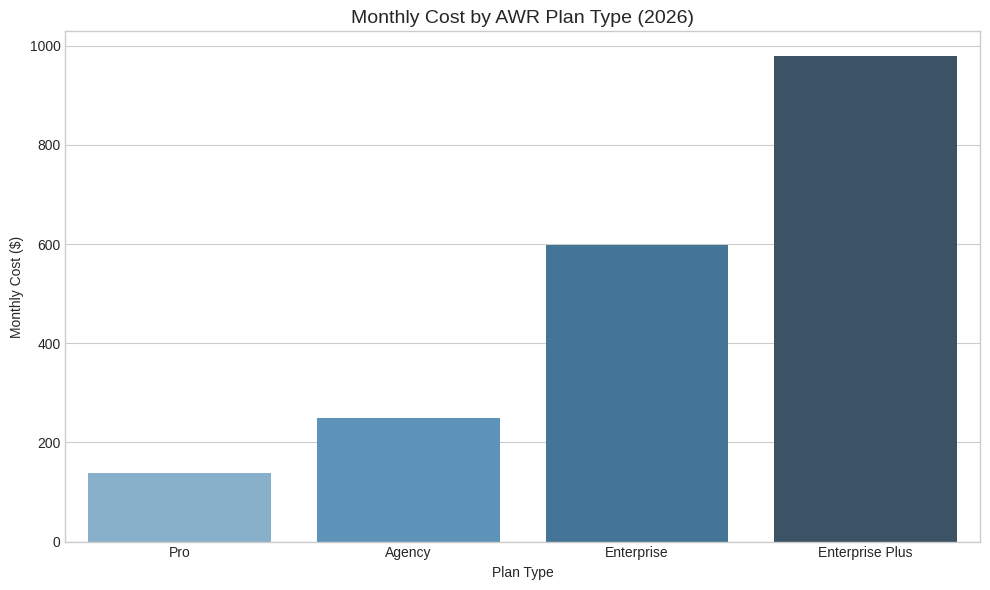
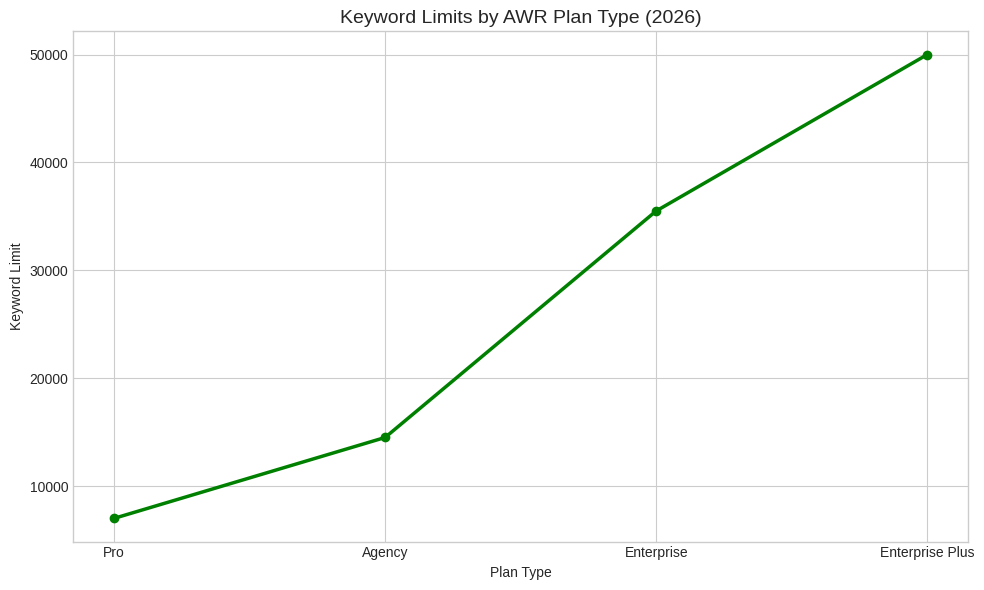
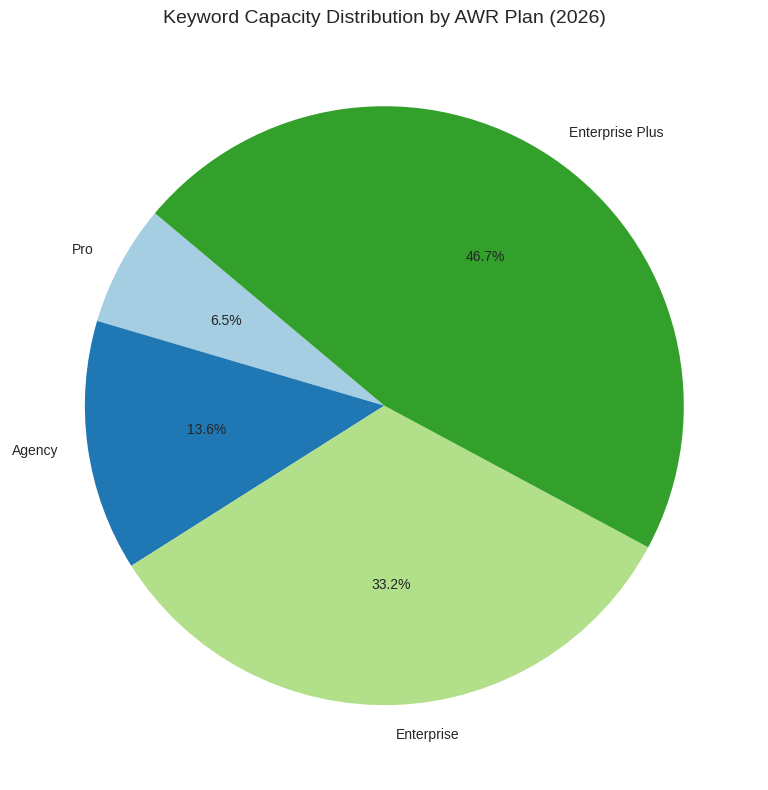
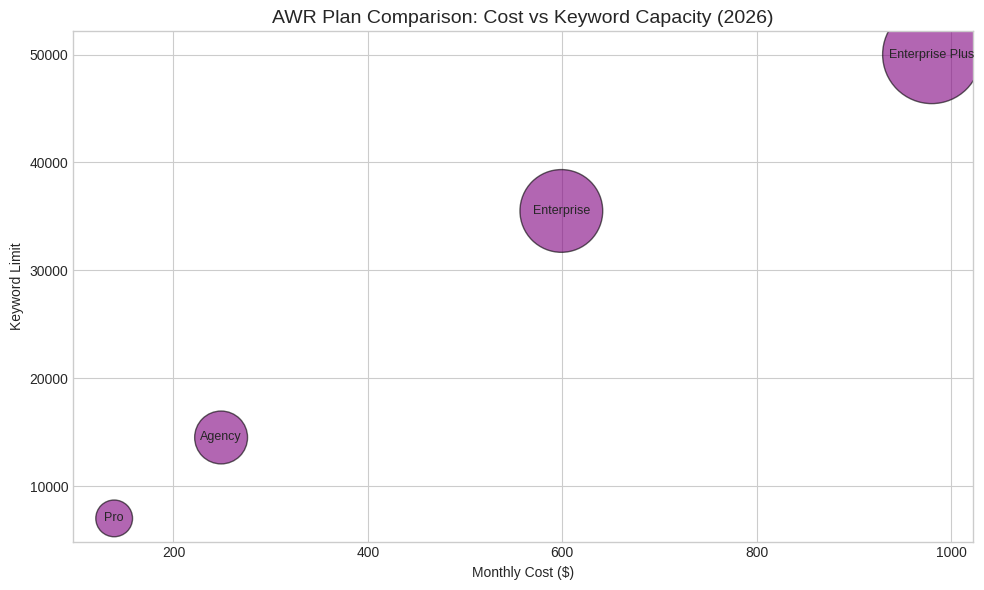
Advanced Web Ranking Technical and Pricing Matrix (2026)
| Plan Type | Monthly Cost | Keyword Limit | AI Visibility Tracking | SEO Forecasting Engine |
|---|---|---|---|---|
| Pro | $139 | 7,000 | Included | Included |
| Agency | $249 – $279 | 14,500 | Included | Included |
| Enterprise | $599 – $699 | 35,500 | Advanced Tier | Advanced Tier |
| Enterprise Plus | $980 | 50,000 | Full Access | Full Access |
Specialized Capabilities for SEO Professionals and Agencies
AWR’s clean user interface and powerful reporting tools are highly favored by SEO agencies and consultants. It offers white-label reporting functionalities that simplify client reporting, especially in large-scale campaigns spanning multiple regions and languages. The ability to track hyperlocal keyword positions across thousands of cities and search engines gives it a competitive advantage for agencies managing enterprise clients with complex digital footprints.
The platform also supports team collaboration with robust project segmentation, allowing marketers to manage different client projects, track performance by segment, and maintain consistency in measurement standards.
Advanced Web Ranking vs. Full-Suite SEO Platforms
While AWR may not include features like real-time JavaScript crawling or deep log file analytics—capabilities found in more technical platforms such as Botify or Lumar—it excels in rank tracking at scale. Its dataset is considered one of the most reliable in the industry, and its value proposition lies in the depth of global coverage and AI search engine integration.
Comparative Positioning Matrix: AWR vs. Enterprise SEO Tools
| Feature | AWR | Botify | Lumar |
|---|---|---|---|
| Search Engine Tracking | 4,000+ | ~300 | ~200 |
| AI Visibility Monitoring | Yes | Partial | Partial |
| SEO Forecasting Engine | Yes | No | No |
| Log File Analysis | No | Advanced | Advanced |
| Rank Tracking Depth | High | Medium | Medium |
| Ideal Use Case | Agencies, Global Brands | Enterprises, DevOps SEO | DevOps SEO, QA Teams |
Conclusion
Advanced Web Ranking stands out in 2026 as the ideal platform for professionals who prioritize high-scale rank monitoring, predictive SEO, and AI-driven visibility without sacrificing simplicity and usability. For teams that need fast, scalable, and accurate rank data with support for the evolving AI search environment, AWR remains one of the most trusted tools in the technical SEO audit category. Its strong reputation, comprehensive AI search tracking, and transparent data outputs make it a core asset in any modern SEO tech stack.
Market Share and User Satisfaction in the AI Technical SEO Tool Landscape (2026)
In 2026, the global SEO ecosystem has matured into a hybrid of traditional all-in-one platforms and new specialized AI-powered audit tools. While legacy giants like Semrush and Ahrefs dominate the market in terms of user adoption, niche tools designed specifically for technical scalability, data precision, and AI-readiness are rapidly growing their influence.
Top Technical SEO Tools by User Base and Market Position
The table below summarizes the top AI-powered SEO tools based on user volume, industry ratings, and core market positioning.
Table: Leading SEO Audit Platforms in 2026
| Platform Name | Estimated User Base | G2 Rating | Core Market Position |
|---|---|---|---|
| Semrush | 7,000,000+ users | 4.5 | Comprehensive predictive suite for technical SEO |
| Ahrefs | 10,000,000+ users | 4.7 | Best-in-class for backlink indexing and data depth |
| SE Ranking | 1,500,000+ users | 4.8 | Cost-effective platform for SMBs and mid-sized agencies |
| Botify | Enterprise-level focus | 4.6 | Built for technical scale, log file insights |
| Lumar | Enterprise-level focus | 4.6 | Known for speed, QA automation, and JS rendering checks |
| Moz Pro | Moderate user base | 3.9 | Domain authority tracking and SEO learning resources |
Comparative Capabilities Matrix: AI SEO Audit Tool Functions
Different platforms bring varying degrees of specialization depending on business scale, depth of analysis, and AI integration. The following matrix outlines which features are strengths of each platform in 2026.
Table: Feature Capability Comparison Across Platforms
| Audit Capability | Semrush | Ahrefs | SE Ranking | Botify | Lumar | Moz Pro |
|---|---|---|---|---|---|---|
| Deep Technical Audits | Yes | Yes | Yes | Yes | Yes | Partial |
| Backlink Discovery & Link Accuracy | Strong | Strong | Moderate | Moderate | Moderate | Moderate |
| AI Search Engine Visibility | Yes | Limited | Yes | Limited | Limited | Limited |
| Structured Data (Schema) Validation | Good | Fair | Fair | Fair | Good | Fair |
| Log File & Crawl Depth Analysis | Limited | Limited | Limited | Excellent | Good | Limited |
| Performance QA & Rendering Speed | Moderate | Moderate | Moderate | Good | Excellent | Fair |
| SMB & Agency Suitability | Good | Good | Excellent | Moderate | Moderate | Good |
Adoption and ROI: Business Trends in AI-Integrated SEO Auditing
With AI becoming central to search and content discovery, more businesses are integrating AI tools into their SEO audit workflows. This shift is driven by the promise of better visibility, automation, and improved site performance metrics.
Table: AI SEO Integration Trends (Global 2026)
| Business Impact Area | Percentage of Businesses Reporting Improvement |
|---|---|
| Increased ROI from SEO efforts | 68% |
| Reduction in manual auditing time | 55% |
| Confidence in AI-generated insights | 20% |
| Demand for citation verification | 80% |
Despite the benefits, a substantial number of users remain skeptical of AI’s ability to interpret SEO reliability correctly. This has made citation verification and schema accuracy vital pillars in modern technical SEO audits.
Citation and Visibility Checklist for 2026 AI-Focused SEO
To remain competitive in generative search platforms, technical audits must go beyond conventional link tracking. The following checklist helps SEO teams ensure AI-readiness.
Table: 2026 AI Technical Audit Focus Areas
| Verification Area | Recommended Action |
|---|---|
| Citation Accuracy in AI Overviews | Conduct periodic audits on citation frequency |
| Schema Structure and Hierarchy | Validate with AI-powered schema testing tools |
| Crawl Accessibility (SSR & JS) | Ensure JS-rendered pages are fully indexable |
| Entity Alignment for Knowledge Graphs | Use structured content for topic clarity |
| Speed & UX Performance for AI Results | Optimize for fast rendering & clear navigation |
Conclusion
The 2026 SEO tool market presents a dynamic mix of large-scale platforms and sharply focused AI-driven solutions. Businesses selecting a tool must assess their team size, technical complexity, and the depth of AI integration needed. Platforms like Semrush and Ahrefs remain staples, while tools like SE Ranking, Botify, and Lumar are carving out essential roles for advanced auditing, particularly where scale, speed, and AI visibility are critical.
To remain visible in both traditional search engines and the new wave of generative AI platforms, technical SEO audits must evolve to focus on structured content, machine readability, and accurate citation signals. These tools offer that bridge—provided businesses select and implement them with clarity on their unique technical demands.
Strategic Forecast for Technical SEO Auditing Tools in 2026 and Beyond
The digital landscape in 2026 is undergoing a significant shift as artificial intelligence becomes deeply embedded within every core function of technical SEO platforms. The once clear division between traditional SEO tools and AI-powered systems is rapidly disappearing. In today’s evolving ecosystem, every leading technical platform is expected to come with built-in machine learning capabilities designed to automate, scale, and refine complex audits.
One of the most impactful changes is the prioritization of AI Engine Optimization (AEO) and Generative Engine Optimization (GEO) readiness. These concepts are redefining how websites are ranked and discovered. Rather than focusing purely on keyword-based indexing and backlink authority, search engines and AI platforms are now evaluating how structured, machine-readable, and context-rich a site’s data is. In this new environment, visibility is earned through clarity, structure, and algorithmic compatibility.
AI-Driven Evolution of SEO Tools: From Reactive to Predictive Systems
The tools that stand out in 2026 are those designed not just to diagnose errors but to strategically guide infrastructure enhancements that improve how search engines and AI agents interpret and trust content. As machine learning models increasingly control visibility, the role of technical audits has moved from checklist-based hygiene to proactive alignment with the preferences of generative search systems.
Table: Transition of SEO Audit Practices Pre-2026 vs Post-2026
| Audit Focus Areas | Traditional SEO Tools (Pre-2026) | AI SEO Tools (2026 and Beyond) |
|---|---|---|
| Primary Goal | Fix Errors and Optimize Rankings | Align Infrastructure with AI Ecosystem |
| Search Behavior Monitored | Keyword Rankings and Backlinks | AI Prompt Responses and Entity Accuracy |
| Audit Structure | Manual and Checklist-Based | Automated, Predictive, and Contextual |
| Key Technologies Used | HTML Crawlers and Sitemaps | NLP, LLM Analysis, Schema Validation |
| Competitive Benchmarking | SERP Analysis | AI Answer Inclusion and Citation Tracking |
Enterprise AI Readiness and Future-Focused Strategies
Looking ahead, many organisations are moving beyond surface-level automation to fully transform their operations using AI. A growing number of enterprises—approximately 34%—are no longer using AI solely for marketing optimisation. Instead, they are integrating it at the structural level, enabling digital ecosystems that can autonomously adapt to how information is processed by AI systems.
This trend indicates that technical SEO audits are no longer limited to identifying crawl errors or broken links. The modern audit has become a form of strategic intelligence—one that aligns every layer of a website’s architecture with the logic of AI-driven discovery engines. As a result, SEO professionals must evolve from being technical troubleshooters into strategic data architects.
Table: Business Transformations Through AI Integration (2026)
| Business Function | AI Adoption Purpose |
|---|---|
| Technical SEO | Audit Automation, AI Visibility, Schema Diagnostics |
| Content Strategy | Prompt Relevance, Entity Tagging, Response Control |
| Infrastructure & DevOps | Server-Side Rendering, Load Optimisation |
| Brand & Reputation Monitoring | AI Citation Analysis, Generative Brand Positioning |
| Product Development & UX | Data Feedback from AI Agents and LLMs |
AI Search Traffic vs Traditional Search: The 2026–2028 Shift
Market projections show that AI search traffic is expected to exceed traditional search engine traffic by 2028. This indicates a major tipping point in how users interact with digital content. People will rely more on AI-generated answers, summaries, and curated recommendations instead of scanning pages of search results.
For companies seeking to protect or enhance their digital authority, the implication is clear: technical SEO audits must now assess and optimise for AI platforms like ChatGPT, Gemini, Perplexity, Claude, and others. Structured data accuracy, crawl permissions for LLMs, and content clarity in zero-click experiences are now the defining factors for long-term SEO success.
Table: Predicted Web Traffic Trends by Channel (2024–2028)
| Year | Traditional Search (%) | AI Search Traffic (%) | Projected Dominant Source |
|---|---|---|---|
| 2024 | 92% | 8% | Traditional Search |
| 2026 | 72% | 28% | Traditional Search |
| 2027 | 58% | 42% | Nearly Even |
| 2028 (est.) | 45% | 55% | AI Search Engines |
Final Strategic Outlook
In 2026, companies that want to maintain competitive advantage must combine human insight with AI-driven precision. The leading AI SEO audit tools help brands do just that—offering deep analysis of how AI models perceive, crawl, cite, and summarise their content.
Rather than viewing audits as a reactive task, the most forward-looking brands are treating them as part of a broader digital transformation strategy. Every audit is an opportunity to future-proof infrastructure, ensure visibility in emerging discovery channels, and build long-term authority in an increasingly AI-curated web. The success formula in 2026 belongs to those who can bridge the expertise of technical SEO professionals with the scale, speed, and adaptability of modern AI systems.
Conclusion
As digital ecosystems grow more complex and artificial intelligence becomes the default operating layer of modern search and discovery, the role of technical SEO audits has fundamentally transformed. In 2026, businesses are no longer merely checking for broken links or meta tag inconsistencies. Instead, they are investing in advanced AI-powered audit platforms that simulate how large language models and AI search engines perceive, interpret, and cite their content. This shift reflects a deeper, structural evolution in how websites must now be built, maintained, and optimised—not just for users, but for intelligent systems shaping global search experiences.
The top 10 AI tools for technical SEO audits in 2026 are more than just software platforms. They represent a new strategic discipline where data science, digital architecture, and machine learning intersect. From crawl simulation tools designed to mimic AI agents like ChatGPT and Perplexity, to schema validation platforms that automate structured data deployment, each tool is engineered to ensure that a brand’s digital presence remains visible, reliable, and citation-ready in a machine-driven internet.
These tools are critical enablers of enterprise-wide SEO performance. Whether it is through pinpointing JavaScript rendering errors that prevent AI bots from crawling modern web apps, or identifying under-optimised schema elements that block inclusion in AI-generated answers, these platforms provide deep, actionable insights that go far beyond traditional keyword ranking metrics. They deliver end-to-end visibility into the technical readiness of websites for the AI search era—empowering organisations to move from reactive SEO management to proactive, AI-aligned optimisation strategies.
Moreover, the rise of AI-first search interfaces has intensified the need for transparency, speed, and structured accuracy. With AI citation reliability becoming a key metric of digital authority, tools that integrate features such as answer engine tracking, entity salience scoring, and LLMs.txt diagnostics have become essential for SEO teams and digital marketers alike. These functionalities are not just enhancements—they are now foundational capabilities for any brand serious about competing in search landscapes where users no longer click, but simply ask.
The global SEO industry, projected to exceed $83 billion by the end of 2026, is being redefined by these tools. They are not only helping organisations improve technical compliance but are also directly contributing to business outcomes such as improved organic visibility, higher conversion rates, and increased trust from AI-powered systems. For small businesses, agencies, and large enterprises alike, selecting the right AI SEO auditing tool is now a strategic decision that directly influences market competitiveness.
In summary, the top AI tools for technical SEO audits in 2026 are shaping the future of digital visibility. They help brands stay ahead of evolving algorithmic expectations, secure citations in AI-generated summaries, and align their web infrastructure with the changing logic of search. As we look toward 2027 and beyond, the organisations that adopt and master these tools will be the ones best positioned to lead in the new age of AI-moderated discovery. Investing in these platforms today is not just about fixing technical errors—it is about building long-term, machine-readable credibility and securing a competitive edge in tomorrow’s AI-curated digital landscape.
If you find this article useful, why not share it with your hiring manager and C-level suite friends and also leave a nice comment below?
We, at the 9cv9 Research Team, strive to bring the latest and most meaningful data, guides, and statistics to your doorstep.
To get access to top-quality guides, click over to 9cv9 Blog.
To hire top talents using our modern AI-powered recruitment agency, find out more at 9cv9 Modern AI-Powered Recruitment Agency.
People Also Ask
What are the best AI tools for technical SEO audits in 2026?
Top AI tools include SE Ranking, Search Atlas, LLMrefs, Advanced Web Ranking, and others optimized for crawlability, structured data, and AI visibility.
How do AI SEO audit tools improve website performance?
They automate issue detection, enhance site speed, fix crawl errors, and ensure structured data is optimized for search engine and AI crawler indexing.
Which AI SEO audit tool is best for small businesses in 2026?
SE Ranking offers strong value for SMBs with automated audits, AI insights, and affordable pricing designed for growing digital teams.
Can AI SEO tools help with Google AI Overviews?
Yes, many modern tools now track brand mentions and optimize content for inclusion in Google AI Overviews and other AI search engines.
What is the role of structured data in AI SEO audits?
Structured data helps AI engines understand site content clearly. Tools now validate schema formats and ensure correct rendering for bots.
Are there SEO tools that track AI engine visibility like ChatGPT or Gemini?
Yes, LLMrefs and SE Visible offer visibility tracking for AI answer engines, helping brands monitor citations across AI-generated content.
Which technical issues do AI audit tools detect automatically?
They can identify broken links, duplicate content, crawl budget issues, redirect errors, and opportunities for schema enhancements.
Do AI SEO tools replace manual audits in 2026?
They reduce the need for repetitive manual checks by automating most audit tasks, but strategic oversight by SEO experts is still essential.
Can AI SEO tools identify content cannibalization?
Yes, platforms like SE Ranking use machine learning to detect keyword cannibalization and recommend prioritization fixes.
What is Generative Engine Optimization (GEO) in SEO?
GEO refers to optimizing content and site architecture to be visible and cited in AI-generated answers from tools like ChatGPT or Perplexity.
Which tools offer GEO-focused SEO audit features?
LLMrefs, Search Atlas, and SE Visible are at the forefront, providing prompts, tracking, and technical adjustments for AI engine relevance.
Are AI SEO tools suitable for enterprise-level audits?
Yes, tools like Botify, Lumar, and Advanced Web Ranking offer enterprise-grade solutions with deep integrations and scalable capabilities.
How does machine readability affect SEO in 2026?
AI search systems rely on clean, structured, and semantically rich content. Machine-readable formats help improve visibility in AI-driven SERPs.
Can these tools audit websites built with JavaScript frameworks?
Yes, modern platforms support audits for React, Vue, and Angular, offering server-side rendering diagnostics and dynamic content indexing.
How often should technical SEO audits be performed with AI tools?
AI tools allow for continuous or scheduled audits, with many platforms offering daily or weekly automated scanning and alerting.
Is there an AI SEO tool that fixes errors automatically?
Search Atlas, through its OTTO engine, can automatically correct schema markup, meta tags, and broken links within a short agentic loop.
How accurate are AI-powered audit reports?
Top AI audit tools in 2026 boast high accuracy levels by combining historical data, real-time crawling, and AI analysis for reliable insights.
Can AI tools help with multi-location SEO audits?
Yes, tools like Search Atlas integrate with local tracking systems to deliver geo-specific audits and visibility reports.
What’s the average cost of top AI SEO audit tools in 2026?
Prices vary from $50/month for SMB tools to over $700/month for enterprise-level platforms with AI prompt tracking and multi-language support.
Are AI audit tools easy to use for non-technical users?
Most platforms now offer user-friendly dashboards, automated insights, and recommendations that simplify complex SEO tasks for all users.
Do these tools help with crawl budget optimization?
Yes, by highlighting low-value or redundant pages, AI tools can help SEOs allocate crawl budgets efficiently across high-impact URLs.
Can AI SEO tools detect slow-loading pages and site speed issues?
Yes, site performance audits include load time, Core Web Vitals, and speed optimization insights to ensure technical efficiency.
Which SEO platforms offer share-of-voice metrics in AI engines?
LLMrefs leads in this area, offering insights into AI citations, competitor benchmarking, and prompt-level share-of-voice analytics.
How do AI SEO tools support continuous integration workflows?
Platforms now support schema validations, content QA, and technical checks within CI/CD pipelines to maintain SEO health across updates.
What industries benefit most from AI SEO audit tools?
Ecommerce, healthcare, finance, and SaaS businesses see significant benefits from technical optimization and visibility in AI-driven search.
Do these tools support multilingual and international audits?
Yes, many AI SEO tools offer multi-language capabilities, regional visibility reports, and support for global search engine indexing.
How do AI SEO tools handle JavaScript-rendered content?
They simulate bot behavior, analyze dynamic rendering, and ensure that JavaScript-based content is properly indexed by AI and search engines.
Are white-label reporting features available in these tools?
Yes, especially in platforms like Advanced Web Ranking and SE Ranking, agencies can export customizable, client-ready audit reports.
Can AI SEO tools forecast organic traffic trends?
Many tools use historical ranking data and AI models to predict traffic shifts, helping marketers align content strategies accordingly.
What makes AI SEO audits essential in 2026?
AI-driven audits ensure websites stay visible in AI-generated search results, adapt to evolving algorithms, and maintain strong technical foundations.
Sources
AIOSEO
Semrush
Elementor
Measure Marketing Result Inc.
Deloitte
Search Influence
SE Visible
Veza Digital
eesel AI
Slashdot
Digispot AI
Backlinko
Koanthic
Gartner
CS Web Solutions
WP Fastest Cache
PEMAVOR
SEO
ALM Corp
Siteimprove
Software Testing Help
EWR Digital
The Rank Masters
Harbor
Fyresite
OneLittleWeb
LLMrefs
SitePoint
Onrec
Conductor
TestSprite
SUSO Digital