Key Takeaways
- AI-powered scheduling software in 2026 leverages predictive analytics to automate shifts, reduce labor costs, and improve workforce efficiency across industries.
- Leading platforms integrate scheduling with HR, payroll, and compliance, transforming workforce management into a unified, data-driven ecosystem.
- Businesses must choose solutions based on scalability, automation capabilities, and industry fit to optimize productivity and employee satisfaction.
In 2026, employee scheduling software has evolved from a basic administrative utility into a critical, AI-driven workforce management system that directly impacts business performance, employee satisfaction, and operational efficiency. As organizations face increasing pressure to optimize labor costs, manage distributed teams, and comply with complex labor regulations, modern scheduling platforms have become indispensable tools for navigating the future of work.

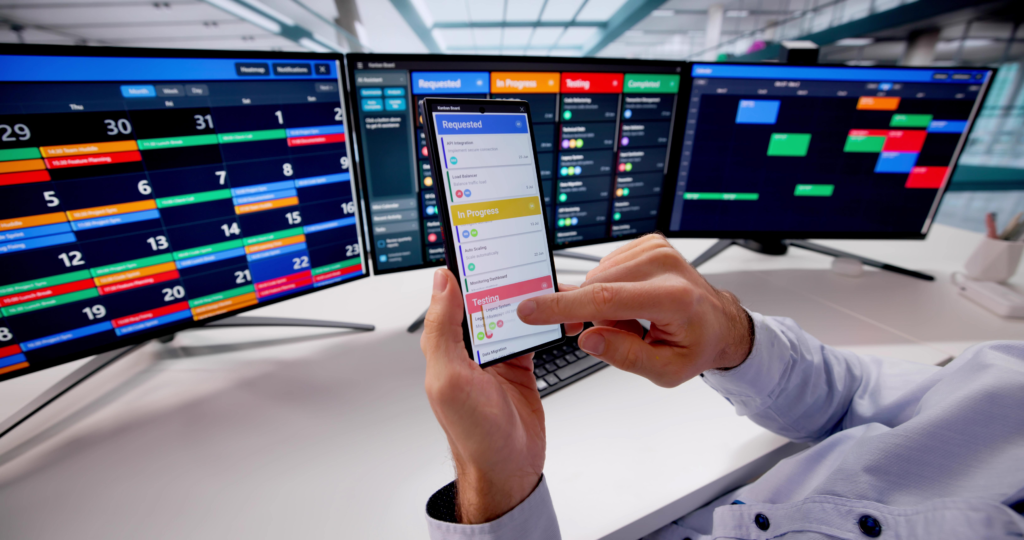
At its core, employee scheduling software automates the process of creating, managing, and optimizing employee work schedules, replacing outdated spreadsheets and manual coordination with intelligent, data-driven systems. These platforms not only streamline scheduling tasks but also integrate with payroll, HR, and analytics systems to deliver a holistic workforce management solution .
The Transformation of Workforce Scheduling in the AI Era
One of the most significant shifts in 2026 is the widespread adoption of artificial intelligence within scheduling platforms. AI-powered scheduling tools are no longer optional—they are rapidly becoming the standard across industries.
Modern systems now leverage:
- Predictive analytics to forecast staffing needs
- Machine learning to optimize shift allocation
- Real-time data to dynamically adjust schedules
- Employee preference modeling to improve satisfaction
These advancements allow businesses to move beyond reactive scheduling toward proactive and predictive workforce planning, significantly improving both operational outcomes and employee experience. AI-driven scheduling tools can automate complex processes, reduce errors, and continuously refine scheduling decisions based on historical and real-time data .
Measurable Business Impact and Operational Efficiency
The adoption of advanced scheduling software delivers measurable benefits across multiple business functions. Organizations leveraging modern workforce management tools have reported:
- Up to 75% reduction in time spent on scheduling
- Around 5% lower payroll costs through optimized staffing
- Up to 90% fewer scheduling errors and 50% fewer payroll mistakes
- Significant improvements in employee retention and engagement
These outcomes highlight how scheduling software has become a key driver of productivity, cost control, and operational accuracy. By ensuring the right employees are scheduled at the right time, businesses can maintain service quality while minimizing inefficiencies.
The Shift Toward Integrated Workforce Ecosystems
Another defining trend in 2026 is the integration of scheduling software into broader workforce management ecosystems. Today’s leading platforms are no longer standalone tools—they are deeply connected with:
- Human resource management systems
- Payroll and compensation platforms
- Compliance and regulatory frameworks
- Workforce analytics and reporting dashboards
This integration enables organizations to eliminate data silos and create a unified environment where every workforce decision is interconnected. As a result, scheduling software now plays a central role in strategic workforce planning and enterprise operations.
Adapting to a Dynamic and Distributed Workforce
The modern workforce is more dynamic than ever, characterized by:
- Remote and hybrid work models
- Gig and freelance employment structures
- Multi-location and global teams
- Increasing demand for flexible work arrangements
Traditional static schedules are no longer sufficient in this environment. Businesses now require real-time, adaptive scheduling systems that can respond instantly to changes in demand, employee availability, and operational conditions .
Employee scheduling software addresses these challenges by providing:
- Mobile access and self-service scheduling
- Instant shift updates and notifications
- Flexible shift swapping and availability tracking
- Real-time workforce visibility across locations
These capabilities not only improve operational agility but also enhance employee engagement by giving workers greater control over their schedules.
The Strategic Importance of Scheduling Software in 2026
As workforce management continues to evolve, the role of scheduling software has expanded beyond operational efficiency into strategic business value. Organizations are increasingly recognizing that effective scheduling directly influences:
- Labor cost optimization
- Customer experience and service delivery
- Employee retention and satisfaction
- Compliance with labor laws and regulations
The right scheduling solution can transform workforce management from a reactive process into a competitive advantage, enabling businesses to operate with greater precision, flexibility, and scalability .
What This Guide Covers
This comprehensive guide to the Top 10 Employee Scheduling Software in the world in 2026 explores the leading platforms shaping the future of workforce management. It examines their:
- Core features and AI capabilities
- Pricing structures and scalability
- Industry-specific strengths
- Operational impact and business value
From enterprise-grade systems like UKG and Legion WFM to SMB-focused solutions like Sling and Homebase, this guide provides a detailed comparison of the tools that are redefining how organizations manage their workforce in 2026.
Setting the Stage for Smarter Workforce Management
As businesses continue to navigate economic uncertainty, labor shortages, and rapid technological change, the importance of intelligent scheduling solutions will only continue to grow. The convergence of AI, automation, and integrated workforce platforms is ushering in a new era where scheduling is no longer a routine task but a strategic function that drives business success.
Understanding the capabilities and differences between the top employee scheduling software solutions is essential for organizations looking to stay competitive, optimize operations, and build a more agile and resilient workforce in 2026 and beyond.
Top 10 Employee Scheduling Software in 2026
- Humanity (by TCP Software)
- Deputy
- UKG Pro / UKG Workforce Now
- Connecteam
- Rippling
- 7shifts
- When I Work
- Homebase
- Sling (by Toast)
- Legion WFM / Quinyx
1. Humanity (by TCP Software)
In the rapidly evolving landscape of workforce management in 2026, employee scheduling software has transitioned from a basic administrative tool into a strategic, AI-powered operational system. Among the leading platforms shaping this transformation, Humanity by TCP Software continues to stand out as one of the most comprehensive and widely adopted scheduling solutions globally.
Humanity is widely regarded as a “best overall” employee scheduling platform due to its ability to balance advanced automation, compliance control, and user-friendly design. It is particularly suited for organizations operating in complex, multi-shift environments where efficiency, accuracy, and workforce visibility are critical.
The platform plays a pivotal role in helping enterprises move away from manual scheduling processes toward data-driven workforce optimization, significantly reducing administrative workload while improving operational performance.
Strategic Role of Humanity in Workforce Management (2026)
| Workforce Technology Layer | Role of Humanity (2026) | Business Impact Area |
|---|---|---|
| Scheduling Automation | AI-powered shift creation and optimization | Reduced manual workload and scheduling errors |
| Workforce Forecasting | Predictive demand planning | Improved staffing accuracy and cost efficiency |
| Compliance Management | Labor law and policy enforcement | Reduced legal risk and compliance violations |
| Employee Experience | Mobile access and self-service scheduling | Higher employee engagement and satisfaction |
| Multi-location Control | Centralized scheduling across sites | Scalable workforce operations |
| Data Analytics | Real-time labor cost insights and reporting | Better strategic workforce decisions |
Humanity’s positioning within this ecosystem reflects a broader shift in 2026 toward intelligent workforce orchestration, where scheduling is tightly integrated with analytics, compliance, and employee engagement systems.
Quantitative Performance and Market Adoption
Humanity demonstrates strong market validation through both user adoption and performance metrics:
- Achieves consistently high user ratings of approximately 4.3 to 4.9 across major review platforms, reflecting strong satisfaction levels among enterprise users
- Used across multiple industries including:
- Healthcare
- Manufacturing
- Retail
- Hospitality
- Government sectors
- Recognized for reducing:
- Scheduling errors
- Overstaffing and understaffing
- Unexpected labor costs
This broad adoption highlights Humanity’s versatility as a cross-industry solution capable of handling both high-volume workforce environments and specialized scheduling requirements.
Core Technological Capabilities Driving Its Leadership
AI-Powered Demand Forecasting and Scheduling
One of Humanity’s most defining features is its Demand Scheduler, which uses artificial intelligence to:
- Predict workforce requirements weeks or months in advance
- Automatically generate optimized schedules based on demand
- Match employees to shifts based on skills, availability, and compliance rules
This capability enables organizations to transition from reactive scheduling to proactive workforce planning, significantly improving operational efficiency.
Automation and Intelligent Scheduling Workflows
| Automation Feature | Functional Description | Business Benefit |
|---|---|---|
| Auto-Scheduling | Automatically builds optimized schedules | Saves managerial time and reduces manual errors |
| Shift Auto-Fill | Assigns best-fit employees to open shifts | Minimizes staffing gaps |
| Conflict Detection | Flags scheduling conflicts in real time | Prevents compliance and operational issues |
| Backfill Automation | Identifies and notifies replacement staff instantly | Reduces last-minute scheduling disruptions |
| Drag-and-Drop Interface | Simplifies schedule adjustments visually | Enhances usability and adoption |
These automation capabilities position Humanity as a high-efficiency scheduling engine, particularly valuable for organizations managing large or distributed teams.
Compliance and Risk Management Capabilities
Compliance is a critical requirement in workforce scheduling, especially in regulated industries. Humanity addresses this through:
- Automated enforcement of labor laws and internal policies
- Custom rule configuration for overtime, breaks, and shift limits
- Real-time conflict alerts to prevent violations
This ensures that organizations maintain regulatory compliance while minimizing administrative oversight.
Employee-Centric Scheduling Experience
Humanity also emphasizes employee engagement through its mobile-first design:
- Employees can:
- View schedules in real time
- Request time off
- Swap shifts
- Receive notifications instantly
- Managers benefit from:
- Faster communication
- Reduced scheduling conflicts
- Improved workforce transparency
This focus aligns with 2026 trends where employee experience directly impacts retention and productivity.
Pricing Architecture and Plan Segmentation
Humanity offers a flexible pricing model designed to cater to organizations of varying sizes:
| Plan Tier | Core Capabilities | Target Industry Segment |
|---|---|---|
| Basic / Starter | Shift trading, time-off management, notifications | Small and Medium Businesses |
| Classic | Auto-scheduling, GPS clocking, budgeting, compliance tools | Healthcare, Manufacturing |
| Enterprise | Custom reporting, API access, multi-location, 24/7 support | Global and Multi-site Enterprises |
- Entry-level pricing starts at approximately $2 per user per month, depending on configuration
- A free trial period is typically available, allowing businesses to evaluate its capabilities before full deployment
This tiered approach ensures scalability, enabling organizations to expand functionality as workforce complexity grows.
Operational Benefits and Business Impact
Humanity delivers measurable value across multiple operational dimensions:
| Business Function | Impact Delivered by Humanity |
|---|---|
| Labor Cost Management | Optimized staffing reduces unnecessary expenses |
| Workforce Productivity | Better shift allocation improves efficiency |
| Administrative Efficiency | Automation reduces manual scheduling time |
| Employee Retention | Flexible scheduling enhances satisfaction |
| Decision-Making | Data-driven insights improve planning accuracy |
Organizations leveraging Humanity typically experience enhanced workforce visibility, reduced operational friction, and improved financial control.
Positioning Humanity Among Top Employee Scheduling Software in 2026
In the broader competitive landscape, Humanity remains a top-tier solution due to its:
- Strong balance between ease of use and advanced functionality
- Robust AI-driven scheduling capabilities
- High adaptability across industries
- Proven ability to scale for enterprise use cases
It is frequently compared with platforms such as Shiftboard, Rippling, and Paycor, but continues to differentiate itself through its deep forecasting intelligence and compliance-first architecture
Conclusion: Why Humanity Defines the Future of Scheduling Software
As workforce management becomes increasingly complex in 2026, employee scheduling software is no longer just about assigning shifts. It is about orchestrating an intelligent system that integrates automation, analytics, compliance, and employee engagement into a unified platform.
Humanity exemplifies this evolution by delivering:
- AI-powered workforce forecasting
- Fully automated scheduling workflows
- Enterprise-grade compliance controls
- A highly intuitive user experience
For organizations seeking a future-ready scheduling solution, Humanity stands as a benchmark platform that combines technological innovation with practical operational impact, making it a cornerstone tool within the Top 10 Employee Scheduling Software globally in 2026.
2. Deputy
In the increasingly data-driven workforce landscape of 2026, Deputy has established itself as a leading force in AI-powered employee scheduling and compliance automation. Unlike traditional scheduling tools, Deputy positions itself as a “Smart Scheduling” platform, leveraging artificial intelligence, labor analytics, and real-time workforce data to optimize staffing decisions across industries.
This strategic positioning makes Deputy particularly valuable for organizations operating in dynamic, shift-based environments, where demand fluctuates and compliance requirements are complex. By combining automation with predictive intelligence, Deputy enables businesses to move beyond manual scheduling toward fully optimized workforce orchestration.
Strategic Role of Deputy in Modern Workforce Ecosystems
| Workforce Technology Layer | Role of Deputy (2026) | Business Impact Area |
|---|---|---|
| AI Scheduling Engine | Automated shift creation using demand signals | Reduced scheduling time and improved efficiency |
| Labor Forecasting | Predicts staffing needs based on real data | Optimized labor costs and reduced overstaffing |
| Compliance Automation | Enforces labor laws and work rules | Lower legal risk and improved audit readiness |
| Attendance Intelligence | Biometric and geolocation tracking | Accurate payroll and reduced time fraud |
| Workforce Analytics | Real-time labor cost and performance insights | Better operational and financial decision-making |
| Employee Self-Service | Mobile scheduling and shift swapping | Increased workforce flexibility and engagement |
Deputy’s ecosystem reflects a broader industry trend in 2026 toward intelligent workforce platforms, where scheduling is deeply integrated with compliance, analytics, and employee experience.
Advanced AI Scheduling Capabilities and Automation
Deputy’s core strength lies in its ability to automate scheduling using multiple real-time inputs:
- AI-driven scheduling based on:
- Forecasted sales and customer demand
- Employee availability and skill levels
- Labor cost constraints and business priorities
- Auto-scheduling functionality generates optimized rosters within minutes
- Micro-scheduling allows precise adjustments to meet fluctuating demand
- Real-time shift updates ensure operational agility
These capabilities allow businesses to transition from reactive scheduling to predictive workforce planning, significantly improving productivity and cost control.
Deputy’s platform is specifically designed to “schedule the right people, at the right time,” using AI models to optimize staffing and reduce inefficiencies.
Intelligent Compliance and Risk Mitigation
Compliance is a critical differentiator for Deputy, especially in industries with strict labor regulations.
Key compliance capabilities include:
- Automated enforcement of:
- Break rules
- Overtime limits
- Fair Workweek regulations
- Built-in labor law guardrails to prevent violations
- Audit-ready reporting and compliance tracking
- Real-time alerts for scheduling conflicts
These features help organizations maintain continuous compliance without manual oversight, reducing the risk of penalties and litigation.
Deputy’s platform is specifically designed to “help protect your business from compliance risks with automation and guardrails.”
Quantitative Pricing Structure and Cost Efficiency
Deputy is widely recognized for its competitive and flexible pricing model, making it accessible to businesses of various sizes.
Core Pricing Overview (2026)
| Plan Tier | Price (Per User / Month) | Key Capabilities | Ideal Business Segment |
|---|---|---|---|
| Free / Starter | Free (limited usage) | Basic scheduling, limited shifts | Micro-businesses |
| Scheduling / Lite | From $3.50 – $5 | Shift planning, availability, basic time tracking | Small teams |
| Core / Premium | $6 – $6.50 | AI scheduling, compliance tools, forecasting | Growing businesses |
| Pro / Enterprise | $9+ or custom | Advanced analytics, automation, enterprise controls | Large multi-site organizations |
- Entry-level plans can start as low as $3.50–$4.50 per user per month, depending on configuration
- Advanced plans with AI scheduling and compliance features typically range between $6.50 and $9 per user per month
- Modular add-ons (HR, analytics, payroll) allow further customization but may increase total costs
This pricing structure makes Deputy a cost-effective yet scalable solution, particularly for organizations looking to balance affordability with advanced functionality.
Operational Impact and Workforce Optimization
Deputy delivers measurable operational benefits by combining automation, analytics, and workforce intelligence:
| Operational Area | Impact Delivered by Deputy |
|---|---|
| Scheduling Efficiency | AI reduces manual scheduling workload significantly |
| Labor Cost Control | Forecasting minimizes overstaffing and overtime |
| Attendance Accuracy | Biometric tracking prevents time theft |
| Workforce Flexibility | Shift swapping improves employee satisfaction |
| Compliance Management | Automated rules reduce legal and financial risks |
| Productivity Gains | Optimized staffing improves overall business performance |
The platform’s ability to auto-complete schedules based on cost, skill level, and business priorities makes it especially valuable in industries with tight margins and fluctuating demand.
Market Presence and Industry Adoption
Deputy has achieved strong global adoption and is widely trusted across industries:
- Used by over 250,000 workplaces in more than 90 countries
- Highly rated on review platforms, with approximately 4.6/5 user ratings
- Popular in industries such as:
- Retail
- Hospitality
- Healthcare
- Manufacturing
Its strong reputation for shift swapping, scheduling flexibility, and compliance tracking makes it a preferred choice for regulated and high-volume workforce environments.
Key Feature Comparison Matrix
| Capability Area | Deputy Strength Level (2026) | Competitive Differentiation |
|---|---|---|
| AI Scheduling | Very High | Predictive and automated shift creation |
| Compliance Automation | Very High | Built-in labor law enforcement |
| Pricing Flexibility | High | Modular pricing with scalable plans |
| User Experience | High | Mobile-first and intuitive interface |
| Workforce Analytics | High | Real-time cost and performance insights |
| Integration Ecosystem | Medium to High | Payroll, HR, and third-party integrations |
Why Deputy Stands Out in the Top Employee Scheduling Software in 2026
Deputy’s continued rise in the global workforce management market is driven by its ability to combine AI intelligence, operational automation, and compliance assurance into a single unified platform.
Its key differentiators include:
- Advanced AI-powered smart scheduling
- Strong compliance-first architecture
- Competitive and flexible pricing models
- High scalability across industries and workforce sizes
For organizations seeking to modernize workforce management in 2026, Deputy represents a future-ready solution that aligns operational efficiency with regulatory compliance, making it one of the most influential platforms in the Top 10 Employee Scheduling Software globally.
3. UKG Pro / UKG Workforce Now
In the global workforce management landscape of 2026, UKG (Ultimate Kronos Group) has firmly established itself as one of the most dominant enterprise-grade platforms, particularly in industries with large frontline workforces. By combining advanced human capital management (HCM), AI-powered scheduling, payroll, and workforce analytics into a unified ecosystem, UKG Pro and UKG Workforce Now have become foundational systems for large-scale organizations seeking operational efficiency and workforce intelligence.
Formed through the merger of Ultimate Software and Kronos, UKG has evolved into a global leader in workforce technology, offering comprehensive solutions that extend far beyond scheduling into strategic workforce orchestration.
Strategic Role of UKG in Enterprise Workforce Ecosystems (2026)
| Workforce Technology Layer | Role of UKG Pro / Workforce Now (2026) | Enterprise Impact Area |
|---|---|---|
| Workforce Orchestration | Unified scheduling, HR, payroll, and analytics | End-to-end workforce visibility and control |
| AI Workforce Intelligence | Predictive staffing and labor optimization | Reduced understaffing and improved productivity |
| Compliance Automation | Global labor law enforcement | Lower regulatory risk across multiple jurisdictions |
| Frontline Workforce Enablement | Mobile tools and real-time insights | Enhanced employee performance and engagement |
| Enterprise Analytics | Workforce Intelligence Hub | Data-driven strategic decision-making |
| Global Payroll Integration | Multi-country payroll systems | Seamless global workforce operations |
UKG’s architecture reflects the shift toward enterprise-grade workforce platforms, where scheduling is no longer a standalone function but part of a fully integrated operational ecosystem.
Market Scale, Adoption, and Enterprise Penetration
UKG’s dominance is best reflected in its scale and enterprise adoption:
- Serves tens of thousands of organizations globally, including a strong presence in Fortune 500 companies
- Nearly 90% of the largest U.S. healthcare systems rely on UKG for workforce scheduling and staffing optimization
- Strong geographic presence:
- United States (primary market)
- Europe, particularly France and the United Kingdom
- Recognized as a leader in enterprise HCM technology rankings, highlighting its strong product capabilities and market positioning
UKG’s platform is particularly dominant in frontline-heavy industries, such as:
- Retail
- Healthcare
- Manufacturing
- Logistics
These industries require complex scheduling, compliance management, and real-time workforce coordination—areas where UKG excels.
Financial Strength and Enterprise Stability
UKG’s financial profile underscores its ability to sustain long-term innovation and enterprise support:
| Financial Metric | Value / Estimate | Strategic Significance |
|---|---|---|
| Annual Revenue | $3B – $5B+ range | Strong financial foundation for R&D |
| Company Valuation | ~$15B+ (estimated market positioning) | High investor confidence and growth potential |
| Recurring Revenue Model | Multi-billion ARR | Predictable enterprise revenue streams |
| Workforce Size | 12,000+ employees | Large-scale global operations |
| Revenue Growth Outlook | 2%–5% annual growth forecast | Stable expansion in mature market |
UKG’s recurring revenue exceeding $3 billion annually reflects its strong foothold in enterprise software markets.
This financial strength enables continuous investment in:
- Artificial intelligence
- Workforce analytics
- Global payroll infrastructure
AI-Powered Workforce Intelligence and Scheduling Innovation
A defining feature of UKG Pro is its Workforce Intelligence Hub, which leverages AI to transform workforce planning:
- AI detects patterns such as:
- Understaffing risks
- Overtime inefficiencies
- Labor cost anomalies
- Generates optimized scheduling recommendations proactively
- Provides predictive insights for:
- Workforce demand
- Productivity trends
- Employee engagement
UKG emphasizes “people-first AI,” combining automation with human-centric insights to improve decision-making and workforce outcomes.
Advanced Workforce Scheduling and Operational Capabilities
| Capability Area | Functional Description | Enterprise Benefit |
|---|---|---|
| Intelligent Scheduling | AI-generated shift planning based on demand | Improved staffing accuracy |
| Multi-Site Workforce Mgmt | Centralized scheduling across global locations | Scalable enterprise operations |
| Time & Attendance | Real-time tracking with compliance rules | Accurate payroll and labor cost control |
| Workforce Analytics | Real-time dashboards and predictive insights | Strategic workforce optimization |
| Employee Self-Service | Mobile apps for scheduling and communication | Higher employee satisfaction and engagement |
| Integration Ecosystem | HR, payroll, and third-party system integrations | Unified enterprise technology stack |
These capabilities position UKG as a comprehensive workforce orchestration platform, rather than a standalone scheduling tool.
Enterprise Adoption Metrics and Platform Stickiness
| UKG Service Metric | Value / Statistic | Relevance |
|---|---|---|
| Total Companies | 80,000+ organizations | Extensive global market penetration |
| Enterprise Clients | Thousands of large enterprises | Strong dominance in enterprise segment |
| Retention Rate | ~90%–95% range | High customer loyalty and platform dependency |
| Industry Penetration | High in healthcare and retail | Proven effectiveness in complex industries |
The high retention rate reflects UKG’s ability to deliver mission-critical functionality, making it deeply embedded within enterprise operations.
Competitive Positioning in the 2026 Scheduling Software Market
| Capability Dimension | UKG Strength Level (2026) | Competitive Advantage |
|---|---|---|
| Enterprise Scalability | Very High | Handles global, multi-site operations |
| AI Workforce Intelligence | Very High | Predictive and proactive scheduling insights |
| Compliance Management | Very High | Global labor law enforcement |
| Integration Ecosystem | Very High | Full HCM, payroll, and analytics suite |
| User Accessibility | Medium to High | Strong but enterprise-focused UX |
| Cost Efficiency | Medium | Premium pricing aligned with enterprise value |
Compared to mid-market tools like Deputy or Humanity, UKG differentiates itself through enterprise depth, scalability, and full-suite integration.
Why UKG Defines Enterprise Scheduling Excellence in 2026
UKG Pro and Workforce Now represent the pinnacle of enterprise workforce management by combining:
- AI-powered workforce intelligence
- Integrated HR, payroll, and scheduling systems
- Global compliance and regulatory capabilities
- Deep analytics for strategic workforce planning
As organizations increasingly prioritize frontline workforce optimization and operational efficiency, UKG continues to serve as a mission-critical platform for large enterprises.
Its ability to unify scheduling with broader workforce systems positions it not just as a tool, but as a central operating system for workforce management in 2026, making it one of the most influential solutions within the Top 10 Employee Scheduling Software globally.
4. Connecteam
In the evolving workforce landscape of 2026, where mobile, distributed, and non-desk-based employees dominate industries such as construction, retail, logistics, and field services, Connecteam has emerged as one of the most specialized and effective scheduling platforms globally. It is widely recognized as the “best solution for deskless teams,” offering a mobile-first, all-in-one workforce management system that integrates scheduling, communication, and task execution into a unified platform.
Unlike traditional scheduling tools designed for office-based environments, Connecteam is purpose-built for organizations where employees operate in the field, making it a critical enabler of real-time workforce coordination and operational visibility.
Strategic Role of Connecteam in the Deskless Workforce Ecosystem (2026)
| Workforce Technology Layer | Role of Connecteam (2026) | Business Impact Area |
|---|---|---|
| Mobile Workforce Hub | Centralized app for scheduling and operations | Seamless field workforce coordination |
| GPS Workforce Tracking | Real-time location and geofencing | Improved accountability and job verification |
| Task & Workflow Mgmt | Digital task assignment and tracking | Higher productivity and execution consistency |
| Communication Platform | Built-in chat, updates, and alerts | Faster team communication and alignment |
| Multi-location Scheduling | Centralized control across job sites | Scalable operations across distributed teams |
| Data Capture & Reporting | Field data collection and analytics | Better decision-making and reporting accuracy |
Connecteam’s ecosystem reflects the broader trend toward mobile-first workforce platforms, where scheduling is tightly integrated with communication and task execution.
Market Adoption, Scale, and Growth Trajectory
Connecteam has demonstrated strong growth and adoption across global markets:
- Serves tens of thousands of businesses globally, particularly in frontline industries
- Widely adopted by:
- Construction companies
- Cleaning and maintenance services
- Security firms
- Retail and hospitality operators
- Recognized for its ability to centralize workforce operations in a single mobile interface
The platform’s rapid growth is driven by increasing demand for tools that support distributed, non-desk-based teams, a segment that continues to expand significantly in 2026.
Pricing Architecture: A Cost-Efficient Model for SMBs and Growing Teams
One of Connecteam’s most compelling advantages is its flat-fee pricing structure, which differs significantly from traditional per-user SaaS models.
Connecteam Pricing Overview (2026)
| Plan Tier | Monthly Cost (Up to 30 Users) | Additional User Cost | Key Capabilities |
|---|---|---|---|
| Small Business | Free (Up to 10 users) | Not applicable | Core features for micro-teams |
| Basic | $29/month | ~$0.5 – $1 per user/month | Scheduling, time tracking, communication |
| Advanced | $49/month | ~$1.5 – $3 per user/month | GPS, geofencing, integrations |
| Expert | $99/month | ~$3 – $5 per user/month | Automation, advanced analytics, multi-schedule |
- Flat pricing applies to the first 30 users, making it highly cost-effective for growing teams
- Additional users are charged at low per-seat rates depending on the plan
- A free plan for up to 10 users supports early-stage businesses
This pricing model is particularly advantageous for small and medium-sized businesses, as it ensures predictable costs while scaling operations.
Core Operational Features and Capabilities
Mobile-First Scheduling and Workforce Management
Connecteam’s platform is designed entirely around mobile usability, enabling:
- Drag-and-drop shift scheduling
- Real-time schedule updates
- Shift assignments based on roles, locations, or tags
- Instant notifications for schedule changes
Employees can access schedules directly from their smartphones, improving visibility and responsiveness across distributed teams.
GPS Tracking and Geofencing Capabilities
| Feature | Functional Description | Operational Benefit |
|---|---|---|
| GPS Time Tracking | Tracks employee clock-in/out locations | Prevents location fraud |
| Geofencing | Restricts clock-ins to designated job sites | Ensures compliance with job assignments |
| Live Location Tracking | Monitors employee movement during shifts | Enhances accountability and transparency |
| Breadcrumb Tracking | Records movement history throughout shifts | Useful for logistics and field service tracking |
These capabilities are especially valuable for industries with mobile or remote workers, where traditional attendance systems are insufficient.
Integrated Task and Workflow Management
Connecteam goes beyond scheduling by integrating operational workflows:
- Task assignment with checklists and forms
- Real-time progress tracking
- Photo uploads and field reporting
- Shift attachments for capturing job-specific data
This enables organizations to combine scheduling with execution, ensuring that employees not only show up but also complete tasks effectively.
Workforce Communication and Engagement Tools
| Communication Feature | Description | Business Value |
|---|---|---|
| In-App Chat | Direct messaging between team members | Faster communication and coordination |
| Company News Feed | Broadcast updates and announcements | Improved organizational alignment |
| Push Notifications | Instant alerts for schedule or task changes | Reduced missed updates |
| Surveys and Feedback | Collect employee input in real time | Enhanced engagement and decision-making |
These features reduce reliance on external communication tools, creating a centralized workforce management environment.
Operational Impact and Business Value
Connecteam delivers significant operational advantages, particularly for deskless teams:
| Business Function | Impact Delivered by Connecteam |
|---|---|
| Workforce Visibility | Real-time tracking of employee location and status |
| Scheduling Efficiency | Faster schedule creation and adjustments |
| Labor Cost Control | Reduced overtime and scheduling inefficiencies |
| Productivity Management | Integrated task tracking improves output |
| Employee Engagement | Mobile tools increase accessibility and satisfaction |
| Compliance Monitoring | Geofencing ensures adherence to job locations |
Organizations using Connecteam benefit from increased operational control, reduced manual coordination, and improved workforce accountability.
Competitive Positioning in the 2026 Scheduling Software Market
| Capability Dimension | Connecteam Strength Level (2026) | Competitive Differentiation |
|---|---|---|
| Mobile Workforce Support | Very High | Designed specifically for deskless teams |
| Pricing Efficiency | Very High | Flat-fee model lowers entry cost |
| GPS & Location Tracking | Very High | Advanced geofencing and live tracking |
| Scheduling Features | High | Flexible and easy-to-use scheduling tools |
| Workforce Integration | High | Combines scheduling, tasks, and communication |
| Enterprise Scalability | Medium | Best suited for SMBs and mid-sized operations |
Compared to enterprise platforms like UKG or AI-heavy tools like Deputy, Connecteam differentiates itself through its simplicity, affordability, and mobile-first design.
Why Connecteam Stands Out in the Top Employee Scheduling Software in 2026
Connecteam’s rapid rise in the global workforce software market is driven by its ability to address a critical gap: efficiently managing deskless and frontline employees.
Its key strengths include:
- A mobile-first platform tailored for field teams
- Strong GPS tracking and geofencing capabilities
- Integrated task, scheduling, and communication tools
- A highly cost-effective and scalable pricing model
For organizations operating outside traditional office environments, Connecteam provides a practical, powerful, and user-friendly solution that aligns with the operational realities of modern frontline workforces, making it one of the most important platforms in the Top 10 Employee Scheduling Software globally in 2026.
5. Rippling
In the modern workforce technology landscape of 2026, Rippling has emerged as one of the most disruptive and innovative platforms by fundamentally rethinking how organizations manage employees. Rather than treating HR, payroll, IT, and finance as separate systems, Rippling unifies them into a single, centralized data architecture, often referred to as a “single source of truth” for employee data.
This approach allows organizations to automate complex workforce processes at scale, positioning Rippling as one of the most advanced platforms in the Top Employee Scheduling Software ecosystem, particularly for companies seeking deep automation, integration, and operational efficiency.
Strategic Role of Rippling in Unified Workforce Ecosystems (2026)
| Workforce Technology Layer | Role of Rippling (2026) | Business Impact Area |
|---|---|---|
| Unified Workforce Platform | Combines HR, IT, payroll, and finance systems | Eliminates data silos and improves operational flow |
| Workforce Automation Engine | Automates employee lifecycle workflows | Reduces manual administrative tasks |
| Scheduling Integration | Links scheduling with HR and payroll data | Improves accuracy and workforce coordination |
| IT Provisioning Layer | Automates software and device access | Enhances onboarding and security |
| Compliance & Payroll Engine | Manages global payroll and compliance workflows | Reduces regulatory risk and payroll errors |
| Workforce Intelligence | Real-time analytics across all workforce systems | Enables data-driven decision-making |
Rippling’s architecture represents a major shift toward platform unification, where employee data drives automation across multiple business functions simultaneously.
Financial Growth, Valuation, and Market Momentum
Rippling’s rapid rise is reflected in its strong financial performance and investor confidence:
- Achieved a valuation of approximately $16.8 billion following its Series G funding round in 2025
- Reached $570 million in annualized revenue by early 2025, with growth rates exceeding 30%
- Total funding raised exceeds $1.8 billion across multiple rounds
These metrics highlight Rippling’s position as one of the fastest-growing platforms in the workforce management category, with strong backing for continued innovation and expansion.
Customer Base and Global Adoption
Rippling’s platform has achieved significant adoption across both SMB and enterprise segments:
- Serves over 20,000 organizations globally
- Maintains an exceptional 99.5% year-over-year client retention rate in its PEO business
- Expanding rapidly across international markets, with growing presence beyond the United States
The platform is used by companies ranging from startups to large enterprises, demonstrating its ability to scale seamlessly across different organizational sizes and complexities.
Technological Advantage: The Unified Workforce API and Automation Engine
One of Rippling’s most defining innovations is its Workforce API and unified data model, often described as an “employee graph.”
Key Technological Capabilities
- Every employee record is centralized and synchronized across:
- HR systems
- Payroll
- IT access
- Finance tools
- Changes to employee data automatically trigger actions across systems:
- Provisioning or deprovisioning software access
- Assigning or adjusting schedules
- Updating payroll and benefits
This architecture enables:
- Automated onboarding and offboarding workflows
- Real-time synchronization across departments
- Reduced administrative overhead
For example, when an employee changes roles, the system can automatically:
- Update their shift assignments
- Grant access to relevant tools
- Adjust compensation and reporting structures
This level of automation positions Rippling as a true end-to-end workforce operating system.
Operational Capabilities and Scheduling Integration
| Capability Area | Functional Description | Business Benefit |
|---|---|---|
| Automated Onboarding | End-to-end employee setup across HR and IT | Faster employee ramp-up |
| Scheduling Integration | Aligns shift planning with employee data | Improved workforce accuracy |
| Payroll Synchronization | Real-time payroll updates linked to scheduling | Reduced payroll errors |
| Device & App Management | Automated provisioning of tools and hardware | Enhanced IT efficiency |
| Compliance Automation | Built-in regulatory and tax compliance workflows | Lower legal and operational risk |
| Workflow Automation | Custom workflows across departments | Increased operational efficiency |
These features make Rippling particularly powerful for organizations that require tight integration between scheduling, HR operations, and IT infrastructure.
Workforce Automation Impact and Business Value
Rippling delivers measurable improvements across key operational areas:
| Business Function | Impact Delivered by Rippling |
|---|---|
| Administrative Efficiency | Automation eliminates repetitive HR and IT tasks |
| Workforce Accuracy | Unified data reduces errors across systems |
| Cost Optimization | Integrated workflows reduce operational overhead |
| Employee Experience | Faster onboarding and seamless system access |
| Compliance Management | Automated tracking reduces regulatory risks |
| Scalability | Platform grows with organizational complexity |
Organizations using Rippling benefit from a fully synchronized workforce environment, where every process is interconnected and automated.
Rippling Milestones and Performance Metrics
| Rippling Milestone | Metric | Year / Context |
|---|---|---|
| Valuation | $16.8 Billion | Post-Series G (2025) |
| Funding Raised | ~$1.85 Billion+ | Across multiple funding rounds |
| Annualized Revenue | $570 Million | Early 2025 |
| Customer Count | 20,000+ | Global SMB and enterprise adoption |
| Growth Rate | 30%+ annually | Rapid expansion phase |
These milestones reinforce Rippling’s status as a high-growth, high-impact technology platform within the global workforce software market.
Competitive Positioning in the 2026 Scheduling Software Landscape
| Capability Dimension | Rippling Strength Level (2026) | Competitive Differentiation |
|---|---|---|
| Platform Unification | Very High | HR, IT, payroll, and finance in one system |
| Automation Capabilities | Very High | End-to-end workflow automation |
| Scheduling Integration | High | Deep integration with employee lifecycle |
| User Experience | Very High | Ranked among easiest-to-use enterprise platforms |
| Enterprise Scalability | High | Supports both SMBs and large organizations |
| Compliance Management | High | Built-in multi-region compliance tools |
Compared to traditional scheduling platforms, Rippling differentiates itself through its holistic, data-driven approach, where scheduling is just one component of a larger automated ecosystem.
Why Rippling Stands Out in the Top Employee Scheduling Software in 2026
Rippling’s rise is driven by its ability to redefine workforce management through:
- A unified employee data model that connects all business functions
- Advanced automation across HR, IT, payroll, and scheduling
- Strong financial growth and enterprise adoption
- A highly intuitive and scalable user experience
For organizations seeking to move beyond standalone scheduling tools toward a fully integrated workforce platform, Rippling represents one of the most forward-thinking solutions in 2026.
Its innovative architecture positions it not just as scheduling software, but as a next-generation workforce operating system, making it a critical player in the global Top 10 Employee Scheduling Software market.
6. 7shifts
In the highly competitive and margin-sensitive food and beverage industry, workforce scheduling requires far more precision than in most other sectors. 7shifts has emerged as a category-defining platform specifically built for restaurants, offering deep integrations with point-of-sale (POS) systems and advanced labor analytics to help operators control costs and optimize staffing in real time.
Unlike general-purpose scheduling tools, 7shifts is purpose-built for restaurant environments, where labor costs, demand fluctuations, and operational efficiency are tightly interconnected. This specialization has made it one of the most dominant solutions within the Top Employee Scheduling Software landscape in 2026.
Strategic Role of 7shifts in Restaurant Workforce Ecosystems (2026)
| Workforce Technology Layer | Role of 7shifts (2026) | Business Impact Area |
|---|---|---|
| Restaurant Scheduling Core | AI-assisted shift planning for restaurants | Optimized staffing aligned with demand |
| POS Integration Engine | Real-time syncing of sales and labor data | Accurate labor cost tracking |
| Labor Cost Optimization | Tracks labor as % of revenue | Improved profitability and margin control |
| Time & Attendance | Automated time tracking and payroll sync | Reduced payroll errors and time theft |
| Tip Management | Automated tip pooling and distribution | Eliminates manual calculations |
| Workforce Analytics | Real-time performance and labor insights | Data-driven decision-making |
7shifts operates as a restaurant-specific workforce intelligence system, where scheduling is directly tied to financial performance metrics.
Industry Adoption, Scale, and Growth
7shifts has achieved significant traction within the global restaurant industry:
- Used by tens of thousands of restaurants worldwide, including both independent operators and chains
- Supports over 150,000 businesses globally, reflecting strong industry penetration
- Raised approximately USD 80 million in funding, supporting product expansion and innovation
The platform’s growth is driven by its ability to address the unique operational challenges of restaurants, including:
- High employee turnover
- Fluctuating demand patterns
- Complex labor compliance requirements
Core Differentiator: Deep POS Integration and Real-Time Labor Cost Control
The defining strength of 7shifts lies in its deep integration with POS systems such as Toast, Square, and Clover.
Key Benefits of POS Integration
- Real-time synchronization of:
- Sales data
- Labor hours
- Employee performance
- Ability to calculate labor cost as a percentage of sales in real time
- Managers can:
- Adjust schedules dynamically based on revenue trends
- Avoid overstaffing during slow periods
- Optimize staffing during peak hours
This capability allows restaurants to directly link scheduling decisions to profitability, which is critical since labor is often the largest controllable expense in food service operations.
Operational Efficiency and Workforce Optimization
| Operational Area | Impact Delivered by 7shifts |
|---|---|
| Labor Cost Management | Real-time tracking prevents overspending |
| Scheduling Accuracy | Data-driven scheduling aligned with demand |
| Payroll Efficiency | Automated syncing reduces manual errors |
| Employee Engagement | Shift swapping and feedback tools improve morale |
| Time Tracking Accuracy | Automated clock-ins reduce time theft |
| Profitability Control | Labor-to-sales insights drive smarter decisions |
By integrating labor and sales data, 7shifts enables restaurant operators to optimize staffing decisions in real time, improving both efficiency and profitability.
Advanced Feature Set Tailored for Restaurants
Real-Time Labor and Performance Analytics
- Tracks:
- Labor costs vs revenue
- Employee productivity
- Overtime and compliance metrics
- Provides dashboards for:
- Daily operations
- Weekly forecasting
- Long-term performance trends
This enables restaurant managers to make data-driven decisions instantly, rather than relying on historical reports.
Automated Scheduling and Workforce Management
| Feature | Functional Description | Business Benefit |
|---|---|---|
| Auto-Scheduler | Builds schedules based on demand forecasts | Saves time and improves accuracy |
| Shift Swapping | Employees can exchange shifts easily | Reduces manager workload |
| Availability Management | Tracks employee availability and preferences | Improves scheduling flexibility |
| Time-Off Requests | Integrated leave management | Reduces administrative friction |
| Manager Log Book | Centralized communication for operations | Enhances coordination across teams |
Tip Management and Payroll Integration
- Automates:
- Tip pooling and distribution
- Payroll synchronization
- Eliminates manual spreadsheet calculations
- Ensures accurate and compliant wage processing
This is particularly valuable in restaurant environments where tips represent a significant portion of employee compensation.
Pricing Structure and Accessibility
7shifts offers a flexible pricing model tailored for restaurants of all sizes:
7shifts Pricing Overview (2026)
| Plan Tier | Monthly Cost (Per Location) | Key Capabilities | Ideal Use Case |
|---|---|---|---|
| Comp | Free | Basic scheduling and time tracking | Small restaurants (up to ~30 employees) |
| Entrée | $29.99 | Labor budgeting, templates, performance tracking | Small to mid-sized restaurants |
| The Works | $69.99 | Advanced reporting, compliance, engagement tools | Growing restaurant chains |
| Gourmet | ~$135 | Advanced automation, dedicated support | Multi-location enterprises |
- Pricing is typically per location rather than per user, making it cost-efficient for larger teams
- Additional modules such as payroll may incur extra costs
This pricing structure aligns well with restaurant operations, where locations—not employees—are the primary cost centers.
Competitive Positioning in the 2026 Scheduling Software Market
| Capability Dimension | 7shifts Strength Level (2026) | Competitive Differentiation |
|---|---|---|
| Industry Specialization | Very High | Built exclusively for restaurants |
| POS Integration | Very High | Deep real-time sales and labor syncing |
| Labor Cost Optimization | Very High | Real-time labor-to-sales tracking |
| Ease of Use | High | Intuitive interface for restaurant managers |
| Pricing Flexibility | High | Location-based pricing model |
| Enterprise Scalability | Medium to High | Strong for multi-location restaurant chains |
Compared to general scheduling platforms like Deputy or Connecteam, 7shifts differentiates itself through industry-specific functionality and financial integration capabilities.
Why 7shifts Stands Out in the Top Employee Scheduling Software in 2026
7shifts has successfully carved out a dominant position by focusing exclusively on the restaurant industry and delivering features that directly impact profitability.
Its key strengths include:
- Deep POS integrations enabling real-time labor optimization
- Strong focus on labor cost control and revenue alignment
- Tailored features for restaurant operations and workflows
- Flexible pricing designed for single and multi-location businesses
For restaurant operators seeking a solution that goes beyond scheduling to deliver real-time financial and operational insights, 7shifts represents one of the most specialized and effective platforms in 2026.
It stands as a clear example of how vertical-specific software can outperform general-purpose tools by addressing the unique operational challenges of a single industry with precision and depth.
7. When I Work
In the dynamic workforce environment of 2026, where businesses increasingly rely on hourly employees and shift-based operations, When I Work has emerged as one of the most intuitive and accessible employee scheduling platforms globally. It is widely recognized as the ideal solution for organizations that prioritize rapid deployment, ease of use, and mobile-first workforce coordination.
Designed specifically for hourly teams in industries such as retail, hospitality, healthcare, and services, When I Work focuses on simplifying workforce management while maintaining robust functionality. Its ability to combine scheduling, communication, and time tracking into a single platform makes it a key contender in the Top Employee Scheduling Software landscape.
Strategic Role of When I Work in Hourly Workforce Ecosystems (2026)
| Workforce Technology Layer | Role of When I Work (2026) | Business Impact Area |
|---|---|---|
| Scheduling Core | Fast, intuitive shift creation | Reduced onboarding time and admin workload |
| Mobile Workforce Hub | App-based scheduling and communication | Real-time coordination across teams |
| Time & Attendance | Integrated clock-in and tracking | Accurate payroll and compliance |
| Team Communication | Built-in messaging and notifications | Improved collaboration and responsiveness |
| Workforce Flexibility | Shift swaps and availability tracking | Higher employee satisfaction |
| Multi-location Management | Centralized scheduling across sites | Scalable operations for growing businesses |
When I Work reflects a broader shift toward lightweight, user-friendly workforce platforms, where speed of adoption and usability are critical success factors.
Market Adoption, Reach, and Industry Fit
When I Work has achieved strong adoption across shift-based industries:
- Used by over 150,000 companies globally, demonstrating significant market penetration
- Highly rated with an editorial score of 9.6/10, reflecting strong user satisfaction
- Particularly popular in:
- Retail
- Restaurants
- Hospitality
- Healthcare
Its success is driven by its ability to address the challenges of hourly workforce management, including:
- Frequent schedule changes
- Variable employee availability
- High turnover rates
Core Differentiator: Speed, Simplicity, and Ease of Use
One of When I Work’s strongest competitive advantages is its exceptionally intuitive interface, which allows businesses to deploy the system quickly with minimal training.
Key Usability Features
- Drag-and-drop schedule creation
- Instant schedule sharing via mobile apps
- Quick onboarding for managers and employees
- Simple navigation across scheduling, messaging, and time tracking
This ease of use enables organizations to reduce setup time from days to minutes, making it one of the fastest platforms to implement in the market.
Pricing Structure and Cost Efficiency
When I Work is widely regarded as one of the most cost-effective scheduling platforms available, particularly for small and mid-sized businesses.
When I Work Pricing Overview (2026)
| Plan Tier | Price (Per User / Month) | Key Capabilities | Ideal Business Segment |
|---|---|---|---|
| Essentials | From $2.50 | Scheduling, messaging, basic time tracking | Small teams and startups |
| Pro | ~$5.00 | Advanced scheduling, labor sharing | Growing SMBs |
| Premium | ~$8.00 | Automation, API access, advanced features | Mid-market organizations |
| Add-ons (Attendance) | +$1.50 – $2.00 | Time tracking and attendance enhancements | Businesses needing payroll accuracy |
- Entry pricing starts as low as $2.50 per user per month, making it highly accessible
- Time and attendance features can be added for additional cost depending on plan
- Offers a 14-day free trial, allowing businesses to test functionality before committing
This pricing model positions When I Work as a high-value solution for budget-conscious teams.
Operational Speed and Scalability
When I Work is specifically designed to handle rapid growth and increasing operational complexity:
- Supports:
- Multi-location scheduling
- Large teams with varied availability
- Real-time schedule updates
- Maintains performance even as businesses scale from:
- Small startups
- To mid-sized operations
Its ability to scale while maintaining simplicity makes it a bridge solution between entry-level tools and enterprise platforms.
Core Features Driving Workforce Efficiency
Scheduling and Shift Management
| Feature | Functional Description | Business Benefit |
|---|---|---|
| Drag-and-Drop Scheduling | Easy shift creation and adjustments | Faster scheduling workflows |
| Shift Swapping | Employee-initiated shift exchanges | Reduced manager workload |
| Availability Tracking | Employee availability input | Improved scheduling accuracy |
| Notifications | Real-time alerts for schedule changes | Reduced communication gaps |
Time Tracking and Attendance Management
- Mobile clock-in and clock-out functionality
- GPS-enabled time tracking for accuracy
- Automated timesheet generation
- Integration with payroll systems
These features help businesses ensure accurate time tracking and compliance with labor regulations.
Workforce Communication and Collaboration
| Communication Feature | Description | Business Value |
|---|---|---|
| In-App Messaging | Direct team communication | Faster issue resolution |
| Schedule Notifications | Alerts for new or updated shifts | Improved attendance and punctuality |
| Team Announcements | Centralized updates | Better organizational alignment |
| Shift Confirmations | Employees confirm schedules | Reduced no-shows |
Operational Impact and Business Value
When I Work delivers measurable improvements across multiple operational areas:
| Business Function | Impact Delivered by When I Work |
|---|---|
| Onboarding Speed | Rapid setup reduces implementation time |
| Scheduling Efficiency | Simplified tools reduce administrative workload |
| Labor Cost Control | Better scheduling reduces unnecessary overtime |
| Employee Engagement | Mobile tools improve accessibility and flexibility |
| Communication Efficiency | Centralized messaging reduces confusion |
| Scalability | Supports growth from small teams to mid-sized firms |
Organizations using When I Work benefit from a fast, reliable, and scalable scheduling solution that adapts as their workforce grows.
Competitive Positioning in the 2026 Scheduling Software Market
| Capability Dimension | When I Work Strength Level (2026) | Competitive Differentiation |
|---|---|---|
| Ease of Use | Very High | Minimal learning curve and fast onboarding |
| Pricing Efficiency | Very High | One of the most affordable platforms |
| Mobile Accessibility | High | Strong mobile-first experience |
| Scheduling Features | High | Comprehensive yet simple tools |
| Enterprise Scalability | Medium | Best suited for SMB to mid-market |
| Advanced Automation | Medium | Less advanced than AI-heavy platforms |
Compared to platforms like Deputy or UKG, When I Work differentiates itself through its simplicity, affordability, and speed of deployment, rather than deep enterprise complexity.
Why When I Work Stands Out in the Top Employee Scheduling Software in 2026
When I Work continues to be a top choice for businesses that need a fast, intuitive, and cost-effective scheduling solution.
Its key strengths include:
- Rapid onboarding and exceptional ease of use
- Strong focus on hourly and shift-based teams
- Competitive pricing for budget-conscious organizations
- Integrated scheduling, communication, and time tracking
For businesses seeking a platform that can be deployed quickly while still delivering robust functionality, When I Work represents one of the most practical and scalable solutions in 2026, making it a critical inclusion in the Top 10 Employee Scheduling Software globally.
8. Homebase
In the increasingly complex landscape of hourly workforce management in 2026, Homebase has positioned itself as one of the most comprehensive and accessible platforms for small and medium-sized businesses. By combining employee scheduling with payroll, hiring, onboarding, and HR tools into a single ecosystem, Homebase enables organizations to manage their entire workforce lifecycle from one centralized platform.
Originally designed to address the operational challenges faced by small businesses with hourly employees, Homebase has evolved into a full-service workforce management solution, making it a critical contender in the Top Employee Scheduling Software globally.
Strategic Role of Homebase in Hourly Workforce Ecosystems (2026)
| Workforce Technology Layer | Role of Homebase (2026) | Business Impact Area |
|---|---|---|
| Scheduling Core | AI-assisted shift planning | Faster and more accurate scheduling |
| Payroll Integration | Automated payroll processing | Reduced payroll errors and admin time |
| Hiring & Onboarding | Built-in recruitment and onboarding tools | Faster workforce expansion |
| Time & Attendance | Digital time clocks and timesheets | Accurate tracking and compliance |
| HR & Compliance | Labor law tracking and documentation | Reduced legal risks |
| Workforce Communication | Messaging and updates within the platform | Improved team coordination |
Homebase’s unified approach reflects the broader shift toward integrated workforce platforms, where scheduling is seamlessly connected to HR, payroll, and employee lifecycle management.
Market Adoption and Workforce Reach
Homebase has achieved strong adoption among small and mid-sized businesses:
- Trusted by over 150,000 small businesses globally
- Supports more than 3.5 million employees, logging billions of work hours annually
- Primarily focused on industries such as:
- Retail
- Food and beverage
- Healthcare
- Local service businesses
The platform’s popularity is driven by its ability to simplify workforce management for organizations that lack large HR departments but still require enterprise-grade functionality in a simplified format.
Financial Growth and Company Scale
Homebase demonstrates steady financial growth and strong investment backing:
- Raised approximately USD 189 million in total funding, including a Series D round in 2024
- Estimated revenue range between USD 100 million and USD 250 million annually
- Employs over 1,000+ employees globally, reflecting operational scale
This financial foundation enables continued investment in:
- AI-powered scheduling tools
- Payroll automation
- Workforce analytics
Core Differentiator: Integrated HR, Payroll, and Scheduling in One Platform
Unlike many standalone scheduling tools, Homebase integrates multiple workforce functions into a single system:
Key Integrated Capabilities
- Scheduling, payroll, and HR are fully connected
- Time tracking feeds directly into payroll processing
- Hiring workflows are linked to onboarding and scheduling
- Employee data is centralized across all modules
This integration allows businesses to eliminate the need for multiple tools, reducing complexity and improving operational efficiency.
Advanced Scheduling and Workforce Automation Features
AI-Assisted Scheduling and Workforce Optimization
- Automatically creates schedules based on:
- Employee availability
- Labor costs
- Roles and responsibilities
- Reduces scheduling time significantly
- Helps prevent overstaffing and understaffing
Managers can generate optimized schedules in minutes, improving both efficiency and cost control.
Time Tracking and Payroll Synchronization
| Feature | Functional Description | Business Benefit |
|---|---|---|
| Digital Time Clock | Employees clock in/out via mobile or POS devices | Accurate attendance tracking |
| Automated Timesheets | Converts hours worked into payroll-ready data | Eliminates manual calculations |
| Payroll Integration | Direct payroll processing within the platform | Faster and error-free payroll execution |
| Compliance Tracking | Monitors overtime and labor rules | Reduced compliance risks |
Hiring and Onboarding Automation
- Job posting and applicant tracking built into the platform
- Digital onboarding forms and workflows
- Automated employee setup for scheduling and payroll
This enables businesses to hire, onboard, and schedule employees within a single system, significantly reducing administrative overhead.
Pricing Structure and Accessibility
Homebase is widely recognized for its affordability and accessibility, particularly for small businesses.
Homebase Pricing Overview (2026)
| Plan Tier | Monthly Cost (Per Location) | Key Capabilities | Ideal Business Segment |
|---|---|---|---|
| Basic | Free | Scheduling, time tracking, communication | Small businesses (1 location) |
| Essentials | $20/month | Advanced scheduling and team management | Growing small businesses |
| Plus | $48/month | Payroll, hiring tools, and advanced reporting | Multi-location SMBs |
| All-in-One | Custom pricing | Full HR, payroll, and compliance suite | Larger organizations |
- Free plan supports one location with up to 20 employees
- Paid plans unlock advanced scheduling, payroll, and HR features
- Pricing is structured per location, aligning with small business needs
This pricing model makes Homebase one of the most cost-effective all-in-one workforce platforms available.
Operational Impact and Business Value
Homebase delivers measurable improvements across key workforce functions:
| Business Function | Impact Delivered by Homebase |
|---|---|
| Scheduling Efficiency | Faster schedule creation and updates |
| Payroll Accuracy | Automated calculations reduce errors |
| Hiring Speed | Integrated recruitment accelerates onboarding |
| Labor Cost Control | Better scheduling reduces overtime expenses |
| Administrative Efficiency | Consolidated tools reduce manual workload |
| Employee Engagement | Mobile access improves communication and flexibility |
Managers using Homebase report saving significant administrative time each month due to automation and integration .
Competitive Positioning in the 2026 Scheduling Software Market
| Capability Dimension | Homebase Strength Level (2026) | Competitive Differentiation |
|---|---|---|
| All-in-One Functionality | Very High | Scheduling, payroll, and HR in one platform |
| Ease of Use | Very High | Designed for non-technical small business owners |
| Pricing Efficiency | Very High | Free and low-cost entry options |
| Scheduling Features | High | AI-assisted and intuitive scheduling tools |
| Enterprise Scalability | Medium | Best suited for SMBs rather than large enterprises |
| Compliance Management | High | Built-in labor law and payroll compliance |
Compared to platforms like UKG or Rippling, Homebase focuses on simplicity and accessibility, making it ideal for smaller organizations rather than large enterprises.
Why Homebase Stands Out in the Top Employee Scheduling Software in 2026
Homebase has become a leading solution for hourly workforce management by delivering a fully integrated platform that combines scheduling, HR, payroll, and hiring into one seamless system.
Its key strengths include:
- A true all-in-one workforce management platform
- Strong focus on hourly workers and small businesses
- Highly affordable pricing with a free entry tier
- Integrated tools that eliminate the need for multiple systems
For businesses seeking a simple yet powerful solution to manage their hourly workforce efficiently, Homebase represents one of the most practical and scalable platforms in 2026, securing its position among the Top 10 Employee Scheduling Software globally.
9. Sling (by Toast)
In the global employee scheduling software landscape of 2026, Sling (by Toast) has carved out a strong position as the most cost-effective and budget-friendly scheduling platform, particularly for startups, small businesses, and lean teams. Its unique value proposition lies in offering a feature-rich free plan and ultra-low-cost premium tiers, enabling organizations to manage workforce scheduling without significant financial investment.
Sling is especially appealing to businesses that require simplicity, flexibility, and affordability, while still maintaining access to essential workforce management tools such as scheduling, communication, and labor tracking.
Strategic Role of Sling in Cost-Efficient Workforce Ecosystems (2026)
| Workforce Technology Layer | Role of Sling (2026) | Business Impact Area |
|---|---|---|
| Scheduling Core | Simple and fast shift planning | Reduced administrative workload |
| Budget Workforce Mgmt | Low-cost scheduling infrastructure | Lower operational expenses |
| Team Communication | Built-in messaging and newsfeed | Improved coordination without extra tools |
| Time & Attendance | Basic and mobile time tracking | Accurate tracking with minimal setup |
| Labor Cost Monitoring | Tracks labor cost vs budget | Better financial control |
| Startup Enablement | Free-tier access for small teams | Accessible entry point for new businesses |
Sling’s positioning reflects a broader trend toward lean workforce management solutions, where affordability and simplicity are prioritized over enterprise complexity.
Core Differentiator: Free Plan with Strong Feature Coverage
Sling’s most defining feature is its generous free tier, which includes essential scheduling and communication tools typically locked behind paywalls in competing platforms.
Key Features Available in Free Plan
- Shift scheduling and templates
- Time-off requests and availability tracking
- Open shift management
- Newsfeed and internal messaging
- Long-term scheduling capabilities
These features allow businesses to run full scheduling operations at zero cost, making Sling one of the most accessible platforms on the market.
Pricing Structure: Ultra-Low Cost Compared to Competitors
Sling’s pricing model is one of the most competitive in the industry, offering affordable upgrades for businesses that need more advanced capabilities.
Sling Pricing Overview (2026)
| Plan Tier | Price (Per User / Month) | Key Capabilities | Ideal Business Segment |
|---|---|---|---|
| Free | $0 | Scheduling, messaging, time-off management | Startups and small teams |
| Premium | ~$1.70 – $2.00 | Time tracking, labor cost management, shift swapping | Growing small businesses |
| Business | ~$3.40 – $4.00 | Reporting, PTO tracking, geofencing, analytics | Mid-sized teams |
| Enterprise | Custom | Advanced integrations and controls | Larger organizations |
- Premium plans start as low as $1.70 per user/month (annual billing)
- Business plans remain below $4 per user/month, significantly lower than most competitors
- Free plan supports up to 30 users with core functionality
This pricing strategy makes Sling one of the most financially accessible workforce scheduling tools globally.
Operational Capabilities and Efficiency Features
Simplified Scheduling and Workforce Coordination
| Feature | Functional Description | Business Benefit |
|---|---|---|
| Drag-and-Drop Scheduling | Easy shift creation and adjustments | Faster scheduling workflows |
| Shift Templates | Reusable schedules for recurring shifts | Saves time and ensures consistency |
| Shift Swapping | Employees can exchange shifts | Reduces manager workload |
| Availability Tracking | Tracks employee availability | Improves scheduling accuracy |
Sling enables managers to create schedules in minutes and replicate them across weeks, significantly reducing manual effort.
Workforce Communication and Collaboration
| Communication Feature | Description | Business Value |
|---|---|---|
| Newsfeed | Centralized updates and announcements | Improved team alignment |
| Private Messaging | Direct communication with employees | Faster issue resolution |
| Group Messaging | Broadcast messages to teams | Efficient communication across shifts |
| Notifications | Real-time alerts for schedule changes | Reduced miscommunication |
These built-in tools eliminate the need for external communication platforms, helping businesses maintain centralized workforce coordination.
Labor Cost Tracking and Optimization
- Real-time labor cost calculation while scheduling
- Alerts for overtime and budget overruns
- Reporting tools for analyzing labor efficiency
Sling allows managers to stay within budget and optimize staffing levels, even with minimal resources.
Industry Focus and Ideal Use Cases
Sling is particularly well-suited for:
- Startups and early-stage businesses
- Small teams with limited budgets
- Single-location operations
- Restaurants, retail stores, and service businesses
It is also widely used within the Toast ecosystem, where it integrates seamlessly with POS and operational tools.
Community feedback highlights its affordability and practicality:
“We use Sling for multiple locations… reasonable compared to many other options.”
Operational Impact and Business Value
| Business Function | Impact Delivered by Sling |
|---|---|
| Cost Reduction | Eliminates or minimizes software expenses |
| Scheduling Efficiency | Fast schedule creation and updates |
| Communication Efficiency | Built-in messaging reduces tool fragmentation |
| Labor Cost Control | Real-time tracking prevents overspending |
| Scalability | Supports growth with low incremental costs |
| Ease of Use | Minimal training required for adoption |
Sling provides a high ROI solution, particularly for organizations that need functionality without enterprise-level costs.
Competitive Positioning in the 2026 Scheduling Software Market
| Capability Dimension | Sling Strength Level (2026) | Competitive Differentiation |
|---|---|---|
| Pricing Efficiency | Very High | One of the lowest-cost platforms globally |
| Ease of Use | Very High | Simple interface with minimal learning curve |
| Free Plan Value | Very High | Extensive features at zero cost |
| Scheduling Features | High | Solid core functionality for SMBs |
| Advanced Automation | Medium | Limited compared to AI-driven platforms |
| Enterprise Scalability | Medium | Better suited for SMBs and startups |
Compared to platforms like Deputy or UKG, Sling focuses on affordability and simplicity, rather than deep enterprise functionality.
Why Sling Stands Out in the Top Employee Scheduling Software in 2026
Sling’s success is driven by its ability to deliver maximum value at minimal cost, making it one of the most accessible scheduling platforms available.
Its key strengths include:
- A highly capable free plan with essential features
- Ultra-low-cost premium tiers for scaling businesses
- Strong focus on ease of use and rapid deployment
- Integrated communication and labor tracking tools
For startups and small businesses seeking a reliable scheduling solution without heavy financial commitment, Sling represents one of the most practical and cost-efficient platforms in 2026, firmly securing its place among the Top 10 Employee Scheduling Software globally.
10. Legion WFM / Quinyx
In the upper tier of employee scheduling software in 2026, Legion WFM and Quinyx represent the AI-first, enterprise-grade segment of the market, designed for organizations managing thousands of employees across multiple locations. Unlike mid-market or SMB-focused tools, these platforms are built to handle complex labor orchestration, regulatory compliance, and large-scale workforce optimization using advanced machine learning and predictive analytics.
These systems are not simply scheduling tools—they function as intelligent workforce operating systems, capable of dynamically aligning labor supply with demand, financial targets, and compliance constraints in real time.
Strategic Role in Enterprise Workforce Ecosystems (2026)
| Workforce Technology Layer | Role of Legion WFM / Quinyx (2026) | Business Impact Area |
|---|---|---|
| AI Workforce Orchestration | End-to-end labor planning and scheduling | Optimized workforce utilization at scale |
| Demand Forecasting Engine | Predicts staffing needs using AI | Reduced overstaffing and understaffing |
| Compliance Automation | Enforces labor laws and policies | Lower regulatory and operational risk |
| Multi-Site Workforce Control | Centralized management across locations | Scalable enterprise operations |
| Workforce Analytics | Real-time performance and cost insights | Data-driven decision-making |
| Employee Experience Layer | Fair scheduling and shift flexibility | Improved retention and engagement |
These platforms exemplify the shift toward AI-driven labor orchestration, where workforce planning is continuously optimized based on real-time data and predictive intelligence.
Legion WFM: AI-Driven Labor Optimization at Scale
Legion WFM is specifically designed for large enterprises with 1,000+ employees, focusing on optimizing labor costs, scheduling accuracy, and employee satisfaction through AI.
Key Performance and Capabilities
- Rated approximately 4.4 out of 5 on major review platforms, reflecting strong user satisfaction
- Uses machine learning to:
- Forecast labor demand
- Generate optimized schedules automatically
- Balance workload coverage with employee preferences
- Provides:
- One-click schedule generation
- AI-driven labor budgeting
- Real-time compliance enforcement
Legion’s approach is built on a unified workforce data model, ensuring that scheduling, time tracking, and payroll are tightly integrated for maximum accuracy and efficiency .
Legion WFM Operational Strengths
| Capability Area | Functional Description | Enterprise Benefit |
|---|---|---|
| AI Demand Forecasting | Predicts staffing needs based on historical and real-time data | Improved staffing accuracy |
| Labor Optimization | Matches workforce supply with demand automatically | Reduced labor costs |
| Schedule Automation | Generates optimized schedules in one click | Significant time savings |
| Compliance Engine | Enforces labor laws and internal policies | Reduced legal risks |
| Employee Preference Logic | Considers availability and preferences | Improved work-life balance |
Legion stands out for its ability to balance operational efficiency with employee satisfaction, a critical factor in high-turnover industries.
Quinyx: AI-Powered Workforce Intelligence with Global Reach
Quinyx is a leading global workforce management platform that emphasizes AI-driven forecasting, scheduling, and workforce analytics, particularly for frontline industries such as retail, healthcare, and logistics.
Core AI Capabilities and Business Impact
- Uses AI to:
- Forecast demand with high accuracy
- Optimize schedules based on skills, contracts, and preferences
- Reduce overtime and labor inefficiencies
- Delivers measurable outcomes:
- Up to 20% reduction in over- and under-scheduling
- Up to 50% reduction in overtime costs
Quinyx’s platform continuously improves through machine learning, refining forecasts and scheduling decisions over time to enhance accuracy and efficiency.
Quinyx Operational Capabilities
| Capability Area | Functional Description | Enterprise Benefit |
|---|---|---|
| Predictive Forecasting | AI models predict demand weeks in advance | Improved planning accuracy |
| Auto-Scheduling | Generates optimized schedules automatically | Reduced manual workload |
| Real-Time Adjustments | Dynamically updates schedules based on demand | Increased operational agility |
| AI Assistant | Conversational AI for workforce queries | Reduced administrative burden |
| Compliance Automation | Applies labor rules and contracts consistently | Ensures regulatory compliance |
Quinyx differentiates itself through its ability to deliver continuous optimization and real-time adaptability, making it ideal for fast-changing operational environments.
Enterprise-Grade Features and Governance Capabilities
Both Legion WFM and Quinyx offer advanced features required by large enterprises:
| Enterprise Feature | Functionality | Strategic Importance |
|---|---|---|
| Multi-Level Approval Workflows | Structured approval chains for schedules and changes | Ensures governance and accountability |
| Audit Trails | Tracks all scheduling and workforce decisions | Supports compliance and regulatory audits |
| Role-Based Access Control | Custom permissions for different user roles | Enhances data security and control |
| Global Compliance Framework | Supports multiple jurisdictions and labor laws | Enables international operations |
| Integration Ecosystem | Connects with HR, payroll, and ERP systems | Unified enterprise architecture |
These capabilities make them particularly suitable for regulated industries and publicly traded companies, where compliance and transparency are critical.
Market Position and Industry Recognition
- Both platforms are recognized as Operational Leaders in AI-driven workforce management
- Strong adoption in industries such as:
- Retail
- Healthcare
- Logistics
- Known for delivering:
- AI-first scheduling
- High employee engagement
- Scalable workforce management
They are often preferred by organizations that require advanced forecasting, compliance, and workforce orchestration capabilities beyond what traditional scheduling tools can offer.
Comparative Strength Matrix: Legion WFM vs Quinyx
| Capability Dimension | Legion WFM Strength Level | Quinyx Strength Level | Key Differentiation |
|---|---|---|---|
| AI Scheduling | Very High | Very High | Both offer AI-first automation |
| Demand Forecasting | Very High | Very High | Continuous ML-driven improvements |
| Ease of Use | High | High | Quinyx slightly more user-friendly |
| Workforce Analytics | High | Very High | Quinyx stronger in analytics depth |
| Employee Experience | Very High | High | Legion emphasizes work-life balance |
| Enterprise Scalability | Very High | Very High | Both designed for large enterprises |
Both platforms excel in AI-driven workforce orchestration, with slight differentiation in user experience and analytics depth.
Why Legion WFM and Quinyx Stand Out in the Top Employee Scheduling Software in 2026
Legion WFM and Quinyx represent the future of workforce management by moving beyond traditional scheduling into intelligent labor orchestration powered by AI.
Their key strengths include:
- Advanced AI-driven forecasting and scheduling automation
- Deep enterprise compliance and governance capabilities
- Scalable solutions for large, multi-location organizations
- Strong focus on employee experience and operational efficiency
For enterprises seeking to optimize workforce performance at scale while maintaining compliance and employee satisfaction, these platforms offer a cutting-edge solution that defines the next generation of employee scheduling software in 2026.
Conclusion
As organizations navigate an increasingly complex and fast-evolving workforce landscape, employee scheduling software has become far more than a simple operational tool. In 2026, it has evolved into a strategic, AI-powered workforce optimization engine that sits at the core of modern business operations. The Top 10 Employee Scheduling Software solutions highlighted throughout this guide collectively demonstrate a clear industry shift toward intelligent automation, real-time decision-making, and integrated workforce ecosystems.
At a macro level, the global workforce management software market continues to expand rapidly, driven by rising labor costs, stricter compliance requirements, and the widespread adoption of flexible work models. Industry projections indicate strong growth well into the next decade, fueled by demand for systems that can optimize staffing, reduce inefficiencies, and enhance employee satisfaction simultaneously . This growth reflects a fundamental change in how businesses approach workforce planning—moving away from reactive scheduling toward predictive and adaptive labor orchestration.
The Rise of AI-Driven Workforce Intelligence
One of the most defining themes across the leading scheduling platforms in 2026 is the dominance of artificial intelligence and predictive analytics. Modern systems no longer rely on static schedules or manual planning. Instead, they leverage vast datasets—ranging from historical trends and seasonal demand to real-time operational signals—to generate optimized schedules automatically.
AI-powered scheduling tools now:
- Predict labor demand with high accuracy
- Automatically generate and adjust schedules in real time
- Identify compliance risks before they occur
- Balance business needs with employee preferences
These capabilities significantly reduce operational inefficiencies, with some systems achieving up to 75% reductions in scheduling time and measurable decreases in payroll costs and errors . As a result, organizations are increasingly adopting platforms that not only assist managers but actively make intelligent workforce decisions on their behalf.
From Scheduling Tools to Workforce Operating Systems
Another critical evolution is the transition from standalone scheduling tools to fully integrated workforce platforms. Leading solutions such as Rippling, UKG, and Homebase demonstrate how scheduling is now deeply embedded within broader ecosystems that include:
- HR and payroll systems
- Compliance and regulatory frameworks
- Employee onboarding and lifecycle management
- Workforce analytics and reporting
This integration eliminates data silos and creates a unified environment where every workforce decision is interconnected. Businesses are no longer managing schedules in isolation—they are orchestrating entire workforce ecosystems with precision and transparency.
Flexibility, Employee Experience, and Retention
In 2026, employee expectations have fundamentally changed. Flexibility is no longer a perk—it is a necessity. Modern scheduling software reflects this shift by prioritizing:
- Self-service scheduling and shift swapping
- Personalized work preferences
- Fair distribution of shifts and workloads
- Work-life balance optimization
Research shows that flexible scheduling has become a key factor in employee retention, often ranking alongside compensation in importance . Platforms that empower employees with greater control over their schedules are better positioned to reduce turnover, improve engagement, and enhance overall workforce stability.
Industry Specialization and Vertical Optimization
Another major trend shaping the Top 10 Employee Scheduling Software landscape is industry-specific specialization. Rather than offering one-size-fits-all solutions, many platforms are now tailored to the unique operational needs of specific sectors:
- 7shifts for restaurants with POS-integrated labor optimization
- Connecteam for deskless and frontline teams
- UKG and Legion WFM for enterprise-scale workforce orchestration
- Sling and When I Work for cost-efficient SMB and startup environments
This vertical focus allows software providers to deliver deeply customized features that align with industry workflows, resulting in higher efficiency and better ROI.
Cost Efficiency and Scalability Across Business Sizes
The diversity of pricing models across the top platforms reflects the broad spectrum of business needs in 2026:
- Free and low-cost solutions (Sling, Homebase) enable startups to adopt scheduling tools without financial barriers
- Mid-market platforms (Deputy, When I Work, Connecteam) offer scalable solutions with strong feature sets
- Enterprise systems (UKG, Legion WFM, Quinyx) deliver advanced AI, compliance, and multi-location capabilities
This tiered ecosystem ensures that organizations of all sizes can access scheduling technology that aligns with their operational complexity and budget constraints.
The Shift Toward Proactive and Predictive Workforce Planning
Perhaps the most important takeaway from the evolution of employee scheduling software in 2026 is the shift from reactive to proactive workforce management. Traditional scheduling methods—often manual, static, and error-prone—are rapidly becoming obsolete.
Modern platforms now:
- Anticipate staffing needs before they arise
- Continuously adjust schedules based on real-time conditions
- Optimize labor costs while maintaining service quality
- Align workforce planning with broader business objectives
This transformation enables organizations to operate with greater agility, resilience, and precision, especially in industries with fluctuating demand and high labor costs.
Final Perspective: Choosing the Right Platform for 2026 and Beyond
Selecting the right employee scheduling software in 2026 is no longer just about managing shifts—it is about choosing a platform that can support long-term business growth, operational efficiency, and workforce satisfaction.
Organizations must evaluate solutions based on:
- Level of automation and AI capabilities
- Integration with HR, payroll, and business systems
- Scalability across locations and workforce sizes
- Industry-specific functionality
- Employee experience and usability
The Top 10 Employee Scheduling Software platforms featured in this guide represent the best-in-class solutions across these dimensions, each catering to different business needs and operational contexts.
Closing Insight
As the future of work continues to evolve, employee scheduling software will play an increasingly critical role in shaping how organizations operate, compete, and grow. The convergence of AI, automation, and human-centric design is transforming scheduling into a strategic advantage rather than a routine task.
Businesses that invest in the right scheduling technology today will be better positioned to:
- Optimize workforce performance
- Control labor costs
- Enhance employee satisfaction
- Adapt to changing market dynamics
In 2026 and beyond, employee scheduling software is no longer just about filling shifts—it is about orchestrating the workforce of the future with intelligence, flexibility, and precision.
If you find this article useful, why not share it with your hiring manager and C-level suite friends and also leave a nice comment below?
We, at the 9cv9 Research Team, strive to bring the latest and most meaningful data, guides, and statistics to your doorstep.
To get access to top-quality guides, click over to 9cv9 Blog.
To hire top talents using our modern AI-powered recruitment agency, find out more at 9cv9 Modern AI-Powered Recruitment Agency.
People Also Ask
What is employee scheduling software and how does it work?
Employee scheduling software automates shift planning, tracks availability, and manages schedules digitally, replacing spreadsheets and manual processes for better efficiency.
Why is employee scheduling software important for businesses in 2026?
It improves productivity, reduces labor costs, and ensures accurate staffing by using AI and real-time data to optimize workforce planning.
What are the key features of top employee scheduling software?
Core features include auto-scheduling, time tracking, shift swapping, mobile access, compliance tools, and labor cost forecasting.
How does AI improve employee scheduling software?
AI predicts demand, automates shift creation, reduces errors, and ensures fair scheduling based on employee preferences and labor rules.
What industries benefit most from scheduling software?
Industries like retail, healthcare, hospitality, manufacturing, and logistics benefit due to complex staffing and fluctuating demand.
How much does employee scheduling software cost in 2026?
Most tools range from $2 to $8 per user monthly, with free plans available and enterprise solutions costing more depending on features.
Can small businesses use employee scheduling software effectively?
Yes, many platforms offer free or low-cost plans, making them ideal for startups and small teams needing simple scheduling solutions.
What is predictive scheduling in workforce management?
Predictive scheduling uses AI and data trends to forecast staffing needs and create optimized schedules in advance.
How far in advance should schedules be posted?
Best practice is at least one week in advance, while some regions require 7 to 14 days depending on labor laws.
Can scheduling software reduce labor costs?
Yes, it helps prevent overstaffing, reduce overtime, and optimize workforce allocation using real-time data insights.
What is the difference between scheduling software and workforce management software?
Scheduling software focuses on shift planning, while workforce management includes HR, payroll, analytics, and compliance tools.
Do employee scheduling tools integrate with payroll systems?
Yes, most modern platforms integrate with payroll, HR, and accounting systems to streamline operations and reduce manual work.
Can employees swap shifts using scheduling software?
Yes, most tools allow shift swapping with manager approval, improving flexibility and employee satisfaction.
Is employee scheduling software mobile-friendly?
Yes, leading platforms offer mobile apps for employees to view schedules, request changes, and receive notifications instantly.
How does scheduling software improve employee satisfaction?
It offers flexibility, fair scheduling, and better communication, helping employees balance work and personal life.
What are the benefits of automated scheduling?
Automation saves time, reduces errors, improves accuracy, and allows managers to focus on strategic tasks instead of manual scheduling.
Can scheduling software handle multiple locations?
Yes, many platforms support multi-location scheduling with centralized management and reporting features.
Is employee scheduling software secure?
Most solutions use encryption, access controls, and compliance standards to protect employee and business data.
How does scheduling software help with compliance?
It enforces labor laws, tracks overtime, and ensures schedules meet regulatory requirements automatically.
What is shift scheduling software?
It is a digital tool that organizes employee shifts, avoids conflicts, and ensures proper workforce allocation.
Can scheduling software scale with business growth?
Yes, most platforms are designed to grow with businesses, supporting more employees, locations, and integrations over time.
What is the ROI of employee scheduling software?
ROI comes from reduced labor costs, improved efficiency, fewer errors, and better workforce productivity.
Does scheduling software support remote or hybrid teams?
Yes, many tools support remote and hybrid scheduling with mobile access and cloud-based management systems.
What are the challenges of manual scheduling?
Manual scheduling often leads to errors, inefficiencies, overstaffing, and poor communication between teams.
Can scheduling software improve workforce productivity?
Yes, it ensures the right employees are scheduled at the right time, improving operational efficiency and performance.
How does scheduling software handle employee availability?
Employees input availability, and the system automatically matches shifts based on preferences and business needs.
What is labor cost forecasting in scheduling tools?
It estimates payroll costs before schedules are finalized, helping businesses stay within budget.
Are there free employee scheduling software options?
Yes, tools like Sling and Homebase offer free plans with essential scheduling features for small teams.
What should businesses look for when choosing scheduling software?
Key factors include pricing, scalability, integrations, ease of use, and industry-specific features.
What is the future of employee scheduling software?
The future lies in AI-driven automation, predictive analytics, and fully integrated workforce management platforms that optimize operations end-to-end.
Sources
Business Research Insights Persistence Market Research Coherent Market Insights Mordor Intelligence Precedence Research EIN Presswire Aspect Gartner Timegrip Business org Software Advice TCP Software Connecteam People Managing People WifiTalents Josh Bersin Landbase Prospeo S&P Global Ratings Clockify LeadIQ PitchBook Research com Sacra G2 Unified Tracxn 7shifts Select Software Reviews Built In ECDB Apploye FitGap Pebb Efficient App Capterra The Retail Exec