Key Takeaways
- The top dropshipping software in 2026 combines AI automation, multi-channel integration, and real-time inventory syncing to help e-commerce businesses scale efficiently.
- Leading platforms such as Shopify, AutoDS, and CJ Dropshipping power modern dropshipping operations by connecting storefronts, suppliers, and global fulfillment networks.
- Choosing the best dropshipping software depends on automation features, supplier reliability, fulfillment speed, and scalability for long-term e-commerce growth.
The global dropshipping industry has evolved into one of the most dynamic and technologically advanced sectors within the e-commerce economy. What began as a relatively simple retail model built around third-party fulfillment has now matured into a sophisticated ecosystem powered by automation, artificial intelligence, global logistics networks, and advanced data analytics. In 2026, the dropshipping market is no longer defined merely by product sourcing and supplier relationships. Instead, the real engine behind successful online stores is the powerful software infrastructure that connects merchants, suppliers, logistics providers, and customers into a seamless digital supply chain.

As the global e-commerce industry continues its rapid expansion, dropshipping has become a preferred business model for entrepreneurs and established retailers alike. Its appeal lies in the ability to launch and scale an online store without investing heavily in inventory, warehouses, or manufacturing infrastructure. By leveraging third-party suppliers who handle storage, packaging, and shipping, businesses can focus on product discovery, marketing strategies, customer acquisition, and brand development. However, the efficiency and profitability of this model depend heavily on the tools used to automate and manage the operational process.

This is where dropshipping software plays a crucial role. Modern dropshipping platforms act as comprehensive business management systems that handle everything from product importing and inventory synchronization to automated order fulfillment and real-time shipping updates. In 2026, the most successful online merchants rely on these software tools not only to streamline their operations but also to gain a competitive advantage through data-driven decision making and advanced automation.

The Rise of Dropshipping Software in the E-Commerce Ecosystem
The growth of dropshipping software reflects the broader evolution of the digital commerce industry. Early dropshipping tools were limited in functionality, typically offering basic product import capabilities and simple integrations with supplier marketplaces. Merchants often had to manage many tasks manually, including updating product listings, tracking supplier inventory, and placing orders.

Today, the situation is dramatically different. Dropshipping platforms have transformed into powerful automation engines capable of managing complex retail operations across multiple sales channels. Artificial intelligence now assists with product research, trend forecasting, dynamic pricing strategies, and marketing optimization. Inventory updates occur in real time, orders are automatically routed to suppliers, and customers receive instant tracking updates without manual intervention.
These technological improvements have made dropshipping more accessible than ever before while simultaneously raising the level of competition in the market. Entrepreneurs who once struggled with technical barriers can now launch fully functional online stores within hours. At the same time, experienced merchants can operate large-scale businesses with thousands of products and multiple storefronts through integrated software systems.
Why Choosing the Right Dropshipping Software Matters
With the increasing sophistication of the dropshipping ecosystem, selecting the right software platform has become a strategic decision rather than a simple operational choice. Each platform offers different strengths depending on the merchant’s goals, whether it is automation, supplier access, product quality, fulfillment speed, or branding capabilities.
Some dropshipping software solutions specialize in multi-channel automation, enabling merchants to sell products simultaneously across marketplaces such as Amazon, eBay, and social commerce platforms. Others focus on curated supplier networks that provide higher product quality and faster delivery times. There are also platforms dedicated to print-on-demand services, allowing entrepreneurs to build customized merchandise brands without managing inventory.
Understanding the differences between these platforms is essential for building a sustainable and profitable dropshipping business. The tools chosen today will influence everything from operational efficiency and profit margins to shipping reliability and customer satisfaction.
The Role of Automation in Modern Dropshipping
Automation has become the defining characteristic of successful dropshipping operations in 2026. As online retail becomes more competitive, merchants must handle larger product catalogs, multiple sales channels, and increasingly demanding customer expectations. Manual management of these processes is no longer practical.
Advanced dropshipping software now automates many critical tasks that previously required significant time and effort. These tasks include product sourcing, listing optimization, inventory monitoring, order fulfillment, pricing adjustments, and shipment tracking. Automation reduces the risk of human error while allowing merchants to scale their businesses without dramatically increasing operational workload.
For example, a single automation platform can monitor supplier inventory levels across thousands of products and automatically update store listings to prevent overselling. When a customer places an order, the software immediately forwards the purchase to the appropriate supplier, processes the transaction, and updates the tracking information in the merchant’s store.
This level of efficiency allows online retailers to focus their attention on strategic activities such as brand development, marketing campaigns, and customer engagement rather than administrative tasks.
Emerging Trends Shaping Dropshipping Software in 2026
Several technological and economic trends are influencing the development of dropshipping software platforms in 2026. Artificial intelligence is increasingly being integrated into product research tools, enabling merchants to identify trending products based on real-time market data and consumer behavior patterns.
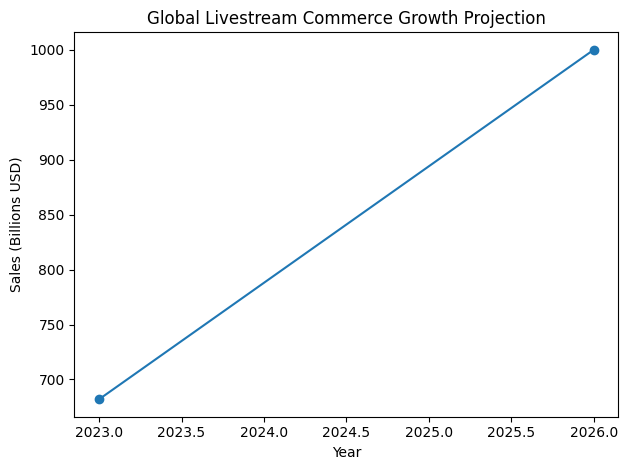
Another major trend is the rise of social commerce and livestream shopping. Platforms such as TikTok Shop and other video-driven marketplaces have introduced new ways for entrepreneurs to reach global audiences. Many dropshipping software tools now offer integrations with these social commerce channels, allowing merchants to synchronize product listings and inventory automatically.
Logistics transparency has also become a key factor in consumer satisfaction. Modern dropshipping software platforms provide advanced tracking features that allow customers to monitor their orders throughout the entire delivery process. This transparency helps reduce support requests and increases trust in online stores.
Additionally, the growing demand for faster shipping has encouraged the adoption of hybrid fulfillment models. Merchants often begin by testing products through traditional dropshipping and later move successful items into regional warehouses for quicker delivery. Many modern software platforms now support this transition by integrating with global fulfillment networks.
What This Guide Covers
This comprehensive guide explores the top 10 dropshipping software platforms in the world in 2026. Each platform has been selected based on its industry influence, technological innovation, automation capabilities, and overall impact on the global dropshipping ecosystem.
The platforms discussed in this guide represent different categories within the dropshipping infrastructure. Some function as e-commerce storefront platforms, others specialize in supplier marketplaces or automation systems, and several focus on fulfillment logistics or product customization.
By examining these tools in detail, readers will gain a clearer understanding of how each platform contributes to the modern dropshipping landscape and which solutions are best suited for different types of businesses.
Whether you are a beginner exploring the dropshipping business model or an experienced entrepreneur looking to scale your operations, understanding the strengths and limitations of each software platform is essential. The right combination of tools can dramatically improve efficiency, reduce operational costs, and help build a sustainable online retail brand.
As the dropshipping industry continues to evolve, software platforms will remain the foundation that enables merchants to compete in the rapidly expanding global e-commerce marketplace. This guide will help you navigate that ecosystem and identify the best dropshipping software solutions available in 2026.
Before we venture further into this article, we would like to share who we are and what we do.
About 9cv9
9cv9 is a business tech startup based in Singapore and Asia, with a strong presence all over the world.
With over nine years of startup and business experience, and being highly involved in connecting with thousands of companies and startups, the 9cv9 team has listed some important learning points in this overview of the Top 10 Dropshipping Software To Try in 2026.
If you like to get your company listed in our top B2B software reviews, check out our world-class 9cv9 Media and PR service and pricing plans here.
Top 10 Dropshipping Software To Try in 2026
- Shopify
- AutoDS
- DSers
- CJ Dropshipping
- Spocket
- Zendrop
- SaleHoo
- AliDropship
- Printful & Printify
- Easync.io
1. Shopify
Shopify has evolved into the foundational infrastructure supporting modern dropshipping operations. Rather than acting solely as a storefront solution, it operates as a central orchestration layer where merchants connect sourcing platforms, automation tools, marketing systems, logistics providers, and analytics engines.
By 2026, a large portion of the world’s dropshipping merchants rely on Shopify as the primary system that coordinates their entire digital retail operation. The platform hosts more than five hundred specialized integrations designed specifically for dropshipping, including supplier marketplaces, automated product import systems, fulfillment automation platforms, pricing optimization tools, and customer communication systems.
Industry research indicates that approximately 12.82 percent of all stores operating on Shopify in 2026 are built around dropshipping business models. This represents significant growth compared to earlier industry cycles, where the share was estimated at roughly 5.16 percent. The increase reflects both the expansion of digital retail entrepreneurship and the growing reliability of automated fulfillment networks.
Global Platform Adoption in Dropshipping Infrastructure
The following table illustrates the comparative role of major software platforms commonly used in the global dropshipping ecosystem.
Global Dropshipping Platform Role Matrix (2026)
| Platform Name | Core Functionality Category | Typical User Segment | Ecosystem Size | Automation Level | Market Position |
|---|---|---|---|---|---|
| Shopify | Commerce Operating System | Beginners to Enterprise | Very Large | High | Industry Leader |
| WooCommerce | Open-source eCommerce Platform | Developers and Custom Stores | Large | Medium | Flexible Alternative |
| BigCommerce | Enterprise Commerce Platform | Mid-market and Enterprise | Medium | High | Scalable SaaS Option |
| AutoDS | Dropshipping Automation Platform | Automated Product Retailers | Medium | Very High | Automation Specialist |
| DSers | AliExpress Fulfillment Automation | AliExpress-based Sellers | Medium | High | Order Management Leader |
| Zendrop | Supplier Marketplace Platform | US-focused Dropshippers | Medium | High | Logistics Specialist |
| Spocket | Supplier Discovery Platform | Premium Product Sellers | Medium | Medium | High-quality Sourcing |
| SaleHoo | Supplier Directory and Research | Research-driven Retailers | Medium | Low | Supplier Database |
| CJ Dropshipping | Global Fulfillment Service | Global Multi-channel Sellers | Medium | High | Logistics Hybrid |
| Inventory Source | Inventory Sync Platform | Large Catalog Retailers | Medium | High | Catalog Automation |
Within this broader ecosystem, Shopify remains the central platform where most operational integrations occur.
Operational Pricing Structure and Strategic Tiering
Shopify’s pricing architecture in 2026 reflects its strategy to support merchants across different stages of business maturity, ranging from first-time entrepreneurs launching small stores to enterprise-scale retailers managing complex international operations.
The platform uses a tiered subscription model combined with transaction fee structures that influence the financial efficiency of each merchant’s operation. These tiers are designed to progressively reduce processing costs as merchants scale their revenue.
Shopify Subscription Structure and Pricing Model (2026)
| Plan Tier | Monthly Subscription Price | Annual Equivalent Monthly Rate | Third-Party Payment Transaction Fee | Intended Merchant Scale |
|---|---|---|---|---|
| Basic | $39 | $29 | 2.0% | Early-stage startups |
| Grow | $105 | $79 | 1.0% | Growing small businesses |
| Advanced | $399 | $299 | 0.6% | High-revenue retailers |
| Plus | $2,300+ | Negotiated | 0.2% | Enterprise organizations |
The Basic plan functions as an entry point for businesses generating relatively modest revenue levels. Many merchants transition to higher tiers once operational scale increases, primarily due to the impact of transaction fee reductions.
For example, merchants operating on the Grow plan often upgrade to the Advanced plan when monthly revenue approaches or exceeds $50,000. The lower transaction fee percentage begins to offset the higher subscription cost, creating measurable financial efficiency gains.
Dropshipping Operational Cost Model
The overall transaction expense associated with running a Shopify-based dropshipping store can be modeled through a simplified cost equation that combines revenue, platform fees, and payment processing costs.
The general structure of the transaction cost equation can be described as follows:
CT = R × (FP + FGW) + FS
Where the variables represent the following components:
| Variable | Definition |
|---|---|
| CT | Total transaction cost for a given time period |
| R | Gross store revenue generated from customer sales |
| FP | Platform transaction fee percentage |
| FGW | Payment gateway processing fee |
| FS | Fixed subscription cost associated with the platform |
In situations where merchants use Shopify Payments, the platform’s native payment gateway, the external gateway fee component is eliminated. This reduces the total cost of transactions and simplifies financial operations.
Industry data suggests that stores using Shopify Payments benefit from an average checkout conversion improvement of approximately fifteen percent compared with stores relying on third-party gateways. The increase is attributed to faster checkout speeds, integrated fraud detection systems, and optimized payment routing.
Technology Infrastructure and Ecosystem Advantage
A key factor behind Shopify’s sustained dominance in the dropshipping software ecosystem is its extensive technology infrastructure. Unlike many standalone dropshipping tools that focus exclusively on supplier integration, Shopify supports a broad ecosystem that combines storefront management, marketing automation, logistics connectivity, analytics, and artificial intelligence.
The platform’s application marketplace contains more than five hundred integrations that specifically target dropshipping workflows. These applications cover a wide range of operational functions including:
| Function Category | Typical Software Integration Purpose |
|---|---|
| Product sourcing | Import products from supplier marketplaces |
| Order routing | Automatically send orders to suppliers |
| Inventory synchronization | Maintain real-time stock accuracy |
| Price automation | Dynamic pricing and margin management |
| Fulfillment tracking | Shipment tracking and customer notifications |
| Customer support | Automated messaging and ticket management |
| Marketing automation | Advertising and campaign management |
| Product research | Market demand analysis and trend tracking |
This ecosystem architecture enables merchants to assemble highly customized operational stacks while maintaining a unified storefront environment.
Artificial Intelligence and Automation Capabilities
One of the most significant technological developments within the Shopify ecosystem arrived with the release of the Winter ’26 platform update. This release introduced more than one hundred and fifty product enhancements, many of which centered around artificial intelligence integration.
Two of the most notable AI systems integrated into the platform include Shopify Magic and Atlas AI. These tools significantly reduce the complexity involved in launching and managing dropshipping stores.
Shopify AI Capability Matrix (2026)
| AI System | Core Functionality | Operational Benefit |
|---|---|---|
| Shopify Magic | AI-assisted content generation | Automated product descriptions and branding |
| Atlas AI | Store creation automation | Instant storefront development from product links |
| Smart Catalog AI | Product categorization and tagging | Improved product discovery and navigation |
| AI Store Design | Layout and theme automation | Faster store deployment |
| AI Marketing | Campaign copy and promotional optimization | Reduced marketing setup time |
Using these tools, merchants can generate a functional online store within minutes by simply providing a product URL or supplier listing. The AI system can automatically generate product descriptions, brand identity elements, marketing text, and storefront layouts.
This capability dramatically lowers the technical barrier to entry for new entrepreneurs while simultaneously increasing operational efficiency for experienced retailers.
Integration with High-Volume Automation Platforms
Shopify’s ecosystem advantage becomes even more powerful when integrated with specialized dropshipping automation tools. Platforms such as DSers, AutoDS, and CJ Dropshipping synchronize directly with Shopify stores, allowing merchants to automate large portions of their operational workflow.
These integrations typically enable:
| Operational Process | Automated Function |
|---|---|
| Product import | One-click product listing from suppliers |
| Inventory updates | Real-time stock synchronization |
| Order fulfillment | Automatic supplier order placement |
| Shipping tracking | Automated tracking number updates |
| Price monitoring | Automatic price adjustments |
| Supplier switching | Dynamic supplier replacement if stock changes |
Through this interconnected ecosystem, Shopify operates as the central control panel through which merchants manage their entire dropshipping infrastructure.
Conclusion: Shopify as the Core Infrastructure of Modern Dropshipping
Within the broader landscape of global dropshipping software in 2026, Shopify occupies a unique position that extends far beyond that of a traditional e-commerce platform. It serves as the operational core around which a vast network of automation platforms, supplier marketplaces, marketing tools, and logistics systems revolve.
Its combination of scalable pricing tiers, robust developer ecosystem, integrated payment systems, and expanding artificial intelligence capabilities has reinforced its status as the dominant commerce operating system supporting the modern dropshipping economy.
As the global e-commerce sector continues to evolve toward higher levels of automation and AI-driven operations, platforms like Shopify are likely to remain central to the infrastructure powering digital retail entrepreneurship worldwide.
2. AutoDS
AutoDS has become one of the most influential automation platforms within the global dropshipping software landscape. By 2026, the platform is widely recognized as the operational standard for merchants seeking fully automated, multi-channel retail operations. Unlike traditional dropshipping tools that focus primarily on product sourcing or supplier connectivity, AutoDS operates as a comprehensive automation engine designed to manage nearly every operational component of a dropshipping business.
Industry estimates indicate that the platform supports more than one million registered users globally in 2026. Its database contains access to more than five hundred million potential “winning products,” which are continuously analyzed through demand signals, sales velocity indicators, and marketplace trends. In addition, the platform connects to a supplier network spanning more than twenty-five integrated vendors located across major e-commerce fulfillment regions including the United States, Europe, and Asia.
This broad supplier infrastructure allows merchants to source products, automate order fulfillment, monitor price fluctuations, and maintain real-time inventory synchronization across multiple marketplaces.
Position of AutoDS Within the Global Dropshipping Software Stack
AutoDS differs from many dropshipping tools because it functions primarily as an automation control center rather than a storefront platform. Merchants typically integrate AutoDS with existing e-commerce platforms such as Shopify or marketplaces such as Amazon and eBay.
Within a typical operational stack, AutoDS manages backend automation while storefront platforms handle customer-facing commerce operations.
Operational Role of AutoDS in a Typical Dropshipping Stack
| System Layer | Platform Type | Core Responsibility |
|---|---|---|
| Storefront Infrastructure | Shopify / WooCommerce / Wix | Customer storefront and checkout system |
| Automation Engine | AutoDS | Order automation, pricing updates, inventory sync |
| Supplier Marketplace | Global supplier network | Product sourcing and fulfillment |
| Logistics Integration | Regional fulfillment providers | Shipping coordination and delivery tracking |
| Marketing Tools | Ad platforms and analytics tools | Traffic acquisition and customer targeting |
In this configuration, AutoDS acts as the central automation hub responsible for reducing manual operational workload.
Multi-Channel Automation Capabilities
One of AutoDS’s defining characteristics is its ability to manage sales across multiple online marketplaces simultaneously. This multi-channel architecture enables merchants to sell identical product catalogs across several platforms while maintaining synchronized inventory levels, pricing, and order fulfillment processes.
Supported Marketplace Ecosystem (2026)
| Marketplace Platform | Supported Automation Functions |
|---|---|
| Shopify | Product import, auto-orders, inventory sync, price updates |
| eBay | Listing management, price monitoring, order automation |
| Amazon | Listing optimization, fulfillment automation, stock updates |
| Wix | Catalog import and automated fulfillment |
| Facebook Marketplace | Product listing automation and order management |
| TikTok Shop | Viral product research and automated order routing |
| Etsy | Product synchronization and fulfillment automation |
Through these integrations, merchants can scale their businesses without manually processing each order or updating listings across different platforms.
Pricing Structure and Subscription Architecture
AutoDS employs a subscription-based pricing structure that varies depending on the marketplace integration selected by the merchant. The platform categorizes pricing tiers primarily according to the number of products that can be actively managed within a store.
Each tier allows increasing levels of product imports, automation capacity, and operational scalability.
AutoDS Pricing Structure by Marketplace (2026)
| Channel Category | Import Tier (Approx. 200 Items) | Starter Tier (Approx. 500 Items) | Advanced Tier (1,000+ Items) |
|---|---|---|---|
| Shopify / eBay / Wix | $26.90 per month | $39.90 per month | $66.90 per month |
| Amazon Integration | $64.90 per month | $89.90 per month | $149.90 per month |
| Facebook Marketplace | $19.90 per month | $26.90 per month | $54.90 per month |
| TikTok Shop | $19.90 per month | $26.90 per month | $54.90 per month |
The pricing variation between marketplace categories reflects the complexity of integration requirements and compliance with marketplace policies. Amazon integrations tend to carry higher costs due to stricter API infrastructure and advanced listing optimization requirements.
Understanding the True Cost Model of AutoDS
While subscription pricing forms the foundation of the platform’s revenue model, the full operational cost of AutoDS depends on an additional component known as automation credits. These credits are primarily used for automated order fulfillment through the platform’s “Fulfilled by AutoDS” service.
Automation credits are typically priced between $0.30 and $0.50 per order depending on the supplier and fulfillment region.
The total monthly software cost for a merchant can therefore be described using the following cost structure.
EA = S + (O × CO)
Variable Definitions
| Variable | Description |
|---|---|
| EA | Total monthly automation software expense |
| S | Base subscription fee for the chosen pricing tier |
| O | Number of automated orders processed in a given month |
| CO | Per-order automation credit cost |
This model ensures that smaller stores maintain a relatively low operational cost structure while larger merchants pay proportionally based on the volume of automated transactions.
AutoDS Cost Efficiency Scenario Analysis
| Merchant Scale | Monthly Orders | Subscription Cost | Credit Cost (Avg $0.40) | Total Monthly Software Expense |
|---|---|---|---|---|
| Small store | 100 | $39.90 | $40 | $79.90 |
| Mid-scale retailer | 500 | $66.90 | $200 | $266.90 |
| High-volume seller | 2,000 | $66.90 | $800 | $866.90 |
For high-volume sellers, the marginal cost per order decreases as automation replaces manual labor and operational overhead.
Advanced Product Research Infrastructure
In 2026, AutoDS introduced several advanced analytics modules that significantly expanded the platform’s research capabilities. One of the most prominent innovations is the TikTok Analytics engine, which focuses on identifying viral product trends emerging on short-form social commerce platforms.
Unlike traditional product research tools that rely primarily on historical marketplace data, this module tracks real-time social commerce indicators including live sales performance and viral engagement signals.
TikTok Product Analytics Metrics
| Data Indicator | Analytical Purpose |
|---|---|
| Live Sales Velocity | Measures the speed at which products sell during live streams |
| Demand Spike Detection | Identifies rapid increases in consumer interest |
| Verified Seller Data | Tracks performance of trusted high-volume sellers |
| Price Elasticity Mapping | Determines optimal pricing ranges |
| Trend Longevity Signals | Predicts whether viral products have short or sustained demand |
These insights allow merchants to identify high-potential products earlier in their lifecycle before market saturation occurs.
Predictive Product Discovery and Smart Filtering
AutoDS also integrates predictive analytics into its Smart Product Finder system. This feature automatically filters product opportunities based on multiple demand and competition indicators.
Smart Product Finder Filtering Framework
| Filtering Category | Analytical Data Used |
|---|---|
| Audience demographics | Age, region, and interest segmentation |
| Competitive density | Number of active sellers offering similar products |
| Historical demand curves | Sales patterns over previous time periods |
| Supplier reliability | Fulfillment speed and stock consistency |
| Profit margin potential | Estimated margin after platform fees |
By combining these filters, the system enables merchants to identify niche products that offer favorable profit potential while avoiding highly saturated markets.
Operational Automation Features
Beyond product research, AutoDS also delivers a wide range of automation tools designed to minimize manual workload for merchants managing large product catalogs.
Core Automation Capabilities
| Automation Function | Operational Benefit |
|---|---|
| Automatic order fulfillment | Orders placed with suppliers without manual input |
| Price monitoring | Automatic price adjustments when supplier costs change |
| Inventory synchronization | Real-time stock updates across all connected channels |
| Tracking number updates | Automatic delivery tracking notifications |
| Supplier switching | Alternative suppliers used if inventory becomes unavailable |
These features enable merchants to operate large-scale dropshipping stores with minimal manual involvement.
Strategic Role of AutoDS in Modern Dropshipping Operations
Within the broader context of global dropshipping software in 2026, AutoDS has emerged as a critical infrastructure component for merchants prioritizing automation, scalability, and multi-channel retail expansion.
While platforms such as Shopify provide the storefront and customer transaction environment, AutoDS functions as the operational automation layer that connects suppliers, marketplaces, and fulfillment systems into a unified workflow.
The platform’s combination of automated order routing, real-time supplier synchronization, predictive product analytics, and social commerce research tools has positioned it as one of the most technologically advanced automation solutions available in the modern dropshipping ecosystem.
As e-commerce continues to shift toward AI-assisted operations and cross-platform selling strategies, platforms like AutoDS are expected to remain central to the automation infrastructure supporting next-generation dropshipping businesses.
3. DSers
DSers has maintained its position as one of the most specialized automation tools in the global dropshipping industry, particularly within the AliExpress supplier ecosystem. By 2026, the platform is widely recognized as the leading automation solution designed specifically for merchants sourcing products from AliExpress while operating storefronts on platforms such as Shopify and WooCommerce.
Unlike broader dropshipping automation platforms that integrate with dozens of supplier marketplaces, DSers focuses primarily on optimizing the operational relationship between AliExpress suppliers and online retailers. This specialization has allowed the platform to develop highly refined automation tools tailored to high-volume order management, supplier mapping, and bulk product imports.
Millions of merchants rely on DSers for product sourcing and order automation, especially during the early stages of launching new dropshipping stores. Due to its low operational overhead and deep integration with AliExpress, DSers is commonly considered a foundational testing tool for entrepreneurs exploring new product niches.
Position of DSers Within the Dropshipping Software Infrastructure
Within the broader dropshipping technology stack, DSers typically functions as a supplier integration and fulfillment automation layer rather than a comprehensive multi-channel management platform. Its primary purpose is to streamline the process of importing products from AliExpress and automating the ordering workflow between merchants and suppliers.
Typical DSers Operational Stack
| System Layer | Platform Type | Operational Function |
|---|---|---|
| Storefront Platform | Shopify / WooCommerce | Customer-facing store management and checkout |
| Supplier Integration Layer | DSers | Product import, supplier mapping, order automation |
| Supplier Marketplace | AliExpress | Product catalog and fulfillment source |
| Logistics Providers | AliExpress shipping partners | International shipping and delivery |
| Marketing Infrastructure | Advertising and social media platforms | Traffic generation and customer acquisition |
This architecture allows merchants to quickly launch stores with minimal infrastructure complexity while maintaining the ability to scale their operations through automation.
Core Operational Capabilities of DSers
DSers provides a series of specialized features designed to handle large-scale product imports and high-volume order processing. These capabilities are particularly valuable for merchants testing new products across multiple suppliers.
Key DSers Automation Features
| Automation Function | Operational Benefit |
|---|---|
| Bulk product importing | Import large product catalogs from AliExpress instantly |
| Supplier mapping | Assign multiple suppliers to a single product listing |
| Bulk order processing | Place hundreds of supplier orders simultaneously |
| Inventory synchronization | Automatic updates when supplier stock levels change |
| Pricing automation | Dynamic pricing based on supplier price changes |
| Order tracking integration | Automatic tracking number synchronization |
These features allow merchants to manage extensive product catalogs without manually placing individual supplier orders.
Performance Evaluation and Industry Ratings
Independent reviews conducted by e-commerce analysts and software evaluation platforms consistently rank DSers highly in terms of operational efficiency within the AliExpress dropshipping ecosystem. However, the platform is generally regarded as a specialized tool rather than a comprehensive business management platform.
Performance Evaluation Matrix for DSers (2026)
| Performance Category | Score (Out of 10) | Evaluation Summary |
|---|---|---|
| Feature Set | 9.2 | Exceptional bulk ordering and supplier mapping capabilities |
| Ease of Use | 8.5 | User-friendly interface optimized for AliExpress workflows |
| Market Value | 8.0 | Strong value for testing products but limited for large-scale branding |
| Automation Efficiency | 9.0 | Highly effective automation for order processing |
| Supplier Diversity | 6.5 | Limited to AliExpress ecosystem |
| Overall Rating | 8.7 | Industry standard for AliExpress-based dropshipping operations |
The platform’s highest scores typically appear in categories related to order automation and supplier integration. Its lower scores generally reflect its narrower supplier ecosystem compared with broader automation tools that connect to multiple global suppliers.
AliExpress Ecosystem Advantages
One of the primary reasons DSers remains highly relevant in 2026 is the immense scale of the AliExpress product catalog. The marketplace contains more than one hundred million products across a wide range of categories, allowing merchants to rapidly test new products without large upfront inventory commitments.
Advantages of the AliExpress Supplier Ecosystem
| Operational Advantage | Strategic Benefit for Merchants |
|---|---|
| Massive product catalog | Access to millions of potential product niches |
| Low entry cost | Minimal upfront investment for product testing |
| Flexible supplier options | Multiple suppliers available for the same product |
| Global supplier network | Manufacturing sources located primarily in China |
| Rapid catalog experimentation | Fast testing of new market opportunities |
This environment makes DSers particularly attractive for entrepreneurs launching new dropshipping ventures or experimenting with emerging product categories.
Strategic Workflow: The Hybrid Migration Model
A significant operational trend observed among successful dropshipping merchants in 2026 involves the use of DSers during the early stages of product validation. Many experienced sellers follow a structured workflow that begins with AliExpress-based product testing before transitioning to more advanced fulfillment partners once a product demonstrates strong demand.
This strategy is often referred to as the Hybrid Migration Model.
Stages of the Hybrid Dropshipping Progression
| Stage of Business Development | Operational Strategy | Primary Tools Used |
|---|---|---|
| Product Discovery Phase | Testing multiple products with low risk | DSers + AliExpress |
| Product Validation Phase | Scaling advertising for winning products | DSers automation tools |
| Growth Phase | Increasing order volume and revenue | Shopify + DSers |
| Fulfillment Optimization | Migrating winning products to faster suppliers | CJ Dropshipping / Zendrop |
| Brand Development | Custom packaging and private labeling | Dedicated logistics partners |
During the early testing phase, merchants rely heavily on DSers because of its efficient supplier mapping system and large supplier pool. The goal at this stage is to identify “winning products” that demonstrate strong demand through advertising and market traction.
Once a product consistently generates stable daily order volume, merchants often transition fulfillment to dedicated logistics providers that offer faster shipping times, improved quality control, and custom branding capabilities.
Reasons for Supplier Migration After Product Validation
| Operational Factor | AliExpress Limitation | Advanced Supplier Advantage |
|---|---|---|
| Shipping Speed | 10–25 day delivery times | 5–10 day delivery windows |
| Branding Options | Limited packaging customization | Custom packaging and private labeling |
| Quality Control | Supplier quality varies widely | Dedicated warehouse inspection |
| Customer Experience | Inconsistent shipping tracking | Improved tracking and logistics support |
| Bulk Pricing | Limited negotiation options | Lower wholesale pricing at scale |
This strategic progression allows merchants to maintain low startup risk while eventually building stronger brand identity and customer experience once product-market fit is confirmed.
Scaling Limitations of DSers
Although DSers excels in early-stage dropshipping operations, its reliance on AliExpress suppliers introduces several limitations for businesses seeking to transition toward long-term brand development.
Primary Scaling Constraints
| Limitation Category | Impact on Business Growth |
|---|---|
| Shipping speed limitations | Longer delivery times can reduce customer satisfaction |
| Supplier branding limits | Difficulty implementing branded packaging |
| Quality consistency | Product quality varies between suppliers |
| Limited logistics control | Less control over shipping routes and fulfillment speed |
For this reason, DSers is typically viewed as a high-performance product testing platform rather than a permanent long-term fulfillment solution for large-scale e-commerce brands.
Strategic Importance of DSers in Modern Dropshipping
Despite these limitations, DSers continues to play a critical role within the global dropshipping software ecosystem in 2026. Its ability to automate bulk product imports, streamline AliExpress supplier management, and process large order volumes efficiently has made it one of the most widely used dropshipping tools for early-stage product validation.
For entrepreneurs entering the dropshipping industry, DSers often represents the most accessible entry point due to its simplicity, affordability, and deep integration with one of the largest global supplier marketplaces.
When combined with platforms such as Shopify for storefront infrastructure and later-stage logistics providers for fulfillment optimization, DSers forms a crucial component of the modern dropshipping operational pipeline.
4. CJ Dropshipping
CJ Dropshipping has emerged as one of the most influential fulfillment and logistics platforms in the modern dropshipping ecosystem. By 2026, the company operates at the intersection of supplier marketplace infrastructure and third-party logistics services, making it a hybrid operational platform rather than a conventional SaaS-based automation tool.
Unlike typical dropshipping software that charges subscription fees for automation services, CJ Dropshipping follows a usage-based pricing model. Merchants gain access to the platform without monthly subscription costs, while operational expenses are generated through fulfillment activities such as product sourcing, warehousing, labeling, packaging, and shipping.
This pay-as-you-go structure has made CJ Dropshipping particularly attractive for scaling merchants who require flexible logistics infrastructure and cost transparency. As global e-commerce continues to expand, CJ has positioned itself as a logistics backbone supporting merchants across North America, Europe, and Asia.
Platform Positioning in the Dropshipping Technology Stack
CJ Dropshipping functions differently from automation tools such as DSers or AutoDS. Instead of acting primarily as a software automation layer, CJ operates as a fulfillment infrastructure provider that combines product sourcing, warehousing, and international shipping.
Typical CJ Dropshipping Operational Stack
| System Layer | Platform Type | Core Operational Function |
|---|---|---|
| Storefront Platform | Shopify / WooCommerce / ShopLazza | Customer-facing store and checkout system |
| Automation Integration | Dropshipping automation software | Product listing and order routing |
| Fulfillment Infrastructure | CJ Dropshipping | Warehousing, picking, packing, and shipping |
| Supplier Network | CJ supplier marketplace | Product sourcing and manufacturing partners |
| Global Logistics Partners | Shipping carriers and courier services | International delivery and last-mile logistics |
Through this infrastructure model, CJ Dropshipping becomes a central operational component for merchants seeking more advanced logistics capabilities than typical supplier marketplaces can provide.
Global Warehousing Network
A major advantage of CJ Dropshipping is its international warehouse infrastructure. By maintaining fulfillment centers in multiple geographic regions, the platform enables merchants to store inventory closer to their customers, significantly reducing shipping times compared with traditional overseas shipping models.
The company operates warehouses in several strategic regions including China, the United States, and multiple European countries.
Regional Warehouse Infrastructure Overview
| Warehouse Region | Strategic Purpose | Typical Shipping Advantages |
|---|---|---|
| China Warehouses | Manufacturing and bulk sourcing hub | Lowest product cost and supplier proximity |
| United States Warehouses | North American fulfillment center | Faster delivery to US customers |
| European Warehouses | Regional EU distribution hubs | Reduced customs delays and faster EU delivery |
| Asia-Pacific Logistics | Regional product distribution | Faster delivery within Asian markets |
This distributed warehouse model allows merchants to maintain flexible logistics strategies depending on their customer demographics.
Detailed Fulfillment and Warehousing Economics
Although the CJ Dropshipping platform itself is free to access, operational costs arise from warehouse services and fulfillment activities. These costs are structured across multiple fee categories including storage, inbound handling, product inspection, labeling, and packaging.
CJ Dropshipping Warehouse Fee Structure (2026)
| Warehouse Fee Component | China Warehouse | US Warehouse | European Warehouses |
|---|---|---|---|
| Storage (0–30 Days) | Free | Free | Free |
| Storage (31–60 Days) | Free | Free | $0.40 – $0.54 per CBM per day |
| SKU Inspection | Free | Free | $2.20 per SKU |
| Inbound Fee (per unit) | Free | Free | $0.13 – $0.25 |
| Labeling (per item) | $0.03 | $0.20 | $0.34 – $0.55 |
This fee structure reflects the operational complexity associated with maintaining inventory across international logistics hubs.
Understanding CBM-Based Storage Pricing
Storage fees in CJ Dropshipping warehouses are calculated using cubic meters (CBM), which measures the physical space occupied by stored products. This model ensures that merchants pay proportionally based on the volume of inventory stored rather than the number of units alone.
Example Warehouse Cost Scenario
Consider a merchant storing forty product units in a European warehouse for fifty days. If each product occupies a volume of 0.001 cubic meters and the storage rate is $0.40 per CBM per day, the warehouse cost calculation would appear as follows.
Daily Storage Cost Example
| Calculation Component | Value |
|---|---|
| Number of SKUs | 40 units |
| Volume per item | 0.001 cubic meters |
| Total volume stored | 0.040 cubic meters |
| Storage rate | $0.40 per CBM per day |
| Daily storage cost | $0.016 per day |
This transparent pricing structure allows merchants to model their logistics expenses with a high degree of accuracy, which is particularly important for dropshipping businesses operating with narrow profit margins.
Fulfillment Workflow within CJ Dropshipping
CJ Dropshipping supports a comprehensive fulfillment pipeline that integrates product sourcing, inventory storage, packaging, and international shipping.
Typical CJ Dropshipping Fulfillment Workflow
| Operational Stage | Description |
|---|---|
| Product sourcing | Merchants request products through the CJ supplier catalog |
| Product listing | Items are imported into storefront platforms |
| Inventory preparation | Merchants send bulk inventory to CJ warehouses |
| Order placement | Customer orders are automatically routed to CJ |
| Warehouse processing | CJ staff pick, pack, and label products |
| Shipping dispatch | Orders are shipped through regional logistics carriers |
| Delivery tracking | Tracking numbers are automatically updated for customers |
This integrated process allows merchants to transition from traditional dropshipping toward hybrid fulfillment models that combine inventory storage with automated shipping.
Multi-Channel Integration Capabilities
Another key strength of CJ Dropshipping lies in its ability to integrate with numerous global e-commerce platforms. The system supports both marketplace selling environments and standalone online stores.
Supported E-Commerce Platform Integrations
| Platform Category | Example Platforms Supported |
|---|---|
| E-commerce store builders | Shopify, WooCommerce, ShopLazza |
| Marketplaces | Amazon, eBay, Etsy |
| Social commerce platforms | TikTok Shop, Facebook Marketplace |
| International platforms | Lazada, Shopee |
| Automation tools | Various dropshipping automation integrations |
By supporting more than eighteen integrated sales channels, CJ Dropshipping enables merchants to expand their distribution strategy across multiple marketplaces simultaneously.
Personal CJ Agent Support Model
One of the most distinctive features of CJ Dropshipping is the assignment of a dedicated account manager known as a Personal CJ Agent. This human support layer differentiates CJ from purely automated dropshipping tools.
While many automation platforms rely entirely on software-driven systems, CJ’s agent-based model provides merchants with direct assistance for operational challenges.
Responsibilities of a Personal CJ Agent
| Support Function | Operational Benefit |
|---|---|
| Product sourcing assistance | Locating reliable manufacturers for specific products |
| Supplier negotiation | Securing better pricing for high-volume orders |
| Shipping coordination | Prioritizing shipments and resolving logistics delays |
| Dispute resolution | Handling supplier conflicts and order issues |
| Inventory planning | Advising merchants on warehouse stocking strategies |
This personalized support structure significantly improves operational efficiency for high-volume merchants managing complex product catalogs.
Strategic Advantages of CJ Dropshipping
Several factors have contributed to CJ Dropshipping’s growing influence in the global dropshipping ecosystem.
Operational Advantages
| Strategic Advantage | Merchant Benefit |
|---|---|
| No platform subscription fee | Lower upfront operational cost |
| Global warehouse network | Faster shipping to international customers |
| Hybrid fulfillment model | Ability to combine dropshipping with inventory storage |
| Product sourcing support | Access to manufacturers beyond AliExpress |
| Human support infrastructure | Dedicated agent assistance for complex issues |
These advantages allow merchants to gradually transition from simple dropshipping operations to more sophisticated e-commerce supply chains.
CJ Dropshipping’s Role in Modern E-Commerce Logistics
In the evolving dropshipping environment of 2026, CJ Dropshipping has positioned itself as a logistics-centric solution rather than purely a software platform. Its hybrid model bridges the gap between traditional dropshipping and full-scale e-commerce fulfillment.
For merchants who initially validate products through platforms such as AliExpress or automation tools like DSers, CJ Dropshipping often becomes the next stage in operational development. By providing faster shipping, greater control over inventory, and branding opportunities such as custom packaging, the platform allows retailers to enhance customer experience while maintaining the flexibility of dropshipping.
As cross-border e-commerce continues to grow and delivery expectations become increasingly demanding, fulfillment infrastructure providers like CJ Dropshipping are likely to play an even more central role in supporting scalable global online retail operations.
5. Spocket
Spocket has established itself as one of the most specialized dropshipping platforms within the global e-commerce software ecosystem by focusing on supplier quality rather than catalog scale. In contrast to many dropshipping tools that prioritize massive product databases sourced primarily from Asian manufacturers, Spocket concentrates on a curated network of suppliers located mainly in the United States and Europe.
By 2026, this positioning has allowed Spocket to occupy a strategic niche within the industry, particularly among brands that emphasize premium product quality, faster shipping, and ethical sourcing practices. As consumer awareness around sustainability, responsible manufacturing, and domestic supply chains continues to grow, platforms that support regional sourcing have gained increasing relevance in the global dropshipping market.
Spocket’s curated supplier model aligns well with merchants targeting Western markets where customers expect shorter delivery times, higher product consistency, and improved post-purchase service. This strategic focus has allowed Spocket to differentiate itself from high-volume sourcing platforms that rely heavily on international shipping from Asia.
Position of Spocket Within the Dropshipping Technology Stack
Within the broader dropshipping infrastructure, Spocket operates primarily as a supplier discovery and integration platform rather than a full automation suite or logistics provider. Merchants typically use Spocket alongside storefront platforms such as Shopify or WooCommerce to import products directly from verified suppliers.
Typical Spocket Operational Stack
| System Layer | Platform Type | Core Operational Function |
|---|---|---|
| Storefront Infrastructure | Shopify / WooCommerce | Online store management and checkout processing |
| Supplier Marketplace | Spocket | Curated supplier discovery and product import |
| Inventory Synchronization | Spocket integration tools | Product availability monitoring |
| Fulfillment Providers | Regional US and EU suppliers | Domestic shipping and order fulfillment |
| Marketing Systems | Advertising platforms and CRM tools | Customer acquisition and retention |
In this configuration, Spocket acts as a supplier gateway that connects merchants with verified manufacturers and distributors located closer to their primary consumer markets.
Regional Supplier Strategy and Market Positioning
Spocket’s primary competitive advantage lies in its supplier geographic distribution. A significant portion of its partner suppliers operate within the United States and European Union, allowing merchants to offer significantly faster shipping times compared with traditional dropshipping supply chains.
Supplier Geographic Distribution
| Supplier Region | Estimated Supplier Share | Strategic Advantage |
|---|---|---|
| United States | Majority share | Fast domestic delivery for US customers |
| European Union | Significant portion | Reduced customs delays within EU markets |
| Canada and UK | Moderate presence | Regional distribution support |
| Asia | Limited representation | Supplemental sourcing options |
Approximately eighty percent of Spocket’s suppliers are located within Western markets. This regional concentration allows merchants to offer shipping times that typically range between two and seven business days, which is considerably faster than traditional dropshipping shipping windows.
Shipping Speed Comparison Across Supplier Regions
| Supplier Location | Typical Shipping Window | Customer Experience Impact |
|---|---|---|
| US-based suppliers | 2–5 business days | High satisfaction and lower refund rates |
| EU-based suppliers | 2–7 business days | Faster delivery within European markets |
| Asian suppliers | 10–25 business days | Higher risk of customer dissatisfaction |
Faster shipping speeds have a measurable impact on customer behavior and brand perception. Consumers tend to associate shorter delivery windows with higher product quality and more reliable retailers.
Impact of Domestic Supplier Networks on Store Performance
Industry research has consistently shown that supply chain location plays a major role in e-commerce performance metrics. Stores sourcing products from domestic suppliers often experience improvements in customer satisfaction, brand trust, and repeat purchasing behavior.
Performance Impact of Domestic Supplier Fulfillment
| Performance Metric | Improvement Compared to Overseas Sourcing |
|---|---|
| Shipping speed | Approximately 35 percent faster delivery |
| Customer satisfaction ratings | Higher average review scores |
| Repeat purchase rates | Approximately 20 percent higher |
| Customer support requests | Reduced shipping-related complaints |
| Refund and dispute frequency | Lower return rates due to better quality control |
These improvements occur because domestic supply chains reduce logistical uncertainties, customs delays, and product quality inconsistencies.
Spocket Subscription Structure and Feature Access
Spocket operates under a subscription-based pricing model where different tiers unlock progressively larger product catalogs and advanced operational features. Each subscription level is designed to accommodate different stages of business development, ranging from small startup stores to large-scale retail operations.
Spocket Subscription Pricing Structure (2026)
| Subscription Tier | Monthly Cost | Product Capacity | Key Feature Highlights |
|---|---|---|---|
| Pro | $39.99 | Up to 250 items | Branded invoicing, supplier messaging |
| Empire | $99.99 | Up to 10,000 items | Image-based product search, premium suppliers |
| Unicorn | $299.00 | Unlimited capacity | Bulk checkout tools, advanced sourcing support |
The Pro plan is typically used by smaller stores or entrepreneurs testing curated product catalogs. The Empire plan is designed for scaling merchants who require larger product inventories and more advanced search functionality.
The Unicorn tier targets high-volume merchants and agencies managing multiple storefronts or operating large product catalogs.
Advanced Product Discovery and Supplier Verification
One of Spocket’s most distinctive capabilities lies in its curated supplier verification process. Unlike open marketplaces where any manufacturer can list products, Spocket performs quality screening and supplier verification before allowing vendors to appear in its catalog.
Supplier Verification Criteria
| Verification Category | Evaluation Criteria |
|---|---|
| Product quality control | Inspection of product samples |
| Shipping reliability | Historical delivery performance data |
| Manufacturing standards | Compliance with supplier guidelines |
| Customer service performance | Responsiveness and dispute handling |
| Branding compatibility | Ability to support branded packaging or invoices |
This curated approach reduces the likelihood of inconsistent product quality or unreliable fulfillment partners.
Branding and Customer Experience Features
Another advantage of Spocket lies in its support for branding-focused e-commerce businesses. The platform provides several tools that help merchants present a more professional brand image.
Branding and Customer Experience Features
| Brand Feature | Business Benefit |
|---|---|
| Branded invoicing | Custom invoices with store logo and brand identity |
| Supplier messaging | Direct communication with product manufacturers |
| Quality product photography | High-resolution product images for storefronts |
| Local supplier verification | Increased consumer trust and credibility |
| Private label opportunities | Ability to transition toward branded product lines |
These branding features are particularly valuable for merchants seeking to build long-term brand recognition rather than simply reselling generic products.
Cost Considerations and Margin Trade-Offs
One of the primary considerations when using Spocket is the higher per-unit cost of products sourced from Western suppliers compared with mass-manufactured products sourced from Asian marketplaces.
However, the higher product cost is often offset by improvements in shipping speed, customer satisfaction, and brand credibility.
Cost vs. Value Comparison of Supplier Regions
| Supplier Region | Product Cost Level | Shipping Speed | Brand Trust Impact |
|---|---|---|---|
| Asian suppliers | Lower unit cost | Slower | Moderate |
| US/EU suppliers | Higher unit cost | Faster | High |
For many professional e-commerce businesses, the trade-off between higher product cost and improved customer experience can result in higher long-term profitability through increased repeat purchases and stronger brand reputation.
Strategic Role of Spocket in the Modern Dropshipping Ecosystem
Within the broader context of global dropshipping software in 2026, Spocket occupies a specialized position focused on supplier quality, regional sourcing, and brand credibility. While platforms such as AutoDS emphasize automation and DSers focuses on AliExpress integration, Spocket differentiates itself by prioritizing reliable suppliers and faster delivery.
This positioning makes the platform particularly attractive for merchants targeting Western markets where consumer expectations around delivery speed and product quality are significantly higher.
As sustainability awareness and domestic sourcing continue to influence consumer purchasing decisions, platforms like Spocket are likely to play an increasingly important role in supporting premium dropshipping brands that prioritize long-term customer relationships and brand trust.
6. Zendrop
Zendrop has emerged as one of the most influential fulfillment platforms within the premium segment of the global dropshipping ecosystem. By 2026, the platform has positioned itself as a preferred infrastructure provider for merchants focused on high-ticket products, brand development, and enhanced customer experience.
Unlike traditional dropshipping marketplaces that prioritize product catalog size, Zendrop focuses on enabling merchants to build long-term retail brands. The platform bridges the operational gap between low-cost manufacturing centers—primarily in China—and the high delivery expectations of customers located in North America and other developed markets.
This hybrid approach combines supplier sourcing, logistics optimization, and branding capabilities within a single integrated platform. As a result, Zendrop has gained significant popularity among e-commerce entrepreneurs who aim to transition from simple reselling models to more professional brand-driven online businesses.
Zendrop’s Strategic Position in the Dropshipping Infrastructure Stack
Zendrop operates as both a fulfillment platform and a supplier network coordinator. Its primary role is to manage the logistical and operational processes that occur after a customer places an order.
Typical Zendrop Operational Architecture
| System Layer | Platform Type | Operational Responsibility |
|---|---|---|
| Storefront Platform | Shopify / WooCommerce | Customer-facing e-commerce storefront |
| Product Sourcing Layer | Zendrop Supplier Marketplace | Product discovery and supplier access |
| Fulfillment Infrastructure | Zendrop Logistics Network | Order processing, packaging, and shipping |
| Branding Layer | Zendrop Branding Services | Custom packaging and private labeling |
| Customer Experience Tools | Zendrop support systems | Issue resolution and order tracking |
In this system architecture, Zendrop serves as the fulfillment engine that processes and ships customer orders while simultaneously supporting brand development.
Branding Architecture and Private Label Capabilities
One of Zendrop’s defining characteristics is its strong focus on branding infrastructure. The platform recognizes that many dropshipping businesses eventually transition toward building recognizable brands rather than operating purely as product resellers.
To support this transition, Zendrop provides a variety of branding tools that allow merchants to customize their product packaging and brand identity.
Zendrop Branding Features
| Branding Capability | Business Advantage |
|---|---|
| Custom packaging | Products shipped in branded boxes or packaging materials |
| Private labeling | Merchant brand logos printed on product packaging |
| Branded inserts | Marketing cards or promotional materials inside packages |
| Product customization | Custom variations tailored to brand identity |
| White-label fulfillment | Fulfillment performed without supplier branding |
By 2026, approximately one in five dropshipping stores utilizing Zendrop have implemented some form of private labeling or branded packaging strategy. These features help merchants create stronger brand recognition and differentiate themselves from competitors selling identical products.
Importance of Branding in the Dropshipping Economy
Brand differentiation has become a critical factor in the success of modern e-commerce stores. Generic dropshipping models often face intense price competition and low customer loyalty. Branding strategies help mitigate these issues by improving perceived product value and customer trust.
Impact of Branding on Dropshipping Business Performance
| Brand Strategy Factor | Operational Benefit |
|---|---|
| Custom packaging | Increased brand recognition among customers |
| Private labeling | Reduced direct price comparison with competitors |
| Branded product inserts | Encourages repeat purchases and customer engagement |
| Unique product presentation | Higher perceived product quality |
| Brand consistency | Stronger long-term customer loyalty |
Zendrop’s infrastructure is designed to support these branding initiatives while maintaining the operational flexibility associated with dropshipping.
Zendrop Pricing Structure and Merchant Segmentation
Zendrop operates under a tiered subscription model designed to support merchants at different stages of their business lifecycle. The platform offers both free and premium plans, allowing entrepreneurs to test its capabilities before scaling their operations.
Zendrop Subscription Plans (2026)
| Zendrop Plan | Monthly Price | Target Merchant Segment | Key Operational Capabilities |
|---|---|---|---|
| Free | $0 | Product testing stores | Limited to approximately 50 orders per month |
| Pro | $49 | Scaling businesses | Unlimited orders and enhanced automation |
| Plus | $79 | Brand-focused stores | Custom packaging and private labeling features |
The Free plan is commonly used by new entrepreneurs who are experimenting with product niches and testing market demand.
The Pro plan targets merchants experiencing consistent sales growth who require unlimited order processing and improved fulfillment reliability.
The Plus plan is designed for merchants focused on building recognizable brands through packaging customization and private labeling.
Zendrop Fulfillment Infrastructure
Zendrop’s logistics infrastructure is built to optimize order processing and delivery times for North American consumers. The platform integrates directly with manufacturing partners and logistics providers to coordinate the entire fulfillment process.
Typical Zendrop Fulfillment Workflow
| Operational Stage | Description |
|---|---|
| Product sourcing | Merchants select products from the Zendrop supplier catalog |
| Product listing | Items are imported into online stores |
| Customer order placement | Customers purchase products through the merchant’s storefront |
| Order routing | Zendrop receives the order and coordinates supplier fulfillment |
| Packaging preparation | Products are packaged according to merchant specifications |
| Shipping dispatch | Orders are shipped through integrated logistics partners |
| Delivery tracking | Customers receive tracking updates automatically |
This streamlined workflow allows merchants to maintain efficient order processing while focusing on marketing and business growth.
Customer Support and Operational Reliability
Zendrop has also built a strong reputation for its customer support infrastructure. Unlike many dropshipping platforms that rely heavily on automated ticket systems, Zendrop emphasizes rapid human assistance to resolve operational issues.
Zendrop Support Infrastructure Overview
| Support Feature | Operational Benefit |
|---|---|
| 24/7 live chat assistance | Immediate response to urgent merchant issues |
| High resolution rate | Approximately 98 percent of order issues resolved |
| Dedicated support teams | Specialized staff for logistics and fulfillment inquiries |
| Rapid ticket handling | Most support requests answered within minutes |
| Merchant guidance services | Operational advice for scaling e-commerce stores |
This level of support is particularly valuable for merchants handling high-ticket products where customer satisfaction and delivery reliability are critical.
Educational Resources and Merchant Training
Zendrop has also invested heavily in merchant education through its Zendrop Academy program. This training ecosystem provides structured guidance for entrepreneurs who are learning how to operate successful dropshipping businesses.
Zendrop Academy Training Program
| Training Category | Educational Focus |
|---|---|
| Store setup tutorials | Building and optimizing online storefronts |
| Product research strategies | Identifying high-demand product opportunities |
| Advertising frameworks | Running profitable digital marketing campaigns |
| Fulfillment management | Managing logistics and shipping processes |
| Brand development | Transitioning from dropshipping to branded e-commerce |
The academy’s training content is estimated to be worth approximately two thousand dollars if offered as independent courses. By integrating this educational material directly into the platform, Zendrop helps merchants reduce the learning curve associated with dropshipping operations.
Zendrop’s Role in the Premium Dropshipping Segment
Within the evolving global dropshipping software ecosystem in 2026, Zendrop occupies a strategic position focused on brand-driven e-commerce businesses. While automation platforms such as AutoDS focus on operational efficiency and tools like DSers specialize in AliExpress integration, Zendrop differentiates itself through fulfillment reliability and branding support.
Its ability to combine supplier sourcing, fulfillment logistics, custom packaging, and merchant education has made it particularly appealing for entrepreneurs aiming to build long-term retail brands rather than short-term product arbitrage stores.
As consumer expectations continue to shift toward faster delivery, consistent product quality, and recognizable brand identity, platforms such as Zendrop are expected to play an increasingly important role in shaping the future of professional-grade dropshipping businesses.
7. SaleHoo
SaleHoo has maintained its reputation as one of the most trusted supplier directories within the global dropshipping industry. By 2026, the platform continues to serve as a strategic bridge between traditional dropshipping operations and more advanced wholesale or private manufacturing models. Rather than functioning as a fully automated fulfillment platform, SaleHoo focuses on supplier discovery, market research, and verified sourcing infrastructure.
More than 137,000 entrepreneurs rely on SaleHoo to locate reliable suppliers and evaluate profitable product opportunities. The platform’s directory contains more than 8,000 verified suppliers and provides access to approximately 2.5 million products across numerous consumer categories.
Unlike open supplier marketplaces where vendor quality varies widely, SaleHoo’s vetting process emphasizes supplier reliability, product authenticity, and operational transparency. This structured approach has positioned the platform as a trusted research and sourcing hub for merchants seeking to reduce the risks commonly associated with unverified suppliers.
Role of SaleHoo Within the Dropshipping Software Infrastructure
Within the broader dropshipping technology stack, SaleHoo functions primarily as a supplier intelligence platform rather than a fulfillment automation tool. Its main purpose is to help merchants identify legitimate manufacturers, wholesalers, and dropshipping partners.
Typical SaleHoo Operational Stack
| System Layer | Platform Type | Operational Responsibility |
|---|---|---|
| Storefront Infrastructure | Shopify / WooCommerce / Amazon | Online storefront management and customer transactions |
| Supplier Discovery Layer | SaleHoo Directory | Supplier research and verification |
| Product Research Tools | SaleHoo Labs | Market analysis and product validation |
| Fulfillment Providers | Verified suppliers | Manufacturing, packaging, and shipping |
| Logistics Coordination | Third-party shipping partners | Delivery and tracking management |
In this configuration, SaleHoo acts as the strategic research and supplier verification layer that precedes operational fulfillment.
Verified Supplier Network and Marketplace Scale
One of SaleHoo’s core strengths lies in its extensive directory of verified suppliers. Each supplier listed in the directory undergoes a screening process to ensure legitimacy, business registration verification, and product authenticity.
SaleHoo Supplier Network Overview (2026)
| Supplier Category | Approximate Availability | Strategic Benefit |
|---|---|---|
| Wholesale distributors | Thousands | Bulk purchasing and large inventory access |
| Dropshipping suppliers | Large segment | Order-by-order fulfillment without inventory |
| Manufacturers | Select verified partners | Direct factory sourcing and customization |
| Brand distributors | Recognized brands | Authentic branded merchandise |
Through this supplier network, merchants gain access to approximately 2.5 million products that can be sourced through either dropshipping or wholesale purchasing.
Transition Path: Dropshipping to Wholesale
A major reason many merchants adopt SaleHoo is its ability to support a gradual transition from simple dropshipping operations toward more scalable wholesale models. While early-stage entrepreneurs may begin with dropshipping due to its low startup cost, many successful merchants eventually move toward bulk purchasing or direct manufacturing to improve profit margins.
Business Progression Path Supported by SaleHoo
| Business Stage | Operational Strategy | Typical Tools Used |
|---|---|---|
| Entry-level testing | Dropshipping with minimal investment | SaleHoo supplier directory |
| Product validation | Identifying profitable products | SaleHoo Labs research tools |
| Scaling phase | Negotiating wholesale purchasing | Verified wholesalers |
| Brand development | Private labeling or manufacturing partnerships | Manufacturer sourcing |
| Enterprise growth | Proprietary product development | Direct supplier relationships |
This structured progression model enables merchants to scale their operations beyond basic dropshipping.
SaleHoo Labs: Data-Driven Product Research Infrastructure
One of SaleHoo’s most valuable features is its product research system known as SaleHoo Labs. This tool provides merchants with analytical insights that help evaluate potential product opportunities before launching them into the market.
By 2026, SaleHoo Labs analyzes more than 40,000 product niches using demand indicators, competitive analysis, and historical sales data.
SaleHoo Labs Analytical Capabilities
| Research Metric | Analytical Purpose |
|---|---|
| Demand analysis | Identifies consumer interest and search trends |
| Competition evaluation | Measures the number of sellers offering similar products |
| Profit margin estimation | Calculates potential profit based on supplier pricing |
| Historical performance | Tracks product demand over extended time periods |
| Market saturation index | Estimates competitiveness of specific niches |
These data-driven insights allow merchants to avoid highly saturated product categories and identify emerging opportunities.
Product Research Workflow Using SaleHoo Labs
| Research Stage | Analytical Process |
|---|---|
| Product discovery | Identify potential product categories |
| Demand validation | Analyze search and sales demand |
| Competition analysis | Evaluate seller density within the niche |
| Profit margin evaluation | Compare supplier cost with market pricing |
| Market entry decision | Launch product listings with validated demand |
This structured research workflow significantly reduces the risks associated with launching new products.
SaleHoo Product and Pricing Structure
SaleHoo offers multiple services designed to support supplier discovery, product research, and merchant education. These services are priced individually, allowing merchants to select the tools most relevant to their operational needs.
SaleHoo Product Ecosystem and Pricing (2026)
| SaleHoo Product | Pricing Structure | Key Features |
|---|---|---|
| SaleHoo Directory | $67 per year or $127 lifetime | Access to 8,000+ verified suppliers |
| SaleHoo Dropship | $27 per month (Basic tier) | Product syncing between AliExpress and Shopify |
| Market Insights Tool | $20 per month | Two-year demand history charts |
| SaleHoo Educate | $47 one-time payment | E-commerce training courses |
The Directory product remains the core service used by most merchants, providing access to the platform’s supplier database.
Supplier Verification and Quality Assurance
Another distinguishing factor of SaleHoo is its strict supplier onboarding process. The platform emphasizes supplier authenticity and product quality to minimize the risks associated with counterfeit products or unreliable fulfillment partners.
Supplier Verification Framework
| Verification Category | Evaluation Criteria |
|---|---|
| Business legitimacy | Verification of company registration and operations |
| Product authenticity | Screening for counterfeit or unauthorized goods |
| Supplier reliability | Evaluation of fulfillment performance |
| Customer feedback history | Analysis of merchant reviews and dispute records |
| Warehouse inspections | Physical inspections of certain supplier facilities |
In some cases, SaleHoo conducts direct warehouse inspections to ensure that suppliers maintain legitimate inventory and quality control processes.
These measures significantly reduce the likelihood of merchants encountering unreliable suppliers.
Customer Trust and Reputation Metrics
Due to its emphasis on supplier quality and verification, SaleHoo has maintained strong reputation scores across various review platforms. Merchants frequently cite the platform’s supplier reliability and educational resources as major advantages.
Merchant Satisfaction Indicators
| Customer Satisfaction Metric | Observed Performance |
|---|---|
| Average review rating | Approximately 4.5 stars on major review platforms |
| Supplier authenticity rate | High due to strict onboarding protocols |
| Merchant trust score | Elevated compared to open supplier marketplaces |
| Dispute frequency | Lower due to verified supplier network |
Higher trust scores are often associated with the platform’s commitment to maintaining strict supplier standards.
Educational Resources and Entrepreneur Training
SaleHoo also supports merchant development through its training program known as SaleHoo Educate. This educational platform provides structured courses designed to guide entrepreneurs through the process of launching and scaling e-commerce businesses.
SaleHoo Educate Training Modules
| Training Category | Educational Focus |
|---|---|
| Dropshipping fundamentals | Understanding the operational model |
| Product research strategies | Identifying profitable product opportunities |
| Marketplace selling | Selling through platforms such as Amazon |
| Store optimization | Improving conversion rates and product listings |
| Supplier negotiation | Building long-term relationships with manufacturers |
These educational resources help reduce the knowledge gap for new entrepreneurs entering the dropshipping industry.
Strategic Importance of SaleHoo in the Modern E-Commerce Supply Chain
Within the broader context of dropshipping software platforms in 2026, SaleHoo occupies a unique role centered around supplier intelligence and research-driven sourcing. While automation platforms focus on order processing and fulfillment logistics, SaleHoo emphasizes supplier verification and market analysis.
This strategic positioning makes the platform particularly valuable for merchants seeking to build long-term supply chains rather than relying solely on automated dropshipping systems.
By combining supplier verification, product research analytics, and educational resources, SaleHoo provides merchants with a foundation for transitioning from entry-level dropshipping operations to more sophisticated wholesale or private-label business models.
As e-commerce entrepreneurs increasingly seek sustainable competitive advantages through supplier relationships and proprietary products, platforms such as SaleHoo are expected to remain central to the strategic sourcing infrastructure of the global online retail economy.
8. AliDropship
AliDropship has established itself as one of the most prominent software solutions for entrepreneurs who prefer full control over their e-commerce infrastructure. Unlike hosted e-commerce platforms that rely on subscription models, AliDropship operates within the WordPress and WooCommerce ecosystem, enabling merchants to build fully independent online stores without recurring platform fees.
By 2026, WooCommerce accounts for approximately twenty percent of the global e-commerce platform market, making it the most significant open-source alternative to hosted platforms such as Shopify and Wix. This widespread adoption has created a large ecosystem of developers, hosting providers, and third-party plugins that support customizable e-commerce operations.
AliDropship capitalizes on this ecosystem by providing a specialized plugin designed specifically for dropshipping automation through AliExpress suppliers. The software integrates directly into WordPress-based stores, allowing merchants to automate product imports, pricing rules, and inventory synchronization while maintaining full ownership of their digital storefront.
Position of AliDropship Within the E-Commerce Technology Stack
AliDropship operates as an automation plugin embedded within a WordPress website rather than as a standalone cloud-based platform. This architecture allows merchants to control their hosting environment, website customization, and operational infrastructure.
Typical AliDropship Operational Architecture
| System Layer | Platform Type | Operational Responsibility |
|---|---|---|
| Website Infrastructure | WordPress | Website content management system |
| E-commerce Framework | WooCommerce | Shopping cart and payment processing |
| Dropshipping Automation | AliDropship Plugin | Product import, order automation, and inventory syncing |
| Supplier Marketplace | AliExpress | Product sourcing and fulfillment |
| Hosting Provider | Third-party hosting services | Website storage, security, and server management |
This architecture provides merchants with full ownership of their store while maintaining automation capabilities similar to those offered by hosted dropshipping platforms.
One-Time Licensing Model and Cost Structure
One of the most distinctive advantages of AliDropship lies in its pricing model. Instead of recurring subscription fees, the plugin is typically purchased through a one-time license payment. This pricing structure appeals to entrepreneurs who wish to avoid ongoing operational costs associated with SaaS platforms.
AliDropship Pricing Overview (2026)
| Product Component | Pricing Structure | Description |
|---|---|---|
| AliDropship Plugin | $89 one-time fee | Core dropshipping automation plugin |
| WooCommerce Integration | Included | Compatibility with WooCommerce stores |
| Theme and customization | Optional costs | Premium store themes and design features |
| Hosting services | Variable | Web hosting provided by third-party companies |
Once the plugin is purchased, merchants retain permanent access to its core automation features without monthly software payments.
Financial Comparison: AliDropship vs Hosted Platforms
A key factor influencing the adoption of AliDropship is the potential cost savings when compared with subscription-based e-commerce platforms.
E-Commerce Platform Cost Comparison
| Cost Component | AliDropship (WooCommerce) | Hosted Platforms (Shopify / Wix) |
|---|---|---|
| Monthly software fee | $0 | $29 – $105 or higher |
| Transaction platform fees | $0 | Approximately 0.6% – 2.0% |
| Initial setup cost | $89 plugin purchase | $1 promotional to $39 base setup |
| Customization flexibility | Full open-source control | Limited to platform ecosystem |
| Long-term ownership | Complete store ownership | Platform dependency |
This cost structure becomes particularly advantageous for merchants operating stores with consistent revenue, as the absence of transaction fees and monthly platform subscriptions can significantly reduce long-term expenses.
Hosting and Infrastructure Requirements
While AliDropship eliminates recurring platform fees, merchants must manage their own hosting infrastructure. Hosting providers typically charge monthly fees based on server performance, storage capacity, and traffic levels.
Typical WordPress Hosting Cost Structure
| Hosting Tier | Monthly Cost Range | Suitable Store Type |
|---|---|---|
| Basic shared hosting | $5 – $10 | Small stores with limited traffic |
| Managed WordPress hosting | $15 – $30 | Growing stores with moderate traffic |
| High-performance hosting | $40 – $100 | High-traffic stores and agencies |
In addition to hosting expenses, merchants must also maintain website security updates, plugin compatibility, and backup systems.
Despite these additional responsibilities, many experienced entrepreneurs prefer the flexibility and ownership offered by self-hosted platforms.
Automation Capabilities for AliExpress Dropshipping
AliDropship provides a wide range of automation tools specifically designed for sourcing products from AliExpress. These tools allow merchants to streamline many of the manual processes involved in running a dropshipping business.
AliDropship Automation Feature Set
| Automation Feature | Operational Benefit |
|---|---|
| One-click product import | Quickly import AliExpress products into WooCommerce stores |
| Automated order placement | Orders automatically sent to suppliers |
| Inventory synchronization | Real-time stock updates from suppliers |
| Dynamic pricing rules | Automatic price adjustments based on supplier costs |
| Product data editing | Custom product descriptions and images |
| Order tracking updates | Automatic shipment tracking synchronization |
These features enable merchants to operate large product catalogs with minimal manual intervention.
Dynamic Pricing and Profit Margin Control
One of the most valuable tools included within AliDropship is its dynamic pricing engine. This system allows merchants to define pricing rules that automatically calculate retail prices based on supplier costs.
Example Pricing Rule Framework
| Supplier Price Range | Markup Percentage | Retail Price Adjustment |
|---|---|---|
| $0 – $10 | 200 percent | Retail price multiplied accordingly |
| $10 – $30 | 150 percent | Moderate markup for mid-priced items |
| $30 – $100 | 120 percent | Competitive pricing for higher-value products |
| Above $100 | Custom rules | Adjusted based on niche competition |
These pricing rules help maintain consistent profit margins while responding automatically to supplier price fluctuations.
Customization and Development Flexibility
Another major advantage of AliDropship is the level of customization available through the WordPress ecosystem. Because WordPress is an open-source platform, merchants can modify nearly every aspect of their website.
Customization Capabilities
| Customization Category | Operational Flexibility |
|---|---|
| Website design | Custom themes and page builders |
| Plugin ecosystem | Thousands of additional WordPress plugins |
| SEO optimization | Advanced control over search engine visibility |
| Performance optimization | Custom caching and speed improvements |
| Developer modifications | Ability to modify code and implement custom features |
This flexibility is particularly appealing for merchants seeking unique store designs or advanced operational workflows.
Limitations and Technical Considerations
Despite its advantages, AliDropship also presents several challenges that merchants must consider before adopting the platform.
Technical Considerations
| Operational Factor | Potential Challenge |
|---|---|
| Hosting management | Merchants must manage server performance and uptime |
| Security maintenance | WordPress installations require regular updates |
| Technical setup | Initial configuration may require technical knowledge |
| Plugin compatibility | Conflicts may occur between third-party plugins |
| Website maintenance | Ongoing monitoring required to ensure stability |
These responsibilities are typically handled automatically by hosted platforms, which may appeal to entrepreneurs seeking a simpler setup process.
Strategic Role of AliDropship in the Global Dropshipping Ecosystem
Within the broader landscape of dropshipping software platforms in 2026, AliDropship occupies a unique position focused on ownership, customization, and long-term cost efficiency. While SaaS platforms prioritize convenience and ease of use, AliDropship emphasizes independence and operational flexibility.
For merchants who value full control over their online stores and wish to avoid recurring platform fees, AliDropship offers a compelling alternative. Its integration with WordPress and WooCommerce provides access to a vast ecosystem of tools and customization options that can support highly specialized e-commerce operations.
As the e-commerce industry continues to evolve, platforms that offer both automation and ownership flexibility are expected to remain attractive for entrepreneurs seeking scalable and cost-efficient dropshipping infrastructures.
9. Printful & Printify
Print-on-demand (POD) has developed into one of the fastest-growing segments within the global dropshipping ecosystem. By 2026, this business model has become particularly dominant within the fashion and apparel industry, which accounts for approximately 26.2 percent of the global dropshipping market.
Unlike traditional dropshipping, where merchants resell pre-manufactured products, print-on-demand enables entrepreneurs to sell customized items produced only after a customer places an order. This production model eliminates the need for inventory storage while allowing brands to offer personalized or unique products such as clothing, accessories, home décor, and merchandise.
Two companies dominate this segment of the market: Printful and Printify. These platforms have become the leading infrastructure providers for entrepreneurs launching customized merchandise brands. Printful holds approximately 23 percent of the installation share among POD-focused stores, while Printify maintains an estimated 18 percent share.
Together, these platforms power a large portion of the global print-on-demand industry.
Role of POD Platforms in the Dropshipping Technology Stack
Print-on-demand platforms function as both manufacturing and fulfillment infrastructure providers. They integrate directly with online storefront platforms such as Shopify, WooCommerce, Etsy, and Amazon, allowing merchants to automatically send customer orders to printing facilities.
Typical Print-on-Demand Operational Architecture
| System Layer | Platform Type | Operational Function |
|---|---|---|
| Storefront Infrastructure | Shopify / WooCommerce / Etsy | Online store and customer checkout |
| Product Design Layer | Merchant design tools | Artwork creation and customization |
| Manufacturing Infrastructure | Printful / Printify printing facilities | Product printing and production |
| Fulfillment Logistics | POD fulfillment centers | Packaging and global shipping |
| Customer Delivery Network | Shipping carriers | Final delivery to end customers |
In this operational model, the merchant focuses primarily on brand development, product design, and marketing, while the POD platform manages manufacturing and logistics.
Growth of Print-on-Demand in the Apparel Market
Fashion and apparel have become the dominant category for POD-based businesses due to the demand for customized clothing and branded merchandise.
Print-on-Demand Market Distribution by Product Category
| Product Category | Approximate Market Share | Key Consumer Appeal |
|---|---|---|
| Apparel and fashion | 26.2 percent | Custom clothing, branded apparel |
| Home décor products | Moderate share | Personalized wall art and decorative items |
| Accessories | Growing segment | Phone cases, bags, and lifestyle products |
| Stationery and gifts | Niche market | Personalized gifts and event merchandise |
The popularity of personalized fashion products has allowed many online brands to develop loyal customer communities centered around unique design aesthetics and niche identities.
Printful and Printify Market Leadership
Although both platforms operate within the same POD category, they follow fundamentally different operational models. These differences influence product pricing, quality control, and supplier selection.
Printful and Printify Platform Comparison
| Feature Category | Printful | Printify |
|---|---|---|
| Operational Model | Vertically integrated manufacturing system | Marketplace network of print providers |
| Factory Ownership | Owns and operates production facilities | Connects merchants to independent print shops |
| Quality Control | Highly standardized production processes | Quality varies depending on selected provider |
| Product Pricing | Higher base manufacturing costs | Lower base costs depending on provider choice |
| Supplier Diversity | Limited but controlled production network | Wide selection of global print partners |
| Install Share (2026) | Approximately 23 percent | Approximately 18 percent |
These structural differences create two distinct operational strategies for merchants choosing between the platforms.
Printful’s Vertically Integrated Manufacturing Model
Printful operates a vertically integrated production system, meaning that the company owns and manages many of its manufacturing facilities. This structure allows the platform to maintain strict control over printing quality, product materials, and fulfillment processes.
Advantages of Printful’s Production Model
| Operational Factor | Merchant Benefit |
|---|---|
| Standardized quality | Consistent product output across all facilities |
| Centralized logistics | Coordinated global shipping operations |
| Brand reliability | Reduced risk of inconsistent printing quality |
| Professional branding | Suitable for long-term brand development |
| Integrated fulfillment | Simplified production and shipping workflow |
Because Printful controls the entire production process, it is frequently preferred by established e-commerce brands that prioritize reliability and customer satisfaction.
However, this integrated infrastructure often results in higher base product costs compared with other POD providers.
Printify’s Marketplace-Based Printing Network
Printify follows a fundamentally different operational model. Instead of operating its own factories, the platform connects merchants with a network of independent print providers located across different regions.
This marketplace structure gives merchants access to a wider variety of suppliers and manufacturing options.
Advantages of Printify’s Marketplace Model
| Operational Factor | Merchant Benefit |
|---|---|
| Large supplier network | Access to multiple printing partners |
| Flexible pricing options | Ability to select providers with lower base costs |
| Global provider coverage | Regional production options across several countries |
| Product variety expansion | Greater diversity of customizable product types |
Because merchants can choose between multiple printing providers, they can optimize their operations based on factors such as pricing, shipping location, or product variety.
However, this flexibility introduces variability in product quality, as performance may differ between providers.
Cost and Margin Considerations
The choice between Printful and Printify often depends on a merchant’s pricing strategy and brand positioning.
Cost vs Quality Trade-Off Analysis
| Platform Choice | Typical Product Cost | Quality Consistency | Ideal Merchant Type |
|---|---|---|---|
| Printful | Higher base cost | Very consistent | Established brands prioritizing quality |
| Printify | Lower base cost | Variable quality | Budget-focused sellers seeking higher margins |
For merchants focused on brand reputation and product consistency, Printful’s vertically integrated infrastructure offers strong reliability.
Conversely, merchants prioritizing profit margins may prefer Printify’s supplier marketplace, which allows them to choose lower-cost printing partners.
Integration with E-Commerce Platforms
Both Printful and Printify integrate with a wide range of e-commerce platforms, allowing merchants to automate the process of product production and fulfillment.
Supported Platform Integrations
| Platform Category | Examples of Supported Platforms |
|---|---|
| Hosted e-commerce stores | Shopify, Wix, BigCommerce |
| Open-source platforms | WooCommerce |
| Marketplace platforms | Etsy, Amazon, eBay |
| Social commerce | TikTok Shop integrations (select cases) |
These integrations allow merchants to automatically send new customer orders to production facilities without manual intervention.
Typical Print-on-Demand Fulfillment Workflow
| Operational Stage | Process Description |
|---|---|
| Product design | Merchant uploads artwork or product design |
| Product listing | Item is published on the online store |
| Customer purchase | Customer places an order through the storefront |
| Order transmission | Order automatically routed to POD platform |
| Manufacturing process | Product printed and assembled |
| Shipping dispatch | Order shipped to customer through logistics partners |
| Delivery confirmation | Customer receives tracking information |
This automated workflow allows entrepreneurs to operate custom merchandise businesses without managing physical inventory.
Strategic Importance of Print-on-Demand Platforms
Within the broader dropshipping software ecosystem of 2026, print-on-demand platforms represent a specialized category that emphasizes customization and brand creativity rather than simple product reselling.
By enabling merchants to design and sell unique products without inventory investment, platforms like Printful and Printify have lowered the barrier to entry for launching niche fashion brands, artist merchandise stores, and influencer-driven retail businesses.
As consumer demand for personalized products continues to grow, the POD sector is expected to remain one of the most dynamic segments of the global dropshipping industry.
Both Printful and Printify are likely to remain central infrastructure providers supporting the next generation of digital-first apparel brands and custom merchandise retailers.
10. Easync.io
Easync.io has emerged as one of the most specialized automation platforms designed specifically for merchants operating on major online marketplaces such as Amazon and eBay. Unlike many dropshipping software platforms that focus primarily on independent storefronts like Shopify or WooCommerce, Easync.io is engineered to support high-volume marketplace sellers who manage thousands of product listings and complex fulfillment workflows.
By 2026, the marketplace-driven segment of the dropshipping industry has expanded significantly. Market research indicates that approximately thirty-four percent of Amazon sales and twenty percent of eBay sales involve some form of third-party dropshipping fulfillment. These numbers highlight the importance of automation systems capable of managing large-scale marketplace operations.
Easync.io positions itself not simply as a product import tool but as a comprehensive business management system designed to centralize listing management, repricing strategies, order fulfillment, and supplier coordination.
Role of Easync.io Within the Marketplace Automation Stack
Within the broader e-commerce technology infrastructure, Easync.io functions as a marketplace automation and inventory synchronization platform. It connects retail marketplaces with supplier marketplaces while maintaining real-time price adjustments and stock availability updates.
Typical Easync Marketplace Automation Architecture
| System Layer | Platform Type | Operational Responsibility |
|---|---|---|
| Marketplace storefront | Amazon / eBay | Product listings and customer transactions |
| Automation engine | Easync.io | Inventory monitoring, repricing, and order automation |
| Supplier marketplace | Amazon or other retail sources | Product sourcing and inventory supply |
| Fulfillment infrastructure | Fulfillment by Easync (FBE) system | Order processing and delivery coordination |
| Logistics network | Shipping carriers and courier services | Product delivery and customer tracking |
This configuration allows sellers to manage large product catalogs across multiple marketplaces while minimizing manual operational workload.
Marketplace-Centric Dropshipping Strategy
Easync.io supports a dropshipping strategy commonly referred to as retail arbitrage or marketplace arbitrage. In this model, sellers list products on one marketplace, such as eBay, while sourcing those products from another marketplace or supplier when a customer places an order.
Marketplace Arbitrage Workflow
| Operational Stage | Description |
|---|---|
| Product listing | Merchant lists items on eBay or Amazon marketplace |
| Price monitoring | Easync continuously monitors supplier price changes |
| Inventory synchronization | Product availability is automatically updated |
| Customer order placement | Customer purchases product on marketplace |
| Supplier purchase | Product is ordered from supplier automatically |
| Order fulfillment | Supplier ships product directly to the buyer |
| Tracking updates | Shipment tracking synchronized with marketplace |
This automation model enables merchants to operate stores with thousands of product listings without maintaining physical inventory.
Marketplace Repricing Technology
One of the most important features of Easync.io is its advanced repricing engine. Repricing algorithms automatically adjust listing prices based on supplier costs, competitor listings, and marketplace fees.
Effective repricing is essential for marketplace sellers because price competitiveness directly influences product ranking and sales performance.
Repricing Algorithm Inputs
| Repricing Factor | Operational Impact |
|---|---|
| Supplier cost changes | Protects profit margins during price fluctuations |
| Marketplace competition | Adjusts price relative to competing sellers |
| Shipping cost adjustments | Maintains profitability after logistics expenses |
| Marketplace fees | Accounts for commission charges and transaction costs |
| Profit margin targets | Ensures minimum profitability thresholds |
Through continuous repricing, sellers can remain competitive while protecting their profit margins.
Fulfillment by Easync (FBE) Infrastructure
A unique component of Easync.io’s ecosystem is its managed fulfillment service known as Fulfillment by Easync, commonly abbreviated as FBE. This service allows sellers to fulfill marketplace orders using Easync-managed supplier accounts.
This system is particularly useful for eBay sellers who source products from Amazon. Normally, purchasing products directly from Amazon for resale on another marketplace may create operational risks, including potential account suspensions or order restrictions.
FBE mitigates these risks by allowing orders to be fulfilled through Easync-managed Amazon accounts rather than the merchant’s own account.
Fulfillment by Easync Workflow
| Operational Stage | Description |
|---|---|
| Customer order placement | Buyer purchases item on eBay or Amazon listing |
| Order routing | Easync system processes order automatically |
| Supplier purchase | Product ordered using Easync-managed accounts |
| Order fulfillment | Supplier ships product directly to the buyer |
| Tracking synchronization | Tracking number updated within marketplace system |
This managed fulfillment structure helps reduce operational risks while simplifying order processing for high-volume sellers.
Easync Subscription Pricing Structure
Easync.io offers several subscription tiers designed to support merchants managing different listing volumes. The primary difference between plans is the number of listings monitored by the repricing and inventory synchronization system.
Easync Subscription Plans (2026)
| Easync Plan | Monthly Price | Listing Monitoring Limit |
|---|---|---|
| Basic | $49.99 | Up to 2,000 listings |
| Progressive | $65.99 | Up to 3,000 listings |
| Advanced | $79.99 | Up to 4,000 listings |
| Expert | $99.99 | Up to 5,000 listings |
The listing monitoring limit refers to the number of products that Easync’s automation engine actively tracks for pricing changes, supplier stock updates, and order processing.
Advanced Operational Capabilities of the Expert Plan
The Expert plan provides the most comprehensive automation capabilities available on the platform. It is designed for professional marketplace sellers managing thousands of active listings.
Expert Plan Feature Overview
| Operational Capability | Functionality |
|---|---|
| Listing monitoring | Tracks up to 5,000 marketplace listings |
| Automatic order processing | Supports approximately 500 automated orders per month |
| Repricing automation | Dynamic pricing adjustments across monitored listings |
| Inventory synchronization | Real-time stock updates from suppliers |
| Marketplace analytics | Sales and performance monitoring tools |
These features enable merchants to operate large-scale marketplace stores with minimal manual involvement.
Strategic Advantages for Marketplace Sellers
Easync.io provides several operational advantages for merchants who rely heavily on marketplace-based sales channels.
Strategic Benefits of Marketplace Automation
| Operational Advantage | Merchant Benefit |
|---|---|
| Centralized workflow | Manage listings, pricing, and fulfillment in one system |
| Large-scale listing support | Handle thousands of product listings efficiently |
| Automated order processing | Reduces manual fulfillment tasks |
| Marketplace-specific tools | Optimized for Amazon and eBay algorithms |
| Risk mitigation systems | Managed fulfillment reduces supplier account risks |
These capabilities make the platform particularly valuable for experienced sellers operating high-volume marketplace stores.
Market Importance of Marketplace Dropshipping
Marketplace-based dropshipping represents a substantial portion of global online retail activity. Many sellers prefer marketplaces because they already provide built-in traffic and consumer trust.
Marketplace Fulfillment Trends (2026)
| Marketplace Platform | Estimated Share of Sales Using Third-Party Dropshipping |
|---|---|
| Amazon | Approximately 34 percent |
| eBay | Approximately 20 percent |
These statistics highlight the growing importance of automation tools that can efficiently manage marketplace-based fulfillment workflows.
Strategic Role of Easync.io in the Global Dropshipping Software Landscape
Within the broader ecosystem of dropshipping software platforms in 2026, Easync.io occupies a specialized niche focused on marketplace automation and high-volume retail arbitrage strategies.
While many dropshipping tools are designed for independent e-commerce stores, Easync provides infrastructure specifically tailored to the operational needs of sellers operating on Amazon and eBay marketplaces.
Its combination of advanced repricing algorithms, automated inventory monitoring, and managed fulfillment services has positioned the platform as a powerful operational system for professional marketplace sellers managing large product catalogs.
As marketplace commerce continues to expand and automation becomes increasingly essential for competitive pricing strategies, platforms like Easync.io are expected to remain central tools within the operational infrastructure of large-scale dropshipping businesses.
Introduction to the Global Dropshipping Software Ecosystem in 2026
The global dropshipping software ecosystem in 2026 reflects a highly advanced stage of digital commerce infrastructure. Over the past several years, the industry has evolved from a simple retail arbitrage model supported by basic product-import tools into a complex ecosystem powered by artificial intelligence, real-time logistics synchronization, and predictive market analytics.
By early 2026, the global dropshipping market is estimated to be valued at approximately 372.47 billion dollars. Projections indicate that the industry could reach approximately 476.1 billion dollars by the end of the fiscal year. This expansion reflects a sustained annual growth rate of around 24 percent since 2020, signaling the continued transformation of dropshipping into a mainstream e-commerce fulfillment model.
The growth of this sector is largely driven by the rapid evolution of dropshipping software platforms. These systems now function as full-scale business operating environments capable of managing every stage of the commerce lifecycle. From early-stage product discovery and trend forecasting to automated order processing and transparent delivery tracking, modern dropshipping platforms integrate multiple operational layers into a unified software ecosystem.
Evolution from Basic Tools to Automated Business Systems
Early dropshipping software focused primarily on importing products from supplier marketplaces and forwarding orders to manufacturers. However, modern dropshipping software has evolved into sophisticated business management platforms that support automation across numerous operational domains.
Evolution of Dropshipping Software Capabilities
| Software Generation | Core Functionality | Operational Complexity |
|---|---|---|
| Early generation tools | Product importing and supplier connections | Basic automation |
| Intermediate platforms | Inventory synchronization and order routing | Moderate operational automation |
| Advanced automation systems | AI product research and pricing automation | High operational efficiency |
| Autonomous business systems | Predictive analytics and full workflow automation | Fully integrated digital commerce systems |
These technological advancements have allowed merchants to manage increasingly complex operations while minimizing manual tasks.
Dropshipping’s Share of Global E-Commerce
By 2026, dropshipping has become a substantial segment of the global e-commerce industry. Estimates suggest that approximately twenty-three percent of all online retail sales worldwide now involve some form of dropshipping fulfillment.
Additionally, roughly twenty-seven to thirty percent of all online retailers use dropshipping as part of their business strategy. Many merchants incorporate dropshipping either as their primary fulfillment model or as a complementary approach alongside traditional inventory management.
Global E-Commerce Participation in Dropshipping
| E-Commerce Metric | Estimated Share (2026) |
|---|---|
| Global online sales using dropshipping | Approximately 23 percent |
| Online retailers using dropshipping | Approximately 27–30 percent |
| Retailers using hybrid fulfillment | Growing segment combining dropshipping with inventory |
The popularity of this model is largely due to its ability to minimize inventory risk while enabling merchants to test new products rapidly.
Growth of the Dropshipping Software Industry
The rapid expansion of dropshipping has also created a thriving software development sector focused on automation, supplier integration, and data analytics.
In 2026, the global dropshipping software market is valued at approximately 2.5 billion dollars. Analysts estimate that this segment is growing at an annual rate of roughly 15 percent as merchants increasingly adopt automation to remain competitive.
Key Drivers Behind Software Market Growth
| Industry Driver | Operational Impact |
|---|---|
| Automation demand | Reduces manual operational workload |
| Artificial intelligence integration | Improves product research and pricing optimization |
| Multi-channel retail expansion | Requires centralized management systems |
| Rising advertising costs | Forces merchants to optimize operational efficiency |
| Faster shipping expectations | Encourages integration with global logistics systems |
These factors collectively push merchants toward more advanced software systems capable of supporting complex operational strategies.
The Automation Maturity Model in Dropshipping
Industry analysts often describe the evolution of successful dropshipping businesses through what is known as the Automation Maturity Model. This framework illustrates how merchants gradually transition from manual operations toward fully automated systems.
Dropshipping Automation Maturity Model
| Automation Stage | Operational Characteristics |
|---|---|
| Manual operations | Product uploads and order processing handled manually |
| Rules-based automation | Pricing rules and inventory updates automated |
| Integrated automation | Multi-channel synchronization and order routing |
| Autonomous operations | AI-driven product research and predictive analytics |
Merchants operating in the final stage of this model rely heavily on advanced dropshipping platforms capable of coordinating entire business operations with minimal human intervention.
Macroeconomic Indicators Influencing the Dropshipping Industry
The geographical distribution of dropshipping revenue demonstrates how global economic conditions and digital infrastructure influence the adoption of this business model.
Different regions exhibit distinct growth patterns based on factors such as internet penetration, payment system innovation, and local logistics networks.
Regional Dropshipping Market Indicators (2026)
| Regional Market Metric | Value or Projection | Key Economic Drivers |
|---|---|---|
| Global market valuation | 401.41 billion to 476.1 billion dollars | E-commerce growth and AI adoption |
| Asia-Pacific market share | Approximately 25 to 41 percent | Mobile commerce and entrepreneurial activity |
| North American market share | Approximately 31 to 37 percent | Advanced digital infrastructure |
| Germany e-commerce growth | Approximately 20 percent annual growth | Regulatory frameworks and localized sourcing |
| Brazil projected CAGR (2026–2035) | Approximately 20.1 percent | Digital payment innovation and mobile commerce |
These regional variations illustrate how technological adoption and economic conditions shape the global distribution of dropshipping activity.
Asia-Pacific as a Manufacturing and Revenue Hub
The Asia-Pacific region remains a central pillar of the global dropshipping ecosystem. The region not only serves as the primary manufacturing base for many products sold through dropshipping stores but also represents a rapidly expanding consumer market.
China continues to play a dominant role in this regional ecosystem. Industry forecasts indicate that China’s dropshipping-related e-commerce revenue could reach approximately 136.7 billion dollars by 2027.
Key Advantages of the Asia-Pacific Market
| Regional Strength | Strategic Impact |
|---|---|
| Manufacturing infrastructure | Large-scale product production capacity |
| Supplier marketplace networks | Extensive supplier ecosystems |
| Mobile commerce adoption | High levels of smartphone-driven retail |
| Entrepreneurial growth | Large population of digital entrepreneurs |
These advantages have allowed the region to remain one of the most important supply centers for global dropshipping merchants.
North America’s Role in Digital Retail Expansion
North America continues to maintain one of the largest shares of the global dropshipping market. This dominance is supported by advanced digital infrastructure, high consumer purchasing power, and a large community of online entrepreneurs.
More than fifty-one percent of new e-commerce stores launched in the United States incorporate dropshipping as part of their operational strategy.
Drivers of North American Dropshipping Growth
| Market Driver | Economic Influence |
|---|---|
| High internet penetration | Large digital consumer base |
| Advanced logistics networks | Faster fulfillment and delivery |
| Strong digital entrepreneurship | Rapid growth of online startups |
| Integrated payment systems | Seamless checkout and transaction processing |
These structural advantages make North America one of the most profitable markets for dropshipping merchants.
Emergence of Latin America as a High-Growth Region
A particularly notable development in recent years is the rapid growth of dropshipping in Latin America. Among the countries in this region, Brazil has become one of the most promising emerging markets for international e-commerce sellers.
Several economic and technological factors have contributed to this growth.
Economic Catalysts for Brazilian E-Commerce Expansion
| Economic Factor | Market Impact |
|---|---|
| PIX instant payment system | Accelerates transaction processing and cash flow |
| Mobile commerce adoption | Enables widespread access to online shopping |
| Installment payment culture | Increases consumer purchasing power |
| Growing internet penetration | Expands the online consumer base |
The widespread adoption of the PIX payment system has significantly improved transaction speed, which is particularly important for dropshipping businesses that rely on rapid cash flow to pay suppliers immediately after receiving customer payments.
In addition, Brazil’s consumer culture of installment purchasing, known locally as parcelamento, allows shoppers to spread payments across multiple installments. This system increases affordability and encourages larger purchase volumes.
Strategic Importance of Emerging Markets
The growth of emerging e-commerce markets has created new opportunities for international merchants using dropshipping software platforms. Many modern software systems now support localized payment integrations, regional supplier networks, and multilingual storefront management.
Emerging Market Opportunities for Dropshipping Merchants
| Market Opportunity | Strategic Benefit |
|---|---|
| Localized payment systems | Faster transactions and improved conversion rates |
| Regional logistics providers | Reduced shipping times |
| Local supplier networks | Access to domestic manufacturing |
| Growing consumer populations | Expanding e-commerce demand |
These developments demonstrate how dropshipping software platforms have evolved to support truly global retail operations.
Conclusion: The Future of the Dropshipping Software Industry
By 2026, the dropshipping software ecosystem has become an essential component of the global digital commerce infrastructure. Advanced automation tools, artificial intelligence, and integrated logistics systems now enable merchants to operate sophisticated online businesses without maintaining physical inventory.
The continued expansion of e-commerce, improvements in global logistics networks, and rising consumer expectations for fast delivery will likely drive further innovation in dropshipping software platforms.
As the industry continues to mature, the companies that provide advanced automation, reliable supplier networks, and seamless multi-channel integration will remain at the center of the rapidly evolving global dropshipping economy.
Introduction to Customer Support and Operational Responsiveness in the Dropshipping Industry
Within the global dropshipping ecosystem of 2026, the efficiency of customer support and operational responsiveness has become a defining factor separating profitable businesses from struggling ones. As e-commerce competition intensifies and consumer expectations for fast service continue to rise, merchants increasingly rely on software platforms that provide rapid technical assistance and reliable operational support.
Industry studies indicate that approximately seventy-five percent of customer relationship management leaders report that artificial intelligence has significantly reduced response times within customer support systems. This technological improvement has raised performance expectations across the e-commerce industry. High-performing support teams are now expected to provide initial responses within one hour, a benchmark that reflects the speed demanded by modern digital commerce environments.
For dropshipping businesses in particular, delayed support can result in unresolved order issues, customer dissatisfaction, and negative marketplace ratings. As a result, software platforms that prioritize rapid assistance and efficient issue resolution have gained strategic importance.
Importance of Support Infrastructure in Dropshipping Operations
Customer support in dropshipping businesses extends beyond answering general inquiries. Merchants frequently depend on software providers to resolve issues related to supplier communication, shipping delays, inventory mismatches, and order tracking discrepancies.
When technical problems occur within automation tools or fulfillment systems, the merchant’s ability to resolve the issue quickly directly impacts customer satisfaction and business reputation.
Operational Areas Where Support Response Matters
| Support Category | Operational Impact |
|---|---|
| Order fulfillment issues | Prevents delayed shipments and customer complaints |
| Inventory synchronization | Ensures product availability accuracy |
| Payment processing errors | Reduces failed transactions and refund requests |
| Supplier communication | Resolves production or shipping issues |
| Marketplace compliance | Prevents account warnings or suspension |
Because dropshipping merchants often manage high volumes of automated orders, rapid technical support becomes essential for maintaining operational continuity.
Comparative Customer Support Performance Across Dropshipping Platforms
Different dropshipping software platforms provide varying levels of customer support depending on their operational model and user base. Some platforms emphasize live human support, while others rely primarily on ticket systems and documentation libraries.
Customer Support Comparison Matrix (2026)
| Software Platform | Support Methodology | Average Response Time | Key Performance Indicator |
|---|---|---|---|
| AutoDS | 24/7 live chat with human backup | Less than 3 minutes | Approximately 94 percent first-contact resolution |
| eDesk | Specialized helpdesk platform | Real-time SLA monitoring | 40–60 percent reduction in customer handling time |
| Zendrop | 24/7 live chat support | Within a few minutes | Approximately 98 percent issue resolution rate |
| Spocket | Ticket-based support system | Around 24 business hours | Direct supplier contact available |
| DSers | Messenger and email support | Around 24 business hours | Emphasis on self-service documentation |
These variations demonstrate how support strategies differ between automation-focused platforms and supplier marketplaces.
AutoDS: Rapid Response Automation Support
AutoDS has built its reputation partly through its fast support infrastructure. The platform offers live chat support available twenty-four hours per day, supported by both automated systems and human representatives.
The average response time for AutoDS support is typically under three minutes. Additionally, the platform maintains a first-contact resolution rate of approximately ninety-four percent, meaning most issues are resolved during the initial support interaction.
Advantages of AutoDS Support Infrastructure
| Support Feature | Operational Benefit |
|---|---|
| 24/7 availability | Immediate assistance regardless of time zone |
| Fast response times | Minimizes disruptions to store operations |
| High resolution rate | Reduces need for repeated support tickets |
| Automation troubleshooting | Rapid fixes for integration issues |
This level of responsiveness is particularly valuable for merchants operating multiple automated stores simultaneously.
Zendrop: High-Touch Merchant Assistance
Zendrop has distinguished itself through a strong emphasis on merchant support and operational reliability. The platform offers continuous live chat support, with response times typically measured in minutes rather than hours.
Zendrop reports an issue resolution rate of approximately ninety-eight percent, which is one of the highest among dropshipping platforms.
Zendrop Support Strengths
| Support Feature | Merchant Advantage |
|---|---|
| Rapid response time | Quick resolution of fulfillment issues |
| Human support specialists | Personalized assistance for complex orders |
| High issue resolution rate | Reduces customer dissatisfaction |
| Operational guidance | Helps merchants navigate fulfillment challenges |
Zendrop’s support infrastructure is particularly beneficial for merchants managing high-ticket products where order accuracy and customer satisfaction are critical.
Spocket and DSers: Documentation and Supplier Communication Focus
Platforms such as Spocket and DSers adopt a slightly different approach to customer support. Instead of emphasizing live chat responsiveness, these platforms rely heavily on documentation resources and supplier communication channels.
Support Approach of Supplier-Focused Platforms
| Platform | Support Strategy | Operational Focus |
|---|---|---|
| Spocket | Ticket-based system | Direct supplier communication for order issues |
| DSers | Email and messenger help | Self-service documentation and tutorials |
While response times for these platforms are typically around twenty-four business hours, merchants often rely on the platform’s knowledge base to troubleshoot common issues independently.
For experienced dropshipping operators, this documentation-driven approach can be sufficient, though beginners may prefer platforms with faster real-time support.
eDesk: The Meta-Layer Customer Support Platform
One of the most significant developments in dropshipping customer support infrastructure has been the rise of specialized helpdesk platforms designed specifically for multi-channel e-commerce sellers.
Among these tools, eDesk has emerged as a leading support management system.
Unlike traditional dropshipping tools that provide platform-specific support, eDesk acts as a centralized helpdesk solution capable of aggregating customer inquiries from multiple marketplaces into a single dashboard.
Key Capabilities of eDesk Helpdesk Software
| Support Capability | Operational Advantage |
|---|---|
| Marketplace-specific SLA tracking | Monitors response deadlines for each marketplace |
| Unified inbox system | Centralizes messages from multiple platforms |
| AI-assisted reply generation | Accelerates customer support responses |
| Performance analytics | Measures support efficiency and team performance |
| Automated ticket routing | Assigns support tasks to appropriate team members |
These features enable merchants to maintain compliance with strict marketplace support policies.
Marketplace Compliance and Response Time Requirements
Major online marketplaces impose strict response-time requirements on sellers to maintain high customer service standards.
For example, Amazon requires sellers to respond to customer inquiries within twenty-four hours, including weekends and holidays.
Marketplace Customer Service Response Requirements
| Marketplace Platform | Required Response Time | Operational Consequence for Violations |
|---|---|---|
| Amazon | 24 hours | Risk of account penalties or suspension |
| eBay | Approximately 24 hours | Lower seller performance rating |
| Etsy | Recommended under 24 hours | Reduced visibility in search rankings |
| Walmart Marketplace | Strict service standards | Potential seller performance warnings |
Failure to meet these requirements can negatively impact seller ratings and reduce marketplace visibility.
Role of Artificial Intelligence in Customer Support Automation
The growing complexity of multi-channel e-commerce operations has made artificial intelligence an essential tool for managing customer support workflows.
AI-powered support systems can analyze incoming customer messages, generate draft responses, and route tickets to appropriate support agents.
Impact of AI Support Automation
| AI Support Function | Operational Benefit |
|---|---|
| Automated response drafting | Faster reply generation |
| Sentiment analysis | Identifies urgent customer complaints |
| Ticket prioritization | Routes critical issues immediately |
| Knowledge base integration | Suggests relevant solutions to support agents |
These technologies allow support teams to handle significantly higher volumes of customer inquiries without increasing staffing requirements.
Conclusion: The Strategic Role of Support Systems in Dropshipping Success
As the global dropshipping industry continues to mature, customer support infrastructure has become one of the most critical components of operational success. Fast response times, effective issue resolution, and marketplace compliance can directly influence customer satisfaction and long-term brand reputation.
Platforms that provide rapid assistance, robust documentation, and AI-powered support tools offer merchants a significant competitive advantage in an increasingly demanding e-commerce environment.
In 2026, the ability to manage customer inquiries efficiently across multiple marketplaces is no longer optional. Instead, it has become a fundamental operational requirement for professional dropshipping businesses seeking to maintain strong customer relationships and sustainable growth.
Technological Trends Defining Success in the Dropshipping Software Industry in 2026
The dropshipping software ecosystem in 2026 is undergoing a significant transformation driven by emerging technologies and shifting consumer behavior. As the industry matures, success is no longer determined solely by access to suppliers or product catalogs. Instead, technological innovation has become the primary differentiator among platforms competing to support modern e-commerce businesses.
Three major technological developments are reshaping how dropshipping software platforms operate: artificial intelligence–driven store creation, the rapid expansion of livestream-based social commerce, and increased transparency across global logistics networks. These innovations are redefining the operational expectations for dropshipping merchants and the software infrastructure that supports them.
Artificial Intelligence–Powered Store Builders
One of the most influential developments in dropshipping technology is the widespread adoption of AI-powered store creation systems. These tools automate the process of building fully functional e-commerce stores, dramatically reducing the time and technical expertise required to launch a new online business.
Traditional store setup previously involved multiple stages including theme selection, product research, listing creation, pricing configuration, and payment gateway integration. This process often required several days or weeks to complete.
AI-powered store builders now perform many of these steps automatically.
Capabilities of AI Store Builder Platforms
| AI Feature Category | Operational Function |
|---|---|
| Automated store generation | Creates fully operational online stores in minutes |
| Trend-based product import | Adds products based on market demand analytics |
| Automated product listings | Generates titles, descriptions, and pricing |
| Branding automation | Suggests brand names, color schemes, and layouts |
| Payment system integration | Connects payment gateways and checkout systems |
Some AI store builder systems are capable of generating complete Shopify or Wix stores in less than ten minutes. These systems analyze market trends, identify high-demand products, and populate the storefront with optimized product listings automatically.
Impact of AI Automation on Market Competition
The introduction of AI store builders has significantly lowered the technical barrier to entry for new entrepreneurs entering the dropshipping industry.
Operational Impact of AI Store Automation
| Business Factor | Industry Effect |
|---|---|
| Store setup complexity | Reduced dramatically through automation |
| Time required to launch | Decreased from weeks to minutes |
| Technical skill requirement | Lowered significantly for beginners |
| Market competition focus | Shifted toward marketing and advertising performance |
Because technical setup is no longer a significant challenge, competitive advantage has increasingly shifted toward marketing strategy, product positioning, and advertising efficiency.
Rise of Livestream Commerce and Social Shopping Platforms
Another major technological trend shaping the dropshipping ecosystem is the rapid expansion of livestream commerce and social media–driven retail. Social commerce platforms allow merchants to sell products directly through video-based interactions with audiences.
By 2026, global livestream-based e-commerce sales are projected to exceed one trillion dollars in annual revenue. This represents a dramatic increase compared with the approximately 682 billion dollars recorded in 2023.
Growth of Livestream Commerce
| Year | Estimated Global Livestream Sales |
|---|---|
| 2023 | Approximately 682 billion dollars |
| 2026 | Projected to exceed 1 trillion dollars |
This explosive growth has made social commerce integrations a critical requirement for modern dropshipping platforms.
Integration with Social Commerce Marketplaces
Dropshipping software platforms are increasingly evaluated based on their ability to integrate with social shopping environments such as TikTok Shop and Douyin. These platforms combine entertainment content with real-time purchasing functionality, enabling creators and brands to sell products directly during livestream broadcasts.
Social Commerce Platform Metrics
| Platform Name | Key Market Indicator |
|---|---|
| TikTok Shop | Projected US sales of approximately 23.4 billion dollars in 2026 |
| Douyin | Major livestream commerce platform in China |
| Average conversion rate | Approximately 1.3 percent per viewer |
Although livestream conversion rates average around 1.3 percent, the massive audience scale associated with these platforms generates significant sales volumes.
Operational Requirements for Social Commerce Integration
To support social commerce selling strategies, dropshipping platforms must provide several technical capabilities.
Social Commerce Integration Features
| Integration Feature | Operational Benefit |
|---|---|
| Real-time inventory syncing | Prevents overselling during livestream events |
| Social commerce APIs | Enables direct product synchronization with platforms |
| Automated order routing | Handles rapid spikes in order volume |
| Mobile-first checkout | Supports purchasing directly within social apps |
Platforms that lack these integration capabilities risk falling behind in a rapidly evolving e-commerce environment.
Hyper-Transparency in Shipping and Logistics
A third defining trend within the dropshipping ecosystem is the increasing demand for transparency across shipping and fulfillment processes. Consumers now expect accurate delivery timelines, real-time shipment tracking, and clear communication regarding logistics.
As a result, modern dropshipping software platforms have begun integrating more advanced shipping visibility tools.
Logistics Transparency Features in Modern Dropshipping Platforms
| Transparency Feature | Customer Experience Benefit |
|---|---|
| Real-time tracking updates | Allows customers to monitor shipment progress |
| Last-mile delivery visibility | Provides detailed delivery timelines |
| Carrier integration | Synchronizes tracking data from logistics providers |
| Shipping delay alerts | Notifies customers of unexpected disruptions |
These features reduce uncertainty for consumers and significantly decrease customer support inquiries related to delivery status.
The Hybrid Fulfillment Model
One of the most notable operational developments in 2026 is the widespread adoption of the hybrid fulfillment strategy. In this model, merchants initially use traditional dropshipping to test product demand and later transition successful products into localized warehouse fulfillment.
Hybrid Fulfillment Strategy Workflow
| Operational Phase | Fulfillment Approach |
|---|---|
| Product testing phase | Dropshipping from global suppliers |
| Demand validation phase | Monitoring sales data and customer feedback |
| Scaling phase | Transitioning winning products to local warehouses |
| Brand development phase | Introducing branded packaging and faster shipping |
This approach allows merchants to maintain low startup costs while eventually improving shipping speed and customer experience once product demand is confirmed.
Environmental Awareness and Regional Supplier Networks
Consumer awareness regarding environmental sustainability has also begun influencing dropshipping logistics strategies. Many shoppers now prefer businesses that minimize carbon emissions associated with international shipping.
As a result, the use of regional or domestic supplier networks has increased significantly.
Consumer Behavior Trends Related to Sustainable Logistics
| Consumer Preference Factor | Observed Market Impact |
|---|---|
| Domestic supplier sourcing | Faster delivery and reduced carbon footprint |
| Regional fulfillment centers | Improved delivery reliability |
| Sustainable packaging | Higher brand trust among environmentally conscious consumers |
| Transparent logistics data | Increased customer confidence in shipping processes |
Industry studies indicate that stores using domestic or regional supplier networks experience approximately a thirty-three percent increase in repeat buyers compared with stores relying exclusively on overseas fulfillment.
Conclusion: The Technology-Driven Future of Dropshipping
The dropshipping software ecosystem in 2026 is being reshaped by technological innovation across multiple domains. Artificial intelligence has simplified store creation and product research, while social commerce platforms have transformed how consumers discover and purchase products online.
At the same time, the growing demand for logistics transparency and sustainable fulfillment practices has encouraged the adoption of hybrid supply chain models that combine dropshipping with localized warehousing.
These technological trends demonstrate that the future of dropshipping will depend not only on supplier access but also on the sophistication of the software infrastructure supporting modern e-commerce operations. Platforms that successfully integrate AI automation, social commerce capabilities, and advanced logistics visibility are likely to define the next generation of successful dropshipping businesses.
Strategic Outlook for the Dropshipping Software Industry in 2026
The dropshipping software industry in 2026 has evolved far beyond its origins as a collection of simple product-import utilities. What was once a fragmented landscape of lightweight plugins has transformed into a sophisticated ecosystem of automation platforms, artificial intelligence tools, and integrated logistics infrastructures. These systems now function as comprehensive business intelligence environments that allow merchants to manage every stage of their digital retail operations.
As the industry approaches a projected global valuation of approximately 476 billion dollars, dropshipping has become an established component of modern e-commerce infrastructure. Success within this environment no longer depends solely on identifying profitable products. Instead, it requires strategic use of software systems capable of supporting scalable operations, supply chain optimization, and data-driven decision-making.
The Role of Software Infrastructure in Professional Dropshipping
For professional e-commerce operators, the selection of dropshipping software has become a strategic decision rather than a simple operational choice. Merchants must evaluate platforms based on long-term cost efficiency, automation capabilities, logistics reliability, and their ability to support growth across multiple sales channels.
Key Strategic Considerations in Software Selection
| Strategic Factor | Operational Importance |
|---|---|
| Total cost of ownership | Determines long-term profitability and scalability |
| Automation capabilities | Reduces manual operational workload |
| Logistics infrastructure | Ensures reliable shipping and customer satisfaction |
| Supplier network quality | Influences product reliability and brand reputation |
| Multi-channel compatibility | Supports expansion across marketplaces and storefronts |
Merchants who carefully structure their technology stack around these factors are better positioned to operate profitable and resilient e-commerce businesses.
The Central Role of Platform Infrastructure
Despite the growing diversity of dropshipping tools, storefront platforms remain the foundational layer of the industry. Shopify continues to occupy a dominant position within the ecosystem, serving as the primary infrastructure on which many dropshipping operations are built.
As a commerce operating system, Shopify provides the core components required for online retail, including storefront management, payment processing, and integration with third-party software systems.
However, the platform itself represents only one layer of a larger operational framework. The true operational efficiency of a dropshipping business is often determined by the automation tools that operate above the storefront platform.
The Automation Layer: Core Operational Engines
Automation platforms form the operational backbone of modern dropshipping businesses. These tools manage inventory synchronization, supplier communication, order routing, and product research.
Several platforms have emerged as particularly influential within this automation layer.
Automation Infrastructure Roles in Modern Dropshipping
| Automation Platform | Strategic Role in Operations |
|---|---|
| AutoDS | Multi-channel automation and product research |
| CJ Dropshipping | Hybrid logistics infrastructure and warehousing |
| Spocket | Access to high-quality US and European suppliers |
These platforms address different operational challenges within the dropshipping supply chain.
AutoDS enables merchants to manage multi-channel retail operations by synchronizing inventory, pricing, and order processing across multiple marketplaces and storefronts.
CJ Dropshipping provides a hybrid fulfillment infrastructure that allows merchants to transition from traditional dropshipping toward localized warehousing and faster shipping speeds.
Spocket focuses on curated supplier networks in Western markets, enabling merchants to offer higher product quality and significantly faster delivery times.
Together, these systems illustrate how the modern dropshipping technology stack combines storefront platforms with specialized operational tools.
Transition Toward Hybrid Fulfillment Models
Another defining trend within the dropshipping industry is the increasing adoption of hybrid fulfillment models. Rather than relying exclusively on traditional dropshipping, many merchants now combine multiple fulfillment strategies within a single supply chain.
Hybrid Fulfillment Strategy Overview
| Operational Stage | Fulfillment Strategy |
|---|---|
| Product testing phase | Dropshipping from global suppliers |
| Validation phase | Identifying high-demand products |
| Scaling phase | Transitioning successful products to local warehouses |
| Brand development phase | Implementing private labeling and branded packaging |
This hybrid model allows merchants to maintain low startup costs during product testing while eventually improving shipping speed and customer experience for high-performing products.
The ability of dropshipping software to support this transition has become an increasingly important factor when selecting operational tools.
Emergence of Professional Dropshipping Businesses
One of the most significant developments within the industry is the shift in the profile of successful merchants. Early dropshipping narratives often emphasized passive income and minimal involvement. However, the maturation of the industry has changed this perception dramatically.
Modern dropshipping businesses increasingly resemble professional retail operations rather than casual side ventures.
Evolution of Dropshipping Merchant Profiles
| Merchant Type | Operational Approach |
|---|---|
| Early-stage entrepreneurs | Focus on rapid product testing |
| Intermediate sellers | Scaling through automation tools |
| Professional operators | Building long-term retail brands |
| Advanced e-commerce companies | Operating hybrid fulfillment supply chains |
Merchants who approach dropshipping as a structured retail business rather than a passive income strategy are significantly more likely to achieve long-term success.
Importance of Brand Development and Customer Trust
As competition increases within the dropshipping market, brand credibility and customer experience have become major competitive advantages. Many successful merchants now focus on creating recognizable brands rather than simply selling generic products.
Key Factors Influencing Brand Longevity
| Brand Development Factor | Strategic Benefit |
|---|---|
| Consistent product quality | Builds long-term customer trust |
| Fast and reliable shipping | Reduces refund rates and support inquiries |
| Transparent logistics | Improves customer satisfaction |
| Professional branding | Differentiates stores from competitors |
Dropshipping platforms that support branding initiatives, such as custom packaging or localized supplier networks, are becoming increasingly valuable within the industry.
The Growing Importance of Data-Driven Decision Making
Another major shift in the industry is the reliance on data-driven operational strategies. Successful merchants now rely heavily on analytics tools to guide decisions related to product selection, advertising budgets, and supply chain optimization.
Data Analytics Applications in Dropshipping
| Analytical Function | Operational Benefit |
|---|---|
| Product demand forecasting | Identifies profitable market opportunities |
| Advertising performance data | Optimizes marketing campaigns |
| Supplier performance tracking | Ensures reliable fulfillment |
| Customer behavior analytics | Improves conversion rates |
These analytical capabilities allow merchants to operate with greater precision and minimize financial risk.
Conclusion: Strategic Mastery in a Mature Industry
By 2026, the dropshipping software ecosystem has reached a mature stage of development characterized by sophisticated automation tools, integrated logistics infrastructure, and data-driven operational strategies.
The industry is no longer defined by quick-entry retail experimentation or simplistic product importing systems. Instead, success now requires a strategic understanding of technology stacks, fulfillment models, and brand development.
As the global market approaches a valuation of nearly 476 billion dollars, the merchants who thrive will be those who leverage advanced software tools to build efficient, scalable, and transparent retail operations.
In this new phase of the industry, dropshipping has evolved into a professional retail discipline where automation, strategic planning, and operational efficiency determine long-term success.
Conclusion
The global dropshipping ecosystem in 2026 reflects the transformation of e-commerce into a highly automated, technology-driven retail environment. What once began as a relatively simple business model built around product importing and supplier forwarding has now evolved into a sophisticated digital infrastructure supported by advanced automation software, artificial intelligence, predictive analytics, and integrated fulfillment networks. As the industry approaches a projected valuation of nearly 476 billion dollars, the role of dropshipping software has expanded far beyond its original function.
Modern dropshipping platforms now operate as comprehensive business operating systems that enable entrepreneurs and established retailers to manage every aspect of the online retail lifecycle. From automated product discovery and market demand analysis to inventory synchronization, supplier communication, fulfillment management, and real-time logistics transparency, today’s software solutions serve as the technological backbone of the global dropshipping economy.
Understanding the Strategic Importance of Dropshipping Software
The selection of dropshipping software has become one of the most critical strategic decisions for online retailers. The platforms highlighted throughout this analysis demonstrate how diverse the ecosystem has become, with each software solution specializing in a specific operational layer within the broader e-commerce infrastructure.
Some platforms provide storefront infrastructure, others focus on automation and supplier integration, while several specialize in fulfillment logistics, product sourcing, or branding support. Successful merchants rarely rely on a single tool; instead, they build integrated technology stacks that combine multiple software systems to support scalable business operations.
Core Functional Categories of Dropshipping Software
| Software Category | Operational Function | Example Platforms |
|---|---|---|
| E-commerce platform core | Storefront and checkout infrastructure | Shopify |
| Automation and order routing | Product import, inventory sync, pricing automation | AutoDS, DSers |
| Supplier marketplace systems | Product sourcing and supplier discovery | Spocket, SaleHoo |
| Hybrid fulfillment providers | Warehousing, shipping, and logistics management | CJ Dropshipping, Zendrop |
| Open-source dropshipping tools | Self-hosted automation and customization | AliDropship |
| Print-on-demand platforms | Custom product manufacturing and fulfillment | Printful, Printify |
| Marketplace automation tools | Inventory monitoring and repricing for marketplaces | Easync.io |
These categories illustrate how the dropshipping software landscape has diversified into a layered ecosystem of interconnected services.
The Dominant Platforms Defining the Dropshipping Industry
Within the current marketplace, several platforms stand out as foundational tools that define how modern dropshipping businesses operate.
Shopify continues to serve as the central infrastructure layer for a large portion of the industry, providing the storefront environment that connects merchants to payment systems, marketing tools, and automation platforms. Its vast ecosystem of integrations allows merchants to build complex retail operations without developing custom infrastructure.
Automation platforms such as AutoDS have become essential for multi-channel sellers who manage thousands of products across several marketplaces. These tools automate inventory updates, supplier communications, and pricing adjustments, enabling merchants to scale their businesses without increasing operational workload.
CJ Dropshipping has emerged as one of the most influential logistics platforms in the industry by bridging the gap between traditional dropshipping and modern fulfillment infrastructure. Its hybrid model allows merchants to test products through dropshipping before transitioning successful items into regional warehouses for faster delivery.
Spocket represents another key segment of the ecosystem by focusing on high-quality suppliers located primarily in the United States and Europe. As consumer expectations for faster shipping and product reliability increase, regional sourcing has become a powerful competitive advantage.
Platforms such as Zendrop further expand this infrastructure by enabling merchants to build recognizable brands through private labeling and custom packaging solutions. These features allow dropshipping businesses to evolve into long-term retail brands rather than remaining simple product resellers.
Meanwhile, tools such as SaleHoo provide strategic supplier intelligence that allows merchants to move beyond dropshipping into wholesale purchasing or proprietary manufacturing.
AliDropship offers a unique approach by enabling merchants to operate fully independent WordPress and WooCommerce stores without recurring platform fees, appealing to entrepreneurs who prioritize ownership and customization flexibility.
Print-on-demand platforms like Printful and Printify have also become essential components of the ecosystem by enabling customized product manufacturing on demand, particularly in the rapidly growing apparel and merchandise sectors.
Finally, marketplace automation systems such as Easync.io support sellers operating on large retail marketplaces like Amazon and eBay, where price competitiveness and inventory synchronization are critical to maintaining visibility and profitability.
The Evolution of Dropshipping from Side Hustle to Professional Retail Model
One of the most important shifts in the dropshipping industry is the transition from informal side ventures to professionally managed retail businesses. Early perceptions of dropshipping often focused on the idea of passive income or low-effort entrepreneurship. However, the maturation of the market has significantly changed this reality.
Modern dropshipping businesses increasingly resemble structured digital retail operations that rely on advanced analytics, sophisticated advertising strategies, and optimized supply chains. Merchants who succeed in this environment treat dropshipping as a long-term business rather than a temporary opportunity.
Evolution of the Dropshipping Business Model
| Business Stage | Operational Characteristics |
|---|---|
| Entry-level experimentation | Testing products through basic supplier integration |
| Automation-driven scaling | Managing large product catalogs using automation tools |
| Brand-focused operations | Implementing custom packaging and product differentiation |
| Hybrid retail infrastructure | Combining dropshipping with local warehousing |
| Professional e-commerce brand | Building long-term customer loyalty and brand recognition |
This evolution reflects the increasing professionalism of the industry and the growing importance of strategic planning.
Technological Trends Shaping the Future of Dropshipping
The dropshipping software ecosystem is also being shaped by several major technological trends that continue to redefine how merchants operate online businesses.
Artificial intelligence is now integrated into many platforms to automate product research, generate marketing content, and optimize pricing strategies. AI-powered store builders are capable of generating complete online stores in minutes, dramatically lowering the technical barrier to entry.
Social commerce platforms are another powerful force influencing the industry. Livestream shopping through platforms such as TikTok Shop and Douyin has introduced new distribution channels where merchants can reach massive audiences in real time.
At the same time, consumers have become increasingly concerned with shipping speed, logistics transparency, and environmental sustainability. As a result, hybrid fulfillment models that combine dropshipping with regional warehousing are becoming the new industry standard.
Key Technology Trends in Dropshipping Software
| Technology Trend | Impact on Dropshipping Businesses |
|---|---|
| Artificial intelligence | Automated product research and marketing optimization |
| Social commerce integration | Direct selling through video and influencer platforms |
| Logistics transparency | Real-time shipment tracking and delivery visibility |
| Hybrid fulfillment systems | Combining dropshipping with regional warehousing |
| Data analytics | Evidence-based product and marketing decisions |
These innovations will continue to influence the competitive landscape of the dropshipping industry for years to come.
Choosing the Right Dropshipping Software in 2026
Selecting the most suitable dropshipping software requires a careful evaluation of several operational factors. Different platforms excel in different areas, and the ideal solution often depends on a merchant’s business model, target market, and long-term growth strategy.
Important Evaluation Criteria for Dropshipping Software
| Evaluation Factor | Strategic Consideration |
|---|---|
| Automation capabilities | Ability to handle large product catalogs |
| Supplier reliability | Consistent product quality and fulfillment speed |
| Shipping infrastructure | Availability of fast regional delivery networks |
| Cost structure | Balance between subscription fees and operational costs |
| Brand development features | Custom packaging and private labeling support |
| Multi-channel compatibility | Integration with marketplaces and storefront platforms |
Merchants who align their technology stack with their strategic goals are far more likely to build sustainable and profitable businesses.
The Future of Dropshipping Software Beyond 2026
Looking ahead, the dropshipping software ecosystem will likely continue evolving toward deeper automation, more sophisticated supply chain management, and greater integration with emerging e-commerce technologies.
Artificial intelligence is expected to play an even larger role in predictive demand forecasting and automated marketing optimization. Logistics platforms will likely expand regional warehouse networks to reduce shipping times and environmental impact. Meanwhile, social commerce will continue to blur the line between entertainment and retail.
As these developments unfold, dropshipping software will increasingly function as a complete digital commerce infrastructure rather than a collection of isolated tools.
Final Perspective
The list of the top dropshipping software platforms in 2026 illustrates how the industry has matured into a technologically advanced ecosystem built around automation, data intelligence, and global supply chain connectivity.
Merchants who succeed in this environment are not simply reselling products. Instead, they are building asset-light retail businesses supported by sophisticated software systems that enable efficiency, scalability, and brand development.
By carefully selecting the right combination of tools—whether for storefront infrastructure, supplier sourcing, automation, fulfillment, or customer support—entrepreneurs can build highly competitive online businesses capable of thriving in the modern global e-commerce marketplace.
Ultimately, dropshipping success in 2026 is no longer about finding shortcuts or quick wins. It is about leveraging advanced technology, making data-driven decisions, and building reliable retail operations that deliver consistent value to customers.
If you find this article useful, why not share it with your hiring manager and C-level suite friends and also leave a nice comment below?
We, at the 9cv9 Research Team, strive to bring the latest and most meaningful data, guides, and statistics to your doorstep.
To get access to top-quality guides, click over to 9cv9 Blog.
To hire top talents using our modern AI-powered recruitment agency, find out more at 9cv9 Modern AI-Powered Recruitment Agency.
People Also Ask
What is dropshipping software and how does it work in 2026?
Dropshipping software automates product sourcing, inventory syncing, order processing, and supplier communication. In 2026, many tools also use AI to find trending products, optimize pricing, and connect stores with suppliers and fulfillment networks.
Why is dropshipping software important for e-commerce businesses?
Dropshipping software simplifies store management by automating repetitive tasks such as product imports, order routing, and inventory updates. This allows merchants to focus on marketing, branding, and scaling their online stores.
What are the best dropshipping software platforms in 2026?
Popular dropshipping software platforms include Shopify, AutoDS, DSers, CJ Dropshipping, Spocket, Zendrop, SaleHoo, AliDropship, Printful, Printify, and Easync.io. Each tool focuses on different areas such as automation, supplier sourcing, or fulfillment.
Is Shopify the best platform for dropshipping in 2026?
Shopify remains one of the most widely used e-commerce platforms for dropshipping because of its ease of use, large app ecosystem, and integration with automation tools like AutoDS, DSers, and CJ Dropshipping.
What is the difference between dropshipping software and e-commerce platforms?
E-commerce platforms such as Shopify or WooCommerce create the storefront and checkout system. Dropshipping software automates supplier connections, product imports, order fulfillment, and inventory updates.
Which dropshipping software is best for beginners in 2026?
Platforms like Shopify, DSers, and Zendrop are beginner-friendly because they offer simple interfaces, automated product imports, and helpful tutorials that make it easy for new entrepreneurs to launch online stores.
What software is best for automated dropshipping?
AutoDS is widely considered one of the best automation tools for dropshipping. It offers automatic product imports, price monitoring, inventory syncing, and auto-order fulfillment across multiple marketplaces.
Can dropshipping software help find winning products?
Yes. Many modern dropshipping tools include product research features that analyze sales trends, demand signals, and competition levels to help merchants discover profitable products.
How much does dropshipping software cost in 2026?
Costs vary depending on the platform. Some tools charge monthly subscriptions ranging from $20 to $100, while others like AliDropship offer a one-time payment model. Fulfillment services may also charge per order.
Is there free dropshipping software available?
Some platforms offer free tiers or trial plans. For example, Zendrop provides a free plan with limited order capacity, while other tools offer trial periods to test features before committing to a subscription.
Which dropshipping software is best for AliExpress products?
DSers and AliDropship are among the best tools for AliExpress dropshipping. They allow merchants to import products directly from AliExpress and automate order fulfillment and inventory updates.
What dropshipping software works best with WooCommerce?
AliDropship and AutoDS integrate well with WooCommerce stores. These tools allow product imports, automated pricing rules, and supplier synchronization within the WordPress ecosystem.
Which dropshipping software supports multiple sales channels?
AutoDS and Easync.io are known for multi-channel automation. They allow merchants to manage listings, pricing, and order fulfillment across platforms like Shopify, Amazon, eBay, and Facebook Marketplace.
What is print-on-demand dropshipping software?
Print-on-demand software allows merchants to sell custom-designed products without holding inventory. Platforms such as Printful and Printify manufacture and ship products only after a customer places an order.
Which dropshipping software is best for custom merchandise?
Printful and Printify are leading print-on-demand platforms that enable entrepreneurs to sell customized apparel, accessories, and home goods with automated fulfillment and global shipping.
What software helps dropshippers find reliable suppliers?
Platforms like Spocket and SaleHoo specialize in connecting merchants with vetted suppliers. They offer directories of reliable manufacturers and wholesalers to ensure product quality and shipping reliability.
Is CJ Dropshipping better than AliExpress suppliers?
CJ Dropshipping often provides faster shipping, warehouse storage options, and private labeling services. Many merchants switch to CJ after validating products through AliExpress.
How does automation improve dropshipping businesses?
Automation software reduces manual work by handling inventory updates, pricing adjustments, order placement, and shipment tracking. This allows merchants to scale stores with thousands of products.
Can dropshipping software integrate with TikTok Shop?
Many modern platforms now integrate with social commerce tools such as TikTok Shop. This allows merchants to synchronize inventory, process orders, and sell products through livestream commerce.
What features should I look for in dropshipping software?
Important features include automated order fulfillment, product research tools, supplier reliability, real-time inventory syncing, shipping transparency, and integration with e-commerce platforms.
Which dropshipping software offers the fastest shipping options?
Platforms like Spocket and Zendrop focus on suppliers located in the United States and Europe, allowing faster shipping times compared to traditional overseas dropshipping.
Is dropshipping still profitable in 2026?
Yes, dropshipping remains profitable when merchants use reliable suppliers, strong marketing strategies, and automation tools that reduce operational costs and improve efficiency.
Can dropshipping software help scale an online store?
Yes. Automation platforms allow merchants to manage thousands of products, multiple sales channels, and high order volumes without increasing manual workload.
What is hybrid fulfillment in dropshipping?
Hybrid fulfillment combines traditional dropshipping with local warehousing. Merchants test products using dropshipping and move successful products into local warehouses for faster delivery.
How does AI improve dropshipping software in 2026?
Artificial intelligence helps automate product research, pricing strategies, marketing content, and customer support. AI tools also analyze trends to predict which products are likely to sell well.
Which dropshipping software offers branding and private labeling?
Zendrop and CJ Dropshipping offer private labeling and custom packaging services. These features allow merchants to build branded stores rather than selling generic products.
Can I run multiple stores using dropshipping software?
Yes. Many automation platforms support multiple store management, allowing merchants to control several storefronts and marketplaces from a single dashboard.
How does dropshipping software handle inventory updates?
The software continuously monitors supplier stock levels and automatically updates product availability in the merchant’s store to prevent overselling.
What are the risks of using dropshipping software?
Common risks include unreliable suppliers, delayed shipping, and product quality issues. Choosing reputable software platforms with verified suppliers can minimize these risks.
What is the future of dropshipping software beyond 2026?
The future of dropshipping software will likely include deeper AI integration, faster logistics networks, advanced automation, and stronger connections with social commerce platforms.
Sources
ZIK Analytics
- Whop
- Global Market Insights
- Dropified
- FluentCart
- Global Growth Insights
- Research and Markets
- Dropmagic
- SAL Accounting
- Easync
- AutoDS
- SaaSworthy
- Closo
- Doba
- CJ Dropshipping
- Gitnux
- Oreate AI
- Revenue Geeks
- Yakkyofy
- Dropship Spy
- Web SEO Trends
- SaleHoo
- Software Finder
- Ecomm Design
- Young Urban Project
- TopDawg
- G2
- eDesk
- Barchart
- Financial Content
- GetStream
- Charle Agency