Key Takeaways
- The top 10 directory software in the world in 2026 prioritize AI integration, Generative Engine Optimization, and structured data for maximum online discoverability.
- Modern directory platforms focus on recurring revenue models, lead monetization, digital membership management, and scalable SaaS architecture.
- Performance, mobile-first design, API integrations, and security compliance now define the competitive edge in global directory software solutions.
The global directory software market in 2026 is no longer defined by simple online listings or static business databases. What was once a basic digital yellow pages model has evolved into a multi-billion-dollar SaaS ecosystem driven by artificial intelligence, recurring revenue models, mobile-first engagement, and high-performance cloud infrastructure. As organizations continue to digitize operations and communities move toward subscription-based engagement, directory platforms have become central to business growth strategies worldwide.


The phrase “Top 10 Directory Software in the World in 2026” represents far more than a ranking. It reflects a broader transformation in how associations, entrepreneurs, nonprofits, enterprises, and internal teams structure identity, discovery, monetization, and digital engagement. Modern directory platforms are now expected to serve as revenue engines, CRM systems, marketing automation hubs, and AI-ready data repositories—all within a single, scalable environment.

Market Growth and Industry Momentum
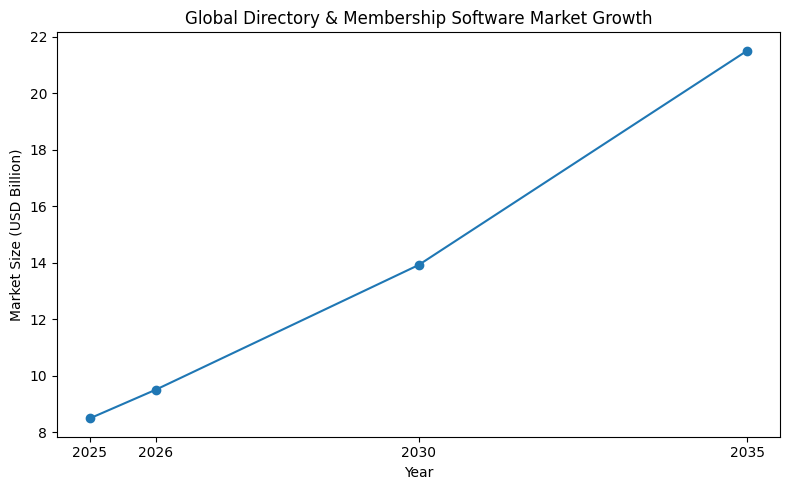
By 2026, the directory and membership management software market is approaching the 10 billion USD milestone. This rapid expansion is fueled by several structural shifts:
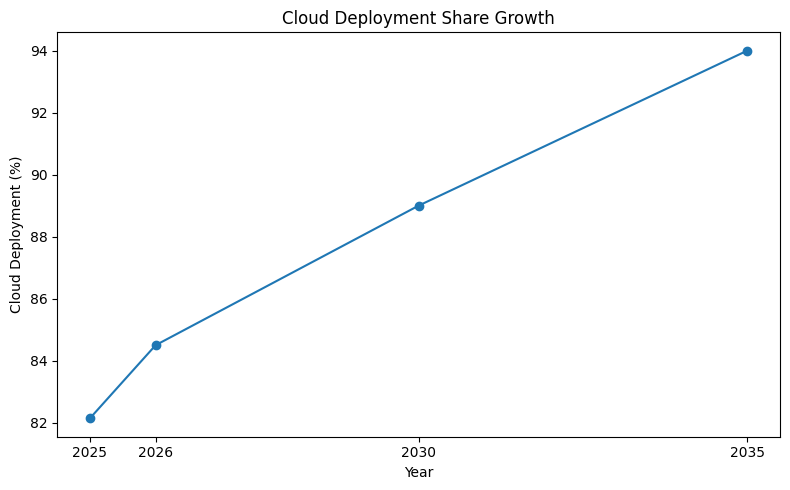
• Accelerated digital transformation across industries
• Rising adoption of subscription-based business models
• Increased demand for community-driven platforms
• Growth of fitness clubs, professional associations, and niche marketplaces
• Expansion of SaaS infrastructure in emerging economies
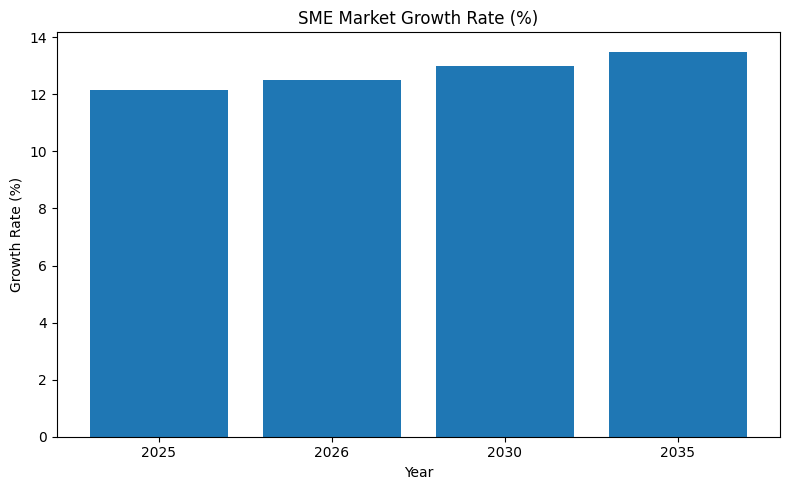
Organizations are no longer asking whether they need directory software. Instead, they are asking which platform can deliver scalability, monetization depth, performance reliability, and long-term strategic advantage.

From Static Listings to Monetized Ecosystems
Traditional directory websites functioned primarily as searchable catalogs. In 2026, leading platforms integrate advanced features such as:
• Recurring billing and subscription management
• Digital membership cards
• Lead generation and distribution systems
• Event ticketing and booking tools
• API integrations with CRM and marketing software
• Structured data optimized for AI discovery
This shift has blurred the line between “business directory software” and “community management platform.” The most competitive tools now combine listing functionality with engagement automation and revenue infrastructure.
The Rise of AI and Generative Discovery
Search behavior has fundamentally changed. Artificial intelligence-driven platforms now synthesize answers instead of simply displaying ranked links. As a result, directory software must be optimized not only for traditional search engines but also for Generative Engine Optimization.
Structured data architecture, semantic tagging, and machine-readable content layers determine whether listings appear in AI-generated responses. The best directory software solutions in 2026 are those that recognize this evolution and prioritize AI-friendly indexing alongside traditional SEO best practices.
Performance as a Competitive Differentiator
In a digital environment where a one-second delay in page load time can significantly reduce conversions, technical performance has become a core business lever. Modern directory platforms are judged by:
• Core Web Vitals compliance
• Mobile responsiveness
• Database optimization
• CDN integration
• Secure cloud deployment
High-performing directory software is no longer just feature-rich; it is engineered for speed, stability, and scalability at global traffic levels.
Diverse Use Cases Driving Innovation
The demand for directory software spans multiple sectors in 2026:
Associations and nonprofits require automated renewals, donor tracking, and member engagement tools.
Entrepreneurs seek monetized listing platforms capable of generating recurring revenue.
Real estate and job portals depend on advanced filtering and geo-targeted search.
Internal workforce platforms use directory systems for employee discovery and collaboration.
Niche community builders rely on mobile-first engagement and AI-assisted content generation.
This diversity of applications has led to intense competition among software providers, each differentiating through performance, pricing models, integration capabilities, and specialized features.
What Defines the Top 10 Directory Software in 2026
To qualify among the top directory platforms globally in 2026, a solution must excel across multiple performance dimensions:
• Monetization flexibility
• Scalability for large databases
• Security and compliance standards
• Integration with SaaS ecosystems
• AI-readiness and structured data support
• User satisfaction and adoption rates
• Rapid deployment and time-to-market
The platforms featured in this comprehensive guide meet these criteria and represent the most influential tools shaping the future of directory and membership management technology.
A Strategic Decision for Long-Term Growth
Selecting directory software in 2026 is not merely a technical choice. It is a strategic investment in infrastructure that influences discoverability, operational efficiency, member retention, revenue growth, and digital authority. The right platform can transform a directory into a thriving ecosystem. The wrong choice can create performance bottlenecks, security risks, and monetization limitations.
This in-depth analysis of the Top 10 Directory Software in the World in 2026 provides a detailed comparison of leading solutions, performance benchmarks, integration capabilities, pricing structures, and strategic positioning. Whether you are launching a niche marketplace, scaling an association, modernizing an internal employee directory, or building a global listing platform, understanding the strengths and limitations of each system is essential.
As the directory software industry continues to evolve toward AI-driven discovery and mobile-native engagement, the platforms that combine performance, monetization, and intelligent automation will define the competitive landscape for the remainder of the decade.
Before we venture further into this article, we would like to share who we are and what we do.
About 9cv9
9cv9 is a business tech startup based in Singapore and Asia, with a strong presence all over the world.
With over nine years of startup and business experience, and being highly involved in connecting with thousands of companies and startups, the 9cv9 team has listed some important learning points in this overview of the Top 10 Directory Software To Try in 2026.
If you like to get your company listed in our top B2B software reviews, check out our world-class 9cv9 Media and PR service and pricing plans here.
Top 10 Directory Software To Try in 2026
- Brilliant Directories
- eDirectory (Arca Solutions)
- WildApricot (by Personify)
- Join It
- ListingProWP
- Directorist
- GeoDirectory
- Raklet
- MembershipWorks
- Connecteam
1. Brilliant Directories
In the global directory software market of 2026, Brilliant Directories continues to hold a leading position among platforms built specifically for monetized communities, professional associations, and entrepreneurial membership ecosystems. As directory platforms evolve beyond simple listing databases into revenue-generating infrastructures, Brilliant Directories has distinguished itself through a deeply integrated, turn-key architecture designed to minimize technical complexity while maximizing monetization potential.
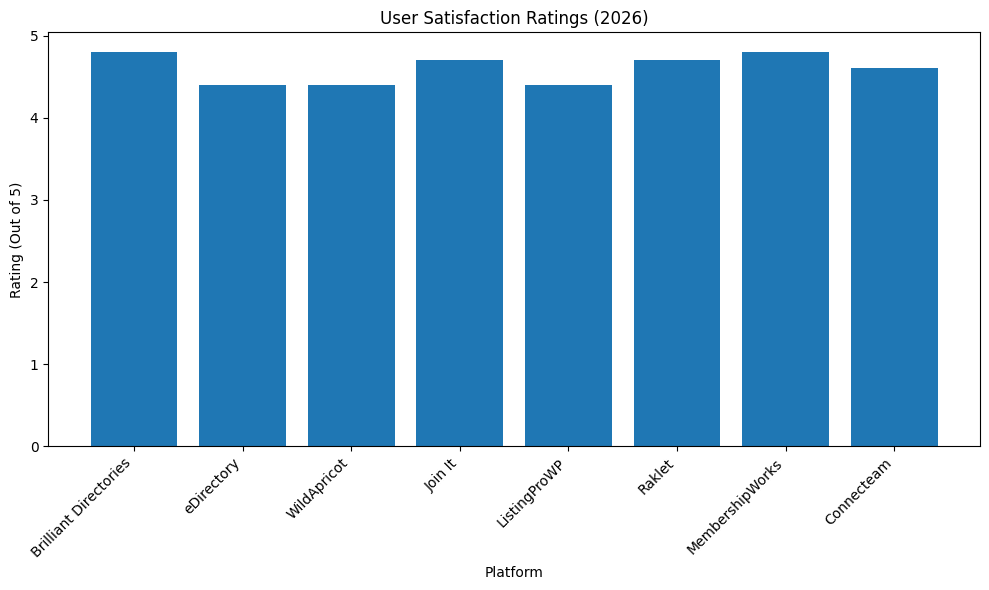
Industry analysts frequently categorize the platform as a premium community monetization solution due to its all-in-one system structure. With consistently high ratings across software review platforms, including an average score of 4.8 out of 5 from hundreds of verified users, the solution demonstrates strong customer satisfaction and long-term adoption stability.
Integrated Monetization Engine: Core Competitive Advantage
The foundation of Brilliant Directories’ market leadership lies in its native monetization infrastructure. Unlike modular directory builders that depend heavily on third-party plugins for payments, advertising, and lead routing, this platform centralizes these capabilities within a single ecosystem.
Its built-in monetization tools include:
• Recurring subscription billing management
• Multi-tier membership access control
• Automated invoicing and payment tracking
• Advertising placement and banner management
• Digital product sales capability
• Commission-ready marketplace features
A particularly differentiated component is the proprietary Lead Match system. This functionality allows directory owners to capture inbound inquiries and distribute or sell those leads directly to registered members. This creates diversified revenue streams beyond standard listing subscriptions, enabling operators to monetize transactional activity within their ecosystem.
Monetization Capability Comparison Matrix (2026)
| Capability Area | Brilliant Directories | Modular Directory Platforms | CMS-Based Directory Stack |
|---|---|---|---|
| Recurring Billing Engine | Native integrated system | Add-on required | Multiple plugins required |
| Lead Distribution Tool | Built-in Lead Match | Limited functionality | Custom integration needed |
| Advertising Management | Fully integrated | Partial support | External tools required |
| Subscription Tier Control | Advanced multi-level | Basic tier options | Plugin dependent |
| Commission Marketplace Tools | Available natively | Rare | Custom development required |
| External Plugin Dependency | Minimal | Moderate | High |
Pricing and Feature Architecture (2026)
Brilliant Directories offers structured pricing tiers designed to support early-stage founders, scaling associations, and long-term community operators.
| Pricing Plan | Cost (USD) | Payment Frequency | Key Features Included |
|---|---|---|---|
| Monthly Plan | 145.00 | Monthly | Full feature access, website hosting, email hosting |
| Yearly Plan | 950.00 | Annual | Approx. 45% savings, white labeling, 100,000 member limit |
| Lifetime Deal | 1,450.00 | One-time | No recurring fees, lifetime updates, ongoing support |
| Starter Tier | 145.00 | Monthly | Entry-level access for bootstrapped startups |
Strategic Pricing Evaluation Matrix
| Evaluation Factor | Monthly Plan | Yearly Plan | Lifetime Deal |
|---|---|---|---|
| Initial Investment Level | Low | Moderate | High |
| Long-Term Cost Efficiency | Moderate | High | Very High |
| White Label Availability | Limited | Included | Included |
| Member Capacity | Up to 100,000 | Up to 100,000 | Up to 100,000 |
| Best Fit Profile | Testing & pilots | Growing networks | Established brands |
Scalability and Performance Standards
Scalability remains a defining benchmark in the 2026 directory software industry. As communities expand, platforms must handle increased database loads, user concurrency, billing cycles, and transactional workflows without degradation.
Brilliant Directories is engineered to support up to 100,000 members across all pricing tiers under standard infrastructure conditions. This scalability has positioned it as a preferred choice for mid-sized associations and fast-growing membership organizations seeking operational stability without migrating systems during growth phases.
User Sentiment and Adoption Trends
Analysis of verified user reviews indicates a recommendation rate exceeding 90 percent, reflecting broad market confidence. Frequently cited strengths include:
• Comprehensive feature depth
• Monetization flexibility
• Revenue diversification capabilities
• Stable hosting and infrastructure
• Responsive support services
However, the extensive feature library — reportedly exceeding 1,000 built-in functions — can create a noticeable onboarding curve. Organizations that allocate time to configuration and strategic planning typically report higher long-term returns from the system.
User Experience Assessment Matrix
| Platform Attribute | Market Feedback Summary |
|---|---|
| Feature Volume | Extremely comprehensive |
| Learning Curve | Moderate to steep |
| Revenue Potential | High |
| Customization Flexibility | Advanced |
| Scalability Reliability | Strong |
| Technical Skill Requirement | Moderate |
Industry Positioning in 2026
Within the broader top-tier directory software landscape of 2026, leading platforms are generally classified into three segments:
| Directory Category | Primary Use Case | Revenue Model Orientation |
|---|---|---|
| Community Monetization Platforms | Associations and membership ecosystems | Subscriptions and lead sales |
| Marketplace Directory Builders | Service matching and vendor transactions | Commission-based |
| CMS-Based Directory Extensions | Website enhancement tools | Listing fees and advertising |
Brilliant Directories firmly occupies the Community Monetization Platforms segment. Its strategic advantage lies in combining subscription management, lead monetization, and advertising tools within a unified framework, reducing dependency on fragmented systems.
Conclusion: 2026 Market Leadership Perspective
As directory software platforms increasingly compete on monetization depth and operational scalability, solutions that deliver integrated revenue engines are defining the market standard. In this context, Brilliant Directories continues to maintain its leadership position by offering a comprehensive, scalable, and monetization-focused ecosystem tailored for professional communities and revenue-driven online networks.
2. eDirectory (Arca Solutions)
Within the global directory software ecosystem of 2026, eDirectory, developed by Arca Solutions, continues to serve as a preferred platform for enterprises requiring advanced customization and ownership control. Founded in 2003 and headquartered in Virginia, Arca Solutions has positioned eDirectory as a robust solution for media conglomerates, franchise networks, large-scale city portals, and international marketplace operators.
As directory platforms increasingly differentiate based on flexibility, scalability, and monetization infrastructure, eDirectory’s long-standing reputation stems from its hybrid licensing model and developer-level control capabilities.
Enterprise Positioning and Market Role
eDirectory is frequently categorized as an enterprise-ready directory platform rather than a simplified SaaS-only solution. Its architecture supports high-traffic portals, complex taxonomy structures, and multi-revenue business models.
The platform’s defining advantage remains its Source License offering. Unlike closed SaaS ecosystems where backend access is restricted, eDirectory provides full PHP source code access under its premium tier. This enables:
• Deep functional customization
• Custom feature development
• UI/UX redesign at the code level
• Advanced API integrations
• Hosting environment control
• Long-term infrastructure ownership
For organizations with in-house development teams or technical partners, this level of access allows architectural modifications that are typically impossible in purely subscription-based directory software.
Licensing Structure Overview (2026)
eDirectory maintains multiple pricing tiers designed to serve businesses ranging from small niche directories to enterprise marketplaces.
| License Tier | Price (USD) | Billing Structure | Ideal Use Case |
|---|---|---|---|
| Professional | 99.00 | Monthly | Small businesses and niche directories |
| Enterprise | 199.00 | Monthly | High-traffic portals and revenue-focused platforms |
| Source License | 1,499.00 | One-time | Developers requiring full PHP code access |
| Annual Professional | 74.25 per month | Annual | Long-term projects with cost optimization goals |
Strategic Licensing Comparison Matrix
| Evaluation Factor | Professional Plan | Enterprise Plan | Source License |
|---|---|---|---|
| Monthly Cost Commitment | Moderate | Higher | None after purchase |
| Customization Depth | Configurable | Advanced | Full code-level access |
| Hosting Flexibility | Managed options | Managed or flexible | Fully self-controlled |
| Developer Suitability | Limited | Moderate | High |
| Long-Term Cost Efficiency | Moderate | Moderate | High for technical teams |
| Best Fit Profile | Small operators | Growing marketplaces | Enterprise developers |
AI-Powered Advancements in 2025–2026
In June 2025, eDirectory introduced significant AI-powered enhancements designed to increase operational efficiency and reduce manual administrative workload. These updates reflected broader industry trends toward automation and intelligent content management.
The AI-focused improvements included:
• Automated listing content generation
• Intelligent categorization and tagging
• Smart keyword suggestions
• Dynamic metadata optimization
• AI-assisted content structuring
By integrating AI-driven content automation, the platform strengthened its competitive position against newer SaaS entrants offering automated workflows. These capabilities allow directory operators to scale listing volume while maintaining structured taxonomy and search relevance.
Revenue Model Architecture
Technically, eDirectory supports diversified recurring revenue structures. Its monetization framework includes:
• Paid business listings with tiered packages
• Event management and ticket monetization
• Classified advertisement modules
• Banner advertising management
• Lead capture systems
• Sponsored placement options
This multi-channel revenue structure enables directory owners to create layered income streams instead of relying solely on subscription fees.
Revenue Model Capability Matrix
| Revenue Channel | Native Support | Customizable | Recurring Model Enabled |
|---|---|---|---|
| Business Listings | Yes | Yes | Yes |
| Events & Tickets | Yes | Yes | Yes |
| Classified Ads | Yes | Yes | Optional |
| Banner Advertising | Yes | Yes | Yes |
| Sponsored Listings | Yes | Yes | Yes |
| Lead Capture | Yes | Yes | Yes |
Performance and Scalability
As enterprise marketplaces demand higher uptime standards and large database management, eDirectory’s architecture is built to support high-traffic portals and global audience reach. Its infrastructure can be deployed in managed environments or fully self-hosted under the Source License model, offering performance optimization control.
While earlier versions of the platform received minor criticism regarding UI/UX smoothness, recent updates have prioritized:
• Improved mobile responsiveness
• Modernized frontend themes
• Enhanced dashboard usability
• Faster search and filtering performance
These refinements align the platform with 2026 digital experience standards, particularly in mobile-first browsing environments.
User Feedback and Revenue Impact
User reviews frequently highlight the platform’s flexibility as its strongest asset. Businesses migrating from less customizable systems have reported substantial revenue growth due to expanded monetization structures and custom development capabilities. In certain cases, organizations have indicated revenue increases of up to 300 percent after transitioning to more robust directory architectures.
User Sentiment Assessment Matrix
| Platform Attribute | Market Feedback Summary |
|---|---|
| Customization Flexibility | Extremely high |
| Technical Complexity | Moderate to high |
| Revenue Expansion Potential | Significant |
| UI/UX Modernization | Improved in recent versions |
| Enterprise Suitability | Strong |
Strategic Position in the 2026 Directory Software Landscape
In the broader global market, directory software solutions generally fall into three categories:
| Directory Software Segment | Core Advantage | Primary Target Market |
|---|---|---|
| SaaS Monetization Platforms | Simplicity and integrated billing | Associations and communities |
| Enterprise Customizable Systems | Deep development control | Media groups and large marketplaces |
| CMS-Based Extensions | Cost efficiency and flexibility | Small websites and local directories |
eDirectory clearly occupies the Enterprise Customizable Systems segment. Its Source License model differentiates it from closed SaaS competitors by granting full ownership and development autonomy.
Conclusion: Enterprise-Grade Control in an Automated Era
As the directory software industry advances toward automation, AI-assisted content structuring, and scalable monetization models, platforms that combine customization depth with recurring revenue support remain highly competitive. In 2026, eDirectory continues to stand as a leading enterprise choice for organizations seeking long-term architectural control, advanced revenue diversification, and the flexibility to build large-scale, customized digital marketplaces.
3. WildApricot (by Personify)
Within the global directory and membership software market of 2026, WildApricot remains widely recognized as a benchmark solution for nonprofit organizations and small to mid-sized associations. Serving more than 20,000 organizations worldwide, the platform has built its reputation around simplifying membership management, donor tracking, event registration, and fundraising within a unified administrative interface.
In January 2026, Momentive Software, Inc. completed the acquisition of Personify Corp, the parent company of WildApricot. This strategic consolidation within the association management software sector signaled a broader industry trend toward ecosystem integration and infrastructure expansion. Following the acquisition, increased investment has been directed toward mobile capabilities and the enhancement of the A2Z Event Sales Engine, reinforcing WildApricot’s event-driven revenue model.
Market Positioning in the Nonprofit Software Ecosystem
WildApricot occupies a distinct segment of the directory and membership software landscape. While many platforms focus on commercial directories or marketplace monetization, WildApricot prioritizes nonprofit operational efficiency, donor engagement, and automated administrative workflows.
Its core strengths include:
• Membership database management
• Automated renewal reminders
• Online payment processing
• Donor tracking and contribution history
• Event registration and ticketing
• Email communication tools
• Volunteer coordination features
This integrated approach reduces the need for nonprofits to manage multiple disconnected systems.
Security and Compliance Infrastructure
Data protection remains a critical factor for nonprofits handling sensitive donor and payment information. WildApricot maintains strong compliance credentials, including PCI DSS v3.2 certification. The platform operates on AWS cloud infrastructure, supporting SOC 2 compliance standards for data security and operational integrity.
Security and Infrastructure Matrix
| Security Standard | Implementation Level | Operational Impact |
|---|---|---|
| PCI DSS v3.2 Certification | Fully compliant | Secure online payment processing |
| AWS Cloud Infrastructure | Enterprise-grade hosting | High availability and redundancy |
| SOC 2 Compliance Alignment | Supported via AWS framework | Data security and process integrity |
| Automated Data Backups | Enabled | Reduced risk of data loss |
| Role-Based Access Controls | Available | Administrative permission management |
Pricing Structure and Organizational Fit (2026)
WildApricot offers tiered pricing plans structured around membership size and administrative access needs. This pricing model aligns with the scaling trajectory of small and growing associations.
WildApricot Pricing and User Benchmarks
| Plan Level | Cost (USD per Month) | Member Limit | Admin Limit |
|---|---|---|---|
| Personal | 60.00 | 100 | 1 |
| Group | 75.00 | 250 | 2 |
| Community | 140.00 | 500 | 5 |
| Professional | 240.00 | 2,000 | 10 |
| Network | 350.00 | 5,000 | Unlimited |
Strategic Plan Evaluation Matrix
| Evaluation Factor | Entry-Level Plans | Mid-Tier Plans | Network Plan |
|---|---|---|---|
| Best Fit Organization | Small local associations | Growing nonprofits | Regional or national groups |
| Administrative Scalability | Limited | Moderate | High |
| Cost Efficiency | High for small groups | Balanced | Strong at scale |
| Event Management Support | Included | Advanced | Advanced |
| Donor Tracking | Enabled | Enhanced reporting | Full reporting capability |
Mobile-First Evolution and Event Monetization
The 2025 launch of WildApricot’s mobile application marked a significant shift toward mobile-first member engagement. The app enables members to:
• Access and update personal profiles
• Register for events
• Store digital event tickets
• Receive renewal notifications
• Connect with other members
This mobile enhancement aligns with broader digital behavior trends, where members increasingly expect on-demand access to association resources.
The A2Z Event Sales Engine further strengthens WildApricot’s event monetization capabilities by supporting ticket sales, sponsorship placements, and exhibitor management. For associations that rely heavily on annual conferences and fundraising events, this feature plays a central role in revenue generation.
User Sentiment and Performance Indicators
User reviews consistently reflect high satisfaction levels, with approximately 90 percent of reviewers rating the software above four stars. Frequently cited strengths include:
• Data security and compliance confidence
• Automated membership renewals
• Ease of event registration setup
• Centralized member database management
• Reliable payment processing
Some feedback notes limitations in advanced customization compared to enterprise-level association management systems. However, for small to mid-sized nonprofits, the balance between usability and functionality remains a key advantage.
User Experience Assessment Matrix
| Platform Attribute | Market Perception |
|---|---|
| Ease of Use | High |
| Security Confidence | Very strong |
| Event Registration Workflow | Streamlined |
| Customization Depth | Moderate |
| Scalability for Large Orgs | Suitable up to mid-size |
| Automation Features | Strong for renewals |
Position Within the 2026 Directory and Membership Software Market
In the broader 2026 software ecosystem, directory and membership platforms typically fall into three strategic categories:
| Software Segment | Primary Focus | Target Market |
|---|---|---|
| Nonprofit Membership Systems | Member and donor management | Associations and charities |
| Commercial Directory Platforms | Monetized listings and lead sales | Entrepreneurs and marketplaces |
| Enterprise Association Management | Complex organizational structures | Large federations and enterprises |
WildApricot firmly occupies the Nonprofit Membership Systems segment. Its combination of affordability, security compliance, mobile access, and event-driven revenue tools reinforces its standing as a standard solution for small and mid-sized nonprofit organizations.
Conclusion: 2026 Nonprofit Software Leadership Perspective
As the association management software market consolidates and modernizes, platforms that combine data security, operational simplicity, and event monetization capabilities are defining sector standards. In 2026, WildApricot continues to serve as a leading nonprofit membership solution, offering scalable administrative tools and compliance-ready infrastructure tailored to the needs of mission-driven organizations.
4. Join It
In the 2026 membership management software landscape, Join It has established itself as a leading solution for small to medium-sized clubs, professional groups, community associations, and niche organizations seeking operational simplicity without enterprise-level complexity. While larger platforms focus on expansive feature sets and high customization depth, Join It differentiates itself through streamlined workflows, automation-first design, and rapid deployment capability.
The platform is commonly categorized within the mid-market membership management segment, where usability, affordability, and integration flexibility are prioritized over highly customized enterprise configurations.
Market Positioning and Core Philosophy
Join It’s market appeal stems from its balance between automation and simplicity. Rather than overwhelming administrators with advanced configuration layers, the system focuses on eliminating repetitive administrative tasks through intelligent automation rules.
Core capabilities include:
• Automated membership renewals
• Scheduled payment reminders
• Subscription management
• Recurring billing
• Member database tracking
• Event registration synchronization
• Basic reporting dashboards
This streamlined architecture significantly reduces administrative overhead, particularly for volunteer-run associations or lean teams.
Digital Membership Card Innovation (2026 Differentiator)
A defining competitive advantage in 2026 is Join It’s Digital Membership Card system. The feature integrates directly with Apple Wallet and Google Wallet, allowing members to store their credentials digitally without the need for physical card production.
Operational benefits include:
• Instant digital issuance upon membership approval
• Simplified event check-ins
• Reduced printing and mailing costs
• Improved member convenience
• Mobile-first engagement
The reduction in check-in friction has proven particularly beneficial for event-heavy organizations, where manual verification processes can create bottlenecks.
Integration Ecosystem and Connectivity
Join It maintains a strong integration ecosystem, enabling organizations to connect with commonly used tools across marketing, communication, and event management.
Key integrations include:
• Eventbrite for event ticketing
• Mailchimp for email marketing automation
• Slack for internal team communication
• Zapier for workflow automation
• Stripe for payment processing
Integration Capability Matrix
| Integration Platform | Native Integration | Automation Support | Operational Benefit |
|---|---|---|---|
| Eventbrite | Yes | Yes | Event registration synchronization |
| Mailchimp | Yes | Yes | Automated email marketing campaigns |
| Slack | Yes | Limited | Internal communication alerts |
| Apple Wallet | Yes | Automatic issuance | Digital membership verification |
| Google Wallet | Yes | Automatic issuance | Mobile credential storage |
| Zapier | Yes | Extensive | Cross-platform workflow automation |
Subscription Tiers and Transaction Structure (2026)
Join It operates on a tiered subscription model combined with transaction-based service fees. Pricing scales based on administrative needs, automation access, and integration depth.
Join It Subscription Tiers and Transaction Fees
| Plan Name | Price (USD per Month) | Annual Equivalent | Service Fee Percentage | Key Differentiator |
|---|---|---|---|---|
| Starter | 29.00 | 26.10 per month | 3.0% | Core automation, Mailchimp integration |
| Total | 99.00 | 89.10 per month | 2.0% | Apple and Google Wallet support |
| Extra | 249.00 | 224.10 per month | 1.5% | API access and phone support |
Pricing Strategy Evaluation Matrix
| Evaluation Criteria | Starter Plan | Total Plan | Extra Plan |
|---|---|---|---|
| Cost Accessibility | High | Moderate | Premium |
| Transaction Fee Reduction | Standard | Reduced | Lowest |
| Integration Depth | Basic | Advanced | Full API Access |
| Support Level | Standard | Priority Email | Phone + Priority |
| Best Fit Organization | Small clubs | Growing associations | Scaling multi-location org |
Automation Efficiency and Time Savings
User feedback consistently emphasizes the platform’s intuitive onboarding process. Many organizations report going live within 24 hours of signup, highlighting minimal setup friction compared to more complex association management systems.
The automation engine is particularly praised for:
• Reducing manual renewal tracking
• Automatically issuing payment reminders
• Managing subscription expirations
• Handling recurring billing cycles
Administrators frequently report saving dozens of hours per month due to automated processes that replace manual spreadsheet management or email follow-ups.
User Experience and Sentiment Analysis
Across review platforms, Join It receives strong ratings for ease of use and implementation speed. Organizations often cite:
• Clean and intuitive dashboard
• Minimal training requirements
• Transparent pricing structure
• Reliable integration performance
• Mobile-friendly member access
Some reviews note that advanced marketing and reporting capabilities require higher-tier plans. However, for organizations that prioritize operational simplicity over enterprise-level analytics, the feature balance remains well-aligned.
User Experience Assessment Matrix
| Platform Attribute | Market Feedback Summary |
|---|---|
| Ease of Setup | Very high |
| Learning Curve | Low |
| Automation Effectiveness | Strong |
| Marketing Tool Depth | Moderate |
| Customization Flexibility | Limited to moderate |
| Scalability | Suitable for mid-market |
Strategic Position in the 2026 Membership Software Landscape
In the broader 2026 directory and membership software ecosystem, platforms generally fall into three operational tiers:
| Software Segment | Core Focus | Target Audience |
|---|---|---|
| Enterprise Association Systems | Customization and large-scale ops | National and global federations |
| Mid-Market Automation Platforms | Ease of use and workflow efficiency | Small to medium associations |
| Monetized Community Builders | Revenue-driven listing ecosystems | Entrepreneurs and professional hubs |
Join It clearly occupies the Mid-Market Automation Platforms category. Its strength lies in balancing affordability, automation, and mobile credential innovation without introducing unnecessary enterprise complexity.
Conclusion: 2026 Mid-Market Membership Automation Perspective
As membership organizations increasingly seek streamlined operations and mobile-first engagement, platforms that reduce administrative friction while maintaining recurring revenue functionality are gaining market share. In 2026, Join It stands out as a leading mid-market solution, delivering automation efficiency, digital membership innovation, and seamless integrations tailored for growing associations and community-based organizations.
5. ListingProWP
In the 2026 directory software landscape, ListingProWP continues to hold a dominant position within the WordPress ecosystem. As entrepreneurs increasingly seek cost-effective alternatives to enterprise SaaS platforms, WordPress-based directory solutions have gained significant traction. Among them, ListingProWP is widely recognized as one of the most comprehensive all-in-one directory themes available.
With more than 20,000 active users globally, the platform has become a primary choice for founders launching localized business directories, city guides, service marketplaces, and niche listing portals without the overhead of recurring SaaS subscriptions.
Market Positioning Within the WordPress Ecosystem
Unlike modular WordPress setups that require multiple premium plugins for payments, listings, and maps, ListingProWP markets itself as a self-contained directory system. This approach reduces dependency on third-party extensions and simplifies technical management for non-developers.
Its core positioning advantages include:
• One-time licensing cost
• Built-in monetization tools
• Integrated checkout system
• Native OpenStreetMap integration
• Visual drag-and-drop builder
• Pre-built directory templates
• Responsive mobile-first design
By integrating its own checkout infrastructure and utilizing OpenStreetMap instead of Google Maps, the platform allows site owners to avoid expensive API costs that have become increasingly burdensome in 2026.
Cost Efficiency and Deployment Model
One of ListingProWP’s strongest value propositions is cost reduction compared to custom-built directory websites. In an era where development costs continue to rise, entrepreneurs are prioritizing solutions that provide rapid deployment without large upfront investment.
ListingProWP Performance and Cost Metrics (2026)
| Attribute | Statistic | Competitive Advantage |
|---|---|---|
| Initial Setup Cost | 69.00 – 149.00 USD | One-time payment with no recurring license fees |
| Average Launch Time | 1 – 4 weeks | Pre-built templates accelerate deployment |
| Estimated Cost Savings | 70% – 90% | Lower cost compared to custom-coded directory platforms |
| Mobile Traffic Share | Over 60% | Responsive design optimized for mobile browsing |
| User Rating | 4.4 / 5.0 | High recommendation from 213+ verified reviewers |
Strategic Cost Comparison Matrix
| Evaluation Criteria | ListingProWP | SaaS Directory Platforms | Custom Development |
|---|---|---|---|
| Upfront Cost | Low (one-time fee) | Moderate to high | Very high |
| Recurring Fees | None (theme license) | Monthly or annual plans | Hosting and maintenance |
| Deployment Speed | Fast | Moderate | Slow |
| Technical Skill Required | Low to moderate | Low | High |
| Long-Term Flexibility | Moderate | Platform dependent | Very high |
Customization and Usability
A major advantage cited in user reviews is the platform’s visual drag-and-drop builder. This tool enables non-technical founders to modify layouts, listing designs, and homepage structures without writing code.
Key customization capabilities include:
• Layout builder for listing pages
• Category-based design controls
• Monetization package configuration
• Frontend submission forms
• Sponsored listing positioning
For entrepreneurs entering the directory market without development experience, this accessibility lowers the barrier to entry.
Monetization Framework
ListingProWP supports multiple monetization methods natively within the theme structure.
Revenue channels include:
• Paid listing submissions
• Featured or sponsored listings
• Claim listing functionality
• Event promotion modules
• Advertising placements
• Commission-ready marketplace extensions
Monetization Capability Matrix
| Revenue Channel | Native Support | Requires Add-On | Recurring Revenue Enabled |
|---|---|---|---|
| Paid Listings | Yes | No | Yes |
| Featured Listings | Yes | No | Yes |
| Claim Listing Fees | Yes | No | Optional |
| Banner Advertising | Yes | No | Yes |
| Commission Marketplace | Partial | Possible | Yes |
Performance and SEO Considerations in 2026
While ListingProWP provides significant cost advantages, WordPress-based systems face performance challenges if not properly optimized. In 2026, search engine algorithms increasingly prioritize:
• Page speed
• Core Web Vitals metrics
• Mobile responsiveness
• Structured data markup
• Clean code architecture
Reviewers have noted that site owners must actively optimize hosting environments, caching systems, and media compression to maintain competitive SEO performance. Without rigorous optimization, WordPress directories risk slower load times that could negatively impact rankings under updated search algorithms.
Performance Risk Assessment Matrix
| Performance Factor | Default Configuration | Requires Optimization | SEO Impact Risk Level |
|---|---|---|---|
| Page Speed | Moderate | Yes | High |
| Mobile Responsiveness | Strong | Minimal | Low |
| Core Web Vitals | Variable | Yes | High |
| Hosting Environment | User-dependent | Yes | Moderate to high |
| Plugin Conflicts | Possible | Yes | Moderate |
User Sentiment and Market Feedback
With a user rating averaging 4.4 out of 5 across more than 200 reviewers, ListingProWP receives positive recognition for:
• Affordability
• Comprehensive built-in features
• Reduced plugin dependency
• Design flexibility
• Rapid deployment capability
However, performance tuning and long-term scalability remain considerations, particularly for directories targeting high traffic volumes or international audiences.
Strategic Position in the 2026 Directory Software Landscape
In the broader global market, directory solutions typically fall into three operational categories:
| Software Segment | Core Strength | Target Market |
|---|---|---|
| SaaS Monetization Platforms | Integrated billing and automation | Associations and subscription models |
| Enterprise Customizable Systems | Deep code-level control | Large-scale media and marketplaces |
| WordPress Directory Themes | Cost efficiency and flexibility | Entrepreneurs and local directory owners |
ListingProWP firmly occupies the WordPress Directory Themes segment. Its leadership position within this category is driven by its all-in-one architecture, one-time licensing model, and integrated monetization capabilities.
Conclusion: Cost-Efficient WordPress Directory Leadership in 2026
As directory entrepreneurs seek affordable and rapid-launch solutions in 2026, ListingProWP continues to represent a dominant option within the WordPress ecosystem. Its combination of one-time cost structure, built-in monetization tools, and visual customization flexibility makes it especially attractive for localized guides and niche marketplaces.
However, sustained SEO competitiveness requires careful performance optimization, particularly as search engines increase emphasis on page speed and technical quality. When properly configured, ListingProWP remains one of the most cost-efficient directory solutions available globally.
6. Directorist
In the 2026 global directory software ecosystem, Directorist has emerged as one of the most flexible WordPress-based directory plugins available. Unlike all-in-one directory themes, Directorist operates as a modular plugin framework, enabling site owners to build highly customized directory environments within existing WordPress installations.
Its architecture supports a wide range of directory models, including real estate portals, job boards, service marketplaces, classified listings, event directories, and local business guides. This versatility has positioned Directorist as a preferred choice for entrepreneurs targeting highly specific or “micro-niche” markets.
Modular Architecture and Multi-Directory Capability
A defining advantage of Directorist in 2026 is its modular extension ecosystem. Rather than bundling all features into a single theme, the platform enables administrators to activate only the extensions required for their use case. This approach provides greater flexibility and lighter site configurations when properly optimized.
One of its standout innovations is the multi-directory capability. This feature allows users to operate multiple distinct directory types under a single WordPress installation and dashboard.
Examples include:
• A real estate directory
• A job board
• A local business listing portal
• An event directory
All managed from one centralized administrative interface. This consolidation reduces management complexity for entrepreneurs operating diversified listing ecosystems.
Multi-Directory Capability Comparison Matrix
| Feature Capability | Directorist | Single-Directory Themes | SaaS Directory Platforms |
|---|---|---|---|
| Multiple Directory Types | Supported natively | Limited | Usually separate instances |
| Centralized Dashboard | Yes | Yes | Platform dependent |
| Modular Extension System | Yes | Limited | Rare |
| WordPress Compatibility | Full | Full | Not applicable |
| Custom Post Type Control | Advanced | Basic | Restricted |
AI Integration and SEO Automation (2026 Enhancement)
Directorist has aggressively incorporated artificial intelligence into its onboarding and content management processes. In 2026, AI integration plays a significant role in accelerating directory deployment and improving search engine visibility.
Key AI-powered capabilities include:
• Automated listing content generation
• AI-assisted meta title and description creation
• Keyword optimization suggestions
• Structured data enhancement
• Bulk content population tools
This AI-first approach has made Directorist particularly attractive for “niche-niche” directory operators who require rapid content population to establish domain authority and achieve organic rankings quickly.
AI Capability Evaluation Matrix
| AI Feature Area | Implementation Level | Operational Benefit |
|---|---|---|
| Automated Content Generation | Integrated | Faster listing population |
| SEO Metadata Automation | Integrated | Improved search visibility |
| Keyword Optimization Support | Built-in | Enhanced organic ranking potential |
| Structured Data Suggestions | Partial | Better schema alignment |
| Bulk Listing Creation | Supported | Accelerated directory scaling |
Pricing Structure and Licensing Model (2026)
Directorist offers tiered licensing options, though its monetization capabilities often depend on additional premium extensions.
Directorist Pricing and Market Position
| License Tier | Cost (USD) | Support Duration | Core Strength |
|---|---|---|---|
| Personal | 79.00 | 3 Months | Entry-level AI-assisted setup |
| Popular | 134.00 | 1 Year | Priority support and automated updates |
| LTD (Lifetime) | Contact Vendor | Lifetime | Long-term value for established portals |
Strategic Pricing Evaluation Matrix
| Evaluation Criteria | Personal License | Popular License | Lifetime License |
|---|---|---|---|
| Initial Investment | Low | Moderate | Higher upfront |
| Support Duration | Short-term | Extended | Lifetime |
| Update Access | Limited | Full during support | Lifetime |
| Long-Term Cost Efficiency | Moderate | Good | Strong |
| Best Fit Profile | Small experimental sites | Growing niche portals | Established long-term ops |
Monetization and Add-On Considerations
While Directorist offers strong flexibility, some users report confusion regarding pricing due to the number of premium add-ons required for advanced monetization features.
Common premium extensions include:
• Booking systems
• Appointment scheduling
• Live chat modules
• Advanced payment gateways
• Claim listing functionality
• Frontend dashboard enhancements
This modular monetization model allows customization but can increase total ownership cost if multiple add-ons are required.
Monetization Extension Dependency Matrix
| Monetization Feature | Native Support | Requires Premium Add-On | Complexity Level |
|---|---|---|---|
| Paid Listings | Yes | No | Low |
| Featured Listings | Yes | No | Low |
| Booking & Appointments | No | Yes | Moderate |
| Live Chat | No | Yes | Moderate |
| Claim Listing | Partial | Yes | Moderate |
| Commission Marketplace | Partial | Yes | Moderate to High |
Performance and SEO Considerations
As with most WordPress-based systems, performance optimization remains essential in 2026 due to increasing search engine emphasis on:
• Page speed
• Core Web Vitals
• Mobile responsiveness
• Clean database architecture
• Minimal plugin conflicts
Directorist’s modular design can improve performance if unnecessary extensions are avoided. However, extensive add-on installations may impact load speed if not properly optimized.
User Sentiment and Market Perception
User reviews frequently highlight:
• High customization flexibility
• AI-powered setup efficiency
• Multi-directory convenience
• Strong niche-market suitability
Some users cite complexity in understanding extension pricing and configuring advanced monetization workflows. Nevertheless, for entrepreneurs targeting specialized vertical markets, the flexibility often outweighs the learning curve.
User Experience Assessment Matrix
| Platform Attribute | Market Perception |
|---|---|
| Customization Flexibility | Very high |
| AI Integration | Advanced for WordPress |
| Ease of Setup | Moderate |
| Pricing Transparency | Mixed feedback |
| Scalability | Strong for niche portals |
| Technical Skill Requirement | Moderate |
Strategic Position in the 2026 Directory Software Landscape
Within the broader 2026 ecosystem, directory platforms typically align with three structural models:
| Directory Platform Segment | Core Advantage | Target Audience |
|---|---|---|
| SaaS Monetization Platforms | Integrated billing and hosting | Associations and subscription models |
| WordPress All-in-One Themes | Cost-efficient bundled solutions | Entrepreneurs and local directories |
| Modular WordPress Plugins | High customization and flexibility | Niche marketplace builders |
Directorist clearly belongs to the Modular WordPress Plugins category. Its multi-directory capability and AI-driven content automation distinguish it within this segment.
Conclusion: Flexible and AI-Enhanced Directory Infrastructure in 2026
As the directory software market evolves toward automation and specialization, platforms that combine modular flexibility with AI-powered content generation are gaining traction. In 2026, Directorist stands out as a highly adaptable WordPress plugin tailored for entrepreneurs targeting micro-niches, diversified directory portfolios, and rapid SEO-driven growth strategies.
While its add-on pricing model requires careful planning, its architectural flexibility and AI integration make it a strong contender in the modern WordPress directory ecosystem.
7. GeoDirectory
In the 2026 directory software ecosystem, GeoDirectory has established itself as a leading WordPress plugin for building large-scale, map-centric listing platforms. While many directory solutions focus on membership management or monetized communities, GeoDirectory specializes in high-volume, geographically structured directories that require advanced mapping performance and database scalability.
The platform is particularly suited for city guides, global business directories, real estate portals, tourism platforms, and service networks operating across multiple regions or continents.
Market Positioning and Core Strength
GeoDirectory is commonly positioned as a technical scalability solution rather than a simplified plug-and-play directory builder. Its architecture is optimized for handling extensive datasets while maintaining performance benchmarks required for modern SEO and user experience standards.
Its primary differentiators include:
• High-performance database structure
• Advanced geolocation indexing
• Map marker clustering technology
• Radius-based filtering and proximity search
• Multi-location and multi-region scalability
• WordPress multisite compatibility
These features make it especially valuable for organizations planning to scale to hundreds of thousands or even millions of listings.
Advanced Mapping Infrastructure
Unlike basic directory plugins that struggle with map rendering at scale, GeoDirectory integrates advanced mapping logic designed to preserve speed and usability.
Core mapping capabilities include:
• Marker clustering to reduce map overload
• Dynamic loading of visible markers
• Proximity-based search filtering
• Customizable map providers
• Category-specific map segmentation
Mapping Performance Comparison Matrix
| Mapping Capability | GeoDirectory | Basic Directory Plugins | Standard WordPress Themes |
|---|---|---|---|
| Marker Clustering | Advanced native | Limited or unavailable | Rare |
| Radius-Based Filtering | Yes | Basic | No |
| Multi-Region Scaling | Strong | Moderate | Weak |
| Large Dataset Handling | Optimized | Performance degradation | Not designed for scale |
| Map Provider Flexibility | Configurable | Restricted | Limited |
Performance and Technical Scalability
Technical performance evaluations indicate that GeoDirectory can handle millions of listings without compromising key web performance metrics such as Largest Contentful Paint (LCP), provided that it is deployed with appropriate hosting infrastructure and caching systems.
This scalability is made possible through:
• Optimized custom database tables
• Reduced dependency on default WordPress post structures
• Efficient query handling
• Compatibility with advanced caching tools
• CDN integration support
Performance Evaluation Matrix
| Performance Metric | With Adequate Hosting | Without Optimization |
|---|---|---|
| Largest Contentful Paint (LCP) | Stable | Moderate risk |
| Page Load Speed | Fast | Variable |
| Query Efficiency | Optimized | Dependent on setup |
| Mobile Responsiveness | Strong | Strong |
| Scalability to 1M+ Listings | Supported | Hosting dependent |
Freemium Model and Monetization Structure
GeoDirectory operates on a freemium model, allowing users to test core location-based features before committing to premium licensing. This lowers the barrier to entry for startups and experimental projects.
The premium tier, priced at approximately 139 USD per year, unlocks advanced monetization features and extended functionality.
GeoDirectory Licensing Overview (2026)
| License Tier | Cost (USD) | Billing Frequency | Core Access Level |
|---|---|---|---|
| Free Version | 0.00 | N/A | Core location features and basic directory |
| Premium License | 139.00 | Annual | Monetization manager and advanced extensions |
Monetization Capabilities Matrix
| Revenue Feature | Free Version | Premium Required | Recurring Revenue Support |
|---|---|---|---|
| Paid Listings | No | Yes | Yes |
| Featured Listings | No | Yes | Yes |
| Event Add-Ons | Partial | Yes | Optional |
| Advanced Filtering | Limited | Yes | Indirect |
| Claim Listing | No | Yes | Optional |
Ideal Use Cases in 2026
GeoDirectory is best suited for:
• Global travel directories
• Multi-country business listing portals
• National franchise networks
• Real estate databases
• Service provider aggregators
• Map-intensive review platforms
Organizations planning aggressive listing expansion often select GeoDirectory due to its performance-first architecture.
User Sentiment and Market Feedback
User reviews frequently emphasize:
• Exceptional scalability
• Superior mapping performance
• Flexibility for geographic segmentation
• Strong developer control
However, the platform requires more technical configuration compared to beginner-focused directory solutions. Proper hosting selection, caching setup, and database optimization are critical to unlocking its full performance potential.
User Experience Assessment Matrix
| Platform Attribute | Market Perception |
|---|---|
| Scalability | Very high |
| Mapping Performance | Advanced |
| Ease of Setup | Moderate |
| Technical Skill Requirement | Moderate to high |
| Monetization Depth | Strong (Premium tier) |
| SEO Performance Potential | High when optimized |
Strategic Position in the 2026 Directory Software Landscape
Within the broader directory software market, platforms typically align into three strategic categories:
| Directory Software Segment | Core Strength | Primary Target Market |
|---|---|---|
| Monetized Community Platforms | Subscription and lead revenue models | Associations and professional networks |
| WordPress All-in-One Themes | Cost efficiency and rapid deployment | Local directory entrepreneurs |
| Location-Scalable Directory Tools | Map-heavy and multi-region performance | Global listing operators |
GeoDirectory clearly occupies the Location-Scalable Directory Tools segment. Its architecture prioritizes performance, geographic intelligence, and high-volume data handling.
Conclusion: Performance-Driven Geographic Directory Leadership in 2026
As search engines continue to emphasize speed, user experience, and structured data in 2026, large-scale directory operators require systems that can maintain performance under heavy data loads. GeoDirectory distinguishes itself by combining advanced mapping infrastructure with database-level optimization.
For organizations building map-intensive, multi-region directories with ambitions of scaling to millions of listings, GeoDirectory remains one of the most technically capable WordPress solutions available in the global market.
8. Raklet
In the evolving 2026 directory and membership software landscape, Raklet has distinguished itself by redefining traditional directory functionality through a mobile-native, engagement-first architecture. Founded in 2016 and supported by institutional backing from Techstars and Microsoft Ventures, Raklet has expanded its global footprint to serve more than 8,600 organizations across diverse industries.
Unlike vertically specialized platforms that focus solely on nonprofits or professional associations, Raklet adopts a horizontal market positioning strategy. Its customer base spans gyms, chambers of commerce, alumni networks, hobbyist communities, coworking spaces, breweries, and subscription-based organizations. This cross-industry adaptability has strengthened its relevance in a market increasingly driven by community engagement and mobile interaction.
Mobile-Native Infrastructure as a Competitive Differentiator
A defining characteristic of Raklet in 2026 is its commitment to delivering fully branded iOS and Android applications rather than relying solely on responsive web design. While many directory platforms emphasize desktop dashboards and web portals, Raklet prioritizes native mobile engagement.
Key mobile-first capabilities include:
• Branded mobile applications
• Push notifications
• Digital membership cards
• In-app payments
• Event ticket scanning
• Member messaging
This approach enables organizations to maintain continuous engagement with members through mobile devices, which now account for the majority of community interactions.
Mobile Capability Comparison Matrix
| Mobile Capability | Raklet Native Apps | Responsive Web Platforms | Basic Directory Systems |
|---|---|---|---|
| Branded iOS Application | Yes | No | No |
| Branded Android Application | Yes | No | No |
| Push Notifications | Native support | Limited | Rare |
| Digital Membership Cards | Integrated | Partial | Limited |
| In-App Event Ticketing | Yes | Browser-based | No |
| Offline Access Support | Partial | No | No |
Integration Ecosystem and Operational Hub
Raklet positions itself as a central operational hub by offering access to more than 4,000 integrations. This ecosystem enables organizations to connect their membership data with marketing, communication, payment, and CRM systems.
Common integrations include:
• Zoom for virtual events
• Slack for internal communication
• HubSpot for CRM and marketing automation
• Stripe for payment processing
• Zapier for workflow automation
• Mailchimp for email campaigns
Integration Capability Matrix
| Integration Category | Availability Level | Operational Impact |
|---|---|---|
| CRM Systems | Extensive | Unified member lifecycle management |
| Communication Tools | Extensive | Automated messaging and event reminders |
| Payment Gateways | Integrated | Secure subscription billing |
| Marketing Automation | Supported | Campaign segmentation and analytics |
| Workflow Automation | Advanced via Zapier | Cross-platform operational efficiency |
2026 Tiered Subscription Model
Raklet utilizes a tiered subscription structure based on contact limits, administrative access, and advanced feature availability.
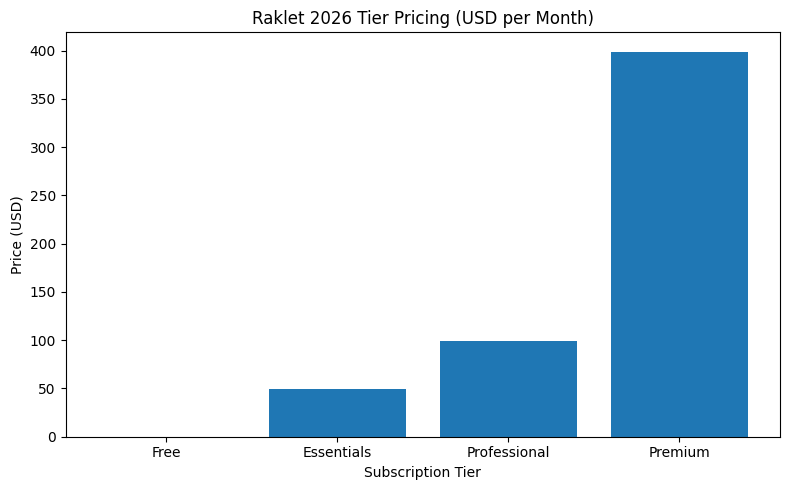
Raklet 2026 Tiered Subscription Model
| Tier | Price (USD per Month) | Contacts Included | Admins | Primary Benefit |
|---|---|---|---|---|
| Free | 0 | 100 | 1 | Basic CRM functionality |
| Essentials | 49 | 500 | 1 | Mobile apps and email support |
| Professional | 99 | 1,000 | 2 | Automated renewals and digital cards |
| Premium | 399 | 10,000 | 5 | API access and fully branded mobile applications |
Strategic Pricing Evaluation Matrix
| Evaluation Criteria | Free Tier | Essentials Tier | Professional Tier | Premium Tier |
|---|---|---|---|---|
| Entry Barrier | None | Low | Moderate | High |
| Mobile App Access | Limited | Included | Included | Branded customization |
| Automation Features | Basic | Moderate | Advanced | Enterprise-level |
| API Access | No | No | Limited | Full |
| Scalability | Small groups | Growing communities | Mid-sized organizations | Large multi-location orgs |
Operational Philosophy and Capital Efficiency
Raklet’s development strategy reflects a bootstrap-oriented mindset focused on sustainable growth and operational efficiency. Rather than pursuing aggressive feature sprawl, the platform emphasizes:
• Customer-centric feature rollouts
• High-touch support responsiveness
• Continuous mobile optimization
• Stable recurring revenue architecture
User reviews frequently cite customer support responsiveness as a primary competitive advantage. Organizations often highlight quick issue resolution and proactive guidance during onboarding and scaling phases.
User Sentiment Assessment Matrix
| Platform Attribute | Market Perception |
|---|---|
| Mobile Experience | Strong and differentiated |
| Integration Ecosystem | Extensive |
| Customer Support | Highly responsive |
| Ease of Use | Moderate to high |
| Customization Depth | Moderate |
| Enterprise Scalability | Strong at higher tiers |
Position Within the 2026 Directory and Community Software Market
In the broader 2026 software ecosystem, platforms typically align into three structural segments:
| Software Segment | Core Strength | Primary Target Market |
|---|---|---|
| Mobile-Native Community Platforms | App-based engagement and automation | Modern community-driven organizations |
| SaaS Monetization Platforms | Subscription billing and lead revenue | Associations and professional networks |
| WordPress-Based Directory Solutions | Cost-efficient deployment | Entrepreneurs and local directory owners |
Raklet clearly occupies the Mobile-Native Community Platforms segment. Its competitive differentiation lies in delivering branded mobile applications combined with an extensive integration framework.
Conclusion: Mobile-First Community Engagement Leadership in 2026
As community engagement shifts increasingly toward mobile devices, platforms offering native app experiences gain strategic advantage. In 2026, Raklet stands out by combining mobile-native infrastructure, extensive third-party integrations, and scalable subscription management.
For organizations seeking to prioritize mobile engagement, digital membership credentials, and centralized operational control, Raklet remains one of the most forward-aligned community management solutions in the global directory and membership software market.
9. MembershipWorks
In the 2026 association management software landscape, MembershipWorks has carved out a distinctive position as an integration-first membership platform. Rather than competing as a standalone website builder, MembershipWorks differentiates itself through its embeddable architecture, allowing organizations to integrate powerful membership management tools directly into their existing websites.
This integration-centric model appeals strongly to associations, nonprofits, alumni groups, and professional networks that already operate on established platforms such as WordPress, Squarespace, Wix, and Weebly, and prefer not to migrate to a separate ecosystem.
Integration-First Architecture
MembershipWorks is designed to function as a seamless extension of a website rather than a replacement for it. This flexibility enables organizations to maintain their existing branding, design, and CMS environment while adding advanced membership capabilities.
Core integration advantages include:
• Embeddable member directory modules
• Integrated event registration tools
• Secure payment processing
• Customizable member data collection forms
• Automated renewals and reminders
• Member-only content gating
By avoiding full-site replacement, the platform minimizes disruption during implementation.
Platform Compatibility Matrix
| Website Platform | Integration Method | Implementation Complexity | Ideal Use Case |
|---|---|---|---|
| WordPress | Plugin and embed support | Low to moderate | Associations with custom themes |
| Squarespace | Embed code integration | Low | Design-focused nonprofits |
| Wix | Embed integration | Low | Small community groups |
| Weebly | Embed integration | Low | Local clubs and associations |
Advanced Member Data Management
One of MembershipWorks’ strongest differentiators in 2026 is its capability to manage complex member data structures. Organizations can track:
• Attendance history
• Event ticket purchases
• Membership tier progression
• Custom profile fields
• Payment history
• Volunteer activity records
The interactive directory interface is frequently praised for its clean visual design and user-friendly search capabilities.
Data Management Capability Matrix
| Data Feature | Native Support | Customizable Fields | Reporting Capability |
|---|---|---|---|
| Attendance Tracking | Yes | Yes | Yes |
| Event Ticketing | Yes | Yes | Yes |
| Custom Member Fields | Yes | Extensive | Yes |
| Automated Renewals | Yes | Configurable | Yes |
| Member-Only Directories | Yes | Yes | Yes |
Volume-Based Pricing Model (2026)
MembershipWorks operates on a volume-based pricing structure, aligning subscription cost with total member count. This scalable approach makes it particularly accessible for smaller organizations while maintaining logical pricing increases as membership grows.
MembershipWorks Volume-Based Pricing (2026)
| Member Count | Price (USD per Month) | Setup Fee | Trial Policy |
|---|---|---|---|
| Up to 50 | Free | 0 | Not applicable |
| Up to 300 | 35.00 | 0 | 30-day money-back guarantee |
| Up to 1,200 | 95.00 | 0 | 30-day money-back guarantee |
| Up to 5,000 | 205.00 | 0 | 30-day money-back guarantee |
| Up to 10,000 | 259.00 | 0 | 30-day money-back guarantee |
Strategic Pricing Evaluation Matrix
| Evaluation Criteria | Small Organizations | Mid-Sized Groups | Large Associations |
|---|---|---|---|
| Cost Accessibility | Very high | Moderate | Competitive |
| Setup Complexity | Low | Moderate | Moderate |
| Scalability Logic | Gradual | Logical tier growth | Predictable cost scaling |
| Financial Risk | Minimal | Low | Controlled |
Support Reputation and Administrative Appeal
MembershipWorks has earned strong recognition for its customer support quality, including a “Best Support Experience” reputation in 2025 and 2026. This distinction plays a significant role in attracting non-technical administrators who rely on responsive assistance during onboarding and system configuration.
User feedback frequently highlights:
• Clear onboarding guidance
• Fast response times
• Practical problem-solving support
• Assistance with member retention strategies
For volunteer-led associations or lean administrative teams, this level of support reduces operational friction.
User Experience Assessment Matrix
| Platform Attribute | Market Perception |
|---|---|
| Ease of Integration | Very high |
| Technical Skill Requirement | Low to moderate |
| Custom Data Collection | Advanced |
| Directory Interface Design | Modern and interactive |
| Customer Support | Highly rated |
| Scalability | Strong for small to mid-size |
Position Within the 2026 Association Software Market
In the broader directory and membership software ecosystem, platforms generally fall into three structural categories:
| Software Segment | Core Strength | Target Market |
|---|---|---|
| Standalone Membership Platforms | Full ecosystem control | Large associations and enterprises |
| Mobile-Native Community Systems | App-based engagement | Modern community-driven organizations |
| Integration-First Membership Systems | Seamless CMS compatibility | Associations with existing websites |
MembershipWorks clearly occupies the Integration-First Membership Systems segment. Its embeddable nature makes it particularly attractive to organizations seeking advanced membership functionality without rebuilding their digital infrastructure.
Conclusion: Integration-Led Membership Management Leadership in 2026
As associations increasingly seek flexible tools that complement existing websites rather than replace them, integration-focused platforms gain strategic importance. In 2026, MembershipWorks stands out for its scalable pricing model, advanced member data management capabilities, and strong customer support reputation.
For organizations prioritizing seamless CMS integration, logical cost scaling, and dependable administrative support, MembershipWorks remains one of the most adaptable solutions in the global membership and directory software market.
10. Connecteam
In the 2026 workforce technology landscape, Connecteam has emerged as a leading solution in the internal employee directory and deskless workforce management category. As organizations increasingly operate with distributed teams, remote employees, and field-based staff, the demand for mobile-first internal directories has grown significantly. Connecteam addresses this shift by positioning itself as a centralized employee management platform built specifically for non-desk workers and remote teams.
With a user rating of 4.6 out of 5 from nearly 5,000 verified users, Connecteam is widely regarded as a benchmark solution for internal directory modernization and workforce communication efficiency.
Market Positioning: Internal Utility Over Public Listings
Unlike traditional directory software designed for public-facing listings or membership monetization, Connecteam focuses entirely on internal organizational functionality. Its primary objective is to ensure that employees, managers, and vendors can connect, collaborate, and access operational information in real time.
Core platform capabilities include:
• Internal employee directory with searchable profiles
• Department and role-based filtering
• Vendor and contractor contact management
• In-app chat and announcements
• Task management and workflow tracking
• Shift scheduling and time tracking
• Mobile document access
This integrated approach transforms the directory from a static contact list into an operational productivity hub.
Mobile-First Architecture for Deskless Teams
A defining strength of Connecteam is its mobile-native infrastructure. Rather than retrofitting desktop systems for mobile access, the platform is designed primarily for smartphone use, aligning with the needs of frontline and field-based workers.
Mobile-first capabilities include:
• Native iOS and Android applications
• Push notifications for updates and tasks
• Instant directory search
• One-tap communication tools
• Mobile onboarding workflows
Mobile Capability Comparison Matrix
| Mobile Feature | Connecteam Native Apps | Traditional HR Systems | Static Internal Directories |
|---|---|---|---|
| Native iOS and Android Apps | Yes | Limited | No |
| Real-Time Push Notifications | Yes | Partial | No |
| Mobile Task Management | Yes | Limited | No |
| Instant Directory Search | Advanced | Basic | Basic |
| Offline Accessibility | Partial | Rare | Not supported |
Zero Day Start: Accelerated Onboarding Framework
One of Connecteam’s strategic differentiators is its “Zero Day Start” onboarding philosophy. This framework ensures that every new employee receives immediate access to essential tools, contact information, and communication channels from their first day of employment.
Key onboarding features include:
• Pre-configured access permissions
• Automated welcome workflows
• Instant directory visibility
• Digital policy acknowledgment
• Training checklist deployment
This approach minimizes productivity delays and reduces HR administrative overhead during employee onboarding.
Operational Impact Matrix
| Operational Objective | Connecteam Capability | Organizational Benefit |
|---|---|---|
| Faster Onboarding | Zero Day Start workflows | Immediate employee productivity |
| Improved Communication | Integrated chat and updates | Reduced information silos |
| Workforce Visibility | Real-time directory search | Faster contact resolution |
| Task Coordination | Mobile task management | Streamlined operational execution |
| Remote Team Alignment | Push notifications | Consistent communication across locations |
Internal Directory as a Productivity Engine
In modern organizations, internal directories serve more than informational purposes. Connecteam transforms the employee directory into a dynamic productivity tool by linking contact information with actionable workflows.
Employees can:
• Locate colleagues by role, location, or department
• Contact vendors directly within the app
• Assign and track tasks
• Receive company-wide announcements
• Access critical documents
This consolidation reduces reliance on fragmented tools and improves operational cohesion.
User Sentiment and Market Feedback
With thousands of user reviews contributing to its 4.6 out of 5 rating, Connecteam receives consistent praise for:
• Ease of use
• Clean mobile interface
• Responsive customer support
• Streamlined onboarding processes
• Reliable internal communication features
Organizations particularly value its ability to serve deskless teams that may not have regular desktop access.
User Experience Assessment Matrix
| Platform Attribute | Market Perception |
|---|---|
| Ease of Implementation | High |
| Mobile Experience | Strong |
| Communication Efficiency | Advanced |
| Directory Search Function | Fast and intuitive |
| Scalability | Suitable for SMB to mid-market |
| Technical Complexity | Low to moderate |
Position in the 2026 Directory Software Landscape
Within the broader directory software market, solutions typically fall into distinct functional categories.
| Directory Software Segment | Core Focus | Target Audience |
|---|---|---|
| Public Business Directories | Monetized listings and advertising | Entrepreneurs and marketplaces |
| Membership and Association Systems | Member management and renewals | Nonprofits and professional associations |
| Internal Employee Directory Tools | Workforce connectivity | Corporations and deskless teams |
Connecteam clearly occupies the Internal Employee Directory Tools segment. Its emphasis on mobile-native engagement and operational workflow integration differentiates it from traditional HR systems and static contact databases.
Conclusion: Internal Directory Leadership in 2026
As organizations continue to decentralize and embrace remote or field-based workforces, internal directory software must evolve into dynamic communication and productivity platforms. In 2026, Connecteam stands out by combining mobile-first design, instant searchability, onboarding automation, and task management into a unified ecosystem.
For companies seeking to modernize their internal directory infrastructure and empower deskless teams with immediate access to essential contacts and tools, Connecteam represents a leading solution in the global workforce management software market.
Global Directory Software Market Analysis 2026: Strategic Performance Benchmarks, Market Consolidation, and the Rise of Generative Discovery
As of 2026, the global directory and membership management software market has entered a phase of structural transformation. What were once static online listing repositories have evolved into AI-integrated, cloud-native ecosystems engineered for monetization, automation, and community engagement. The sector now operates at the intersection of SaaS subscription economics, digital identity management, payment infrastructure, and generative content discovery.
According to 2026 global industry projections, the membership management and directory software market reached an estimated valuation of 8.50 billion USD in 2025. By the end of 2026, the market is forecasted to expand to 9.51 billion USD, reflecting an annualized compound growth rate approaching 11.8 percent. Long-term forecasts anticipate continued expansion to approximately 13.92 billion USD by 2030 and 21.50 billion USD by 2035, demonstrating sustained structural demand.
Global Membership Management and Directory Software Market Forecast (2025–2035)
| Metric | 2025 (Actual) | 2026 (Forecast) | 2030 (Projected) | 2035 (Projected) |
|---|---|---|---|---|
| Global Market Size (USD Billion) | 8.50 | 9.51 | 13.92 | 21.50 |
| CAGR (Annualized %) | 11.5% | 11.8% | 10.0% | 9.8% |
| Cloud Deployment Share (%) | 82.14% | 84.50% | 89.00% | 94.00% |
| SME Market Growth Rate (%) | 12.14% | 12.50% | 13.00% | 13.50% |
Structural Growth Drivers in 2026
Several macroeconomic and technological factors are accelerating adoption across enterprise and SME segments:
Digitalization of Organizational Operations
Associations, fitness clubs, professional networks, and membership-driven businesses continue migrating from manual or spreadsheet-based systems to automated cloud platforms. This digital transition drives demand for integrated billing, CRM, analytics, and AI-powered engagement features.
Proliferation of Niche Community Platforms
The rise of micro-communities and vertical marketplaces has increased the need for customizable directory frameworks capable of supporting subscription tiers, content gating, and digital payments.
Expansion of Recurring Revenue Models
Subscription-based business models now dominate the directory and membership ecosystem. Automated renewals, recurring billing infrastructure, and integrated payment gateways have become core infrastructure rather than optional features.
Fitness and Health Club Industry Growth
The global expansion of fitness centers and health clubs has emerged as a notable catalyst. These organizations require sophisticated tools for:
• Member registration
• Subscription management
• Digital access control
• Event bookings
• Automated payment processing
Geographic Distribution and Market Share
North America remains the dominant region, accounting for approximately 36.55 percent of the global business software and services market. The region benefits from mature SaaS infrastructure, high enterprise software budgets, and advanced cloud adoption rates.
However, Asia-Pacific has emerged as the fastest-growing region in 2026. Rapid digital transformation, SME expansion, and mobile-first technology adoption are fueling accelerated software deployment across emerging markets.
Regional Growth Benchmark Matrix
| Region | Market Position in 2026 | Growth Momentum | Key Drivers |
|---|---|---|---|
| North America | Largest Market Share | Stable Growth | SaaS maturity and enterprise adoption |
| Europe | Strong Secondary Market | Moderate | Regulatory compliance and SME expansion |
| Asia-Pacific | Fastest-Growing Region | High | Mobile-first ecosystems and SME digitalization |
| Latin America | Emerging | Moderate | Growing startup and association networks |
| Middle East | Emerging | Gradual | Digital government initiatives |
Cloud Dominance and SaaS Consolidation
Cloud deployment now accounts for over 84 percent of installations in 2026, up from 82 percent the prior year. This trajectory indicates a near-total transition away from on-premise systems by 2035, when cloud penetration is projected to reach 94 percent.
Simultaneously, the market is experiencing aggressive consolidation. Larger SaaS providers are acquiring niche directory and association platforms to expand customer portfolios and integrate complementary capabilities.
AI Integration and Generative Discovery
Artificial intelligence has become the defining strategic differentiator in 2026. Industry reports indicate:
• 92 percent of SaaS vendors have launched or plan to launch AI-driven features
• 36 percent identify AI as core to their product architecture
AI is no longer limited to chatbots or analytics dashboards. It is actively reshaping:
• Automated content generation
• Intelligent listing categorization
• Predictive renewal modeling
• Dynamic pricing algorithms
• Search intent mapping
• Personalized discovery feeds
This evolution marks the transition toward “generative discovery,” where users receive AI-curated results based on context, intent, and behavioral data rather than static keyword searches.
Enterprise SaaS Spending Benchmarks
Despite relatively stable application portfolios averaging approximately 305 SaaS applications per enterprise, overall SaaS expenditure continues rising.
In 2026:
• Average annual SaaS spending per organization reached 55.7 million USD
• Year-over-year spending increased by 8 percent
This indicates a shift toward higher-value AI-enhanced platforms rather than expansion in sheer application count.
Enterprise SaaS Benchmark Matrix (2026)
| Metric | 2025 | 2026 | Year-over-Year Change |
|---|---|---|---|
| Average SaaS Spend (USD) | 51.6 Million | 55.7 Million | +8% |
| Average SaaS Applications | 304 | 305 | Stable |
| Vendors Launching AI Features | 89% | 92% | +3% |
| AI as Core Product Strategy | 29% | 36% | +7% |
Strategic Market Characteristics in 2026
The directory and membership software industry now exhibits several defining traits:
• Subscription-based SaaS dominance
• AI-driven automation and engagement
• High cloud adoption
• SME-led growth acceleration
• Ongoing vendor consolidation
• Rising enterprise spending intensity
Conclusion: From Static Listings to Intelligent Ecosystems
By 2026, directory and membership management platforms have evolved into intelligent, cloud-native ecosystems centered on monetization, automation, and AI-enhanced discovery. Market expansion is supported by structural digitalization, recurring revenue business models, and the integration of generative technologies that reshape user experience and operational workflows.
With projected valuation exceeding 21.50 billion USD by 2035, the industry’s long-term trajectory reflects not temporary momentum but a structural redefinition of how communities, associations, and organizations manage identity, engagement, and revenue in the digital economy.
Technical Synthesis: Benchmarking Directory Platforms for the 2027 Horizon
Market Context: Why Technical Performance Now Decides Vendor Selection
By 2026, directory and membership platforms are no longer evaluated primarily on listing features or visual design. Purchasing decisions are increasingly driven by measurable technical performance, security posture, and the ability to integrate cleanly into a broader SaaS environment. As organizations consolidate tools across CRM, payments, marketing automation, and analytics, the “standalone” directory is steadily being replaced by systems that behave like modern infrastructure components.
This shift is especially visible in mid-market and enterprise buying behavior, where directory platforms are expected to support:
• Robust API access for data portability and automation
• Single sign-on (SSO) to reduce credential sprawl and onboarding friction
• Fast indexing and retrieval performance for search and discovery workflows
• Security and compliance frameworks aligned with modern risk requirements
• Integration with collaboration and CRM ecosystems rather than operating as an isolated portal
Comparative Performance and Integration Index (2026 Baseline)
The following comparison consolidates the most decision-relevant benchmarks for directory buyers preparing for 2027 requirements.
| Platform | API Access Tier | Mobile Architecture | User Satisfaction | Monetization Depth |
|---|---|---|---|---|
| Brilliant Directories | Available | Responsive | 4.8 / 5.0 | Excellent |
| eDirectory | Enterprise / Source | App Builder | 4.4 / 5.0 | High |
| WildApricot | Professional | Native App | 4.4 / 5.0 | Moderate |
| Join It | Extra (249 per month) | Responsive | 4.7 / 5.0 | Moderate |
| ListingProWP | N/A | Responsive | 4.4 / 5.0 | High |
| Raklet | Premium (399 per month) | Native App | 4.7 / 5.0 | Moderate |
| MembershipWorks | Limited | Responsive | 4.8 / 5.0 | High |
| Connecteam | Available | Native App | 4.6 / 5.0 | Internal Only |
Interpretation: What the Index Signals to 2027 Buyers
API maturity and integration readiness are becoming the dividing line between “useful software” and “strategic infrastructure.” Platforms with accessible APIs and practical integration layers are better positioned for organizations that require:
• Bi-directional syncing with CRM tools
• Automated onboarding and renewal workflows
• Reporting pipelines for finance and operations
• Centralized identity management using SSO
Organizations preparing for 2027 increasingly view API access as a baseline requirement rather than a premium add-on, especially when directory data is tied to revenue workflows, membership status, or operational access.
Integration and Identity Readiness Matrix
| Capability Area | What It Enables Operationally | Why It Matters More in 2027 |
|---|---|---|
| API Access | Automation, integrations, analytics pipelines | Prevents vendor lock-in and accelerates workflow design |
| SSO Compatibility | Faster onboarding, reduced credential risk | Improves security hygiene and reduces IT overhead |
| Webhooks and Event Triggers | Real-time updates across tools | Supports modern “event-driven” SaaS architectures |
| Data Export and Portability | Migration readiness and compliance reporting | Reduces switching costs and risk exposure |
| Integration Marketplace | Quick connections to common tools | Shrinks implementation time and increases adoption |
Security and Compliance: SOC 2 as the New Minimum Standard
By 2026, security posture has shifted from an enterprise-only concern to an ecosystem-wide requirement. Platforms managing member records, payment data, attendance history, or sensitive business information face escalating expectations around formal security controls.
In practical terms, SOC 2 alignment is increasingly treated as a baseline expectation for any platform handling sensitive member or customer data, not an optional “upgrade.” Buyers assessing risk now focus on:
• Access control discipline and role-based permissions
• Auditability of administrative actions
• Secure infrastructure practices and vendor accountability
• Data retention and export controls for compliance workflows
• Reliability of authentication and account recovery processes
Security Expectations Benchmark Matrix
| Security Requirement | 2026 Buyer Expectation Level | Operational Reason |
|---|---|---|
| Strong access controls | Baseline | Prevents internal misuse and limits administrative exposure |
| SOC 2-aligned operational controls | Baseline | Reduces compliance friction for partners and enterprise clients |
| Secure payments handling | Baseline | Protects renewal revenue and reduces fraud risk |
| Data export and retention controls | High priority | Supports audits, migrations, and governance requirements |
| Monitoring and incident readiness | Increasingly required | Aligns with vendor risk assessments and procurement standards |
Speed of Data Retrieval: Reducing Exposure to AI Risk
As AI systems become embedded in search, support, and operational workflows, organizations are prioritizing software that reduces “exposure to AI risk” while improving the speed and reliability of data retrieval. In directory environments, that emphasis translates into practical technical needs such as:
• Rapid indexing of new listings, profile updates, and events
• Consistent, structured member and listing records
• Fast query performance for filters, categories, and location logic
• Strong permission systems to prevent data leakage into the wrong contexts
• Reliable export paths to maintain control over organizational datasets
For 2027 readiness, platforms that combine fast retrieval with strict governance controls are better positioned to support AI-assisted discovery without sacrificing control of sensitive information.
Speed to Market: The Growth Metric That Now Drives Adoption
Another defining success factor moving into 2027 is “Speed to Market.” Directory founders and operators are increasingly selecting platforms that allow rapid deployment with minimal engineering dependency.
Pre-built directory scripts and theme-based solutions enable operators to launch professional portals in 1 to 4 weeks, often representing a 70 percent to 90 percent reduction in time compared to custom development. This compresses experimentation cycles, allowing operators to validate niche demand quickly and adjust monetization models faster.
Speed to Market Comparison Matrix
| Build Approach | Typical Launch Timeline | Practical Implication |
|---|---|---|
| Pre-built platform deployment | 1 to 4 weeks | Faster validation, earlier revenue capture |
| Modular WordPress build | 2 to 6 weeks | Flexible, but dependent on configuration and performance tuning |
| Custom development | Several months | Highest control, but slowest iteration and highest cost |
Vibe Coding and Natural Language Development: The Next Acceleration Layer
The democratization of directory building is now advancing beyond templates and plugins. A new category of “vibe coding” tools is emerging, enabling directory creation through natural language prompting rather than manual development workflows. Tools in this category, such as Lovable, reflect a broader movement where entrepreneurs and operators can generate functional prototypes and workflows using conversational instructions.
This trend matters for 2027 because it changes the competitive dynamics:
• Lower barrier to entry for niche directory operators
• Faster experimentation across categories and monetization models
• Increased volume of specialized directories competing for visibility
• Higher importance of performance, structured data, and trust signals to stand out
2027 Outlook: What “Best-in-Class” Will Mean Next
The highest-performing directory platforms moving into 2027 will increasingly be defined by infrastructure-level characteristics rather than surface-level features. Buyers and operators are converging on a consistent definition of strategic readiness:
• API-first integration capability
• Strong security posture aligned with modern compliance expectations
• Fast indexing and retrieval performance that supports AI-era discovery
• Mobile architecture that matches how users actually engage
• Accelerated deployment paths that reduce time-to-revenue
In this environment, directory software selection becomes less about choosing a website tool and more about choosing a scalable operating system for identity, access, monetization, and discovery.
Strategic Recommendations for 2026 and Beyond
Reframing the Directory as a Revenue and Engagement Engine
As the directory software market approaches the 10 billion USD threshold, the historical distinction between a “business directory” and a “community platform” continues to dissolve. In 2026, high-performing organizations no longer treat their directory as a passive listing repository. Instead, it functions as a dynamic marketing channel, a monetization engine, and a structured data asset optimized for AI-driven discovery.
Forward-looking operators are leveraging directory platforms to:
• Capture and nurture inbound leads
• Build recurring subscription revenue
• Segment audiences for targeted engagement
• Automate renewals and lifecycle communications
• Enhance visibility in generative search environments
This strategic repositioning is foundational for sustainable growth in an increasingly automated digital economy.
Recommendations for Associations and Nonprofits
Associations and nonprofit organizations face heightened budget sensitivity and member churn pressure. In this environment, retention efficiency and frictionless engagement become decisive advantages.
Platforms such as Join It and WildApricot demonstrate the importance of:
• Digital membership cards for seamless access control
• Automated renewal reminders to reduce lapse rates
• Simplified event registration and ticketing
• Integrated payment processing
• Mobile-friendly member access
Digital credentialing and automation are no longer optional enhancements; they are retention safeguards. Organizations that fail to modernize onboarding, renewals, and communication workflows risk measurable revenue leakage in a price-sensitive economy.
Association Retention Priority Matrix
| Strategic Lever | Operational Outcome | Retention Impact |
|---|---|---|
| Digital Membership Cards | Reduced check-in friction | Higher engagement frequency |
| Automated Renewal Workflows | Fewer missed payments | Lower churn rate |
| Mobile Access to Profiles | Continuous member interaction | Increased perceived value |
| Integrated Event Management | Higher participation rates | Stronger community loyalty |
Recommendations for Entrepreneurs and Commercial Directory Operators
For entrepreneurs building monetized directories, direct revenue pathways are the critical selection factor. Platforms such as Brilliant Directories and eDirectory provide structured monetization features that enable:
• Recurring listing subscriptions
• Lead distribution and resale systems
• Sponsored placement tiers
• Advertising inventory management
• Commission-based marketplace models
Revenue-generating features, particularly lead monetization systems, provide the most immediate path to profitability. Entrepreneurs who align directory design with monetization architecture from inception avoid costly retrofitting later.
Commercial Monetization Strategy Matrix
| Monetization Model | Revenue Type | Strategic Benefit |
|---|---|---|
| Recurring Listing Subscriptions | Predictable income | Stable monthly cash flow |
| Lead Match Systems | Transactional | High-margin revenue stream |
| Sponsored Listings | Tiered pricing | Upsell opportunities |
| Banner Advertising | Passive income | Monetizes traffic volume |
| Commission Marketplace | Performance-based | Scalable revenue alignment |
Technical Leadership Priorities for 2027 Readiness
Technical decision-makers must now view performance optimization as a revenue discipline rather than a backend task. With empirical data showing a 7 percent average conversion decline per one-second delay in load time, infrastructure decisions directly influence profitability.
Priority areas include:
• Content delivery networks (CDNs) for global speed
• Server-side rendering for faster initial paint
• Image compression and next-gen formats
• Database query optimization
• Core Web Vitals compliance
• Structured data for Generative Engine Optimization
Performance and GEO Alignment Matrix
| Technical Focus Area | Business Impact | Competitive Advantage |
|---|---|---|
| CDN Deployment | Reduced latency | Higher global reach |
| Server-Side Rendering | Faster Largest Contentful Paint | Improved rankings and conversions |
| Image Optimization | Lower bandwidth consumption | Faster mobile performance |
| Structured Data Architecture | Better AI indexing | Increased generative visibility |
| Core Web Vitals Optimization | Improved user trust and retention | Stronger search placement |
Bridging AI Discovery and Human Engagement
The platforms positioned to dominate the remainder of the decade will be those that integrate two historically separate objectives:
• AI-driven discoverability
• Human-centric community experience
Generative engines increasingly determine which platforms are surfaced to users. However, long-term value creation still depends on trust, usability, and meaningful engagement once users arrive.
Winning platforms will therefore combine:
• Structured, machine-readable data layers
• Fast and mobile-optimized user interfaces
• Automated lifecycle engagement
• Integrated monetization frameworks
• Strong security and compliance foundations
Final Strategic Outlook
As the directory software market matures beyond the 10 billion USD milestone, competitive advantage will increasingly depend on architectural foresight rather than feature accumulation. Organizations that treat their directory as a living ecosystem—integrated, monetized, optimized, and AI-ready—will outperform those relying on static database models.
The next phase of growth will belong to platforms that seamlessly bridge generative discovery mechanisms with authentic, community-driven engagement. Those capable of aligning speed, structure, security, and monetization into a unified strategy will define the performance benchmarks for the remainder of the decade.
Conclusion
The global directory software market in 2026 stands at a pivotal moment. What once began as simple online listing systems has evolved into a sophisticated ecosystem of AI-integrated, mobile-native, revenue-driven platforms. The “Top 10 Directory Software in the World in 2026” are no longer defined solely by their ability to publish listings. Instead, they are evaluated by performance benchmarks, monetization depth, integration flexibility, security standards, and alignment with Generative Engine Optimization.
The transformation of directory platforms into scalable digital infrastructure reflects a broader shift in how organizations operate. Associations, nonprofits, entrepreneurs, enterprises, and internal workforce managers now rely on directory software as an operational core rather than a supplementary tool. This evolution explains the sustained double-digit market growth and the increasing consolidation within the SaaS landscape.
From Static Listings to Intelligent Ecosystems
In 2026, the distinction between a directory, a CRM, and a community management system continues to blur. The leading platforms in this year’s top 10 demonstrate that success now depends on five interconnected pillars:
• Monetization architecture
• Performance and speed optimization
• AI-driven discoverability
• Integration readiness
• Security and compliance maturity
Platforms that fail to address even one of these pillars risk losing relevance in a market where users expect real-time engagement, frictionless transactions, and mobile-first accessibility.
Monetization as a Strategic Core
The most competitive directory software solutions in 2026 are built around recurring revenue models. Whether through paid listings, subscription tiers, digital membership cards, lead distribution systems, commission marketplaces, or event ticketing, monetization is embedded directly into platform architecture.
Entrepreneurs launching niche marketplaces prioritize tools that provide immediate revenue pathways. Associations and nonprofits rely on automated renewals and digital credentials to stabilize retention. Enterprises require billing systems that integrate seamlessly into financial reporting pipelines.
The top directory platforms of 2026 are those that eliminate reliance on fragmented plugins and instead offer cohesive monetization ecosystems.
Generative Engine Optimization and AI Visibility
Search behavior has changed fundamentally. AI-powered discovery engines now synthesize information rather than simply ranking links. As a result, directory software must be structured for machine-readable indexing and contextual authority.
Platforms that invest in structured data architecture, semantic tagging, schema implementation, and rapid indexing are achieving measurable gains in visibility. Generative Engine Optimization is not a trend; it is the new foundation of digital discoverability.
Directory operators who understand this shift are positioning their platforms not just as websites but as authoritative data sources within AI-generated responses. In this new paradigm, structured content quality matters more than superficial keyword optimization.
Performance as a Revenue Lever
Page speed and Core Web Vitals compliance have become decisive business factors. A one-second delay in load time can reduce conversions significantly, especially on mobile devices. The top-performing directory software solutions in 2026 are engineered for:
• Fast Largest Contentful Paint
• Low Interaction to Next Paint latency
• Stable layout rendering
• Optimized database queries
• CDN-backed global delivery
Performance is no longer a backend technical metric. It directly influences search visibility, user trust, engagement time, and ultimately revenue.
Integration and API Readiness
Organizations increasingly demand that directory software integrate seamlessly into their broader SaaS ecosystems. The era of siloed directory platforms is ending. API access, webhook triggers, single sign-on compatibility, and CRM synchronization are becoming baseline requirements.
The platforms that rank among the top 10 in 2026 are those that behave like infrastructure components rather than standalone websites. Integration flexibility reduces operational friction and increases long-term scalability.
Security and Trust Standards
With the proliferation of digital payments, personal member data, and cloud-based workflows, security posture is non-negotiable. Modern directory software must align with enterprise-grade expectations, including:
• Secure authentication systems
• Role-based access controls
• Reliable payment processing
• Data export and retention governance
• Compliance-aligned infrastructure
Trust has become a competitive differentiator. Platforms that demonstrate clear security maturity earn greater adoption among associations, enterprises, and regulated industries.
Mobile-Native Engagement
Mobile interaction dominates user behavior in 2026. Whether through responsive architecture or fully branded native apps, directory platforms must deliver seamless mobile experiences. Digital membership cards, push notifications, instant check-ins, and mobile ticket scanning are no longer luxury features.
The most successful directory software tools recognize that engagement begins and ends on mobile devices. Platforms that neglect this reality risk disengagement and churn.
Speed to Market and Democratization
Another defining characteristic of the top directory software in 2026 is rapid deployment capability. Entrepreneurs can now launch professional-grade directory platforms within weeks rather than months. Pre-built templates, visual builders, and automation-first configurations have reduced technical barriers.
This democratization has fueled the rise of niche marketplaces and micro-communities. The best platforms combine rapid launch capability with long-term scalability, ensuring operators do not outgrow their infrastructure.
Strategic Outlook for 2027 and Beyond
As the market approaches and surpasses the 10 billion USD milestone, competition will intensify around performance engineering, AI integration, and operational interoperability. The next wave of innovation will likely center on:
• Deeper AI-assisted content management
• Predictive renewal modeling
• Enhanced personalization
• Stronger integration marketplaces
• Automated compliance reporting
Directory platforms that proactively adapt to these trends will define industry benchmarks for the remainder of the decade.
Final Perspective
The Top 10 Directory Software in the World in 2026 represent more than a ranking. They reflect the structural evolution of digital communities, monetized marketplaces, and internal organizational networks. These platforms are no longer simple listing tools; they are revenue engines, engagement ecosystems, and AI-ready data infrastructures.
Organizations evaluating directory software in 2026 must look beyond feature lists. The strategic question is not merely which platform can publish listings, but which system can support sustainable growth, optimize discoverability, integrate with modern SaaS stacks, maintain security compliance, and deliver measurable performance gains.
The platforms that successfully bridge AI-driven discovery with human-centric community engagement will dominate the remainder of the decade. In an era defined by automation, speed, and structured intelligence, the true leaders in directory software are those that transform data into dynamic, monetizable, and discoverable digital ecosystems.
If you find this article useful, why not share it with your hiring manager and C-level suite friends and also leave a nice comment below?
We, at the 9cv9 Research Team, strive to bring the latest and most meaningful data, guides, and statistics to your doorstep.
To get access to top-quality guides, click over to 9cv9 Blog.
To hire top talents using our modern AI-powered recruitment agency, find out more at 9cv9 Modern AI-Powered Recruitment Agency.
People Also Ask
What is directory software in 2026?
Directory software in 2026 is a cloud-based platform that manages listings, memberships, payments, and AI-driven discovery, turning static databases into monetized community ecosystems.
Which is the best directory software in the world in 2026?
The best directory software depends on use case, but top platforms offer strong monetization tools, AI integration, mobile optimization, and scalable SaaS architecture.
How do I choose the right directory software for my business?
Evaluate monetization features, API integrations, performance speed, mobile capabilities, security compliance, and scalability before selecting a directory platform.
What features define top directory software in 2026?
Key features include recurring billing, lead generation, AI-powered SEO, digital membership cards, API access, and fast Core Web Vitals performance.
Is directory software profitable in 2026?
Yes, profitable directory platforms leverage recurring subscriptions, sponsored listings, lead sales, and advertising to create sustainable revenue streams.
What is Generative Engine Optimization in directory software?
Generative Engine Optimization focuses on structured data and AI-friendly indexing so directory listings appear in AI-generated search responses.
Can directory software support recurring revenue models?
Most leading directory platforms support recurring billing, subscription tiers, automated renewals, and integrated payment gateways.
What is the difference between directory software and membership software?
Directory software focuses on listings and search visibility, while membership software emphasizes user management, renewals, and gated content access.
Are WordPress directory plugins still relevant in 2026?
Yes, WordPress directory plugins remain popular for cost-effective launches, but performance optimization is essential for SEO and scalability.
How important is mobile optimization for directory platforms?
Mobile optimization is critical, as most traffic in 2026 is mobile-first, requiring responsive design or native apps for user engagement.
What role does AI play in directory software?
AI supports automated content generation, intelligent categorization, predictive renewals, and enhanced search discoverability.
Can directory software integrate with CRM systems?
Top directory platforms offer API access and integrations with CRM, email marketing, and payment systems for seamless workflow automation.
Is cloud deployment standard for directory software?
Yes, over 80% of directory platforms operate on cloud infrastructure, offering scalability, security, and automatic updates.
What industries use directory software the most?
Associations, nonprofits, fitness clubs, local business networks, real estate portals, and professional marketplaces widely use directory platforms.
How much does directory software cost in 2026?
Pricing ranges from free tiers for small communities to enterprise plans costing several hundred dollars per month.
What are digital membership cards in directory platforms?
Digital membership cards allow users to access credentials via mobile wallets, simplifying event check-ins and renewals.
How does site speed affect directory software performance?
A one-second delay can reduce conversions significantly, making performance optimization essential for SEO and revenue growth.
What is API access in directory software?
API access enables integration with third-party tools, automation systems, and custom workflows for scalable operations.
Can directory software handle large databases?
Enterprise-ready platforms can manage hundreds of thousands or even millions of listings with proper hosting and optimization.
Is SOC 2 compliance important for directory software?
Yes, security and compliance standards are crucial for protecting member data and building organizational trust.
What is a monetized community platform?
A monetized community platform combines directory listings with subscription billing, advertising, and lead generation features.
How long does it take to launch a directory website?
Using pre-built solutions, most directory platforms can be launched within one to four weeks.
Can directory software support event management?
Yes, many platforms include event registration, ticketing, and automated reminders as part of their feature sets.
What is lead monetization in directory platforms?
Lead monetization allows directory owners to sell or distribute inquiries to members, creating additional revenue streams.
How secure is modern directory software?
Top platforms implement encrypted payments, role-based access controls, and secure cloud hosting environments.
Do directory platforms support multi-location listings?
Yes, advanced platforms offer geo-targeting, map clustering, and regional filtering for large-scale directories.
What is the future of directory software beyond 2026?
The future includes deeper AI integration, enhanced personalization, faster performance, and greater SaaS ecosystem connectivity.
Can small businesses afford directory software?
Yes, many platforms offer affordable plans designed specifically for startups and small organizations.
What makes a directory platform scalable?
Scalability depends on cloud infrastructure, optimized databases, API flexibility, and modular feature expansion.
Why is structured data important for directory software?
Structured data improves AI indexing, enhances search visibility, and increases the chances of appearing in generative search results.
Sources
The Business Research Company
- Fortune Business Insights
- Mordor Intelligence
- Zylo
- SoftCircles
- Jasmine Directory
- Digital Applied
- Tenet
- SEOMator
- Capterra
- Join It
- Brilliant Directories
- Slashdot
- RadiusTheme
- CMSWire
- Zippia
- eDirectory
- G2
- GoodFirms
- LeadIQ
- WildApricot
- Sodality
- PureThemes
- Turnkey Directories
- Whalesync
- Elegant Themes
- LightningIM
- Porto Theme
- Directorist
- CheckThat AI
- Raklet
- SaaSAdviser
- YouTube