

Key Takeaways
- The top dental charting software in 2026 offers AI-powered diagnostics, cloud-based access, and secure patient data management.
- Practices using advanced software see improved treatment acceptance, reduced no-shows, and higher operational efficiency.
- Choosing the right platform supports growth, enhances compliance, and ensures a seamless patient experience in modern dental care.
In 2026, the global dental industry stands at the forefront of a major technological revolution, with dental charting software emerging as a critical tool for modern clinical operations. As dental practices continue to face increasing pressure to improve patient outcomes, streamline administrative workflows, and enhance treatment precision, the role of digital charting platforms has evolved far beyond simple documentation. Today’s best dental charting software systems offer a seamless blend of artificial intelligence, cloud integration, predictive diagnostics, and secure data management—making them essential for both clinical excellence and business scalability.

With patient expectations growing and regulatory compliance becoming more complex, dental professionals around the world are turning to intelligent software platforms that go beyond traditional paper charts or basic electronic records.

The top solutions in 2026 not only digitize the dental recordkeeping process but also empower practitioners with real-time analytics, voice-enabled documentation, AI-assisted treatment planning, and interoperability with 3D imaging, CAD/CAM systems, and teledentistry tools. These innovations are transforming how dental practices deliver care, engage with patients, and drive revenue.


The demand for efficient and secure practice management tools has become a global trend, driven by rising operational costs, evolving patient demographics, and the increasing need for scalable solutions across multi-location dental groups and DSOs.
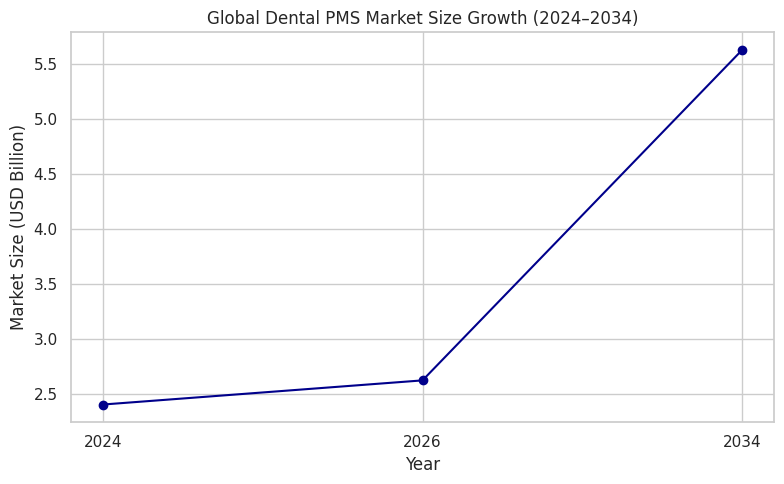
According to industry forecasts, the global dental practice management software market is projected to surpass USD 4.8 billion by 2034, supported by rapid adoption in North America, Europe, and emerging markets across Asia-Pacific. This growth reflects a broader shift towards integrated care delivery and data-driven decision-making within the oral healthcare sector.
In this comprehensive guide, we review the top 10 dental charting software platforms that are leading the global market in 2026. Each of these platforms has been evaluated based on its clinical capabilities, user experience, technological innovation, compliance readiness, scalability, and integration features.
From enterprise-grade solutions built for multi-site DSOs to lightweight cloud systems tailored for solo and small group practices, this list covers a diverse range of software providers catering to different operational needs and growth goals.
Whether you’re looking to modernize your dental clinic, reduce no-shows, increase treatment plan acceptance, or simplify complex workflows, understanding the strengths and differentiators of each software option is essential.
This article not only highlights the best-performing platforms but also explores how features like AI-powered charting, automated patient communication, voice-activated notes, and analytics dashboards are reshaping the future of dentistry.
By the end of this guide, dental professionals will be equipped with the insights needed to make an informed, future-focused software investment that supports clinical excellence and long-term practice success.
Before we venture further into this article, we would like to share who we are and what we do.
About 9cv9
9cv9 is a business tech startup based in Singapore and Asia, with a strong presence all over the world.
With over nine years of startup and business experience, and being highly involved in connecting with thousands of companies and startups, the 9cv9 team has listed some important learning points in this overview of the Top 10 Dental Charting Software in 2026.
If you like to get your company listed in our top B2B software reviews, check out our world-class 9cv9 Media and PR service and pricing plans here.
Top 10 Dental Charting Software in 2026
1. Dentrix
Dentrix, developed by Henry Schein One, remains one of the most widely used dental charting software solutions across the globe in 2026. Trusted by tens of thousands of dental practices worldwide, Dentrix has solidified its reputation for offering robust, integrated solutions tailored to both large dental clinics and mid-sized practices.
Overview of Dentrix’s Capabilities
Dentrix is known for delivering an all-in-one platform that integrates clinical charting, digital imaging, billing, insurance claims, and patient communication tools. In recent years, Dentrix has evolved by incorporating artificial intelligence and voice-enabled technology to make dental practice management more efficient and less reliant on manual input.
New Innovations in 2026
- Detect AI: An advanced tool that helps dental professionals analyze X-rays automatically, reducing diagnostic time and improving accuracy.
- Dentrix Voice: This hands-free feature allows dentists to update charts using voice commands, which is particularly useful during chairside procedures.
Deployment Options and Compatibility
Dentrix offers both on-premise and cloud-based versions, giving flexibility depending on the clinic’s IT environment. Its cloud version is ideal for teams that need access from multiple devices, while the on-premise option is suited for clinics that have existing IT support.
Pricing and Licensing Details
Pricing varies depending on deployment, features selected, and practice size. Below is a general estimate:
Clean Document-Style Table: Dentrix Pricing & Deployment
| Feature | Cloud-Based Version | On-Premise Version |
|---|---|---|
| Monthly Subscription Cost | $300 – $500 per month | Not applicable |
| One-Time Implementation Cost | Included in most cloud subscriptions | $3,000 – $10,000 |
| Infrastructure Requirements | Minimal (web browser + internet) | High (dedicated servers or workstations) |
| Deployment Flexibility | Accessible on web & Windows | Windows only |
| AI Features Included | Yes (Detect AI, Dentrix Voice) | Yes |
Target Users and Practice Suitability
- Large and Multi-location Practices: Dentrix is highly effective for practices that need extensive patient records, billing, and imaging tools to work in a synchronized ecosystem.
- Mid-sized Clinics: Ideal for clinics looking to scale, especially those planning to add AI and automation.
- Smaller Clinics or New Startups: May find the software comprehensive but slightly complex unless they have technical support.
Compatibility Matrix
| Software Integration Area | Supported in Dentrix 2026 |
|---|---|
| Digital Imaging Systems | Yes (compatible with 3rd-party tools) |
| Billing and Insurance Management | Yes |
| Electronic Prescriptions (eRx) | Yes |
| Appointment Scheduling | Yes |
| Automated Patient Reminders | Yes (via text & email) |
| Analytics Dashboard | Yes |
User Feedback Snapshot
While Dentrix has faced some critiques over time for being complex or requiring training for new users, many practices report excellent outcomes once fully onboarded. Based on user-reported reviews, many dental professionals highlight improved operational efficiency and patient communication after adopting Dentrix.
Clean Document-Style Table: User Review Summary
| Reviewer Role | Practice Size | Highlights Mentioned |
|---|---|---|
| Practice Administrator | Small Business | Easy implementation, reliable texting, efficient no-show management |
| Office Manager | Mid-size Clinic | Powerful integration, reduced manual work, smooth imaging sync |
| Dental Assistant | Large Clinic | Appreciates voice charting, especially during patient interaction |
Final Insights
Dentrix continues to set the benchmark in the dental software landscape due to its AI-powered capabilities, advanced integration, and long-standing reputation. Though it might be more resource-heavy than simpler solutions, its benefits make it a top-tier choice for established dental professionals aiming to elevate patient care and streamline operations in 2026. Practices that invest in training and implementation typically experience long-term gains in efficiency, compliance, and clinical outcomes.
2. Eaglesoft
Eaglesoft, created by Patterson Dental, continues to be one of the most trusted dental software systems used by clinics that prioritize traditional deployment and detailed clinical documentation. Known for its reliable functionality and smooth integration with imaging tools, Eaglesoft stands strong among the top 10 dental charting software platforms in the world in 2026.
Comprehensive Clinical Management for Modern Practices
Eaglesoft provides dental clinics with a robust and familiar platform to manage essential workflows like charting, scheduling, billing, and insurance claim submission. Even though newer platforms have adopted fully cloud-based solutions, Eaglesoft remains valuable to practices that prefer locally hosted environments, especially those operating with legacy systems.
Key Strengths of Eaglesoft in 2026
- SmartDoc: This feature helps practices store and organize all documents related to a patient—such as consent forms, insurance details, and treatment notes—in one place, ensuring smoother compliance and audit readiness.
- Advanced Treatment Planning: Eaglesoft allows clinicians to build customized treatment plans with high accuracy, including detailed visuals and notes that improve patient understanding and case acceptance.
- Integration with Imaging Tools: The software works particularly well with Patterson Imaging and Carestream Dental systems, giving practices a seamless experience when working with intraoral cameras, digital X-rays, and other diagnostic tools.
Updated Pricing Strategy and Licensing Shift
In 2026, Eaglesoft transitioned away from perpetual licensing and adopted a subscription-only model. This shift allows dental practices to pay monthly or annually, making budgeting more predictable and aligning with the industry’s move toward service-based software delivery.
Clean Document-Style Table: Eaglesoft Pricing and Deployment Model
| Category | Details |
|---|---|
| Deployment Type | On-Premise (Subscription-based as of 2026) |
| Legacy Licensing (Old Model) | $8,000 – $15,000 one-time cost (discontinued) |
| New Pricing Model | Monthly or annual subscription (custom quote required) |
| Training and Support | Included in subscription (varies by plan) |
| Operating System Compatibility | Windows and Linux |
| Mobile Device Support | Limited; primarily desktop-focused |
Software Integration Capabilities
Eaglesoft is ideal for dental clinics that use imaging and diagnostics tools from the Patterson ecosystem. It also features reliable insurance claim processing and real-time eligibility checks, which help streamline administrative workflows.
Integration and Features Matrix
| Feature or Integration Area | Availability in Eaglesoft 2026 |
|---|---|
| Electronic Health Records (EHR) | Fully supported with clinical notes and imaging |
| Imaging Tool Compatibility | Yes (Patterson Imaging, Carestream Dental) |
| Insurance Claim Processing | Yes, including real-time eligibility checks |
| Charting and Planning | Yes, with visual treatment plans |
| Appointment Scheduling | Yes, with colored-block views |
| Patient Communication Tools | Basic tools available; not as advanced as cloud systems |
User Experience and Feedback
Many dental practices continue to prefer Eaglesoft for its simplicity, predictability, and ease of training new staff. While the interface may appear less modern than some newer platforms, it performs core tasks effectively and consistently. Users especially value how intuitive it is to navigate between different parts of a patient’s profile.
Clean Document-Style Table: Eaglesoft User Feedback Summary
| Role | Practice Size | Feedback Highlights |
|---|---|---|
| Practice Administrator | Multi-location Clinic | Easy to train on, great scheduling features, real-time insurance eligibility useful |
| Office Manager | Small Practice | Reliable claims and billing, straightforward chart access |
| Dental Hygienist | Mid-size Practice | Appreciates SmartDoc storage and treatment planning visuals |
Conclusion
In 2026, Eaglesoft remains a go-to solution for dental clinics seeking a stable, on-premise charting system with proven performance. Its integration with well-established imaging tools, combined with reliable treatment planning features, makes it an ideal platform for long-running dental operations. While it may not offer the sleek look of newer cloud platforms, Eaglesoft delivers functionality, efficiency, and clinical focus—key ingredients for dental professionals who prioritize consistency and precision in patient care.
3. Open Dental
Open Dental has earned its place as one of the top 10 dental charting software platforms in the world in 2026. Recognised for its flexibility, affordability, and strong user control features, it is especially popular among dental practices that want a highly customisable and developer-friendly system.
Open-Source Advantage with High Flexibility
Open Dental stands out as one of the few open-source practice management systems available in the dental industry. This structure allows clinics and IT teams to build custom workflows, connect external tools through a robust API, and modify various aspects of the platform to match their clinic’s operations. Unlike proprietary systems that lock users into predefined features, Open Dental provides users with full access to its database and a high level of technical freedom.
Clinical Charting Features and Digital Forms
The clinical charting capabilities in Open Dental are well-rounded, offering both general and orthodontic charting functions. The platform supports hands-free input for dental charting, allowing dentists to save time during chairside procedures. One of the most appreciated features is the “eClipboard”, which enables patients to complete forms electronically—either on tablets or other mobile devices—streamlining check-in processes.
Feature Matrix: Clinical and Operational Capabilities
| Feature Category | Included in Open Dental 2026 |
|---|---|
| Customisable Charting Templates | Yes |
| Ortho and General Charting | Yes (Hands-free supported) |
| eClipboard (Electronic Forms) | Yes |
| Real-Time Patient Communication | Yes (Texting and Appointment Reminders) |
| Reporting and Analytics | Custom reports, exportable dashboards |
| Third-Party Integrations | Extensive via open API |
Deployment Models and Technical Compatibility
One of Open Dental’s strengths is its flexible hosting. Practices can choose to run the software locally or opt for cloud-hosted solutions, depending on their preference and technical setup. This adaptability supports a range of clinic sizes, from small single-chair offices to large multi-location dental groups.
Deployment Overview Table
| Deployment Type | Supported in 2026 |
|---|---|
| On-Premise Installation | Yes (self-managed with full data control) |
| Cloud Hosting | Yes (optional via third-party services) |
| Operating System Support | Windows for desktop; web-based interface available |
| Mobile Compatibility | Basic via web browser; tablet use supported |
Cost Structure and Affordability
Open Dental has maintained its reputation as a cost-effective alternative to more expensive dental platforms. Its pricing model is transparent, with low monthly fees and no large initial investment.
Clean Document-Style Table: Open Dental Pricing Breakdown
| Cost Component | Estimated Pricing (2026) |
|---|---|
| Base Software Subscription | $179 per month |
| Technical Support (Optional) | Approximately $99 per month |
| Implementation Costs | Minimal (self-install or with external IT support) |
| Add-ons and Plugins | Varies (based on integrations and custom features) |
Real User Experience and Feedback
Users consistently praise Open Dental for its user control, cost efficiency, and adaptability. Practices that have technical resources or access to skilled administrators find it to be a rewarding investment. While it may involve a learning curve for new users, its logical design and customisable setup offer long-term value.
User Review Summary Table
| Reviewer Role | Practice Size | Review Highlights |
|---|---|---|
| Office Administrator | Mid-size Practice | Easy scheduling blockouts, powerful custom reports, intuitive once familiar |
| IT Consultant | Multi-location Group | Full database access, powerful API integration, scalable architecture |
| Dentist | Solo Practice | Affordable and reliable, electronic forms save time and paperwork |
Conclusion
Open Dental continues to gain popularity in 2026 among practices seeking powerful dental charting software that offers both flexibility and affordability. Its open-source foundation enables customisation rarely found in other platforms, while its feature set supports smooth clinic operations from scheduling to charting to digital forms. With transparent pricing and reliable deployment options, Open Dental is especially well-suited for tech-savvy clinics that value control over convenience.
4. Curve Dental
Curve Dental stands out in 2026 as one of the top dental charting software platforms designed specifically for dental practices that prioritize flexibility, speed, and browser-based accessibility. Its fully cloud-native infrastructure eliminates the need for physical servers or complex IT setups, making it a popular choice for solo practices and small to mid-sized group clinics.
Modern Cloud-Native Architecture Designed for Efficiency
Built with a focus on simplicity and performance, Curve Dental’s platform—known as “Curve Hero”—combines clinical, financial, imaging, and patient engagement tools into a single, unified software system. This single-code design makes it easier for practices to manage all tasks in one place without switching between different tools or platforms.
Key Functional Benefits in 2026
- Cloud Reliability: Curve Dental delivers an exceptional uptime of 99.9783%, ensuring that clinics experience minimal interruptions and can work entirely within a web browser.
- SmartFill Scheduling: This automated scheduling feature helps staff fill appointments efficiently by suggesting optimal times and minimizing gaps in the calendar.
- One-Click Charting: Curve simplifies complex procedures by enabling one-click access to charting templates and treatment plans, helping reduce the time spent on clinical documentation by up to 3.5 times.
Clean Document-Style Table: Curve Dental Core Features Overview
| Feature Category | Included in Curve Dental (2026) |
|---|---|
| Deployment Type | 100% Cloud-Based |
| Uptime Performance | 99.9783% Average Uptime |
| Smart Scheduling (SmartFill) | Yes |
| One-Click Charting | Yes |
| Financial and Billing Tools | Fully Integrated |
| Imaging Support | Integrated Imaging Suite |
| Patient Communication Tools | Built-in (Email, SMS Reminders) |
| Data Backups | Automatic, Cloud-Based |
Device Compatibility and Ease of Access
One of the major advantages of Curve Dental is its ability to work across multiple devices and operating systems. Since it operates entirely through a web browser, practices do not need to install or maintain local applications.
Device Support Table
| Supported Devices and Platforms | Compatibility Status |
|---|---|
| Windows | Fully Supported |
| macOS | Fully Supported |
| Linux | Fully Supported |
| Mobile and Tablets | Browser-Based Access; Optimized Interface |
| No Local Server Required | Yes |
Transparent and Scalable Pricing
Curve Dental’s pricing begins at around $200 per month. Unlike traditional systems that may require an upfront investment in server infrastructure, Curve helps clinics save significantly—up to $20,000—by removing the need for local servers and IT support.
Clean Document-Style Table: Curve Dental Pricing and Value Comparison
| Pricing Element | Estimated Cost / Savings (2026) |
|---|---|
| Monthly Software Subscription | Starts at $200 per month |
| Server Infrastructure Cost | $0 (cloud-native, no physical server needed) |
| Long-Term IT Maintenance Savings | Estimated up to $20,000 in saved overhead |
| Data Backup and Recovery | Included in subscription |
| Support and Training | Included in most plans |
Feedback from Dental Professionals
Dental practitioners frequently praise Curve Dental for its ease of use, modern interface, and dependable support. The system is especially favored by those working remotely or managing operations across multiple locations without centralized server rooms.
Clean Document-Style Table: Curve Dental User Feedback Summary
| Reviewer Role | Practice Type | Highlights Mentioned |
|---|---|---|
| Dental Practice Owner | Multi-Location Group | Intuitive system, strong remote access, responsive support |
| Dental Educator | Consultant/Educator | Top-tier scheduling, cloud ease, modern user interface |
| Front Desk Manager | Small Practice | SmartFill saves time, patients love automated reminders |
Conclusion
In 2026, Curve Dental continues to be one of the most effective and forward-thinking dental charting platforms available. With its cloud-first approach, high uptime reliability, integrated features, and cost-saving architecture, it delivers exceptional value to modern dental practices seeking simplicity, scalability, and speed. Whether operating from a single location or managing a network of clinics, Curve Dental provides the tools needed to streamline operations and improve patient care in a digital-first environment.
5. Denticon
Denticon by Planet DDS has emerged as a powerful cloud-based dental software solution tailored specifically for large-scale dental service organizations (DSOs), multi-site practices, and enterprise-level clinics. In 2026, Denticon continues to be one of the top 10 dental charting software platforms in the world, offering centralised management, real-time data reporting, and seamless integrations to enhance practice efficiency across multiple locations.
Enterprise-Level Infrastructure for Expanding Dental Organizations
Denticon is built to support dental groups that operate across several offices or states. Its architecture allows practices to unify clinical workflows, patient records, and financial management within a single platform. As of 2026, Planet DDS supports over 13,000 dental practices and more than 118,000 users, reflecting its strong presence in the enterprise dental software market.
The platform is especially valuable for DSOs looking to standardize operations and reduce administrative complexity by offering unified access to charts, scheduling, billing, and analytics dashboards from any connected location.
Notable Features and Innovations in 2026
Denticon continues to enhance its offering with advanced automation tools designed to save time and reduce errors. The following tools stand out:
- AutoEligibility: Provides real-time insurance verification, helping practices confirm patient coverage before treatment begins.
- Planet DDS RCM Zero: Automates the full revenue cycle management process, from claims submission to payment posting, reducing the need for manual intervention.
- AI Imaging Integration: Fully integrates with Apteryx XVWeb for advanced image diagnostics powered by artificial intelligence.
Clean Document-Style Table: Denticon Feature Overview
| Feature Area | Available in Denticon 2026 |
|---|---|
| Cloud-Based Access | Yes |
| Multi-Location Management | Yes (centralised dashboard for all offices) |
| Real-Time Insurance Verification | Yes (via AutoEligibility tool) |
| Revenue Cycle Automation | Yes (via Planet DDS RCM Zero) |
| Imaging Integration | Yes (Apteryx XVWeb with AI capabilities) |
| Scheduling and Charting | Unified across all sites |
| Business Intelligence Reporting | Yes, with real-time data dashboards |
Deployment Models and Technical Flexibility
Denticon is available in both cloud-hosted and on-premise formats, giving practices the option to choose a deployment model that best fits their infrastructure and IT support levels. Its web-based interface supports cross-platform use, making it accessible from various operating systems and devices.
Clean Document-Style Table: Deployment and Device Compatibility
| Deployment Type | Supported in Denticon 2026 |
|---|---|
| Cloud Hosted | Yes (default option for enterprise use) |
| On-Premise | Yes (for customized IT environments) |
| Desktop Compatibility | Windows |
| Web Access | Supported via browser |
| Multi-Device Access | Yes, depending on user permissions and admin controls |
Cost Efficiency and Scalable Pricing
Denticon offers a base monthly pricing structure starting at approximately $200. However, pricing varies based on the size of the organization, number of users, and locations. Larger DSOs typically engage in enterprise-level pricing plans customized to meet specific deployment and support needs.
Clean Document-Style Table: Denticon Pricing Structure
| Pricing Tier | Description |
|---|---|
| Basic Plan | Starts at $200/month |
| Enterprise Plan | Scales based on locations, users, and features |
| Implementation and Onboarding | Customised depending on organization size |
| Technical Support | Included with subscription |
| AI Imaging Add-on | Available as part of Apteryx integration |
User Feedback and Real-World Usage
Denticon is often praised by practice owners and operations managers for its ability to manage multiple locations efficiently. Its centralized access, insurance verification tools, and ease of navigating between different office accounts make it a favorite among large dental groups.
Clean Document-Style Table: Denticon User Feedback Summary
| Reviewer Role | Practice Type | Highlighted Benefits |
|---|---|---|
| Practice Owner | Multi-location Group | Quick office switching, unified charts, effective support |
| Operations Manager | DSO Network | Real-time reporting, insurance automation, scalable for growth |
| Billing Coordinator | Multi-site Clinic | Seamless claims management and fewer denials |
Conclusion
Denticon remains a top-tier dental charting software in 2026 for DSOs and growing multi-location practices. Its combination of enterprise-level capabilities, automation tools, and unified charting makes it ideal for organizations seeking efficiency and scalability. With powerful integrations and flexible deployment options, Denticon enables dental leaders to streamline operations while maintaining consistent care quality across all branches.
6. CareStack
CareStack has rapidly grown into one of the most advanced dental charting software platforms in the global market by 2026. Tailored for dental service organizations (DSOs), multi-location clinics, and high-growth enterprises, CareStack offers a centralized, cloud-based system that combines clinical, communication, analytics, and operational tools into one seamless interface. Its comprehensive features are designed to replace fragmented systems and boost efficiency at scale.
Designed for Centralization and Multi-Clinic Management
CareStack’s architecture is built to streamline practice management by unifying essential tools—such as electronic charting, VoIP communication, appointment scheduling, patient texting, and analytics—within a single dashboard. This eliminates the need for multiple third-party systems and allows dental organizations to manage all aspects of their business from one place.
Advanced Analytics for Business Intelligence
One of CareStack’s strongest assets in 2026 is its powerful analytics module. Clinics use these tools to monitor real-time key performance indicators (KPIs), track production trends, and identify gaps in patient referrals. These insights are especially valuable for practices focused on “same-store growth,” where optimizing existing clinic performance is more important than opening new branches.
Clean Document-Style Table: Core Capabilities of CareStack
| Capability Area | Description and Benefits |
|---|---|
| Charting and Treatment Planning | Unified charting with visual treatment workflows |
| Communication Tools | Integrated VoIP, texting, and email in one platform |
| Appointment Management | Centralised scheduling with multi-location visibility |
| Business Analytics Module | In-depth KPIs, referral tracking, and revenue insights |
| Data Security Compliance | SOC-2 and ISO certified in 2026 for data protection |
| Patient Engagement Tools | SMS/email reminders and automated follow-ups |
| Same-Store Growth Support | Advanced tools to evaluate clinic-specific performance |
Cloud-Based Deployment for Scalability
As a 100% cloud-hosted solution, CareStack offers greater flexibility and ease of deployment across networks of clinics. With no need for local servers, dental enterprises can focus on scaling operations without worrying about infrastructure or data backup issues. This also enhances remote access and multi-device usability.
Clean Document-Style Table: Deployment and Device Compatibility
| Deployment Model | Details |
|---|---|
| Hosting Type | 100% Cloud-Based |
| Server Requirement | None (fully managed cloud infrastructure) |
| Desktop Access | Web browser only |
| Device Support | Windows, macOS, tablets, and web-enabled devices |
| Data Backup and Recovery | Automated cloud backups included |
Flexible Enterprise Pricing Options
CareStack offers custom pricing tailored to the size, complexity, and number of users within a dental organization. Pricing can be structured per-user or per-location depending on operational preferences. This allows organizations to scale without being constrained by flat-rate plans.
Clean Document-Style Table: Pricing Structure Overview
| Pricing Model | Key Details |
|---|---|
| Enterprise-Level Packages | Custom pricing per organization or location |
| Per-User Subscription | Available for smaller or role-based access models |
| Implementation Services | Included in most enterprise onboarding packages |
| Support and Training | Provided as part of service agreements |
User Testimonials and Feedback
CareStack is frequently commended for its ability to deliver deep operational insights. Users appreciate how its analytics module improves decision-making and supports growth within each clinic location. While the platform may require a bit more training initially, most users report that its long-term benefits far outweigh the learning curve.
Clean Document-Style Table: Real-World User Feedback
| Reviewer Role | Organization Type | Feedback Highlights |
|---|---|---|
| Chief Operating Officer | Multi-location Specialty | Referral drop-off tracking, analytics for location-specific growth |
| Operations Manager | DSO Network | Centralized system replaces fragmented tools, great support |
| IT Administrator | Enterprise Dental Group | Secure cloud hosting, seamless device access |
Conclusion
CareStack has established itself as a top-tier dental charting solution in 2026 for practices seeking a unified, scalable, and analytics-driven platform. With robust features for communication, performance tracking, and patient management, it is especially well-suited for DSOs and multi-site dental enterprises focused on operational efficiency and sustainable growth. CareStack’s security certifications, powerful reporting tools, and custom pricing model make it a strategic investment for clinics aiming to optimize performance across every location.
7. DentiMax
DentiMax has gained recognition in 2026 as one of the most user-friendly dental charting software solutions globally. Its hybrid deployment model—offering both cloud and on-premise installations—gives dental professionals the freedom to choose how they manage their data and software operations. This flexibility is particularly useful for practices operating in regions with unreliable internet or clinics that prefer local data storage.
Clean Interface with Powerful Accounting and Charting Tools
DentiMax is widely appreciated by solo practitioners and small dental groups for its clean and intuitive dashboard. The platform simplifies the user experience by minimizing unnecessary clutter while still offering a full suite of features. One of its standout capabilities is line item accounting, which gives practices granular control and visibility over every financial transaction.
Another benefit is DentiMax’s easy-to-use charting interface, where all patient notes, history, and treatment data are visible on one screen. This layout allows providers to streamline documentation and clinical planning without switching between tabs or windows.
Clean Document-Style Table: Core Features of DentiMax in 2026
| Feature Area | Description |
|---|---|
| Deployment Flexibility | Cloud or On-Premise |
| Line Item Accounting | Detailed billing transparency |
| Integrated Digital Charting | Notes, images, and history on a single interface |
| Insurance Claim Management | Clean claims sent on first attempt, reducing payment delays |
| Dashboard Simplicity | Minimalist, user-friendly layout |
| Training Curve | Easy to learn, ideal for small teams |
Imaging and Sensor Integration
DentiMax is also known for its strong compatibility with imaging hardware. It supports over 25 third-party dental sensors, allowing clinics to maintain existing hardware investments while modernizing their software environment. This feature makes it cost-effective for clinics transitioning from older systems.
Hardware Compatibility Matrix
| Imaging Component | Compatibility Status in DentiMax 2026 |
|---|---|
| Intraoral Sensors | Compatible with 25+ third-party sensor brands |
| Digital Imaging Software | Fully integrated |
| Sensor Replacement Needed | No (supports legacy hardware) |
| Imaging and Chart Synchronization | Real-time display and storage |
Deployment Options and Technical Specifications
DentiMax is built for flexibility. Practices can choose between a cloud-hosted system that offers accessibility from anywhere, or a locally hosted system for those who prefer tighter control over data security and access.
Deployment and Device Matrix
| Deployment Model | Details |
|---|---|
| Cloud Hosting | Subscription-based; ideal for remote access |
| On-Premise | Self-managed; good for clinics without stable internet |
| Device Compatibility | Windows desktops and web-based access |
| Data Security | HIPAA-compliant encryption and access control |
| IT Support Needs | Minimal for cloud, moderate for on-premise |
Affordable Pricing with Loyalty Discounts
One of the key advantages of DentiMax is its affordability. The software is priced with small clinics in mind. Monthly subscription costs begin at $169 in the first year and decrease to $129 starting in the second year, providing long-term value for loyal customers.
Pricing Structure Table
| Pricing Element | Cost in USD (2026) |
|---|---|
| First Year Subscription | $169 per month |
| Second Year and Beyond | Reduced to $129 per month |
| Implementation Fee | Typically minimal or bundled with subscription |
| Imaging Integration Add-on | Included with most plans |
| Technical Support | Included or available via support packages |
Real User Experience
DentiMax receives consistent praise from users for its transparency, billing accuracy, and simplicity. Dental professionals, especially those in operations and administrative roles, find its features useful in accelerating revenue cycles and reducing errors in claim submission.
User Feedback Overview
| Reviewer Role | Practice Type | Key Insights |
|---|---|---|
| Operations Manager | Small Group Practice | Easy to learn, clean dashboard, faster claim processing |
| Billing Coordinator | Solo Clinic | Clear financial breakdown, minimal training needed |
| IT Consultant | Multi-location Setup | Sensor compatibility, smooth on-premise installation |
Conclusion
DentiMax is a reliable and user-friendly dental charting software that delivers excellent value for small and independent dental practices in 2026. Its hybrid deployment model, strong integration with imaging tools, clean charting interface, and transparent accounting features make it a top choice for clinics looking to simplify operations while maintaining control. For practices that want practical functionality without overpaying or overcomplicating their workflow, DentiMax offers a smart, scalable solution.
8. tab32
tab32 has earned its place among the top 10 dental charting software platforms globally in 2026 by offering an intelligent, cloud-based solution designed for modern, technology-driven dental clinics. It is particularly suitable for practices that want full mobility, a user-friendly design, AI-powered tools, and strong patient engagement features—all without relying on outdated infrastructure.
Smart Interface and Real-Time Access for Multi-Location Practices
Built from the ground up using feedback from the dental community, tab32 features a highly intuitive interface with a customizable keypad for quick charting. This innovation simplifies daily documentation tasks and improves the workflow for dentists and hygienists.
One of the platform’s most powerful capabilities is its real-time shared patient database. This allows multi-location dental clinics to access and update patient records from any location, helping ensure consistent care regardless of which office a patient visits.
tab32 also comes with a native imaging module called XRay Studio on Cloud, enabling dental professionals to capture, store, and review radiographs directly within the software without third-party integrations. This cloud-based imaging capability removes the need for on-premise servers or separate imaging systems.
Clean Document-Style Table: Core Functional Features of tab32
| Feature Category | Available in tab32 (2026) |
|---|---|
| Real-Time Patient Data Sharing | Yes (Multi-location support) |
| Custom Keypad Charting | Yes (Configurable interface for efficient data entry) |
| Integrated Imaging | Yes (XRay Studio on Cloud) |
| AI-Powered Workflow Tools | Yes (Diagnostic and scheduling enhancements) |
| Patient Communication System | Yes (Built-in HelloPatient module) |
| Remote Access | Yes (Accessible from any web browser) |
| Clinical Documentation Tools | Yes (Comprehensive and simplified) |
Powerful Communication and Engagement Tools
tab32 includes HelloPatient, a fully integrated communication platform that allows dental practices to automate patient engagement through appointment reminders, follow-up messaging, text alerts, and two-way communication. This helps reduce no-shows, improve appointment scheduling, and enhance the overall patient experience.
Communication Feature Matrix
| Communication Function | Included in HelloPatient Module |
|---|---|
| SMS and Email Reminders | Yes |
| Patient Review Requests | Yes |
| Two-Way Messaging | Yes |
| Online Scheduling Integration | Yes |
| Auto-Fill Forms and Check-ins | Yes (Digital and mobile-friendly) |
Flexible Cloud Deployment and Web-Based Access
tab32 is designed as a 100% browser-based platform, removing the need for software installation or local server maintenance. With no physical infrastructure requirements, dental practices can save on IT costs and enjoy full mobility from clinic, home, or on the road.
Clean Document-Style Table: Deployment and Device Compatibility
| Deployment Method | Details |
|---|---|
| Hosting Type | 100% Cloud-Based |
| Software Installation | Not Required |
| Platform Access | Web browser (desktop, laptop, tablet) |
| Device Compatibility | Windows, macOS, Android, iOS |
| Server Requirements | None |
| Data Backup and Security | Automated cloud backups with compliance protocols |
Simple Pricing Structure with Flexible Features
tab32 follows a modular pricing model where practices pay approximately $100 per feature. This structure allows clinics to only pay for the tools they need, making it suitable for startups, expanding clinics, and enterprise dental groups alike. Free trials are also available, allowing practices to explore the software before committing to a subscription.
tab32 Pricing Table
| Pricing Element | Description |
|---|---|
| Base Software Cost | Approx. $100 per feature per month |
| Free Trial Availability | Yes (feature-limited) |
| Imaging and Charting Included | Yes (as part of selected packages) |
| Communication Tools | Optional add-on (HelloPatient module) |
| Subscription Flexibility | Pay-as-you-grow model |
Feedback from Dental Professionals
Dental practitioners appreciate the flexibility and accessibility tab32 provides, especially for multi-location practices or clinicians who work remotely. The combination of cloud-based charting, built-in imaging, and patient communication tools is highly praised by users for its ability to streamline operations without relying on multiple software systems.
Clean Document-Style Table: tab32 User Review Highlights
| Reviewer Role | Practice Type | Feedback Summary |
|---|---|---|
| General Dentist | Multi-location Group | Easy access to records and X-rays while traveling |
| Office Administrator | Tech-forward Clinic | Excellent communication tools, responsive design |
| Associate Dentist | Independent Practice | Seamless charting and helpful patient reminders |
Conclusion
tab32 represents a new era of dental charting software in 2026 by offering a cloud-native solution packed with AI tools, imaging integration, and strong patient communication features. Its browser-based design, modular pricing, and real-time collaboration tools make it a smart choice for clinics seeking scalable and modern dental software. Whether used by solo practices or large multi-location groups, tab32 delivers operational efficiency and patient-centric tools that align with the evolving needs of today’s digital dental care landscape.
9. ABELDent
ABELDent has positioned itself as one of the most reliable and adaptable dental charting software platforms in 2026. Built for clinics that seek both flexibility and efficiency, it offers a unique hybrid deployment model—allowing dental professionals to operate either through a cloud-hosted environment or a locally installed server, without any difference in user experience or feature set. This makes it a preferred solution for clinics that want to adapt as their needs evolve, without undergoing retraining or workflow disruptions.
Seamless Hybrid Platform with Consistent Functionality
ABELDent’s standout feature is its seamless hybrid deployment architecture. Practices can begin using the software either on the cloud or via on-premise installation and later switch between these modes with zero impact on interface, data structure, or user experience. This consistent functionality ensures smooth transitions for growing clinics, or those shifting IT strategies based on security, compliance, or infrastructure.
The system is used by over 25,000 professionals across North America, making it one of the most widely adopted dental software tools in the region. Its approach to “paperless productivity” helps streamline administrative and clinical tasks, reducing the need for physical documents and increasing digital efficiency.
Clean Document-Style Table: ABELDent Deployment and Consistency Overview
| Deployment Option | Details |
|---|---|
| Cloud-Hosted Version | Fully supported, browser-based interface |
| On-Premise Version | Available for clinics preferring local server control |
| Interface Consistency | Identical UI and features across both deployment types |
| Switching Between Modes | Possible without retraining or data migration issues |
| Paperless Workflow Support | Yes (designed for full digital transition) |
Comprehensive Patient Communication and Imaging Integration
ABELDent comes with a built-in Patient Communication System (PCS), which enables dental teams to connect with patients through automated messaging, reminders, confirmations, and digital check-ins. This improves patient satisfaction while reducing administrative workload.
The platform also supports integration with over 10 different dental imaging systems, making it a suitable choice for clinics with existing radiography equipment or diverse hardware needs.
Feature Integration Matrix
| System Feature | Availability in ABELDent (2026) |
|---|---|
| Patient Communication System (PCS) | Yes (automated messaging, reminders, and follow-ups) |
| Digital Imaging Integration | Yes (supports 10+ imaging systems) |
| Digital Charting Tools | Yes (updated for faster and more visual workflows) |
| Administrative Automation | Yes (billing, scheduling, and reporting tools included) |
| Training and Support Tools | Included with software upgrades and onboarding packages |
Affordable, Usage-Based Pricing for Clinics of All Sizes
ABELDent’s pricing model is designed to be accessible and scalable. With entry-level plans starting as low as $10 per month, the software remains an affordable solution for small dental offices, while larger clinics can scale up based on usage and feature requirements.
Clean Document-Style Table: ABELDent Pricing Overview
| Pricing Element | Description |
|---|---|
| Entry Plan | Starts at $10 per month |
| Pricing Model | Usage-based (based on features and number of users) |
| Cloud and On-Premise Licensing | Both options supported under unified pricing structure |
| Imaging and PCS Add-ons | Available in higher-tier or customized plans |
| Support and Upgrades | Included depending on subscription level |
Positive Feedback from Dental Teams
Dental professionals consistently praise ABELDent for its intuitive charting interface, efficient administrative functions, and smooth training process. Clinics that have upgraded to the latest versions of ABELDent report faster charting, improved communication, and a more user-friendly experience across departments.
User Feedback Summary
| Reviewer Role | Practice Environment | Highlights from Experience |
|---|---|---|
| Front Desk Manager | Mid-sized Dental Practice | Quick charting updates, smooth admin tasks, great training |
| Clinical Assistant | Cloud-Based Clinic | Reliable cloud performance, easy image access, strong PCS |
| Practice Owner | On-Premise Practice | Data security, seamless transition to updated version |
Conclusion
ABELDent continues to be a top-performing dental charting software in 2026 by combining flexibility, user-friendliness, and performance. Its hybrid deployment system allows clinics to operate on their terms—either via the cloud or local servers—while offering consistent functionality across both. The inclusion of strong communication tools and wide imaging compatibility further enhances its position as a comprehensive solution for dental practices aiming to go paperless and digital-first. With scalable pricing and robust support, ABELDent serves as an ideal platform for practices of all sizes seeking long-term efficiency and growth.
10. Adit
Adit has emerged in 2026 as one of the most forward-thinking dental charting software platforms, especially for practices focused on growth, marketing integration, and patient communication. Unlike traditional software systems that separate charting, scheduling, marketing, and communication, Adit combines all of these tools into one unified interface—streamlining workflows and improving operational performance.
Integrated AI Tools for Communication and Revenue Optimization
One of Adit’s most powerful features is Adit AI, a built-in artificial intelligence system that analyzes phone conversations in real time. This tool listens to patient calls, identifies missed appointment opportunities, detects signs of patient dissatisfaction, and helps front desk teams recover lost bookings. It ensures that potential revenue and valuable patient relationships are not lost due to human oversight.
This advanced call intelligence enables dental teams to act proactively, improving patient satisfaction and increasing the chances of capturing more appointments. Adit also helps with task automation, enabling dental professionals to reduce administrative work and focus more on clinical care.
Clean Document-Style Table: Core AI and Automation Features in Adit
| AI Feature Category | Functionality and Benefits |
|---|---|
| Call Intelligence (Adit AI) | Analyzes calls, flags issues, identifies missed bookings |
| Appointment Recovery | Automates follow-up on lost opportunities |
| Patient Sentiment Detection | Recognizes unhappy patients for timely outreach |
| Task Automation | Reduces front-desk workload via reminders and follow-ups |
| Online Scheduling Integration | Allows patients to book directly through website links |
All-in-One Design to Replace Multiple Software Systems
Adit is designed as a fully cloud-based platform that eliminates the need for multiple software applications. Instead of running separate tools for billing, reminders, text messaging, patient reviews, and online payments, practices can manage all of these functions from a single system.
This consolidation not only saves costs but also simplifies the training and onboarding of new staff. By reducing software fragmentation, Adit enables dental practices to operate more smoothly and efficiently.
All-in-One System Capabilities Matrix
| Functional Area | Included in Adit 2026 Platform |
|---|---|
| Digital Charting | Yes |
| Patient Engagement Tools | Yes (text, email, reminders) |
| Online Scheduling and Booking | Yes |
| Text-to-Pay and Online Payments | Yes |
| Patient Review Management | Yes (automated request and tracking) |
| Marketing and ROI Reporting | Yes (built-in analytics for campaigns) |
Strong ROI and Business Growth Potential
Many practices using Adit report measurable financial improvements within the first few months of implementation. The platform has demonstrated the ability to boost net production by as much as 40% and increase new patient volume by over 20%. These results are attributed to the software’s ability to close communication gaps, speed up payments, and automate repetitive administrative tasks.
Clean Document-Style Table: Adit Performance Metrics
| Key Metric | Average Impact for Practices in 2026 |
|---|---|
| Increase in Net Production | Up to 40% |
| Growth in New Patient Volume | Around 20% |
| Reduction in No-Show Appointments | Significant (due to automated reminders and online booking) |
| Billing Collection Speed | Improved through text-to-pay feature |
| Software Stack Reduction | Replaces 3–4 separate platforms |
Device Accessibility and Cloud Convenience
Adit is fully hosted in the cloud, which allows dental teams to access the platform securely from any internet-enabled device. It supports both desktop browsers and mobile devices, including iPhones and Android smartphones. This accessibility is particularly useful for remote staff, multi-location practices, and busy practitioners who need to stay connected on the go.
Deployment and Device Support Table
| Deployment Type | Supported Devices and Platforms |
|---|---|
| Hosting Model | 100% Cloud-Based |
| Desktop Access | Web browser |
| Mobile Access | iPhone and Android apps |
| Offline Usage | Not supported (requires internet access) |
| Data Security | Encrypted and HIPAA-compliant |
Positive Reviews from Dental Professionals
Adit receives high praise from practice administrators and dental office staff for its ease of use and transformative effect on daily operations. Features like automated reminders, online booking, and text-to-pay have made a noticeable difference in how dental clinics manage patient interactions and finances.
Clean Document-Style Table: Adit User Feedback Summary
| Reviewer Role | Practice Size | Experience Highlights |
|---|---|---|
| Practice Administrator | Single-location Clinic | Reduced no-shows, easy setup, faster payments through SMS links |
| Office Manager | Growing Group Practice | Simple training, all-in-one interface, consistent support |
| Billing Coordinator | General Dentistry Office | Convenient patient payment system, faster claim turnaround |
Conclusion
Adit stands out as a top dental charting software in 2026 for clinics that want more than just charting. It brings together clinical tools, patient communication, marketing, and automation under one roof. With strong AI capabilities, measurable ROI, and cloud accessibility, Adit is designed for dental practices seeking smarter operations, better patient engagement, and higher profitability—all in a modern, easy-to-use platform.
Global Overview of the Dental Practice Management and Charting Software Industry in 2026
The dental software market in 2026 is undergoing a major transformation. What was once focused on basic record-keeping has now evolved into a highly intelligent, AI-powered ecosystem. This global shift is not just about adopting new technology—it reflects how dental practices are adjusting to rising labor costs, the growth of multi-location dental groups, and the increasing reliance on cloud-based systems.
Today, top dental charting software platforms are expected to do much more than maintain patient records. These tools are now viewed as essential productivity enablers that help dental clinics operate faster, smarter, and more efficiently.
Current Market Size and Forecast Growth
In 2026, the estimated global market size for dental practice management and charting software is between USD 2.15 billion and USD 2.62 billion, depending on the data source. By the early 2030s, this market is expected to nearly double. Analysts project growth driven by the demand for centralized, intelligent systems that reduce overhead costs and improve care delivery.
Clean Document-Style Table: Market Size and Growth Projections
| Year | Market Size Estimate (USD) | Source/CAGR Reference |
|---|---|---|
| 2026 | 2.62 billion | Estimate 1 (CAGR: 11.12%) |
| 2026 | 2.15 billion | Estimate 2 (CAGR: 10.77%) |
| 2031 | 4.44 billion | Based on Estimate 1 |
| 2034 | 4.87 billion | Based on Estimate 2 |
This steady expansion is not just due to higher demand for software—it is a response to deeper operational challenges faced by dental providers.
Rising Labor Costs and the Push for Efficiency
A major driver of change in 2026 is the rising cost of dental labor. The median annual wage for dental assistants has reached $47,300. With increased payroll expenses, clinics are under pressure to do more with less—prompting a surge in adoption of advanced software solutions.
To manage these challenges, practices are turning to systems that can automate both clinical and administrative tasks. AI-powered solutions are especially sought after for their ability to cut down manual input, reduce scheduling errors, automate chart updates, and even handle patient communication without human involvement.
Clean Document-Style Table: Labor Cost Impact on Software Demand
| Operational Factor | 2026 Status | Software Response |
|---|---|---|
| Dental Assistant Wage | Median: $47,300 annually | Software used to reduce reliance on manual admin tasks |
| Wage Inflation Pressure | High | Tools integrated for workflow automation |
| Staffing Shortages | Moderate to High | AI Agents mitigate need for additional admin personnel |
| Productivity Mandate | Increasing focus | PMS platforms now seen as operational multipliers |
Emergence of AI Agents in Dental Software Platforms
A defining characteristic of 2026’s dental technology landscape is the introduction of AI Agents within top dental practice management systems. These AI-powered assistants go beyond basic automation by performing complex, multi-step tasks that mimic human staff behavior.
These tools can:
- Hold complete conversations with patients through chat or voice
- Auto-update patient charts during or after appointments
- Manage administrative workflows like billing and insurance follow-ups
- Help front-desk teams triage appointment bookings or cancellations
As a result, AI Agents are being viewed as “virtual team members” who can take over repetitive tasks and allow clinical staff to focus more on delivering care.
AI Agent Capability Matrix
| AI Agent Functionality | Role in 2026 Dental Clinics |
|---|---|
| Patient Conversation Handling | Manages appointment booking, reminders, intake |
| Clinical Chart Automation | Enters SOAP notes or updates treatment progress |
| Administrative Task Automation | Sends billing statements, verifies insurance |
| Workflow Coordination | Triages scheduling, follow-ups, and form submissions |
Conclusion
The dental practice management and charting software industry in 2026 is no longer defined by simple scheduling or patient data storage. It now plays a critical role in helping clinics maintain financial stability and clinical excellence in an increasingly competitive and cost-sensitive environment.
With cloud-native design, AI-powered features, and support for enterprise scalability, the next generation of dental software platforms will continue to reshape how dental care is delivered—making them a foundational part of every modern dental practice’s success strategy. As the market continues to expand toward 2030, practices that embrace these tools are expected to lead in operational performance, patient satisfaction, and long-term profitability.
Global Market Segmentation and Economic Trends for Dental Charting Software in 2026
The global dental charting and practice management software industry in 2026 is marked by strong regional dynamics and evolving deployment preferences. As practices across the world continue modernizing their operations, the demand for cloud-based, AI-integrated systems is accelerating. This trend is closely tied to both regional adoption rates and the operational needs of various practice types—from solo clinics to large Dental Service Organizations (DSOs).
North America Leads the Market, Asia-Pacific Accelerates Rapidly
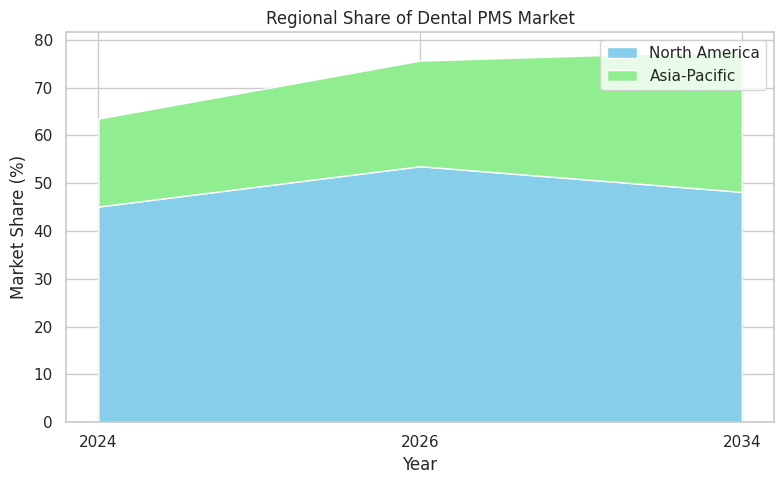
North America continues to dominate the global dental software space with a commanding 53.57% market share in early 2026. This dominance is driven by early technology adoption, a mature digital infrastructure, and the strong presence of leading software companies such as Henry Schein One and Carestream Dental.
In contrast, the Asia-Pacific region is witnessing the fastest growth. Urban centers in countries like China, India, and parts of Southeast Asia are seeing rapid adoption of digital tools. Increased investments in healthcare infrastructure, along with a growing focus on oral health awareness, are helping clinics in these regions transition away from paper-based workflows to modern, paperless systems.
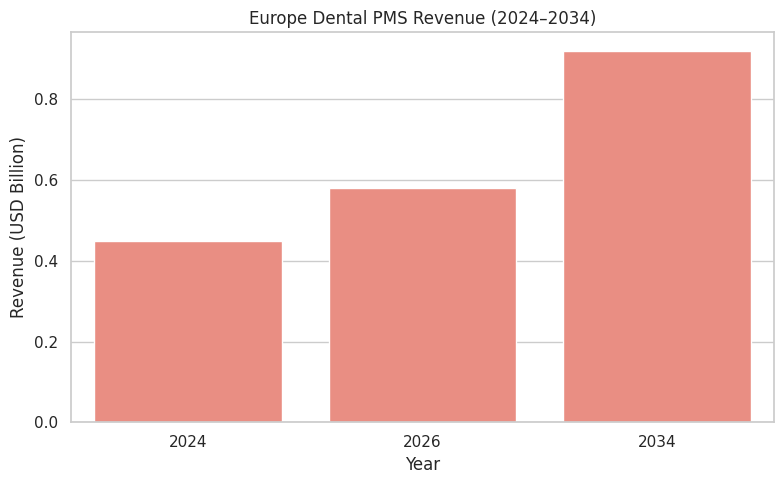
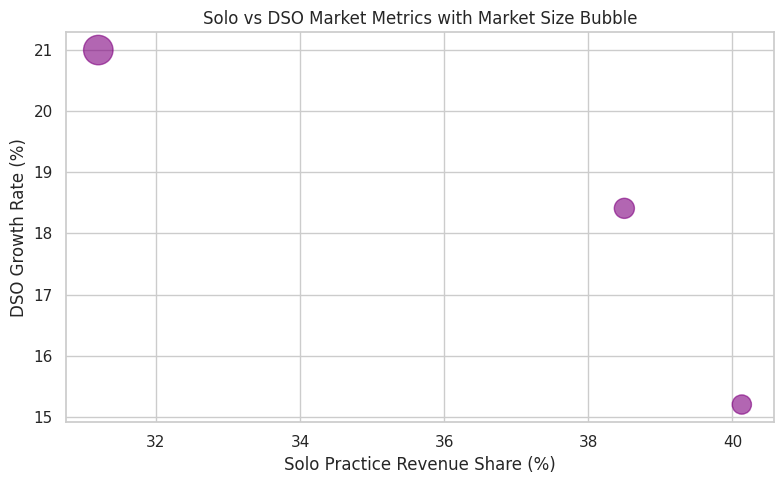
Clean Document-Style Table: Global Dental PMS Market Estimates and Forecasts (2024–2034)
| Market Metric | 2024 Estimate | 2026 Estimate | 2034 Forecast | CAGR (2024–2034) |
|---|---|---|---|---|
| Global Market Size (USD Billion) | 2.40 | 2.62 | 4.87 – 6.40 | 10.60% – 11.12% |
| North America Market Share (%) | 45.13% | 53.57% | 48.20% | 12.69% |
| Asia-Pacific Market Share (%) | 18.40% | 22.10% | 29.50% | 15.52% |
| Europe Revenue (USD Billion) | 0.45 | 0.58 | 0.92 | 10.50% |
| Solo Practice Revenue Share (%) | 40.13% | 38.50% | 31.20% | 8.40% |
| DSO/Group Practice Market Growth (%) | 15.20% | 18.41% | 21.00% | 18.41% |
Shift Toward Cloud-Based Software Models
One of the most notable trends in the 2026 dental software market is the migration from traditional on-premise installations to modern cloud-hosted platforms. As of 2025, on-premise solutions still held a 45.55% market share, largely due to legacy systems purchased before 2020. However, the rise of Software-as-a-Service (SaaS) is reshaping the industry.
Cloud-based platforms are expected to grow at an annual rate of 14.25%, driven by the operational preferences of large DSOs and multi-location groups. These organizations favor scalable, centralized tools that offer unified billing, shared databases, and advanced analytics across all clinic locations.
Deployment Trend Comparison Table: On-Premise vs. Cloud-Based Software
| Deployment Type | 2025 Market Share (%) | Growth Trend (2026–2029) | Key Drivers |
|---|---|---|---|
| On-Premise Software | 45.55% | Declining | Legacy systems, high IT maintenance cost |
| Cloud-Based Software (SaaS) | 40.10% | Growing rapidly (14.25% CAGR) | DSO adoption, central billing, AI tools |
| Hybrid Deployments | 14.35% | Stable | Transitional preference for flexibility |
Evolving Practice Segments: DSOs vs. Solo Clinics
In 2026, Dental Service Organizations (DSOs) are gaining more traction, growing faster than solo practices. DSOs and group practices have unique needs such as multi-location scheduling, centralized reporting, and advanced KPI dashboards. As a result, software vendors are developing features specifically tailored for these large-scale operations.
Meanwhile, solo practices, although still significant in volume, are gradually declining in market share. Their share is expected to drop from 40.13% in 2024 to 31.20% by 2034. This shift is leading many software providers to create modular, pay-as-you-go plans to make enterprise-grade features more accessible to small independent clinics.
Practice Type Market Trend Table
| Practice Type | 2024 Revenue Share (%) | 2026 Share (%) | 2034 Projection (%) | Growth Insight |
|---|---|---|---|---|
| Solo Practices | 40.13% | 38.50% | 31.20% | Declining share, still important segment |
| DSO / Group Practices | 15.20% | 18.41% | 21.00% | Rapid expansion and software demand |
Conclusion
The global dental charting and PMS software market in 2026 is undergoing a major evolution shaped by regional growth patterns, deployment preferences, and shifting practice models. North America leads in adoption, while Asia-Pacific shows unmatched growth potential. The transition from on-premise to cloud solutions is accelerating, especially among DSOs that prioritize efficiency, automation, and centralized oversight.
As software vendors race to meet the demands of this evolving landscape, platforms that offer scalability, AI integration, and strong ROI will continue to lead the market through 2034 and beyond. The focus on improving productivity, reducing operational friction, and delivering smarter patient experiences will be the defining forces shaping the next generation of dental software worldwide.
Technological Advancements in Dental Charting Software: The Role of AI, Cloud Platforms, and Interoperability in 2026
In 2026, the dental software industry has entered a new era marked by transformative technologies that are reshaping how dentists manage clinical charting, patient data, diagnostics, and communication. These innovations are not simply software updates—they represent a strategic response to the growing need for speed, accuracy, and automation in modern dental practices.
Leading dental charting platforms now integrate artificial intelligence (AI), cloud architecture, and interoperable tools to enhance efficiency and clinical decision-making. These developments are especially crucial for busy practices that need to reduce manual workload, improve diagnostic precision, and streamline operations without adding more staff.
AI-Powered Clinical Charting and Diagnosis
Artificial intelligence is now deeply embedded into dental charting software in 2026. These AI tools use advanced machine learning models—such as convolutional neural networks (CNNs) and transformer-based algorithms—to analyze dental images like bitewings, periapical radiographs, and cone beam computed tomography (CBCT) scans.
With diagnostic sensitivity and specificity ranging from 80% to over 90%, these systems help clinicians detect conditions such as dental caries, periodontal changes, and bone resorption much faster and more accurately than traditional methods.
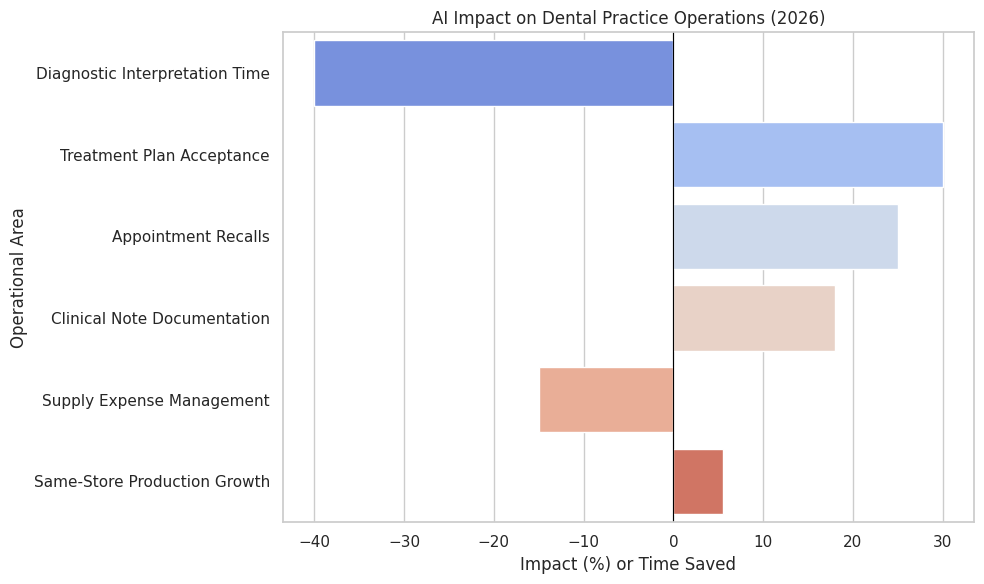
AI-Driven Diagnostic Efficiency Table
| Diagnostic Task | AI-Powered Performance Improvement (2026) |
|---|---|
| Review Time for Dental Images | 40% faster with AI assistance |
| Treatment Plan Acceptance Rate | Increased by 30% through AI visual overlays |
| Predictive Recall Scheduling | 25% boost in appointment recall rates |
| Documentation Speed for Clinical Notes | 15–20 minutes saved per patient via automation |
| Supply Expense Management | 15% reduction using real-time analytics dashboards |
| Same-Store Production Growth | 5.5% quarterly growth for top-tier practices |
Voice-Activated Documentation and Hands-Free Charting
Another major advancement in 2026 is the use of AI-powered voice recognition for clinical documentation. With hands-free charting, dentists can now dictate clinical notes in real time, allowing them to document treatments while maintaining uninterrupted patient care.
This innovation is particularly valuable for solo practitioners and clinics with limited administrative support, as it saves time and allows for immediate recordkeeping.
Clean Document-Style Table: Benefits of Voice-Activated Charting
| Feature | Clinical Value in 2026 |
|---|---|
| Voice Transcription Accuracy | High (optimized for dental terminology) |
| Hands-Free Charting Support | Yes (ideal for chairside use) |
| Documentation Speed | Significantly increased per patient |
| Ease of Use | Intuitive for both new and experienced users |
| Workflow Disruption | Minimal (supports real-time note input) |
Cloud Adoption and AI-Integrated Scanning
Cloud-native platforms are becoming the default for modern dental charting systems. These platforms offer real-time data syncing, remote accessibility, and seamless updates—all essential for multi-location clinics or mobile dentistry models.
Additionally, Intraoral Scanner (IOS) usage has expanded dramatically, with over 60% adoption reported in the United States and Northern Europe. These scanners now operate as more than just imaging tools—they serve as diagnostic hubs when combined with AI, allowing for chairside image analysis and patient education on the spot.
Cloud & Imaging Technology Matrix
| Technology Component | Role in Dental Practice Management (2026) |
|---|---|
| Cloud-Based Infrastructure | Enables multi-device access and real-time syncing |
| Intraoral Scanner Penetration | 60%+ usage in North America and Europe |
| AI + IOS Integration | Real-time caries detection and bone density analysis |
| Chairside Patient Education Tools | Enhanced with visual overlays and 3D scan comparisons |
| System Updates and Backups | Automated via cloud service providers |
Conclusion
The integration of artificial intelligence, cloud platforms, and interoperable tools is reshaping the future of dental charting software in 2026. With AI-driven diagnostics, voice-enabled documentation, and cloud-first systems now standard, dental clinics are operating with more speed, accuracy, and productivity than ever before.
These advancements are not just technical improvements—they represent a new operational standard for dental practices looking to stay competitive, profitable, and patient-focused in a fast-evolving healthcare environment. Software solutions that leverage these technologies are now at the forefront of the global dental software market, making them essential tools for every progressive clinic aiming to lead in care delivery and digital innovation.
Comparative Technical Requirements for Dental Charting Software Platforms in 2026
Selecting the right dental charting software in 2026 requires a careful evaluation of both deployment type and infrastructure investment. Clinics must balance upfront capital expenses (CapEx) for hardware with long-term operational expenses (OpEx), especially as cloud adoption becomes more widespread.
On-premise solutions still demand significant hardware investment, while cloud-hosted platforms reduce local IT requirements but require strong internet connectivity and network stability. Understanding these trade-offs is essential for dental practices aiming to invest in scalable and future-ready systems.
Cloud vs. On-Premise: Financial and Operational Considerations
Dental practices choosing between cloud and on-premise systems must consider how each model impacts total cost of ownership and system performance. Cloud-based platforms offer lower upfront hardware costs but depend on reliable, high-bandwidth internet connections. On-premise deployments require more robust server infrastructure and higher CapEx but allow full control over data hosting and local system management.
Clean Document-Style Table: Cloud vs. On-Premise Considerations
| Criteria | Cloud-Based Systems | On-Premise Systems |
|---|---|---|
| Initial Hardware Cost | Minimal (OpEx-focused) | High (CapEx-intensive) |
| Internet Dependency | High (24/7 connectivity required) | Low to moderate |
| Data Hosting | Remote (managed by vendor) | Local (hosted on internal servers) |
| Scalability | Highly scalable with vendor support | Limited by hardware capacity |
| Maintenance Responsibility | Managed by vendor | Requires internal IT or third-party support |
| Software Updates | Automatic and frequent | Manual, scheduled by local IT team |
Technical Hardware Requirements for Legacy On-Premise Systems in 2026
For dental practices opting for on-premise software solutions in 2026—such as Dentrix, Eaglesoft, and Open Dental—meeting current hardware requirements is essential to ensure performance, data stability, and system compatibility with the latest updates.
The following table outlines the recommended server specifications for legacy on-premise deployments as per 2026 industry standards. These specifications reflect both manufacturer guidance and expert best practices for future-proofing installations.
Clean Document-Style Table: Server Hardware Specifications (2026)
| System/Software | CPU | RAM | Storage | Operating System |
|---|---|---|---|---|
| Dentrix 24.24 | Intel Xeon 2.4GHz | 16 GB | 60 GB SSD | Windows Server 2022 |
| Eaglesoft v19 | Intel Xeon 6th Gen | 8 GB | 1 TB HDD | Windows Server 2022 |
| Open Dental (200+ Columns) | Intel Quad Core | 12 GB | 500 GB HDD | Windows Server 2022 |
| Future-Proof Recommendation | Intel Xeon 3.4GHz | 32 GB | 2 TB RAID (Mirror/Stripe) | Windows Server 2025 |
Future-Proofing On-Premise Deployments
Dental clinics that plan to retain on-premise infrastructure should invest in more advanced server hardware that meets or exceeds future-proof recommendations. This includes upgrading to 32 GB of RAM, using faster Xeon processors, and incorporating RAID storage for improved redundancy and performance. Additionally, transitioning to Windows Server 2025 ensures compatibility with upcoming software upgrades and security protocols.
Clean Document-Style Table: Future-Proof On-Premise Strategy
| Future-Proof Component | Recommended Specification | Benefit |
|---|---|---|
| CPU | Xeon 3.4GHz or higher | Faster processing for high-volume workflows |
| RAM | 32 GB | Supports larger databases and concurrent users |
| Storage | 2 TB RAID (Mirror or Stripe) | Enhanced speed and data redundancy |
| Operating System | Windows Server 2025 | Long-term OS support and advanced security features |
Conclusion
As dental practices evaluate their next-generation charting solutions in 2026, technical infrastructure will play a vital role in shaping software performance and total operational efficiency. While cloud systems reduce the need for in-house servers, on-premise platforms continue to serve clinics with strict data governance needs or limited internet access.
Making informed investments in hardware—and understanding the implications of each deployment model—ensures clinics select dental software platforms that deliver reliability, speed, and adaptability in a rapidly evolving healthcare technology landscape.
How Dental Charting Software Improves Practice Valuation and Business Growth in 2026
In 2026, the economic value of a dental practice is no longer measured solely by patient volume or clinical output. The digital infrastructure of a clinic—especially its practice management and charting software—now plays a critical role in determining its long-term profitability and attractiveness to investors. Cloud-based platforms and AI-integrated systems have emerged as major contributors to operational efficiency and financial valuation, especially in acquisition scenarios involving Dental Service Organizations (DSOs) or private equity firms.
Modern Software as a Key Driver of Practice Valuation
Leading industry research shows that practices using modern, unified dental software platforms enjoy higher enterprise value and stronger financial performance. One of the main factors is data clarity and standardization. Cloud-native systems centralize records, automate documentation, and reduce variability, resulting in cleaner data—an essential advantage during valuation assessments or merger due diligence.
Practices with standardized workflows, strong patient analytics, and digital billing processes are more likely to command higher EBITDA (Earnings Before Interest, Taxes, Depreciation, and Amortization) multiples, which is a key measure used in evaluating business worth.
Clean Document-Style Table: Impact of Software on Practice Valuation
| Business Metric | Value Addition from Modern Software |
|---|---|
| EBITDA Multiples | Higher due to cleaner financial and clinical data |
| Due Diligence for Acquisitions | Faster and smoother with unified, cloud-based records |
| Workflow Standardization | Improved across multi-location practices |
| Time to Integration Post-Acquisition | Reduced significantly with scalable software infrastructure |
| Compliance and Documentation | Enhanced through automation and data tracking |
AI-Enhanced Diagnostics as a Revenue and Trust Multiplier
The integration of Artificial Intelligence (AI) into clinical diagnostics is not only improving patient outcomes but also boosting trust and revenue. According to insights from the Pearl Dental Patient Trust & Technology Survey, a significant portion of patients prefer practices that use advanced digital tools during diagnosis and consultation.
In fact, 87% of patients surveyed said they trust dentists more when modern technology is visibly part of the care process. Even more notably, 71% of patients expressed greater trust in treatment recommendations when AI is used to validate the diagnosis.
When AI-generated visual overlays are used during consultations—such as showing areas of decay, bone loss, or periodontal concerns—patients are better able to understand their condition, leading to treatment acceptance rates increasing by up to 30%.
Patient Trust and Revenue Impact Matrix
| Patient Insight from Survey | Influence on Practice Revenue and Care Acceptance |
|---|---|
| Preference for Modern Technology (87%) | Improves brand perception and patient loyalty |
| Trust in AI-Validated Diagnoses (71%) | Higher confidence in proposed treatment plans |
| Use of Visual AI Overlays | Enhances communication, boosting treatment acceptance |
| Increase in Treatment Acceptance Rate | Up to 30% when visual AI is used |
| Competitive Differentiation | Stronger appeal to tech-savvy patients |
Software Influence on Acquisition and Investment Opportunities
Dental practices looking to grow, merge, or sell in 2026 are increasingly evaluated based on their digital maturity. DSOs and investors seek clinics that can be integrated quickly, with minimal disruption and clear data records. Software tools that support real-time analytics, automated compliance reporting, and multi-location scalability are considered assets that reduce risk and improve acquisition ROI.
Valuation Readiness Table: Key Software-Linked Investment Criteria
| Acquisition Criteria | Enhanced by Software Capabilities |
|---|---|
| Centralized Patient Records | Yes (via cloud-native platforms) |
| AI-Powered Clinical Insight | Yes (standardizes treatment diagnostics) |
| Scalable Billing and Insurance Tools | Yes (streamlines post-acquisition unification) |
| Reporting for Financial Transparency | Yes (real-time KPI dashboards and audit trails) |
| Compliance and Security Standards | Yes (HIPAA-ready and ISO-certified systems) |
Conclusion
In 2026, the dental charting software a practice uses has become a core factor in determining its market value and future growth potential. Practices that implement modern, cloud-based, and AI-supported platforms are not only better positioned to deliver high-quality patient care but are also more attractive to buyers and investors.
By improving workflow efficiency, enhancing diagnostic accuracy, and increasing patient trust, top dental software tools help clinics strengthen their reputation and business performance—paving the way for higher valuation, better patient retention, and long-term sustainability in an increasingly competitive market.
Security, Privacy, and Compliance Standards in Dental Charting Software: Global Trends in 2026
In 2026, dental practices across the globe are placing a much stronger emphasis on cybersecurity, patient data privacy, and regulatory compliance. As dental charting software becomes more advanced and interconnected, ensuring the protection of sensitive health information has become a core priority for both solo practitioners and multi-location dental groups. Regulatory pressure, data breach incidents, and ransomware threats have forced the industry to raise its security standards, especially for on-premise systems.
Modern cloud-based dental platforms now offer advanced compliance features as part of their core architecture. These platforms are built to support ongoing regulatory alignment while giving practices peace of mind with real-time monitoring, high uptime, and automated security patching.
The Impact of Security Compliance on Global Software Adoption
The growing demand for secure dental software is not just a technical concern—it’s now a measurable market factor. Security-related complexities are estimated to reduce global market growth by approximately 1.3% CAGR, largely due to the cost and difficulty of maintaining compliance with multiple frameworks such as HIPAA, SOC 2, and ISO 27001.
In response, many practices are moving away from legacy local servers—which are vulnerable to attacks and difficult to update—and are migrating to cloud-based solutions with built-in compliance frameworks and advanced threat protection.
Clean Document-Style Table: Impact of Security Factors on Market Performance
| Compliance Factor | 2026 Industry Effect |
|---|---|
| Security Breach Risk (Legacy Systems) | High (ransomware cases still reported) |
| Cloud Migration Incentive | Strongly driven by need for secure architecture |
| Compliance Complexity | Negative impact of -1.3% CAGR globally |
| Real-Time Monitoring Adoption | Increasing due to vendor-side infrastructure |
| Security-Certified Cloud Adoption | Growth among DSOs and enterprise practices |
Certifications Driving Trust and Platform Adoption
Top dental charting software providers in 2026 are distinguished not only by their clinical tools but also by their adherence to international and regional compliance standards. Most leading platforms now hold certifications such as HIPAA, SOC 2 Type II, and ISO 27001, helping practices meet both internal governance requirements and external regulatory demands.
One notable example is CareStack, which uses governance, risk, and compliance (GRC) automation tools like Sprinto to streamline certification maintenance. This reduces manual audit preparation and ensures continuous alignment with healthcare data protection laws.
Security & Compliance Certification Table for Leading Dental Software (2026)
| Provider | HIPAA Compliant | SOC 2 Type II | ISO 27001 Certified | Data Residency Locations |
|---|---|---|---|---|
| Dentrix Ascend | Yes | Yes | Yes | Global |
| Curve Dental | Yes | Yes | Planned (2027) | North America / Europe |
| Denticon | Yes | Yes | Yes | Global |
| CareStack | Yes | Yes | Yes (Since 2022) | Global |
| ABELDent | Yes | Yes (via Azure) | Yes (via Azure) | Canada / USA |
Cloud Platforms as a Security Upgrade
Unlike traditional on-premise systems that require continuous manual oversight, cloud-based dental software platforms offer automated updates, active threat detection, and encrypted data storage. These platforms typically maintain 99.9% uptime guarantees, offering greater reliability and minimizing service disruptions.
Cloud software providers have also expanded data residency options to help clinics comply with local data sovereignty laws. By allowing clients to choose between servers located in different regions (e.g., Canada, Europe, USA), software vendors ensure compliance with evolving healthcare regulations across multiple jurisdictions.
Clean Document-Style Table: Cloud vs. On-Premise Security Comparison
| Security Feature | Cloud-Based Software Platforms | On-Premise Systems |
|---|---|---|
| Uptime Reliability | 99.9% SLA with real-time backup | Dependent on internal IT support |
| Data Encryption | End-to-end encryption built-in | Requires manual configuration |
| Regulatory Certifications | Maintained by vendor (multi-standard) | Practice-dependent |
| Automatic Updates and Patches | Yes (vendor managed) | Manual, risk of delays |
| Threat Monitoring | 24/7 vendor-side monitoring | Requires third-party tools |
Conclusion
In 2026, the security and regulatory compliance capabilities of dental charting software are no longer optional—they are critical requirements for long-term viability, patient trust, and business resilience. With increasing data privacy regulations and the continued risk of cyber threats, dental practices are moving toward secure, cloud-hosted platforms that offer built-in compliance, automatic updates, and scalable data protection.
By adopting platforms that hold industry-recognized certifications like HIPAA, SOC 2, and ISO 27001, dental providers can protect sensitive information, reduce the burden of audits, and remain aligned with evolving healthcare standards. As a result, top dental software systems are now evaluated not just by their clinical features, but by the strength of their security architecture and their ability to safeguard both patient care and operational continuity.
Future Outlook: The Evolution of Dental Charting Software and Practice Technology by 2030
As the dental industry moves toward 2030, the landscape of clinical technology and patient management is set to undergo a significant transformation. Dental practices will operate within what experts are calling a “hyper-connected ecosystem”—a fully integrated environment where charting software seamlessly communicates with diagnostic tools, teledentistry platforms, and digital treatment devices such as 3D printers and CAD/CAM systems.
This shift will redefine how care is delivered, how decisions are made, and how clinics manage their business operations. Software will no longer be just a support system—it will be the foundation for clinical intelligence, operational efficiency, and competitive growth.
Interoperability and Smart Device Integration
By 2030, leading dental software systems are expected to support full interoperability. This means data will move freely between platforms, enabling seamless collaboration between practice management tools, intraoral scanners, digital design platforms, and cloud-based labs.
Practices will no longer need to manually transfer files between charting systems and equipment. Instead, treatment plans, 3D models, and patient histories will be instantly synchronized—enhancing accuracy, reducing administrative workload, and improving patient outcomes.
Clean Document-Style Table: Interoperability Roadmap for Dental Software by 2030
| Connected Systems | Expected Integration Capabilities |
|---|---|
| Practice Management Software | Full real-time sync with imaging and CAD/CAM tools |
| Teledentistry Platforms | Direct chart-to-call integration with clinical notes |
| 3D Printers | Auto-loading treatment models from charting interface |
| AI Imaging and Analysis Tools | Bi-directional data exchange for instant diagnostics |
| Lab Management Systems | Seamless transfer of case files and timelines |
AI-Driven Predictive Dentistry
Artificial intelligence will evolve from being just a diagnostic support tool into a predictive engine capable of forecasting patient outcomes. Using real-time clinical and biometric data—such as salivary composition, dietary habits, plaque levels, and oral hygiene trends—AI will help predict risks like peri-implantitis, enamel fractures, or bone loss before they become symptomatic.
This shift will enable proactive care models, where prevention is prioritized over intervention. Dentists will use software not just to treat existing issues, but to prevent them through data-driven recommendations.
AI Predictive Capability Matrix
| Clinical Data Type | Predictive AI Function by 2030 |
|---|---|
| Salivary Flow and Composition | Risk assessment for dry mouth, implant failure |
| Plaque Index and Diet Patterns | Predictive decay modeling and nutritional alerts |
| Bite Force and Occlusion Tracking | Forecasting enamel fractures or TMJ strain |
| Treatment History and Compliance | Recurrence prediction and recall optimization |
| Oral Hygiene Behavior Logs | Personalized home-care reminders and risk profiling |
Strategic Role of Software in Future Dental Practice Growth
As the market becomes more consolidated and patient expectations rise, the role of dental software is shifting from operational support to strategic enabler. Selecting the right charting system in 2026 is no longer just about user interface or billing—it’s about choosing a platform that aligns with long-term clinical, financial, and competitive goals.
Top software platforms such as Open Dental, Denticon, and Adit exemplify the diverse strengths available in 2026. From Open Dental’s open-source flexibility to Denticon’s enterprise-level scalability and Adit’s AI-powered marketing capabilities, each solution serves different practice models—but all contribute to the foundation of future-ready dental operations.
Dental Software Value Comparison Table
| Software Platform | Key Differentiator | Future Readiness Traits |
|---|---|---|
| Open Dental | Customizable, open-source environment | Ideal for clinics needing flexible development paths |
| Denticon | Built for DSOs and multi-location networks | Scalable, central dashboards, cloud-native infrastructure |
| Adit | AI-enhanced communication and marketing | High patient engagement, automation of front-desk workflows |
| Curve Dental | 100% cloud-native with fast charting | Optimized for remote access and paperless operations |
| CareStack | All-in-one with analytics and compliance | Enterprise security, GRC support, and real-time KPIs |
Conclusion
By 2030, the dental industry will be fully transformed by connected technology, predictive AI, and cloud-based infrastructure. The top 10 dental charting software platforms of 2026 are already paving the way for this transition by offering powerful tools that extend far beyond traditional charting functions.
For dental professionals, selecting the right software is no longer an isolated IT decision—it is a strategic clinical and economic choice. It determines how efficiently the practice can grow, how secure and compliant its data remains, and how well it delivers an experience patients trust. In a world of expanding competition, rising costs, and rapid digital advancement, future-focused software is the key to building a high-performing, patient-centric dental practice.
Conclusion
As the global dental industry continues its digital transformation, selecting the right dental charting software in 2026 has become a defining decision for practice growth, clinical efficiency, patient satisfaction, and business valuation. With the rise of cloud-native systems, AI-powered diagnostic tools, and fully integrated platforms, modern dental software now serves as the technological backbone of forward-thinking dental practices worldwide.
The top 10 dental charting software platforms in 2026 represent a diverse and competitive ecosystem—each designed to meet specific clinical workflows, operational models, and future-readiness goals. From solo providers to enterprise-level Dental Service Organizations (DSOs), the need for flexible, scalable, and secure software is universal. Whether a practice requires customizable open-source flexibility, end-to-end automation, or advanced AI integration, the current market offers sophisticated options tailored to evolving industry demands.
Across the platforms evaluated—Dentrix, Eaglesoft, Open Dental, Curve Dental, Denticon, CareStack, DentiMax, tab32, ABELDent, and Adit—each stands out for its unique capabilities:
- Dentrix continues to lead with deep integrations, advanced billing, and ecosystem compatibility for large and established practices.
- Eaglesoft remains a reliable solution for clinics focused on intuitive workflows and on-premise stability.
- Open Dental appeals to technology-savvy users who seek customization and open-source flexibility.
- Curve Dental leads in cloud-native accessibility and streamlined clinical charting for small-to-mid-sized practices.
- Denticon offers scalable enterprise management features for DSOs and multi-location dental groups.
- CareStack delivers a robust all-in-one solution with strong analytics, patient engagement, and regulatory automation.
- DentiMax excels with hybrid deployment and simple, transparent accounting tools.
- tab32 stands out with its cloud imaging, AI-driven workflows, and patient-centric communication tools.
- ABELDent supports hybrid adoption and delivers seamless migration between cloud and local servers with strong compliance.
- Adit merges patient engagement, marketing automation, and practice growth tools in a single smart platform.
Choosing the best dental software is no longer just about managing patient charts—it is about aligning with technology that supports data-driven decision-making, efficient workflows, multi-device access, proactive care models, and long-term ROI. In 2026, the most successful dental practices are those that have embraced modern digital ecosystems capable of integrating everything from appointment scheduling and billing to AI diagnostics and voice-activated clinical documentation.
Moreover, with regulatory expectations becoming more complex and patients demanding higher transparency and technology-led experiences, the role of secure, compliant, and interoperable charting software is more important than ever. From HIPAA and ISO certifications to real-time backups and advanced encryption, the software systems of 2026 are engineered to meet stringent privacy standards while remaining agile and user-friendly.
Looking forward to 2030 and beyond, the integration of predictive AI, chairside diagnostics, teledentistry platforms, and CAD/CAM systems will become mainstream. Dental software will no longer operate as standalone tools but will be central hubs within a fully hyper-connected digital care environment.
In conclusion, investing in the right dental charting software in 2026 is a strategic move that impacts every aspect of the dental practice—from clinical accuracy and patient trust to operational cost savings and long-term business valuation. For clinics that want to stay competitive, grow sustainably, and deliver the best possible care, adopting one of the top 10 platforms is not just an upgrade—it is a necessity. By making an informed, future-focused choice today, dental professionals can build a resilient, high-performing practice ready to thrive in the digital era.
If you find this article useful, why not share it with your hiring manager and C-level suite friends and also leave a nice comment below?
We, at the 9cv9 Research Team, strive to bring the latest and most meaningful data, guides, and statistics to your doorstep.
To get access to top-quality guides, click over to 9cv9 Blog.
To hire top talents using our modern AI-powered recruitment agency, find out more at 9cv9 Modern AI-Powered Recruitment Agency.
People Also Ask
What is dental charting software?
Dental charting software helps dentists digitally record, track, and manage patient oral health data, including treatment plans and dental conditions.
Why is dental charting software important in 2026?
In 2026, dental charting software improves efficiency, automates workflows, and integrates AI for faster diagnostics and better patient care.
Which dental charting software is best for solo practices?
Open Dental and DentiMax are popular for solo clinics due to their affordability, customisation, and easy deployment options.
Which software is ideal for DSOs or multi-location clinics?
Denticon and CareStack are built for enterprise-level scalability, supporting centralized billing, analytics, and multi-site access.
Does dental charting software support cloud-based access?
Yes, most top systems in 2026 offer cloud-based platforms for secure, real-time access from any device or location.
What features should I look for in top dental software?
Key features include AI diagnostics, charting tools, patient communication, billing integration, cloud access, and regulatory compliance.
How does AI enhance dental charting software?
AI helps automate diagnosis, document chart notes, predict treatment outcomes, and improve patient acceptance through visual tools.
Is dental charting software secure?
Leading software providers offer HIPAA compliance, SOC 2 certification, and encrypted cloud storage to ensure high security.
What are the benefits of switching to cloud dental software?
Benefits include lower hardware costs, real-time updates, remote access, improved backups, and automatic compliance support.
Can dental software help increase practice revenue?
Yes, by improving workflow efficiency, reducing no-shows, and increasing treatment acceptance, software boosts overall revenue.
What is the average cost of dental charting software in 2026?
Costs vary from $100 to $500 per month depending on features, deployment model, and practice size.
Which software has the best AI features in 2026?
Adit and tab32 offer strong AI tools for communication, call tracking, and diagnostic overlays that enhance patient trust and efficiency.
Is there dental software with voice-activated charting?
Yes, platforms like CareStack and Curve Dental support AI-driven voice documentation to save time during patient visits.
Can dental software be integrated with imaging tools?
Most top platforms integrate with digital imaging systems, enabling synchronized charting and real-time radiograph analysis.
Do patients prefer clinics that use modern software?
Surveys show that over 87% of patients trust clinics more when they use AI and digital tools during consultations and treatment planning.
How do I choose the right dental software for my clinic?
Evaluate your clinic’s size, workflow needs, security requirements, and budget. Compare features like AI, cloud access, and integrations.
Does dental charting software improve compliance?
Yes, cloud-based systems automate data storage, access logs, and reporting to support HIPAA and ISO requirements.
Is training required to use dental charting software?
Most providers offer user training and onboarding support to ensure your team can transition smoothly with minimal disruption.
Can I migrate from on-premise to cloud-based dental software?
Yes, platforms like ABELDent and Dentrix Ascend support hybrid or full migration options with data continuity features.
What’s the difference between EHR and dental charting software?
Dental charting software is specialized for oral health data, while EHR systems are broader and often used across medical fields.
Which software is most user-friendly for new staff?
DentiMax and Curve Dental are known for intuitive interfaces and simple navigation, ideal for practices onboarding new team members.
Does dental software support mobile access?
Yes, many cloud-native platforms offer mobile app access or responsive browser support for smartphones and tablets.
Can I customise treatment plans in dental charting software?
Yes, top platforms allow customisable templates, treatment codes, and documentation fields to suit your clinical preferences.
Which dental charting software supports marketing tools?
Adit offers built-in marketing, reviews, patient recall, and texting tools designed to grow patient volume and retention.
Are free trials available for dental software?
Yes, many providers like tab32 and CareStack offer limited-time free trials or demos so practices can test features before committing.
How often is dental software updated?
Cloud platforms typically release regular updates automatically, ensuring compliance and access to the latest features.
Can dental software track patient referrals and KPIs?
Advanced platforms like CareStack include analytics dashboards for tracking production, referrals, and other key performance metrics.
Do top dental charting systems support third-party integrations?
Yes, most leading systems offer APIs or built-in support for imaging, billing, scheduling, and teledentistry integrations.
What is the future of dental charting software by 2030?
By 2030, charting software will be fully AI-driven, interoperable with scanners, 3D printers, and predictive risk analytics.
Is dental software a good investment for practice valuation?
Yes, clinics using modern, cloud-based platforms often attract higher valuations due to cleaner data, automation, and scalability.
Sources
Mordor Intelligence
Fortune Business Insights
Hello Pearl
Institute of Digital Dentistry
3Shape
Market Research Future
Precedence Research
Global Market Insights
Gold Coast Dental
Accountability Now
Curve Dental
ClinikEHR
Planet DDS
EMRFinder
Dentrix
scanO
Medigy
RevUp Dental
SoftwareWorld
G2
TrustRadius
Titan Web Agency
Dentistry Today
PR Newswire
Business Wire
Crozdesk
Software Finder
PitchBook
Adit
Sprinto
CareStack
Resources CareStack
Dentra AI
Cherry
GetApp
SaaSworthy
CDT Professionals
SourceForge
ABELDent