Key Takeaways
- AI image generators in 2026 have evolved into specialized platforms, with each tool excelling in areas such as photorealism, brand-safe design, vector graphics, cinematic visuals, or deep visual reasoning.
- The top AI image generators now support full visual workflows, including reference-based consistency, agentic automation, enterprise integration, and measurable return on investment.
- Choosing the best AI image generator in 2026 depends on use case, compliance needs, scalability, and sustainability, not just image quality or speed.
AI image generation has entered a defining phase in 2026, marking a clear shift from experimental novelty to mission-critical technology across creative, commercial, and enterprise environments. What began as simple text-to-image experimentation has evolved into a powerful ecosystem of visual intelligence platforms capable of producing photorealistic imagery, cinematic art, brand-consistent graphics, scalable vectors, and data-driven visualizations at unprecedented speed and scale.

In 2026, AI image generators are no longer judged solely on how impressive an image looks. Instead, they are evaluated on reliability, accuracy, workflow integration, legal safety, scalability, and return on investment. Designers, marketers, game developers, filmmakers, e-commerce brands, and enterprise teams now rely on AI image generation as a core part of their daily operations rather than an optional creative aid.

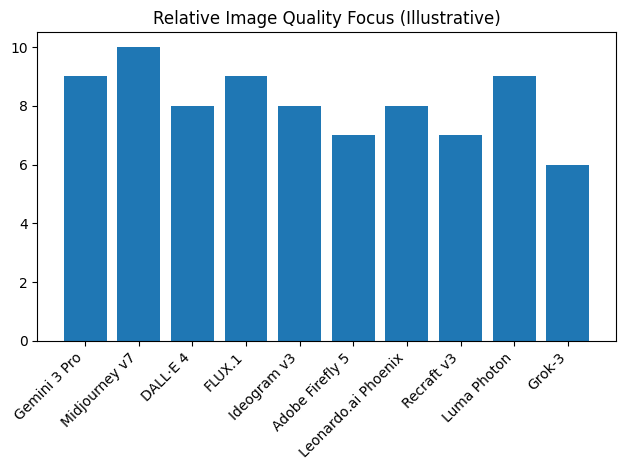
One of the most important changes shaping the current landscape is specialization. Rather than converging into a single universal solution, the best AI image generators for 2026 have become highly differentiated. Some platforms excel in photorealism and cinematic lighting, others dominate typography and graphic design accuracy, while several focus on native vector output, brand enforcement, or deep visual reasoning. This specialization reflects real-world needs, where different industries require different types of visual intelligence.
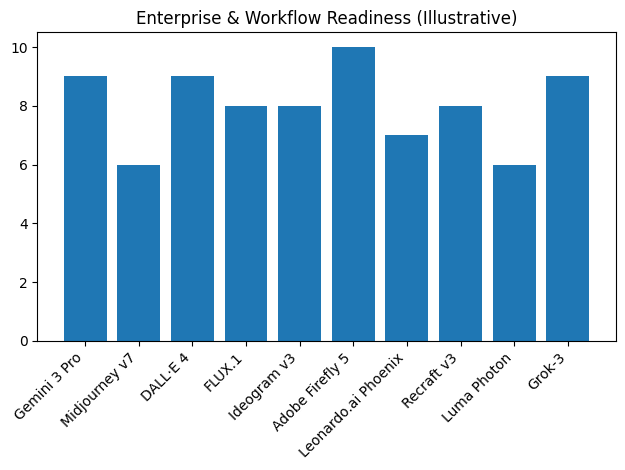
At the same time, AI image generation has expanded beyond single-image outputs. Modern platforms now support full visual workflows, including reference-based consistency, multi-image campaigns, automated resizing, brand-kit enforcement, and integration with marketing, design, and collaboration tools. Advanced systems can plan and execute multi-step visual tasks, reducing manual work and dramatically accelerating production timelines.

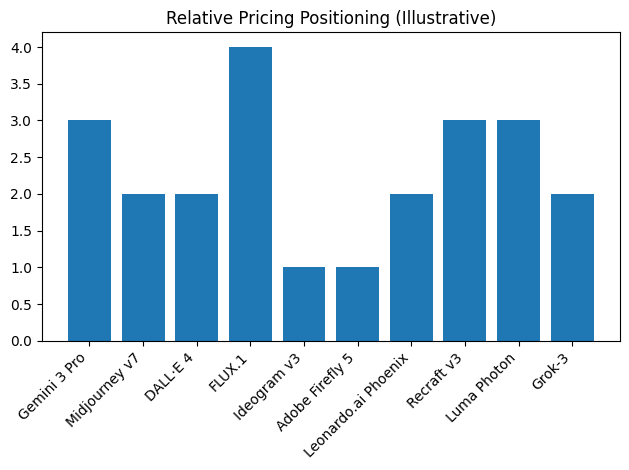
Enterprise adoption has also surged as legal and governance frameworks have matured. Clearer guidance around copyright, licensed training data, watermarking, and liability has made AI image generators viable for regulated industries such as finance, healthcare, legal services, and global advertising. Business leaders increasingly view AI image generation as a low-risk, high-impact investment rather than a compliance concern.

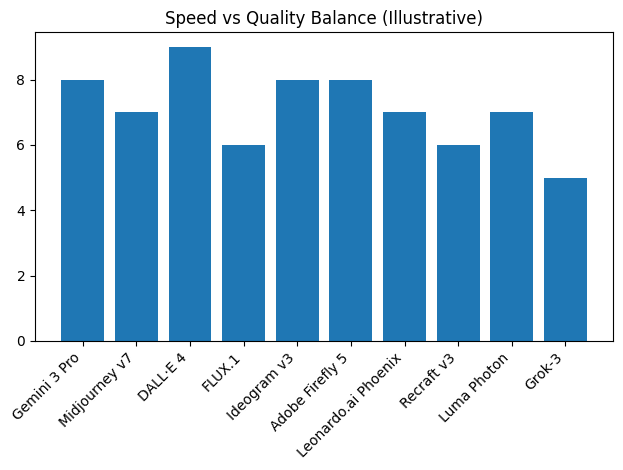
Economic impact is another major driver. Organizations using AI image generators consistently report faster campaign execution, lower creative costs, increased output, and measurable revenue gains. The ability to generate high-quality visuals on demand has fundamentally changed how teams experiment, iterate, and scale creative ideas. In many cases, AI image generators now function as productivity multipliers rather than creative replacements.
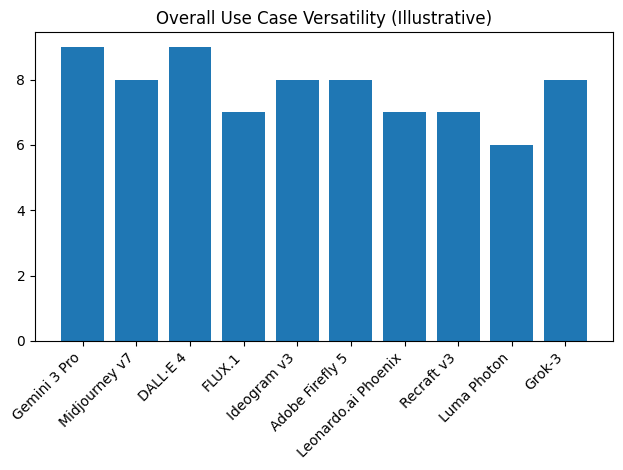
Infrastructure and sustainability considerations have also become central to the conversation in 2026. As models grow larger and more capable, energy consumption and hardware requirements have increased, pushing providers to innovate around efficiency, fast-generation modes, and on-device intelligence. The most forward-looking platforms are balancing image quality with environmental responsibility and operational efficiency.
User behavior has played a critical role in shaping these tools. Millennials and Gen Z dominate adoption, driving demand for intuitive interfaces, conversational refinement, reference-driven creation, and seamless integration into everyday workflows. Trust is increasingly concentrated among platforms that demonstrate transparency, consistency, and long-term reliability.
This guide to the top 10 best AI image generators for 2026 is designed to cut through the noise and provide a clear, practical view of the leading platforms shaping the future of visual creation. It examines how each tool performs across key dimensions such as image quality, use cases, scalability, pricing, enterprise readiness, and real-world applicability.
Whether you are a creator seeking artistic freedom, a business leader focused on ROI, or an enterprise team evaluating AI at scale, understanding the strengths and limitations of today’s leading AI image generators is essential. As 2026 unfolds, visual intelligence is no longer optional. It is becoming a defining layer of how ideas are communicated, products are marketed, and digital experiences are built.
Before we venture further into this article, we would like to share who we are and what we do.
About 9cv9
9cv9 is a business tech startup based in Singapore and Asia, with a strong presence all over the world.
With over nine years of startup and business experience, and being highly involved in connecting with thousands of companies and startups, the 9cv9 team has listed some important learning points in this overview of the Top 10 Best AI Image Generators for 2026.
If your company needs recruitment and headhunting services to hire top-quality employees, you can use 9cv9 headhunting and recruitment services to hire top talents and candidates. Find out more here, or send over an email to hello@9cv9.com.
Or just post 1 free job posting here at 9cv9 Hiring Portal in under 10 minutes.
Top 10 Best AI Image Generators for 2026
- Google Gemini 3 Pro Image (Nano Banana Pro)
- Midjourney v7
- OpenAI DALL-E 4
- FLUX.1
- Ideogram v3
- Adobe Firefly 5
- Leonardo.ai Phoenix
- Recraft v3
- Luma Photon
- xAI Grok-3
1. Google Gemini 3 Pro Image (Nano Banana Pro)

Google Gemini 3 Pro Image, internally known during development as Nano Banana Pro, has emerged as one of the most advanced AI image generators available in 2026. Designed with a strong focus on visual logic, layout accuracy, and text precision, this model is widely regarded as a benchmark solution for professional-grade image generation. Since its public release in late 2025, adoption has accelerated rapidly across creative, marketing, and enterprise use cases.
Positioning Within the AI Image Generator Landscape
Among the top AI image generators heading into 2026, Gemini 3 Pro Image stands out for its ability to solve long-standing challenges in generative visuals. Unlike earlier diffusion-based systems that struggled with typography, layout balance, and multi-image consistency, this model emphasizes reasoning-first image creation. As a result, it has gained traction among designers, agencies, and enterprise teams that require predictable and production-ready outputs.
Core Innovation: Thinking Mode and Visual Reasoning
One of the most defining features of Gemini 3 Pro Image is its Thinking Mode. Instead of directly rendering a final image from a prompt, the system generates interim visual drafts that test structure, composition, and logical placement. These internal “thought images” allow the model to validate spacing, hierarchy, and alignment before producing the final output.
This approach has proven especially valuable for complex assets such as infographics, posters, UI mockups, and marketing creatives with long-form text. In professional evaluations conducted in 2026, the model achieved perfect accuracy scores in graphic layout tasks, a category where many competing image generators still struggle.
Resolution, Consistency, and Reference Handling
Gemini 3 Pro Image supports native 4K output at 4096 by 4096 resolution, making it suitable for both digital and print-grade use cases. Beyond resolution, one of its most impactful capabilities is reference ingestion. The system can process up to 14 reference images in a single generation workflow, allowing it to maintain visual consistency across characters, products, or branding elements.
This functionality has positioned the model as a preferred choice for multi-image campaigns, storytelling sequences, and brand-driven creative pipelines where visual continuity is essential.
Access Levels and Feature Comparison
Below is a simplified comparison of the different access tiers available within the Gemini image generation ecosystem.
Service Level Access Method Resolution Support Primary Capability
Nano Banana Flash Gemini App (Free) Up to 1024 pixels Ultra-fast image generation under 2 seconds
Nano Banana Pro Premium Subscription Up to 4K resolution Deep visual reasoning and layout validation
Enterprise API Cloud AI Platform Custom configurations Real-time data grounding and scalability
This tiered structure allows individual creators, professionals, and large organizations to adopt the platform according to their operational needs and budget constraints.
Real-World Data Grounding and Context Awareness
A key differentiator of Gemini 3 Pro Image is its ability to ground visual generation in real-world data. By integrating directly with live information sources, the model can generate visuals that reflect current conditions such as weather patterns, market trends, or real-time events. For marketing, finance, and media teams, this capability enables the creation of timely and context-aware visuals without manual research or asset preparation.
Business Impact and Cost Efficiency
From a commercial perspective, Gemini 3 Pro Image has delivered measurable productivity gains. Marketing teams using the platform report content production speeds improving by approximately 70 percent compared to traditional design workflows. At the same time, reliance on external image editing and retouching services has dropped significantly, reducing per-image costs that previously ranged from moderate to high professional fees.
For organizations producing large volumes of visual content, these efficiencies translate into faster campaign launches, lower creative overhead, and more agile experimentation across channels.
Why It Ranks Among the Top AI Image Generators for 2026
As AI image generation continues to mature, differentiation increasingly depends on reliability, accuracy, and real-world usability rather than novelty alone. Gemini 3 Pro Image earns its place among the top AI image generators for 2026 by combining high-resolution output, logical image construction, reference-driven consistency, and real-time data grounding. Together, these capabilities position it as a practical and scalable solution for professionals who require more than stylistic visuals and instead demand precision, speed, and commercial readiness.
2. Midjourney v7

Midjourney v7 continues to be widely recognized as one of the most visually expressive AI image generators heading into 2026. Rather than focusing on strict prompt accuracy or technical layouts, the platform places its strength in artistic depth, cinematic lighting, and emotional atmosphere. Within the broader list of the top 10 AI image generators for 2026, Midjourney v7 occupies a distinct position as a tool built primarily for creative exploration, concept art, and visually rich storytelling.
Creative Direction and Visual Identity
Midjourney v7 is often described by industry professionals as the aesthetic leader among AI image generators. Its output consistently emphasizes mood, texture, and dramatic lighting, producing images that feel immersive and artistically refined. While some platforms focus on precision and structure, Midjourney v7 prioritizes visual impact and artistic interpretation.
This creative bias makes it especially popular among illustrators, game artists, filmmakers, and concept designers who value style and atmosphere over literal prompt execution. In visual benchmarking exercises, the model performs exceptionally well in fantasy art, surreal compositions, and cinematic scenes, where emotional tone and visual harmony matter most.
Strengths and Limitations in Professional Use
From a technical standpoint, Midjourney v7 is not optimized for detailed graphic design tasks or text-heavy visuals. The system continues to face challenges with complex typography, structured layouts, and exact placement of long-form text. As a result, its suitability for UI mockups, posters with dense copy, or infographics remains limited compared to more logic-driven image models.
However, where accuracy gives way to creativity, Midjourney v7 excels. Its ability to produce visually striking imagery with a strong sense of “vibe” and artistic soul remains largely unmatched in 2026. This balance clearly defines its role within professional creative pipelines.
Subscription Options and Target Users
Midjourney v7 offers several subscription tiers designed to accommodate different user groups, from hobbyists to large creative studios.
Subscription Tier Approximate Monthly Cost Image Generation Access Ideal User Profile
Basic Plan Entry-level pricing Limited monthly generations Casual creators and hobbyists
Standard / Pro Plans Mid-range pricing Unlimited relaxed generation Freelancers and professional designers
Mega Plan Premium pricing Priority processing capacity Agencies and game studios
This tiered approach allows users to scale usage based on workload intensity and production deadlines, making the platform flexible for both individual creators and commercial teams.
Omni Reference System and Visual Consistency
A major upgrade introduced in Midjourney v7 is the Omni Reference parameter, which replaces older character reference methods. This feature allows users to upload reference images and precisely guide the model to replicate subject likeness, stylistic patterns, or visual motifs across multiple generations.
For artists working on character development, branding visuals, or serialized creative projects, this improvement significantly enhances consistency while preserving Midjourney’s signature artistic freedom.
Platform Access and Community Ecosystem
Midjourney continues to operate primarily through its Discord-based workflow, supported by a refined web interface that improves accessibility and browsing. This community-driven environment remains a core part of the platform’s identity. Millions of users actively share prompts, variations, and creative experiments, contributing to one of the largest AI art communities in the world.
By 2025, the platform was already generating tens of millions of images per month, and this momentum has carried forward into 2026. The community aspect not only accelerates creative learning but also reinforces Midjourney’s influence on visual trends across digital art and design.
Why Midjourney v7 Ranks Among the Top AI Image Generators for 2026
Within the competitive field of AI image generation, Midjourney v7 stands apart by embracing artistry over precision. While it may not be the best choice for technical design or structured visual tasks, it remains a top-tier option for creators seeking depth, atmosphere, and expressive visuals. Its strong aesthetic identity, improved reference control, flexible subscription tiers, and massive creative community secure its place among the top 10 AI image generators shaping visual content creation in 2026.
3. OpenAI DALL-E 4

OpenAI DALL-E 4 continues to rank among the top AI image generators for 2026, largely due to its unmatched accessibility and seamless integration within the ChatGPT ecosystem operated by OpenAI. Designed for ease of use rather than technical complexity, DALL-E 4 appeals strongly to everyday users, marketers, and business teams that want fast, reliable image generation without learning advanced prompt structures.
Market Reach and User Adoption
By mid-2025, the ChatGPT platform was already recording billions of monthly visits, giving DALL-E 4 instant exposure to one of the largest AI user bases in the world. This distribution advantage translated directly into adoption. Entering 2026, DALL-E 4 accounts for more than two-fifths of all generative AI application downloads globally, reinforcing its position as the most widely used AI image generator among non-technical audiences.
This level of reach makes DALL-E 4 a default choice for users who want image generation embedded directly into their existing workflows rather than operating as a standalone creative tool.
Conversational Image Editing as a Core Differentiator
One of the defining strengths of DALL-E 4 is its conversational editing experience. Instead of requiring long, technical prompts, users can refine images through simple dialogue. Requests such as adjusting lighting, changing backgrounds, or modifying objects can be handled through natural language follow-up messages.
This interaction model dramatically lowers the learning curve and removes the need for prompt engineering expertise. For many users, especially those outside creative professions, this conversational approach is what sets DALL-E 4 apart from more complex AI image generators.
Image Quality and Visual Limitations
While DALL-E 4 excels in usability, it is not without limitations. The platform has been consistently noted for producing images with a recognizable artificial polish. Photorealistic outputs may appear overly smooth or resemble commercial stock photography rather than authentic real-world images.
For creative professionals seeking cinematic realism or artistic texture, this visual style can feel restrictive. However, for marketing drafts, presentations, social media visuals, and internal documents, this consistency often works in the platform’s favor by delivering clean and predictable results.
Enterprise Readiness and Business Use Cases
DALL-E 4 is included within premium ChatGPT subscription tiers, making it readily available to businesses without requiring separate licensing. This bundling strategy positions the model as a general-purpose visual tool rather than a niche creative solution.
Common enterprise use cases include marketing mockups, pitch decks, blog illustrations, internal training materials, and concept visuals. While it may not outperform specialist tools in any single creative category, it delivers reliable results across a wide range of business needs.
Subscription Access and Practical Utility
Access to DALL-E 4 is bundled into existing ChatGPT paid plans, simplifying procurement for teams and organizations.
Access Tier Included With Subscription Typical Use Case
Individual Users Premium ChatGPT plan Everyday image generation and content support
Business Teams Enterprise ChatGPT plans Marketing visuals and internal communications
This structure reinforces DALL-E 4’s reputation as a flexible, all-purpose image generator rather than a high-end artistic engine.
Why DALL-E 4 Remains a Top AI Image Generator for 2026
In the evolving list of the top 10 AI image generators for 2026, DALL-E 4 stands out not because it is the most artistic or technically advanced, but because it is the most approachable. Its conversational editing, massive built-in user base, and tight integration with widely used AI workflows make it the preferred choice for general users and business environments.
As AI image generation continues to expand beyond creative specialists into everyday productivity, DALL-E 4’s simplicity, reach, and versatility ensure it remains a central player in the AI visual ecosystem.
4. FLUX.1


FLUX.1 has established itself as one of the most technically advanced AI image generators going into 2026. It is widely recognized as a leading transformer-based, open-weight model that gives developers and advanced creators far greater control than closed, consumer-focused platforms. Within the broader list of the top 10 AI image generators for 2026, FLUX.1 is positioned as a power tool built for customization, realism, and professional experimentation rather than casual image creation.
Technical Focus and Developer Appeal
Unlike many popular AI image generators that prioritize ease of use, FLUX.1 is designed for users who want full control over how images are generated. Its open-weight architecture allows developers to run the model locally or deploy it in private cloud environments, making it highly attractive for research teams, startups, and technical creators who require transparency and flexibility.
With a parameter count approaching 12 billion, FLUX.1 Pro delivers exceptional detail, depth, and realism. In independent performance evaluations, it consistently outperforms older diffusion-based systems, achieving higher visual quality scores and stronger photorealistic outputs. This has made it a preferred choice for applications such as product visualization, cinematic stills, and high-resolution concept imagery.
Model Variants and Performance Characteristics
FLUX.1 is available in multiple variants, each designed for different use cases and performance needs. The differences mainly relate to speed, image quality, and licensing flexibility.
Model Variant Availability Type Generation Speed Visual Quality Level Typical Use Case
FLUX.1 Pro API-based access Slower processing Highest quality output Professional production and realism-focused work
FLUX.1 Standard Non-commercial release Moderate speed High-quality images Research, testing, and prototyping
FLUX.1 Open Permissive license Fast generation Good visual fidelity Real-time workflows and experimentation
This structured lineup allows teams to select the version that best matches their technical resources and production goals.
Hardware Requirements and Deployment Considerations
One of the main trade-offs with FLUX.1 is its hardware demand. Running the model efficiently requires substantial computing resources, typically more than 12 GB of video memory for stable performance. This makes it less suitable for average consumer machines without dedicated GPUs.
To address this challenge, many users deploy FLUX.1 through specialized cloud environments optimized for AI workloads. When configured correctly, these setups can significantly reduce image generation times compared to running the model on local consumer hardware. In optimized environments, high-quality images are often produced in well under a minute, making the model practical even for time-sensitive professional tasks.
Cloud Optimization and Workflow Efficiency
When deployed on high-performance cloud GPUs, FLUX.1 benefits from optimized memory handling and parallel processing. These configurations can cut generation time by up to half compared to local setups, while also enabling batch processing and higher resolution outputs.
For teams working on large image volumes or iterative visual testing, this efficiency translates into faster turnaround times and more consistent results, reinforcing FLUX.1’s reputation as a serious production-grade image generator.
Why FLUX.1 Ranks Among the Top AI Image Generators for 2026
FLUX.1 earns its place among the top AI image generators for 2026 by focusing on power, openness, and realism rather than simplicity. While it demands stronger hardware and technical knowledge, it rewards users with superior image detail, customizable workflows, and full control over deployment.
For developers, researchers, and professional creators who prioritize accuracy, photorealism, and system-level flexibility, FLUX.1 stands out as one of the most capable and future-ready AI image generation platforms available today.
5. Ideogram v3

Ideogram v3 has firmly established itself as one of the most practical and business-focused AI image generators among the top 10 AI image generators for 2026. Developed by Ideogram, the platform is widely recognized for its strength in combining image generation with precise text rendering, making it especially valuable for graphic design, branding, and marketing use cases.
Positioning and Core Strengths
Unlike many AI image generators that struggle with readable text and layout accuracy, Ideogram v3 is built specifically to handle typography and prompt alignment with high reliability. Independent human evaluations consistently rate it above competing platforms when it comes to placing text correctly within images, maintaining spacing, and matching the user’s intent.
This focus makes Ideogram v3 a preferred choice for users who need visuals that are immediately usable for commercial purposes rather than purely artistic experimentation.
Style Reference and Brand Consistency
A major advancement introduced in Ideogram v3 is the Style Reference feature. This capability allows creators to upload up to three reference images that guide the overall look and feel of generated visuals. By doing so, users can control color palettes, typography styles, and design tone without writing complex prompts.
For brands, agencies, and entrepreneurs, this feature significantly simplifies the process of maintaining visual consistency across logos, posters, social media creatives, and landing page assets.
Use Cases Across Business and Design
Ideogram v3 is particularly effective for tasks that require both imagery and text to work together seamlessly. Common use cases include logo creation, promotional banners, event posters, product labels, and early-stage landing page concepts.
Because the platform delivers clean, readable, and structured designs, it reduces the need for manual editing or external design tools. This makes it especially attractive to small businesses and solo founders who want professional-looking visuals without hiring a designer.
Pricing Structure and Access Options
Ideogram v3 offers a flexible pricing model that supports casual users, professionals, and developers alike.
Pricing Tier Monthly Cost Key Features Target User
Free Version No cost Limited generations, watermarked Testing and casual use
Basic Plan Low monthly fee Full-resolution images, credit-based Small businesses and creators
Pro Plan Mid-range pricing Private generations, priority access Professional designers and teams
API Access Per-image pricing Scalable integration Developers and platforms
This structure allows users to scale usage as their design needs grow, while keeping costs predictable and accessible.
Performance and Generation Speed
With an average image generation time of approximately 12 seconds, Ideogram v3 strikes a strong balance between quality and speed. This performance level supports rapid iteration without sacrificing layout accuracy or text clarity.
For users producing multiple design variations, this throughput enables faster decision-making and reduces overall production time compared to traditional design workflows.
Cost Efficiency and Business Impact
By automating tasks that previously required graphic designers or expensive software, Ideogram v3 significantly lowers design costs. Small business owners and entrepreneurs can now generate high-quality marketing assets at a fraction of traditional expenses, while still achieving professional-grade results.
This efficiency makes Ideogram v3 not only a creative tool but also a practical business solution within the evolving AI design ecosystem.
Why Ideogram v3 Ranks Among the Top AI Image Generators for 2026
Ideogram v3 earns its place among the top AI image generators for 2026 by solving one of the most persistent problems in AI visuals: accurate and usable text. Its strong prompt alignment, typography precision, style control, and accessible pricing make it a standout choice for commercial design work.
For users who prioritize clarity, branding consistency, and real-world usability over abstract artistic output, Ideogram v3 represents one of the most reliable and cost-effective AI image generation platforms available in 2026.
6. Adobe Firefly 5

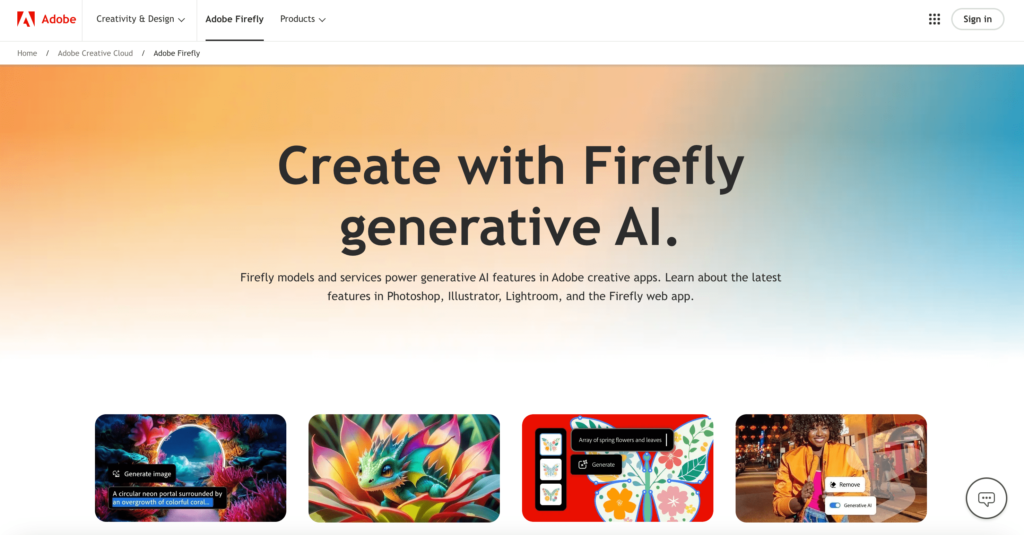
Adobe Firefly 5 has become one of the most trusted AI image generators for professional designers in 2026, especially those already working inside the ecosystem of Adobe. Rather than competing on experimental artistry or extreme realism, Firefly 5 is designed to enhance existing creative workflows with reliable, legally safe, and production-ready AI capabilities.
Professional Positioning and Core Design Philosophy
Firefly 5 is built with working designers and enterprises in mind. It focuses on practical design tasks such as generative fill, text-based effects, background extensions, and vector-aware image generation. Its strength lies not in standalone image creation, but in supporting real-world design processes that require precision, consistency, and legal clarity.
For agencies, brands, and in-house creative teams, Firefly 5 functions as an AI assistant embedded directly into familiar tools rather than a separate experimental platform.
Commercially Safe Training and Legal Assurance
One of the most important advantages of Adobe Firefly 5 is its commercially safe training approach. The model is trained primarily on licensed Adobe Stock content and approved datasets, which allows Adobe to offer legal protection to enterprise users.
This assurance is critical for businesses producing marketing materials, advertisements, packaging, and branded assets at scale. Unlike many AI image generators that raise concerns around copyright and usage rights, Firefly 5 is positioned as a low-risk option for commercial deployment.
Integration With Professional Design Workflows
Firefly 5 is deeply integrated into Adobe’s flagship creative applications. Designers can use AI-powered features directly inside image editing and vector design environments without switching tools or exporting assets.
This tight integration enables seamless workflows where AI-generated elements can be edited, layered, masked, and refined using traditional design controls. For professionals, this reduces friction and preserves creative control while still benefiting from automation.
Typical AI-Assisted Design Tasks
Firefly 5 is commonly used for the following professional scenarios
Background replacement and scene expansion
Text effects and stylized typography
Object removal and generative fill
Vector-friendly illustrations and layered assets
These capabilities make it especially useful for advertising creatives, social media assets, product visuals, and presentation graphics.
Image Quality and Creative Limitations
In terms of pure image realism, Firefly 5 does not aim to outperform highly specialized photorealistic models. It can occasionally struggle with complex anatomy, dynamic poses, or highly cinematic compositions. As a result, it may not be the first choice for fantasy art, hyper-realistic portraits, or concept art-heavy workflows.
However, for structured design tasks where accuracy, consistency, and editability matter more than visual drama, Firefly 5 delivers dependable results.
Pricing Structure and Value for Adobe Users
Firefly 5 is offered as part of Adobe’s broader subscription ecosystem, making it especially cost-effective for existing users.
Access Tier Starting Cost Included Benefits Ideal User
Individual Designers Entry-level pricing Monthly generative credits Freelancers and solo creators
Creative Teams Bundled subscriptions Shared credits and collaboration tools Agencies and in-house teams
Enterprise Plans Custom pricing Legal indemnity and scale Large organizations
With a relatively low monthly entry cost and included generative credits, Firefly 5 becomes an affordable AI upgrade rather than a separate investment.
Business Impact and Efficiency Gains
By automating repetitive editing tasks and accelerating ideation, Firefly 5 helps teams reduce turnaround time without disrupting established processes. Designers can explore variations faster, make real-time adjustments, and deliver polished assets more efficiently.
For enterprises already standardized on Adobe tools, this results in measurable productivity gains with minimal retraining or workflow changes.
Why Adobe Firefly 5 Ranks Among the Top AI Image Generators for 2026
Adobe Firefly 5 earns its place among the top AI image generators for 2026 by prioritizing professional reliability over experimental creativity. Its legally safe training data, deep integration with industry-standard tools, and focus on real-world design needs make it a trusted choice for commercial environments.
For designers and organizations that value compliance, workflow continuity, and practical AI assistance, Adobe Firefly 5 stands out as one of the most business-ready and dependable AI image generation platforms available in 2026.
7. Leonardo.ai Phoenix

Leonardo.ai Phoenix has become a strong contender among the top 10 AI image generators for 2026, particularly for users who need more control than general-purpose image tools but less complexity than fully open technical models. Developed by Leonardo.ai, the Phoenix model is positioned as a hybrid solution that combines high-quality image generation with deep customization, making it especially relevant for gaming, entertainment, and brand-driven visual production.
Positioning and Industry Focus
Leonardo.ai Phoenix is designed to sit between artistic experimentation and structured design production. Its strongest adoption has come from game studios, digital artists, and entertainment teams that need consistent visual assets such as characters, environments, props, and promotional artwork.
Unlike platforms built mainly for casual creativity, Phoenix is optimized for repeatable workflows where visual style, asset consistency, and iteration speed matter. This makes it a practical choice for teams working on long-term creative projects.
Custom Model Support and Style Control
The most important differentiator of Leonardo.ai Phoenix is its Custom Model Support. This feature allows users to train their own AI models using proprietary artwork, brand visuals, or specific artistic styles. Once trained, these custom models can be reused across projects to generate visuals that remain consistent over time.
For studios and brands, this eliminates the need to repeatedly fine-tune prompts to maintain a recognizable look. Instead, the model itself learns and preserves the desired style, improving efficiency and creative consistency.
Use Cases Across Different User Segments
Leonardo.ai offers multiple models tailored to different professional needs. Phoenix is the primary choice for structured asset creation, while other models support broader creative tasks.
User Type Recommended Model Primary Use Case
Game Developers Leonardo Phoenix Rapid prototyping of characters and environments
Content Creators Leonardo Diffusion High-quality visuals for social and digital media
Marketing Teams Brand-trained models Consistent visuals across campaigns
This flexibility allows a single platform to support multiple departments within the same organization.
Advanced Tools and Enterprise Capabilities
Leonardo.ai Phoenix includes advanced generation tools that enhance realism and control. Features such as high-fidelity rendering modes and photorealistic enhancements allow users to fine-tune outputs based on the intended application.
For enterprise users, the platform provides a robust API that supports multiple concurrent image generations. This enables automation, batch processing, and integration into existing production pipelines, which is essential for studios and platforms operating at scale.
Performance and Workflow Efficiency
The platform is designed for fast iteration without sacrificing quality. By allowing multiple image generations to run simultaneously, teams can test variations quickly and move from concept to final asset in less time.
This efficiency is particularly valuable in game development and entertainment, where visual assets often go through many revisions before approval.
Pricing Structure and Accessibility
Leonardo.ai maintains a balanced pricing model that supports both experimentation and professional use.
Access Tier Cost Structure Key Benefits
Free Access No cost Daily fast generations for testing and learning
Entry Paid Plans Low monthly pricing Expanded limits and faster processing
Professional Plans Higher-tier pricing Custom models, API access, studio-level usage
This approach makes the platform accessible to hobbyists while still meeting the demands of professional studios and agencies.
Why Leonardo.ai Phoenix Ranks Among the Top AI Image Generators for 2026
Leonardo.ai Phoenix earns its place among the top AI image generators for 2026 by focusing on customization, consistency, and industry-specific needs. Its ability to train custom models, support enterprise workflows, and deliver reliable asset generation makes it especially valuable for gaming, entertainment, and brand-focused teams.
For users who need more than one-off images and instead require scalable, repeatable visual production, Leonardo.ai Phoenix stands out as a powerful and flexible AI image generation platform well suited for professional use in 2026.
8. Recraft v3

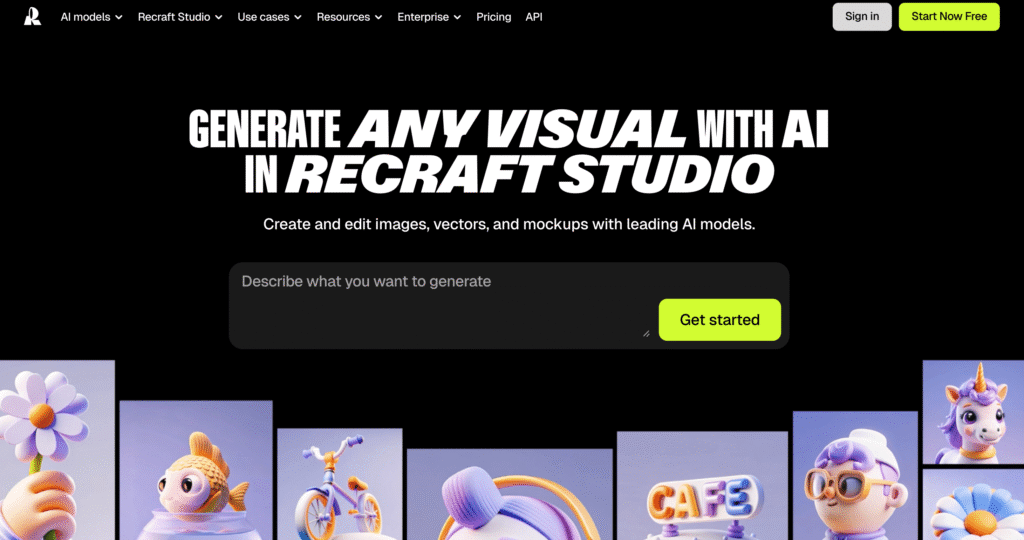
Recraft v3 has secured a unique position among the top 10 AI image generators for 2026 by focusing on professional design needs that most image models still fail to address. Developed by Recraft, this model is built specifically for designers who require precision, scalability, and strict brand control rather than purely artistic or photorealistic outputs.
Native Vector Graphics and Scalable Design
What truly differentiates Recraft v3 from other AI image generators is its ability to generate native Scalable Vector Graphics. Unlike raster-based images that lose quality when resized, vector outputs remain sharp at any resolution. This capability is essential for branding systems, icon libraries, motion graphics, and animation pipelines where assets must be reused across different screen sizes and formats.
For logos, UI elements, illustrations, and print-ready graphics, this vector-first approach eliminates the need for manual redrawing or conversion, saving significant production time.
Model Architecture and Technical Performance
Recraft v3 is powered by a large-scale architecture with approximately 20 billion parameters. This scale allows the model to handle complex visual structures with greater accuracy than earlier generations. It excels in object positioning, proportional consistency, and detailed anatomy, areas where many legacy models struggle.
Because of this, Recraft v3 is particularly effective for illustrations that require clean geometry, balanced layouts, and consistent visual logic rather than abstract or painterly styles.
Conversational Creation Through Agentic Mode
A standout feature of Recraft v3 is its Agentic Mode, which transforms the image creation process into a guided conversation. Instead of issuing multiple isolated prompts, designers can interact with the model as if it were a digital co-pilot.
Through a single conversational flow, users can generate entire icon systems, illustration sets, or brand-aligned visuals. The model understands context across requests, allowing iterative refinement without restarting the creative process each time.
Brand Control and Design Precision
Recraft v3 is designed with strict brand adherence in mind. Designers can define exact color values using hex codes, specify typography styles, and enforce visual constraints that align with established brand guidelines.
This level of control makes it particularly valuable for corporate branding, SaaS design systems, and marketing teams that need consistency across large volumes of visual assets. Instead of approximating brand colors or styles, the model follows defined rules with high reliability.
Common Professional Use Cases
Recraft v3 is most commonly adopted in workflows where scalability and consistency are critical
Logo systems and brand icon libraries
UI and UX illustration assets
Marketing illustrations and diagrams
Vector-ready visuals for animation and motion design
These use cases highlight Recraft’s focus on design infrastructure rather than one-off image creation.
Capability Comparison Against Traditional Image Models
Feature Area Recraft v3 Strength Level Typical Raster Image Models
Vector output Native SVG generation Raster only
Brand color precision Exact hex code control Approximate matching
Layout consistency High Medium
Scalability Resolution-independent Resolution-dependent
This comparison shows why Recraft v3 fills a gap that many popular AI image generators still leave unaddressed.
Why Recraft v3 Ranks Among the Top AI Image Generators for 2026
Recraft v3 earns its place among the top AI image generators for 2026 by redefining how AI supports professional design systems. Its native vector output, conversational design workflow, and strict brand control make it especially valuable for teams that prioritize consistency, scalability, and production readiness.
For designers, brands, and product teams looking to generate reusable visual assets rather than static images, Recraft v3 stands out as one of the most specialized and forward-looking AI image generation platforms available in 2026.
9. Luma Photon

Luma Photon has emerged as a distinctive entry among the top 10 AI image generators for 2026, especially for professionals who value realism, mood, and cinematic accuracy over exaggerated visual effects. Developed by Luma AI, Photon is designed to move away from the overly saturated and artificial look often associated with AI-generated images, instead delivering visuals that resemble professional photography and film stills.
Cinematic Visual Quality and Design Philosophy
Luma Photon is built around the idea of visual storytelling rather than decorative imagery. Its image outputs emphasize balanced lighting, natural color grading, and realistic depth, making them suitable for cinematic and documentary-style use cases. Instead of pushing bold colors or dramatic distortion, the model focuses on subtle tones and believable environments.
This approach makes Photon especially appealing to users who need images that feel authentic and grounded, such as architects, filmmakers, and visual storytellers.
Resolution Support and Image Fidelity
Photon supports image generation at resolutions up to 2K, which provides sufficient detail for presentations, pre-visualization, and digital publishing. While it does not aim to compete with ultra-high-resolution studio tools, it delivers strong clarity and visual coherence at this resolution level.
The model performs particularly well when working with layered scenes, complex environments, and detailed character compositions. It preserves spatial relationships and lighting consistency across elements, which is critical for professional visual planning.
Reference-Driven Generation and Style Consistency
One of Photon’s strongest capabilities is reference-driven image generation. Users can guide the model using visual references, allowing it to maintain consistent style, tone, and composition across multiple images. This is especially useful for projects that require visual continuity, such as film storyboards, architectural concepts, or narrative sequences.
Photon’s ability to respect reference inputs makes it a reliable tool for iterative workflows where consistency matters more than experimentation.
Industry Adoption and Practical Use Cases
Luma Photon has gained popularity in industries where visual realism is essential. Architects use it to generate clean, realistic building visuals and environmental studies. Filmmakers rely on it for mood boards, scene exploration, and cinematic concept frames, particularly in styles such as film noir or documentary realism.
Because the images feel less synthetic, Photon outputs are often easier to present to clients and stakeholders without extensive explanation or post-processing.
Photon Flash and High-Volume Workflows
For users who need speed and efficiency, Luma Photon offers a faster variant known as Photon Flash. This version is optimized for rapid generation and cost efficiency, making it suitable for high-volume tasks such as storyboarding, rapid concept testing, and early-stage visual prototyping.
Photon Flash allows teams to iterate quickly without sacrificing overall visual coherence, which is essential in fast-paced creative environments.
Variant Comparison and Use Case Overview
Photon Variant Generation Speed Visual Fidelity Ideal Use Case
Photon Standard Moderate High, cinematic Film concepts and architectural visuals
Photon Flash Fast Balanced Storyboards and rapid prototyping
This tiered approach gives users flexibility based on their quality and speed requirements.
Why Luma Photon Ranks Among the Top AI Image Generators for 2026
Luma Photon earns its place among the top AI image generators for 2026 by focusing on realism, cinematic quality, and professional visual thinking. Its resistance to exaggerated AI styling, strong reference handling, and industry-specific appeal make it a valuable tool for serious creative and technical professionals.
For users who prioritize believable imagery, consistent visual narratives, and film-grade aesthetics, Luma Photon stands out as one of the most refined and purpose-driven AI image generation platforms available in 2026.
10. xAI Grok-3


xAI Grok-3 has emerged as one of the most technically ambitious systems among the top 10 AI image generators for 2026, not because of artistic style, but due to its unmatched computational scale and reasoning-first design. Developed by xAI, Grok-3 is positioned as a research-driven visual intelligence model that blends image generation with deep analytical and scientific reasoning.
Massive Scale and Training Infrastructure
Grok-3 represents a significant leap in model scale compared to previous generations of AI systems. It was trained using an enormous supercomputing infrastructure built on hundreds of thousands of high-end GPUs. This scale allowed the model to learn from trillions of data points, giving it advanced capabilities in logic, mathematics, and structured reasoning.
Rather than focusing purely on visual creativity, Grok-3 is optimized to understand, analyze, and explain complex problems before producing outputs. This makes it fundamentally different from image generators designed primarily for art or design.
Reasoning-First Image Generation Approach
A defining feature of Grok-3 is its visual reasoning workflow. Before generating an image or visualization, the system performs a deep analytical process often referred to as Deep Search reasoning. This means it evaluates the problem, explains its internal logic, and then produces a visual output that reflects structured understanding rather than surface-level pattern matching.
This approach is especially valuable for technical and research-oriented use cases where clarity, accuracy, and interpretability are more important than aesthetic flair.
Performance Benchmarks and Analytical Strength
Grok-3 consistently achieves industry-leading results across logic, expertise, and mathematical reasoning benchmarks. These scores highlight its strength as an analytical engine rather than a traditional creative image model.
Benchmark Area Grok-3 Performance Level Industry Position
Logical reasoning Extremely high accuracy Category leader
Expert knowledge tasks Advanced problem-solving Category leader
Mathematical reasoning Frontier-level performance Among the best
Response latency Near real-time processing Optimized for speed
This performance profile explains why Grok-3 is frequently used in environments that demand fast, accurate, and explainable outputs.
Visual Capabilities and Practical Limitations
Grok-3 supports multimodal input and output, allowing it to process text, data, and images together. Its visual generation capabilities are particularly strong when used for charts, scientific illustrations, data-driven visuals, and explanatory diagrams.
However, the system is not optimized for native vector graphics or brand-focused design assets. It struggles with tasks that require scalable SVG outputs or precise stylistic control, which limits its usefulness for traditional graphic design or branding workflows.
Real-Time Research and Data Visualization Use Cases
Where Grok-3 excels is real-time research and complex data visualization. Analysts, researchers, and technical professionals use it to explore large datasets, generate explanatory visuals, and understand complex systems quickly.
Typical applications include
Scientific data visualization
Mathematical and statistical explanation graphics
Technical research summaries
Exploratory analysis visuals
These use cases position Grok-3 closer to an analytical visualization engine than a creative image generator.
Access Model and User Profile
Grok-3 is accessed through a premium subscription tier within its ecosystem, making it primarily available to advanced users rather than casual creators.
Access Tier Monthly Cost Range Intended User Type
Premium subscription Moderate pricing Researchers and power users
This pricing and positioning reflect its role as a specialized intelligence tool rather than a mass-market design platform.
Why Grok-3 Ranks Among the Top AI Image Generators for 2026
xAI Grok-3 earns its place among the top AI image generators for 2026 by redefining what image generation can mean in a research and reasoning context. Instead of focusing on visual style or brand design, it prioritizes understanding, explanation, and analytical depth.
For users who need real-time reasoning, scientific visualization, and deep analytical insight combined with visual output, Grok-3 stands out as one of the most powerful and intellectually advanced AI systems available in 2026.
Market Dynamics and Economic Forecasting for 2026
The global AI image generation market is entering 2026 with strong economic momentum. Growth is being driven by heavy private investment, expanding enterprise adoption, and clear financial returns for early users. Rather than being viewed as experimental tools, AI image generators are increasingly treated as core digital infrastructure across creative, marketing, and media-driven industries.
Private Investment and Capital Momentum
Private funding has played a central role in accelerating the AI image generation ecosystem. Investment levels reached historic highs in recent years, enabling companies to rapidly scale compute infrastructure, improve model quality, and expand access worldwide.
In 2024, private AI investment in the United States exceeded one hundred billion dollars, far outpacing other major economies. Generative AI alone attracted tens of billions in global funding, reflecting strong investor confidence in commercial applications such as image generation, content automation, and visual intelligence.
This capital inflow has allowed AI image platforms to support a rapidly growing global user base, now estimated to include well over one hundred million daily active users. As demand rises, providers continue to invest heavily in data centers, GPUs, and optimization technologies to maintain performance and reliability.
Global Market Expansion and Regional Growth Patterns
AI image generation adoption is expanding across all major regions, though growth rates and market maturity vary significantly.
Region Market Share Outlook Growth Characteristics
North America Largest global share Innovation hub with rapid enterprise adoption
Europe Strong secondary market Accelerated growth led by creative and regulatory alignment
Asia Pacific Fastest growth rate Expanding consumer and developer adoption
Latin America Emerging market Gradual uptake across creative industries
Middle East and Africa Early-stage adoption Long-term growth potential
North America continues to lead due to early investment, strong startup ecosystems, and widespread enterprise usage. Europe follows closely, supported by creative industries and increasing adoption in advertising and design. Asia Pacific stands out as the fastest-growing region, driven by a large digital population and strong interest in AI-powered creative tools.
Industry Adoption and Commercial Use Cases
The distribution of AI image generation usage across industries shows a clear shift from experimentation to operational reliance. Media and entertainment currently account for the largest share, driven by demand for rapid content production, visual storytelling, and personalized experiences.
Marketing and advertising adoption is expanding even faster. Organizations in this sector report some of the strongest financial returns, using AI image generators to reduce production costs, accelerate campaign creation, and increase creative output at scale.
Industry Segment Adoption Trend Primary Value Driver
Media and entertainment Market leader High-volume visual content creation
Marketing and advertising Rapid expansion Strong return on investment
E-commerce and retail Growing adoption Product visualization and branding
Education and research Emerging usage Visual explanations and learning tools
Return on Investment and Business Impact
One of the strongest indicators of long-term market stability is return on investment. Companies adopting generative AI for visual content consistently report multiple times return on every dollar spent. Cost savings come from reduced reliance on traditional design workflows, faster turnaround times, and the ability to test more creative variations without increasing budgets.
For many organizations, AI image generators now function as productivity multipliers rather than cost centers. This shift is a major reason why funding, adoption, and user growth continue to rise simultaneously.
Infrastructure Scaling and User Demand
The growing daily active user base places increasing pressure on infrastructure. AI image platforms are responding by investing in larger compute clusters, more efficient model architectures, and hybrid cloud deployment strategies. These investments ensure stable performance even as usage scales across regions and industries.
As platforms mature, infrastructure efficiency becomes a competitive advantage, enabling faster generation times, higher image quality, and lower per-image costs.
Economic Outlook for AI Image Generators in 2026
Looking ahead, the economic outlook for AI image generators remains highly positive. Strong investment, expanding regional adoption, and proven ROI are positioning these tools as foundational technology rather than niche creative software.
By 2026, AI image generation is expected to be deeply embedded across marketing, media, product design, and enterprise workflows. This shift from novelty to necessity ensures continued growth, sustained investment, and long-term market stability for leading AI image generation platforms.
Technological Architectures and Scaling Laws
By 2026, the technology behind leading AI image generators has advanced far beyond early-generation diffusion models. The industry has largely shifted toward transformer-based systems and multimodal reasoning engines that can understand prompts more deeply and generate images with higher accuracy. This architectural evolution plays a major role in why the top 10 AI image generators for 2026 deliver more realistic visuals, better anatomy, and stronger alignment with user intent.
From Diffusion Models to Advanced Reasoning Systems
Earlier AI image generators relied heavily on diffusion-based approaches that focused on gradually refining noise into an image. While effective at the time, these models often struggled with complex prompts, human anatomy, and spatial logic.
Modern image generators now combine diffusion techniques with transformer architectures and reasoning layers. This allows models to interpret language more precisely, understand relationships between objects, and correct errors before image generation begins. As a result, images are more coherent, structurally sound, and closer to professional-quality outputs.
Scaling Laws and the Role of Model Size
A key driver of performance improvement in AI image generation is the application of scaling laws. These laws show a strong correlation between the number of model parameters and output quality. As parameter counts increase, models gain a better understanding of visual concepts, proportions, and contextual details.
Many of the top AI image generators in 2026 operate with parameter sizes that are several times larger than earlier benchmarks. This increase directly contributes to improvements in prompt accuracy, facial structure, body proportions, and scene consistency.
Comparison of Model Architectures and Capabilities
Model Name Estimated Parameters Architecture Type Key Capability
Stable Diffusion XL Billions-level Latent diffusion Native high-resolution output
Stable Cascade Multi-billion scale Multi-stage diffusion Improved image refinement
FLUX.1 11.9 billion Transformer-based Strong realism and prompt control
Recraft v3 20.0 billion Specialized generative system Native vector and SVG output
Grok-3 Trillions-scale Mixture of Experts Deep reasoning and analysis
This progression highlights how newer systems prioritize reasoning, structure, and specialized outputs rather than raw image generation alone.
Thinking Modes and Chain-of-Thought Processing
One of the most important advancements in 2026 image generators is the introduction of Thinking modes, also known as chain-of-thought processing. Instead of immediately rendering an image, these systems first analyze the prompt, reason through composition and logic, and validate spatial relationships.
Models such as Google’s Gemini 3 Pro and xAI’s Grok-3 exemplify this approach. They evaluate instructions step by step before generating any visual output, reducing common errors such as incorrect object placement, distorted anatomy, or illogical scenes.
This reasoning-first workflow represents a major leap in image generation reliability and is a defining feature of premium AI image generators in 2026.
Performance Trade-Offs and Generation Speed
Deep reasoning comes at a computational cost. High-end models that use Thinking modes often require significantly more processing time per image. Generation times can range from several tens of seconds to over a minute, depending on complexity and resolution.
To address high-volume needs, many platforms also offer faster variants designed for speed rather than deep reasoning. These versions prioritize rapid output and are commonly used for tasks such as prototyping, storyboarding, or bulk content creation.
Model Variant Type Average Generation Time Typical Use Case
Reasoning-based models Slower processing High-accuracy and complex visuals
Fast or Flash variants Near-instant output High-throughput and rapid iteration
This dual-model strategy allows platforms to serve both professional accuracy-focused users and speed-focused production workflows.
Why Architecture Matters for AI Image Generators in 2026
The shift toward advanced architectures and scaling-driven performance is a key reason why AI image generators in 2026 are more reliable and versatile than ever before. Larger models, transformer-based reasoning, and Thinking modes enable better understanding of prompts and more consistent results.
For users evaluating the top 10 AI image generators for 2026, understanding these architectural differences helps explain why certain platforms excel in realism, design accuracy, or analytical visualization. As computational efficiency improves, these advanced architectures are expected to become the standard foundation for next-generation AI image generation.
Enterprise Integration and Agentic Workflows
By 2026, enterprise use of AI image generators has moved far beyond standalone web tools. Organizations now deploy these systems as part of fully integrated, agent-driven workflows that operate inside existing business software. This shift has transformed AI image generation from a creative add-on into a core operational capability across marketing, product development, HR, and data-driven industries.
Agentic Workflows and Automated Execution
Modern enterprise deployments rely on agentic workflows, where AI agents can plan, coordinate, and execute multiple steps without constant human input. Instead of generating a single image on demand, these agents can handle entire workflows end to end.
A typical enterprise workflow may include generating campaign visuals, applying approved brand guidelines, adapting images for different formats, and inserting them into presentation decks, videos, or social media templates automatically. This approach dramatically reduces manual handoffs and shortens production cycles.
Agentic workflows are especially valuable for large organizations managing high volumes of content across multiple channels and regions.
Grounding Visual Outputs With Proprietary Data
One of the most important developments driving enterprise trust is the use of Retrieval-Augmented Generation. Rather than relying solely on public training data, organizations connect AI image generators to internal databases, design libraries, and approved reference materials.
This grounding ensures that generated visuals align with verified information, approved assets, and internal standards. It also reduces the risk of incorrect or misleading outputs, which is critical for industries such as legal services, finance, healthcare, and industrial automation.
By 2026, most enterprises deploying AI image generation at scale use some form of proprietary data grounding to ensure accuracy, compliance, and consistency.
Build Versus Buy Decisions in Enterprise Strategy
Organizations face a strategic decision when adopting AI image generators: whether to purchase vendor solutions, build custom systems, or combine both approaches.
Buying ready-made solutions is common for standardized workflows where speed and ease of deployment are priorities. Building custom models is preferred when visual outputs represent core intellectual property or require full control over training data and lifecycle management.
Hybrid adoption has become the most common strategy. In this model, sensitive data and brand-critical assets remain in-house, while external vendor models handle less sensitive or high-volume tasks.
Enterprise Adoption Strategy Primary Use Case
Buy vendor solutions Fast deployment and standard workflows
Build custom models Core intellectual property and strict control
Hybrid approach Balance of security, speed, and scalability
Measurable ROI and Operational Efficiency
The business impact of enterprise AI image generator integration is measurable and significant. Teams using generative AI for marketing report dramatically faster campaign execution, allowing them to test more creative ideas in less time. Product and engineering teams benefit from faster iteration and improved collaboration across departments.
Reported efficiency gains extend beyond creative teams into technical and operational functions, demonstrating that AI image generators contribute to broader organizational performance.
Business Outcome Percentage Reporting Improvement
Faster campaign execution Very high adoption across marketing teams
Increased revenue Majority of organizations
Improved accuracy and speed Nearly half of enterprises
Reclaimed time for strategic work Strong gains across creative and leadership roles
Embedded AI and Frictionless Adoption
Another key factor driving enterprise adoption is the rise of embedded AI. Rather than introducing new tools, AI image generation is increasingly built directly into software that employees already use every day.
Platforms such as Microsoft productivity suites and Google’s workspace tools now support AI-driven image creation and agentic task execution inside familiar environments. This reduces training requirements and lowers resistance to adoption.
A prominent example is Microsoft Copilot, which by 2026 supports cross-application reasoning and automation across collaboration, data analysis, and communication tools. These embedded capabilities allow AI agents to move seamlessly between documents, spreadsheets, and messaging platforms while generating and deploying visual assets.
Why Enterprise Integration Matters for AI Image Generators in 2026
The shift toward agentic workflows, proprietary data grounding, and embedded AI has redefined how enterprises use AI image generators. These tools are no longer isolated creative utilities but integrated systems that drive speed, accuracy, and consistency across the organization.
For companies evaluating the top 10 AI image generators for 2026, enterprise readiness is now a key differentiator. Platforms that support agentic automation, secure data integration, and seamless workflow embedding are best positioned to deliver long-term value and sustained return on investment.
Demographics and User Psychology
The global audience for AI image generators in 2026 is shaped largely by younger, digitally fluent generations. Millennials and Gen Z now form the majority of active users, influencing how AI image tools are designed, marketed, and integrated into everyday workflows. Their expectations around speed, interactivity, and creative freedom are directly shaping the evolution of the top 10 AI image generators for 2026.
Generational Adoption Patterns and Work Behavior
Younger professionals are leading AI adoption across creative and non-creative roles. Millennials and Gen Z together represent roughly two-thirds of all generative AI users worldwide. Within this group, Gen Z professionals stand out for their intensity of usage, with a large majority relying on AI tools for more than half of their daily work responsibilities.
AI image generation is no longer limited to occasional experimentation. It is increasingly embedded in routine tasks such as content creation, presentations, marketing visuals, and concept exploration. Weekly engagement with image generation tools has nearly doubled compared to earlier adoption phases, signaling a shift from novelty to necessity.
Age Group Adoption Characteristics
Gen Z Heavy daily usage, high reliance for work tasks
Millennials Strong professional and creative adoption
Older demographics Gradual adoption, task-specific usage
Interaction Preferences and Social AI Behavior
Younger users strongly prefer AI image generators that feel interactive rather than static. Conversational controls, visual iteration through dialogue, and collaborative features resonate more than technical prompt-only systems. This preference explains the rising popularity of tools that allow users to refine images through natural language feedback.
Social interaction with AI is also emerging as a behavioral trend. Among users aged 18 to 24, a growing segment engages with AI systems not only for productivity, but also for brainstorming, creative companionship, and exploratory dialogue. While still a smaller share overall, this behavior is influencing product design toward more personality-driven and responsive AI interfaces.
Daily Engagement and Usage Intensity
AI usage frequency continues to increase across all demographics, with daily interaction becoming the norm for many users. A significant portion of regular users now engage with AI tools every day, particularly in professional environments where speed and efficiency are critical.
This daily reliance reinforces the importance of reliability, consistency, and intuitive design in AI image generators. Tools that fail to integrate smoothly into daily workflows are quickly abandoned in favor of platforms that reduce friction and cognitive load.
Consumer Trust and Brand Concentration
Trust plays a decisive role in long-term adoption. Users tend to concentrate their confidence in a small number of well-established AI providers rather than spreading usage evenly across many platforms. Familiarity, perceived safety, and consistent performance are key factors shaping this trust.
Among leading AI brands, trust levels are highest for platforms associated with established technology leaders such as OpenAI, Google, Microsoft, and Meta. These organizations benefit from strong brand recognition and integration into widely used digital ecosystems.
AI Brand Trust Landscape Approximate User Trust Share
OpenAI ecosystem Highest overall trust
Google AI platforms Strong secondary trust
Microsoft AI tools Trusted in enterprise contexts
Meta AI offerings Comparable trust among consumers
Perceived Benefits Driving Trust
Users increasingly associate AI tools with tangible improvements in their daily experiences. Faster service delivery, reduced waiting times, and more personalized interactions are frequently cited as the main reasons for growing trust in AI-powered systems.
Personalization is especially important to younger users, who expect AI image generators to adapt to their preferences, styles, and creative intent over time. Platforms that successfully learn from user behavior and deliver relevant outputs consistently tend to retain users longer.
Psychological Drivers Influencing AI Image Generator Design
The psychology of modern AI users emphasizes control, responsiveness, and immediacy. Users want to feel that AI tools understand them, respond quickly, and improve with continued use. This expectation has pushed AI image generators toward more conversational interfaces, faster iteration cycles, and clearer feedback mechanisms.
For creators, marketers, and professionals alike, AI image generators that align with these psychological drivers are more likely to succeed in 2026.
Why Demographics Matter for the Top AI Image Generators in 2026
Understanding user demographics and behavior is essential for evaluating the top 10 AI image generators for 2026. Younger generations are setting the standard for how these tools should function, interact, and integrate into daily life.
Platforms that deliver interactive experiences, earn user trust, and fit naturally into everyday workflows are best positioned to dominate the AI image generation landscape as adoption continues to deepen across both professional and personal use cases.
Infrastructure, Energy, and Environmental Impact
As AI image generators continue to scale rapidly into 2026, infrastructure demands and environmental impact have become central topics for governments, enterprises, and sustainability researchers. What began as a creative technology trend has evolved into a large-scale industrial system with measurable effects on global energy consumption, water usage, and carbon emissions.
Rising Environmental Impact of Generative AI
The global footprint of generative AI technologies has grown sharply alongside user adoption and model complexity. By the 2025–2026 period, the combined environmental impact of generative systems is estimated to rival a meaningful share of emissions traditionally associated with major industries.
AI image generation contributes significantly to this footprint due to its reliance on large-scale data centers, high-performance GPUs, and computationally intensive reasoning models. As the top 10 AI image generators for 2026 compete on realism, reasoning, and resolution, their energy demands increase accordingly.
Energy Consumption Per Image Generation
The amount of electricity required to generate an AI image varies widely depending on the model architecture and workflow. Lightweight or fast-generation models consume relatively little energy, while advanced reasoning-based systems require substantially more.
On average, generating a single AI image can consume anywhere from a fraction of a kilowatt-hour to multiple kilowatt-hours. High-end models that perform deep visual reasoning may use as much electricity as dozens or even hundreds of everyday household actions.
To provide context, producing one complex, high-resolution image with an advanced reasoning model can require energy comparable to charging a smartphone many times over or running multiple kitchen appliances repeatedly.
Comparison of Energy and Resource Use
Task Type Approximate Energy Use Carbon Output Water Use
Basic web search Very low Minimal Minimal
Text-based AI query Low Minimal Minimal
Standard image prompt Moderate Low Low
High-end image reasoning High Noticeable Moderate
Short AI-generated video Very high Significant High
This comparison highlights how image and video generation place far greater strain on infrastructure than text-based AI interactions.
Data Centers and Global Electricity Demand
By the end of 2026, global data center electricity consumption is projected to approach levels that would rank the sector among the world’s largest electricity consumers. This growth is driven by increasing demand for AI workloads, particularly image and video generation.
If current trends continue, data centers supporting AI image generators could consume more power annually than some industrialized nations. This concentration of energy use has raised concerns around grid stability, energy pricing, and regional resource allocation.
Water Usage and Cooling Requirements
In addition to electricity, AI infrastructure places heavy demands on water resources. Large data centers rely on water-based cooling systems to manage heat generated by high-performance GPUs. Global water consumption for AI-related cooling has risen to levels that now rival or exceed consumer bottled-water demand.
This has created challenges for municipalities hosting major data centers, particularly in regions already facing water scarcity. As AI image generation scales further, water efficiency is becoming as important as energy efficiency in infrastructure planning.
Hardware Concentration and Barriers to Entry
The computational requirements of modern AI image generators have led to significant consolidation in the industry. Training and operating large models is feasible only for organizations that can afford massive hardware investments.
State-of-the-art systems require tens or even hundreds of thousands of advanced GPUs to train at scale. Even benchmarking a mid-sized image generation model requires specialized clusters running for extended periods. Full production training runs can take weeks or months and cost millions of dollars in compute expenses.
This hardware concentration limits participation to a small group of well-funded organizations and raises questions about long-term competition, accessibility, and decentralization in the AI image generation ecosystem.
Model Training Costs and Efficiency Trade-Offs
As model size increases, training efficiency becomes a critical concern. While newer GPU architectures significantly reduce training time per benchmark task, full-scale model training remains extremely expensive.
Organizations must balance image quality, reasoning depth, and environmental cost. This trade-off has led to the emergence of tiered model offerings, where high-accuracy reasoning models coexist with faster, lower-energy variants designed for high-volume usage.
Sustainability Challenges for AI Image Generators in 2026
The environmental impact of AI image generators is now a defining issue for the industry. Energy consumption, water usage, and carbon emissions are no longer abstract concerns but operational realities that affect regulation, public perception, and enterprise procurement decisions.
Leading platforms are increasingly under pressure to invest in renewable energy, more efficient hardware, and optimized architectures that reduce per-image resource consumption.
Why Infrastructure and Sustainability Matter for the Top AI Image Generators in 2026
As AI image generators become foundational tools across marketing, media, design, and enterprise workflows, their infrastructure footprint will continue to grow. Sustainability is therefore becoming a competitive factor alongside image quality and speed.
For users evaluating the top 10 AI image generators for 2026, understanding infrastructure efficiency and environmental impact is increasingly important. Platforms that can deliver high-quality visuals while minimizing energy and resource use are best positioned to scale responsibly in the years ahead.
Legal, Ethical, and Regulatory Frameworks
As AI image generators mature and scale globally, legal and ethical governance has become a defining factor in their adoption. By 2026, regulators, courts, and enterprises are aligning around clearer rules that address ownership, accountability, and responsible use. These frameworks directly influence which platforms are considered enterprise-ready among the top 10 AI image generators for 2026.
Core Legal Issues Shaping the Market
The legal environment for AI image generation centers on three foundational questions. The first concerns whether training models on copyrighted material is permissible. The second addresses whether AI-generated images can receive copyright protection. The third focuses on who is legally responsible when generated content infringes on existing rights.
Together, these issues determine risk exposure for creators, businesses, and platform providers, making legal clarity a competitive advantage for AI image generators targeting commercial use.
Copyright Ownership and Human Authorship
In 2025, the U.S. Copyright Office clarified that copyright protection applies only to works created by humans. According to its guidance, AI can be used as a tool within a creative process, but protection depends on meaningful human control and decision-making. Simply entering a text prompt, even a detailed one, is generally not enough to establish authorship.
In contrast, legal interpretations in parts of Asia have taken a more flexible approach. Some courts now recognize copyright protection for AI-generated images when users demonstrate repeated refinement, parameter tuning, and clear creative intent. This divergence highlights how regional legal standards can significantly affect how AI image outputs are treated across markets.
Platform Liability and Legal Safeguards
AI image platforms differ widely in how they manage legal risk. Some providers offer explicit legal protection for enterprise users, while others place responsibility entirely on the user.
Platform Legal Protection Level Training Data Transparency
Adobe Firefly Enterprise indemnity provided High, licensed datasets
Getty AI Full legal risk mitigation High, licensed datasets
Midjourney User assumes liability Low, public data sources
DALL-E 4 Copyright-free usage claims Medium transparency
Google Gemini Watermark-based traceability High internal and public data mix
Platforms that rely on licensed or internally sourced data are increasingly favored by enterprises due to lower legal exposure and clearer compliance pathways.
Content Identification and Watermarking
To support accountability, digital watermarking has become a standard practice in responsible AI deployment. Technologies such as invisible metadata tagging allow AI-generated images to be identified even after editing or redistribution.
Systems like SynthID, developed by Google, embed persistent markers that signal AI origin without affecting visual quality. These safeguards help platforms meet regulatory expectations while enabling downstream users to verify content provenance.
Ethical Risks and Data Privacy Concerns
Beyond legality, ethical considerations remain a major concern in 2026. A significant share of business leaders cite data privacy as their top risk when adopting generative AI. Consumers echo these concerns, particularly around how personal data is handled and protected within AI systems.
Bias in training data is another ongoing challenge. In sensitive sectors such as healthcare and recruitment, biased outputs can lead to harmful or discriminatory outcomes. This risk has prompted organizations to demand stronger transparency and auditing mechanisms from AI image generator providers.
Governance, Standards, and Trust Frameworks
In response, many organizations are adopting formal AI governance programs. These include internal review boards, model audits, and external certifications designed to signal responsible use. Trust-focused standards such as AIUC-1 emphasize fairness, explainability, and accountability across the AI lifecycle.
Platforms that align with these frameworks are increasingly preferred by regulated industries and global enterprises, as they reduce uncertainty and reputational risk.
Why Legal and Ethical Readiness Matters for AI Image Generators in 2026
Legal compliance and ethical responsibility are no longer optional features in the AI image generation market. For platforms competing among the top 10 AI image generators for 2026, clear copyright policies, transparent training practices, and strong governance controls are essential for long-term success.
As regulation tightens and user expectations rise, AI image generators that combine creative power with legal clarity and ethical safeguards will be best positioned to scale across enterprise, government, and professional creative environments.
Strategic Outlook for 2027 and Beyond
As the AI image generation market moves toward 2027, the industry is entering a new phase defined by autonomy, deeper integration, and broader impact across business and society. What began as tools for creating single images is evolving into intelligent systems that manage entire visual workflows from start to finish. This shift will strongly influence how the top AI image generators continue to develop and compete in the years ahead.
From Image Creation to Autonomous Visual Systems
The next stage of visual synthesis is moving beyond isolated generation tasks. AI systems are increasingly expected to handle the full lifecycle of visual content. This includes concept development, asset creation, brand alignment, multi-channel distribution, and performance tracking.
Instead of designers or marketers manually coordinating these steps, autonomous AI systems will plan and execute them with minimal human intervention. This change marks a transition from AI as a creative assistant to AI as an operational owner of visual processes.
Emerging Trends Shaping the Future
Several key trends are expected to define the evolution of AI image generators as the market approaches 2027.
Trend Area Direction of Change Business Impact
On-device intelligence Local processing on user devices Lower latency and stronger privacy
Multimodal realism Unified image, video, and audio More immersive digital experiences
AI-native enterprises AI as core infrastructure Faster execution and higher ROI
These trends reflect a broader move toward efficiency, realism, and system-level intelligence rather than isolated creative outputs.
Growth of On-Device and Edge Intelligence
One of the most important shifts is the rise of on-device intelligence. Instead of relying entirely on cloud-based servers, future AI image generators will increasingly run directly on mobile phones, laptops, and edge devices.
This approach reduces response times, improves reliability, and strengthens data privacy. Users will be able to generate visuals instantly without sending sensitive information to remote servers. For enterprises, this model also lowers infrastructure costs and enables offline or low-connectivity workflows.
Hyper-Realistic and Multimodal Experiences
The boundary between images, video, and audio is rapidly disappearing. Future AI systems will generate seamless multimedia experiences rather than separate content types. Visuals will be synchronized with motion, sound, and interactive elements to create lifelike digital environments.
This convergence is particularly important for marketing, entertainment, education, and virtual collaboration. AI-generated content will feel less synthetic and more immersive, supporting deeper engagement across digital platforms.
AI-Native Enterprise Transformation
Organizations are also rethinking how they adopt AI. Instead of adding AI tools to existing workflows, enterprises are redesigning processes around AI from the ground up. In this model, AI becomes a foundational layer similar to an operating system rather than a plug-in.
Marketing, design, analytics, and communication functions will be built with AI at their core. This enables faster execution, consistent decision-making, and tighter integration across departments.
Specialization and Competitive Differentiation
By 2026, it is clear that the AI image generation market is not converging toward a single universal solution. Instead, leading platforms are specializing. Some excel in logical accuracy and structured reasoning, while others focus on artistic expression and visual emotion.
This specialization allows teams to select tools based on specific goals, whether that is precision, branding, realism, or creative exploration. The most successful organizations will combine multiple AI image generators into cohesive workflows rather than relying on a single platform.
Return on Investment as the New Standard
As adoption matures, return on investment has become the primary benchmark for success. Organizations increasingly expect measurable gains in speed, efficiency, and output quality. A return multiple of several times the initial investment is now considered achievable rather than exceptional.
This expectation is driving more disciplined, strategic integration of AI image generators. The focus is shifting from experimentation to execution at scale.
Why the Strategic Outlook Matters for AI Image Generators
The developments leading into 2027 show that the generative revolution is not only about producing images. It is about reshaping how information is visualized, communicated, and acted upon across the global economy.
The AI image generators leading the market today represent specialized engines powering this transformation. For professional teams, the central challenge is no longer whether to adopt these technologies, but how to integrate them responsibly, sustainably, and effectively. Those that succeed will be best positioned to capture long-term value in an era where AI-driven execution defines competitive advantage.
Conclusion
As the global creative and enterprise landscape enters 2026, AI image generators have firmly transitioned from experimental tools into foundational digital infrastructure. What once required large design teams, long production cycles, and significant budgets can now be achieved in minutes with AI-driven visual systems that are faster, more consistent, and increasingly intelligent. The top 10 best AI image generators for 2026 represent the most advanced stage of this evolution, each excelling in specific areas such as realism, artistic expression, brand control, reasoning, scalability, or enterprise integration.
One of the most defining characteristics of the 2026 market is specialization. Rather than converging into a single all-purpose solution, AI image generators have diversified into highly focused platforms. Some tools prioritize cinematic quality and emotional depth, others dominate structured graphic design and typography, while several focus on vector scalability, photorealism, or deep visual reasoning. This specialization allows businesses and creators to assemble AI-powered visual workflows that are tailored precisely to their goals instead of relying on one generic solution.
Another major shift is the move from simple prompt-to-image generation toward full visual workflows. In 2026, leading platforms no longer stop at producing a single image. They support iterative refinement, reference-driven consistency, brand enforcement, and automated deployment across marketing, product, and media channels. Agentic workflows now allow AI systems to plan, execute, and adapt visual tasks with minimal human intervention, dramatically increasing speed while reducing operational friction.
Enterprise adoption has accelerated as legal, ethical, and governance frameworks have matured. Clearer rules around copyright, training data transparency, watermarking, and liability have made AI image generation viable for regulated industries such as finance, healthcare, legal services, and global marketing organizations. Platforms that offer licensed training data, enterprise indemnity, and compliance-ready features are now preferred choices for large-scale commercial use.
From an economic perspective, the return on investment has become impossible to ignore. Organizations consistently report faster campaign execution, lower production costs, higher creative output, and measurable revenue impact. AI image generators are no longer viewed as cost centers or creative experiments but as productivity multipliers that directly influence growth, efficiency, and competitive advantage.
At the same time, infrastructure and sustainability considerations are reshaping the market. Energy consumption, water usage, and hardware concentration have emerged as critical issues, pushing providers to invest in more efficient architectures, faster inference models, and hybrid deployment strategies such as on-device and edge intelligence. The future of AI image generation will increasingly favor platforms that can balance visual quality with environmental responsibility.
User behavior and psychology also play a central role in shaping these tools. Millennials and Gen Z now dominate adoption, driving demand for interactive, conversational, and socially integrated AI experiences. Trust remains concentrated among a small number of established brands, reinforcing the importance of reliability, transparency, and consistent performance in long-term platform success.
Looking ahead, the direction is clear. AI image generators are moving toward deeper autonomy, tighter integration with video and audio, and AI-native enterprise systems where visual creation is embedded directly into everyday workflows. The distinction between design, marketing, data visualization, and communication continues to blur as AI becomes the connective layer across all of them.
In summary, the top 10 best AI image generators for 2026 are not simply tools for creating images. They are specialized engines powering a broader transformation in how information is visualized, communicated, and executed across the global economy. For creators, businesses, and enterprises, the question is no longer whether AI image generation should be adopted, but how to integrate the right platforms ethically, sustainably, and strategically. Those who make informed choices and align these tools with clear objectives will be best positioned to lead in an era where visual intelligence defines digital success.
If you find this article useful, why not share it with your hiring manager and C-level suite friends and also leave a nice comment below?
We, at the 9cv9 Research Team, strive to bring the latest and most meaningful data, guides, and statistics to your doorstep.
To get access to top-quality guides, click over to 9cv9 Blog.
To hire top talents using our modern AI-powered recruitment agency, find out more at 9cv9 Modern AI-Powered Recruitment Agency.
People Also Ask
What are the best AI image generators in 2026
The best AI image generators in 2026 include platforms that specialize in photorealism, cinematic visuals, vector graphics, brand-safe design, and AI-driven visual reasoning for professional and enterprise use.
How do AI image generators work in 2026
Modern AI image generators use transformer-based models, multimodal reasoning, and reference-driven workflows to understand prompts deeply and generate accurate, high-quality visuals.
Which AI image generator is best for realistic images
Photorealistic AI image generators in 2026 focus on accurate lighting, anatomy, textures, and real-world consistency, making them ideal for product visuals and marketing.
Which AI image generator is best for graphic design
Graphic design-focused AI image generators excel at typography, layout accuracy, vector output, and brand consistency for logos, posters, and marketing assets.
Are AI image generators safe for commercial use
Many AI image generators in 2026 are commercially safe, offering licensed training data, watermarking, and enterprise indemnity for business and brand use.
Can AI image generators replace designers
AI image generators enhance designer productivity but do not fully replace human creativity, strategy, and judgment, especially for brand and high-level creative decisions.
What is the best AI image generator for branding
Brand-focused AI image generators allow strict color control, style references, and reusable visual systems to maintain consistency across campaigns and assets.
Are free AI image generators worth using in 2026
Free AI image generators are useful for testing and experimentation, but paid plans usually offer higher quality, faster generation, and commercial usage rights.
What is agentic AI in image generation
Agentic AI refers to systems that can plan and execute multi-step visual workflows, such as generating campaigns, applying brand kits, and exporting assets automatically.
How accurate are AI image generators in 2026
Accuracy has improved significantly in 2026 due to larger models and reasoning modes, reducing errors in anatomy, layout, and object placement.
Which AI image generator is best for marketing teams
Marketing teams benefit from AI image generators that support fast iteration, brand enforcement, and easy integration with ads, social media, and content tools.
Do AI image generators support vector graphics
Some AI image generators in 2026 can produce native vector or SVG outputs, which are ideal for logos, icons, and scalable design systems.
How fast are AI image generators in 2026
Speed varies by model type, with fast variants generating images in seconds and reasoning-based models taking longer for higher accuracy and detail.
Are AI image generators good for social media content
AI image generators are widely used for social media, helping teams create eye-catching visuals quickly while adapting formats for different platforms.
Can AI image generators create images from references
Most advanced AI image generators in 2026 support reference images to maintain consistent style, characters, or branding across multiple outputs.
What is the ROI of using AI image generators
Businesses report strong ROI from AI image generators through reduced production costs, faster campaigns, and increased creative output.
Are AI-generated images copyrighted
Copyright rules vary by region, but many countries require meaningful human involvement for AI-generated images to qualify for protection.
Which AI image generator is best for enterprises
Enterprise-ready AI image generators offer security, compliance, proprietary data integration, and scalable workflows for large organizations.
Do AI image generators use a lot of energy
High-end AI image generators consume more energy due to large models, but providers are improving efficiency with optimized hardware and architectures.
Can AI image generators create video content
Some AI platforms now extend image generation into video and animation, enabling short clips, storyboards, and multimodal content creation.
What skills are needed to use AI image generators
Most AI image generators require minimal technical skills, relying on natural language prompts and interactive refinement instead of complex tools.
Are AI image generators suitable for beginners
Yes, many AI image generators in 2026 are designed for beginners with simple interfaces and guided workflows.
How do AI image generators handle text in images
Text handling has improved, with some platforms specializing in accurate typography and readable text within images.
What industries use AI image generators the most
Marketing, media, gaming, e-commerce, education, and enterprise teams are the largest users of AI image generators in 2026.
Can AI image generators follow brand guidelines
Advanced AI image generators allow users to define colors, styles, and rules to ensure outputs match brand guidelines.
Are AI image generators integrated into work tools
Many AI image generators are embedded into productivity and design software, reducing friction and improving adoption.
What is the future of AI image generators after 2026
Future AI image generators will focus on autonomy, multimodal content, on-device processing, and deeper enterprise integration.
Are AI image generators reliable for daily work
In 2026, AI image generators are reliable enough for daily professional use, especially when integrated into structured workflows.
How do I choose the best AI image generator
Choosing the best AI image generator depends on use case, budget, quality needs, legal requirements, and workflow integration.
Are AI image generators replacing stock photos
AI image generators are increasingly replacing stock photos by offering custom, on-demand visuals tailored to specific needs.
Sources
Search Engine Journal
Daffodilsw Insights
CreateVision AI
SkyQuest
DemandSage
Netguru
Master of Code
Grand View Research
MLCommons
Mashable
Recraft
ArtSmart AI
GLB GPT
Analytics Vidhya
Atlabs AI
Felo Search Blog
Scauros
Wikipedia
Superprompt
All Marketing
Zapier
Midjourney Documentation
Awisee
Ratiftech
Guru
RunPod
Segmind Blog
Civitai Education
DreamLayer AI
Ideogram
Cabina AI
AI Studios
Pictory
FGrade
Leonardo AI
Scenario Help
Luma Labs
ByteBridge (Medium)
StartUs Insights
Sombra
OpenAI
Samta AI
Reuters Institute
The Guardian
The Sustainable Agency
TechUK
MIT News
ING Think
RPC Legal
U.S. Copyright Office
Quinn Emanuel
Blue Prism