Key Takeaways
- The top 10 AI tools for video script writing and storyboarding in 2026 deliver faster production cycles, lower costs, and measurable ROI across marketing, film, and corporate content.
- Modern AI scriptwriting and storyboard software now offer character continuity, cinematic logic, and seamless integration with professional video editing platforms.
- As AI video production tools become mainstream, competitive advantage shifts from visual polish to strategic storytelling, creative vision, and workflow efficiency.
The global video production industry in 2026 looks radically different from what it was just a few years ago. Artificial intelligence is no longer an experimental add-on reserved for early adopters or tech-forward studios. It has become the backbone of modern pre-production. From blockbuster filmmakers and advertising agencies to YouTube creators and e-commerce brands, professionals around the world are relying on AI tools for video script writing and storyboarding to move faster, reduce costs, and produce higher-quality content at scale.


As demand for video content continues to surge across platforms such as streaming services, social media, digital advertising networks, and online learning environments, traditional production workflows have struggled to keep up. Writing scripts, refining dialogue, mapping scenes, drafting shot lists, and visualizing storyboards once required weeks of collaboration between writers, directors, and production managers. In 2026, many of these processes can be completed in hours using advanced AI scriptwriting software and intelligent storyboard generators.

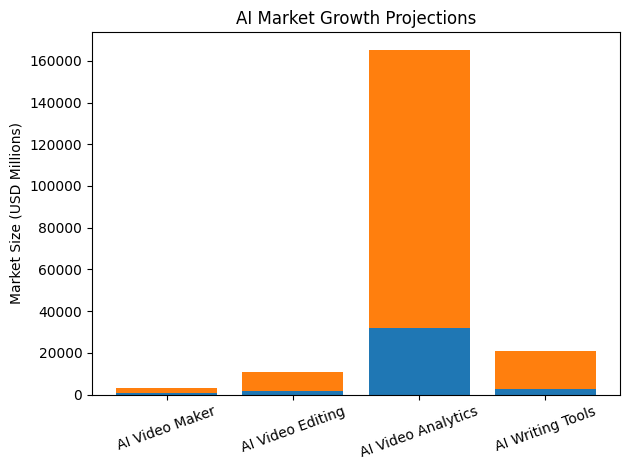
This evolution has given rise to a new category of creative technology: AI-powered pre-production tools. These platforms go far beyond simple text generation. The top AI tools for video script writing and storyboarding in 2026 now feature narrative memory, character consistency engines, cinematic logic systems, automated beat sheet creation, real-time collaboration, and seamless integration with professional editing software. They can interpret dialogue, detect emotional beats, suggest camera angles, generate visual scene layouts, and even produce preliminary production breakdowns.

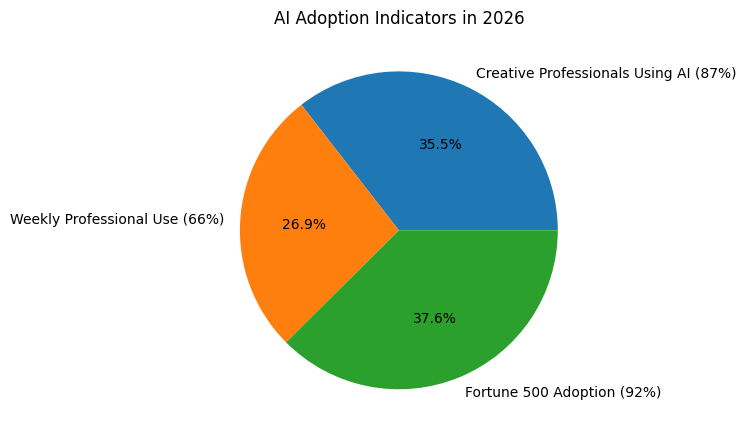
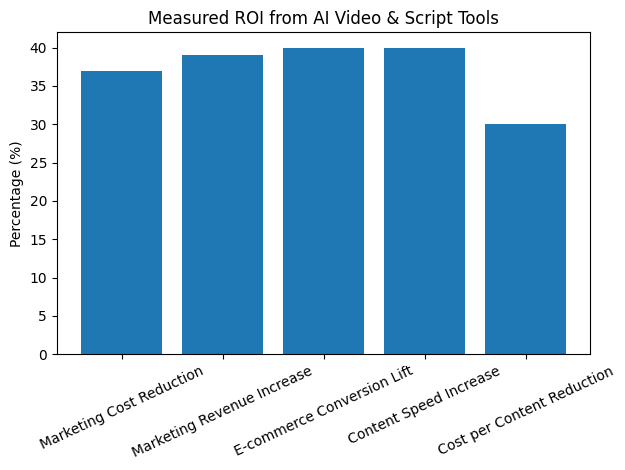
The market growth behind this shift is significant. AI video production software, AI writing tools, and automated storyboard platforms are now part of a multi-billion-dollar global ecosystem. Businesses are adopting these tools not because they are novel, but because they deliver measurable return on investment. Companies report faster campaign launches, reduced pre-production costs, improved conversion rates, and the ability to scale video output without proportionally increasing headcount. In a competitive digital economy where speed and consistency matter, AI video script writing tools and AI storyboarding software have become operational necessities.

Another defining trend in 2026 is the transition from unpredictable generative outputs to directable intelligence. Early AI systems required constant prompt adjustments and manual corrections. Today’s leading platforms understand storytelling structure, pacing, character arcs, and cinematography principles. They can maintain continuity across scenes, preserve character attributes, and align visual suggestions with narrative intent. This level of sophistication has elevated AI from a brainstorming assistant to a collaborative production partner.

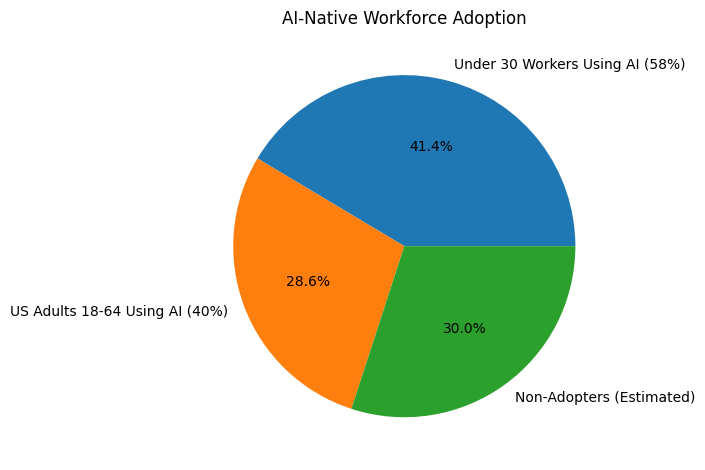
At the same time, the widespread adoption of AI tools has led to what many describe as aesthetic leveling. High production value, cinematic lighting, and polished visuals are no longer exclusive advantages. Because advanced AI video generation and storyboard software are accessible globally, quality alone is no longer the primary differentiator. Instead, creative strategy, clarity of vision, and narrative authenticity have become the real competitive moats.

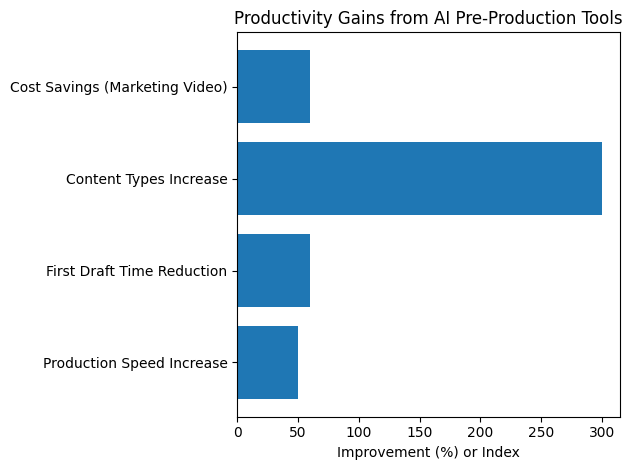
This blog explores the Top 10 AI tools for video script writing and storyboarding in the world in 2026. Each platform featured has been evaluated based on technical capability, industry adoption, workflow integration, measurable productivity gains, and suitability for professional use. Whether you are a filmmaker developing a feature script, a marketing leader building high-converting video campaigns, a startup founder producing brand stories, or a content creator scaling your YouTube channel, understanding these tools is essential.
By examining the most advanced AI screenplay generators, automated storyboard creators, and integrated pre-production platforms available today, this guide provides a comprehensive overview of how AI is reshaping storytelling at every level. The tools highlighted here represent the current gold standard in intelligent video production workflows. As the creative landscape continues to evolve, mastering these AI-driven solutions will not just enhance efficiency—it will redefine how stories are imagined, structured, visualized, and brought to life.
Top 10 AI Tools For Video Script Writing and Storyboarding in 2026
- LTX Studio
- Boords
- StoryboardHero
- Katalist.ai
- Studiovity
- Drawstory
- DomoAI
- Adobe Firefly and Firefly Boards
- Sudowrite
- Arc Studio Pro
1. LTX Studio
The global landscape of video production in 2026 has been fundamentally reshaped by artificial intelligence. What began as experimental text-to-video tools has matured into production-grade ecosystems capable of handling ideation, scripting, visual development, shot planning, and final rendering. Organizations across media, advertising, entertainment, e-learning, and corporate communications now rely on AI-driven platforms to compress production timelines, reduce cost overhead, and scale personalized storytelling.
Within this competitive environment, LTX Studio has emerged as one of the most influential platforms redefining script-to-screen workflows. Developed by Lightricks, LTX Studio represents a new class of multimodal AI systems that unify narrative generation, character continuity, scene visualization, and cinematic control inside a single production environment.
Industry Landscape: AI Script Writing and Storyboarding in 2026
The 2026 ecosystem of AI video tools can be categorized into three dominant segments:
• Script-first AI writing assistants
• Visual storyboarding and pre-visualization platforms
• Fully integrated production ecosystems
LTX Studio belongs to the third category, where scriptwriting, character modeling, camera design, and rendering operate within a unified workflow. This integrated approach addresses several long-standing limitations in early AI video systems, including character inconsistency, aesthetic drift, and fragmented toolchains.
Comparative Positioning Matrix: AI Video Script and Storyboarding Platforms (2026)
| Platform Category | Script Intelligence | Visual Storyboarding | Character Consistency | Camera Control | Enterprise Workflow |
|---|---|---|---|---|---|
| Script-Only AI Writers | High | Low | Low | None | Moderate |
| Storyboard Generators | Moderate | High | Moderate | Limited | Low |
| Multimodal Production Ecosystems | High | High | High | Advanced | High |
| LTX Studio | High | High | Very High | Advanced 3D | Enterprise-Ready |
The Integrated Production Ecosystem: LTX Studio
LTX Studio is widely recognized in 2026 as a comprehensive multimodal AI production environment. Designed as an end-to-end command center, it enables creators to move seamlessly from initial concept and narrative drafting to final high-resolution export.
The platform distinguishes itself through its ability to convert a single written idea into a visually coherent production. Its core value proposition lies in maintaining character identity and stylistic consistency across every generated frame, a challenge that historically hindered AI-generated video content.
The 2026 iteration of LTX Studio integrates advanced 3D generative technologies. Users can dynamically manipulate camera angles, adjust lighting setups, and refine shot composition inside AI-generated scenes. This level of cinematic control was previously limited to physical production environments or complex game engines.
Critical Reception and Market Validation
Industry adoption data from 2026 highlights LTX Studio’s leadership in professional pre-visualization and pitch deck creation. The platform has accumulated over 141 high-tier ratings across major enterprise software review ecosystems. It is frequently selected by creative agencies, marketing teams, and production studios seeking rapid concept visualization without compromising production quality.
The platform’s role in professional pitch development has grown significantly. Storyboards, mood boards, and animated concept reels can now be generated from narrative prompts, allowing stakeholders to evaluate projects before allocating traditional production budgets.
Key Technical Capabilities and Workflow Integration
Production-Grade Visualization
LTX Studio’s system architecture enables rapid concept visualization and frame design. Through generative fill and advanced rendering pipelines, creators can iterate scenes in real time. Scriptwriters can describe tone, atmosphere, wardrobe, camera movement, and emotional intensity, and the AI renders a cohesive sequence aligned with that vision.
Character Continuity and AI Drift Resolution
One of the most critical advancements in 2026 AI video production is the resolution of “AI drift,” a phenomenon where characters change facial features, clothing, or proportions between shots. LTX Studio addresses this through persistent character modeling and continuity tracking.
Feature Comparison: Addressing AI Drift
| Capability | Early AI Models (2023–2024) | 2026 Standard | LTX Studio Implementation |
|---|---|---|---|
| Character Face Stability | Low | Moderate | High |
| Wardrobe Consistency | Inconsistent | Improved | Persistent Model Tracking |
| Scene Lighting Continuity | Variable | Controlled | Dynamic 3D Lighting Engine |
| Multi-Scene Identity Memory | Minimal | Selective | Full Project Continuity |
Marketing and Personalization Applications
Modern marketing departments require scalable content variations for social platforms, performance campaigns, and audience segmentation. LTX Studio enables the generation of multiple short-form video versions from a single core concept.
Teams can adjust:
• Opening hooks
• Messaging tone
• Character demographics
• Platform-specific formatting
• Call-to-action sequencing
Early 2026 performance benchmarks indicate that AI-personalized video content generated through structured variation testing significantly outperforms generic campaign messaging. In some sectors, personalized variants have demonstrated up to sixfold higher engagement rates on major social distribution platforms.
Workflow Efficiency Matrix: Traditional vs AI-Driven Production
| Workflow Stage | Traditional Production Timeline | AI-Driven with LTX Studio |
|---|---|---|
| Concept Development | Days to Weeks | Hours |
| Script Drafting | Multiple Revisions Over Days | Iterative in Real Time |
| Storyboard Creation | Manual Illustration | Automated Scene Generation |
| Pre-Visualization | Separate Tools | Integrated |
| Test Variations | Expensive Re-shoots | Instant Variant Creation |
| Final Export | Post-Production Intensive | Automated Rendering |
Pricing Structure and Scalability
LTX Studio offers a tiered pricing architecture designed to support experimentation, professional creators, agencies, and enterprise teams.
Pricing Tier Overview
| Tier | Monthly Cost Range | Annual Cost Range | Core Features and Credit Allocation |
|---|---|---|---|
| Free | $0 | N/A | Basic credits for experimentation |
| Lite | $12 | $158 | 8,000 credits, advanced camera controls, upscaling |
| Standard | $28 | $352 | 28,000 credits, full character consistency, multi-platform optimization |
| Pro | $100 | $1,251 | 110,000 credits, pitch deck generation, team collaboration, high-resolution exports |
| Enterprise | Custom Pricing | Custom Pricing | Unlimited collaborators, custom model training, legal indemnification |
Strategic Impact on the Top 10 AI Video Tools Market
In the broader context of the Top 10 AI Tools for Video Script Writing and Storyboarding in 2026, LTX Studio exemplifies the shift from isolated AI utilities to comprehensive production infrastructures. While standalone script generators and storyboard tools remain valuable, industry demand increasingly favors platforms that unify narrative intelligence with cinematic execution.
As production cycles accelerate and personalization becomes mandatory rather than optional, integrated AI ecosystems like LTX Studio are shaping the operational standard for digital storytelling in 2026. Their ability to combine narrative precision, visual consistency, enterprise collaboration, and performance-driven content iteration positions them at the forefront of the evolving AI video production industry.
2. Boords
The global market for AI-powered video script writing and storyboarding tools in 2026 is defined by speed, collaboration, and narrative precision. As brands compete for audience attention across short-form, long-form, and omnichannel video formats, production teams require systems that streamline creative alignment while preserving artistic intent. Among the Top 10 AI tools shaping this landscape, Boords continues to stand out as a benchmark solution for advertising agencies and commercial production houses.
Originally recognized as a digital storyboarding platform, Boords has evolved into a cloud-native narrative automation system that integrates script interpretation, visual generation, team collaboration, and client feedback management into a unified environment. In 2026, its ecosystem is not merely a drafting tool but a structured pre-production workflow engine designed for high-volume creative operations.
Market Context: AI Storyboarding and Script Automation in 2026
By 2026, AI storyboarding platforms have progressed beyond static frame sequencing. Agencies now expect:
• Automated script-to-scene conversion
• Real-time collaborative feedback loops
• Character and visual continuity tracking
• Animatic generation with sound and subtitles
• Client-ready presentation formatting
Boords occupies a strategic position within this framework, particularly in agency environments where multiple stakeholders must approve creative direction before production budgets are deployed.
Positioning Matrix: AI Script and Storyboarding Tools in 2026
| Platform Type | Script Conversion | Visual Scene Generation | Client Collaboration | Animatic Export | Enterprise Scalability |
|---|---|---|---|---|---|
| Standalone Script AI | High | Low | Low | None | Moderate |
| Basic Storyboard Apps | Moderate | Moderate | Limited | Minimal | Low |
| Full AI Production Suites | High | High | High | Advanced | High |
| Boords | High | High | Very High | Automated | Agency-Optimized |
Boords: The Agency Collaboration Standard
Boords has retained its leadership position in 2026 by focusing on one critical dimension of video production: collaborative approval workflows. Advertising agencies operate within complex review cycles involving creative directors, account managers, brand teams, and external clients. Boords centralizes this feedback process inside a single cloud-based interface.
The platform’s interface allows scripts to be transformed into structured visual sequences within minutes. Rather than manually sketching frames, creative teams input narrative elements and scene descriptions, which the system converts into visual storyboards populated with dynamic characters and contextual environments.
What differentiates Boords in the Top 10 AI tools category is its emphasis on structured narrative automation rather than pure generative novelty. The platform is optimized for repeatable, brand-consistent production cycles.
Character Guidelines: Ensuring Narrative Continuity at Scale
In 2026, character consistency remains one of the most significant challenges in AI-driven visual storytelling. Boords addresses this through its Character Guidelines feature, which allows creators to define and lock specific character attributes using a structured configuration form.
Attributes that can be standardized include:
• Physical features
• Wardrobe elements
• Brand-compliant styling
• Emotional tone
• Pose and expression tendencies
Once defined, these character attributes persist across frames, even when prompts vary in complexity.
Continuity Feature Comparison Matrix
| Feature | Traditional Storyboarding | Early AI Tools (2023–2024) | Boords 2026 Implementation |
|---|---|---|---|
| Character Attribute Locking | Manual Reference Sheets | Inconsistent | Structured Attribute Lock |
| Cross-Frame Visual Stability | Artist-Dependent | Variable | Automated Continuity Control |
| Client Review on Individual Frames | Email-Based | Limited | Contextual Frame Comments |
| Brand Compliance Enforcement | Manual Checks | Partial | Configurable Guidelines |
The measurable impact of this functionality is substantial. Over one million storyboards have been shared through the platform, generating more than twelve million contextual comments across frames. These metrics reflect not only adoption but also deep engagement within professional production workflows.
Strategic Impact on Pre-Production Efficiency
Pre-production remains one of the most resource-intensive phases of video development. Traditionally, storyboards are static, requiring separate tools to convert them into animatics for client presentations.
Boords has automated this transition.
Its script-to-animatic workflow allows storyboards to be converted directly into animated sequences complete with subtitles and synchronized sound. This eliminates the need for manual formatting or secondary editing software during the pre-visualization stage.
Pre-Production Efficiency Comparison
| Workflow Stage | Traditional Agency Process | With Boords 2026 |
|---|---|---|
| Script Draft to Storyboard | Manual Illustration | Automated Scene Generation |
| Storyboard to Animatic | Separate Editing Software | Direct Conversion |
| Subtitle Integration | Manual Addition | Automated |
| Client Feedback Collection | Email Threads | Centralized Frame Comments |
| Formatting and Layout Tasks | High Time Investment | Reduced by Up to 70 Percent |
Agency reports from late 2025 indicated that the platform reduced time spent on repetitive formatting and layout tasks by approximately 70 percent. This operational efficiency allows creative leaders to prioritize storytelling strategy, audience segmentation, and campaign optimization rather than administrative coordination.
Educational Adoption and Talent Pipeline Development
Beyond commercial agencies, Boords has established a strong presence in educational institutions. Film schools, digital media programs, and advertising academies increasingly integrate the platform into their curricula.
By offering a 50 percent discount to students and instructors, Boords has ensured early exposure among emerging creators. This strategy creates a continuous pipeline of professionals trained within its ecosystem, reinforcing long-term market dominance.
Education and Workforce Development Matrix
| Sector | Use Case | Strategic Benefit |
|---|---|---|
| Film Schools | Teaching visual storytelling fundamentals | Early Brand Adoption |
| Advertising Programs | Campaign Simulation Projects | Industry Alignment |
| Independent Creators | Portfolio Development | Platform Familiarity |
| Agencies Hiring Graduates | Reduced Onboarding Time | Workflow Continuity |
Pricing Structure and Plan Overview
Boords maintains a tiered pricing structure tailored to solo creators, small teams, growing agencies, and enterprise clients.
Plan Overview
| Plan Name | Monthly Pricing | Seat Allocation | Premium Images Included | Core Features |
|---|---|---|---|---|
| Solo | $29 | 1 Seat | 150 | Unlimited Projects, Core Collaboration |
| Starter | $59 | 5 Seats | 350 | Team Feedback Tools, Expanded Library |
| Advanced | $199 | 10 Seats | 1,200 | Priority Support, Advanced Workflow Tools |
| Enterprise | Custom Pricing | Unlimited Seats | Custom Allocation | Dedicated Account Manager, Custom Integrations |
This pricing architecture reflects the platform’s agency-centric design. While accessible to solo creators, its strongest value proposition lies in structured team collaboration at scale.
Strategic Role Within the Top 10 AI Tools for 2026
Within the broader ecosystem of AI tools for video script writing and storyboarding in 2026, Boords exemplifies the evolution from creative drafting software to collaborative production infrastructure. As agencies demand faster approval cycles, brand consistency, and presentation-ready animatics, platforms that integrate script interpretation with structured review workflows gain competitive advantage.
Boords’ continued dominance is rooted not only in visual generation capabilities but also in its refined client feedback loop and continuity controls. In a market increasingly driven by automation and personalization, it remains one of the foundational tools enabling agencies to transform narrative concepts into approved production-ready blueprints with measurable efficiency gains.
3. StoryboardHero
The global AI video production market in 2026 is defined by acceleration. Agencies are no longer competing solely on creativity; they are competing on turnaround time, iteration speed, and the ability to present structured visual concepts within hours rather than days. Within the Top 10 AI tools for video script writing and storyboarding, StoryboardHero has established itself as a high-velocity platform engineered specifically for agencies that prioritize rapid execution and structured narrative output.
While many AI image generators focus on aesthetic generation alone, StoryboardHero differentiates itself by embedding production logic into its system architecture. Rather than functioning as a standalone visual tool, it operates as a script-to-storyboard automation engine designed to mirror the workflow logic of professional video production.
Market Context: Speed as a Competitive Advantage in 2026
By 2026, advertising agencies, explainer video studios, and content marketing firms face compressed campaign cycles and performance-driven budgets. Clients increasingly expect:
• Same-week pitch deck turnarounds
• Visualized concepts before contract approval
• Multi-variation campaign drafts
• Cost-efficient pre-production modeling
In this environment, platforms that reduce conceptualization time create measurable ROI advantages. StoryboardHero has positioned itself at the center of this shift by focusing on structured automation rather than purely generative creativity.
Competitive Positioning Matrix: AI Storyboarding Platforms in 2026
| Platform Category | Script Logic Integration | Automated Storyboard Structure | Speed of Output | Emotional Detail Depth | Agency Optimization |
|---|---|---|---|---|---|
| General AI Image Generators | Low | Manual Assembly Required | High | Variable | Low |
| Traditional Storyboarding Software | Moderate | Manual Input | Moderate | High | Moderate |
| Full AI Production Ecosystems | High | High | Moderate | High | Enterprise-Level |
| StoryboardHero | Very High | Fully Automated | Very High | Moderate | Agency-Centric |
StoryboardHero: Structured Script-to-Storyboard Automation
StoryboardHero has gained traction in 2026 by directly addressing a critical gap in the AI video market: production logic alignment. The platform is engineered not only to generate scenes but to structure them according to real-world video sequencing principles.
From a short creative brief, StoryboardHero can generate:
• Structured scripts
• Voiceover narration
• Camera angle descriptions
• Shot transitions
• Scene timing suggestions
This ability to move from concept summary to production-ready storyboard format distinguishes it from general-purpose AI systems. Instead of generating disconnected visuals, the platform produces logically sequenced frames aligned with narrative pacing.
Feature Architecture Comparison
| Core Capability | Manual Agency Workflow | General AI Tools | StoryboardHero 2026 |
|---|---|---|---|
| Brief-to-Script Conversion | Copywriter Required | Partial | Fully Automated |
| Camera Angle Suggestions | Director Input | Rare | Automated |
| Transition Planning | Manual Editing | None | Structured Output |
| Storyboard Frame Sequencing | Manual Layout | Manual Assembly | Automated Timeline Logic |
| Pitch-Ready Formatting | Design Team Needed | Limited | Built-In Formatting |
Human-in-the-Loop: Balancing Automation with Precision
One of StoryboardHero’s most distinctive features in 2026 is its Human-in-the-Loop option. While the platform generates AI-rendered images for most scenes, it allows agencies to request hand-drawn sketches for specific frames.
This hybrid approach addresses a persistent limitation in AI visual generation: rendering highly nuanced human interactions or brand-specific elements that demand precision beyond automated models.
Use cases for the Human-in-the-Loop feature include:
• Branded product close-ups
• Emotionally complex character interactions
• Highly regulated industry visuals
• Brand mascot consistency
• Culturally sensitive storytelling
Hybrid Production Model Matrix
| Production Element | Fully AI-Generated | Human-in-the-Loop Option | Strategic Benefit |
|---|---|---|---|
| Standard Explainer Scenes | Yes | Optional | Maximum Speed |
| Branded Product Demonstrations | Partial | Recommended | Brand Accuracy |
| Complex Emotional Moments | Variable | Available | Narrative Precision |
| Abstract Concept Visualizations | Yes | Rarely Needed | Rapid Ideation |
This hybrid model ensures that agencies can maintain efficiency while selectively applying human refinement where necessary.
Quantitative Performance and ROI for Agencies
StoryboardHero is consistently rated highly in 2026 for its ability to reduce conceptualization time and pre-production expenses. Agencies report measurable improvements in pitch velocity and client approval rates when using automated script-to-storyboard generation.
Operational Impact Comparison
| Metric | Traditional Process | With StoryboardHero |
|---|---|---|
| Time to First Visual Draft | 2 to 5 Days | Under 1 Hour |
| Cost of Pre-Visualization | High | Significantly Reduced |
| Pitch Deck Visual Preparation | Multi-Department | Single-Platform |
| Storyboard Iteration Speed | Manual Revision | Instant Regeneration |
| Dependency on Graphic Artists | High | Reduced |
The platform enables non-artists, including account managers and strategists, to produce professional-grade visuals for client presentations. This democratization of storyboard creation reduces reliance on design bottlenecks during early project phases.
However, industry reviewers in 2026 acknowledge a trade-off. While StoryboardHero excels in speed and structural clarity, the artwork may occasionally lack the nuanced emotional detailing associated with fully manual illustration. For most agencies, this limitation is acceptable during the rough concept and approval stage, where clarity and structure outweigh cinematic perfection.
Performance Strengths and Limitations Matrix
| Dimension | StoryboardHero Rating | Industry Commentary |
|---|---|---|
| Speed of Output | Very High | Market-Leading |
| Structured Narrative Logic | Very High | Production-Ready |
| Visual Emotional Nuance | Moderate | Adequate for Concept Phase |
| Customization Depth | High | Enhanced via Human Option |
| Cost Efficiency | High | Strong ROI |
Pricing Structure and Tier Overview
StoryboardHero’s pricing model reflects its focus on independent creators, freelancers, and growing agencies seeking scalable output without enterprise-level complexity.
Subscription Plans Overview
| Tier Name | Monthly Price | User Capacity | Included Generations | Ideal For |
|---|---|---|---|---|
| Basic | $19 | Individual Use | Limited Generations | Solo Creators |
| Freelance | $29 | Individual or Small Team | 440 Images + 44 Videos per Month | Freelancers and Consultants |
| Studio | $79 | Small Agency Teams | 1,400 Images + 156 Videos + Animatics | Growing Agencies |
This tiered structure enables agencies to scale usage according to project volume while maintaining predictable budgeting.
Strategic Role Within the Top 10 AI Tools for 2026
Within the broader Top 10 AI tools for video script writing and storyboarding in 2026, StoryboardHero represents the high-speed, structured execution segment of the market. While comprehensive AI ecosystems emphasize cinematic control and brand continuity at scale, StoryboardHero dominates in rapid pitch preparation and streamlined conceptual workflows.
Its emphasis on production logic, hybrid visual generation, and measurable time savings aligns directly with agency performance metrics. As the global video production industry continues prioritizing faster turnaround cycles and leaner pre-production budgets, StoryboardHero’s structured automation model positions it as a key platform in the high-velocity segment of AI-driven storytelling tools in 2026.
4. Katalist.ai
The AI video production industry in 2026 is characterized by precision, speed, and directorial control. As the market for AI-powered script writing and storyboarding tools becomes increasingly competitive, platforms that offer deeper cinematic customization are separating themselves from basic automation tools. Among the Top 10 AI tools for video script writing and storyboarding in 2026, Katalist.ai has earned recognition for its emphasis on advanced cinematic control combined with ultra-fast script-to-visual execution.
While many AI systems prioritize volume and rapid generation, Katalist.ai focuses on empowering directors and creative leads with granular authority over framing, pacing, and visual continuity. Its positioning reflects the growing demand for AI tools that do not merely generate images but simulate professional pre-production environments.
Market Context: Cinematic Precision as a Differentiator
By 2026, AI adoption in video production has moved beyond experimentation. Professional creators now expect:
• Frame-level control after AI generation
• Stable, reusable character models
• Timeline-based narrative visualization
• Seamless integration with professional editing software
• Rapid concept rendering for pitch environments
Katalist.ai operates at the intersection of automation and creative control. It is frequently cited by directors and production teams as a solution for visualizing an entire script in under five minutes, a performance benchmark that has become increasingly valuable in agency and studio settings.
Competitive Landscape Matrix: Cinematic Control in AI Storyboarding
| Platform Category | Speed of Script-to-Visual | Frame-Level Adjustments | Character Stability | Timeline Editing | Editing Software Export |
|---|---|---|---|---|---|
| Basic AI Image Generators | High | Minimal | Variable | None | None |
| Storyboard Automation Tools | Moderate | Limited | Moderate | Partial | Limited |
| Integrated AI Production Ecosystems | High | Advanced | High | Full | Yes |
| Katalist.ai | Very High | Granular Control | High | Timeline-Based | Full Premiere Export |
Katalist.ai: Ultra-Fast Script-to-Visual Execution
Katalist.ai has built its reputation around speed without sacrificing cinematic structure. Directors can input a script or structured brief and generate storyboard sequences in approximately four to five minutes. This ultra-fast workflow is particularly valuable in early-stage development, client pitches, and creative workshops.
Unlike purely generative tools that lock users into the initial output, Katalist.ai allows creators to refine generated frames in detail. Users can adjust:
• Camera angles
• Character poses
• Scene composition
• Depth and framing
• Shot perspective
This post-generation flexibility transforms AI output from static suggestion into editable cinematic draft material.
Granular Control Comparison Matrix
| Control Dimension | Traditional Storyboarding | Standard AI Tools | Katalist.ai 2026 |
|---|---|---|---|
| Camera Angle Refinement | Manual Redrawing Required | Minimal | Adjustable Post-Generation |
| Pose Modification | Manual Illustration | Limited | Direct Manipulation |
| Composition Reframing | Manual Layout Editing | Rare | Editable Frame Structure |
| Scene Rebalancing | Manual Iteration | Regeneration | Targeted Adjustments |
Consistent Character Technology and Recasting
In 2026, character stability is no longer a luxury feature; it is considered essential for professional AI-driven production. Katalist.ai incorporates consistent character technology that ensures visual identity remains stable across multiple scenes.
A key capability is the ability for creators to upload reference images to build custom character models. These models persist throughout the project, maintaining facial features, body proportions, wardrobe consistency, and stylistic attributes.
This functionality enables:
• Brand ambassador consistency
• Influencer-style digital personas
• Internal corporate spokesperson models
• Character recasting without rewriting scenes
Character Consistency Feature Overview
| Feature | Early AI Tools (2023–2024) | 2026 Professional Standard | Katalist.ai Implementation |
|---|---|---|---|
| Cross-Scene Facial Stability | Inconsistent | Required | Stable Model Memory |
| User-Uploaded Character Creation | Rare | Increasingly Common | Fully Supported |
| Recasting Across Entire Script | Manual Rework | Partial | Automated Character Swap |
| Wardrobe and Styling Lock | Limited | Advanced | Persistent Settings |
Integration and Workflow Depth
Beyond visual generation, Katalist.ai distinguishes itself through workflow integration. One of its most valuable capabilities is timeline-based scene editing. Rather than treating storyboard frames as isolated images, the platform arranges them along a structured timeline that reflects narrative pacing.
This allows directors to evaluate:
• Scene duration
• Transition timing
• Emotional rhythm
• Visual progression
• Overall story flow
Timeline-Based Workflow Comparison
| Workflow Component | Static Storyboards | Basic AI Tools | Katalist.ai Timeline System |
|---|---|---|---|
| Pacing Visualization | No | Limited | Full Timeline View |
| Transition Timing Adjustment | Manual Estimation | Partial | Direct Timeline Editing |
| Scene Reordering | Manual Rearranging | Regeneration | Drag-and-Drop Timeline |
| Pre-Production Rhythm Testing | Not Supported | Rare | Built-In Visualization |
Additionally, Katalist.ai provides full export compatibility with Adobe Premiere Pro. The export includes structured timeline data, enabling editors to import storyboard sequences directly into their editing environment with scene order intact. This significantly reduces the manual labor traditionally required to reconstruct storyboard timing inside post-production software.
Operational Impact Matrix
| Metric | Traditional Pre-Production | With Katalist.ai |
|---|---|---|
| Time to Visualize Full Script | Several Hours to Days | 4–5 Minutes |
| Manual Timeline Setup in Editing | Required | Reduced via Export |
| Character Model Recreation | Repeated Effort | Persistent Across Scenes |
| Pre-Edit Structural Formatting | Manual | Automated |
Market Adoption and Segmentation
Katalist.ai has achieved strong adoption among small businesses and agile production teams in 2026. Its balance of speed and cinematic control aligns particularly well with lean creative environments that require rapid turnaround without enterprise-level complexity.
Market Penetration Overview
| Segment | Adoption Rate | Observed Usage Pattern |
|---|---|---|
| Small-Business Adoption | 79 Percent | Rapid Concept Visualization and Pitches |
| Mid-Market Adoption | 16 Percent | Structured Pre-Production and Campaign Drafting |
| Enterprise Penetration | Emerging | Supplementary Visualization Tool |
Strengths and Limitations
Katalist.ai’s primary strength lies in its ultra-fast workflow and granular frame-level control. However, its template-based structure can feel restrictive to directors seeking fully open-ended cinematic experimentation.
Performance Assessment Matrix
| Dimension | Evaluation Level | Commentary |
|---|---|---|
| Script-to-Board Speed | Very High | Industry-Leading Turnaround |
| Cinematic Adjustment Depth | High | Director-Oriented Controls |
| Character Stability | High | Professional Standard |
| Workflow Integration | High | Strong Editing Compatibility |
| Creative Flexibility | Moderate | Template Framework Can Constrain Advanced Customization |
Strategic Role Within the Top 10 AI Tools for 2026
Within the broader ecosystem of AI tools for video script writing and storyboarding in 2026, Katalist.ai occupies a distinct niche: rapid cinematic visualization with professional editing integration. It bridges the gap between automated storyboard generation and director-level refinement.
As AI-driven production matures, platforms that combine speed, persistent character modeling, and timeline-aware editing are becoming essential components of modern pre-production workflows. Katalist.ai’s focus on advanced cinematic control ensures its continued relevance among directors and agile production teams navigating the increasingly fast-paced landscape of AI-powered storytelling in 2026.
5. Studiovity
The AI video production software market in 2026 is no longer confined to script drafting and visual storyboarding. A new generation of platforms has expanded the scope of AI from creative assistance to operational intelligence. Within the Top 10 AI tools for video script writing and storyboarding in 2026, Studiovity has positioned itself as a fully integrated film production suite that bridges storytelling, budgeting, scheduling, and on-set execution.
Founded in 2021 and headquartered in New Delhi, Studiovity has transformed from a script development platform into a production management ecosystem. By 2026, it is widely recognized for redefining how storyboards function within the broader production pipeline. Rather than treating storyboards as static visual references, the platform embeds them into a dynamic, data-connected system that influences every downstream decision.
Market Context: From Visualization to Production Intelligence
In earlier AI generations, storyboard tools primarily focused on visual concept generation. However, modern production environments demand tighter integration between creative vision and logistical planning. In 2026, production teams expect:
• Real-time synchronization between script and budget
• Automated breakdown of props, locations, and equipment
• Collaborative cloud-based review systems
• Instant adaptation of schedules when creative changes occur
• Operational alignment between creative and production departments
Studiovity addresses these demands by connecting storyboard frames to actionable production data.
Positioning Matrix: AI Storyboarding vs Integrated Production Platforms
| Platform Category | Script Visualization | Budget Integration | Scheduling Sync | Cloud Collaboration | On-Set Workflow Support |
|---|---|---|---|---|---|
| Basic AI Storyboard Generators | High | None | None | Limited | None |
| Advanced Cinematic AI Tools | High | Minimal | Partial | Moderate | Limited |
| Full AI Production Ecosystems | High | Moderate | Moderate | High | Partial |
| Studiovity | High | Fully Integrated | Automated | Real-Time | Operationally Linked |
Studiovity: The Integrated Film Production Suite
Studiovity’s defining innovation lies in its holistic treatment of the storyboard. Each frame is not merely a visual placeholder but a node in a production intelligence network. The platform’s Scene-to-Image AI technology enables creators to instantly generate visuals from script text, including complex emotional beats and action sequences.
However, the platform’s core value extends far beyond visualization.
Every storyboard frame is directly linked to:
• Shot lists
• Equipment requirements
• Production schedules
• Budget allocations
• Script breakdown data
If a director modifies a visual element, such as replacing a medium shot with a crane shot, the system recalculates production implications automatically. Equipment requirements adjust, time allocations shift, and budget projections update in real time.
Dynamic Workflow Automation Matrix
| Production Change Example | Traditional Workflow Impact | Studiovity Automated Response |
|---|---|---|
| Shot Type Modification | Manual Schedule Revision | Auto-Update Schedule & Budget |
| Location Change | Recalculate Logistics | Automatic Cost Adjustment |
| Additional Cast Requirement | Manual Breakdown Update | Instant Script Breakdown Sync |
| Extended Scene Duration | Editing Timeline Adjustment | Schedule & Crew Allocation Update |
AI Script Breakdown and Budget Intelligence
One of Studiovity’s most impactful features in 2026 is its AI-driven script breakdown engine. Traditionally, assistant directors and production managers spend days analyzing scripts to extract:
• Location requirements
• Prop lists
• Costume needs
• Cast availability
• Equipment planning
Studiovity automates this process by parsing the script and generating structured production breakdowns within minutes.
Feature Impact Assessment Matrix
| Feature | Operational Impact on Production |
|---|---|
| AI Script Breakdown | Saves days of manual planning |
| Integrated Budgeting | Provides highly accurate cost estimates from script analysis |
| Collaborative Cloud System | Enables real-time feedback for distributed production teams |
| On-Set Connectivity | Distributes tagged updates instantly to assistant directors |
Integrated Budgeting and Financial Planning
Budget overruns remain one of the most common risks in film and commercial production. Studiovity integrates budgeting directly into the creative workflow. As scenes evolve, cost estimations adjust dynamically.
For example:
• Switching to a more complex camera movement updates equipment rental costs
• Adding night shooting adjusts lighting and crew expenses
• Increasing scene complexity recalculates time-based labor costs
This predictive budgeting capability reduces financial uncertainty during pre-production.
Budgeting Accuracy Comparison
| Budgeting Method | Time Required | Accuracy Level | Real-Time Adjustments |
|---|---|---|---|
| Manual Spreadsheet Planning | High | Variable | No |
| Basic Production Software | Moderate | Moderate | Limited |
| Studiovity AI-Integrated Budgeting | Low | High | Yes |
Collaborative Cloud and On-Set Connectivity
In 2026, film and commercial production teams are increasingly distributed across cities and countries. Studiovity’s cloud-native infrastructure allows directors, producers, cinematographers, and assistant directors to collaborate within a unified dashboard.
Visual changes made during planning are instantly tagged and distributed to relevant team members. This reduces miscommunication and prevents outdated shot lists from reaching the set.
Collaboration Efficiency Matrix
| Workflow Component | Traditional Model | With Studiovity |
|---|---|---|
| Feedback Loop Speed | Delayed | Real-Time |
| Version Control | Manual Tracking | Automated Sync |
| On-Set Change Distribution | Verbal or Email | Instant Notification |
| Remote Team Coordination | Fragmented | Unified Cloud Dashboard |
Growth Metrics and Regional Significance
Studiovity’s expansion has been particularly notable across South Asia and emerging international markets. In the financial year ending March 31, 2025, the company reported revenue of approximately ₹4.29 Lakhs. More significantly, it achieved a compounded annual growth rate of 284 percent in the preceding year, reflecting rapid adoption and strong market validation.
The company has also attracted seed funding from respected academic and entrepreneurial institutions such as IIM Kashipur, reinforcing its credibility within the startup and film technology ecosystem.
Regional Growth and Market Impact
| Metric | Reported Performance |
|---|---|
| Financial Year Revenue (FY Ending March 31, 2025) | ₹4.29 Lakhs |
| Previous Year CAGR | 284 Percent |
| Primary Growth Regions | South Asia, Expanding Internationally |
| Funding Milestone | Seed Funding from IIM Kashipur |
Strategic Role Within the Top 10 AI Tools for 2026
Within the broader Top 10 AI tools for video script writing and storyboarding in 2026, Studiovity represents the convergence of creative intelligence and operational automation. While other platforms focus on cinematic visualization or rapid concept generation, Studiovity extends AI into the logistical core of production management.
Its ability to connect storyboards directly to schedules, budgets, and on-set execution reflects the next phase of AI adoption in film and commercial production. As studios and agencies seek tighter alignment between creative ambition and financial discipline, integrated production intelligence platforms like Studiovity are redefining how stories move from script to screen in 2026.
6. Drawstory
The global AI video production software market in 2026 has matured beyond experimental generative imagery. Professional filmmakers, commercial directors, and creative studios now demand tools that understand cinematic grammar rather than simply generate attractive visuals. Within the Top 10 AI tools for video script writing and storyboarding in 2026, Drawstory has secured its reputation as the leading “director-first” storyboard AI platform.
Unlike many AI systems that require detailed prompt engineering and technical iteration, Drawstory is built around cinematic logic. Its core philosophy centers on translating scripts into properly structured visual sequences that respect the foundational rules of filmmaking, including screen direction, framing conventions, and shot continuity.
Market Context: The Demand for Cinematic Intelligence in AI Tools
By 2026, the primary criticism of early AI storyboard tools has been their lack of directorial awareness. Common issues included:
• Broken perspective alignment
• Inconsistent staging between shots
• Violations of the 180-degree rule
• Unnatural blocking of characters
• Overly stylized but impractical framing
As professional standards tightened, platforms that embedded cinematic logic into their generation engines gained preference among directors and production houses. Drawstory emerged as a leader by prioritizing film language over aesthetic novelty.
Competitive Positioning Matrix: Cinematic Discipline in AI Storyboarding
| Platform Category | Prompt Complexity | Cinematic Rule Awareness | Perspective Stability | Professional Adoption | Client-Safe Output |
|---|---|---|---|---|---|
| General AI Image Generators | High | Low | Variable | Low | Risk of Over-Realism |
| Advanced AI Storyboard Platforms | Moderate | Moderate | Improved | Growing | Mixed |
| Integrated Production Ecosystems | Moderate | High | High | High | Professional |
| Drawstory | Low | Very High | Very High | Industry-Leading | Deliberately Controlled |
Drawstory: Automated Script-to-Shot Breakdown
Drawstory differentiates itself by eliminating the need for complex prompt writing. Instead of requiring directors to describe every angle, lens choice, and staging instruction, users simply upload a script. The platform then:
• Breaks the script into logical scenes
• Divides scenes into production-ready shots
• Applies established cinematic composition principles
• Preserves spatial continuity
• Aligns framing with emotional tone
This automation significantly reduces cognitive load during pre-production while maintaining professional visual standards.
Cinematic Logic Automation Matrix
| Feature | Manual Storyboarding | Standard AI Tools | Drawstory 2026 |
|---|---|---|---|
| Script-to-Scene Breakdown | Manual Interpretation | Partial | Fully Automated |
| Shot Composition Rules Applied | Director-Dependent | Limited | Built-In Film Grammar |
| Screen Direction Consistency | Manual Oversight | Often Broken | Automatically Enforced |
| Perspective Integrity | Artist Skill-Based | Inconsistent | Stable Across Shots |
| Blocking and Staging Logic | Manual Planning | Rare | Cinematically Structured |
Avoiding Common AI Pitfalls
One of Drawstory’s defining advantages in 2026 is its avoidance of common AI visual errors. Professional users frequently cite its ability to maintain:
• Accurate camera-to-subject spatial relationships
• Logical actor positioning
• Natural depth cues
• Consistent scene geography
Because the platform embeds cinematic standards into its architecture, it is widely regarded as the most reliable AI tool for professional storyboarding workflows.
Sketch Storyboard Mode: Strategic Creative Positioning
In a market saturated with hyper-realistic AI imagery, Drawstory introduced Sketch Storyboard Mode as a deliberate creative and strategic choice. This feature generates hand-drawn-style frames rather than photorealistic renders.
Creative directors favor this approach for several reasons:
• It clearly communicates that visuals represent concepts, not final frames
• It prevents clients from confusing AI previews with finished production
• It preserves flexibility for cinematography decisions
• It aligns with traditional pre-production presentation standards
Sketch Mode Use Case Comparison
| Output Style | Client Perception Risk | Flexibility in Creative Revision | Ideal Application |
|---|---|---|---|
| Hyper-Realistic AI Frames | High | Moderate | Internal Concepting |
| Stylized AI Render | Moderate | Moderate | Marketing Previews |
| Drawstory Sketch Mode | Low | High | Client Pitches and Approvals |
This deliberate visual restraint has become one of the reasons Drawstory is considered the number one professional storyboarding AI tool in 2026.
Product Offering and Professional Use Cases
Beyond standard storyboard generation, Drawstory has expanded its ecosystem to serve filmmakers, investors, and creative development teams.
Its product suite includes AI-powered tools designed for various stages of the storytelling pipeline.
Product Capability Matrix
| Product Offering | Professional Use Case | Strategic Value |
|---|---|---|
| AI for Filmmakers | Vision matching for established cinematic styles | Style Consistency Across Projects |
| AI Movie Pitch Deck Generator | Automating the creation of investor-ready production decks | Accelerated Funding Presentations |
| AI Comic Maker | Transforming scripts into graphic novel formats | Story Testing and IP Development |
AI for Filmmakers: Vision Matching
Drawstory’s AI for Filmmakers module allows directors to match established visual styles without manually specifying every compositional detail. The system analyzes stylistic parameters and applies them consistently throughout the storyboard sequence, preserving tonal coherence.
AI Movie Pitch Deck Automation
Investor presentations often require visual supplements that convey scale, mood, and production value. Drawstory automates the generation of structured pitch decks from scripts, integrating:
• Key scene frames
• Character visual references
• Thematic mood boards
• Narrative summaries
This capability reduces the time required to move from creative concept to investor presentation.
AI Comic Maker: Narrative Prototyping
The AI Comic Maker module enables writers and producers to convert scripts into graphic novel-style layouts. This format supports:
• Intellectual property testing
• Audience feedback loops
• Serialized story experimentation
• Cross-media development planning
Feature Integration Overview
| Workflow Stage | Traditional Process | With Drawstory |
|---|---|---|
| Script Breakdown | Manual Analysis | Automated Scene Logic |
| Shot Planning | Director-Led | AI-Structured Cinematic Flow |
| Pitch Deck Assembly | Graphic Design Team Needed | Auto-Generated Layouts |
| Visual IP Testing | Separate Comic Adaptation | Direct Script-to-Comic Tool |
Strategic Role Within the Top 10 AI Tools for 2026
Within the broader Top 10 AI tools for video script writing and storyboarding in 2026, Drawstory occupies a unique position as the most director-oriented platform. While some competitors focus on speed or full production integration, Drawstory prioritizes cinematic literacy and professional presentation standards.
Its emphasis on structured film grammar, stable perspective, and controlled sketch-style output aligns directly with the expectations of film directors, commercial production teams, and creative agencies seeking disciplined pre-production workflows.
As AI adoption in filmmaking continues to mature, tools that embed cinematic intelligence rather than relying solely on generative power are setting the professional benchmark. In 2026, Drawstory stands as a leading example of how AI can enhance, rather than disrupt, the foundational language of cinema.
7. DomoAI
The AI video production landscape in 2026 is defined not only by script generation and storyboard visualization, but by the ability to simulate motion before cameras begin rolling. As agencies, filmmakers, and independent creators demand clearer pre-visualization tools, dynamic animatics have become a critical bridge between static storyboards and final production. Within the Top 10 AI tools for video script writing and storyboarding in 2026, DomoAI is widely recognized as the leader in frame-to-video storytelling.
Unlike platforms that focus solely on still-image generation, DomoAI specializes in transforming static storyboard frames into fluid animatics. Its emphasis on pacing, movement, and transition clarity has made it particularly valuable in client-facing presentations and early-stage production planning.
Market Context: The Rise of Motion-Based Pre-Visualization
In earlier production cycles, static storyboards were sufficient for internal planning. However, as creative teams collaborate with non-technical stakeholders, the need to demonstrate motion and rhythm has increased significantly. Clients often struggle to visualize how separate frames connect into cohesive sequences.
By 2026, production teams expect AI platforms to provide:
• Seamless frame-to-video conversion
• Smooth transition modeling
• Pacing simulation
• Multi-style animation consistency
• Accessible pricing for iterative experimentation
DomoAI has positioned itself at the center of this demand by focusing on dynamic animatics rather than static imagery alone.
Competitive Positioning Matrix: Static vs Dynamic Storyboarding Tools
| Platform Category | Static Frame Quality | Motion Simulation | Transition Control | Style Versatility | Accessibility |
|---|---|---|---|---|---|
| Traditional Storyboard Software | High | None | Manual | Limited | Moderate |
| AI Image Generators | Very High | Minimal | None | High | Variable |
| Integrated AI Production Suites | High | Partial | Structured | High | Enterprise-Level |
| DomoAI | High | Advanced | Smooth Frame Linking | Very High | Highly Accessible |
DomoAI: Frames to Video as a Competitive Advantage
DomoAI’s defining feature in 2026 is its Frames to Video capability. Users can upload between two and eight static storyboard frames and convert them into a continuous, high-quality animatic. The system intelligently interpolates movement, simulates camera motion, and smooths transitions between scenes.
This feature is particularly valuable for:
• Demonstrating scene pacing
• Testing shot sequencing
• Showcasing camera movement concepts
• Presenting narrative flow to clients
• Validating emotional rhythm before production
Frames-to-Video Workflow Comparison
| Workflow Stage | Traditional Process | With DomoAI 2026 |
|---|---|---|
| Storyboard Frame Creation | Manual or AI Generated | Manual or AI Generated |
| Animating Transitions | Manual Editing in Video Software | Automated Frame Interpolation |
| Pacing Simulation | Estimated During Edit | Instant Preview |
| Client Demonstration | Static Slides | Motion-Based Animatic |
| Revision Cycle | Time-Intensive | Rapid Regeneration |
By enabling motion-based previews within minutes, DomoAI reduces ambiguity in early creative discussions and strengthens alignment between directors and stakeholders.
Style Flexibility Without Quality Degradation
A major advancement in the 2026 iteration of DomoAI is its ability to maintain visual consistency across a broad range of stylistic outputs. The platform supports:
• Moody cinematic film aesthetics
• Anime-inspired visual styles
• Cartoon and stylized animations
• High-contrast commercial looks
• Soft-toned narrative sequences
Importantly, this stylistic flexibility does not result in noticeable degradation when converting frames to motion. The system preserves lighting consistency, character proportions, and compositional balance during animation.
Style Consistency Matrix
| Visual Style Category | Static Frame Quality | Motion Consistency | Suitable For |
|---|---|---|---|
| Cinematic Film Look | High | High | Commercial and Indie Film |
| Anime Style | High | High | Serialized Content and Concept Trailers |
| Cartoon Animation | High | High | Explainers and Youth Campaigns |
| Stylized Brand Visuals | High | High | Social Media and Digital Ads |
This versatility has made DomoAI particularly appealing to independent creators who frequently experiment with multiple visual formats.
Accessibility and Pricing Model
Another key factor behind DomoAI’s strong position in the Top 10 AI video tools of 2026 is its accessible pricing structure. While many advanced AI production tools cater primarily to enterprise users, DomoAI has adopted a model that supports freelancers, small studios, and boutique agencies.
Subscription Plan Overview (Yearly Billing)
| Plan Tier | Monthly Cost | Credits Included | Approximate Output Capacity | Key Features |
|---|---|---|---|---|
| Basic | $6.99 | 500 Credits | Approx. 100 Videos or 500 Images | Core Frame-to-Video |
| Standard | $19.59 | 1,500 Credits | Higher Video Volume + Unlimited Relax Mode | Enhanced Generation Flexibility |
| Pro | $48.99 | 4,000 Credits | Advanced 60-Second Video Features | Extended Animatics and Premium Processing |
This tiered model enables creators to scale production volume without incurring enterprise-level expenses. The availability of an Unlimited Relax Mode under the Standard plan further supports iterative experimentation, which is essential during early concept development.
Performance Strengths and Trade-Offs
As with any AI platform, DomoAI’s strengths are accompanied by certain contextual limitations. However, in the animatics category, its performance metrics remain highly competitive.
Performance Evaluation Matrix
| Dimension | Assessment Level | Industry Perception |
|---|---|---|
| Frame-to-Video Quality | Very High | Market-Leading |
| Ease of Use | High | Beginner-Friendly |
| Style Adaptability | Very High | Multi-Genre Capable |
| Cost Efficiency | High | Accessible to Indies |
| Long-Form Production Suitability | Moderate | Best for Pre-Production |
While DomoAI excels at dynamic animatics and short-form previews, it is primarily positioned as a pre-visualization and concept tool rather than a full-scale production management system.
Strategic Role Within the Top 10 AI Tools for 2026
Within the broader ecosystem of AI tools for video script writing and storyboarding in 2026, DomoAI occupies a distinct niche: dynamic, motion-based storytelling. It fills the critical gap between static storyboards and fully edited video content.
As the industry shifts toward clearer communication of pacing and cinematic intent during early project stages, frame-to-video automation is becoming a standard expectation. DomoAI’s ability to transform static frames into coherent animatics with minimal effort ensures its continued leadership in this category.
For independent creators, boutique agencies, and directors seeking rapid visual proof-of-concept, DomoAI represents one of the most effective and accessible tools available in the evolving AI-driven video production landscape of 2026.
8. Adobe Firefly and Firefly Boards
The AI-powered video production market in 2026 is no longer driven solely by innovation speed. Enterprise adoption now hinges on legal reliability, ecosystem compatibility, and production-grade output. Within the Top 10 AI tools for video script writing and storyboarding in 2026, Adobe Firefly and Firefly Boards have established themselves as the benchmark for commercially safe AI creation and seamless workflow integration.
Adobe’s strategic entry into AI storyboarding has been defined by two priorities: intellectual property protection and deep integration within the Adobe Creative Cloud ecosystem. Rather than positioning itself purely as a generative engine, Adobe has embedded AI into the established workflows used by filmmakers, agencies, broadcasters, and enterprise marketing teams.
Market Context: Commercial Safety as a Strategic Imperative
As AI-generated content became mainstream, enterprises grew increasingly concerned about copyright liability, dataset transparency, and indemnification. In response, Adobe built Firefly using licensed Adobe Stock assets and public domain materials. This training approach provides a layer of legal reassurance that many independent AI platforms cannot offer.
By 2026, enterprise procurement teams typically evaluate AI video tools based on:
• Copyright risk exposure
• Dataset transparency
• IP indemnification options
• Workflow compatibility
• Output reliability
Adobe Firefly’s positioning aligns directly with these evaluation criteria.
Enterprise Readiness Comparison Matrix
| Platform Category | Dataset Transparency | Enterprise Indemnification | Editing Ecosystem Integration | Risk Profile |
|---|---|---|---|---|
| Independent AI Generators | Limited | Rare | Minimal | Moderate to High |
| Startup AI Storyboarding Platforms | Variable | Limited | Partial | Moderate |
| Integrated AI Production Suites | Moderate | Emerging | Growing | Moderate |
| Adobe Firefly and Firefly Boards | High | Available on Enterprise Plans | Deep Creative Cloud Integration | Low |
Firefly Boards: AI-First Ideation Inside Creative Cloud
Firefly Boards was introduced as an AI-first collaborative ideation space within the Adobe Creative Cloud environment. It enables creative teams to generate, iterate, and refine visual concepts in real time without leaving the broader Adobe ecosystem.
Key advantages include:
• Real-time concept exploration
• Multi-user collaboration
• Direct asset transfer to editing projects
• Unified cloud-based asset management
Because many agencies and studios already rely on Adobe software for editing, compositing, and design, Firefly Boards reduces workflow fragmentation by keeping ideation and production inside a single system.
Workflow Integration with Adobe Premiere Pro
In 2026, Firefly achieved deep integration with Adobe Premiere Pro. Assets generated inside Firefly Boards can be transferred directly into Premiere timelines with a single action. This eliminates the need for manual exports, file conversions, or third-party bridging tools.
Integration Workflow Comparison
| Workflow Stage | Traditional AI Tools | Adobe Firefly Ecosystem |
|---|---|---|
| Generate Concept Art | Separate Platform | Inside Firefly Boards |
| Export Media | Manual Download | One-Click Send to Premiere Pro |
| Import to Editing Timeline | Manual Import | Direct Timeline Placement |
| Asset Revisions | Re-Export Required | Dynamic Re-Linking |
This ecosystem-level integration enhances efficiency for editors blending AI-generated B-roll, concept art, or motion sequences directly into live projects.
Integration of Runway’s Aleph Model
A notable advancement in 2026 is Adobe’s integration of Runway’s Aleph model into Firefly’s editing environment. This capability allows creators to perform highly precise edits to generated video clips using text-based commands.
Examples of these “surgically precise” edits include:
• Removing background objects
• Replacing scenery elements
• Deleting unwanted individuals
• Modifying environmental details
• Adjusting scene context
This text-guided editing model reduces reliance on manual masking or compositing workflows.
Precision Editing Comparison Matrix
| Editing Task | Traditional Editing Method | AI-Enhanced with Aleph Integration |
|---|---|---|
| Object Removal | Frame-by-Frame Masking | Text Command Execution |
| Background Replacement | Green Screen or Compositing | Prompt-Based Modification |
| Scene Cleanup | Manual Retouching | Automated Scene Correction |
| Clip Adjustment Iteration Speed | Moderate | High |
Performance and Output Reliability
Adobe Firefly’s 2026 generation engine delivers high-fidelity 1080p video output with enhanced motion continuity and scene consistency. Compared to earlier AI tools that struggled with flickering, unstable subjects, or unpredictable transitions, Firefly emphasizes predictable narrative alignment.
The system performs particularly well in:
• Nature-based B-roll sequences
• Close-up human facial expressions
• Emotionally nuanced character moments
• Controlled lighting environments
A key differentiator is the ability to define precise starting and ending keyframes. This feature ensures that generated sequences align with specific storytelling beats, reducing the randomness often associated with earlier AI video generators.
Performance Evaluation Matrix
| Performance Dimension | Adobe Firefly 2026 Assessment | Professional Use Case |
|---|---|---|
| Resolution Output | High-Fidelity 1080p | Broadcast and Digital Content |
| Motion Fidelity | Advanced | Cinematic Sequences |
| Scene Consistency | High | Narrative Projects |
| Keyframe Control | Precise Start and End Frames | Structured Storytelling |
| Randomness Control | Low Variability | Enterprise Reliability |
Localization and Global Capabilities
Firefly also supports Translate and Lip Sync capabilities in more than 20 languages. This functionality enables global brands to localize content efficiently without recreating entire video sequences.
Localization Capability Overview
| Feature | User Impact |
|---|---|
| Translate and Lip Sync | Scalable multilingual adaptation |
| Global Language Support | Over 20 Languages |
| Enterprise Use Case | International Campaign Deployment |
Professional Upscaling with Topaz Astra Integration
In 2026, Firefly Boards integrates with Topaz Astra for professional upscaling. This allows users to enhance AI-generated content to 4K resolution within the same ecosystem, reducing dependency on external post-processing tools.
Upscaling Workflow Comparison
| Resolution Workflow | External Tool Requirement | Firefly Boards with Topaz Astra |
|---|---|---|
| 1080p to 4K Conversion | Separate Application | Built-In Integration |
| Quality Preservation | Variable | Optimized for Motion Fidelity |
| Time to Upscale | Moderate | Streamlined In-App Process |
Feature Impact Summary
| Feature | User Impact |
|---|---|
| Commercially Safe Training Data | Legal and Ethical Confidence |
| IP Indemnification | Reduced Enterprise Risk |
| Premiere Pro Integration | Faster Editing Workflow |
| Runway Aleph Integration | Precision Clip Editing |
| Translate and Lip Sync | Global Content Localization |
| Topaz Astra Integration | Professional 4K Upscaling |
Strategic Role Within the Top 10 AI Tools for 2026
Within the broader landscape of AI tools for video script writing and storyboarding in 2026, Adobe Firefly and Firefly Boards represent the enterprise-grade standard for safety, integration, and reliability. While emerging startups often lead in experimental features, Adobe’s advantage lies in its established ecosystem and legally secure training framework.
As organizations increasingly prioritize compliance, scalability, and seamless production workflows, Firefly’s combination of commercial safety, high-fidelity output, and deep Creative Cloud integration positions it as one of the most strategically important AI platforms in the evolving global video production industry.
9. Sudowrite
The AI-driven video production industry in 2026 is heavily dominated by visual generation platforms, cinematic automation engines, and dynamic animatic tools. However, beneath every compelling storyboard lies a well-structured script. Within the Top 10 AI tools for video script writing and storyboarding in 2026, Sudowrite occupies a distinct and influential position as the premier narrative architecture engine for professional scriptwriters.
Rather than competing in visual rendering, Sudowrite focuses exclusively on the structural integrity of storytelling. It is widely regarded as the most advanced AI system dedicated to creative fiction and cinematic writing development. In an era where many large language models serve broad purposes, Sudowrite differentiates itself by concentrating on narrative craft.
Market Context: The Resurgence of Story-First AI
As AI-generated visuals became increasingly accessible, industry professionals recognized a new challenge: high-quality imagery could not compensate for weak narrative foundations. By 2026, production teams have shifted attention toward story architecture, tone consistency, and emotional pacing.
Script development in the AI era now demands:
• Structured narrative continuity
• Persistent character logic
• Genre-aware pacing
• Dialogue realism
• World-building consistency
Sudowrite addresses these requirements through a fiction-specialized model known as Muse 1.5, trained exclusively on narrative storytelling data rather than generalized internet content.
Positioning Matrix: Scriptwriting AI vs Visual AI Platforms
| Platform Category | Visual Generation | Narrative Depth | Character Continuity | World-Building Support | Best For |
|---|---|---|---|---|---|
| General Large Language Models | None | Moderate | Variable | Limited | Broad Writing Tasks |
| Visual Storyboarding AI | High | Basic | Moderate | Minimal | Pre-Visualization |
| Integrated Production Suites | High | Moderate | High | Limited | End-to-End Workflows |
| Sudowrite | None | Very High | Persistent | Advanced | Script Architecture |
Sudowrite: Built on Muse 1.5 for Narrative Intelligence
Sudowrite’s Muse 1.5 model is engineered specifically for fiction and cinematic storytelling. Unlike general-purpose AI writing assistants, it demonstrates sensitivity to:
• Emotional pacing
• Narrative rhythm
• Character arcs
• Scene escalation
• Genre conventions
This specialization allows it to produce structurally sound creative outputs that align with professional screenplay expectations.
Story Bible: The Core of Narrative Consistency
One of Sudowrite’s defining features in 2026 is the Story Bible system. This centralized narrative database allows writers to catalog:
• Character biographies
• Personality traits
• Relationship dynamics
• World-building rules
• Plot outlines and thematic notes
When a writer generates new scenes, dialogue, or descriptive passages, the AI references this stored information to maintain continuity and prevent contradictions.
Narrative Consistency Matrix
| Continuity Dimension | Traditional Writing Workflow | General AI Models | Sudowrite Story Bible |
|---|---|---|---|
| Character Personality Stability | Manual Tracking | Often Inconsistent | Persistent Reference |
| World-Building Rule Enforcement | Author Memory Dependent | Variable | Structured Recall |
| Plot Arc Alignment | Manual Outline Checks | Partial | Integrated Story Engine |
| Dialogue Tone Consistency | Revision Required | Inconsistent | Context-Aware Output |
This system significantly reduces errors in long-form scripts and episodic storytelling projects, particularly in complex genres such as fantasy, science fiction, and serialized drama.
Quantitative Impact on Creative Writing
Industry feedback in 2026 highlights measurable productivity gains among professional users. Writers report:
• A 40 percent increase in content production speed
• A 60 percent reduction in time required to complete a first draft
These gains stem from reduced creative friction during outlining, drafting, and revision stages.
Productivity Comparison Matrix
| Writing Phase | Traditional Process Time | With Sudowrite 2026 | Efficiency Impact |
|---|---|---|---|
| Story Outlining | Several Days | Hours | Accelerated Structure Development |
| First Draft Completion | Weeks | Significantly Reduced | Faster Iteration Cycles |
| Continuity Review | Manual Cross-Checking | Automated Alignment | Reduced Errors |
| Scene Expansion | Manual Rewriting | Assisted Elaboration | Increased Output Speed |
Describe Feature: Cinematic Enhancement at the Script Level
Sudowrite’s Describe feature has gained particular acclaim in 2026. This tool transforms minimal action lines into immersive, sensory-rich passages that enhance emotional impact and visual clarity.
For example, a simple line such as “She enters the room” can be expanded into a detailed description of lighting, atmosphere, character posture, and subtle emotional cues. This helps directors and producers visualize the scene more vividly during script readings.
Feature Impact Overview
| Capability | 2026 User Feedback |
|---|---|
| Creative Screenwriting | Widely Rated as the Strongest Creative Writing AI Available |
| Dialogue Generation | High Marks for Natural and Human-Like Flow |
| Story Engine | Excellent for Outlining and Maintaining Continuity |
| Describe Function | Enhances Cinematic Visualization in Script Phase |
Dialogue Realism and Emotional Nuance
Dialogue remains one of the most difficult aspects of AI writing. In 2026, Sudowrite consistently receives high ratings for generating dialogue that sounds organic and emotionally grounded. The system adapts tone based on:
• Character personality
• Relationship context
• Scene tension level
• Genre expectations
This reduces the need for heavy post-generation editing and preserves narrative authenticity.
Dialogue Quality Comparison
| Dialogue Metric | General AI Models | Sudowrite 2026 |
|---|---|---|
| Natural Conversational Flow | Moderate | High |
| Emotional Subtext | Limited | Strong |
| Character-Specific Voice | Inconsistent | Persistent |
| Genre Sensitivity | Broad | Targeted to Fiction |
Strategic Role Within the Top 10 AI Tools for 2026
Within the broader ecosystem of AI tools for video script writing and storyboarding in 2026, Sudowrite represents the narrative backbone of creative production. While visual platforms accelerate pre-visualization, Sudowrite strengthens the foundational story architecture upon which those visuals depend.
Its fiction-specialized training model, structured Story Bible, and measurable productivity benefits position it as an essential tool for screenwriters, showrunners, and narrative developers. In a market increasingly focused on speed and spectacle, Sudowrite reinforces a critical truth of cinematic production: compelling visuals begin with compelling storytelling.
As AI-driven filmmaking continues to evolve, tools that elevate narrative craft rather than merely automate output will remain central to professional creative workflows. Sudowrite’s continued leadership in narrative intelligence ensures its place among the most strategically significant AI platforms of 2026.
10. Arc Studio Pro
In the 2026 landscape of AI-powered writing tools, Arc Studio Pro has secured its position as the leading professional-first screenwriting platform that integrates artificial intelligence without compromising industry discipline. Rather than rebuilding the writing experience around AI, it layers intelligent assistance on top of a structurally rigorous, industry-standard screenplay editor.
This approach appeals strongly to professional writers who value formatting precision, structural clarity, and distraction-free drafting.
Professional-First Design Philosophy
Unlike general-purpose writing tools, Arc Studio Pro is built specifically for feature-length screenplays, pilots, and episodic television. Its core strengths include:
• Fully automated screenplay formatting (no manual adjustments required)
• Strict adherence to industry screenplay standards
• Clean, minimalist writing interface
• Structured drafting tools tailored to long-form storytelling
By prioritizing discipline over experimentation, the platform maintains compatibility with studio expectations and production workflows.
2026 AI Enhancements
Arc Studio Pro’s 2026 updates introduced practical AI features designed to assist — not override — the writer’s voice.
AI-Assisted Scene Suggestions
Writers can generate alternate scene approaches while preserving tone and character consistency. The tool offers variations that explore conflict escalation, pacing adjustments, or tonal shifts.
Beat Sheet Generation
The system can automatically draft structural milestones based on genre conventions and user input, helping writers define:
• Inciting incident
• Midpoint reversal
• Act breaks
• Climax positioning
This allows rapid structural experimentation without leaving the editor.
Plot Hole Detection and Character Voice Matching
Arc Studio Pro’s AI scans scripts for logical inconsistencies, unresolved threads, or character behavior that contradicts earlier scenes. It also analyzes dialogue to ensure voice consistency across the narrative.
Feature Impact Overview
| Attribute | Metric / Detail |
|---|---|
| Starting Price | Free tier (single project); Paid plans from $9.99/month |
| Collaboration | Seamless real-time co-writing |
| Key AI Feature | Plot hole detection and character voice matching |
| Formatting | Fully automated industry-standard screenplay formatting |
| Best For | Professional screenwriters and remote production teams |
Collaboration and Market Penetration
Arc Studio Pro has become especially popular among remote-first production teams. Its real-time collaboration performance rivals cloud-based document platforms, enabling:
• Simultaneous co-writing
• Live cursor visibility
• Comment threads and revision tracking
• Version history management
This makes it particularly effective for writing rooms, independent studios, and distributed development teams.
While it does not offer the deep end-to-end pre-production ecosystem of broader suites such as Studiovity, Arc Studio Pro deliberately focuses on doing one thing exceptionally well: professional screenwriting.
Competitive Positioning vs Legacy Software
For years, Final Draft dominated the professional screenplay market. However, many writers sought a modern alternative that combines:
• Cloud-native collaboration
• Integrated AI assistance
• Cleaner user interface design
• Flexible pricing
Arc Studio Pro fills this gap by delivering a contemporary experience while maintaining compatibility with industry submission standards.
Positioning Matrix: Discipline vs AI Integration
| Platform Category | Formatting Rigor | AI Integration | Collaboration | Target User |
|---|---|---|---|---|
| Legacy Screenwriting Software | Very High | Minimal | Limited | Traditional Industry Writers |
| General AI Writing Tools | Low | High | Moderate | Casual / Multi-purpose Writers |
| Pre-Production Suites | Moderate | Growing | High | Full Production Teams |
| Arc Studio Pro | Very High | Integrated but Controlled | High | Professional Screenwriters |
Strategic Role in the 2026 AI Writing Ecosystem
Within the Top 10 AI tools for video script writing and storyboarding in 2026, Arc Studio Pro stands out as the disciplined professional’s choice. It does not attempt to replace creative judgment or automate entire scripts. Instead, it strengthens structure, enforces standards, and enhances collaboration.
For writers who prioritize craft, formatting precision, and controlled AI assistance — especially in collaborative environments — Arc Studio Pro represents one of the most strategically balanced platforms in the evolving AI screenwriting landscape.
The 2026 Global State of AI-Driven Pre-Production
A Comprehensive Analysis of Scripting and Storyboarding Toolsets
The global creative economy reached a structural inflection point in 2026. Generative artificial intelligence is no longer a peripheral enhancement layered onto production workflows; it has become embedded in the foundational infrastructure of scripting, storyboarding, and editorial planning. What began as a fragmented collection of experimental utilities has matured into a capital-intensive ecosystem of intelligent production systems.
Market Capitalization and Growth Trajectory
By early 2026, the AI video maker market is valued at approximately $716.8 million, with projections indicating expansion to $2.56 billion by 2032, reflecting a 20% compound annual growth rate (CAGR). This growth curve signals steady enterprise adoption rather than speculative hype.
Parallel acceleration is evident in adjacent segments:
- AI video editing software has expanded from $1.6 billion in 2025 toward a projected $9.3 billion by 2030, representing an aggressive 42.19% CAGR.
- AI video analytics, a downstream optimization layer, is forecast to grow from $32.04 billion to $133.34 billion by 2030, at a 33% CAGR.
- AI writing tools, a crucial upstream input for scripted content, are valued at $2.74 billion in 2026, with projections reaching $18.27 billion by 2035, growing at 23.4% CAGR.
Market Segment Overview
| Market Segment | 2025/2026 Valuation (USD) | 2030/2032 Projection (USD) | CAGR (%) |
|---|---|---|---|
| AI Video Maker Market | $716.8 Million (2026) | $2.56 Billion (2032) | 20.0% |
| AI Video Editing Software | $1.6 Billion (2025) | $9.3 Billion (2030) | 42.19% |
| AI Video Analytics | $32.04 Billion | $133.34 Billion (2030) | 33.0% |
| AI Writing Tools Market | $2.74 Billion (2026) | $18.27 Billion (2035) | 23.4% |
The convergence of these growth vectors demonstrates that AI-driven pre-production is not a singular market category. It is an interdependent stack: narrative generation, visual ideation, editing automation, and performance analytics reinforcing one another.
Operational Efficiency as the Primary Economic Driver
The principal catalyst behind this capital inflow is operational transformation. Traditional video production pipelines were historically constrained by:
- High labor overhead
- Extended pre-visualization cycles
- Iterative script revision delays
- Cost-intensive reshoots
AI systems have restructured this model into automated, feedback-responsive pipelines. Industry benchmarks indicate:
- Up to 60% cost savings in AI-assisted marketing video production
- At least 50% acceleration in overall production timelines
- Reduction of multi-week scripting and storyboarding cycles into hour-scale iterations
For small-to-medium enterprises (SMEs) and independent creators, this compression of time and capital barriers has democratized access to cinematic-grade output. For large brands and agencies, it has shifted competitive focus from production capability to strategic orchestration.
Near-Universal Professional Adoption
As of February 2026:
- 87% of creative professionals report using AI tools in a professional capacity
- 66% use them on a weekly basis
This saturation level marks a transition from early adoption to infrastructural normalization. AI usage is no longer a differentiator; it is a baseline expectation.
The Rise of Aesthetic Inflation
One of the most significant cultural consequences of this transition is what can be described as aesthetic inflation. AI systems now generate:
- Cinematic lighting by default
- Hyper-realistic textures
- Smooth, physics-consistent motion
- High-resolution outputs at scale
Because these qualities are broadly accessible, production value alone no longer provides sustainable competitive advantage. Visual polish has become commoditized.
Strategic Shift: From “How” to “Why”
With execution barriers lowered, the competitive frontier has migrated from the mechanics of content creation to the strategic logic behind it.
The industry’s central questions have evolved:
| Old Focus | New Focus |
|---|---|
| How do we produce high-quality visuals? | Why are we telling this story? |
| How can we automate editing? | How do we maintain narrative cohesion across channels? |
| How do we lower production cost? | How do we differentiate in a saturated visual landscape? |
This shift elevates the importance of:
- Narrative architecture
- Structural scripting tools
- Continuity-aware storyboarding systems
- Integrated pre-production ecosystems
AI-driven pre-production in 2026 is no longer about novelty. It is about orchestration—aligning scripts, visual prototypes, editorial workflows, and performance analytics into a cohesive, scalable production engine.
Conclusion
The 2026 global state of AI-driven pre-production reflects structural transformation rather than incremental innovation. Rapid market growth, high professional adoption rates, and measurable efficiency gains have redefined video creation as an intelligent infrastructure layer within the broader creative economy.
As aesthetic quality becomes ubiquitous, competitive differentiation now depends on strategic clarity, narrative precision, and toolset specialization. The era of AI as an experimental add-on has ended. What remains is a capital-backed, operationally embedded ecosystem that is reshaping how stories are conceived, visualized, and deployed at global scale.
The Paradigm Shift: From Generative Prompts to Directable Intelligence
The defining transformation of 2026 is not simply better image quality or faster rendering speeds. It is the migration from stochastic generation to directable intelligence.
In the early phase of generative AI, creators relied on probabilistic outputs. Achieving a usable result often required hundreds of prompt refinements, iterative regenerations, and post-production corrections. The system produced variations; the human curated relentlessly.
By 2026, that dynamic has inverted.
From Unpredictable Output to Cinematographic Logic
Leading scriptwriting and storyboarding platforms now embed cinematographic reasoning directly into their architectures. Instead of treating prompts as abstract text inputs, modern systems interpret them within a film grammar framework.
These tools now understand:
- Camera movements (dolly, crane, handheld, truck)
- Shot types (wide, medium, close-up, insert)
- Spatial continuity and screen direction
- Lighting intent and emotional tone
- Blocking and character staging
This shift enables consistent visual logic across scenes, eliminating the fragmentation that once plagued AI-generated sequences.
Evolution of Control
| Generation Era (2022–2024) | Directable Era (2026) |
|---|---|
| Prompt Guesswork | Structured Scene Parameters |
| Randomized Variations | Controlled Cinematic Intent |
| Frame-by-Frame Inconsistency | Persistent Character & Environment Memory |
| Manual Shot Planning | Automated Shot Logic Alignment |
The introduction of narrative memory is particularly significant. Platforms now maintain awareness of:
- Character attributes and wardrobe
- Location continuity
- Emotional progression across acts
- Time-of-day consistency
This persistence dramatically reduces the need for corrective regeneration.
Scriptwriting as Scene Parsing
The most consequential development is the redefinition of scriptwriting software itself.
In 2026, leading platforms are no longer passive text editors. They function as scene-parsing engines.
When a writer drafts:
- Dialogue
- Action lines
- Emotional beats
- Transitions
The software automatically interprets structural intent and generates:
- Visual layout suggestions
- Shot lists
- Camera movement options
- Preliminary production breakdowns
- Budgetary approximations
The script becomes a computational object rather than a static document.
Vertical Integration Across Creative Roles
Historically, pre-production operated in silos:
| Role | Primary Tool | Output |
|---|---|---|
| Writer | Screenplay Software | Script |
| Director | Storyboard Platform | Shot Visualization |
| Producer | Scheduling/Budgeting Tools | Cost Plan |
| Production Manager | Breakdown Software | Logistics Plan |
In 2026, those boundaries are dissolving.
AI-driven platforms now translate narrative structure directly into production planning artifacts. A single script draft can dynamically produce:
- A storyboard sequence
- A scene-by-scene shot breakdown
- Estimated equipment requirements
- Crew allocation assumptions
- Preliminary cost projections
This vertical integration reduces communication lag between departments and minimizes interpretive drift between written intent and visual execution.
Efficiency and Strategic Impact
The transition to directable intelligence yields several structural advantages:
- Reduced prompt iteration cycles
- Improved continuity across long-form projects
- Faster alignment between creative and production teams
- Lower pre-production overhead
- Enhanced predictability in scheduling and budgeting
Most importantly, it shifts creative focus from technical troubleshooting to strategic storytelling.
Redefining Professional Standards
The professional standard in 2026 is no longer measured by who can generate the most visually striking frame. It is measured by who can orchestrate coherent, production-ready narratives within an integrated AI ecosystem.
The top 10 AI tools for scriptwriting and storyboarding in 2026 were selected based on:
- Technical sophistication
- Market penetration
- Quantifiable ROI
- Workflow integration
- Ability to manage complex, production-scale projects
These platforms embody the transition from generative novelty to operational infrastructure. They represent the maturation of AI from a probabilistic assistant into a directable creative partner—one that understands not only what to generate, but how it fits into the broader cinematic system.
Quantitative User Data and Platform Market Share in 2026
The rapid normalization of AI-driven pre-production tools is reinforced by broader ecosystem adoption metrics. By early 2026, more than 700 million people globally are actively using AI applications. General-purpose large language models remain the gateway layer for this adoption wave.
Within the chatbot category, ChatGPT maintains a dominant 60.7% market share, with 300+ million active users. This widespread familiarity with AI interfaces has lowered friction for the adoption of specialized scripting, storyboarding, and video generation platforms.
General AI literacy has effectively become a prerequisite skill in the creative economy.
AI Writing and Storytelling Market Trends
Enterprise integration has accelerated sharply:
- 92% of Fortune 500 companies now incorporate AI writing technologies into operational workflows
- 90% adoption within content marketing functions
- AI-assisted drafting now considered standard rather than experimental
This institutional adoption has legitimized AI as production infrastructure rather than a tactical shortcut.
Platform Category Performance Snapshot (2026)
| Platform Category | Leading Representative | User / Usage Statistic (2026) |
|---|---|---|
| General Purpose LLM | ChatGPT | 300+ Million Active Users |
| Professional Scriptwriting | Arc Studio Pro / Sudowrite | 40% Increase in Drafting Speed |
| AI Storyboarding | Boords | 1+ Million Storyboards Shared |
| AI Video Generation | Google Veo / Runway | 18% Programmatic Ad Growth |
These metrics reflect a structural shift from experimentation to measurable ROI.
Workforce Demographics: The Rise of the AI-Native Professional
The maturation of the “AI-native” workforce is another defining trend:
- 58% AI adoption among American workers under 30
- Nearly 40% of U.S. adults aged 18–64 have integrated generative AI into professional workflows
This generational normalization drives compounding productivity effects across industries.
Quantified Operational Impact
Across creative sectors, reported gains include:
- 40% overall increase in content production speed
- 30% reduction in cost per creative asset
These gains stem from:
- Faster drafting and revision cycles
- Automated storyboarding and shot planning
- Reduced dependency on manual pre-visualization
- Streamlined collaboration across distributed teams
Strategic Implications
The data suggests that AI is no longer a competitive advantage in isolation. It is a baseline operational requirement.
Competitive differentiation in 2026 is shifting toward:
- Depth of tool specialization
- Workflow integration quality
- Narrative coherence across AI systems
- Strategic deployment rather than simple usage
With mass adoption, enterprise saturation, and measurable ROI, AI-driven scripting and storyboarding platforms now function as foundational infrastructure within the global creative economy.
Industry-Specific ROI and Adoption Patterns in 2026
By 2026, the return on investment (ROI) of AI-driven scriptwriting and storyboarding tools is no longer framed as experimental upside. It is measured, benchmarked, and integrated into operational KPIs across industries. Adoption patterns reveal that AI is not evenly distributed — it scales fastest where content velocity and cost efficiency directly impact revenue.
Marketing and E-Commerce
Marketing remains the largest and fastest-moving adoption segment.
Organizations report:
- 37% reduction in content production costs
- 39% increase in revenue directly linked to AI-enhanced content strategies
- Accelerated campaign iteration cycles
- Higher personalization capacity at scale
AI-powered scripting and storyboarding platforms allow marketing teams to:
- Generate campaign concepts rapidly
- Produce localized variations efficiently
- Test multiple narrative angles simultaneously
- Deploy programmatic video ads at scale
E-Commerce Conversion Impact
In e-commerce specifically, AI-generated product demo videos — developed through structured script-to-storyboard pipelines — have improved conversion rates by up to 40%.
Operational drivers include:
- Faster product launch cycles
- Reduced reliance on studio production
- Rapid A/B testing of video creatives
- Personalized video generation for segmented audiences
The compounding effect is both cost savings and revenue amplification.
Education and Corporate Training
Instructional content production has undergone structural transformation.
Previously, corporate learning departments relied on:
- Studio rentals
- Professional videographers
- Post-production teams
- Multi-week development cycles
In 2026, AI platforms such as LumenStudio and Studiovity enable laptop-based production workflows.
Key outcomes include:
- 3x increase in content types produced per marketer
- On-demand script-to-video pipeline creation
- Rapid localization for global teams
- Reduced dependency on external production vendors
Corporate training libraries are now dynamic, continuously updated knowledge ecosystems rather than static annual releases.
Healthcare
Healthcare institutions are leveraging AI-generated scripting and visualization tools to produce:
- Patient education explainers
- Preventative care tutorials
- Procedure walkthroughs
- Multilingual instructional content
ROI drivers include:
- Dramatic reduction in production costs
- Faster turnaround for time-sensitive information
- Increased accessibility through translation and voice adaptation
- Standardized messaging across facilities
AI-enabled video creation allows complex medical concepts to be communicated visually at scale, improving both operational efficiency and patient comprehension.
Real Estate
The real estate sector has adopted AI-driven storyboarding and video generation to streamline property marketing.
Traditionally, professional property tours required:
- Videographers
- Editing teams
- On-site lighting and staging
- Thousands of dollars per listing
In 2026, AI tools allow agents to generate:
- Virtual walkthroughs
- Cinematic highlight reels
- Automated property narration
- Multi-format social media versions
Production timelines have shifted from days to minutes, significantly lowering listing costs while increasing marketing reach.
Cross-Industry ROI Summary
| Industry | Primary Benefit | Quantified Impact |
|---|---|---|
| Marketing | Cost Efficiency + Revenue Growth | 37% Cost Reduction / 39% Revenue Increase |
| E-Commerce | Conversion Optimization | Up to 40% Higher Conversion Rates |
| Corporate Training | Content Scalability | 3x More Content Types per Marketer |
| Healthcare | Cost & Accessibility | Fraction of Traditional Production Cost |
| Real Estate | Production Speed | Thousands Saved per Listing |
Structural Pattern Across Sectors
Despite sector differences, adoption follows a consistent logic:
- High content demand
- High production cost pressure
- Need for rapid iteration
- Requirement for scalable personalization
Where these variables intersect, AI-driven scripting and storyboarding deliver measurable ROI.
Strategic Conclusion
In 2026, AI pre-production tools are not niche creative accelerators; they are sector-specific growth multipliers. The industries experiencing the highest ROI share a common trait: content directly drives revenue or operational efficiency.
As generative systems evolve from creative assistants into integrated production infrastructure, ROI is no longer evaluated on novelty — it is measured in margin expansion, conversion uplift, and scalable output velocity across entire organizations.
The Convergence with Traditional Post-Production
One of the most consequential developments of 2026 is the collapse of the historical boundary between generative pre-production and traditional post-production. What were once separate stages—ideation, scripting, storyboarding, editing—now operate as a continuous, AI-linked pipeline.
Pre-production tools no longer produce static reference materials. They generate structured, machine-readable assets that flow directly into professional editing environments.
DaVinci Resolve 20 and AI IntelliScript
Blackmagic Design has positioned DaVinci Resolve 20 at the center of this convergence. Its AI IntelliScript feature fundamentally redefines how scripts interact with raw footage.
Instead of manually syncing dialogue and assembling selects, the system:
- Parses the original screenplay
- Matches spoken dialogue to recorded takes
- Automatically constructs structured timelines
- Aligns scenes with script order
Reported matching accuracy reaches 98%, dramatically reducing assistant editor workload and accelerating rough-cut assembly.
Workflow Impact
| Traditional Editing Workflow | AI-Integrated Workflow (2026) |
|---|---|
| Manual transcript syncing | Automated dialogue matching |
| Select reels created by hand | AI-curated take selection |
| Rough cut assembled manually | Script-driven timeline construction |
| Hours/days of prep | Minutes of automated assembly |
The script is no longer a passive document; it becomes a control layer for the edit.
Adobe Premiere Pro 2026 and Firefly Boards Integration
Adobe’s 2026 update further strengthens this vertical integration through direct connectivity with Firefly Boards.
Directors and creative teams can now:
- Import AI-generated storyboards as organized bins
- Convert storyboard sequences into ready-to-edit timelines
- Preserve shot order and structural intent
- Transition from visual planning to active editing instantly
This eliminates:
- Manual file exports
- Folder restructuring
- Shot list cross-referencing
- Redundant asset tagging
The result is near-frictionless movement from ideation to final cut.
Structural Shift: From Linear Pipeline to Unified System
Historically, video production followed a linear progression:
- Script
- Storyboard
- Shoot
- Edit
- Finalize
In 2026, that progression behaves more like an interconnected system:
| Layer | Function | AI Role |
|---|---|---|
| Script | Narrative Architecture | Scene Parsing & Beat Mapping |
| Storyboard | Visual Blueprint | Shot Logic & Layout Generation |
| Edit | Narrative Assembly | Automated Timeline Construction |
| Revision | Iterative Refinement | Context-Aware Adjustments |
Each stage informs the next without manual translation.
Operational and Creative Implications
This convergence produces measurable advantages:
- Reduced assistant editor labor hours
- Faster turnaround from production wrap to first cut
- Improved alignment between script intent and final edit
- Fewer continuity errors
- Higher predictability in post-production timelines
More importantly, it preserves creative momentum. Directors no longer experience the traditional lag between visual planning and executable editing.
Conclusion
The defining feature of 2026 is not merely smarter generation—it is interoperability. Generative pre-production tools and legacy post-production suites now function as a single, intelligent ecosystem.
By integrating script-aware automation and storyboard-native timeline construction, platforms like DaVinci Resolve 20 and Adobe Premiere Pro 2026 demonstrate that AI is no longer an upstream novelty. It is embedded at every stage of the production lifecycle.
The result is a unified creative infrastructure where story intent flows uninterrupted from first draft to final frame.
Navigating the 2026 Creative Landscape
The Top 10 AI tools for video scriptwriting and storyboarding in 2026 reflect a market that has matured beyond experimentation. The hype cycle has stabilized into sustained, measurable utility. AI is no longer a novelty layer applied to creative workflows — it is embedded infrastructure.
The organizations outperforming their peers are not fully automated studios. They are hybrid operators.
They use AI to eliminate mechanical friction:
- Formatting
- Script breakdown
- Shot list generation
- Initial visualization
- Timeline assembly
At the same time, they preserve human leadership for:
- Creative direction
- Brand voice
- Narrative taste
- Strategic differentiation
This hybrid model has become the dominant professional pattern of 2026.
Key Takeaways for 2026 Professionals
1. Verticalization Is Critical
General-purpose AI tools remain useful, but they are increasingly leapfrogged by verticalized platforms built for specific production contexts.
Specialized systems such as Studiovity (production management) and Drawstory (cinematic logic and structured visualization) are gaining traction because they understand:
- Industry-specific KPIs
- Film and marketing workflows
- Budget sensitivity
- Shot sequencing logic
- Production documentation standards
In 2026, domain intelligence outperforms general intelligence.
2. Character Consistency Is Infrastructure
Persistent character identity is no longer a premium feature. It is baseline infrastructure.
Professional-grade tools must now provide:
- Cross-scene character continuity
- Wardrobe and environment persistence
- Emotional arc tracking
- Dialogue voice stability
Any platform unable to maintain reliable narrative memory is excluded from serious production pipelines.
Continuity is no longer an enhancement. It is operational hygiene.
3. ROI Is Operational
The value of AI is not abstract creativity; it is measurable efficiency.
Across industries, success metrics include:
- Faster campaign launch cycles
- Reduced revision loops
- Lower post-production correction costs
- Scalable output without proportional headcount growth
AI’s impact is quantified in throughput, margin expansion, and cycle compression. If a tool cannot demonstrate operational ROI, it struggles to justify enterprise adoption.
4. The “Vision” Moat
As cinematic lighting, high-resolution rendering, and fluid motion become commoditized, visual polish no longer differentiates brands.
The defensible advantage has shifted to:
- Strategic clarity
- Narrative coherence
- Authentic positioning
- Long-term brand vision
In an environment where everyone can generate beautiful visuals, differentiation is no longer technical. It is conceptual.
The Great Leveling of 2026
By the end of 2026, the creative industry will have completed what can be described as a “great leveling.”
The tools required to:
- Write compelling scripts
- Generate cinematic storyboards
- Assemble production-ready timelines
- Produce high-quality video
are now broadly accessible.
Barriers to entry have fallen dramatically.
What remains scarce is not technology.
It is judgment.
It is taste.
It is strategic intent.
In this new landscape, success is not determined by which software stack a team chooses. It is determined by the clarity of the story they want to tell and the precision with which they deploy these tools to serve that vision.
Conclusion
The global creative industry in 2026 stands at a historic turning point. The emergence of advanced AI tools for video script writing and storyboarding has permanently redefined how cinematic ideas move from concept to execution. What began as experimental prompt-based generation has matured into a sophisticated ecosystem of directable intelligence, narrative-aware systems, and production-ready automation.
The Top 10 AI tools for video script writing and storyboarding in the world in 2026 are not simply software products. They represent an integrated technological infrastructure that now underpins marketing campaigns, feature films, streaming content, corporate training modules, real estate tours, healthcare explainers, and e-commerce product demonstrations.
From Experimentation to Essential Infrastructure
In the early years of generative AI, creators relied on trial-and-error prompting and unpredictable outputs. Today’s leading platforms deliver structured scene parsing, persistent narrative memory, cinematographic logic, and seamless integration with professional editing environments.
The defining shift of 2026 is clear:
- AI tools now understand character arcs and emotional beats
- Storyboarding engines maintain environmental and wardrobe continuity
- Scriptwriting platforms generate production-ready breakdowns
- Editing suites automatically construct timelines from written scripts
- Pre-production workflows connect directly to post-production pipelines
This transformation has eliminated friction between departments, reduced manual formatting tasks, and dramatically accelerated production timelines.
Why These AI Scriptwriting and Storyboarding Tools Matter
The top AI video script writing and storyboarding tools of 2026 have achieved dominance for four key reasons:
- Measurable ROI
Companies report significant reductions in production costs, faster campaign cycles, and increased revenue from AI-driven content strategies. - Vertical Specialization
The most successful platforms are tailored to filmmaking, marketing, training, and branded storytelling workflows rather than functioning as generic AI writing assistants. - Narrative Intelligence
Professional-grade systems now embed story structure, beat sheets, and character consistency as core architecture rather than optional add-ons. - Ecosystem Integration
Seamless connectivity between scripting, storyboarding, editing, and analytics ensures that creative intent flows uninterrupted from draft to final export.
These tools are no longer productivity hacks. They are strategic multipliers.
The Democratization of Cinematic Production
One of the most significant outcomes of AI adoption in 2026 is the democratization of high-quality video production.
Small businesses can now generate polished marketing videos in hours rather than weeks. Independent creators can visualize feature-length scripts without studio-level budgets. Corporate teams can scale training content without external production crews. Real estate professionals can produce immersive virtual tours in minutes. Healthcare institutions can develop patient education content at a fraction of traditional costs.
The tools required to script, storyboard, and produce professional video content are no longer restricted to major studios or agencies. They are globally accessible.
However, democratization also introduces new competition.
The New Competitive Advantage: Vision Over Tools
As high production value becomes a commodity, the true differentiator in 2026 is not access to technology. It is clarity of vision.
Every organization now has access to AI tools capable of generating cinematic lighting, realistic motion, and structured narrative layouts. What separates successful creators from the rest is:
- Strategic storytelling
- Brand alignment
- Emotional authenticity
- Creative taste
- Cohesive narrative direction
AI handles execution. Humans define purpose.
The most successful teams adopt a hybrid model: leveraging AI for formatting, breakdowns, ideation, and automation while retaining human leadership for conceptual direction and aesthetic judgment.
SEO Insight: Why AI Video Script Writing and Storyboarding Tools Are Dominating 2026
Search demand for terms such as:
- AI video script writing tools
- AI storyboarding software
- Best AI tools for filmmakers
- AI screenplay generators
- AI video production software
- Automated storyboard generators
has surged because businesses and creators are actively seeking scalable, cost-effective production solutions.
The Top 10 AI tools for video script writing and storyboarding in 2026 address this demand by offering:
- Faster script drafting
- Automated scene breakdown
- Cinematic storyboard generation
- Character continuity tracking
- Real-time collaboration
- Direct integration with professional editing software
These capabilities collectively reduce time-to-market while improving creative consistency.
The Future Beyond 2026
Looking ahead, AI-driven pre-production will continue evolving toward:
- Deeper real-time collaboration across global teams
- More advanced character persistence and world-building systems
- Predictive audience analytics integrated directly into script development
- Fully automated localization and multilingual content adaptation
- Real-time budget forecasting tied to script changes
The trajectory is clear: AI will become increasingly embedded into every layer of the storytelling pipeline.
Yet the core principle remains unchanged.
Technology can optimize execution, but it cannot replace authentic creative intent.
Final Reflection
The Top 10 AI tools for video script writing and storyboarding in the world in 2026 represent the maturation of an entire industry. The hype phase has passed. The experimentation phase has stabilized. What remains is sustained utility, measurable ROI, and scalable creative infrastructure.
The playing field has been leveled.
The ability to write compelling scripts, generate cinematic storyboards, and produce high-quality video content is now accessible to anyone with clarity of purpose and strategic direction.
In this new creative era, success is not determined by who owns the most advanced software. It is determined by who uses these AI tools with discipline, vision, and narrative precision.
The future of video production belongs not to those who merely generate content, but to those who direct intelligence toward meaningful storytelling.
If you find this article useful, why not share it with your hiring manager and C-level suite friends and also leave a nice comment below?
We, at the 9cv9 Research Team, strive to bring the latest and most meaningful data, guides, and statistics to your doorstep.
To get access to top-quality guides, click over to 9cv9 Blog.
To hire top talents using our modern AI-powered recruitment agency, find out more at 9cv9 Modern AI-Powered Recruitment Agency.
People Also Ask
What are the best AI tools for video script writing in 2026?
The best AI tools for video script writing in 2026 include advanced screenplay generators with narrative memory, beat sheet automation, and dialogue optimization designed for film, marketing, and digital content production.
Which AI software is best for storyboarding in 2026?
Top AI storyboarding software in 2026 offers cinematic shot planning, camera movement logic, and character continuity, enabling creators to generate production-ready visual layouts quickly.
How do AI scriptwriting tools improve video production speed?
AI scriptwriting tools automate formatting, scene breakdowns, and draft generation, helping teams reduce writing time by up to 40% and accelerate overall production cycles.
Can AI generate professional movie scripts in 2026?
Yes, modern AI screenplay generators can create structured, industry-standard scripts with act breaks, character arcs, and dialogue, though human refinement remains essential.
What is AI-powered storyboarding software?
AI-powered storyboarding software converts scripts into visual shot lists, scene layouts, and camera plans, streamlining pre-production for filmmakers and marketers.
Are AI video script writing tools accurate and reliable?
Leading AI tools in 2026 offer strong narrative consistency, character memory, and structural logic, making them reliable for professional pre-production workflows.
How much do AI scriptwriting tools cost in 2026?
AI video script writing tools range from free plans for beginners to premium subscriptions for studios, typically costing between $10 and $60 per month.
Do AI storyboarding tools support character consistency?
Yes, professional AI storyboarding platforms now include character continuity systems that maintain wardrobe, facial features, and scene consistency across shots.
Can AI tools replace human screenwriters?
AI enhances productivity and structure but does not replace creative vision, emotional depth, or strategic storytelling provided by human writers.
What industries use AI script writing and storyboarding tools?
Marketing, filmmaking, e-commerce, healthcare, education, real estate, and corporate training industries widely use AI video scripting and storyboarding software.
How do AI tools reduce video production costs?
AI reduces manual labor, shortens revision cycles, and minimizes studio time, leading to cost savings of up to 60% in marketing video production.
What is the ROI of AI video script writing tools?
Businesses report faster campaign launches, higher engagement rates, and reduced production expenses, resulting in measurable operational ROI.
Are AI screenplay generators suitable for beginners?
Yes, many AI scriptwriting tools are beginner-friendly with templates, guided prompts, and automatic formatting for easy script development.
Can AI create storyboards from existing scripts automatically?
Modern AI platforms analyze scripts and automatically generate shot lists, visual sequences, and preliminary production plans within minutes.
Which AI tools integrate with video editing software?
Leading AI scriptwriting and storyboarding tools integrate directly with professional editing platforms, enabling seamless transfer from planning to final edit.
How accurate are AI-generated shot lists in 2026?
AI-generated shot lists now include camera angles, scene continuity, and pacing logic, making them highly accurate for pre-production planning.
What features should I look for in AI storyboarding software?
Look for character continuity, cinematic logic, real-time collaboration, script parsing, and integration with editing tools for maximum efficiency.
Is AI video script writing good for YouTube creators?
Yes, AI tools help YouTubers create structured scripts, engaging hooks, and optimized storytelling formats for higher audience retention.
Can AI tools help with dialogue writing?
AI dialogue generators in 2026 produce natural-sounding conversations while maintaining character tone and emotional context.
What is cinematic logic in AI storyboarding tools?
Cinematic logic refers to AI understanding camera movements, shot composition, and visual pacing aligned with storytelling principles.
How do AI tools improve collaboration in scriptwriting?
Cloud-based AI platforms enable real-time co-writing, shared edits, and synchronized updates for remote production teams.
Are AI video production tools safe for commercial use?
Many AI tools are trained on licensed or public domain data, offering commercial-safe outputs for businesses and agencies.
Can AI storyboarding tools estimate budgets?
Some advanced AI platforms generate production breakdowns and preliminary budget estimates based on script analysis.
Do AI tools support multilingual script writing?
Yes, many AI video script tools support multiple languages and localization for global content strategies.
How does AI help in pre-production planning?
AI automates scene breakdowns, visual mapping, shot sequencing, and scheduling to streamline pre-production workflows.
What is the difference between AI scriptwriting and traditional screenwriting software?
Traditional software focuses on formatting, while AI tools add narrative generation, beat suggestions, and automated scene analysis.
Can AI generate marketing video scripts?
Yes, AI marketing script generators create product demos, ad scripts, and promotional videos optimized for conversions.
How widely adopted are AI scriptwriting tools in 2026?
AI writing tools are used by the majority of Fortune 500 companies and widely adopted by content creators worldwide.
Are AI storyboarding tools suitable for feature films?
Yes, advanced platforms support complex story arcs, multi-scene continuity, and professional production planning for feature-length projects.
What is the future of AI tools for video script writing and storyboarding?
The future includes deeper editing integration, predictive audience analytics, real-time collaboration, and enhanced character memory systems.
Sources
Coherent Market Insights
Virtue Market Research
LTX Studio
CleverType
Artlist
Slashdot
Studiovity Blog
SourceForge
Agility PR
G2
DomoAI
Boords
Storyboard Hero
StudioBinder
Tracxn
Dupple
Drawstory
Adobe Blog
Adobe
Zapier
Forbes
Complete AI Training
Gitnux
First Page Sage
Business of Apps
Genesys Growth
Hidden Strength
Blackmagic Design
Adobe Exchange
Medium
Narrativa