Key Takeaways
- AI coffee machines in 2026 offer unmatched precision, consistency, and customization for both home users and professionals.
- Smart brewing tools now integrate features like predictive algorithms, vision systems, and IoT connectivity for optimal flavor extraction.
- Robotic baristas and tech-powered ecosystems are reshaping the global coffee industry, from farming and roasting to final cup delivery.
In 2026, the world of coffee brewing has entered a transformative era powered by artificial intelligence. What was once an artisanal process driven largely by human intuition has now evolved into a data-driven craft enhanced by smart sensors, precision algorithms, and intelligent automation. From high-tech espresso machines to fully automated barista robots, AI tools are revolutionizing how coffee is extracted, personalized, and enjoyed—both at home and in commercial settings.
Also, check out some interesting Coffee Statistics here.


Today’s coffee consumers expect more than just a hot drink; they demand consistency, customization, sustainability, and efficiency. AI tools are delivering exactly that. With the ability to monitor temperature, pressure, grind size, flow rates, and even milk texture in real-time, AI-powered machines in 2026 are able to replicate the precision of a professional barista and exceed the quality standards of traditional manual brewing. Whether it’s replicating a favorite brew profile down to the gram or learning a user’s flavor preferences over time, these smart systems are turning coffee machines into intelligent companions.
This shift is not just about convenience—it’s about redefining coffee culture through technology. Manufacturers across the globe, from Switzerland to Japan, have developed next-generation coffee machines that fuse sleek design with intelligent automation. Startups and legacy brands alike have introduced innovations such as predictive drip algorithms, voice-activated brewing, computer vision for roast recognition, and integrated mobile apps that let users fine-tune every variable remotely. Some tools even draw insights from the coffee bean’s origin, roast level, and grind profile to deliver a cup that is both scientifically optimized and deeply personal.
As climate change, supply chain shifts, and consumer demands reshape the global coffee landscape, AI has also become a strategic solution across the entire coffee ecosystem—from precision agriculture and AI-driven roasting software to robotic baristas operating 24/7 in busy cities. These tools are not simply gadgets; they are part of a larger movement toward sustainable, data-powered coffee excellence.
In this blog, we present a carefully curated list of the Top 10 Advanced Tools For Brewing Coffee in 2026. Each product has been selected based on its innovation, functionality, user adoption, and contribution to advancing the future of coffee. We explore machines that cater to home brewers seeking simplicity and excellence, professionals aiming for café-grade results at scale, and businesses integrating smart kiosks to reduce labor and maximize return on investment.
Whether you’re a coffee aficionado, a tech enthusiast, or a café owner looking to future-proof your setup, this guide will help you understand how artificial intelligence is shaping the next generation of coffee brewing. From the stylish xBloom Studio to the powerful Jura GIGA 10 and the robotic precision of CafeXbot, this is the definitive look at how AI is brewing the future—one perfect cup at a time.
*For the purpose of this article, AI refers to advanced intelligence and not artificial intelligence
Before we venture further into this article, we would like to share who we are and what we do.
About 9cv9
9cv9 is a business tech startup based in Singapore and Asia, with a strong presence all over the world.
With over nine years of startup and business experience, and being highly involved in connecting with thousands of companies and startups, the 9cv9 team has listed some important learning points in this overview of the Top 10 AI Tools For Trading Foreign Exchange in 2026.
If you like to get your company listed in our top B2B software reviews, check out our world-class 9cv9 Media and PR service and pricing plans here.
Top 10 Advanced Tools For Brewing Coffee in 2026
- xBloom Studio
- Jura GIGA 10
- Decent Espresso Bengle
- Breville Barista Touch Impress
- Spinn 2
- Terra Kaffe TK-02
- La Marzocco Linea Mini (Connected)
- Morning Dream
- Bosch 800 Series VeroCafe
- CafeXbot and VLT (Robotic Barista Systems)
1. xBloom Studio

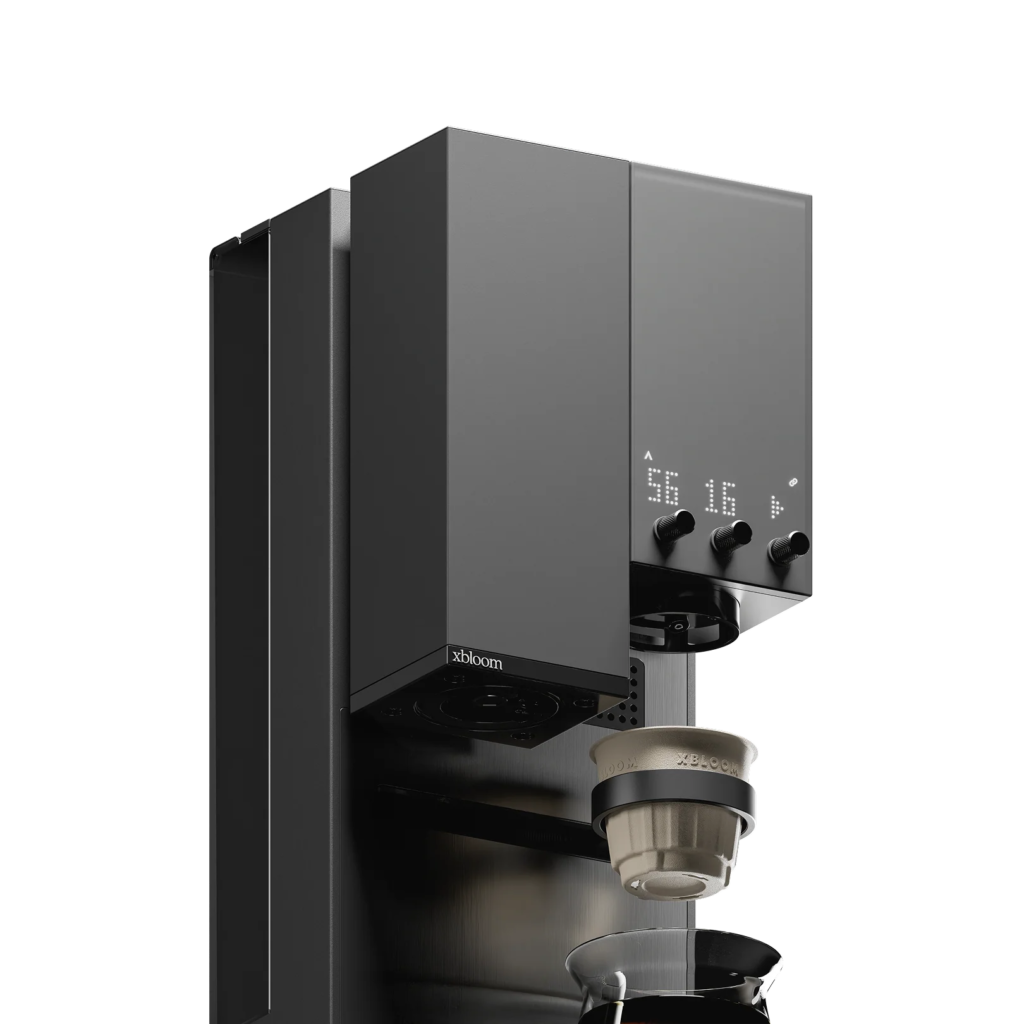
The xBloom Studio is an advanced AI-powered coffee maker designed specifically for pour-over brewing — a method traditionally requiring human skill, timing, and precision. What sets this device apart is its seamless integration of smart grinding, weighing, water heating, and AI-powered pouring techniques into a single compact system. It’s targeted toward coffee enthusiasts, professionals, and newcomers who want precision without complexity.
Smart Brewing Ecosystem
The Studio offers three brewing modes tailored to different experience levels:
- Autopilot Mode – Fully automatic for beginners
- Copilot Mode – Assisted mode for intermediate users
- Freesolo Mode – Manual override for expert brewers
These modes make specialty coffee accessible to everyone, while still allowing deep customization for connoisseurs.
Precision Engineering in Every Cup
The standout feature of the xBloom Studio is its 48mm stainless steel conical burr grinder with 80 finely tuned grind settings. The grinder adjusts in increments of 18.75 microns, ensuring a precise grind size that significantly impacts flavor extraction. To further improve performance, an anti-static ionizer and sweeping system eliminate clumping and ensure all grounds are transferred into the brewing chamber.
AI-Powered Brewing Mechanics
The Studio uses NFC-enabled recipe cards known as “xPods” that are programmed by coffee roasters. These cards hold the exact recipe profile — grind size, water temperature, pouring pattern, and flow rate — for that particular coffee. The AI reads the card and replicates the roaster’s method with remarkable accuracy.
The brewing head features a patented kinematic spout that delivers water in three distinct patterns:
- Centered pour
- Circular pour
- Spiral pour
These techniques mimic the actions of a professional barista and are adjusted automatically based on the recipe data.
Heating and Energy Efficiency
The machine uses a metal-based nanofilm heating tube that heats water instantly, eliminating the standby energy waste found in traditional boiler systems. This innovation makes it both fast and energy-efficient.
xBloom Studio – Feature Specifications Table
| Feature | Specification |
|---|---|
| Grinder Burrs | 48mm Stainless Steel Conical |
| Grind Resolution | 80 steps at 18.75 microns each |
| Grinder Speed Range | 60 – 120 RPM (Customizable) |
| Water Capacity | 946 ml (32 oz) |
| Temperature Control | 40°C to 95°C (Precision) |
| Flow Rate | 3.0 – 3.5 ml/s |
| Scale Accuracy | ±0.1g (up to 1kg), ±1g (up to 2kg) |
| Brewing Styles | Centered, Circular, Spiral Pour |
| Retail Price | $599.00 USD (USA/Canada) |
xBloom Studio – Feature Matrix
| Capability | Automation Level | Customization | Ideal For | AI Role |
|---|---|---|---|---|
| Grinding | High | Yes | All Users | Adjusts size, speed |
| Weighing | High | No | Beginners to Pros | Real-time dose control |
| Heating | High | Limited | Energy-Efficient Users | Instant temperature adjustment |
| Pouring Mechanism | High | Yes | Barista-level Techniques | Pattern selection via AI |
| Recipe Reproducibility | Very High | Yes | Roasters, Connoisseurs | NFC-enabled recipe execution |
xBloom Studio – Who Should Use It?
| User Type | Recommended Mode | Benefits |
|---|---|---|
| Beginners | Autopilot | No manual input required |
| Intermediate Brewers | Copilot | Learn while brewing with guided adjustments |
| Professionals | Freesolo | Complete manual control with data precision |
| Coffee Roasters | Autopilot/Copilot | Share precise recipes with customers |
Summary
The xBloom Studio is more than a coffee machine — it is a sophisticated, AI-driven brewing assistant designed to replicate and even surpass traditional pour-over techniques. With its precision engineering, smart recipe system, and intuitive interface, it stands as one of the most comprehensive coffee brewing tools in 2026. Whether for home use or professional environments, it helps users achieve consistently great coffee without the guesswork.
2. Jura GIGA 10
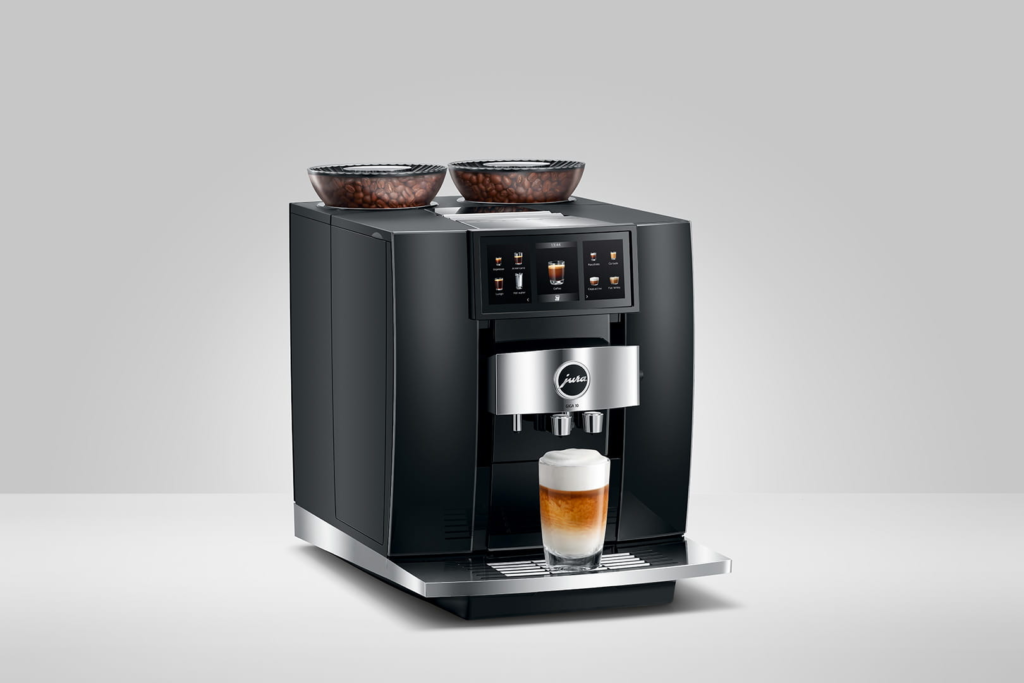
In 2026, the Jura GIGA 10 is widely recognized as one of the most advanced AI-powered coffee machines available. Designed for coffee lovers who demand both performance and personalization, this machine combines high-end hardware, smart algorithms, and an elegant user interface to deliver an unmatched brewing experience. Positioned in the luxury tier of smart coffee appliances, the GIGA 10 sets itself apart through its dual grinder system, advanced AI calibration, and cutting-edge cold brew technology.
Next-Generation Control and Design
The Jura GIGA 10 introduces a wide panoramic 6.7-inch touchscreen interface that allows users to personalize every detail of the brewing process. Its user-friendly layout simplifies the experience while unlocking a high degree of customization across 35 hot and cold beverage options. Each drink can be tailored by strength, grind setting, water quantity, milk texture, and temperature.
Dual Ceramic Grinders for Unlimited Customization
At the core of the machine are two electronically adjustable ceramic disc grinders. Each grinder is linked to its own 9.9 oz bean hopper, giving users the flexibility to switch between two different types of coffee beans without manual effort. Whether using a light roast for espresso or a dark roast for cappuccinos, the machine intelligently selects the optimal grinder for each beverage.
AI Precision with Product Recognising Grinder (P.R.G.)
Jura’s proprietary AI engine — the Product Recognising Grinder (P.R.G.) — is what truly elevates the GIGA 10. This system actively monitors up to 28 extraction variables in real time, including the moisture level of beans, which can vary from 3.8% to 12.5%. Using this data, the AI automatically adjusts the grind fineness, dosage, and brewing time for every cup. This intelligent calibration leads to highly consistent coffee quality.
Performance Benchmark Table: Jura GIGA 10
| Feature | Specification |
|---|---|
| Beverage Options | 35 (Hot and Cold) |
| Grinder System | Dual Ceramic Disc Grinders |
| Bean Hopper Capacity | 2 x 9.9 oz |
| AI Extraction Variables | 28 (including bean moisture) |
| Display | 6.7” Panorama Touchscreen |
| Water Reservoir | 87.9 oz (2.6 Liters) |
| Power Consumption | 1500 Watts |
| Brewing Speed (Cold Extraction) | < 60 Seconds |
| Weight | 40 lbs (18 kg) |
| Price Range | $5,499.00 to $6,995.00 USD |
AI Performance Comparison Matrix (vs Competitors)
| Feature | Jura GIGA 10 | Breville Oracle Touch | DeLonghi PrimaDonna | xBloom Studio |
|---|---|---|---|---|
| Dual Grinder System | Yes | No | No | No |
| Bean Type Switching | Automatic | Manual | Manual | Not Applicable |
| Cold Brew Function | Yes (<60s) | No | Yes (>5 min) | No |
| Touch Interface | 6.7” Full Panel | 4.3” Partial | 4.3” Partial | Full Touch |
| AI Variable Control | 28+ | Limited | Limited | NFC Recipe Cards |
| Price Range | High | Mid | Mid | Mid |
Revolutionizing Cold Brew with High-Pressure Pulsing
Traditional cold brew methods rely on long steeping times of 12 to 24 hours. The GIGA 10 breaks this limitation by using rapid, pulsed cold water extraction. Within less than 60 seconds, users can enjoy a cold brew that retains deep flavor, low acidity, and rich aroma — all without waiting hours. The machine achieves this using a high-pressure cold water system calibrated by AI.
Dual Brewing with Thermal Precision
One of the most practical innovations in the GIGA 10 is its ability to prepare two drinks at the same time, thanks to its dual thermoblock heating system. This parallel brewing approach ensures both drinks are served at consistent temperatures while reducing wait time.
User Segment Compatibility Table
| User Profile | GIGA 10 Benefits |
|---|---|
| Home Barista Enthusiasts | High customization, advanced AI extraction |
| Office Environments | Dual brewing, cold brew on demand |
| Café and Hospitality Use | Reliable output, consistent results, touch interface |
| Tech-Savvy Consumers | Touchscreen control, AI optimization, smart switching |
Energy Usage & Smart Resource Efficiency
Despite its power, the Jura GIGA 10 is built with efficiency in mind. The smart standby mode and energy-saving software reduce unnecessary electricity usage without affecting performance. The use of ceramic grinders also reduces heat during grinding, preserving bean integrity and aroma.
Summary
The Jura GIGA 10 is a high-end, AI-driven coffee machine that delivers unmatched personalization and precision. From its dual grinder setup to its instant cold brew feature, it caters to users who demand control, quality, and convenience. Backed by Jura’s engineering and AI innovation, it remains a top contender among the best AI coffee brewing tools of 2026.
3. Decent Espresso Bengle

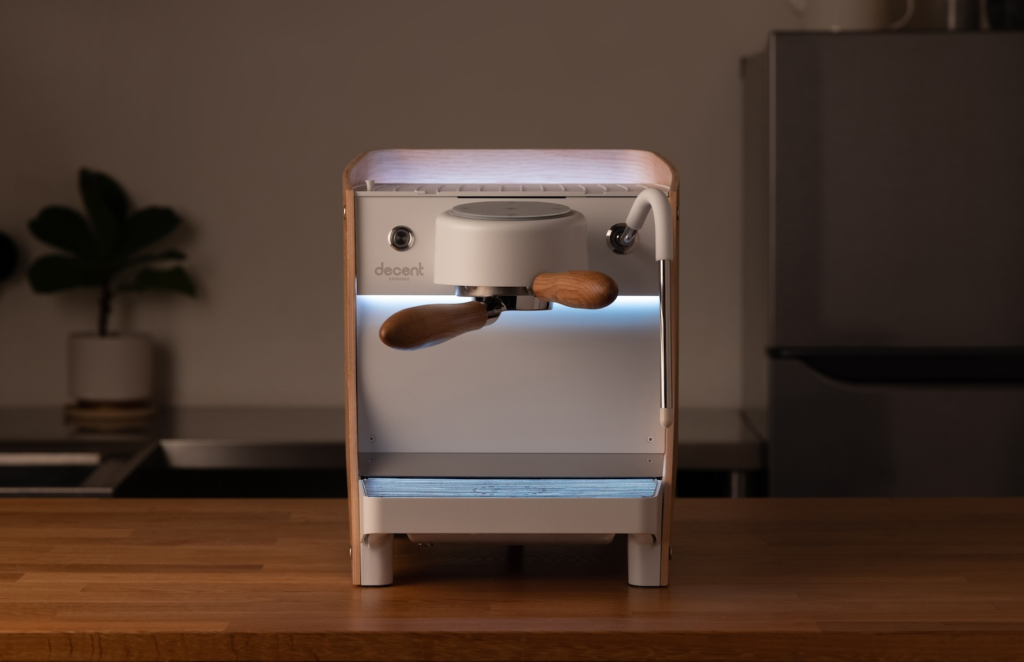
The Decent Espresso Bengle stands out in 2026 as one of the most advanced AI-powered semi-automatic espresso machines built specifically for the prosumer market. It combines cutting-edge hardware with data-rich software to help experienced home baristas and professionals fine-tune their coffee-making process with scientific accuracy. Unlike traditional manual machines that rely heavily on user intuition, the Bengle introduces a fully digital and highly customizable brewing experience powered by intelligent sensors and real-time analytics.
Tablet-Controlled Interface for Maximum Control
The Bengle eliminates knobs, levers, and mechanical dials by integrating an 11-inch Samsung A9+ tablet as its central command system. This high-resolution touchscreen interface presents detailed visual data during the brewing process, including pressure curves, flow rate graphs, shot duration, temperature fluctuations, and extraction yields. It empowers users to replicate the behavior of various espresso machines or design their own extraction profiles.
Real-Time Feedback with Ultra-High Sensitivity
One of the core features of the Decent Bengle is its high-frequency drip tray scale, capable of measuring with extreme precision at up to 1800 Hz. This allows the machine to track real-time fluctuations in espresso flow and pressure. The data collected enables predictive decisions—such as ending a shot precisely before over-extraction occurs by accounting for the remaining liquid in the puck.
Advanced Engineering and Temperature Accuracy
The 2026 model includes a newly redesigned manifold that brings pressure, flow, and temperature sensors onto a single printed circuit board (PCB). This reduces the number of cables, enhances system responsiveness, and improves overall reliability. The machine’s ability to maintain a stable temperature with a margin of only ±0.3°C makes it one of the most accurate machines available in its class.
Technical Specifications Table: Decent Espresso Bengle
| Attribute | Specification |
|---|---|
| Group Head Material | Cast Stainless Steel (non-tarnishing) |
| User Interface | 11″ Samsung A9+ Tablet, 1080p Display |
| Real-Time Scale Frequency | 1800 Hz |
| Warm-Up Time | 2 Minutes |
| Steam Temperature | 160°C |
| Steam Power | Super-Dry, Enhanced Output |
| Steam Wand Material | PPS (Cool-Touch Polymer) |
| Temperature Accuracy | ±0.3°C |
| Shot Termination | Predictive Drip Algorithm |
| Pricing Estimate | $6,000.00 USD |
AI Feature Matrix: Decent Bengle
| Feature | Type | Purpose | AI Involvement |
|---|---|---|---|
| Predictive Drip Algorithm | Shot Timing Control | Ends shot with exact yield before over-pouring | Yes – Real-time forecasting |
| Mimicry Mode | Profile Emulation | Replicates other espresso machines’ pressure curves | Yes – Machine behavior modeling |
| Integrated 1800Hz Scale | Flow and Weight Monitoring | Tracks rapid changes in pressure/flow during shot | Yes – Live analytics and feedback |
| Single PCB Sensor Platform | Technical Engineering | Improves heat and pressure regulation | Indirect – Enhances response time |
| Tablet-Controlled Interface | Touchscreen User Experience | Offers complete recipe design and shot feedback | Yes – Data visualization and control |
Bengle vs Competitor Comparison Chart (2026 Prosumer Market)
| Feature | Decent Bengle | Breville Dual Boiler | La Marzocco Linea Mini | Slayer Single Group |
|---|---|---|---|---|
| AI-Powered Predictive Shot Stop | Yes | No | No | No |
| Real-Time Scale Monitoring | 1800 Hz | None | Optional Add-On | No |
| Pressure & Temp Sensor Platform | Unified PCB | Separate Components | Traditional PID | Manual Control |
| Emulation of Machine Profiles | Yes (Mimicry) | No | No | No |
| Touchscreen Interface | 11” Tablet | Button/Dial | Buttons Only | Rotary Valves |
| Price Range (USD) | ~$6,000 | ~$1,500 | ~$5,400 | ~$8,500 |
Use Case Alignment Table
| User Type | How the Bengle Supports Their Goals |
|---|---|
| Home Baristas (Advanced) | Allows full customization with real-time feedback |
| Espresso Technicians | Offers data for diagnostics and flavor experimentation |
| Cafés & Boutiques | Enables repeatability and fast staff training |
| Coffee Equipment Testers | Can benchmark other machines through mimicry mode |
Steam Wand Innovation and Thermal Safety
The steam wand in the Decent Bengle uses polyphenylene sulfide (PPS), a heat-resistant material that stays cool to the touch during operation. At the same time, it delivers steam at a temperature of 160°C with super-dry consistency, which enhances milk texture without adding excess water. This dual benefit of power and safety makes it ideal for precision latte art.
Summary
The Decent Espresso Bengle is not just a coffee machine—it’s a full espresso laboratory. By blending real-time measurement, advanced AI prediction, and user-defined control, it allows users to experiment and refine espresso like never before. From replicating famous machines to creating completely new styles of coffee extraction, it is the ideal tool for data-loving coffee professionals and serious enthusiasts in 2026.
4. Breville Barista Touch Impress
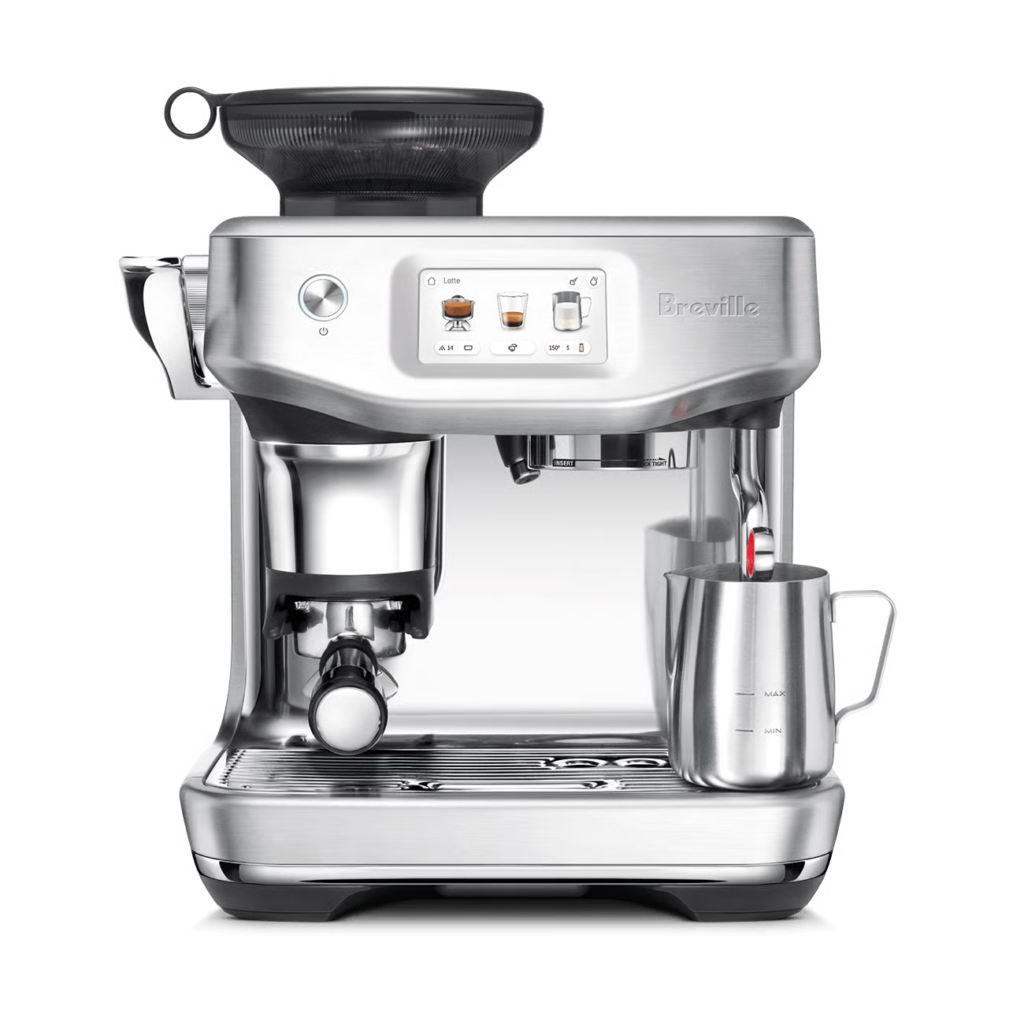
In 2026, Breville continues to lead in bringing professional-level coffee technology into everyday homes. Among its top-performing innovations is the Barista Touch Impress, an advanced semi-automatic espresso machine powered by artificial intelligence. Built for coffee lovers who want café-quality espresso without years of barista training, this machine offers a guided and interactive brewing experience. With intuitive design, smart features, and automation built into every step, it stands out as one of the most user-friendly AI coffee machines on the global market.
AI-Assisted Espresso Dosing with the Impress Puck System
One of the key highlights of the Barista Touch Impress is its Impress Puck System—an intelligent tool that automates the most critical and traditionally error-prone parts of espresso-making: dosing and tamping. The machine evaluates each puck (the compressed coffee disc) after tamping. If the puck is too low, the system provides real-time prompts to adjust grind amount and automatically calibrates the next dose to meet the desired height. This reduces the chances of under-extraction or over-extraction, leading to more consistent espresso shots.
The automated tamping arm applies a firm 22 pounds of pressure with a 7-degree rotational twist to mirror professional barista technique. This ensures that every shot has a smooth and even coffee bed for ideal water flow during extraction.
AI-Powered Milk Frothing with Auto MilQ
The Barista Touch Impress also introduces a next-level milk steaming solution called Auto MilQ. This feature customizes steam temperature and air injection based on the type of milk used—whether dairy, almond, oat, or soy. This AI-enhanced milk texturing system ensures that each drink gets the optimal froth, body, and microfoam structure suitable for lattes, flat whites, or cappuccinos.
Temperature is adjusted automatically within a range of 104°F to 167°F, depending on the liquid’s protein and fat structure. This means almond milk won’t scald, and cow’s milk will froth just right without overheating. This attention to detail creates a better texture and taste experience with every cup.
Technical Specification Table: Breville Barista Touch Impress
| Feature | Specification |
|---|---|
| Heating System | ThermoJet (3-second heat-up) |
| Tamping Mechanism | 22 lb Automated Pressure + 7° Twist |
| Grind Settings | 30 Grind Steps with Baratza Precision Burrs |
| Milk Frothing System | Auto MilQ (Supports 8 Texture Profiles for Milk Types) |
| Temperature Control | PID-Controlled at 200°F (93°C) |
| Steam Temperature Range | 104°F to 167°F (for various milk types) |
| User Interface | Touchscreen-Based Brewing Guidance |
| Energy Efficiency | 32% More Efficient Than Traditional Thermoblocks |
| Power Consumption | 1750 Watts |
| Retail Price Range | $999.00 – $1,389.95 USD |
Breville vs Competing Home Espresso Machines (2026)
| Feature | Breville Barista Touch Impress | Gaggia Classic Pro | Nespresso Creatista Pro | DeLonghi La Specialista |
|---|---|---|---|---|
| AI Dosing Assistance | Yes | No | No | Partial |
| Automated Tamping | Yes | No | No | Yes (Basic) |
| Milk Type Detection (Auto MilQ) | Yes | No | Partial | No |
| Heating Speed (Seconds) | 3 | 60+ | 3 | 30 |
| Temperature Control Accuracy | ±1°C | No PID | PID-Controlled | PID-Controlled |
| Built-in Touchscreen Guidance | Yes | No | Yes | Yes |
| Price Range (USD) | $999 – $1,389.95 | ~$450 | ~$899 | ~$850 |
Milk Performance Comparison Matrix (Auto MilQ Focus)
| Milk Type | Temperature Adjustability | Froth Texture Customization | AI Calibration for Proteins |
|---|---|---|---|
| Whole Milk | Yes | 8 Levels | Yes |
| Almond Milk | Yes | 8 Levels | Yes |
| Soy Milk | Yes | 8 Levels | Yes |
| Oat Milk | Yes | 8 Levels | Yes |
| Skim Milk | Yes | 8 Levels | Yes |
Ideal User Groups for the Barista Touch Impress
| User Segment | Key Benefits Delivered by AI Features |
|---|---|
| Home Espresso Lovers | Simplified process, reduced learning curve, consistent results |
| Beginners | Guided interface, dosing help, no manual tamping required |
| Busy Professionals | Fast startup, automated milk and espresso in minutes |
| Sustainable Shoppers | Energy-efficient heating and smart dosing reduce waste |
| Plant-Based Consumers | AI-adjusted milk profiles for non-dairy frothing |
Energy Efficiency and Environmental Awareness
The ThermoJet system used in the Barista Touch Impress is not only fast—it’s efficient. Compared to traditional thermoblock systems, it uses 32% less energy, making it a smart choice for households aiming to reduce their carbon footprint without sacrificing performance. The system heats water in just 3 seconds, allowing for almost instant readiness.
Summary
The Breville Barista Touch Impress blends advanced AI features with user-friendly design to bring high-quality espresso into the hands of everyday consumers. From intelligent tamping and dosing to personalized milk frothing across multiple milk types, it reduces guesswork and increases enjoyment. As part of the top 10 AI coffee tools for 2026, it is especially suitable for those who want professional results without complicated routines or steep learning curves.
5. Spinn 2
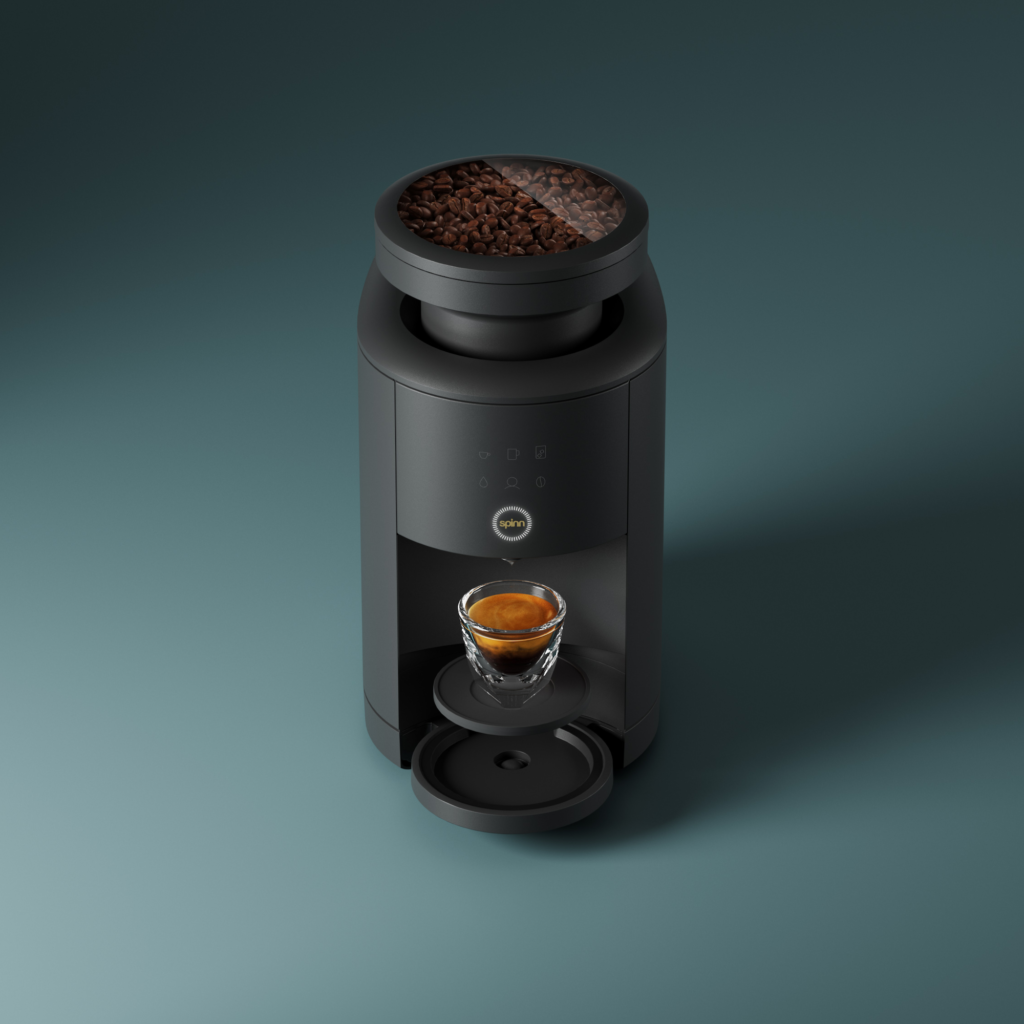
The Spinn 2 is one of the most futuristic AI-powered coffee machines available in 2026. It introduces a completely different way to brew coffee by replacing traditional pump-based extraction with centrifugal force. Designed for both casual users and advanced enthusiasts, the Spinn 2 combines high-speed brewing, real-time bean recognition, and smartphone-based customization. With its clean design, large water tank, and advanced automation features, it offers a comprehensive smart brewing experience.
Centrifugal Brewing with Spinn Drive Technology
At the heart of the Spinn 2 is the Spinn Drive—a centrifugal brewing system that spins coffee grounds and water at speeds of up to 5,000 RPM. This spinning motion pushes the brewed liquid through a fine outer mesh while separating and ejecting the used grounds into a built-in collection bin. The method allows the Spinn 2 to deliver espresso, drip, and even cold brew coffee, all from the same machine without requiring pressure pumps or manual intervention.
This unique approach reduces bitterness and creates smoother extractions by evenly distributing water through the spinning bed of coffee. The absence of a pressure pump also contributes to fewer mechanical failures and lower maintenance requirements over time.
AI and Computer Vision Integration for Roast Recognition
One of the standout AI features of the Spinn 2 is its computer vision system. Users can simply scan their coffee bag using a smartphone camera. The machine’s cloud-based AI then identifies the bean origin, roast level, and grind recommendation. It automatically syncs brewing parameters like grind size, water temperature, and spin speed based on the roaster’s official specifications.
This feature brings café-level brewing intelligence directly into users’ homes, helping them get the most flavor from specialty beans without needing to adjust settings manually.
Advanced Control with Geek Mode for Enthusiasts
For more experienced users, the Spinn 2 includes a “Geek Mode” available via smartphone app. This mode unlocks advanced manual controls, allowing users to tweak seven critical brewing variables such as:
- Centrifuge spin speed
- Grind coarseness
- Water flow rate
- Brew time
- Water temperature
- Pre-wet duration
- Dose volume
This combination of deep customization and AI-guided automation makes the Spinn 2 a powerful tool for both casual drinkers and precision-oriented brewers.
Technical Specifications Table: Spinn 2 Coffee Machine
| Component | Specification |
|---|---|
| Brewing Method | Centrifugal Extraction (Up to 5,000 RPM) |
| Grinder | 1.6″ Stainless Steel Burrs |
| Dose Accuracy | 0.1g Precision Scale |
| Connectivity | WiFi with App Integration (iOS/Android) |
| Water Tank Capacity | 68 fl oz (v2 Upgrade) |
| Residue Bin Capacity | 30 fl oz |
| Drip Tray Capacity | 17 fl oz |
| Drink Options | Espresso, Drip Coffee, Cold Brew |
| Compatibility | Works with all bean types (including oily dark roasts) |
| Pricing | $999.00 – $1,199.00 USD |
Spinn 2 vs Traditional Espresso Machines: Brewing Approach Comparison
| Feature | Spinn 2 | Traditional Pump Machine |
|---|---|---|
| Extraction Type | Centrifugal (5,000 RPM) | Pressure-Based (9 bar avg.) |
| Bean Recognition | Yes (via App + Vision AI) | No |
| Brew Time (Cold Brew) | ~60 Seconds | Several Hours (Manual) |
| Maintenance Requirements | Low | Moderate to High |
| Customization Depth | High (7 Adjustable Params) | Medium |
| Drink Variety | Espresso, Drip, Cold Brew | Usually Espresso Only |
AI and User Interaction Matrix: Spinn 2 Features
| AI Feature | User Benefit | Level of Automation |
|---|---|---|
| Roast Recognition via Vision | Automatic bean profile matching and recipe download | Full |
| Geek Mode Controls | Custom brewing experiments with manual override | Partial |
| Dynamic Spin Adjustment | Adjusts RPM based on roast density and drink type | Full |
| Auto-Descaling Alerts | Notifies users for cleaning based on usage and water type | Full |
User Suitability Table for Spinn 2
| User Category | How Spinn 2 Supports Their Needs |
|---|---|
| Tech-Savvy Beginners | One-touch brew with AI-selected parameters |
| Coffee Experimenters | Geek Mode offers deep control over brew settings |
| Eco-Conscious Users | Centrifugal design uses less energy and has fewer mechanical parts |
| Busy Professionals | Fast cold brew and drip in under a minute |
| Specialty Bean Drinkers | AI ensures roaster-recommended brewing without trial and error |
Hardware Improvements in 2026 (Version 2 Model)
Based on community feedback, the 2026 v2 model of Spinn introduced several functional enhancements:
- Water tank upgraded to 68 fl oz for fewer refills
- Residue container increased to 30 fl oz to handle more used grounds
- Drip tray expanded to 17 fl oz to accommodate larger cups
- Improved feed mechanism and adjustable burrs make it compatible with all types of coffee beans, including those that are dark, oily, or sticky
Summary
The Spinn 2 is a next-generation coffee machine that redefines home brewing with its unique centrifugal system and AI capabilities. From real-time roast recognition to app-based parameter controls, it delivers convenience, flexibility, and quality in a compact, stylish format. Especially ideal for those who enjoy exploring a variety of coffee styles without dealing with the learning curve of traditional espresso machines, it ranks as a top contender among the world’s most innovative AI coffee tools in 2026.
6. Terra Kaffe TK-02

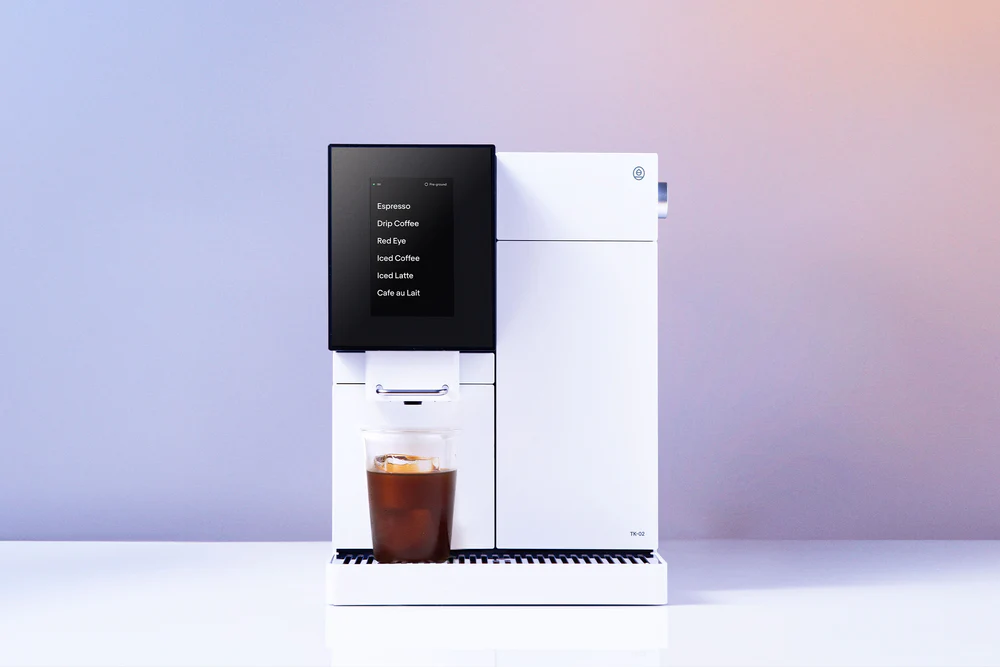
The Terra Kaffe TK-02 is one of the most stylish and functionally advanced AI coffee machines available in 2026. Positioned as a luxury home appliance that seamlessly blends cutting-edge brewing intelligence with high-end design, the TK-02 delivers both espresso and authentic drip coffee—a rare combination in the world of super-automatic machines.
Often praised for its sleek, minimalist appearance inspired by Scandinavian design, the TK-02 is not just about aesthetics. It offers serious performance for those who want both café-quality drinks and beautiful kitchen appliances. With integrated smart features, dual boilers, and precision grinding, it stands as one of the top AI coffee machines globally for modern living.
Authentic Espresso and True Drip Coffee in One Machine
Unlike many super-automatic machines that mimic drip coffee by simply pulling extra water through finely ground espresso, the TK-02 uses a smarter, more effective method. It has an electronically adjustable grinder that automatically changes the grind size based on the selected coffee type. For espresso, it uses a fine grind and full 9-bar pressure. For drip coffee, it switches to a coarser grind and lowers the pressure to achieve a balanced extraction with a smooth mouthfeel.
This process ensures that the drip coffee actually tastes like drip coffee, not a watered-down espresso. Combined with dual boilers, the machine can brew and steam milk at the same time without sacrificing temperature control or shot quality.
IoT Personalization and App Connectivity
The TK-02 is also a fully IoT-connected device, giving users the ability to control every aspect of the brewing process from their smartphones. Through its companion app, users can schedule morning brews, adjust strength, temperature, milk foam, and even save personalized drink recipes. This makes it ideal for households with multiple coffee drinkers who have different preferences.
Technical Specifications Table: Terra Kaffe TK-02
| Feature | Specification |
|---|---|
| Brewing Types Supported | Espresso & Authentic Drip Coffee |
| Grinder Adjustment | 5 Electronic Grind Settings |
| Pump Pressure | 9 Bar |
| Number of Boilers | 2 (Simultaneous Brewing and Steaming) |
| Bean Hopper Capacity | 15.9 oz (450g) |
| Water Tank Capacity | 74.4 oz (2.2 L) |
| Milk System | Hidden Siphon (for clean external design) |
| Water Tank Loading | Front-Loading Tank |
| Machine Footprint | 14.3″ Height, 29 lbs |
| Price Range | $1,695.00 – $1,995.00 USD |
| App Compatibility | Yes – Fully IoT-Connected |
Performance Comparison Matrix: Terra Kaffe TK-02 vs Competing Machines
| Feature | Terra Kaffe TK-02 | Jura E8 | DeLonghi Eletta Explore | Breville Oracle Touch |
|---|---|---|---|---|
| True Drip Coffee Capability | Yes (Grind + Pressure Adjusted) | No | Simulated | No |
| Grinder Adjustment (Electronic) | Yes (5 Levels) | Manual | Manual | Manual |
| Dual Boiler | Yes | No | Yes | Yes |
| App-Controlled Personalization | Yes (Full Control) | Partial | Limited | No |
| Hidden Milk System for Design | Yes | No | No | No |
| Price Range (USD) | $1,695 – $1,995 | ~$2,300 | ~$1,500 | ~$2,200 |
User Satisfaction and Review Metrics (2026 Survey)
| Metric | Score / Result |
|---|---|
| User Recommendation Rate | 96% of users would recommend the TK-02 |
| Average User Rating | 4.7 stars out of 5 (Based on 325 Verified Reviews) |
| Top User Praises | Convenience, Design, Flavor Consistency |
| Most Used Feature | Scheduled Morning Brew via App |
IoT Feature Breakdown for TK-02
| Smart Feature | Functionality Description |
|---|---|
| Scheduled Brewing | Automatically brews at pre-set times |
| User Profiles | Saves drink preferences for multiple users |
| Remote Operation | Brew from anywhere via WiFi and smartphone app |
| Maintenance Notifications | App alerts for cleaning, refilling, or descaling |
| Brewing History | Tracks previous brews for quality and consistency logging |
Design and User Convenience Highlights
The Terra Kaffe TK-02 has been recognized not only for its performance but also for its thoughtful physical layout. Its front-loading water reservoir makes it easy to refill without moving the machine. The milk siphon system is cleverly hidden inside the unit, preserving its clean and modern lines while still offering rich foam and steamed milk for lattes and cappuccinos.
This design-forward thinking makes it a favorite in kitchens where space and style are equally important. The clean interface, intuitive touchscreen, and near-silent brewing also make it well-suited for quiet mornings or office environments.
Summary
The Terra Kaffe TK-02 is a high-performance, AI-powered coffee machine built for modern living. It stands out for its ability to brew both authentic espresso and real drip coffee, supported by smart grinding adjustments and app-based controls. With its Scandinavian-inspired design, IoT functionality, and strong user ratings, the TK-02 is ideal for style-conscious coffee drinkers who don’t want to compromise on quality or convenience.
7. La Marzocco Linea Mini (Connected)

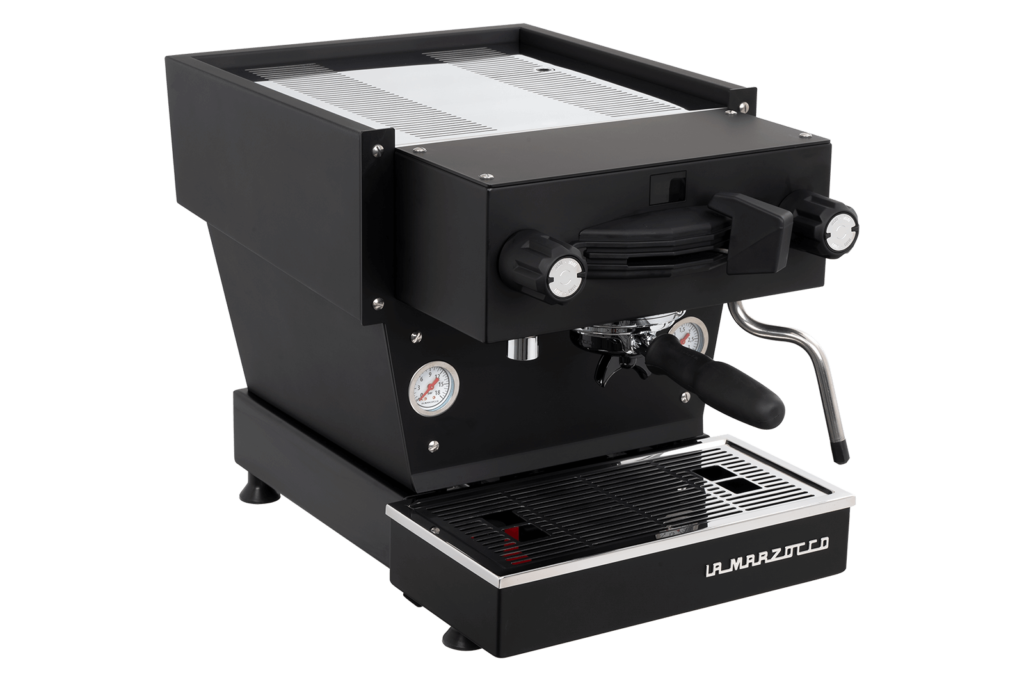
The La Marzocco Linea Mini (Connected Edition) is a modern update to one of the most respected espresso machines in the world. Already a favorite among coffee professionals and passionate home baristas, the 2026 model introduces powerful AI features that take espresso precision to new levels. The most significant advancement is the integration of Brew-by-Weight technology, developed in partnership with Acaia, a leading name in coffee scales and smart brewing tools.
With built-in Bluetooth connectivity and machine learning algorithms, the Linea Mini now offers greater accuracy, consistency, and user control than ever before—delivering true barista-level results from home or compact commercial setups.
Mass-Based Extraction with Predictive AI Algorithms
Traditional espresso machines often rely on volume to determine how much liquid has been extracted. However, volume can be inconsistent due to crema thickness, tamping pressure, and other variables. The Linea Mini Connectedsolves this problem with a mass-based extraction system. By using a smart scale connected to the machine’s IoT board, the machine monitors the exact weight of espresso as it brews, not just the liquid amount.
The system uses a predictive drip algorithm that calculates how much more coffee will drip after the pump shuts off. This helps it stop the shot at the perfect moment—ensuring a precise yield, like 36 grams, every time. The result is a repeatable, reliable espresso shot with minimal need for manual adjustment.
Smart Connectivity with the La Marzocco Home App
The Linea Mini can connect to the La Marzocco Home App, where users can adjust settings, create presets, and switch between Brew-by-Weight and Grind-by-Weight modes when used with compatible grinders such as the Pico or Swan. This gives users detailed control over dosing, extraction time, and recipe customization.
The app also tracks machine usage and provides reminders for cleaning and maintenance, which is particularly useful in busy environments or multi-user households.
Technical Specifications Table: La Marzocco Linea Mini Connected
| Feature | Specification |
|---|---|
| Extraction Mode | Brew-by-Weight (AI Predictive Mass-Based Dosing) |
| Connectivity | Bluetooth 4.0 |
| Compatible App | La Marzocco Home App |
| Scale Capacity (Acaia) | 4.4 lbs (2 kg), 0.1g Resolution |
| Algorithm Type | Machine Learning Predictive Drip |
| Scale Battery | USB-C Rechargeable |
| Portafilter Compatibility | Spouted or Bottomless |
| User Presets | Two Dose Profiles (Adjustable via App) |
| Machine Price | $6,600+ USD |
| Acaia Connected Scale Price | $400 USD |
Performance Matrix: La Marzocco Linea Mini Connected vs Traditional Machines
| Feature | La Marzocco Linea Mini Connected | Standard Semi-Automatic Machines |
|---|---|---|
| Dosing Method | Mass-Based (Brew-by-Weight) | Volume or Time-Based |
| Shot Termination Accuracy | ±0.1g with Predictive Drip AI | Variable |
| App Customization | Yes (via La Marzocco App) | No |
| Portafilter Adaptability | Yes | Depends on model |
| Smart Grinder Pairing | Yes (Pico, Swan) | No |
| Suitable For Beginners | Yes (Automated Precision) | Moderate to High Learning Curve |
| Target User Profiles | Beginners, Home Baristas, Pros | Mostly Home or Café Owners |
User Tier Recommendations for the Linea Mini Connected
| User Type | Feature Benefits Delivered |
|---|---|
| Beginner Espresso Makers | Reduces complexity with precise, automatic dosing |
| Enthusiast Home Baristas | High repeatability with shot data tracking via app |
| Small Café/Pop-Up Baristas | Fast service, minimal manual calibration |
| Technical Users | Ability to pair with smart grinders and control variables |
Smart Integration and Grinder Compatibility
When paired with compatible grinders like the Pico or Swan, users can activate Grind-by-Weight mode, allowing the grinder to dose the exact amount of coffee based on weight. This ensures consistency between dose and yield, which is critical for producing espresso at a professional standard.
The Bluetooth system ensures real-time communication between devices, enabling seamless transitions from grind to extraction. This closed-loop ecosystem makes the Linea Mini Connected a powerhouse for those who want complete control over their espresso workflow.
Precision Brewing Workflow Diagram: Linea Mini Connected Ecosystem
| Workflow Step | Tool Used | AI Involvement | Outcome |
|---|---|---|---|
| Bean Weighing | Acaia Connected Scale | Yes – Precision Target Weight | Accurate Input Dose |
| Grinding | Pico or Swan Grinder | Yes – Grind-by-Weight Mode | Optimized Grind and Dose |
| Extraction | Linea Mini (Connected) | Yes – Predictive Drip Algorithm | Exact Target Yield per Shot |
| Shot Monitoring | La Marzocco App | Yes – Recipe Customization | Repeatable Brewing Parameters |
Summary
The La Marzocco Linea Mini Connected brings the power of artificial intelligence, predictive analytics, and IoT personalization to one of the world’s most respected espresso platforms. With its Brew-by-Weight system and integration with Acaia’s precision scale, the machine enables exact dosing and yield control—turning a classic machine into a high-tech smart brewer.
It appeals equally to professionals who require consistent results, passionate home users who value precision, and newcomers who want guidance without sacrificing quality. As part of the top 10 AI coffee machines of 2026, the Linea Mini Connected delivers a premium experience that combines legacy craftsmanship with the power of modern technology.
8. Morning Dream
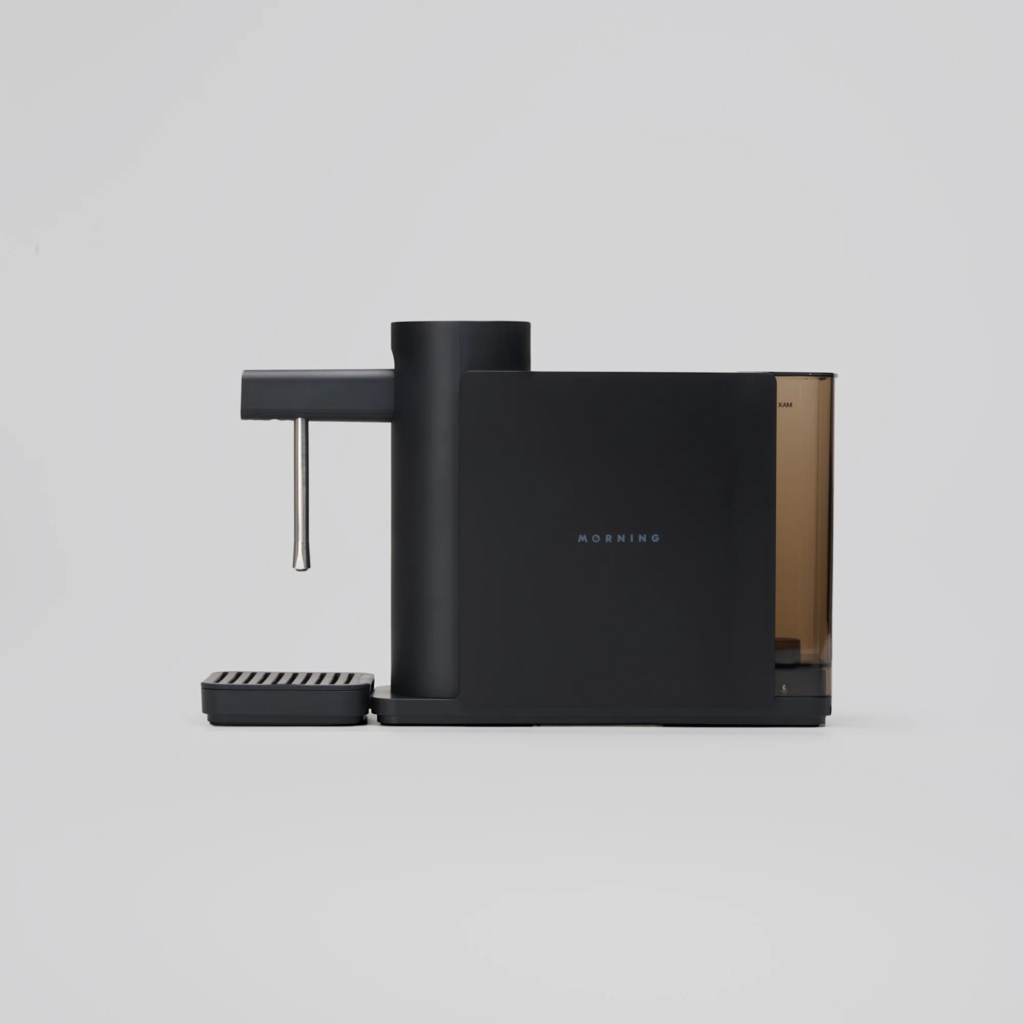
The Morning Dream is not a coffee machine, but a specialized AI-powered milk steamer designed to offer café-level milk texture for espresso-based drinks like lattes, flat whites, and cappuccinos. In 2026, it stands out as one of the most intelligent milk-steaming tools in the market—bridging the gap between beginner convenience and professional latte art. Built with precision infrared technology, instant steam generation, and smart temperature control, the Morning Dream redefines milk frothing at home for both dairy and plant-based alternatives.
This dedicated device is ideal for users who already own an espresso machine but want to upgrade their milk steaming performance, especially when traditional machines fall short in temperature control or steam power.
Advanced Infrared Laser Sensing for Temperature Precision
Unlike traditional steam systems that rely on outdated thermostat mechanisms, the Morning Dream features an infrared laser sensor that reads the milk’s surface temperature inside the pitcher with a ±1°C accuracy. The AI tracks the temperature in real time and automatically shuts off the steam at the exact preset value, eliminating the risk of overheating or under-texturing the milk.
The user can select a target temperature between 55°C and 75°C, depending on the drink style or milk type. This level of control ensures that milk remains sweet and silky without losing its natural flavor—something especially important for delicate non-dairy alternatives like oat and almond milk.
Instant Steam Generation with Flow Heating Technology
Most espresso machines need 10–15 minutes to generate enough pressure for milk steaming. In contrast, the Morning Dream is equipped with a flow heating system that reaches optimal steam conditions in just 7 seconds. This technology allows users to prepare multiple drinks quickly, making it well-suited for busy mornings or professional environments.
The device also includes adjustable steam output in precise 5% increments (from 50% to 100%), allowing for complete control over steaming strength. This adaptability makes it ideal for users working with various milk types that each require different steaming intensities to achieve the right texture.
Technical Specifications Table: Morning Dream Milk Steamer
| Feature | Specification |
|---|---|
| Heat-Up Time | 7 Seconds |
| Temperature Sensor Type | Infrared Laser |
| Temperature Range | 55°C – 75°C (User Adjustable) |
| Temperature Accuracy | ±1°C |
| Steam Power Control | 50% – 100% (in 5% Steps) |
| Power Consumption | 1700W (110V) / 2300W (230V) |
| Device Weight | 4.5 kg |
| Dimensions | 37.8 cm x 10 cm x 23.8 cm |
| Price Range | $560.00 – $800.00 USD |
Performance Comparison Matrix: Morning Dream vs Standard Milk Steamers (2026)
| Feature | Morning Dream | Traditional Espresso Machine | Entry-Level Milk Frother |
|---|---|---|---|
| Steam Start-Up Time | 7 Seconds | 10–15 Minutes | Instant, Low Pressure |
| Temperature Accuracy | ±1°C (Infrared Sensor) | ±4–5°C (Thermostat) | No Sensor |
| Steam Power Adjustability | Yes (5% Increments) | No or Manual Valve | No |
| Plant-Based Milk Optimization | Yes | Partial | No |
| Auto Shut-Off at Target Temp | Yes | No | Sometimes |
| Suitable for Latte Art | Yes (Professional Level) | Yes (Advanced Users) | No |
Milk Type Compatibility and Texture Calibration Matrix
| Milk Type | Recommended Temp | Recommended Steam % | Outcome with Morning Dream |
|---|---|---|---|
| Whole Milk | 65°C | 100% | Smooth, dense microfoam |
| Oat Milk | 60°C | 80% | Balanced texture, sweet finish |
| Almond Milk | 58°C | 70% | Prevents splitting, creates foam |
| Soy Milk | 63°C | 75% | Creamy texture, minimal bubbling |
| Coconut Milk | 55°C | 65% | Gentle heating for light foam |
Specialized Steam Wand Engineering for Texturing Control
Another important feature is the precision-engineered steam wand tip, designed with a carefully calculated diameter and spray angle. This setup creates the ideal vortex inside the milk pitcher, which is critical for building fine microfoam essential for advanced latte art.
The vortex motion encourages consistent texturing across the milk surface, eliminating bubbles and producing the glossy finish that defines high-quality steamed milk.
User Segment Suitability Table
| User Group | How the Morning Dream Adds Value |
|---|---|
| Home Espresso Enthusiasts | Professional milk quality without large machines |
| Beginner Coffee Drinkers | AI control prevents overheating or manual errors |
| Latte Art Learners | Consistent microfoam for practice and performance |
| Plant-Based Consumers | Precise settings ensure perfect foam across milk types |
| Small Coffee Bars | Fast heat-up and accuracy for commercial-grade results |
Summary
The Morning Dream brings intelligent milk steaming to the forefront of AI coffee tools in 2026. By combining instant heat-up, infrared temperature sensing, and smart steam modulation, it offers unmatched convenience and quality for both beginners and skilled coffee makers. Its precision engineering and user-friendly AI make it an essential companion for anyone looking to upgrade their milk-based coffee drinks without investing in a full espresso system.
9. Bosch 800 Series VeroCafe

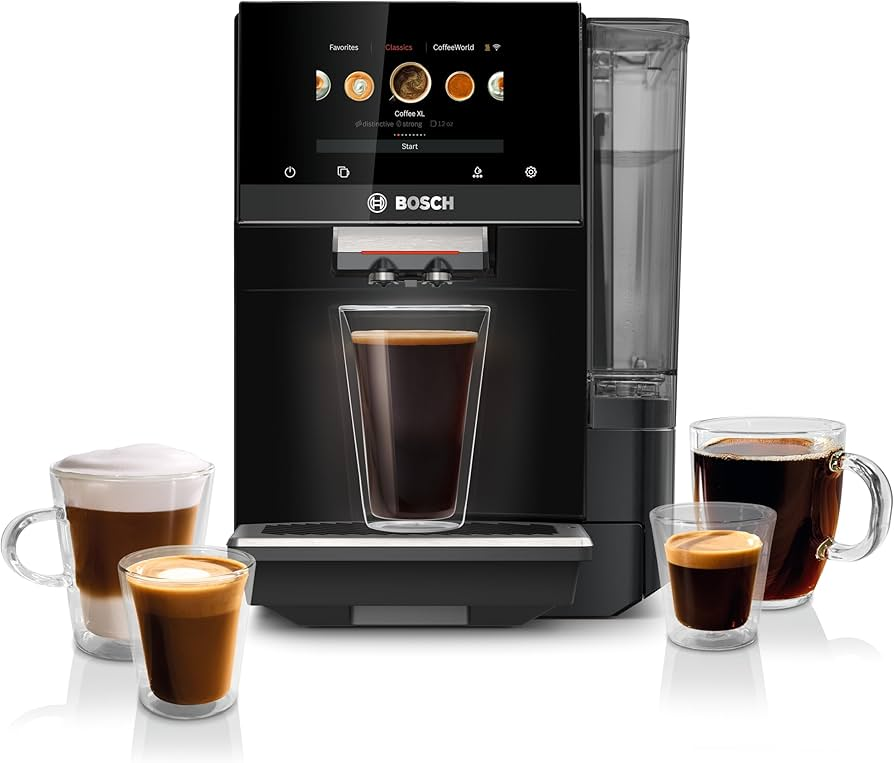
The Bosch 800 Series VeroCafe represents a powerful shift in how artificial intelligence and smart home systems are transforming coffee-making. Positioned firmly in the luxury smart appliance category, the VeroCafe is designed for modern users who value not only taste but also convenience, efficiency, and integration with broader home ecosystems. It brings together Bosch’s engineering excellence with next-gen AI features to deliver one of the most intelligent fully automatic coffee systems available in 2026.
With its Home Connect app, compatibility with voice assistants, and advanced self-maintenance capabilities, this machine has become a top choice among tech-savvy households and office environments alike.
Smart Drink Personalization for Every User
The Bosch VeroCafe comes equipped with an intelligent profile-based system that learns and remembers each user’s unique drink preferences. Whether it’s a strong flat white in the morning or a lighter macchiato in the afternoon, the machine stores individual settings such as:
- Coffee strength
- Milk-to-coffee ratio
- Brew temperature
- Cup size and volume
The result is a fully personalized beverage at the touch of a button—or even through a simple voice command using Alexa or Google Assistant. The system supports multiple profiles, making it ideal for shared households or busy office kitchens where different users demand different coffee experiences.
Automated Maintenance for Long-Term Reliability
One of the most important innovations in the VeroCafe is its AI-enhanced automated maintenance suite. Instead of relying on guesswork, the machine uses built-in sensors to track usage and notify the user when maintenance is needed. This includes:
- Descaling alerts
- Self-cleaning cycles for the milk frother
- Water filter replacement reminders
This approach dramatically reduces the effort required to maintain the machine while ensuring long-term reliability and hygienic performance. The milk system automatically purges itself after each use, which is a key feature for environments where cleanliness and speed are essential.
High-Performance Brewing System with Ceramic Grinder
At the core of the machine is a ceramic disc grinder that adjusts automatically based on the coffee bean type. This ensures consistent grind size and flavor extraction, which are critical to achieving rich crema and balanced taste.
Combined with a 19-bar pressure pump, the system delivers professional-grade espresso, cappuccinos, lattes, and even more specialized drinks like cortados and macchiatos. All drink parameters are automatically optimized depending on the selection, and the system intelligently adapts to different bean densities and roast levels.
Technical Specifications Table: Bosch 800 Series VeroCafe
| Feature | Specification |
|---|---|
| Brewing Pressure | 19 Bar |
| Water Tank Capacity | 81.2 oz (2.4 L) |
| Heat-Up Time | 60 Seconds |
| Grinder Type | Ceramic Disc (Auto Bean Adjustment) |
| Connectivity | Home Connect App, Alexa, Google Assistant |
| Milk Cleaning System | Automatic Self-Cleaning |
| Material | Stainless Steel with High-Grade Plastic |
| Voice Assistant Compatibility | Yes (Full Voice Command Support) |
| Power Usage | Optimized for Smart Energy Control |
| Price Range | $1,500.00 – $1,900.00 USD |
Bosch VeroCafe vs Smart Coffee Machine Competitors (2026 Overview)
| Feature | Bosch VeroCafe | Jura E8 | Philips 5400 LatteGo | Miele CM 6360 |
|---|---|---|---|---|
| AI-Based Maintenance Alerts | Yes | Partial | No | Yes |
| User Drink Profiles | Yes (Multi-User) | Yes | Limited | Yes |
| App Integration | Home Connect | J.O.E. App | No | Miele@Home App |
| Voice Assistant Support | Alexa & Google | No | No | Alexa |
| Auto Milk Frother Cleaning | Yes | Partial | No | Yes |
| Price Range (USD) | $1,500 – $1,900 | ~$2,300 | ~$950 | ~$2,000 |
User Experience Matrix: Bosch VeroCafe AI Capabilities
| AI Feature | User Benefit | Level of Automation |
|---|---|---|
| Bean-Responsive Grinding | Optimizes grind based on roast and density | Full |
| Profile-Based Brewing | Saves custom settings for multiple users | Full |
| Smart Maintenance Alerts | Prevents damage, improves reliability | Full |
| Self-Cleaning Milk Frother | Reduces daily effort and ensures hygiene | Full |
| Voice-Activated Brewing | Hands-free control for busy environments | Full |
Target User Groups for the Bosch 800 Series VeroCafe
| User Type | VeroCafe Advantages |
|---|---|
| Smart Home Enthusiasts | Seamless integration with IoT systems and voice control |
| Families with Multiple Users | Personalized profiles and quick access for all drinkers |
| Professionals and Executives | Fast startup, minimal maintenance, and consistent results |
| Office Breakrooms | Reliable performance and hands-free operation |
| Eco-Conscious Buyers | Smart energy use and long-lasting ceramic grinder |
Summary
The Bosch 800 Series VeroCafe blends AI-driven drink personalization, automated maintenance, and smart connectivity to create a seamless coffee experience for the modern home or office. Its ability to learn user preferences, self-manage cleaning, and deliver café-level beverages through a simple app or voice command puts it at the top tier of AI coffee systems in 2026.
Within the list of Top 10 AI Tools for Brewing Coffee in the World in 2026, the VeroCafe stands out as the ideal choice for those who want the convenience of automation combined with the elegance of design and the intelligence of connected technology.
10. CafeXbot and VLT (Robotic Barista Systems)

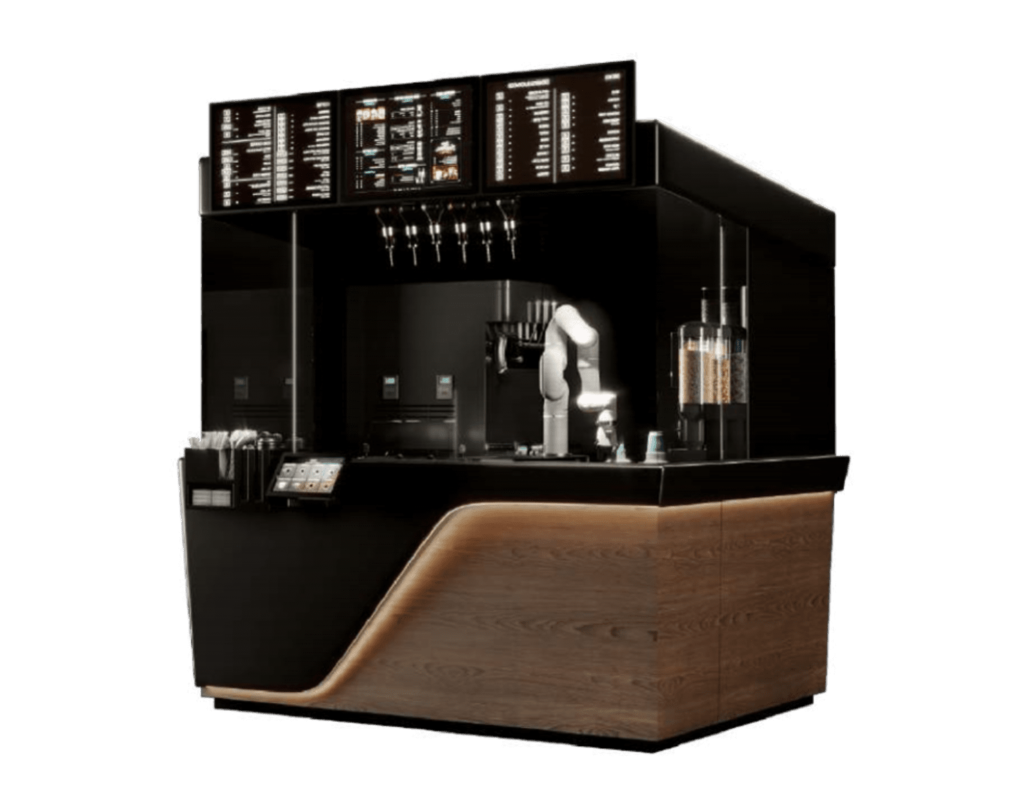
Among the most innovative AI tools for coffee brewing in 2026, the CafeXbot and VLT robotic barista systems represent the leading edge of commercial automation. These fully autonomous coffee kiosks are not only delivering café-quality beverages but also introducing a new business model where labor costs are drastically reduced, and return on investment (ROI) is significantly higher than traditional cafés.
Set within a compact 3.8 square meter footprint, these robotic franchises are reshaping how coffee is sold, prepared, and personalized—making them one of the most disruptive technologies in the coffee and retail space this year.
Fully Automated Coffee Kiosks with Robotic Precision
CafeXbot and VLT systems are enclosed, fully automated kiosks that can operate 24 hours a day without the need for full-time staff. Each unit includes:
- Robotic arms engineered for barista-grade brewing tasks
- Built-in grinders and espresso modules for fresh extraction
- High-speed milk steaming and frothing mechanisms
- Touchless ordering via mobile apps or touchscreen kiosks
The robotic arms are programmed with AI that performs consistent and accurate grinding, tamping, brewing, and pouring—ensuring every drink is crafted with precision. These machines eliminate the variability found in manual preparation, providing uniform quality across every order.
AI-Driven Personalization and Customer Retention
One of the standout features of these commercial barista bots is their AI-powered user personalization. Customers can place orders through a mobile app, which stores drink preferences such as:
- Coffee strength
- Milk type
- Sweetness level
- Drink temperature
- Preferred cup size
The AI learns from repeat orders and adapts recipes to match individual customer profiles, driving customer loyalty and improving satisfaction over time.
Real-Time Monitoring and Operational Analytics
Each unit is connected to a centralized cloud dashboard, enabling real-time access to operational data. Owners and operators can:
- Monitor ingredient levels
- Track drink output and order volumes
- Receive maintenance alerts
- Access performance analytics from any device
This allows for efficient refills, predictive maintenance scheduling, and optimized operations with minimal manual oversight.
Economic Comparison Table: Traditional Café vs Robotic Barista Franchise
| Business Metric | Traditional Café | CafeXbot / VLT Robotic Franchise |
|---|---|---|
| Staffing Requirements | 5 – 10 Employees | 0 – 1 Operator |
| Monthly ROI | 5% – 10% | 15% – 25% |
| Startup Investment | High | Medium |
| Operating Hours | Limited (8–12 hrs/day) | 24/7 Continuous Operation |
| Physical Footprint | Large (~100+ sq m) | Compact (3.8 sq m) |
| Break-Even Time | 24 – 36 Months | 12 Months or Less |
Robotic Performance Features Table: CafeXbot and VLT
| Feature | Specification / Capability |
|---|---|
| Brewing Precision | ±1g in dosing and ±0.2°C in brew temperature |
| Espresso Type Support | Espresso, Americano, Latte, Flat White, Mocha, and more |
| Milk Options | Supports dairy and plant-based (oat, almond, soy) |
| Order Personalization | Mobile App Integration with Profile Learning |
| Self-Cleaning Function | Daily automated sanitation cycle |
| Drink Output | Up to 250 – 400 cups per day |
| Uptime | 99.5% (Remote Troubleshooting & Live Monitoring) |
| Payment Methods | Contactless, App-Based, QR, Card |
User Profile Alignment Matrix: Who Benefits from Robotic Coffee Kiosks
| User/Operator Type | Benefits Delivered by CafeXbot / VLT |
|---|---|
| Franchise Investors | Low overhead, high ROI, fast setup, scalable model |
| Office Buildings | 24/7 access, minimal footprint, employee satisfaction |
| Airports & Transit Hubs | Non-stop service, zero staff, mobile payments |
| University Campuses | Custom drinks, student accounts, autonomous convenience |
| Coffee Enthusiasts | Consistent taste, personalized recipes, app-ordering |
Robotic Kiosk vs Human-Run Coffee Shops: Productivity Comparison
| Criteria | Robotic Kiosk | Human Barista Café |
|---|---|---|
| Drinks per Hour | 40 – 60 | 20 – 30 |
| Labor Hours per Day | <1 (Remote Oversight) | 50+ |
| Recipe Consistency | High | Moderate |
| Operating Costs | Low | High (Labor + Rent + Waste) |
| Hygiene & Sanitation | Automated & Scheduled | Manual, Often Variable |
Summary
The CafeXbot and VLT robotic coffee systems are more than just AI-powered machines—they represent a shift in how coffee businesses operate in 2026. With reduced overhead, ultra-compact footprints, and the ability to serve personalized drinks around the clock, these robotic kiosks offer an ideal solution for investors, property managers, and hospitality operators looking for automated, scalable, and profitable coffee solutions.
As part of the Top 10 AI Coffee Brewing Tools in the World for 2026, they offer a futuristic yet practical alternative to traditional cafés. Their blend of mechanical engineering, AI personalization, and connected analytics systems makes them one of the most advanced commercial solutions on the market.
Supporting AI Ecosystems: From Roasting to Agriculture
The rise of the world’s Top 10 AI Tools for Brewing Coffee in 2026 is supported by a much larger digital transformation that extends far beyond the machines themselves. Behind every perfect espresso or smooth cold brew is a deep ecosystem of AI-powered platforms working at the farm level, in roasting labs, and inside consumer subscription networks. These supporting systems, spanning from precision agriculture to AI-driven roasting software, are the hidden infrastructure powering the future of coffee—from bean to cup.
AI in Coffee Agriculture: Smarter Farming in the Bean Belt
To combat the challenges of climate change and rising production costs, coffee farmers across the Bean Belt (regions like Ethiopia, Brazil, Colombia, and Vietnam) have adopted precision agriculture solutions powered by artificial intelligence. These tools help farmers:
- Increase Arabica yields by up to 25%
- Reduce fertilizer and water usage by up to 15%
- Minimize manual labor while improving harvest timing and quality
Leading smart agriculture systems include:
| Precision Agriculture System | Price (Per Hectare) | Average Water Savings | Key Feature |
|---|---|---|---|
| Netafim NetBeat | $5,000 | 40% | AI-controlled drip irrigation using moisture sensors |
| Rain Bird | $2,000 | 30% | Real-time weather and soil moisture optimization |
| CropX | $3,000 | 35% | Soil mapping with adaptive irrigation control |
One of the most impactful developments is the integration of TensorFlow Lite, a machine learning framework now used on portable devices by farmers. With over 92% accuracy, it helps identify cherry ripeness through smartphone image scans, allowing farmers to pick only ripe coffee cherries and improve final cup quality.
AI and Blockchain in Coffee Traceability
After harvesting, farm-level data flows into systems like IBM Food Trust, a blockchain-based network that allows roasters, cafés, and consumers to trace the exact origin, processing method, and shipping history of every coffee batch. This level of transparency supports both ethical sourcing and quality control.
From Sensor to Sip: The Role of coffee.ai Platform
Launched in early 2026, coffee.ai is a cloud-based, end-to-end platform that connects all stages of the coffee supply chain. It combines:
- IoT sensor data from farms
- AI harvest forecasts
- Blockchain-led traceability
- Roasting analytics
- Retail and subscription personalization data
This system ensures that the coffee brewed in an AI machine like xBloom Studio or Jura GIGA 10 is not just technically perfect—but traceable, sustainable, and optimized at every stage.
AI-Powered Roasting: Precision Meets Consistency
Modern roasting has also become smarter. With tools like Cropster Roast and RoastLog, roasters can automate airflow, drum speed, and temperature curves based on real-time sensor input. These tools:
- Reduce roast losses by up to 15%
- Maintain cup scores consistently above 88 points
- Adapt to green bean moisture and density automatically
| Roasting Software | Monthly Price | Core AI Functions | Ideal For |
|---|---|---|---|
| Cropster Roast | $99 | Predictive control of airflow, heat profiling | Specialty Roasters |
| RoastLog | $129 | Data logging, roast curve replication, sensor feedback | Production-Level Operations |
These AI tools are now widely used by third-wave coffee roasters who rely on consistency and high-quality output to compete in a crowded market.
Subscription Models Enhanced by AI Predictions
AI is also transforming how coffee is delivered to consumers. Platforms like Trade Coffee and MistoBox have adopted machine learning models that personalize coffee subscriptions using:
- Taste quizzes
- Past order history
- Real-time feedback loops
By 2026, these platforms can predict customer preferences with over 90% accuracy, helping to reduce churn rates and increase satisfaction. Users receive bags that match their flavor profiles without manually reordering, and AI continuously learns and adapts to changing preferences.
Personalization & Prediction Matrix: AI in Coffee Subscriptions
| Platform | AI Functionality | Customer Impact | Accuracy Rate (2026) |
|---|---|---|---|
| Trade Coffee | Predictive Matching via Quiz + Orders | Personalized blends, flavor consistency | 91% |
| MistoBox | Feedback-Loop Optimization | Dynamic product updates per customer taste | 93% |
Summary
The success of AI coffee machines like Decent Espresso Bengle, Spinn 2, and Terra Kaffe TK-02 is deeply connected to a global digital coffee ecosystem. From AI-powered irrigation systems saving millions of liters of water per hectare, to smart roasters fine-tuning flavor profiles, and algorithms predicting customer favorites—2026 is not just about automation in the cup; it’s about intelligence at every stage of the supply chain.
Regional Market Trends and Cultural Integration
In 2026, the use of AI tools in the coffee industry is not just transforming how coffee is brewed—it is reshaping regional market behavior, cultural traditions, consumer expectations, and brand strategies worldwide. The rollout of intelligent brewing systems and supporting technologies is being tailored to meet local demands, heritage practices, and rapidly shifting lifestyle patterns across major coffee-consuming regions.
These regional trends are not isolated. They are part of a larger shift toward personalization, precision, and experience-driven consumption—all powered by artificial intelligence and real-time data systems. Here’s how different regions are embracing AI coffee tools, from Istanbul’s heritage cafés to American drive-thrus and Asia-Pacific’s robotic kiosks.
Turkey: Merging Tradition with Robotic Consistency
In Turkey, where coffee is deeply embedded in cultural rituals, AI is being used not to replace, but to preserve the heritage of Turkish coffee. Robotic systems developed in 2026 for this market have been designed specifically to handle the distinct brewing requirements of Turkish coffee, such as:
- Finely ground Arabica beans
- Boiling in cezve-style pots
- Foam thickness and crema retention
- Controlled simmering without overheating
These robots measure out the coffee, sugar, and water down to milligram precision and use AI to manage temperature curves. The result is a cup that maintains the “thick crema” and authentic texture that defines traditional Turkish coffee—now delivered with the consistency of a modern machine.
United States: Hype Cycles, LTOs, and AI-Driven Daypart Behavior
In the Southeast and Sunbelt regions of the United States, coffee chains are using AI not just for brewing but for strategic consumer behavior modeling. Chains like Starbucks are applying artificial intelligence to control demand timing and drive traffic spikes using:
- Recurring limited-time offerings (LTOs)
- Scarcity-based merchandise drops
- Social-first campaign targeting
AI systems analyze foot traffic, weather, social media trends, and seasonal preferences to time these offers with extreme precision. For example, limited-edition “Bearista” merchandise drops in 2026 led to surges in store traffic as early as 4:00 AM, as AI-created urgency moved consumers into off-peak dayparts—an important shift for increasing daily sales capacity.
Regional Impact Table: AI Coffee Adoption Trends in 2026
| Market Trend | Growth Metric | Regional Focus | Strategic Impact |
|---|---|---|---|
| Subscription Surges | +11% per year | USA, UK | AI improves retention via personalized delivery |
| Plant-Based Milk Default | New menu standard | Australia, European Union | AI frothing systems adapted to non-dairy textures |
| Drive-Thru Optimization | Avg. dwell: 7.3 min | Southeast US | AI routes orders and predicts peak queue times |
| Robotic Franchise Growth | +21% CAGR | Asia-Pacific | Compact coffee robots in high-traffic zones |
| Ethical Pricing Adoption | +22% profit margin | Global | Blockchain + AI ensures pricing transparency |
Asia-Pacific: The Rise of the Robotic Café Model
In urban centers across Japan, Singapore, South Korea, and Hong Kong, robotic coffee kiosks have become one of the fastest-growing formats. Compact AI-powered kiosks such as CafeXbot and VLT now operate in:
- Metro stations
- Office lobbies
- University campuses
- Shopping malls
These systems leverage AI for recipe control, order personalization, and predictive maintenance. Customers can place their orders through mobile apps, receive personalized beverages, and enjoy 24/7 availability without any human baristas on site.
Australia and the EU: Plant-Based Becomes the New Default
In both Australia and several EU countries, consumer preference has shifted strongly toward non-dairy milk, prompting a major shift in how AI milk-frothing systems are calibrated. Machines like the Morning Dream and Breville Auto MilQ now:
- Detect the type of milk (oat, soy, almond)
- Adjust steam temperature and froth pressure accordingly
- Deliver microfoam textures specific to each milk’s protein structure
This change is reflected in menu engineering, where plant-based milk is no longer an optional substitute but a default selection in many cafés.
Cultural & Market Integration Matrix: AI Tools by Region
| Region | Dominant AI Coffee Application | Cultural or Market Shift Addressed |
|---|---|---|
| Turkey | Precision robotic brewing for Turkish coffee | Preserves traditional methods with modern accuracy |
| United States | Demand shaping through AI-scheduled LTOs | Extends brand engagement into early and late dayparts |
| Asia-Pacific | Robotic barista deployment in urban hotspots | Solves labor cost and space constraints |
| Australia & EU | AI-optimized non-dairy milk frothing | Supports sustainability and vegan consumer growth |
| Global | Ethical sourcing via blockchain & pricing AI | Builds trust and transparency across the supply chain |
Summary
AI coffee tools in 2026 are not simply machines—they are responsive systems that adjust to regional culture, market dynamics, and consumer expectations. From Turkish brewing rituals to Silicon Valley LTO hype cycles, artificial intelligence is helping brands, baristas, and consumers get more from every cup.
The Socio-Economic Impact of AI Coffee Tools in 2026: Balancing Efficiency, Profit, and Human Connection
As AI-powered coffee tools continue to gain widespread adoption in 2026, their influence extends well beyond brewing technology. These systems are not only changing how coffee is made—they are also reshaping the economics of the coffee industry, altering labor dynamics, and redefining the customer experience. While the benefits of automation and precision are clear, the shift also introduces new considerations for equity, identity, and the future of the coffee profession.
Economic Upside: Higher Margins and Market Expansion
The integration of intelligent systems—such as predictive grinders, AI-controlled steamers, and blockchain-powered supply tracking—has led to a marked increase in coffee bean traceability, flavor consistency, and operational efficiency. This, in turn, supports premium pricing strategies across cafés, specialty roasters, and subscription platforms.
Retail data from 2026 shows that AI-optimized, traceable coffees can now command up to 20% higher retail margins compared to non-traceable offerings. These gains are primarily driven by:
- Consistent flavor scores above 88+ points
- Real-time farm-to-cup traceability
- Reduced product waste during roasting and preparation
- Personalization tools increasing customer loyalty
| Economic Benefit | Impact in 2026 |
|---|---|
| Margin Increase on AI-Optimized Beans | Up to +20% over traditional sourcing |
| Subscription Retention | +15% due to AI personalization |
| Waste Reduction in Roasting | -15% through automated heat profiling |
| Consumer Willingness to Pay More | High for verified origin and quality |
Automation Redefining Labor and the Barista Role
The arrival of AI coffee machines—like the Decent Espresso Bengle, Jura GIGA 10, and Spinn 2—has reduced the need for human control over mechanical brewing tasks such as:
- Grinding consistency
- Water flow rate
- Tamping pressure
- Temperature and time control
This automation allows cafés to reduce training time and operating costs, especially in regions struggling with staff shortages or high turnover rates. At the same time, it opens up a new kind of barista role—less focused on machinery, and more centered on hospitality, storytelling, and customer connection.
Workforce Realignment Table: Impact of AI on Café Labor
| Task Category | Traditional Role | AI-Automated in 2026 | Human Role Shifted Toward |
|---|---|---|---|
| Espresso Preparation | Manual tamping, timing | Fully Automated | Conversation, education, curation |
| Milk Steaming | Steam wand technique | Auto MilQ, infrared control | Latte art, customer personalization |
| Grinder Calibration | Manual adjustment | AI self-calibration | Coffee tasting and recipe design |
| Inventory Tracking | Paper or POS-based | Cloud AI + IoT sensors | Quality assurance and storytelling |
Challenges: Vendor Lock-In and Loss of Craft
Despite these advantages, not all stakeholders view the shift to AI tools as entirely positive. Smaller roasters and independent cafés have voiced concerns about the growing dominance of proprietary software ecosystems—especially platforms like coffee.ai, which integrate every stage of the supply chain under a single digital service.
This vendor lock-in can limit flexibility and raise operating costs for businesses that rely on open-source tools or wish to preserve craft-based methods. Additionally, some customers and café owners worry that AI-driven systems may dilute the human artistry and hands-on creativity that have long defined the specialty coffee movement.
Cultural and Operational Tension Matrix: Pros and Trade-Offs
| AI-Driven Benefit | Associated Challenge |
|---|---|
| Consistency and speed | Less room for spontaneous experimentation |
| Full traceability | Dependence on proprietary platforms |
| Labor cost reduction | Fewer entry-level job opportunities |
| Customer personalization | Less face-to-face interaction |
Preserving the “Third Place” Through Human Experience
Despite growing automation, cafés remain important social spaces—often described as the “third place” between home and work. In this context, AI tools are now being seen less as replacements for humans, and more as enhancers of the human role.
By offloading repetitive and technical tasks to machines, baristas can focus on:
- Building customer relationships
- Hosting coffee tasting experiences
- Designing signature drinks
- Creating sensory-driven environments
This human-centered value is something no algorithm can replicate, and it remains a key differentiator for cafés that want to retain personality, warmth, and community relevance.
Summary
In 2026, the socio-economic impact of AI coffee tools is complex and multifaceted. While the benefits in terms of profitability, efficiency, and product quality are undeniable, thoughtful integration is needed to ensure that craft, culture, and people remain at the center of the coffee experience.
From higher margins on AI-optimized beans to shifting labor roles and new economic models, these intelligent systems are changing not just how coffee is brewed—but how it’s valued and shared in societies around the world. The future belongs to those who can blend the strengths of machines with the irreplaceable role of human connection.
2026 AI Coffee Tools: Final Overview of Intelligence, Precision, and Market Impact
The coffee industry in 2026 has reached a turning point—where brewing the perfect cup of coffee is no longer left to chance or manual skill alone. Across all major product tiers, the leading AI coffee tools are helping both home users and professionals reach levels of accuracy and flavor consistency once reserved for championship-level baristas. Whether it’s an affordable precision brewer like the xBloom Studio or a luxury unit like the Jura GIGA 10, every tool in the top 10 leverages data and machine learning to eliminate guesswork.
Convergence of Data, Design, and Engineering
At the core of these technologies lies a shared mission: to eliminate variability and enhance quality control. Tools across the list use advanced components such as:
- Predictive drip and flow rate algorithms
- Infrared thermal sensing for milk temperature
- Centrifugal or dual-boiler brewing systems
- Real-time weight tracking via ultra-sensitive scales
These systems are designed not only to automate basic functions, but also to adapt and improve with each brew. The more data they gather—about beans, grind settings, humidity, or milk texture—the more refined the outcomes become.
AI Coffee Tool Technology Matrix
| AI Feature | Tools Using It | Functional Impact |
|---|---|---|
| Centrifugal Extraction | Spinn 2 | Consistent pressure without traditional pumps |
| Predictive Drip Algorithm | La Marzocco Linea Mini Connected | Accurate dose delivery to target weight every time |
| Infrared Laser Sensing | Morning Dream | Precise milk steaming for all milk types |
| Dual-Beverage Brewing | Terra Kaffe TK-02 | Switches between espresso and drip automatically |
| IoT Integration & Scheduling | Bosch VeroCafe, TK-02 | Brew customization, maintenance alerts, remote start |
| AI Personalization Engine | CafeXbot, Jura GIGA 10, xBloom | Recipe adaptation based on user taste profiles |
Rise of Smart Kitchens and Decentralized Cafés
These AI systems are not only changing personal kitchens—they’re redefining how cafés, franchises, and even farms operate. Robotic systems like CafeXbot have introduced profitable automated kiosk models, while platforms like coffee.ai are revolutionizing traceability from bean to cup.
Price Range vs. Use Case Alignment
| Tool | Price Range | Ideal For | Key AI Features |
|---|---|---|---|
| xBloom Studio | $599 – $749 | Home enthusiasts | Smart capsule mapping, custom grind recipes |
| Jura GIGA 10 | $5,995 – $6,995 | Luxury home and office use | Dual-spout brewing, AI taste learning engine |
| Decent Espresso Bengle | $3,695 – $4,295 | Advanced espresso users | Open-source software, visual profiling via app |
| Spinn 2 | $999 – $1,199 | Design-conscious and hands-off brewers | Centrifuge extraction, camera-based roast recognition |
| Terra Kaffe TK-02 | $1,695 – $1,995 | IoT-savvy households | Smart scheduling, grind-pressure switching |
| La Marzocco Linea Mini Connected | $6,000 – $6,600+ | Commercial-level home setups | Brew-by-weight, Acaia ML-based scaling |
| Morning Dream | $560 – $800 | Milk-focused users | Adjustable vortex steam, 7-second startup |
| Bosch VeroCafe | $1,500 – $1,900 | Smart kitchen setups | Alexa/Google voice commands, automated frother clean |
| CafeXbot and VLT | $80,000+ (franchise) | Scalable robotic barista installations | 24/7 operation, 15–25% monthly ROI, mobile ordering |
| coffee.ai ecosystem | SaaS/Blockchain | Roasters, farmers, and suppliers | Supply chain AI, ML for yield and roast optimization |
AI in the Broader Coffee Ecosystem
Beyond machines, AI now influences everything from how coffee is grown to how it’s delivered to the doorstep. Platforms like Cropster and RoastLog optimize roasting curves using real-time sensor data. Meanwhile, precision agriculture tools help farmers improve harvests, reduce water waste, and time cherry picking with 92% accuracy.
Supply Chain and Farm-Level Intelligence Impact Table
| Segment | Tool / Platform | Functionality | 2026 Performance Impact |
|---|---|---|---|
| Farming | Netafim NetBeat | Soil and moisture-driven drip irrigation | +25% yield, 1.2M liters saved per hectare |
| Roasting | Cropster, RoastLog | AI heat flow and airflow adjustment | -15% roast loss, 88+ cup scores maintained |
| Traceability | IBM Food Trust, coffee.ai | Blockchain verification and batch tracking | Full consumer transparency, export control |
| Subscription Prediction | MistoBox, Trade Coffee | Purchase prediction and personalization | 90% match accuracy, reduced churn |
Final Outlook: Coffee as Data, Taste as Code
What ties all these tools together is the shift from intuitive brewing to data-informed craftsmanship. The notion of the “perfect cup” is no longer mythical—it is now something measurable, repeatable, and sharable across the globe thanks to smart algorithms and sensors.
As specialty coffee continues to scale while maintaining its quality, AI tools will play an even more central role. The leaders of 2026 have proven that AI is not just a support mechanism—it’s becoming the backbone of the coffee experience. From farm soil to café counter, coffee in 2026 is not just brewed. It’s engineered.
Conclusion
The landscape of coffee brewing has undergone a dramatic transformation in 2026, reshaping how coffee is sourced, prepared, and enjoyed around the world. No longer confined to traditional methods or limited by human error, the coffee experience is now deeply intertwined with artificial intelligence—ushering in a new era of precision, personalization, and performance.
This evolution is not just about convenience or novelty; it represents a profound leap forward in coffee craftsmanship. The top 10 AI tools for brewing coffee in 2026—ranging from consumer-friendly machines like the xBloom Studio to commercial powerhouses like the Jura GIGA 10 and fully automated robotic franchises like CafeXbot—demonstrate how data, machine learning, and IoT have converged to make world-class coffee accessible to all.
Each tool has carved out a unique niche by solving specific pain points:
- xBloom Studio brings lab-grade brewing into stylish, affordable countertop devices.
- Jura GIGA 10 introduces dual-grinder, cold-brew-ready AI systems that optimize each shot.
- Decent Espresso Bengle provides open-source espresso profiling with real-time sensory feedback.
- Spinn 2 offers centrifugal brewing powered by roast recognition and smartphone vision.
- Terra Kaffe TK-02 intelligently switches between espresso and authentic drip, all in one system.
- La Marzocco Linea Mini Connected integrates machine learning for micro-level dosing control.
- Morning Dream perfects milk steaming with infrared accuracy, catering to the rise of plant-based milk.
- Bosch VeroCafe combines luxury with full smart-home integration for tech-forward households.
- CafeXbot and VLT turn robotic kiosks into profitable, scalable café alternatives.
- coffee.ai and farm-level tools build the digital backbone for ethical sourcing and quality assurance across global supply chains.
Beyond the machines themselves, this AI revolution is empowering entire ecosystems. Precision agriculture platforms, blockchain-based traceability systems, smart roasting software, and AI-driven subscription engines are working behind the scenes to ensure that every cup—from espresso to cold brew—delivers not just flavor but full transparency, consistency, and sustainability.
The socio-economic impact is equally profound. These tools are helping producers in developing regions optimize yield, reduce waste, and command premium prices for ethically sourced beans. They are helping cafés and franchises lower labor costs and increase ROI. And for consumers, they’re removing guesswork and unlocking new levels of customization—all while preserving the craft and culture of coffee.
Perhaps most importantly, AI is not replacing the human role in coffee—it is enhancing it. By automating the repetitive, error-prone parts of brewing, AI tools allow baristas, roasters, and home users alike to focus on creativity, storytelling, and hospitality—the emotional heart of coffee culture.
As we look forward, the integration of AI into every step of the coffee journey—from seed to cup—is no longer a futuristic concept. It’s the present reality. And with each innovation, the industry moves closer to a world where anyone, anywhere, can enjoy a perfect cup of coffee—one that’s not only delicious but also traceable, sustainable, and personalized to their exact taste.
In 2026 and beyond, coffee is no longer just brewed. It’s intelligently engineered.
Key Takeaways:
| Aspect | 2026 Impact |
|---|---|
| Brewing Accuracy | >95% extraction consistency across AI tools |
| Consumer Personalization | >90% match rate in taste profiling from AI-driven platforms |
| Sustainability Gains | Up to 1.2 million liters of water saved per hectare via AI farms |
| Industry ROI | Robotic cafés achieving 15–25% monthly returns |
| Barista Enablement | AI frees up time for customer engagement and café atmosphere |
As technology continues to evolve, the future of coffee will belong to those who embrace this AI-powered renaissance—combining the precision of machines with the passion of human hands.
If you find this article useful, why not share it with your hiring manager and C-level suite friends and also leave a nice comment below?
We, at the 9cv9 Research Team, strive to bring the latest and most meaningful data, guides, and statistics to your doorstep.
To get access to top-quality guides, click over to 9cv9 Blog.
To hire top talents using our modern AI-powered recruitment agency, find out more at 9cv9 Modern AI-Powered Recruitment Agency.
People Also Ask
What are AI coffee brewing tools in 2026?
AI coffee brewing tools in 2026 are smart machines that use artificial intelligence to control temperature, pressure, grind size, and extraction time for consistent coffee quality.
How do AI coffee machines improve brewing precision?
These machines use sensors, algorithms, and real-time data to automatically adjust brewing variables, ensuring a perfectly balanced cup every time.
What is the best AI coffee machine in 2026?
The best AI coffee machine depends on user needs, but models like the Jura GIGA 10 and xBloom Studio are highly rated for precision and automation.
Can AI coffee makers make both espresso and drip coffee?
Yes, many 2026 AI coffee machines offer multiple modes and can switch grind sizes and pressure profiles to produce both espresso and drip coffee.
Do AI-powered machines replace the need for baristas?
AI machines automate technical tasks, but baristas still add value by creating personalized experiences and managing customer interactions.
How much does an AI coffee machine cost in 2026?
Prices range from $599 to over $6,000 depending on features, materials, and automation levels, making them accessible for home and commercial use.
Are AI coffee tools suitable for beginners?
Yes, many AI tools come with user-friendly interfaces, presets, and guided workflows designed for beginners to brew café-quality coffee easily.
Can AI machines adjust for different bean types?
Most advanced models can detect bean profiles and automatically adjust grind size, water temperature, and pressure based on roast characteristics.
What is the role of IoT in coffee brewing in 2026?
IoT allows users to control and schedule brews remotely, receive maintenance alerts, and personalize settings through mobile apps or voice assistants.
Do AI coffee tools support plant-based milk steaming?
Yes, modern machines offer precise steam temperature control and texture settings for oat, almond, soy, and other plant-based milks.
Which brands lead the AI coffee market in 2026?
Leading brands include Jura, Breville, xBloom, Spinn, La Marzocco, Decent Espresso, Terra Kaffe, and Bosch, each offering unique smart features.
Are AI coffee machines energy efficient?
Many 2026 models feature fast-heating systems and optimized workflows that reduce energy usage compared to traditional machines.
How accurate are AI dosing and tamping systems?
Advanced AI systems like Breville’s Impress Puck and Decent’s smart scales ensure extremely accurate dosing and tamping for consistent results.
Can AI tools brew cold coffee?
Yes, machines like the Jura GIGA 10 use cold water pulse extraction to create high-quality cold brew in under a minute.
Is AI used in coffee farming too?
AI is also used in coffee agriculture for crop monitoring, irrigation control, and predicting cherry ripeness to improve yield and quality.
How do AI tools affect coffee flavor?
By managing extraction variables precisely, AI coffee tools ensure flavor consistency and bring out the best notes from specialty beans.
What is predictive drip technology in coffee machines?
Predictive drip algorithms anticipate the final drops of extraction, stopping the brew at the exact weight for optimal yield and flavor.
Do AI coffee machines require regular maintenance?
Yes, but many machines include automated cleaning cycles and smart alerts to simplify maintenance and prolong machine life.
Can AI tools help commercial coffee shops?
Absolutely. Robotic barista stations and AI machines reduce labor costs, boost consistency, and increase service speed in cafés and kiosks.
How fast do AI coffee machines heat up?
Some models like Breville’s ThermoJet system heat in just 3 seconds, while others reach steam readiness in under 10 seconds.
Are AI machines compatible with voice assistants?
Yes, many smart coffee machines in 2026 integrate with Alexa, Google Assistant, or proprietary apps for voice-activated brewing.
What is centrifugal brewing in AI coffee machines?
Centrifugal brewing, used in Spinn machines, spins coffee at high speeds to extract flavor without using traditional pressure pumps.
Can AI machines create custom recipes?
Yes, users can save and customize their own brew profiles or download recipes from roasters directly to the machine.
Do AI coffee tools support multi-user profiles?
Advanced models store personalized settings for multiple users, adjusting strength, volume, and milk preferences with each brew.
Are AI coffee machines eco-friendly?
Many use less water and energy, feature recyclable components, and optimize brewing to reduce waste and carbon footprint.
What sensors are used in AI coffee makers?
Common sensors include flow meters, pressure gauges, infrared thermometers, and scales to monitor every step of the brewing process.
Can AI tools integrate with subscription services?
Yes, some tools sync with platforms like Trade Coffee to auto-adjust settings for newly delivered beans based on roast profiles.
What is “Brew-by-Weight” in smart coffee systems?
Brew-by-weight technology uses scales and machine learning to stop extraction at the exact weight, improving accuracy and repeatability.
How long does it take to brew a cup with AI tools?
Depending on the method, a typical AI coffee machine brews a high-quality cup in 30 to 90 seconds, including heating and pouring.
Will AI tools continue shaping the future of coffee?
Yes, AI is expected to further enhance consistency, sustainability, and personalization across the entire coffee supply chain.
Sources
ALMENHAZ
HotBot
DoorDashCorp
Coffeeness
xBloom Thailand
Quarter Horse Coffee
Best Buy
Faema
Decent Espresso
La Marzocco Home
Clive Coffee
CoffeeGeek
Coffeedant
Spinn
Seattle Coffee Gear
Terra Kaffe
iDrinkCoffee
Voltage Coffee Supply
Drink Morning
Eight Ounce Coffee
PPP Coffee
Everyday Health
FieldEx
VendingLab
Brew-It Cafe
FoodReady AI
My Subscription Addiction
Placer
Tastewise
Dalla Corte
Drink Ripples
*For the purpose of this article, AI refers to advanced intelligence and not artificial intelligence