Key Takeaways
- Learn how the top HR books of 2026 help leaders master AI integration, ethical governance, and data-driven decision-making.
- Gain practical frameworks for strengthening culture, improving internal mobility, and reducing regrettable retention.
- Discover resources that equip HR teams to enhance employee well-being, hybrid collaboration, and long-term organisational performance.
The year 2026 is shaping up to be one of the most pivotal moments in the evolution of Human Resources, as organisations around the world face unprecedented change driven by rapid advancements in artificial intelligence, shifting workforce expectations, new models of work, and increasing pressure to build resilient, future-ready talent systems. HR professionals are no longer simply managers of processes or policies; they have become architects of organisational transformation, responsible for guiding companies through a period where technology and human behaviour intersect more powerfully than ever before. In this landscape, the need for strategic insight, evidence-based decision-making, and a deep understanding of human psychology has never been more important. This is why identifying the best books to read for HR professionals in 2026 is more than a reading list recommendation—it is a strategic necessity for leaders who want to stay ahead of the curve.

HR in 2026 will be defined by four major forces: the rise of AI-driven work, the restructuring of talent pipelines, the growing importance of organisational culture, and the expanding mandate for holistic employee wellbeing. These forces will reshape how HR teams design operating models, evaluate talent, build trust, and support employees in an increasingly complex world. As robots and algorithms become integrated into everyday workflows, HR must be prepared to lead the shift responsibly by designing clear governance frameworks, upskilling employees, and ensuring fairness in an AI-enabled environment. At the same time, the global labour market is changing rapidly, making internal mobility and data-driven talent selection critical for retaining top performers and preparing the workforce for new roles. Culture, once seen as a soft concept, now stands at the centre of organisational performance, influencing innovation, agility, and employee loyalty. Meanwhile, wellbeing has expanded beyond traditional health programs to include financial, emotional, and social support, making it essential for companies hoping to become employers of choice.
For HR professionals seeking clarity and direction in such a dynamic environment, high-quality books offer a powerful advantage. They provide expert perspectives, proven frameworks, real-world examples, and practical steps that leaders can apply immediately in their organisations. The best books for HR professionals in 2026 are those that not only explain the trends shaping the future of work but also provide actionable strategies for managing change, improving performance, supporting people, and guiding executive decision-making.
This curated list of the Top 6 Best Books to Read for HR Professionals in 2026 brings together the most influential works across AI integration, talent science, culture transformation, hybrid work design, internal mobility, and financial wellness. These books form a comprehensive toolkit for HR professionals who want to build resilient organisations, anticipate workforce needs, and develop stronger, more engaged teams. Each title contributes a critical perspective: from understanding how AI reshapes HR operations and why data-driven thinking outperforms intuition, to learning how to cultivate trust, design flexible work environments, and support employees through wellbeing strategies that reduce stress and improve retention.
These books go beyond theory. They help HR practitioners solve real challenges such as managing hybrid teams, reducing regrettable retention, addressing burnout, developing future-ready skills, and guiding large-scale transformation across the workforce. They offer insights that help HR leaders stay aligned with business goals while still prioritising the human experience at work. Whether the goal is to build stronger leadership capability, redesign talent systems, foster high-performing cultures, or adopt AI tools with confidence, this list provides the foundation needed to lead with impact.
As HR organisations move into 2026, the leaders who succeed will be those who stay informed, ask better questions, and apply research-backed solutions to the most pressing challenges in their organisations. This introduction sets the stage for a detailed exploration of six books that every HR professional should read to prepare for the future. Together, they offer a roadmap for navigating the complexities of the modern workplace and unlocking the full potential of people and technology in the years to come.
Before we venture further into this article, we would like to share who we are and what we do.
About 9cv9
9cv9 is a business tech startup based in Singapore and Asia, with a strong presence all over the world.
With over nine years of startup and business experience, and being highly involved in connecting with thousands of companies and startups, the 9cv9 team has listed some important learning points in this overview of the Top 6 Best Books to Read for HR Professionals in 2026.
If your company needs recruitment and headhunting services to hire top-quality employees, you can use 9cv9 headhunting and recruitment services to hire top talents and candidates. Find out more here, or send over an email to hello@9cv9.com.
Or just post 1 free job posting here at 9cv9 Hiring Portal in under 10 minutes.
Top 6 Best Books to Read for HR Professionals in 2026
- Artificial Intelligence for HR: Use AI to Support and Develop a Successful Workforce by Ben Eubanks
- The Talent Delusion: Why Data, Not Intuition, Is the Key to Unlocking Human Potential by Tomas Chamorro-Premuzic
- Upskilling for Talent Mobility by Preethi Anand (TD at Work Guide)
- The Culture Code: The Secrets of Highly Successful Groups by Daniel Coyle
- Remote Not Distant: Design a Company Culture That Will Help You Thrive in a Hybrid Workplace by Gustavo Razzetti
- The Financial Wellness Mandate: Be the Employer of Choice by Offering the Benefits Today’s Workers Want and Need Most by Daniel R. Bryant
1. Artificial Intelligence for HR: Use AI to Support and Develop a Successful Workforce by Ben Eubanks

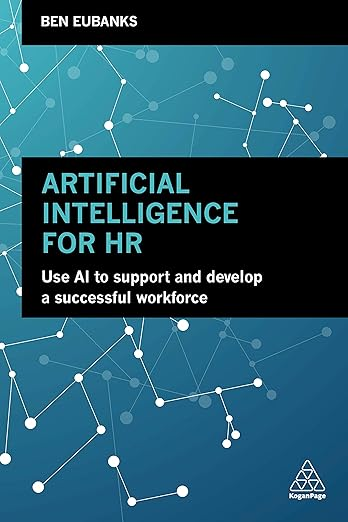
This book is widely regarded as one of the top choices for HR professionals in 2026 because it explains artificial intelligence in a simple, practical, and highly actionable way. Instead of focusing only on future predictions, it shows how AI can be used today to strengthen HR operations, improve employee experiences, and support ethical decision-making. Industry observers note that the author’s blend of research, case studies, and storytelling makes the content accessible to readers at all levels, especially those who want a realistic path for applying AI without losing the human touch that defines effective HR.
Why This Book Stands Out for HR Professionals in 2026
Clarity and Practicality
The book breaks down complex AI ideas into easy-to-understand concepts that HR teams can immediately apply. It guides readers through the shift from theoretical opportunities to concrete, ethical AI practices that can be adopted in daily operations.
Relevance to Modern HR Challenges
With HR systems rapidly transforming, the book answers a pressing question for 2026: how can HR leaders use AI to increase productivity without creating risks or reducing employee trust? It highlights how responsible AI use can contribute to significant productivity improvements across the HR model.
Balanced Approach
The narrative emphasizes that AI should not replace human decision-making but instead enhance it. This balance between technology and empathy is why the book resonates strongly with HR leaders preparing for the next wave of AI adoption.
Key Insights and Actionable Lessons
Automation of Repetitive Work
Shows how HR teams can reduce manual tasks such as scheduling, document processing, and initial candidate screening, allowing professionals to concentrate on more strategic responsibilities.
Data-Driven Decision-Making
Explains how HR teams can use analytics to improve decisions about hiring, talent development, performance evaluation, retention, and workforce planning.
Human-Centered AI Use
Teaches HR leaders how to maintain trust, fairness, and personalization even when integrating advanced AI systems.
Governance and Accountability
Provides a practical blueprint for building responsible AI policies, defining decision boundaries, and communicating transparency to employees and stakeholders.
Comparative Value Matrix
A matrix illustrating how this book compares to typical HR and AI resources for 2026.
Value Category | This Book | Typical HR Book | Typical AI Book
Impact on HR Productivity | High, with immediate application | Moderate | High but not HR-focused
Ease of Understanding | Very accessible | Accessible | Often technical
Ethical Guidance | Strong and HR-specific | Limited | General but not people-centric
Real-World Case Studies | Extensive | Moderate | Limited
Human-Technology Balance | Clearly defined | Often unclear | Usually technology-heavy
AI Readiness Score Chart
This conceptual chart illustrates the readiness of HR professionals before and after applying insights from the book.
Category | Before Reading | After Reading
Understanding of AI Concepts | Low to Moderate | High
Confidence in AI Implementation | Low | High
Ability to Automate Tasks | Limited | Strong
Use of Data Insights | Basic | Advanced
Ethical AI Awareness | Minimal | Strong
Practical Benefits for HR Leaders
Stronger Workforce Strategies
Readers gain the ability to design workforce plans supported by data, predictive analytics, and employee-centric thinking.
Better Communication and Change Management
The book teaches HR leaders how to communicate AI adoption decisions clearly, reducing fear and improving alignment across teams.
Future-Ready HR Capability
By learning how to manage AI tools responsibly, HR professionals can modernize their functions and prepare for rapid technological changes through 2026 and beyond.
Why It Is a Top Recommendation for 2026
The book directly addresses the most urgent needs in HR: digital transformation, ethical AI, workforce productivity, and stronger employee experiences. Its simple language, practical tools, and evidence-based insights make it a standout guide for any HR professional seeking clarity and confidence during the era of accelerated AI adoption.
2. The Talent Delusion: Why Data, Not Intuition, Is the Key to Unlocking Human Potential by Tomas Chamorro-Premuzic

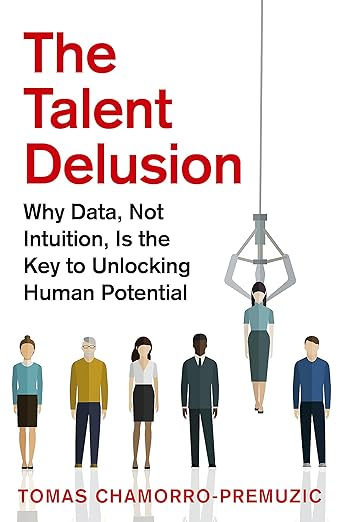
This book is recognised as one of the most important reads for HR professionals in 2026 because it challenges long-held beliefs about how organisations understand and manage talent. Instead of relying on instinct or personal judgement, the author explains why data and psychological science offer a far more reliable path to building a productive, high-performing workforce. Many HR specialists consider this text essential because it exposes common misconceptions about talent, outlines the financial risks of poor decision-making, and offers a clear system for creating fair, evidence-based HR practices.
Why This Book Is a Top Recommendation for HR in 2026
Clear Explanation of Productivity Challenges
The book highlights a major issue affecting organisations worldwide: a significant portion of the workforce is not performing at full potential. It shows HR leaders how intuition-based decisions can unintentionally support low productivity, leading to costly retention problems and ineffective talent development.
Strong Focus on Psychological Science
Tomas Chamorro-Premuzic presents psychology as the most valuable science for understanding human behaviour at work. He explains how HR teams can use psychological frameworks, assessments, and behavioural data to make more accurate decisions about hiring, promotion, development, and performance improvement.
Relevance to 2026 HR Priorities
As HR functions move toward advanced data and analytics, this book gives professionals the knowledge they need to shift from subjective talent decisions to systematic approaches that benefit both individual employees and the wider organisation. This shift is especially vital in environments where internal mobility investments are growing, but not always producing stronger results.
Key Insights and Actionable Lessons
Objective Talent Measurement
Shows HR professionals how to define talent clearly, avoiding vague descriptions that depend on personal judgement.
Prediction of Job Performance
Explains how to use data to forecast which candidates and employees are most likely to succeed in specific roles.
Identification of Toxic Behaviours
Provides tools for recognising and managing harmful traits that disrupt teams and reduce overall productivity.
Building High-Potential Pipelines
Guides organisations in developing future leaders based on evidence rather than assumptions, ensuring that investment in growth focuses on employees with real potential.
Evidence-Based HR Transformation Matrix
A comparative matrix explaining how evidence-based HR, as described in the book, differs from intuition-led HR.
Category | Evidence-Based HR | Intuition-Led HR
Decision-Making Accuracy | High and consistent | Highly variable
Productivity Impact | Strong positive effect | Often unpredictable
Bias Reduction | Significant | Limited
Leadership Identification | Data-supported | Personality-based
Talent Development Results | Measurable and repeatable | Difficult to track
Talent Improvement Impact Chart
This conceptual chart illustrates how organisational performance can change when HR adopts a data-driven approach, based on the ideas presented in the book.
Area of Impact | Before Applying Insights | After Applying Insights
Quality of Hiring Decisions | Moderate | High
Employee Performance Levels | Uneven | More consistent
Retention of High Performers | Low to moderate | High
Incidence of Toxic Behaviours | Moderate to high | Reduced
Leadership Pipeline Strength | Weak or unclear | Strong and validated
Practical Benefits for HR Leaders
Reduced Cost of Poor Decisions
By showing how intuition can mislead organisations, the book helps HR leaders save resources by investing only in practices that deliver measurable value.
Improved Workforce Productivity
Through structured measurement and prediction techniques, HR teams can identify what truly drives performance and remove obstacles that limit employee potential.
Greater Fairness and Transparency
Evidence-based methods help create a workplace where employees understand how decisions are made, increasing trust and reducing bias-related concerns.
Why HR Professionals Consider This Book Essential in 2026
The Talent Delusion stands out because it provides a complete, science-backed approach to talent management during a time when organisations demand stronger productivity, better leadership, and more reliable hiring decisions. Its simple explanations, rich insights, and practical strategies make it one of the most valuable resources for HR professionals who want to build a more effective and future-ready workforce.
3. Upskilling for Talent Mobility by Preethi Anand (TD at Work Guide)


This guide is considered one of the most valuable books for HR professionals in 2026 because it offers a clear, step-by-step system for building strong internal talent mobility programs at a time when organisations are increasingly shifting hiring efforts inward. As many companies aim to fill a large share of roles with existing employees, HR, learning and development teams need practical methods, not just broad concepts. This book provides that structure. It translates the idea of internal mobility into a concrete plan, helping organisations prepare their workforce for rapid skill needs and long-term capability growth.
Why This Book Is a Top Recommendation for HR in 2026
Growing Importance of Internal Hiring
Many organisations are now required to direct significant recruiting capacity toward internal candidates. This trend increases the need for systems that help employees develop new skills, move into new roles, and grow into future opportunities. The book explains how companies can build this system effectively and sustainably.
Practical and Scalable Approach
Unlike many resources that only discuss the value of internal mobility, this guide gives HR leaders exact steps, tools, and templates. It turns a large strategic goal into a manageable process that can be repeated across departments and business units.
Relevance to Workforce Transformation
As businesses adapt to new technologies, shifting markets, and budget constraints, they require a workforce that can move and grow quickly. The book equips HR leaders with the frameworks needed to support this transformation through structured upskilling and mobility pathways.
Key Insights and Actionable Lessons
Four-Step Talent Mobility System
Prepare
Readers learn how to assess readiness, identify stakeholders, and define goals for internal mobility.
Design
The guide offers ways to map skills, build development pathways, and create learning experiences that can be scaled across roles and teams.
Implement
Practical actions and templates help HR teams introduce upskilling programs, communicate changes, and manage transitions.
Sustain
The book shows how to maintain momentum, measure progress, and build long-term organisational support for mobility initiatives.
Practical Tools and Deliverables
Internal mobility framework showing how employees can progress from current roles to future opportunities.
Blueprint for designing upskilling programs that align with organisational strategy.
ADKAR-based change management plan to help employees adopt learning and mobility initiatives confidently.
Skill gap identification tools to ensure development efforts target real organisational needs.
Internal Mobility Capability Matrix
A matrix showing how this book strengthens organisational capability across key areas.
Category | Before Applying the Guide | After Applying the Guide
Upskilling Structure | Limited or unclear | Clear and systemised
Internal Hiring Efficiency | Low to moderate | High and predictable
Employee Mobility Pathways | Informal | Well defined
Change Management Readiness | Weak | Strong
Skill Gap Visibility | Minimal | High clarity
Upskilling Program Success Chart
This conceptual chart illustrates how organisations improve as they adopt the book’s recommended four-step model.
Area of Impact | Initial Stage | Advanced Stage After Applying Insights
Employee Skill Growth | Slow and inconsistent | Strong and steady
Role Readiness for Internal Candidates | Low | High
Adoption of Mobility Programs | Uneven | Broad and sustained
Manager Support | Moderate | Strong
Business Agility | Limited | Greatly improved
Practical Benefits for HR Leaders
Faster Skill Development
The structured approach ensures employees build relevant skills quickly, allowing organisations to respond to new demands without relying heavily on external hiring.
Reduced Recruitment Costs
By promoting internal mobility, companies save resources while investing in the growth of their workforce.
Stronger Employee Engagement
Clear development pathways help employees see future possibilities inside the organisation, increasing motivation and retention.
Better Organisational Preparedness
The guide helps HR teams build resilience, ensuring the workforce is ready for technological, economic, and strategic changes through 2026 and beyond.
Why HR Professionals Value This Book in 2026
This guide offers a complete operational framework that HR teams can immediately use to strengthen internal hiring, build skill-based cultures, and prepare their organisations for the future. Its simple explanations, practical templates, and scalable processes make it one of the top resources for any HR professional looking to support talent mobility in a changing world.
4. The Culture Code: The Secrets of Highly Successful Groups by Daniel Coyle

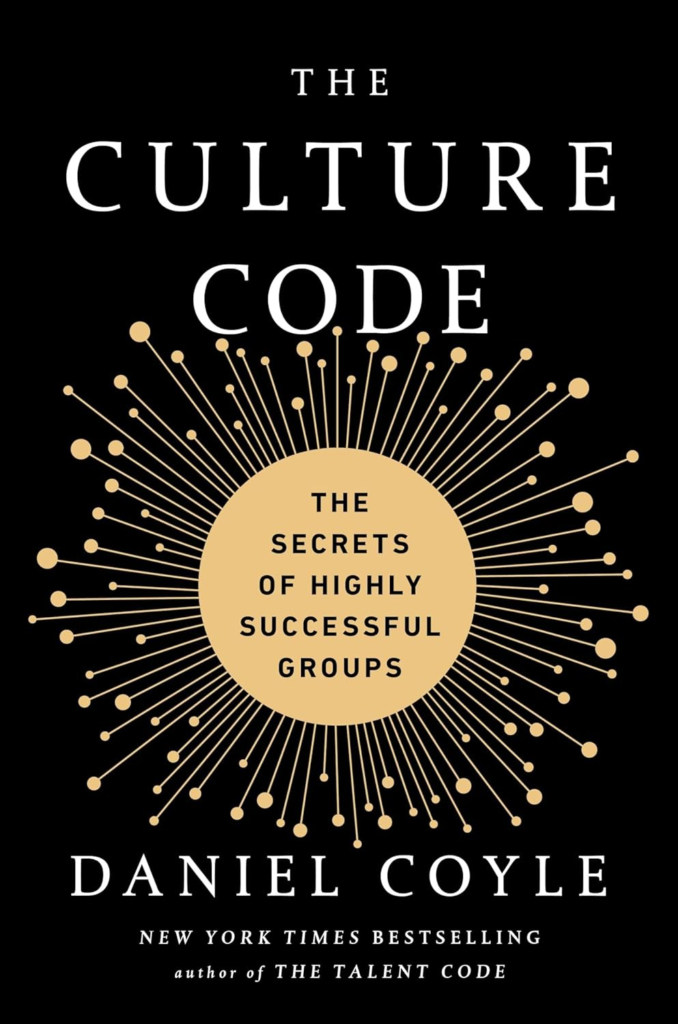
This book is widely recognised as one of the most important resources for HR professionals in 2026 because it explains, in simple and practical terms, how strong workplace cultures are built and why they directly influence organisational performance. As companies face rapid change, increasing digital transformation, and AI adoption, culture has become a core driver of success. Daniel Coyle studies some of the world’s most effective teams and translates their behaviours into a clear framework that any HR leader can apply. The result is a guide that helps organisations strengthen teamwork, trust, communication, and adaptability at a time when employees need stability and clarity more than ever.
Why This Book Is a Top Recommendation for HR in 2026
Impact on Organisational Performance
Research shows that strong culture can improve employee performance significantly and increase the likelihood that teams will successfully adopt new initiatives, including technology and internal mobility programs. This makes culture-building an essential responsibility for HR leaders preparing for major workplace shifts in 2026.
Relevance to AI and Workforce Transformation
As organisations introduce advanced digital tools and AI-driven processes, employees need environments where they feel safe to learn, ask questions, experiment, and sometimes fail without fear. The book’s insights support the creation of psychological safety, which is critical for helping employees adapt confidently to new systems and expectations.
Clear, Actionable Cultural Framework
The book simplifies the complexity of culture into three key principles that HR leaders can use immediately: building safety, sharing vulnerability, and establishing purpose. These principles form a practical roadmap for shaping stronger, more connected teams.
Key Insights and Actionable Lessons
Building Safety
The book explains how leaders can create environments where employees feel secure, respected, and valued. It shows that safety is not a concept but a set of daily behaviours that communicate belonging and trust.
Sharing Vulnerability
Coyle demonstrates that strong teams grow when members are willing to be open, ask for help, and admit challenges. This vulnerability strengthens collaboration and encourages honest communication.
Establishing Purpose
The book highlights how shared goals and clear direction help teams stay motivated, aligned, and focused, especially during times of change and uncertainty.
Behavioural Guidance for Leaders
The author provides examples of real behaviours that shape culture, showing leaders how small actions—consistent communication, supportive responses, and transparent decision-making—have long-term impact.
Culture Impact Matrix
A matrix showing how applying the book’s principles transforms team and organisational performance.
Category | Before Applying Insights | After Applying Insights
Psychological Safety | Low or inconsistent | Strong and stable
Team Trust | Uneven | High and cohesive
Adaptation to Change | Slow | Rapid and confident
Employee Engagement | Moderate | High
Readiness for AI Transformation | Limited | Strong
Cultural Strength Progression Chart
This conceptual chart illustrates how culture improves when HR leaders adopt the book’s recommended principles.
Area of Impact | Early Stage | Mature Stage After Applying Insights
Sense of Belonging | Basic | Deep and well established
Collaboration Quality | Disconnected | Strong and unified
Communication Openness | Limited | Transparent and supportive
Leadership Effectiveness | Variable | Consistent and reliable
Performance Levels | Moderate | Significantly higher
Practical Benefits for HR Leaders
Support for Organisational Change
A strong cultural foundation makes it easier for employees to embrace new technologies, shift into new roles, and participate in mobility programs that will define HR strategies in 2026.
Higher Employee Performance
By focusing on behaviours that build trust and purpose, organisations experience measurable improvements in performance, problem-solving, and teamwork.
Greater Stability During Transformation
Clear cultural principles help employees feel grounded even during rapid change, reducing resistance and improving long-term adoption of digital and organisational initiatives.
Why HR Professionals Value This Book in 2026
The Culture Code remains one of the top books for HR leaders because it offers a simple yet powerful explanation of what makes teams thrive. Its practical methods for strengthening trust, communication, and belonging align perfectly with the demands of modern HR, especially as organisations navigate AI-driven change, new workforce expectations, and evolving workplace models. It equips HR professionals with the tools needed to build strong cultures that can withstand and succeed in the future of work.
5. Remote Not Distant: Design a Company Culture That Will Help You Thrive in a Hybrid Workplace by Gustavo Razzetti

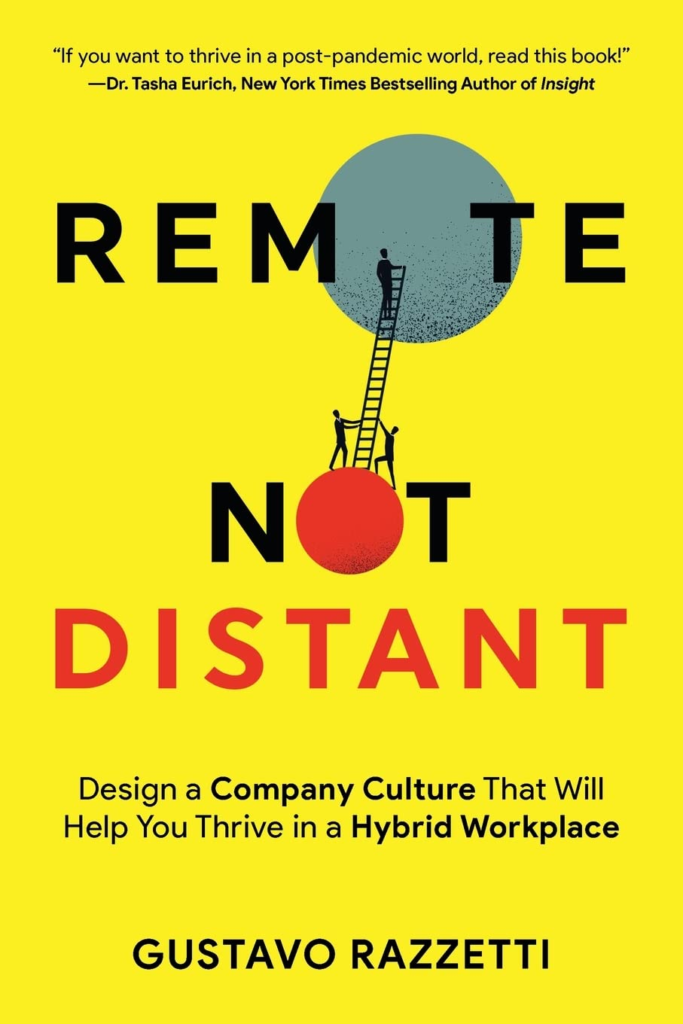
This book is recognised as one of the most important reads for HR professionals in 2026 because it explains, in a clear and practical way, how organisations can build strong and healthy cultures in hybrid and remote environments. As work patterns continue to shift and teams become more distributed, many companies struggle to maintain connection, trust, collaboration, and overall performance. Gustavo Razzetti provides a detailed roadmap for solving these challenges. His insights are based on studying successful remote-first organisations and understanding how they intentionally design cultures that keep people engaged, supported, and productive. For HR leaders focused on building resilient teams during rapid technological and workforce change, this book offers essential guidance.
Why This Book Is a Top Recommendation for HR in 2026
Responding to the Realities of Hybrid Work
Hybrid work is no longer an experiment; it is now a permanent part of organisational life. Many companies have discovered that traditional culture-building methods no longer work when employees are spread across locations and time zones. This book helps HR leaders design new cultural systems that are fit for today’s work environment.
Protection Against Burnout and Cultural Decline
Poorly managed hybrid teams often face communication breakdowns, increased stress, and loss of team identity. Razzetti explains how intentional cultural design prevents these issues, ensuring that employees remain connected and supported even when they are not physically together.
Alignment with Future Workplace Demands
As organisations move through digital transformation and AI adoption, culture becomes a stabilising force that helps employees navigate change. This book emphasises wellness, clarity, adaptability, and human-centric design—qualities essential for workforce performance in 2026.
Key Insights and Actionable Lessons
Strengthening Collaboration
The book provides strategies for improving teamwork in hybrid settings, including structured communication practices, shared expectations, and virtual collaboration norms that encourage clarity and efficiency.
Building Belonging
Razzetti explains how to create a workplace where employees feel included and valued regardless of where they work. This sense of belonging is essential for motivation and long-term engagement.
Managing Conflict Effectively
The author introduces new conflict-resolution methods designed for hybrid teams, ensuring conversations remain respectful and productive even when handled remotely.
Preventing Burnout
By designing work environments that prioritise wellness, flexibility, and clear workloads, organisations can reduce stress and support healthier working habits.
Driving Positive Behaviour Change
The book outlines practical ways to encourage behaviours that strengthen culture, such as transparent communication, proactive planning, and supportive leadership.
Hybrid Culture Resilience Matrix
A matrix showing how the book’s principles enhance organisational capability and stability.
Category | Before Applying Insights | After Applying Insights
Team Connectivity | Weak or inconsistent | Strong and reliable
Collaboration Quality | Fragmented | Smooth and coordinated
Employee Wellbeing | At risk | Well supported
Burnout Levels | Moderate to high | Reduced
Cultural Consistency | Low | High across locations
Hybrid Maturity Progression Chart
A conceptual chart illustrating how organisations evolve when applying the book’s strategies.
Area of Impact | Initial Stage | Mature Stage After Applying Insights
Workplace Flexibility | Basic adjustments | Fully integrated hybrid design
Employee Engagement | Uneven | Consistent and strong
Conflict Resolution | Reactive | Structured and effective
Innovation Levels | Limited | High and continuous
Cultural Alignment | Uncertain | Clear and unified
Practical Benefits for HR Leaders
Stronger Hybrid Workforce Performance
Through purposeful cultural design, organisations can maintain high performance and team spirit across remote and in-office settings.
Reduced Organisational Risk
A well-designed hybrid culture reduces the risk of burnout, turnover, and productivity loss.
Improved Adaptation to Change
As technological and workplace models shift rapidly, cultures built on flexibility and clarity help employees manage change with confidence.
Better Support for Employee Wellness
The book’s strategies encourage HR leaders to integrate wellbeing directly into work processes, resulting in healthier, more energetic teams.
Why HR Professionals Value This Book in 2026
Remote Not Distant has become a leading resource because it addresses one of the most urgent challenges of the modern workplace: how to build culture without relying on physical presence. It offers practical tools, real examples, and a clear roadmap for HR professionals who want to keep their organisations strong, connected, and innovative in a hybrid world. Its human-centric approach aligns perfectly with the needs of 2026, making it an essential guide for shaping the future of work.
6. The Financial Wellness Mandate: Be the Employer of Choice by Offering the Benefits Today’s Workers Want and Need Most by Daniel R. Bryant
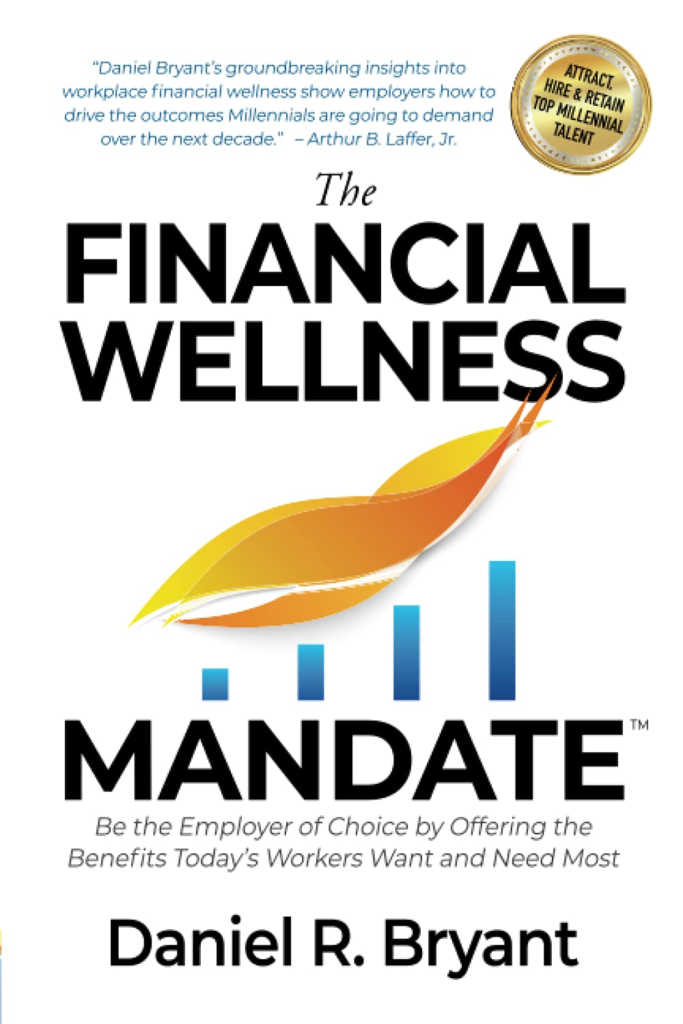
This book is considered one of the most important and impactful reads for HR professionals in 2026 because it highlights a growing reality in the modern workplace: employees expect their employers to support not only their job needs but their overall well-being, especially their financial health. As organisations face rising competition for talent and increasing pressure to improve retention, financial wellness has become a major factor in shaping the Employee Value Proposition. Daniel R. Bryant provides a clear explanation of why financial stability matters for workforce performance and how companies can design benefits that directly address employees’ most urgent needs. For HR leaders who want to build a supportive, attractive, and future-ready work environment, this book offers essential strategic and practical insights.
Why This Book Is a Top Recommendation for HR in 2026
Growing Workforce Demand for Financial Support
Employees across industries now view financial well-being as a core part of their job satisfaction. With a significant percentage of workers placing high value on strong benefits, organisations cannot rely solely on salary or traditional perks. This book explains why financial wellness programs have become essential and how they influence recruitment, retention, and engagement.
Alignment with Market Trends and HR Strategy
The global corporate wellness market is expanding rapidly, driven by an urgent need for holistic support systems that reduce stress and improve productivity. The book emphasises that financial stress is one of the strongest predictors of burnout, disengagement, and turnover. By addressing this issue proactively, organisations can enhance employee performance and become employers of choice in their industries.
Strengthening the Employee Value Proposition
The author clearly outlines how comprehensive benefits programs can help organisations stand out in a competitive talent market. He explains how financial, emotional, and social support systems form a powerful foundation for a stable, motivated workforce.
Key Insights and Actionable Lessons
Designing Benefits Employees Truly Value
The book shows HR leaders how to create benefits packages that are relevant to modern workers, focusing on areas that directly influence life satisfaction and workplace performance.
Introducing Financial Wellness Tools
Bryant explains how programs such as financial coaching, budgeting resources, savings support, and financial therapy can significantly reduce employee stress levels.
Supporting Whole-Person Well-Being
The text expands the idea of wellness beyond physical health by including emotional, social, and financial stability as interconnected needs.
Becoming an Employer of Choice
The author provides a roadmap for designing benefit systems that help organisations differentiate themselves and build long-term loyalty among employees.
Financial Wellness Readiness Matrix
A matrix showing how organisations evolve when adopting the book’s recommended strategies.
Category | Before Applying Insights | After Applying Insights
Employee Stress Levels | High and unstable | Reduced and manageable
Retention Strength | Moderate | Strong and consistent
Benefit Program Appeal | Limited | Highly attractive
Employee Loyalty | Uncertain | Strong and stable
Overall Productivity | Uneven | Significantly improved
Financial Wellness Impact Chart
A conceptual chart illustrating how improved financial well-being influences organisational outcomes.
Area of Impact | Initial Stage | Advanced Stage After Applying Insights
Employee Focus and Engagement | Distracted | Strong and consistent
Absenteeism Rates | Elevated | Reduced
Workplace Morale | Mixed | Positive and resilient
Performance Output | Moderate | High and sustainable
Long-Term Workforce Stability | Unpredictable | Strong and reliable
Practical Benefits for HR Leaders
Reduced Turnover and Regrettable Losses
By providing benefits that employees truly care about, HR leaders can significantly decrease voluntary exits and retain high-performing talent.
Improved Employee Productivity
With financial concerns reduced, employees can focus more effectively on their work, improving performance and overall team output.
Enhanced Employer Brand
Companies that prioritise employee well-being, especially financial stability, become more attractive to job seekers and retain a stronger internal reputation.
Support for Organisational Stability
Financial wellness programs provide a foundation for resilience, helping organisations remain strong during economic or operational uncertainty.
Why HR Professionals Value This Book in 2026
The Financial Wellness Mandate remains a leading resource because it addresses one of the most significant emerging priorities in HR: supporting the whole person. As workplaces continue to evolve, employees expect employers to understand and respond to their real challenges. By offering clear guidance, evidence-based insights, and practical tools, this book helps HR leaders design benefit programs that strengthen retention, performance, and overall workforce well-being. It equips organisations to become true employers of choice in a competitive and rapidly changing world.
Executive Summary: The Nexus of Disruption and Opportunity in 2026
The year 2026 is shaping up to be a turning point for Human Resources as organisations navigate the powerful combination of rapid technological progress and changing human needs. HR leaders will be required to use evidence-based thinking, strong organisational psychology principles, and data-driven decision-making to guide their teams through major transformation. Traditional intuition-led approaches will no longer be enough. With AI reshaping workflows, employee expectations evolving, and workplace culture becoming a core performance driver, HR must operate with greater strategic depth, clearer structures, and more adaptable frameworks than ever before.
Why 2026 Demands a New Approach to HR Leadership
• Advanced technologies, especially AI, will transform the employee experience and redefine HR’s role in talent management.
• Employees will expect workplaces that prioritise connection, trust, and well-being.
• Organisations will need HR leaders who can blend technology, psychology, and strategy to build stable, productive, and future-ready workforces.
The Four Pillars of 2026 HR Strategy
AI Integration and Governance
• HR leaders must develop ethical, transparent policies for managing a workforce shaped by both humans and intelligent systems.
• New governance models are needed to ensure AI supports fairness, trust, and responsible decision-making.
Talent Mobility and Retention
• The ability to move talent fluidly within the organisation will become a major competitive advantage.
• HR teams must prevent disengagement, reduce the costs of poor retention, and build internal career pathways that genuinely support employee growth.
Culture Transformation and Agility
• Culture will be one of the strongest levers for performance and adaptability.
• Organisations will need cultures that support change, foster psychological safety, and encourage innovation across distributed teams.
The Whole-Person Wellness Mandate
• Employee well-being will expand beyond traditional programs to include financial, emotional, and social support.
• Organisations that invest in whole-person wellness will experience stronger engagement and lower turnover.
Strategic Summary Matrix: Core Challenges and Required HR Capabilities
HR Priority | Key Challenge | Required Capability
AI Integration | Ethical and operational alignment | Governance frameworks and digital fluency
Talent Mobility | Preventing stagnation and loss of potential | Evidence-based selection and internal pathways
Culture Building | Ensuring connection across hybrid teams | Behavioural-based culture design
Wellness Strategy | Rising employee stress and turnover risks | Holistic benefits and financial support systems
Introducing the Top 6 Best Books for HR Professionals in 2026
These six books have been selected because they offer the strongest guidance for HR leaders who must prepare for a year of major transformation. Each title delivers a different part of the strategic toolkit needed to succeed in 2026, offering insights grounded in research, behavioural science, and practical organisational design.
How These Books Support HR’s 2026 Mandate
• They provide frameworks to understand and manage AI-driven workforce changes.
• They offer guidance for building strong internal talent pipelines and reducing regrettable retention.
• They equip leaders with culture-building strategies proven to increase performance and adaptability.
• They help HR teams integrate holistic wellness programs that support employee stability and long-term loyalty.
Top Six Books Strategy Contribution Chart
Book Focus Area | Strategic Value | Organisational Impact
AI and Workforce Transformation | Strengthens digital maturity | Improves efficiency and ethical implementation
Data-Driven Talent Management | Reduces hiring risk | Enhances workforce quality and productivity
Internal Mobility and Upskilling | Expands internal pipelines | Reduces recruitment costs and strengthens retention
High-Trust Culture Development | Builds resilience and alignment | Increases performance and change readiness
Hybrid Culture Design | Improves connection in flexible work models | Reduces burnout and boosts collaboration
Financial Wellness and Benefits Strategy | Enhances retention and loyalty | Increases employee stability and engagement
Why These Six Books Form the Essential HR Toolkit for 2026
Together, these books give HR professionals the full set of insights needed to excel in a year defined by disruption and opportunity. They help leaders understand people more deeply, build systems that support organisational growth, and design environments where employees can thrive. This holistic combination of AI governance, scientific talent management, culture design, internal mobility, hybrid work optimisation, and financial well-being creates a powerful strategic foundation for HR teams preparing for the future of work.
The Strategic Landscape: Defining HR Imperatives for 2026
The year 2026 will be one of the most important moments in the evolution of Human Resources. HR leaders will face significant disruption driven by rapid advances in technology, major shifts in employee expectations, and a growing need for scientific, data-based decision-making. This environment demands a new style of HR leadership—one that combines psychology, analytics, culture design, and technological governance. The recommended Top 6 Best Books for HR Professionals in 2026 are selected because they help leaders build these capabilities with clarity, depth, and practical application.
Why These Books Matter for the 2026 HR Environment
• They equip HR professionals to handle complex AI integration responsibly.
• They provide frameworks for scalable internal mobility and strategic retention.
• They help leaders strengthen culture to boost performance and adaptability.
• They offer guidance for building holistic well-being programs that reduce stress and improve loyalty.
Each book supports a central part of the HR transformation journey, giving leaders the tools they need to manage change confidently.
Imperative I: Harnessing AI for Practical and Ethical Workforce Transformation
AI in the workplace is shifting from experimentation to full-scale adoption. HR is positioned at the center of this evolution, responsible for preparing employees, redesigning workflows, and ensuring ethical use of technology.
Key Insights for HR Leaders
• Organisations must evolve their HR operating model to unlock the projected 29% productivity gain associated with AI.
• HR must develop transparent governance systems that define how autonomous AI tools make decisions, escalate issues, and manage data.
• Trust is essential; without employee understanding and buy-in, AI initiatives will fail, regardless of their technical strength.
• Effective communication becomes a core success factor, helping employees feel supported and confident during transformation.
Strategic Relevance to the Top 6 Books
These books help leaders understand AI’s impact on HR, offering frameworks for governance, ethical adoption, and people-centric implementation. They build the foundation for a modern AI-ready workforce.
Imperative II: The Talent Pipeline Revolution and the Demand for Internal Mobility
In 2026, organisations will increasingly rely on their current employees to fill key roles. This shift requires a strong internal mobility strategy supported by accurate talent data and advanced upskilling systems.
Key Insights for HR Leaders
• HR must redirect one-third of recruiting capacity toward internal candidates.
• One in five employees will need redeployment within the next few years, indicating a pressing need for structured mobility frameworks.
• Regrettable retention—keeping low-performing employees unintentionally—is a major threat to productivity.
• Data-based talent decisions are essential; relying on intuition can worsen internal inefficiency.
• Upskilling programs must follow a Prepare–Design–Implement–Sustain model to create measurable outcomes.
Strategic Relevance to the Top 6 Books
These books provide the scientific and operational frameworks needed to identify high-potential talent, measure performance accurately, and build internal capability through structured learning and mobility programs.
Imperative III: Culture as a Performance Engine for Agility and Psychological Safety
Culture is now a measurable business strategy, not an abstract concept. In 2026, culture will determine whether organisations can adapt at the speed required to succeed.
Key Insights for HR Leaders
• Organisations with strong cultural embedding can increase employee performance by up to 34 percent.
• Teams led by culture-equipped leaders are three times more likely to adopt change successfully.
• Psychological safety enables employees to take risks, share ideas, and accept new technologies and processes.
• Hybrid teams especially require intentional culture design to prevent burnout and maintain collaboration.
• Culture must be practised consistently, not only discussed; daily behaviours define organisational health.
Strategic Relevance to the Top 6 Books
Several of the selected books focus on trust-building, culture shaping, hybrid work design, and leadership behaviours that create high-performance environments. They give HR professionals the tools to embed culture as a strategic driver.
Imperative IV: The Whole-Person Mandate for Mental and Financial Fitness
Employee well-being is now a strategic requirement with direct business impact. Organisations are shifting from emergency-based support to long-term resilience strategies, placing equal importance on mental, emotional, and financial health.
Key Insights for HR Leaders
• Corporate wellness programs are expected to reach $100 billion by 2026.
• Financial therapy is now included in more than 60 percent of wellness initiatives, reflecting strong employee demand.
• Nearly 40 percent of employees stay with an employer because of strong benefits programs.
• Well-being initiatives can increase productivity by up to 20 percent when integrated into leadership priorities.
• Financial support, emotional resilience, and social belonging reduce stress-related performance issues and attrition.
Strategic Relevance to the Top 6 Books
These books explain how to build benefits and wellness systems that support the full life experience of employees, helping organisations become employers of choice in a competitive market.
Table: 2026 HR Imperatives and Key Metrics
Strategic Imperative | Core Challenge | Key Metric | Strategic Objective
AI Integration and Governance | Designing ethical systems and evolving HR structure | AI-led productivity potential: 29% | Build governance and strong communication
Talent Mobility and Retention | Preventing regrettable retention and filling skill gaps | One-third of hiring capacity shifts inward | Build data-based mobility and upskilling
Culture Transformation and Agility | Embedding culture into everyday behaviours | Up to 34% performance boost | Strengthen psychological safety and agility
Holistic Wellness and Benefits | Supporting mental and financial stability | $100B wellness market, 62% financial therapy | Position benefits as a retention engine
How the Top 6 Books Strengthen HR’s 2026 Strategy
Each book aligns with one or more of the four imperatives and provides practical frameworks that HR professionals can apply immediately. Together, they offer a comprehensive blueprint for navigating the most important challenges and opportunities in 2026.
The Top 6 Books’ Strategic Contribution Matrix
Book Category | Primary Contribution | HR Capability Strengthened
AI and Workforce Transformation | Ethical and practical AI adoption | Governance and AI fluency
Data-Driven Talent Management | Scientific hiring and performance prediction | Selection accuracy and talent clarity
Internal Mobility and Upskilling | Creating scalable internal pathways | Workforce development and role readiness
Culture and High-Trust Environments | Building psychological safety and cohesion | Cultural agility and team resilience
Hybrid Workplace Design | Maintaining connection and preventing burnout | Hybrid collaboration and employee belonging
Financial Wellness and Total Rewards | Supporting whole-person well-being | Retention strategy and EVP enhancement
Overall Significance
These six books together form a powerful strategic foundation for HR leaders preparing for 2026. They guide decision-making, strengthen organisational systems, and equip leaders to address the new era of work with clarity and confidence.
Strategic Synthesis: Building the Integrated HR Ecosystem for 2026
The six recommended books together form a unified and interconnected learning system designed to prepare HR leaders for the major changes ahead in 2026. Each book contributes a specific set of insights, yet their full value becomes clear when they are understood as part of an integrated HR ecosystem. They help leaders connect technology, psychology, culture, talent development, and employee wellness into a single strategic pathway. This synthesis allows HR professionals to operate with greater clarity, alignment, and confidence during a year defined by rapid transformation.
How the Six Books Work Together as One Strategic System
Interconnection of Trust and AI Governance
• Effective AI governance, as explained in Artificial Intelligence for HR, depends on trust.
• Trust is built through psychological safety, a concept central to The Culture Code.
• When employees feel safe and respected, they are more willing to accept change, ask questions, and collaborate with new AI-led systems.
• This connection unlocks the projected increase in healthy change adoption, improving organisational readiness for transformation.
Link Between Regrettable Retention and Whole-Person Wellness
• Regrettable retention often stems from hidden issues such as burnout, emotional stress, and financial instability.
• The Financial Wellness Mandate provides tools for addressing financial stress, one of the strongest contributors to disengagement.
• Remote Not Distant adds guidance for hybrid culture design, reducing burnout and enhancing belonging in flexible work environments.
• When employees feel supported financially, emotionally, and socially, productivity increases and long-term loyalty strengthens.
Internal Mobility Requires Scientific Talent Measurement
• Upskilling for Talent Mobility outlines how to build structured internal movement through a Prepare–Design–Implement–Sustain model.
• The Talent Delusion emphasises the need for data and psychological science to identify high-potential employees accurately.
• Combining these methods ensures that internal mobility is effective and that the right talent is placed in the right roles.
• This creates a stronger internal labour market, improving resource allocation and workforce adaptability.
Shared Human-Centric Principles Across All Six Books
• Each author highlights the need for human trust, clear communication, and deeper understanding of employee behaviour.
• Even in a high-tech environment, human experience—belonging, purpose, support, and clarity—remains the foundation of performance.
• These principles guide HR leaders in merging advanced technologies with the emotional and psychological needs of a modern workforce.
Integrated HR Strategy Matrix for 2026
Strategic Focus | Supporting Books | HR Capability Strengthened
AI Governance and Ethical Adoption | Artificial Intelligence for HR | Trust-building, structure, responsible AI execution
Scientific Talent Management | The Talent Delusion | Accurate measurement, performance prediction, evidence-based hiring
Internal Mobility and Workforce Readiness | Upskilling for Talent Mobility | Structured mobility pathways, upskilling, talent deployment
High-Trust Culture and Human Behaviour | The Culture Code | Psychological safety, shared purpose, cultural cohesion
Hybrid Collaboration and Connected Teams | Remote Not Distant | Burnout prevention, flexible culture design, hybrid belonging
Holistic Well-Being and Retention | The Financial Wellness Mandate | Financial resilience, whole-person wellness, EVP strength
How the Six Books Strengthen Each Other
• AI adoption becomes smoother when culture and trust are already strong.
• Mobility programs are more effective when talent measurement is objective and employees feel supported by wellness initiatives.
• Culture becomes more resilient when leaders are trained to recognise psychological factors that influence performance.
• Whole-person wellness enhances every other pillar, reducing stress-related productivity loss and improving workforce engagement.
Call to Action for HR Leaders and Executive Teams
The HR function in 2026 must act as the architect of organisational transformation. These six books give leaders a complete set of frameworks for understanding AI ethics, managing talent scientifically, building strong internal labour markets, designing psychologically safe cultures, strengthening hybrid workplaces, and improving financial wellness across the workforce.
Why This Reading List Is Essential for 2026
• It supports the creation of an integrated HR operating system built on science, strategy, and empathy.
• It provides direct guidance for tackling the most urgent challenges of the year, including AI adoption, internal mobility, burnout, and culture degradation.
• It helps organisations unlock measurable gains, including improved performance, stronger retention, and greater adaptability.
Strategic Implementation Chart
HR Priority | Primary Reference Book | Expected Impact
AI Integration | Artificial Intelligence for HR | Clear governance and improved workforce acceptance
Talent Quality | The Talent Delusion | Stronger hiring accuracy and reduced performance risk
Internal Talent Movement | Upskilling for Talent Mobility | Higher mobility rates and reduced dependency on external hiring
Culture Strength | The Culture Code | Increased trust, agility, and collaboration
Hybrid Success | Remote Not Distant | Lower burnout, stronger connection, better teamwork
Employee Retention | The Financial Wellness Mandate | Increased loyalty and reduced stress-driven turnover
Conclusion
Organisations that embrace these six books as a collective strategic toolkit will be better equipped to navigate the human-machine era. HR leaders will not only manage disruption—they will convert it into long-term competitive advantage. This reading list is both a professional development pathway and a foundational investment in building an HR function ready for the future of work.
Conclusion
The evolving world of work is placing extraordinary responsibility on HR leaders, and the conclusions drawn from this exploration of the Top 6 Best Books to Read for HR Professionals in 2026 reveal a single, undeniable truth: the organisations that thrive in the coming year will be those whose HR teams are deeply prepared, strategically informed, and willing to lead transformation with both scientific precision and human-centred wisdom. As 2026 approaches, the ability to navigate rapid technological change, rising employee expectations, and increasing workforce complexity will not simply be an HR advantage—it will be the defining differentiator between companies that struggle and those that achieve long-term resilience and competitive strength.
This reading list equips HR professionals with the breadth and depth of insight required to perform at this elevated level. Each book contributes a targeted set of capabilities, but together they form an integrated foundation for the future-ready HR ecosystem. From mastering AI governance and understanding talent psychology to building internal mobility systems, designing high-trust cultures, creating hybrid workplaces that truly work, and embedding whole-person wellness into the employee experience, these six resources prepare HR leaders to manage the full spectrum of challenges that 2026 will bring.
Artificial Intelligence for HR offers a clear blueprint for leading AI adoption with structure, fairness, and trust. It demystifies AI for practical use and guides HR teams in responsibly integrating intelligent systems into daily operations. The Talent Delusion provides a scientific basis for talent decisions, showing HR professionals how to rely on data and behavioural research rather than intuition, a necessity for organisations seeking to strengthen workforce quality and reduce costly retention missteps. Upskilling for Talent Mobility speaks to one of the most urgent strategic shifts of 2026: the requirement to redeploy talent internally. It provides a step-by-step model for building internal career pathways and upskilling programs that reduce external hiring pressure and enhance organisational agility.
The Culture Code deepens HR’s understanding of what drives high-performing teams. Its lessons on psychological safety, vulnerability, and shared purpose offer a human-centred roadmap for building cultures that can endure uncertainty and change. Remote Not Distant responds directly to the modern reality of hybrid work, giving HR the strategies required to maintain connection, prevent burnout, and sustain collaboration across distributed teams. The Financial Wellness Mandate adds a crucial dimension often overlooked in traditional HR strategy: the economic well-being of employees. In an era where financial stress is one of the leading drivers of disengagement and turnover, understanding how to design benefits that support real-life needs is essential for retention and performance.
When combined, these books offer HR professionals a comprehensive and interconnected framework for organisational leadership in 2026. They highlight the most important truth of the year ahead: HR’s role is no longer administrative or advisory—HR is now the strategic architect of the modern enterprise. Success will require a balance of analytical thinking, operational excellence, and deep empathy. HR leaders must be able to speak the language of technology and strategy while still holding a profound understanding of the human experience.
This conclusion reinforces that the challenges ahead—AI integration, internal mobility, cultural transformation, burnout prevention, and the rising demand for holistic wellness—are not isolated issues. They form a network of interconnected responsibilities that must be addressed through a unified HR strategy. The six books in this list serve as guiding pillars for building that strategy. They give HR leaders the tools to create workplaces where innovation thrives, employees feel supported, talent is utilised effectively, and the organisation responds to disruption with confidence rather than resistance.
As HR continues to evolve into one of the most influential functions in modern business, investing in deep, research-backed knowledge becomes a strategic necessity. These books represent more than professional development—they are a roadmap for shaping the future of work. HR professionals who engage with these insights will be better equipped to guide their organisations through the complexities of 2026 and beyond. They will lead with clarity, make decisions grounded in evidence, strengthen trust across the workforce, and create environments where employees and organisations can grow together.
In a year defined by transformation, the most successful HR leaders will be those who prepare now, learn continuously, and rise to the challenge with both strategic insight and human understanding. These six books provide the intellectual foundation to make that possible.
If you find this article useful, why not share it with your hiring manager and C-level suite friends and also leave a nice comment below?
We, at the 9cv9 Research Team, strive to bring the latest and most meaningful data, guides, and statistics to your doorstep.
To get access to top-quality guides, click over to 9cv9 Blog.
To hire top talents using our modern AI-powered recruitment agency, find out more at 9cv9 Modern AI-Powered Recruitment Agency.
People Also Ask
What are the top books HR professionals should read in 2026?
The top books focus on AI in HR, culture building, internal mobility, talent science, hybrid work design, and financial wellness to help leaders prepare for workforce transformation.
Why are these books important for HR leaders in 2026?
They address major HR priorities including AI governance, retention, culture transformation, employee wellbeing, and scientific talent management.
How can these books help HR professionals adapt to AI changes?
They provide frameworks for ethical AI adoption, governance models, talent analytics, and communication strategies to build trust during digital transformation.
Which book is best for learning about AI in HR?
Artificial Intelligence for HR is ideal for understanding practical AI tools, governance, and the human impact of automation in the workplace.
Which book helps HR leaders improve internal talent mobility?
Upskilling for Talent Mobility offers a clear step-by-step model for designing internal movement and development programs.
Which book supports better talent assessment and hiring decisions?
The Talent Delusion shows how data and psychological research can improve hiring accuracy and predict job performance.
What book focuses on building high-trust workplace cultures?
The Culture Code explains how psychological safety, vulnerability, and shared purpose drive strong team performance.
Which book is recommended for hybrid workplace culture design?
Remote Not Distant teaches HR leaders how to maintain connection, reduce burnout, and strengthen collaboration in hybrid environments.
What book explains financial wellness strategies for employees?
The Financial Wellness Mandate guides organisations in offering financial support benefits that improve retention and reduce stress.
How do these books help reduce employee turnover?
They provide strategies for internal mobility, wellness programs, culture building, and evidence-based talent practices that increase engagement and retention.
How can these books support HR strategy development for 2026?
They equip leaders with frameworks for AI governance, data-driven talent management, culture transformation, and holistic employee wellbeing.
Are these books suitable for both new and experienced HR professionals?
Yes, they offer foundational insights for beginners while providing advanced frameworks that benefit senior HR leaders.
Can these books help HR teams improve workforce productivity?
Yes, they show how AI, strong culture, mobility programs, and wellness initiatives can significantly increase organisational performance.
Do these books include practical tools HR teams can implement?
Many include templates, step-by-step frameworks, assessment models, and real-world examples for immediate use.
Which book should HR leaders read first?
Artificial Intelligence for HR is often the starting point because AI adoption is central to HR strategy in 2026.
How do these books address employee wellbeing?
They explore emotional resilience, financial wellness, burnout prevention, and strategies for supporting the whole employee.
Do these books discuss hybrid and remote work challenges?
Yes, Remote Not Distant provides clear solutions for hybrid communication, inclusion, collaboration, and culture maintenance.
Can these books help HR leaders manage organisational change?
Yes, they offer frameworks for psychological safety, communication, AI governance, and leader readiness during transformation.
How do these books support evidence-based HR decision-making?
They emphasise data analytics, psychological science, talent measurement, and structured processes rather than intuition.
Are the recommended books backed by research?
Yes, each book is grounded in behavioural science, organisational psychology, workplace studies, or real case research.
Do these books address future HR trends?
They cover AI adoption, hybrid culture, internal labour markets, wellbeing, and people analytics—key trends shaping 2026.
How do these books help HR professionals improve leadership capability?
They provide insights into trust-building, communication, ethical decision-making, and guiding teams through rapid change.
Can HR teams use these books for training and development programs?
Yes, many organisations use these books as part of leadership development, HR certification study, and internal workshops.
Which book is best for understanding psychological safety?
The Culture Code offers the clearest explanation of building environments where employees feel safe, valued, and engaged.
Do these books help HR leaders manage burnout and stress in the workforce?
Yes, they present strategies for hybrid balance, financial support, culture strength, and wellbeing systems.
How can reading these books help CHROs prepare for 2026 challenges?
They offer strategic insights into governance, mobility, culture, trust, talent science, and whole-person wellness.
Do the books cover diversity, inclusion, and belonging?
Several books address belonging and inclusion through culture design, psychological safety, and employee experience frameworks.
Can HR professionals apply these insights to global teams?
Yes, the principles in these books work across global, hybrid, and culturally diverse teams.
Are these books helpful for building future-ready HR strategies?
Absolutely. They provide the essential knowledge HR leaders need to navigate AI disruption, talent shifts, and cultural evolution.
Why should HR professionals invest time in reading all six books?
Together, they deliver a complete roadmap for mastering AI, culture, talent mobility, wellbeing, and evidence-based HR in 2026.
Sources
Books Google
- The Talent Delusion: Why Data, Not Intuition, Is the Key to Unlocking Human Potential
- Gartner
- HRM Asia
- Wellsteps
- CoreHealth Technologies
- CXO Today
- TD
- AbeBooks
- SeeMeHired
- Afterburner
- Admired Leadership
- People Matters
- BlueInk Review
- Barnes and Noble
- Fibe
- Walmart
- Inspired Books